Backpacking Stoves
Backpacking Stove Systems Compared: Five Canister Stoves Worth Knowing
A practical comparison of five backpacking stove and pot systems, covering wind performance, packed weight, cooking control, and overall value.
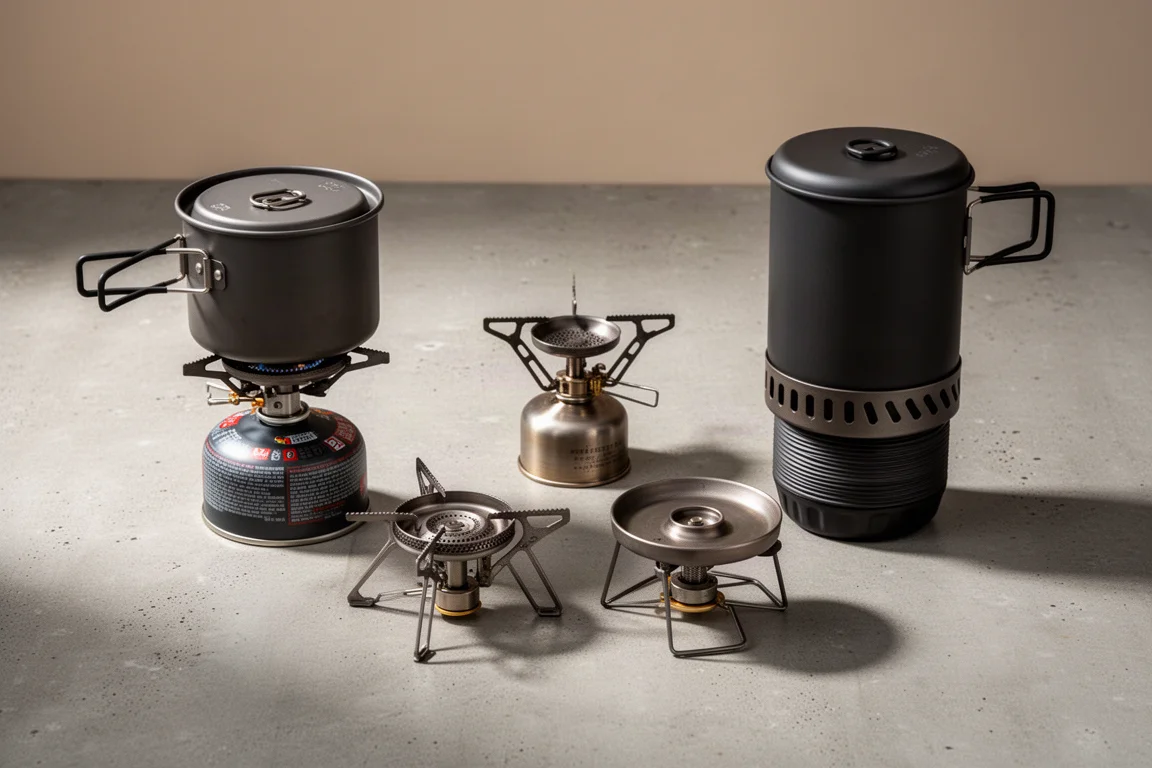
Introduction
Of all the gear that goes into a backpack, a stove and pot system earns its weight more often than almost anything else. It turns a cold camp into a hot meal, and it is one of the few items most backpackers use at least twice a day. The trade-offs are also more personal than they first appear: some hikers want nothing more than fast boiled water, while others want a stove they can actually cook on.
This comparison covers five canister stove systems used across a full season of backpacking trips, from solo overnights to group and family camping. Each entry focuses on how the system behaves in real conditions, where it holds an advantage, and which kind of trip it suits.
What Matters in a Backpacking Stove System
Wind resistance sits at the top of the list. A stove that struggles in a breeze burns more fuel, takes longer to boil, and forces you to shelter behind rocks or your own body. The shape of the burner and the way the pot sits above it matter more here than raw output.
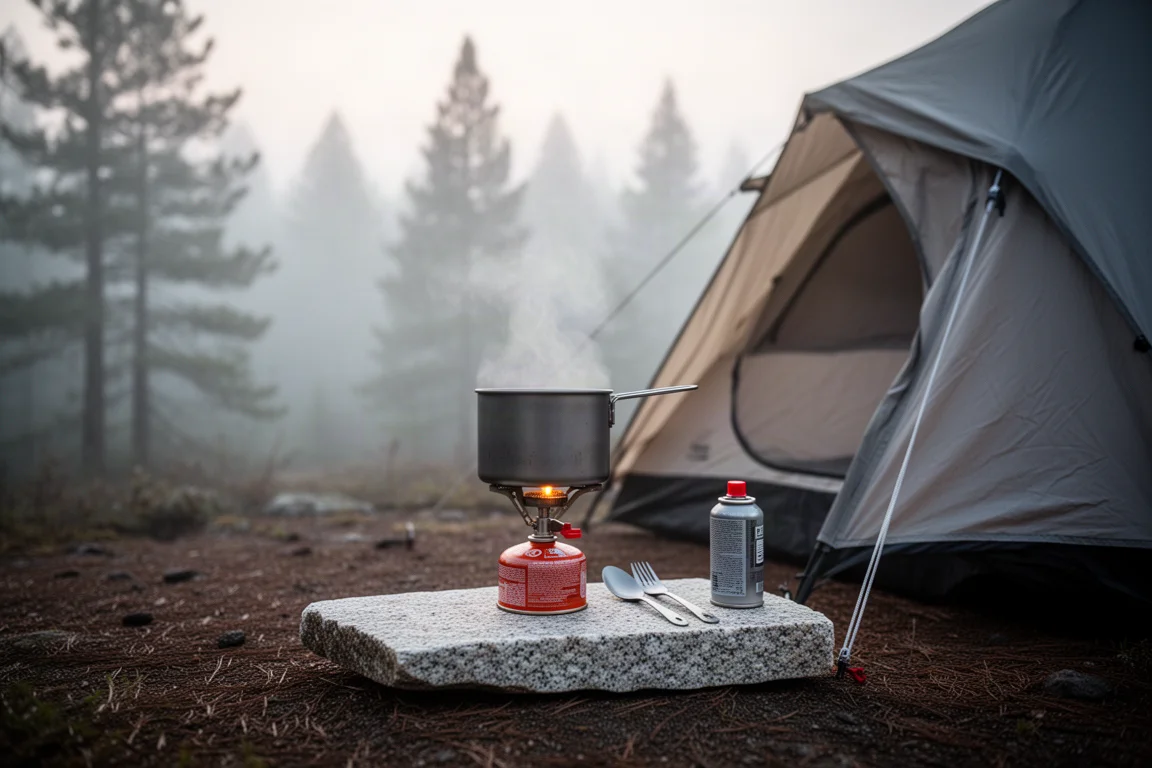
Beyond wind, the practical questions are packed size, stability with the pots you actually carry, ignition reliability, noise, and whether the system can simmer or only boil. Integrated systems trade some flexibility for speed and fuel efficiency, while standalone canister burners trade efficiency for a smaller packed footprint and a lower cost.
Jetboil Zip: All-in-One Simplicity at a Cost
Jetboil Zip is an integrated system: a burner base, a pot, and a locking connection that holds everything together as one unit. It boils water quickly, the pot holds enough for one person and can stretch to two, and the burner itself is a decent size for the format.
Where it gives ground is value. The system asks noticeably more money than a standalone canister stove that will boil the same amount of water just as well, and the Zip is bulkier and heavier than those simpler alternatives. It is also a water boiler first: it has no piezo igniter and no regulator, and cooking in it is not the point. For backpackers who mostly need hot water, the same budget buys a lighter, less bulky setup.
Snow Peak LiteMax: Ultralight Titanium, Limited in Wind
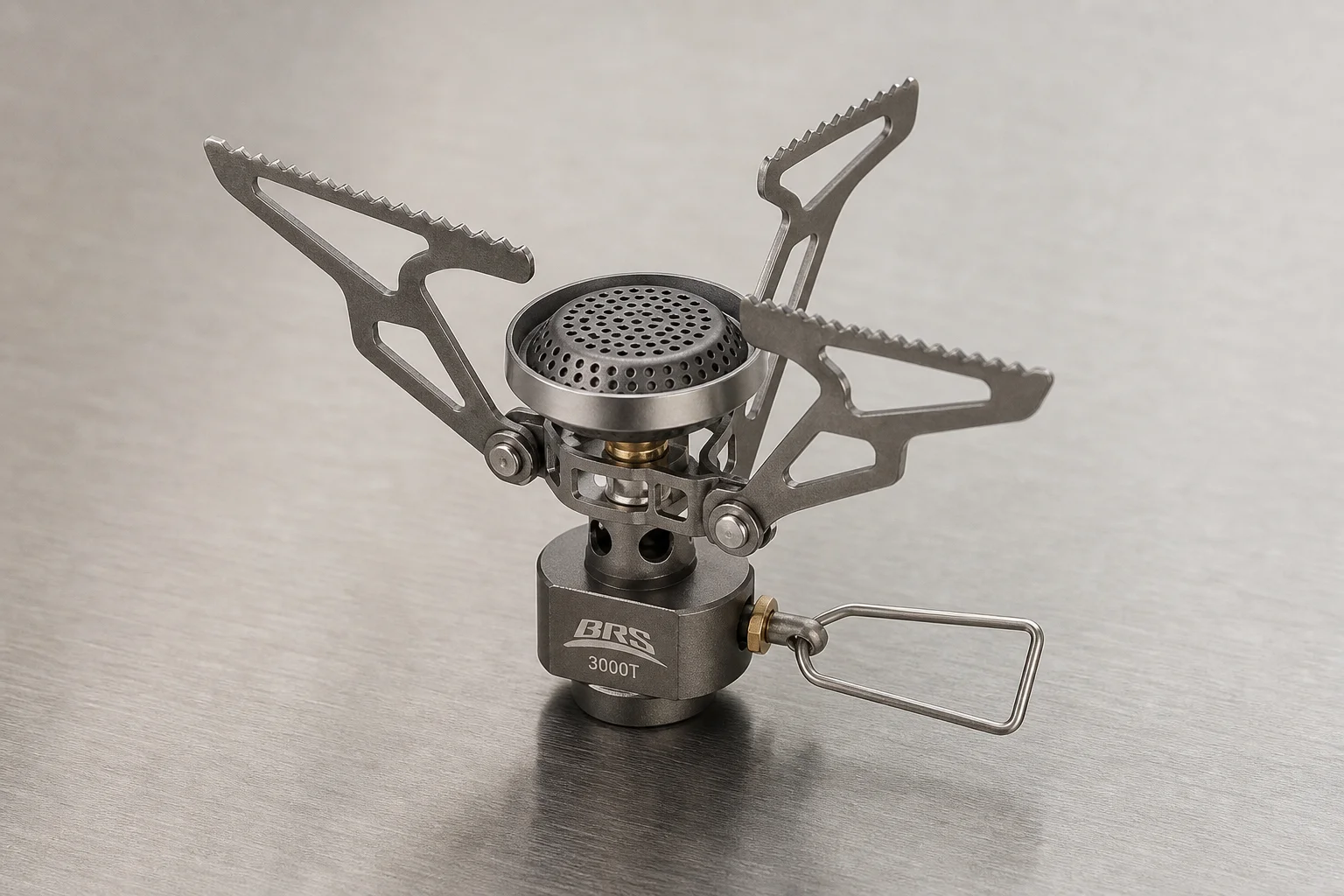
Snow Peak LiteMax is built from titanium and is very light, which makes it appealing for backpackers counting grams. It boils water reliably in a minimal package, and it offers a somewhat more stable pot support area than the simplest canister burners.
The limitation is wind. There is no windscreen of any kind, and the cone-shaped burner does not always light evenly around its circumference. In a strong breeze the flame loses effectiveness, performance drops, and fuel is wasted. In sheltered conditions it does the job, but it is not a stove to lean on in exposed terrain.
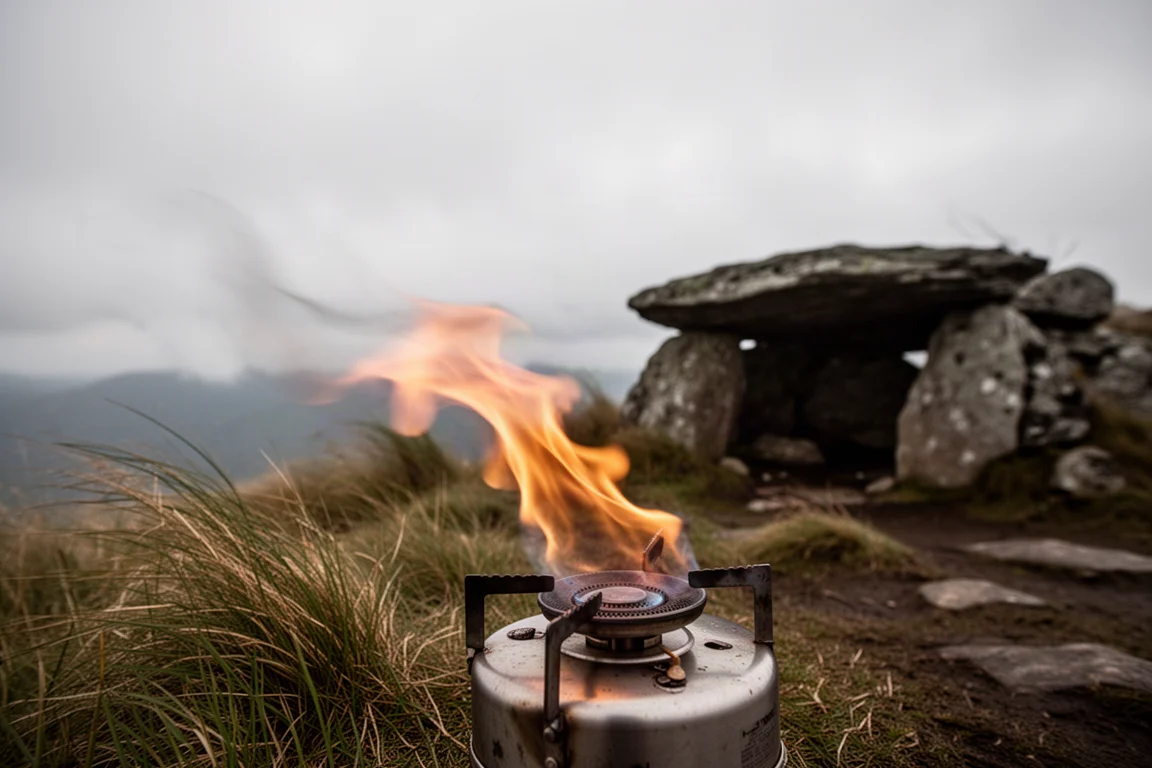
It suits weight-focused trips where cooking happens in calm spots, and it is less convincing on ridges or in changeable mountain weather where the flame has to fight the air.
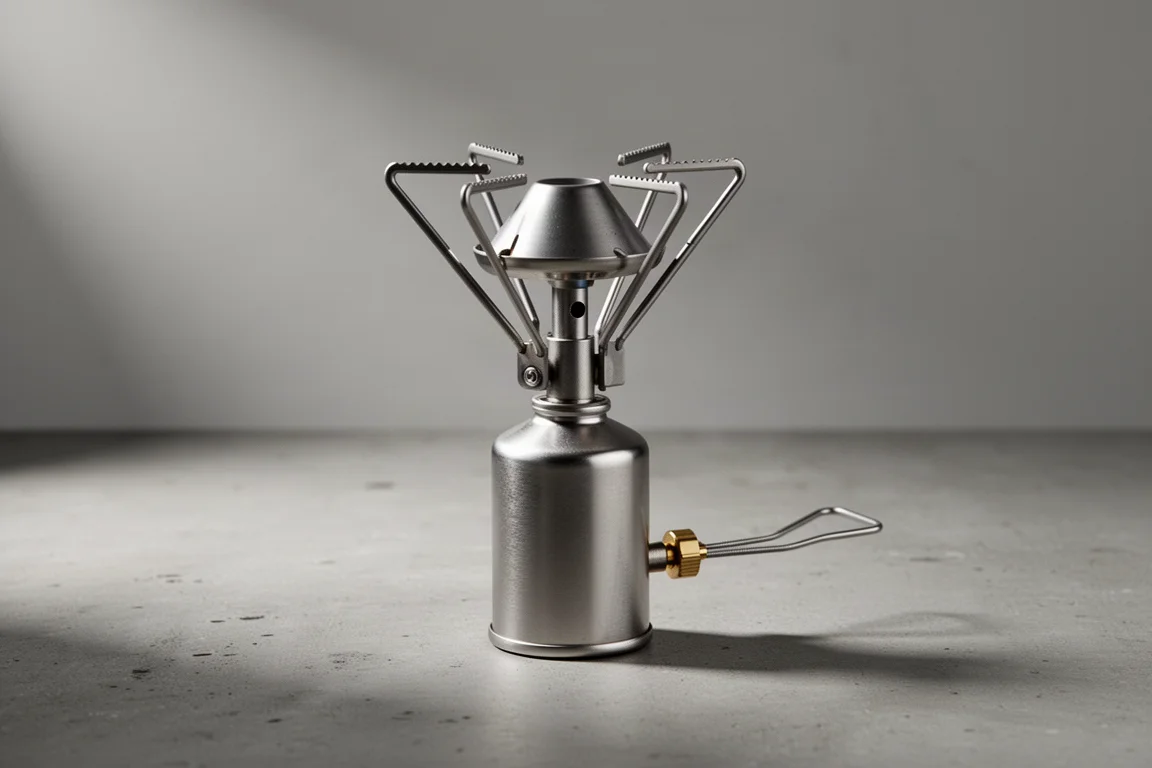
Soto Amicus: The Dependable All-Rounder
Soto Amicus has been a favourite for years, and it remains one of the most complete backpacking stoves available. The pot stand is wide and stable, and it pairs naturally with a 550 ml or 700 ml pot and cup system. The piezo igniter has proven reliable, which removes the need to carry a separate lighter.
The design details do the heavy lifting. The burner has a concave shape that shields the flame better than a simple cone, the pot sits close to the burner, and the burner head is larger than many competitors, so bigger pots still perform well. It packs down small enough to fit inside a 550 ml pot, and it offers genuine simmer control, which means it can cook rather than only boil.
MSR PocketRocket 2: Reliable, Loud, and Quick
MSR PocketRocket 2 is a tried and true canister stove with a reputation for quality and long-term reliability. It supports large pots and even a frying pan, boils a lot of water quickly, and works well when cooking for a group.
The catch is noise. It is by far the loudest stove in this group, loud enough that holding a conversation at camp while it runs is difficult. That is a real drawback on social trips, even though the performance itself is excellent.
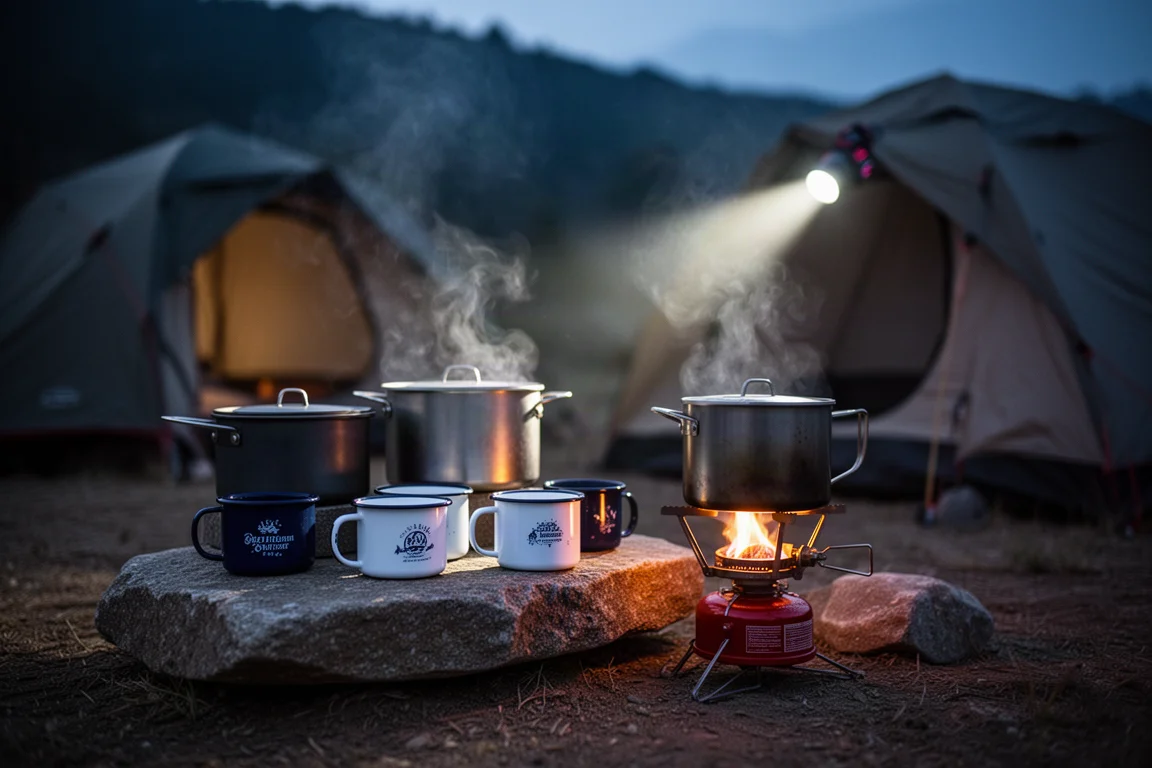
Backpackers who want fast boils and generous pot support without minding the volume will find it dependable. Those who value a quiet camp may want to weigh that against everything else it does well.
MSR WindBurner: Efficient Performance for Groups
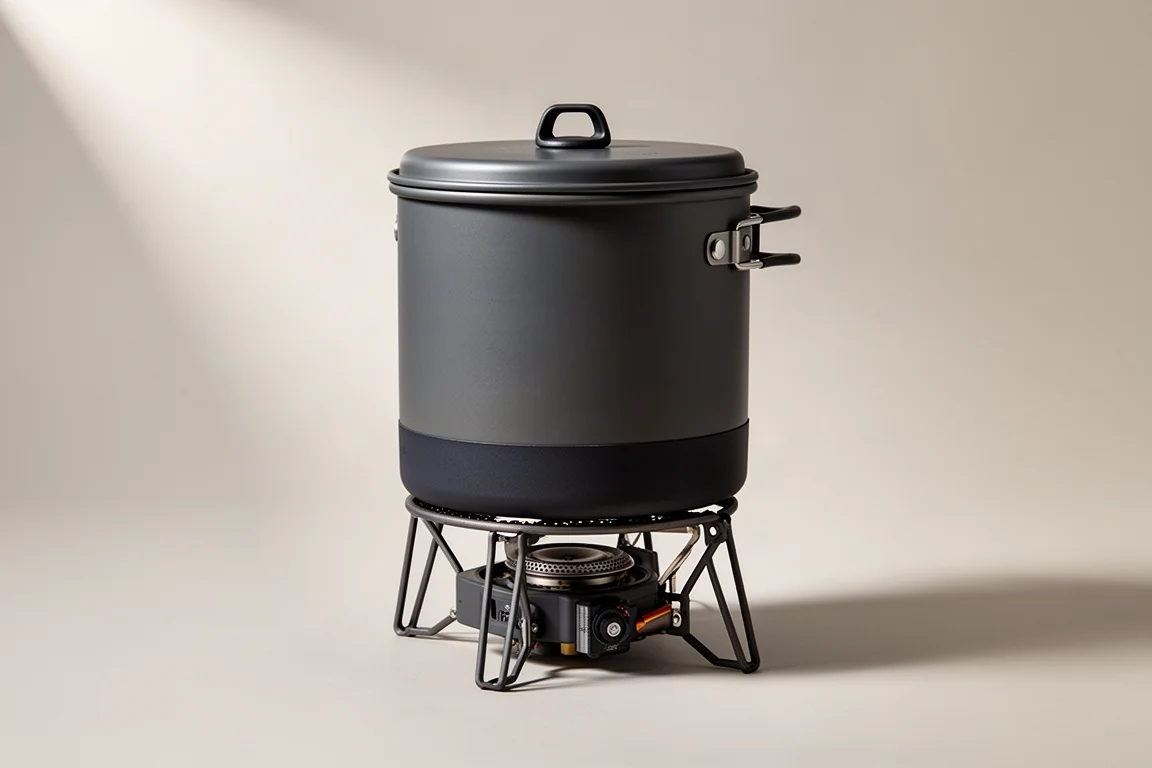
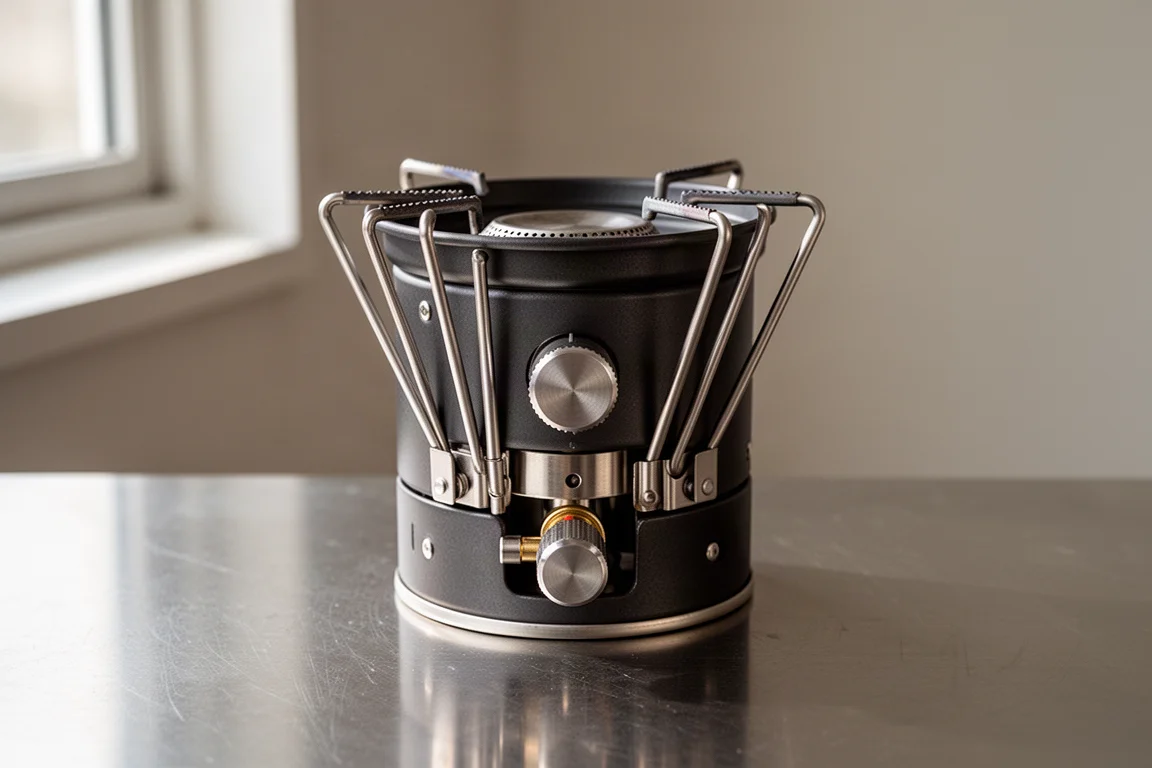
MSR WindBurner sits at the top of this list. It looks similar to an integrated system like the Jetboil Zip, and it is easy to dismiss as heavy and bulky before using it. In practice the weight is lower than expected and the performance is outstanding.
The efficiency comes from how the burner and pot connect. The burner uses a comb-like cone that blocks wind penetration, the flame spreads wide rather than concentrating in the centre, and the corrugated base of the pot is shaped to sit directly on the burner. The result is a very efficient burn that holds up in wind. The pot stand adds stability, and everything nests inside itself for transport.
Where it shines is volume. Boiling water quickly and repeatedly, filling a bag of food and then refilling the pot, is exactly the kind of use that makes group and family camping easier. It is also more efficient than the Jetboil Zip.
Buying Advice: Matching a Stove to Your Trip
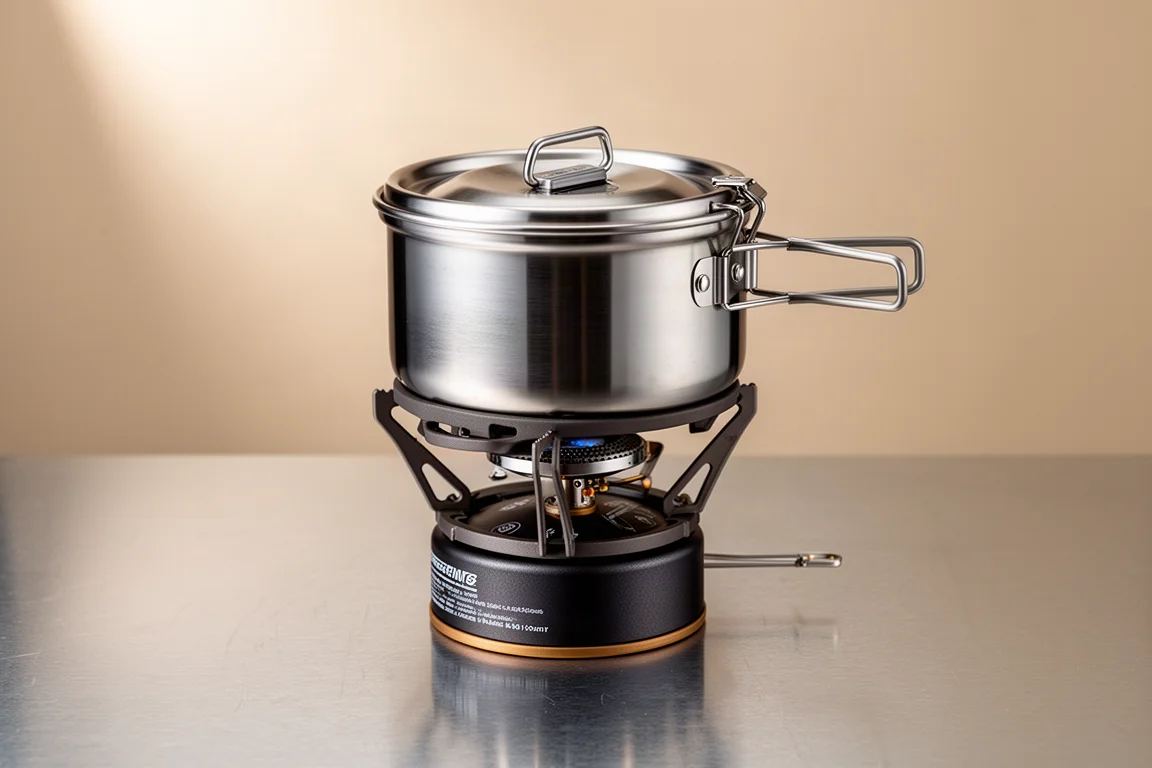
Start with how you cook. If your meals are almost entirely rehydrated and you only need boiled water, an integrated system with strong wind resistance and fast boil times will feel worth its weight. If you like to simmer, saute, or cook for more than one person, a standalone burner with a wide pot stand and good flame control is the better fit.
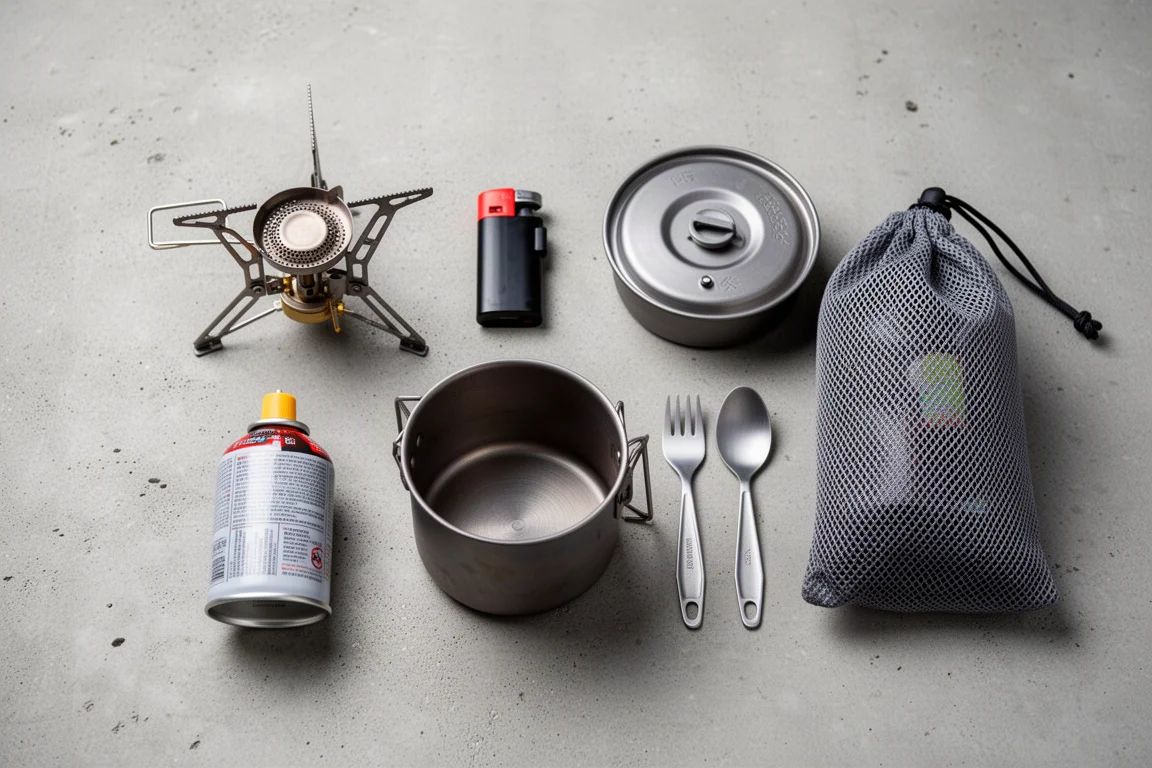
Then consider where you camp. Exposed ridges, alpine starts, and windy coastlines reward a burner that shields its own flame, while sheltered forest sites make a lighter, simpler stove perfectly reasonable. Group size matters too: larger pots need a wider and more stable pot stand, and repeated boils in quick succession favour an efficient integrated design.
Noise and value round out the decision. A quiet stove is worth paying attention to on social trips, and a low-cost canister burner can boil water just as effectively as a more expensive system. The right answer is the one that matches your cooking style and the conditions you actually camp in.
Conclusion
These five systems cover the range well. The Soto Amicus remains the most versatile all-rounder, the MSR WindBurner is the most efficient option for fast, repeated boils and group trips, and the MSR PocketRocket 2 delivers reliable performance at the cost of noise. The Snow Peak LiteMax wins on weight but gives up wind performance, while the Jetboil Zip is a capable integrated system that asks more money than its boiling performance justifies compared with simpler alternatives.
Further reading
Related Reviews
Backpacking Stoves
Best Backpacking Stove and Pot Combinations: Budget to Premium
A practical look at fourteen backpacking stoves and cook pots, from inexpensive starter pairings to windproof all-in-one systems that cost close to $200.
Backpacking Stoves
Best Backpacking Stove Systems: Five Canister Stoves Compared
Five canister stove and pot systems compared on wind resistance, boil speed, packed size, and cooking control, from a bare titanium burner to a fully integrated cook system.
Backpacking Stoves
Best Backpacking Stoves 2026: Six Stove Types Compared and Ranked
A practical comparison of canister, white gas, wood burning, solid fuel, and alcohol backpacking stoves, ranked on speed, weight, fuel availability, and cost.