Backpacking Stoves
Backpacking Stove Fuel Efficiency: BRS 3000, MSR Pocket Rocket 2 and Soto WindMaster Compared
A practical look at how lids, canister fuel level, valve setting and pot diameter change boil times and fuel use across three popular canister stoves.
Introduction
Choosing a backpacking stove usually comes down to two questions: how quickly will it boil water, and how much fuel will that cost over a multi-day trip? The answers depend on the stove, but they also depend on how it is used. Small decisions, such as whether a lid comes along, how wide the pot is, how much fuel is left in the canister, and how far the valve is opened, all shift the balance between boil time and fuel consumption.
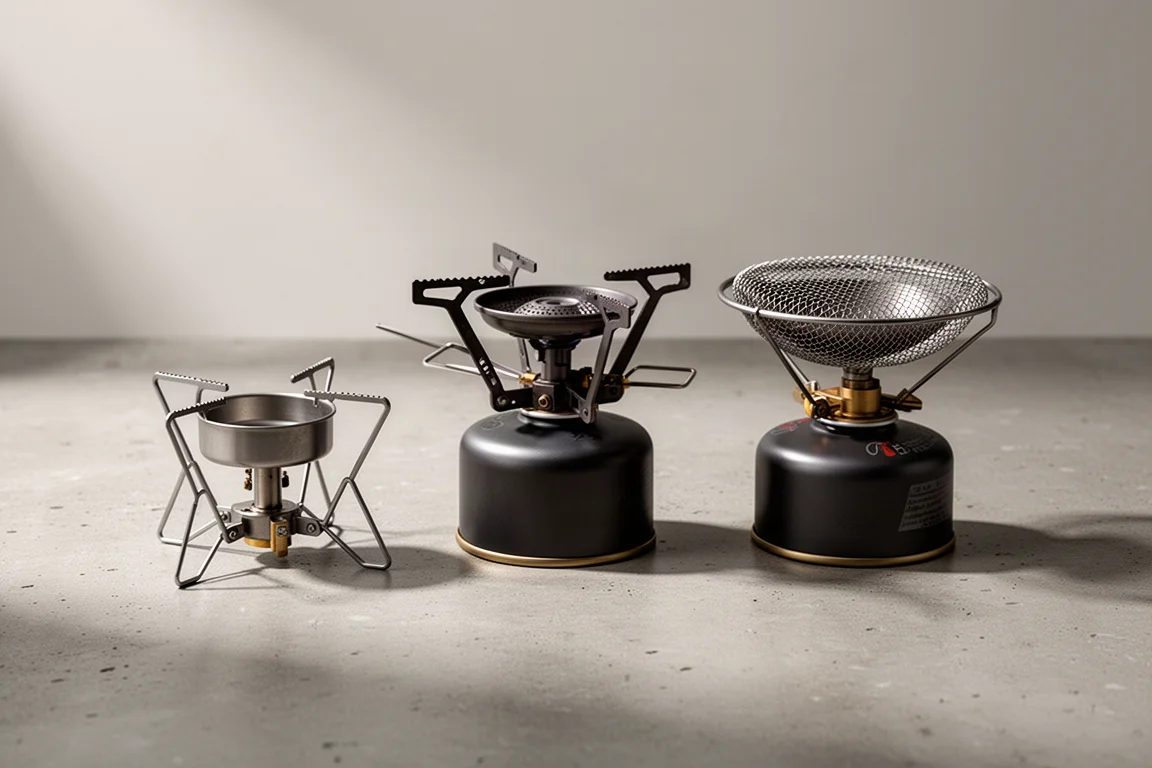
This guide covers three canister stoves that represent a useful spread of designs: the ultralight BRS 3000, the long-established MSR Pocket Rocket 2, and the regulated Soto WindMaster. They differ in output, burner diameter, and the distance between the burner and the top of the pot supports. The WindMaster adds a regulator, which the other two do not have.
Four experiments were run with these stoves to isolate the factors that matter most in everyday use. The results are practical rather than theoretical, and they explain why two stoves with similar specifications can behave very differently as a trip goes on.
How These Stoves Were Tested
Each stove was compared under controlled conditions so that a single variable could be judged at a time. Water was brought to 80 degrees Celsius rather than a rolling boil, in 500 ml volumes. Room temperature was held at 23 degrees Celsius with no air movement, and the water was kept at 3 degrees Celsius for consistency across every run. Large fuel canisters were used with a Lowdown stove attachment, with the valve open to 50 percent.
The canister-level test started with a full 110 g canister and a 750 ml Toaks titanium pot. The canister was allowed to return to ambient temperature between runs, and the sequence was repeated until it was empty. The pot diameter test compared titanium pots measuring 95 mm, 115 mm and 145 mm across, and the valve test used a 450 g canister with the attachment fully open.
BRS 3000: The Ultralight Baseline
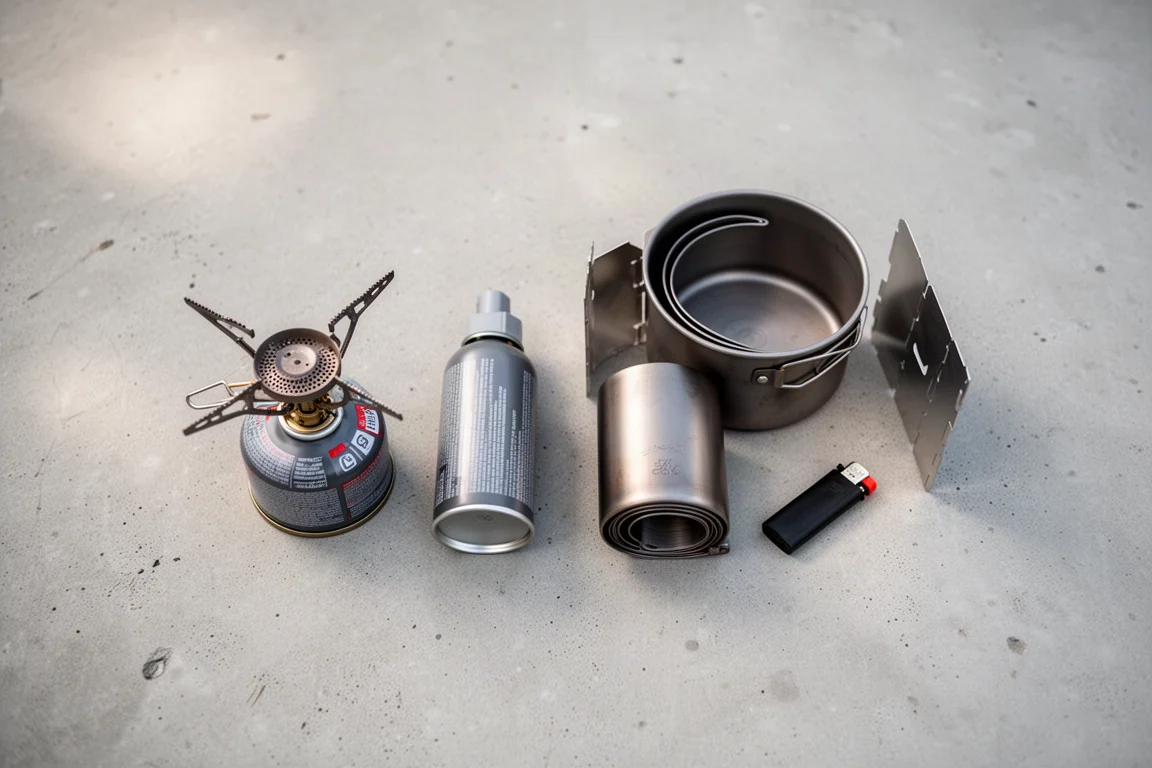
The BRS 3000 is the lightest and most minimal of the three, and it behaves accordingly. It has no regulator, so its output follows the pressure inside the canister rather than being held steady. In the canister-level test it produced 12 boils from a 110 g canister, the highest count of the group.
Its boil times were longer than the regulated WindMaster’s, and both its boil times and its fuel use shifted as the canister emptied. That trade-off is the whole point of a stove like this: minimal weight, with performance that changes gradually over a trip.
Backpackers who count grams and accept slightly slower boils will find it a natural fit. It also rewards anyone willing to run the valve lower, since reduced flow improved fuel efficiency noticeably in the valve test. The one thing to plan around is the canister itself: on a long trip, the falling pressure inside the canister is what changes how the stove feels.
MSR Pocket Rocket 2: The Dependable Middleweight
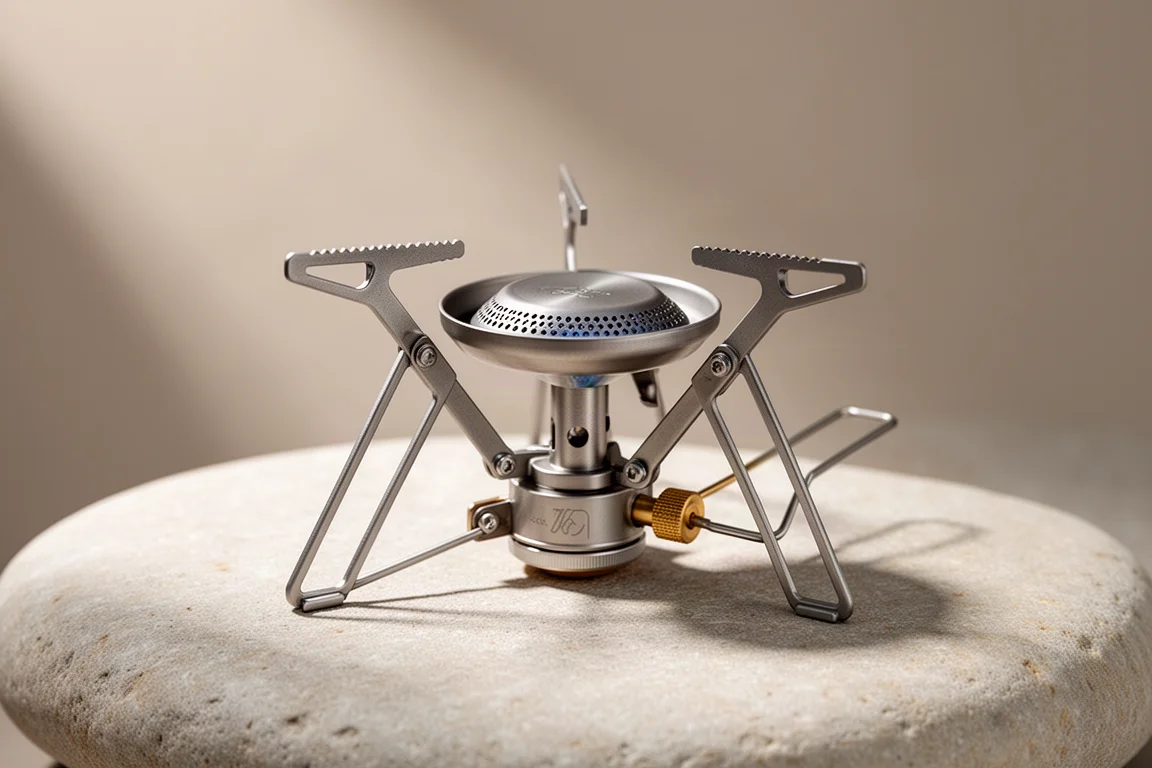
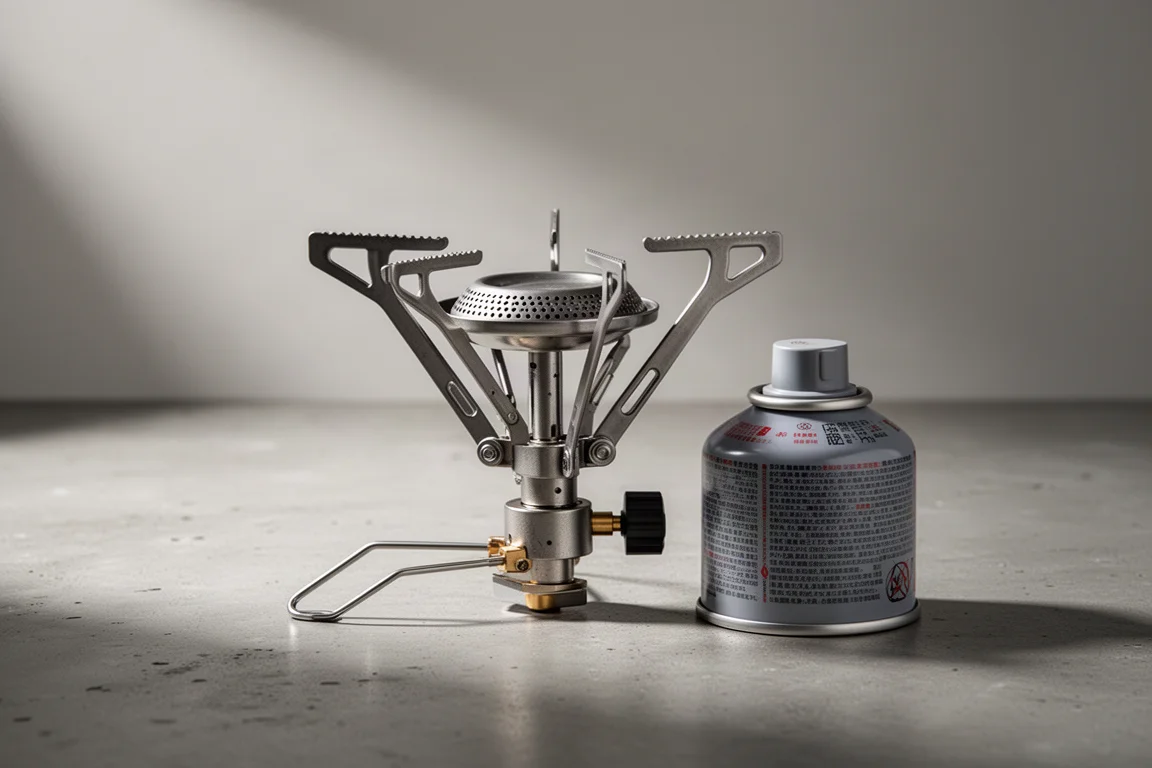
The MSR Pocket Rocket 2 is a long-standing design that sits between the other two in output and weight, and it is also unregulated. It delivered 11 boils from a 110 g canister in the same test.
It showed the largest swing in behaviour as the fuel level changed. With a full canister it burned more fuel and boiled faster. As pressure dropped it used less fuel but took noticeably longer to reach temperature. That makes the state of the canister more important with this stove than with a regulated one, and it is worth keeping in mind when planning how much fuel to carry.
Soto WindMaster: The Regulated Performer
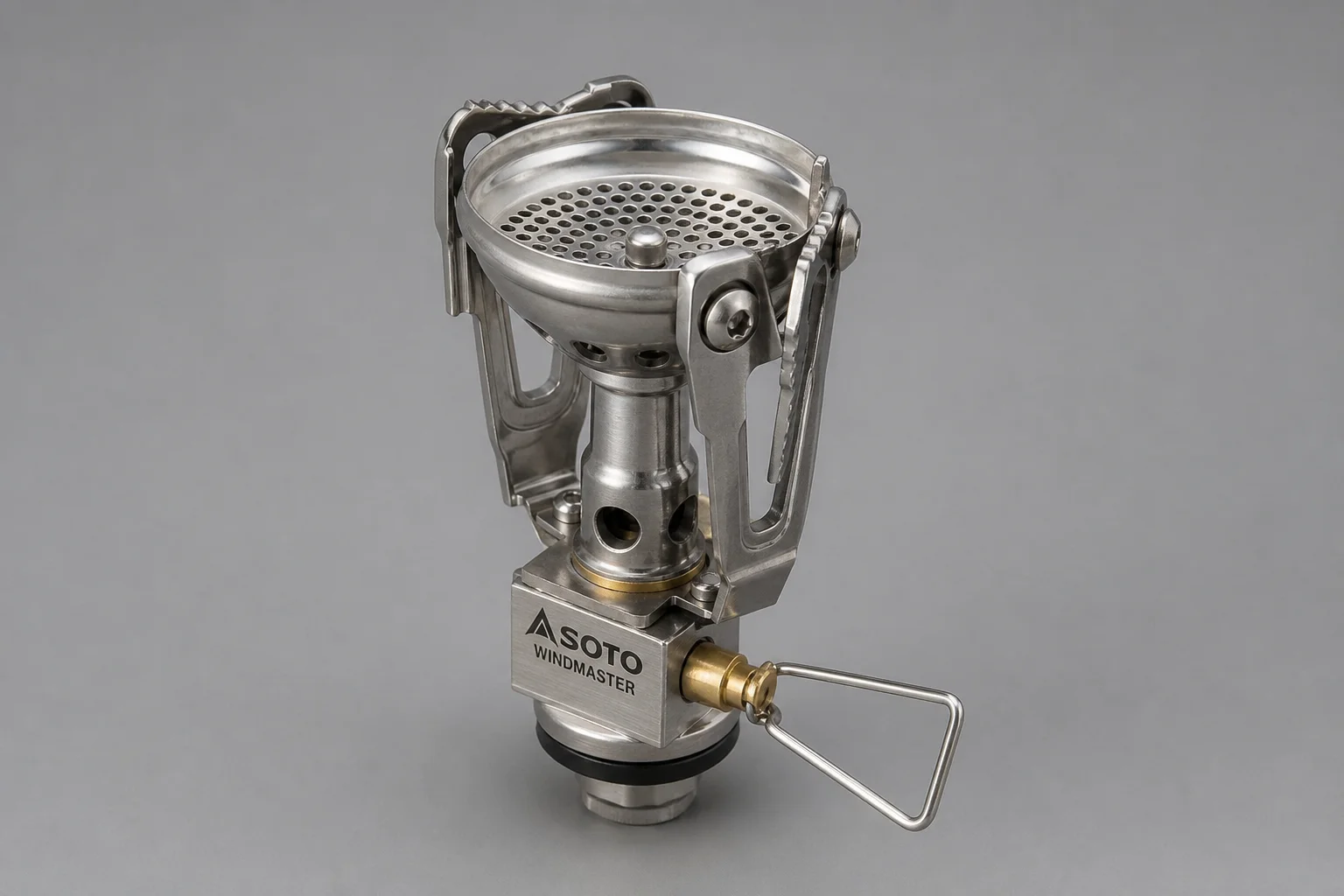
The Soto WindMaster includes a regulator, and that is the clearest difference in how it behaves. Across the canister-level test it held fuel consumption and boil times close to constant, from a full canister down to nearly empty. It also recorded the fastest boil times of the three and produced 11 boils from a 110 g canister.
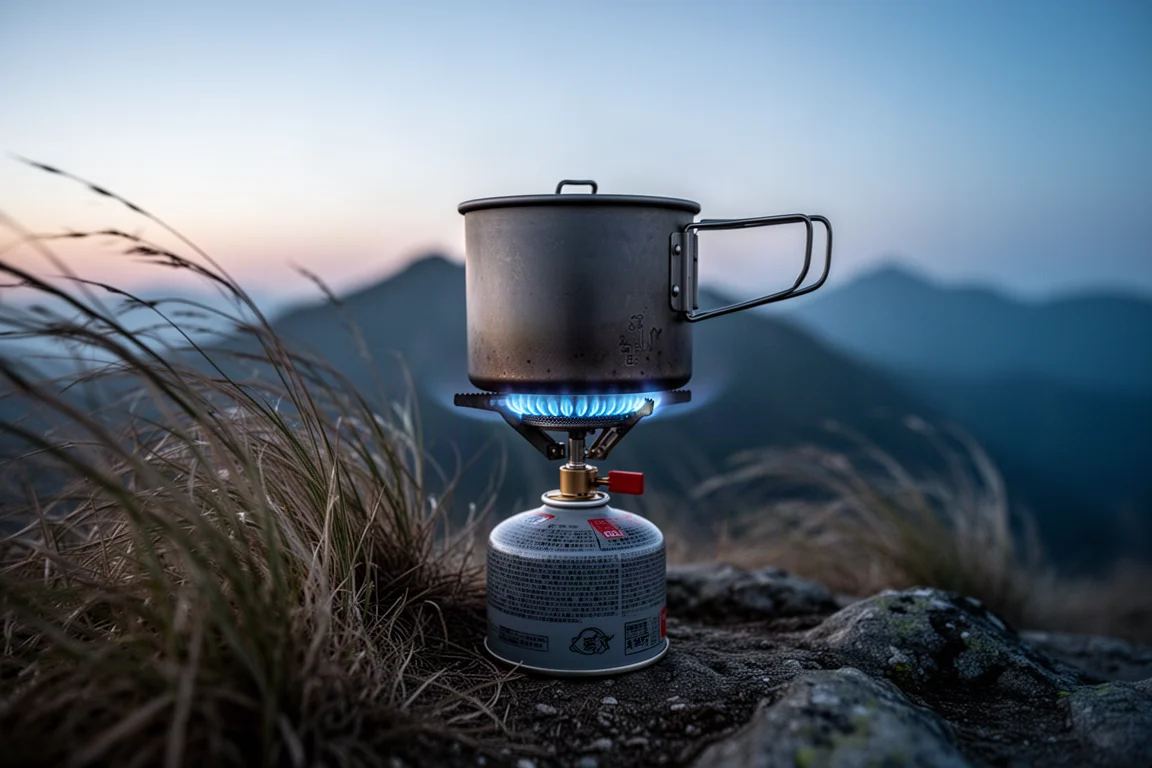
The regulator comes with a trade-off. Because the stove kept putting out high output, it was less fuel efficient than the BRS 3000 under these conditions. It also showed little change when the valve was opened less, until flow was cut to around 25 percent. For anyone who wants the same performance on day one and day six of a trip, that consistency is the main selling point.
What the Four Experiments Revealed
Lid Versus No Lid
Under these conditions a lid made very little difference to either boil time or fuel consumption. The picture changes when boil times get long: in cold weather, with a partly used canister, with an alcohol stove, or when boiling large volumes of water. In those situations a lid is worth the few grams it weighs.
Canister Fuel Level
As fuel is used, the pressure inside the canister falls, fuel flow decreases, boil times lengthen, and fuel efficiency improves. The regulated WindMaster stayed consistent through this, while the unregulated BRS 3000 and Pocket Rocket 2 used more fuel and boiled faster when the canister was full. A useful pattern emerged: more output at the burner generally meant lower fuel efficiency. Temperature and altitude can produce similar pressure effects, so the same principle applies beyond fuel level alone.
Valve Setting
Turning a stove down lengthens boil times and improves fuel efficiency, and the most efficient result came at the lowest flow tested. The regulated WindMaster changed little until the valve was reduced to about 25 percent open, which is worth knowing if you like to cook at a simmer rather than at full power.
Pot Diameter and Real-World Fuel Planning
Wider pots boiled faster and used less fuel with both stoves tested. Moving from a 95 mm pot to a 145 mm pot cut boil time by 54 seconds with the BRS 3000 and 50 seconds with the WindMaster, and reduced fuel consumption by 4.1 g and 2.4 g respectively.
The practical value depends on trip length. With a 110 g canister and the narrowest pot tested, boiling 500 ml twice a day, the fuel lasted about five days. The widest pot added two more boils of 500 ml, which is roughly one extra day in the backcountry without a second canister. On a six or seven day trip, a slightly heavier pot with a wider diameter can remove the need for a spare canister entirely, and that is often the lighter option once the whole kit is on the scale.
Buying Advice: Matching a Stove to Your Trip
If pack weight is the priority and you accept slower boils, the BRS 3000 is the efficient, minimal choice, and it also returned the most boils from a canister in these tests. Pair it with a wider pot and a lower valve setting and it becomes a very frugal setup.
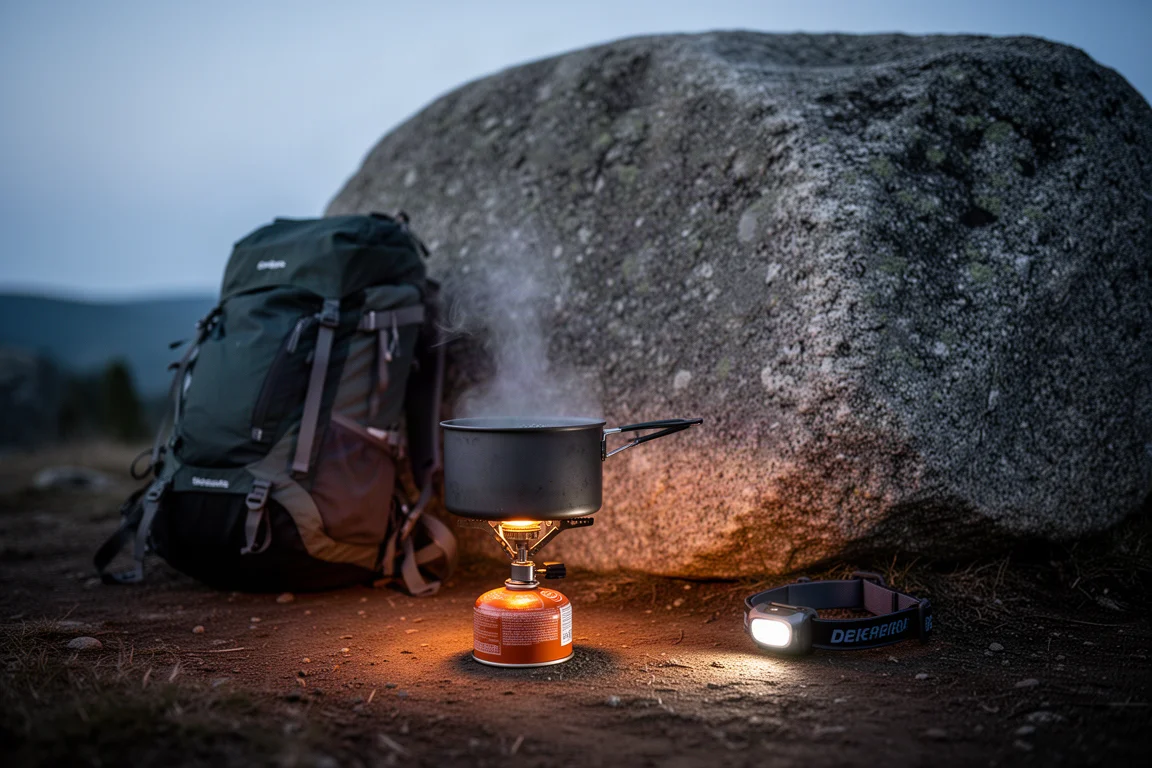
If you want performance that stays the same as the canister empties, along with the fastest boils of the group, the regulated Soto WindMaster is the better match, at the cost of slightly higher fuel use at high output. The MSR Pocket Rocket 2 sits sensibly in the middle: simple, well established, and predictable once you understand that a full canister burns faster than a nearly empty one.
Whichever stove you choose, the two habits that pay off most are carrying a lid for long or cold boils and resisting the urge to run the stove at full power. Both cost nothing and both stretch a canister further.
Conclusion
These three stoves are not ranked so much as matched to different priorities. The BRS 3000 wins on weight and canister longevity, the MSR Pocket Rocket 2 offers a familiar, straightforward design, and the Soto WindMaster delivers the most consistent output and the fastest boils. The tests also show that a lid, a wider pot, and a gentler valve setting can matter as much as the stove itself when the goal is fast water and fewer canisters.
Further reading
Related Reviews
Backpacking Stoves
Best Backpacking Stove and Pot Combinations: Budget to Premium
A practical look at fourteen backpacking stoves and cook pots, from inexpensive starter pairings to windproof all-in-one systems that cost close to $200.
Backpacking Stoves
Best Backpacking Stove Systems: Five Canister Stoves Compared
Five canister stove and pot systems compared on wind resistance, boil speed, packed size, and cooking control, from a bare titanium burner to a fully integrated cook system.
Backpacking Stoves
Best Backpacking Stoves 2026: Six Stove Types Compared and Ranked
A practical comparison of canister, white gas, wood burning, solid fuel, and alcohol backpacking stoves, ranked on speed, weight, fuel availability, and cost.