Backpacking Sleep Systems
Backpacking Sleep Systems: Sleeping Pads and Bags for Every Season
A practical guide to pairing sleeping pads with sleeping bags and quilts, from three-season starter setups to lightweight systems for below-freezing nights.
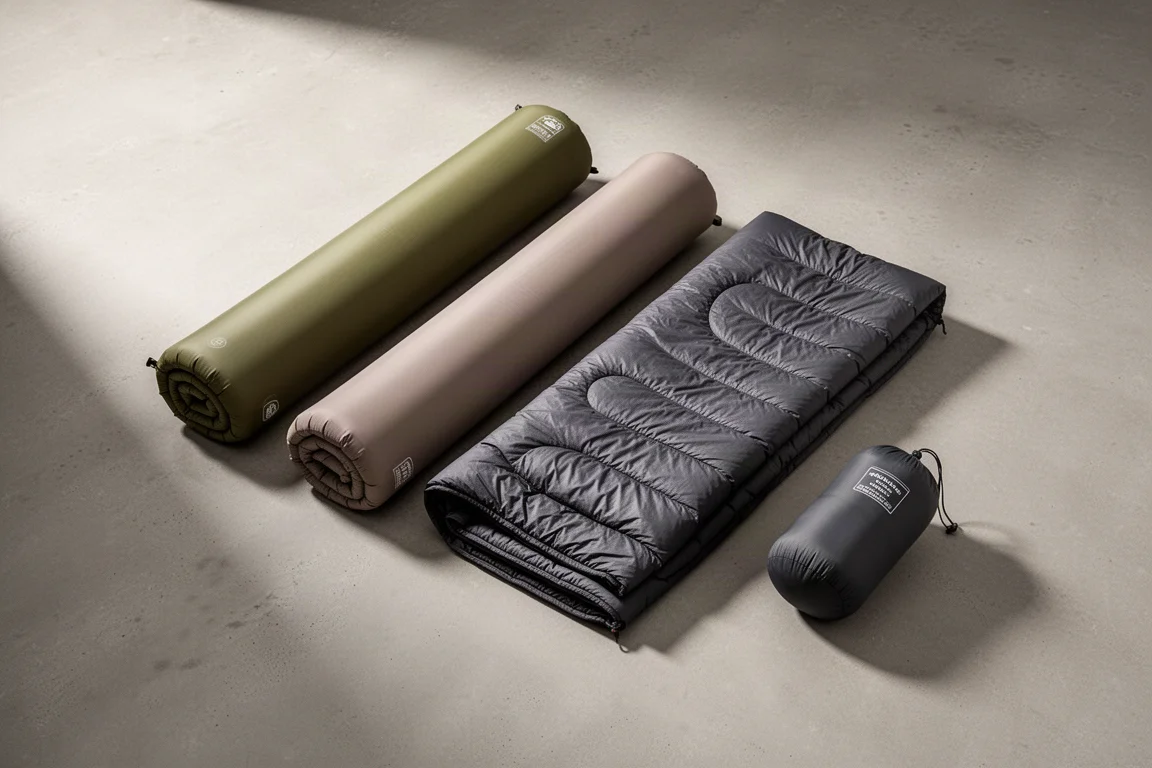
Introduction
Building a backpacking sleep system comes down to two decisions that have to work together, which sleeping pad you carry and which sleeping bag or quilt you pair with it. Neither piece makes sense on its own. A warm bag on a thin, uninsulated pad will still leave you cold from below, and an overbuilt pad matched to a summer bag adds weight you feel on every climb.
The place to start is your goal. Anyone who wants to move fast and light will accept a thinner, narrower pad and a lighter bag. Anyone who values comfort at the end of a long day will lean toward a thicker pad, a wider cut and more insulation. Side sleepers in particular tend to prefer a pad in the three to four inch range, so hips never press through to the ground.
This guide covers pads and bags for three seasons, for warm summer trips and for genuinely cold weather, so you can match both halves of the system to the conditions you actually camp in.
What to Look For in a Backpacking Sleep System
The single most useful number on a sleeping pad is its R-value, which describes how well it resists heat loss to the ground. For backpacking from late spring through summer and into early fall, where overnight temperatures can drop to around freezing, an insulated pad in the 3 to 3.5 R-value range is a sensible starting point. That gives you enough insulation between your body and the ground without carrying weight you will not use in warmer months.
Width and shape matter just as much. Pads come in a 25 inch wide option and in tapered mummy shapes closer to 20 inches. A wider pad gives you more room to move and more usable surface, while a tapered 20 inch pad saves weight and packed volume. Neither is wrong, but the choice should follow how much you move in your sleep.
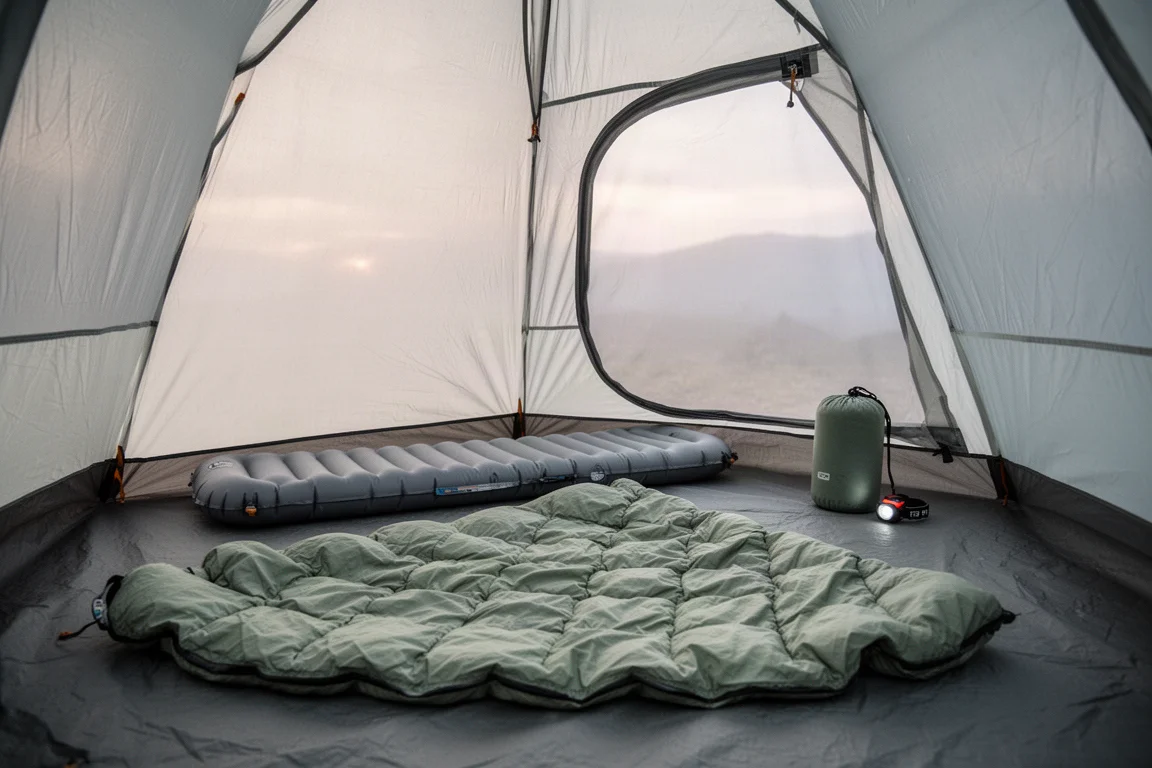
Once the pad is settled, the bag or quilt has to match it. For three-season use, a 20 degree bag is a reasonable partner for a pad in the 3 to 3.5 range. Keep in mind that a 20 degree rating often lands closer to a 30 degree comfort rating in practice, so a little margin lets you layer up on a cold night and unzip when conditions turn warm. That flexibility matters more than a single headline number, because the temperatures you meet on a trip rarely sit at one fixed point.
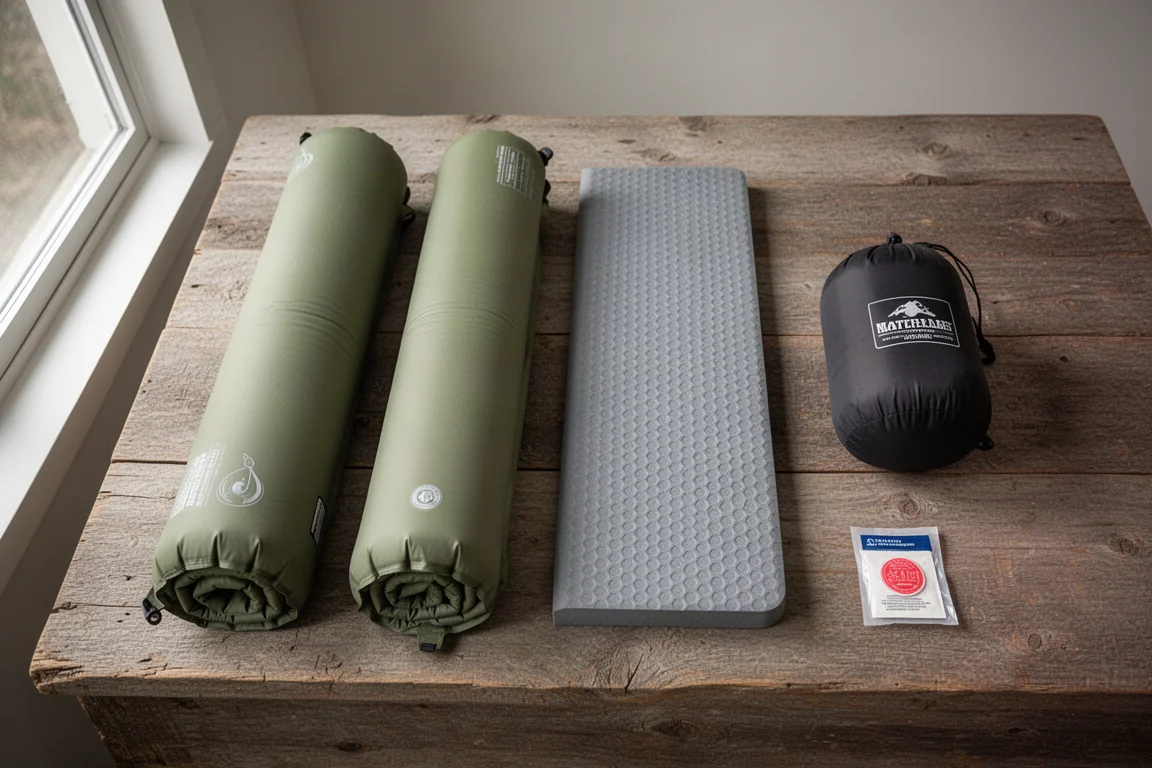
A second option worth knowing about is the closed-cell foam mat. A thin foam pad adds roughly 1.5 to 2 R-value to whatever you already own, which is a low cost way to extend a three-season system into colder weather. Stacking it above or below an inflatable pad makes little practical difference, and either arrangement raises the total R-value of the setup.
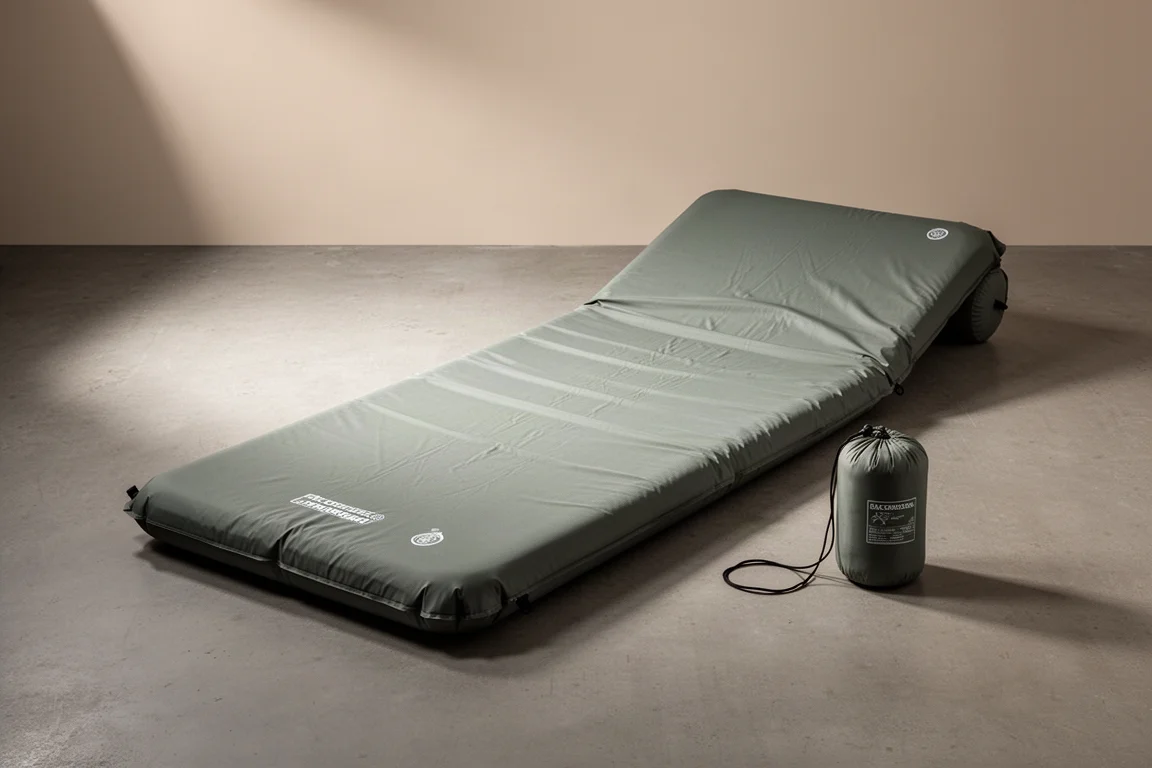
Three-Season Starter Pad, Big Agnes Q-Core SLX
The Big Agnes Q-Core SLX is an insulated pad with a 3.2 R-value, which places it squarely in the range most backpackers should start with. It provides the warmth needed for late spring through early fall, including nights that dip toward freezing, without the extra insulation and weight that a dedicated winter pad carries.
For a first sleep system, that balance is the whole point. The pad does not force you into a narrow temperature window, and it leaves room to add a closed-cell foam layer later if you decide to push your trips into colder weather.
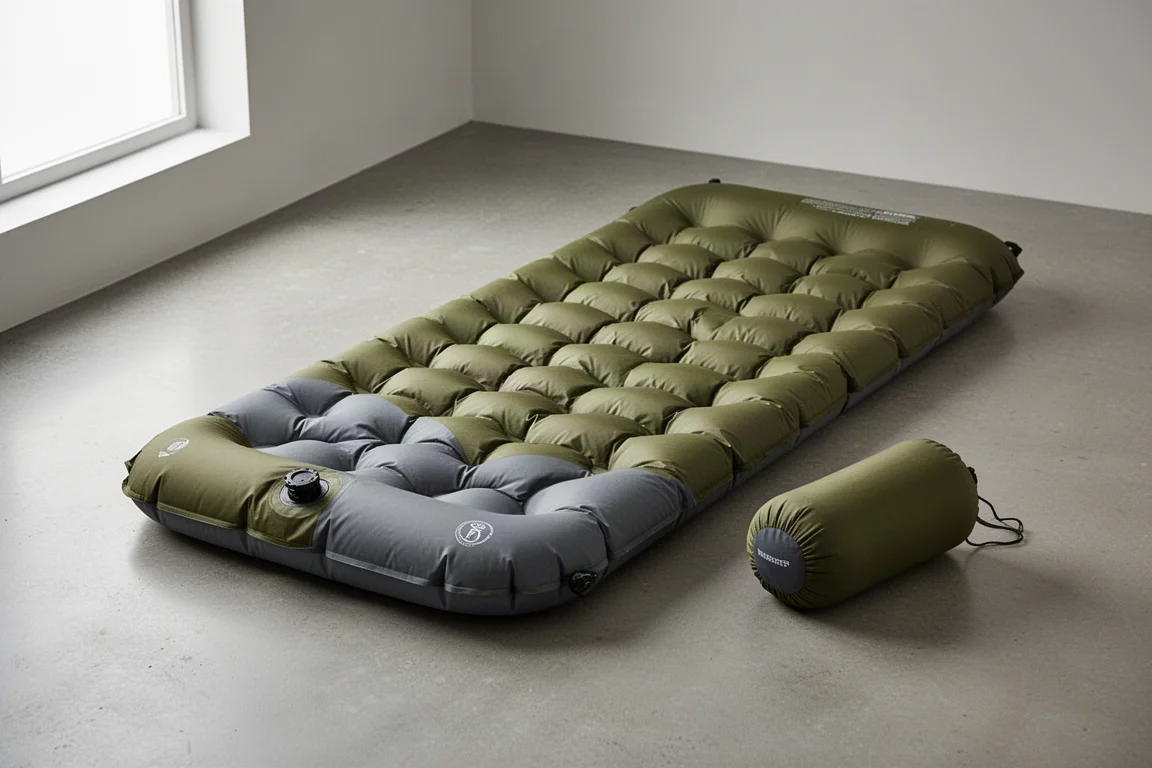
Comfort-First Three-Season Pad, Sea to Summit Ether Light XT Insulated
Where the previous pad prioritizes a straightforward three-season fit, the Sea to Summit Ether Light XT Insulated prioritizes comfort. It is a four inch thick insulated pad in the 3.2 R-value range, and that extra height is what makes it work for side, back and stomach sleepers alike.
Thickness is the feature that decides whether you sleep well on a pad, especially if you roll onto your side during the night. A four inch chamber keeps hips and shoulders clear of the ground, and the insulation underneath keeps the pad from turning cold as the night goes on.
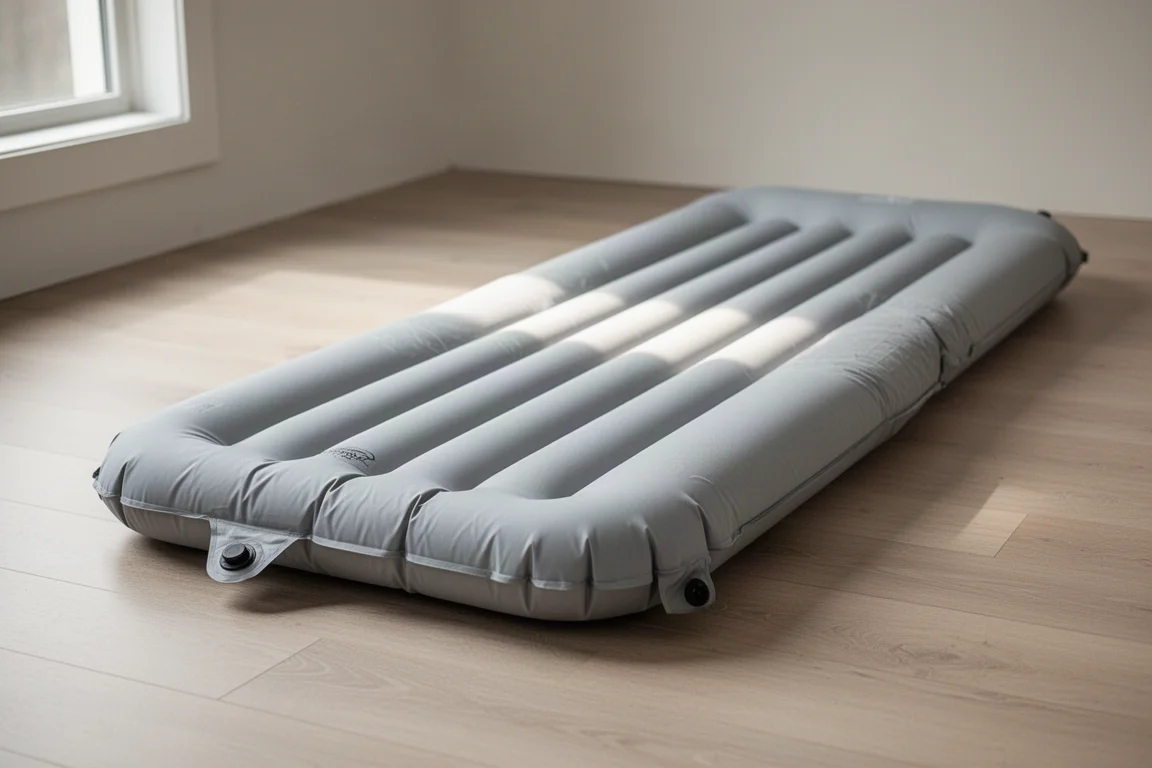
Adding Warmth Without a New Sleeping Bag, Nemo Tensor Alpine
If you want more warmth for shoulder-season trips, the simplest move is often to raise the R-value of the pad rather than replace the bag. The Nemo Tensor Alpine sits in the 4 to 4.5 R-value range, so it adds insulation underneath your body while the same 20 degree bag stays in the system.
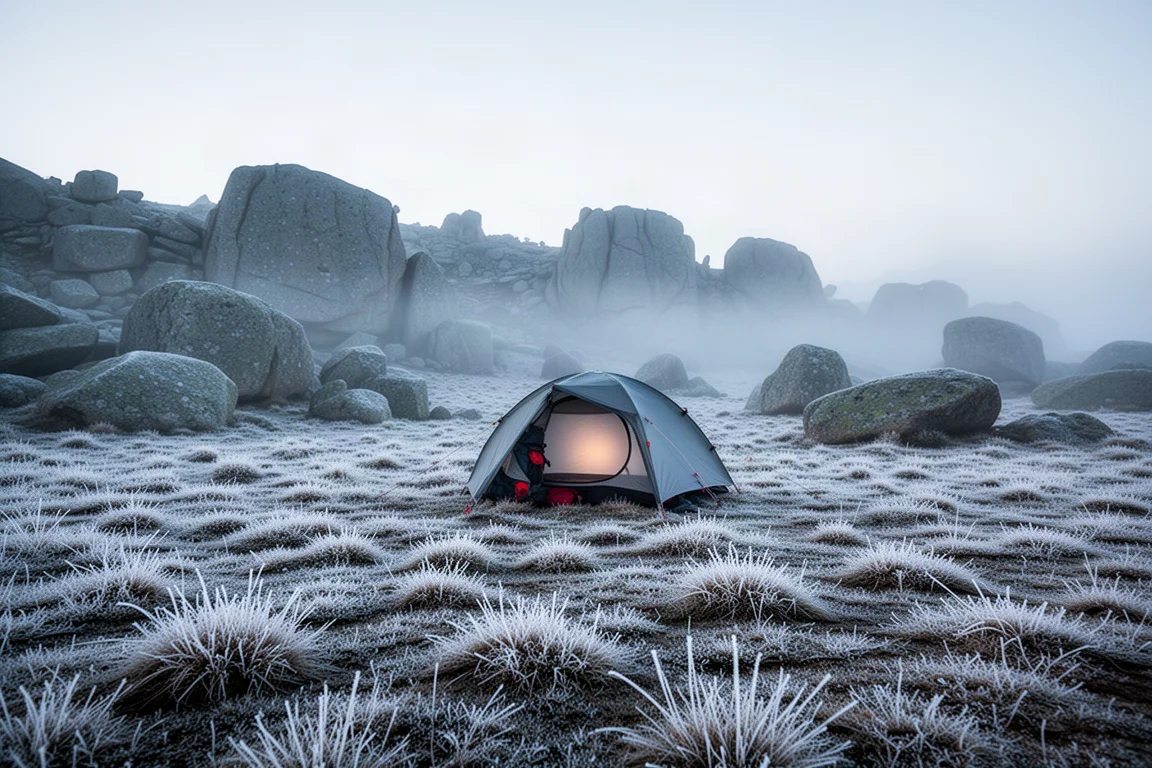
That extra insulation is the difference between a setup that works in mild three-season conditions and one that stays comfortable as the forecast pushes closer to freezing. It is also a lighter and less expensive change than moving to a dedicated winter bag, which is why upgrading the pad first is such a common path.
The Three-Season Sleeping Bag, Sierra Designs Nitro
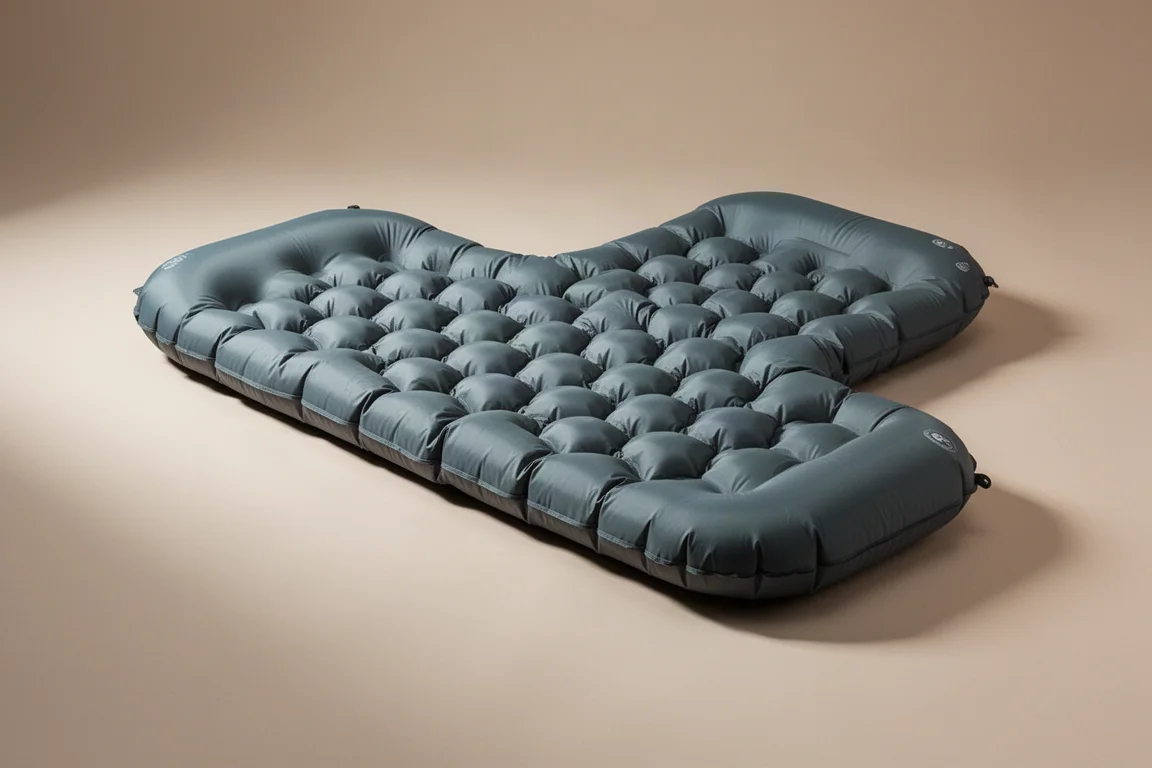
A 20 degree bag such as the Sierra Designs Nitro pairs naturally with a pad in the 3 to 3.2 R-value range and covers the temperatures most three-season trips deliver. It is a solid combination for spring through fall backpacking and the kind of setup most people land on for their first sleep system.
The appeal of a 20 degree rating is the room it leaves. You can layer up inside the bag when a night turns colder than expected, and you can open it up when conditions are warmer, which means one bag handles a wide spread of temperatures rather than a single narrow band.
Going Lighter With a Backpacking Quilt, UGQ Bandit
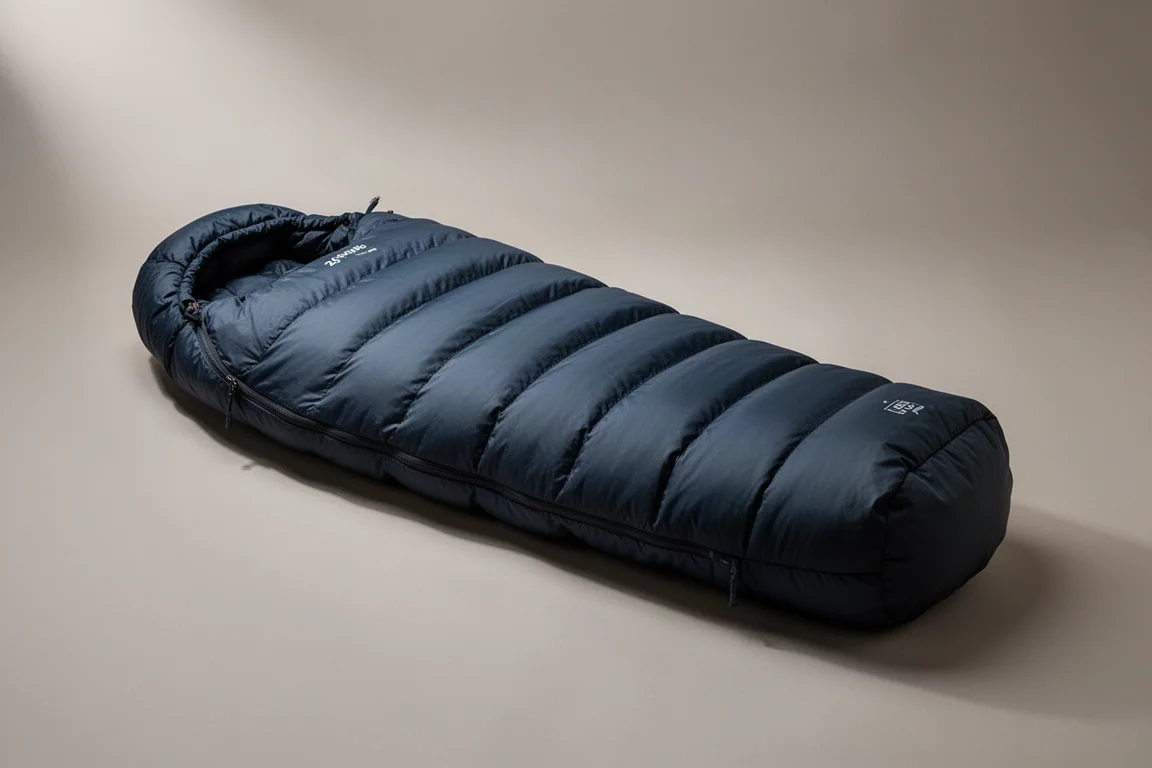
Backpacking quilts have become a popular alternative to sleeping bags, and a 20 degree quilt such as the UGQ Bandit is a lightweight option for comfortable nights in the backcountry. Removing the back panel is what saves the weight, and it is also what changes how you have to think about the rest of the system.
Because a quilt has no insulation on its back panel, the pad underneath does all of the work. Pair a quilt with a pad in the 4 R-value range or higher when you expect temperatures near or below freezing, rather than a thin 2 R-value mat. Get that pairing right and a quilt system is warm, light and very comfortable.
Warm-Weather Minimalism, Therm-a-Rest UberLite
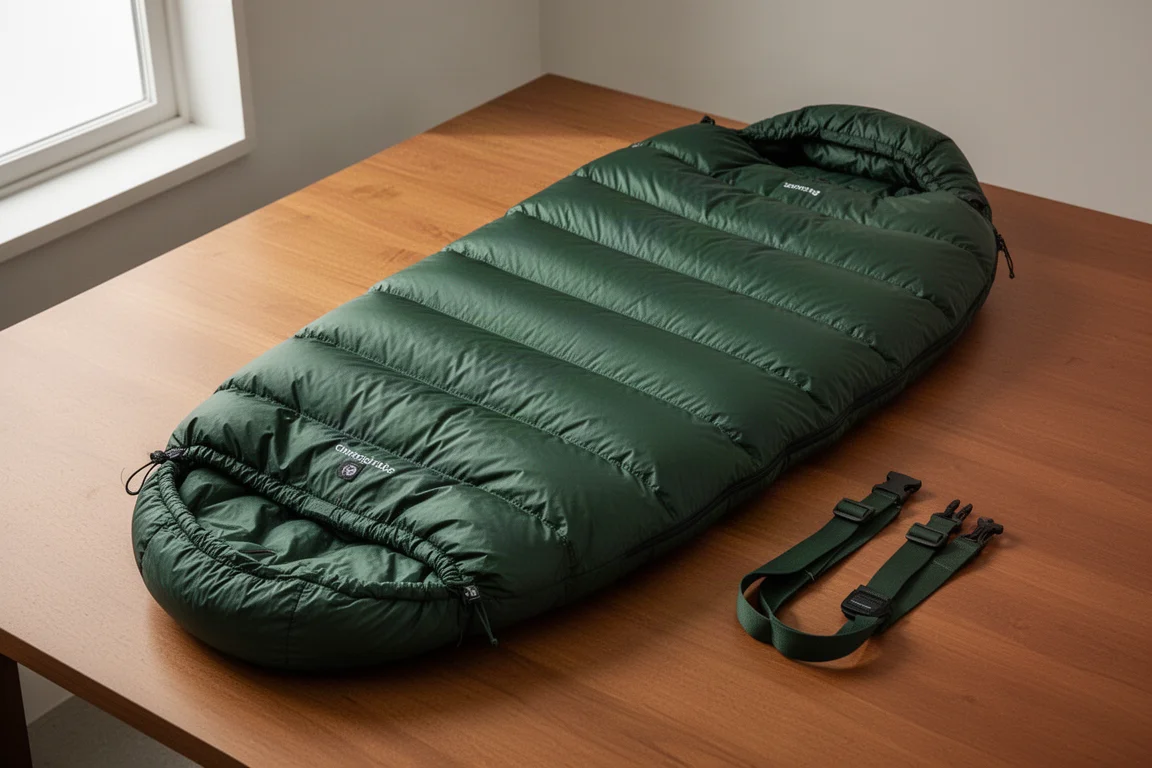
At the warm end of the spectrum, insulation in the pad becomes far less important, and you can go lighter and spend less. The Therm-a-Rest UberLite carries a 2.3 R-value, which is a modest amount of insulation but enough to keep you comfortable down to roughly 40 degrees while trimming real weight from your pack.
That is the right trade for summer trips, where carrying a heavily insulated pad simply means hauling warmth you will never use. If a cold front does move through at elevation, the pad still has enough insulation to keep you off cold ground as long as temperatures stay in that milder range.
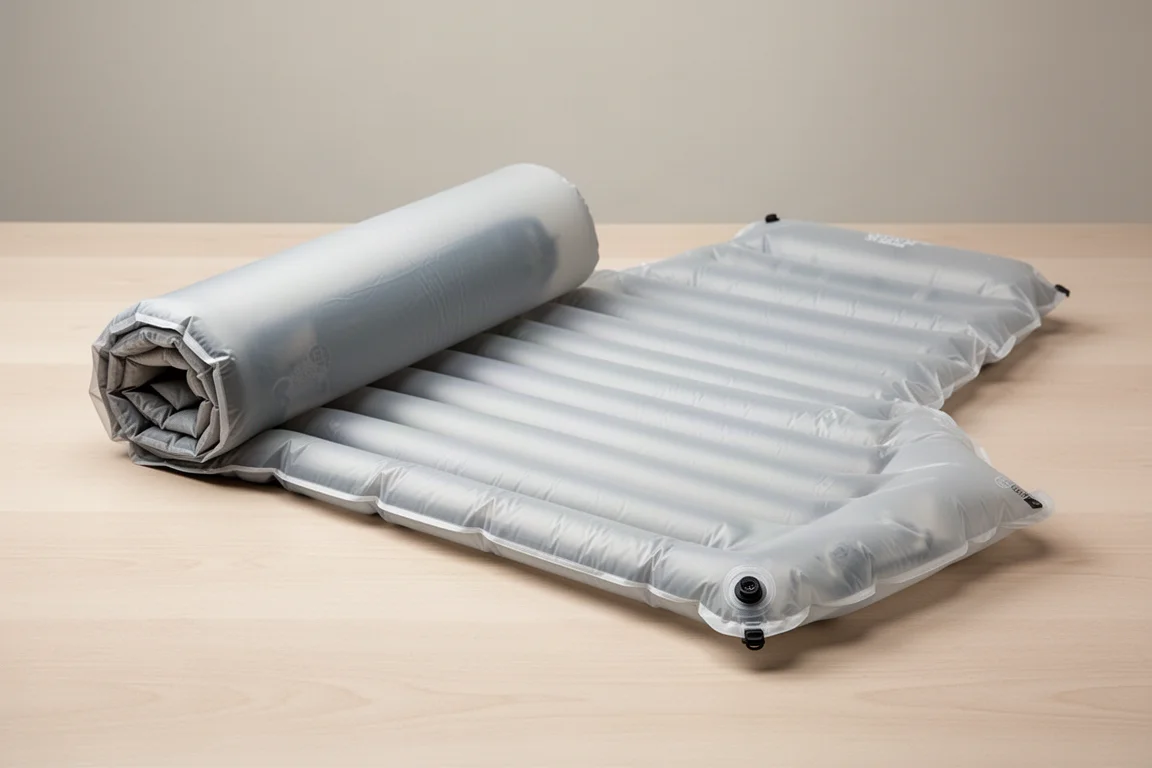
The Summer Sleeping Bag, Therm-a-Rest Hyperion
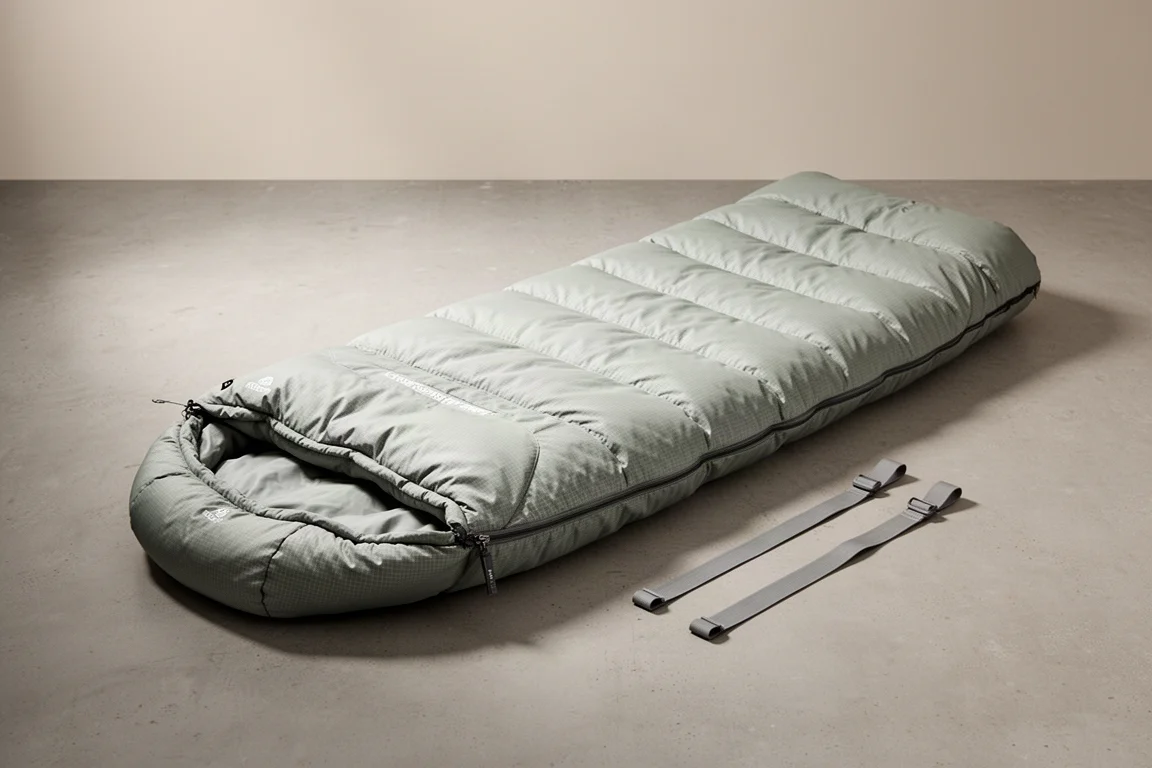
Pair a lightly insulated pad with a bag rated in the 30 to 32 degree range, such as the Therm-a-Rest Hyperion, and you get a summer system that does not sleep too hot. It keeps weight down across the whole setup and stays comfortable through the warmest months.
The value of that combination shows up when the weather does not cooperate. Rain, sleet or a cold front at higher elevation can push temperatures down to around 40 degrees, and a bag in this range paired with a pad like the UberLite still keeps you comfortable at that lower edge without overheating on a mild night.
Cold-Weather Pads, Exped SynMat HL Winter
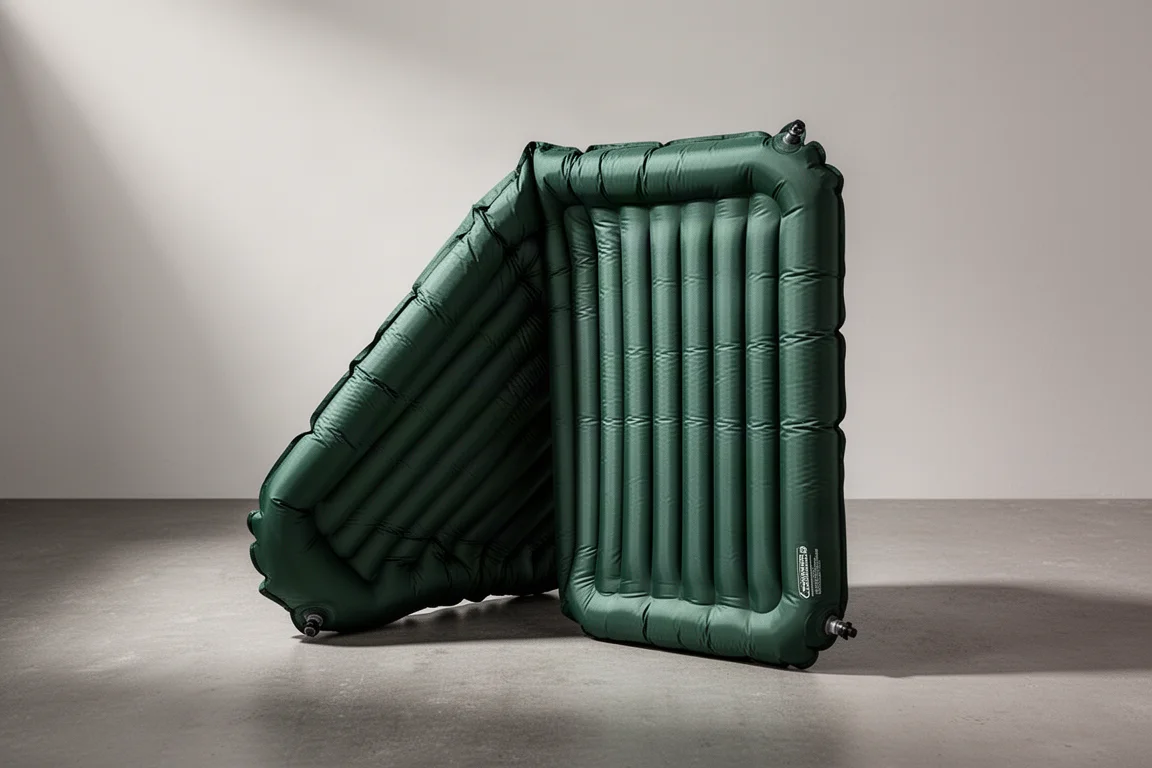
Once temperatures drop well below freezing, the pad has to become a serious barrier between you and the ground. Look for an R-value of 5 or greater, the range the Exped SynMat HL Winter sits in, which provides a substantial layer of insulation under the body.
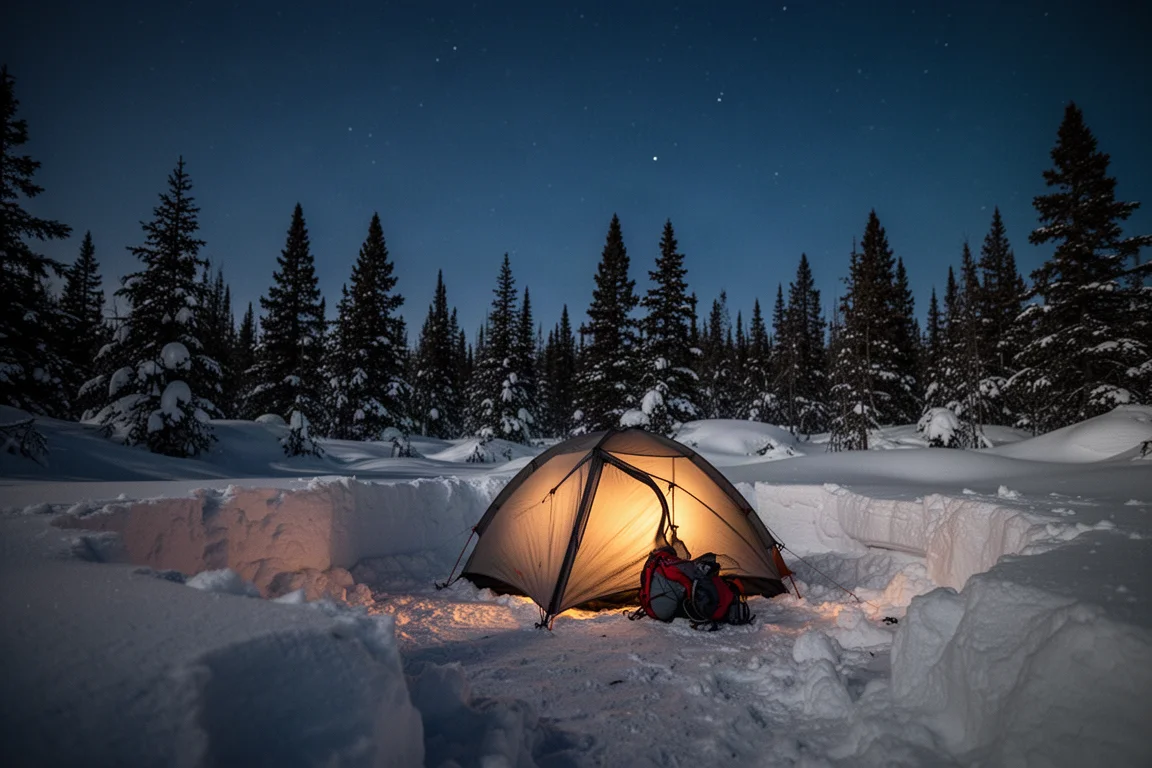
Stacking that pad on a closed-cell foam mat is a widely used way to add even more warmth. The foam contributes roughly 1.5 to 2 R-value, and whether it goes above or below the inflatable pad, the total insulation of the system increases. For winter camping, that stacked arrangement is often what makes the difference between a cold night and a warm one.
Maximum Ground Insulation, Therm-a-Rest NeoAir XTherm
At a 6.9 R-value, the Therm-a-Rest NeoAir XTherm is the strongest single pad option covered here for cold conditions. Combined with a closed-cell foam mat underneath, it creates an excellent barrier of warmth between your body and frozen ground.
That level of insulation is what allows a colder bag to perform the way its rating suggests. When the pad is doing its job, the bag only has to manage the air around you rather than fight the ground beneath you.
The Cold-Weather Sleeping Bag, Sea to Summit Spark
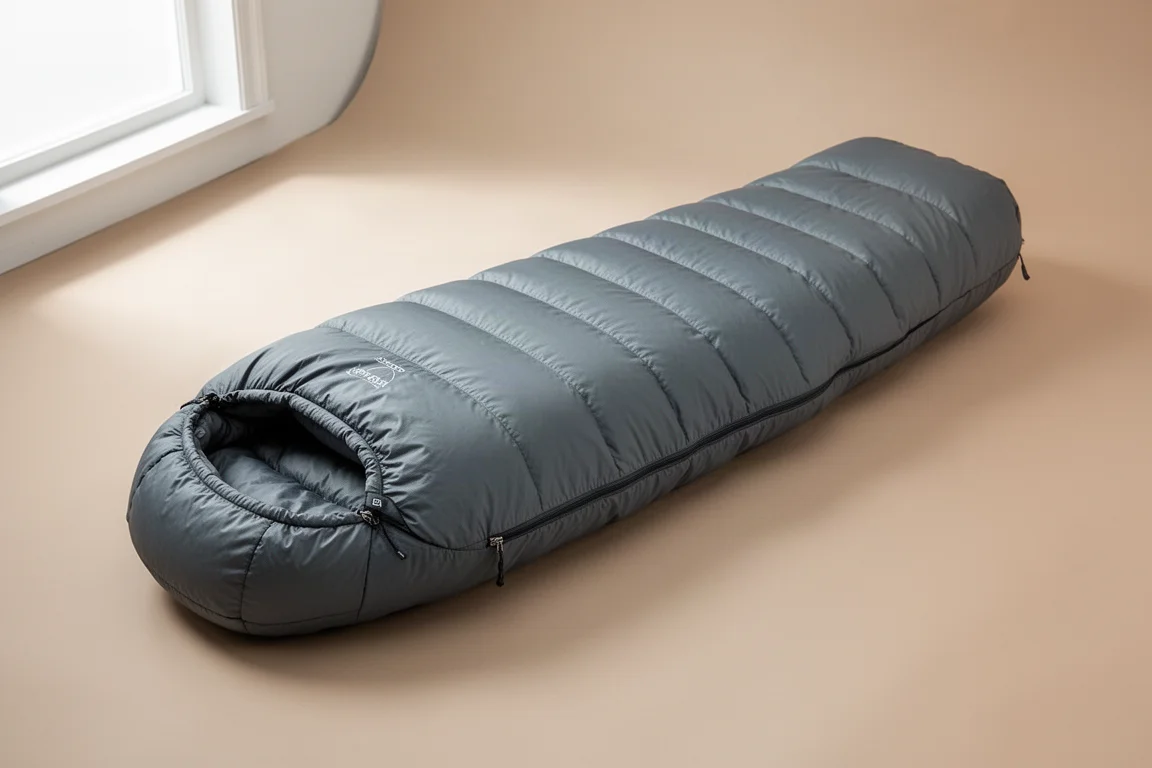
The other half of a below-freezing system is a bag built for it. The Sea to Summit Spark is a zero degree bag, and paired with a high R-value pad such as the NeoAir XTherm it forms a lightweight cold-weather sleep system that stays comfortable well below freezing.
This is the combination to aim for when winter backpacking is the goal. A 20 degree bag can still work in cold conditions if the pad underneath is warm enough, but a zero degree bag paired with a 5 or higher R-value pad is the setup that reliably covers sub-freezing nights.
Overall Buying Advice
Start with the three-season combination, an insulated pad in the 3 to 3.5 R-value range and a 20 degree bag. That covers the 30 to 50 degree range most backpackers actually experience, and it gives you a baseline you can adjust one piece at a time.
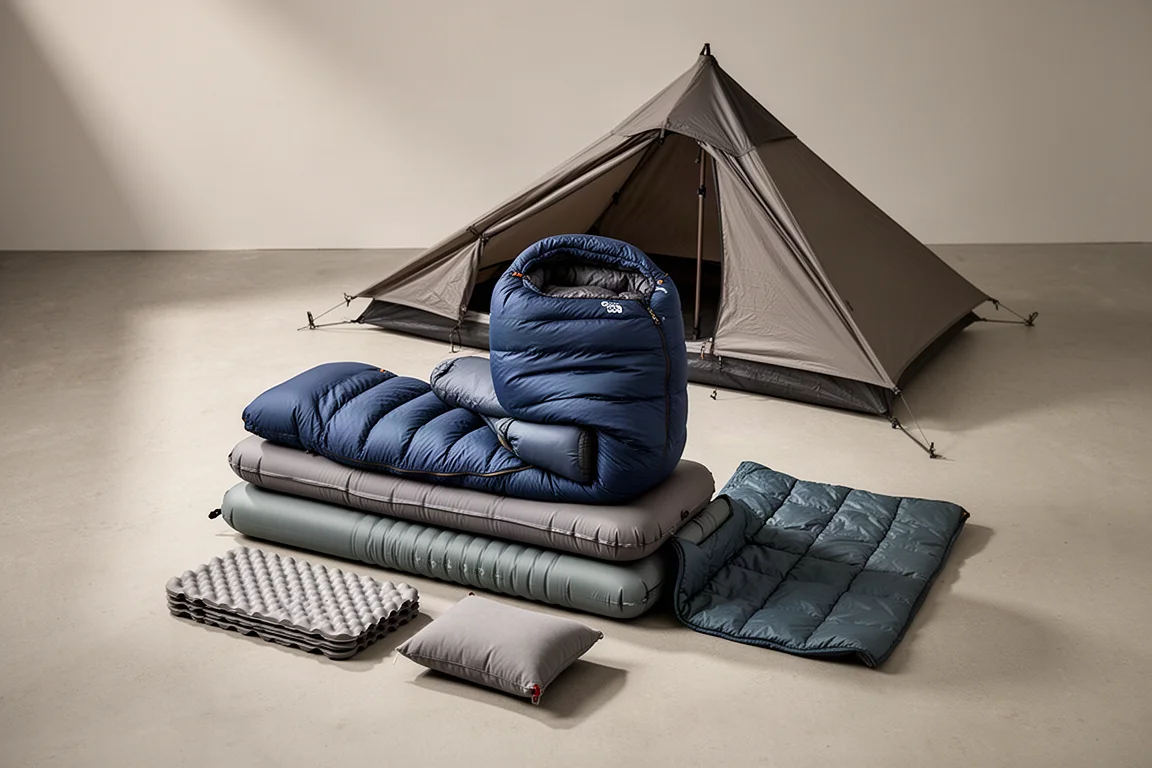
From there, upgrade in the direction your trips demand. If you want more warmth without buying a new bag, move to a pad in the 4 to 4.5 R-value range or add a closed-cell foam layer underneath what you already own. If you want to go lighter, a quilt paired with a properly rated pad works well, as long as you account for the missing back insulation. If you camp in genuine winter conditions, a pad with an R-value of 5 or higher, ideally stacked with foam, plus a zero degree bag is the combination that holds up.
Conclusion
The right sleep system is the one that matches your goal, whether that is moving fast and light or sleeping as comfortably as possible. Define the conditions you camp in, pick a pad R-value to match them, and pair it with a bag or quilt that leaves a little margin for colder nights. Start with a three-season setup, then adjust one piece at a time as your trips get warmer or colder.
Further reading
Related Reviews
Backpacking Sleep Systems
Extreme Cold Sleep System: Six Backpacking Layers for Deep Winter Warmth
A bottom-up look at a six-piece winter sleep system, from a foam ground mat to a floorless shelter, and the reason each layer earns its place.
Backpacking Sleep Systems
Luxury Backpacking Sleep System: Four Pieces That Feel Like a Bed at Home
A wide, thick sleeping pad, a draft-free quilt, a generously cushioned pillow, and a few small habits that bring backcountry sleep much closer to home.
Backpacking Sleep Systems
Quilts vs Sleeping Bags for Backpacking: Five Sleep Systems Compared
A practical look at five backpacking sleep systems, from wide quilts to adjustable sleeping bags and a ground-focused quilt bed, and how to choose between them.