Backpacking Gear
Backpacking Sleep System Guide: Pads and Bags for Three-Season and Cold Weather
A practical look at sleeping pads, quilts, and bags for backpacking, from three-season setups to cold-weather systems, with clear pairings and trade-offs.
Introduction
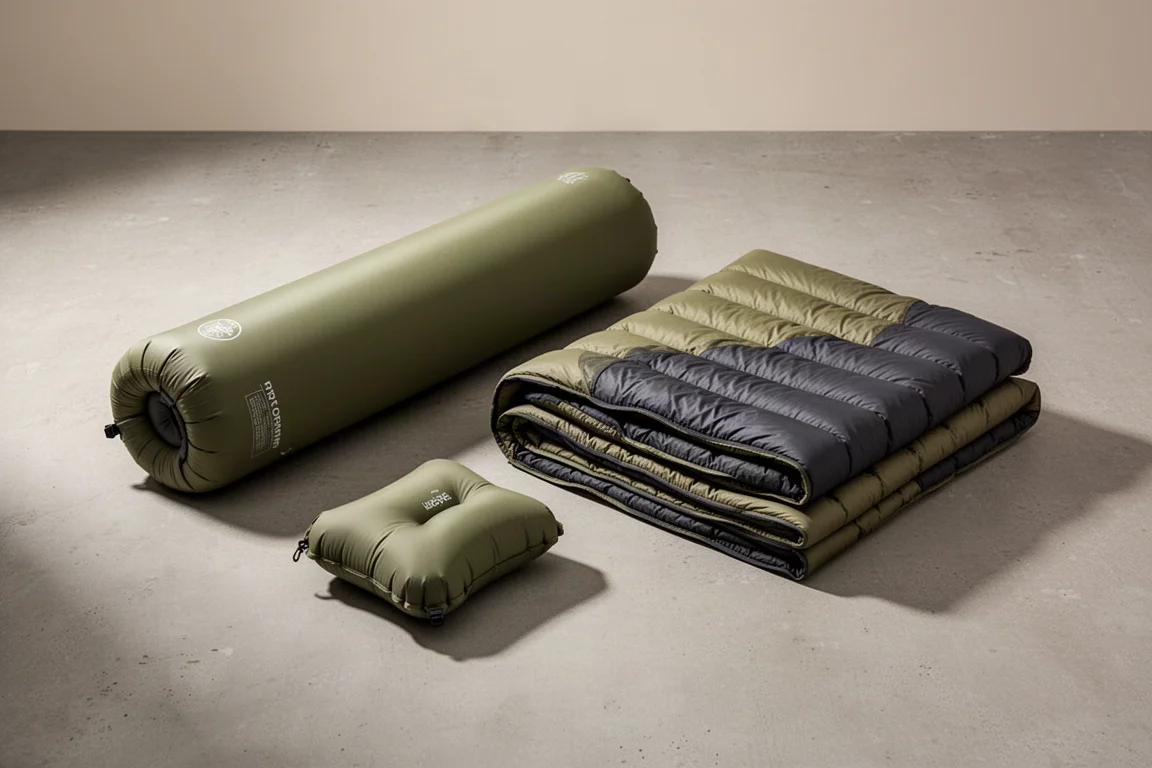
A good night’s sleep in the backcountry starts with two pieces of gear working together: a sleeping pad and a sleeping bag or quilt. The pad provides insulation from the ground, while the bag or quilt traps warmth around your body. Choosing them as a system rather than as separate purchases makes it easier to stay comfortable across different temperatures and trip styles.
This guide covers several sleeping pads, a backpacking quilt, and sleeping bags that suit three-season backpacking, warm-weather trips, and cold-weather adventures. The goal is to help you match an insulation level to the conditions you actually expect, so you can sleep well without carrying more weight or spending more than necessary.
How to Choose a Backpacking Sleep System
Start by defining your goal. Are you a side sleeper, a stomach sleeper, or a back sleeper? Side sleepers often prefer a thicker pad, around three or four inches, so hips do not press into the ground. Backpackers who want maximum comfort may choose a wider pad, while those focused on fast and light travel may accept a narrower, tapered shape.
For three-season backpacking, from late spring through early fall, an insulated pad with an R value around 3 to 3.5 is a sensible starting point. That level of insulation handles temperatures near freezing, roughly 32 degrees Fahrenheit or 0 degrees Celsius. Pair it with a 20-degree sleeping bag, and you have a versatile system that covers a wide range of conditions. Keep in mind that a 20-degree rating often feels closer to a 30-degree comfort rating, so the extra margin helps when temperatures drop.
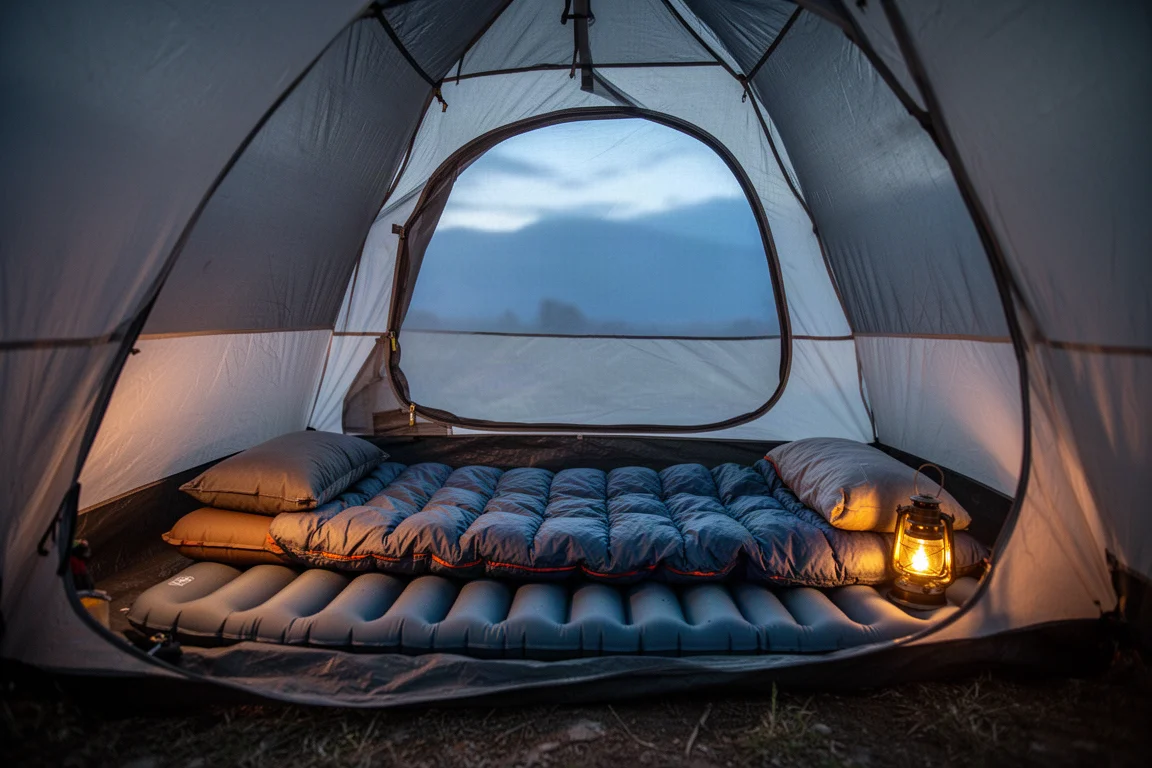
If you need more warmth without replacing your bag, you can increase the R value of your pad. A pad with an R value in the 4 to 4.5 range adds insulation from the ground. Another option is to stack a closed-cell foam pad under or over your existing pad. A closed-cell foam pad with an R value around 1.5 to 2 can raise the total insulation of your sleep system, which is a low-cost way to extend your trips into colder weather.
Backpacking quilts have also become popular. A quilt saves weight by removing the insulated back panel, but it must be paired with a pad that provides enough insulation underneath. For freezing temperatures, a quilt is best matched with a pad in the 4 R value range or higher, so the system as a whole keeps you warm.
Three-Season Sleeping Pads
Big Agnes Q-Core SLX
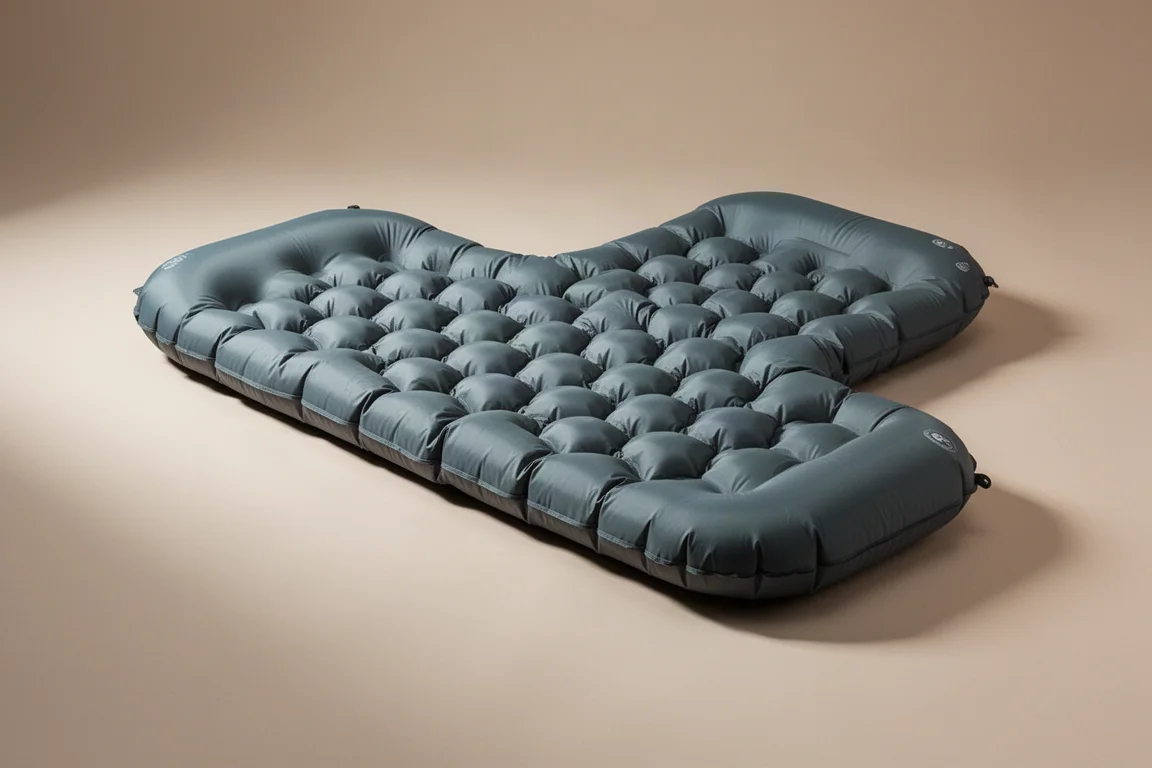
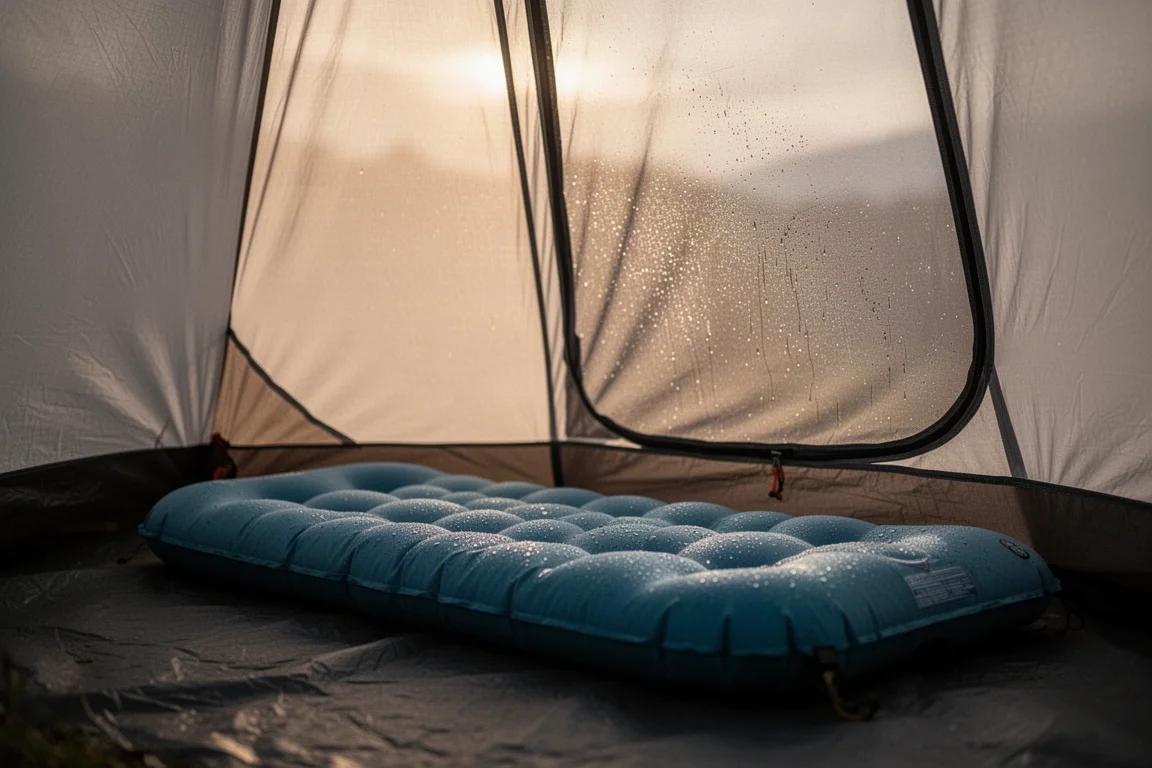
The Big Agnes Q-Core SLX is an insulated sleeping pad with a 3.2 R value. That places it in the three-season range, where it can provide enough separation between you and cold ground for trips that dip toward freezing. It is a practical choice for backpackers building their first sleep system or looking for a dependable pad for late spring through early fall.
Sea to Summit Ether Light XT Insulated
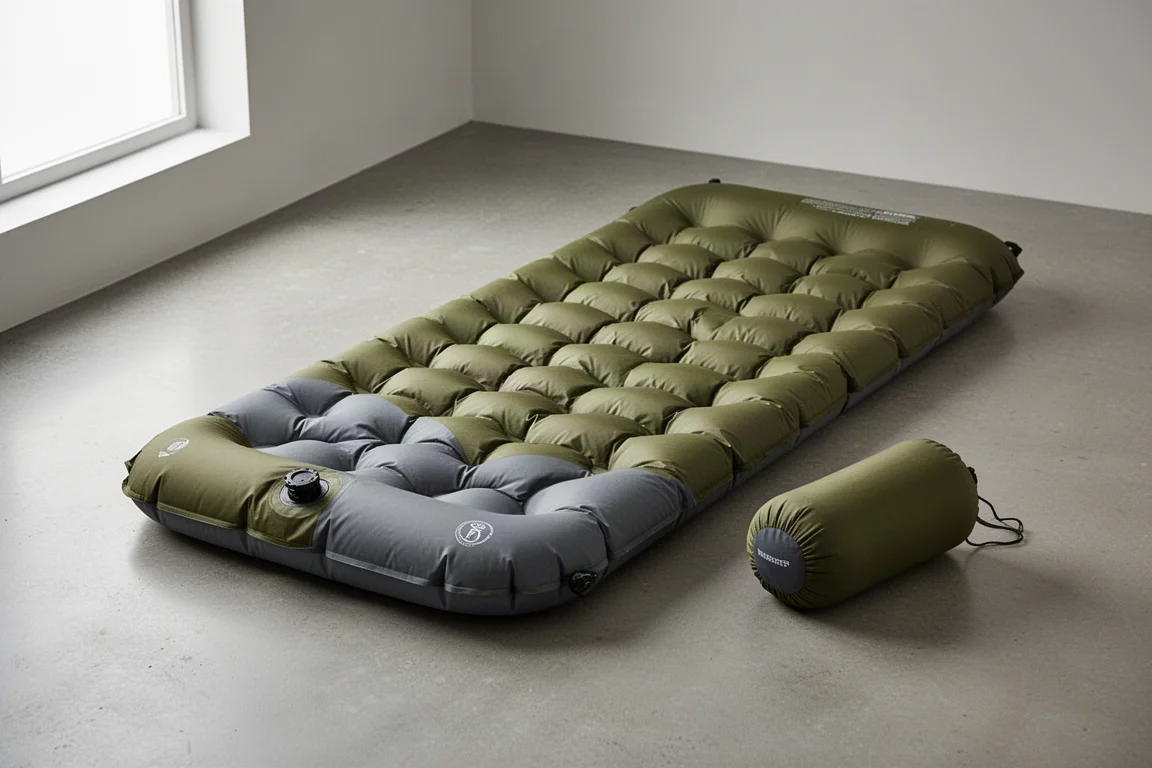
The Sea to Summit Ether Light XT Insulated is a four-inch-thick pad designed for comfort. The extra height helps side sleepers and anyone who wants more cushioning between their hips and the ground. Because it is insulated, it can work as part of a three-season setup, especially when paired with a 20-degree sleeping bag.
Nemo Tensor Alpine
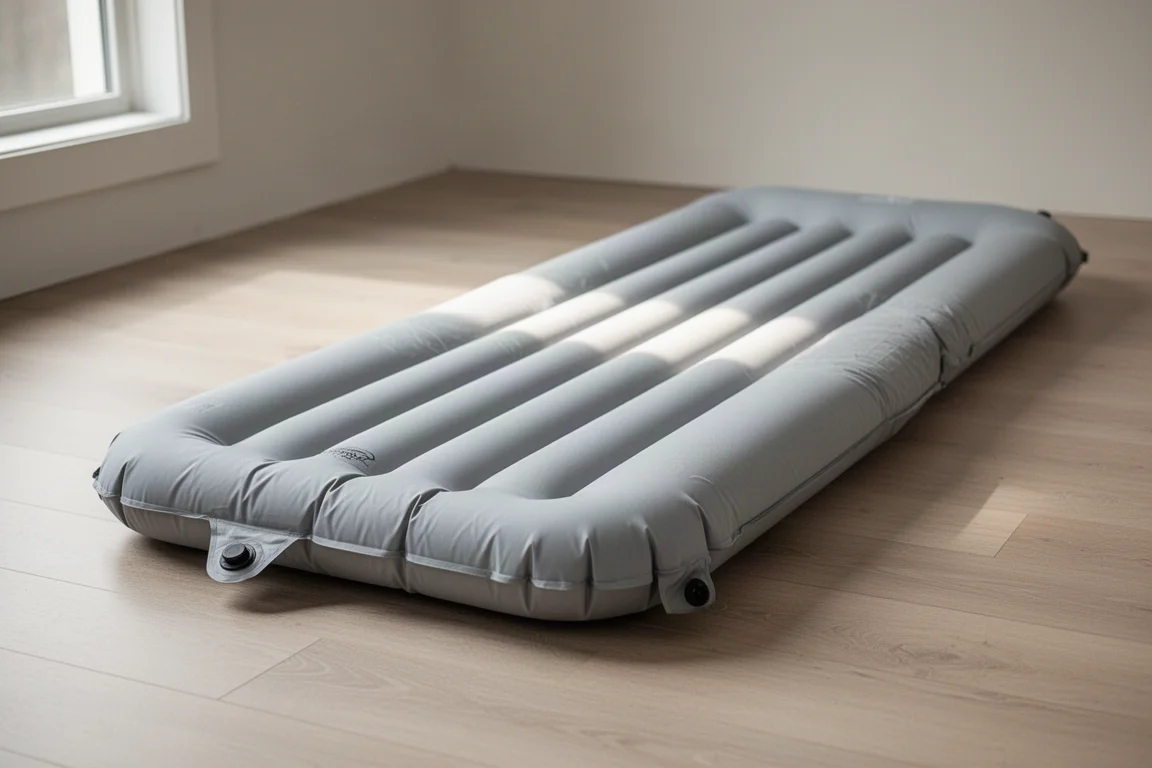
The Nemo Tensor Alpine offers a higher R value, in the 4 to 4.5 range. That extra insulation makes it a good match for backpackers who want more warmth from the ground without moving to a full winter pad. It pairs well with a 20-degree bag when you expect colder nights or want a wider margin of comfort during three-season trips.
Three-Season Sleeping Bags and Quilts
Sierra Designs Nitro
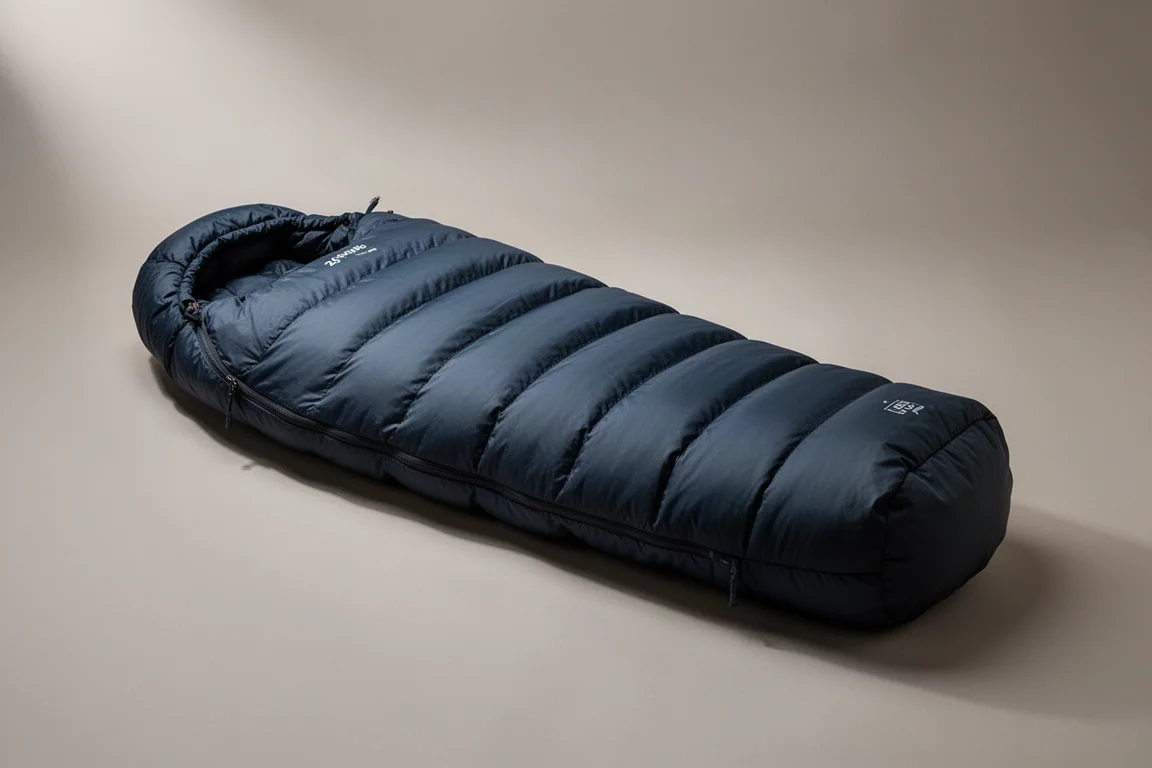
The Sierra Designs Nitro is a 20-degree sleeping bag that works as a solid foundation for three-season backpacking. A 20-degree bag covers a broad range of temperatures, and because the comfort rating may be closer to 30 degrees, it gives you room to layer up if a night turns colder or to open the bag when conditions are milder.
The Nitro is a straightforward choice for backpackers who want one bag that can handle spring, summer, and fall trips without overcomplicating the decision.
UGQ Bandit
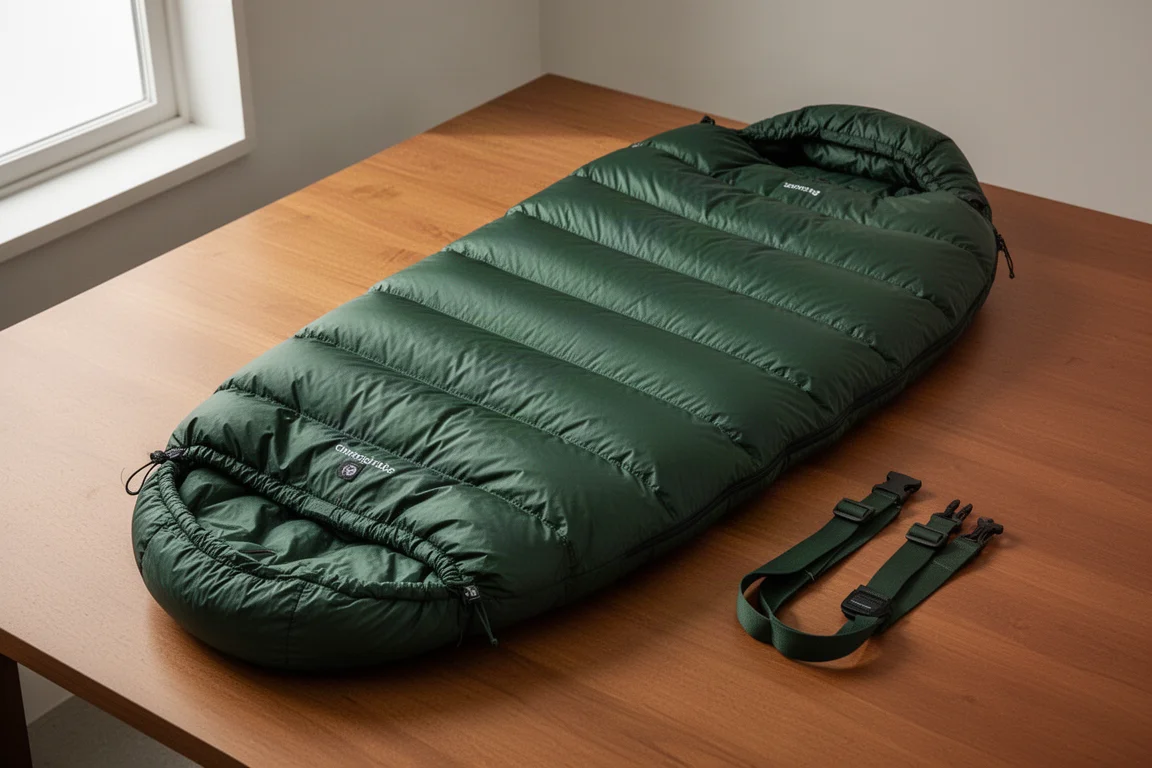
The UGQ Bandit is a backpacking quilt, which makes it a lightweight option for the backcountry. Unlike a sleeping bag, a quilt does not have an insulated back panel, so it depends on the sleeping pad to provide warmth from below. For freezing temperatures, pair it with a pad that has an R value around 4 or higher, such as the Nemo Tensor Alpine, to create a complete system.
Warm-Weather and Lightweight Options
Therm-a-Rest UberLite
The Therm-a-Rest UberLite has a 2.3 R value, which provides a small amount of insulation. It is best suited to warm-weather backpacking, where ground temperatures stay moderate. With this pad, you can comfortably use a lighter sleeping bag and still handle conditions down to around 40 degrees Fahrenheit.
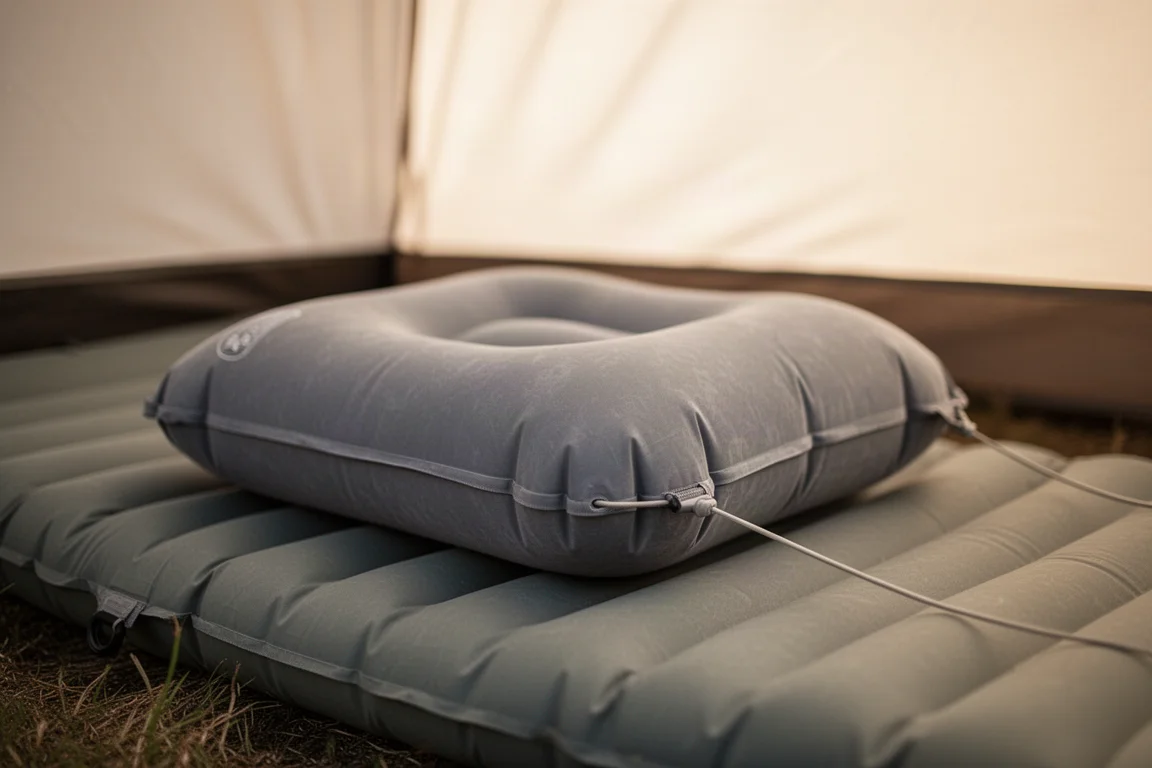
For summer trips, the UberLite keeps weight low while still offering enough cushioning and insulation for mild nights.
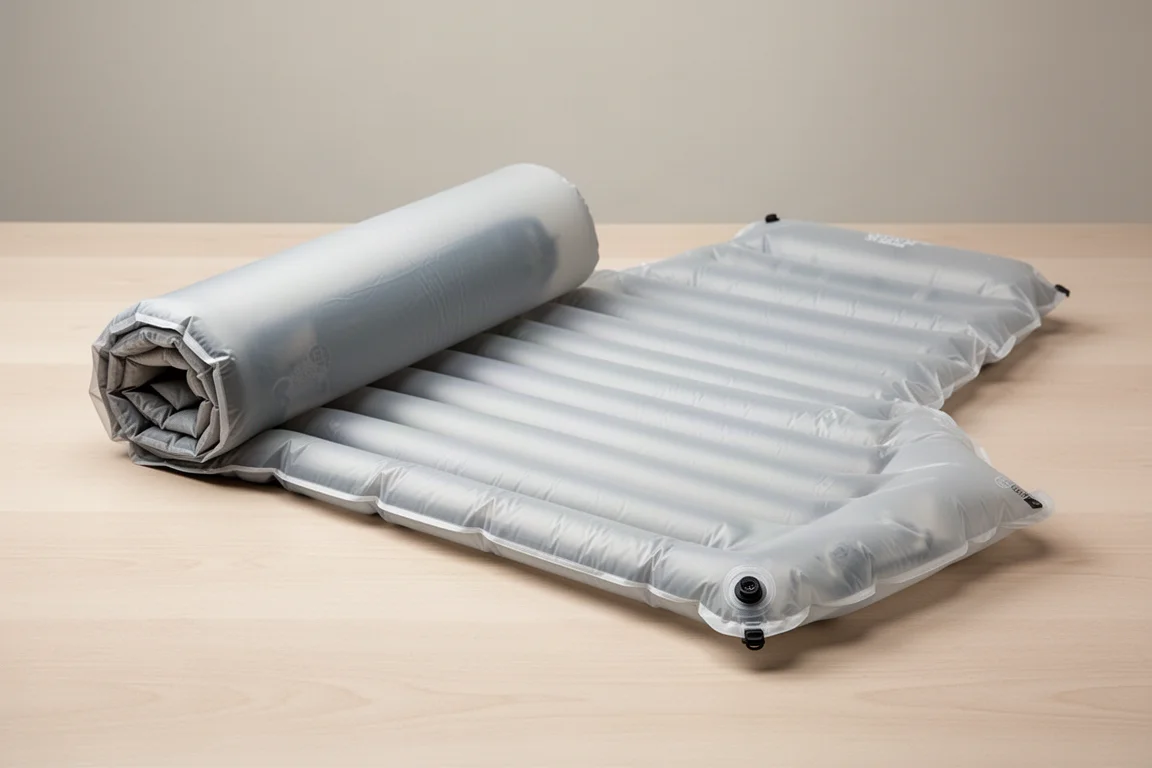
Therm-a-Rest Hyperion
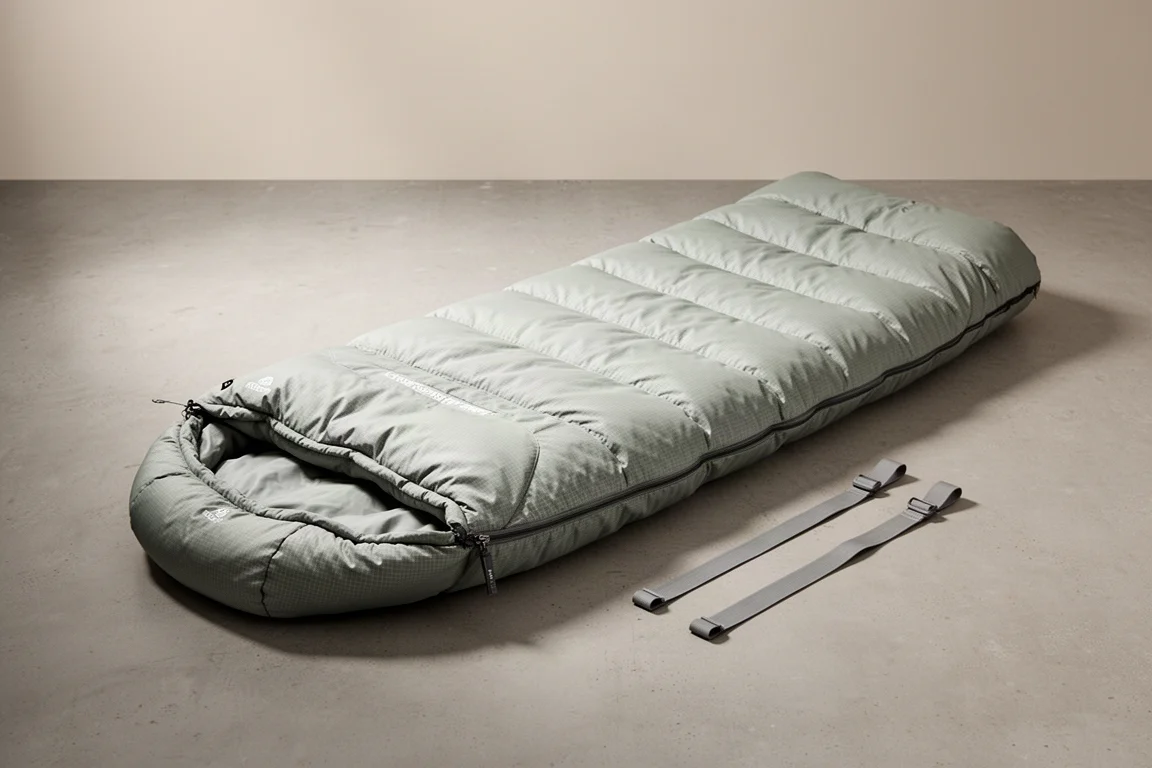
The Therm-a-Rest Hyperion is a 30 to 32-degree sleeping bag built for summer trips. It helps you avoid sleeping too hot, saves weight in your pack, and works well with a lower-R-value pad like the UberLite. If a cold front moves in at higher elevations, this setup can still keep you comfortable down to around 40 degrees.
Cold-Weather Sleeping Pads
Exped SynMat HL Winter
The Exped SynMat HL Winter is designed for cold conditions, with a high R value that creates a strong barrier of insulation between you and the ground. It is a good choice when you need more warmth than a standard three-season pad can provide, especially for trips that push into freezing or below-freezing temperatures.
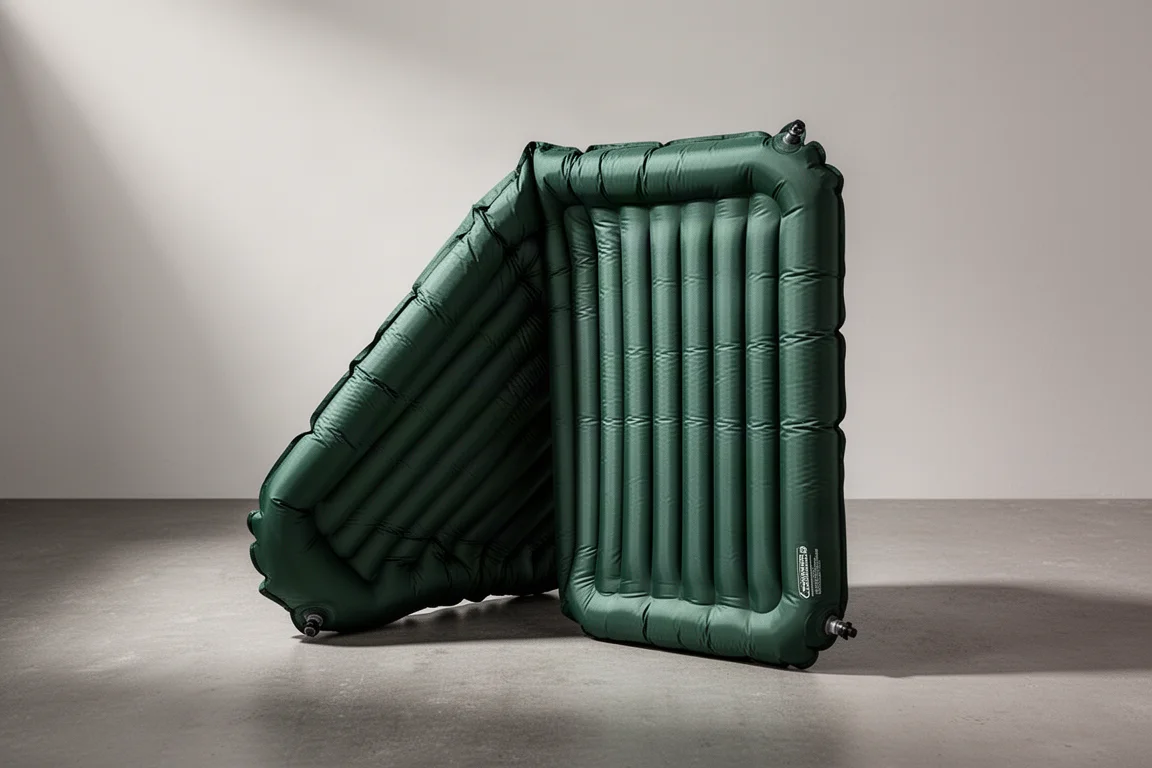
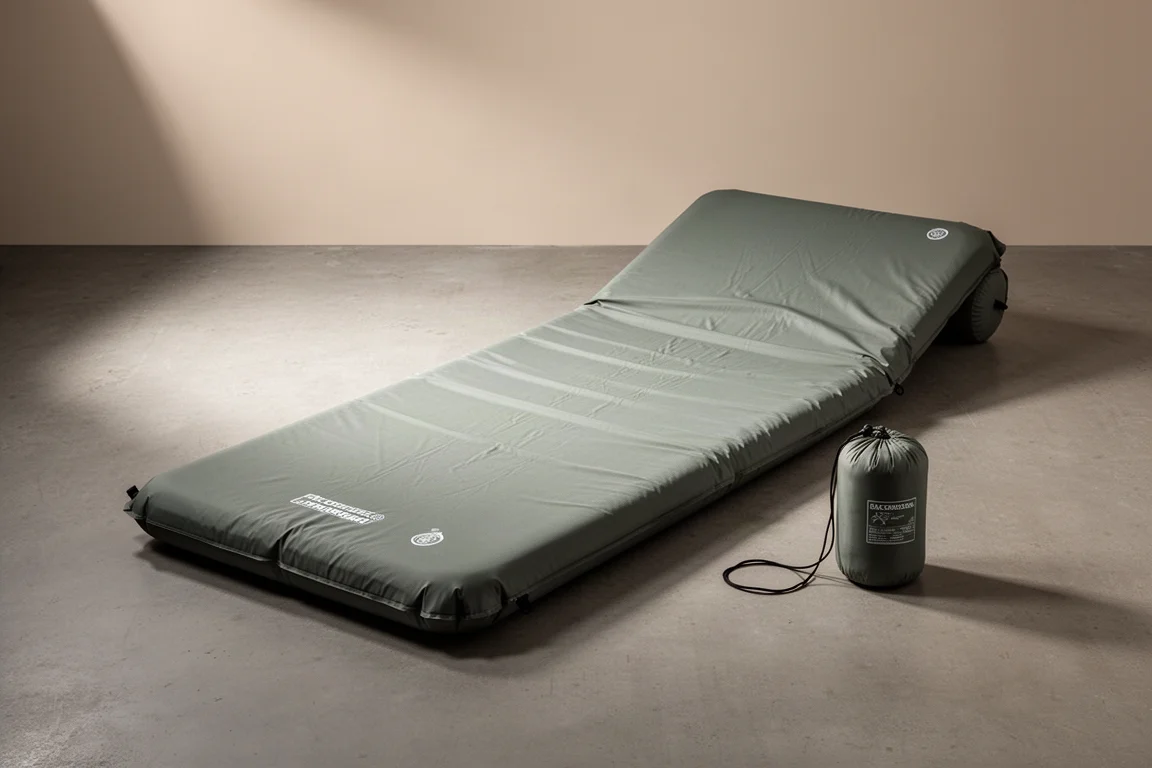
Therm-a-Rest NeoAir XTherm
The Therm-a-Rest NeoAir XTherm has a 6.9 R value, making it one of the most insulated pads in this guide. For cold-weather camping, it can be paired with a closed-cell foam pad to add even more warmth. That combination creates an excellent barrier against ground cold and works well with a 0-degree or negative-degree sleeping bag.
Cold-Weather Sleeping Bags
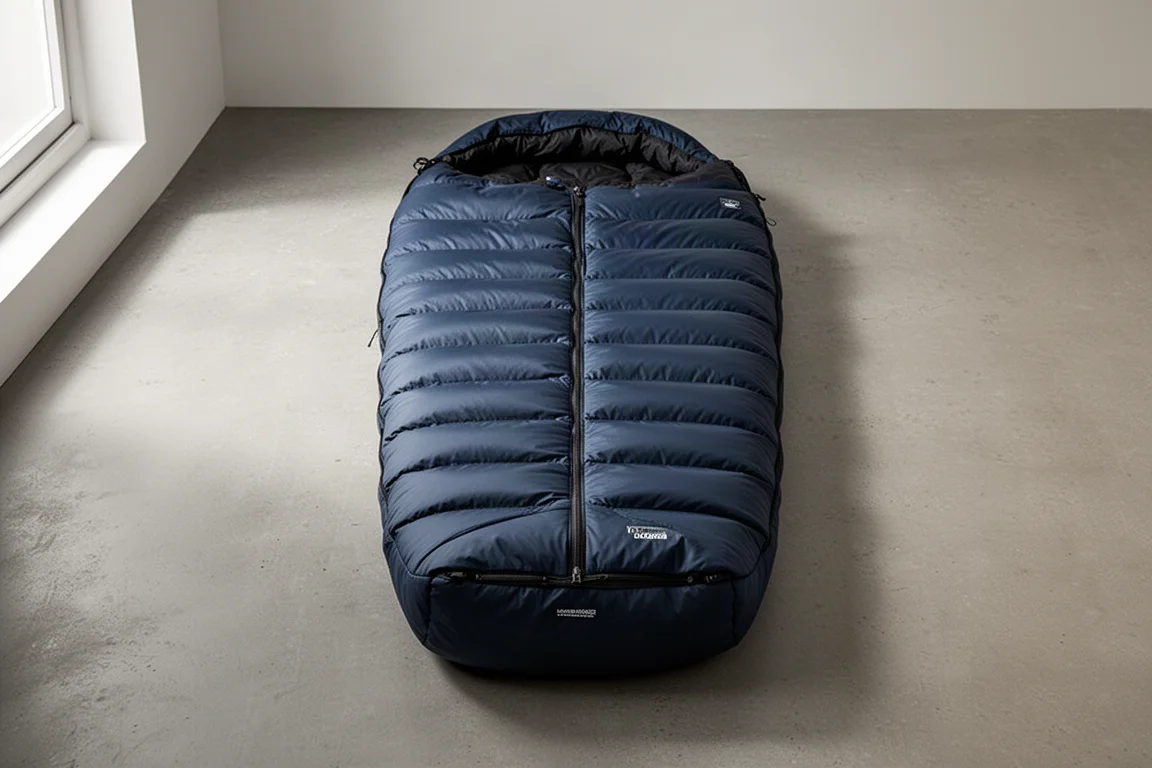
Sea to Summit Spark 0 Degree Sleeping Bag
The Sea to Summit Spark 0 Degree Sleeping Bag is a cold-weather bag that pairs naturally with a high-R-value pad like the Therm-a-Rest NeoAir XTherm. Together, they form a lightweight sleep system for below-freezing conditions. If your trips regularly involve winter camping or shoulder-season nights in the mountains, this bag and pad combination is worth considering.
Buying Advice
The right sleep system depends on your goals. For three-season backpacking, start with an insulated pad in the 3 to 3.5 R value range and a 20-degree sleeping bag. This combination handles temperatures around freezing and gives you flexibility across spring, summer, and fall.
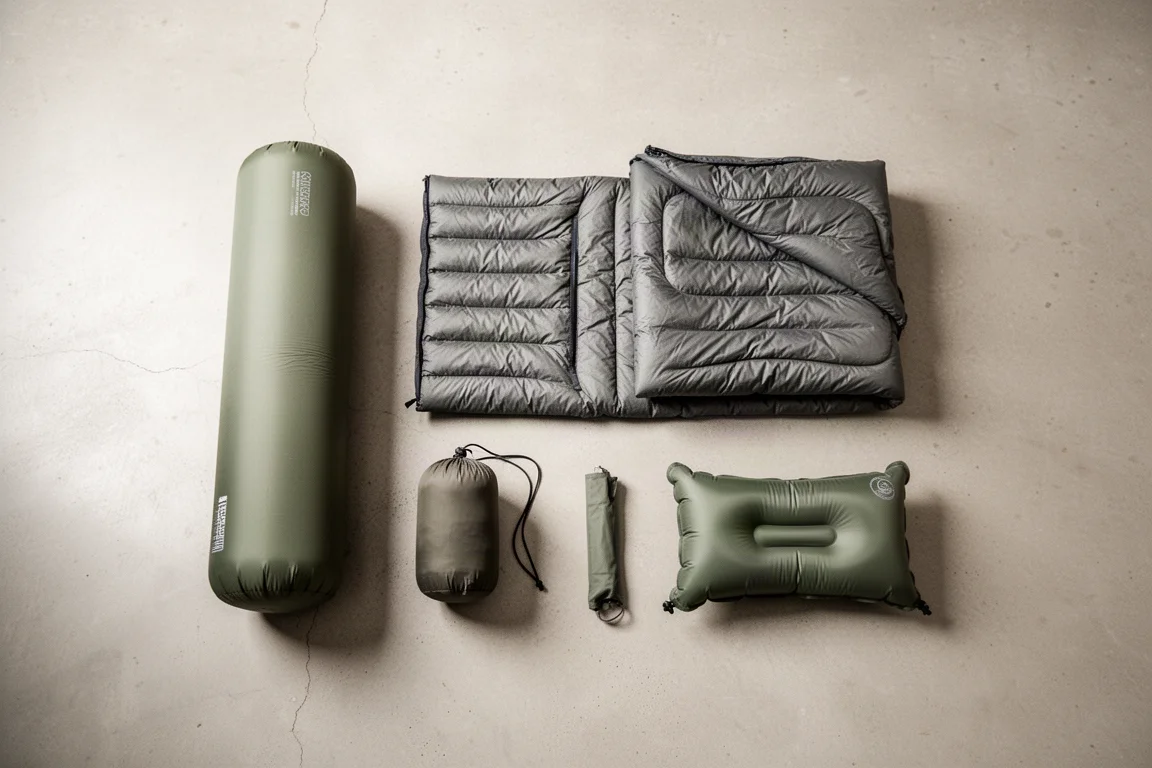
If you want more comfort, consider a thicker pad like the Sea to Summit Ether Light XT Insulated. If you want to extend your season into colder weather without buying a new bag, raise your pad’s R value with a Nemo Tensor Alpine or add a closed-cell foam pad. For warm-weather trips, a lower-R-value pad like the Therm-a-Rest UberLite and a 30 to 32-degree bag like the Therm-a-Rest Hyperion save weight and prevent overheating.
For true cold-weather adventures, look to pads with R values of 5 or greater, such as the Exped SynMat HL Winter or the Therm-a-Rest NeoAir XTherm, and pair them with a 0-degree bag like the Sea to Summit Spark. Quilts like the UGQ Bandit can work well in cold conditions, but only when matched with a pad that provides enough insulation underneath.
Conclusion
A backpacking sleep system is not just a pad and a bag chosen separately. The pad’s R value and the bag’s temperature rating need to work together. Start with your expected conditions, choose insulation that gives you a margin of warmth, and adjust from there. With the right pairing, you can sleep comfortably and carry only what you need.
Further reading
Related Reviews

Backpacking Gear
Building a 10 lb Base Weight: An Ultralight Backpacking Gear List
A practical walkthrough of the ultralight pieces behind a 10 lb base weight, from a 765 g pack and a roomy one-person tent to a full camp chair and a dependable water filter.
Backpacking Gear
A 15-Pound Lightweight Backpacking Gear List for Solo Trips
A beginner-friendly 15-pound backpacking setup built from easy-to-find gear, with notes on what each piece does, how it packs, and where to spend your attention.
Backpacking Gear
8 Ultralight Backpacking Gear Upgrades Worth Carrying
Eight small, affordable backpacking upgrades that solve real trail annoyances, from a pillow that stays put to a fuel valve that rescues leftover canister gas.