Backpacking Gear
Backpacking Safety Gear: Three Items You Hope You Never Need
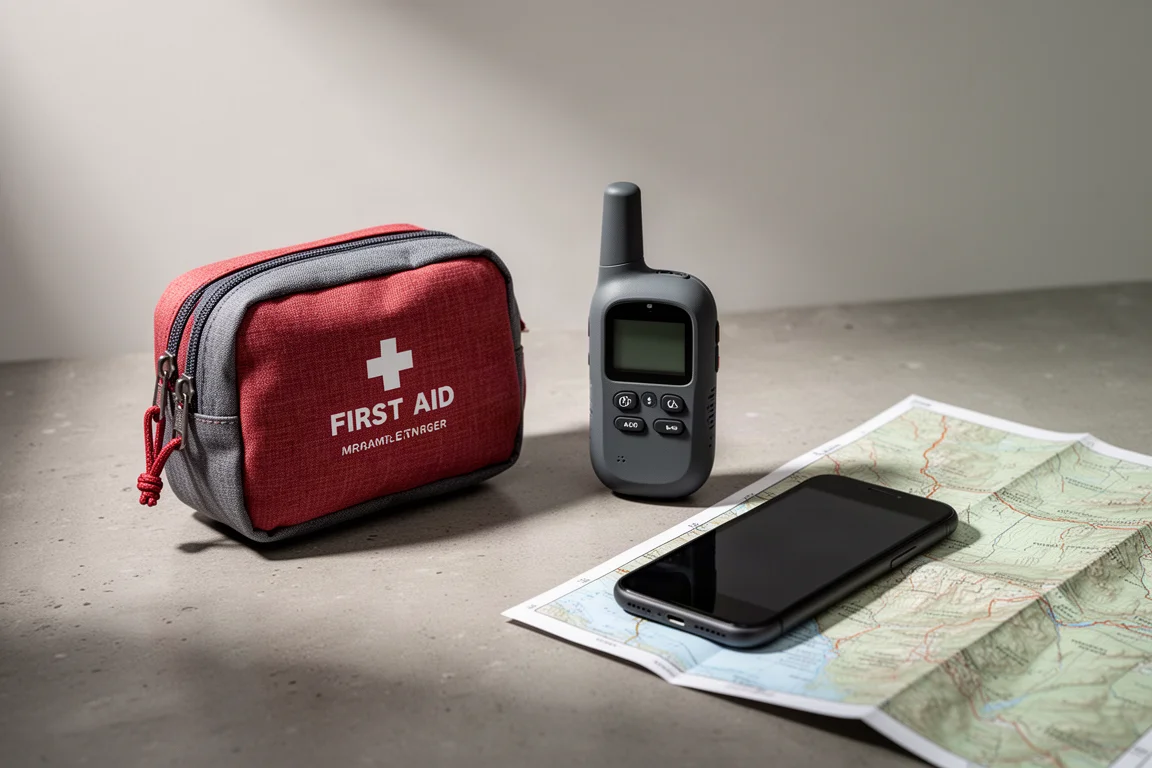
A first aid kit, a satellite communicator, and offline navigation apps are the backpacking gear you rarely touch and always want to have.
Introduction
A successful backpacking trip rests on two things: a trip plan you trust and the gear you actually carry. Most of what goes into a pack earns its place through daily use. A small group of items does not work that way. You may go seasons without opening them, and you will still be glad they were in the bag when the day turned.
These items are insurance. None of them is required the way a tent, a sleeping bag, or a stove is required, but each one covers a situation that a good trip plan alone cannot fix.
What These Items Have in Common
Every item on this list addresses a low-probability, high-consequence problem, which shapes how you should choose them. A first aid kit has to match the environment you travel in and the level of training you bring. A satellite communicator has to be small and affordable enough that you carry it without a second thought. Navigation tools have to be set up before you reach the trailhead, because they are hardest to use when you are tired, cold, or already off route.
Weight matters on every trip, and the case for gear you rarely use is not that it will be used often. The case is that when it is needed, nothing else substitutes for it.
First Aid Kit: Adventure Medical Kits Really Simple
A first aid kit is the least glamorous item in a pack, and it is the one most often trimmed to nothing. A few adhesive bandages, some ibuprofen, and a strip of duct tape is not a first aid kit. It is the suggestion of one. A real kit handles what actually happens on trail: cuts and lacerations, burns, blisters, and the small foreign-object problems that can end a day early.
The Adventure Medical Kits Really Simple First Aid Kit is a practical baseline for one person managing the typical injuries of a typical trip. It stays small enough to live in the pack permanently, which is the point. The best first aid kit is the one that is still there when you need it.
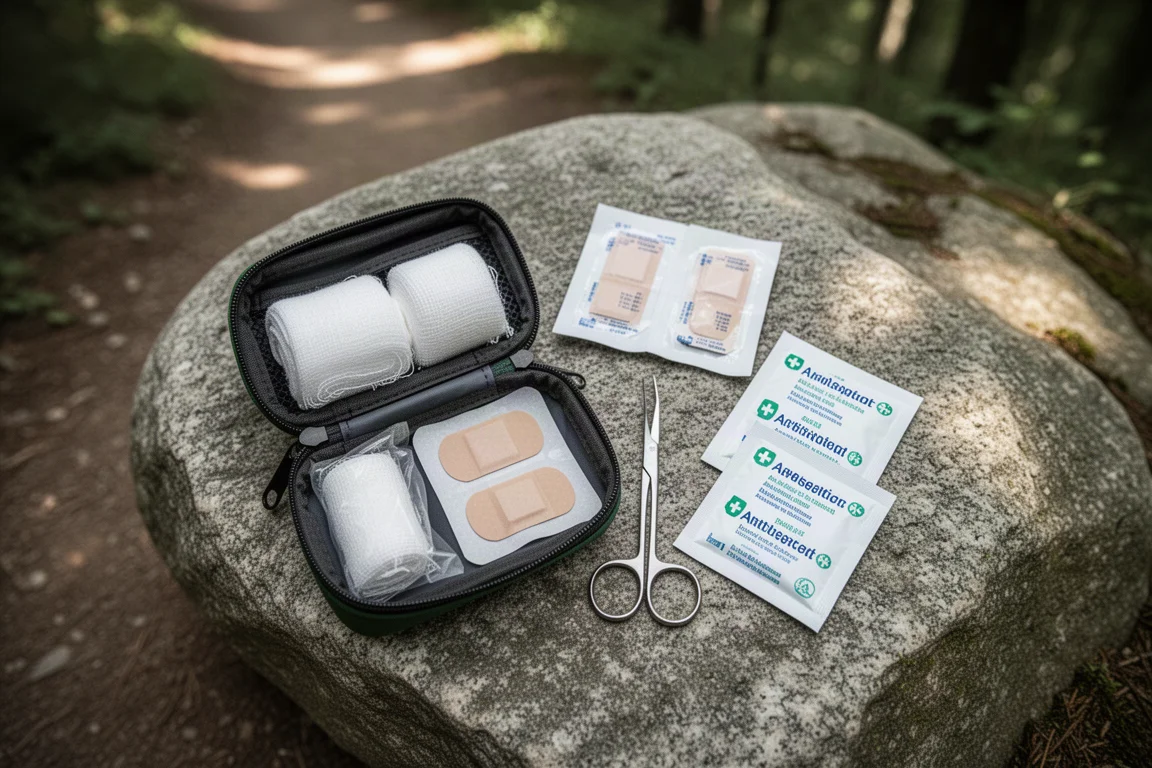
Matching the kit to your training matters as much as matching it to the terrain. A hiker with advanced wilderness medical training will want supplies and tools that a casual weekend backpacker has no idea how to use. For everyone else, a compact kit that covers the basics beats a heavy kit that stays at home.
Small problems derail trips too. A pair of tweezers can rescue an afternoon: a cactus thorn, a splinter, or a bee sting removed in seconds turns a painful walk back into an ordinary one.
Satellite Communicator: ZOLEO
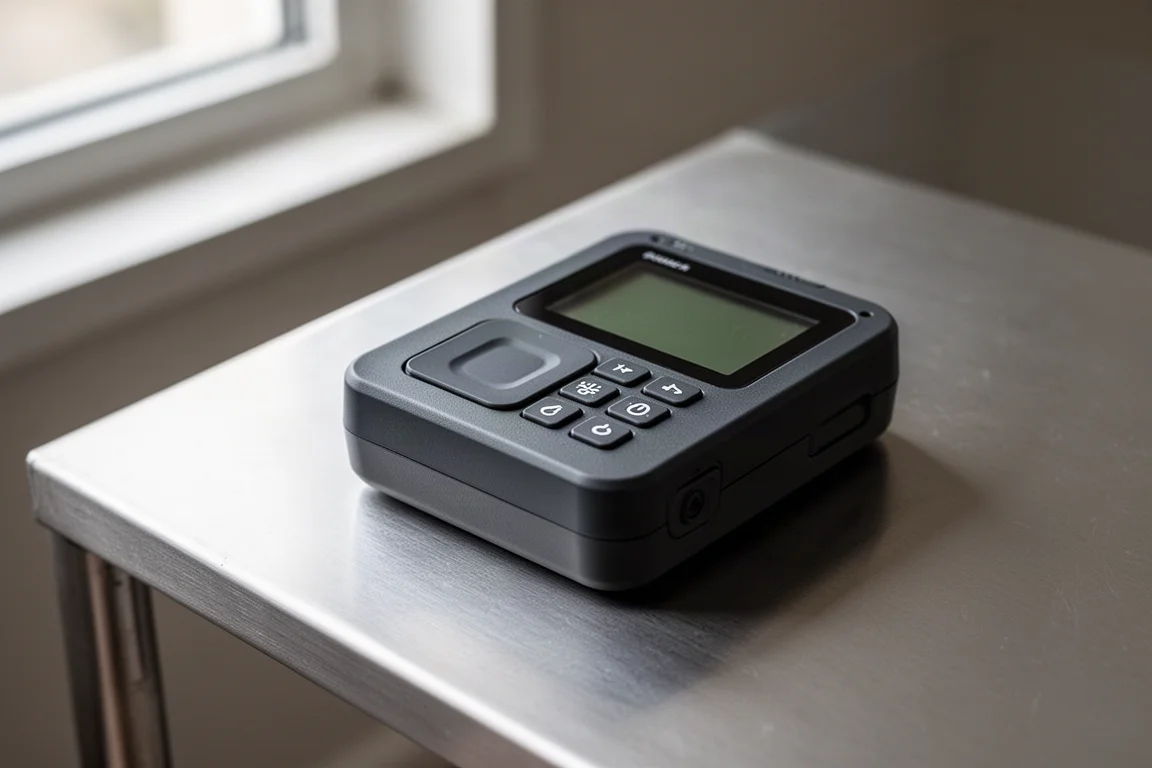
A satellite communicator is the clearest example of gear bought for the worst day rather than the average one. The ZOLEO Satellite Communicator sends messages over satellite networks, so it works well beyond the reach of cell coverage. On a normal trip, that means quick check-ins with family, status updates from camp, and an easy way to confirm you are safe and on schedule.
On an abnormal trip, the same device includes an SOS function that can call for help when nothing else reaches anyone. Satellite communicators have become inexpensive enough that they no longer feel like expedition-only equipment, and the peace of mind they provide extends to the people waiting at home.
Navigation Apps: CalTopo and Topo Maps Plus
Navigation is where a phone earns its place in the pack. The GPS built into a phone or a watch is precise enough to tell you exactly where you are, and on a well-defined trail that is often all you need. A paper map and compass are excellent tools in trained hands, but they only help someone who can triangulate a position and work with coordinates. Carried without that skill, they add weight and confidence without adding much capability.
Electronic devices do fail, and that risk is real. The practical answer is preparation rather than redundancy you cannot use: download the maps you need before you leave, load your planned route, and save the waypoints that matter so everything works offline.
CalTopo
CalTopo is built around planning on a larger screen and then taking that plan with you. Routes, waypoints, and map layers are worked out at a desk, then exported as GPX files to a phone, so the route studied at home is the route in your hand on trail.
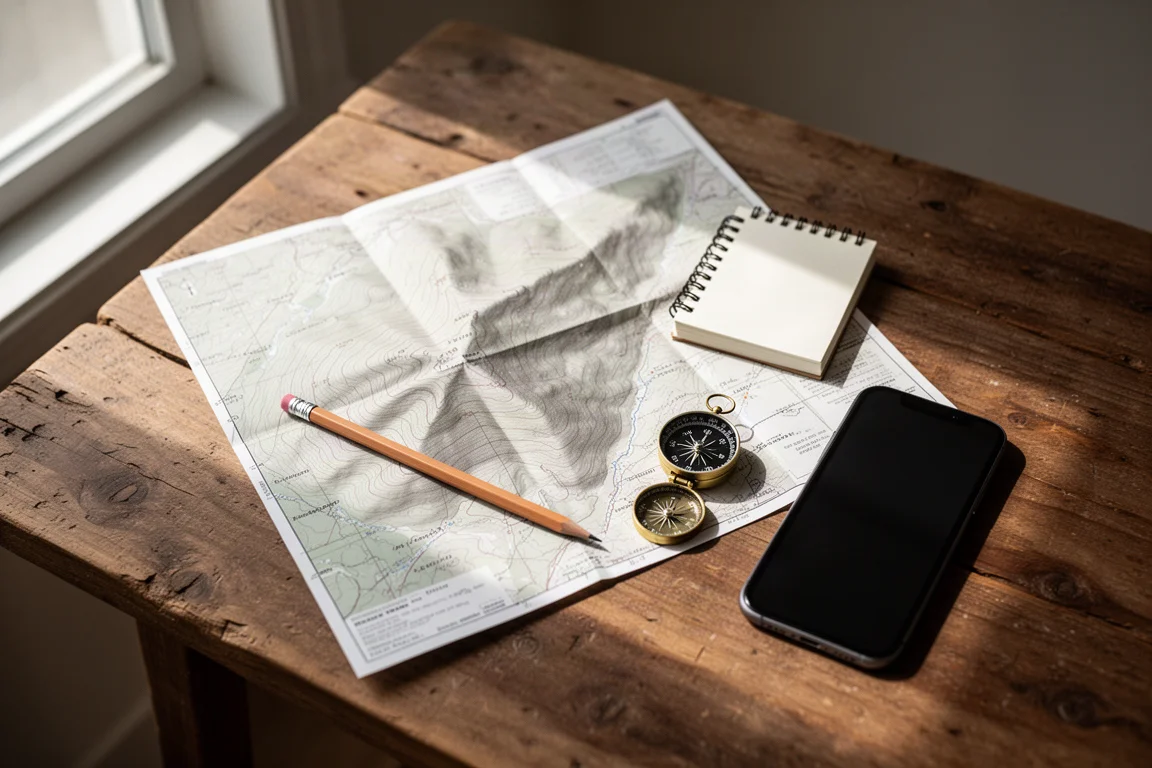
For hikers who like to see the whole trip before committing to it, that workflow is the appeal. Alternative routes, camp options, and elevation changes are all decided in advance, and the phone becomes a reference rather than a guess.
Topo Maps Plus
Topo Maps Plus is the other app worth keeping on the phone. It makes mapping and planning routes straightforward, which is exactly what you want when a trip comes together at short notice and you still need a route you can follow offline.
Buying Advice: Matching Gear to Your Trip
Start with the environment and your own skill level, then let the gear follow. A first aid kit should scale with the terrain you travel and the training you hold. A satellite communicator is optional, but it is one of the few optional purchases that delivers value on every trip, including the uneventful ones, because it keeps the people at home informed.
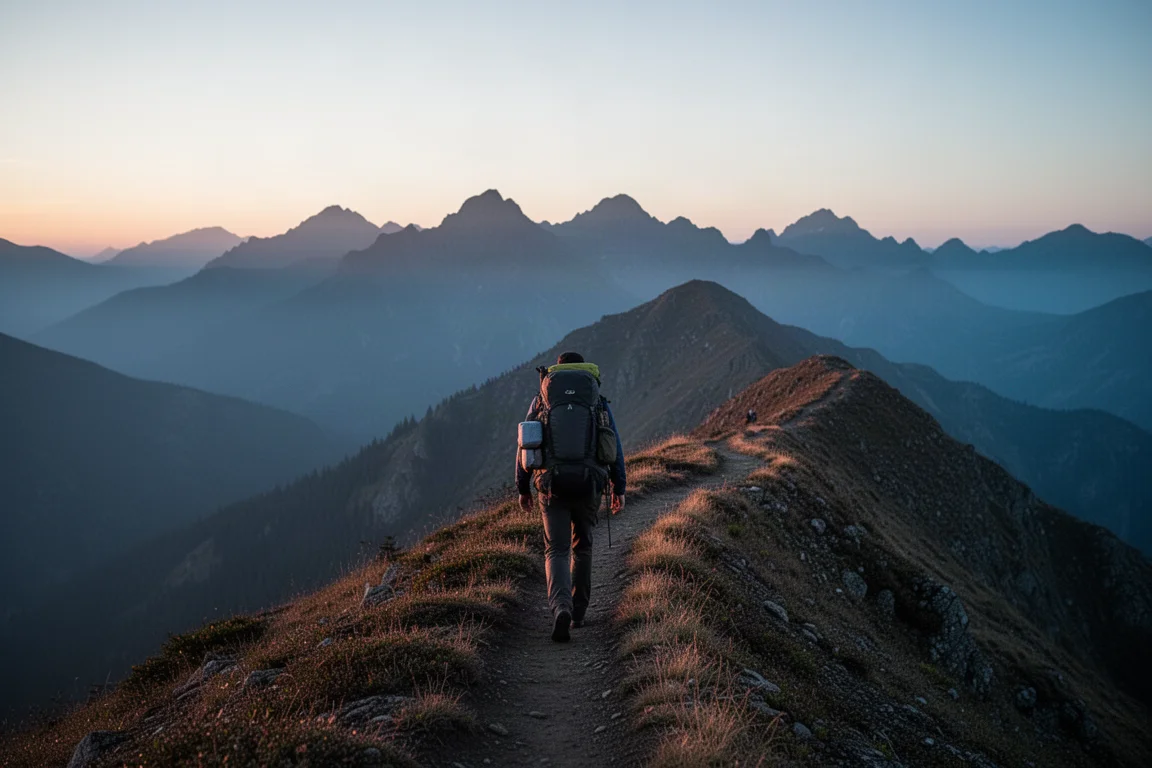
Navigation apps are inexpensive to try and quick to set up, and the setup work happens before you leave rather than on the trail. Download the maps, save the waypoints, and confirm the route is stored locally on the device.
None of this replaces a trip plan. The plan is what makes the gear useful: a route you have studied, a kit you know how to use, and a communication device you have tested before you rely on it.
Conclusion
These three categories are the quiet part of a packing list. A first aid kit sized to your training, a satellite communicator that reaches beyond cell coverage, and offline navigation set up in advance all sit unused on most trips. That is exactly what you want. The value shows up on the trip where something goes wrong, and on that trip nothing else in the pack does the same job.
Further reading
Related Reviews

Backpacking Gear
Building a 10 lb Base Weight: An Ultralight Backpacking Gear List
A practical walkthrough of the ultralight pieces behind a 10 lb base weight, from a 765 g pack and a roomy one-person tent to a full camp chair and a dependable water filter.
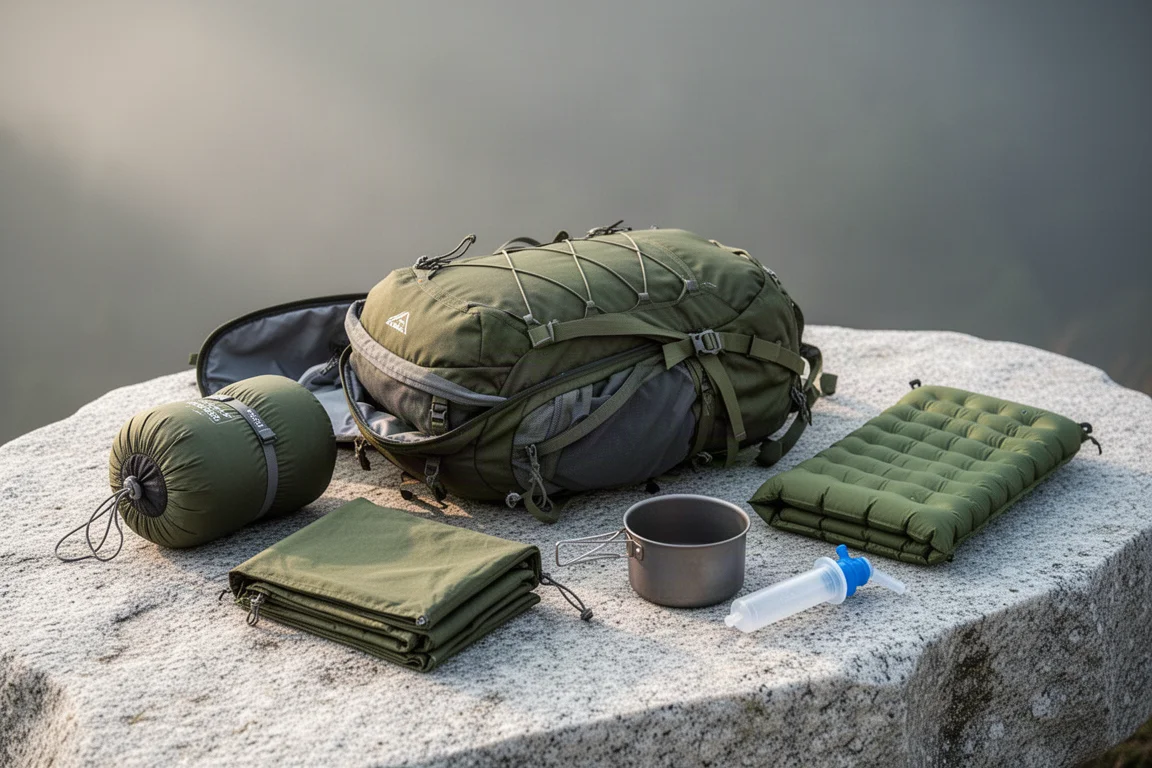
Backpacking Gear
A 15-Pound Lightweight Backpacking Gear List for Solo Trips
A beginner-friendly 15-pound backpacking setup built from easy-to-find gear, with notes on what each piece does, how it packs, and where to spend your attention.
Backpacking Gear
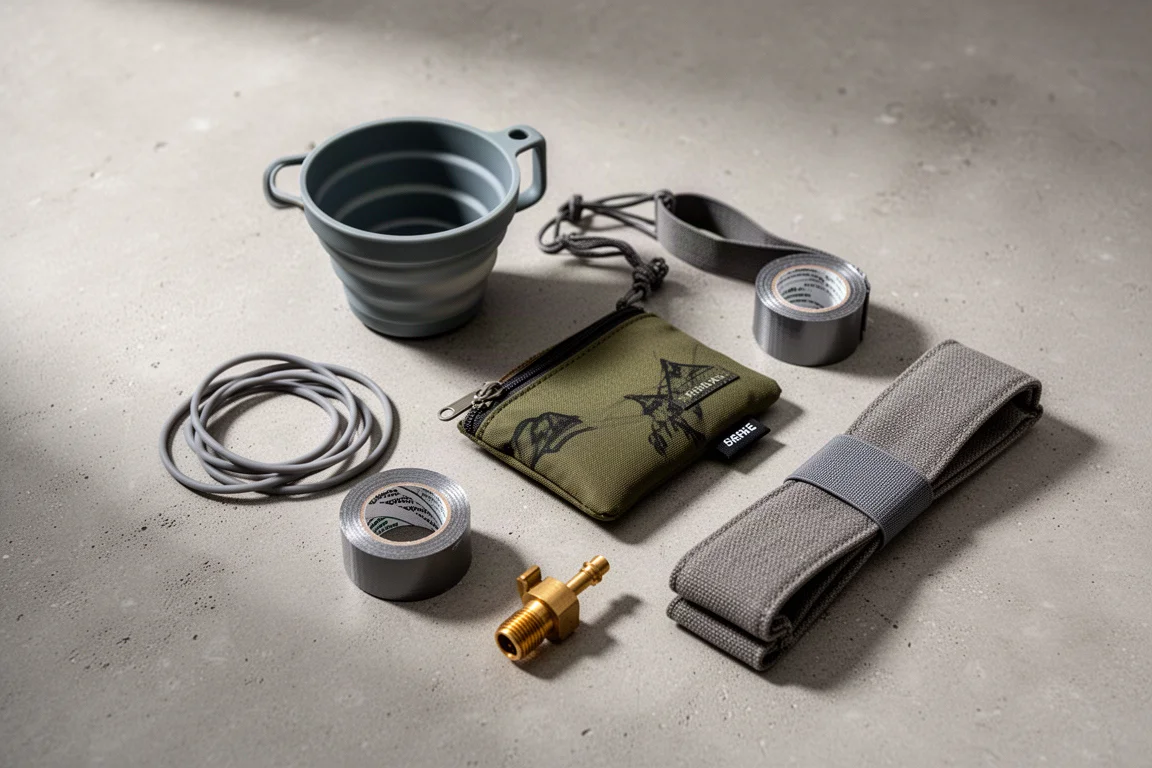
8 Ultralight Backpacking Gear Upgrades Worth Carrying
Eight small, affordable backpacking upgrades that solve real trail annoyances, from a pillow that stays put to a fuel valve that rescues leftover canister gas.