Backpacking Sleep Systems
Backpacking Quilts and Sleeping Bags: Five Sleep Systems Worth Considering
Five backpacking sleep systems, from ultralight sleeping bags to quilt-based bed setups, and how to choose the one that matches the way you actually sleep.
Introduction
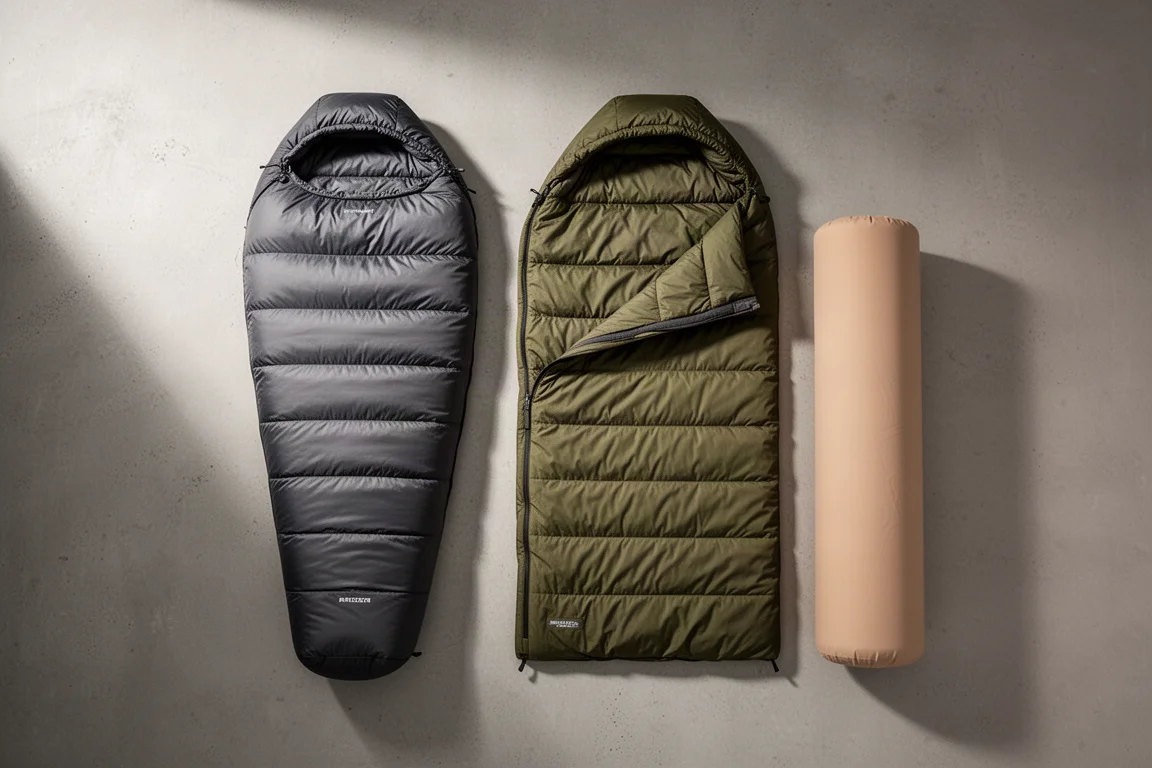
Sleep systems are the one part of a backpacking kit where the right answer depends almost entirely on how you sleep. A quilt can trim weight and pack size, but it also asks you to manage pad straps, drafts, and every roll from one side to the other. A sleeping bag adds a little more material and usually a hood, but it wraps you up completely and holds its shape through the night.
For hammock camping, quilts remain the most logical choice. A top quilt paired with an underquilt is the classic setup, and it works because the hammock itself already cradles the sleeper. Ground sleeping is a different problem, and it is the reason so many backpackers end up revisiting sleeping bags after a few seasons of quilt use.
This guide covers five sleep systems worth a closer look: three sleeping bags and two quilts, including one quilt-based bed setup that is built specifically for ground sleeping.
How to Choose a Backpacking Sleep System
The first decision is weight against sleep quality. Chasing the lightest possible option is a reasonable goal, but it stops making sense when it costs you sleep on every trip. A sleep system that keeps you warm and settled through the night usually justifies a few extra grams.
Draft control is the second factor. Quilts rely on attachment systems and careful sizing to stay sealed around the shoulders and along the sides. If you move around a lot, a quilt that is only marginally wide enough will let cold air in, and the fix is almost always a wider quilt rather than a better technique.
Insulation placement matters too. Sleeping bag makers deliberately reduce fill on the back panel because body weight compresses whatever loft sits underneath you. That compressed section contributes very little warmth, which is why an insulated pad does the real work below your body in any system, quilt or bag.
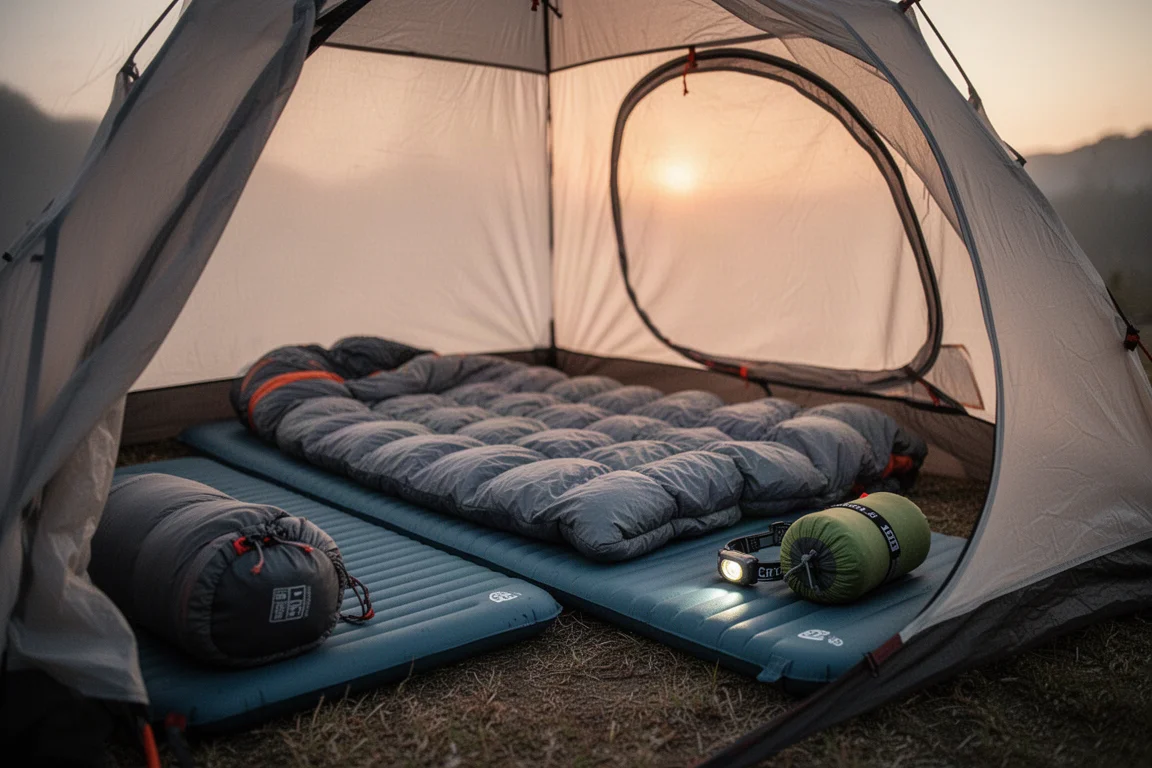
Interior space is the last piece. Claustrophobia is one of the most common reasons people switch from bags to quilts, but bag design has moved on. Spoon-shaped bags and bags with adjustable side panels now offer far more room to shift position without the constricted feeling that older mummy bags were known for.
Sea to Summit Spark
The Sea to Summit Spark is an ultralight sleeping bag that earned its place across a full season of backpacking trips. It covers the sleeper completely, which means no pad straps to adjust in the dark and no shoulder gaps to chase when the temperature drops.
That complete coverage is the core advantage of a bag. There is no draft management to think about, no re-tucking after a roll, and the hood stays exactly where you left it. For backpackers who value a predictable, repeatable night of sleep over the smallest possible packed size, that consistency is worth a great deal.
It is not the most minimal option on this list, and the underside insulation compresses under body weight like any bag. What it offers instead is a system that behaves the same way on every trip, which is exactly what makes it a dependable default.
UGQ Bandit
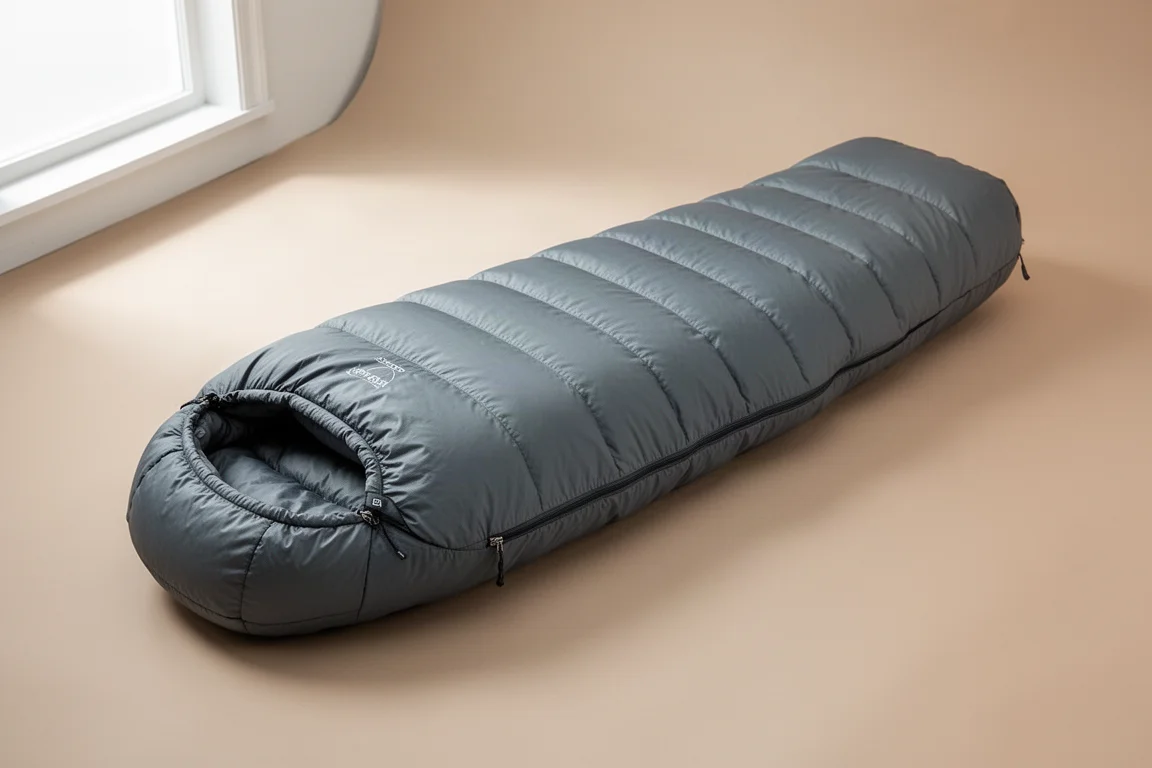
The UGQ Bandit is a well-made top quilt and a good example of why quilt sizing deserves more attention than it usually gets. This one measures 55 inches wide, which sounds generous until you are a side sleeper moving between positions through the night.
Pad straps and draft management are the recurring friction points. Quilts attach to the sleeping pad rather than wrapping around the sleeper, so every shift in position creates a small opening that has to be closed again. For some backpackers that becomes second nature. For others it is a nightly chore.
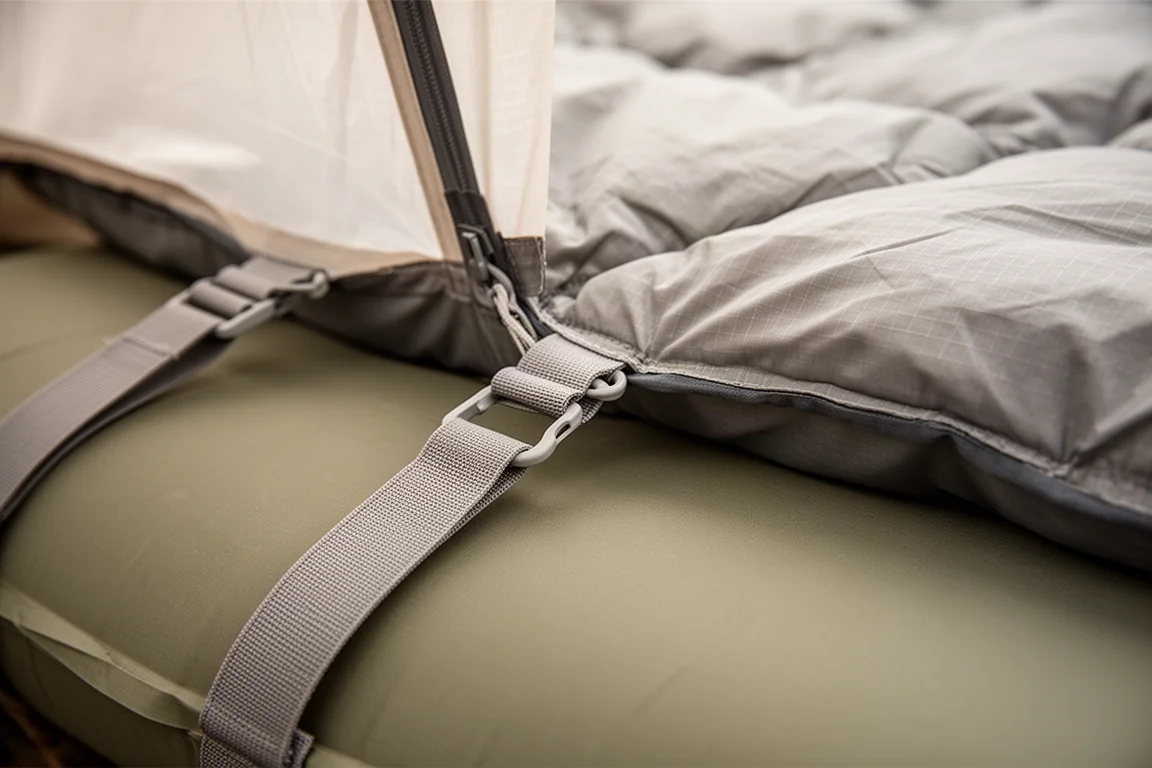
The quilt itself is a quality product, and the construction is not the issue. The issue is that a quilt wide enough for still sleeping is often not wide enough for restless sleeping, and sizing up is the only real solution. Anyone considering this quilt should think honestly about how much they move.
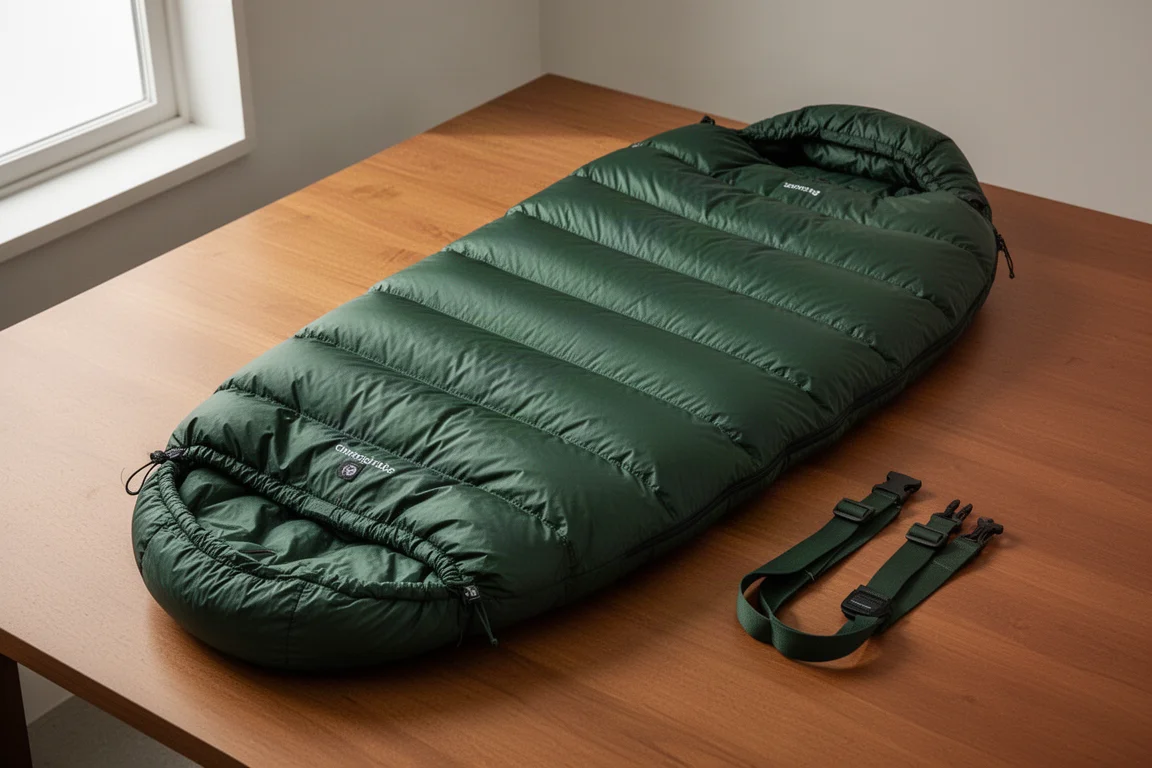
Hammock Gear Econ
The Hammock Gear Econ is an economy quilt that makes a strong case for itself in a hammock, where a top quilt and an underquilt together create a genuinely comfortable sleep system. Hung between two trees, the quilt geometry simply works, and the value proposition is hard to argue with.
On the ground it is a different story. This quilt is a useful reminder that sizing mistakes are easy to make: too short, too narrow, and not configured for ground sleeping all at once. Each of those issues compounds the others, and the result is a quilt that never quite seals the way it should.
For hammock campers, the Econ line is a sensible entry point and pairs naturally with an underquilt. For ground sleepers, the lesson is to treat length, width, and intended use as separate decisions rather than assuming one size fits every setup.
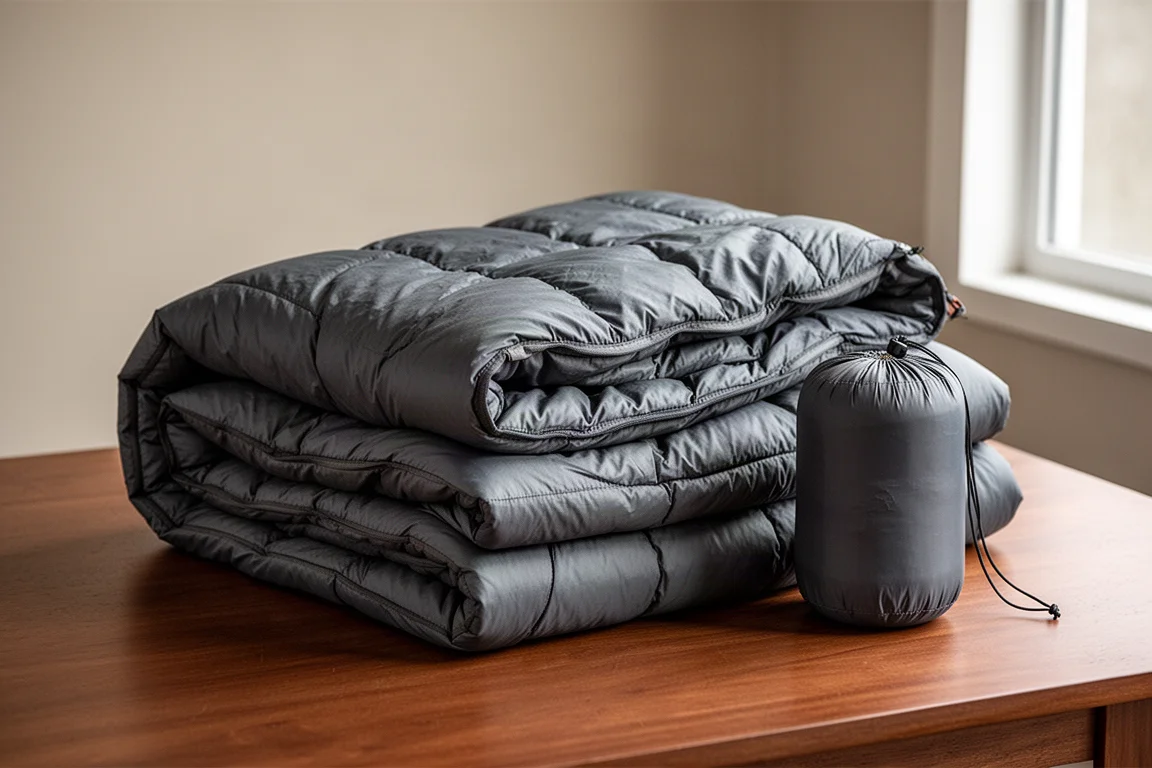
Big Agnes Torchlight UL
The Big Agnes Torchlight UL addresses the claustrophobia problem directly. Zipper panels along the sides can be tightened down for a closer fit or opened up to create noticeably more space inside the bag, which means the same bag can feel snug on a cold night and roomy when you want to move.
It keeps a traditional hood, which matters more than it sounds. A hood seals the warm air around the head and shoulders and removes the need to rely on a separate hat or a jacket hood for that coverage.
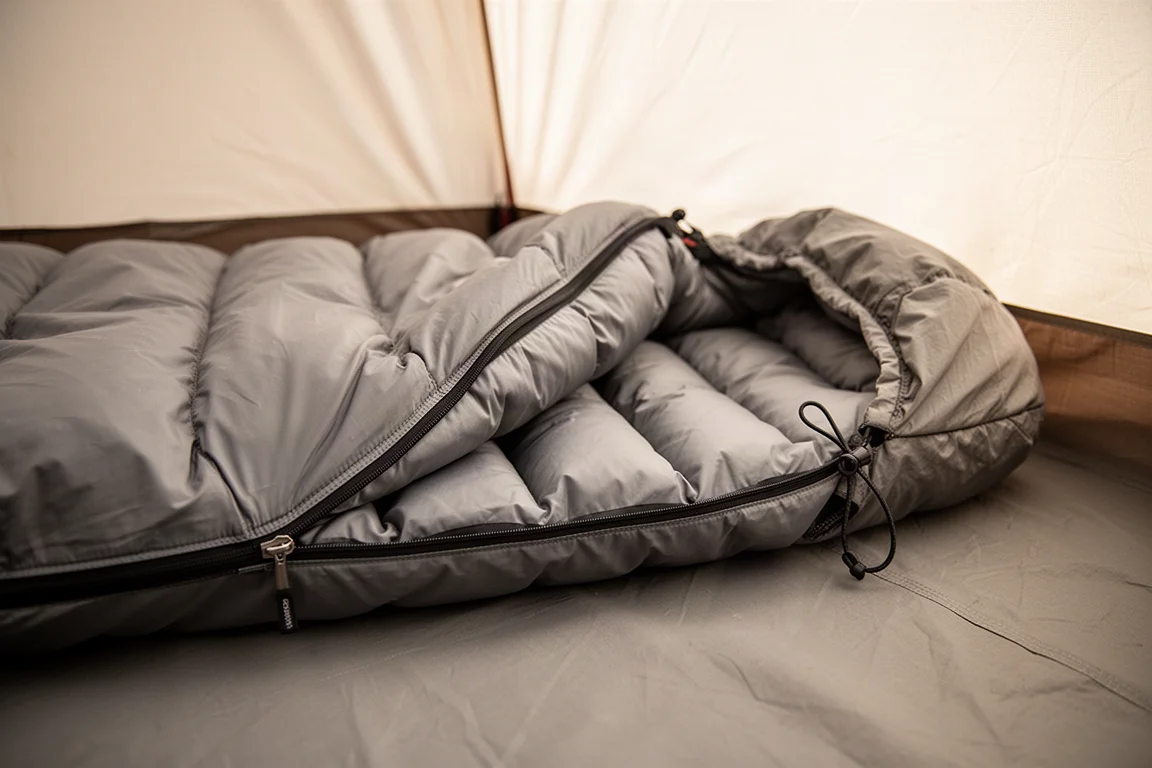
That combination of adjustable interior space and a full hood is what makes this bag interesting for backpackers who want the security of a bag without the restriction. It stays a bag, so the underside insulation still compresses, but the fit is no longer a fixed compromise.
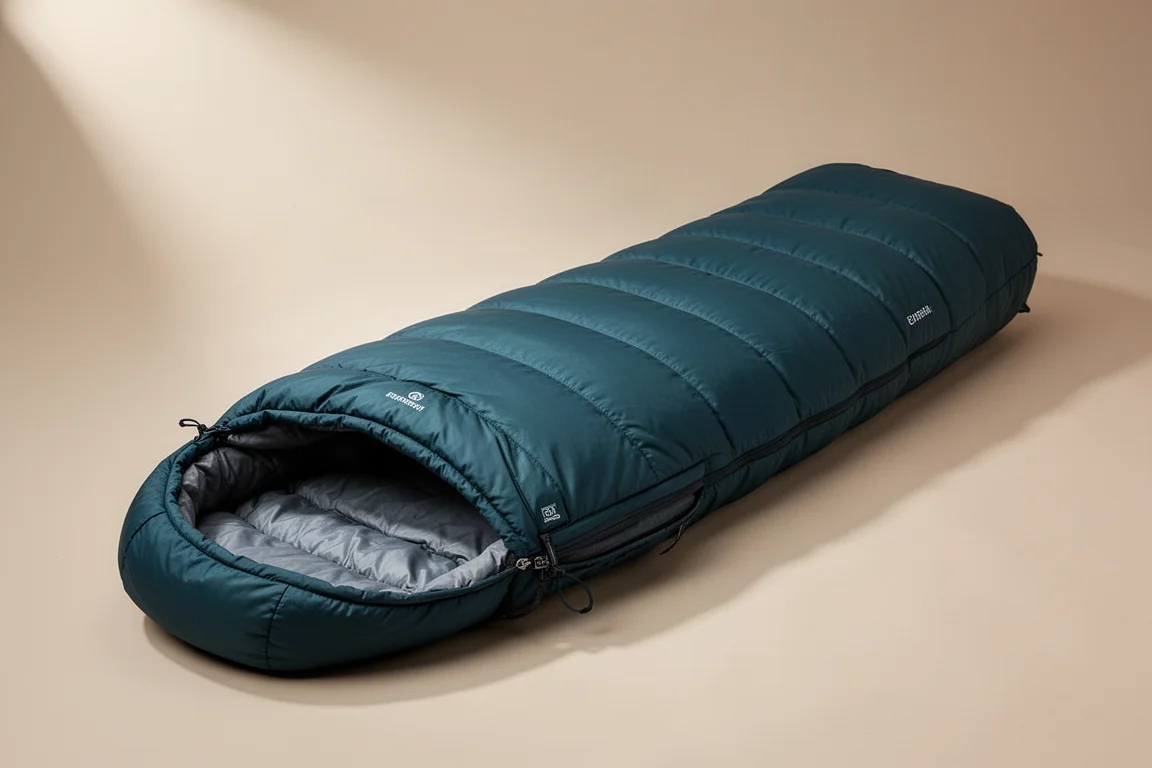
Zenbivy Light Bed
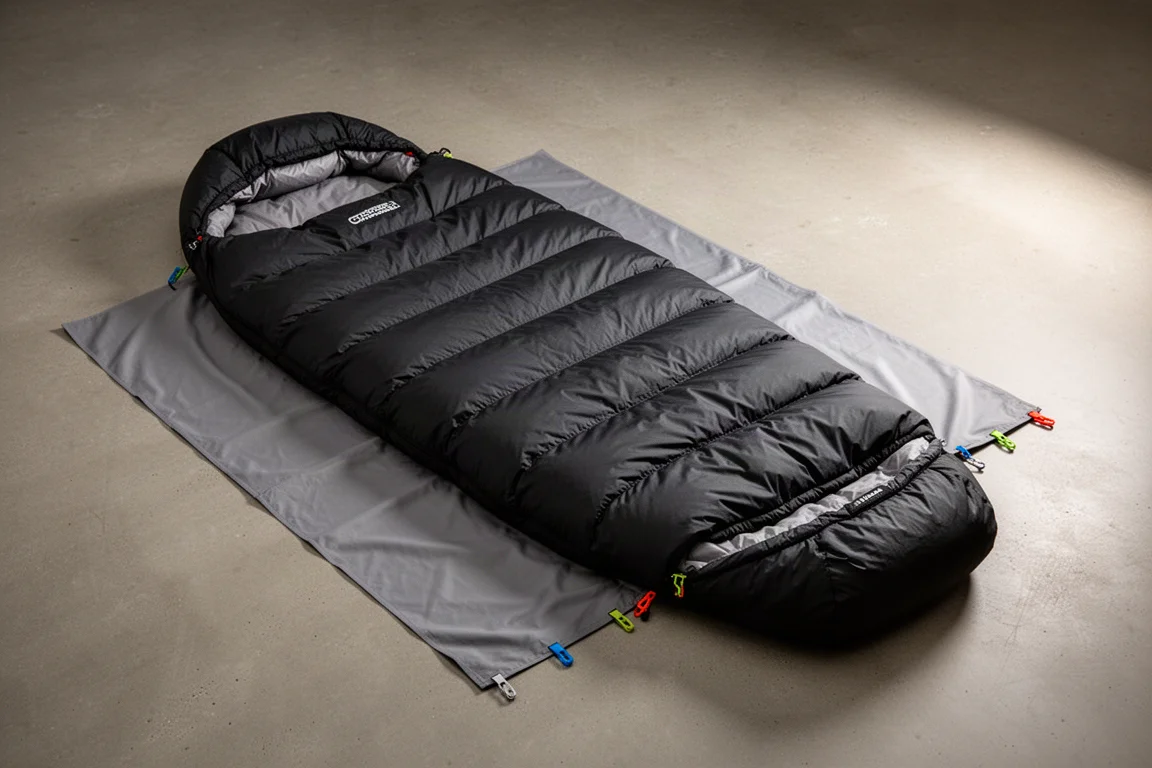
The Zenbivy Light Bed is the most interesting option here because it uses a quilt while solving the problems that push people back to bags. It is a bed-style system designed specifically for ground sleeping, and the attachment points connect the quilt to a fitted sheet that goes over the sleeping pad.
That design eliminates the draft points that show up with a conventional quilt. The quilt is wide all the way through the footbox, so there is real room to move without opening a gap, and it includes a hood, which is the feature most quilt users miss after a few nights out.
It is still a quilt system, which means an insulated pad underneath remains essential for warmth. What changes is the fuss: no wrestling with straps in the dark, no re-sealing the edges after every roll, and a sleeping experience much closer to a bed than a traditional quilt.
Buying Advice
Start with how you sleep rather than how much you want to save. If you sleep still and camp in a hammock, a quilt is efficient and comfortable. If you roll from side to side on the ground, a sleeping bag or a bed-style quilt system will usually deliver better nights with less effort.
Then look at sizing and coverage together. Quilts need to be wide enough and long enough for your body and your movement, and buying short or narrow is the most common and most expensive mistake. Bags need enough interior space to let you shift position, which is why adjustable side panels and roomier cuts are worth seeking out.
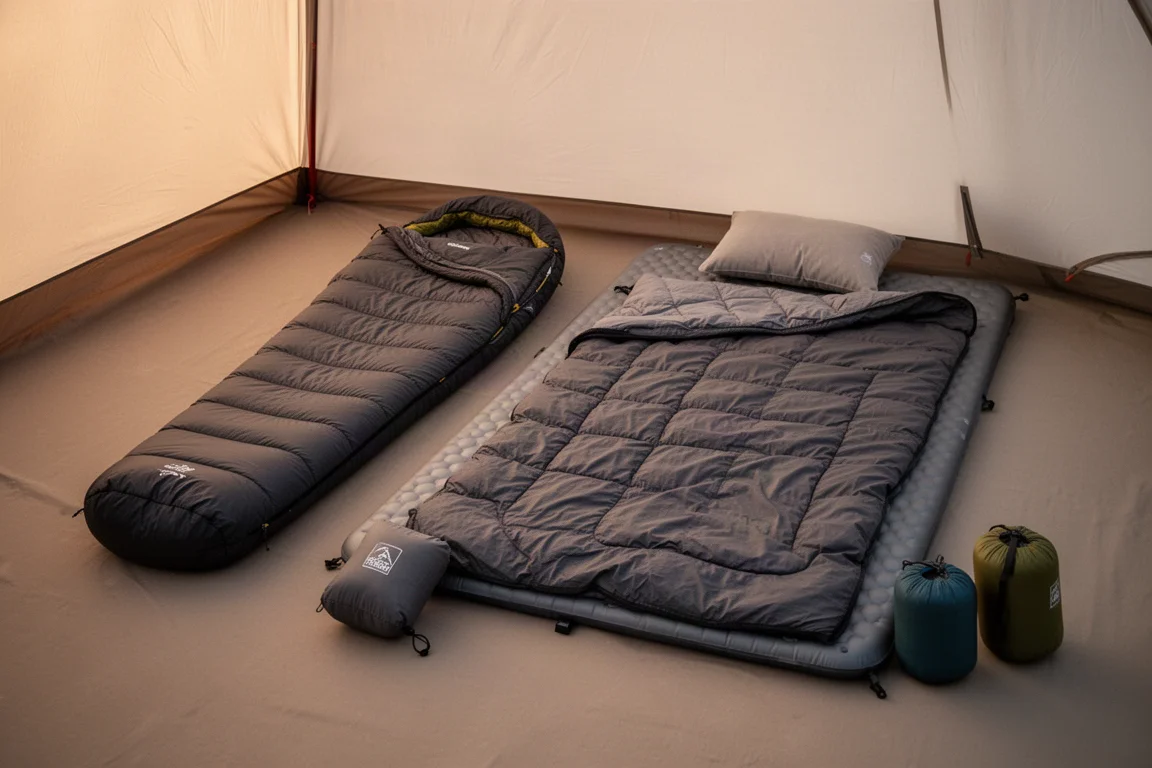
Finally, budget for the pad. Every system here depends on an insulated pad underneath it, because compressed insulation beneath the body contributes very little warmth. A good pad plus a sleep system that matches your sleeping style will outperform a lighter setup that leaves you cold and awake.
Conclusion
Quilts are not going away, and for hammock camping they remain the obvious answer. On the ground, the trade-off is less clear than it once was. Sleeping bags with hoods and adjustable interior space offer coverage and consistency, while quilt-based bed systems like the Zenbivy Light Bed keep the weight advantages of a quilt and remove most of the nightly fiddling.
The right choice comes down to sleep quality. Pick the system that keeps you warm, sealed, and settled from the first night to the last, and the small weight difference stops mattering.
Further reading
Related Reviews
Backpacking Sleep Systems
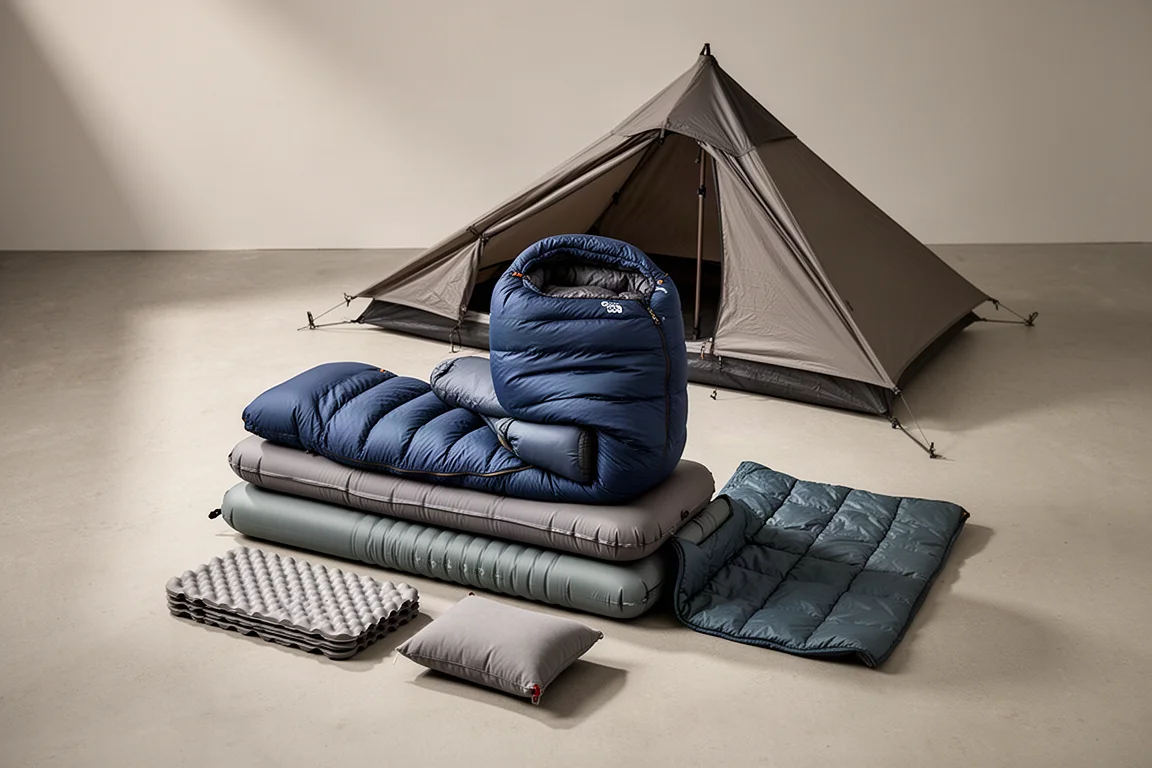
Extreme Cold Sleep System: Six Backpacking Layers for Deep Winter Warmth
A bottom-up look at a six-piece winter sleep system, from a foam ground mat to a floorless shelter, and the reason each layer earns its place.
Backpacking Sleep Systems
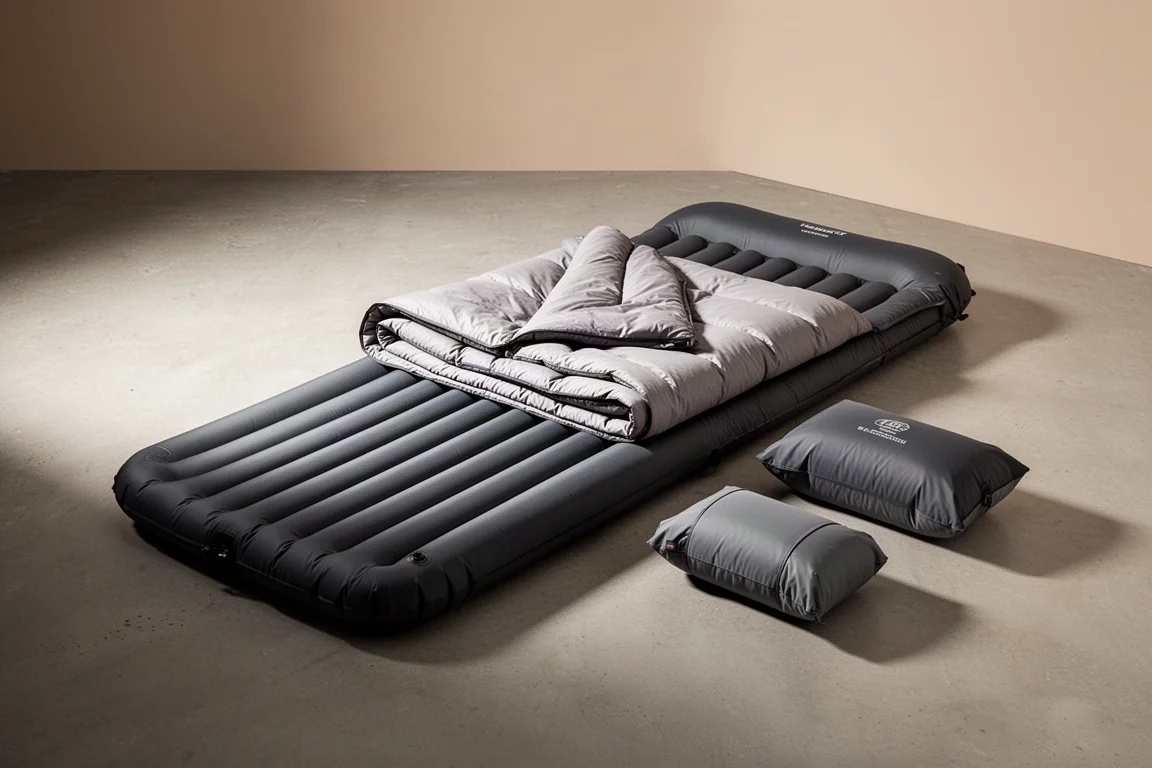
Luxury Backpacking Sleep System: Four Pieces That Feel Like a Bed at Home
A wide, thick sleeping pad, a draft-free quilt, a generously cushioned pillow, and a few small habits that bring backcountry sleep much closer to home.
Backpacking Sleep Systems
Quilts vs Sleeping Bags for Backpacking: Five Sleep Systems Compared
A practical look at five backpacking sleep systems, from wide quilts to adjustable sleeping bags and a ground-focused quilt bed, and how to choose between them.