Backpacking Sleep Systems
Backpacking Quilt Sleep Systems: How to Get Warm, Comfortable Nights
Why quilts so often sleep cold, and four sleep system pieces that get the warmth equation right: the ZenBivy Light Bed, the UGQ Outdoor Bandit Top Quilt, the Nemo Tensor All Season and the Big Agnes Axle Air.
Introduction
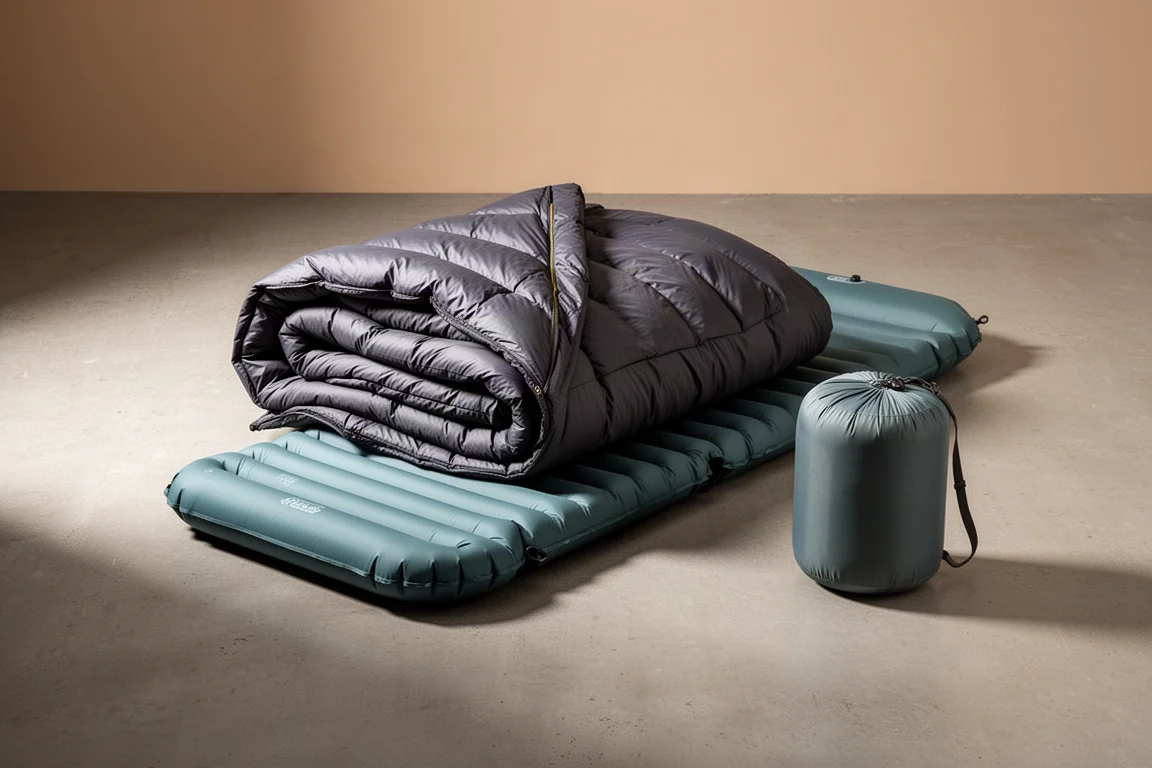
A quilt is one of the lightest ways to sleep comfortably outdoors, and also one of the easiest pieces of gear to get wrong. The quilt itself is only part of the equation. Warmth at night comes from how the quilt, the sleeping pad and the attachment between them work together, and a mismatch in any one of those three shows up in the middle of the night.
This guide walks through the two mistakes that most often turn a quilt into a cold, restless night, then looks at four pieces of gear that show what a well-matched sleep system looks like in practice.
What Usually Goes Wrong With Backpacking Quilts
Most disappointing quilt experiences trace back to the same two decisions, and neither of them is about the quilt’s temperature rating.
Mistake One: Choosing a Quilt by Weight Alone
Weight is the easiest number to compare and the worst one to optimise on its own. Chasing the lightest possible option tends to push buyers toward quilts that are too narrow and too short for how they actually sleep. A 72-inch quilt can measure up correctly on paper and still leave a taller or restless sleeper short of coverage, while a narrow cut leaves gaps along the sides every time the sleeper rolls over.
For side sleepers and active sleepers, those gaps become drafts, and drafts become cold nights. Saving close to a pound in a pack is a poor trade if the result is hours spent chasing warmth instead of sleeping.
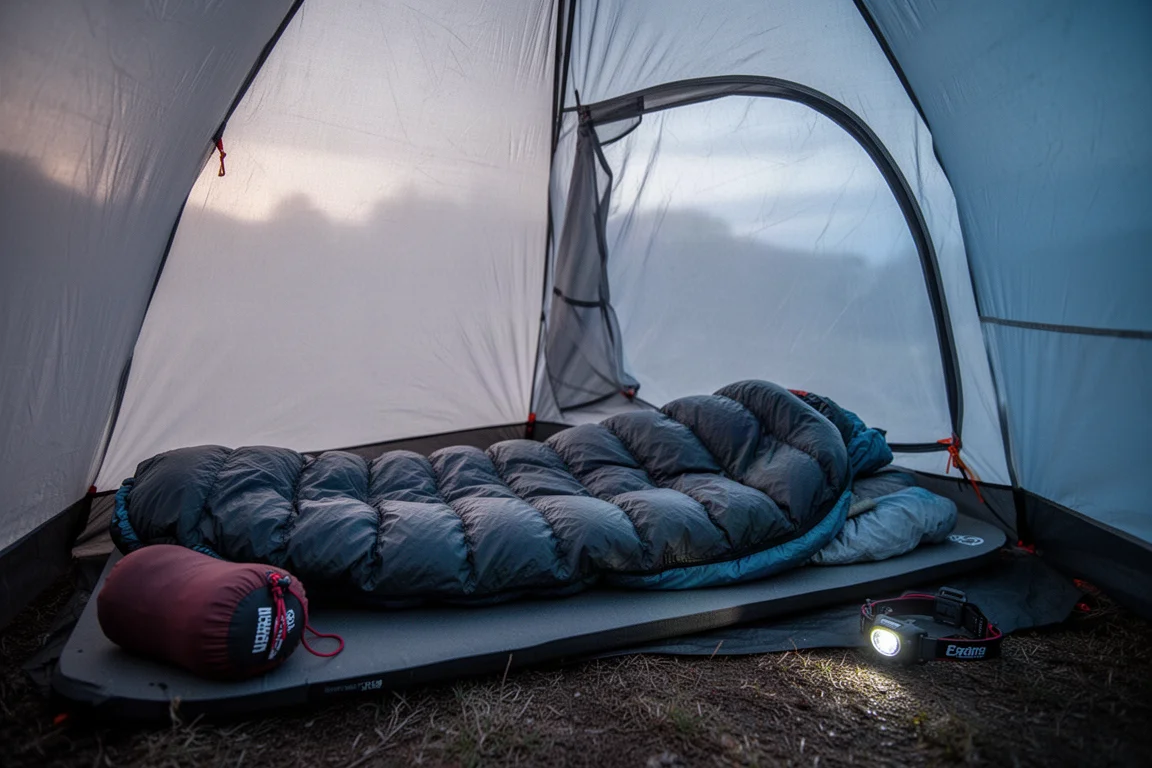
The lesson is not that weight does not matter. It is that width and length are functional dimensions, not luxuries. A quilt that covers the sleeper through a full night of movement will outperform a lighter one that does not.
Mistake Two: Treating the Sleeping Pad as an Afterthought
A quilt has no back panel. Whatever insulation the quilt provides on top, the sleeper’s back rests directly against the fabric of the sleeping pad, which means roughly half of the warmth in the system comes from below.
That is why a quilt with a generous temperature rating can still feel cold. If the pad beneath it is only nominally insulated, cold from the ground passes straight through the fabric and into the sleeper’s back, no matter how much down sits on top. A pad’s stated insulation value is a starting point rather than a guarantee, and pads that perform below their rating are a common source of cold nights under a quilt.
The fix is to treat the quilt and the pad as a single system. The pad has to be genuinely warm enough for the conditions, and the quilt has to be wide enough to stay sealed against it.
Best Overall Quilt System: ZenBivy Light Bed
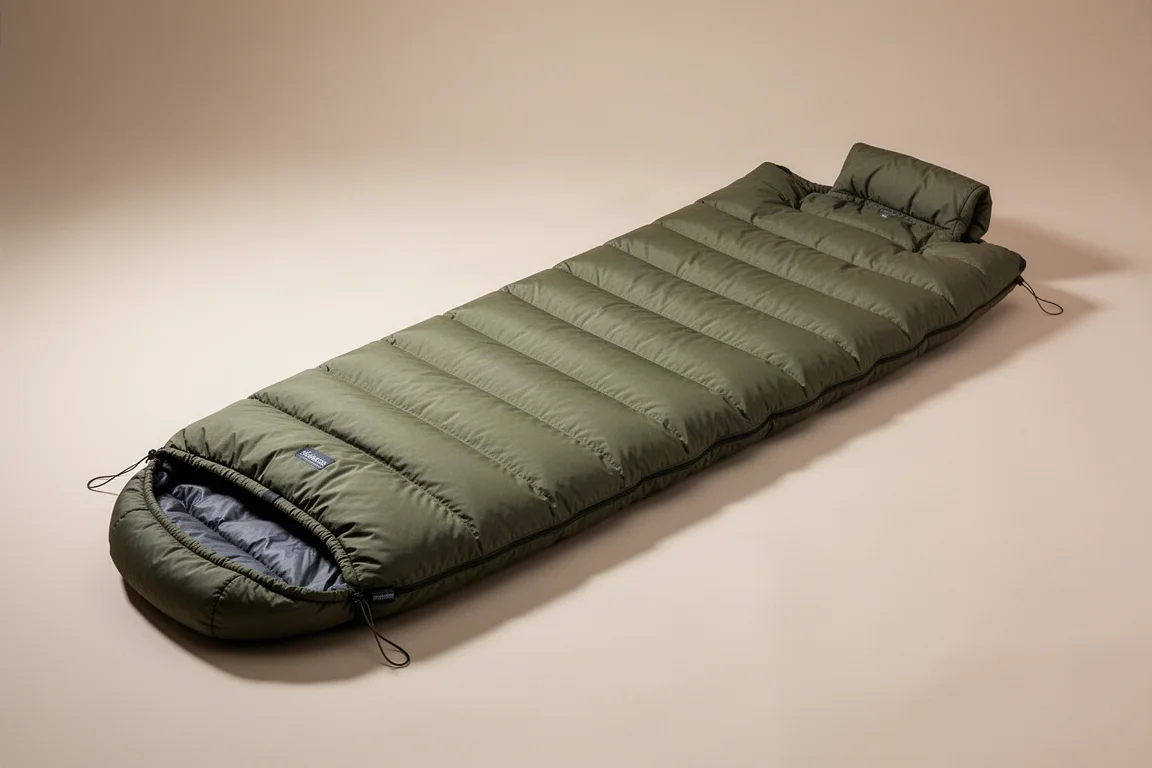
The ZenBivy Light Bed is built around the idea that a quilt should behave more like a bed. It pairs a quilt with a sheet that attaches directly to the sleeping pad, and that attachment is the part that changes the experience.
Instead of clipping at the very bottom edge of the quilt, the sheet uses a wing and clips that hold coverage around the torso, where drafts are most noticeable. Below that attachment point sits a large baffle of down, which keeps the join between quilt and pad sealed even when the sleeper shifts position. Quilts that attach only at the bottom edge can open up a gap the moment the sleeper rolls over, and that gap is where cold air gets in.
Sizing matters here too. The large size quilt and sheet are designed for 25-inch wide pads, and the large quilt measures roughly 80 inches long by 58 inches wide. That is considerably longer and wider than a typical quilt, and the extra material is what allows a sleeper to move around at night while staying covered.
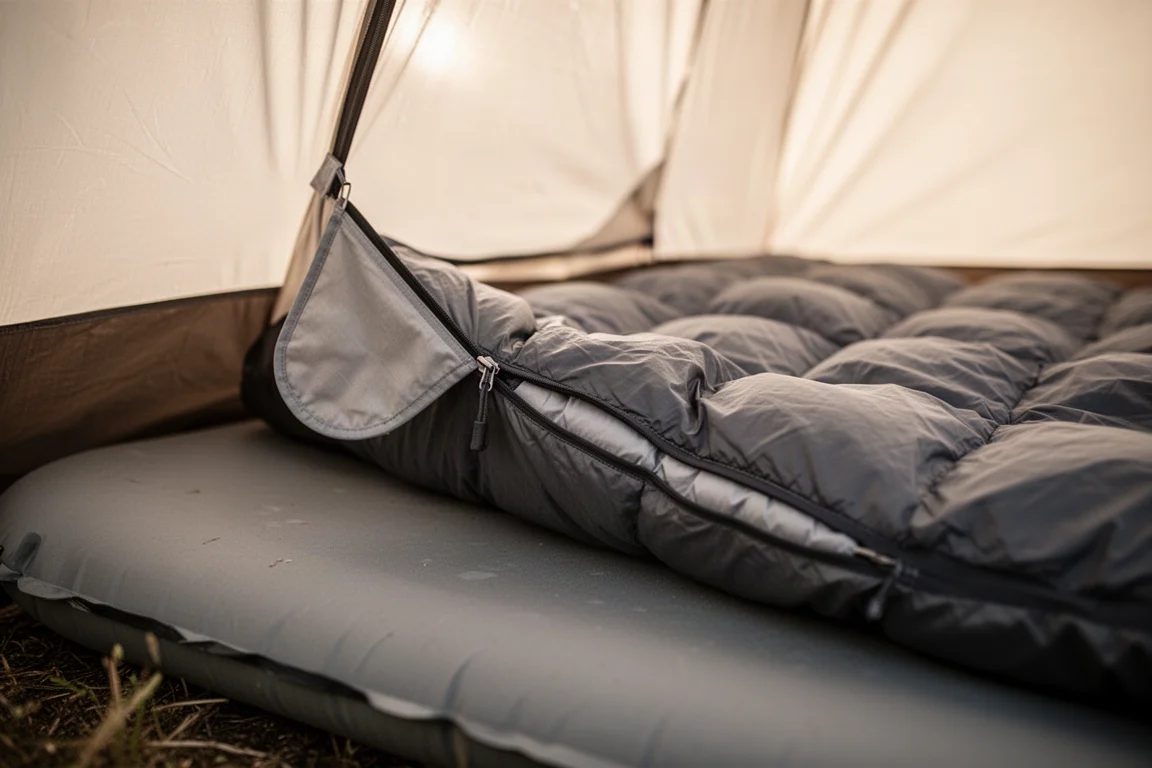
The trade-off is a system with more components than a standalone quilt, and the quilt and sheet need to match the pad width to work as intended. For anyone who wants quilt-level weight without giving up coverage, that is a reasonable exchange.
Best Long and Wide Top Quilt: UGQ Outdoor Bandit Top Quilt
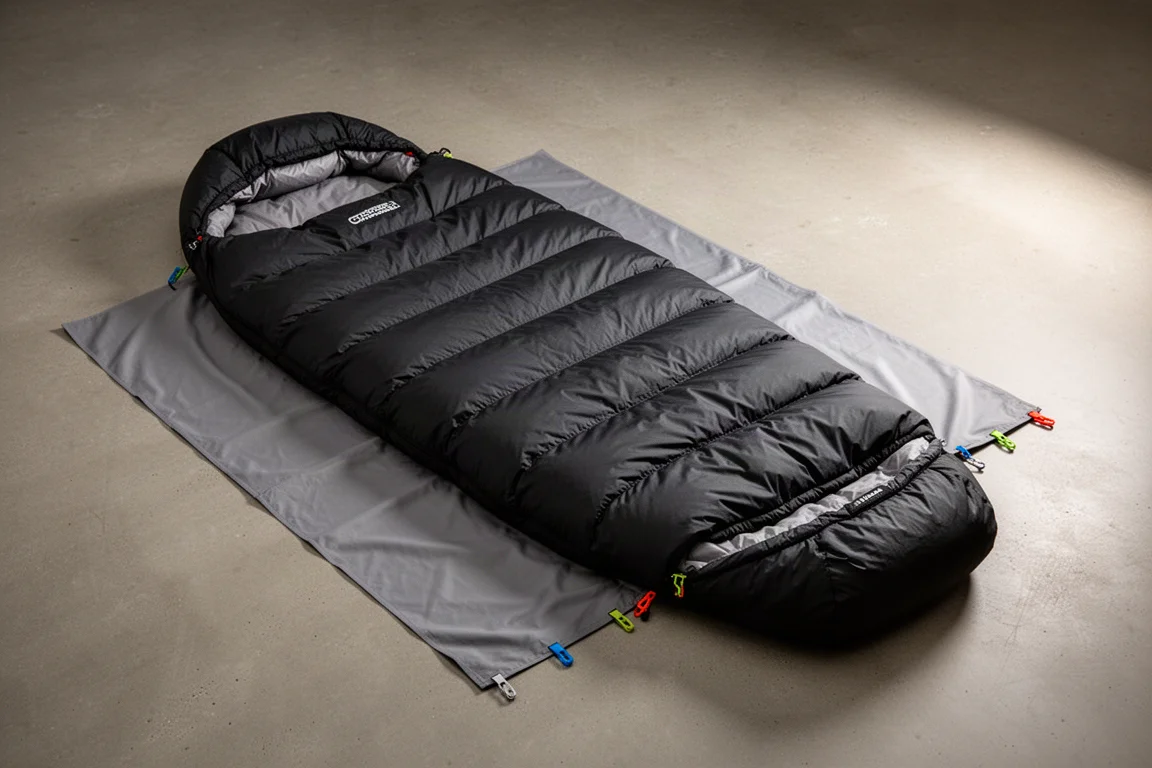
The UGQ Outdoor Bandit Top Quilt takes the same principle, generous dimensions, and applies it to a conventional top quilt. Ordered extra long and extra wide, it comes in at over 78 inches long and 60 inches wide, which is enough material to wrap around a sleeper without pulling tight across the body.
That extra width works together with the brand’s optional dynamic tension control system. Because the tensioning cord shortens a quilt as it tightens, a narrower quilt can end up feeling shorter than its stated length once it is cinched down. With a wide quilt there is enough material for the tension to draw the edges in around the sleeper rather than compress the quilt into a tighter, shorter shape.
This build also supports a few options that matter on cold trips: extra down fill, a fully insulated foot box, and a draft collar at the top. Together they turn an already generous quilt into a premium cold-weather piece, and the combination of width, length and sealing is what separates a quilt that is merely light from one that is genuinely comfortable.
Best Pad for Cold Sleepers: Nemo Tensor All Season
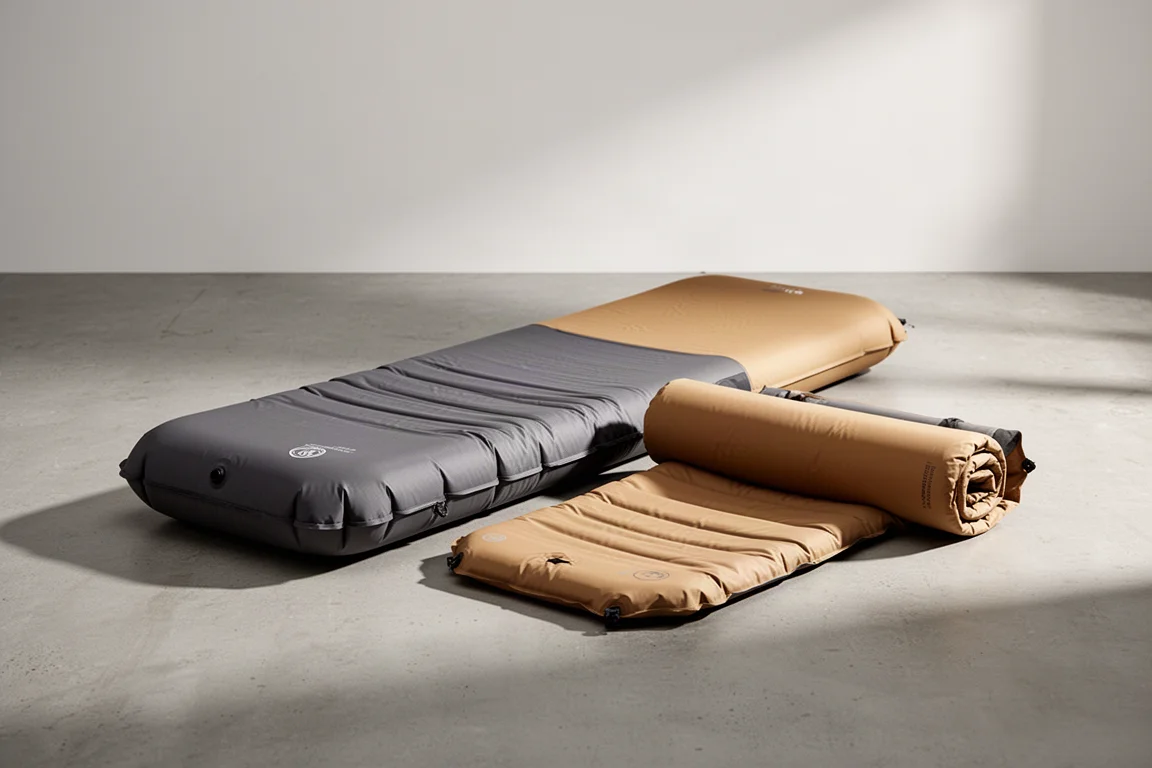
If the quilt handles the top half of the sleep system, the Nemo Tensor All Season handles the half that is easiest to overlook. It is an insulated pad with a higher R-value, built to block cold from the ground rather than simply cushion the sleeper from it.
This is the piece that most reliably turns a cold night into a warm one. Under a quilt, where there is no back panel to fall back on, the pad is the only barrier between the sleeper and the ground. Moving to a pad with a genuinely high R-value, rather than one that is only rated for insulation, makes the biggest single difference to warmth on cold nights.
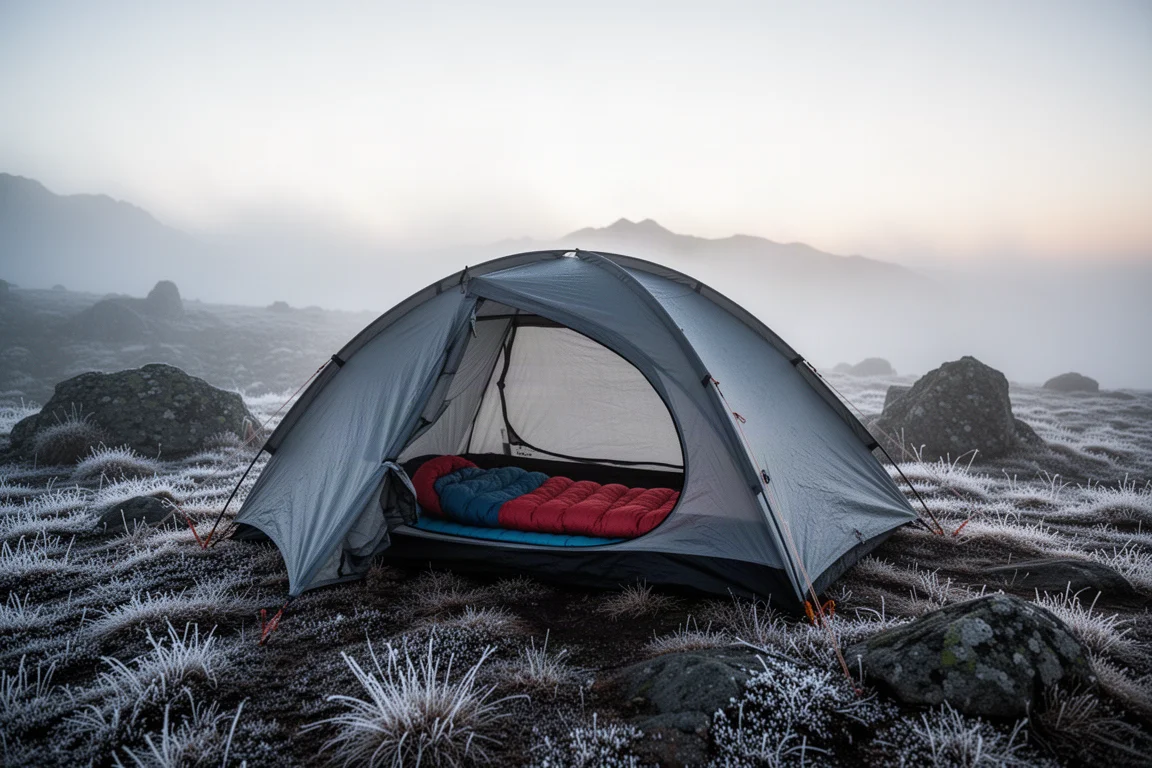
It also makes a quilt system predictable. When the pad is warm enough for the conditions, the quilt only has to manage the top and the sides, and a well-sized quilt does that comfortably.
A Pad to Know About: Big Agnes Axle Air
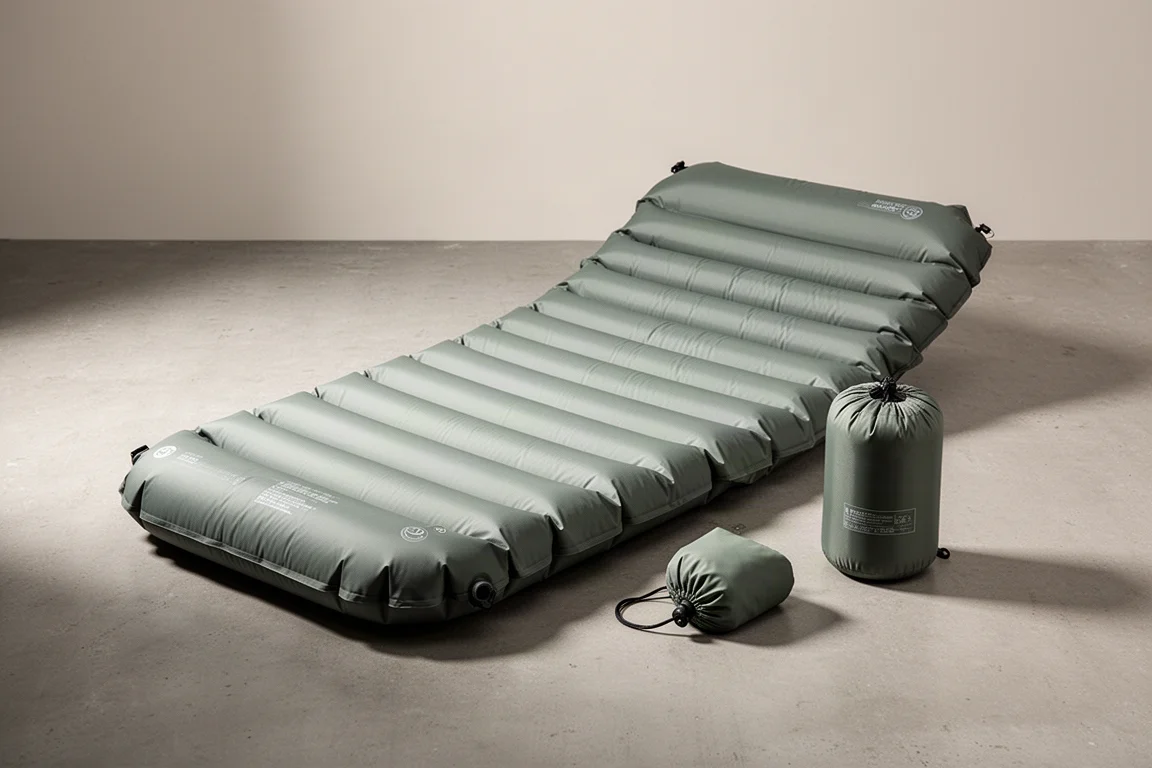
Not every pad earns the same role in a sleep system. The Big Agnes Axle Air is a lightweight option rated at roughly 3.2 R-value, and in cold conditions it can sleep noticeably colder than that number suggests.
That does not make it a poor pad; it makes it a pad with a narrower window. Under a quilt on a mild-weather trip it is light and simple, and it keeps pack weight down. On cold trips it puts more of the warmth burden on the quilt, which is exactly the mismatch that leads to cold nights even with a warm quilt on top.
If a cold-weather sleep system is the goal, the pad is the place to spend the insulation budget, and a modestly rated pad is better treated as a warm-season companion.
Buying Advice: Prioritise Function, Then Weight
The clearest lesson from quilt and sleep system experience is an ordering problem. Function comes first: decide what the gear needs to do in the conditions it will actually be used in, then look at weight, fabrics and features.
Weight still matters, and it is often the right thing to optimise second. If cutting grams is a priority, higher fill power down is one of the most effective ways to do it in a quilt, and lighter fabrics can do the same for a shelter. Those choices only pay off once the gear already does its job.
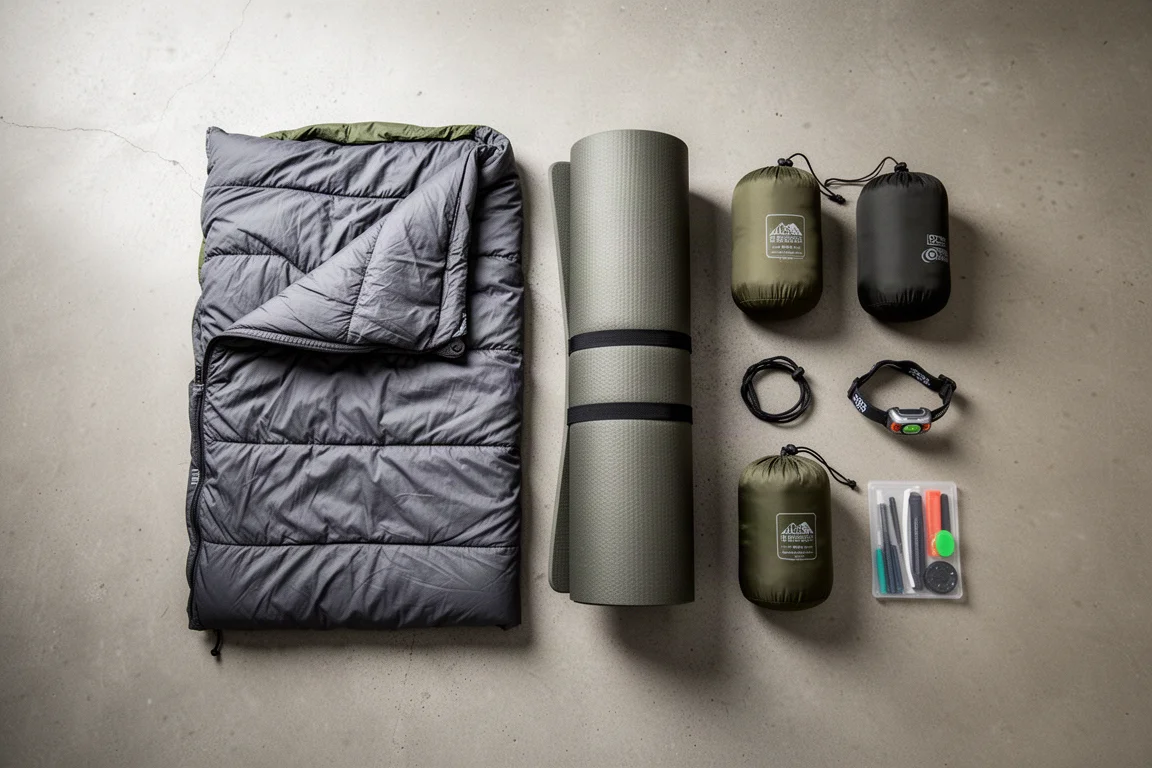
In practice, that means matching three things before buying. First, quilt width and length against body size and sleeping style, because a quilt that is too narrow will draft no matter how warm it is rated. Second, the pad’s insulation against the lowest temperatures expected, since the ground is half the equation. Third, the attachment between quilt and pad, because a secure connection around the torso is what keeps warm air where it belongs.
Get those three right and the weight savings follow naturally, because a lighter quilt that actually works is worth more than an ultralight one that does not.
Conclusion
Quilts are not the problem. Poorly matched sleep systems are. Prioritise width, length and a genuinely warm pad over the smallest possible packed weight, and a quilt becomes one of the most comfortable ways to sleep outdoors. The ZenBivy Light Bed and the UGQ Outdoor Bandit Top Quilt show what generous sizing and secure pad attachment can do, while the Nemo Tensor All Season and the Big Agnes Axle Air illustrate why the pad deserves as much attention as the quilt above it.
Further reading
Related Reviews
Backpacking Sleep Systems
Extreme Cold Sleep System: Six Backpacking Layers for Deep Winter Warmth
A bottom-up look at a six-piece winter sleep system, from a foam ground mat to a floorless shelter, and the reason each layer earns its place.
Backpacking Sleep Systems
Luxury Backpacking Sleep System: Four Pieces That Feel Like a Bed at Home
A wide, thick sleeping pad, a draft-free quilt, a generously cushioned pillow, and a few small habits that bring backcountry sleep much closer to home.
Backpacking Sleep Systems
Quilts vs Sleeping Bags for Backpacking: Five Sleep Systems Compared
A practical look at five backpacking sleep systems, from wide quilts to adjustable sleeping bags and a ground-focused quilt bed, and how to choose between them.