Backpacking Sleep Systems
Backpacking Quilt Sleep Systems Compared: ZenBivy, UGQ, Nemo, and Big Agnes
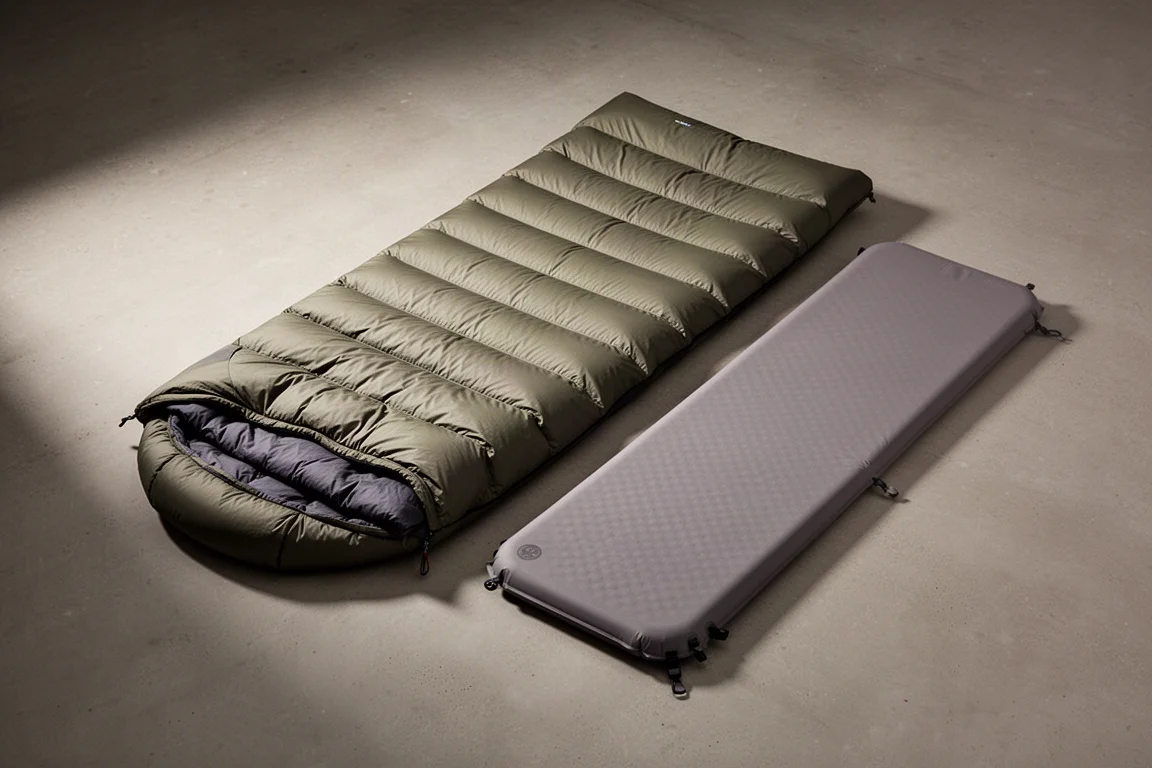
A practical comparison of four backpacking sleep system pieces, focused on quilt length, width, pad attachment design, and the pad insulation that makes a quilt work.
Introduction
Quilts can deliver excellent warmth for their weight, but they are far less forgiving than sleeping bags. A quilt that is slightly too narrow, slightly too short, or paired with the wrong pad can turn a night in the backcountry into hours of rolling around and chasing drafts.
The four products below cover the pieces that matter most in a quilt-based sleep system: the quilt itself, the way it attaches to a pad, and the pad that supplies the insulation underneath you. Each one is worth understanding before you commit to a setup, because the differences between them are mostly about function rather than headline numbers.
Why Quilt Setups Fail: Two Mistakes That Cost Warmth
The first mistake is treating weight as the only specification that matters. Chasing the lightest possible option tends to push buyers toward quilts that are narrower and shorter than they actually need. A quilt measuring 72 inches can still feel short for a sleeper under six feet tall, and a narrow cut leaves gaps along the sides that let cold air in every time you shift position. Side sleepers and active sleepers notice this first: the coverage moves, the edges lift, and drafts find the opening.
Saving up to a pound of pack weight is a genuine gain, but it is not worth much if the result is a cold, restless night. Lightweight gear only pays off when it still does the job it was bought to do.
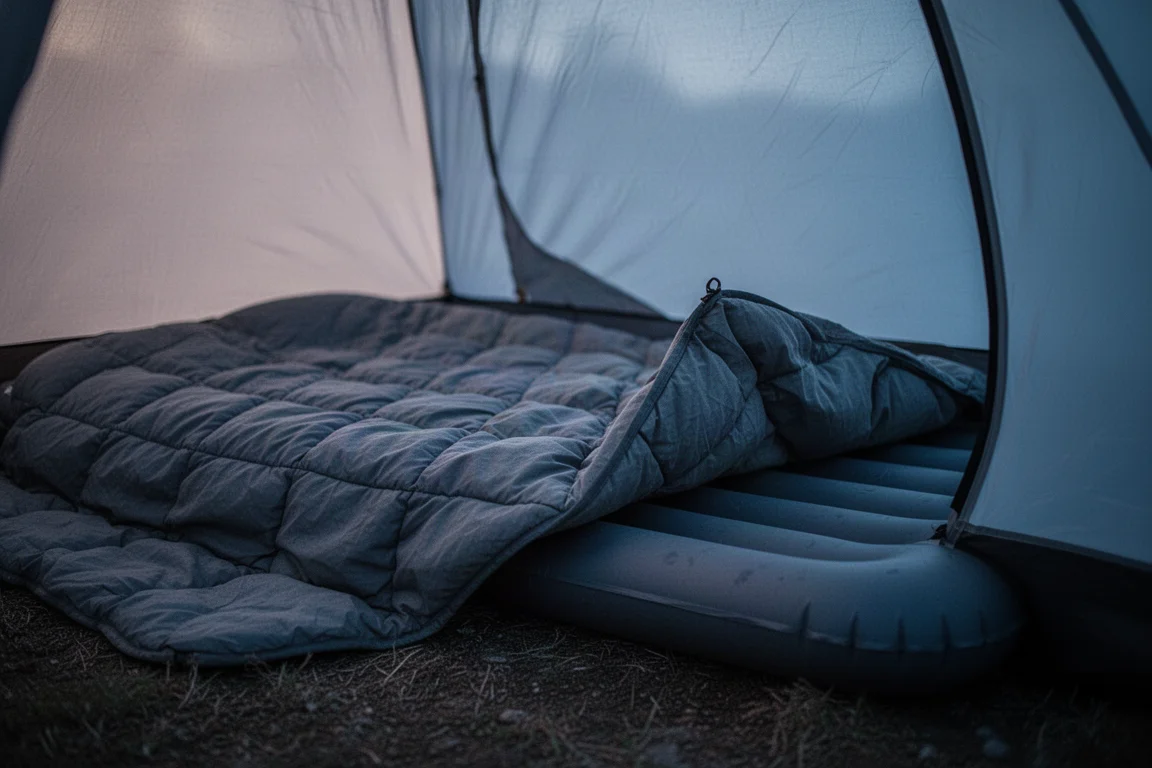
Length and width are not vanity measurements. They determine how much room you have to move and how well the quilt stays sealed when you do. Once a quilt is long and wide enough for your sleeping style, tension systems can do their job properly, cinching the quilt around you instead of pulling it tight across your shoulders.
The second mistake is forgetting that half of a sleep system’s warmth comes from the pad. A quilt has no insulation underneath by design, so your back rests directly against the pad’s fabric. If the pad cannot hold warmth, the quilt cannot compensate for it.
That is where the Big Agnes Axl Air becomes a problem. It carries a rating of roughly 3.2 R-value, yet it slept cold enough to undermine the rest of the system, and there is a broader pattern of Big Agnes pads feeling colder than their ratings suggest. Moving to a higher R-value pad that genuinely insulates against the cold ground, such as the Nemo Tensor All Season, changed the experience far more than any quilt swap did.
What to Look For in a Quilt Sleep System
Start with what the gear needs to do, then work through the details that support it.
- Function first. Decide whether the priority is staying warm through the night, staying sealed when you roll over, or fitting the pad you already own.
- Match quilt sizing to pad width. A large quilt and sheet built for 25-inch wide pads is a different proposition from a standard cut.
- Do not undersize length. Extra length keeps a quilt from pulling tight across the shoulders, even for average-height sleepers.
- Buy width for draft control. More material gives the quilt room to cocoon rather than stretch.
- Check the attachment design. Quilts that clip higher on the pad hold their seal better than quilts that attach at the very bottom edge, which can open up a gap as you move.
- Treat weight, fill power, and fabrics as second-stage decisions. Higher fill power down and lightweight materials such as Dyneema are worth paying for when they serve a function you actually need.
ZenBivy Light Bed: A Bed System That Solves Drafts
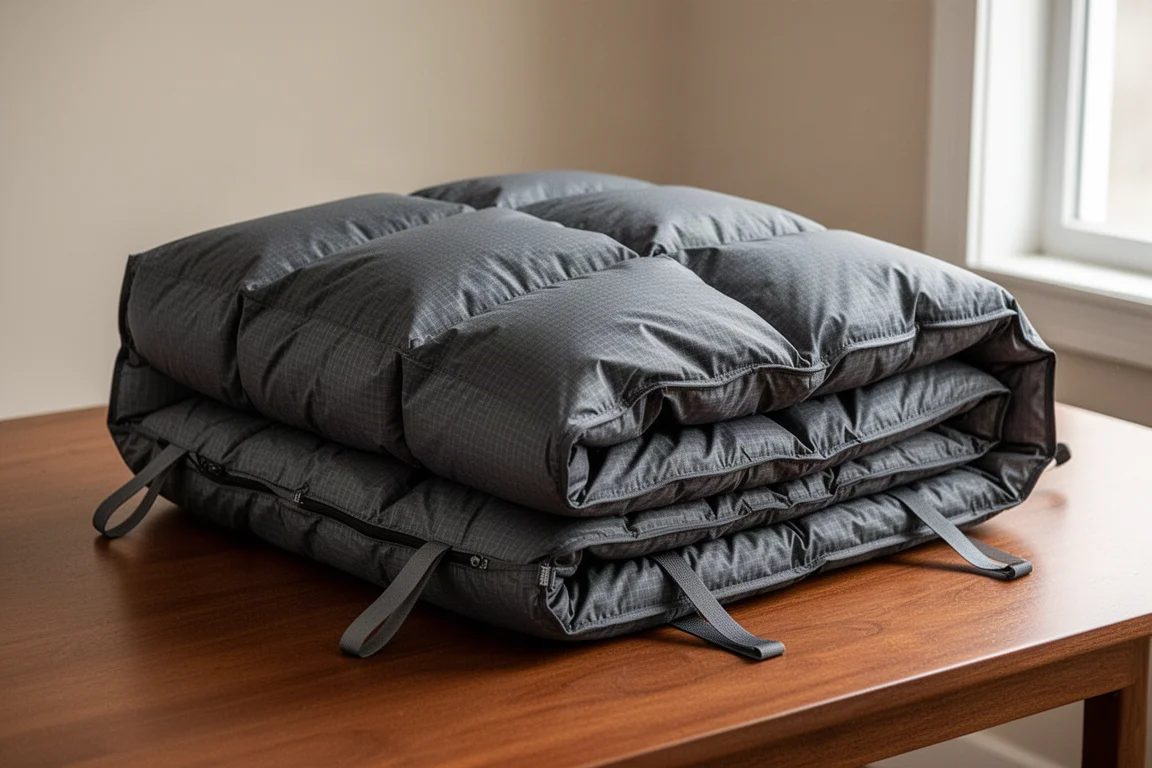
The ZenBivy Light Bed is a quilt-based system rather than a single quilt. The large size pairs a quilt and sheet with pads that are 25 inches wide, and it measures about 80 inches long and 58 inches wide, which is noticeably longer and wider than the quilts most people start with.
The sheet attaches to the sleeping pad and forms a wing with clips that seal the torso area, and a large baffle of down sits below that attachment. Because the connection point sits higher up the quilt instead of at the very bottom edge, shifting around at night does not open a gap the way it does on quilts that attach low. The result is more freedom to move with less draft risk.
That combination is what makes the system work for sleepers who roll around: you get extra room without giving up coverage.
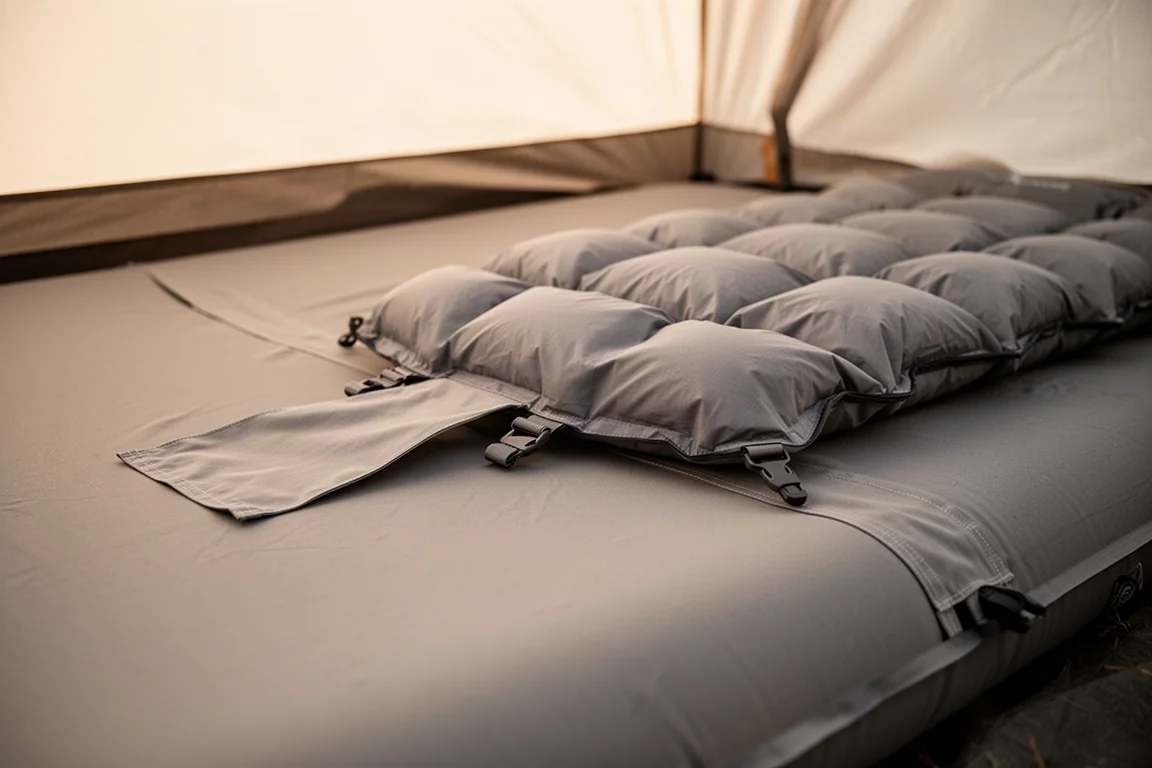
It also explains why sizing matters so much here. A quilt this long and this wide has enough material to stay tucked around you, and the pad attachment keeps the seal anchored while you move.
UGQ Bandit Top Quilt: Extra Long and Extra Wide
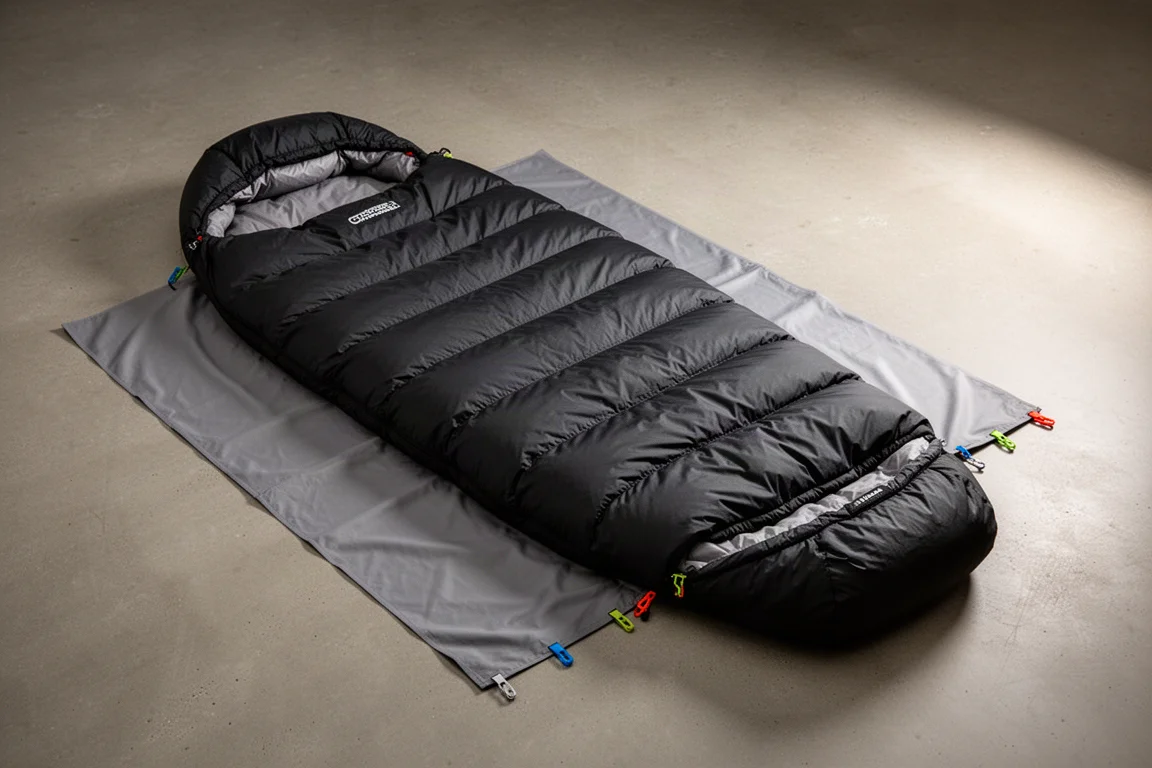
The UGQ Bandit Top Quilt takes a different route to the same goal. Ordering it in an extra long and extra wide configuration pushes the quilt past 78 inches in length and to 60 inches in width, which gives an active sleeper room to move without stretching the quilt tight.
UGQ offers a dynamic tension control system as an option. Tensioned correctly, the extra width lets the quilt cocoon around you rather than compress against your body. Overtighten it, though, and the elastic shortens the quilt’s usable length, which is worth remembering when you set it up.
Additional options include extra fill, a fully insulated foot box, and a draft collar at the top. Configured that way, the Bandit is a premium quilt, and it comes closest of the standard top quilts to delivering the comfort of a complete bed system.
Nemo Tensor All Season: The Other Half of Your Warmth
A quilt is only half a sleep system. The Nemo Tensor All Season addresses the other half by providing the insulation that sits between you and the cold ground. With a quilt, the bottom of your body rests against bare pad fabric, so the pad’s ability to hold warmth is not a secondary detail. It is the foundation of the whole setup.
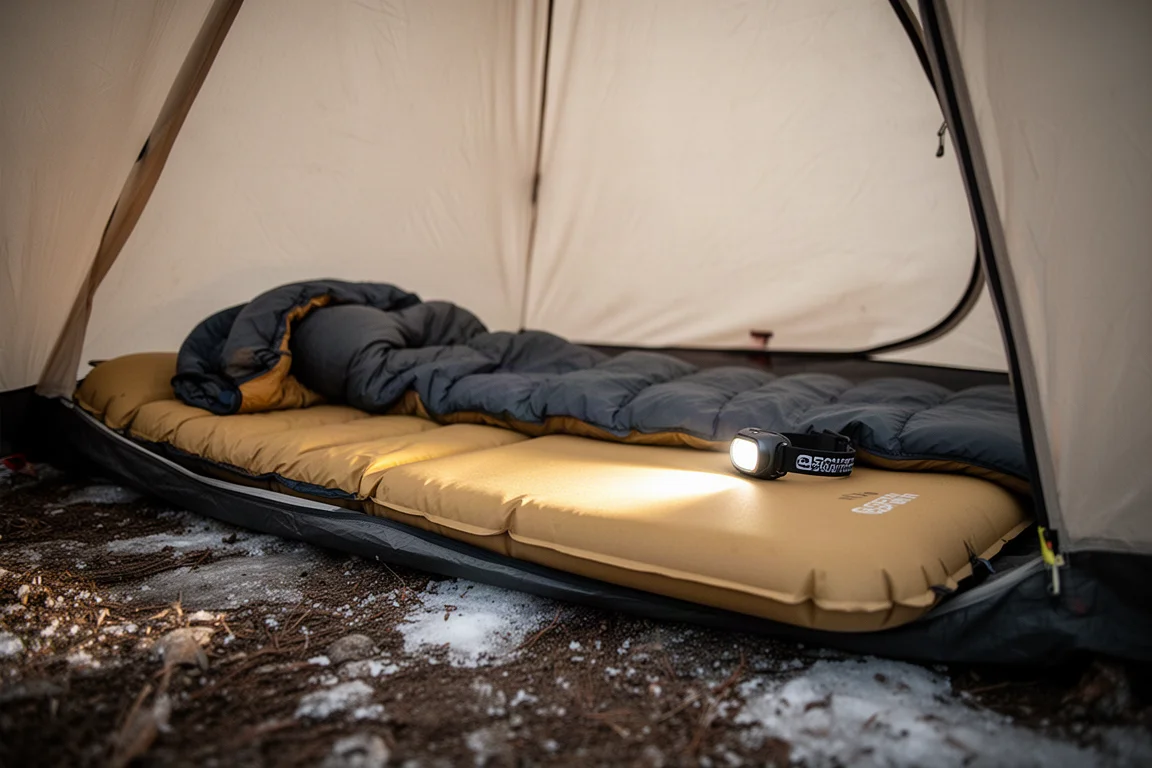
Pairing a higher R-value pad with a quilt is what turns a marginal setup into a warm one. It also changes how the quilt performs, because you are no longer asking the quilt to compensate for warmth the pad should be providing.
Big Agnes Axl Air: What the R-Value Does Not Tell You
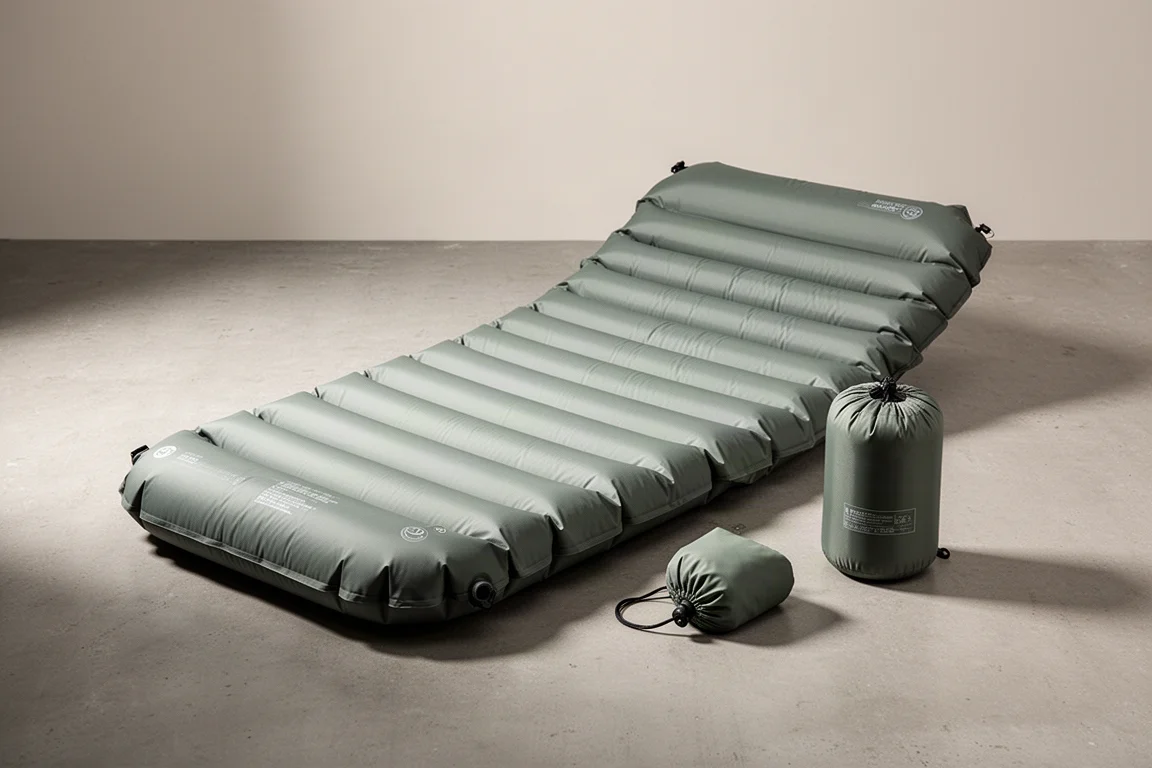
The Big Agnes Axl Air is a useful cautionary example. Its rating of roughly 3.2 R-value looks reasonable on paper, but in practice it slept cold under a quilt, and the same pattern appears across the brand’s pads. A number on a specification sheet is not the same thing as insulation that keeps you warm through a cold night.
If you already own a pad in this range, the practical fix is to pair it with a warmer quilt or reserve it for milder conditions rather than assuming the rating will carry the night. If you are buying new, prioritize a pad with a proven record of keeping sleepers warm.
Buying Advice: Function First, Weight Second
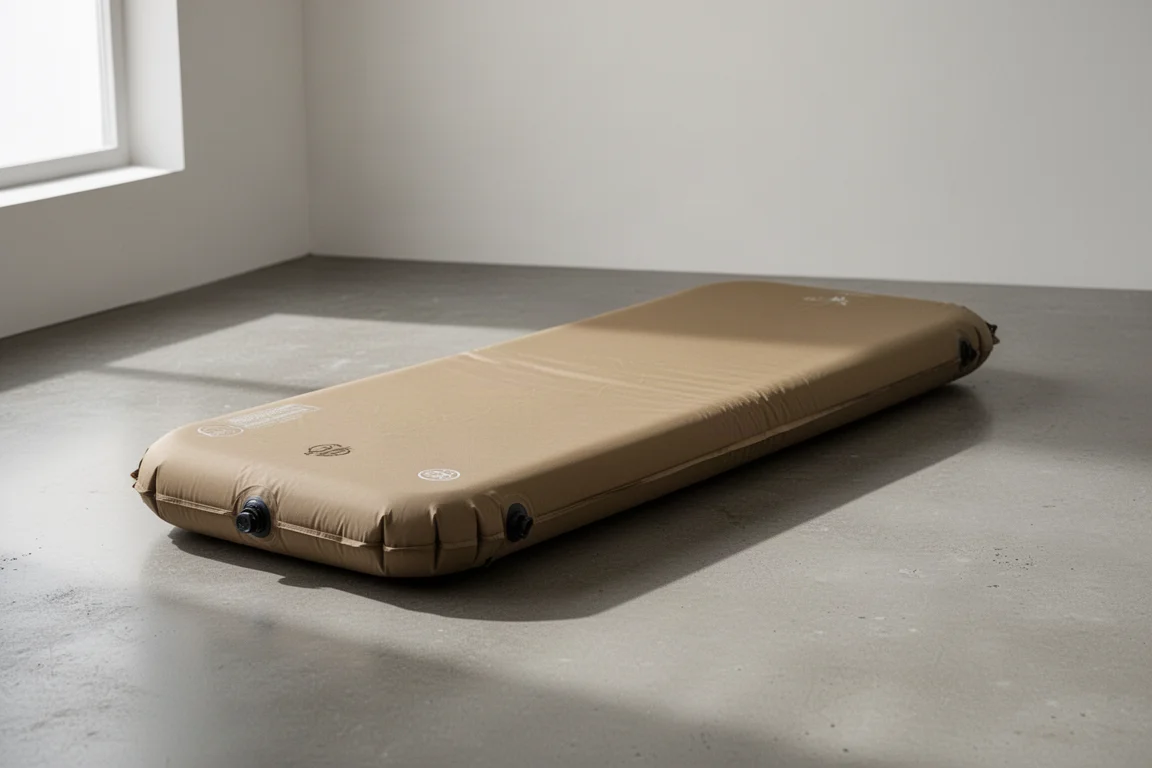
Start with function. Decide what the gear needs to do for you in the backcountry: keep you warm, stay sealed when you move, and fit the pad you already own. Only then weigh the trade-offs.
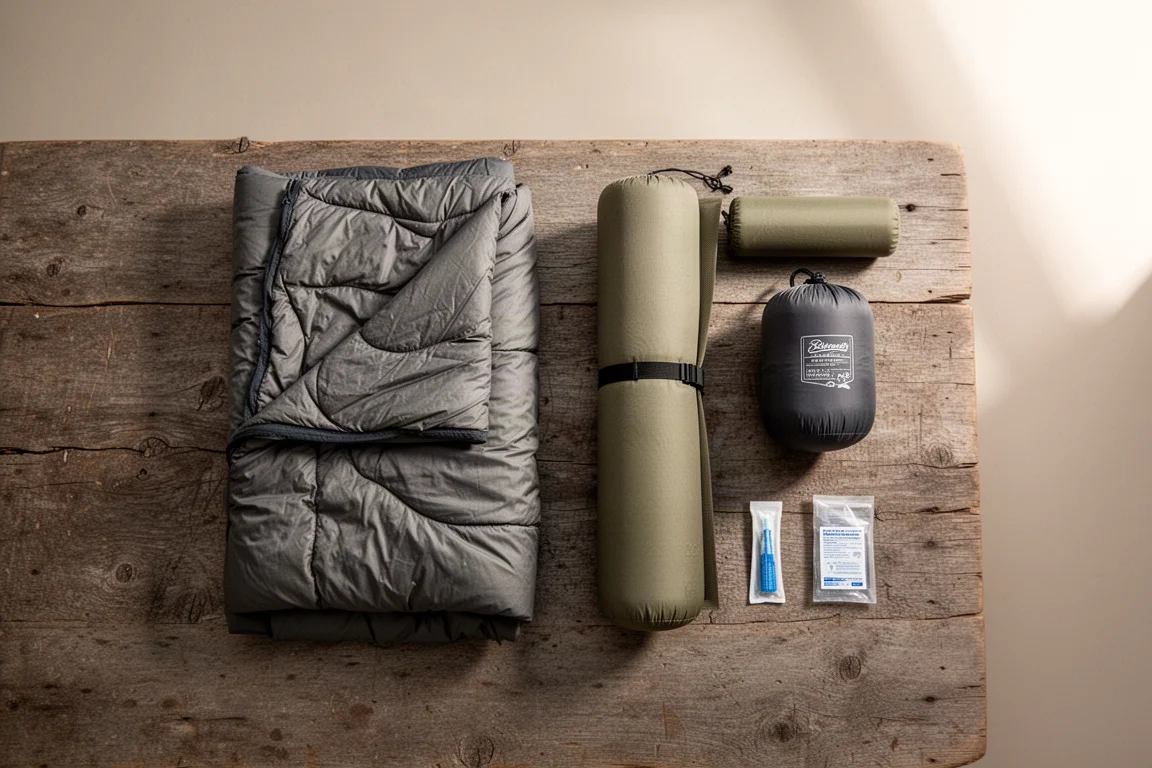
That order matters because weight, fill power, and fabric choices are optimization steps, not starting points. Higher fill power down can trim grams once you know the quilt’s dimensions and temperature range work for you. A Dyneema shelter can cut weight if budget allows. Neither choice fixes a quilt that is too narrow, and neither fixes a pad that cannot hold warmth.
A sleep system works as a set. Size the quilt to your body and your pad, choose a pad that genuinely insulates, and then start trimming weight.
Conclusion
Quilts are not the problem. Sizing and pad choice are. A quilt that is long and wide enough, attached in a way that keeps drafts out, and paired with a pad that actually insulates will sleep warm and stay comfortable through the night. Get the function right first, and the weight savings follow without costing you sleep.
Further reading
Related Reviews
Backpacking Sleep Systems
Extreme Cold Sleep System: Six Backpacking Layers for Deep Winter Warmth
A bottom-up look at a six-piece winter sleep system, from a foam ground mat to a floorless shelter, and the reason each layer earns its place.
Backpacking Sleep Systems
Luxury Backpacking Sleep System: Four Pieces That Feel Like a Bed at Home
A wide, thick sleeping pad, a draft-free quilt, a generously cushioned pillow, and a few small habits that bring backcountry sleep much closer to home.
Backpacking Sleep Systems
Quilts vs Sleeping Bags for Backpacking: Five Sleep Systems Compared
A practical look at five backpacking sleep systems, from wide quilts to adjustable sleeping bags and a ground-focused quilt bed, and how to choose between them.