Backpacking Apparel
Backpacking Layering Systems Compared: Three Complete Kits at Three Price Points
Three complete backpacking layering systems at $326, $640 and $1,167, compared piece by piece across base layers, hiking pants, sun hoodies, fleeces, insulated jackets and rain shells.
Introduction
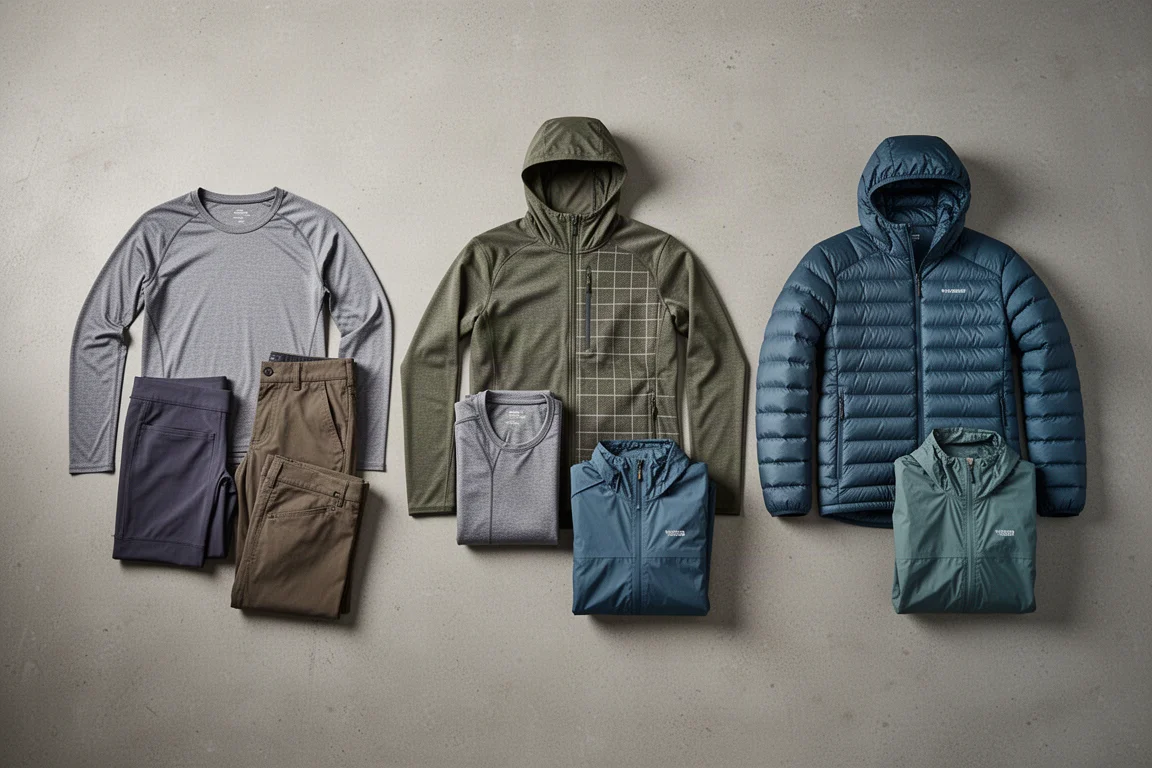
A backpacking layering system is not one jacket. It is a small wardrobe that works together: a full set of base layers, a pair of hiking pants, a sun hoodie, a fleece jacket, an insulated jacket and a rain jacket. Get those six pieces right and you can handle a wide range of conditions without carrying more than you need.
This guide compares three complete kits built from exactly those six pieces, at three very different price points. The budget kit totals $326 at full price. The mid-range kit totals $640. The premium kit totals $1,167. Every piece here is gear worth its cost, but that does not mean the most expensive kit is automatically the right answer.
How These Layering Systems Are Built
All three systems follow the same template: base layers, hiking pants, sun hoodie, fleece, insulated jacket and rain jacket. Comparing them piece by piece makes it easier to see where money buys a real improvement and where a cheaper option is simply the smarter buy.
A few material rules apply at every price point. Avoid cotton anywhere in the system and stick with polyester and other synthetics or wool. Fleece should be 100% polyester. A rain jacket should be genuinely waterproof rather than merely water resistant.
Base layers do double duty as sleepwear. Insulated sleeping bags rated to EN or ISO standards are tested assuming the sleeper is wearing a full set of base layers, so a warm base layer set is part of your sleep system, not just your hiking clothing.
One layering tip that matters regardless of budget: choose an insulated jacket that fits over all of your other layers. That way you can wear it over everything when you need maximum warmth, and when you do not, the extra space costs you nothing.
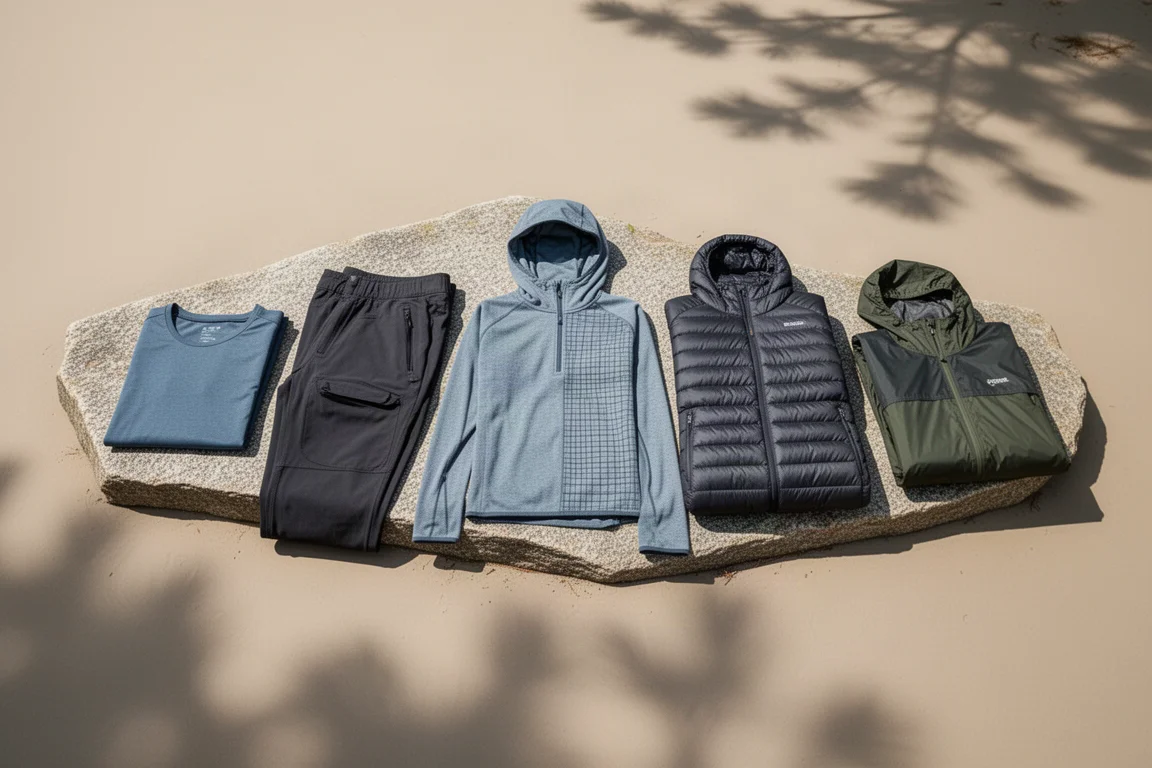
Where the tiers diverge is in fabric weight, stretch, durability, breathability and how small each piece packs.
Budget Layering System
Total cost: $326 at full price. This kit shows that a complete, functional layering system does not require premium pricing.
Cuddle Duds Base Layers
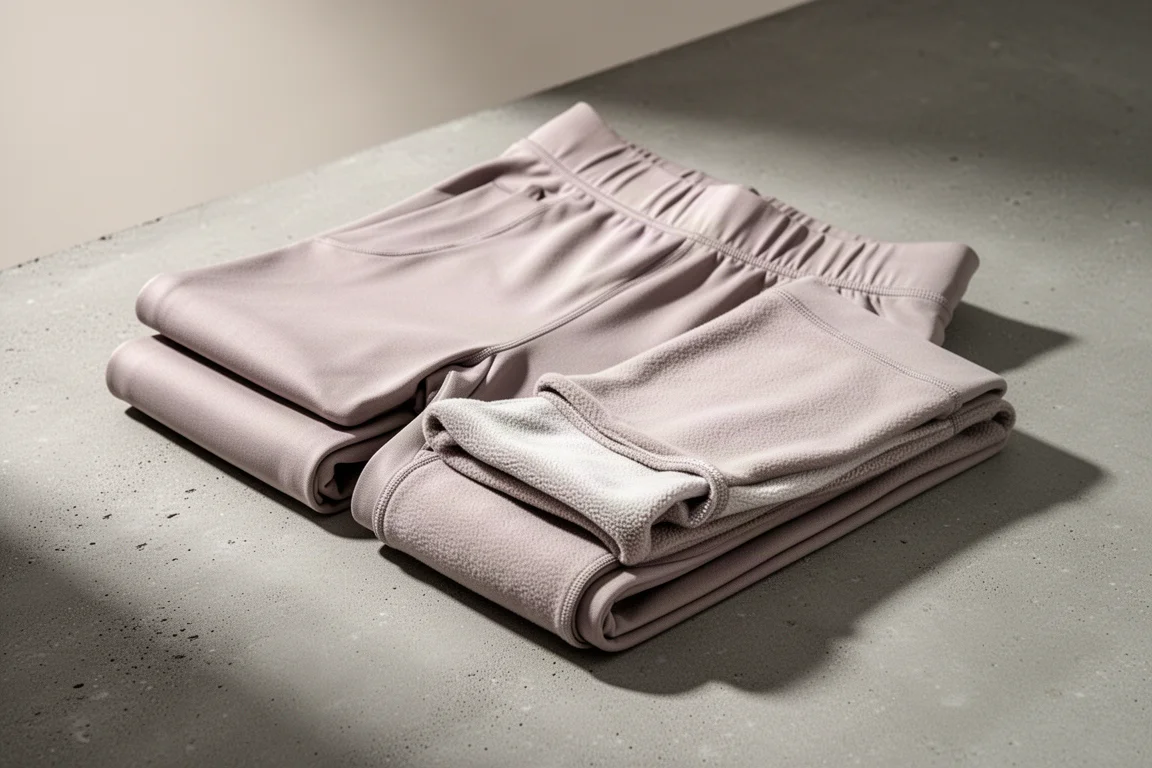
These are budget base layers with a fleece-lined microfiber interior that feels soft against the skin. The set of top and bottom costs $30, and the wide waistband is the standout detail: it sits comfortably under hiking pants, including under a hip belt. They are warm enough to sleep in and easy to recommend regardless of price.
Baleaf Trekker Hiking Pants
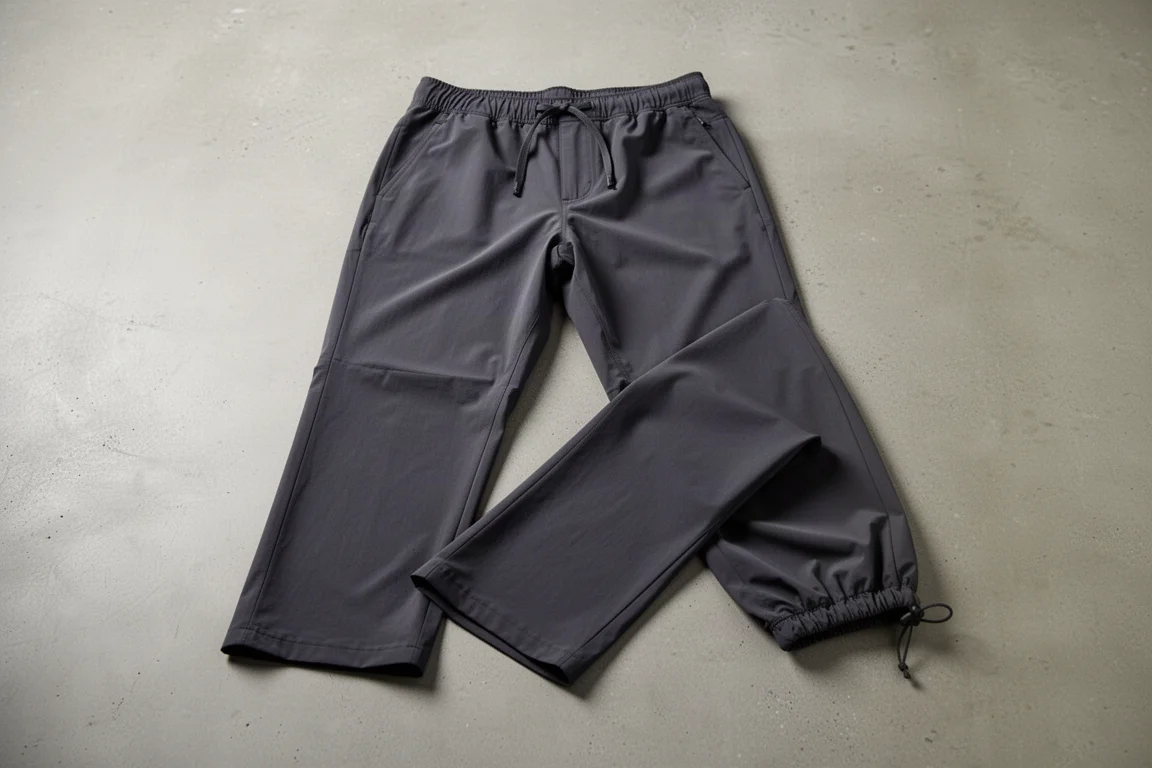
At $30, these are a pull-on style with a drawstring waist, a slightly wide leg and a cinch at the bottom. They are quick drying and wicking, feel light and airy on the move, and have an athleisure look that works off the trail as well. For warm-weather trips and a first pair of hiking pants, they cover the basics at a very low cost.
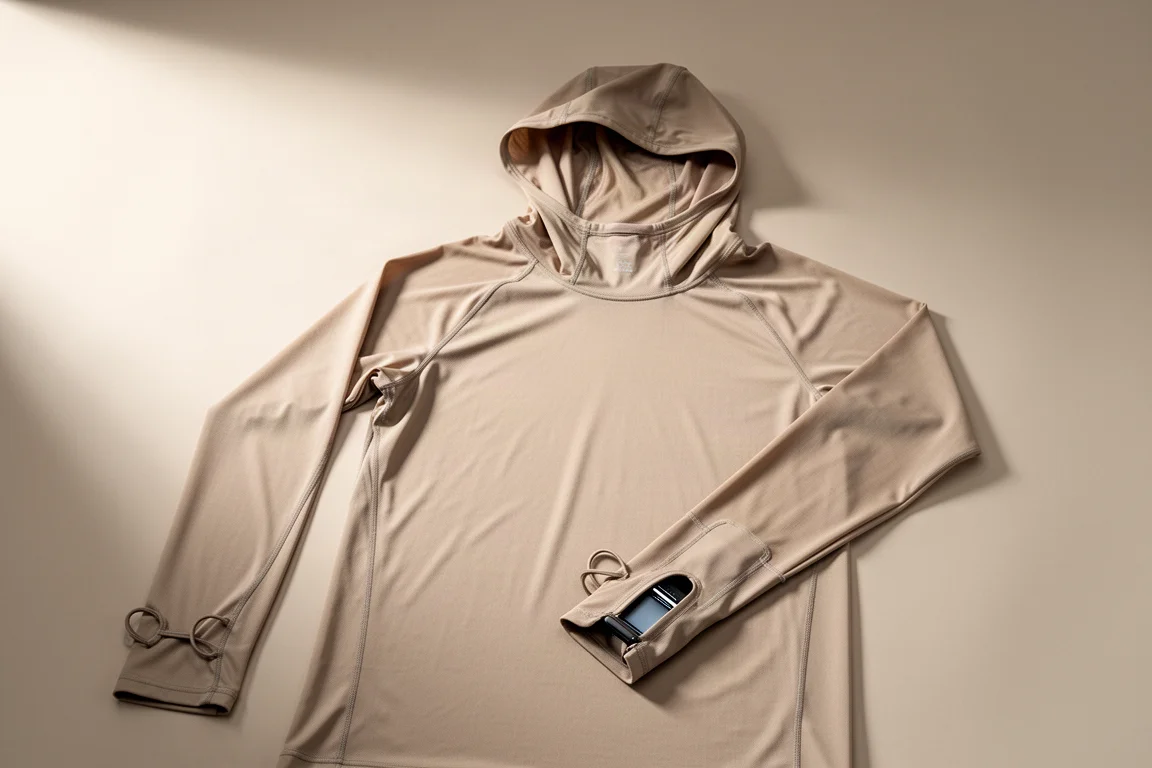
Seamade Sun Hoodie
This hoodie was designed with beaches and boats in mind, but it works well as trail sun protection. It is light, breathes well and carries UPF 50 protection. The hood has a port for pulling long hair through, and the sleeves have loops that hold fabric over the hands. The detail that sets it apart is a watch port in the sleeve, so you can check the time without pushing up the cuff. It costs about $20 and comes in a wide range of sizes and colors.
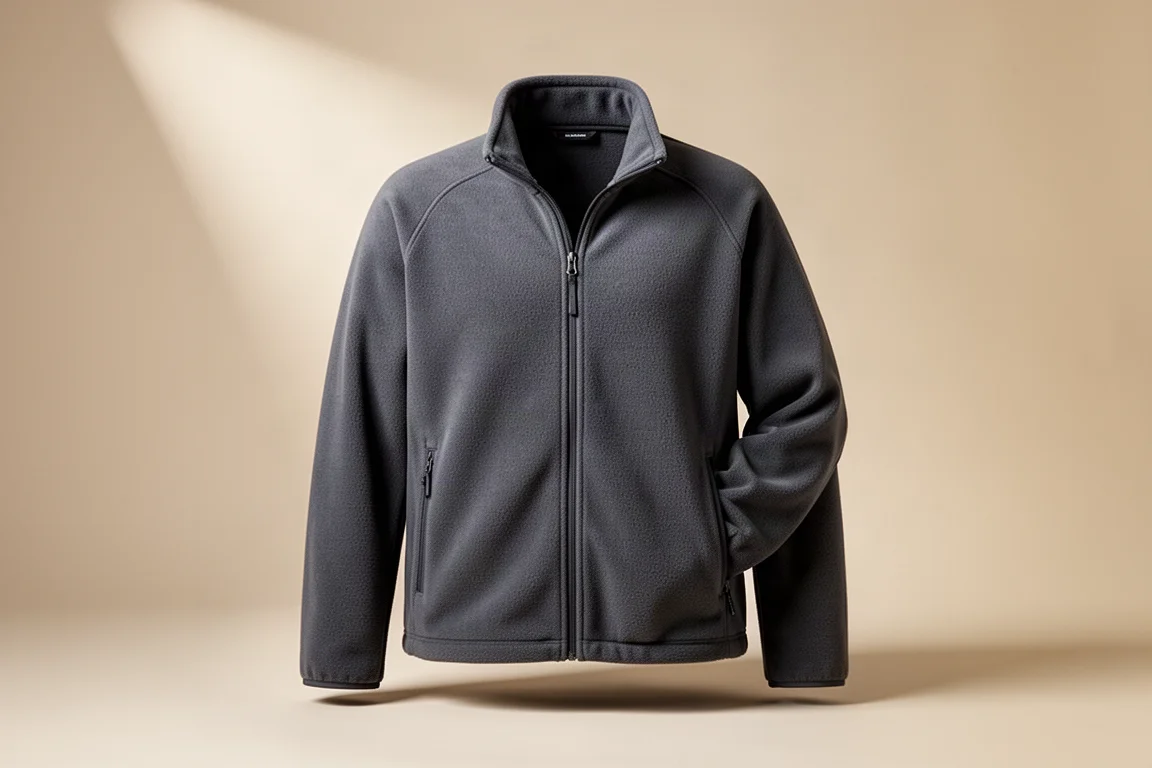
Amazon Basics Fleece Jacket
A simple fleece at $28.50, with a full zip, zippered pockets and a comfortable fit across men’s, women’s and children’s sizing. It is available in many colors. The one real drawback is that the fabric attracts pet hair aggressively. Fleece is also the easiest layer to find secondhand, so a thrift store is worth checking first, as long as what you find is 100% polyester.
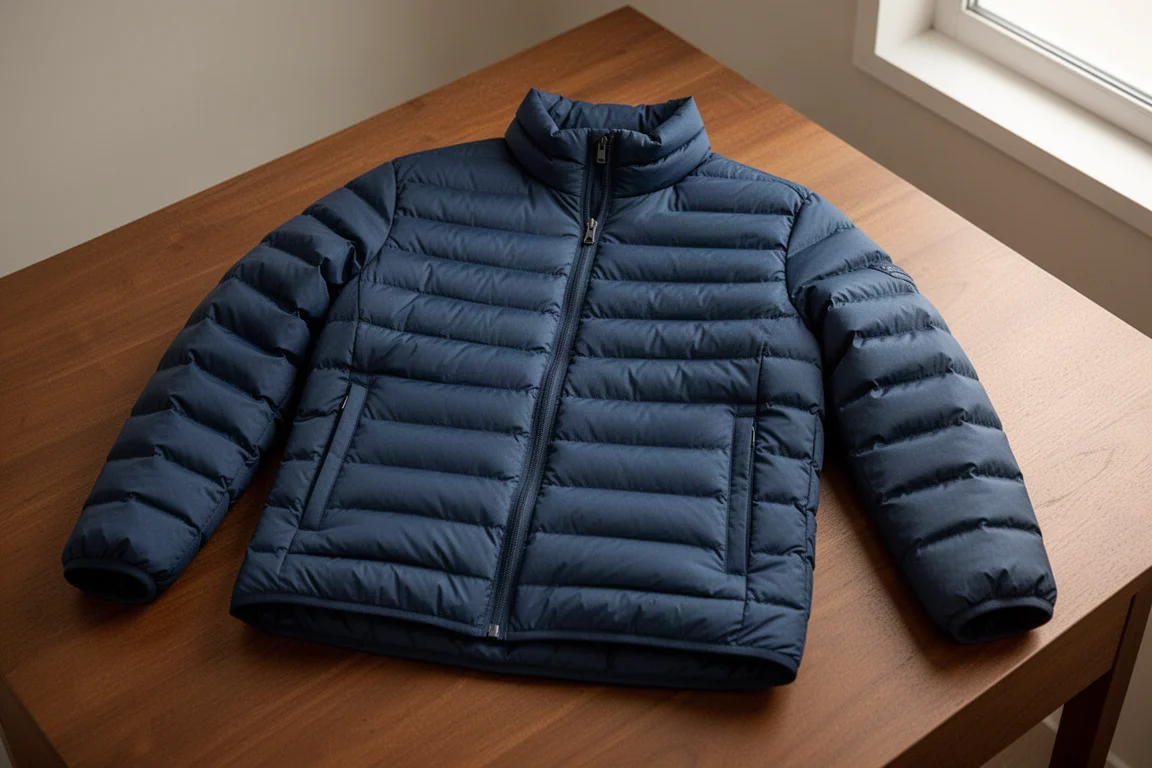
Decathlon Forclaz Down Jacket
This is the standout budget insulated jacket here, and arguably the best down jacket in the entire comparison. It is warm, lightweight and easy to pack, and it has held up through well over a year of use without falling apart, which is a clear sign of quality construction. The price has risen from $99 to $120, which still leaves it among the cheapest well-made down jackets you can buy.
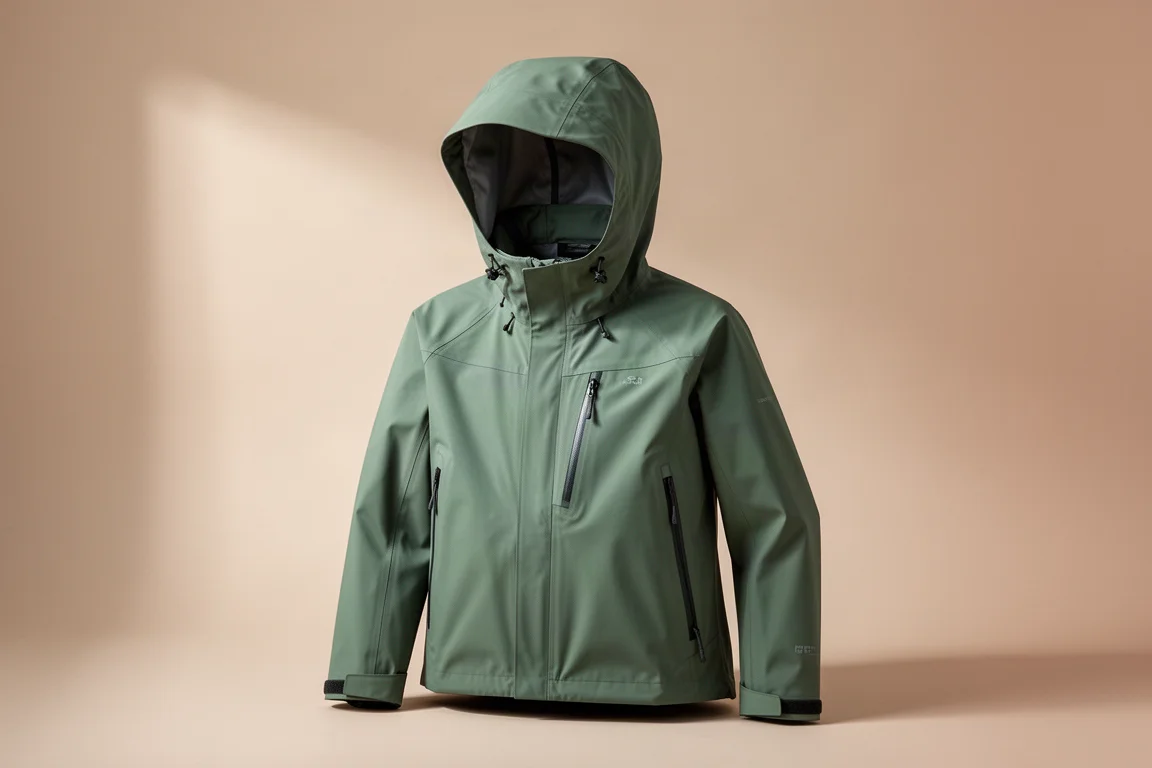
REI Rainier Rain Jacket
At $100, the Rainier is a 2.5-layer waterproof shell. Two layers of material are bonded together, and a printed half layer creates a small gap between your body and the waterproof membrane, which improves comfort and breathability. The hood can be worn loose or cinched back, pit zips dump heat on the climb, and the whole jacket packs into its own pocket and packs quite small. As a first backpacking rain jacket, it should last a long time.
Mid-Range Layering System
Total cost: $640. This tier sits in the sweet spot for most backpackers: better fabrics and durability than the budget kit, without premium pricing.
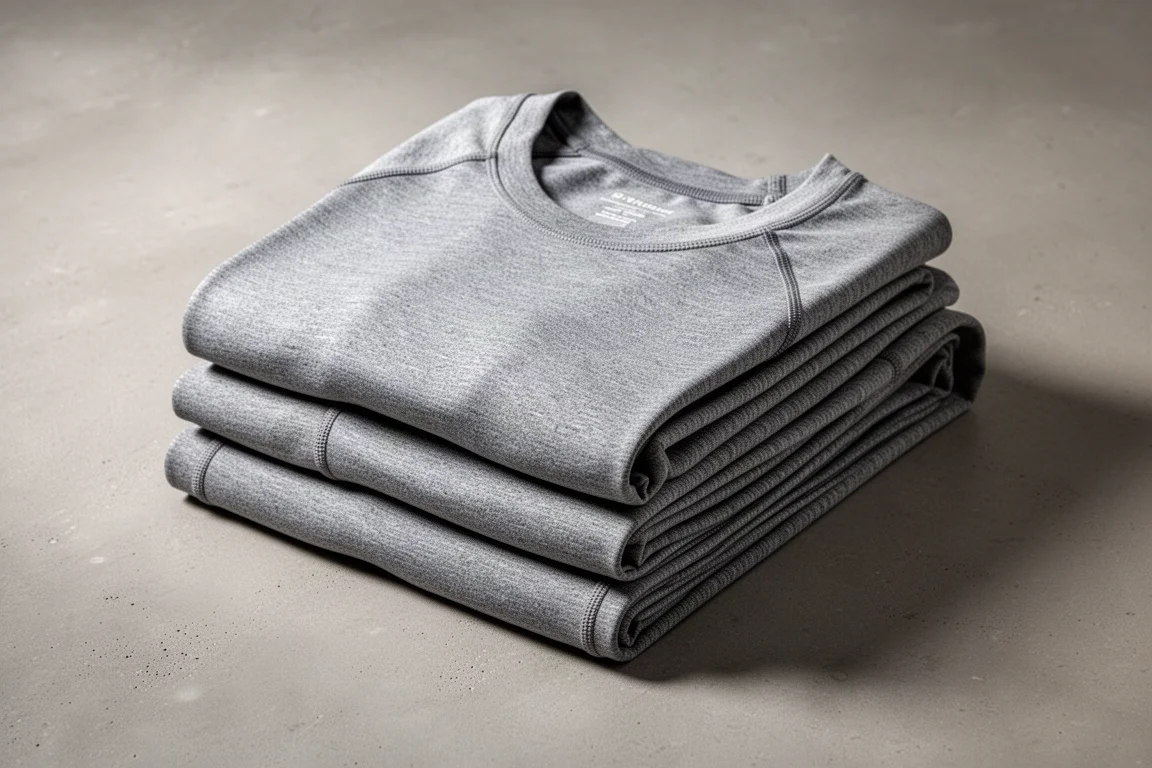
REI Midweight Base Layers
REI offers lightweight, midweight and heavyweight base layers, and the midweight version is the one worth buying. Each piece is $55, so a set runs $110. They are warm, comfortable and excellent at wicking moisture, and they are cozy enough to sleep in. For the price, they may be the most durable and reliable base layers available. They come in women’s, men’s, youth and plus sizes, so nearly every body type is covered.
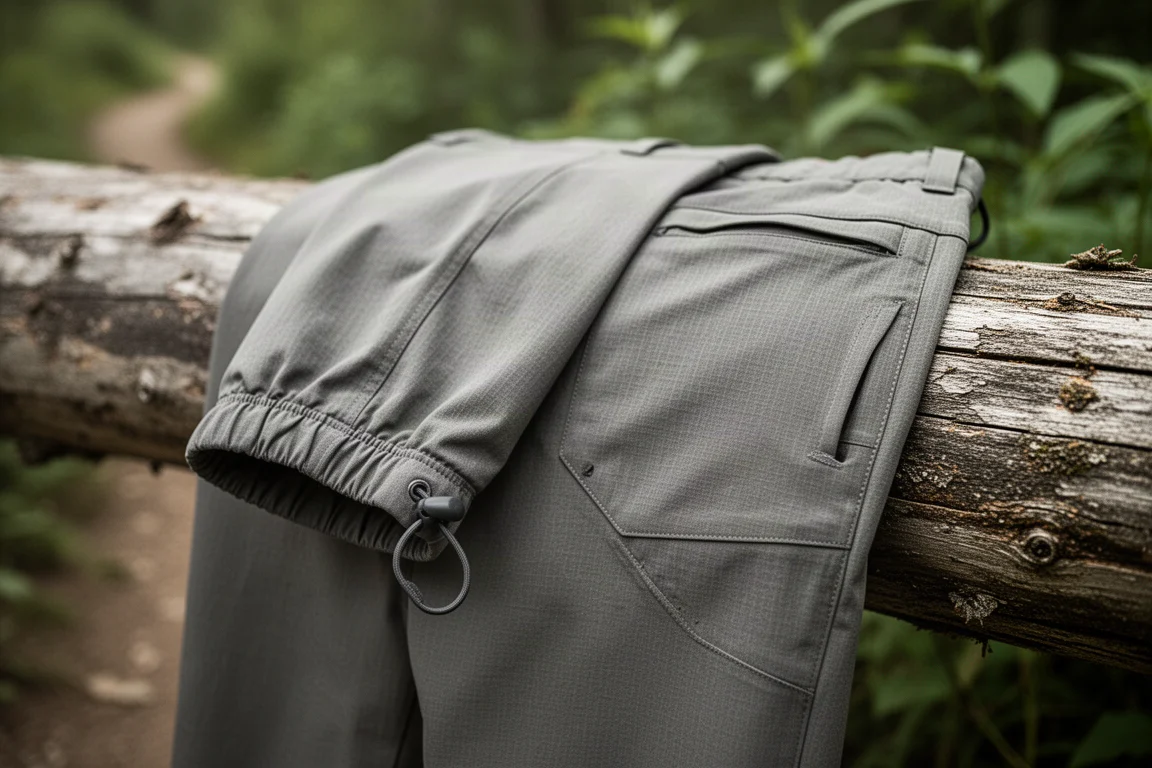
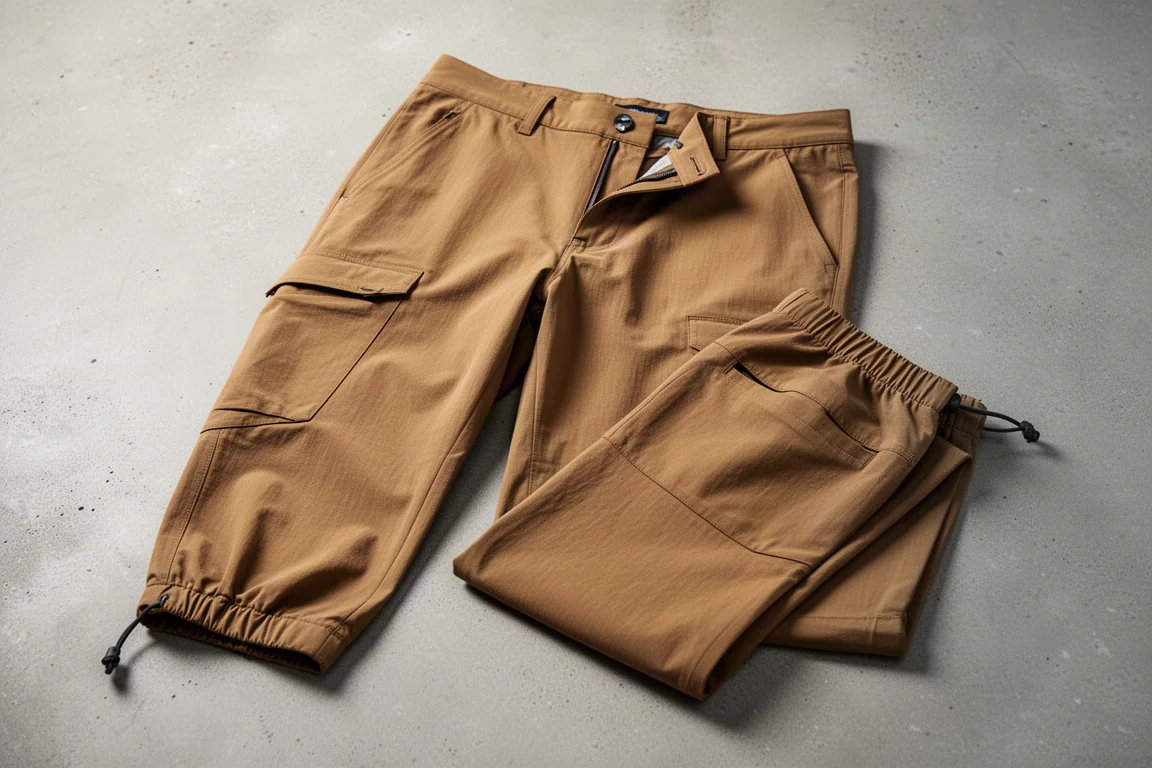
REI Trailmade Hiking Pants
At $70, these sit between the light Baleaf pants and the heavier Stio Pinedale pants in both weight and robustness. They have a zip fly, two hand pockets, two rear slot pockets and a cinch at the hem to tighten around your ankles. Sizing and color options are broad, and a men’s version is available. The trade-offs are real: the fabric does not stretch, and it is not as durable as more expensive hiking pants. For anyone spending more time on brushy or rough trails who wants a long-lasting pair without paying a premium, they are a strong choice.
If you are still working out what you like in a hiking pant, this is a sensible place to start before spending more.
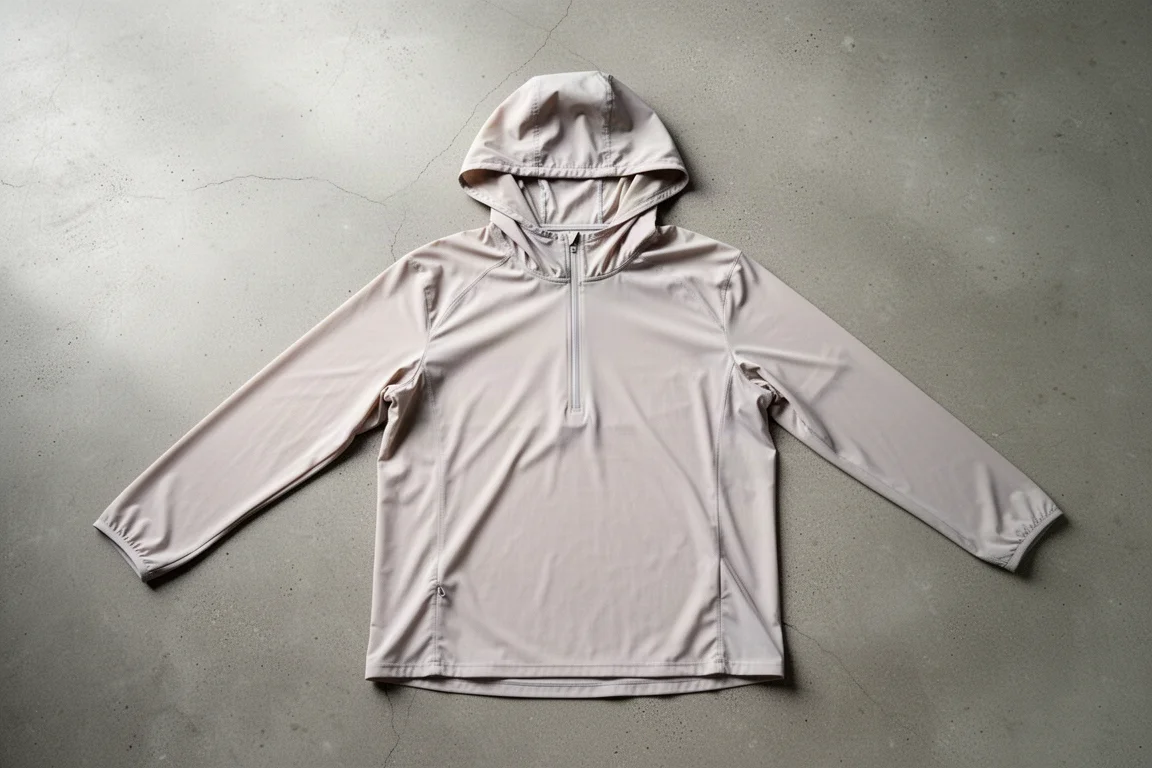
REI Sahara Sunshade Hoodie
This is the sun hoodie to own. It costs $50, has thumb holes in the cuffs, and a large hood that easily covers the head, with a drawstring tucked inside to cinch it around the face. It is comfortable enough to wear for hours without noticing it, blocks the sun effectively and wicks moisture well. It stays comfortable across five consecutive days in temperatures well above 90 degrees Fahrenheit. The fabric can hold onto odor with heavy use, which is a fair trade for everything else it does.
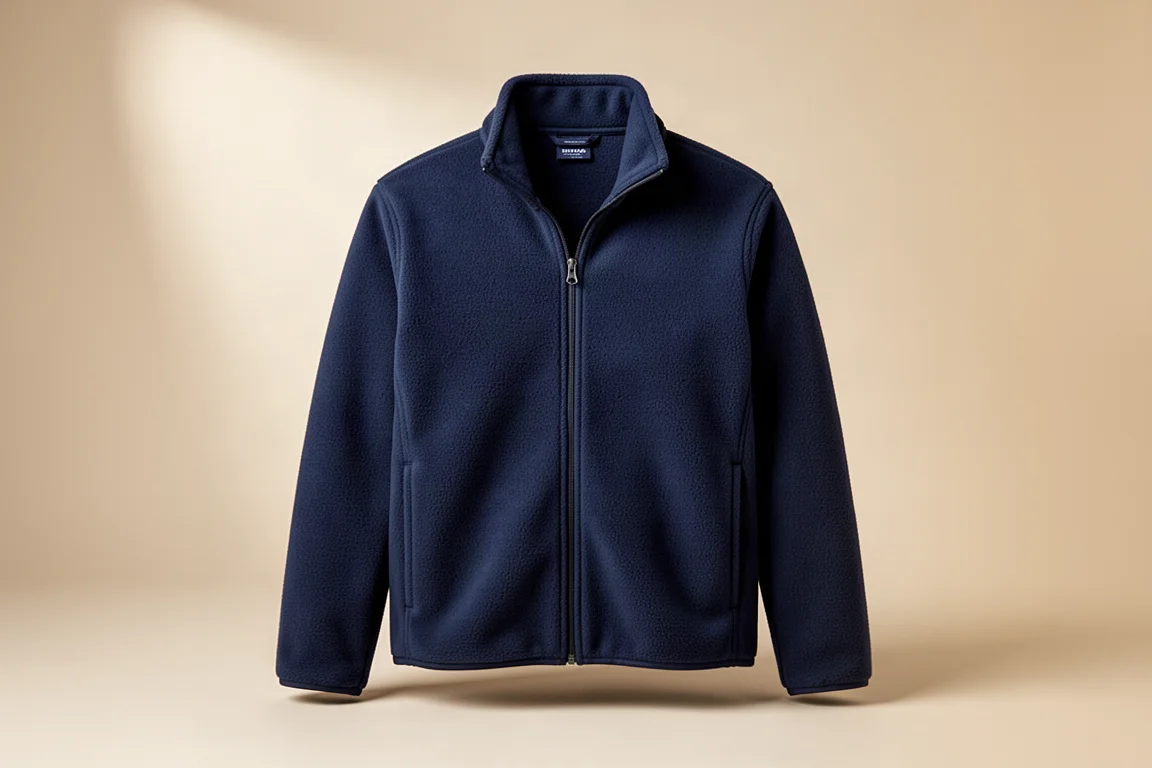
REI Trailmade Fleece
A $60 fleece made from 100% recycled polyester. The fit, the comfort and the ease of washing and wearing it are what make it a dependable midlayer. The feature set is modest next to premium grid fleeces, but it does the job. It is available in men’s, women’s and plus sizes.
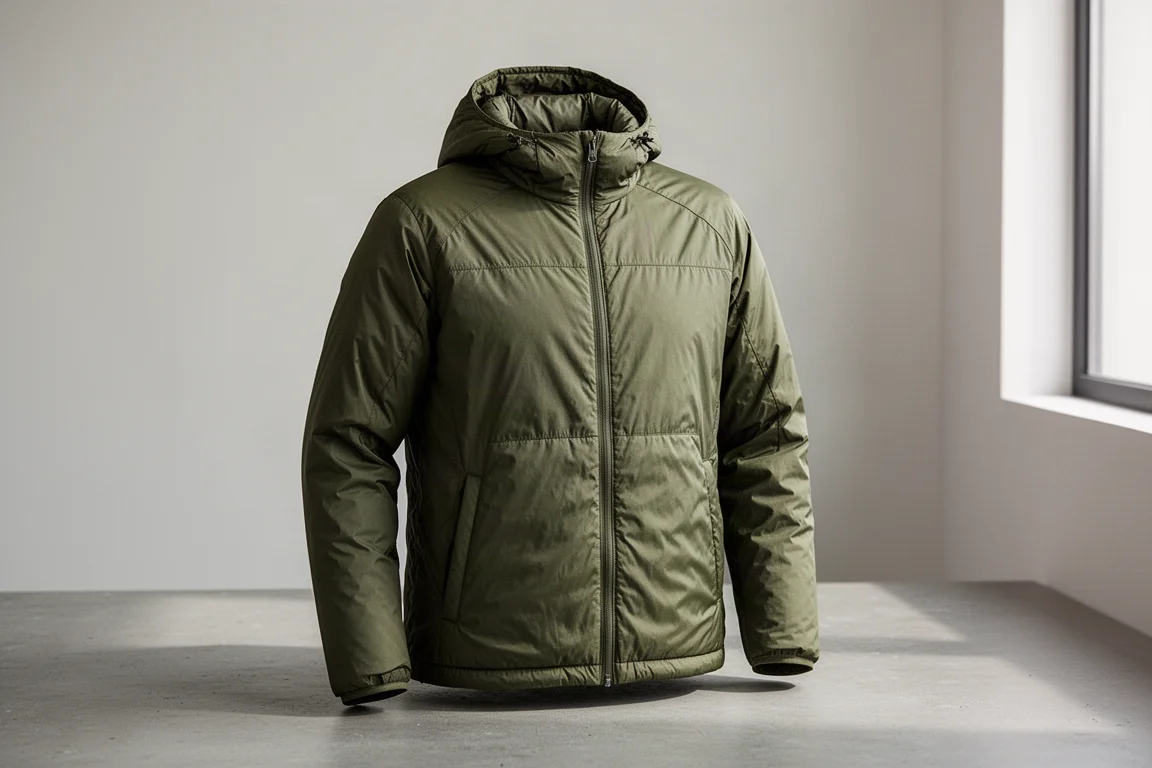
Enlightened Equipment Torrid Apex Jacket
Synthetic insulated jackets are often criticized for being less packable and less warm than down. This one at $200 is the exception. It uses synthetic Apex insulation, weighs very little and stays warm even when it gets damp, which is the advantage synthetics hold over down. It is light, comfortable and simple, and it is one of the best mid-tier insulated jackets available.
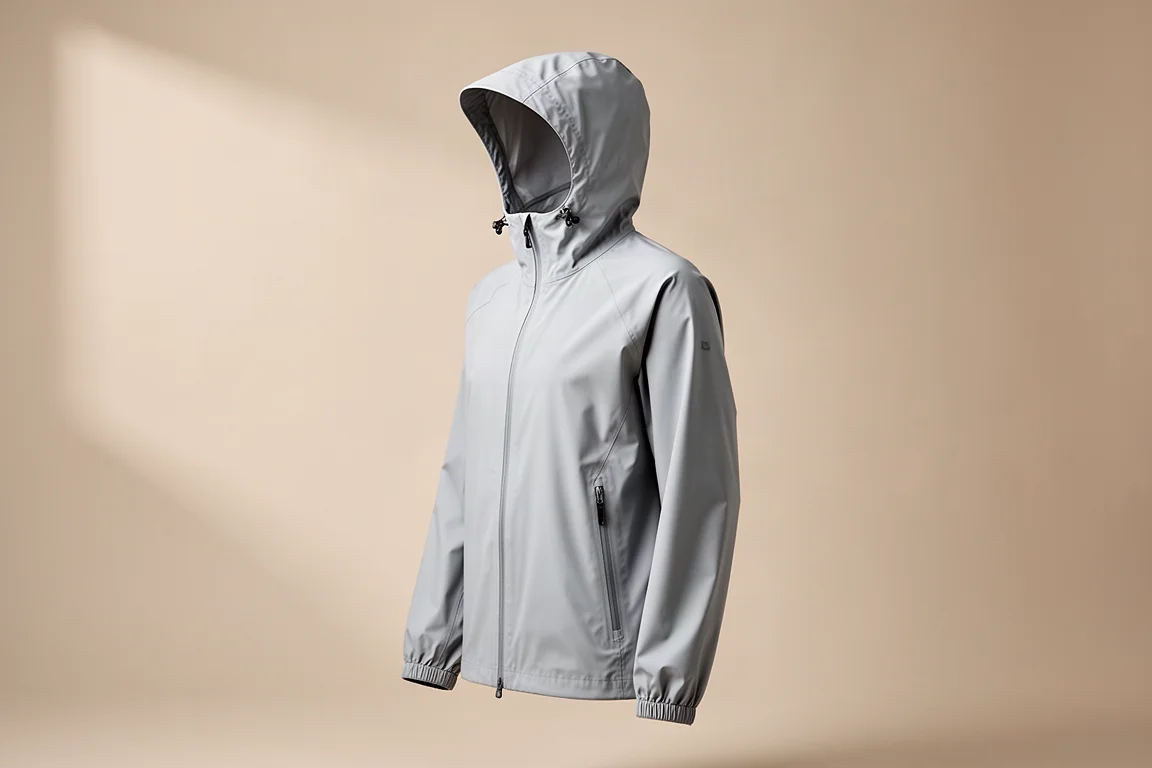
LightHeart Gear Rain Jacket
At $150, this is the most basic rain jacket in the lineup and it packs remarkably small and light. It is not breathable, and it is not designed to be. Instead, it relies on enormous pit zips for ventilation, along with hood toggles to cinch around the face, fully taped seams, and stretchy elastic cuffs with a Velcro closure at the wrist. It is durable and packs into its own pocket. For backpackers who prefer mechanical ventilation over breathable membranes, it is a standout.
Premium Layering System
Total cost: $1,167. These are the pieces that come out on top after working through a lot of gear. The gains over the mid-range kit are incremental rather than dramatic.
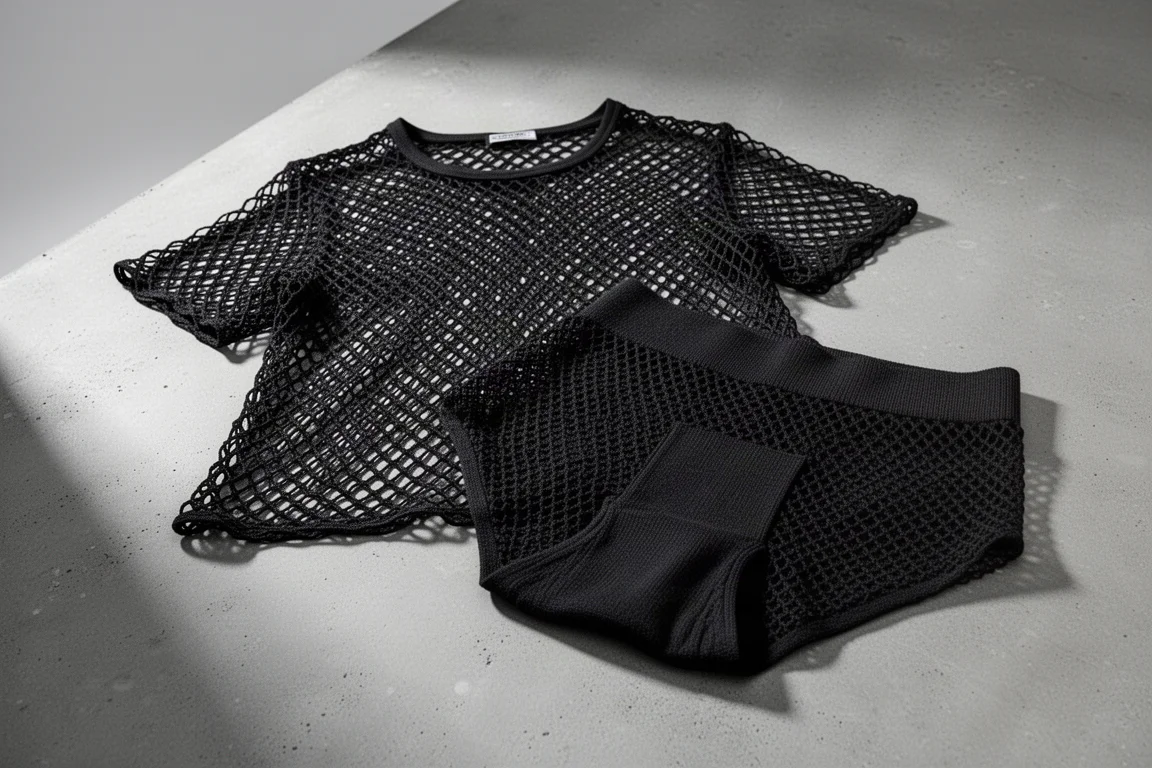
Brynje Base Layer Set
These base layers look unusual because they are a mesh, with fishnet-style openings that trap air against the skin. Your body warms that trapped air, and the warm layer sitting close to you is what keeps you comfortable. The construction is synthetic. The crew neck top is $80 and the bottoms are $110. The bottoms use a full knit fabric at the seat and backing at the knees for durability in high-wear areas. If the mesh concept does not appeal, merino wool base layers from established wool specialists are a well-proven alternative.
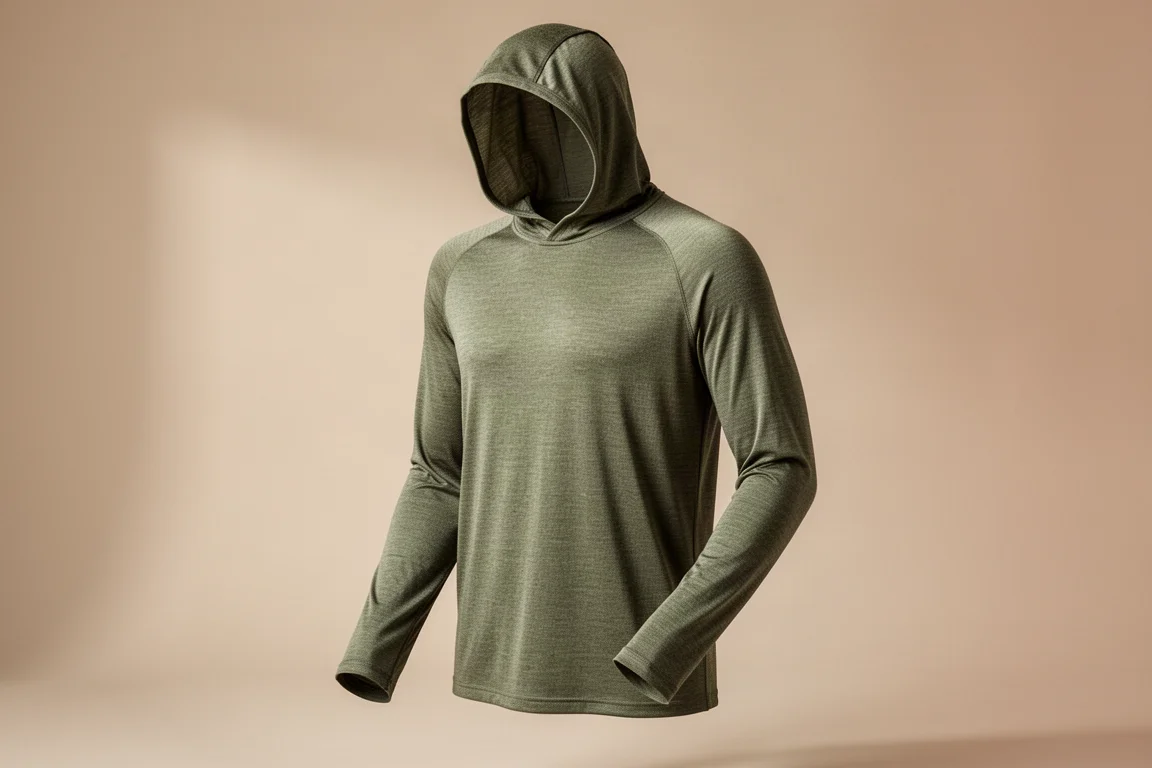
Outdoor Vitals Tern Sun Hoodie
The Tern is a merino wool and polyester blend, which makes it soft rather than scratchy, lightweight and excellent at wicking moisture. The wool content also resists odor, so it stays fresh across multi-day trips. It is one of the most comfortable pieces of backpacking clothing available. The main caveat is sizing: it is a unisex hoodie and the size range is narrow, so check the chart carefully before ordering.
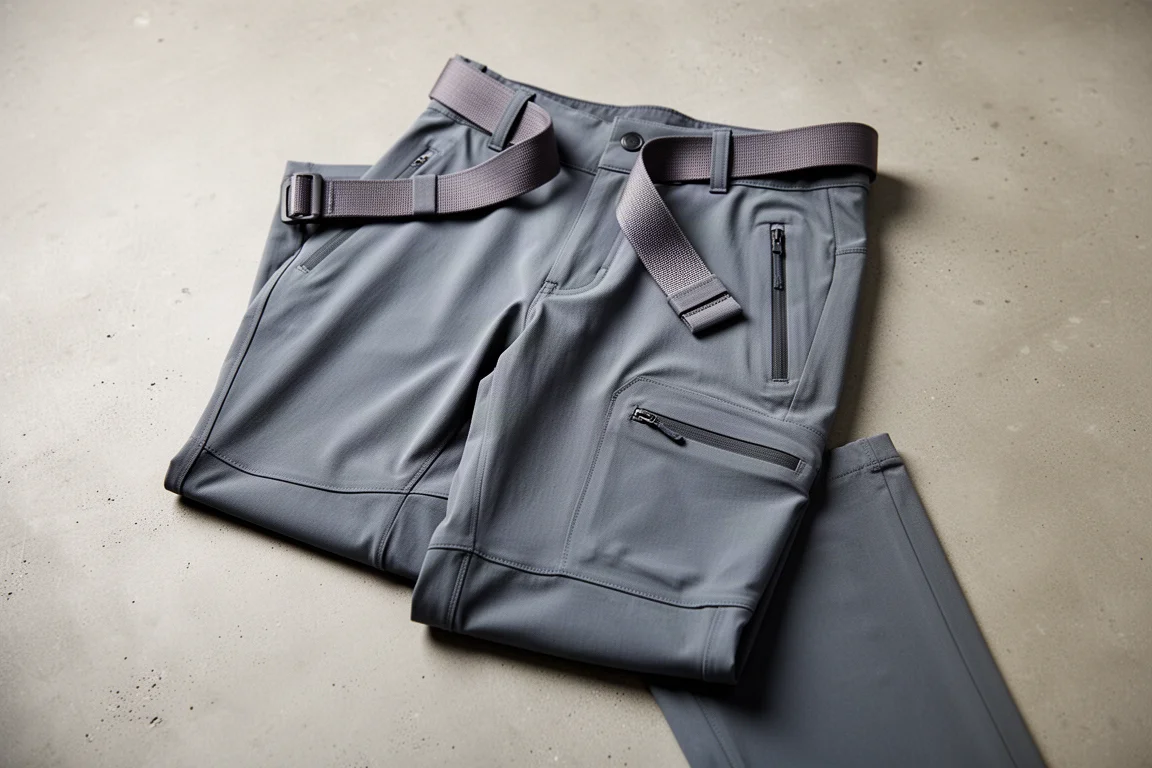
Stio Pinedale Hiking Pants
At $149, the Pinedale is a midweight hiking pant rather than an ultralight one, but it breathes well. The hem cinches around your shoes, which helps in brushy terrain and keeps dirt out of your pant legs. Storage is generous: a zippered rear pocket, two large side pockets and a vertical leg pocket sized for a phone. An adjustable belt runs around the back and sits flat under a hip belt. The fabric has plenty of stretch, the fit is flattering and the build quality is high. It is priced in line with other premium hiking pants and it earns it.
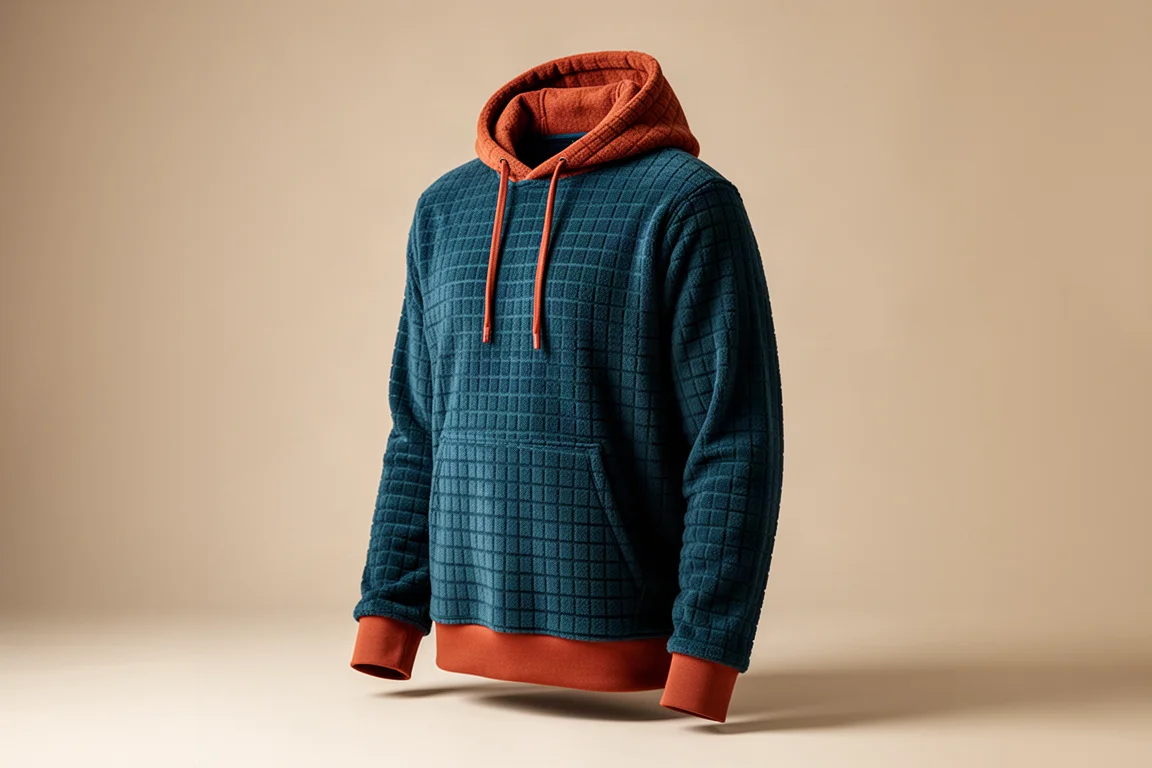
Sambob Custom Micro Grid Hoodie
Sambob is a small company based in Portland, Maine, that lets you choose every color that goes into your fleece. The micro grid fabric is soft, breathable and insulates well without much weight, and it packs easily. Styles include a hoodie with pockets, in slim or wide fits. At $120 before any added features, it is not cheap, but it is the warmest and coziest fleece in this comparison and a genuine staple layer.
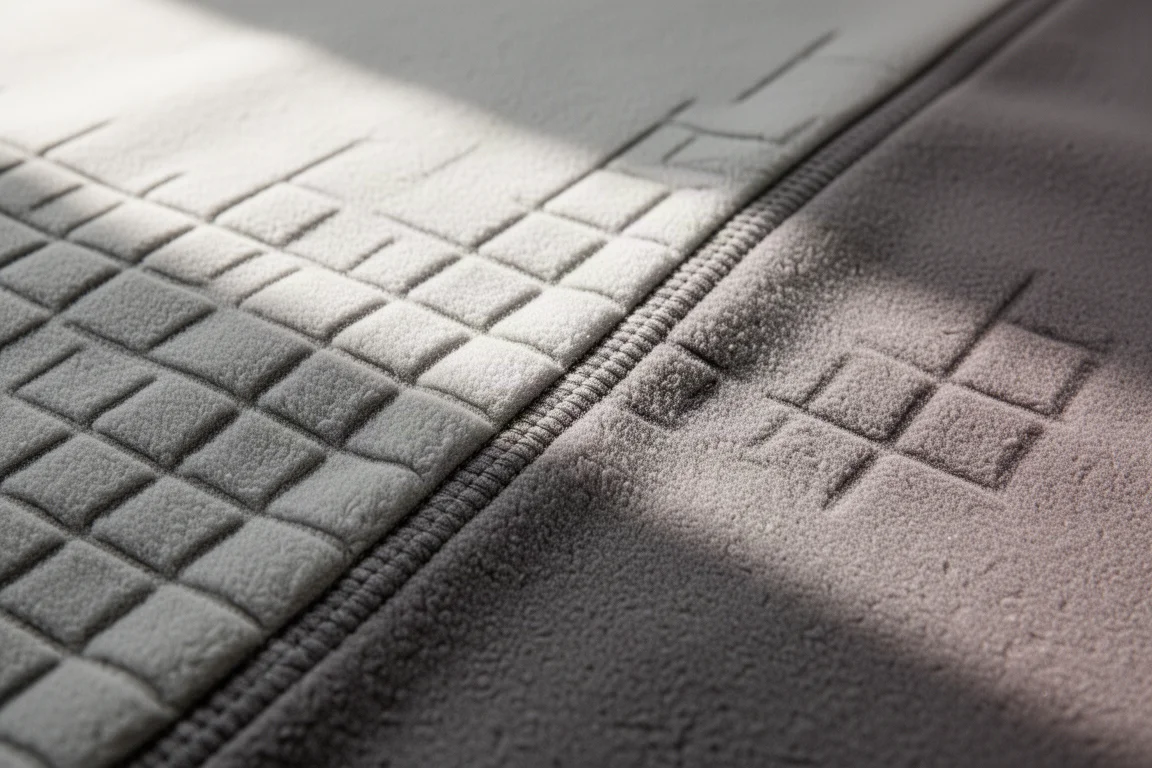
Custom colorways make it a piece people keep reaching for, and the grid texture is what does the insulating work.
Arc’teryx Cerium Down Jacket
At $400, the Cerium is a substantial investment. It uses 850 fill power down, with synthetic insulation in the shoulders and cuffs, the areas that see the most wear and are most likely to get wet. That matters because synthetic insulation keeps you warm when damp while down does not. It is a wonderfully made jacket and it holds up well over time. Worth noting: this jacket was ultimately swapped out in favor of the far cheaper Decathlon Forclaz down jacket, which says a great deal about how good that budget option is rather than anything negative about the Cerium.
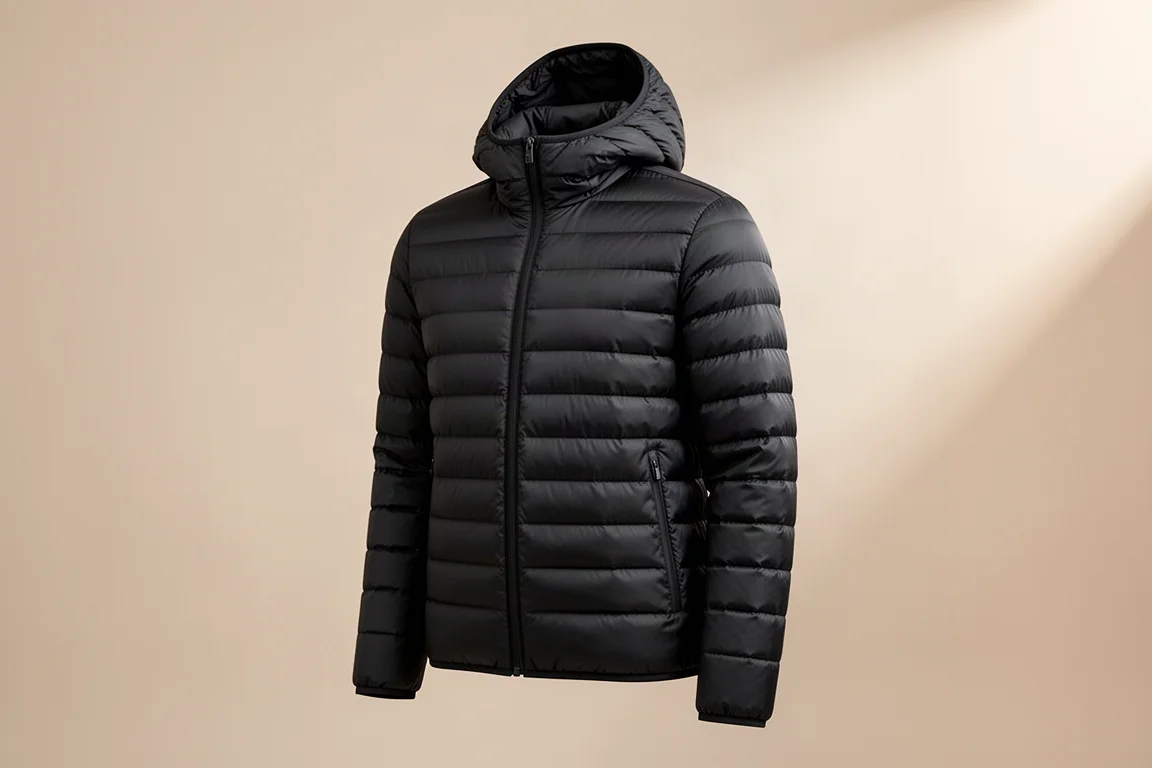
Outdoor Vitals Tushar Rain Jacket
The Tushar is an ultralight, minimalist rain jacket built to be hiked in, at $230. Less is more here: a small piece of elastic replaces a bulky Velcro closure, the hood is one size fits all with no toggles, and there are no pockets at all, which removes potential entry points for water and keeps weight down. It uses two different waterproof membranes, a more durable one across the shoulders and other high-wear zones and a more breathable one where you sweat most. Durable, lightweight and inexpensive is a pick-two proposition, and the Tushar chooses durable and lightweight.
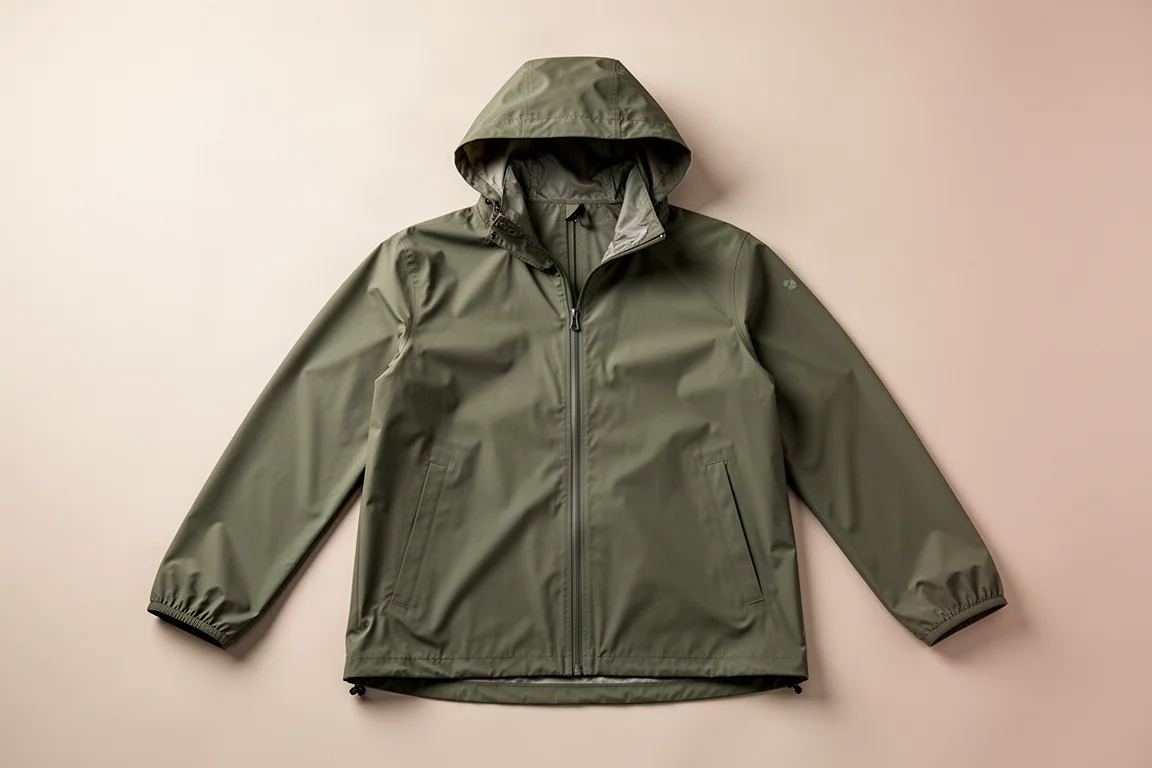
A Mixed System That Covers Most Trips
Budget, mid-range and premium do not map neatly onto good, better and best. The most-used kit here mixes all three tiers: REI Midweight base layers, Stio Pinedale hiking pants, a Sambob fleece, the REI Sahara Sunshade hoodie, the LightHeart Gear rain jacket and the Enlightened Equipment Torrid Apex jacket. Total cost is roughly $800.
That combination is the most comfortable, the most versatile and the one that gets used most often. The sun hoodie, fleece and insulated jacket layer together for real warmth, a base layer shirt can go underneath when more is needed, and base layer bottoms layer under the Stio pants.
The swaps are condition-dependent. For genuinely cold trips, the Decathlon Forclaz down jacket takes the place of the Torrid. For high-output days with a lot of sweating, the Brynje mesh base layers take the place of the REI midweights. Neither swap makes the other pieces wrong, it just matches the kit to the trip.
Buying Advice
The three systems here total $326, $640 and $1,167, and a mixed kit lands around $800. What matters more than the number is whether the pieces work together for the conditions you actually hike in.
If you are starting out, the budget system is a complete and legitimate answer, not a compromise. If you already own some of it, check your closet first. Fleece in particular is easy to find secondhand, and a base layer set you already own may be perfectly adequate.
Whatever you buy, hold to the material basics. Skip cotton entirely. Keep fleece at 100% polyester. Make sure the rain jacket is genuinely waterproof. Choose base layers you would be happy to sleep in, since that is part of their job. And size the insulated jacket so it fits over everything else in the system.
You do not need a new pair of pants or a new shirt every season. One well-chosen layering system that covers the vast majority of the conditions where you hike is genuinely all you need.
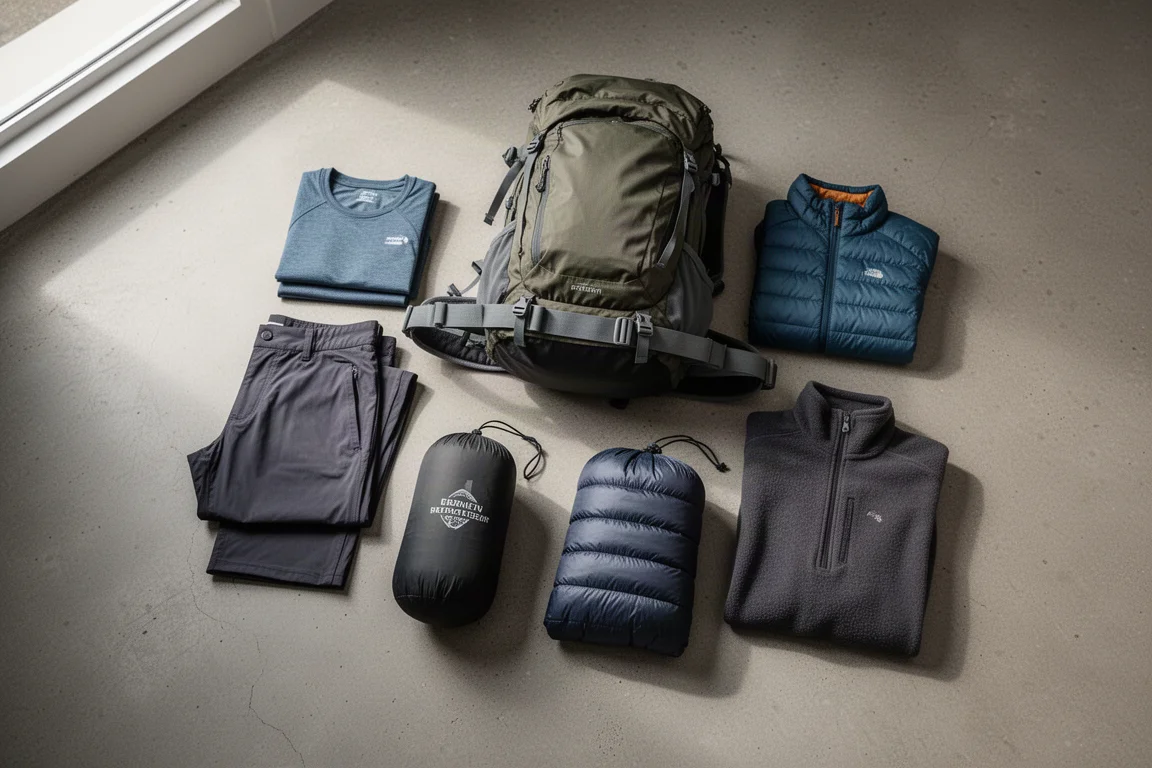
The goal is a kit that works together, not a collection of impressive individual pieces.
Conclusion
Three complete backpacking layering systems, three price points, and the same six pieces in each. The $326 kit shows how little a functional system can cost. The $640 kit is where most backpackers will find the best balance of durability and price. The $1,167 kit is made up of the best-performing pieces, with gains that are real but incremental.
The most useful takeaway is that the best system is usually a mix. Pick the tier that fits each piece of your kit, match it to the trips you actually take, and you will end up with something more versatile than any single price point can offer.
Further reading
Related Reviews
Backpacking Apparel
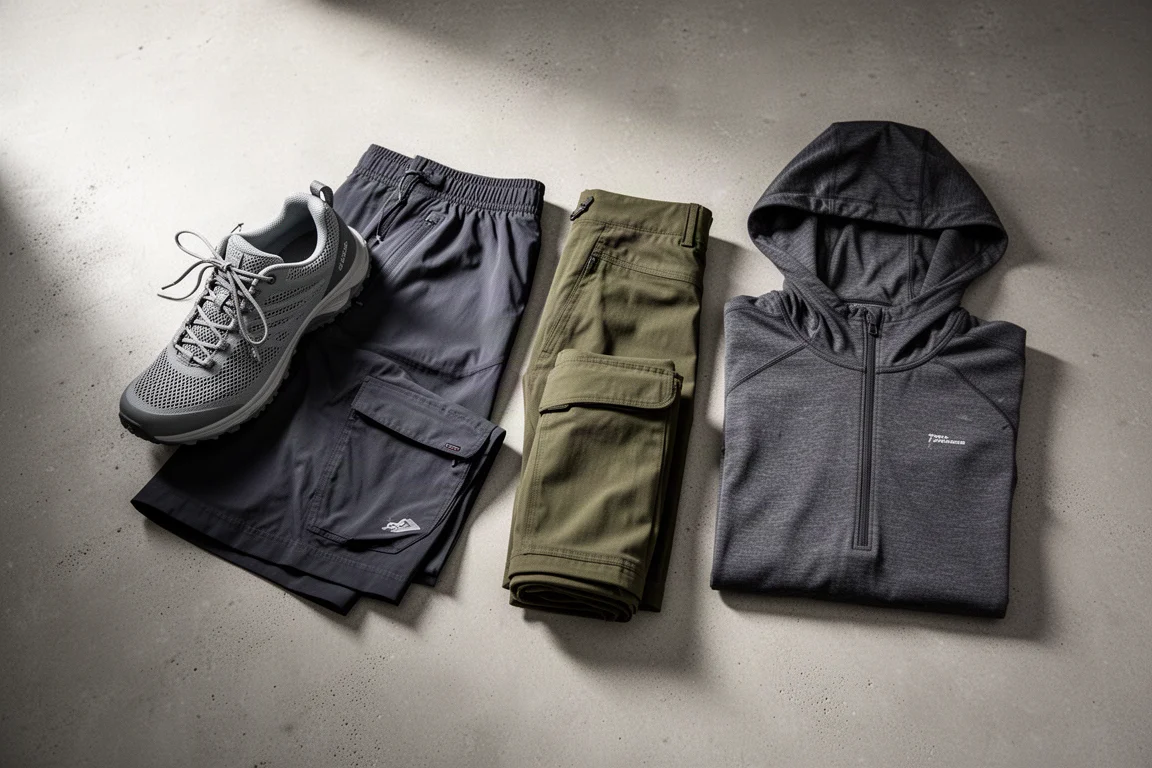
Backpacking Clothing Essentials: Five Pieces That Make Trail Days More Comfortable
Five pieces of hiking clothing that improve on-trail comfort, with the trade-offs worth checking before you buy.
Backpacking Apparel
Backpacking Clothing for On-Trail Comfort: Five Pieces Worth Packing
Footwear, socks, shorts, pants, and base layers shape on-trail comfort more than most backpackers expect. Here are five pieces and the reasoning behind each.

Backpacking Gear
Building a 10 lb Base Weight: An Ultralight Backpacking Gear List
A practical walkthrough of the ultralight pieces behind a 10 lb base weight, from a 765 g pack and a roomy one-person tent to a full camp chair and a dependable water filter.