Backpacking Gear
Two Backpacking Items You Can Live Without: Flextail Zero Pump and Crocs
A practical look at two popular backpacking extras, the Flextail Zero Pump and Crocs as camp shoes, and how to decide whether either one earns a place in your pack.
Introduction
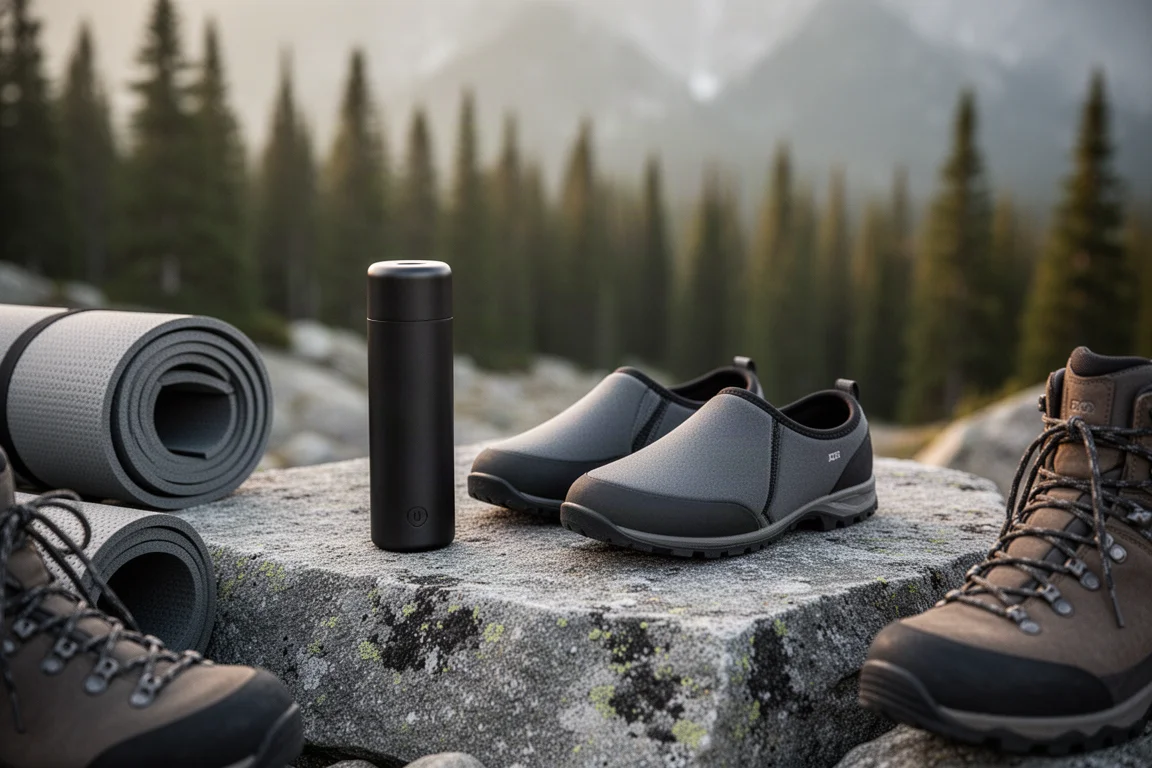
Backpacking gear lists have a way of growing. Every season brings a new accessory that promises to make camp easier, and two of the most common additions are a compact electric pump for inflating a sleeping pad and a pair of soft shoes to wear around camp. Both are genuinely pleasant to use. Neither is strictly required.
This guide looks at the Flextail Zero Pump and Crocs as camp footwear, what each one actually adds to a trip, and the trade-offs worth understanding before you spend the money. If you are building a gear list from scratch, knowing which items are optional can free up budget for the pieces that carry the most weight, literally and figuratively.
Why These Two Backpacking Items Are Optional
Some gear earns its place on every trip. Other items get marketed so heavily that they start to feel mandatory. A compact pump and a pair of camp shoes sit firmly in the second category.
Sleeping pad manufacturers have been including pump sacks with many of their pads for years. A pump sack inflates a pad without the breathlessness that comes from blowing one up directly, and it costs nothing extra because it doubles as the pad’s storage bag. That alone removes much of the argument for carrying a separate pump.
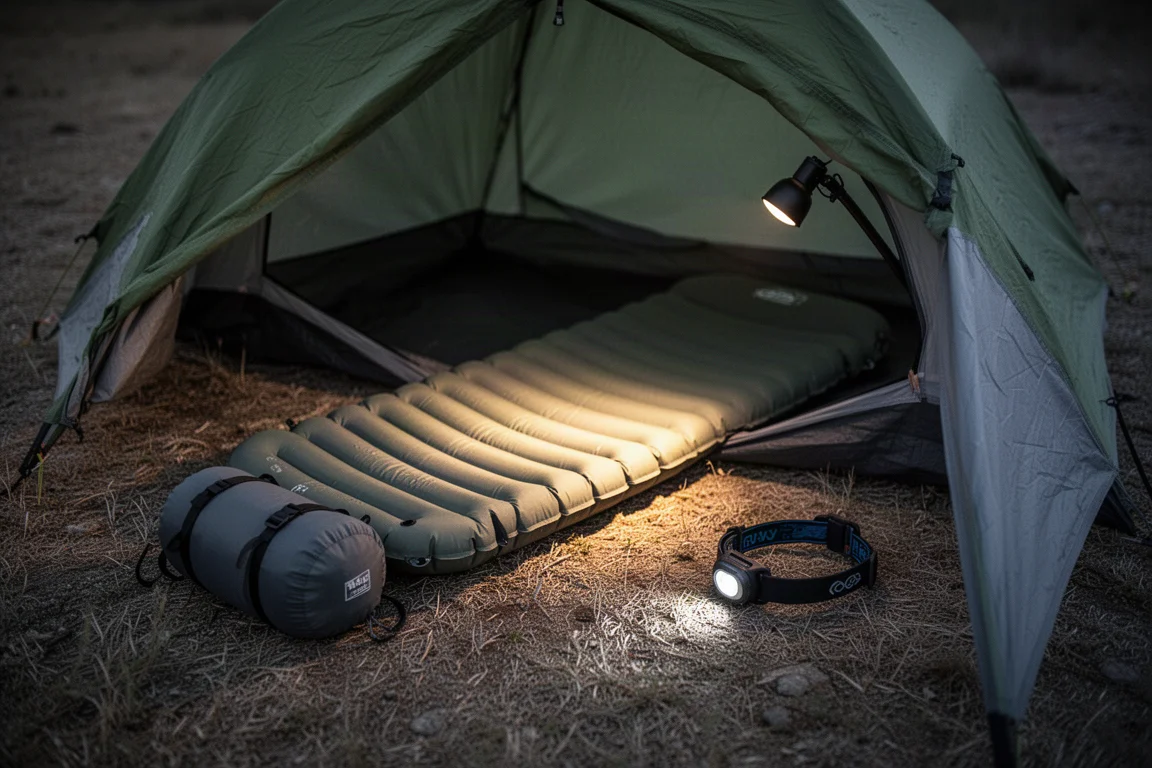
The same reasoning applies to other add-ons that are sold as essentials, from tent footprints to pack covers. Modern tents and pads are built well enough that many of these extras protect against problems that rarely happen in normal use.
None of this means the items themselves are bad. It means they are optional, and optional is a useful category to recognise when you are deciding where your money goes.
Flextail Zero Pump: A Compact Air Pump Around $50
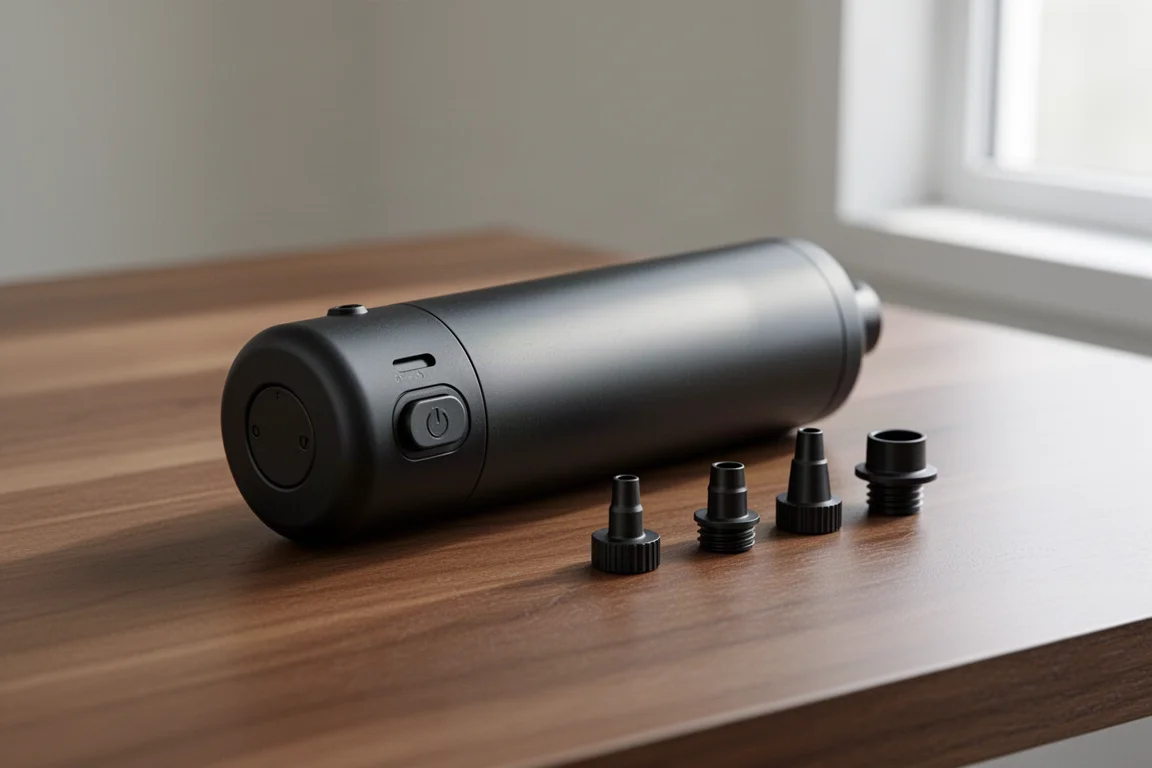
The Flextail Zero Pump is a small electric pump built to inflate a sleeping pad without any effort from your lungs. At around $50, it is one of the more expensive ways to solve a problem that a pump sack already solves, but it is also one of the most convenient.
The appeal is easy to understand. At the end of a long day, the last thing most people want is to be hunched over a pad, out of breath before they have even settled in. The Zero Pump removes that task entirely, and it is small enough to disappear into a pack. For anyone inflating and deflating a pad every night of a long trip, that convenience adds up over the course of a season.
The trade-offs are straightforward. It costs around $50, it is one more item to carry and look after, and many sleeping pads already ship with a pump sack that does the same job at no extra cost. If your pad came with one and you do not mind using it, the Zero Pump is a want rather than a need.
Crocs as Camp Shoes: Comfort With a Weight Penalty
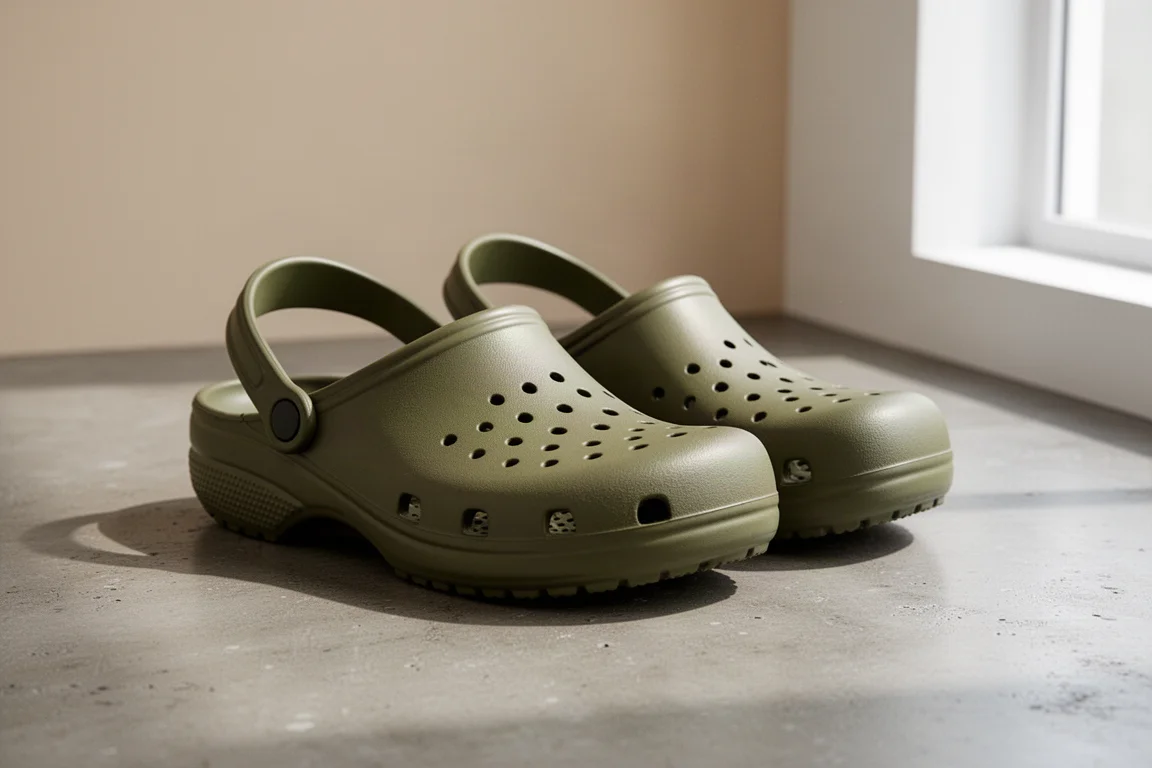
Camp shoes are one of the small pleasures of backpacking. After a day of hiking, taking off tight shoes and sliding into something soft is a genuine relief, and Crocs are among the most popular choices for exactly that reason. They slip on easily, they let your feet breathe, and they make walking around camp feel normal again.
The catch is weight. A pair of camp sandals can add roughly a pound to a pack, which is a meaningful amount for something that only gets used at the end of the day. There is also the space they occupy, which matters more on shorter trips with smaller packs.
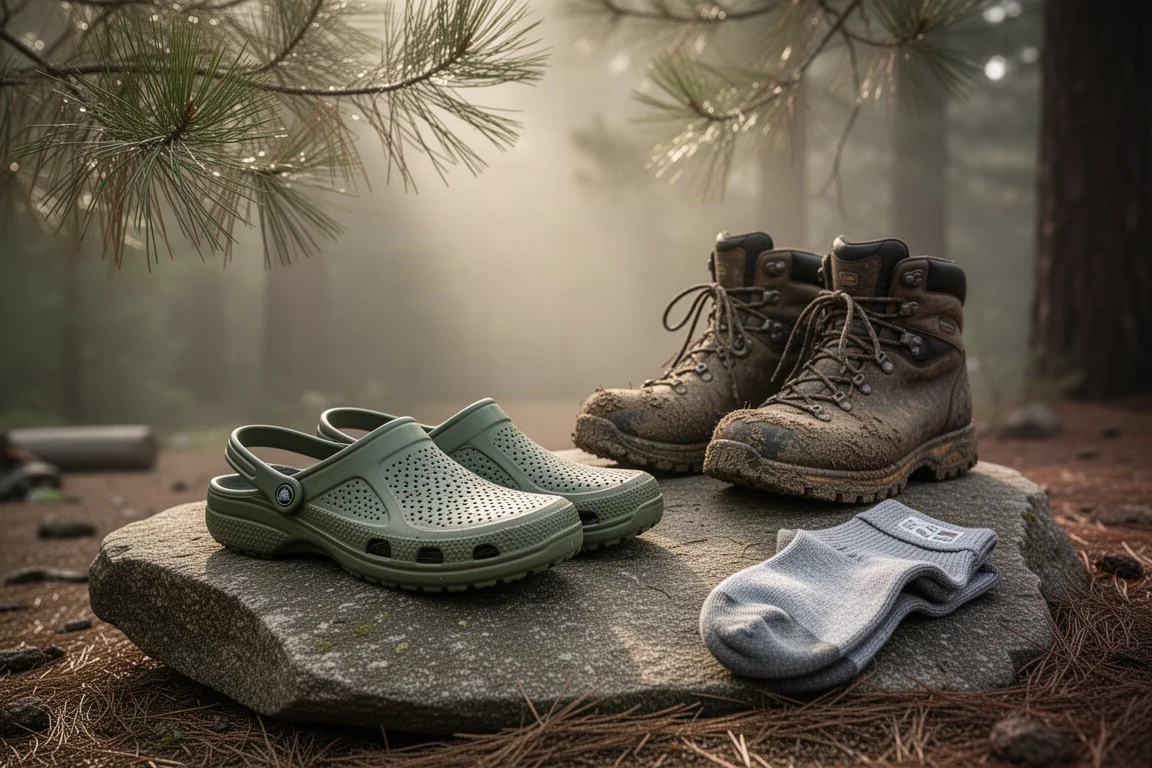
If you would rather not carry the extra weight, there are simple alternatives. Loosening your hiking shoes and walking around camp in them works well, and changing into a fresh pair of socks does a lot for how your feet feel. Neither option is as comfortable as dedicated camp shoes, but neither adds a pound to your back either.
What to Consider Before You Buy Either Item
Before adding either item to a gear list, it helps to answer a few practical questions.
Does your sleeping pad already include a pump sack? If it does, you already own a way to inflate it without effort, and the pump becomes a convenience rather than a solution.
How much does the item weigh, and how often will you actually use it? A pump gets used once or twice a day. Camp shoes get used once a day, at camp, and then sit in the pack for the rest of the hike.
Where else could that money go? A better backpack or a lighter sleeping pad changes every hour of every trip, while an optional accessory changes a few minutes of it.
None of these questions has a single right answer. They simply make the trade-off visible, and that is usually enough to decide.
How These Items Fit Into a Lighter Pack
Pack weight adds up quietly. A pump here, a pair of camp shoes there, and soon the total is a few pounds heavier than it needs to be. Those pounds are felt on every climb, and they are usually easier to remove than they are to train for.
This is why optional items deserve a second look. A compact pump and a pair of camp sandals are both small on their own, and both are easy to justify individually. Looked at together with everything else in the pack, they become part of a pattern that is worth questioning.
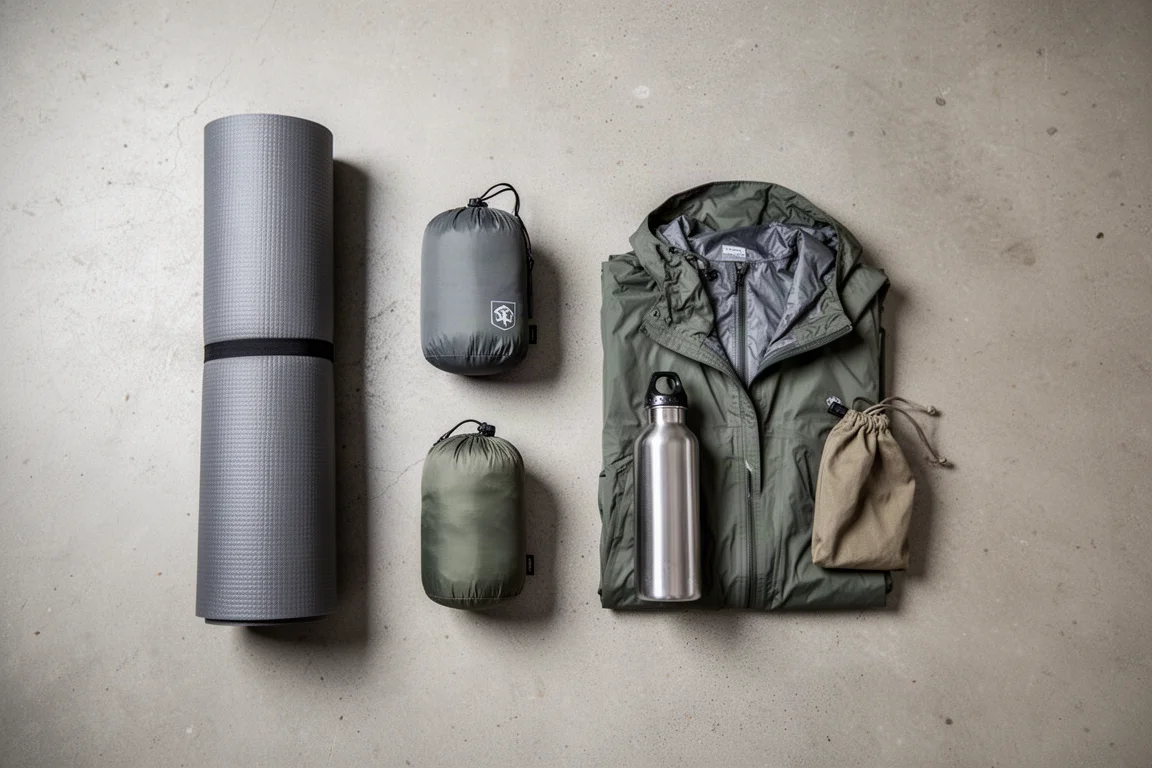
A useful approach is to sort gear into three groups: items you use every day, items you use occasionally, and items that could be replaced by something you already carry. The third group is where most of the weight savings hide, and it is also where the easiest decisions live.
Overall Buying Advice
Choose the Flextail Zero Pump if the nightly routine of inflating a pad is something you genuinely dislike, if your pad did not come with a pump sack, or if you value a fast, effortless setup at camp. At around $50 it is a considered purchase, and it makes the most sense for people who camp often enough to feel the benefit.
Choose Crocs as camp shoes if comfort at the end of the day matters more to you than a lighter pack, and if you have the room to carry them. They are a small luxury with a real cost in weight, and there is nothing wrong with deciding that comfort is worth carrying.
If neither description fits, skip both. Your sleeping pad still inflates, your feet still recover overnight, and your pack stays lighter.
A Final Note on Trail Comfort
Comfort on the trail is personal. Some backpackers sleep better with a pillow, some cook proper meals at camp, and some simply will not leave home without something soft to put on their feet at the end of the day. None of those choices are wrong.
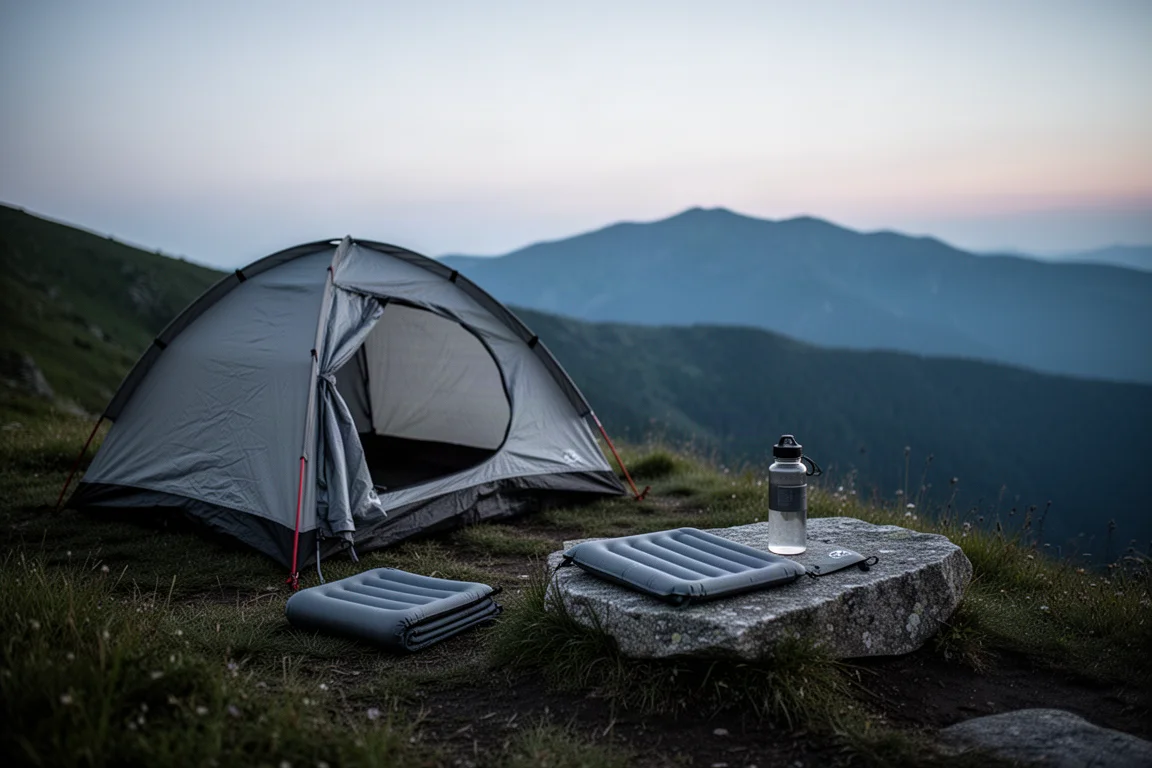
What matters is that the choice is deliberate. If a compact pump or a pair of camp shoes makes a trip noticeably better for you, that is a good reason to carry them. If it does not, leaving them behind is not a compromise. It is a lighter pack and a simpler routine.
Conclusion
The Flextail Zero Pump and Crocs as camp shoes are both good products that solve real, if minor, annoyances. Neither is required for a successful backpacking trip, and both can be replaced by something you already own: a pump sack included with your pad, or simply loosening your hiking shoes at camp.
Treat them as optional upgrades rather than essentials, and put the difference toward the gear you use every hour of every day. That is where the biggest improvements in comfort and performance usually come from.
Further reading
Related Reviews

Backpacking Gear
Building a 10 lb Base Weight: An Ultralight Backpacking Gear List
A practical walkthrough of the ultralight pieces behind a 10 lb base weight, from a 765 g pack and a roomy one-person tent to a full camp chair and a dependable water filter.

Backpacking Gear
A 15-Pound Lightweight Backpacking Gear List for Solo Trips
A beginner-friendly 15-pound backpacking setup built from easy-to-find gear, with notes on what each piece does, how it packs, and where to spend your attention.

Backpacking Gear
8 Ultralight Backpacking Gear Upgrades Worth Carrying
Eight small, affordable backpacking upgrades that solve real trail annoyances, from a pillow that stays put to a fuel valve that rescues leftover canister gas.