Backpacking Gear
Backpacking Gear You Should Never Go Cheap On: Nine Items Worth the Investment
Shelter, sleep, and footwear are where budget gear quietly fails. Nine backpacking items worth spending more on, and how to tell budget from cheap.
Introduction
Backpacking gear offers plenty of places to save money, and most of them are harmless. A stuff sack is a stuff sack, and a titanium spoon does not need to be engineered. But a small group of items sits between you and the worst night of your trip, and those are the ones where the cheapest option tends to cost more in the end.
The aim here is not to spend the most money. It is to know where a lower price means a genuine loss of performance, and where it simply means a smarter purchase.
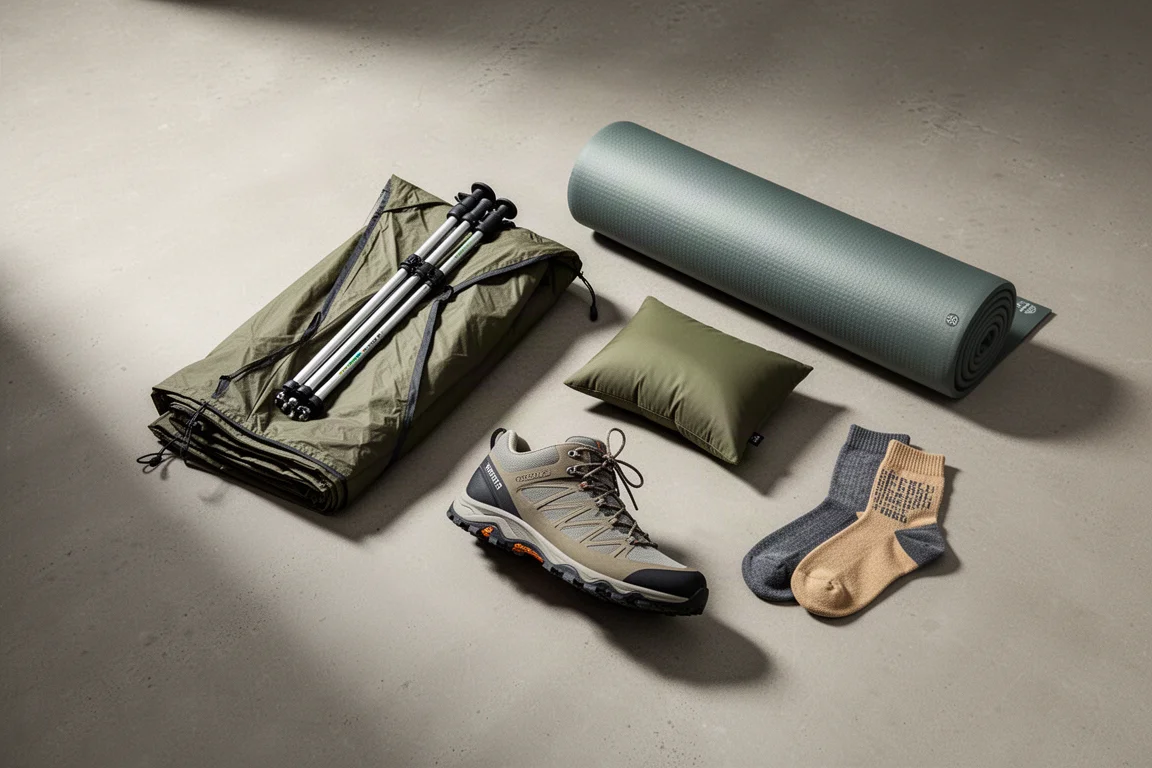
Nine items come up again and again in that conversation: three budget-friendly shelters, three insulated sleeping pads, one pillow, a technical trail sock, and a lightweight hiking shoe. Each one earns its place for a different reason, but they share a theme. When they work, you barely notice them. When they fail, they define the trip.
Cheap Versus Budget: Why the Difference Matters
Cheap and budget are not the same thing, even though the price tags can look similar.
Cheap means trading away performance to save a few dollars. The features you gave up are usually the exact features you needed: weather protection, warmth, fit, or durability at the moment it matters most.
Budget means the price is lower while the performance you actually need is still intact. That is a legitimate way to build a kit, and it is why the shelter options below are worth considering at all.
The practical test is simple. Ask what the item has to do for you, then check whether the lower-priced version still does it. If it does, buy it and put the savings somewhere else.
Shelter Systems: The Gear That Has to Work Every Night
Your shelter has one job it cannot fail at: keeping weather off you. Rain, snow, and wind all arrive without warning, and a shelter that sags, leaks, or collapses turns a manageable situation into an uncomfortable one. Bug protection matters just as much when insects are bad, because a shelter that does not seal properly is a shelter you will not want to sleep in.
A failed shelter can end a trip early, and exposure in the backcountry is not a small problem. It can also cost more down the road than the money you saved up front.
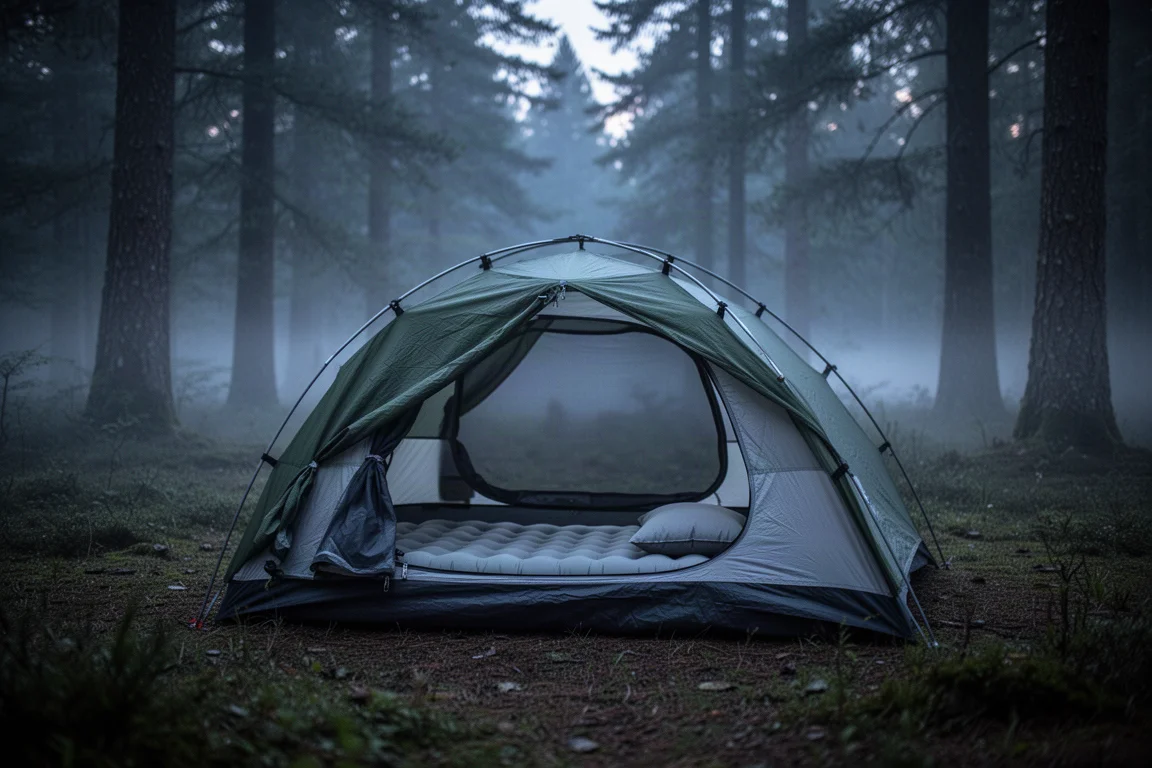
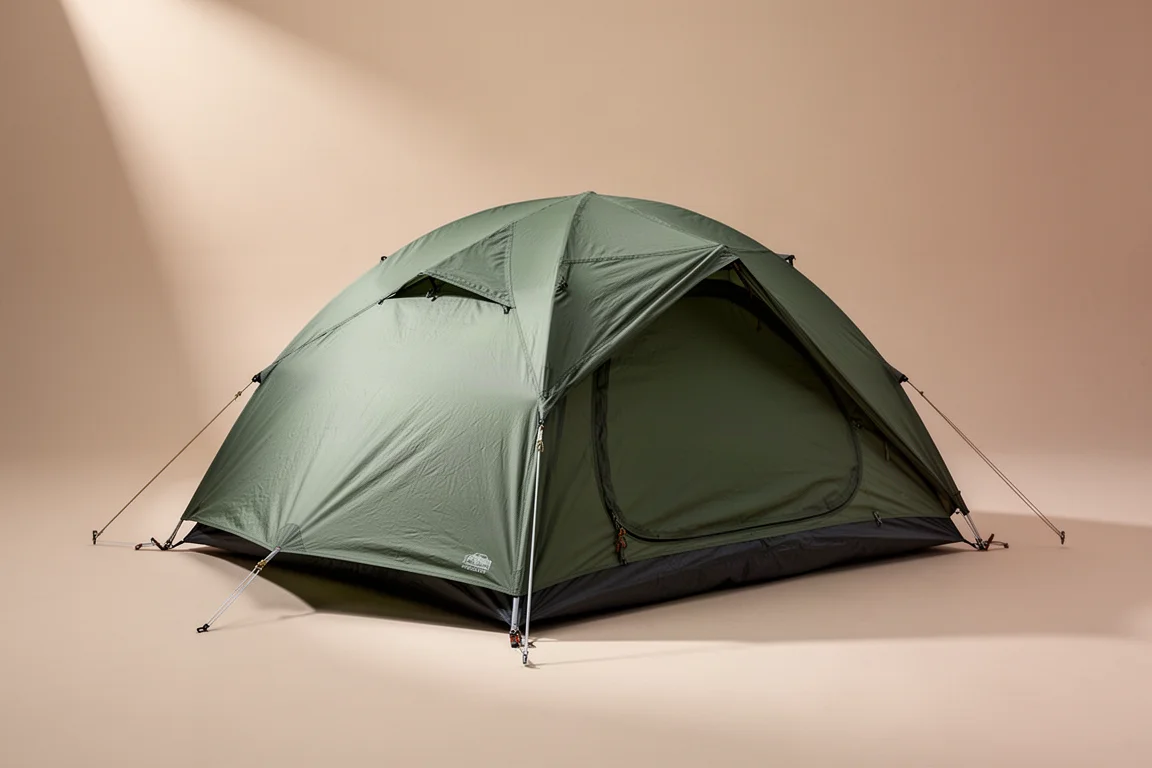
The good news is that dependable protection does not require a premium price. The Paria Outdoor Products Bryce, the Naturehike VIK, and the Lanshan series of tents are all budget-friendly options that sit under or around $200. The important part is where you buy them. Searching for the absolute lowest price on outdoor gear can lead you to unfamiliar websites, and those sites can put your personal information and card details at risk. A reputable seller and a known quality reputation matter as much as the tent itself.
Paria Outdoor Products Bryce
The Bryce is one of the better-known budget-friendly shelter options for backpackers who want reliable coverage without a large outlay. It belongs in the conversation for anyone assembling a first kit or adding a second shelter to the closet.
Naturehike VIK
The Naturehike VIK follows the same logic: a lower price point that still aims at the protection a backpacking shelter has to deliver. As with any lower-priced shelter, match the configuration to the conditions you actually camp in.
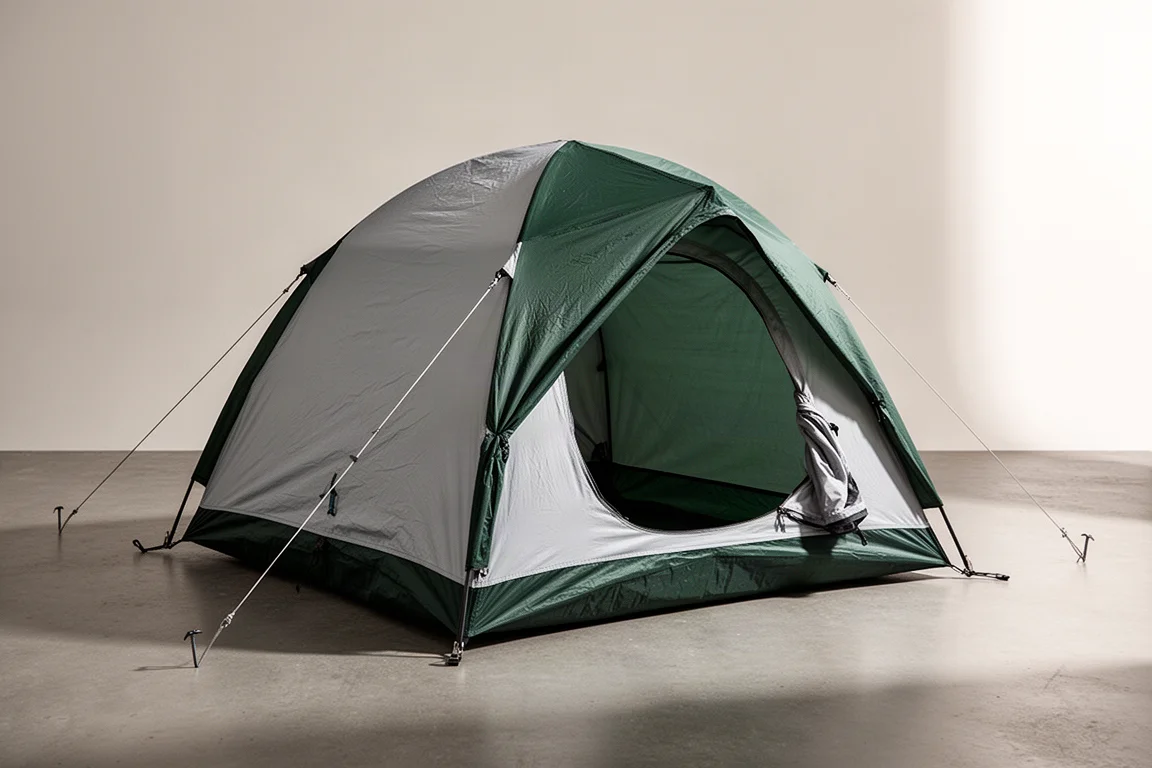
Lanshan Series Tents
The Lanshan series rounds out the budget tier and gives buyers several configurations to choose from. Research the specific version carefully so the shelter you pick checks the boxes that matter for your trips.
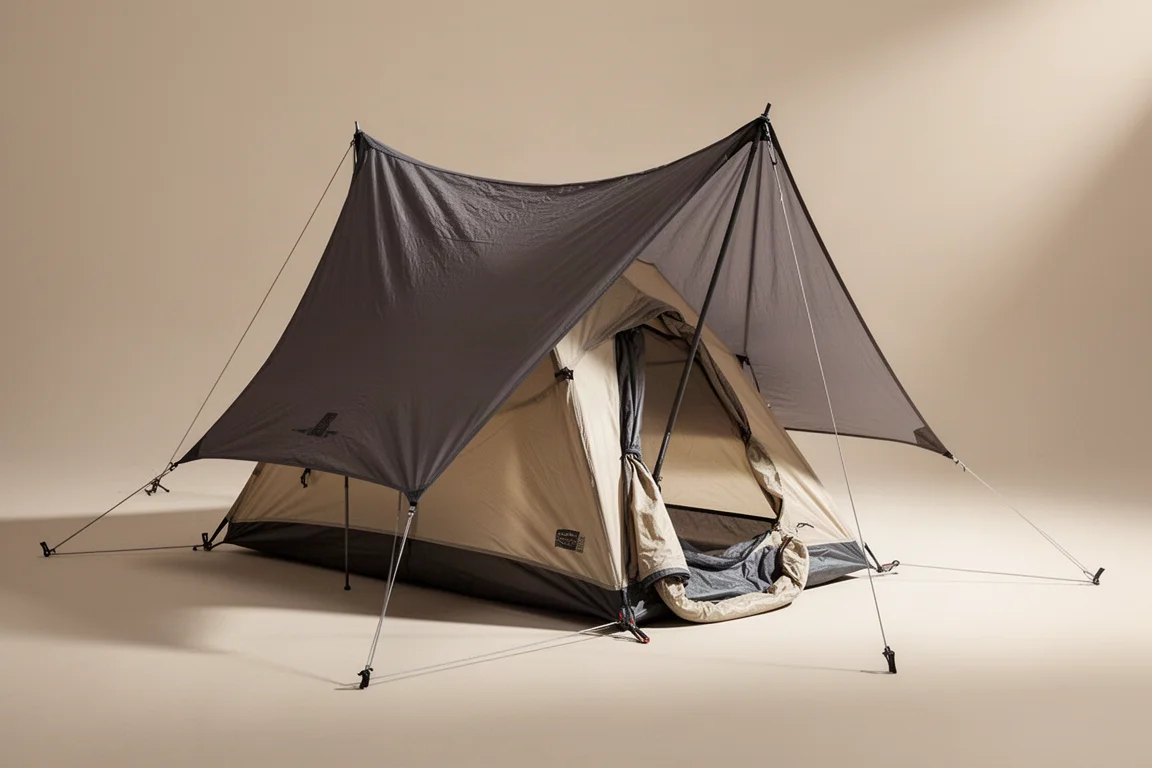
Sleeping Pads: The Foundation of a Warm Night
A sleeping pad contributes more to warmth than most people expect. Insulation between you and the ground is what keeps the cold from pulling heat out of you all night, and using an insulated pad even in summer can be the difference between a good night and a long one.
This is where budget pads get risky. A pad may advertise an R-value, but without an ASTM rating behind that number you are guessing at how warm it will actually sleep. An accurate, tested R-value is the detail worth paying for.
The three pads below are among the most comfortable options on the market, and each one pairs that comfort with insulation that keeps you off cold ground.
Big Agnes Rapide SL
The Big Agnes Rapide SL is a well-insulated option that supports both warmth and comfort, which is exactly the combination that makes a pad worth carrying.
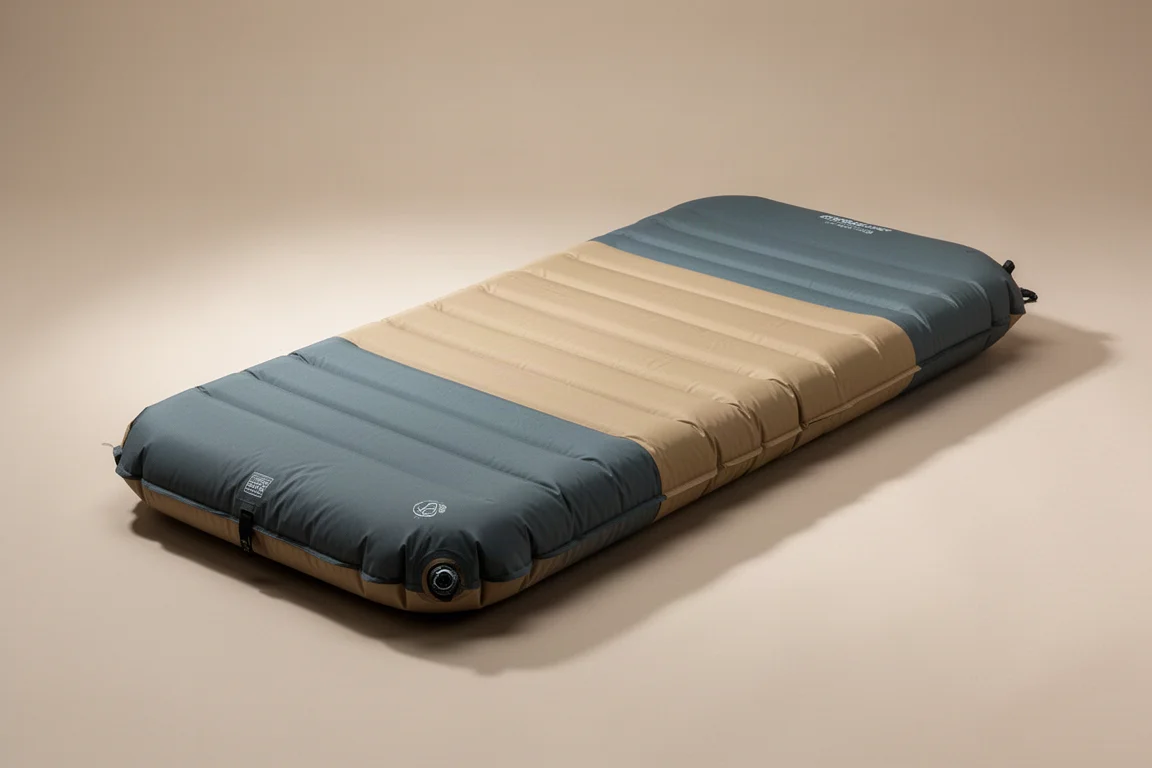
Nemo Quasar 3D
The Nemo Quasar 3D is another strong choice for backpackers who want a comfortable, insulated surface underneath them. It suits a range of sleeping styles, which makes it easy to recommend for changing conditions and mixed groups.
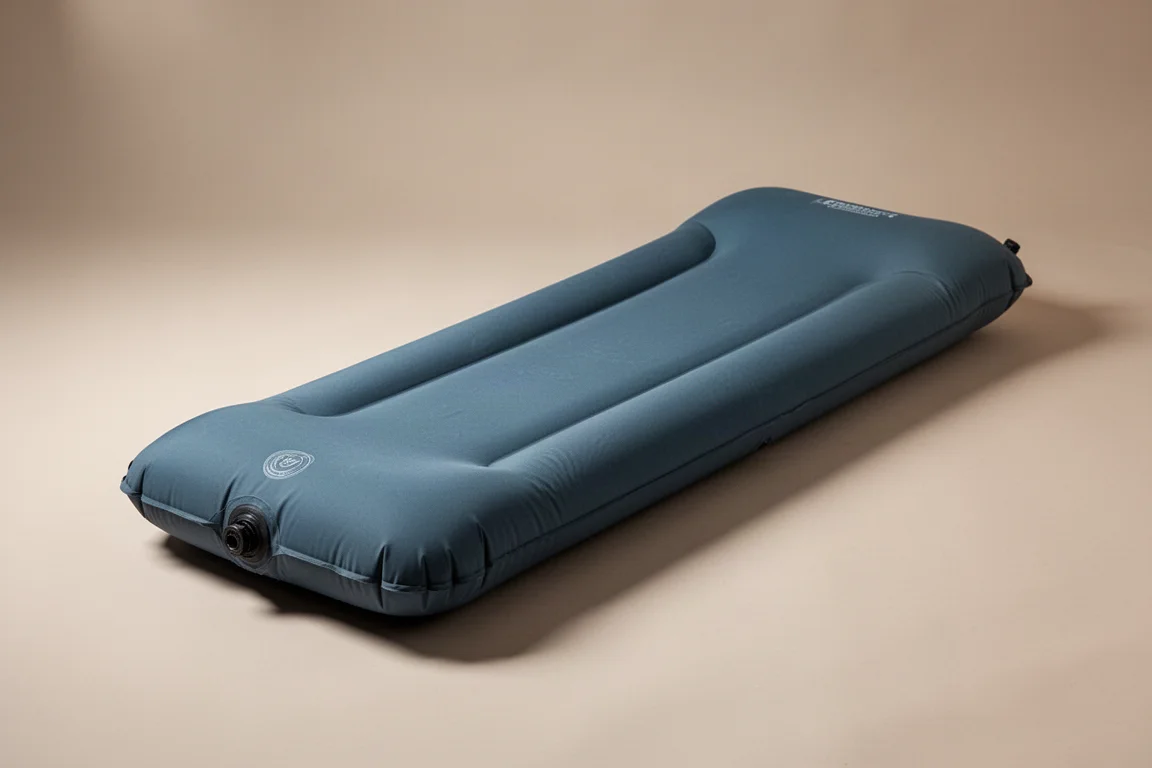
Sea to Summit Ether Light XT
The Sea to Summit Ether Light XT completes the trio as a comfortable, insulated pad aimed at the same priorities: warmth underneath and a night you do not have to fight through.
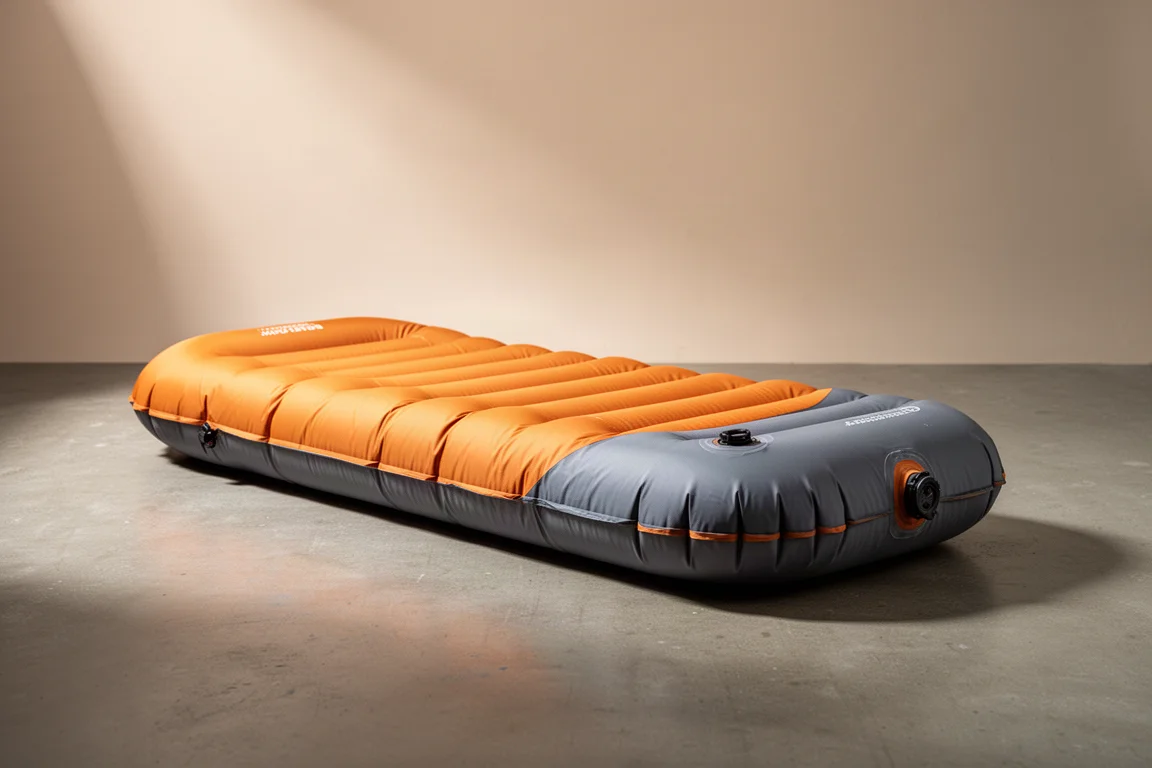
Sleeping Bags and Quilts: What Design Details Actually Buy You
You do not have to spend $400, $450, or $500 on a sleeping bag to sleep well. What you do have to do is understand which design details create warmth, because those details are the difference between a bag that performs and one that only looks the part.
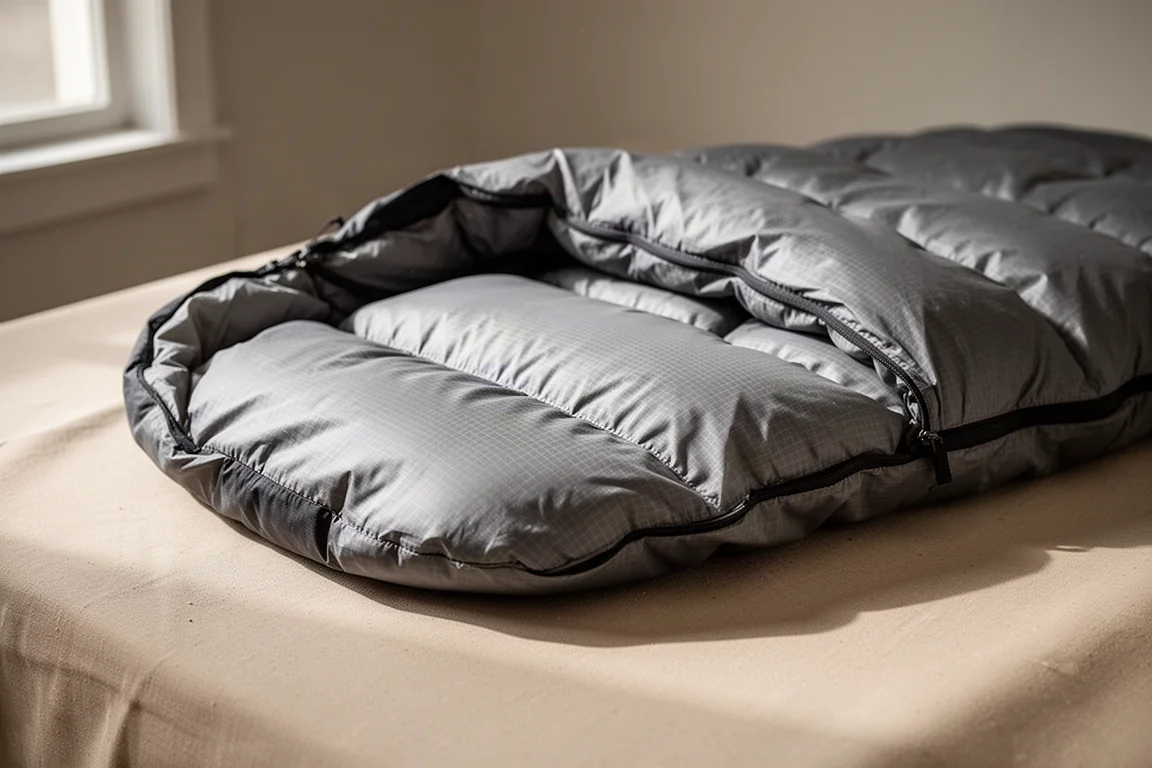
One example is a differential cut, where the inner fabric of the bag is smaller than the outer fabric. That keeps you from pushing against the outer wall and flattening the loft, which is how cold spots form in the first place. A bag built with that kind of thinking holds its warmth instead of losing it where your body presses hardest.
The other useful piece of advice is to buy once and buy broadly. A 20-degree rated bag covers most trips in a three-season setting, so a single well-chosen bag can handle nearly everything you will do.
Pillows: A Small Item With an Outsized Effect
Pillows get dismissed more than any other part of a sleep system. The usual plan is to stuff a jacket or spare clothes into a sleeping bag sack and call it a pillow. For many people that does not work, and the result is a poor night of sleep followed by a day of hiking they do not enjoy.
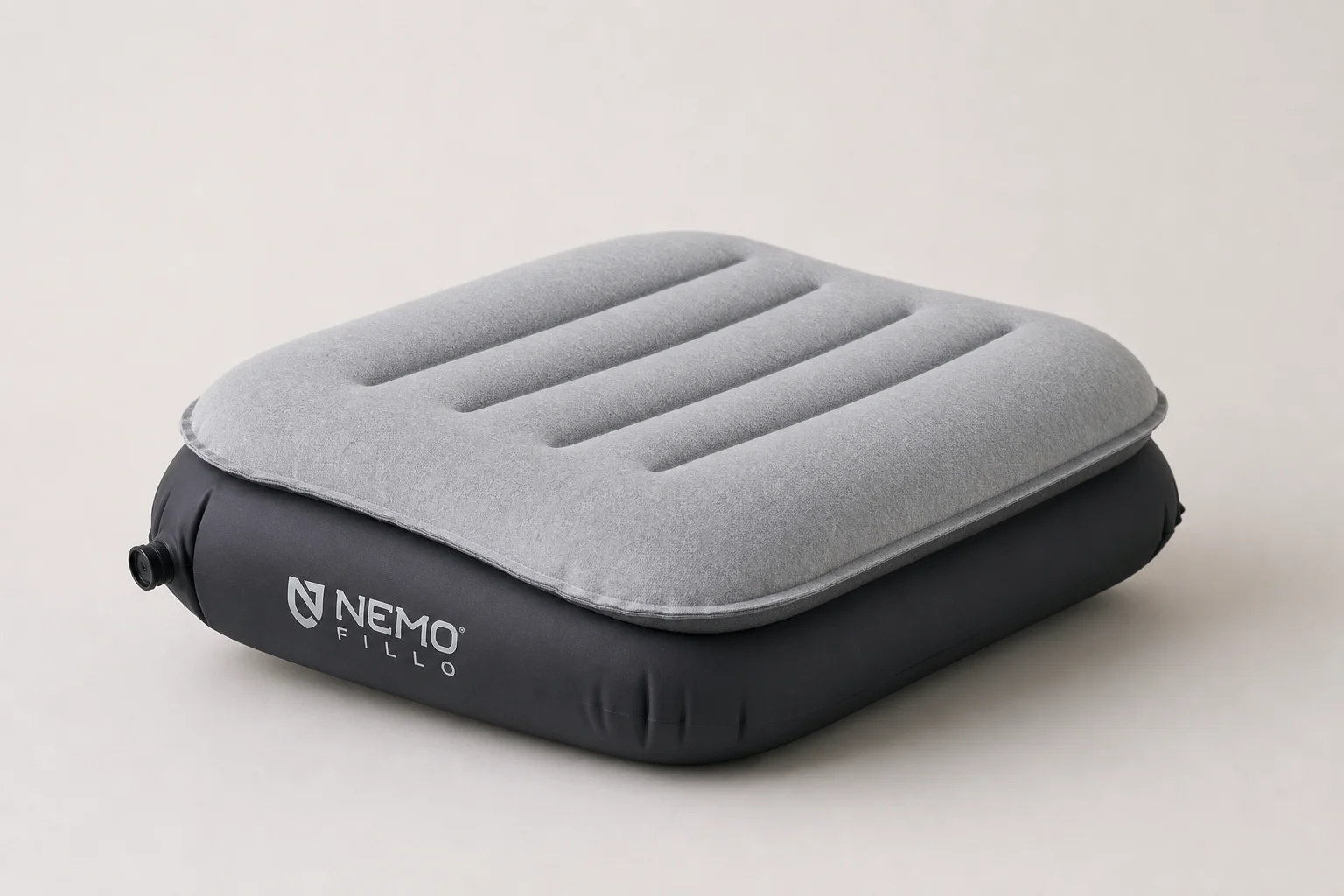
A dedicated pillow is an inexpensive fix. The Nemo Fillo is not an expensive item at roughly $35 to $40, and the improvement in sleep quality is large relative to the money spent. Investing in sleep pays off because a bad night makes the following day harder in every way.
Footwear and Socks: Blister Prevention Starts Here
Blisters are the most annoying part of trail life, and sore feet make everything else worse. Two items do most of the work in preventing them: a sock that stays put and a shoe that fits your foot properly.
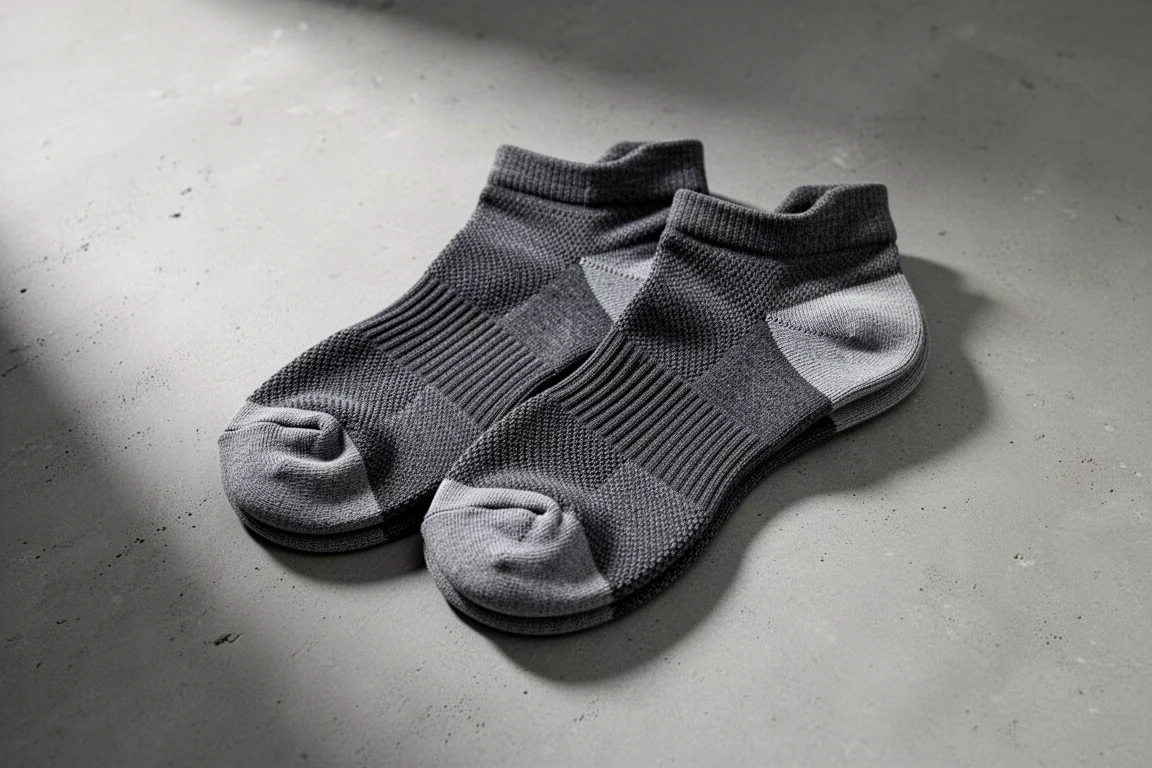
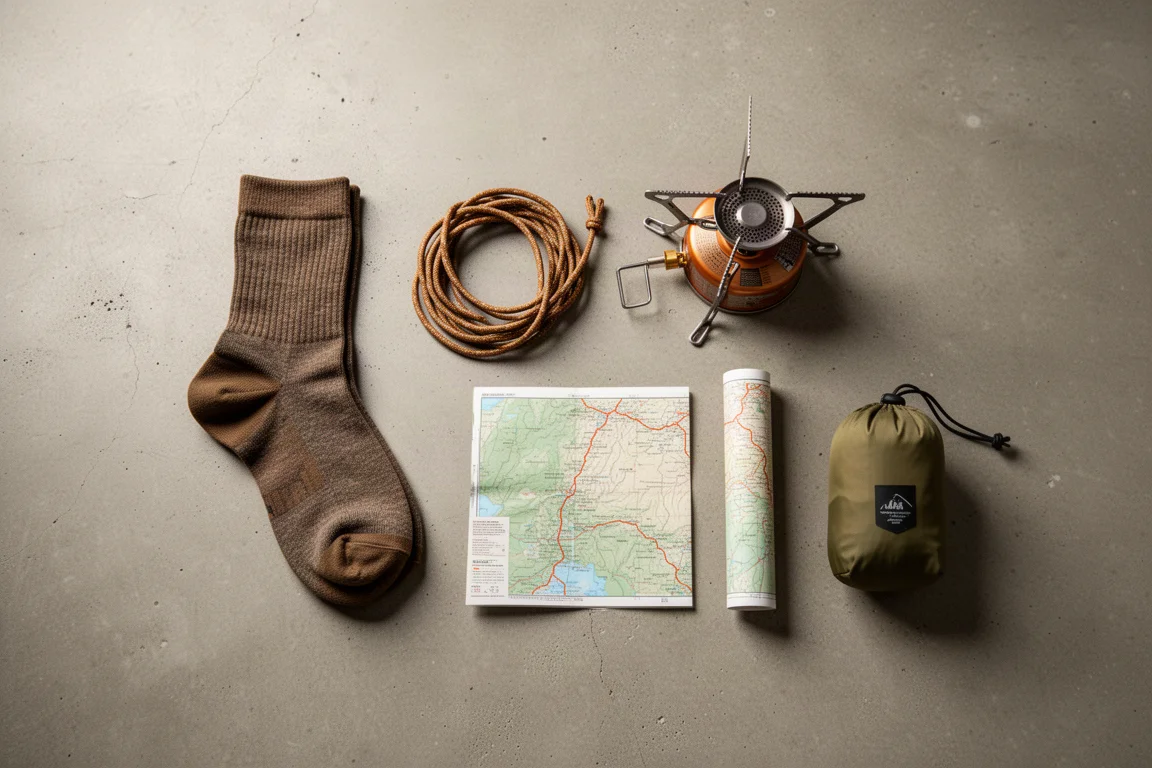
A high-quality technical sock makes a real difference. The Swiftwick Flite XT Trail is built around blister prevention and keeping the sock in place on the foot, which is precisely the job a hiking sock needs to do.
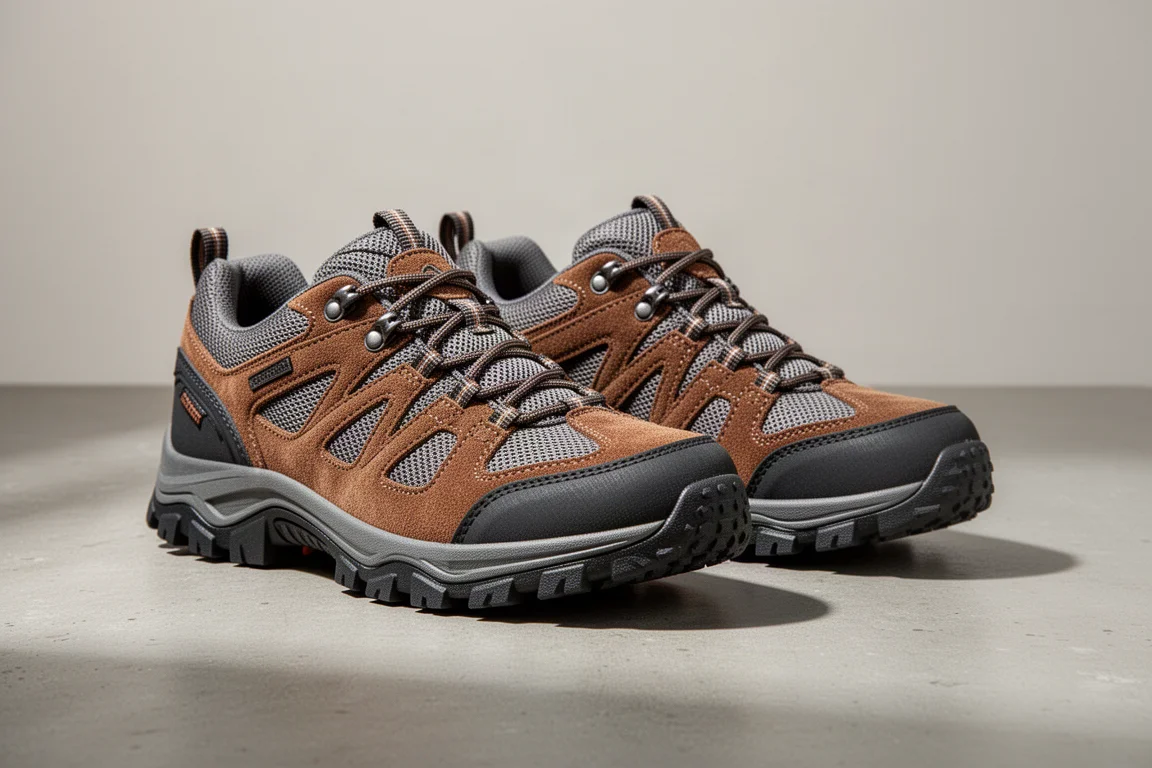
The second half of the equation is the shoe, and this is where personal research matters most, because every foot has a different shape and size. Trying several models is normal and expected, not a sign that you bought wrong.
The Danner Trail 2650 is a lightweight, stable hiking shoe that handles long days on the trail without creating foot problems. It is a strong starting point, but the right answer is the shoe that lets your foot splay naturally and stays comfortable over long distances. Once you find that shoe, stay with it.
Overall Buying Advice
Spend where performance is non-negotiable and save where it is not. Shelter, sleep insulation, and footwear are the three areas where a lower price most often shows up as a worse experience, so those are the categories to protect in your budget.
Two habits make the difference. First, research the specific performance you need before you compare prices, so you are judging gear on the right criteria rather than on the number on the tag. Second, buy from sellers you trust, particularly when a price looks unusually low. A slightly higher price from a known retailer is usually the better deal in the end.
Everything else in your pack can be built around those decisions. Cookware, storage, and small accessories are far more forgiving, and saving money there funds the gear that actually has to perform.
Conclusion
Backpacking gear does not need to be expensive across the board. It needs to be reliable where reliability matters. A shelter that keeps the weather out, a sleep system that keeps you warm and comfortable, and a shoe and sock combination that keeps your feet intact will do more for your trips than any upgrade anywhere else in the pack.
The budget-friendly shelters above show that a lower price and dependable protection can coexist. The pads, the pillow, the sock, and the shoe show the same thing in their own categories. Buy carefully, buy from reputable sellers, and put your money where a failure would end the trip.
Further reading
Related Reviews

Backpacking Gear
Building a 10 lb Base Weight: An Ultralight Backpacking Gear List
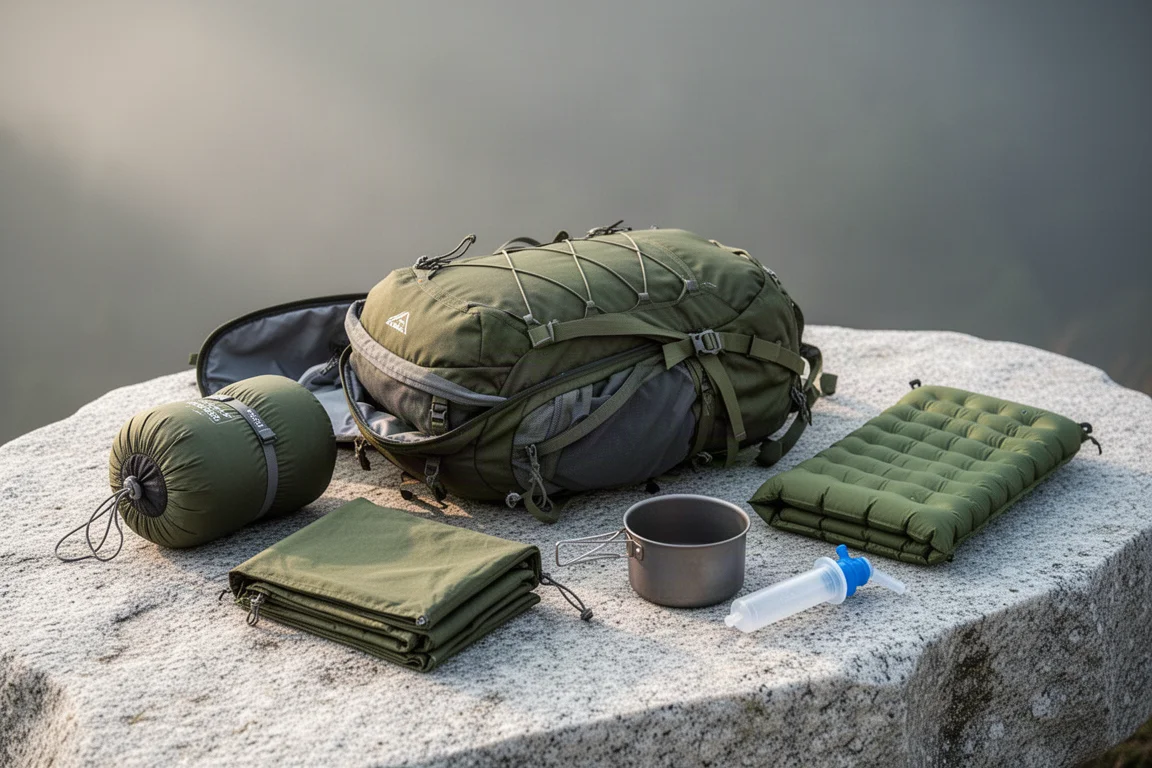
A practical walkthrough of the ultralight pieces behind a 10 lb base weight, from a 765 g pack and a roomy one-person tent to a full camp chair and a dependable water filter.
Backpacking Gear
A 15-Pound Lightweight Backpacking Gear List for Solo Trips
A beginner-friendly 15-pound backpacking setup built from easy-to-find gear, with notes on what each piece does, how it packs, and where to spend your attention.
Backpacking Gear
8 Ultralight Backpacking Gear Upgrades Worth Carrying
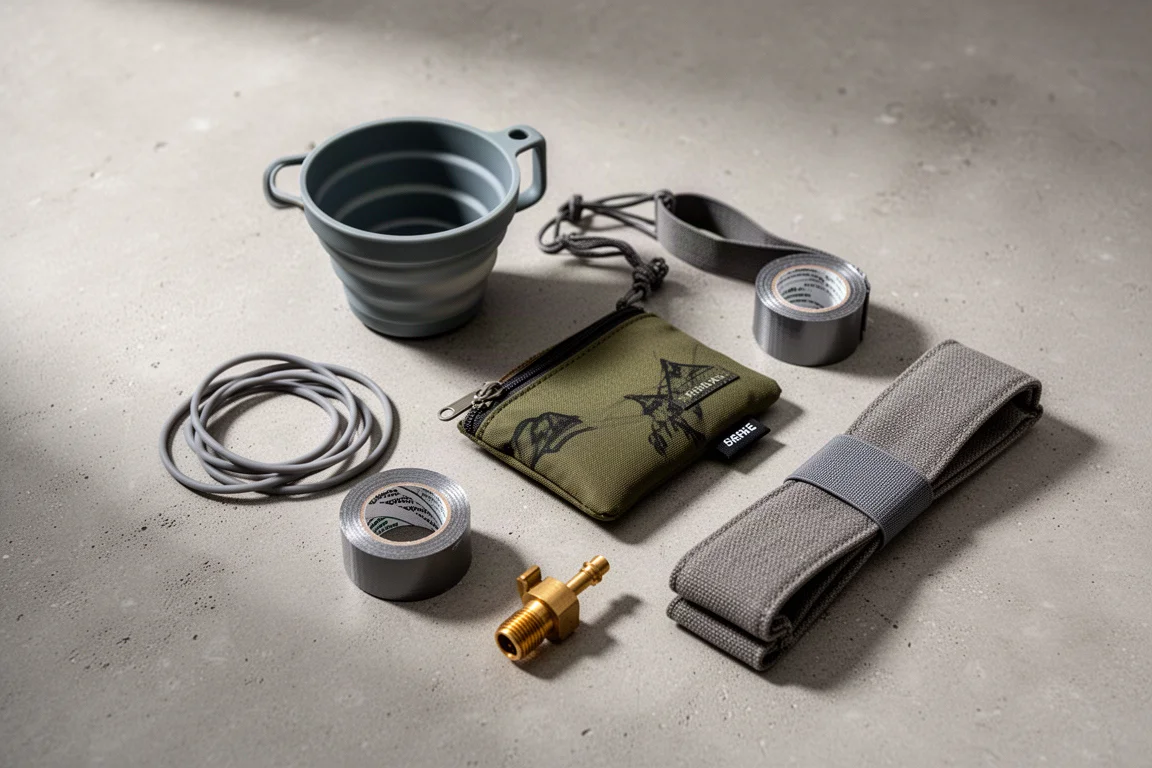
Eight small, affordable backpacking upgrades that solve real trail annoyances, from a pillow that stays put to a fuel valve that rescues leftover canister gas.