Backpacking Gear
Backpacking Gear You Rarely Use: First Aid, Satellite Messaging, and Navigation
Three pieces of backpacking gear that sit untouched on most trips and matter enormously on the one trip when they do not.
Introduction
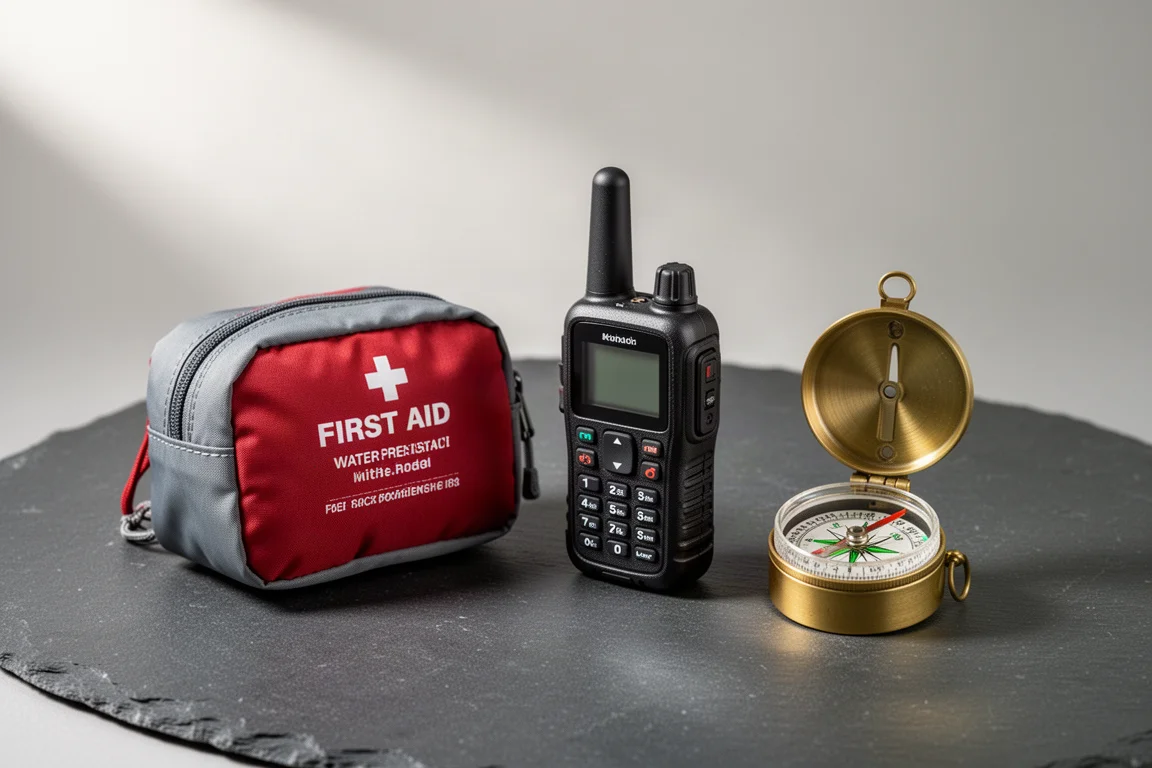
A successful backpacking trip rests on two things: a plan you have actually thought through, and the gear you choose to carry. Most of the pack gets used on every outing. A few items can sit untouched for years. A first aid kit, a satellite communicator, and a navigation setup belong to that second group, which is exactly why they are so easy to leave behind. Here is what each one does, when it matters, and how to decide what earns a place in your pack.
Why Rarely Used Gear Deserves Space in Your Pack
Shelter, a sleeping bag, and a stove earn their weight through daily use. Other gear earns its weight by being there when something goes wrong. The calculation is simple: a small amount of packed weight weighed against the possibility of a situation you cannot handle with what you already have.
The right version of each item depends on two variables, the environment you are travelling through and the skills you bring. A desert route with thorny vegetation creates different needs from an alpine route with exposed weather. A beginner on a well-marked trail needs a different kit from an experienced hiker heading cross-country.
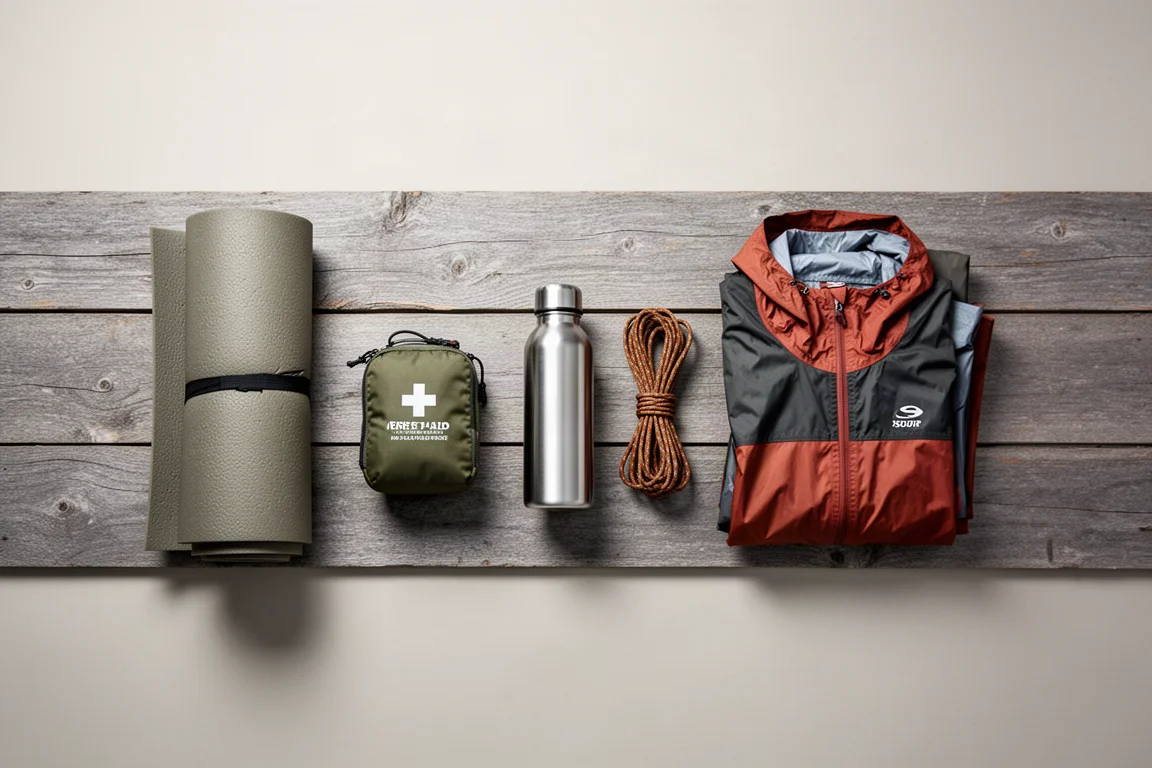
It also helps to remember that unused gear is not wasted gear. The fact that you have never needed a first aid kit, a satellite message, or an offline map is a good sign, not proof that the items are unnecessary. The day you need one of them, you will be glad it was already in the pack.
First Aid Kit: Adventure Medical Kits
A first aid kit is the most obvious item on this list, and it is also the one most often reduced to a few adhesive bandages, some pain relievers, and a strip of tape. That combination handles almost nothing. It will not close a laceration, dress a burn, or deal with a blister that needs draining and covering. Tweezers, blister care, wound closure strips, and burn dressings are the parts that matter when something actually happens. A thorn or a cactus spine in a foot on a short family hike is a small problem with a simple solution, as long as the tweezers are already in the pack.
Adventure Medical Kits makes compact, straightforward kits that cover the injuries that commonly occur on a backpacking trip, and a simple kit of this kind is enough for one person in most situations. Match the kit to two things: what the environment is likely to produce, and the level of first aid training you hold. A basic kit you understand completely is more useful than an elaborate one you would not know how to use.
Satellite Communicator: ZOLEO
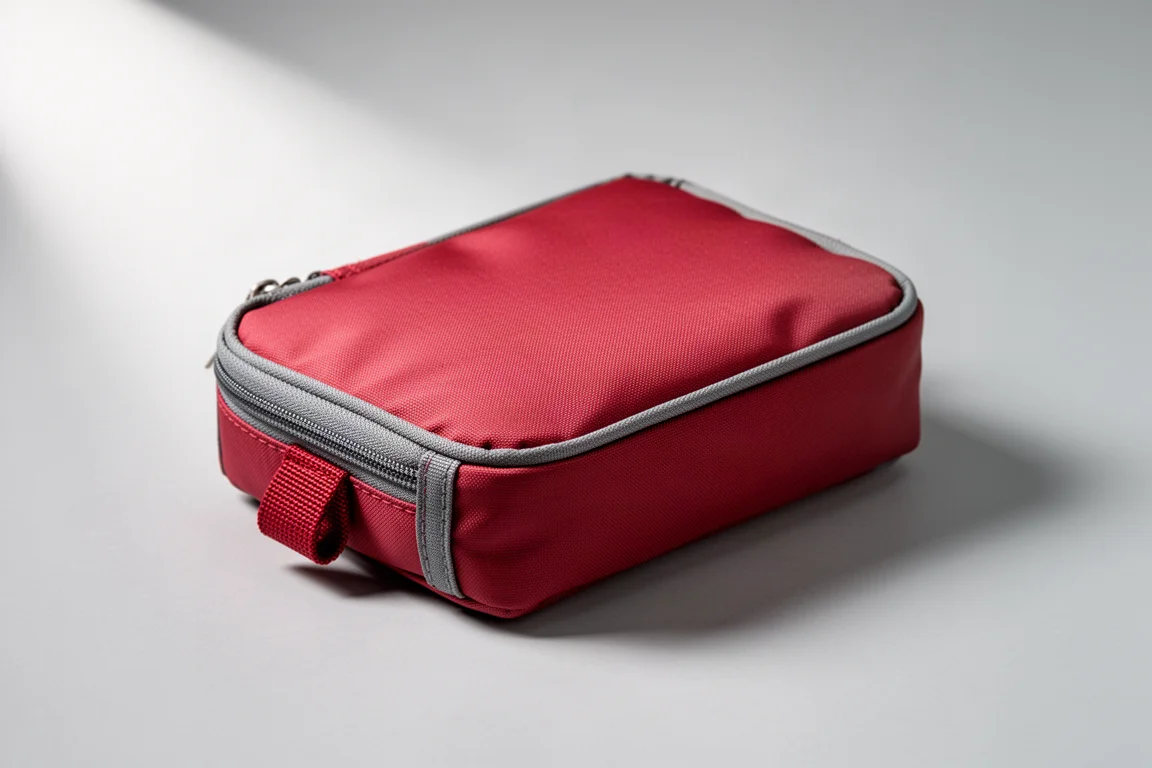
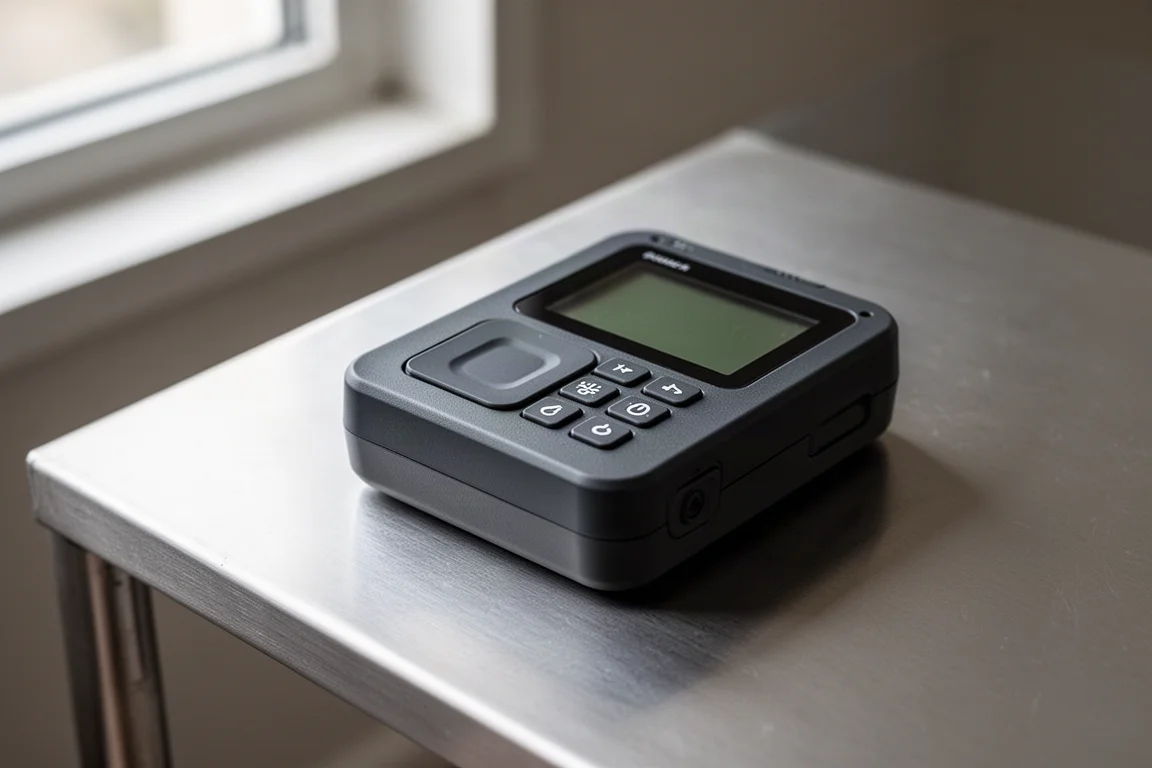
Satellite communication devices have become affordable enough, and capable enough, to belong on the short list of gear worth carrying into the backcountry. They send messages to family and friends from places with no cell coverage: confirmation that you reached camp, that the day went well, that plans have changed. They also include an SOS function that can request help when a situation turns serious. You hope never to use it, and that is the point.
A satellite communicator is not a necessity in the way a tent, a sleeping bag, or a stove is. Nothing falls apart if you leave it at home. What it adds is peace of mind, for the person on the trail and for the people waiting at home. The ZOLEO satellite communicator is a compact option in this category, built around messaging and emergency contact where there is no phone signal.
Navigation Apps: CalTopo and Topo Maps+
Navigation tools are the third category, and the way most people use them has changed. A compass and a paper map are genuinely valuable in some situations, but they only help if you can read them. Ask how many hikers could triangulate their position on a topographic map and the honest answer is not many. A phone with GPS built in, offline maps downloaded in advance, and a route already loaded gives a clear answer about where you are.
CalTopo handles mapping and route planning, and it supports a workflow that starts at home: plan the route, export the GPX file with its waypoints, and carry it on your phone so the plan travels with you.
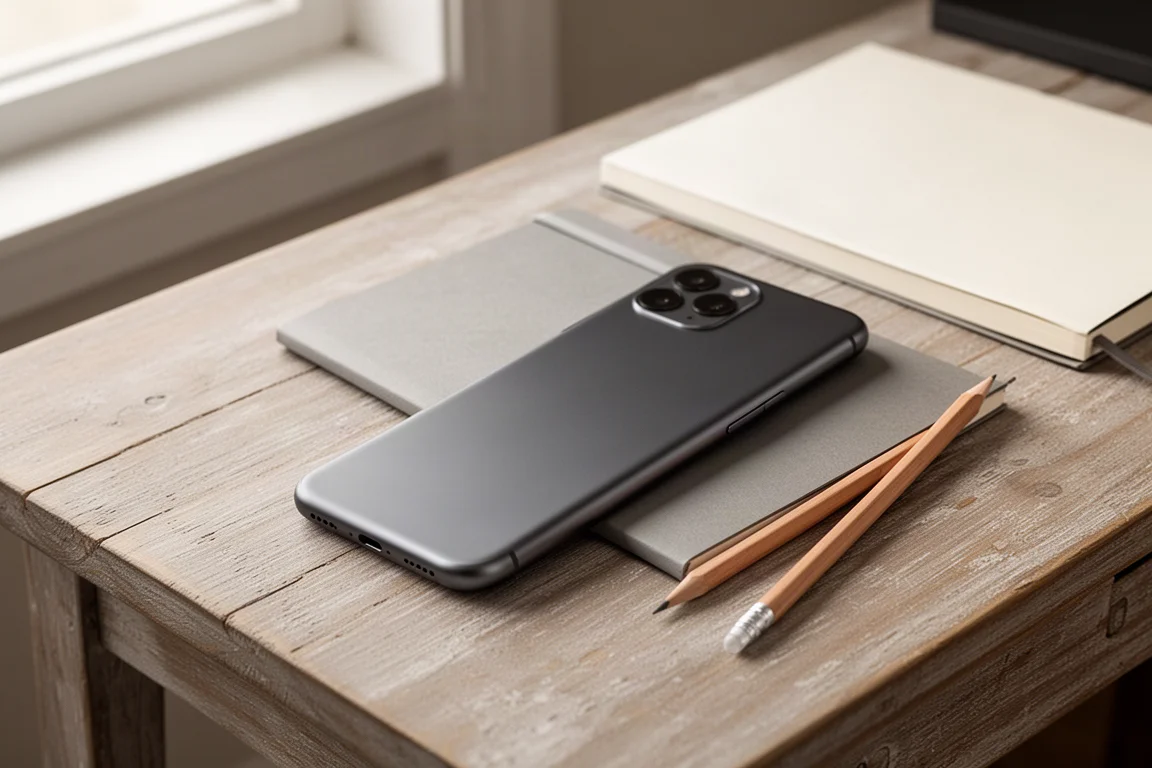
Topo Maps+ is another app in the same mould, focused on mapping and planning routes so the details are settled before you leave rather than while you are standing at a junction.
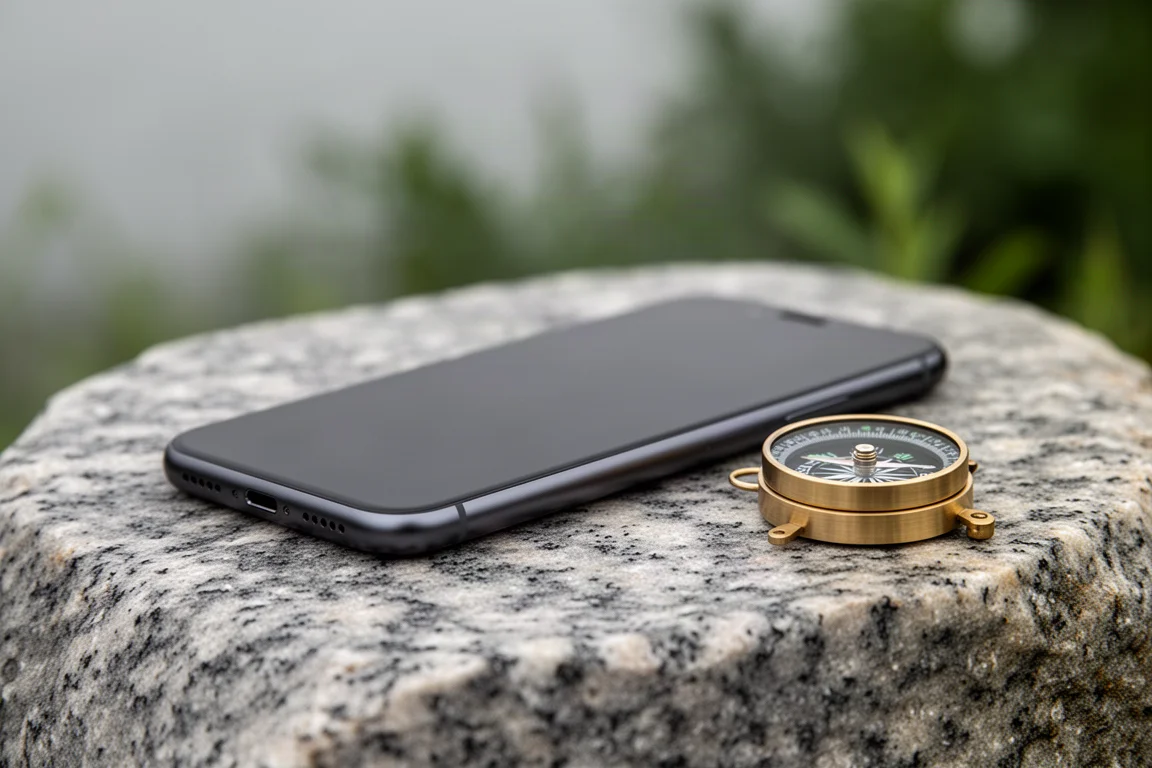
Do You Still Need a Paper Map and Compass?
There are trips where a paper map and a compass are not necessary, and there are trips where they are. Electronic devices can fail, and treating a phone as infallible is not a plan. What matters most is that the tools you carry are tools you can actually use. If you carry a map and compass, learn the skills properly. If you rely on your phone, prepare it properly: download the maps for offline use before you leave, load the route and waypoints, and keep the device charged.
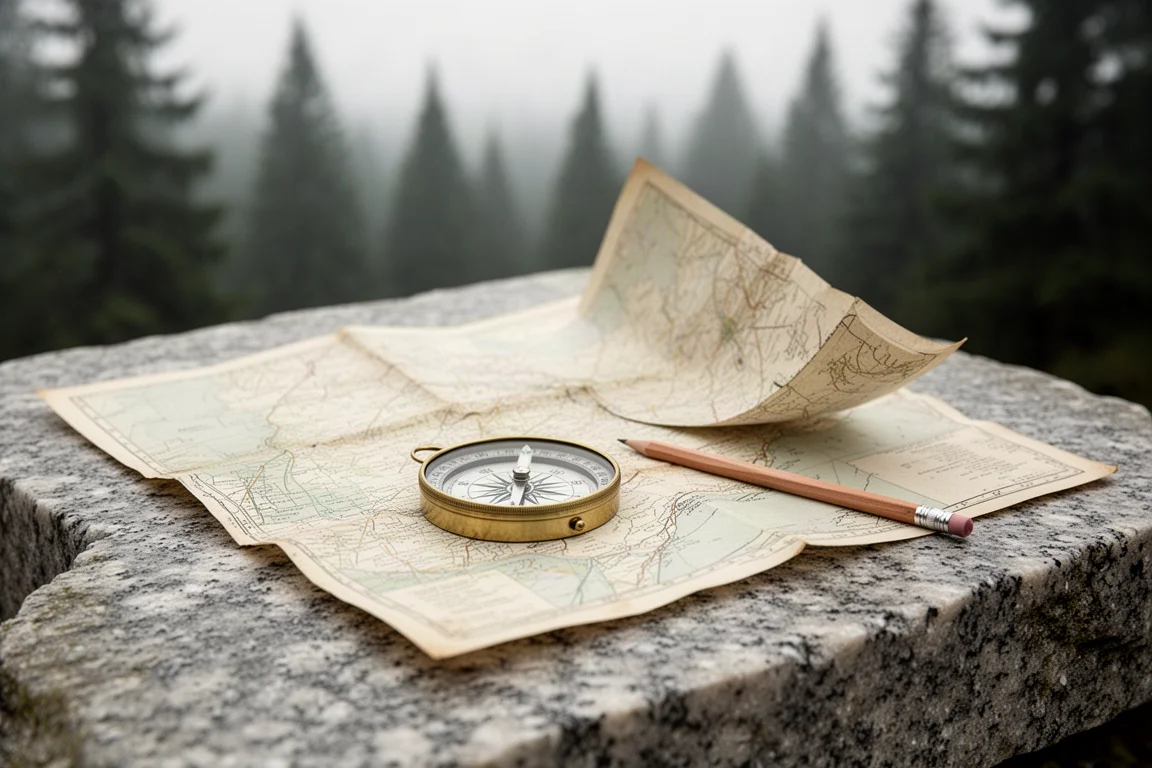
The practical middle ground is to choose the navigation setup that matches your skills and your route. A well-defined trail with clear markers asks far less of you than a cross-country route with no trail at all. Decide which one you are walking before you decide what to pack.
Matching Your Kit to Your Environment and Training
All three categories follow the same principle. What you carry should reflect where you are going and what you are able to do. Someone with advanced wilderness medical training may choose a more capable first aid kit, because the kit matches the skills. Someone with basic first aid knowledge is better served by a simple kit they can use confidently.
The same logic applies to communication and navigation. The value of a satellite communicator rises with how remote the route is and how unreliable cell coverage becomes. The value of a planning app rises with how much route detail you need to settle in advance. Longer trips, unfamiliar terrain, and fewer people on the trail all push the decision toward carrying more, not less.
Buying Advice Before You Commit
When you buy any of these three, the important checks happen before the trip, not during it. Open the first aid kit and read what is inside rather than trusting the label on the box, then replace anything you use so the kit is complete next time. Think about what your specific environment is likely to throw at you.
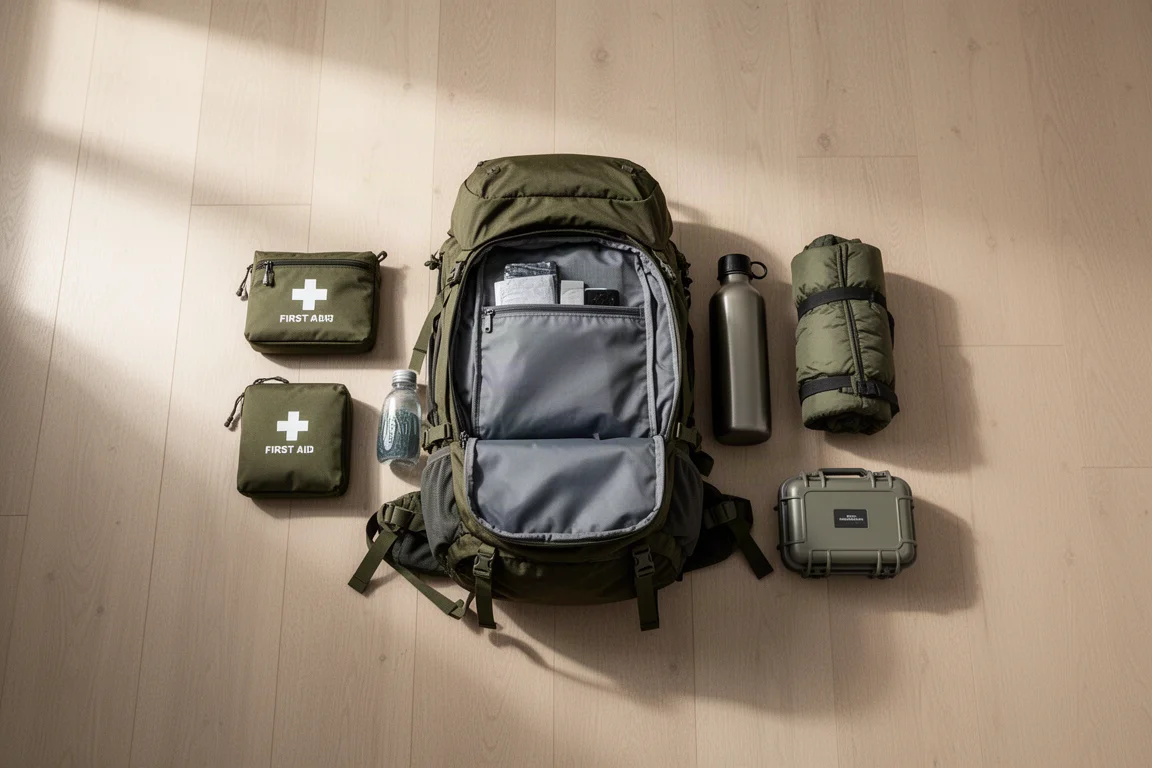
For a satellite communicator, make sure you understand how messaging works and that the people at home know what to expect from it. For navigation, test the app and its offline maps at home before you depend on them on a trail with no signal. These are not the most exciting purchases on a gear list, and they are among the easiest to postpone. They are also the items that change what happens on a bad day.
Conclusion
Plan the trip, then pack for the trip you are actually taking. A first aid kit, a satellite communicator, and a navigation setup may go unused trip after trip, and that is a good outcome. They earn their place on the day the plan changes.
Further reading
Related Reviews

Backpacking Gear
Building a 10 lb Base Weight: An Ultralight Backpacking Gear List
A practical walkthrough of the ultralight pieces behind a 10 lb base weight, from a 765 g pack and a roomy one-person tent to a full camp chair and a dependable water filter.

Backpacking Gear
A 15-Pound Lightweight Backpacking Gear List for Solo Trips
A beginner-friendly 15-pound backpacking setup built from easy-to-find gear, with notes on what each piece does, how it packs, and where to spend your attention.

Backpacking Gear
8 Ultralight Backpacking Gear Upgrades Worth Carrying
Eight small, affordable backpacking upgrades that solve real trail annoyances, from a pillow that stays put to a fuel valve that rescues leftover canister gas.