Backpacking Gear
Backpacking Gear You Hope Never to Use: Four Essentials Worth Carrying
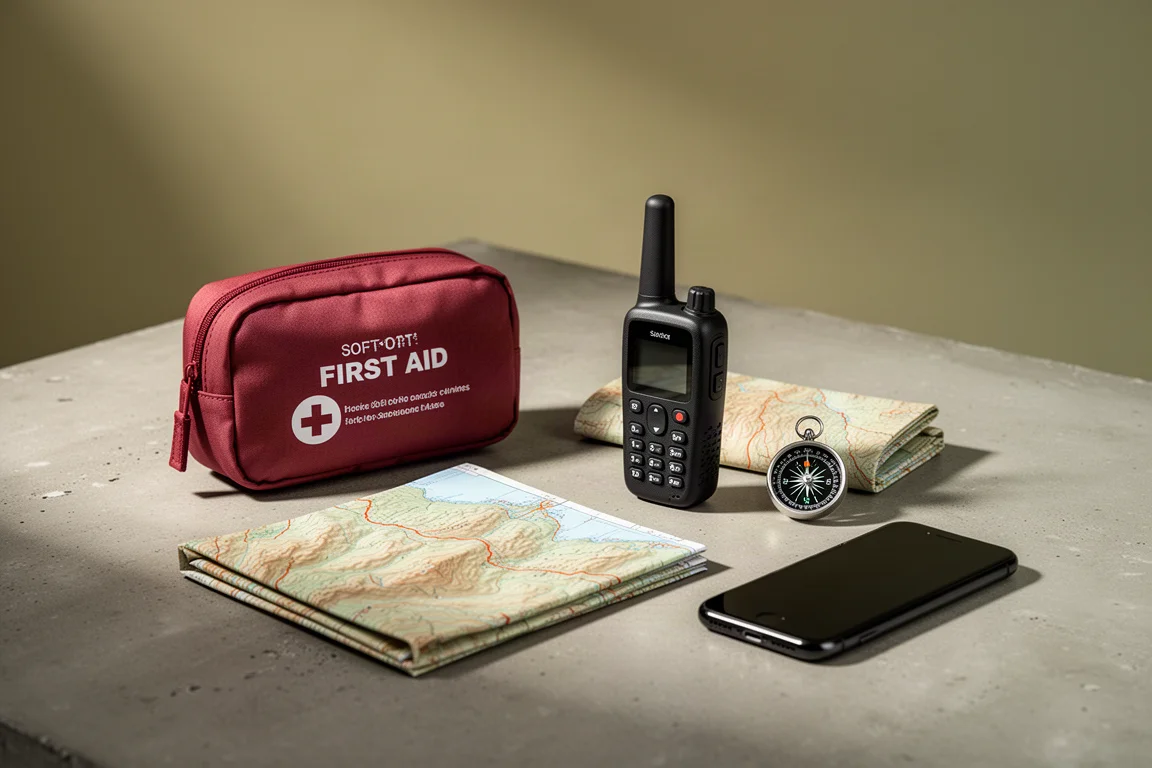
A first aid kit, a satellite communicator and two mapping tools that earn their place in your pack even when you never touch them on the trail.
Introduction
Two things make a backpacking trip work: a plan you trust and the gear you carry. Everything in your pack plays a part in that, from the obvious items you touch every hour to the ones that sit untouched near the bottom of the load.
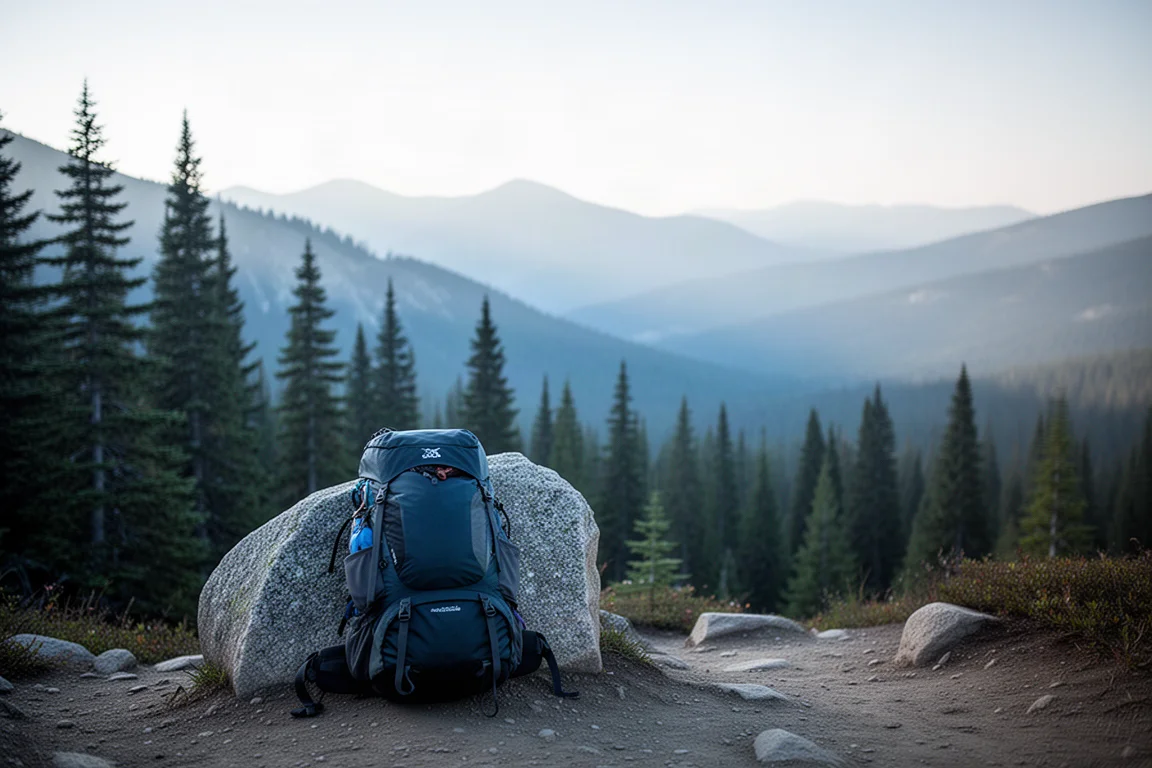
That second category is the subject of this guide. A first aid kit, a satellite communicator and a set of navigation tools may never leave your pack on a short, well-marked weekend trip. When a day goes differently than planned, they are the items you are most relieved to have brought along.
Best First Aid Kit: Adventure Medical Kits
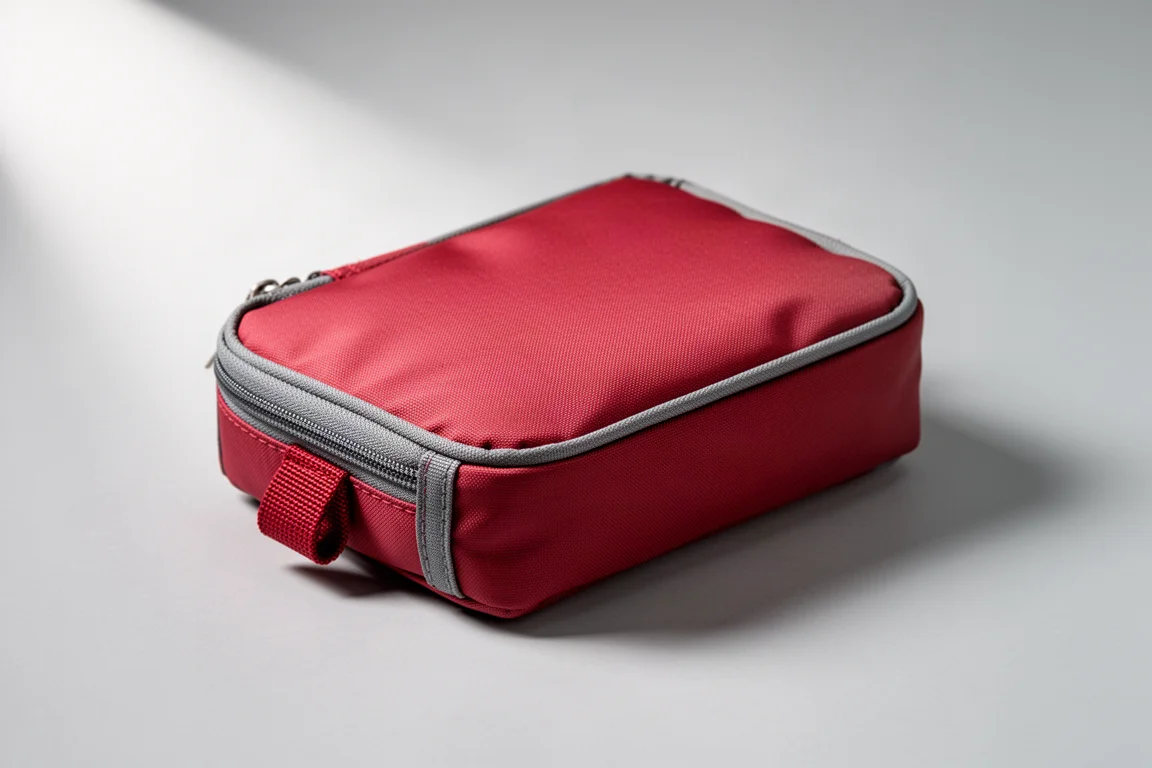
A first aid kit is the least exciting item on any packing list and the easiest one to shortchange. A few bandages, some painkillers and a strip of duct tape is not a first aid kit. A real one lets you treat a cut, a burn, a blister or a thorn properly, wherever you happen to be.
The incident that proves the point is rarely dramatic. Tweezers, for example, are worth carrying for something as ordinary as a cactus spine in a foot at the end of a short hike with children. Without a kit, a small problem stays a problem for the rest of the day.
Adventure Medical Kits offers a simple, basic kit that is enough for one person to handle the injuries that typically happen on a trip. The right choice depends on two things: the environment you travel in and the level of first aid training you hold. Someone with basic knowledge needs a straightforward kit, while a Wilderness First Responder should carry a kit that matches that training.
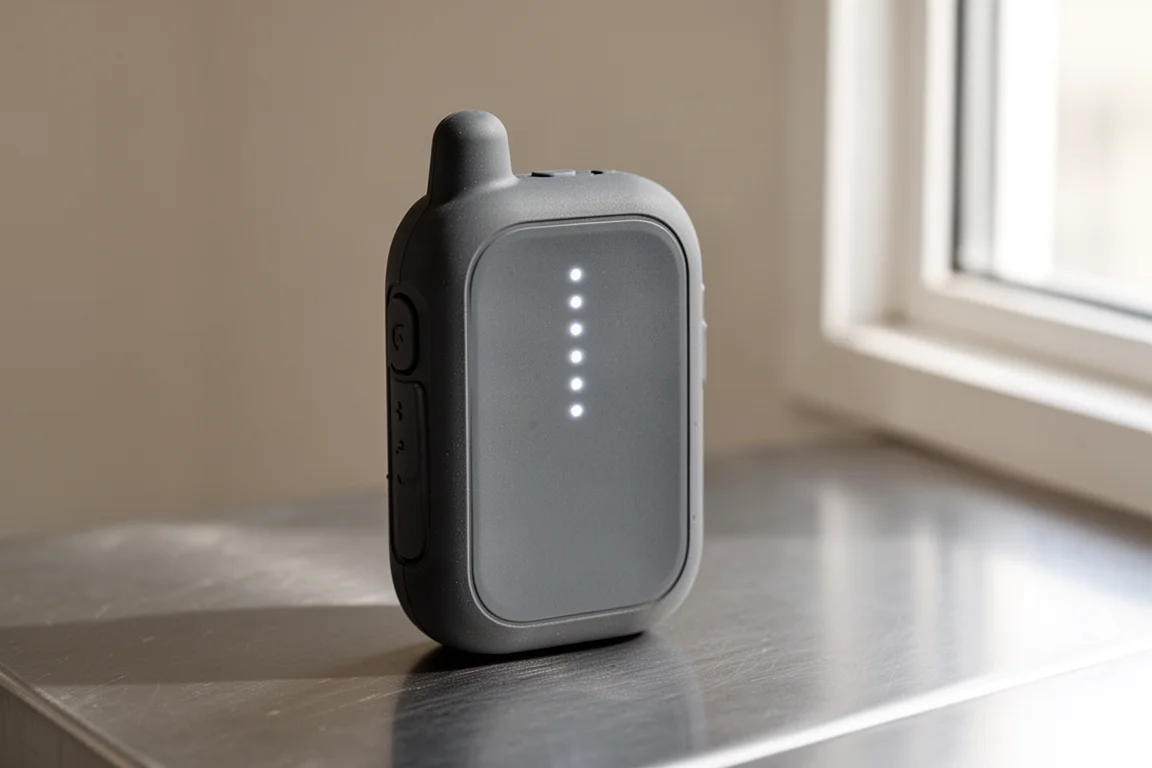
Best Satellite Communicator: Zoleo
Satellite communicators have become inexpensive enough that they feel like a sensible part of a backcountry setup rather than a specialist luxury. They let you message friends and family at home with trip updates, confirm that you have reached camp safely, and, when something goes wrong, reach emergency help through an SOS function.
It is worth being honest about priority. A satellite communicator is not in the same category of necessity as a tent, a sleeping bag or a stove. You can complete a trip without one. What it does add is peace of mind, both for the person on the trail and for the people at home who care about them.
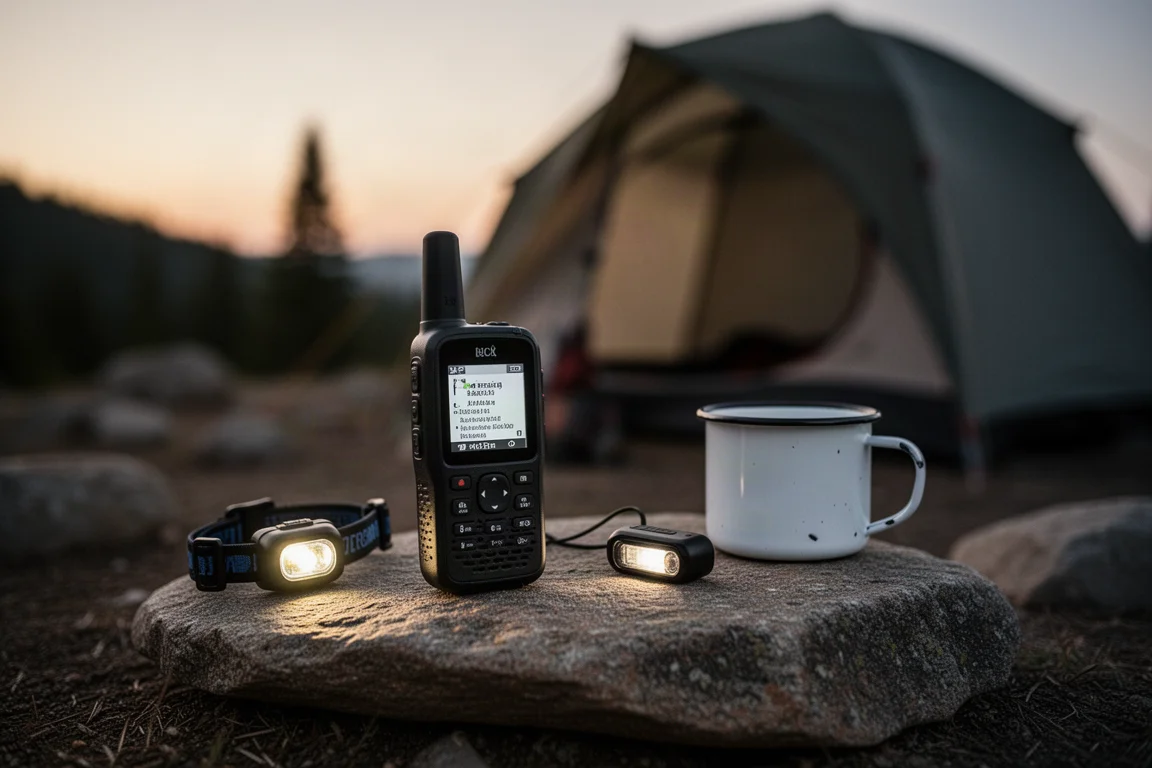
Most of the value arrives in ordinary moments. A brief message at the end of a long day tells everyone at home that the plan is holding, and it costs you a couple of minutes.
Best Route Planning Tool: CalTopo
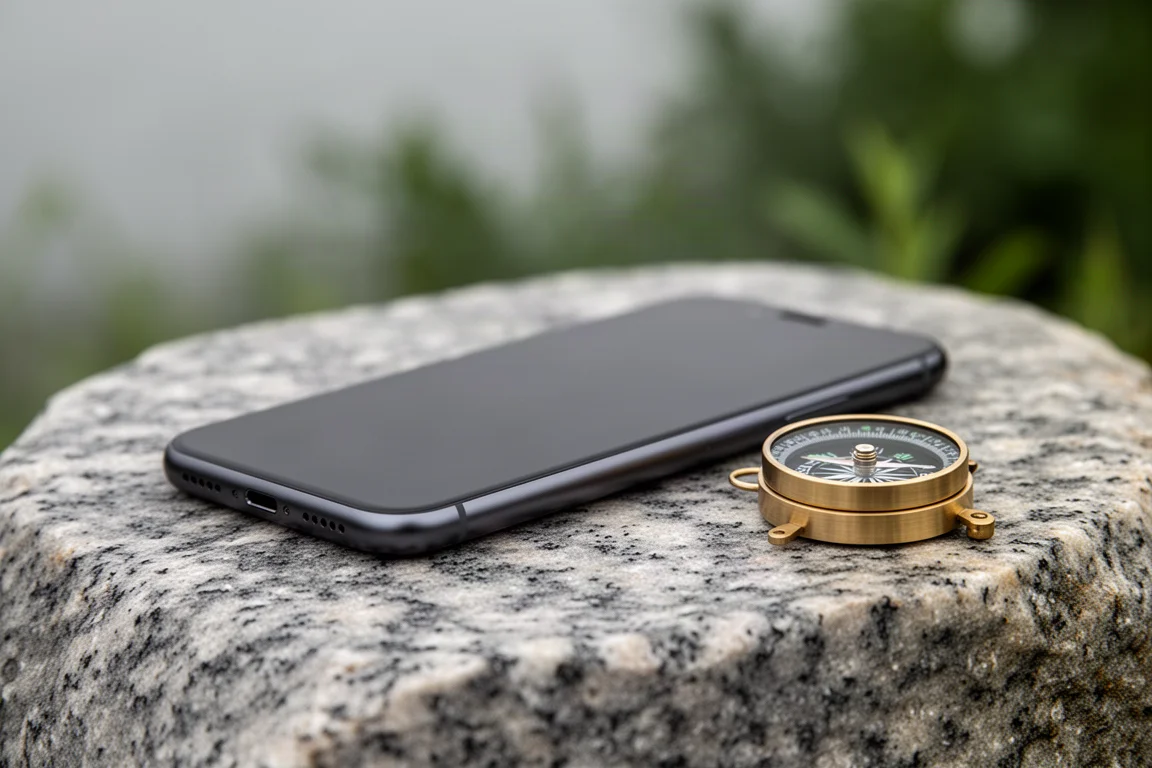
Navigation is the third category of gear that quietly decides how comfortable a trip feels. A paper map and a compass are traditional and reliable, but they only help if you know how to use them. Plenty of hikers could not triangulate their position on a map or work out coordinates on demand, and carrying tools you cannot read adds weight without adding certainty.
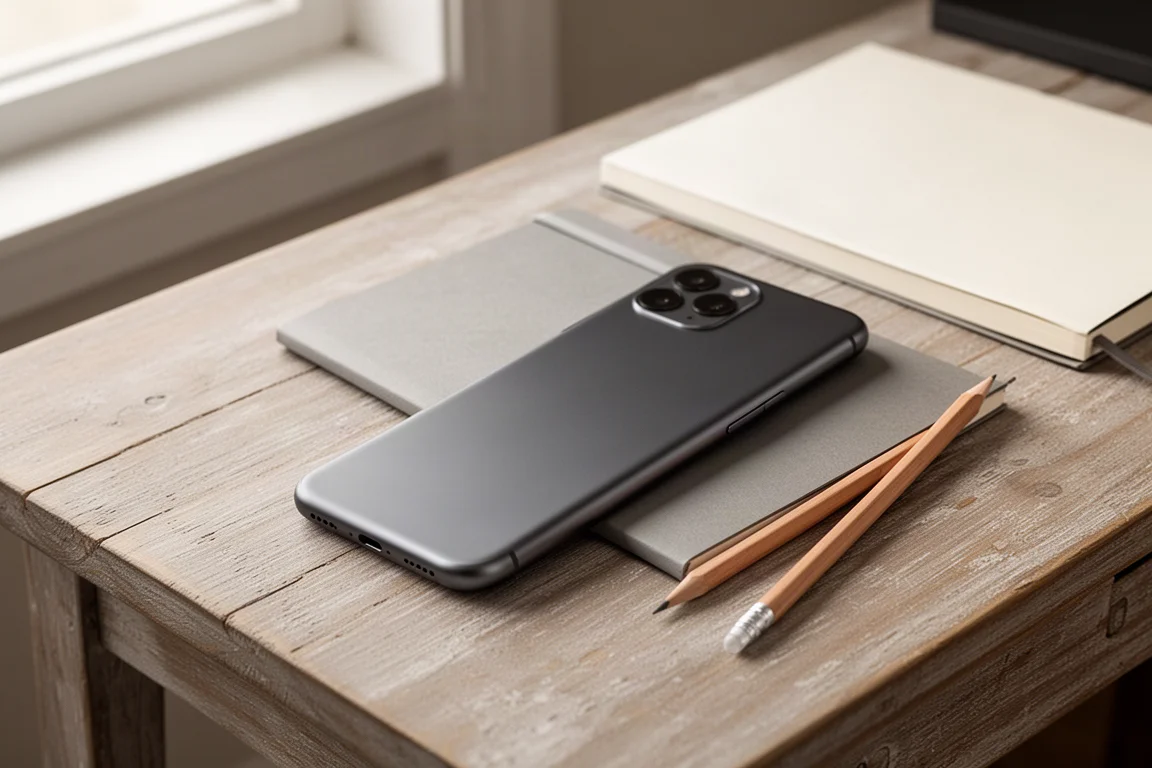
Phones and watches have built-in GPS, which makes electronic navigation genuinely practical. The catch is preparation. Download the maps offline before you leave, load the route you planned, and you can see where you are without a signal.
CalTopo suits that workflow well. Plan the route on a computer, then export the GPX file to your phone with the waypoints already attached, so the plan you made at home is the plan you follow on the trail.
Best Offline Map App: Topo Maps Plus
Topo Maps Plus covers the same ground from the phone side, making it easy to map and plan routes and keep the results with you. The app is most useful when you treat it as part of trip planning rather than a rescue plan: maps downloaded, route saved and waypoints marked before you leave the trailhead.
Electronic devices can fail, and no app changes that. What a saved offline map does is remove the most common reason navigation goes wrong, which is not having the route available when the trail becomes unclear.

On a well-defined trail you may never open the app at all, and that is fine. On the trips where a junction is ambiguous or the trail fades, having the route on your phone turns a moment of doubt into a quick check.
How to Decide What Belongs in Your Pack
Three questions sort these items quickly. First, what could go wrong in the environment you are travelling through, and does your first aid kit match it? Second, will you be out of cell coverage, and would a message home or an SOS function change the outcome? Third, do you have the route you plan to walk saved and available offline?
Weight matters, and none of these items is heavy. The first aid kit is small, a satellite communicator is pocket-sized, and the mapping tools live on hardware you are already carrying. What they ask for instead is a little planning time before you leave.
Buying Advice
If you are building a kit from scratch, start with the first aid kit, because it is the item you are most likely to need and the one most often left at home. Match it to your training and to the terrain you travel in, and check it before each season rather than assuming it is still complete.
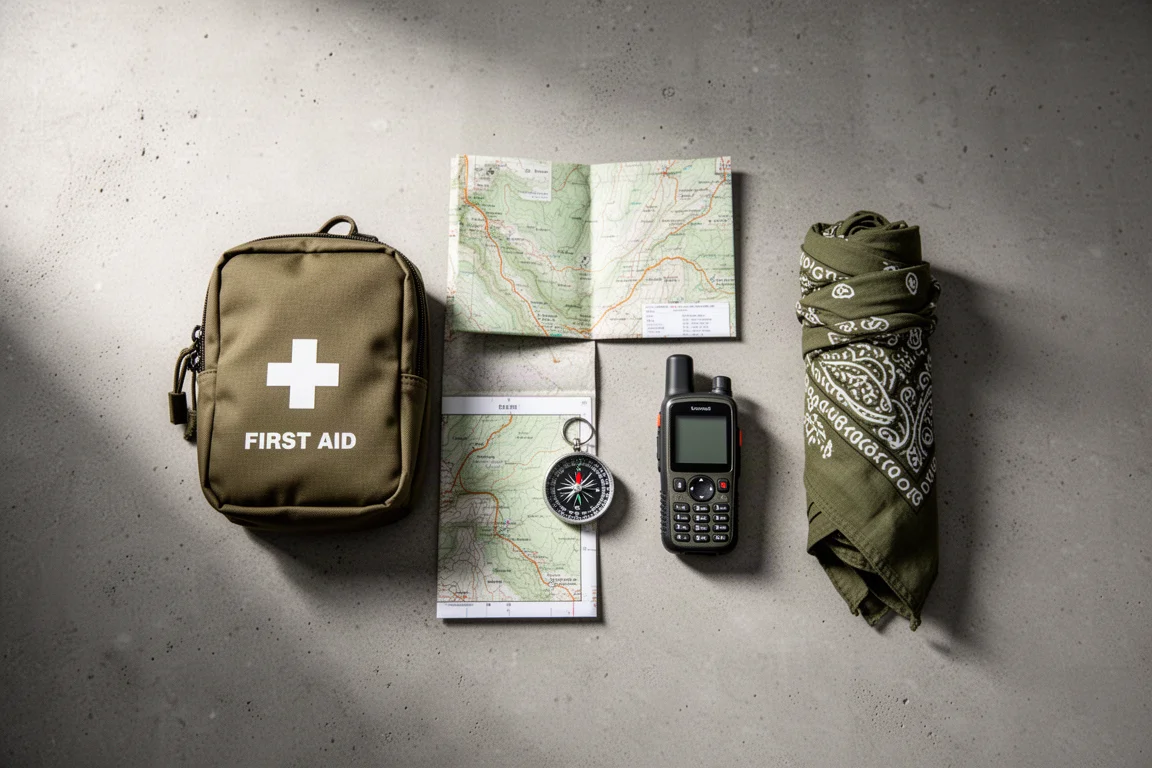
From there, add a satellite communicator if your trips take you beyond reliable coverage, and set up your mapping tools so the route and maps are already on your phone before you leave. Each of these purchases is about covering a scenario you hope never arrives.
Conclusion
None of these four items will make a trip more comfortable in the way a better sleeping pad does. They exist for the days that do not go to plan, and they are the reason those days stay manageable. Pack them, prepare them, and then hope you never have to use them.
Further reading
Related Reviews

Backpacking Gear
Building a 10 lb Base Weight: An Ultralight Backpacking Gear List
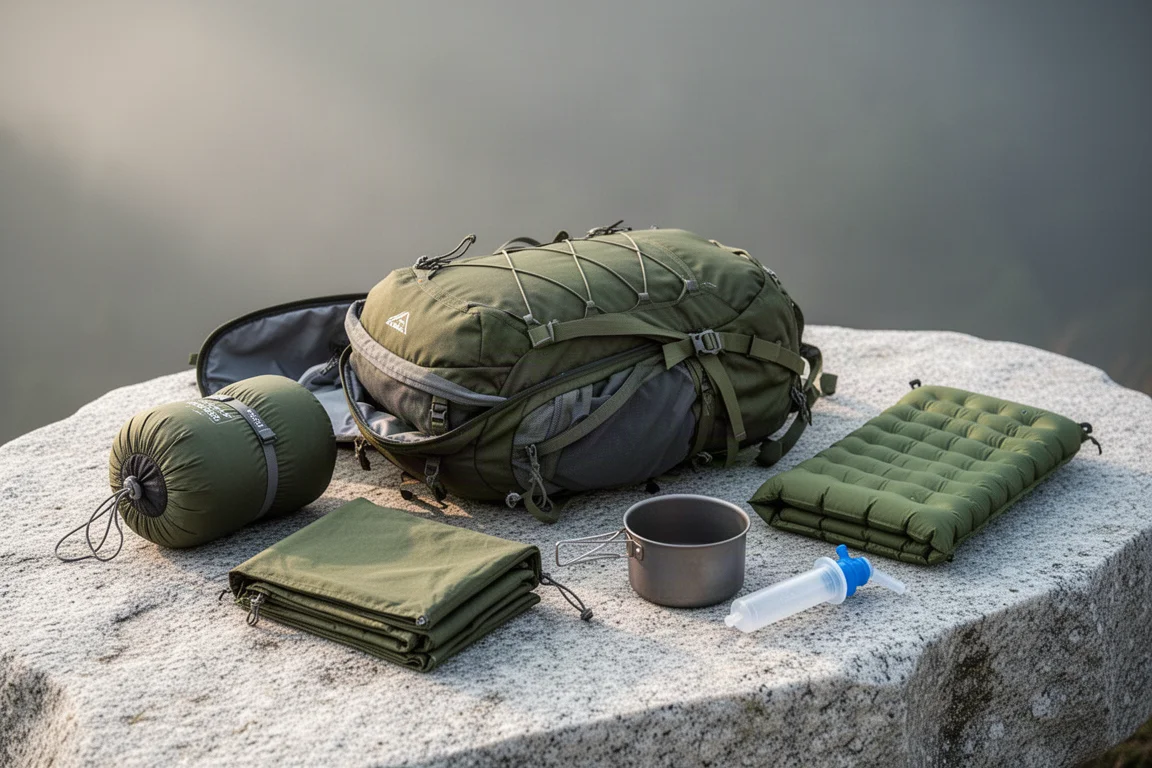
A practical walkthrough of the ultralight pieces behind a 10 lb base weight, from a 765 g pack and a roomy one-person tent to a full camp chair and a dependable water filter.
Backpacking Gear
A 15-Pound Lightweight Backpacking Gear List for Solo Trips
A beginner-friendly 15-pound backpacking setup built from easy-to-find gear, with notes on what each piece does, how it packs, and where to spend your attention.
Backpacking Gear
8 Ultralight Backpacking Gear Upgrades Worth Carrying
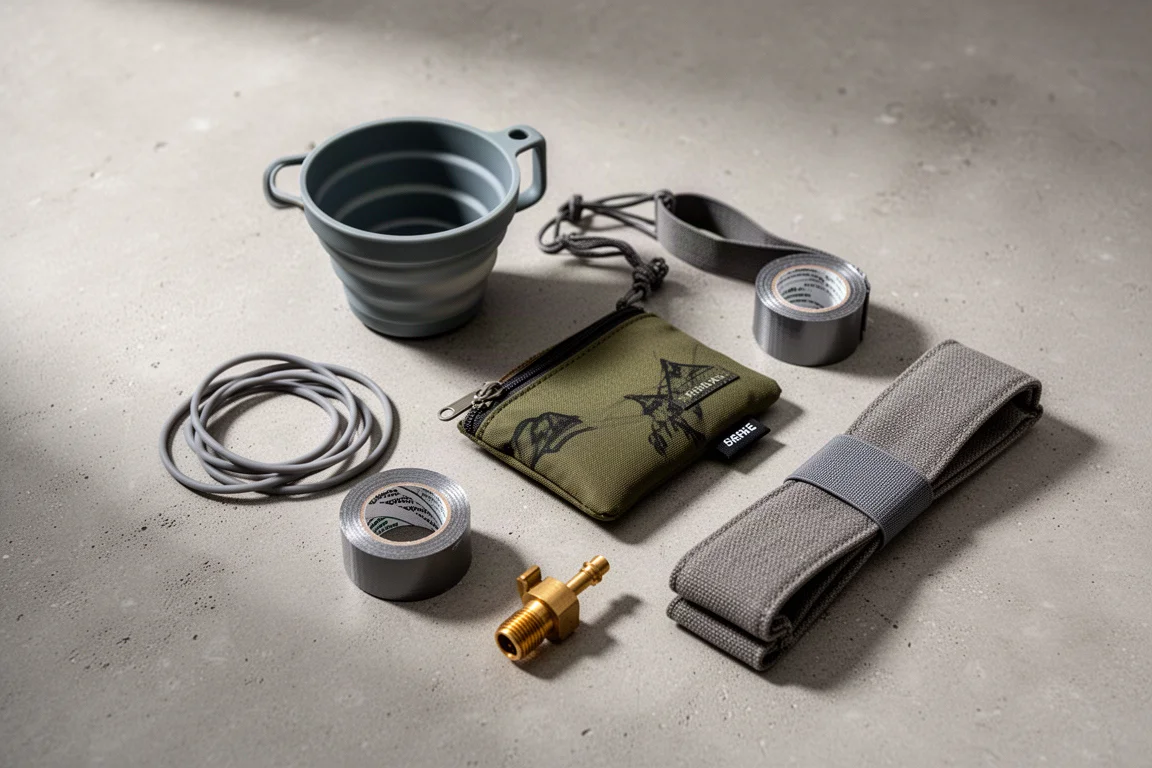
Eight small, affordable backpacking upgrades that solve real trail annoyances, from a pillow that stays put to a fuel valve that rescues leftover canister gas.