Backpacking Gear
Backpacking Gear Worth Trying: Ten Upgrades for Warmer, Lighter Miles
A practical look at ten backpacking upgrades, from waterproof Ultra packs and a zippered shelter to synthetic quilts, Alpha Direct insulation, and a compact camera upgrade.
Introduction
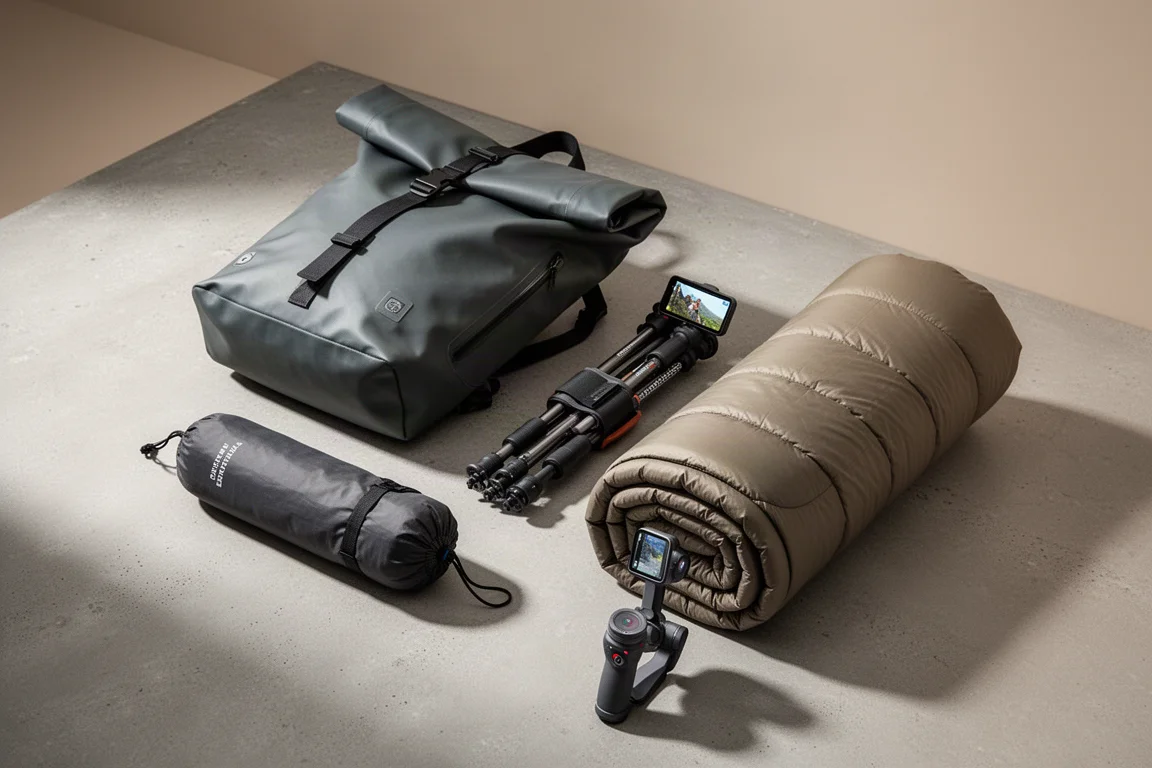
Some gear lists are about replacing what failed. This one is about upgrades that answer specific, recurring frustrations on trail: packs that soak through, shelter closures that fight back, insulation that will not pack down, and a camera that misses the shot. Each entry below explains what changes, what stays the same, and what to weigh before spending.
How These Picks Fit Together
Most of the upgrades here fall into one of three groups. The first is the big three, where a pack, a shelter, and a quilt have an outsized effect on comfort over a long day. The second covers worn insulation and hand protection, the layers that decide whether a cold, wet afternoon stays manageable. The third is documentation, where a compact camera decides whether a trip is worth remembering on video.
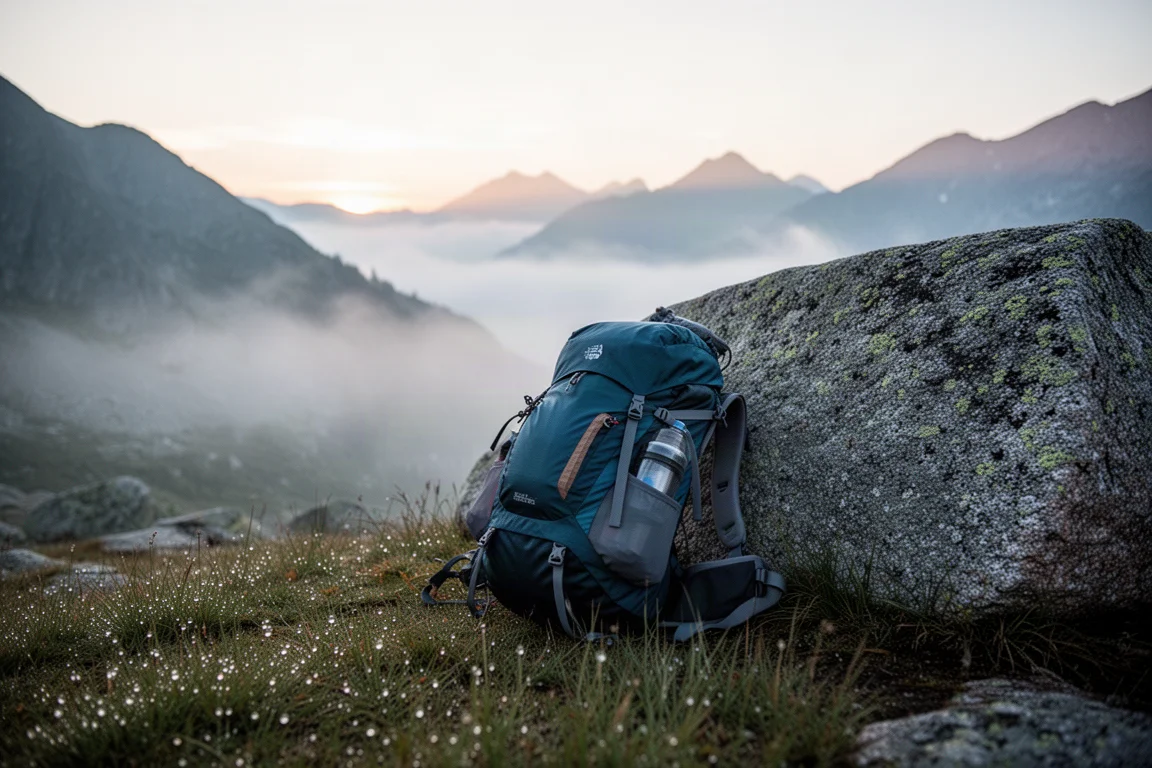
The common thread is waterproofing, packed size, and warmth that holds up in real weather rather than ideal conditions. None of these are speculative specs for the sake of a spec sheet. Each one addresses something that has actually been annoying in the field.
ULA Ultra Catalyst: A Lighter, Waterproof Haul
ULA has released Ultra versions of its existing pack designs, built from Ultra fabric. Compared with the Robic nylon used on the standard versions, Ultra is described as lighter, more durable, and fully waterproof rather than water resistant.
The Catalyst is the higher-capacity option in that lineup, rated for loads up to 40 pounds. It keeps the detail that has proven most valuable on the OHM 2.0: a small strap connecting the hip belt to the pack body, which helps the pack sit and carry well on the hips.
One thing to know before ordering is that the Ultra versions have no hydration port, since the design prioritizes the waterproof fabric. Anyone who hikes with a bladder and tube will want to plan around that. A pack liner is still a sensible backup as well, because a puncture from a branch, a rock, or a stick can compromise any waterproof fabric over time.
ULA OHM 2.0: The Midweight Pack Option
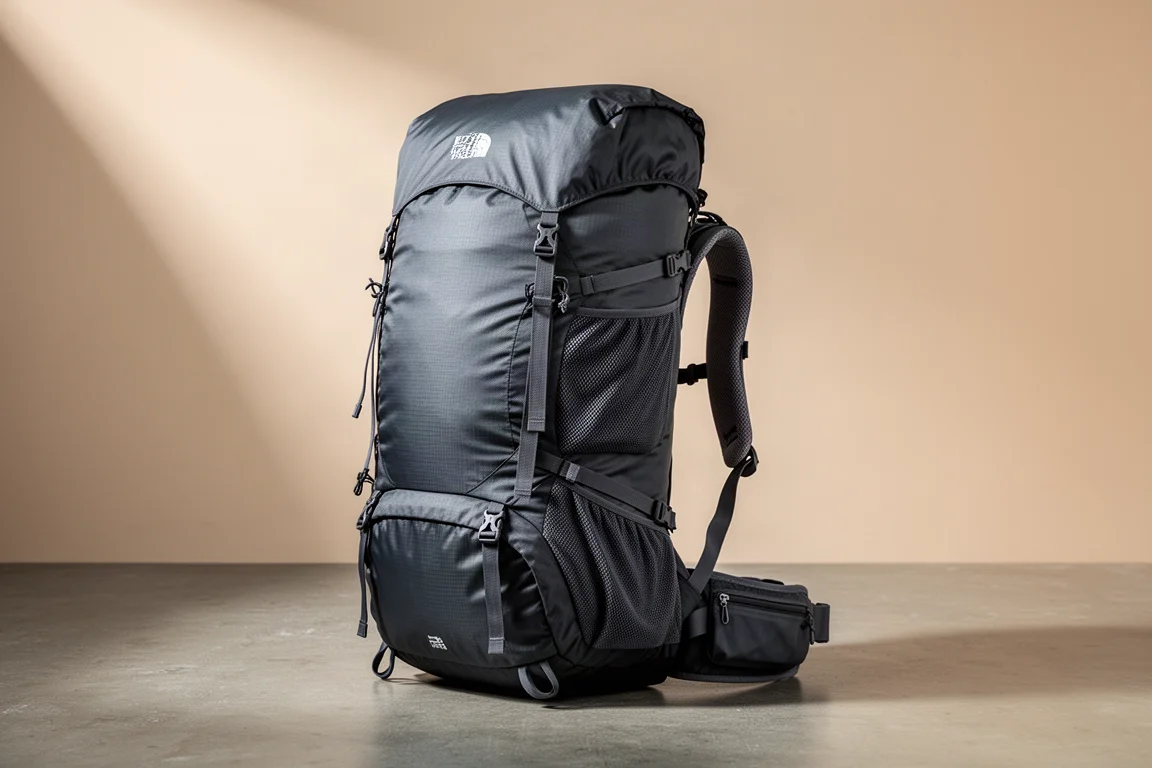
The OHM 2.0 is rated for loads up to about 30 pounds, and that rating is the same whether you choose the original fabric or the Ultra version. For anyone whose base weight has crept upward over the years, that ceiling eventually becomes the limiting factor, which is part of why a step up to the Catalyst makes sense.
The hip belt strap is the standout feature, and it is the reason this pack has fit better on the hips than others. Anyone who already owns an OHM 2.0 and stays comfortably under its rating has little reason to change, but the Ultra version adds a fully waterproof fabric if the weight ceiling is not the issue.
Zpacks Duplex with Zipper: A More Enclosed Shelter
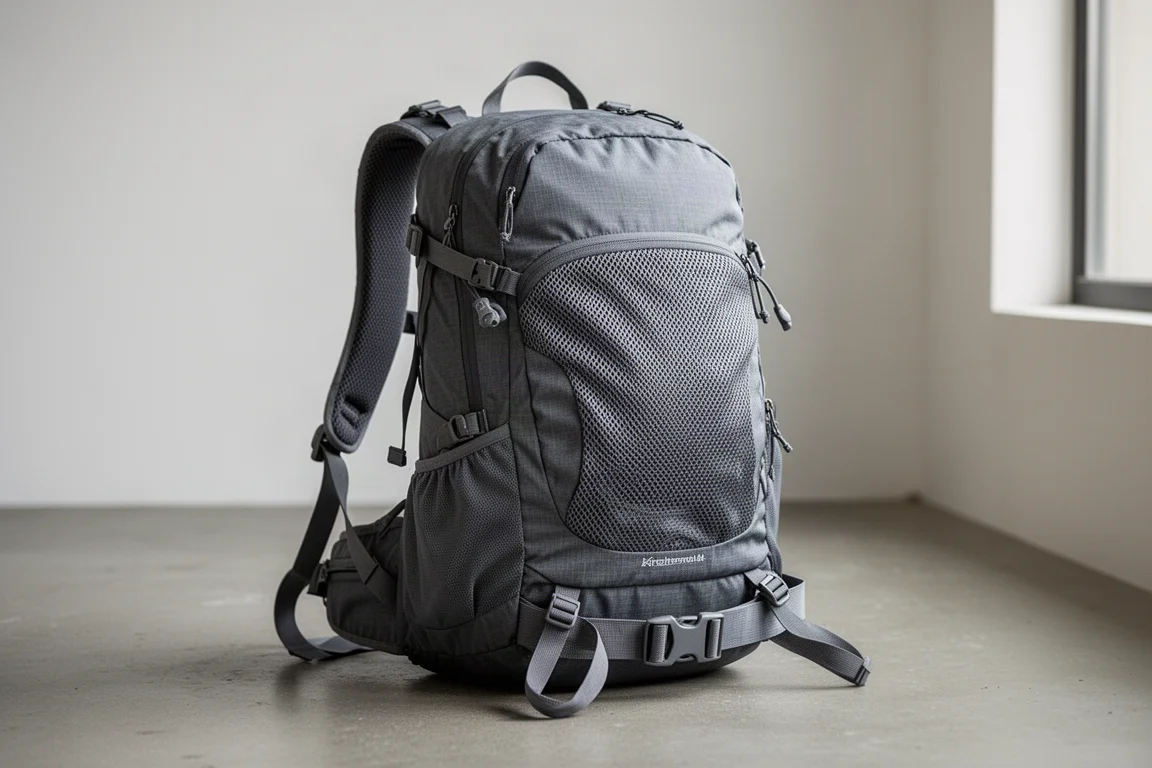
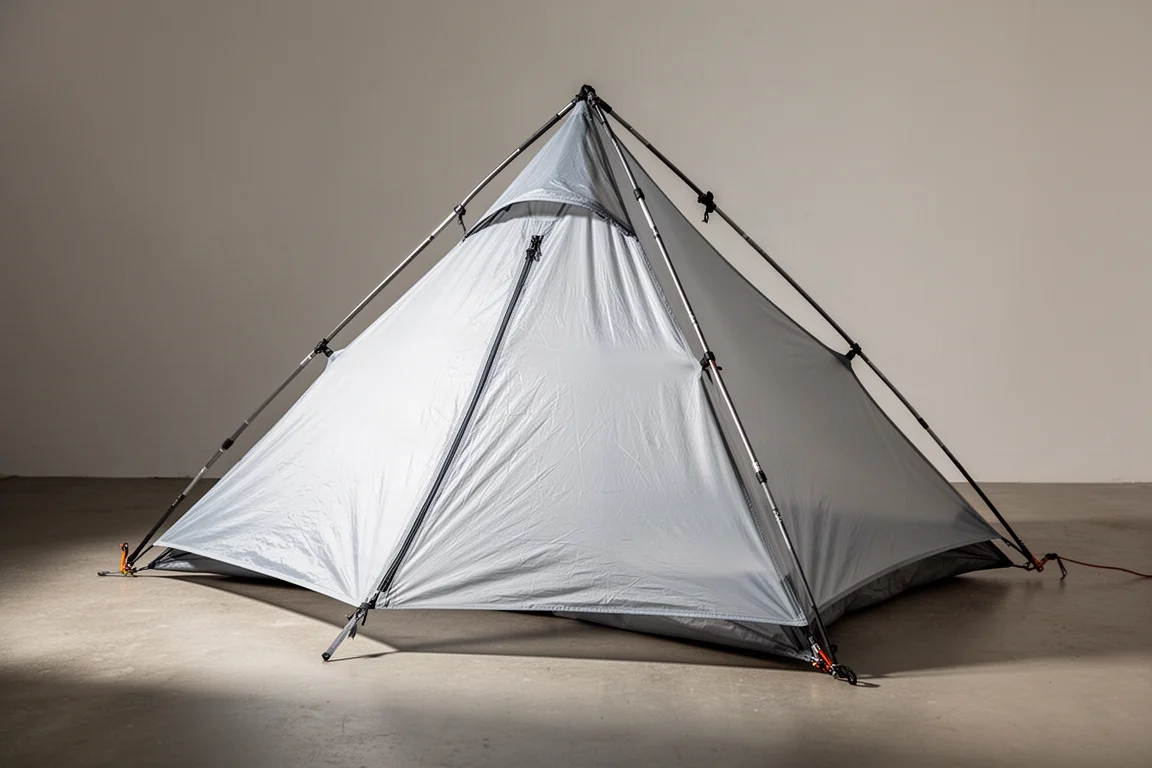
The Duplex with a zipper closure addresses two separate problems at once. A full zipper makes the shelter easier to seal up, which matters on a wet and exposed route where a more enclosed space would have helped. For cold sleepers, a shelter that closes more completely and ventilates less holds a little more warmth, even if the difference is modest.
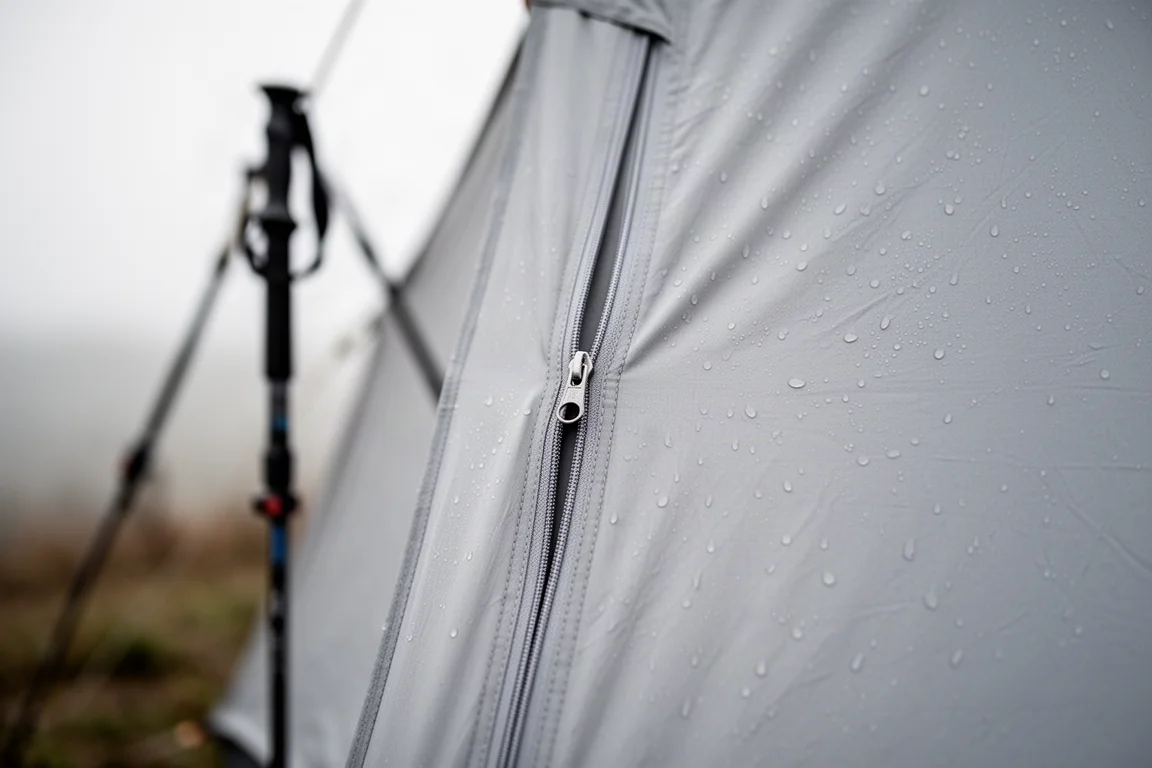
The magnet closure update is the part worth approaching with some skepticism. Magnets sound elegant, but weak ones let the door pop loose at the slightest bump, which turns into constant readjusting. A conventional closure with a small bungee and a peg to hold the door open can be less fussy in practice.
Durston X-Mid Pro 2: Refined Details and Stronger Magnets
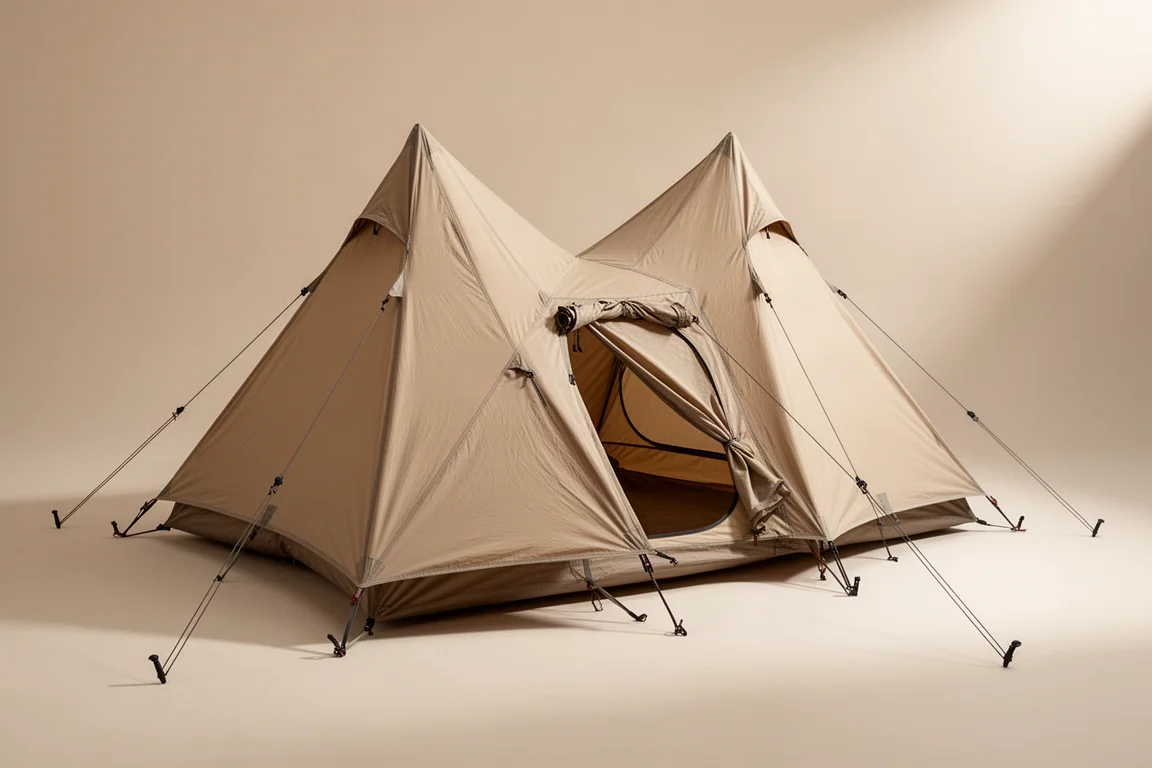
The X-Mid Pro 2 has received updates since the earlier version, including interior pockets and stronger magnets. The stronger magnets matter because the earlier closures were a persistent annoyance in use.
The plan here is straightforward: sell the older version and upgrade, which would also set up a direct comparison between the newest X-Mid Pro 2 and the zippered Duplex. That kind of side by side is the useful way to choose between two shelters that solve the same problem differently.
Enlightened Equipment Enigma Apex Custom: Synthetic Warmth
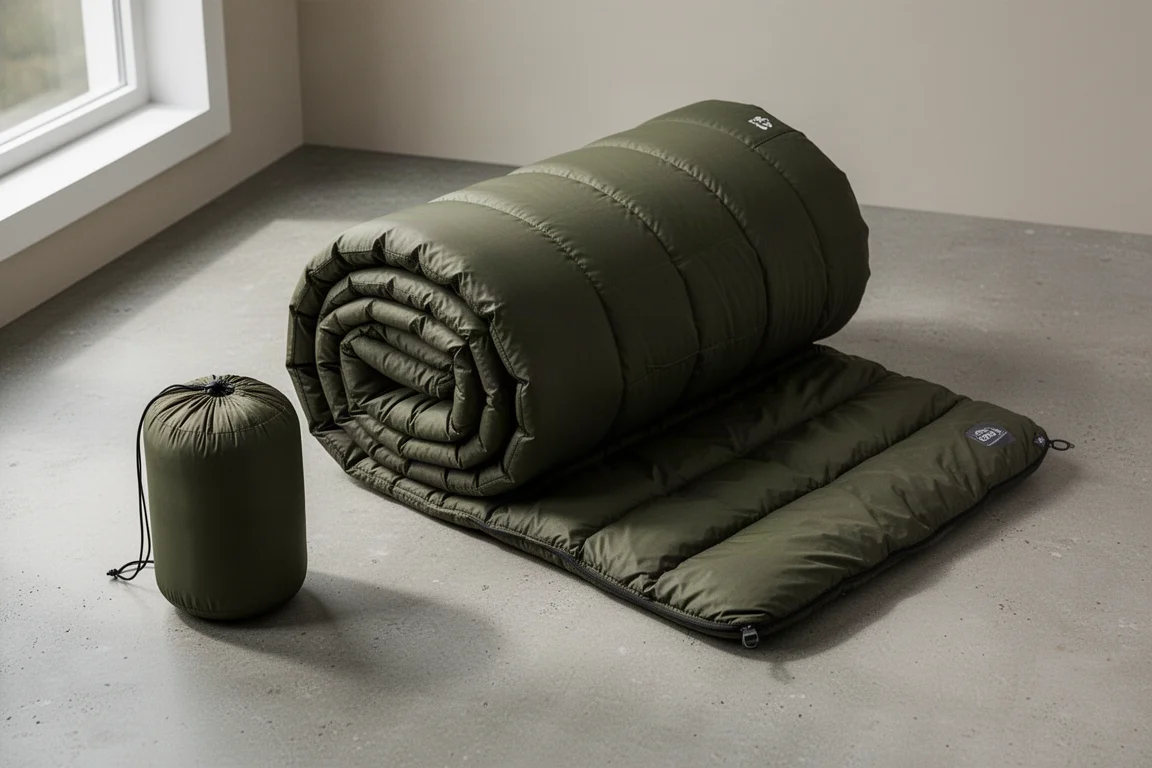
The Enigma Apex Custom is a synthetic quilt rated for 20-degree comfort and weighing 26.7 ounces. It has been the go-to since moving away from down, a switch that tends to be permanent for anyone who reacts to down or simply does not want to test whether they still do.
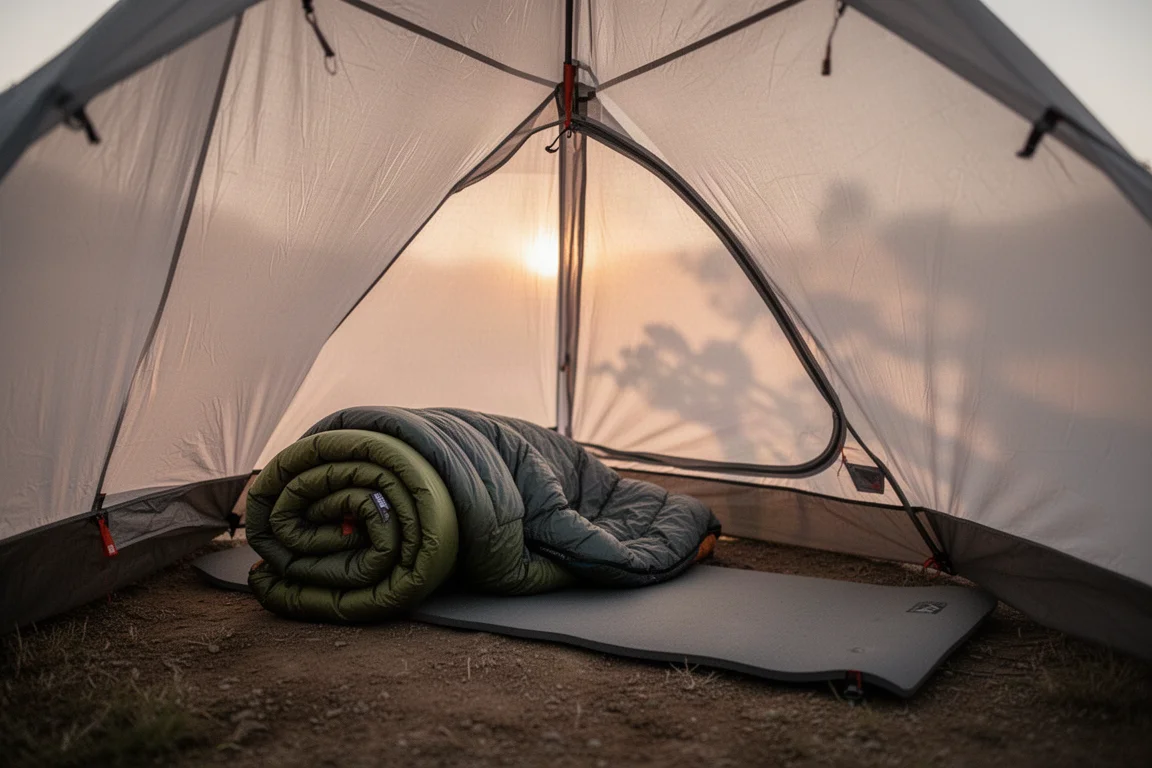
The appeal of a new synthetic option comes down to packability. Apex insulation has been the benchmark, but UP insulation keeps coming up as an alternative, and finding a comparable quilt within a few ounces of the Enigma has proven difficult. Cedar Ridge no longer appears to make quilts, which narrows the field further. For now, a few extra ounces on the heavier side would be an acceptable trade for better packed volume.
CI Merlin Alpha Direct Hoodie: Lightweight Active Insulation
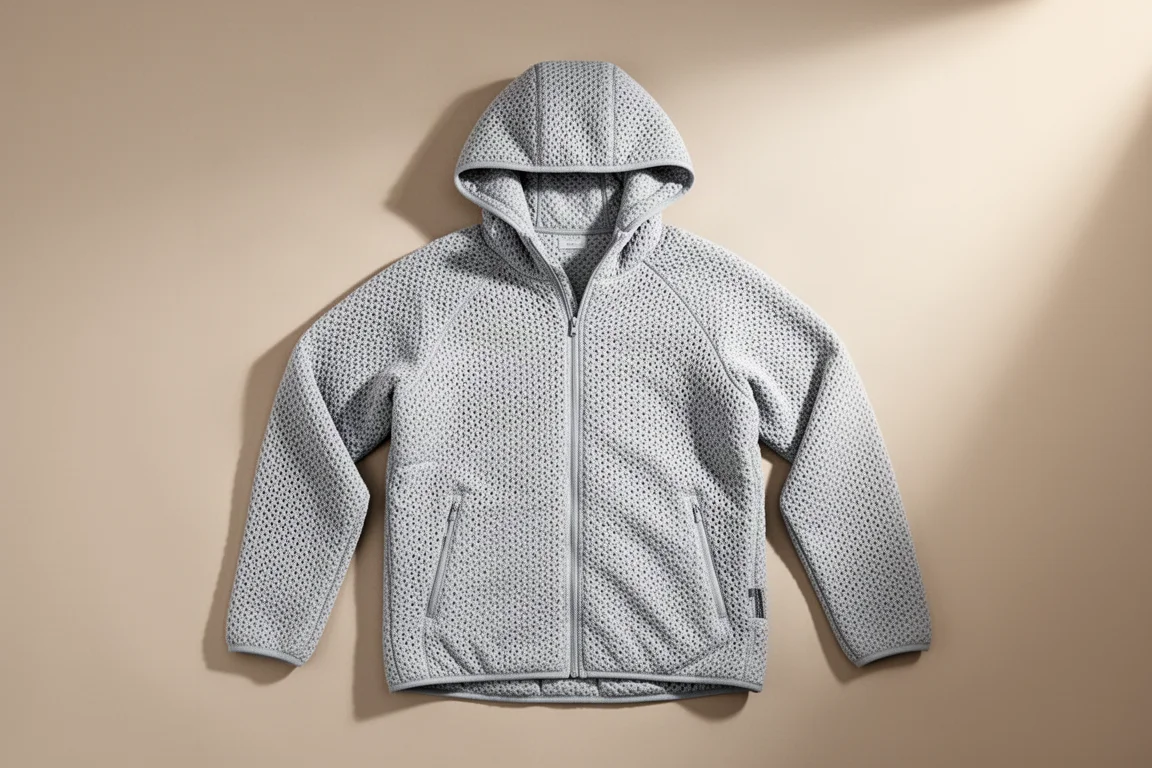
This Alpha Direct hoodie comes from a company called CI, under the Merlin name, and cost $115 plus shipping. It weighs 7.2 ounces. Alpha Direct insulation is available in different weights, with 60, 90, and 120 on offer, and this one uses the 120 weight for extra warmth.
The design is unusual up close. The fabric looks fluffy from a distance but is visibly porous, full of small holes. That is intentional: this is an insulating midlayer meant to sit under a shell, not to be worn as outerwear. The holes matter far less under a rain jacket, and they help dump heat quickly when the outer layer is opened. Because it is thin and light, it also dries faster than a fleece, and it weighs several ounces less than the fleece it replaces. It can also layer under a synthetic puffy when the puffy alone is not warm enough.
Zpacks Vertice Waterproof Rain Mitts: Warm Digits in Cold Rain
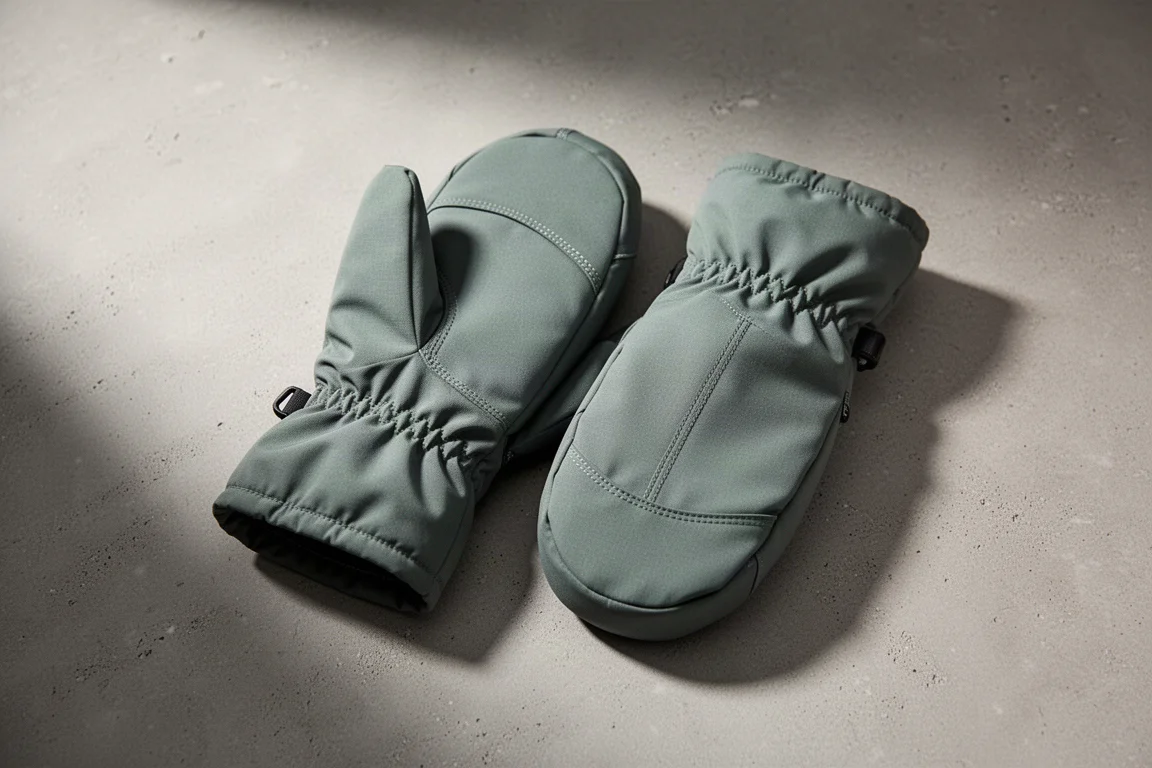
Waterproof rain mitts are the next hand layer worth testing. Mitts keep the fingers together in one pocket of warmth, which matters for anyone whose hands run cold in wet, near-freezing conditions. The Vertice mitts come from Zpacks and are intended to pair with a down glove layer underneath.
The trade-off versus a waterproof glove is dexterity. Mitts are warmer but less precise, so the choice depends on how much fine hand work a trip involves.
Showa Temres Gloves: Dexterity in Wet Conditions
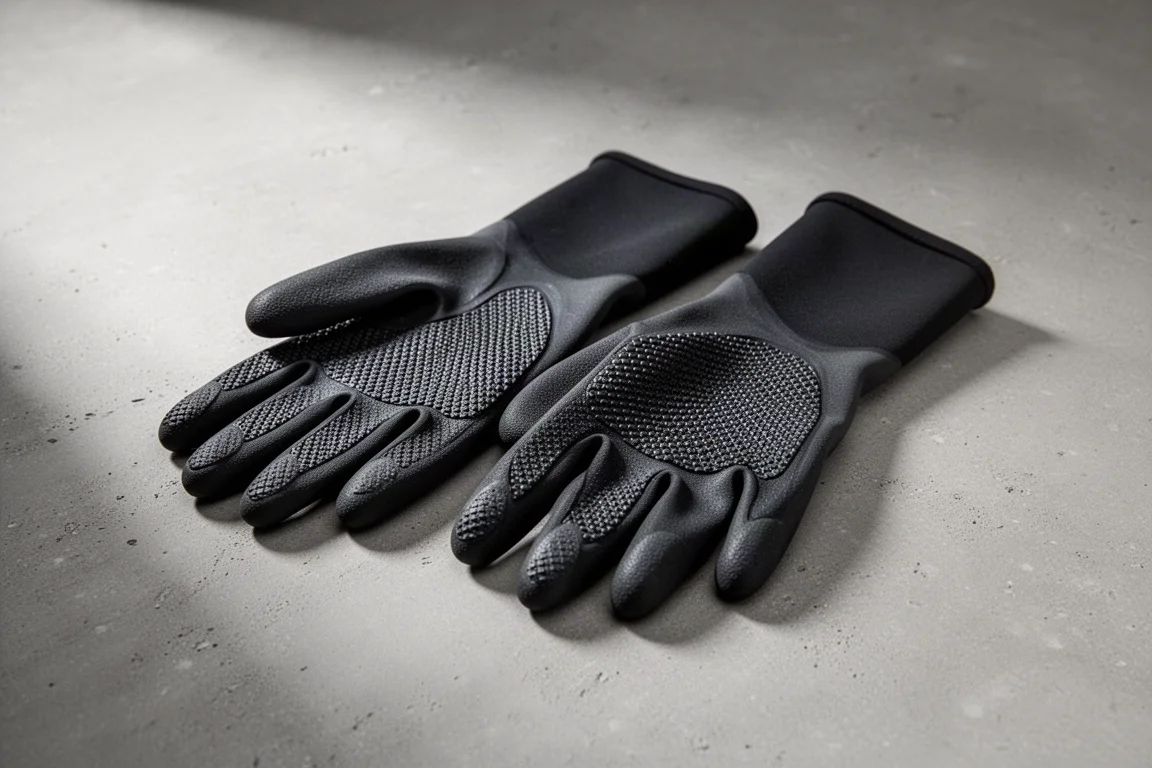
The Temres gloves have been the waterproof option for years, chosen because they shed water while still allowing some dexterity. On their own they are not warm enough for genuinely cold, wet weather, so they get paired with a down glove layer underneath.
The main limitation is exactly that pairing. Adding a down liner works, but it stacks two layers on the hand and still leaves the fingers separated, which is why waterproof mitts are worth trying as a warmer alternative.
DJI Pocket 2: The Camera Already in the Kit
The Pocket 2 is the current compact camera in the kit, and its tracking has been the weak point in practice. The rest of the package works well enough that an upgrade is a question of when rather than whether, and selling the Pocket 2 would offset part of the cost of a newer model.
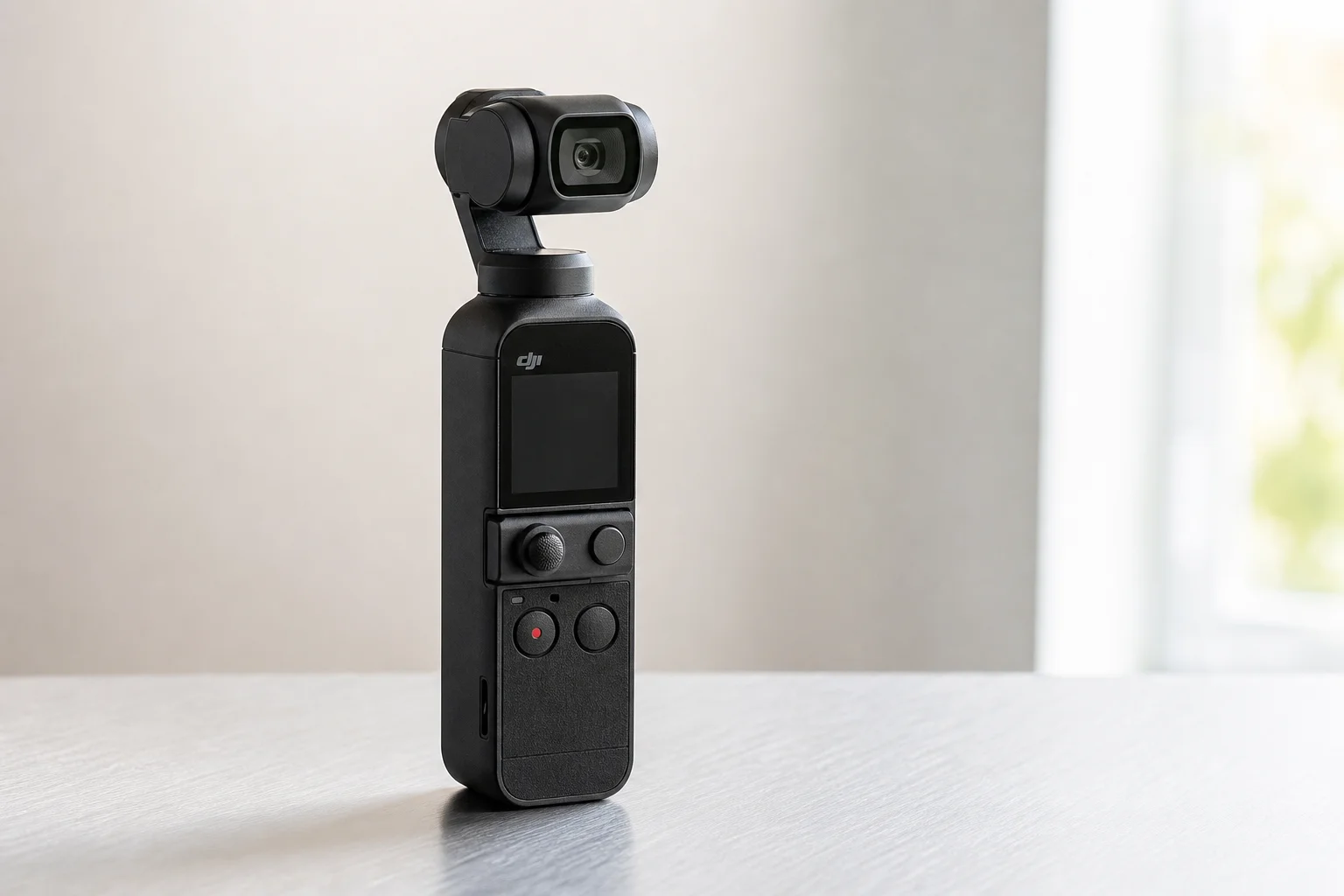
DJI Pocket 3: The Upgrade Worth Considering
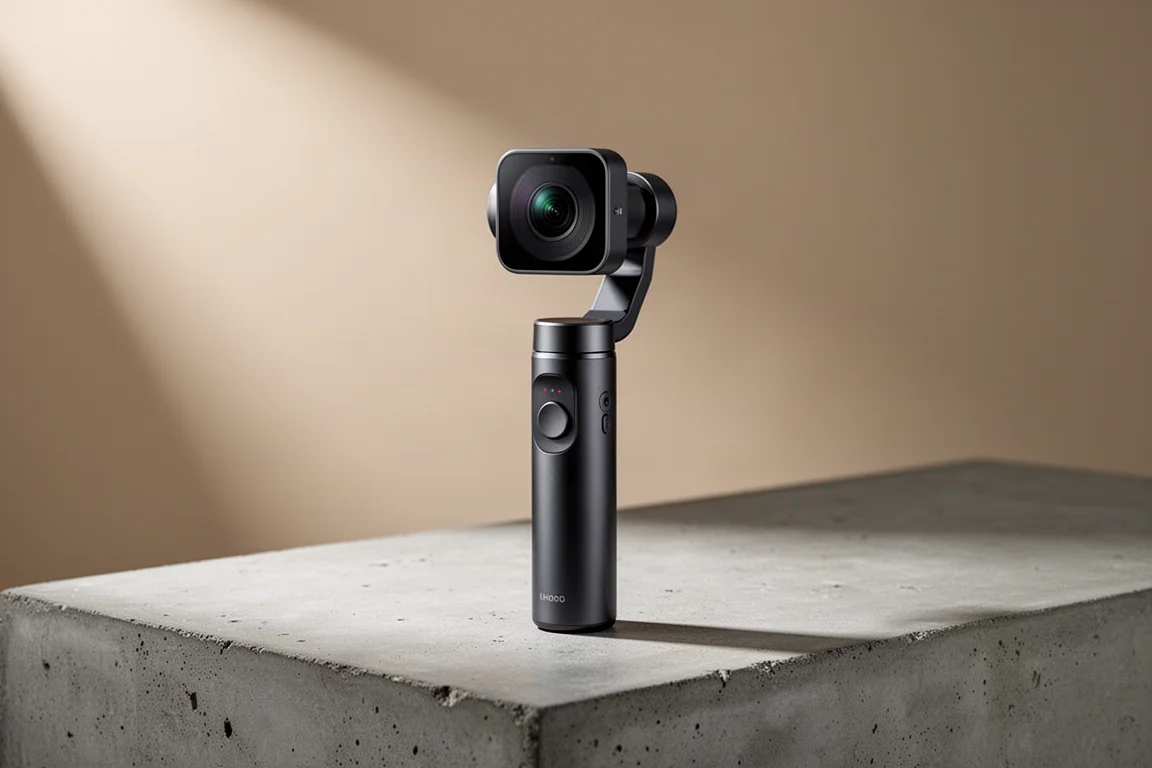
The Pocket 3 improves on the Pocket 2 in several ways that matter for trail footage. Image quality is better. Tracking is improved, which directly addresses the biggest complaint about the Pocket 2. It records slower slow motion, adds a low light setting, and includes presets for time lapses of clouds and sunsets. The screen is also larger, which helps when framing a shot outdoors.
The trade-offs are size and cost. The Pocket 3 is about two ounces heavier than the Pocket 2 and costs more, though selling the older camera offsets part of that difference.
Buying Advice: Match the Upgrade to the Trip
Start with the problem, not the product. If wet gear is the recurring issue, waterproof Ultra fabric and a zippered shelter address it directly. If warmth is the issue, a heavier-weight Alpha Direct layer and waterproof mitts do more for a cold sleeper than another puffy.
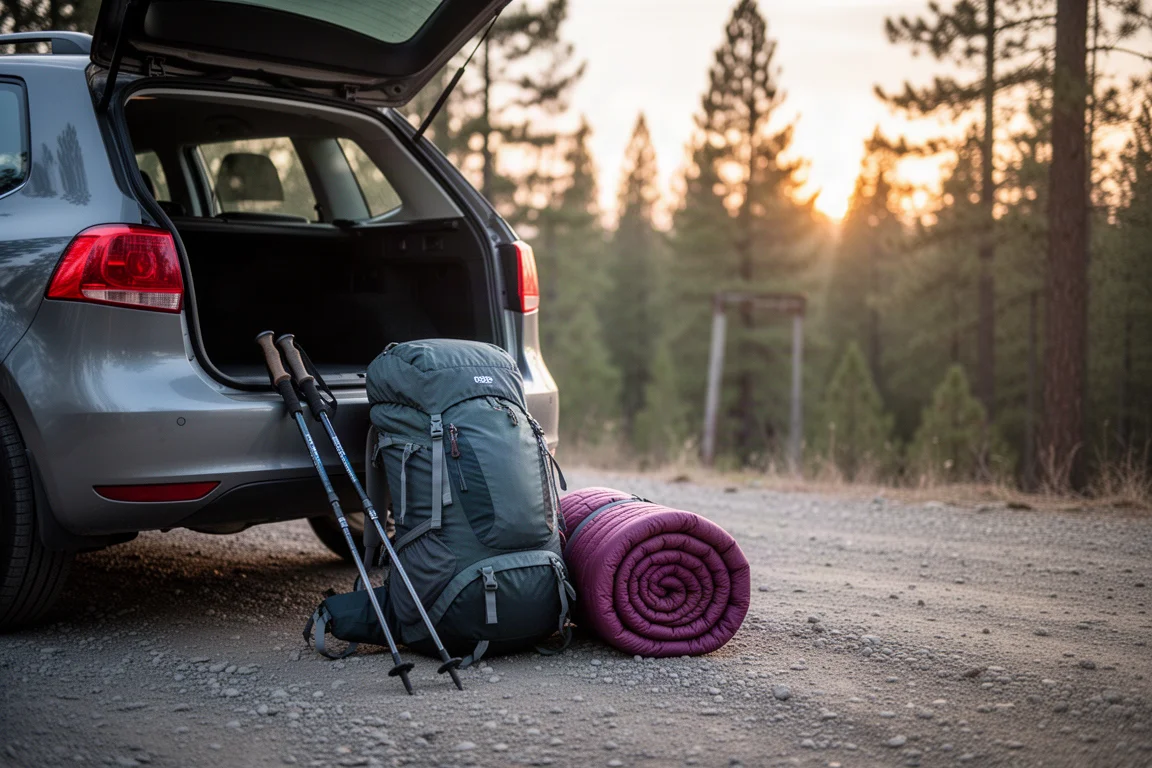
Weight ceilings deserve a hard look before any pack change. A pack rated for 30 pounds is generous until a base weight drifts past it, at which point capacity becomes the deciding specification. The same logic applies to shelter closures: decide whether you want a fully sealed door or a simpler closure you can tension with a bungee, because that preference matters more than the marketing around magnets.
One item on the list remains unresolved: a sun hoodie. A budget polyester option rated at SPF 50 covered well and protected skin, but it was not ventilated enough to stay comfortable in heat. Better-ventilated options in merino, alpaca, or bamboo exist, and thumb holes would be a welcome addition.
Conclusion
Each of these upgrades targets a specific frustration rather than a specification. Waterproof fabric and a zippered door for wet trips, a pack rated for the load you actually carry, a synthetic quilt you can live with, and a lighter insulation layer that dries fast. Match the upgrade to the problem you keep running into, and the money goes further than buying whatever is newest.
Further reading
Related Reviews

Backpacking Gear
Building a 10 lb Base Weight: An Ultralight Backpacking Gear List
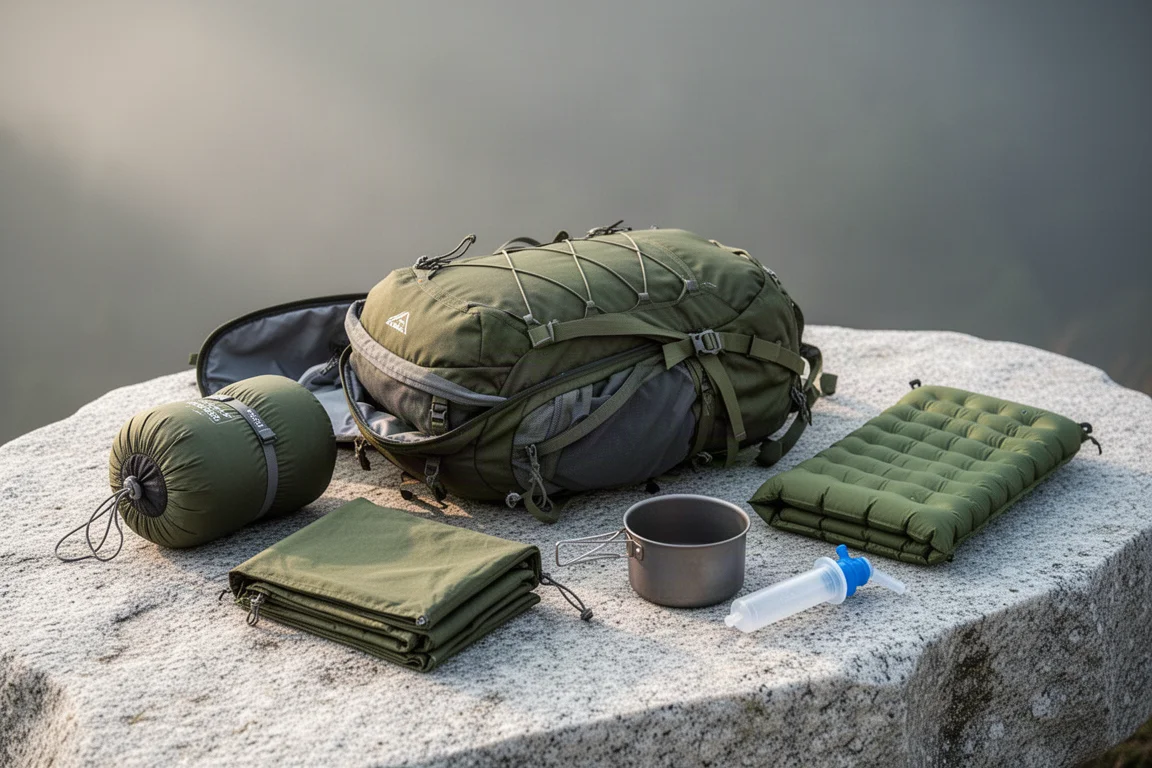
A practical walkthrough of the ultralight pieces behind a 10 lb base weight, from a 765 g pack and a roomy one-person tent to a full camp chair and a dependable water filter.
Backpacking Gear
A 15-Pound Lightweight Backpacking Gear List for Solo Trips
A beginner-friendly 15-pound backpacking setup built from easy-to-find gear, with notes on what each piece does, how it packs, and where to spend your attention.
Backpacking Gear
8 Ultralight Backpacking Gear Upgrades Worth Carrying
Eight small, affordable backpacking upgrades that solve real trail annoyances, from a pillow that stays put to a fuel valve that rescues leftover canister gas.