Backpacking Gear
Backpacking Gear Worth Trying: Ten Upgrades for a Lighter, Warmer Kit
Ten backpacking upgrades worth testing, from a waterproof 40 lb pack and a zippered shelter to a synthetic quilt, an Alpha Direct hoodie, and a compact pocket camera.
Introduction
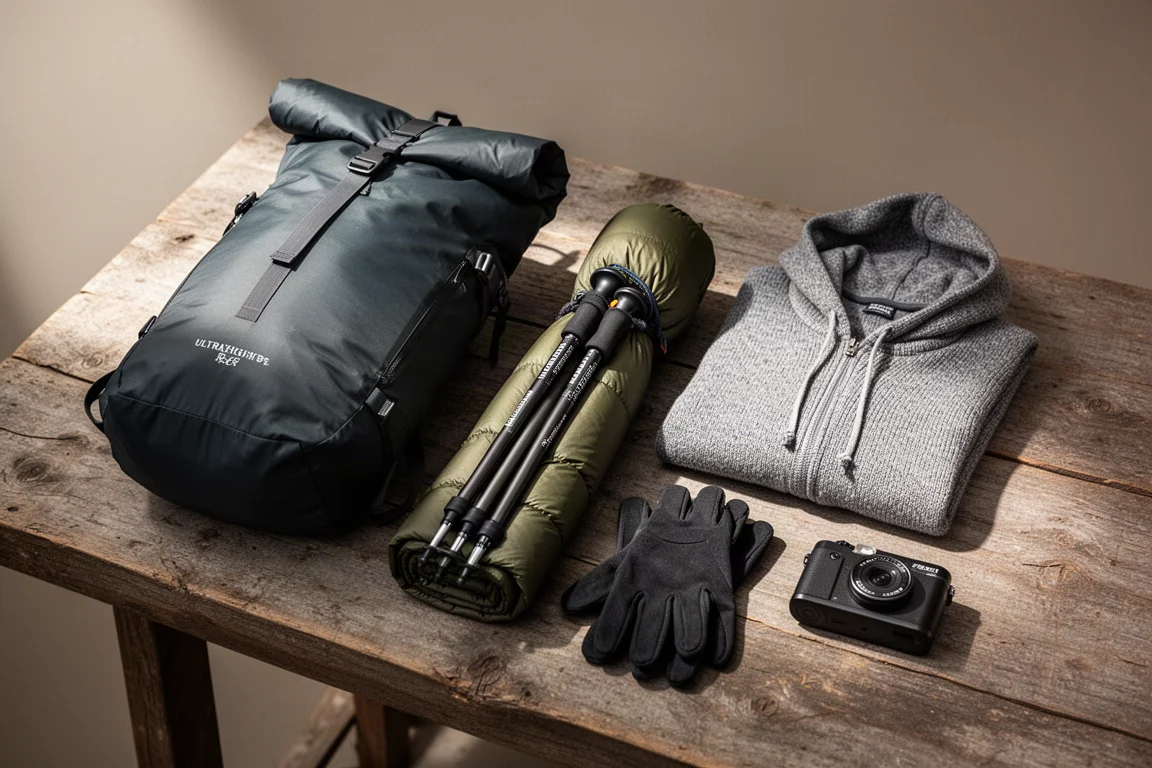
Upgrading a backpacking kit works best as a series of deliberate swaps rather than a wholesale replacement. Ten items are on the shortlist here: two packs, two shelters, a synthetic quilt, an active insulation layer, two pieces of hand protection and two compact cameras. Each one earns its place for a specific reason, and each comes with a trade-off worth knowing before you spend.
What These Upgrades Have in Common
A few themes run through this list. Fabric technology is shifting, and several pack makers have moved existing designs onto Ultra material, which is described as lighter, more durable and fully waterproof rather than water resistant like Robic nylon. That change often comes with a small feature removal, such as the hydration port, because a sealed fabric and an open port work against each other.
The second theme is warmth management. A shelter with a zipper, a quilt with a stated comfort rating and a porous knit layer all attack the same problem from different angles: staying warm without carrying more weight. The third theme is packability, which is where synthetic insulation and heavier electronics tend to give ground.
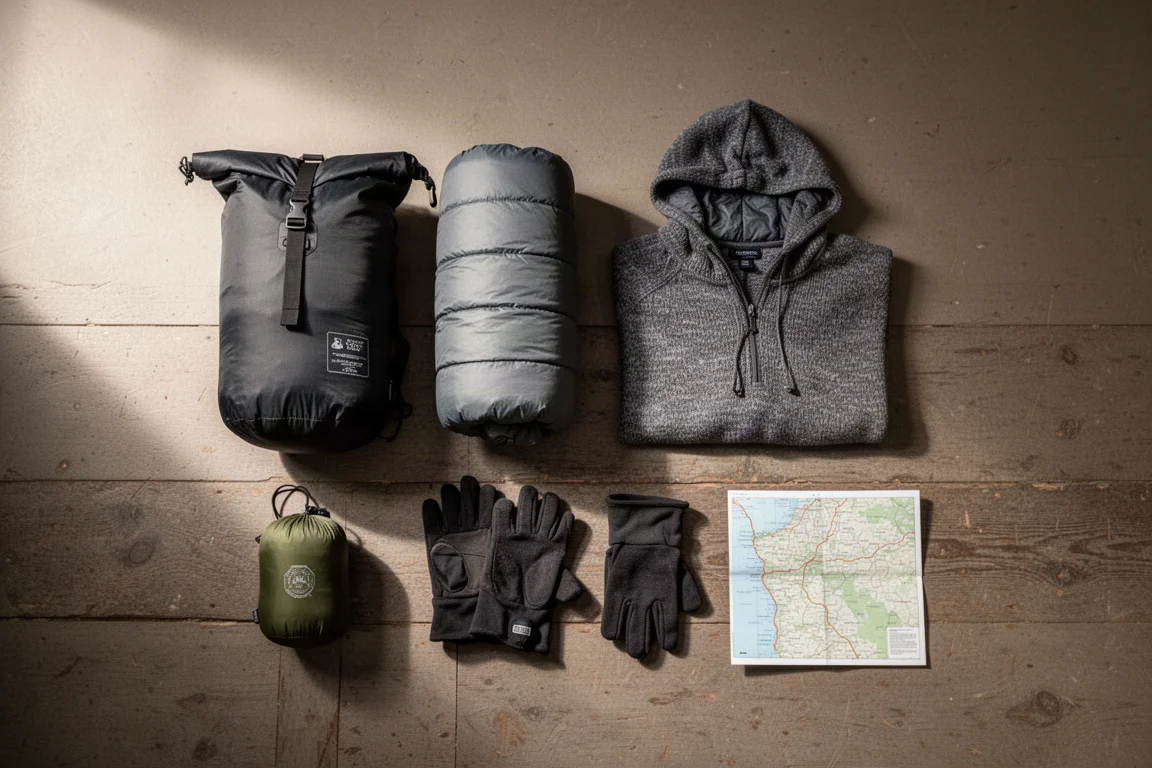
Weight and bulk are not the same thing, and this list is a reminder of that. A 7.2 oz layer that packs down to nothing and a 26.7 oz quilt that fills a third of a pack can both be the right call, depending on what they replace.
A Lighter Load: ULA Ultra Catalyst
The Catalyst is the pack that makes the most sense for a heavier load. Where the Ohm 2.0 is rated for 30 lb, the Catalyst goes up to 40 lb, which matters for anyone whose base weight has crept upward over the years. It keeps the feature that makes these packs fit well on the hips: a small strap connecting the hip belt to the pack body.
The Ultra version is built from waterproof fabric, so it does not need a rain cover. The trade-off is that the hydration port has been removed from the Ultra models, which is worth knowing up front if you use a bladder and tube. A pack liner is still a sensible addition, because a sharp branch, stick or rock can put a hole in any waterproof fabric and then it is no longer waterproof.
Staying With What Works: ULA Ohm 2.0
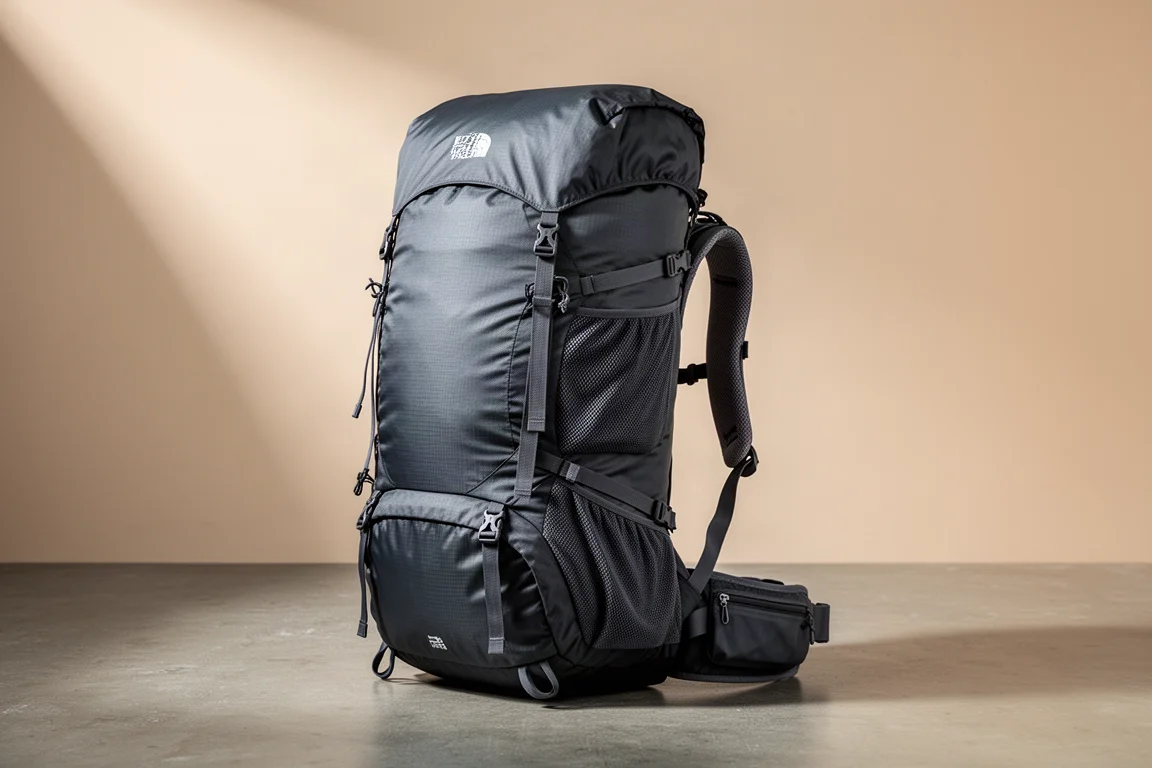
The Ohm 2.0 is the known quantity here, and the honest question is whether replacing it is worth it. The load rating stays at 30 lb whether you choose the older build or the Ultra version, so the upgrade buys fabric and waterproofing rather than capacity. If your typical load already sits under 30 lb, the Ohm remains a sound choice, and the same hip belt strap connection is there.
For anyone who has gradually added weight to their kit, the Catalyst is the more logical next step. The Ohm 2.0 stays on the list as the lighter-load option and as a useful comparison point.
A Zippered Shelter: Zpacks Duplex
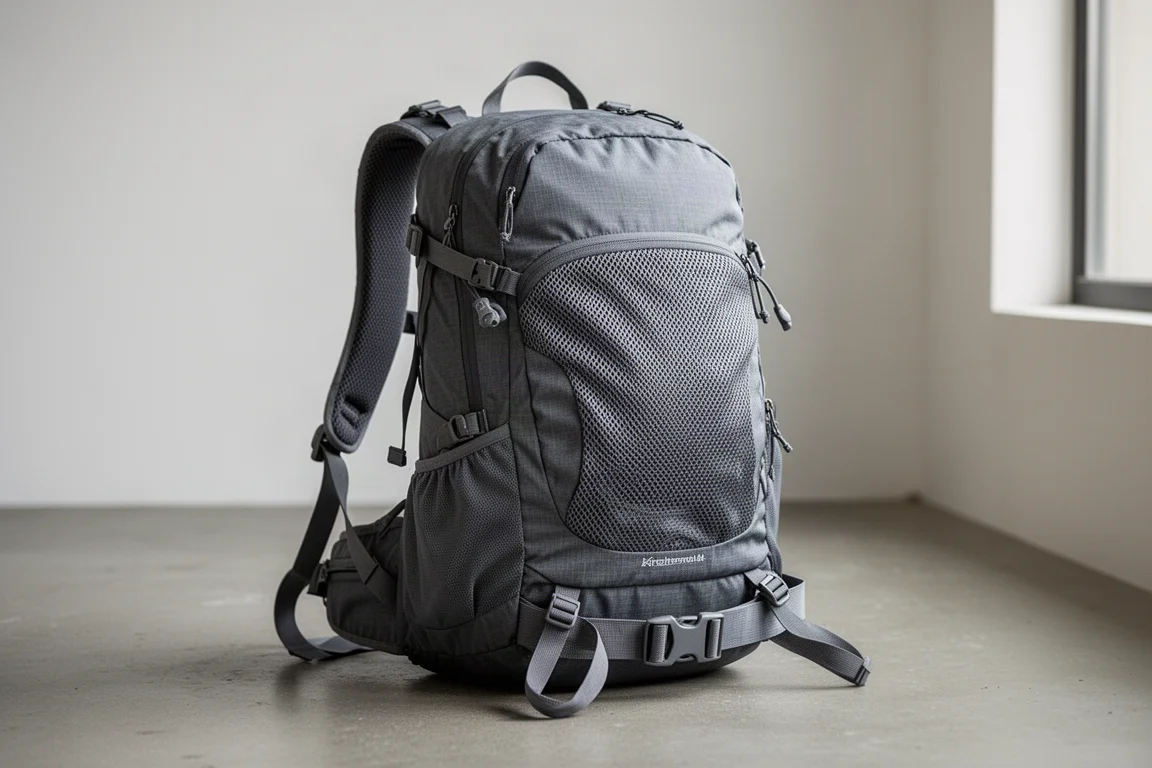
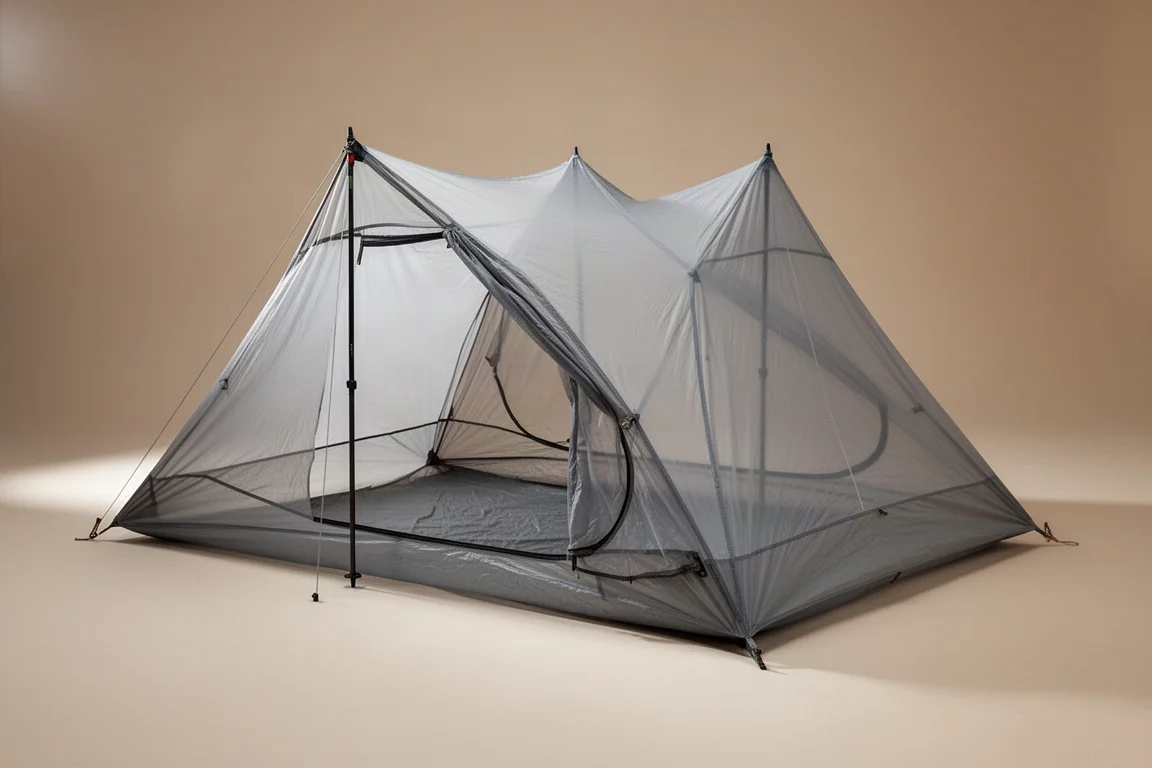
The Duplex with a zipper closure is the shelter change most worth testing. A zipper door closes off more of the interior, which helps in cold, wet and windy conditions where extra ventilation is not a benefit. In sustained rain, a closure that seals properly makes a tent far easier to live in.
The magnet closure update on this design is the part that still needs proving. Magnetic closures sound clever but can be frustrating when they are not strong enough, because a light bump loosens them and you end up adjusting them constantly. A mechanical closure that stays put is often the better answer in the field.
Revisiting the Durston X-Mid Pro 2
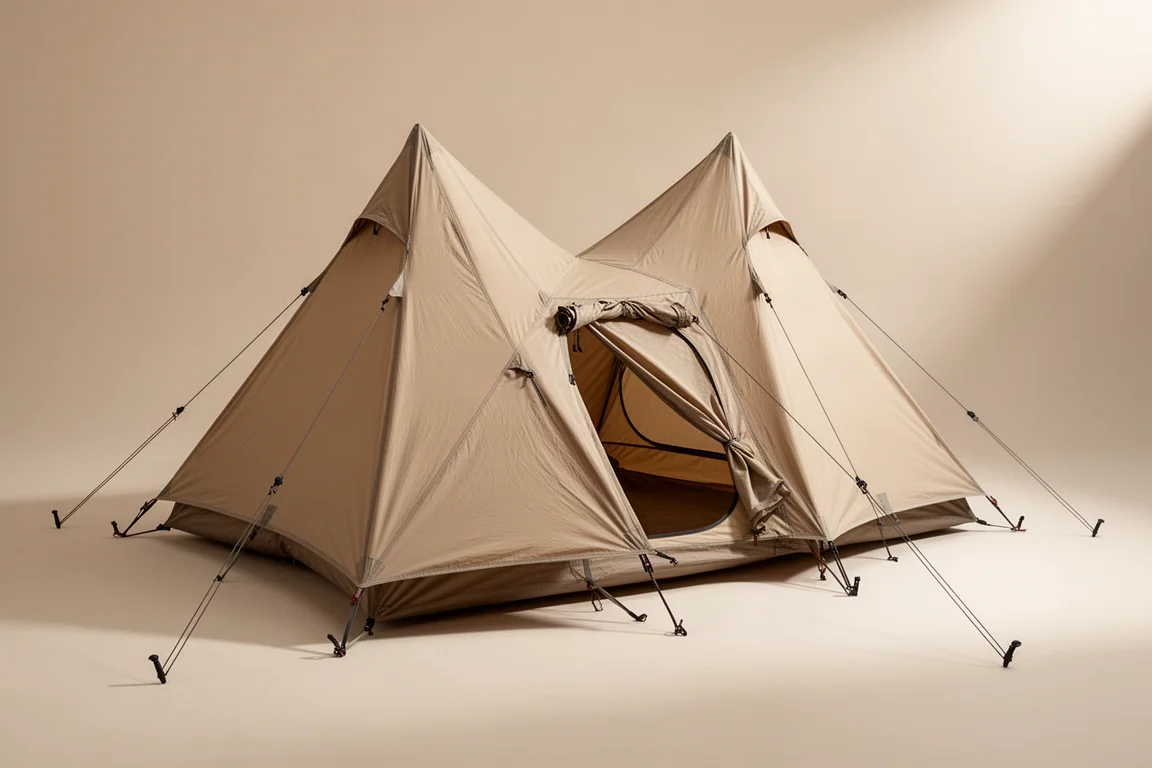
The X-Mid Pro 2 deserves a proper run before any conclusions are drawn. The newer version has addressed two common complaints: it adds pockets inside the tent and uses stronger magnets for the closure. Interior pockets are a small change that makes a real difference to how a shelter lives day to day.
That sets up a straightforward plan. Sell the current version, move to the updated one, and then compare it directly against the zippered Duplex. Two shelters, one set of conditions, one clear answer.
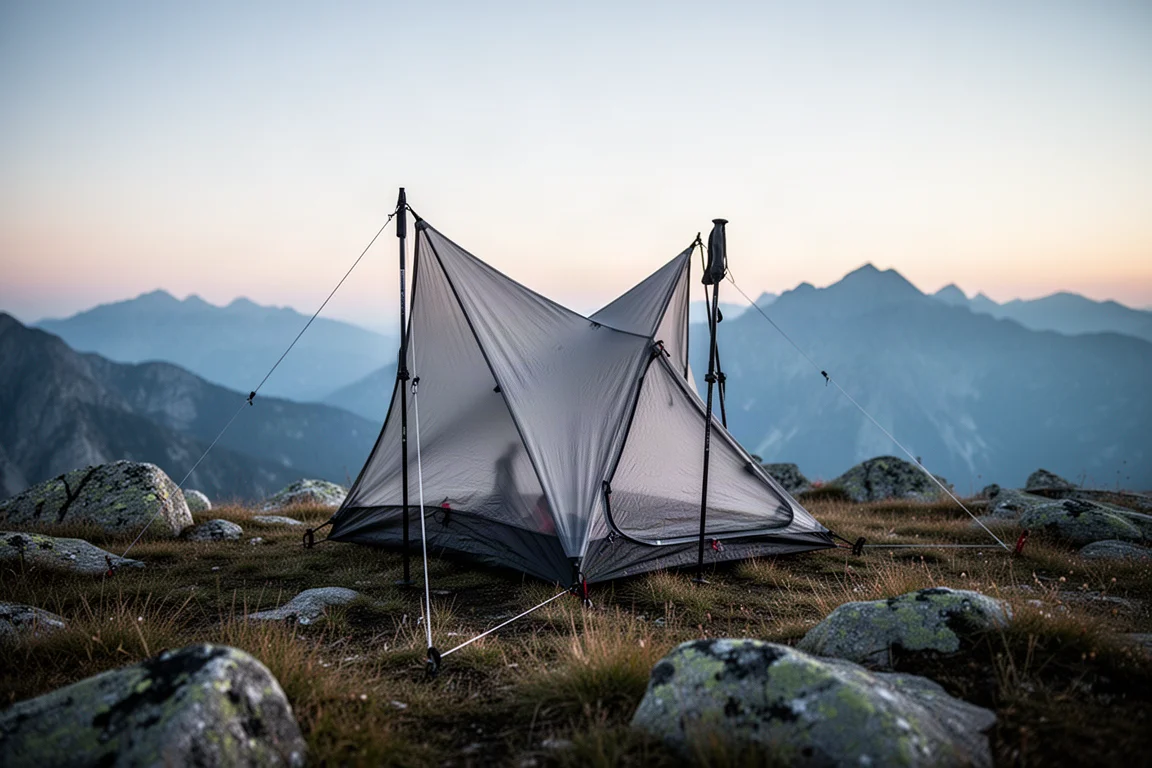
For anyone weighing the same choice, the deciding factor is usually how much ventilation you want. A more enclosed shelter is warmer and calmer in bad weather, but it can feel stuffy on a warm, still night.
Synthetic Warmth: Enlightened Equipment Enigma Apex
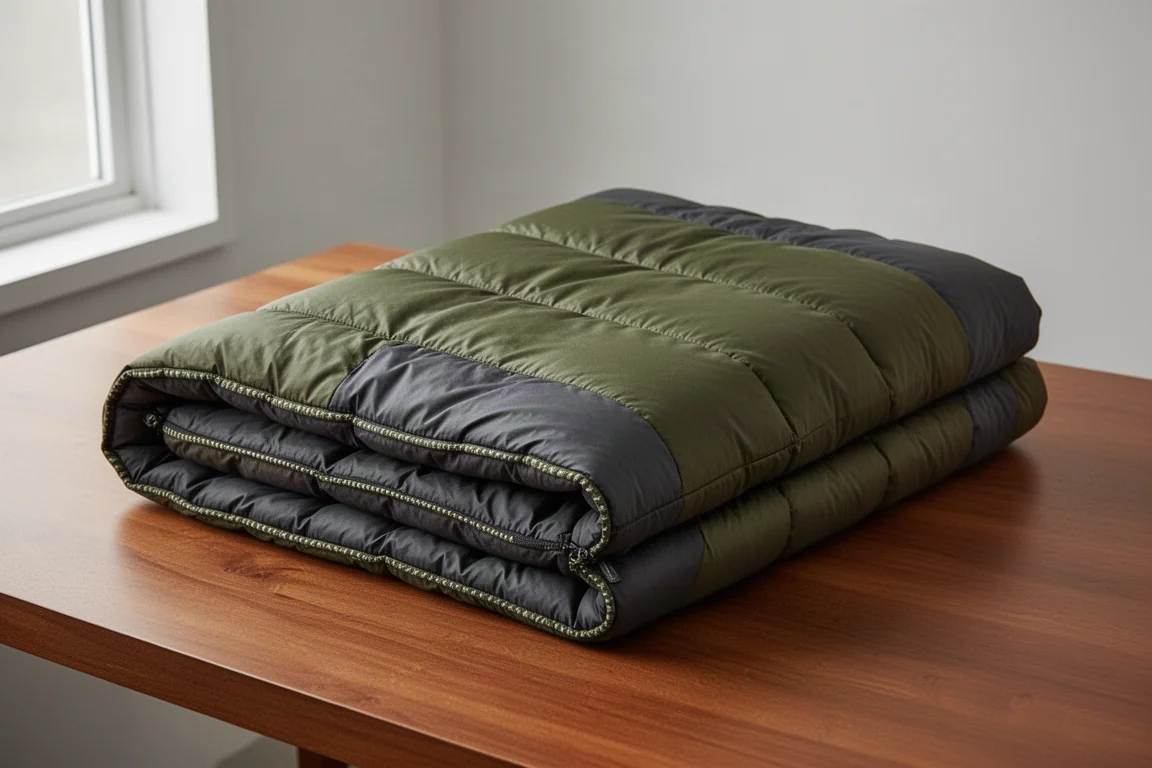
The Enigma Apex is a custom synthetic quilt rated for 20°F comfort and weighing 26.7 oz. It is the down-free option in this kit, which matters for anyone who has reacted badly to down insulation and is not willing to test that theory again.
The gap in the market is real. Lighter synthetic quilts are hard to find, and at least one small maker that used to offer them no longer produces quilts. That leaves a choice between accepting a few extra ounces in exchange for better packability, or staying with a heavier synthetic fill. Apex insulation is also available as a raw material for anyone considering building their own quilt, though that is a bigger step than most people want to take.
An Alpha Direct Layer: CI Merlin Hoodie
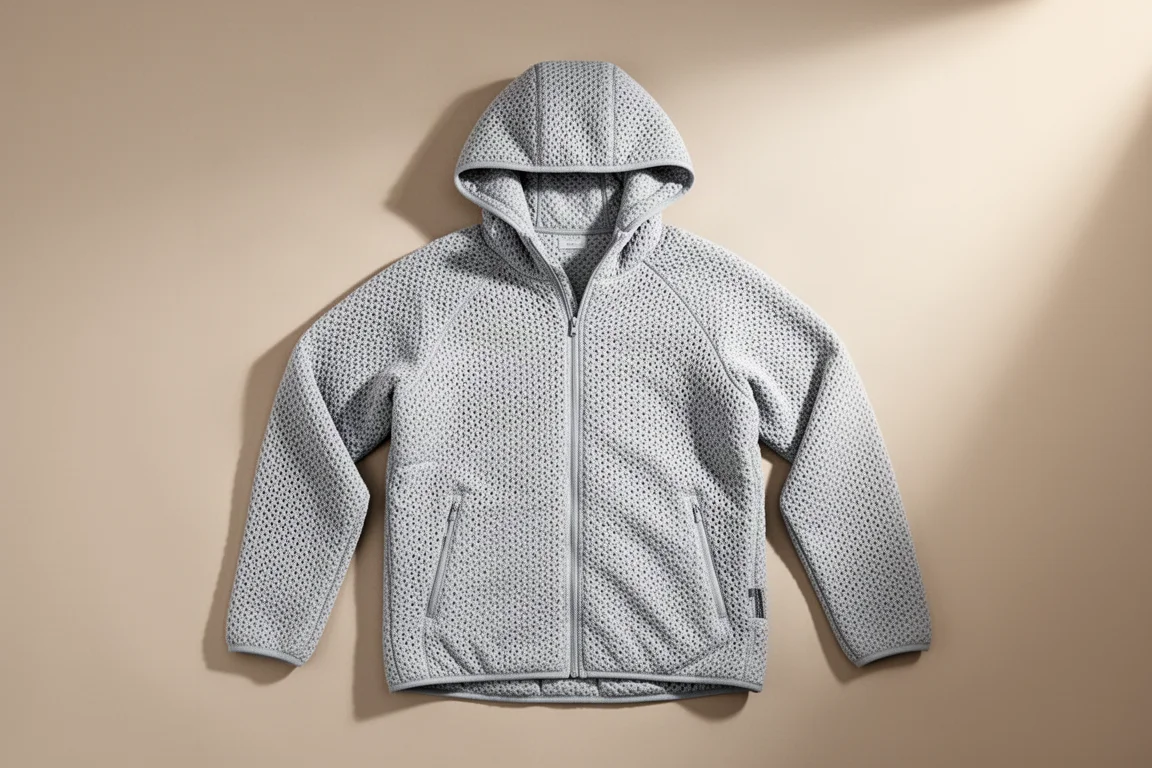
The Merlin hoodie is an Alpha Direct layer with 120-weight insulation, weighing 7.2 oz and costing $115 plus shipping. Alpha Direct fabric looks odd up close because it is visibly porous, and that porosity is the whole point. It is an active mid layer meant to be worn under a shell, not as an outer layer.
Worn under a rain jacket in cold rain, it traps warmth while the shell blocks wind and water. When you unzip the shell to cool down, the open knit dumps heat quickly instead of holding it the way a dense fleece does. It also layers neatly under a synthetic puffy when the puffy alone is not enough, and it weighs several ounces less than a typical backpacking fleece.
Waterproof Dexterity: Showa Temres Gloves
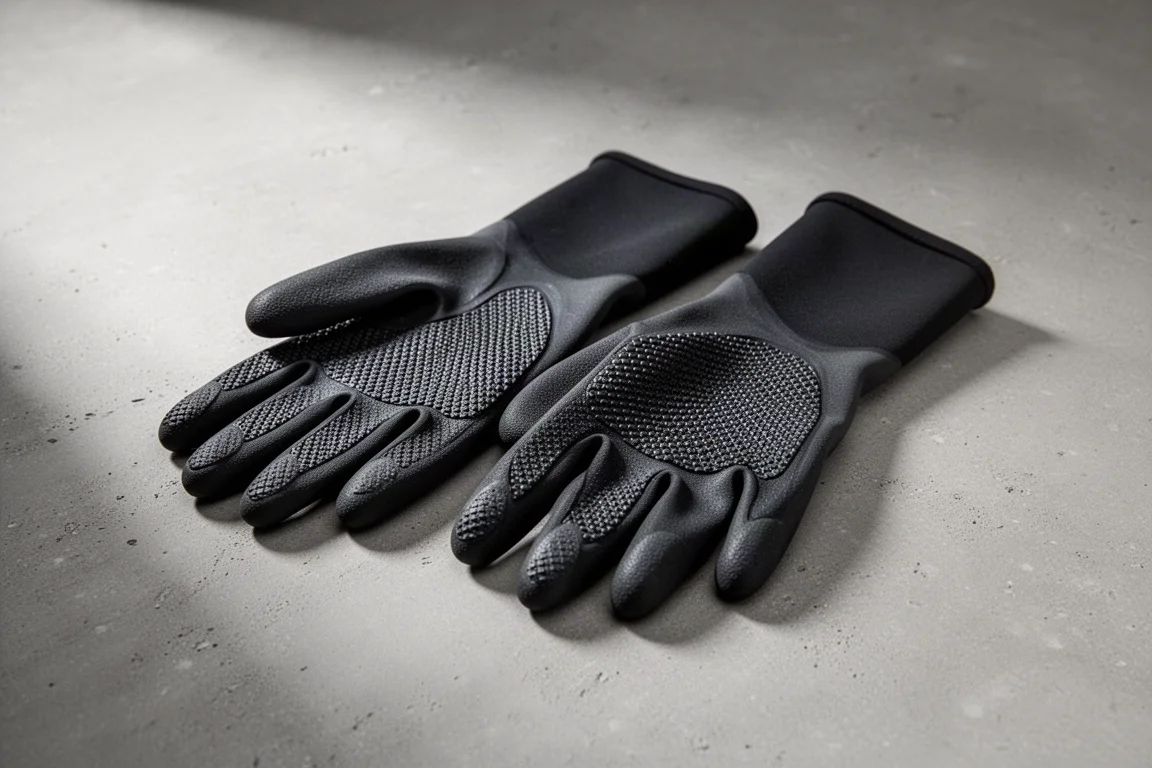
The Temres gloves have earned their place over several seasons because they combine a waterproof shell with enough dexterity to keep using your hands. In cold, wet conditions they are a better answer than a knit glove that soaks through.
Their limit is warmth. In genuinely cold weather they work best as a shell over a down liner glove, which is how they have been used. That pairing keeps the dexterity of the glove and adds insulation underneath.
Warmth for the Fingers: Zpacks Vertice Rain Mitts
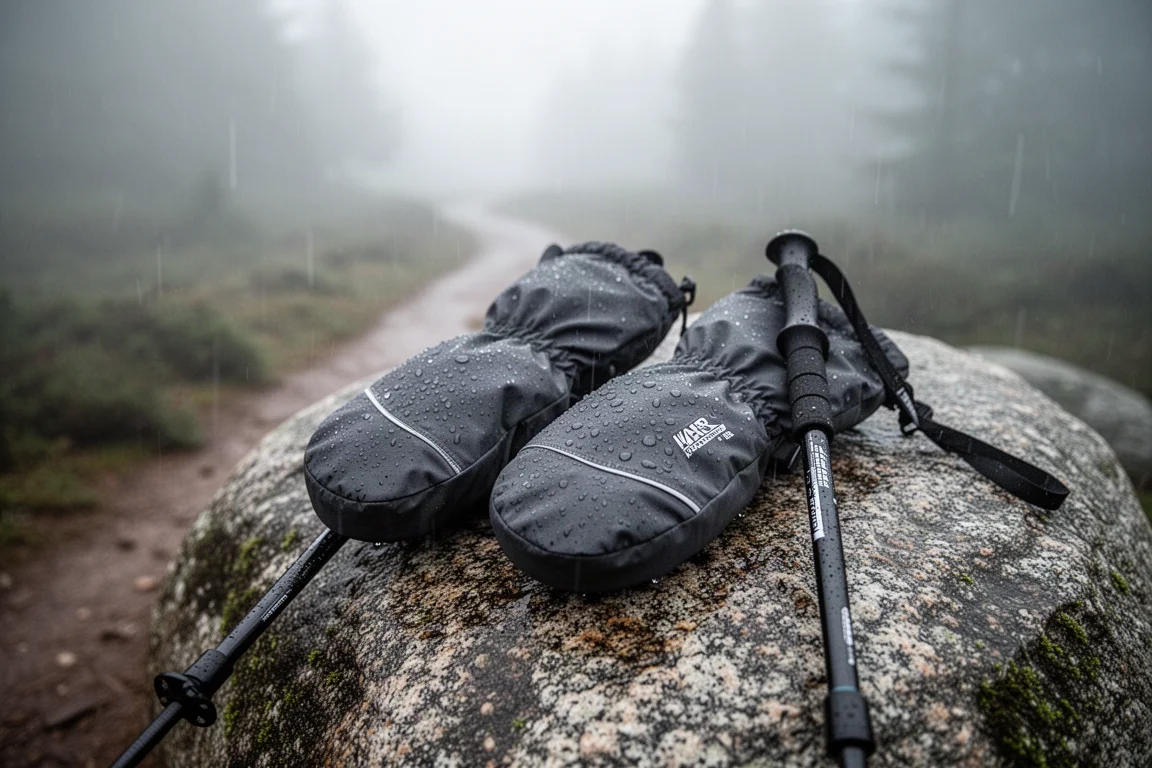
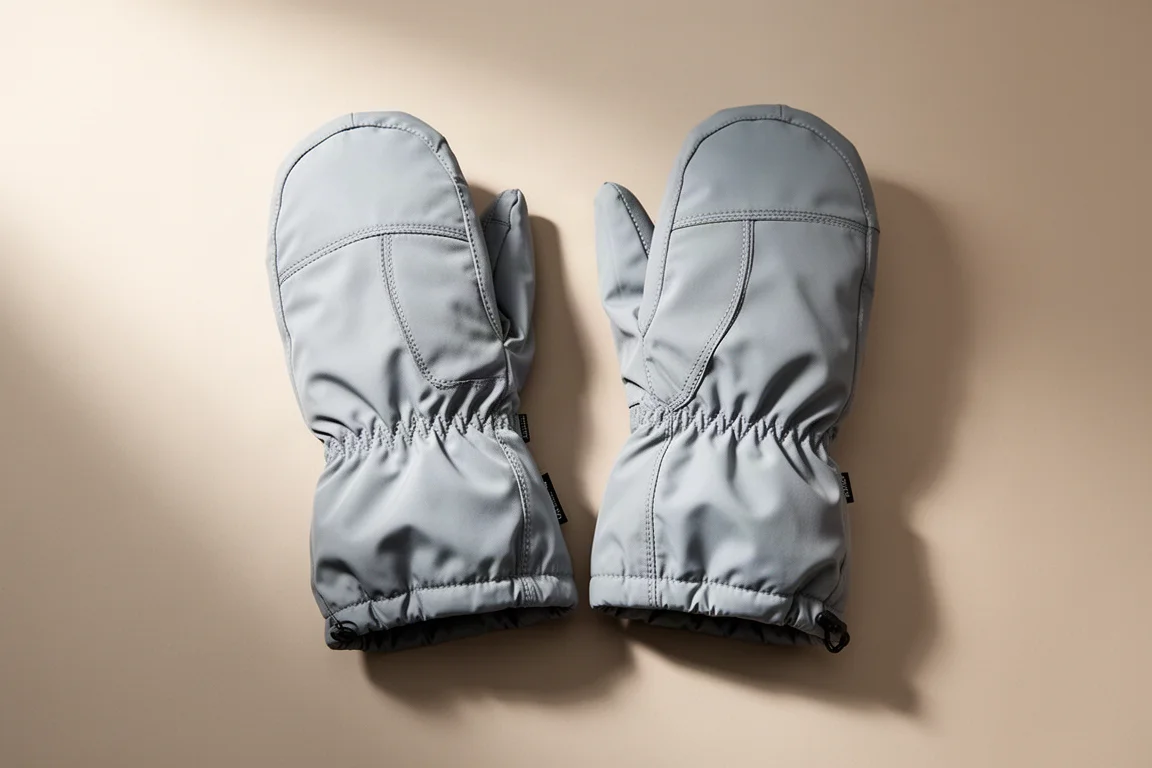
Rain mitts are the alternative to rain gloves, and the trade is simple: you give up finger dexterity and gain warmth by keeping all your fingers in one pocket. The Vertice rain mitts are waterproof and light enough to carry as a just-in-case layer.
The plan is to run them over down liner gloves in cold rain, which should keep hands warmer than the glove setup does on its own. If you have used a similar mitt in the same weight range, that comparison is worth making before committing.
For most three-season hiking, gloves are the more practical choice because you need your fingers. Mitts come into their own when temperatures drop and the priority shifts from doing things to staying warm.
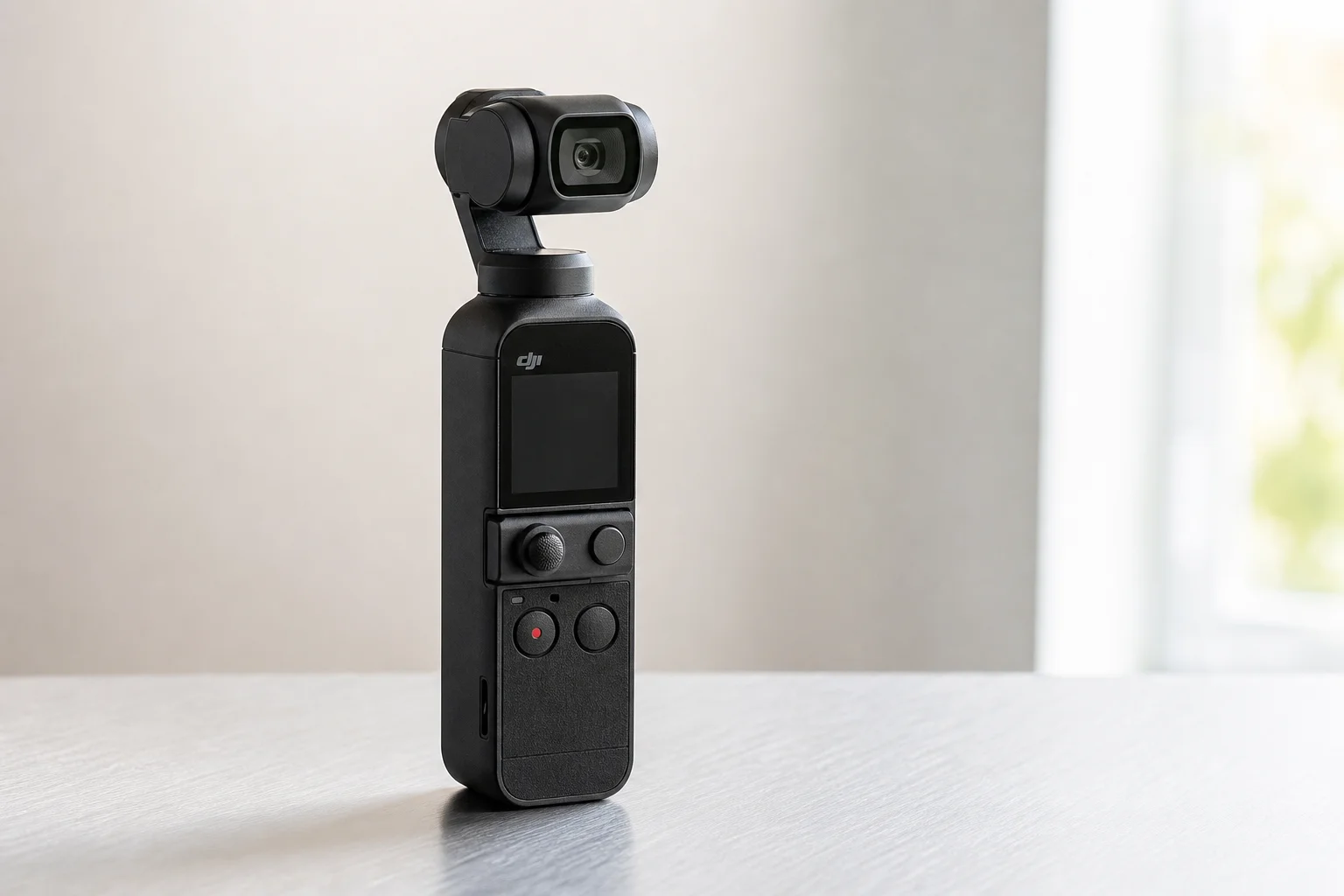
The Camera Already in the Kit: DJI Pocket 2
The Pocket 2 has been the trail camera, and its size is well suited to backpacking. The main frustration has been subject tracking, which promised a lot and did not work out reliably in use.
That matters for solo filming, where tracking is what lets you walk away from the camera and still stay in frame. It is the single feature that would justify an upgrade.
The Planned Upgrade: DJI Pocket 3
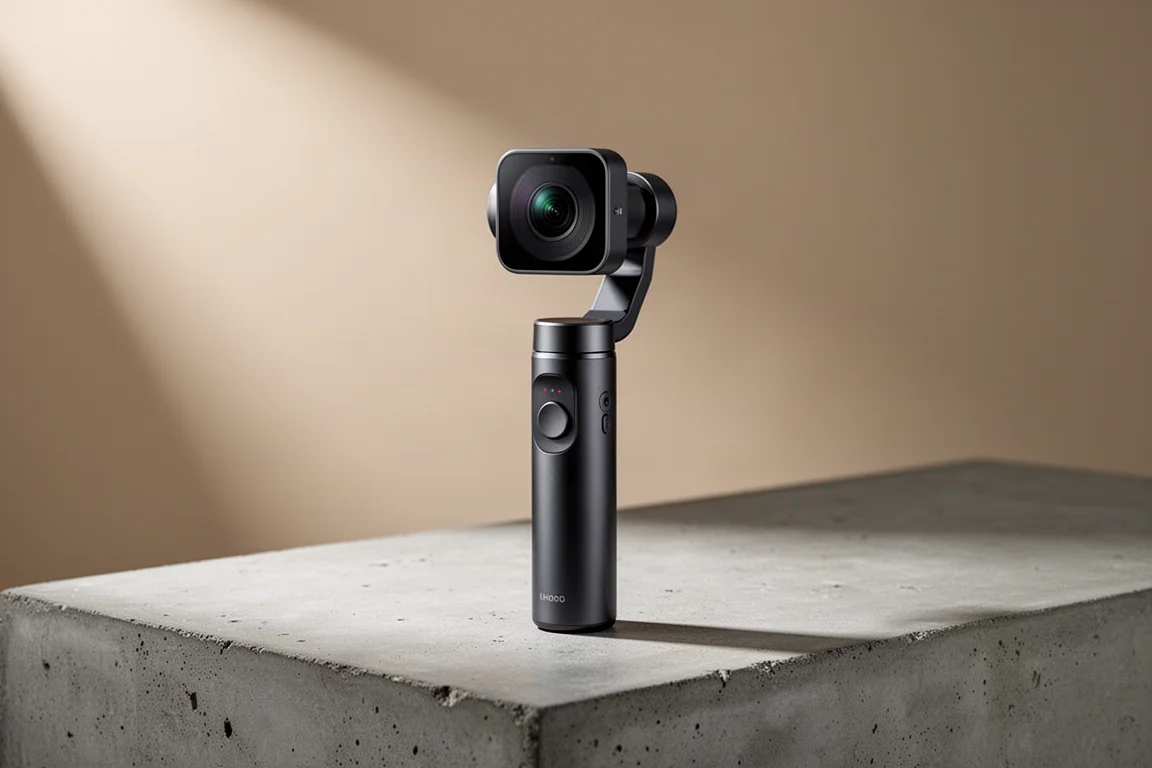
The Pocket 3 addresses the tracking problem first, with improved tracking that should make solo shooting far easier. Image quality is better as well, and the camera adds a low light setting, slower slow motion and presets for time lapses of clouds and sunsets. The screen is larger too, which helps when you are checking framing outdoors.
The cost is weight and money. The Pocket 3 is about 2 oz heavier than the Pocket 2 and more expensive. Selling the Pocket 2 would offset part of that, which is the same logic applied to the shelter swap.
How to Prioritize Backpacking Upgrades
Work through the list in order of the problem you actually have. Load carrying comes first: if your pack is straining, a higher-capacity model solves more than any accessory. Shelter and sleep insulation come next, because warmth and weather protection affect every night. Layers and hand protection are light, relatively inexpensive fixes that improve comfort without changing base weight much. Electronics come last, since they are the heaviest and least essential items in the pack.
It also helps to decide what leaves the kit before anything new arrives. Every item here replaces something, and a one-in, one-out approach keeps total weight from creeping upward.
There is no need to rush any of it. Testing one change at a time, on trips you already know, tells you far more than swapping the whole kit at once.
Conclusion
These ten items cover the full range of a backpacking kit, from a pack rated to carry 40 lb to a hoodie that weighs 7.2 oz. The strongest candidates are the ones that fix a specific, repeatable problem: a pack that suits a heavier load, a shelter that closes against cold wind, insulation that works without down, and a camera that tracks properly. Everything else can wait until the problem shows up.
Further reading
Related Reviews

Backpacking Gear
Building a 10 lb Base Weight: An Ultralight Backpacking Gear List
A practical walkthrough of the ultralight pieces behind a 10 lb base weight, from a 765 g pack and a roomy one-person tent to a full camp chair and a dependable water filter.

Backpacking Gear
A 15-Pound Lightweight Backpacking Gear List for Solo Trips
A beginner-friendly 15-pound backpacking setup built from easy-to-find gear, with notes on what each piece does, how it packs, and where to spend your attention.

Backpacking Gear
8 Ultralight Backpacking Gear Upgrades Worth Carrying
Eight small, affordable backpacking upgrades that solve real trail annoyances, from a pillow that stays put to a fuel valve that rescues leftover canister gas.