Backpacking Gear
Backpacking Gear Worth the Weight: Five Field-Tested Picks
Five backpacking essentials assessed in the field, from an ultralight two-person tent and a 55-liter pack to a tiny pocket multi-tool and a sub-dollar camp spoon.
Introduction
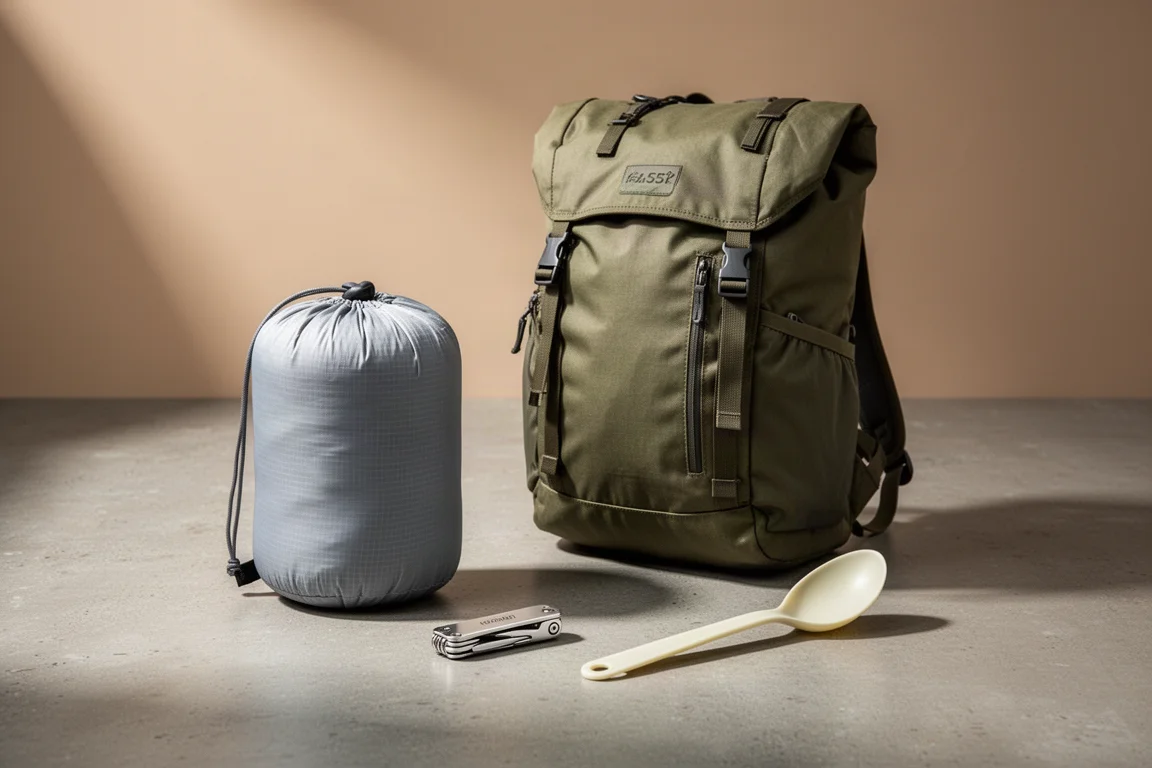
Five pieces of gear did most of the heavy lifting on a recent backpacking trip in the Sawtooth Mountains: a shelter, a pack, a sleep system, a pocket multi-tool and a camp spoon. Each one was used in real conditions rather than judged on a spec sheet alone, and each came away with a clear verdict.
Two of them are standouts that would suit almost any backpacker. The rest are more conditional, and knowing exactly where their limits sit is what makes them worth buying or skipping.
How These Picks Were Evaluated
Weight and packed volume matter, but they are not the whole story. A shelter that saves half a pound is not much use if it is miserable to sleep in, and a pack that carries beautifully at 25 pounds can feel completely different at its stated maximum.
Durability was weighed just as heavily. Thin fabrics save weight, but they also demand care, and that trade-off is better understood before the first trip than during it.
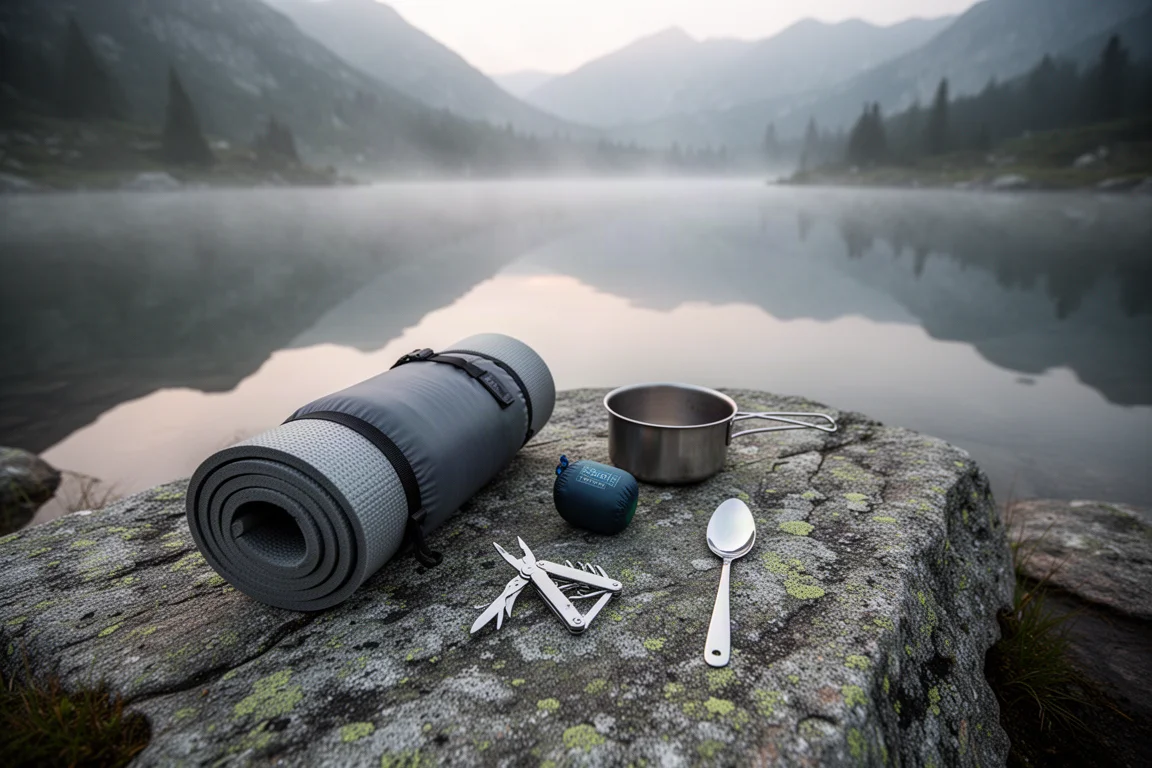
Practicality rounded out the assessment. The most useful items here are the ones that adapt across different trips, whether that means a pack that still works as a day bag or a sleep system that stays comfortable across a range of conditions.
Nemo Hornet Elite: A Two-Person Tent That Lives Like a One-Person
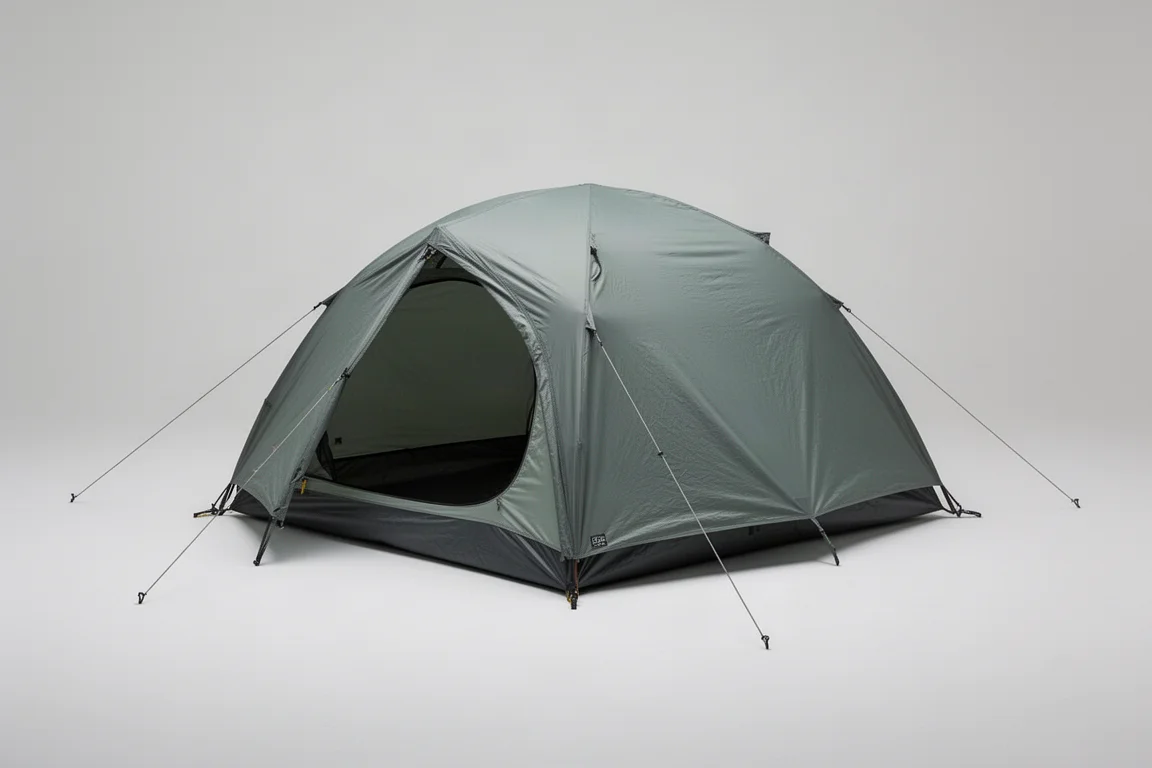
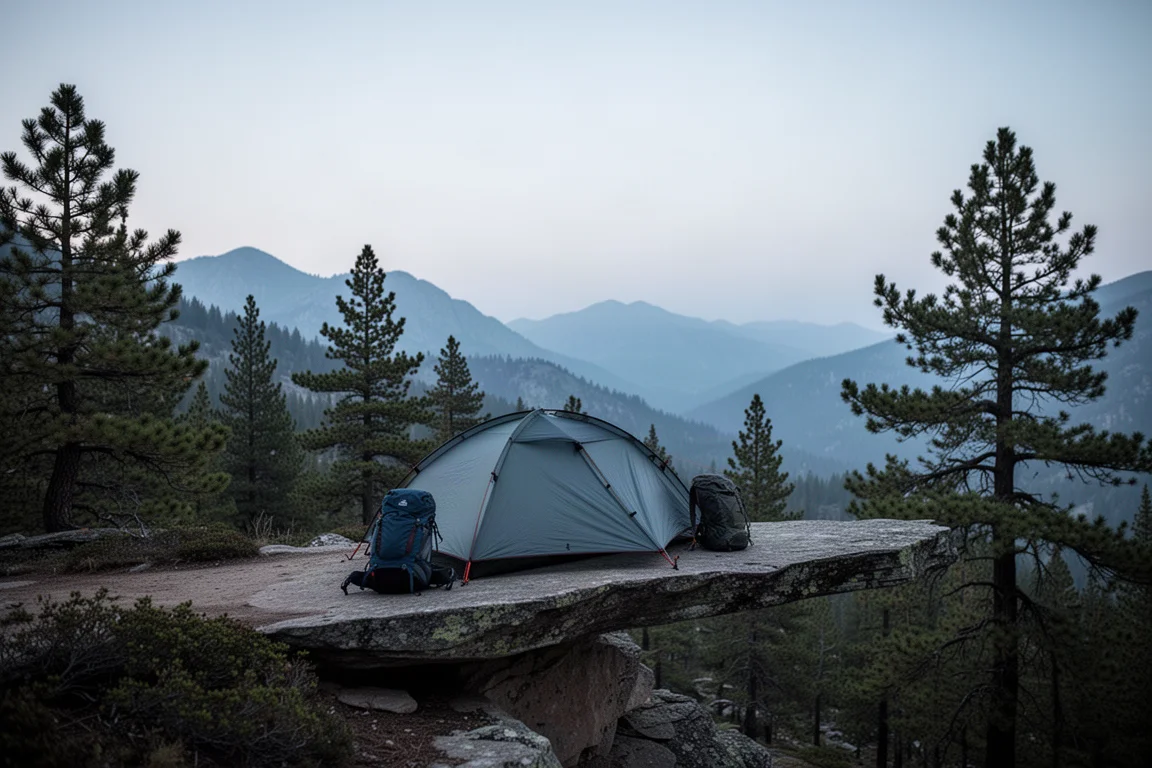
The Nemo Hornet Elite weighs just over two pounds, which is the headline number for anyone counting grams. Floor space is comparable to other two-person tents in its class, but interior height is the catch: headroom peaks low enough that two occupants cannot both sit up at the same time.
That makes it, in practice, a generous one-person tent with room for a second sleeper in a pinch. The upside of the narrow footprint is real, though. It pitches comfortably in tight, awkward spots that would not take a wider shelter.
The nylon is thin, on the order of 10 denier, with a floor around 15 denier. That construction has held up so far, but it rewards careful handling rather than rough treatment.
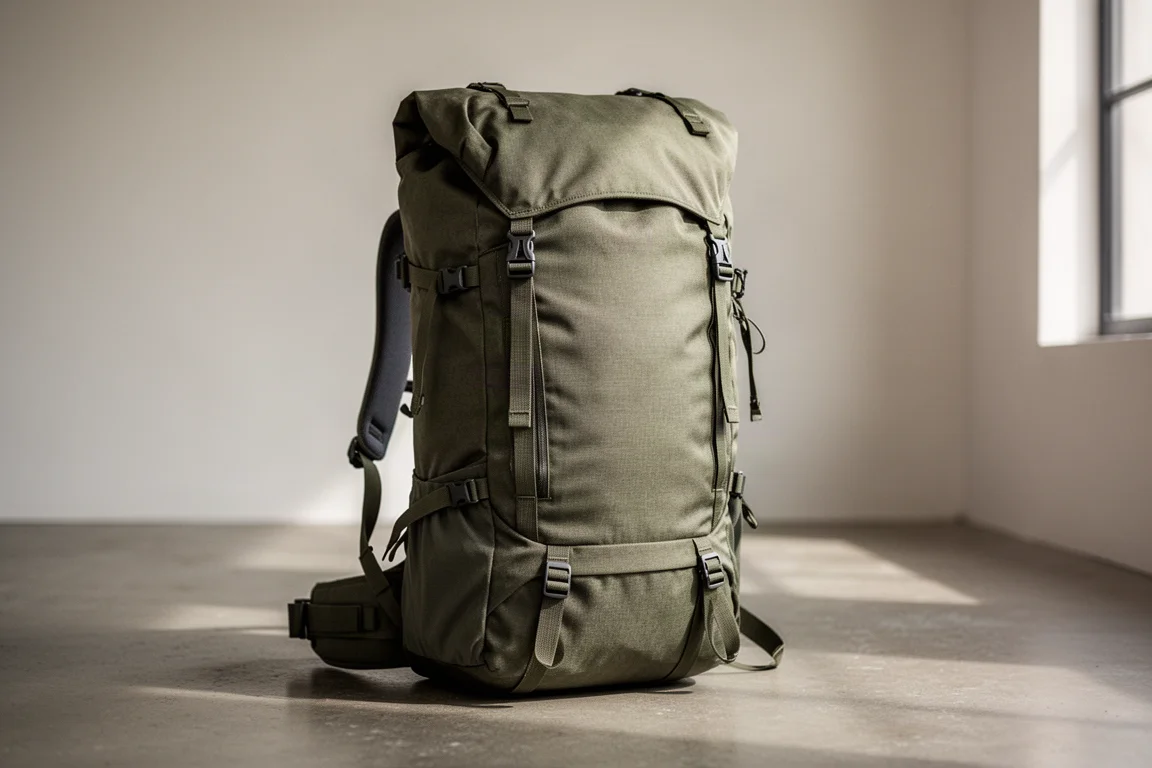
Southwest 3400: A 55-Liter Pack That Doubles as a Day Bag
The Southwest 3400 takes its name from its volume, 3,400 cubic inches, which works out to 55 liters. Maximum carry load is roughly 40 pounds, and that is the number that decides whether this pack suits you.
If you routinely carry heavy loads, that ceiling arrives quickly. For moderate loads it is a comfortable, straightforward pack. Its strongest quality is flexibility: partly filled, even at about a third of capacity, it still carries well enough to serve as a day bag for a summit push or a short side trip.
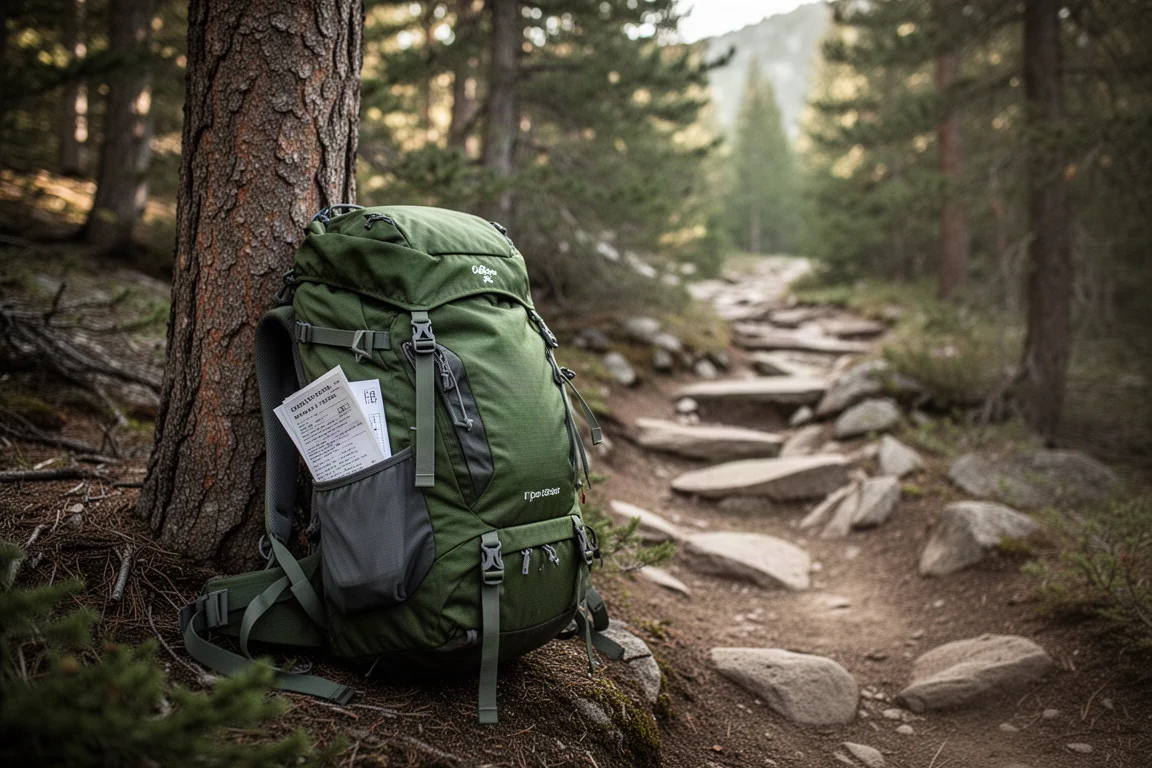
The trade-off is organization. It is essentially one large compartment, so everything goes in and comes back out together, and a packer who relies on a strict system has to relearn the routine. Small details are handled well, including a permit that sits visibly on the outside of the pack, and the fabric shows honest wear after many miles rather than failing outright.
Lost Ranger: A Versatile Sleep System That Packs Small
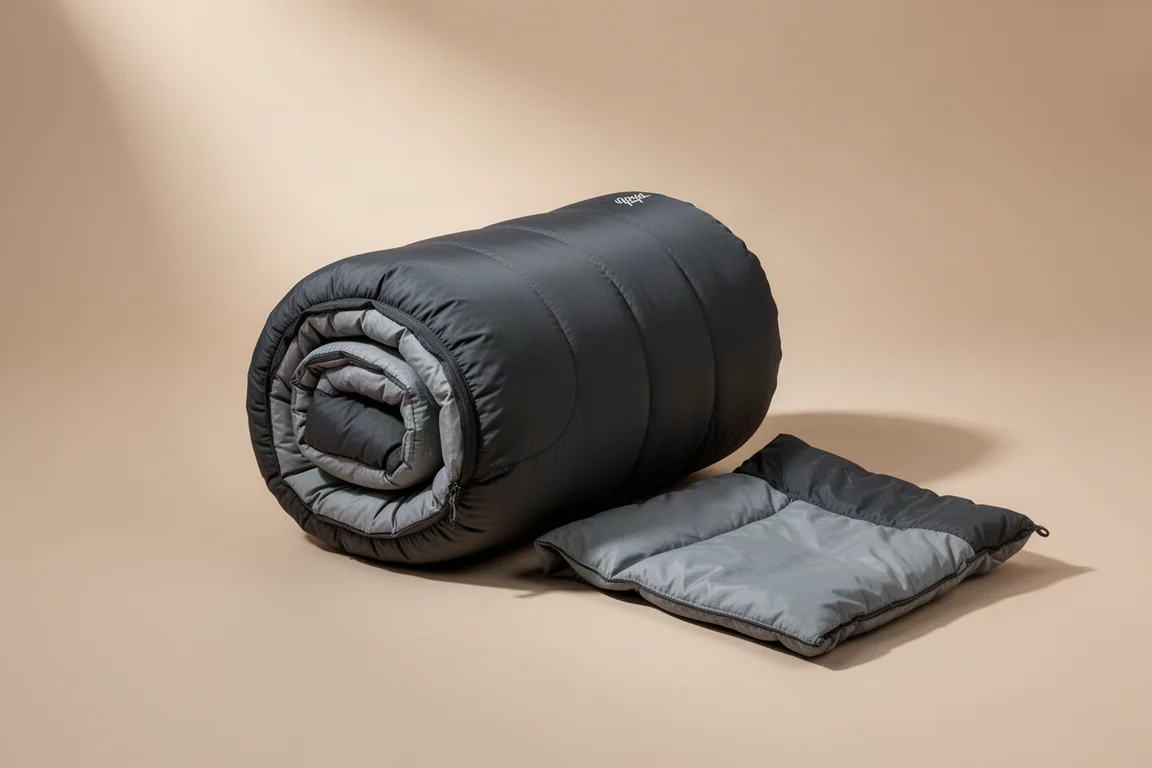
The Lost Ranger is a versatile sleep system that packs down very small, which makes it easy to justify on trips where space is tight. It has a lot going for it and earned a solid stretch of regular use.
It is also frequently weighed against the Zen Bivy, and anyone choosing between compact, adaptable sleep systems will want to look at both side by side. Over time, some users find other sleep systems they prefer, which is less a knock on this one than a reflection of how personal sleep comfort is.
Leatherman Squirt PS4: A Tiny Multi-Tool With Real Utility
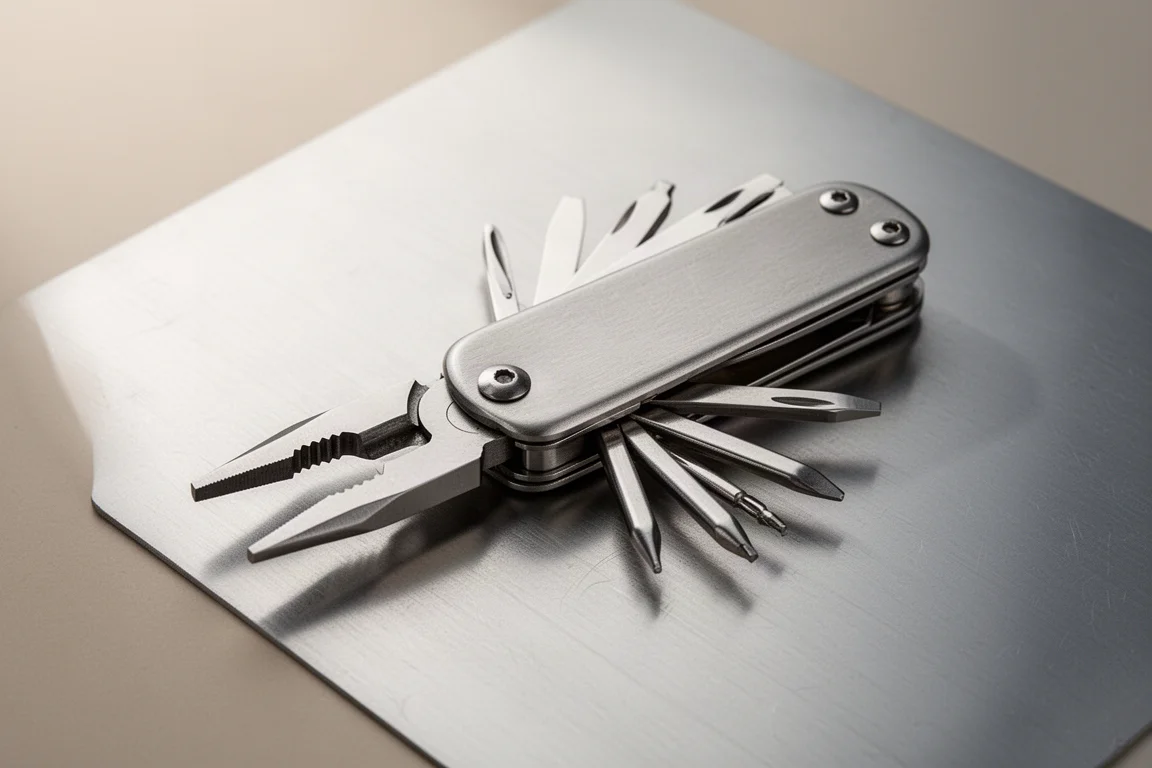
The Leatherman Squirt PS4 is small enough to live in a pocket and be forgotten until it is needed. That is the point: it carries a set of pliers that prove genuinely useful for small adjustments around camp, including tightening tripod hardware and similar fiddly tasks.
Ozark Trail Long-Handle Spoon: The Sub-Dollar Workhorse
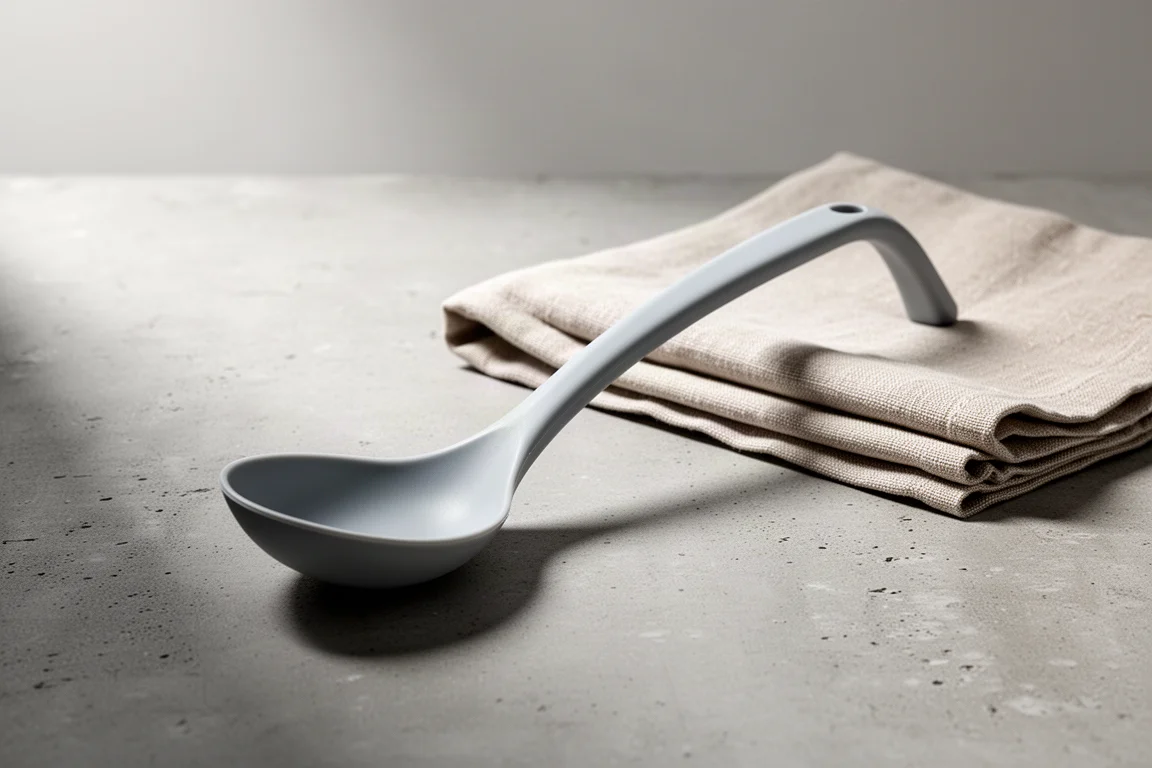
The Ozark Trail long-handle spoon cost under a dollar when it was purchased, and it has been in regular use for about two and a half years. The long handle reaches the bottom of a freeze-dried meal pouch, and the flexible build has proved extremely difficult to break.
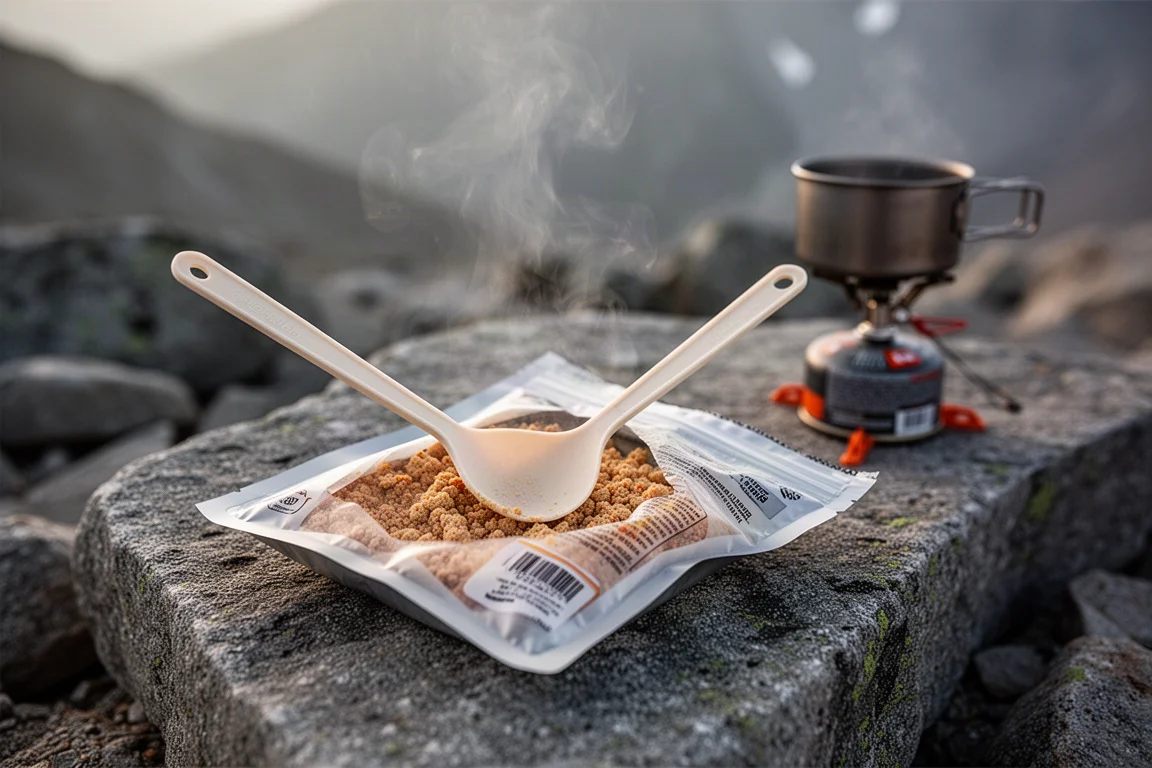
For a piece of kit that weighs almost nothing and costs less than a coffee, it delivers more day-to-day value than almost anything else in a pack. The flexible handle feels different from a rigid spoon, and that is the only adjustment required.
Supporting Kit: Ground Cloth, First Aid, and a Stove
The supporting items matter as much as the big three. A Tyvek ground cloth of roughly three to four ounces has been in service for close to five years, and its job is abrasion resistance rather than waterproofing. Under a thin tent floor, that extra layer is cheap insurance against rough ground.
A compact first aid kit covers blister care with Leukotape, along with eye drops and basic pain relief, while nail clippers live in a small ditty bag. For cooking, a canister stove suits trips where the plan is boiling water for coffee and rehydrating meals, and a larger integrated stove system makes more sense when real cooking is on the menu.
Buying Advice: Match the Gear to the Trip
Start with the loads you actually carry. If pack weight regularly approaches 40 pounds, the Southwest 3400 will sit right at its limit and a pack rated for more weight will serve you better. If base weight is modest and most trips are solo, the Hornet Elite’s low weight and narrow footprint are a strong match, provided you accept the limited headroom.
Sleep comfort is the other variable worth thinking through carefully. A sleep system that packs small and adapts to different conditions is easy to recommend, but the only test that matters is how you sleep in it. Small tools and utensils, by contrast, are simple decisions: a pocket multi-tool and a long-handle spoon cost very little and remove a surprising number of minor frustrations on the trail.
Conclusion
Five items, five clear roles. The Hornet Elite and the Southwest 3400 anchor a lightweight setup as long as you respect their limits, the Lost Ranger covers sleep with minimal packed volume, and the Squirt PS4 and the long-handle spoon prove that the smallest and cheapest gear is often the easiest to justify. Match each piece to the trips you actually take, and the whole kit becomes easier to trust.
Further reading
Related Reviews

Backpacking Gear
Building a 10 lb Base Weight: An Ultralight Backpacking Gear List
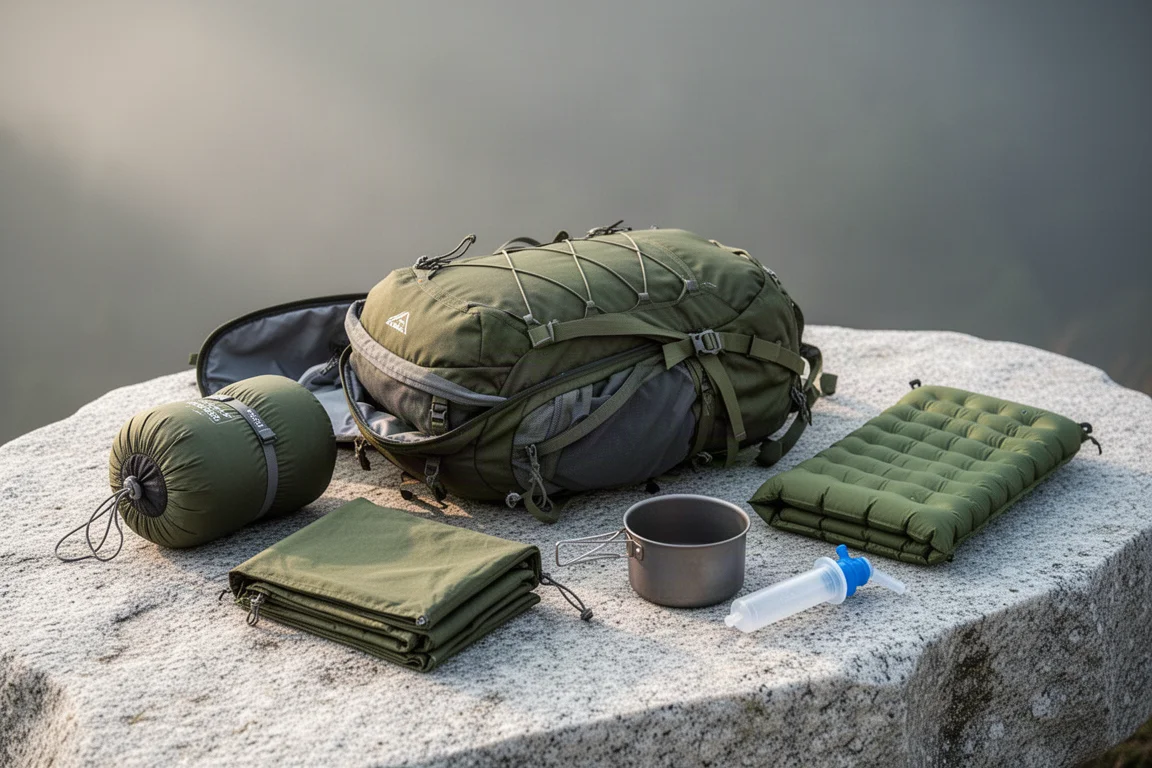
A practical walkthrough of the ultralight pieces behind a 10 lb base weight, from a 765 g pack and a roomy one-person tent to a full camp chair and a dependable water filter.
Backpacking Gear
A 15-Pound Lightweight Backpacking Gear List for Solo Trips
A beginner-friendly 15-pound backpacking setup built from easy-to-find gear, with notes on what each piece does, how it packs, and where to spend your attention.
Backpacking Gear
8 Ultralight Backpacking Gear Upgrades Worth Carrying
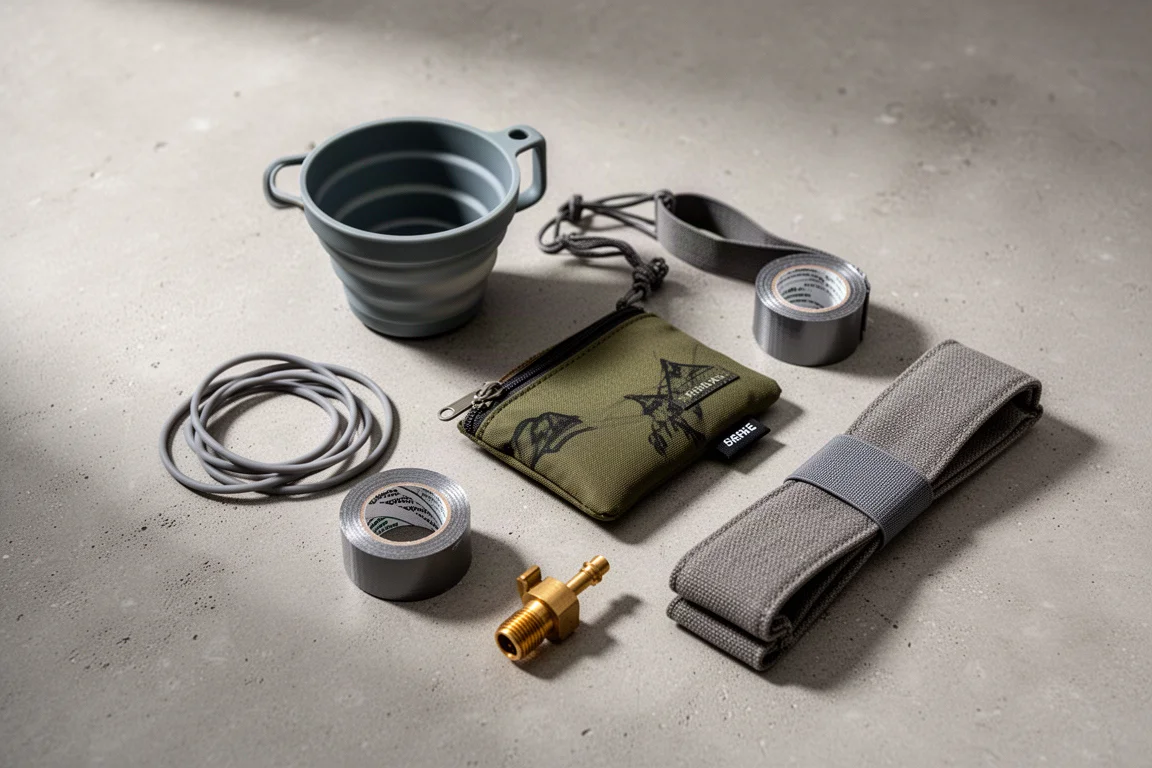
Eight small, affordable backpacking upgrades that solve real trail annoyances, from a pillow that stays put to a fuel valve that rescues leftover canister gas.