Backpacking Gear
Backpacking Gear Worth the Hype: Seven Items Tested in the Rockies
Seven backpacking items, from a high-volume pack to ultralight camp slippers, with the strengths and open questions to weigh before buying.
Introduction
Some gear earns a permanent place in a pack, and some of it only looks good on a specification sheet. The items below went through a demanding final check on a trip that combined a hike through the Rocky Mountains, a camp in a remote meadow with mountain views, and a pack raft descent down a river afterwards. Weight, weather, wind and water together make a useful filter, because gear that only performs in fair conditions tends to reveal its limits quickly.
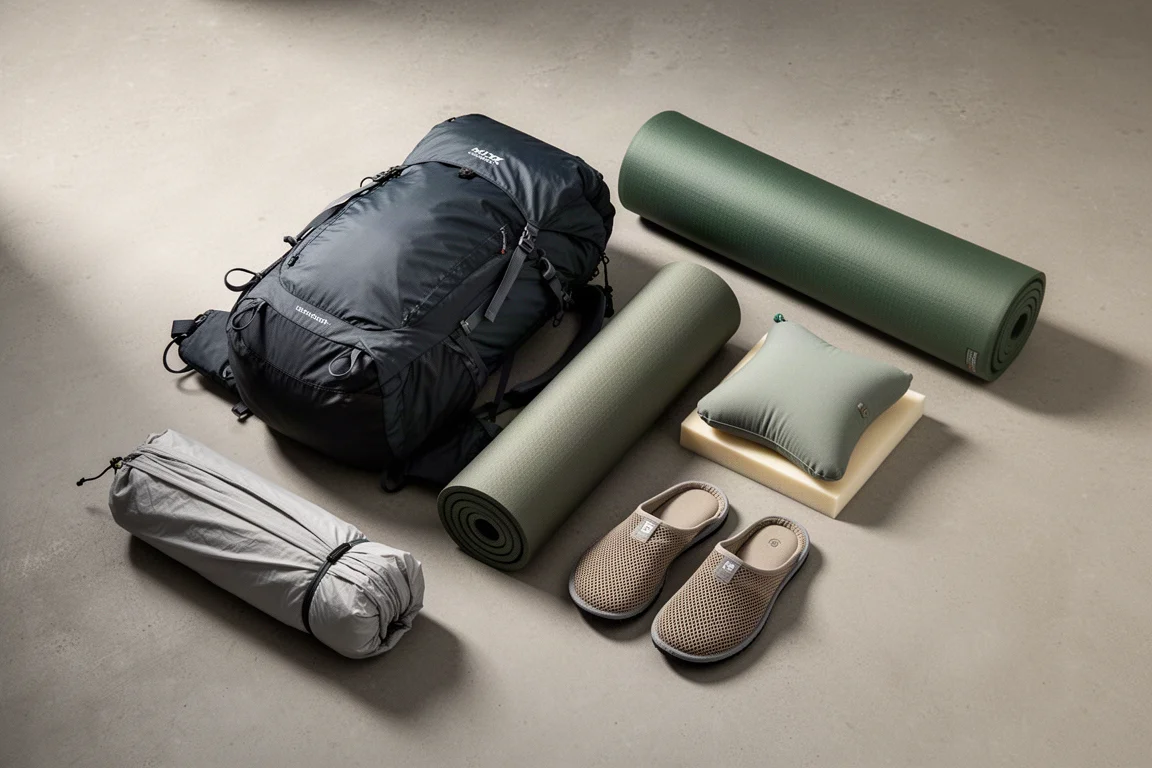
More than 50 new pieces of backpacking gear went through initial testing before this trip. The seven items here are the ones with the clearest verdicts: a high-volume pack, two shelters from the same line, a cold-weather sleeping pad, a two-piece pillow setup and a pair of camp slippers. Each has a genuine case for buying it, and each has at least one question worth answering first.
How These Items Were Tested
The trip was deliberately gear-heavy. A pack raft, dry suit, personal flotation device and safety equipment went on top of normal camping gear, which pushed carried weight to roughly 43 lb. Camp was pitched in an open meadow at altitude, where gusts worked on the shelters and the overnight low dropped to -2 °C. That is cold enough to expose weaknesses in insulation, comfort and condensation management.
Three questions shaped the assessment. Does the item hold up under real conditions? Does it solve a problem that actually matters on the trail? And would it stay in the kit for the next trip? Everything below is measured against those questions rather than against marketing claims.
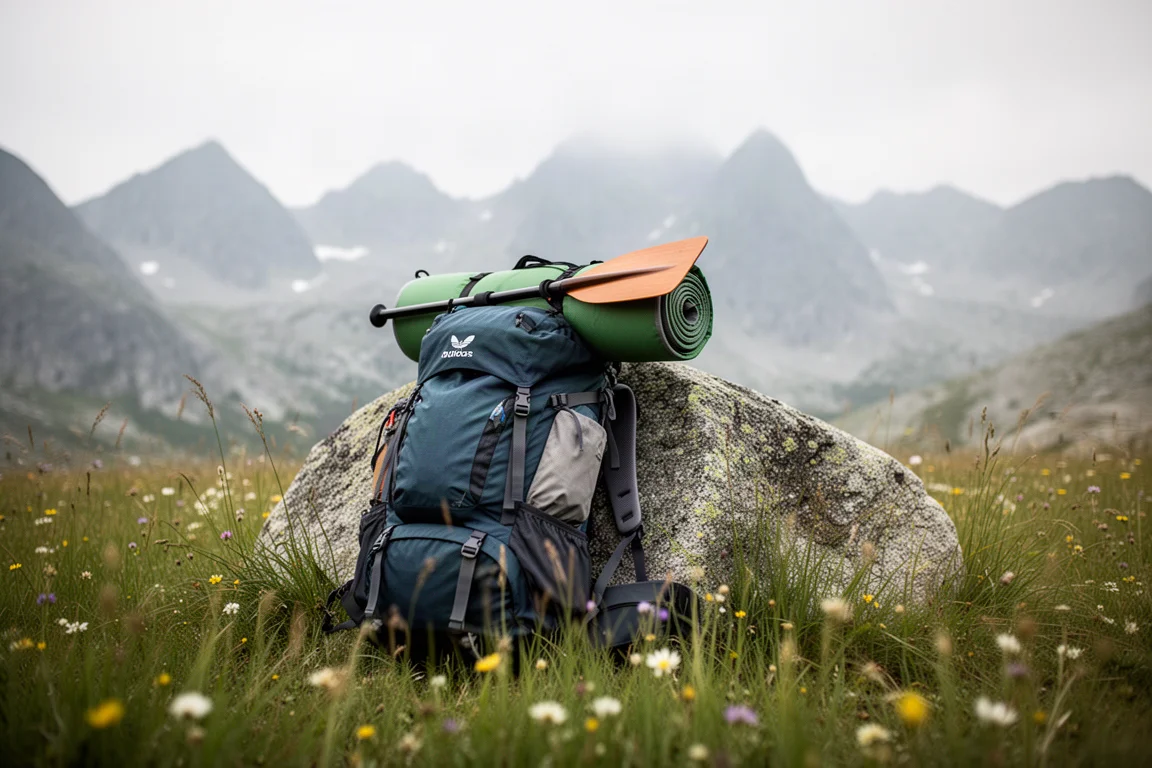
The clearest lesson from the trip is that volume and weight pull in opposite directions. A pack that carries a raft and a dry suit comfortably will feel oversized on an ordinary weekend, and a shelter that shrugs off wind usually gives up some interior space. The notes below are specific about where each item sits on that trade-off.
Seek Outside Divide 4800: Big Volume for Gear-Heavy Trips
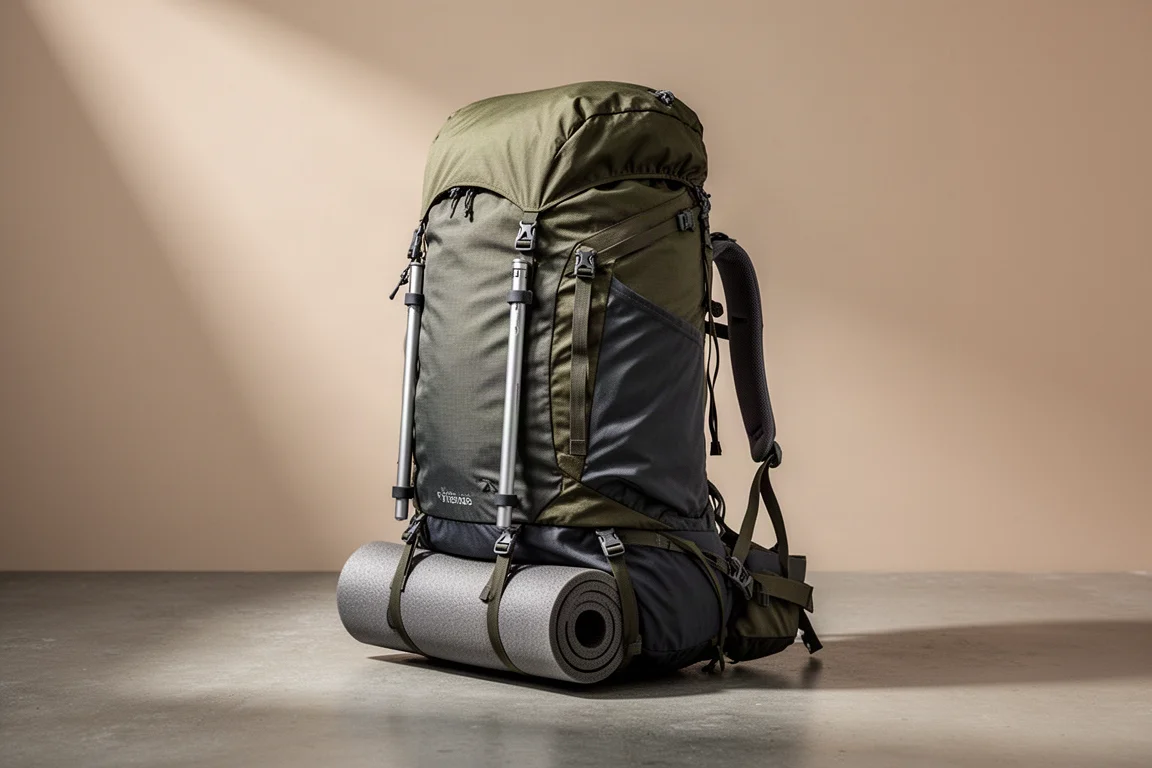
The Divide 4800 has quietly become central to gear-heavy trips. Its appeal is straightforward: around 70 L of volume at a claimed 1.25 kg, which keeps a fully loaded rafting setup under 2 kg of pack weight while still carrying real loads comfortably. It has handled pack rafting trips and a first backpacking trip with a one-year-old, where the extra capacity made room for everything a small child adds to the packing list.
The open question is whether the volume is actually enough. On a single overnight with rafting gear, the pack ends up filled to the brim, and items such as a helmet and a paddle have to ride on the outside. For anyone combining pack rafting with trips longer than an overnight, an 85 to 90 L pack is worth considering, since it would swallow that gear with only a modest weight penalty.
Durston X-Dome 2: A Roomy Two-Person Shelter With a Wind Question
The X-Dome 2 pitches inner and outer together as a single unit. That is unusual among the larger tent makers, where the inner usually goes up first and the fly follows. The advantage shows up in bad weather: nothing gets soaked while the fly is being fitted, and wind does not turn setup into a wrestling match.
Wind performance is the main question mark. The tent has large panels and steep walls, so it catches a lot of moving air. Trekking poles can support the two sides, and with double guy lines on the sides plus stakes at the head and foot ends it stands reasonably well, but poles cannot be used on all four sides, which leaves the ends exposed. The side poles are noticeably thinner than the top pole and flex under load. During testing, one of the small cups holding the top of a trekking pole had its stitching pull out under hand pressure, which may be a manufacturing defect rather than a design flaw. Fully guyed out, it is not as wind-worthy as the smaller shelter in the same line, though it should be fine for most campers outside genuinely exposed places.
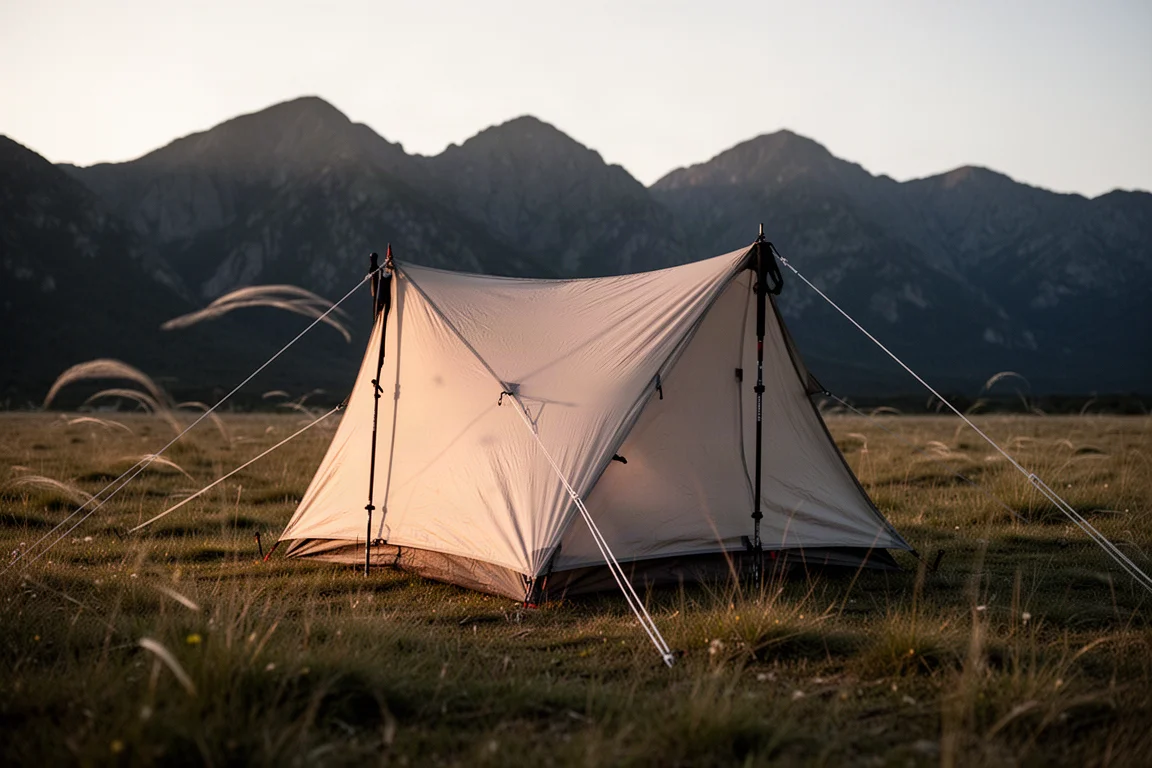
Space is the pleasant surprise. The floor just fits two 25-inch wide pads side by side with room in the corners for gear, which sounds tight on paper. In practice, the steep vertical walls and the long brow pole keep the interior from tapering toward the ceiling, so it feels closer to a box than a tent, and moving around inside with two people does not feel cramped. Some buyers will still want a three-person tent for extra floor width, accepting the weight and wind trade-offs that come with it.
The pole reliability question applies across the line. There have been documented cases of the small aluminium ferrules that join pole sections working loose and jamming inside the pole, which can make the tent unusable until the ferrule is fished out and glued back into place. Carbon fibre inserts are replacing the aluminium parts, which should hold together better, though whether that solves the problem long term is still unknown.
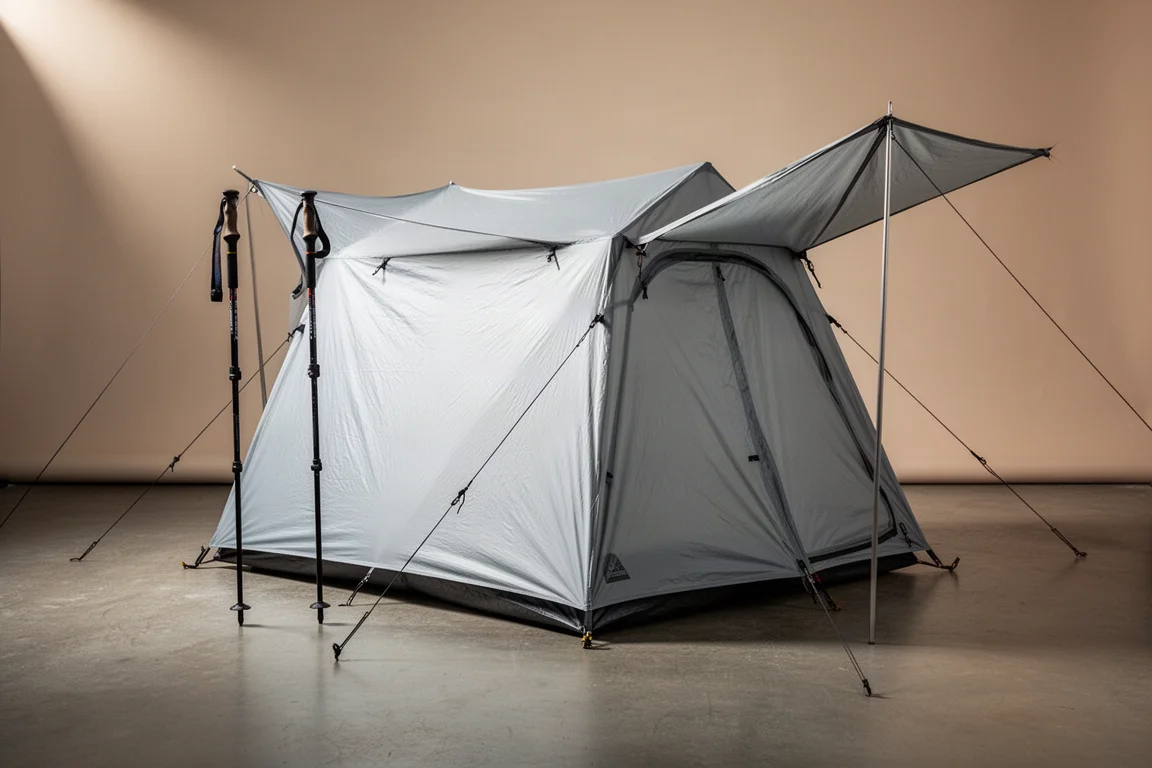
Durston X-Dome 1+: The One-Person Shelter That Sets the Standard
The one-person version in the same line is the standout. It can be pitched with its smaller panels facing the wind, and trekking poles can be used to support the sides, which makes a real difference in strong gusts. Where the larger version shifts and flexes, this one stays planted, and it has already proven itself in heavy wind on previous trips.
That combination of a fast all-in-one pitch and genuine stormworthiness is why it sits at the top of the solo shelters covered here. The same pole ferrule concern applies, so it is worth watching how the carbon fibre inserts perform over a full season before treating the issue as closed.
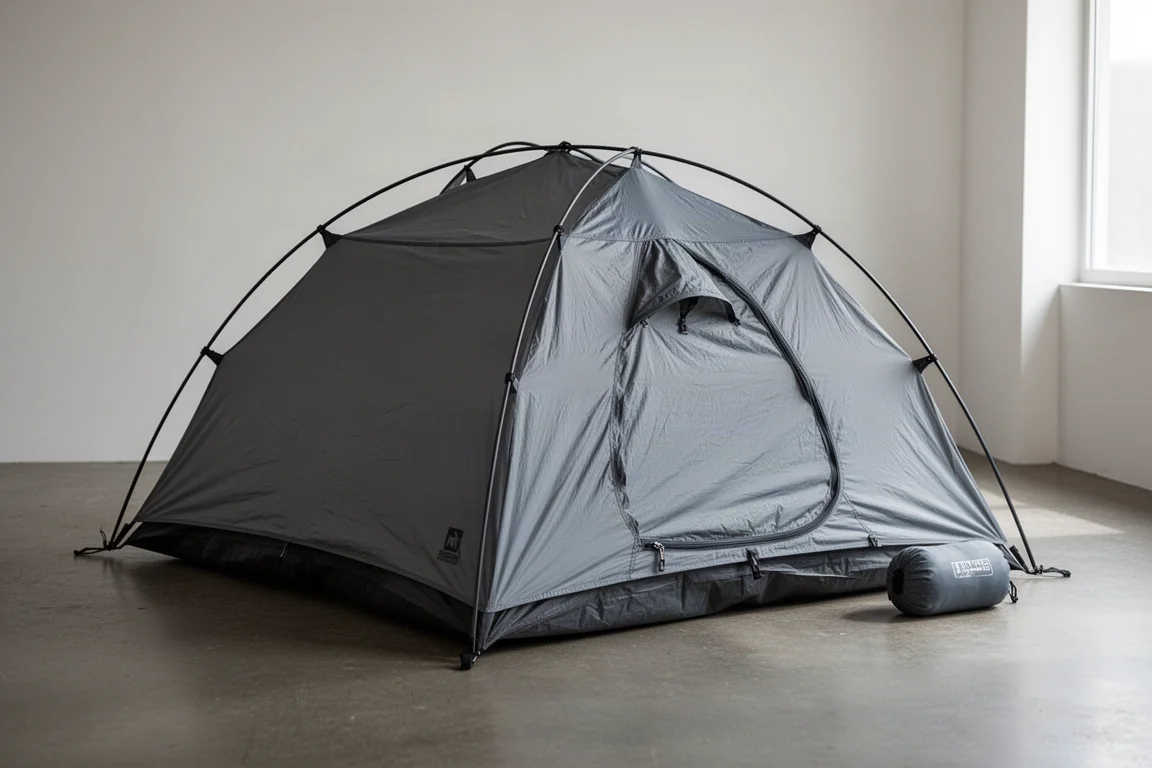
Sea to Summit Ether Light XR Pro: Warmth and Comfort for Cold Nights
Two new pads arrived in this line, the XR Pro with the higher R value and the standard XR. The XR Pro is the one aimed at cold conditions, and it manages something that has been rare in this category: it is roughly as comfortable as the previous generation Ether Light XT while being much warmer. It has been used comfortably below -20 °C on snow and packs down smaller than the earlier winter pad it replaces.
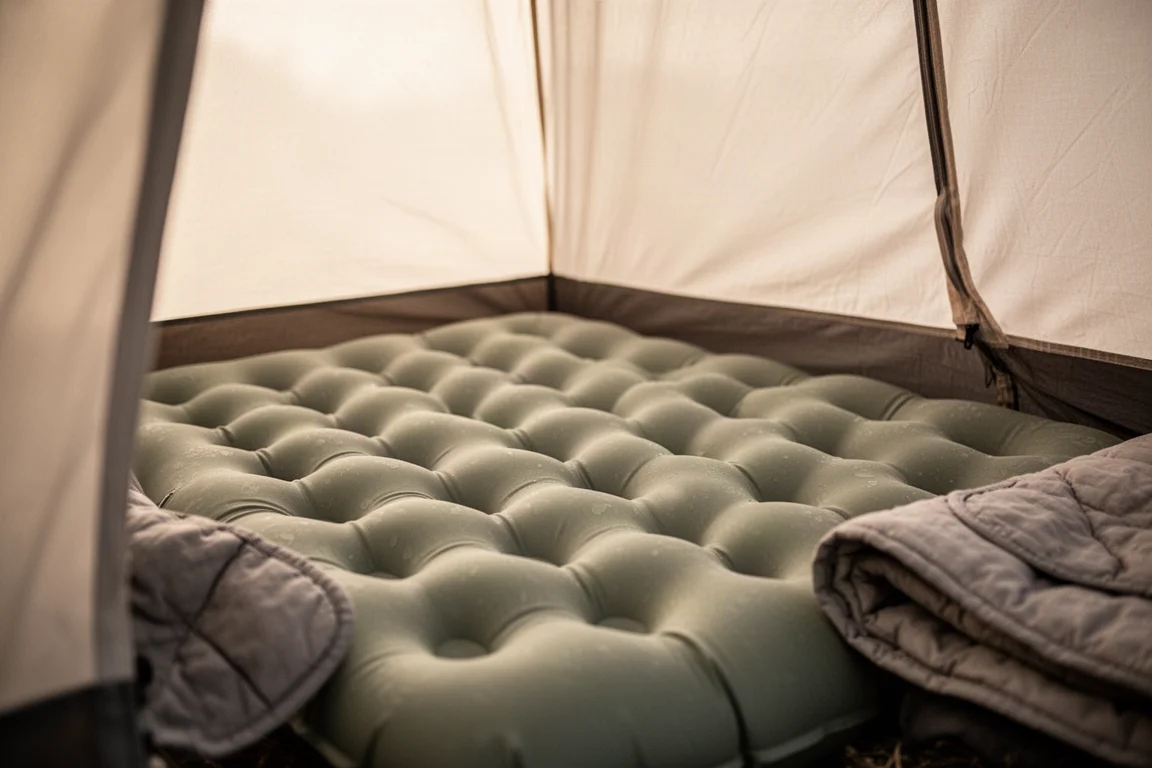
On this trip the overnight low of -2 °C did not come close to its limits, which made it a good opportunity to judge comfort instead. Sleep was comfortable through the night and the dimpled baffle pattern still works well. The caveat is pressure relief. Pads that use a stretchy top material distribute pressure more evenly, and this one does not have that advantage. The warmth and comfort are genuinely strong right now, but the gap to stretchy-top pads is likely to narrow over the next few years.
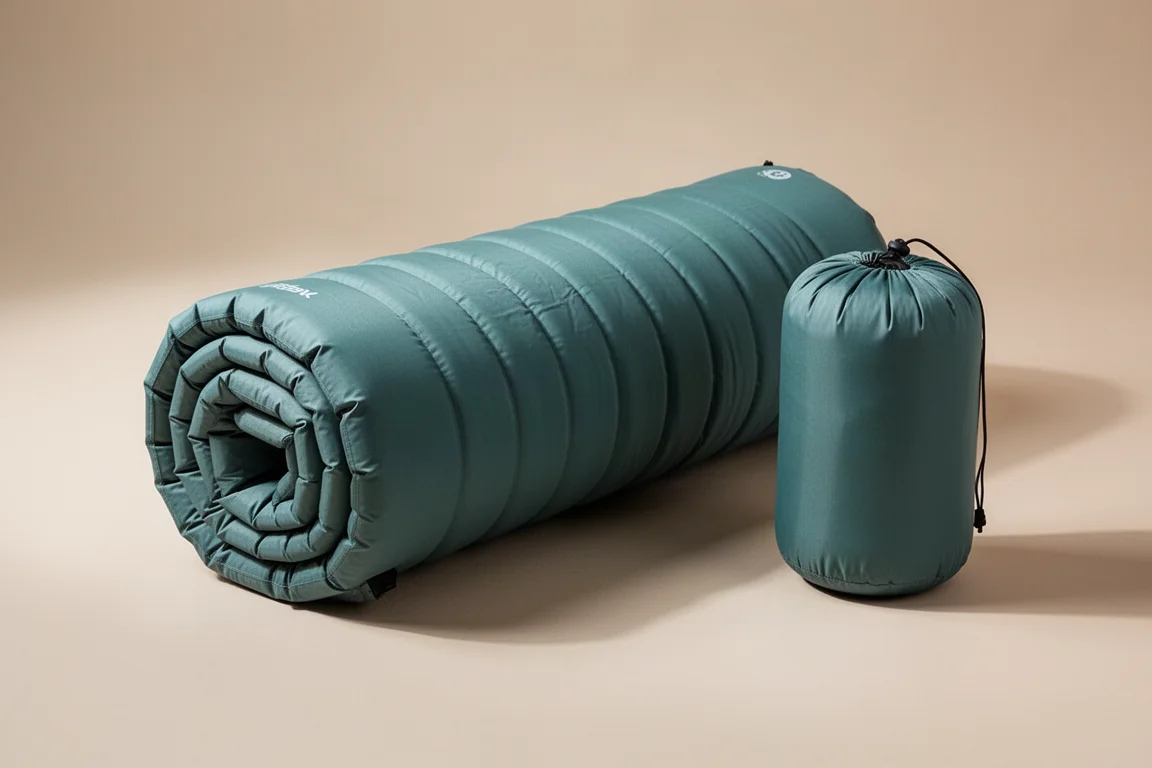
Big Sky Dream Nation Pillow: Supportive and Light
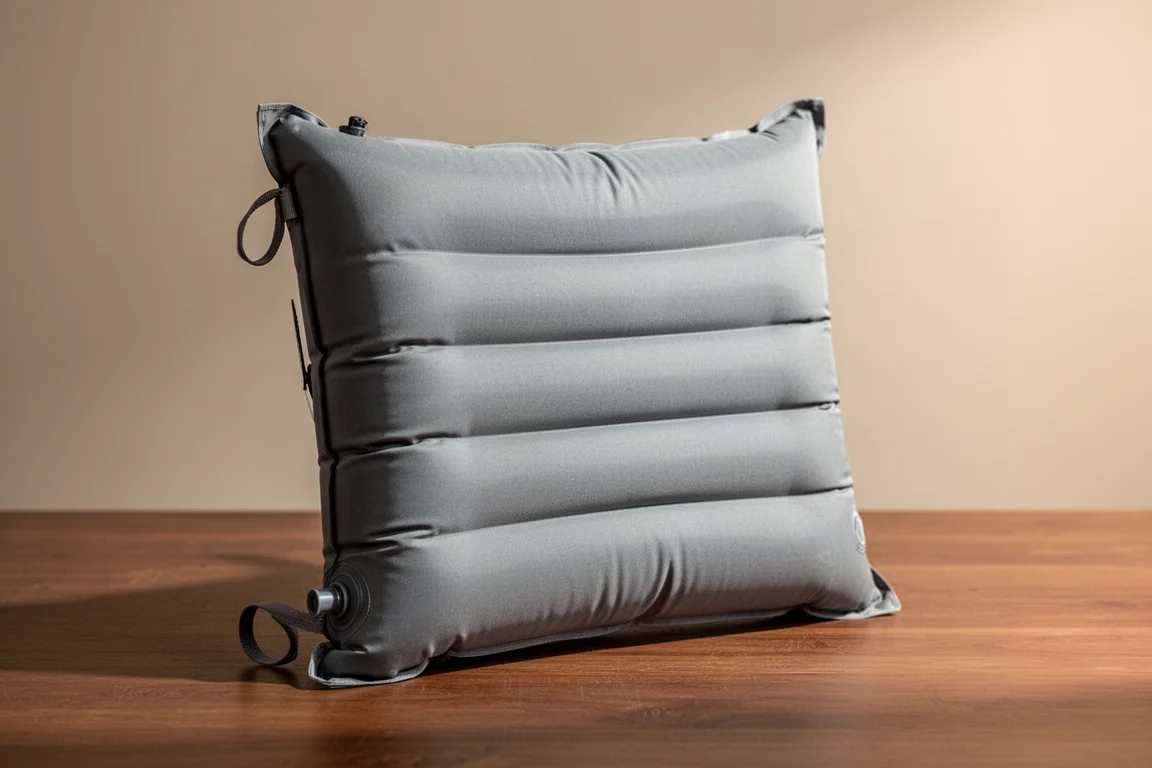
The Dream Nation is an inflatable pillow with a tall profile and supportive baffling, and it can be strapped to a sleeping pad so it stays in place overnight. On its own it weighs around 50 g, well below most comfort-focused pillows. Wearing a hat, the surface does not feel rubbery or slippery against the head.
The main annoyance is the valve, which is fiddly to use, and the pillow works best when paired with the foam topper described below, which adds another item to keep track of and keep organised. Even so, as a standalone ultralight pillow it is comfortable enough for milder trips where weight matters most.
Zpacks Pillow Topper: Warmth and Cushion for Cold Nights
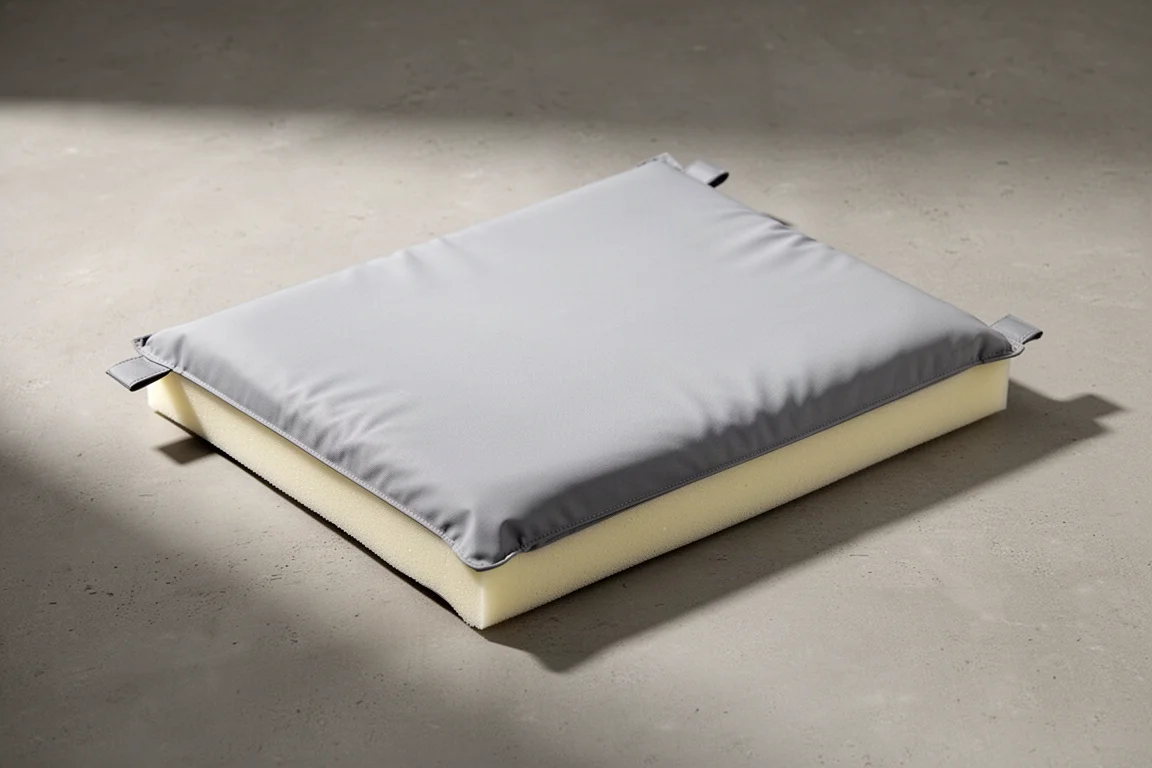
The foam topper is the piece that turns the pillow into a genuine comfort item. Together the two weigh about 120 g, still less than many single comfort pillows. The modular design is the appeal: bring the topper for cold trips and leave it behind when grams matter more.
The benefit turned out to be larger than expected on a cold night. With the temperature dropping to -2 °C, the topper added noticeable warmth as well as cushioning, improving comfort well beyond what a soft top material alone would provide. As a rough rule, it is worth packing when overnight temperatures approach freezing or fall below, while the inflatable pillow alone is enough when the weather is milder.
Zpacks Camp Slippers: Light Camp Footwear That Handles a Creek
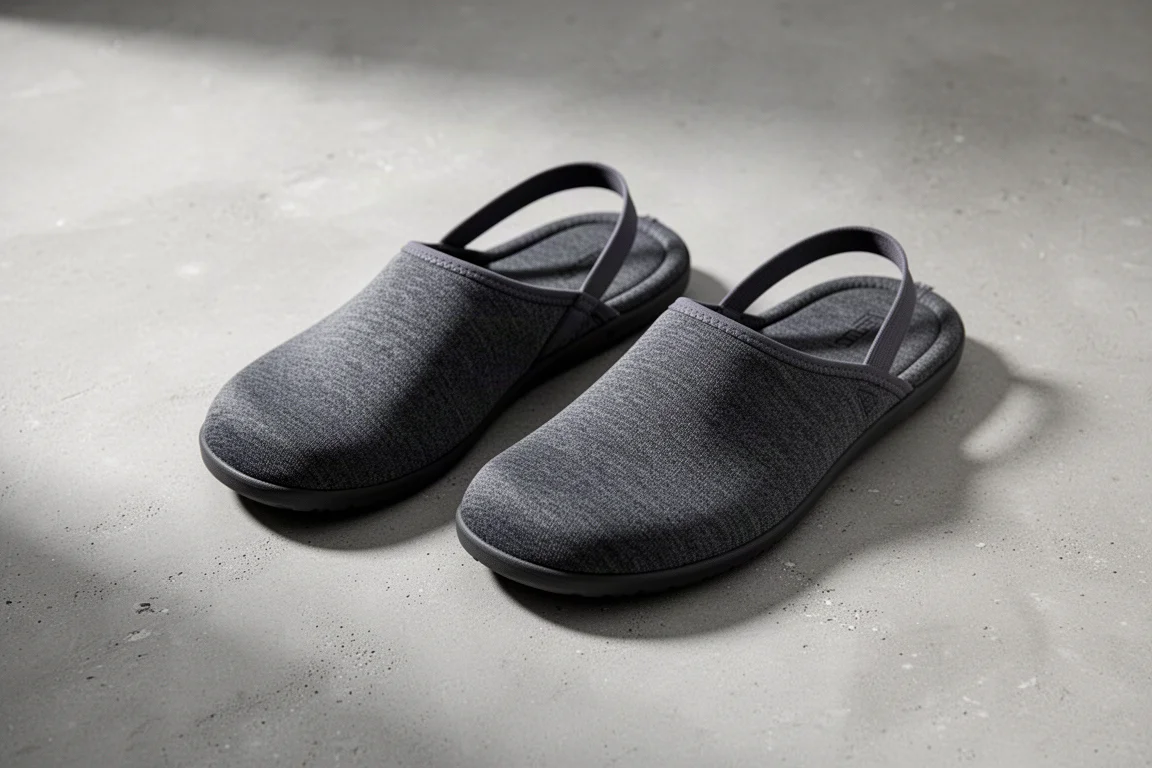
Camp slippers are one of those small luxuries that make a trip better. They let feet air out after a long day and spare a middle-of-the-night walk from the discomfort of stiff hiking shoes. These slippers have an enclosed toe, elastic at the heel and a rubber sole that showed no meaningful wear after a full summer of use.
The interesting test was whether they could do more than sit around camp. Crossing a small moving creek with rocks on the bottom, the mesh upper let water flow straight through, the slippers stayed on the feet and they did not fill up or get pushed around. They are not the right choice for fast or large water, but that extra capability makes them easier to justify for anyone who likes light camp shoes.
Buying Advice: Matching Gear to the Trip
The right purchase here depends on the trip you actually take, not on which item scores best in isolation.
If pack rafting is on the plan, start with volume. The Divide 4800 carries a full rafting load well at low weight, but an 85 to 90 L pack makes more sense for anything beyond an overnight, since it keeps bulky items inside the pack rather than strapped to the outside.
If you camp in exposed places, stormworthiness should lead. The one-person X-Dome is the safer choice in strong wind. The two-person version trades some wind performance for interior space that feels considerably larger than its floor dimensions suggest, which is a fair deal for most campers.
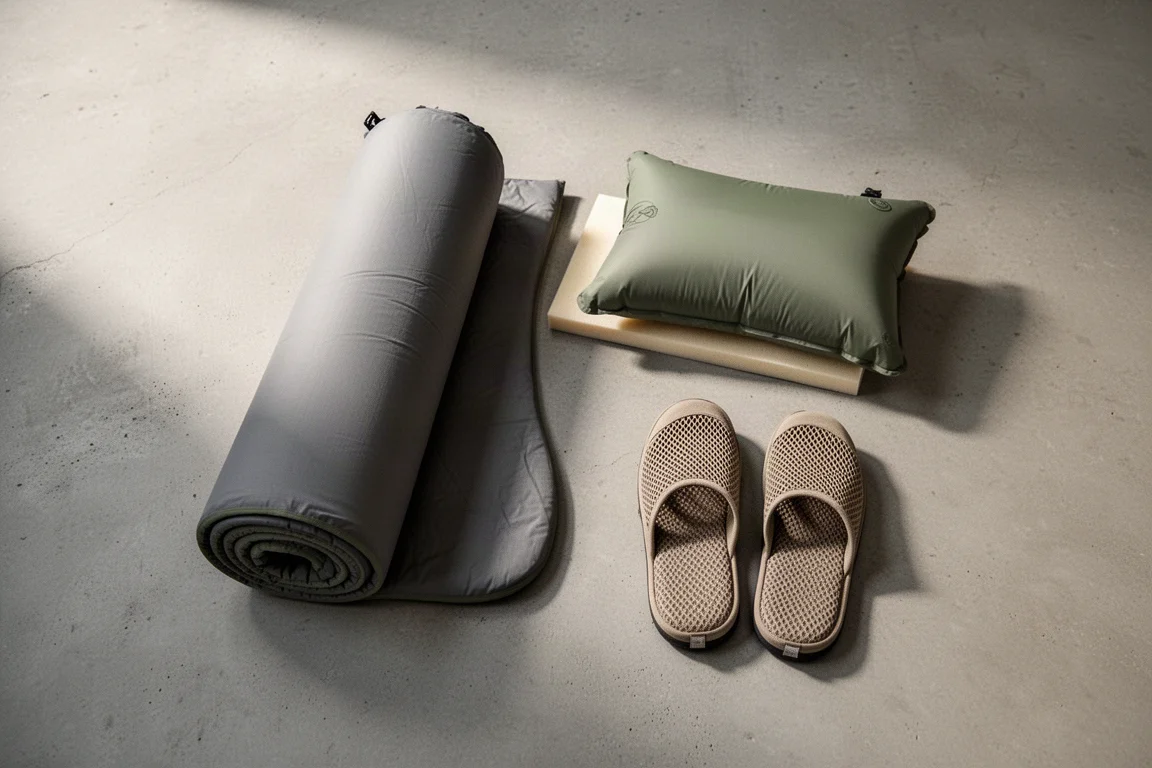
For sleep, warmth and comfort are usually the deciding factors. The Ether Light XR Pro delivers both in cold conditions, with pressure relief as the one area where stretchy-top pads still hold an edge. Adding the pillow topper around freezing is an inexpensive way to sleep better, and the inflatable pillow on its own is a sensible ultralight choice in warmer weather. Finally, camp slippers are worth the small weight penalty for anyone who spends long days in hiking shoes, and these handle camp and light creek crossings without complaint.
Conclusion
The strongest verdicts from this trip belong to the Zpacks Camp Slippers and the one-person X-Dome, both of which did exactly what was asked of them in difficult conditions. The Ether Light XR Pro remains an excellent cold-weather pad, with the honest caveat that stretchy-top pads are catching up. The pillow and topper combination is a small, affordable comfort upgrade once you accept the fiddly valve. And the Divide 4800 is a genuinely light way to carry a very large load, as long as you know whether you need 70 L or 85 L. Matching each of those to the trip you take is the whole decision.
Further reading
Related Reviews

Backpacking Gear
Building a 10 lb Base Weight: An Ultralight Backpacking Gear List
A practical walkthrough of the ultralight pieces behind a 10 lb base weight, from a 765 g pack and a roomy one-person tent to a full camp chair and a dependable water filter.
Backpacking Gear
A 15-Pound Lightweight Backpacking Gear List for Solo Trips
A beginner-friendly 15-pound backpacking setup built from easy-to-find gear, with notes on what each piece does, how it packs, and where to spend your attention.
Backpacking Gear
8 Ultralight Backpacking Gear Upgrades Worth Carrying
Eight small, affordable backpacking upgrades that solve real trail annoyances, from a pillow that stays put to a fuel valve that rescues leftover canister gas.