Backpacking Gear
Backpacking Gear Worth the Hype: 8 Standout Items From a Season of Testing
Eight backpacking items put through a Rocky Mountain hike, a windy meadow camp, and a pack raft descent, with the trade-offs worth knowing before you buy.
Introduction
Some backpacking gear earns its reputation, and some of it just looks good in photographs. The only reliable way to tell the difference is to load it up, carry it into the backcountry, and see how it behaves when the weather shifts and the terrain gets awkward.
This list comes from a season of testing that covered dozens of new items, narrowed down to the pieces that looked genuinely promising. Each one was then taken out again on a trip that combined a hike through the Rocky Mountains, a night camped in a remote meadow with mountain views, and a pack raft descent down a river the following day. Walking, camping, and paddling place very different demands on equipment, which makes the format a useful filter.
The eight items below cover shelters, sleep systems, camp footwear, and the pack that carries it all. For each one, the goal is the same: explain what works, what does not, and who should actually consider buying it.
How I Tested This Gear
The trip was deliberately varied. A loaded approach hike on rough trail, an exposed meadow camp where gusts and an overnight low near -2°C were part of the plan, and a river descent with everything packed into dry bags. Weight, packed volume, and how each item handled moisture mattered as much as comfort did.
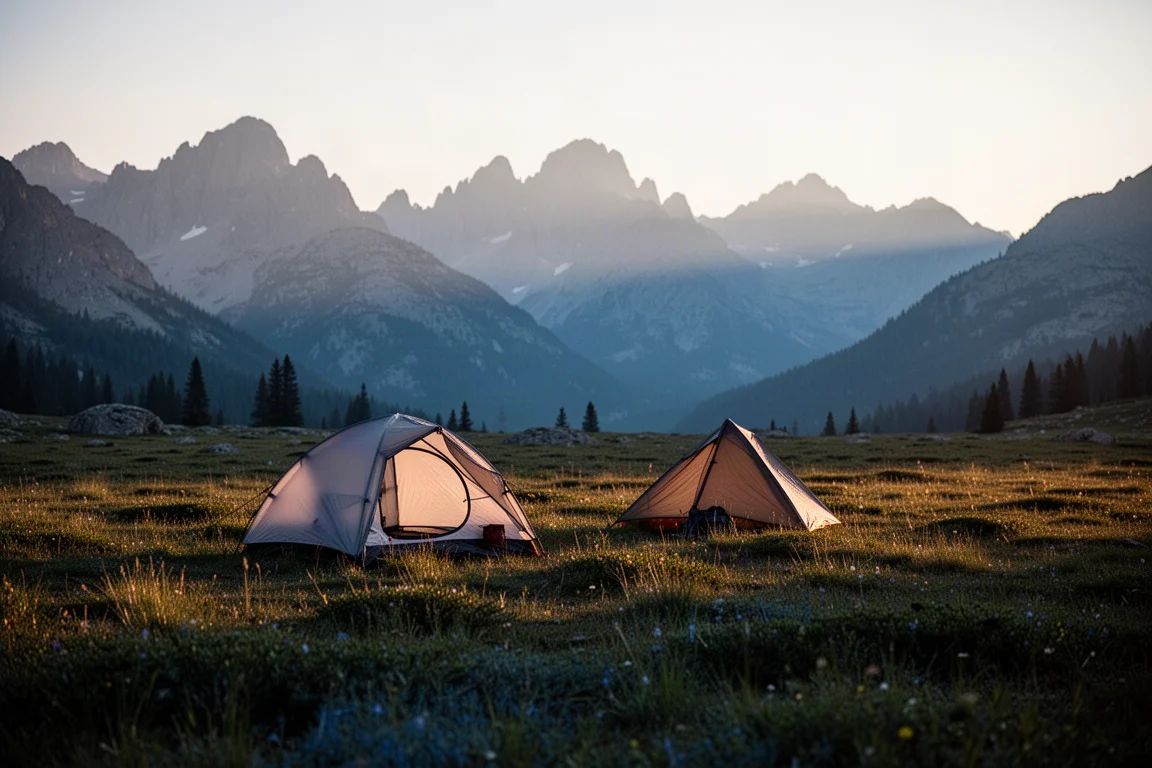
Conditions were not extreme by expedition standards, but they were realistic for a three-season backpacking trip. That distinction matters, because most buyers are not shopping for high-altitude equipment. They want gear that performs on an ordinary weekend, holds up when the forecast changes, and does not add unnecessary weight to the climb.
Each item was used the way it was designed to be used, with a few deliberate stress tests added wherever an open question needed an answer.
Seek Outside Divide 4800: Big Volume at a Low Weight
The Divide 4800 is a large-volume pack that has quietly become a fixture on trips where bulk is the enemy. With roughly 70 litres of capacity and a weight of about 1.25 kg, it offers a great deal of room for very little carry weight, and it has been used for both pack rafting trips and backpacking outings with a one-year-old in tow.
The trade-off is that the volume fills up quickly. Loaded for a single overnight with rafting gear, the pack was packed to the brim, with items such as a helmet and a paddle still needing to ride on the outside. That raises a fair question about whether a slightly larger pack in the 85 to 90 litre range would suit multi-day rafting trips better.
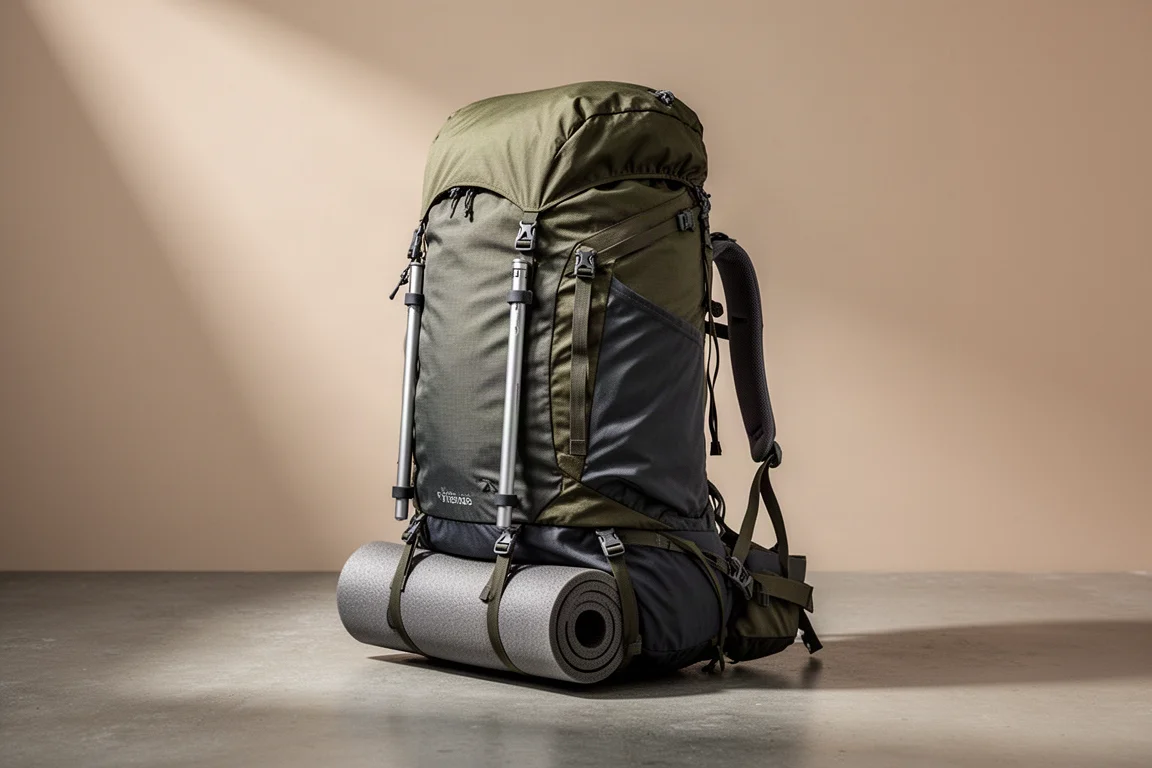
For overnight trips and lightweight family outings, the Divide 4800 remains an efficient answer: high volume, low weight, and enough structure to carry a heavy load comfortably.
Durston X-Dome 2: A Roomy Two-Person Shelter With Caveats
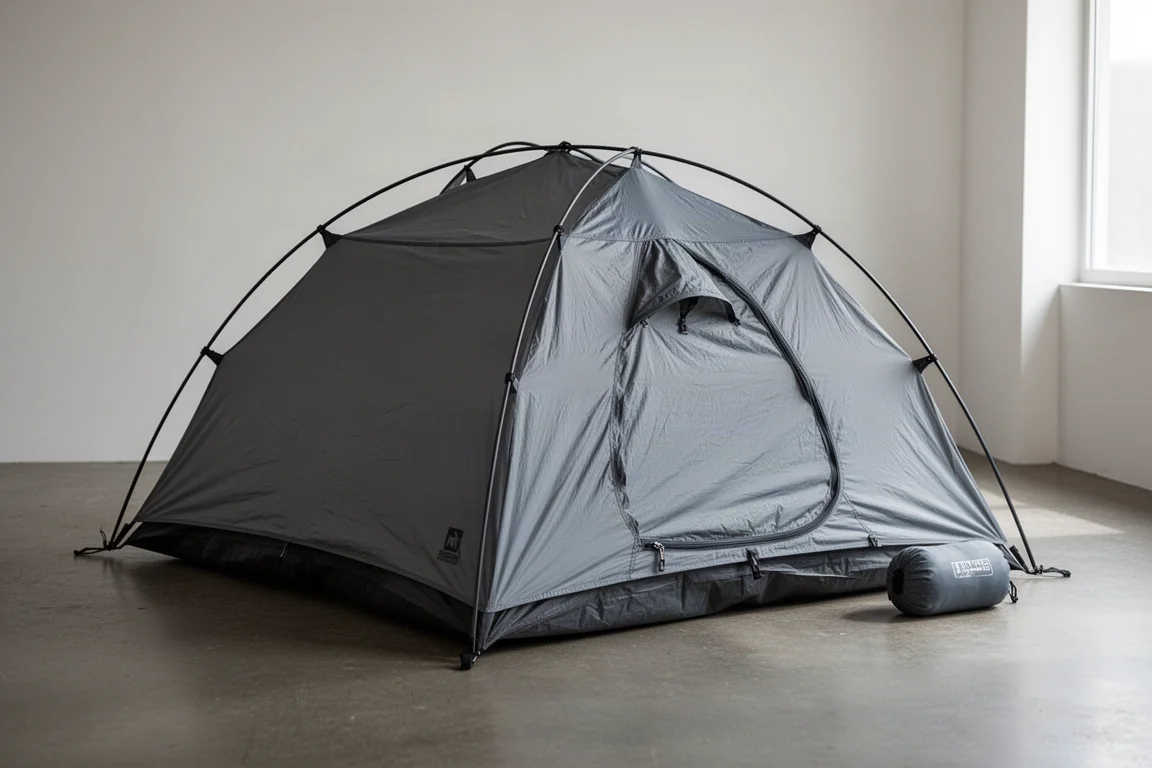
The X-Dome 2’s strongest feature is its all-in-one pitch. The inner tent and the fly stay connected, so the whole shelter goes up as a single unit. That is unusual among tent manufacturers, many of which require pitching the inner first and then fitting the fly over the top, which wets the inner in rain and complicates setup in wind.
Two questions remain open. The first is pole hardware: there have been documented cases of the small aluminium ferrules that join the pole sections coming loose and jamming inside the pole, which makes the tent unusable until the ferrule is fished out and re-glued. Carbon fibre inserts are intended to address this and should hold together better, but the long-term reliability of the pole set is still unresolved.
The second is stormworthiness. The X-Dome 2 has very large, steep side panels that catch wind, and unlike the smaller version in the same family, trekking poles cannot be used to brace all four sides, leaving the head and foot ends more exposed. In testing with both trekking poles deployed, side guy lines tensioned, and both ends staked out, the structure held, but the side panels still deflected. One of the small trekking pole tip cups also pulled free under hand pressure, which may have been a manufacturing defect rather than a design flaw.
Interior space turned out better than expected. The floor is only wide enough for two 25-inch sleeping pads, but the steep vertical walls and a long brow pole create a box-like interior, so the usable space feels larger than the floor plan suggests. Sitting up and moving around does not feel cramped in the way that tents with strongly angled sidewalls do.
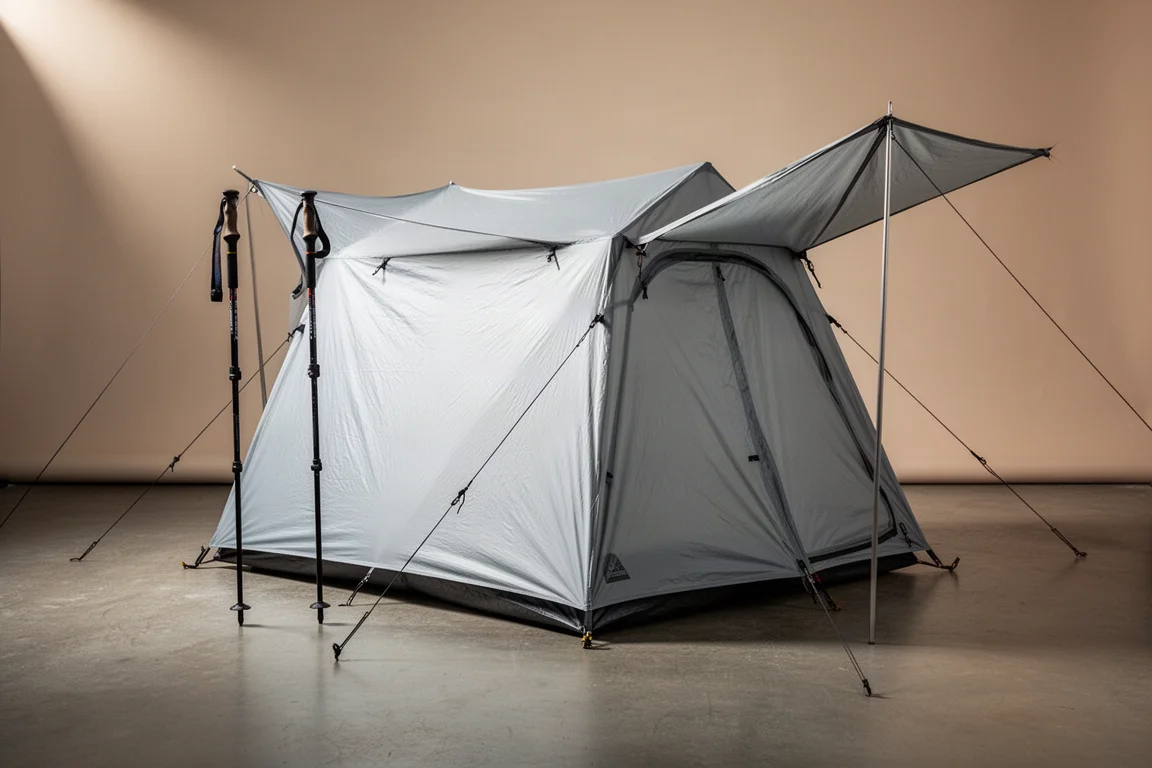
The X-Dome 2 is a genuinely strong two-person tent for most buyers. It is not the shelter to choose if you regularly camp in sustained high winds, and anyone who wants more floor width should probably look at a three-person model and accept the extra weight.
Durston X-Dome 1+: The Tent That Set the Standard
The X-Dome 1+ has become a benchmark for good reason. It can be pitched with its smaller panels facing into the wind, which makes a real difference in exposed camps, and trekking poles can be used to support the sides for extra rigidity. In strong gusts, the shelter stayed planted.
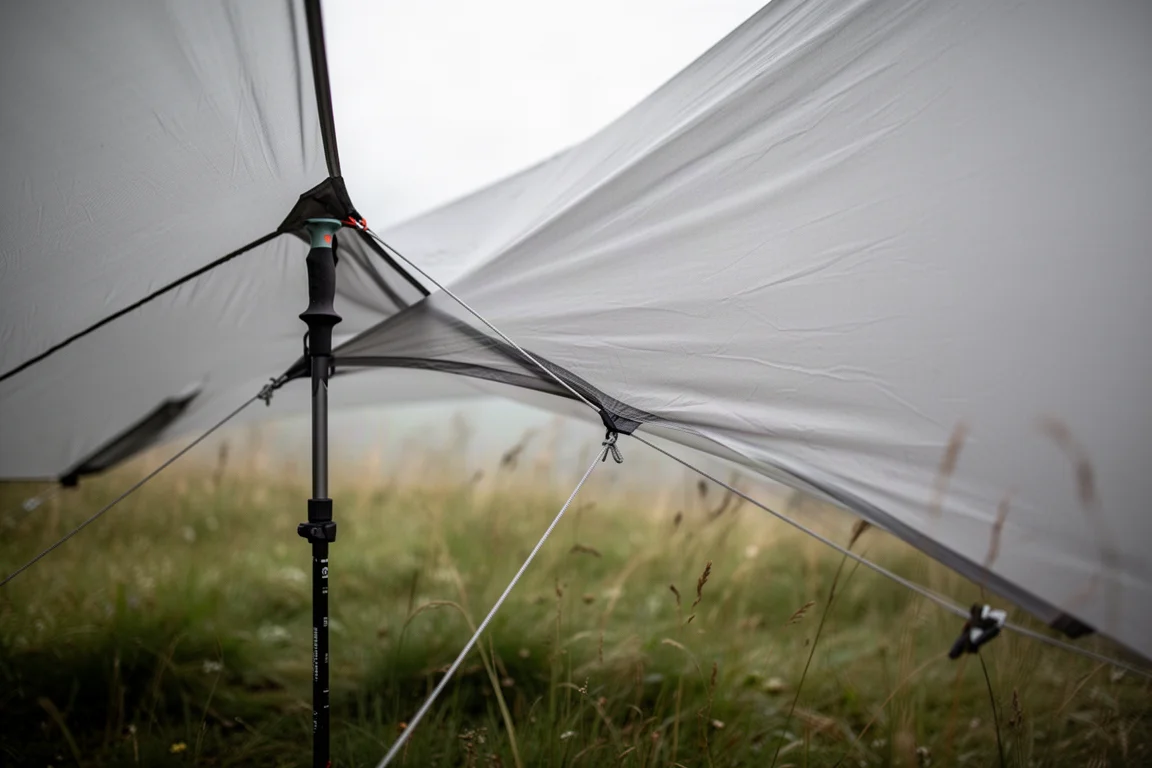
That combination of a low-profile pitch and extra bracing points is what separates it from the larger shelters in the same family. It is the tent to look at first if wind is your main concern, and it remains the most trusted shelter in this group.
Sea to Summit Ether Light XR Pro: Warmth Without the Bulk
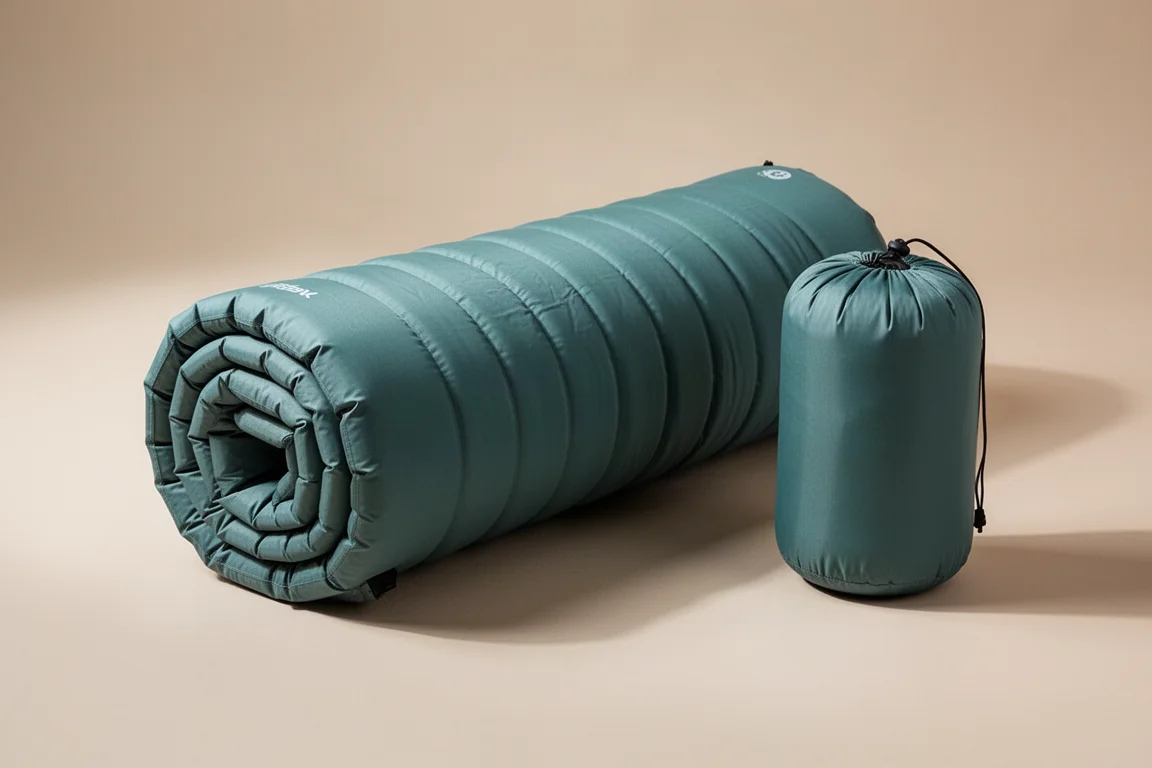
Two new pads arrived in this line, the XR and the higher R-value XR Pro. The XR Pro is the winter-focused option, and it addresses the oldest complaint about ultralight inflatable pads: that the warm ones are not comfortable and the comfortable ones are not warm.
Comfort matches the previous generation of the pad, which set a high bar, while warmth is substantially better. It has been used on snow below -20°C without feeling cold, and it packs down smaller than the earlier winter-specific version it replaces. On the test trip, with an overnight low near -2°C, warmth was never in question.
The remaining question is comfort relative to the newest competition. The dimpled baffle pattern still works well, but pressure relief is not quite as good as pads that combine baffling with a stretchy top fabric. As more winter pads adopt stretchy surfaces, this pad’s advantage may narrow.
Big Sky Dream Nation Pillow: Light, Tall, and Fiddly
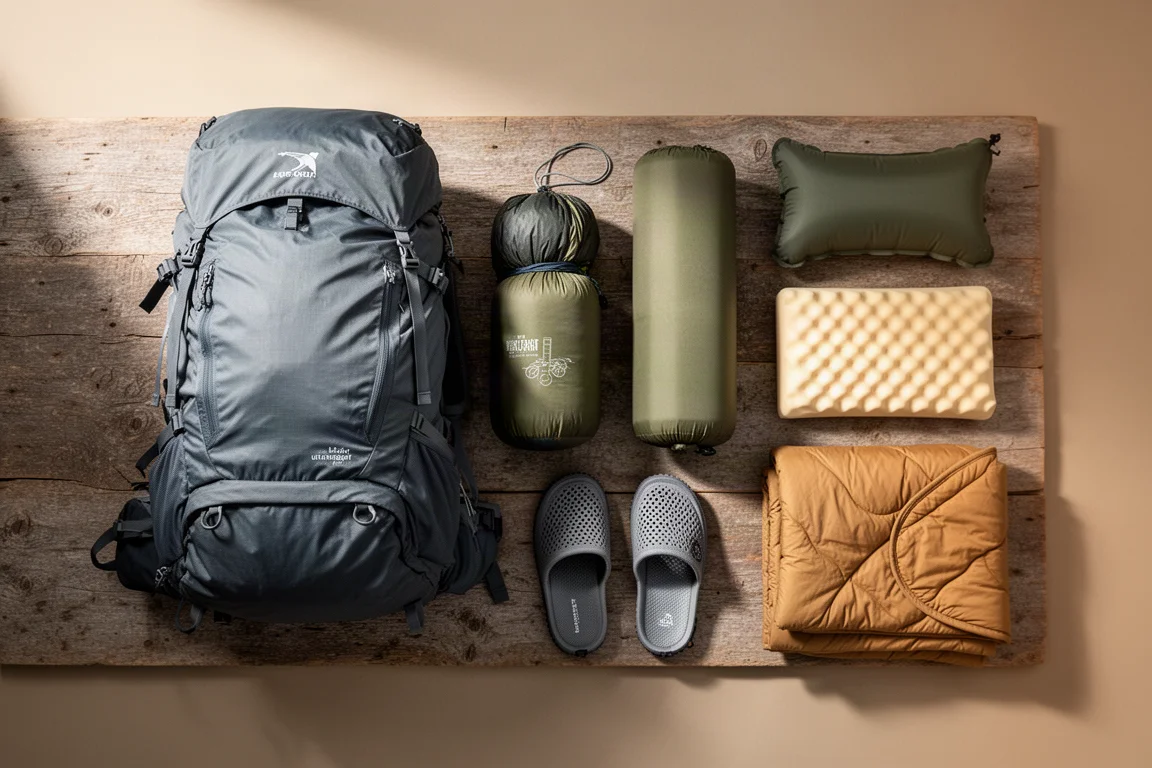
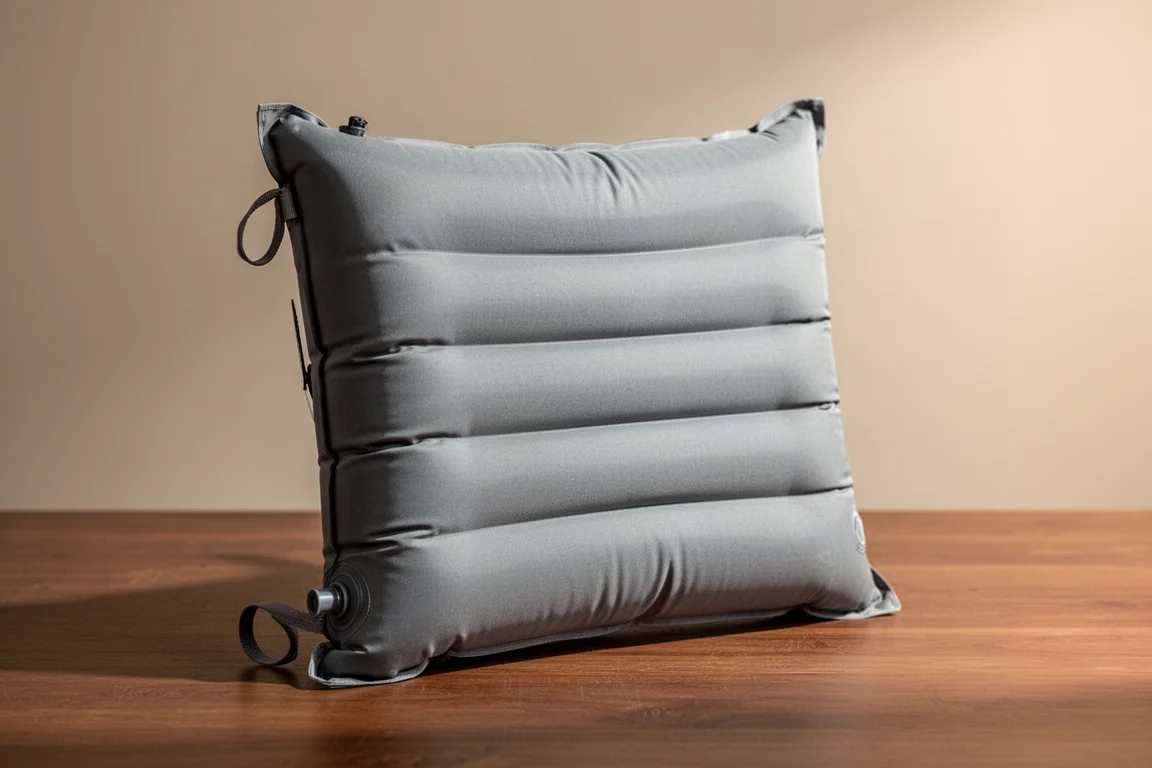
The Dream Nation pillow is an inflatable design with supportive baffling and a useful amount of height, and it can be strapped directly to a sleeping pad so it stays where you put it. On its own it weighs around 50 g, which is far less than most comfort-focused camp pillows.
The main drawbacks are the valve, which is awkward to use, and a surface that feels rubbery against bare skin unless you wear a hat or add a cover. Used alone on a mild night, though, it was comfortable enough to sleep on without complaint.
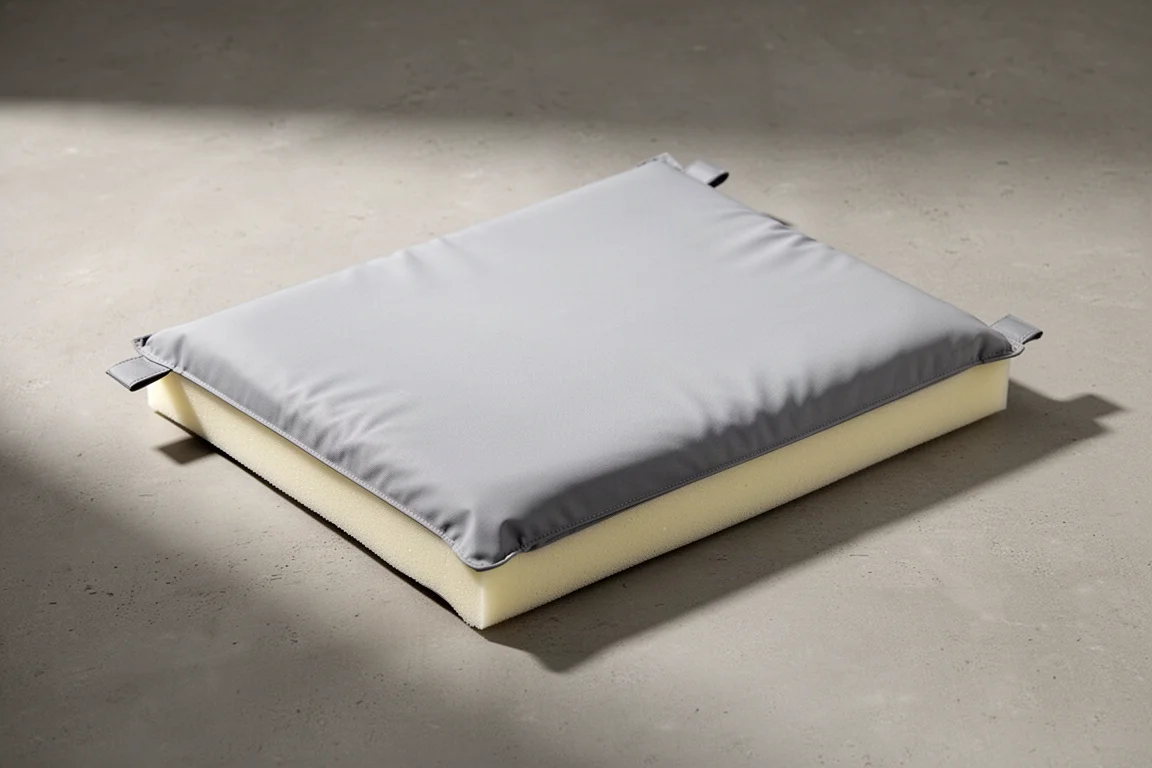
Zpacks Pillow Topper: The Cold-Weather Half of the System
The topper is a foam layer that sits on top of an inflatable pillow. It is warm, soft, and cushy, and at temperatures near freezing it added noticeably more comfort and warmth than cushioning alone. That makes it worth carrying when the forecast is cold, even with the weight penalty.
Together with the pillow, the system weighs about 120 g, and it is modular: you can take the pillow alone on warm trips, or bring both when comfort matters more than weight. The catch is that pairing and organising two pieces is fiddlier than using a single pillow, and the extra bulk is real.
Zpacks Camp Slippers: More Capable Than They Look
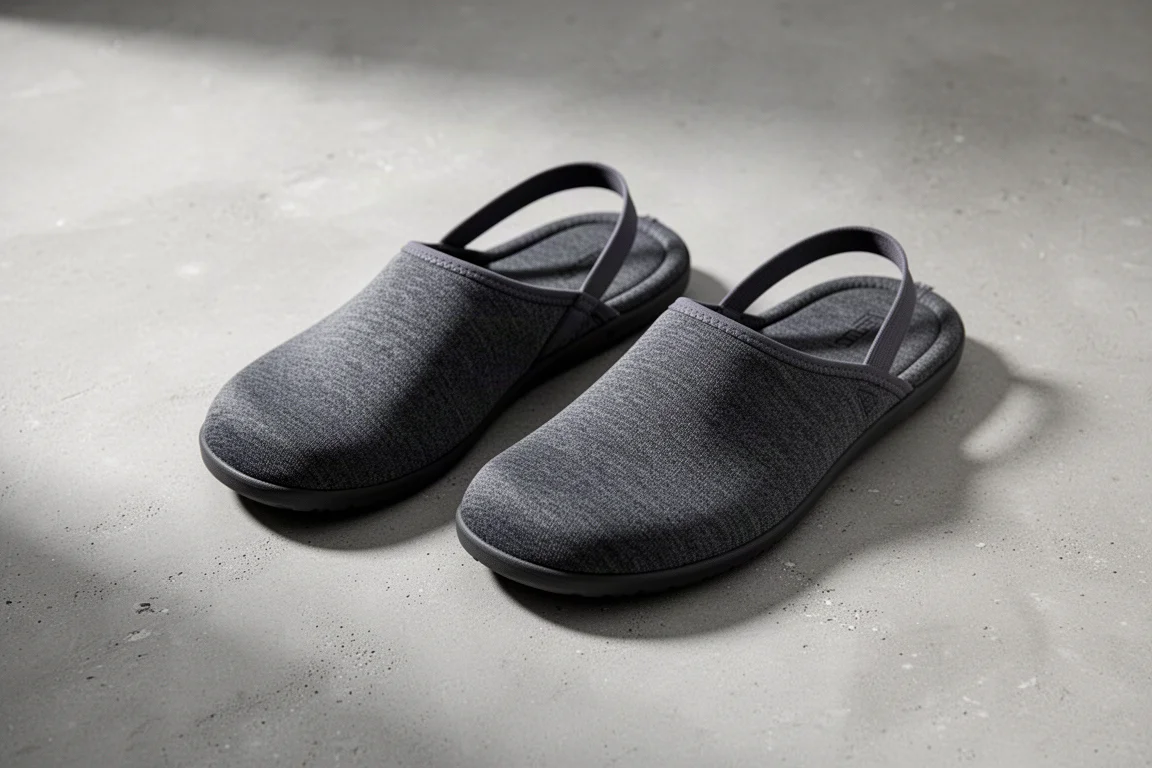
Camp slippers are one of those items that seem unnecessary until you own a pair. They let your feet air out at camp and save you from lacing up wet hiking shoes for a middle-of-the-night trip away from the tent.
These ones have a fully enclosed toe, elastic at the heel, and a rubber sole that has shown almost no wear after a full season of use. They are still an ultralight camp shoe with limited function beyond camp, so the interesting question was whether they could handle a stream crossing.
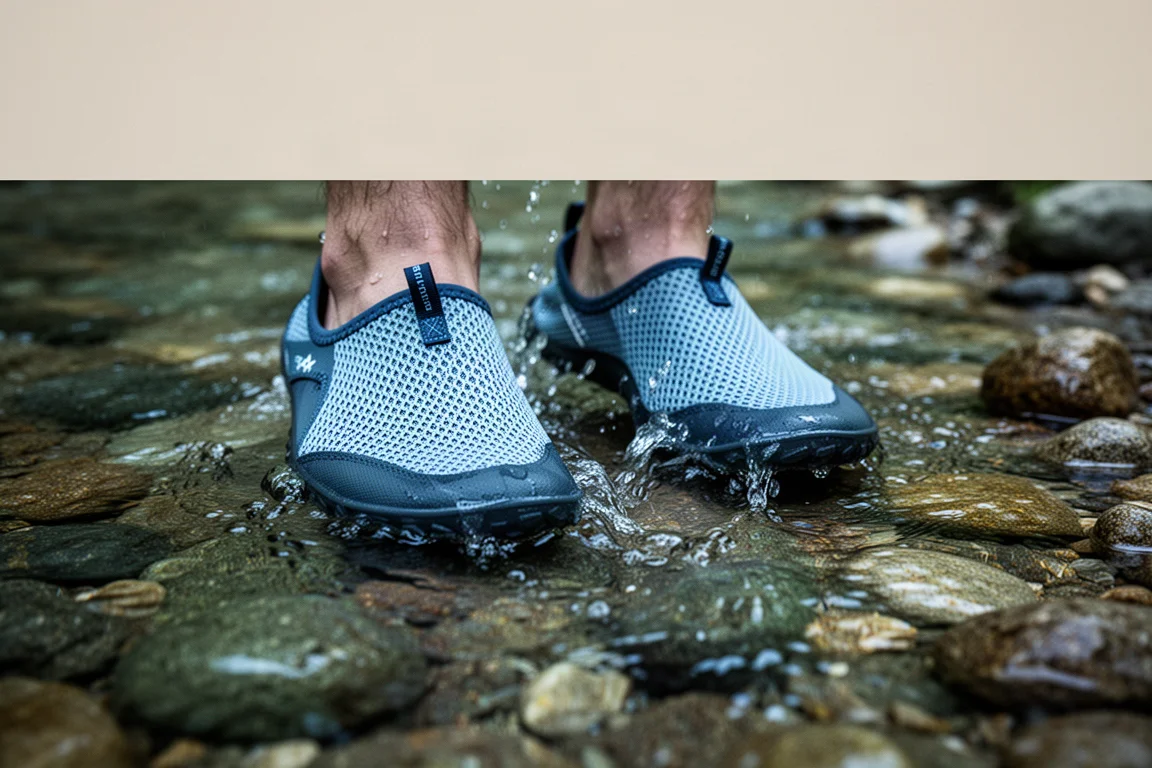
They could. In a small, moving creek with a rocky bed, the slippers stayed on the feet and drained well, largely because the mesh upper lets water pass straight through. They are not the right choice for a fast, deep crossing, but the extra capability makes them considerably easier to justify.
Warbonnet Quilt: Warm, Light, and Affordable
The quilt was not one of the main items under test, but it deserves a mention because it keeps proving itself. It is warm, light, and thoughtfully designed for people who do not want to spend time fiddling with their bedding: the pad strap attachment points sit higher on the quilt, and a large draft tube seals in heat along the edges.
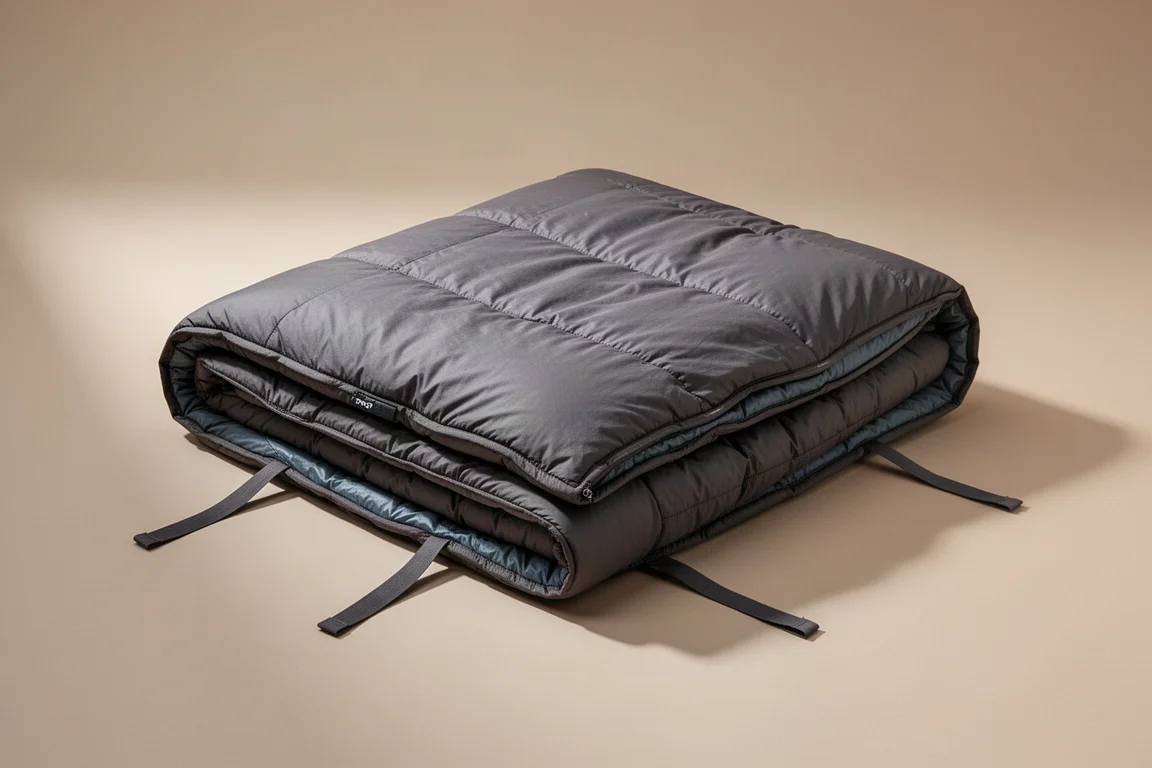
For anyone shopping for a quilt, that combination of warmth, low weight, and price makes this one of the strongest options on the market.
Pack Rafting and Pack Volume: What to Know Before You Buy
Pack rafting is the reason several of these items were chosen in the first place. Being able to walk into a remote valley and float out instead of retracing the same trail is genuinely appealing, and rivers tend to run through open terrain, which means better views than a tree-covered trail can offer.
The costs are real. On this trip, packs came in around 43 lb because of the raft, paddle, dry suit, and personal flotation device. Moving water also introduces genuine safety requirements: the right equipment, plus training and judgment for the environment you are entering. It is a significant investment of time, money, and pack weight.
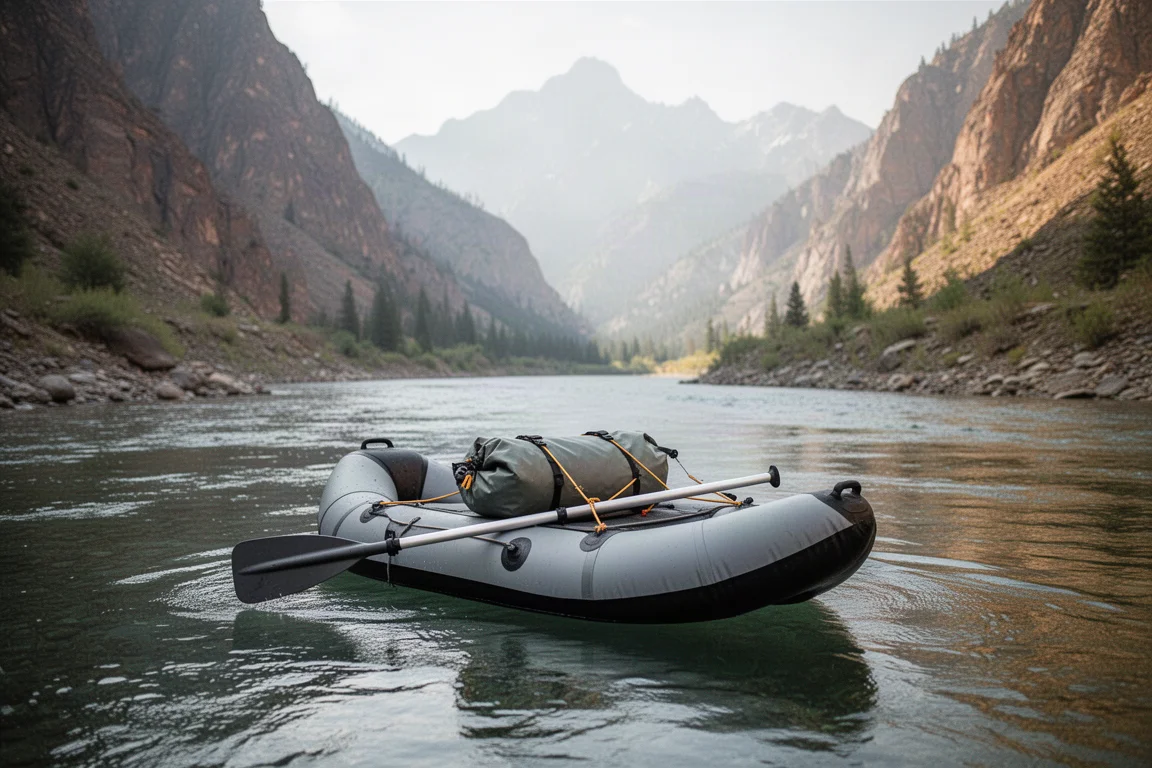
If you want to combine paddling with backpacking without committing to that level of equipment, a small lightweight inflatable boat and a light paddle are a reasonable starting point for alpine lakes and slow-moving rivers. If you do commit, plan your pack volume carefully. For anything beyond an overnight trip, a pack in the 85 to 90 litre range allows rafting gear to go inside the pack rather than hanging off it, and the weight penalty is modest.
Only a handful of lightweight, high-volume packs suit this kind of use, among them options from Seek Outside and the Superior Wilderness Designs Big Wild and Wolverine.
Conclusion
The useful conclusion from a season of testing is not that every hyped item deserves the attention. It is that a small number of them solve a real problem well enough to stay in the kit, and the rest need to be judged against how you actually camp.
The clearest keepers here are the X-Dome 1+ for wind-exposed camps, the Ether Light XR Pro for cold-weather warmth and comfort, the camp slippers for anyone who wants lighter feet at camp, and the pillow and topper combination for cold nights. The X-Dome 2 is the best two-person option in this group but comes with a wind caveat worth respecting, and the Divide 4800 is an efficient high-volume hauler that may leave multi-day pack rafters wanting a little more room.
Match each item to the trips you really take, and the gear that earns its reputation will be the gear you stop thinking about.
Further reading
Related Reviews

Backpacking Gear
Building a 10 lb Base Weight: An Ultralight Backpacking Gear List
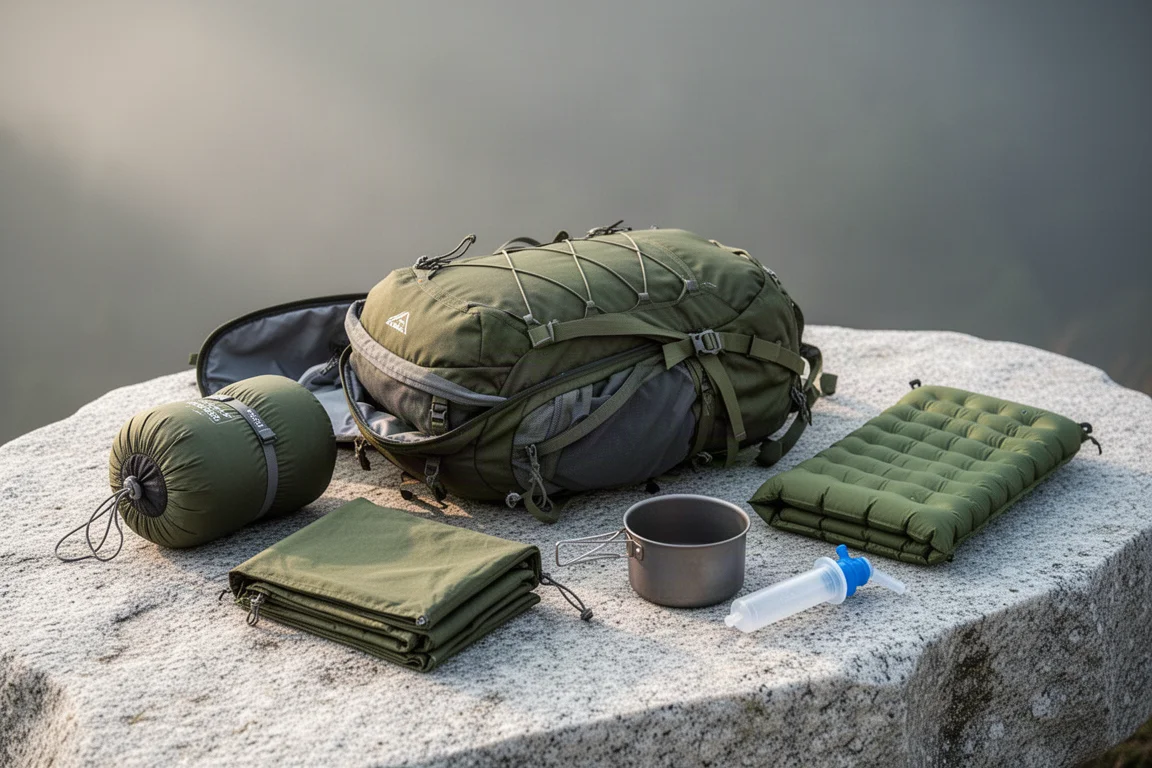
A practical walkthrough of the ultralight pieces behind a 10 lb base weight, from a 765 g pack and a roomy one-person tent to a full camp chair and a dependable water filter.
Backpacking Gear
A 15-Pound Lightweight Backpacking Gear List for Solo Trips
A beginner-friendly 15-pound backpacking setup built from easy-to-find gear, with notes on what each piece does, how it packs, and where to spend your attention.
Backpacking Gear
8 Ultralight Backpacking Gear Upgrades Worth Carrying
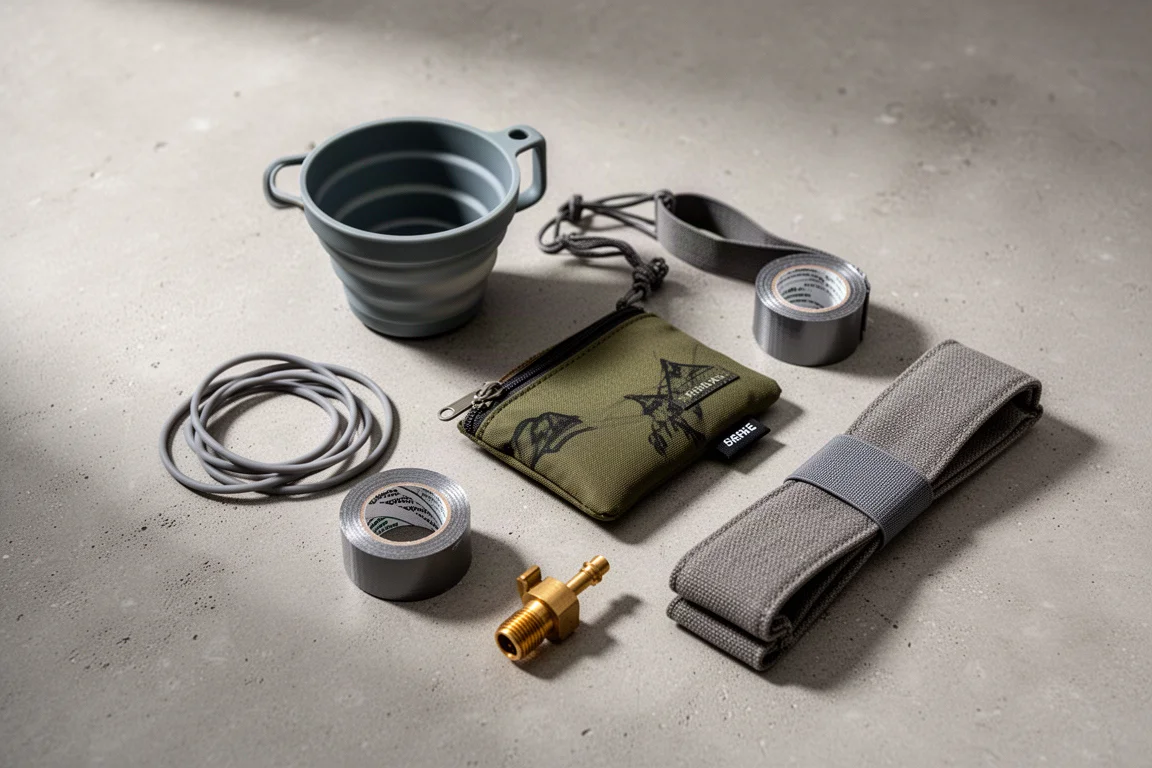
Eight small, affordable backpacking upgrades that solve real trail annoyances, from a pillow that stays put to a fuel valve that rescues leftover canister gas.