Backpacking Gear
Backpacking Gear Worth Reconsidering: Five Pieces That Earn Their Weight
Five backpacking items that look heavy or bulky on paper but deliver real comfort in camp, from an integrated stove system to a comfort-first sleeping pad.
Introduction
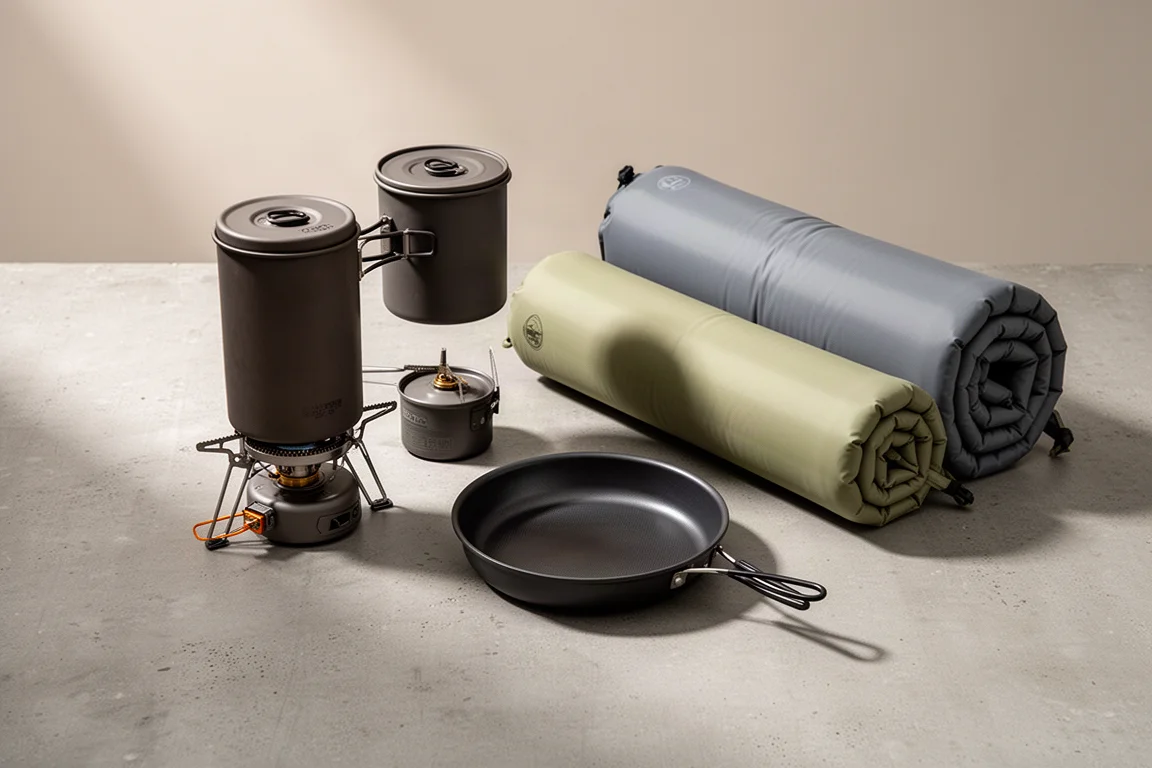
Ultralight packing has a lot going for it. A lighter pack is easier on the knees, quicker on the climbs, and simpler to manage over long days on trail. But there is a trap buried inside that logic. When base weight becomes the only number that matters, genuinely useful gear gets written off before it ever gets a fair trial. A stove system that looks bulky on a spec sheet, a sleeping pad that carries a few extra ounces, a skillet that seems like a luxury: each of these can change how a trip actually feels.
This guide covers five pieces of backpacking gear that are easy to dismiss and much harder to argue with once you have spent real nights with them. None of them are the lightest option in their category, and that is exactly the point. They make sense for anyone whose goal is a trip that feels good rather than a number on a spreadsheet.
How These Picks Were Chosen
The filter here is not grams. It is what each item changes about a day in the backcountry. Three questions shaped the list: does it expand what you can eat, does it improve how you sleep, and does it fit into a pack without forcing a reshuffle of everything else? An item had to do at least one of those things clearly to earn a place.
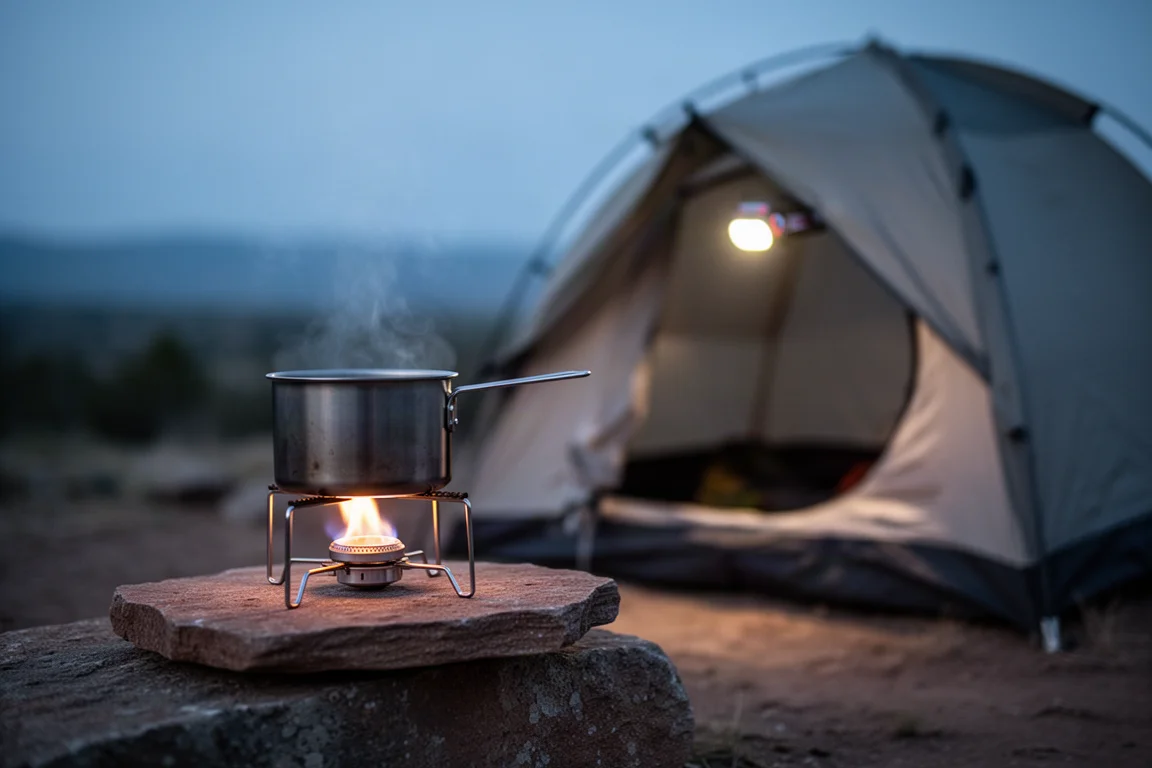
Weight still matters, and nothing here is an argument for carrying dead weight. The point is that priorities differ. A hiker chasing big mileage days wants calories in and lights out as fast as possible, and a minimal kit serves that goal well. A hiker who reaches camp early, sets up, and spends the evening cooking and resting is solving a different problem. Both approaches are valid, and the gear that supports the second one is worth a second look.
Jetboil MiniMo: A Stove System That Earns Its Space
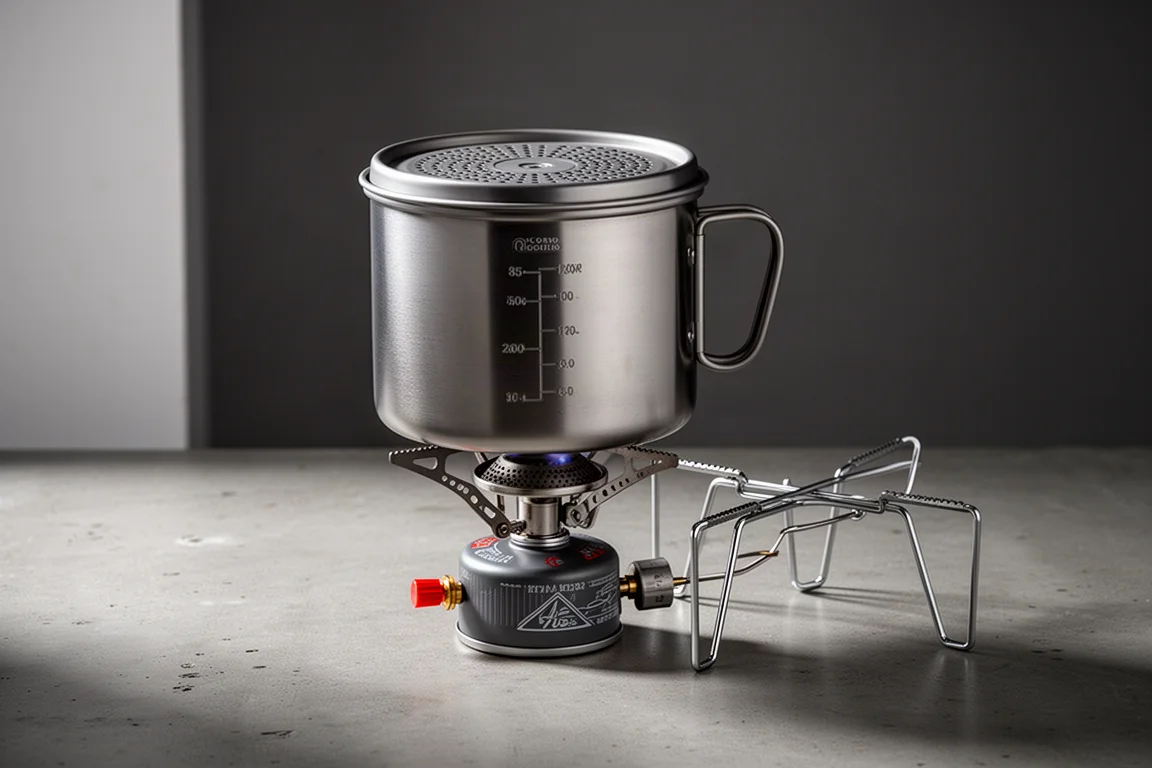
Integrated stove systems are usually the first casualty of an ultralight mindset. They look heavy, they look bulky, and the assumption is that a bare canister stove and a titanium pot will always win. That assumption misses what the MiniMo actually does.
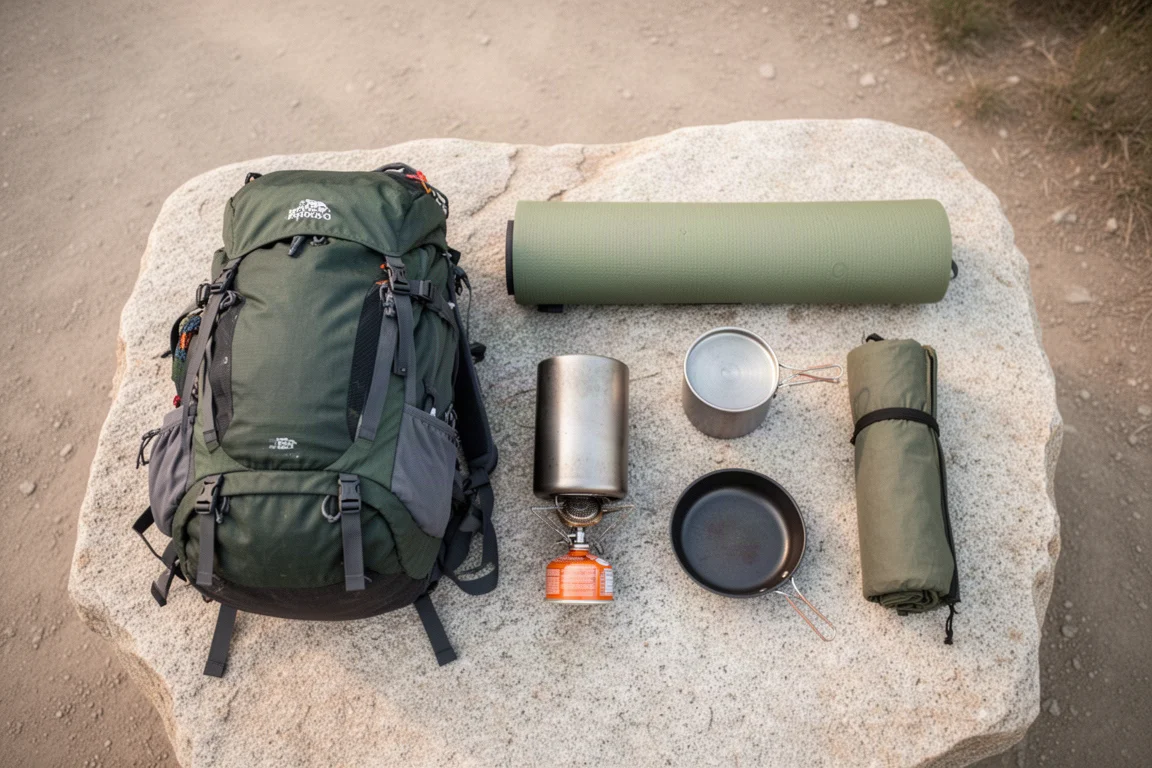
The pot is large enough to handle pasta, ramen, and a stir-fry without fighting for space, which opens up meals beyond the standard pour-and-wait dehydrated pouch. More importantly, the system includes a pot stand, so you can set a fry pan on top and cook rather than just boil. Quesadillas, calzones, and proper one-pan dinners all become realistic camp options.
It packs into a single compact unit that takes up less room in a pack than its footprint on a spec sheet suggests. For anyone who treats camp cooking as part of the trip rather than an obstacle, that trade is straightforward.
MSR Quick Skillet: Real Cooking at Camp
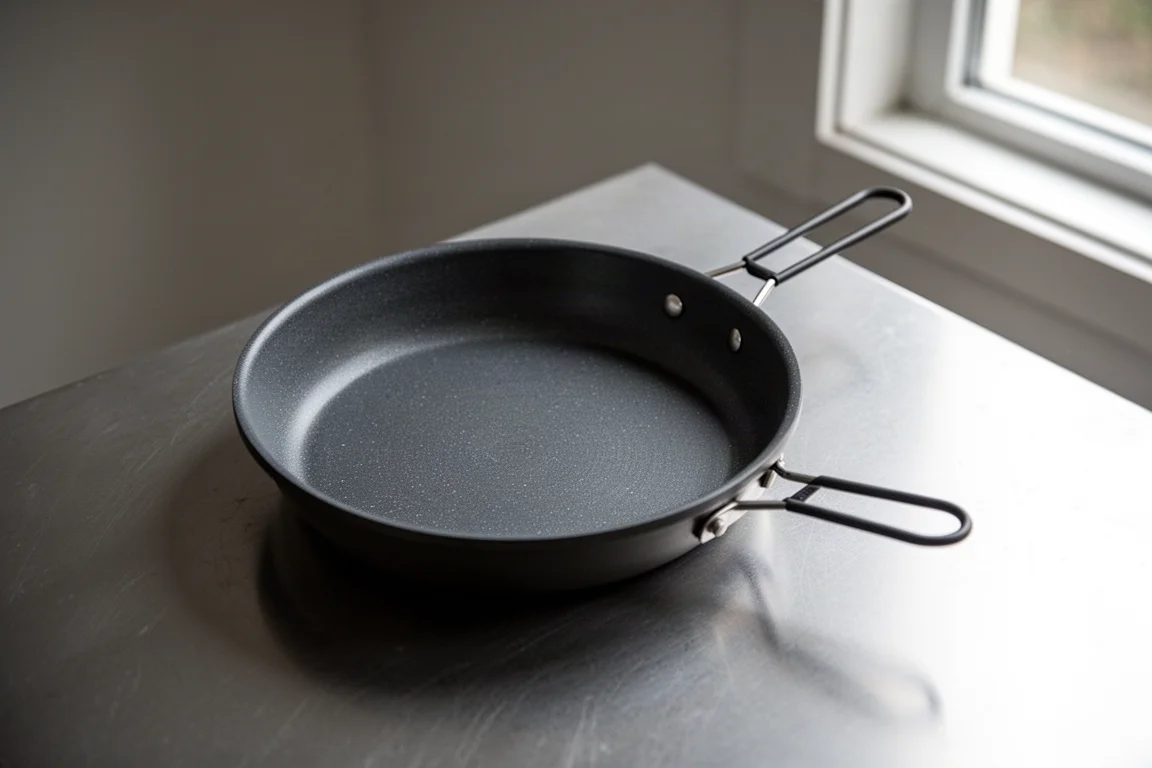
A skillet sounds like the definition of unnecessary weight until you have eaten a rehydrated meal for the fifth night running. The Quick Skillet is a ceramic-surfaced pan designed to sit on the pot stand of an integrated stove system, turning a boil-only setup into something that can actually fry.
That single capability changes the menu considerably. Quesadillas, calzones, and simple sauteed meals are all achievable with a pan that stores flat and adds very little to the overall kit. It pairs naturally with a stove system that already includes a stable pot stand, which is where the combination becomes genuinely practical rather than a novelty.
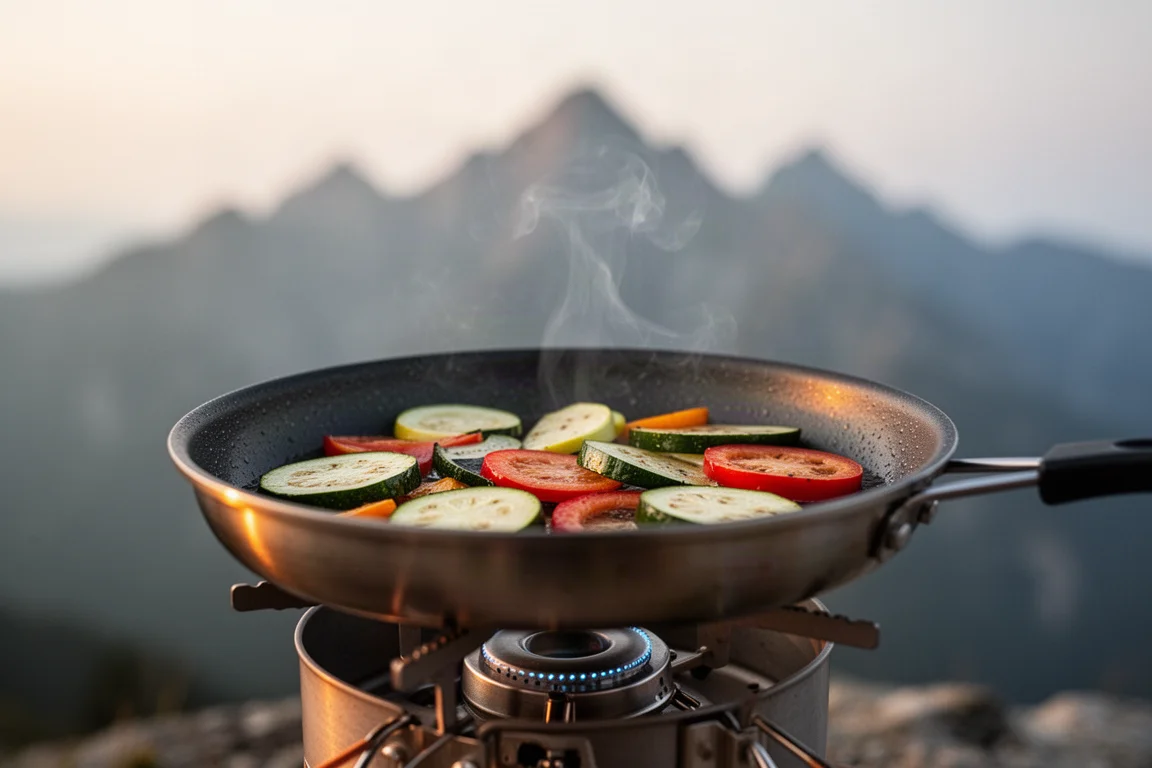
The case for carrying it comes down to how you use your evenings. If camp is a place to sleep, leave it at home. If camp is where the trip gets enjoyable, a pan that weighs almost nothing and unlocks real food is one of the better returns on pack space available.
Therm-a-Rest NeoAir XLite: The Lightweight Benchmark
The NeoAir XLite is the pad that defined the ultralight category for a lot of backpackers, and it earned that reputation. It is light, it packs down small, and it has been the default answer to the sleeping pad question for years. As a piece of engineering, it is hard to fault.
The catch is what happens over a long season of nights. Low weight in a sleeping pad is usually paid for somewhere, and that somewhere tends to be sleep quality. A pad that feels fine on a weekend can start to feel like a compromise on a two-week trip, and the cost of poor sleep shows up the next morning on the trail.
That does not make it a bad pad. It makes it a specialist. If your priority is minimum weight and packed volume, it remains one of the most efficient options available.
NEMO Quasar 3D: Sleep Comfort Over Minimum Weight
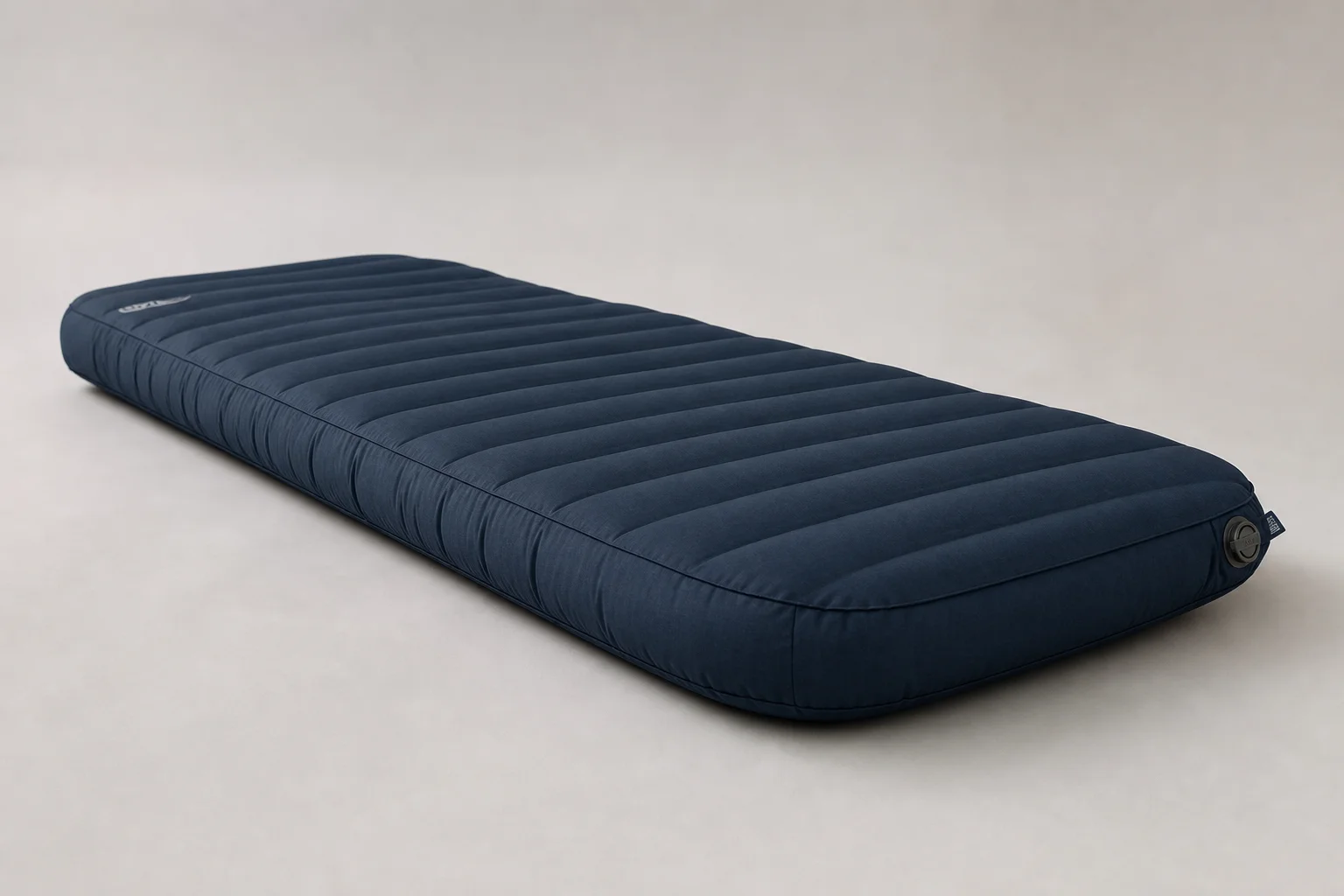
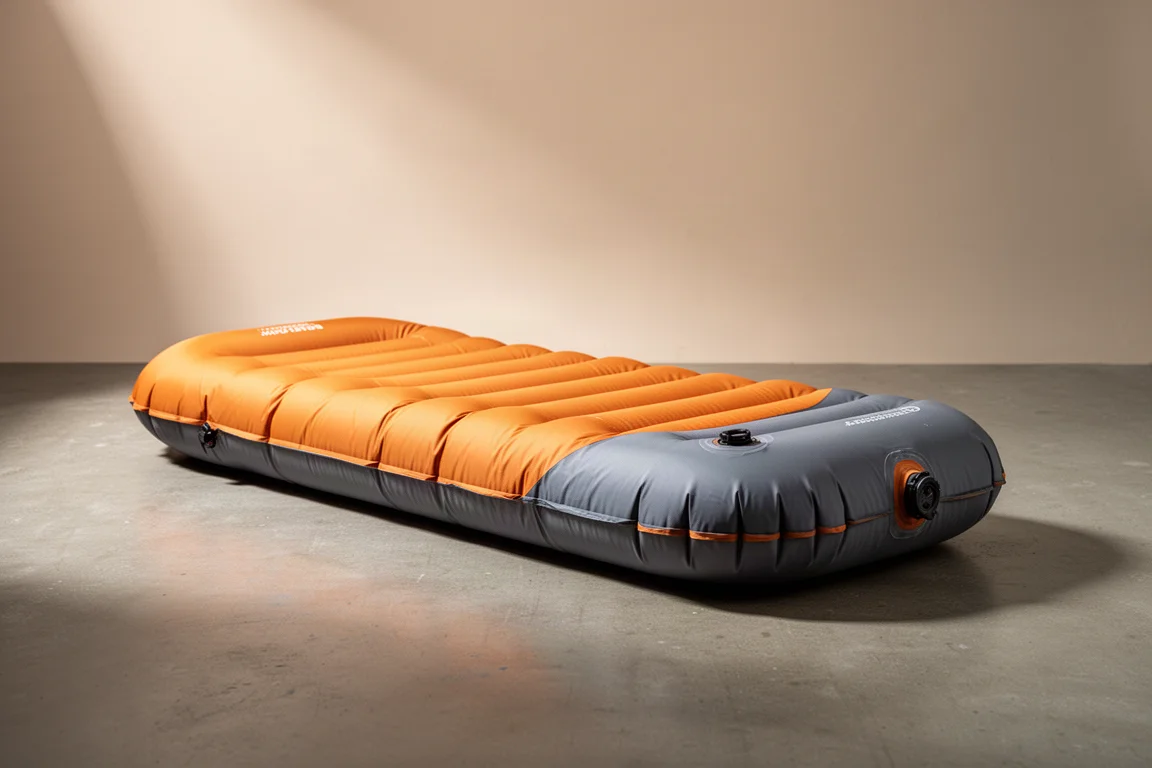
This is the pad that reframes the whole conversation. The Quasar 3D weighs roughly two pounds and carries an R-value in the region of 3.1, which puts it well outside the ultralight bracket. It is not the lightest option on the market, and it is not trying to be.
What it delivers instead is sleep. Side sleepers, restless sleepers, and anyone who has spent a night sliding off a thin pad will notice the difference immediately. For a lot of backpackers, the quality of rest it provides is the best available from any pad they have tried, including options that cost more and weigh less.
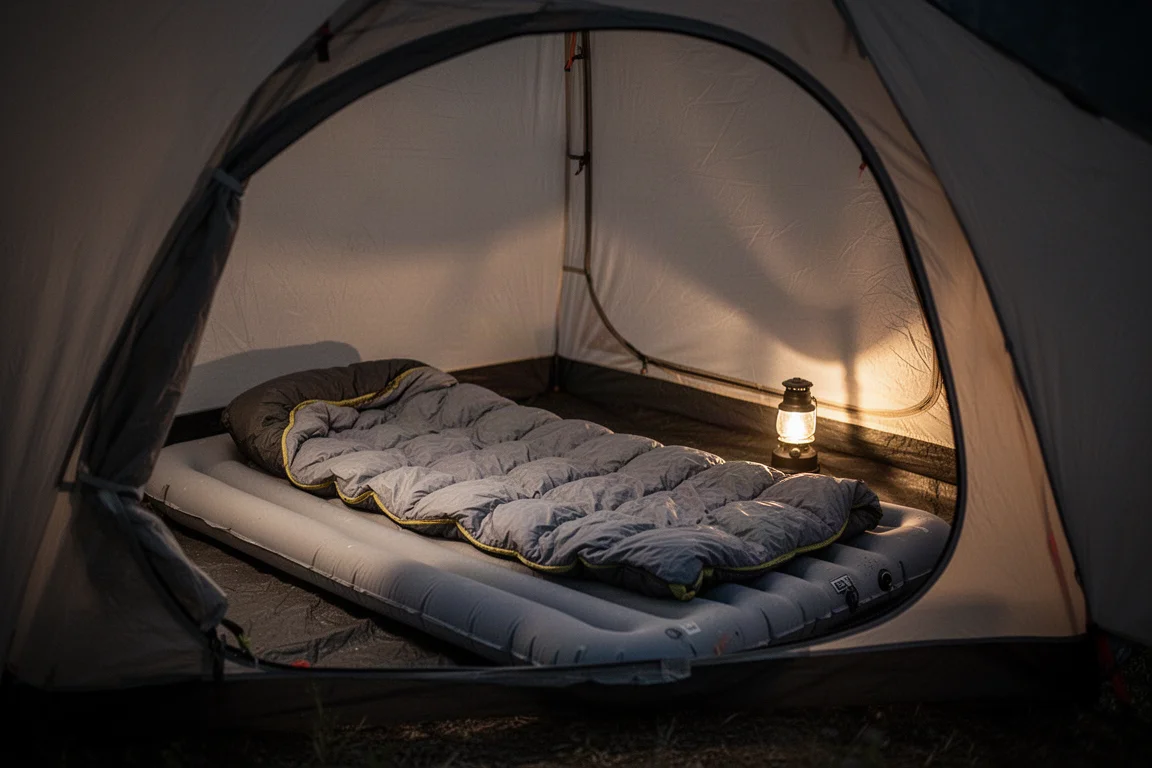
Two pounds is a real number, and it is worth being honest about it. But the calculation changes when you consider what a bad night costs you: a slower pace the next day, a shorter day overall, and a trip that feels harder than it needs to. Investing in sleep is one of the highest-value decisions in a backpacking kit, and this pad makes that case convincingly.
Sea to Summit Ether Light XT: Comfort Without Excess
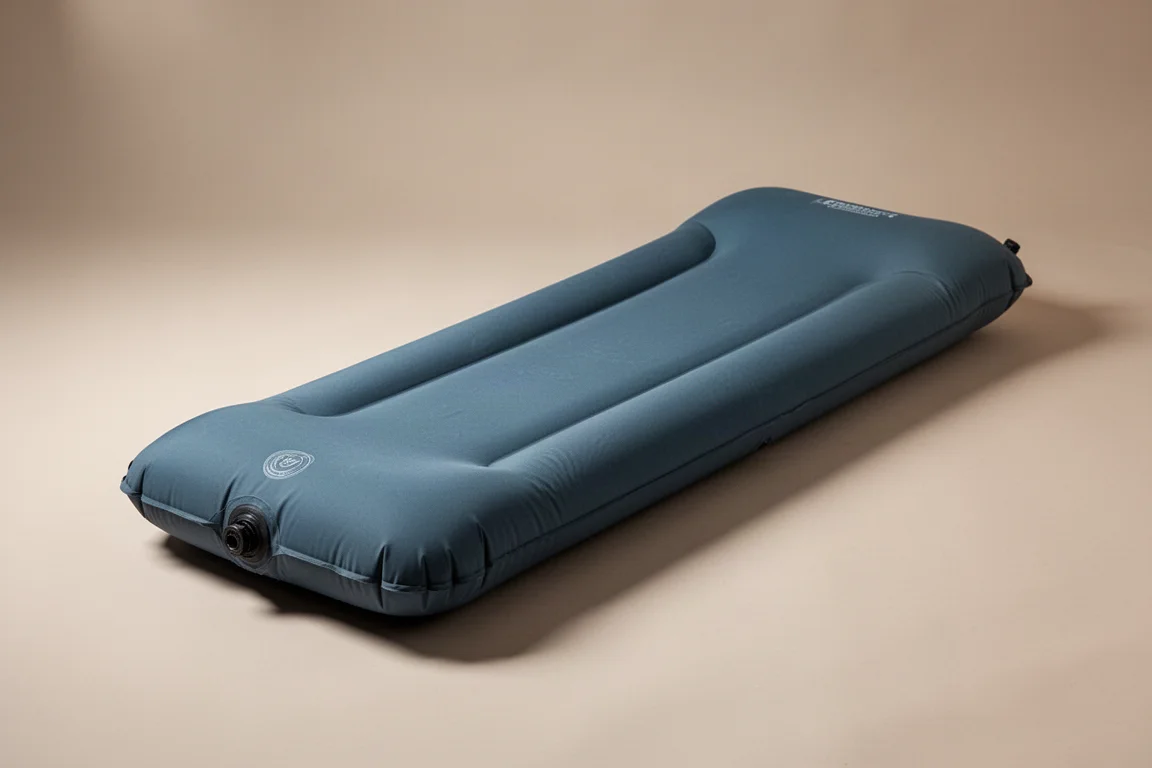
The Ether Light XT occupies a similar position: a pad that trades a little weight and packed volume for a noticeably better night. It has a reputation as one of the most comfortable pads in its class, and that reputation holds up in practice. It is heavier and bulkier than a minimalist pad, and it is still nowhere near the top of the weight range for a full-length inflatable.
Sea to Summit also makes a sleeping bag liner that pairs well with this kind of setup. A liner adds warmth to whatever bag or quilt you are carrying and helps close off draft points in systems that are not fully enclosed, which is a real benefit for anyone using a quilt-style setup in cooler conditions. It is a small addition that extends the usable temperature range of gear you already own.
The honest summary is that both this pad and the Quasar 3D sit in the same comfortable middle ground. If you sleep well on them, the extra grams are not the deciding factor they first appear to be.
Buying Advice: Matching Gear to Your Trip Goals
The right question is not how light a kit can be. It is what kind of trip you are actually taking. Long-mileage days with early starts reward a minimal setup, because time and energy in camp are scarce and the priority is calories and rest. Trips with shorter days, established camps, and long evenings reward a kit that makes camp a pleasant place to be.
A practical way to decide is to look at where your last trip felt worst. If dinner was a chore, a stove system and a pan fix that. If you woke up stiff and unrested, a comfort-first pad is the upgrade that pays off fastest. If you were cold in a quilt, a liner is the cheapest fix available.
None of these choices require abandoning lightweight principles. They require deciding which ounces are doing work for you. Gear that improves your sleep, your food, or your warmth is gear that earns its place, regardless of what it weighs on a kitchen scale.
Conclusion
Being wrong about gear is a normal part of the process. Assumptions about what is too heavy, too bulky, or too fussy are useful starting points, but they are not verdicts, and the only way to test them is to spend nights with the gear in question.
The five items here share a common thread. Each one costs a little weight or a little pack space and returns something meaningful: better meals, better sleep, or a warmer night. If your goal is to enjoy the backcountry rather than to optimise it, that is a trade worth making.
Further reading
Related Reviews

Backpacking Gear
Building a 10 lb Base Weight: An Ultralight Backpacking Gear List
A practical walkthrough of the ultralight pieces behind a 10 lb base weight, from a 765 g pack and a roomy one-person tent to a full camp chair and a dependable water filter.

Backpacking Gear
A 15-Pound Lightweight Backpacking Gear List for Solo Trips
A beginner-friendly 15-pound backpacking setup built from easy-to-find gear, with notes on what each piece does, how it packs, and where to spend your attention.

Backpacking Gear
8 Ultralight Backpacking Gear Upgrades Worth Carrying
Eight small, affordable backpacking upgrades that solve real trail annoyances, from a pillow that stays put to a fuel valve that rescues leftover canister gas.