Backpacking Gear
Backpacking Gear Worth Reconsidering: 5 Comfort-First Picks
Five backpacking gear picks that prove comfort and capability can matter more than saving every possible gram.
Introduction
Many backpackers fall into the trap of chasing the lowest possible base weight. That focus can lead to overlooking gear that makes time in the backcountry more comfortable, more enjoyable, and ultimately more rewarding. The five items below are worth a second look, not because they are the lightest options available, but because they solve real problems and improve the overall experience.
Each pick earns its place by balancing weight, bulk, and performance in a way that supports the way you actually camp. The goal is not to abandon lightweight principles, but to recognize when a slightly heavier or bulkier item delivers enough comfort or capability to justify its place in your pack.
Jetboil MiniMo: A Stove System Worth Reconsidering
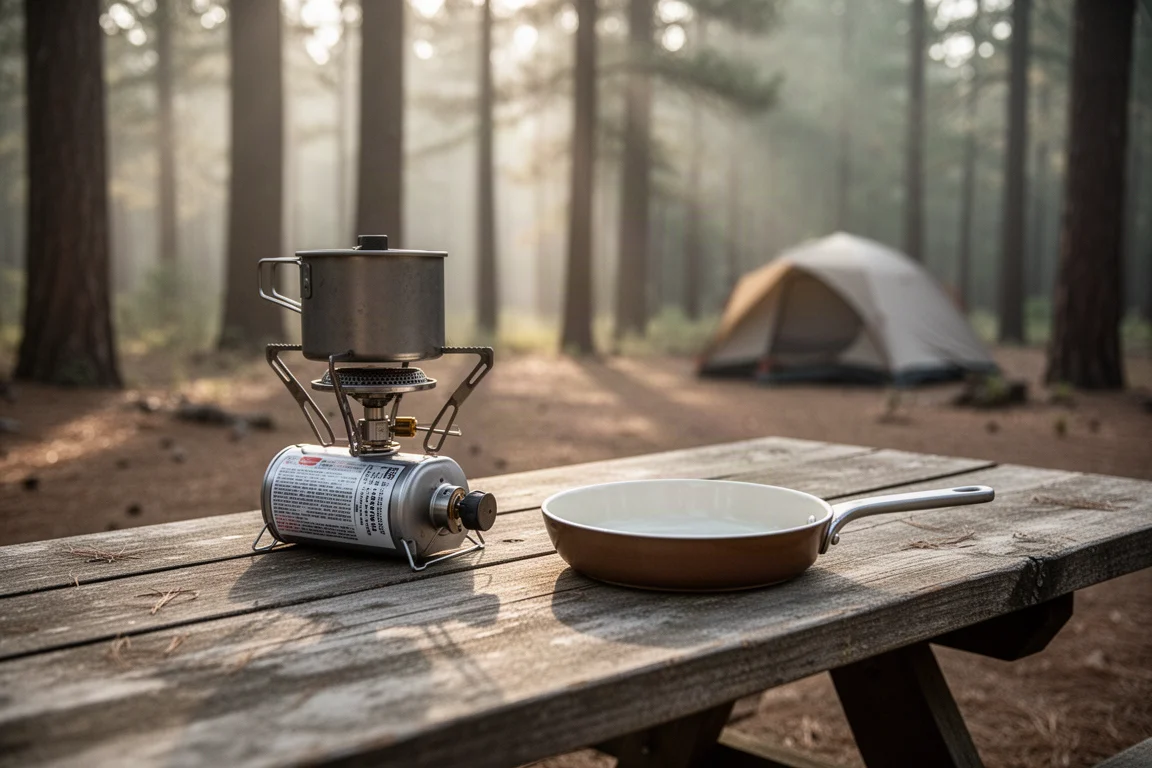
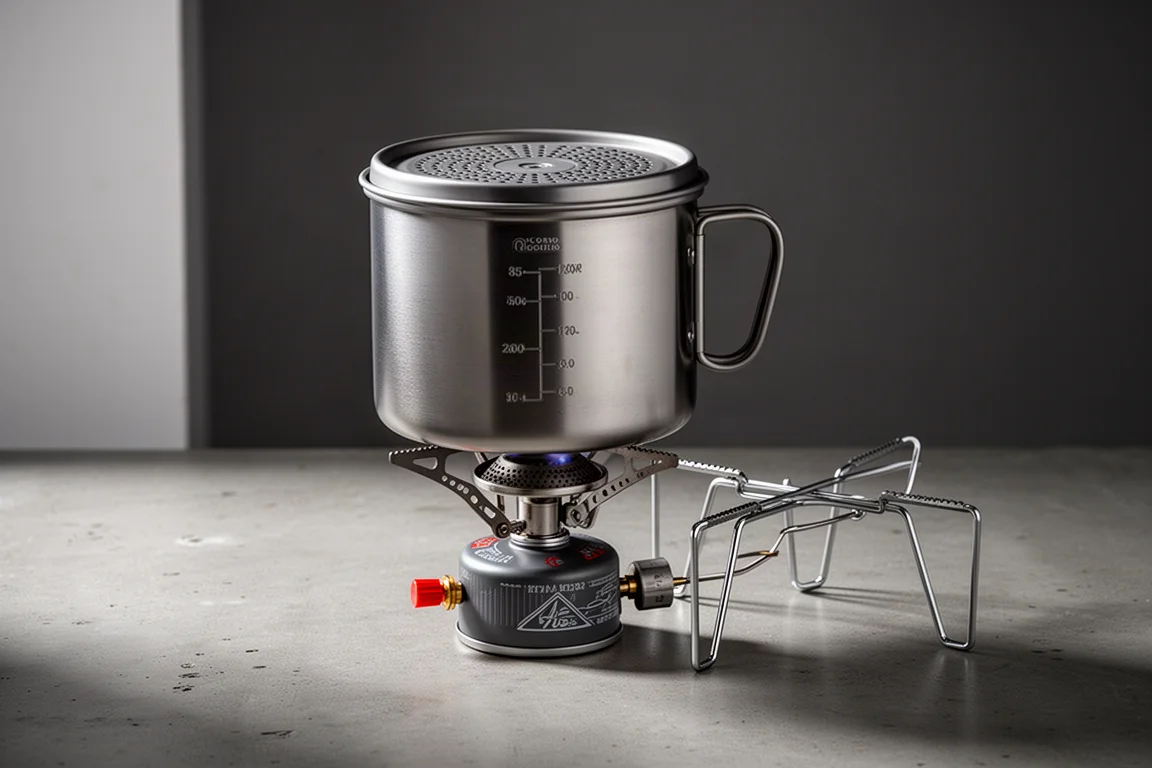
The Jetboil MiniMo is a canister stove system that pairs a burner with a generously sized pot. It was initially easy to dismiss as too bulky and cumbersome for backpacking, but that assessment misses what the system enables. The pot is large enough to cook pasta, ramen, and even stir-fry, which opens up meal options beyond dehydrated meals. A built-in pot stand also lets you place a fry pan on top, expanding what you can prepare at camp.
For backpackers who enjoy cooking and spending time in camp, this versatility matters. The system packs down efficiently and does not add excessive weight or volume for the capability it provides.
MSR Quick Skillet: Expanding What You Can Cook
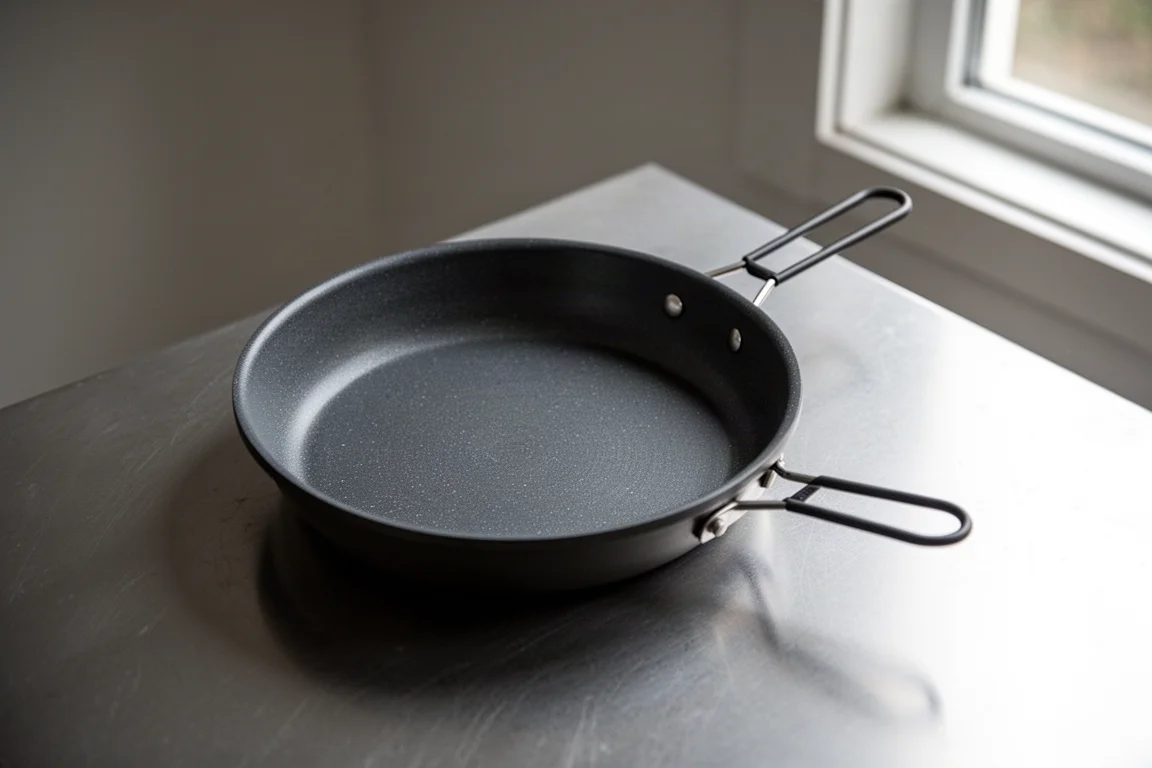
The MSR Quick Skillet is a ceramic-coated frying pan designed to work with stove systems that have a pot stand. When paired with a stove like the Jetboil MiniMo, it turns a simple boiling setup into a more complete camp kitchen. Quesadillas, calzones, and stir-fries become practical options, which can make a real difference on trips where food is part of the enjoyment.
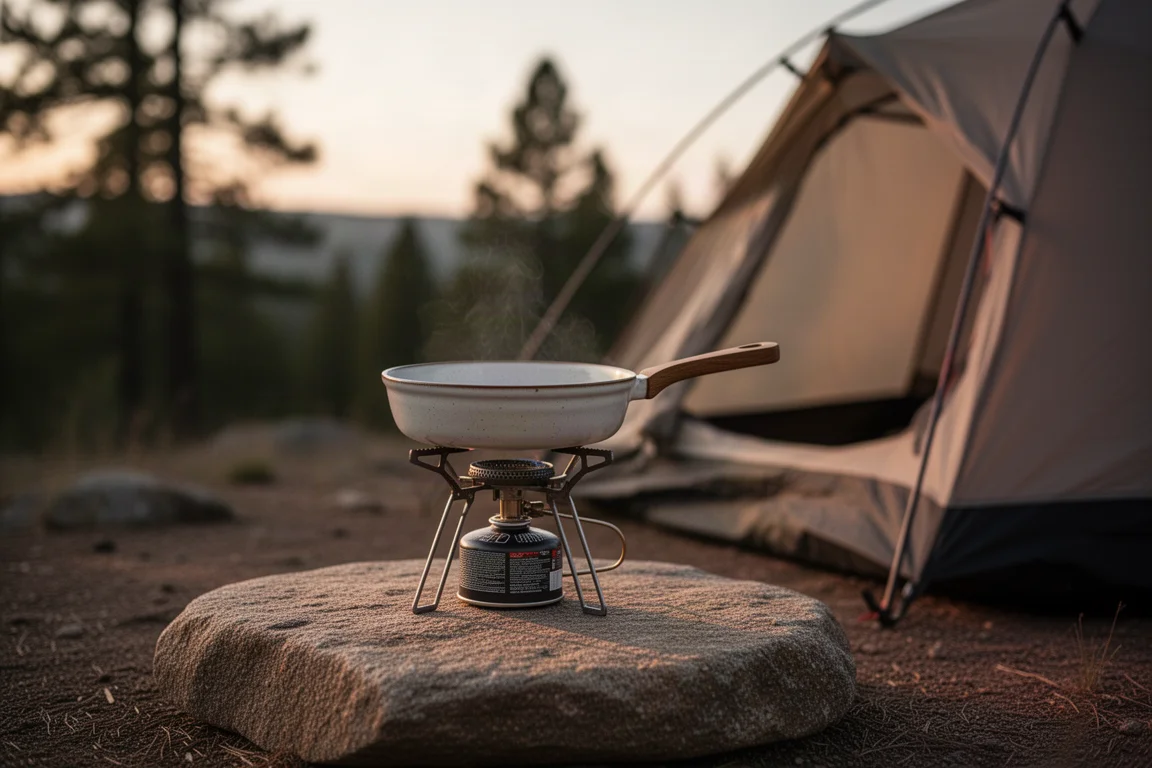
The skillet is not a standalone cooking solution; it relies on a compatible stove with a stable pot support. For anyone already carrying a system like the MiniMo, it adds very little weight while significantly increasing cooking flexibility.
Therm-a-Rest NeoAir XLite: The Ultralight Benchmark
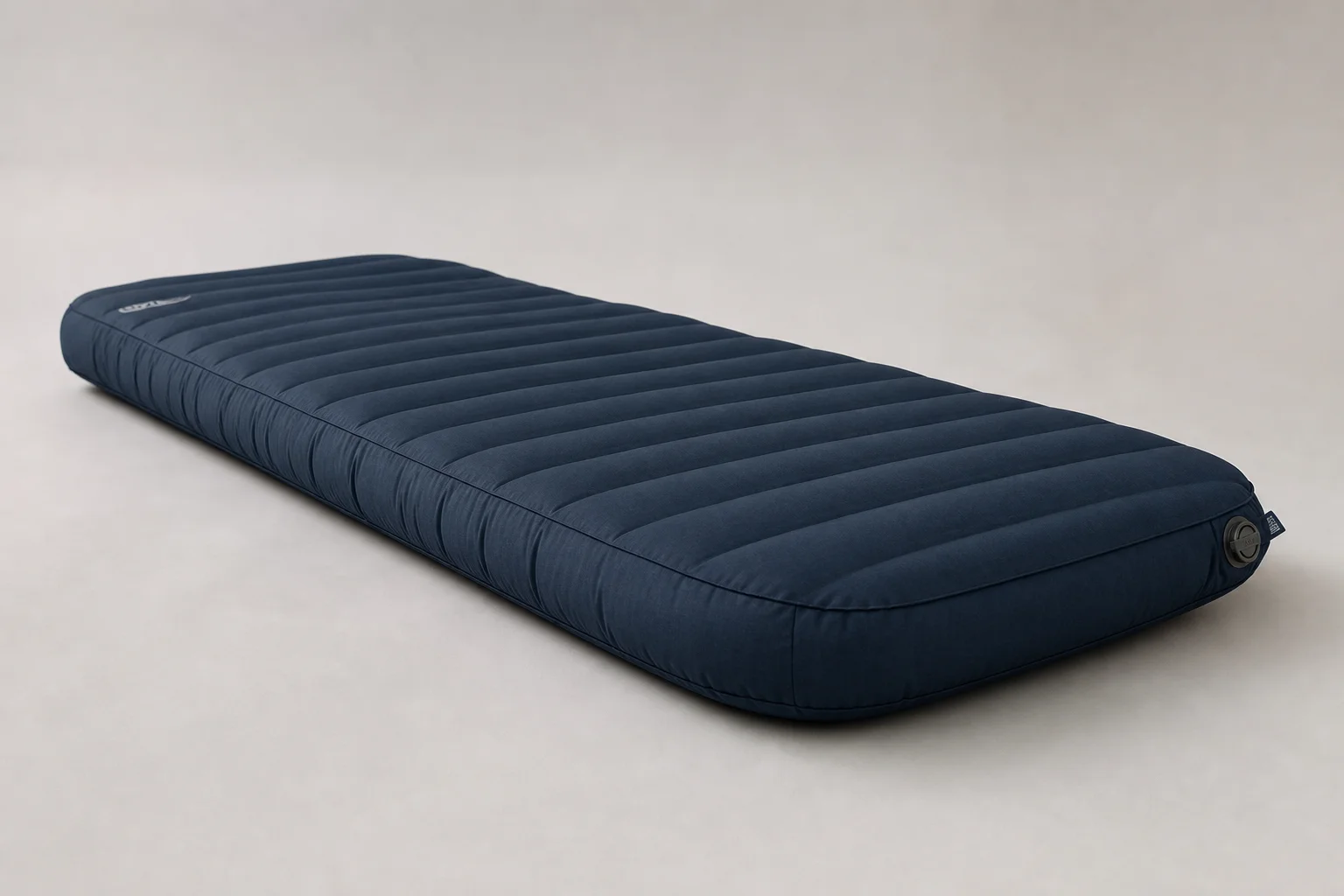
The Therm-a-Rest NeoAir XLite has long been a reference point for ultralight sleeping pads. It was used exclusively for nearly eight years, and its low weight and packability are undeniable. For many backpackers, it represents the gold standard of saving grams without sacrificing too much.
However, over time, the trade-off became clear: sleep quality was not as good as it needed to be. A pad that is exceptionally light can still leave you tossing and turning, which undermines the rest that backpacking demands. The XLite remains a strong choice for those who prioritize weight above all else, but it is worth asking whether a slightly heavier pad might deliver better sleep.
NEMO Quasar 3D: Prioritizing Sleep Quality
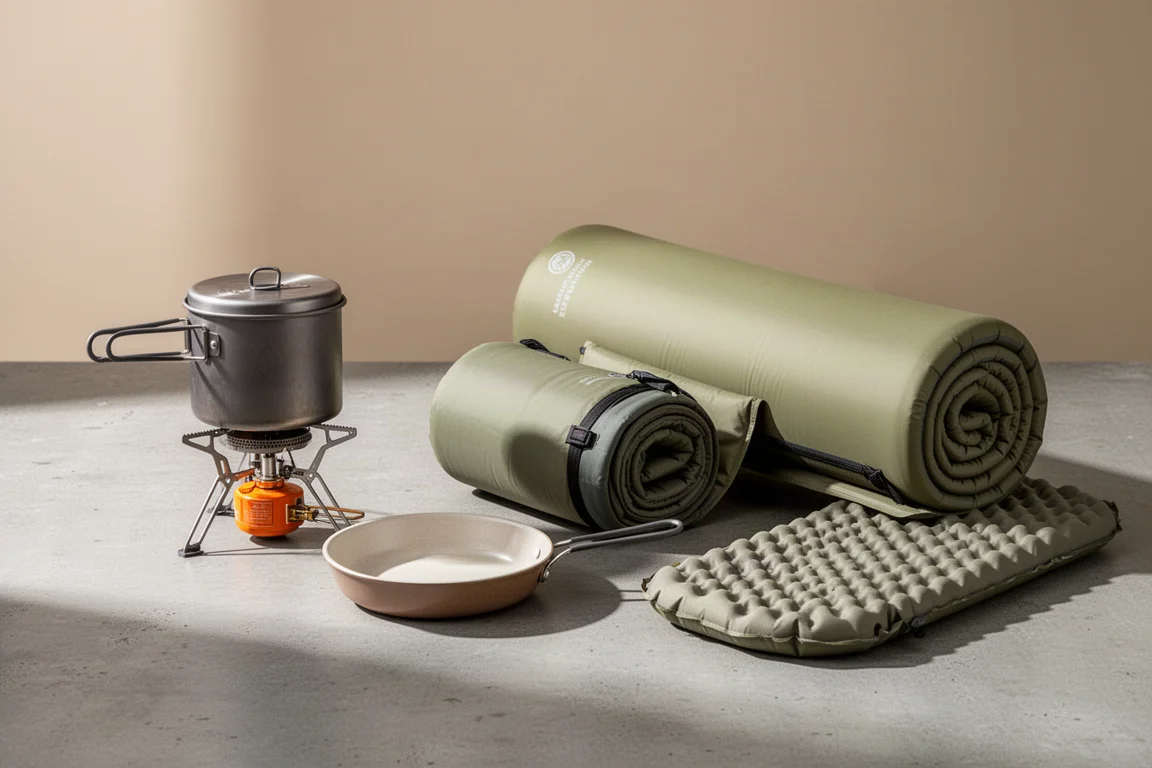
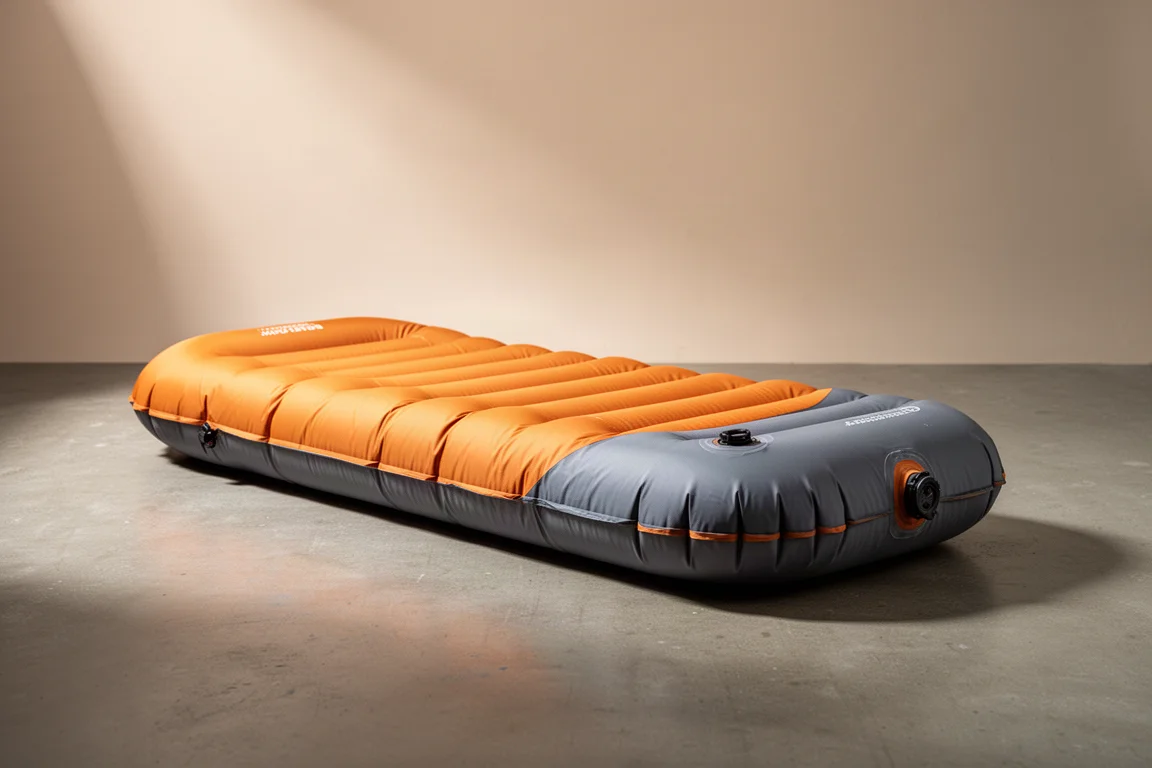
The NEMO Quasar 3D weighs about two pounds and has an R-value of roughly 3.1 to 3.2. It is not the lightest sleeping pad on the market, but it delivers some of the best sleep quality available. For anyone who has struggled with restless nights on ultralight pads, this is a compelling alternative.
Investing in sleep is one of the most important decisions a backpacker can make. The Quasar 3D shows that a modest weight penalty can be worth it when it translates into deeper, more restorative rest. It suits trips where comfort and recovery matter as much as mileage.
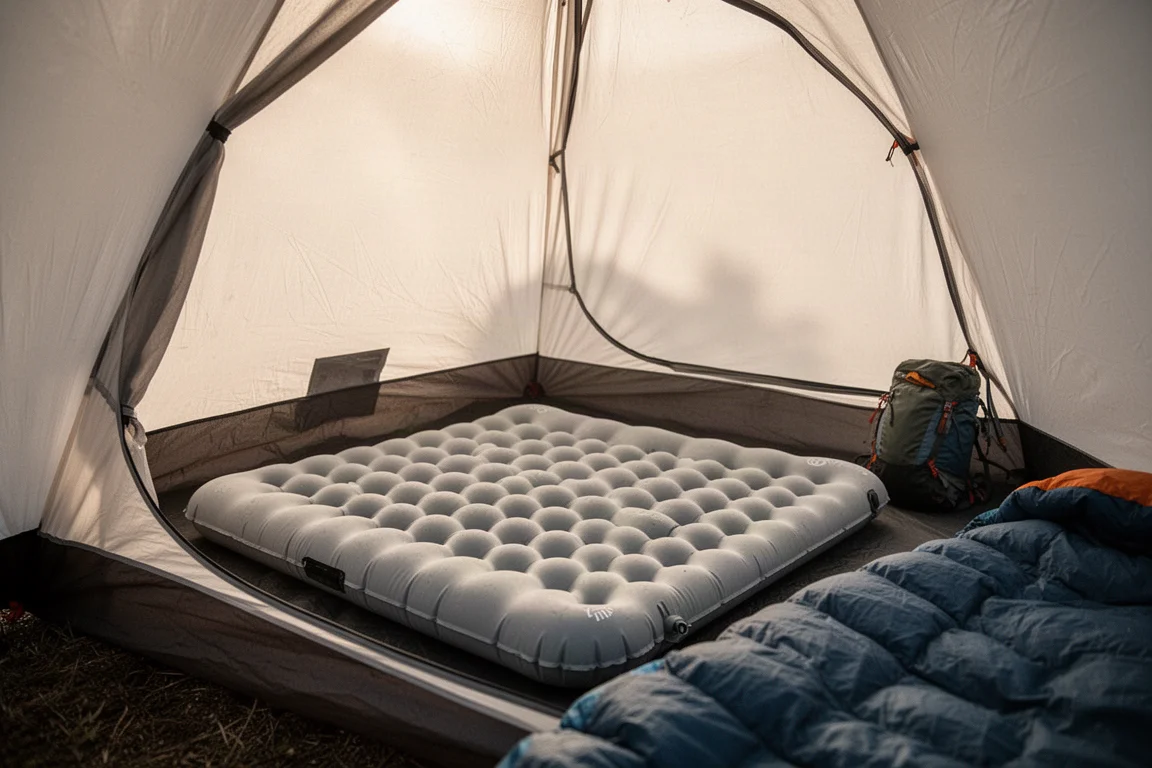
Compared with lighter pads, the Quasar 3D offers a more supportive and comfortable night. The extra weight is a deliberate trade-off, and for many backpackers, it is one that improves the entire trip.
Sea to Summit Ether Light XT: Comfort Without Excessive Bulk
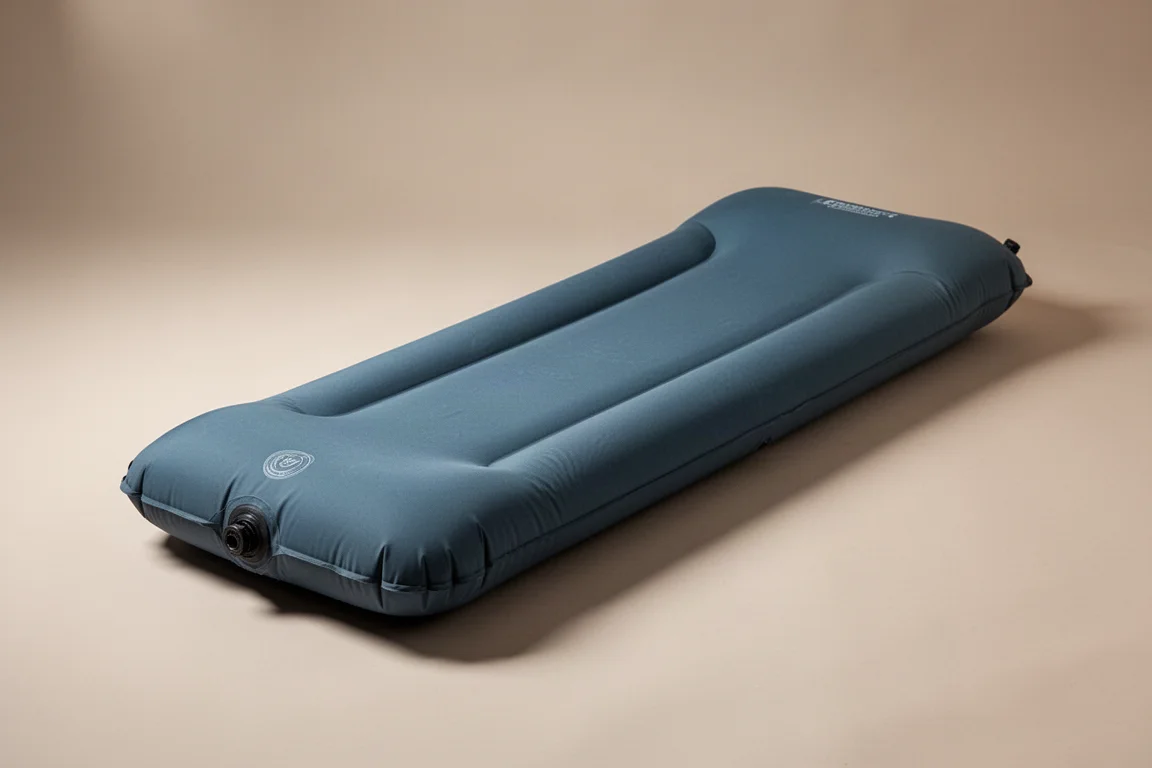
The Sea to Summit Ether Light XT is another sleeping pad that prioritizes comfort. It is slightly heavier and bulkier than the lightest options, but it delivers excellent sleep quality. It has been described as amazingly comfortable, and it fits into the same category as the Quasar 3D: a pad that asks for a small weight penalty in exchange for a much better night.
For backpackers who have found that ultralight pads compromise their sleep, the Ether Light XT is a strong contender. It balances weight and comfort in a way that makes it easy to recommend for three-season trips where a good night’s rest is non-negotiable.
Buying Advice: Matching Gear to Your Backcountry Goals
The right gear depends on your goals. If you are covering high-mileage days and spend minimal time in camp, a minimalist stove and the lightest pad may be perfectly adequate. But if you enjoy camp cooking, value a comfortable sleep, and want to make the most of your time outdoors, slightly heavier or bulkier items can be worth the trade-off.
Consider how you actually use your gear. A stove system like the Jetboil MiniMo paired with the MSR Quick Skillet opens up meal options that can make a trip more enjoyable. On the sleep side, pads like the NEMO Quasar 3D and the Sea to Summit Ether Light XT demonstrate that a small weight increase can lead to significantly better rest. Even the Therm-a-Rest NeoAir XLite remains a valid choice if low weight is your top priority, provided you accept the sleep quality trade-off.
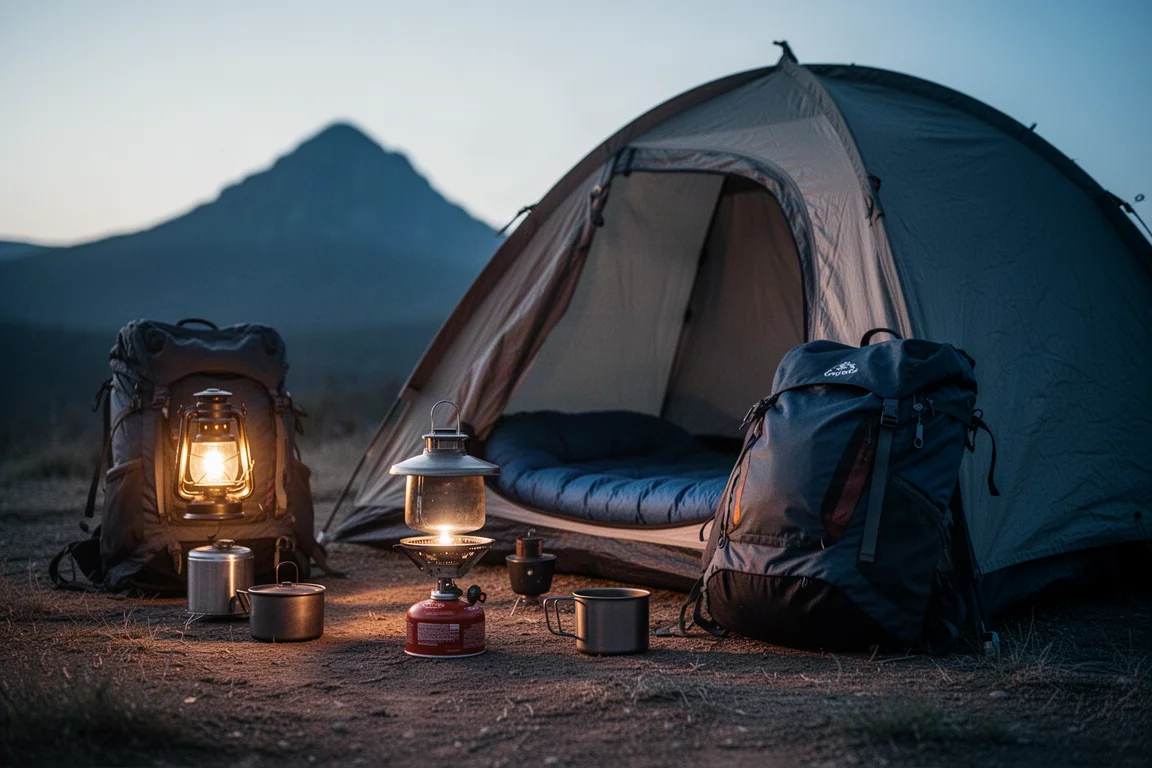
Beyond pads and stoves, other comfort-oriented additions can extend your system. A sleeping bag liner, for example, can add warmth without requiring a heavier bag, and it can help manage draft points in quilt-style setups. The key is to evaluate each item against the experience you want, not just the number on the scale.
Conclusion
It is okay to be wrong about gear. Assumptions about weight and bulk often keep backpackers from trying items that could make their trips more comfortable and more enjoyable. The Jetboil MiniMo, MSR Quick Skillet, NEMO Quasar 3D, Sea to Summit Ether Light XT, and even the ultralight Therm-a-Rest NeoAir XLite each serve a different priority. Choose the ones that match your goals, and do not be afraid to carry a little more if it means a better experience in the backcountry.
Further reading
Related Reviews

Backpacking Gear
Building a 10 lb Base Weight: An Ultralight Backpacking Gear List
A practical walkthrough of the ultralight pieces behind a 10 lb base weight, from a 765 g pack and a roomy one-person tent to a full camp chair and a dependable water filter.
Backpacking Gear
A 15-Pound Lightweight Backpacking Gear List for Solo Trips
A beginner-friendly 15-pound backpacking setup built from easy-to-find gear, with notes on what each piece does, how it packs, and where to spend your attention.
Backpacking Gear
8 Ultralight Backpacking Gear Upgrades Worth Carrying
Eight small, affordable backpacking upgrades that solve real trail annoyances, from a pillow that stays put to a fuel valve that rescues leftover canister gas.