Backpacking Gear
Backpacking Gear Worth Packing: A Two-Person Tent and USB Rechargeable AAA Batteries
Two backpacking essentials that solve real trail problems: a lightweight two-person tent built for cold nights, and USB rechargeable AAA batteries that cut down on disposables.
Introduction
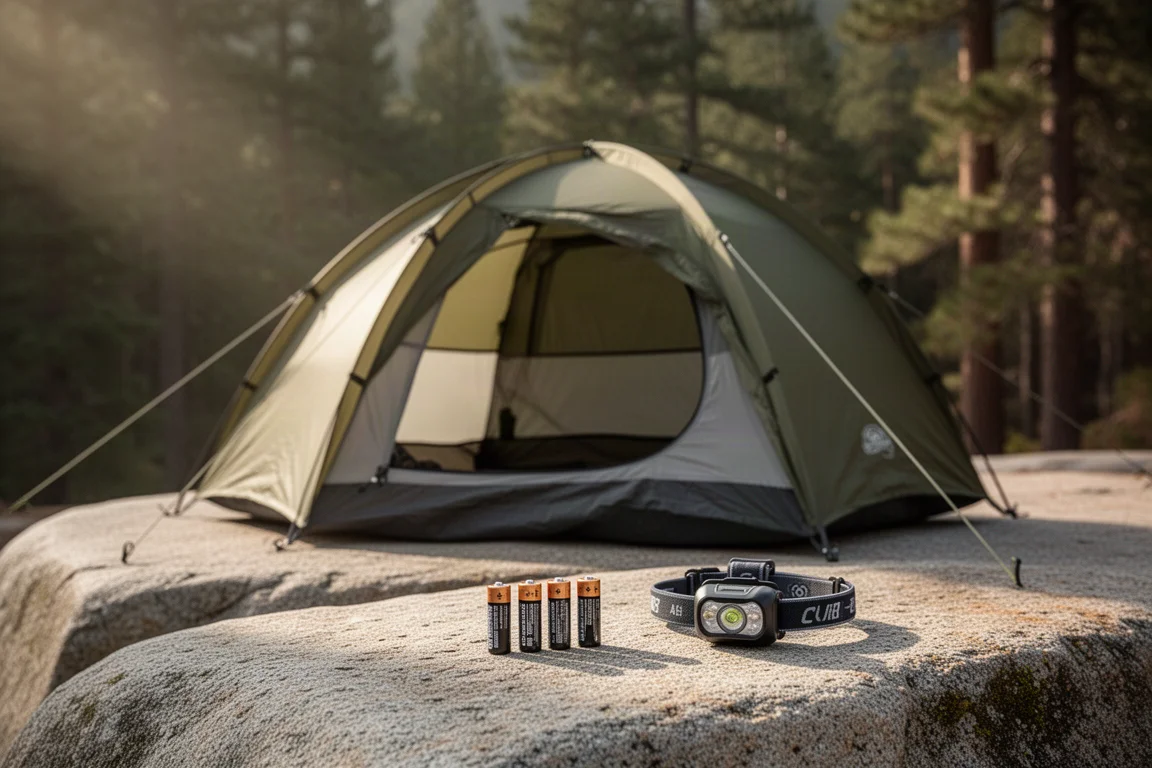
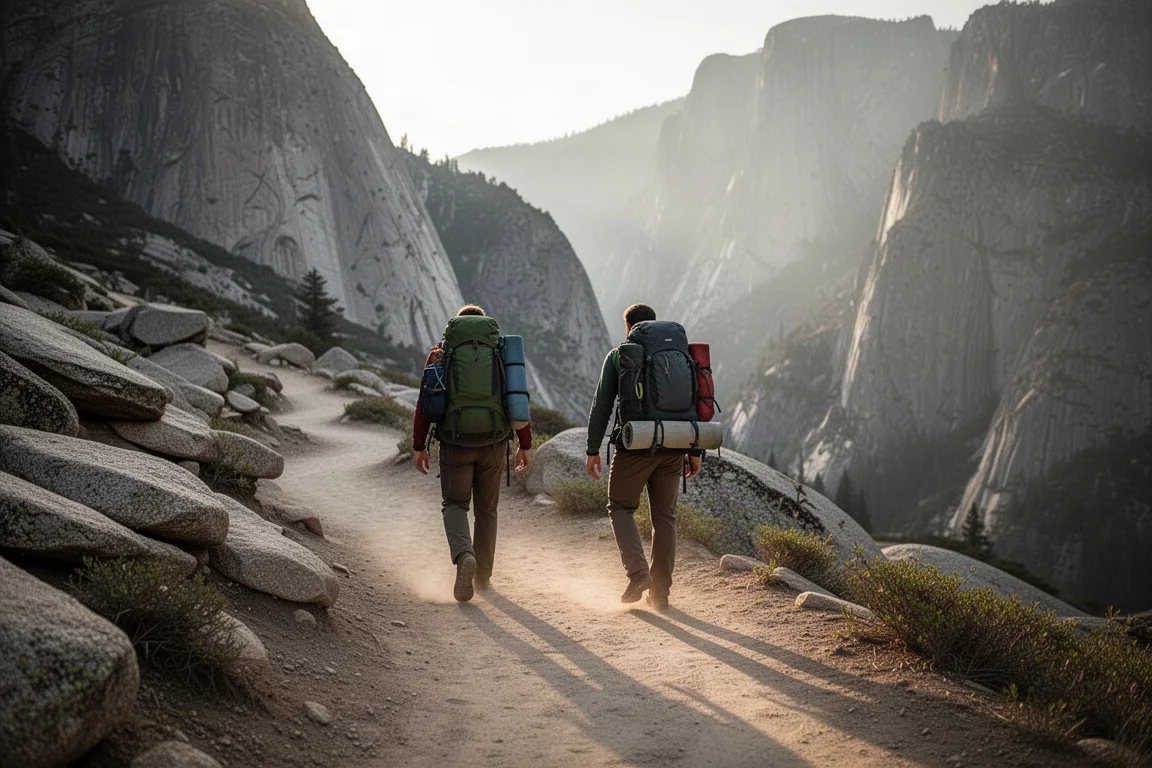
A three-day backpacking trip through Yosemite Valley and the Hetch Hetchy area covers roughly 25 miles out and back, and the first day alone adds about five miles of steady switchbacks. That kind of itinerary sorts gear quickly. Anything heavy, fragile, or fussy makes itself known by the second morning, and anything that quietly solves a problem earns a permanent spot in the pack.
Two items stood out on this trip: a lightweight two-person tent and a set of AAA batteries that recharge over USB. Neither is flashy. Both remove a recurring annoyance from multi-day hiking.
What We Looked For in Backpacking Gear
Four things mattered more than spec sheets.
The first is whether a piece of gear solves a problem that actually appears on trail, such as condensation inside a tent or a headlamp fading at dusk. The second is weight, because every ounce gets carried uphill. The third is reliability across several trips rather than one good weekend. The fourth is cost over time, since gear that removes repeat purchases tends to pay for itself.
Gear that misses on any of those four points usually ends up staying at home, which is the real test. Everything below cleared that bar over multiple outings.
Mountain Hardwear Strato 2: A Two-Person Tent for Cold Nights
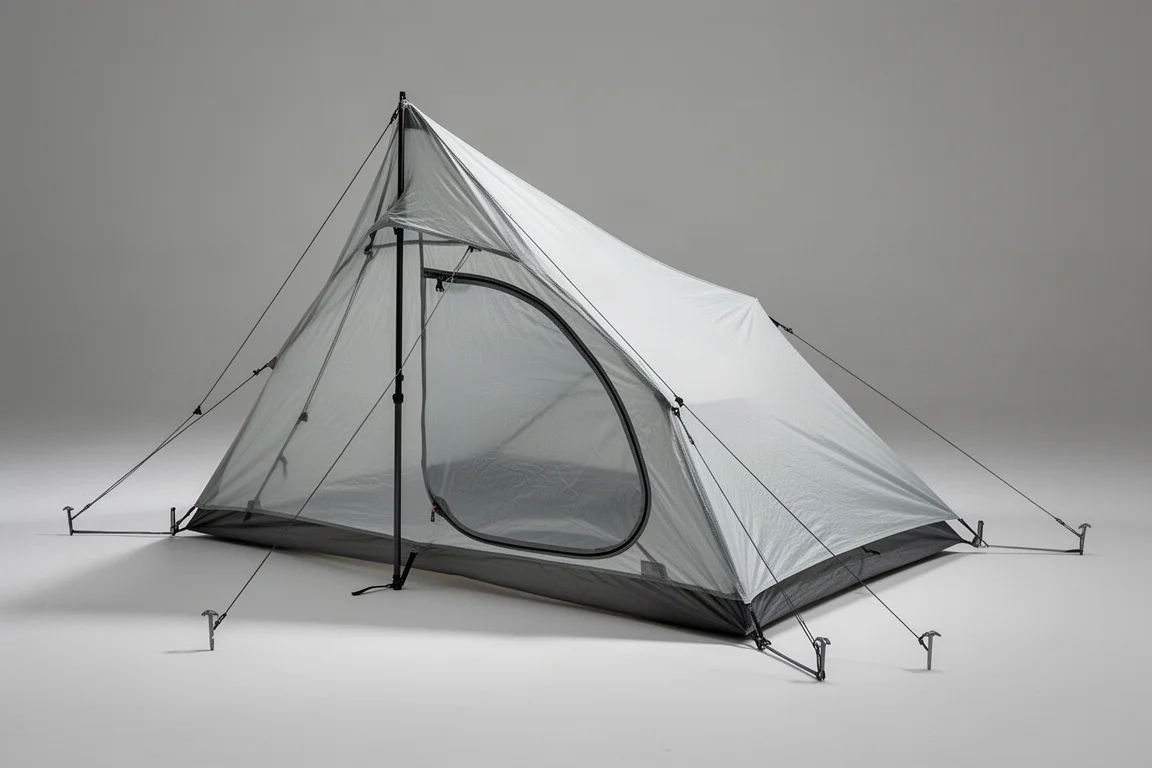
The Mountain Hardwear Strato 2 is a two-person shelter that relies on its own pole set rather than trekking poles, so it stands on its own structure instead of whatever else happens to be in your pack. For two people splitting the load, that keeps setup predictable at the end of a long day.
The detail most people miss is the second zipper above the door. The main vestibule zip is obvious, but the shorter zip above it opens a vent. Cracking that vent at night moves warm, moist air out of the tent, which is exactly what you want when the outside temperature drops and condensation starts forming on the inner walls. On a cold night it is the difference between waking up to damp walls and waking up to a drier shelter.
Pale Blue Earth USB Rechargeable AAA Batteries
Devices that run on AAA cells are the quiet weak point of a backpacking kit. A headlamp that takes three AAA batteries and has no built-in cell can run for a very long time on one set, but you still have to decide whether to carry spares or hope for the best.
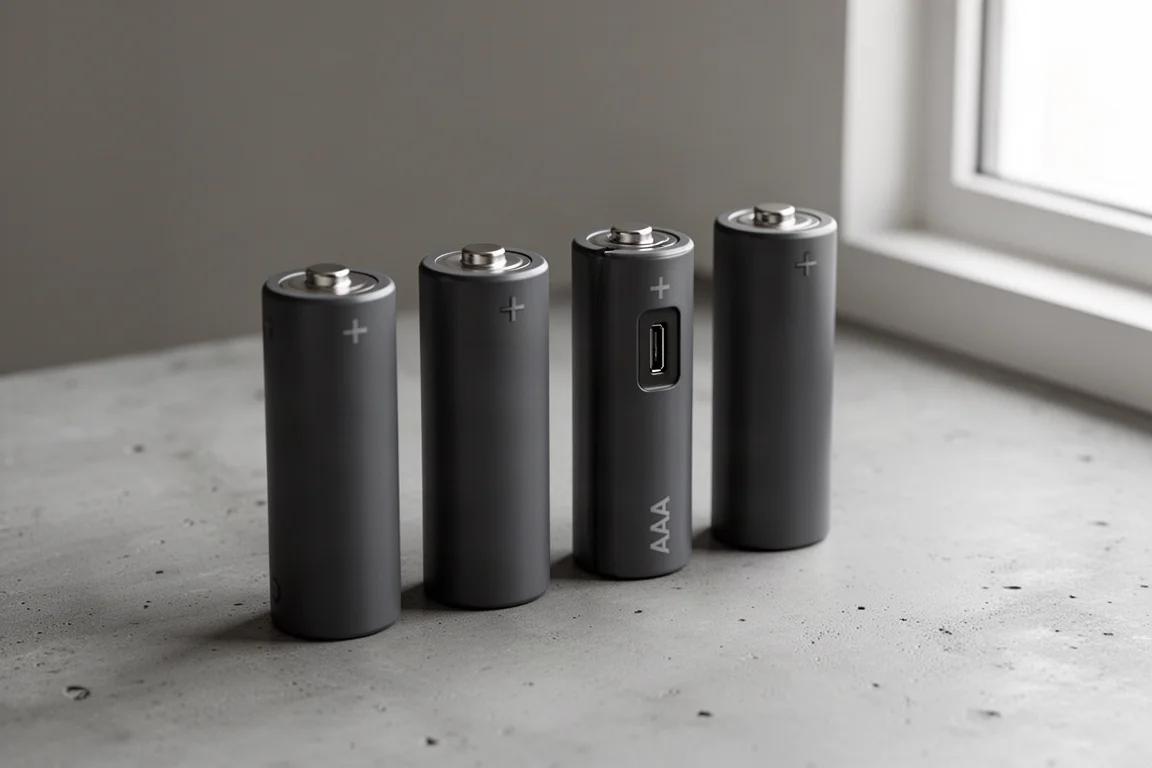
Pale Blue Earth’s AAA batteries take a different approach. Each cell is lithium ion with a built-in USB charging port, so there is no separate charger to pack. Capacity is listed at 750 milliamp hours per battery, and in practice they run as long as, or longer than, the standard cells sold in stores. Because they are standard AAA size, they also work in anything else that takes AAA, from remotes to small lights, which means fewer disposable batteries heading to landfill over the course of a year.
They were used across several backpacking trips before being recommended, and they held up.
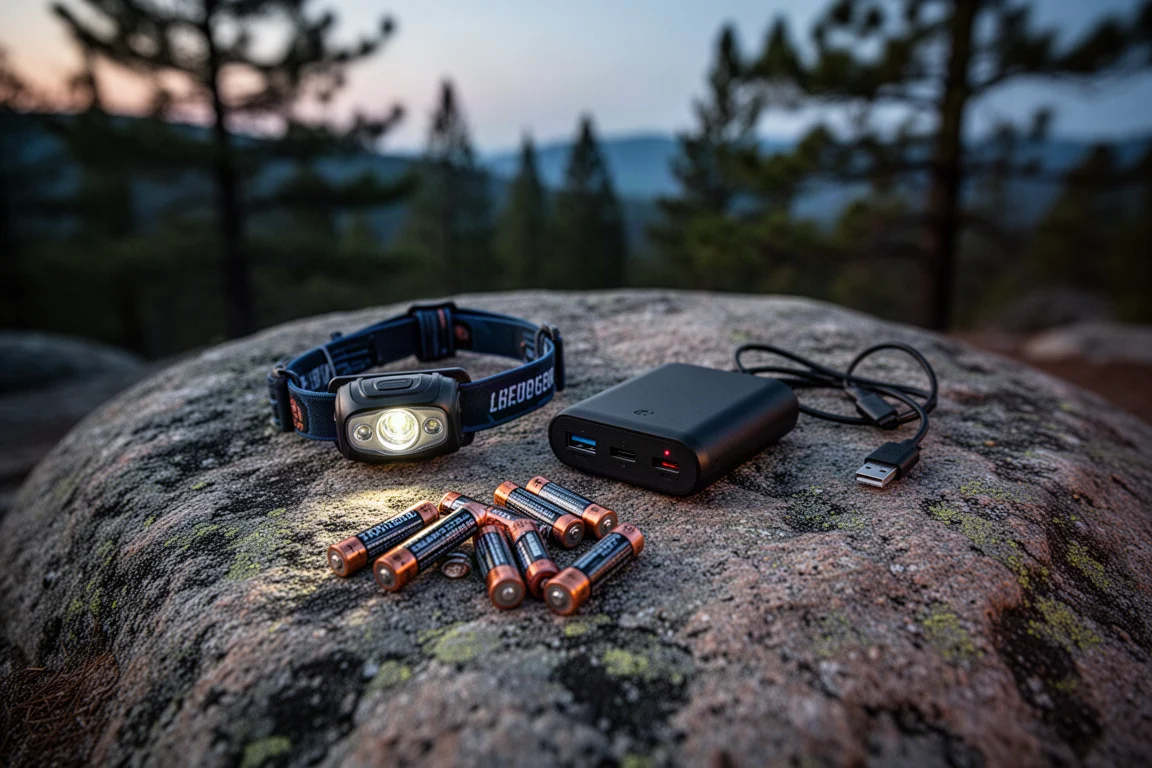
One thing to plan for: the cells charge over USB, so they need a power source before a trip rather than a stop at a store on the way out. A small power bank covers that, and charging at home before you leave covers the rest.
Hidden Features on Gear You Already Carry
Two small pieces of hardware show up on gear people already own, and both are easy to mistake for packaging mistakes.
The first is a short metal sleeve that ships inside the pole bag of many tents. It looks like an offcut from the factory. It is actually a splint. If a pole section snaps on trail, you push one broken end into each side of the sleeve and the pole holds together well enough to pitch the tent. It weighs almost nothing and it can rescue a trip.
The second is the small orange hook or clasp found inside a pocket or the lid of a standard backpack. It is a tether point for keys or a wallet, so the items that are hardest to replace stay attached to the pack instead of disappearing somewhere along the trail. Ultralight packs often leave this off, but most conventional hiking packs include it.
Trail Comfort: Pump Sacks, Lacing, and Blister Care
Two more items earn their place for comfort rather than survival, and both are already in most people’s kits.
Many quality sleeping pads ship with a bag that doubles as a pump sack. Attach the opening to the pad’s nozzle, let the sack fill with air, then roll it to push that air into the pad. It takes a fraction of the effort of inflating by mouth, and it keeps moisture out of the pad. Attachment designs vary between brands, so a sack from one pad may not fit another.
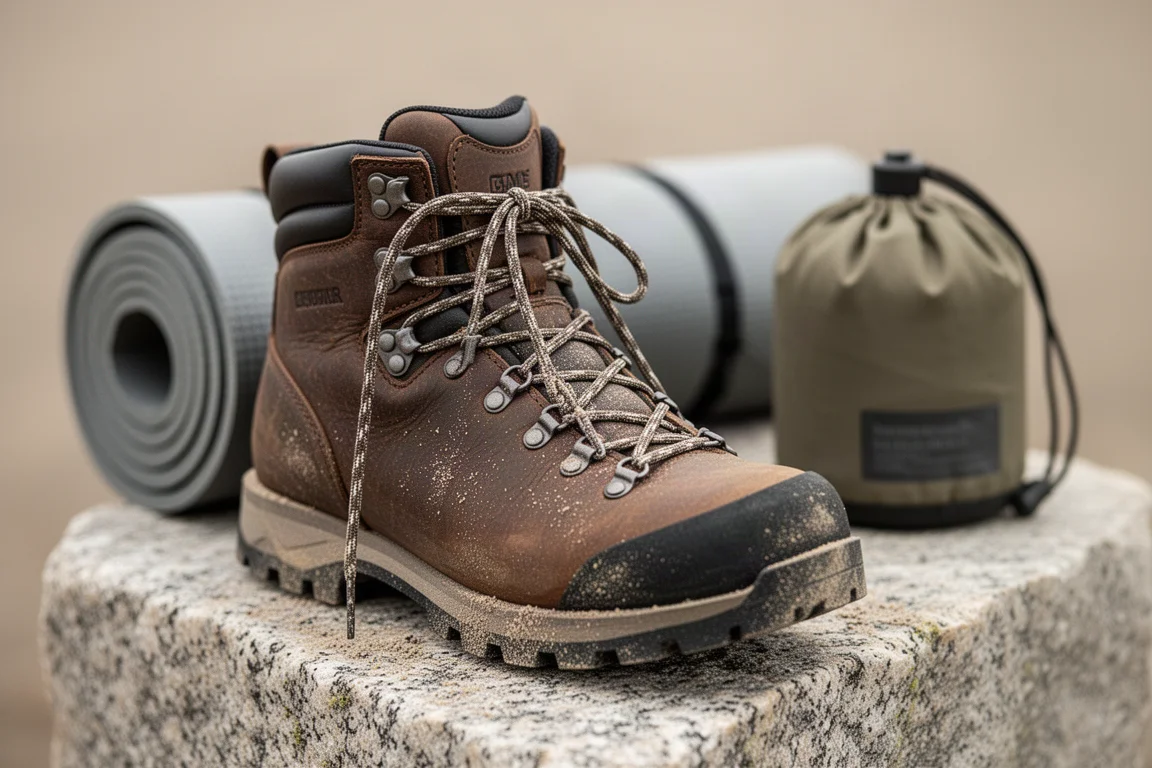
Lacing has a similar hidden trick. The top pair of eyelets on a hiking boot can be used as a heel lock, sometimes called a racer’s loop. Thread each lace back through the top eyelet on its own side to form a loop, cross the laces over, pull down to tighten, then tie as normal. The result is a boot that holds the heel in place, which cuts down on the movement that causes blisters in the first place. On a long descent, that is worth the extra ten seconds.
How These Two Pieces Work Together
A pole-based two-person tent and a set of rechargeable AAA cells solve different halves of the same problem: staying warm, dry, and lit without adding weight or waste.
The tent handles shelter and condensation control. The batteries handle the small electronics that keep a trip running after dark, and they remove the recurring cost of disposable cells. Together they cover most of what a three-day trip actually demands, and neither one depends on the other to be useful.
Buying Advice
The Mountain Hardwear Strato 2 makes sense for backpackers who want a two-person shelter with its own poles, a ventilation zip for cold nights, and the option of a field repair if a pole fails. It suits anyone who would rather carry poles than depend on trekking poles for structure, and it works well for two people sharing the weight.
The Pale Blue Earth batteries make sense for anyone who already carries AAA-powered devices. If a headlamp, a small lantern, or another accessory runs on AAA cells, rechargeable lithium-ion versions replace a repeating purchase and a repeating piece of waste. They are as useful at home as they are in a pack.
If only one of the two fits the budget right now, start with whichever problem shows up on your trips. Damp tent walls point to the shelter. Dead headlamps point to the batteries.
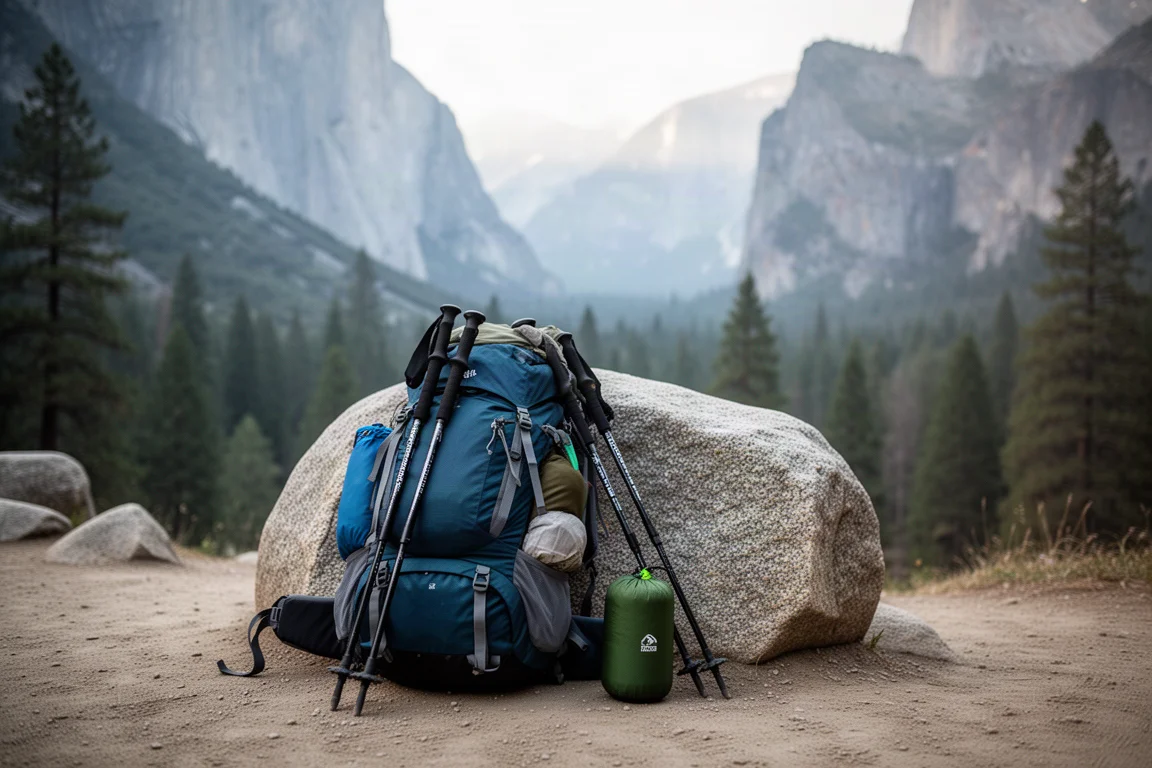
Both are the kind of purchase that gets better the longer you own it. The tent keeps working trip after trip, and the batteries keep replacing cells you would otherwise buy again and again.
Conclusion
Good backpacking gear is usually quiet about what it does. A vent zip that keeps condensation down, a metal sleeve that saves a broken pole, a battery that recharges instead of getting thrown away. The Mountain Hardwear Strato 2 and Pale Blue Earth’s rechargeable AAA cells both fit that pattern: small, practical fixes that make a multi-day trip easier to plan and cheaper to repeat.
Further reading
Related Reviews

Backpacking Gear
Building a 10 lb Base Weight: An Ultralight Backpacking Gear List
A practical walkthrough of the ultralight pieces behind a 10 lb base weight, from a 765 g pack and a roomy one-person tent to a full camp chair and a dependable water filter.
Backpacking Gear
A 15-Pound Lightweight Backpacking Gear List for Solo Trips
A beginner-friendly 15-pound backpacking setup built from easy-to-find gear, with notes on what each piece does, how it packs, and where to spend your attention.
Backpacking Gear
8 Ultralight Backpacking Gear Upgrades Worth Carrying
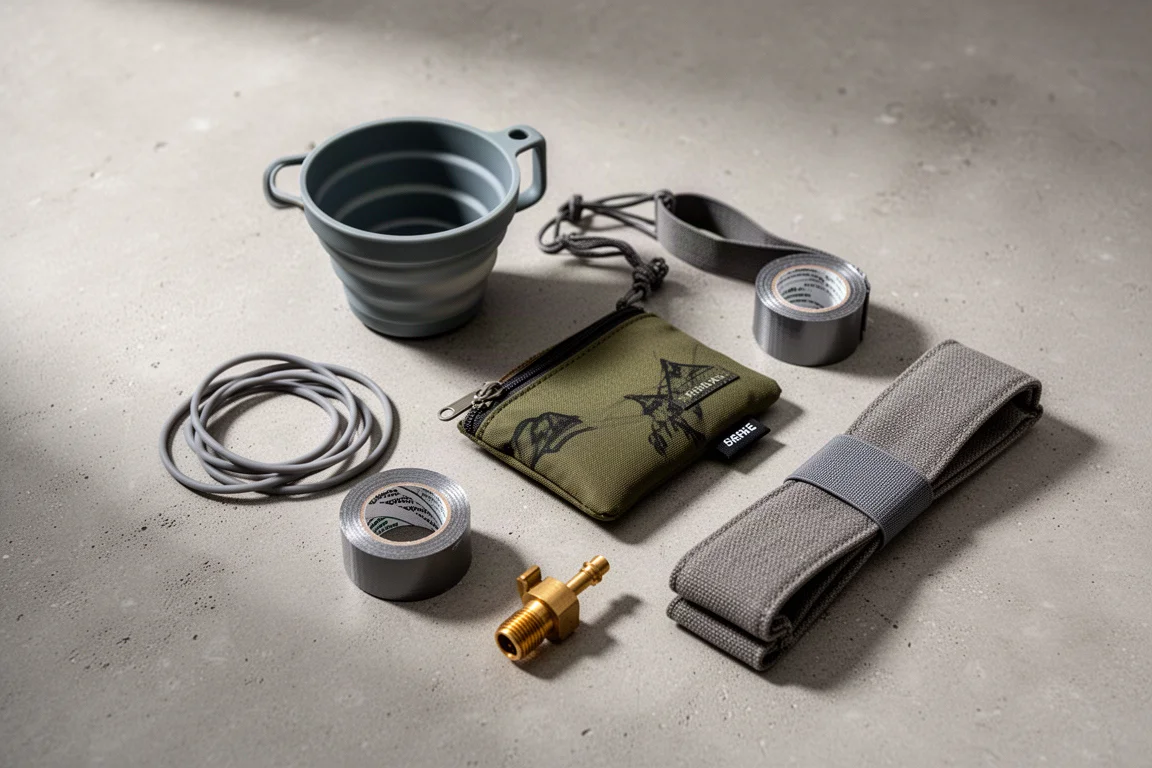
Eight small, affordable backpacking upgrades that solve real trail annoyances, from a pillow that stays put to a fuel valve that rescues leftover canister gas.