Backpacking Gear
Backpacking Gear Worth Packing: 7 Standout Picks for 2026
Seven backpacking and camping items, from a 1000-fill down quilt to a tube of coffee paste, with the strengths and trade-offs to weigh before you buy.
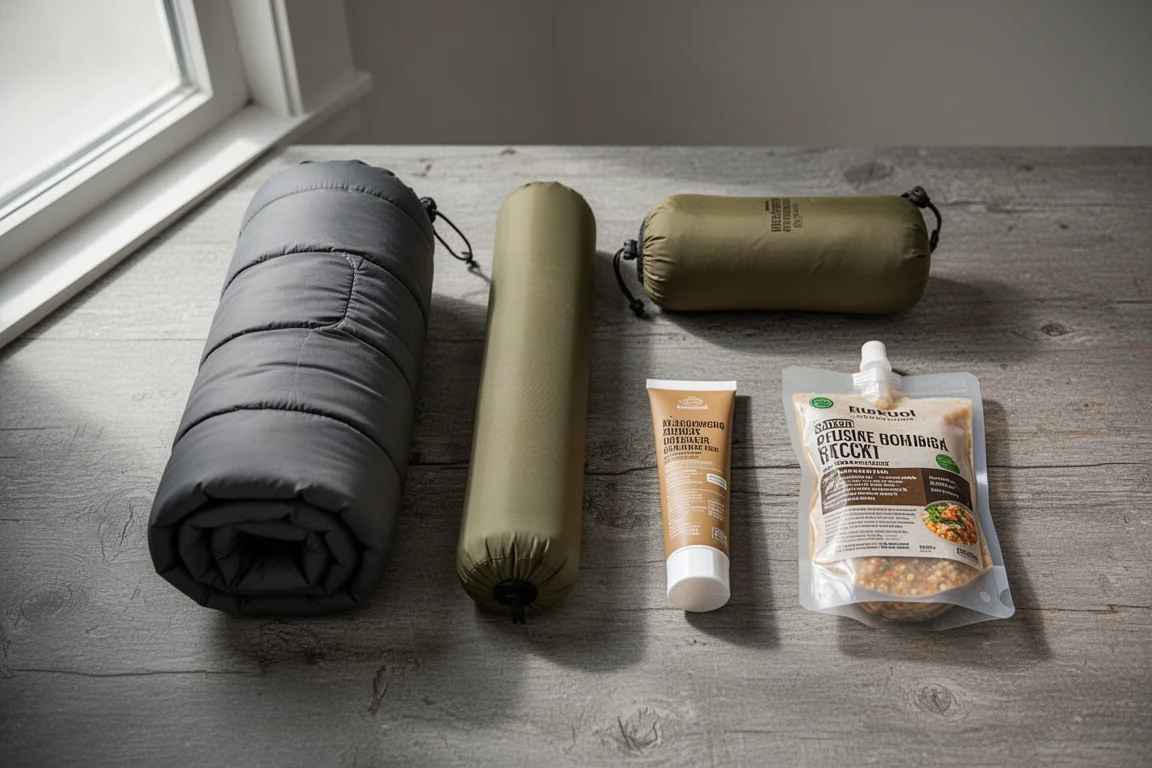
Introduction
Not every piece of backpacking gear earns its place in a pack. The items below were chosen because each one solves a specific problem on trail, whether that is caffeine without a brew kit, a pillow that actually holds its shape, or food storage that does not weigh a pound. Some are new to the market, others have been refined over years of use. All seven come with clear trade-offs, and this guide lays out both sides so you can decide what fits the trips you actually take. Prices noted here reflect what these items cost at the time of writing.
No Normal Coffee Coffee Paste: Caffeine in a Tube
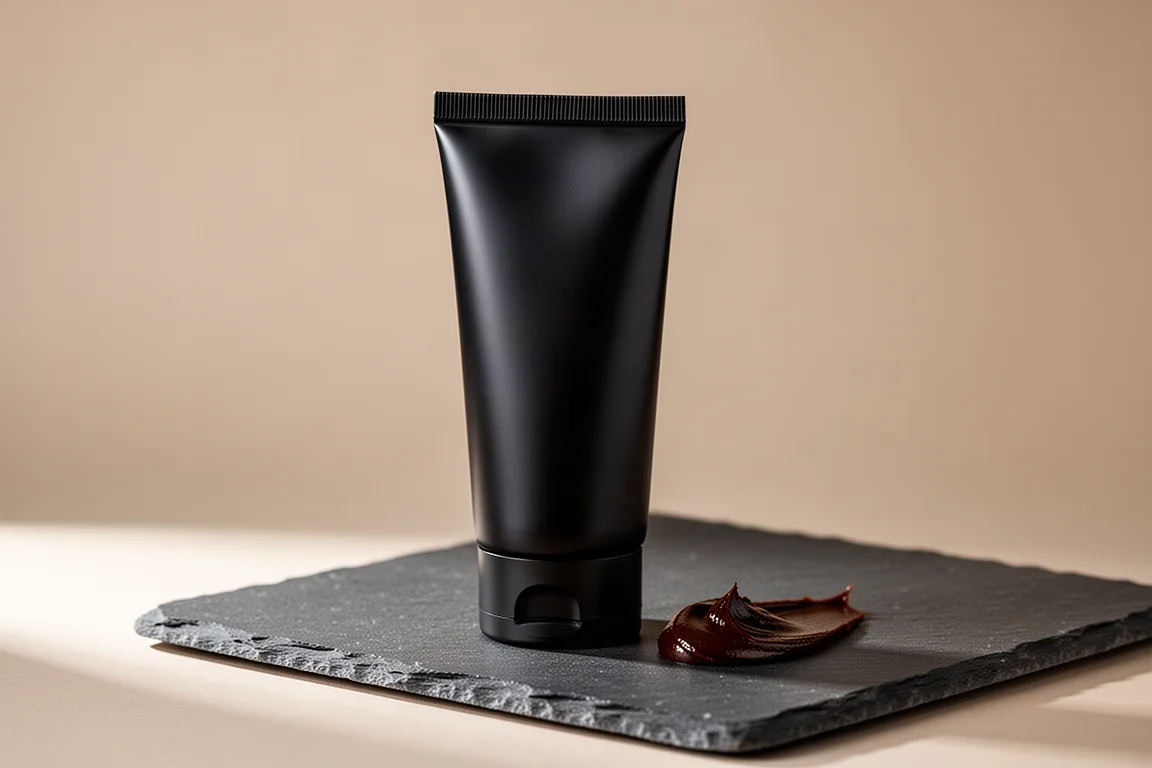
Most trail coffee means a filter, a pour-over cone, or a packet of instant crystals. No Normal Coffee takes a different route: a condensed coffee paste in a squeeze tube, with roughly 20 servings inside. You can eat it straight off a finger, spread it on a tortilla or toast, or stir it into water for something closer to a normal cup. The entire tube can come along, or you can decant a smaller amount into another container for shorter trips.
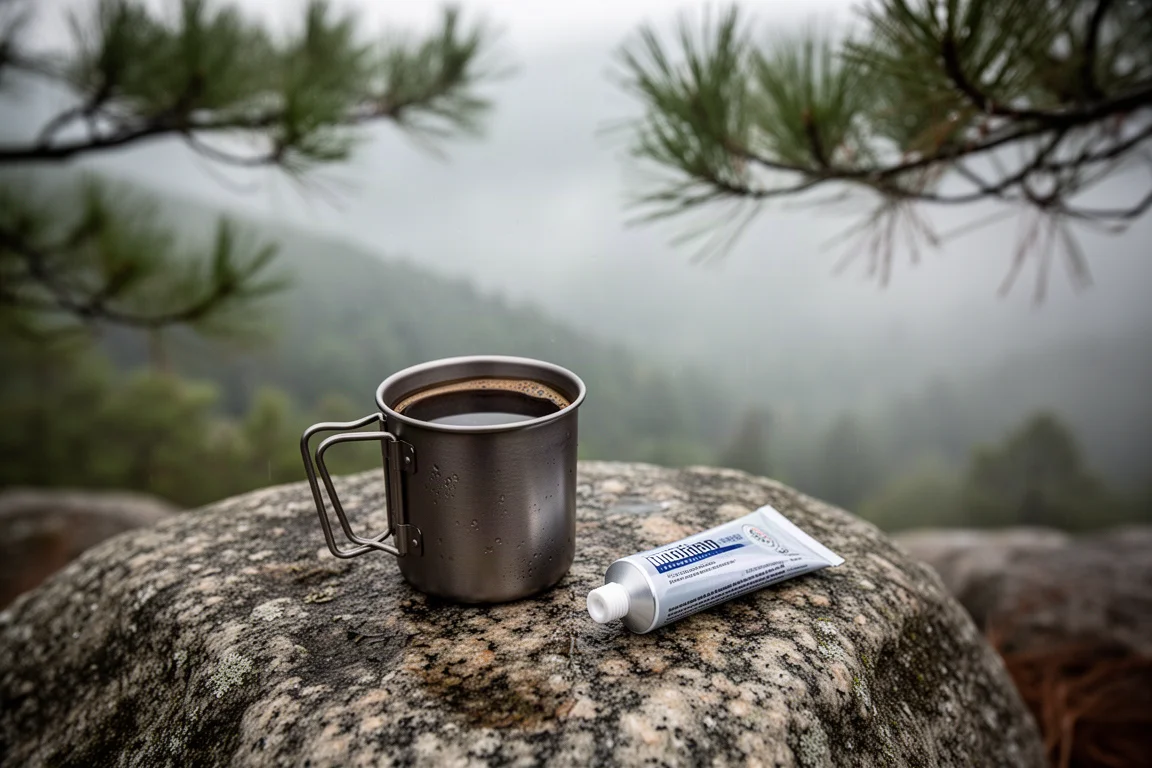
The flavor is concentrated and intense, and it does not carry the sharp acidity that a lot of trail coffee does. Mixing takes a little practice. Six ounces of water produces a strong cup, so adjust to taste. At around $20 for the tube, the per-serving cost lands in line with other specialty trail coffee options.
Big Sky International Dream Nation Pillow: Real Shape at 1.5 Ounces
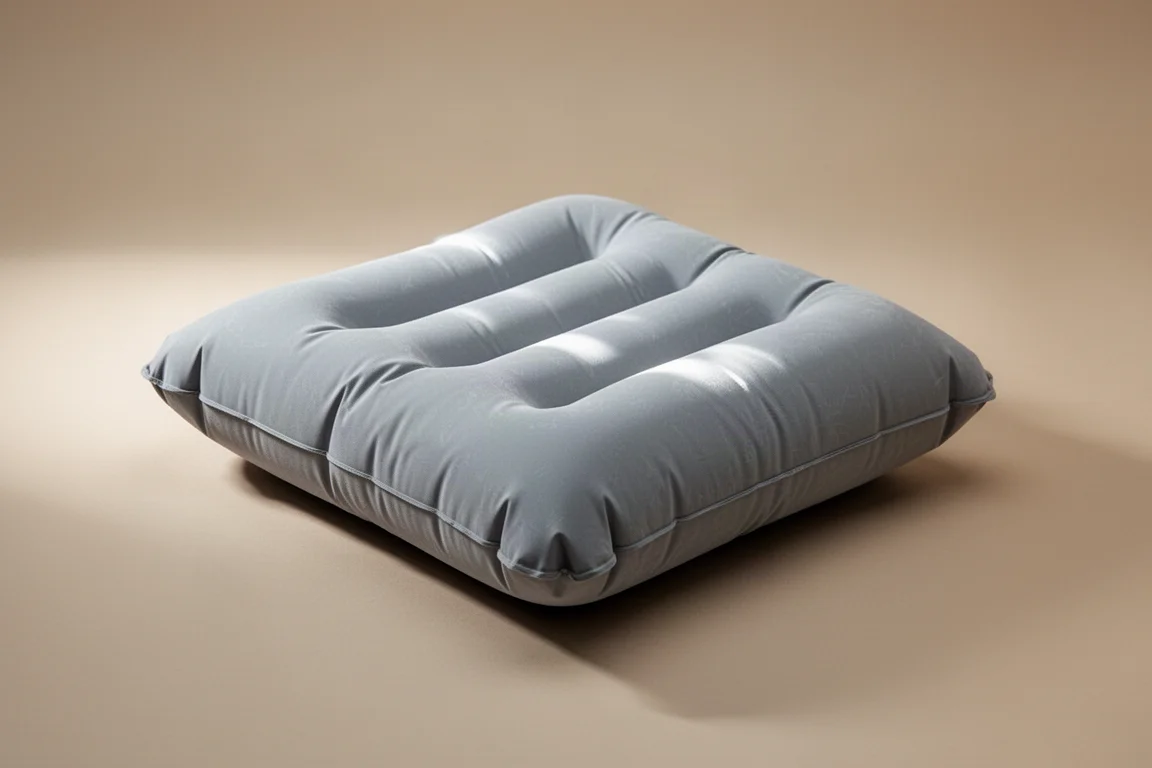
Inflatable pillows usually fall into two camps: comfortable and heavy, or light and useless. The Dream Nation pillow from Big Sky International tries to sit in the middle. Internal baffling gives it structure, so it holds a shape instead of ballooning into a slippery lump, and the surface forms around your head when you settle onto it.
At 1.5 ounces it disappears into a pack, and the packed size is small enough to leave in a stuff sack without a second thought. The bare surface stays cooler against the face than fabric does, which matters on warm nights. If you want more cushioning, a fabric cover is available, or you can simply wrap the pillow in a fleece. At $32.95 it costs more than a basic inflatable, but the weight and the shape make it a reasonable splurge for anyone who has given up on cheap pillows.
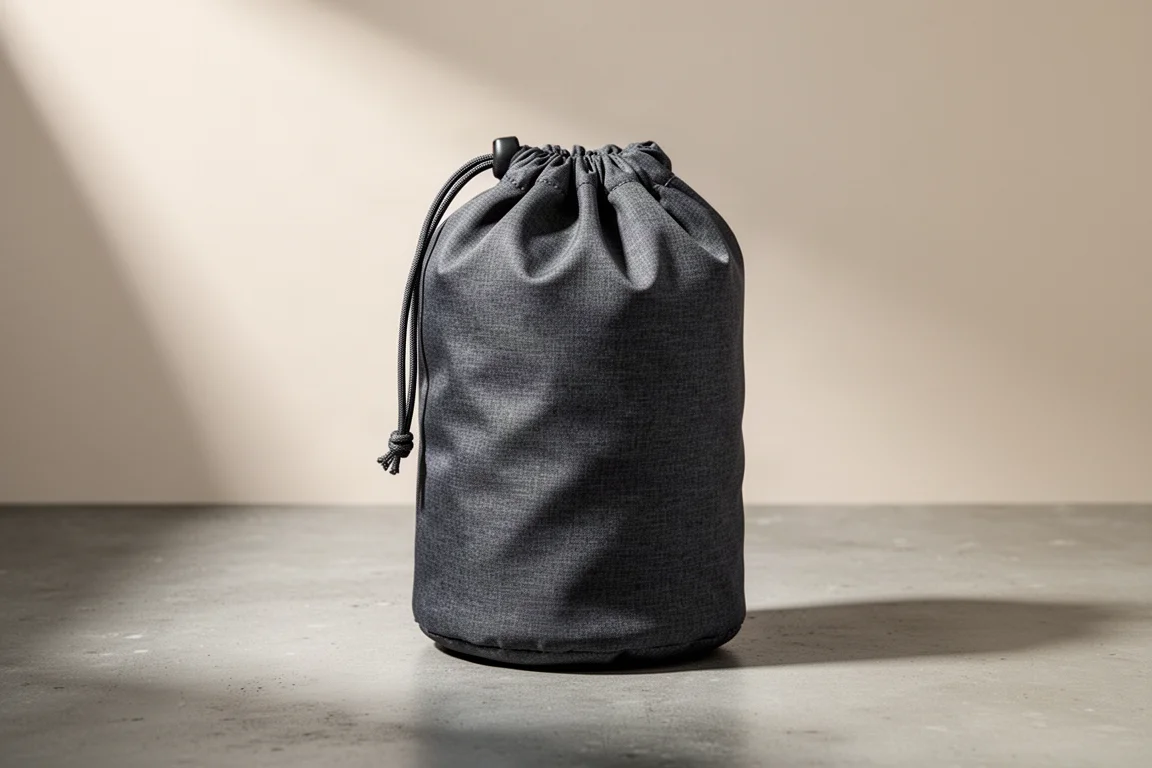
Atotech Bear Bag: Grizzly-Certified Storage in a Lighter Package
Bear-resistant food storage has traditionally meant a hard canister or a heavy fabric sack. The Atotech bear bag leans toward the lighter end of that spectrum. It comes in 9 L, 14 L, and 20 L sizes, and the 14 L version carries grizzly bear certification. The construction is a lightweight fabric that keeps the bag packable while still meeting the standard that matters most in bear country.
It is meaningfully lighter than comparable bear-resistant options, which is the main reason to consider it. Two caveats are worth knowing: only the 14 L size holds the certification, and the bag is not rodent proof, so it is not a solution for mice or squirrels. At $154 it costs less than many bear-resistant alternatives, though it is still a serious outlay for a fabric bag.
Namaste Coconut Chickpea Curry with Rice: Vegetarian Calories That Deliver
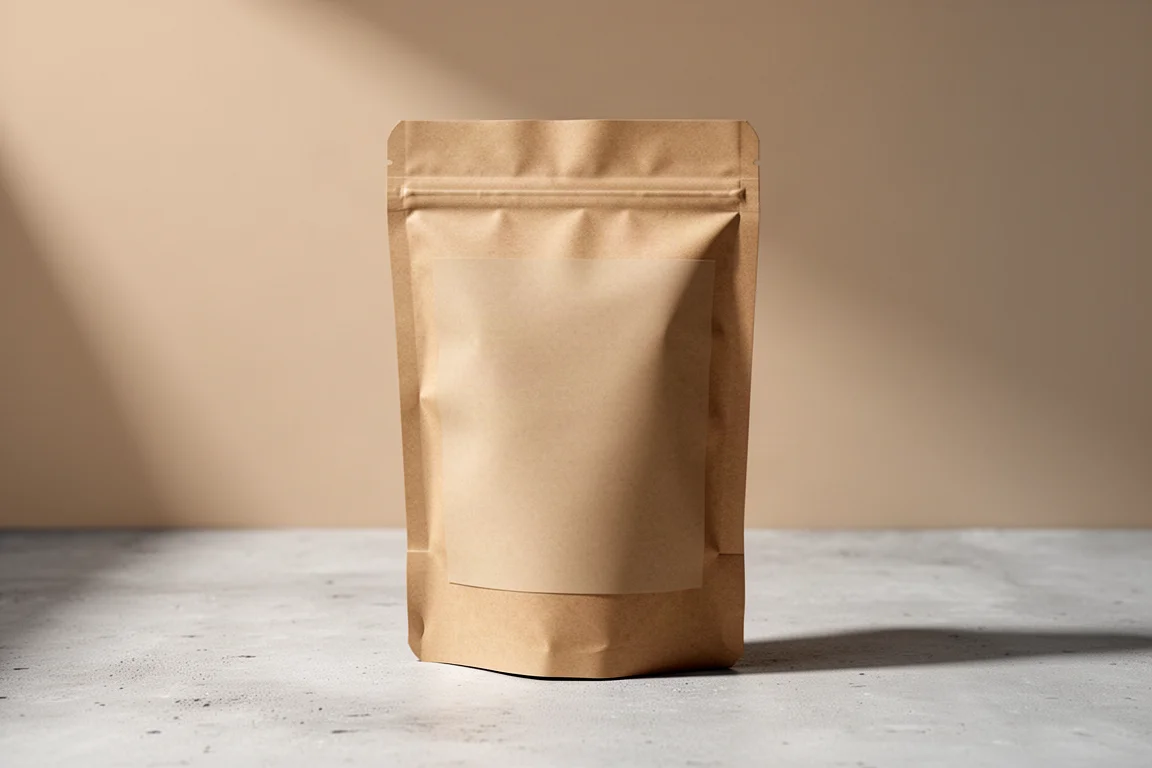
Finding dehydrated dinners that are both high in calories and vegetarian friendly is harder than it should be. Namaste, a Minnesota company, builds Indian-inspired meals around that gap: coconut chickpea curry with rice, tikka masala, and similar dishes. The coconut chickpea curry with rice delivers 670 calories per pouch, with real seasoning rather than the bland, salty profile that plagues a lot of trail food.
The flavors are genuinely spiced, which is either the appeal or the problem depending on your palate. If you like Indian food, these are a strong change of pace from standard pasta and rice dinners. At about $15 per meal, the price is in line with other premium dehydrated options.
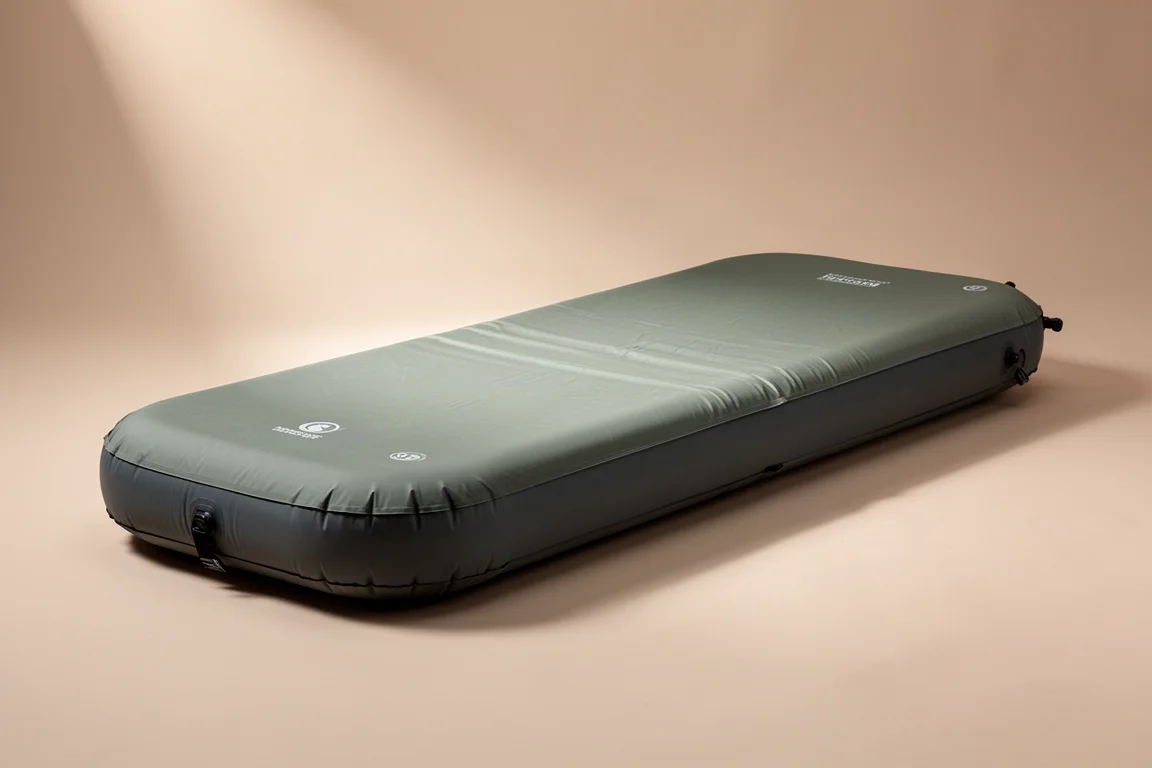
NeoLoft Sleeping Pad: 4.7 R-Value and 4.5 Inches of Cushion
The NeoLoft is not the lightest pad you can carry, and it does not pretend to be. What it offers instead is comfort: 4.5 inches of thickness, a 4.7 R-value, and a regular size that stays under 2 lb. That combination puts it firmly in three-season territory, and it is a strong option for anyone who has spent a cold, thin night on a minimal pad.
The trade-off is packed volume. It takes up noticeably more room in a pack than an ultralight pad, and inflating it with the included pump sack takes some patience. At $239 it sits at the upper end of the inflatable pad market, but the comfort-to-weight ratio is difficult to match at that price.
Lightheart Gear Hoodie Pack Cover: One Layer for You and Your Pack
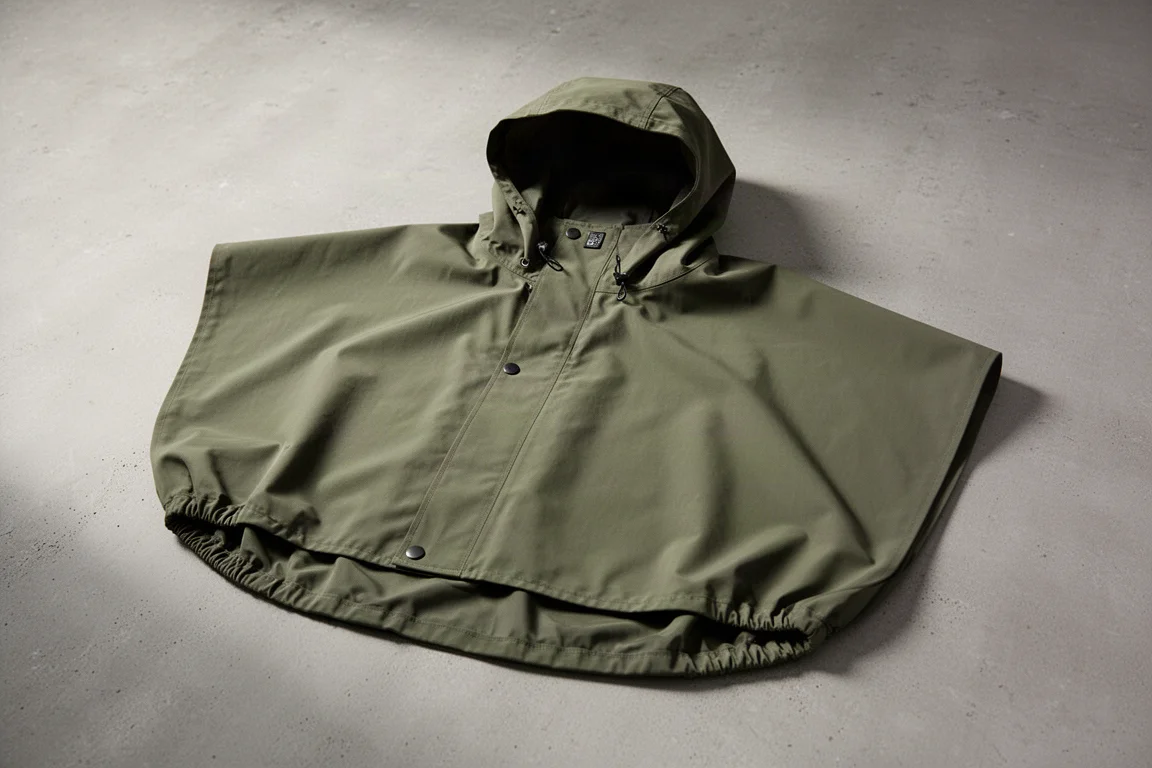
A standard pack cover protects your gear. The Lightheart Gear hoodie pack cover goes a step further by covering you as well. It pulls over your head like a poncho and snaps into place, then spreads wide enough to cover the top and back of a loaded pack. An elastic hem grips the bottom of the pack, and the snaps let you fix the loose fabric behind your back so it does not snag on brush.
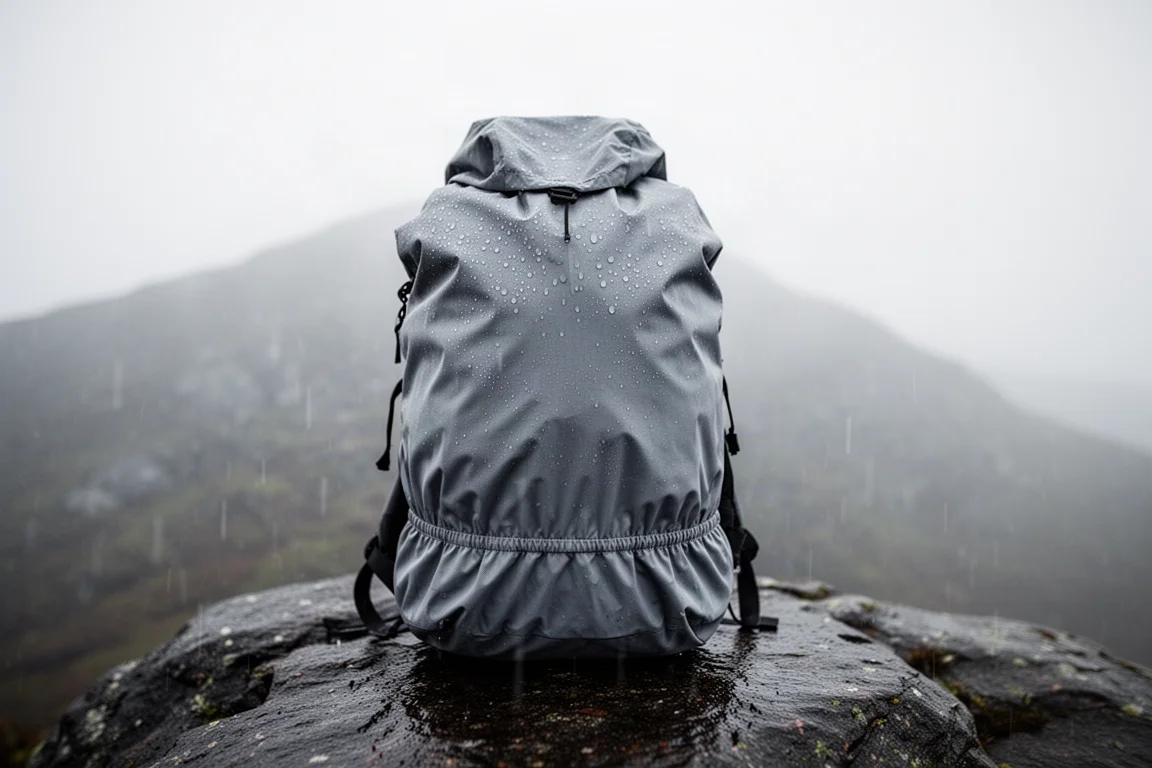
It will not keep your entire front dry, so it is not a replacement for a full rain jacket on exposed hikes. What it does well is handle steady rain on sheltered trails, and it can be worn on its own around camp. At $65, and made in the USA, it is a practical piece for hikers who want simple coverage without carrying two separate layers.
Hyperlite 20-Degree Quilt: 1000-Fill Down at 14 Ounces
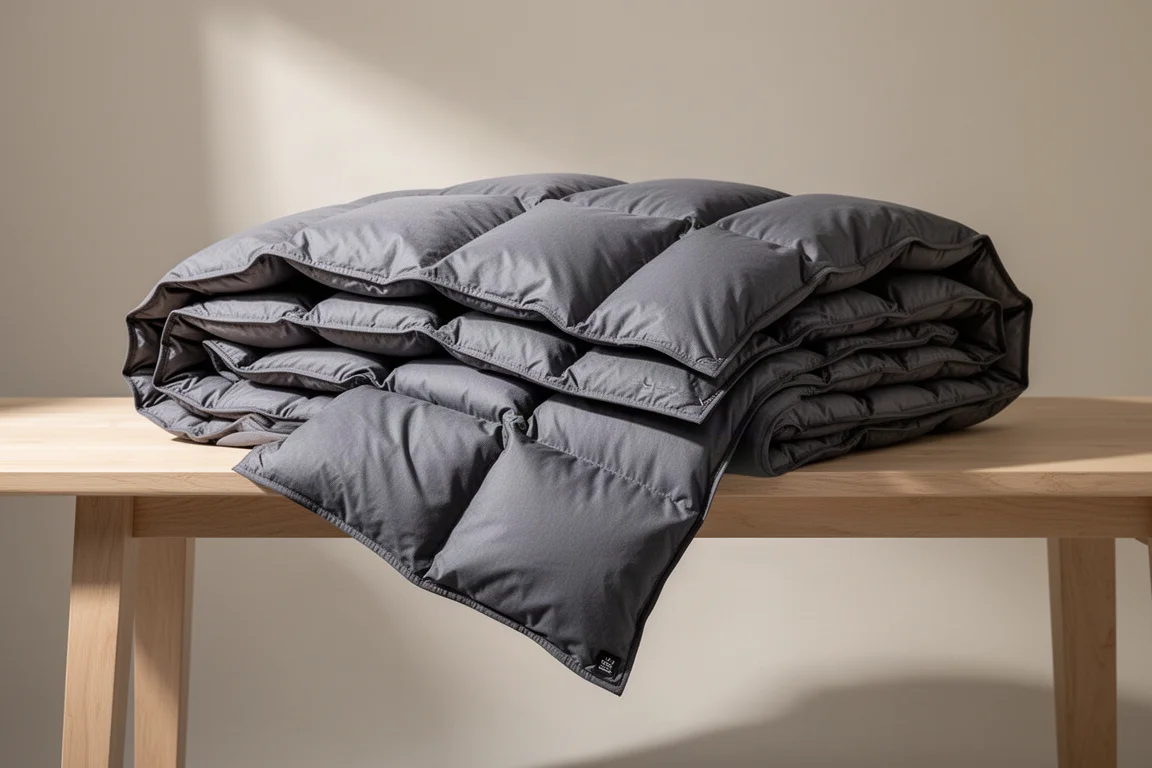
A 1000-fill down quilt with 7D fabric is about as light as three-season insulation gets. The Hyperlite 20-degree quilt pairs the two: down with documented fill-power testing, held inside a shell thin enough to cut serious weight while still keeping the fill where it belongs. The result is 14 ounces, under a pound for a quilt rated to 20 degrees.
That fabric is on the delicate side, and 7D is close to the limit of what still works as a shell, so it rewards careful handling. At $499 it is an expensive piece of gear, and down prices have not made that easier. For backpackers counting every ounce on long routes, though, the weight and the packability are hard to argue with.
Buying Advice: Match the Gear to the Trip
The right choice depends far more on your trips than on specs alone. A 14-ounce quilt and a tube of coffee paste make sense for a long-distance hiker watching every gram. A 4.7 R-value pad and a hooded pack cover make more sense for weekend trips where comfort and simple rain protection matter more than shaving ounces.
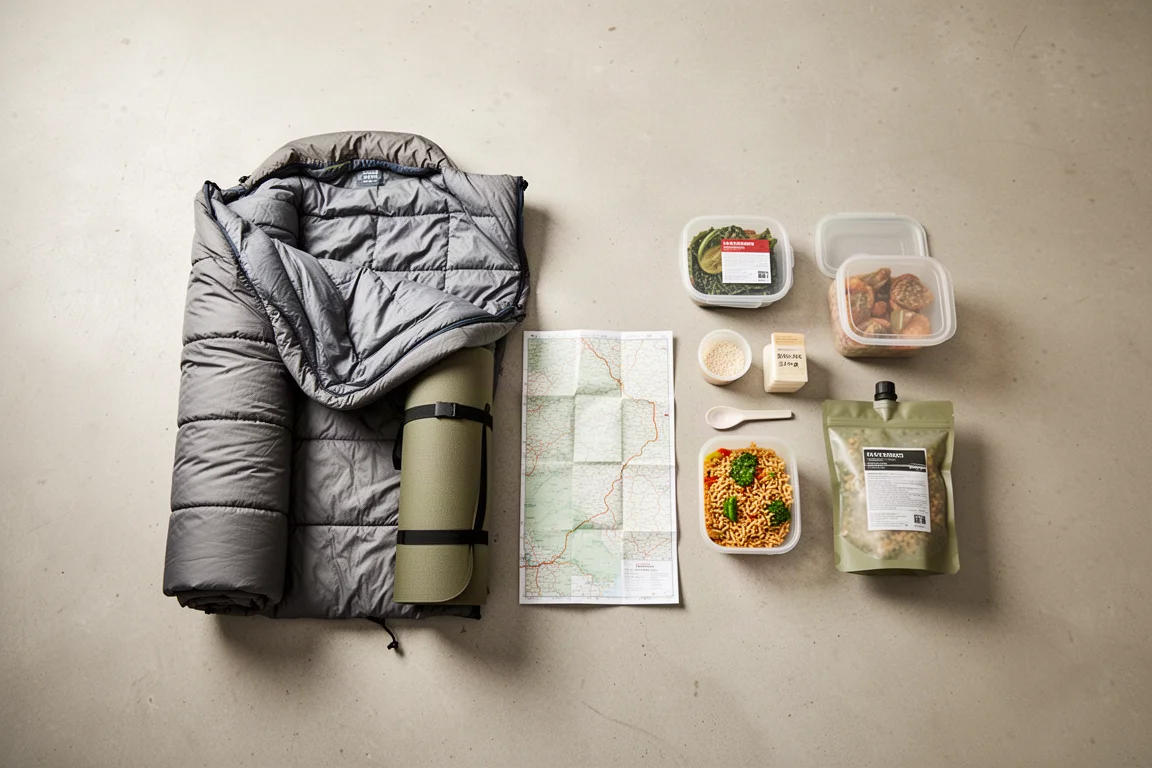
Sort the list into three questions: how much weight you are willing to carry, how cold and wet your conditions get, and how much you care about mealtime. Food storage and sleep insulation are the two places where cutting corners has real consequences, so those are usually worth spending on first. Coffee, pillows, and rain coverage are the areas where a small upgrade delivers an outsized improvement in how a trip feels.
Conclusion
None of these seven items is essential for every pack, and that is the point. Each one solves a specific problem: caffeine without a brew kit, a pillow that holds its shape at 1.5 ounces, bear-resistant storage that does not weigh you down, vegetarian dinners with real calories, a pad built for comfort, rain coverage for you and your pack, and a quilt that weighs under a pound. Choose the ones that match the trips you actually take, and the money goes where it counts.
Further reading
Related Reviews

Backpacking Gear
Building a 10 lb Base Weight: An Ultralight Backpacking Gear List
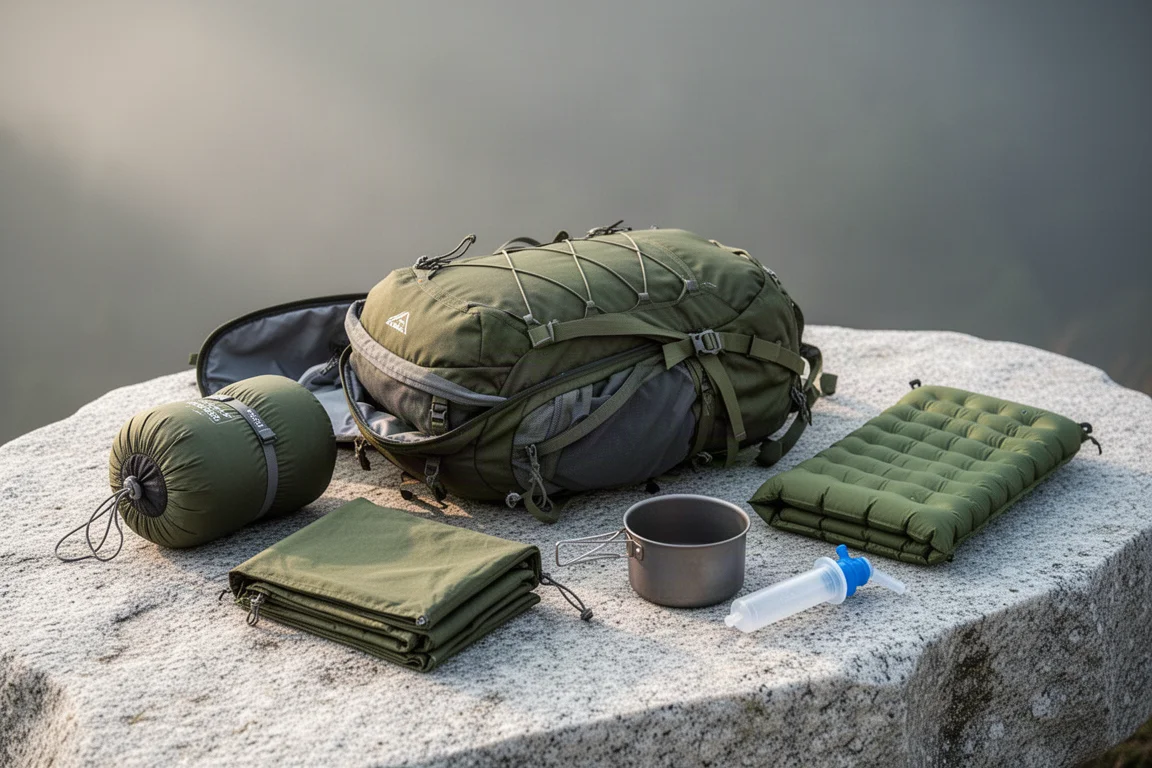
A practical walkthrough of the ultralight pieces behind a 10 lb base weight, from a 765 g pack and a roomy one-person tent to a full camp chair and a dependable water filter.
Backpacking Gear
A 15-Pound Lightweight Backpacking Gear List for Solo Trips
A beginner-friendly 15-pound backpacking setup built from easy-to-find gear, with notes on what each piece does, how it packs, and where to spend your attention.
Backpacking Gear
8 Ultralight Backpacking Gear Upgrades Worth Carrying
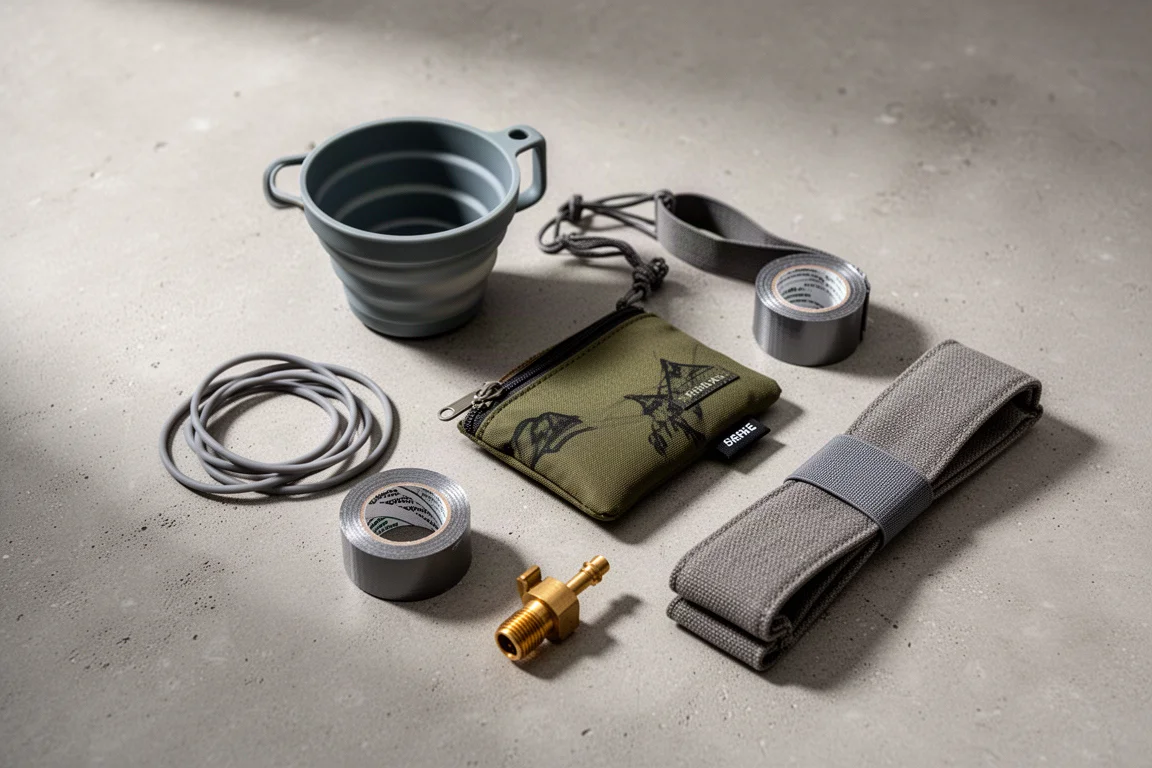
Eight small, affordable backpacking upgrades that solve real trail annoyances, from a pillow that stays put to a fuel valve that rescues leftover canister gas.