Backpacking Gear
Backpacking Gear Worth Knowing: 8 Items Long-Distance Hikers Rethink
A practical look at eight backpacking items, from the Osprey Aura AG and Patagonia Barely Baggies to the Sawyer Squeeze and Zpacks camp shoes, with the trade-offs that matter before you buy.
Introduction
A backpacking kit is never really finished. It gets lighter, simpler, and more specific to the trips you actually take. Items that felt essential in a first season often end up in a storage bin a few years later, not because they failed, but because something else did the same job with less weight or fewer headaches.
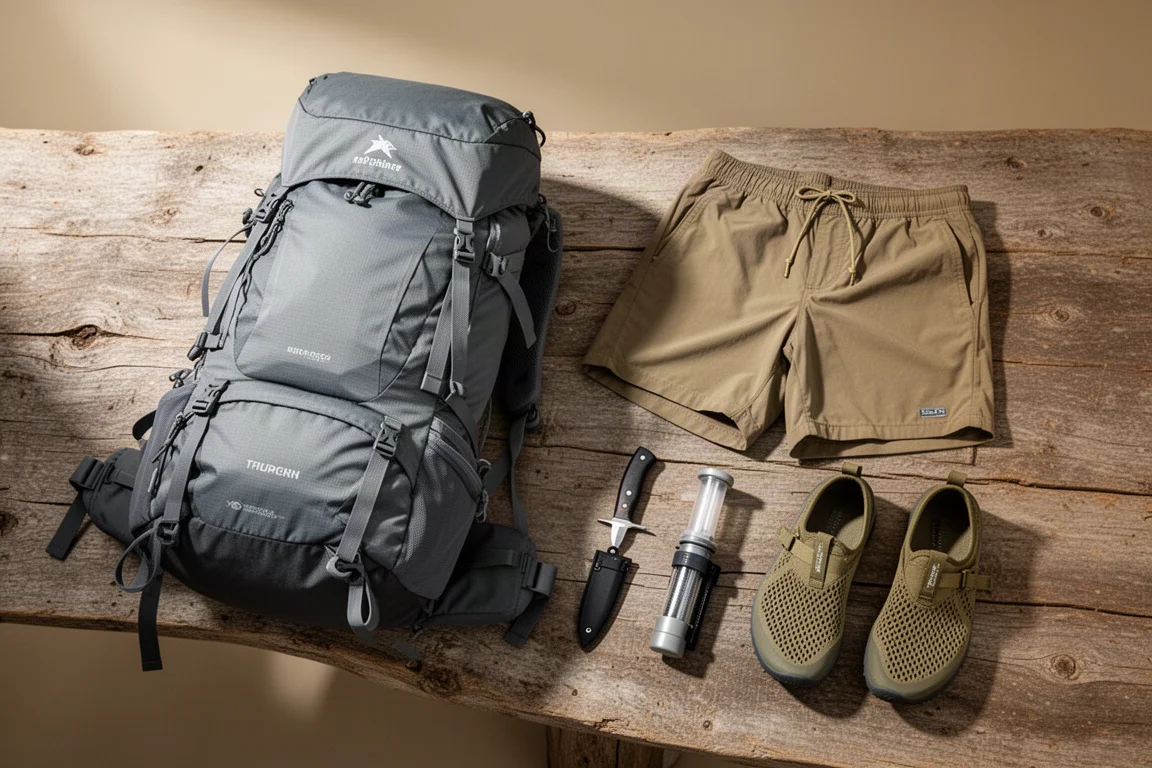
This guide looks at eight items that come up again and again in long-distance kits: the Osprey Aura AG backpack, Patagonia Barely Baggies shorts, the Gerber Paraframe pocket knife, the MT Knives Genesis and Talon neck knives, the Platypus GravityWorks filter, the Sawyer Squeeze, and Zpacks ultralight camp shoes. Some are classics that many hikers eventually move on from. Others are the upgrades that replaced them. Knowing which is which is the fastest way to avoid buying the same piece of gear twice.
What Separates Gear You Keep From Gear You Leave Behind
Three questions tend to decide whether an item survives in a pack.
The first is weight against convenience. A few ounces rarely matter on an overnight trip, but they add up over hundreds of miles, so anything that only occasionally earns its weight tends to get cut.
The second is whether the item has a second job. A trekking pole that also holds up a shelter is easier to justify than a dedicated pole that only pitches a tent. Gear with one narrow purpose has to be very good at it to stay in the bag.
The third is how well the item matches the terrain. A filter that needs a tree to hang from works beautifully in forest and poorly in open desert.
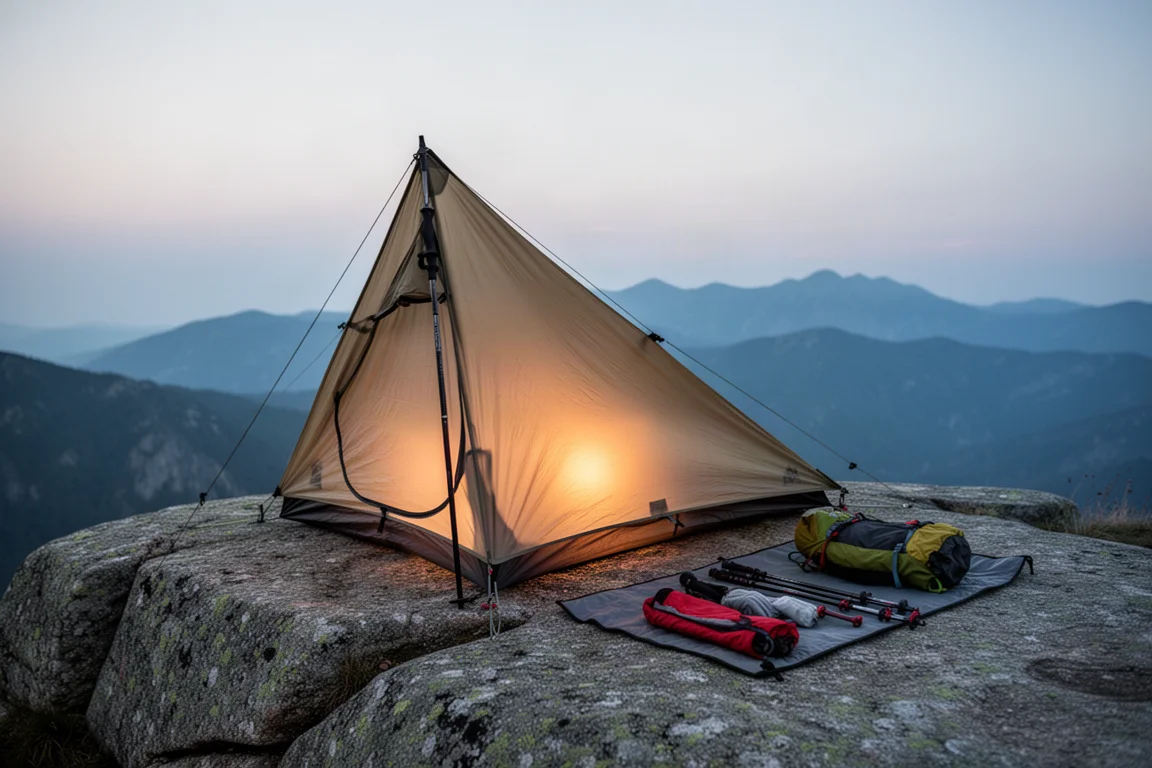
None of this makes an item bad. It simply means the right kit depends on where you walk, how much you carry, and what you are willing to fuss with at the end of a long day.
Osprey Aura AG: The Case Against a Pack Lid
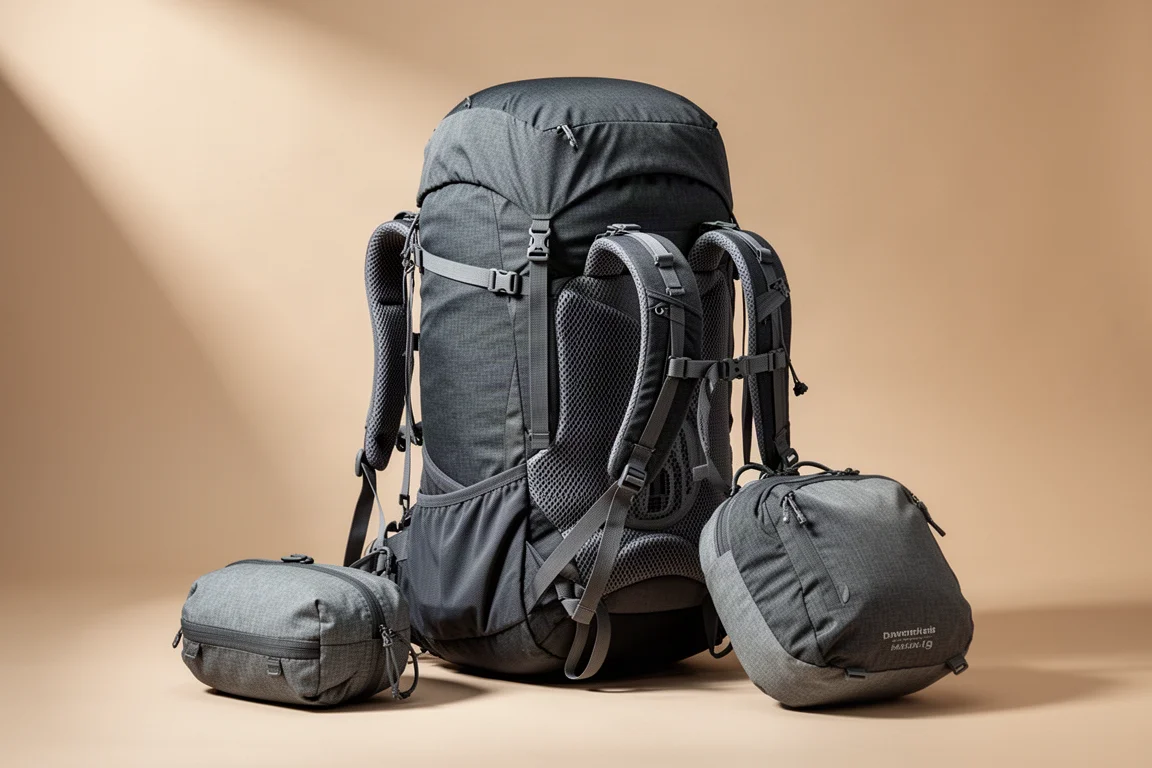
The Osprey Aura AG is an internal-frame backpack with a removable top lid, often called a brain. The lid provides a little extra storage and helps separate small items from the main load, and it can be detached completely when you would rather save the weight.
That trade-off is easy to measure. A removable lid can weigh around six ounces, while a gallon zip-top bag used for the same organizational job weighs well under an ounce. Leaving the lid behind also removes the temptation to fill it with things you do not actually need.
Patagonia Barely Baggies: Durable Shorts and the Coverage Question
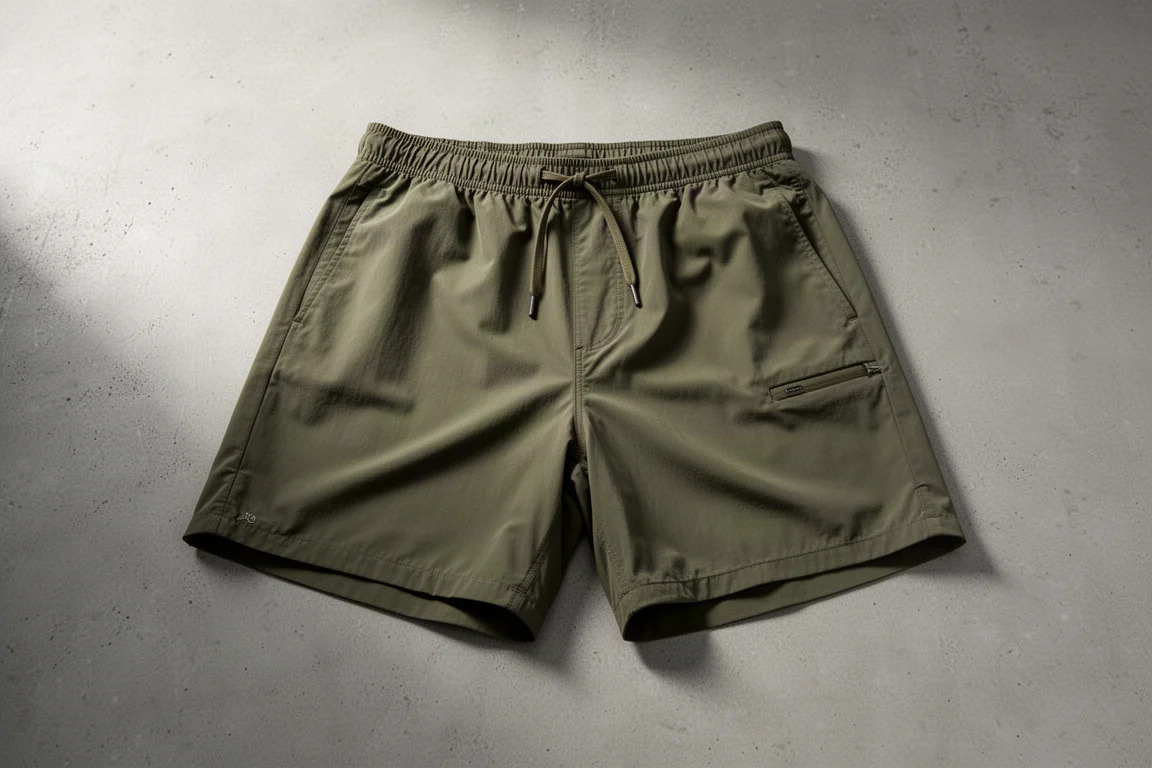
The Patagonia Barely Baggies are lightweight running-style shorts with a short inseam, and they are built to hold up over serious mileage. A couple of pairs can carry a hiker through a very long trail without falling apart.
The trade-off is coverage. The short cut leaves more leg exposed, which matters to anyone trying to limit sun exposure on long, exposed routes. If sun protection is a priority, a longer layer or leggings will usually be the better call. If freedom of movement and minimal fabric matter more, the Baggies remain a strong, hard-wearing option.
Gerber Paraframe Pocket Knife: A Dependable Folder
The Gerber Paraframe is a folding pocket knife that carries comfortably in a hip belt pocket, which is exactly where a lot of backpackers keep one. It is the familiar format: closed in your pocket, opened when you need it, closed again when you are done.
The limitation is access. Anything folded has to be opened first, and a knife tucked into a hip belt is harder to reach than one hanging around your neck. For hikers who mostly cut food or open packaging, that is a fair trade. For anyone who wants the blade available without a second thought, a neck knife tends to win.
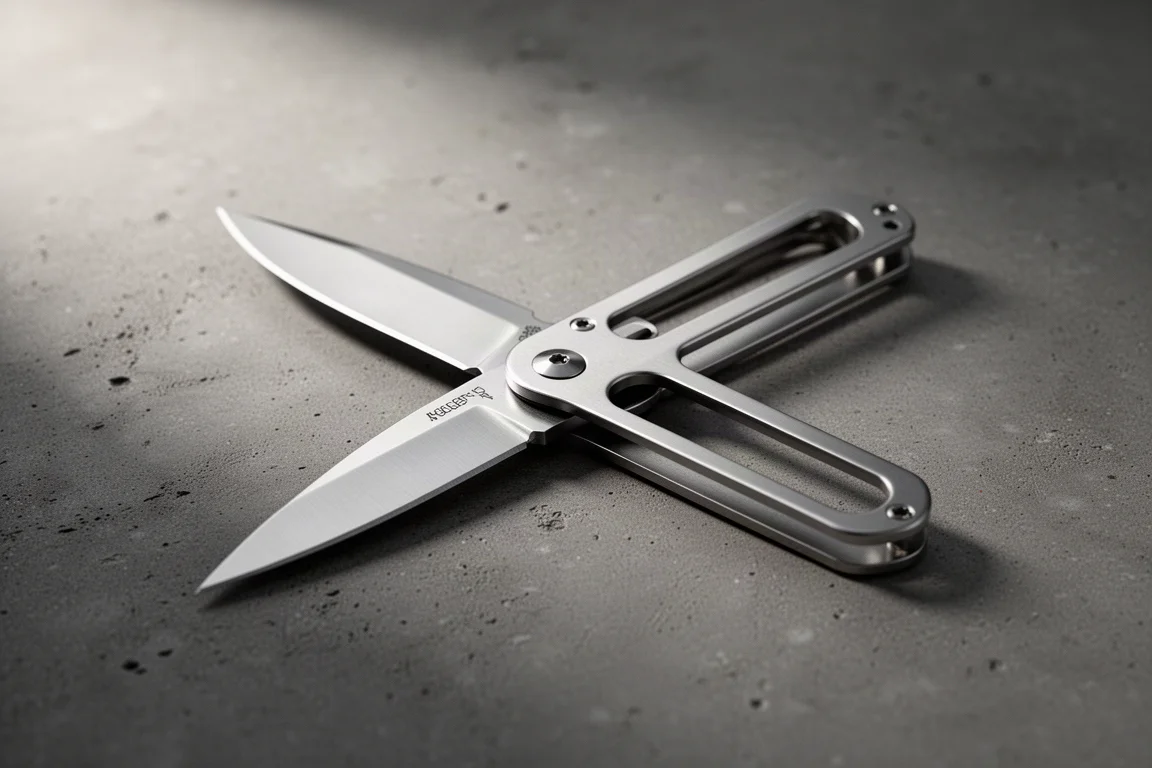
MT Knives Genesis Neck Knife: A Blade Always Within Reach
The MT Knives Genesis is a small fixed-blade neck knife worn on a lanyard under a shirt. Because it never leaves your body, it stays accessible while you are cooking, cutting food, or standing around at a trailhead, and it represents a step up in blade quality compared with a typical folding pocket knife.
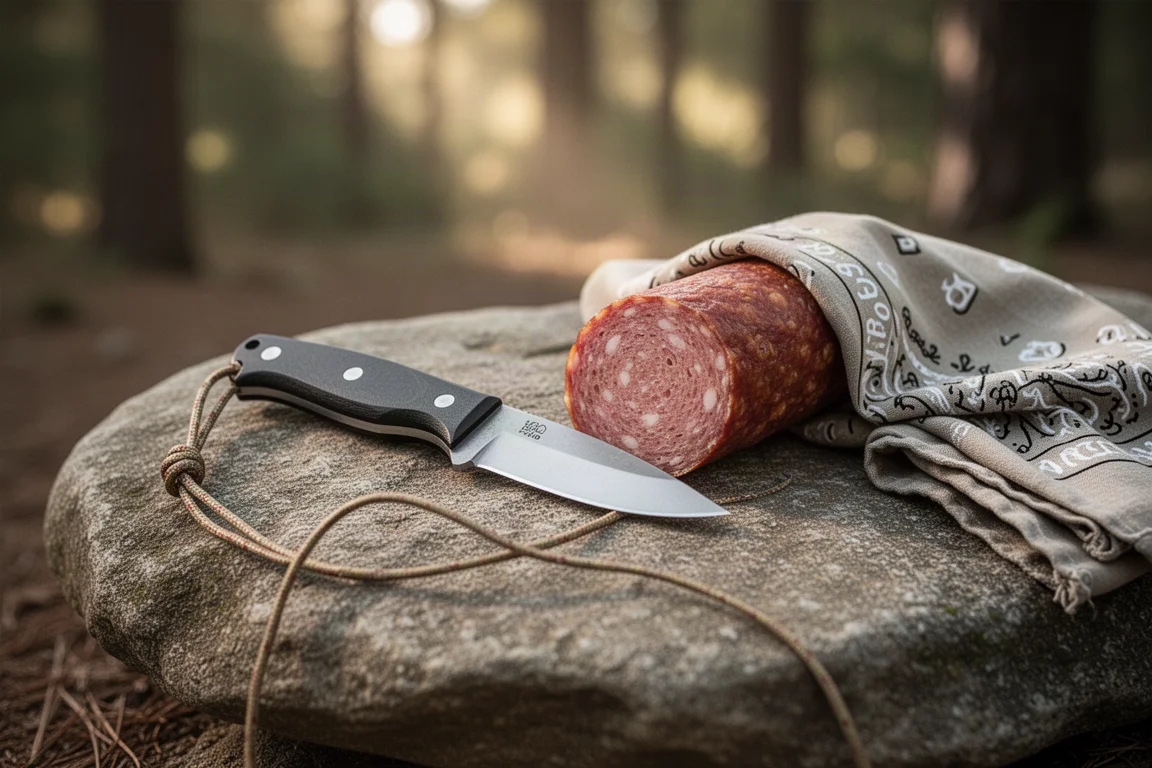
The format takes some getting used to, particularly for hikers who have carried a folder for years. Once neck carry becomes habit, though, the constant availability is hard to give up, and the knife stays out of the way inside a shirt.
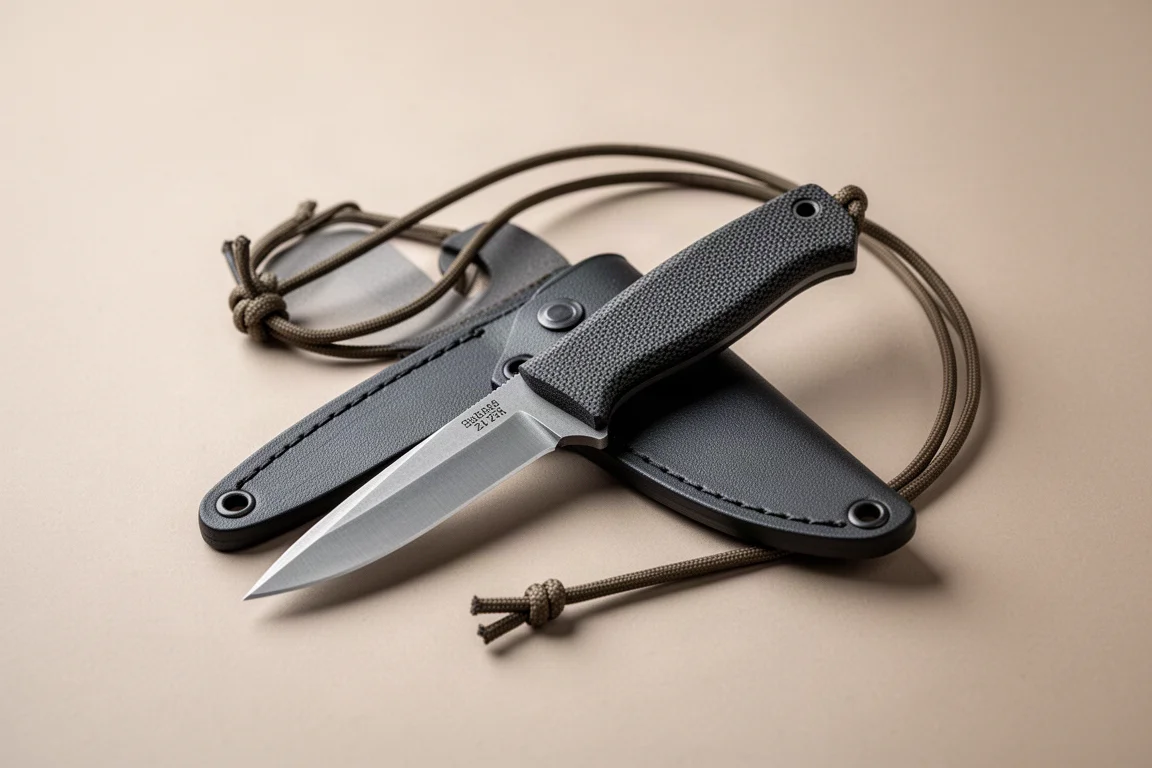
MT Knives Talon: A Smaller Blade for a Different Fit
The MT Knives Talon is a smaller-blade neck knife from the same maker. The reduced profile sits more comfortably for hikers with a fuller chest area, where a full-size neck knife can dig in or ride awkwardly under a shirt.
It is a sensible option for anyone who likes the neck-knife concept but has found larger blades uncomfortable to wear. Expect the same carry style with noticeably less bulk.
Platypus GravityWorks: Gravity Filtration at Camp
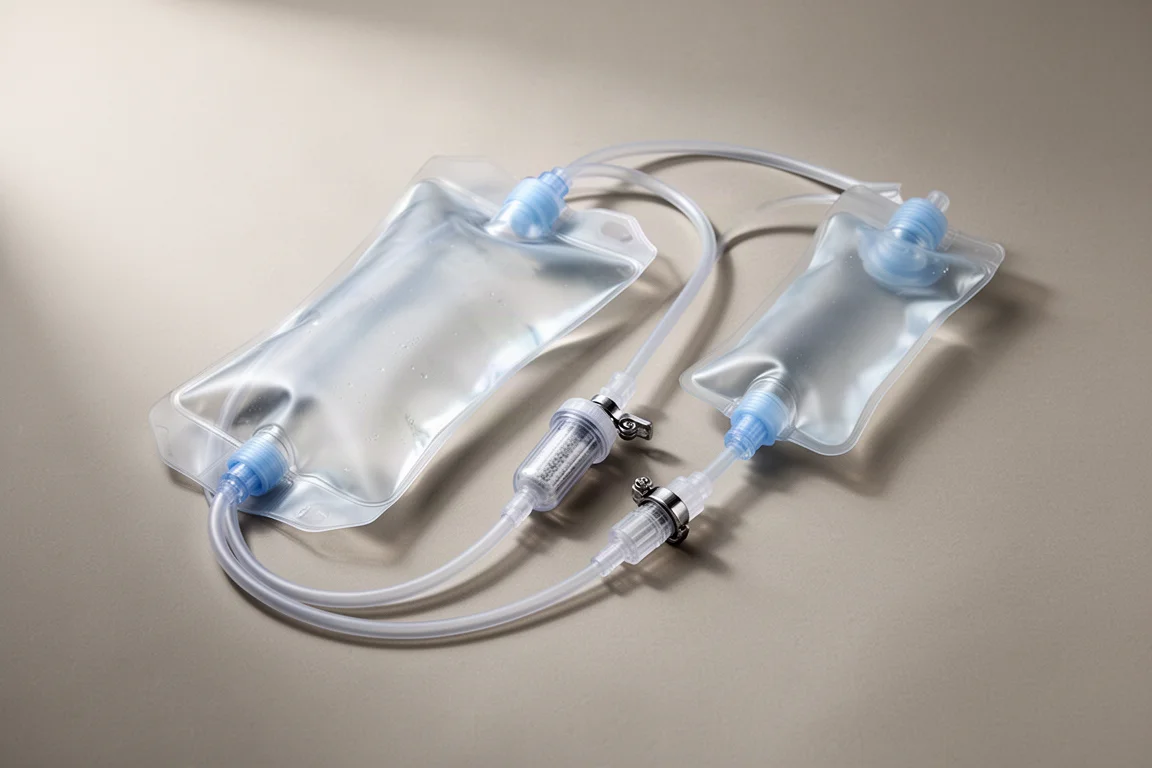
A gravity filter such as the Platypus GravityWorks lets you fill a reservoir, hang it, and let gravity push water through the filter while you set up camp or eat dinner. When you need a large volume of water and there is a solid branch overhead, it is one of the least effortful ways to filter.
The two costs are weight and hang points. A gravity system is heavier than a simple squeeze filter, and it needs something to hang from. In open desert or above treeline, that requirement becomes a real problem, which is why many hikers keep a gravity setup for forested trips and something lighter for everything else.
Sawyer Squeeze: Low Weight and Inline Drinking
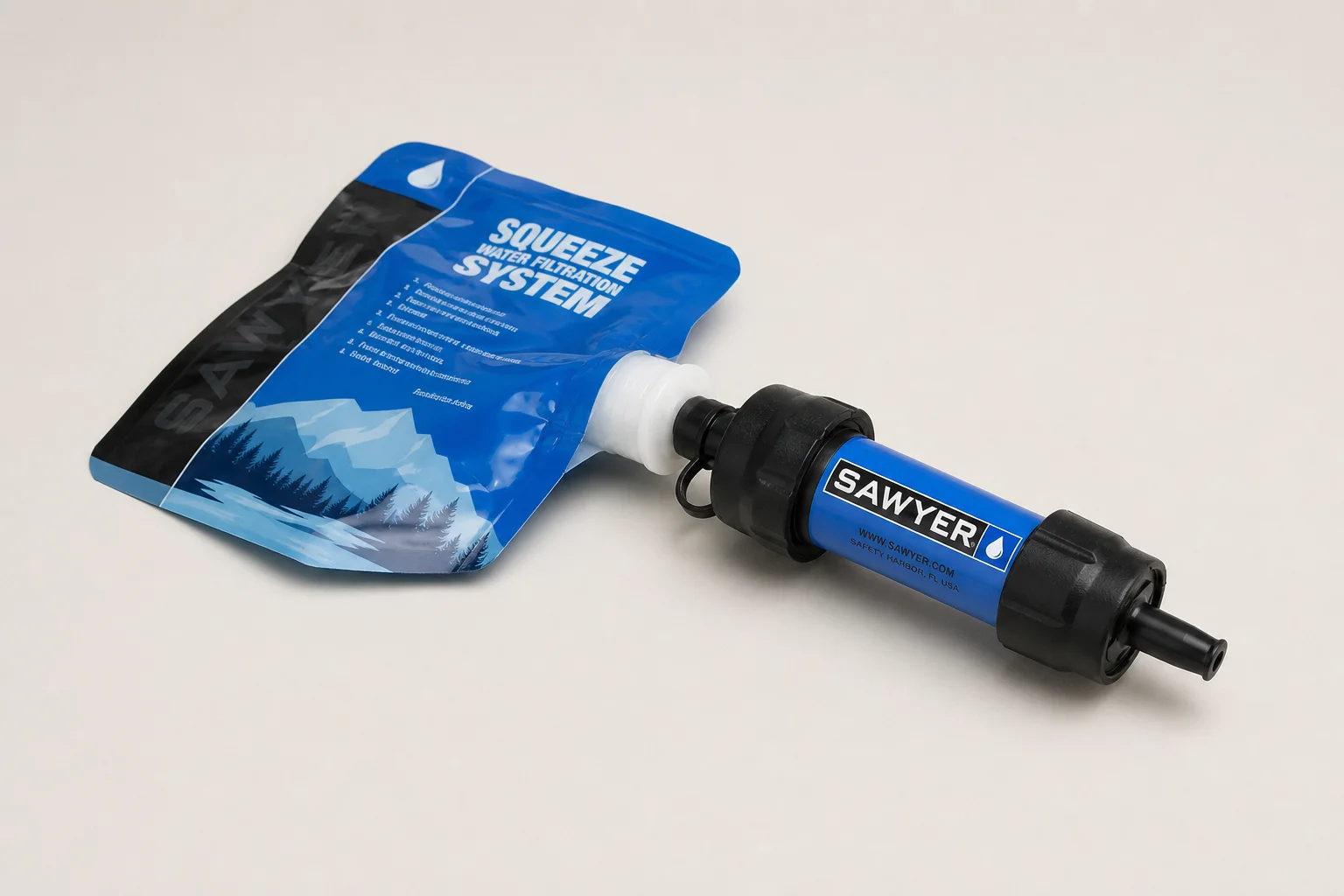
The Sawyer Squeeze is a squeeze filter that weighs only a few ounces. The classic method is to fill a dirty water bag and press water through the filter into a clean container, which takes time and a bit of hand strength.
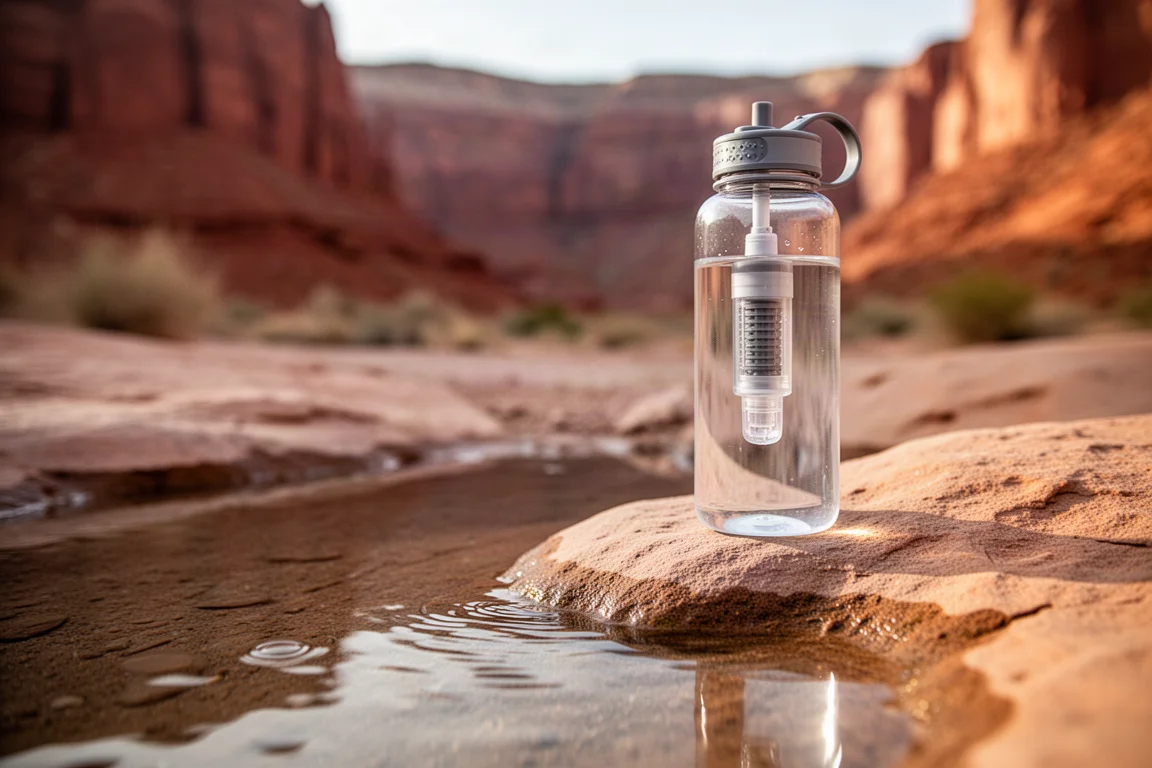
The more interesting option is running it inline with a standard water bottle and drinking through the filter as you walk. It is slower than gulping straight from a bottle, but pacing your water intake is not a bad habit in heat, and the setup removes any dependence on trees or hang points. It is also light enough that the weight argument for carrying anything else gets harder to make.
Zpacks Ultralight Camp Shoes: Bringing Back a Luxury Item
Camp shoes are the classic luxury item. They add weight that does nothing for you while you hike, which is why they are often the first thing cut when a pack starts to feel heavy.
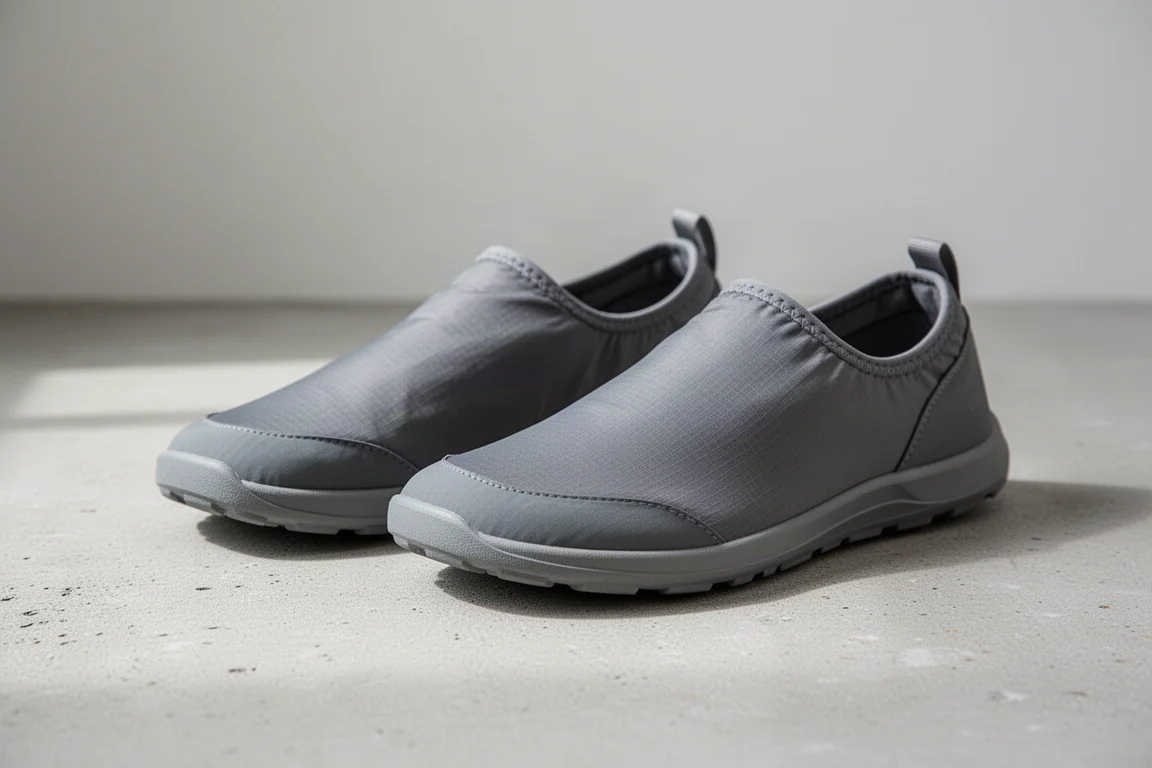
They earn their place at the end of a wet day. When it is raining and cold and you have to leave the tent, having something dry to slip on is worth more than the ounces suggest. Zpacks makes an ultralight pair that is not especially stylish but adds very little weight, which makes the comfort far easier to justify.
Buying Advice
Start with the conditions you actually hike in. A water filter that depends on trees makes sense in forest, while a squeeze filter you can drink through makes sense in desert. Sun coverage matters more on exposed routes, and drying time matters more in wet climates.
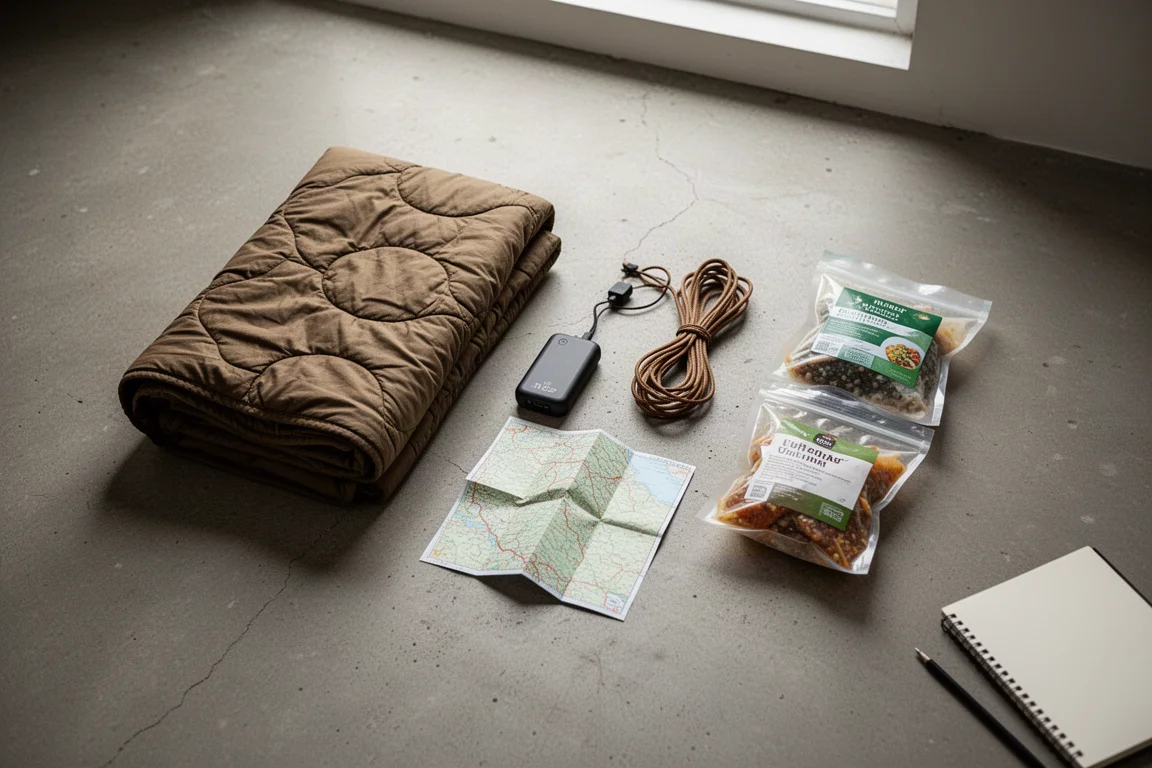
Then look at whether each item has a second job or an obvious lighter replacement. Removable pack lids, pack covers, solar panels, gaiters, and heavy boots all have their defenders, but each one has to justify its weight against an alternative that does the same job for your route.
Finally, do not treat any of this as permanent. The most useful habit in backpacking is a willingness to test a change on a short trip and keep or drop it based on how it felt at camp. A kitchen scale helps, but the real test is whether an item made a hard day easier.
Conclusion
None of these eight items is universally right or wrong. The Osprey Aura AG, Patagonia Barely Baggies, and Gerber Paraframe are all proven pieces that some hikers eventually replace for weight, coverage, or access. The MT Knives Genesis and Talon, the Platypus GravityWorks, the Sawyer Squeeze, and Zpacks camp shoes are the kinds of choices that tend to stick once they match your terrain.
Buy for the trips you take, weigh the trade-offs honestly, and revisit the decision each season. That is how a kit gets lighter without getting worse.
Further reading
Related Reviews

Backpacking Gear
Building a 10 lb Base Weight: An Ultralight Backpacking Gear List
A practical walkthrough of the ultralight pieces behind a 10 lb base weight, from a 765 g pack and a roomy one-person tent to a full camp chair and a dependable water filter.

Backpacking Gear
A 15-Pound Lightweight Backpacking Gear List for Solo Trips
A beginner-friendly 15-pound backpacking setup built from easy-to-find gear, with notes on what each piece does, how it packs, and where to spend your attention.

Backpacking Gear
8 Ultralight Backpacking Gear Upgrades Worth Carrying
Eight small, affordable backpacking upgrades that solve real trail annoyances, from a pillow that stays put to a fuel valve that rescues leftover canister gas.