Backpacking Gear
Backpacking Gear Worth Investing In: Four Items That Earn Their Place
A practical look at where backpacking money is worth spending, and four specific items that deliver comfort, safety, and value on trail.
Introduction
Backpacking does not have to be an expensive hobby. Most of what you carry can come from what you already own, and a surprising number of trail meals cost less than a coffee. The trick is knowing which few items are genuinely worth the money, because those are the ones that decide whether a trip feels comfortable, safe, and enjoyable.
The case for investing is narrow but real. A warm and comfortable sleep system, footwear that fits and cushions properly, and a lighter pack all change how a long day on trail feels. Safety gear, including a satellite communicator and a first aid kit you actually understand, changes what happens when something goes wrong.
The case for saving is just as strong. Everyday synthetic clothing, grocery-store food, and a homemade first aid kit can cover a lot of ground for very little money. The four items below sit on both sides of that balance.
Where It Pays to Spend: Comfort, Safety, and Pack Weight
Three areas deserve real money, plus one that should never be treated as optional.
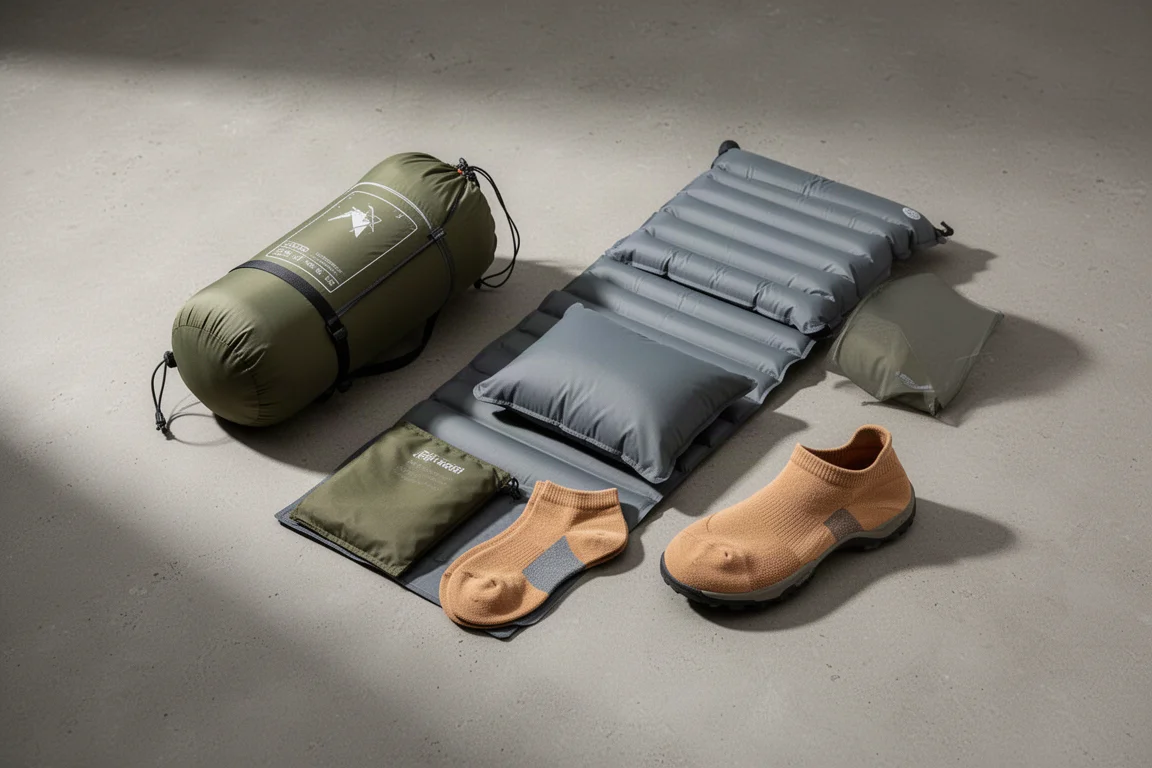
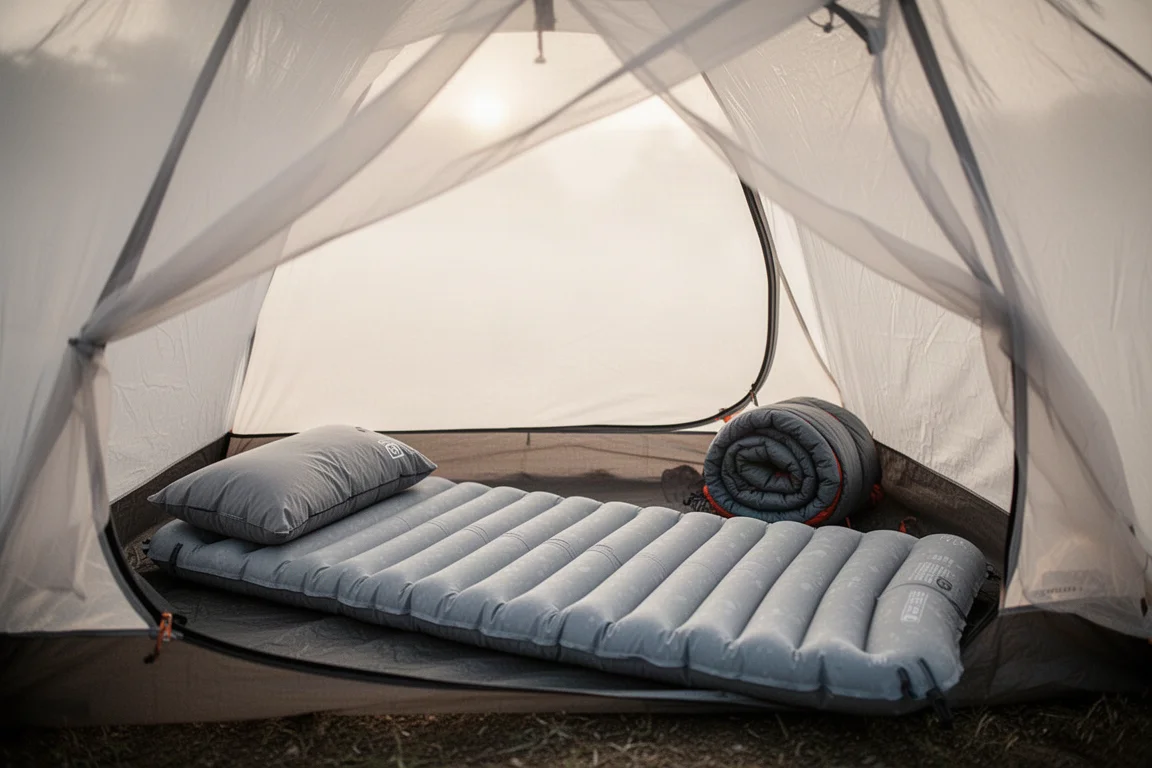
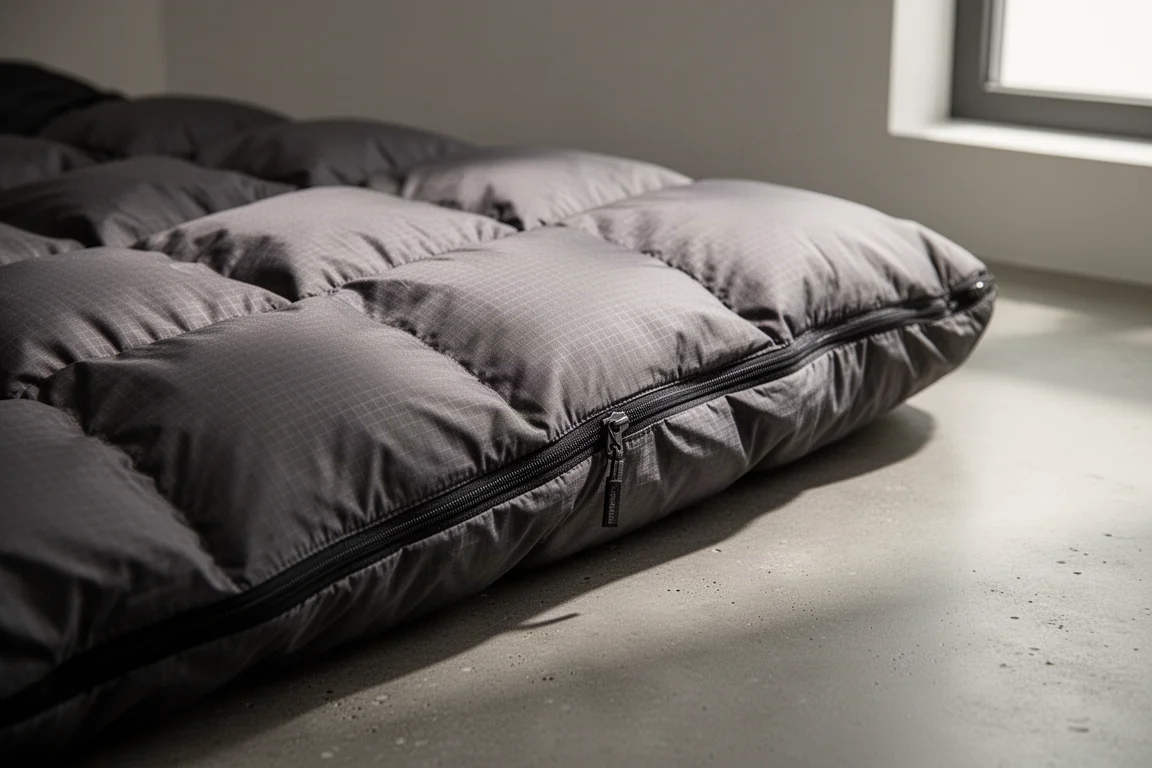
Sleep comes first. A poor night in the backcountry makes the next day miserable, and warmth is the hardest part to fake. Because warmth and comfort technologies are patented and closely held, a genuinely warm and comfortable sleeping pad is one of the few pieces of gear where spending more is difficult to avoid. An inflatable pillow is a small upgrade that many people skip in favor of a stuff sack full of clothing, and the difference in sleep quality is noticeable. If you use a pillow, choose one that attaches to the pad, either with a strap or a system designed to lock the pillow in place. For insulation, a sleeping bag or a quilt both work; bags suit people who like to be enclosed, while quilts let you move around without tangling and feel closer to sleeping under a blanket at home.
Footwear comes second. Loose shoes cause blisters and tight shoes cause sore feet, so fit matters more than any single feature. Cushioning matters on long days, because every step takes a toll and a well-cushioned shoe delays how quickly feet get sore.
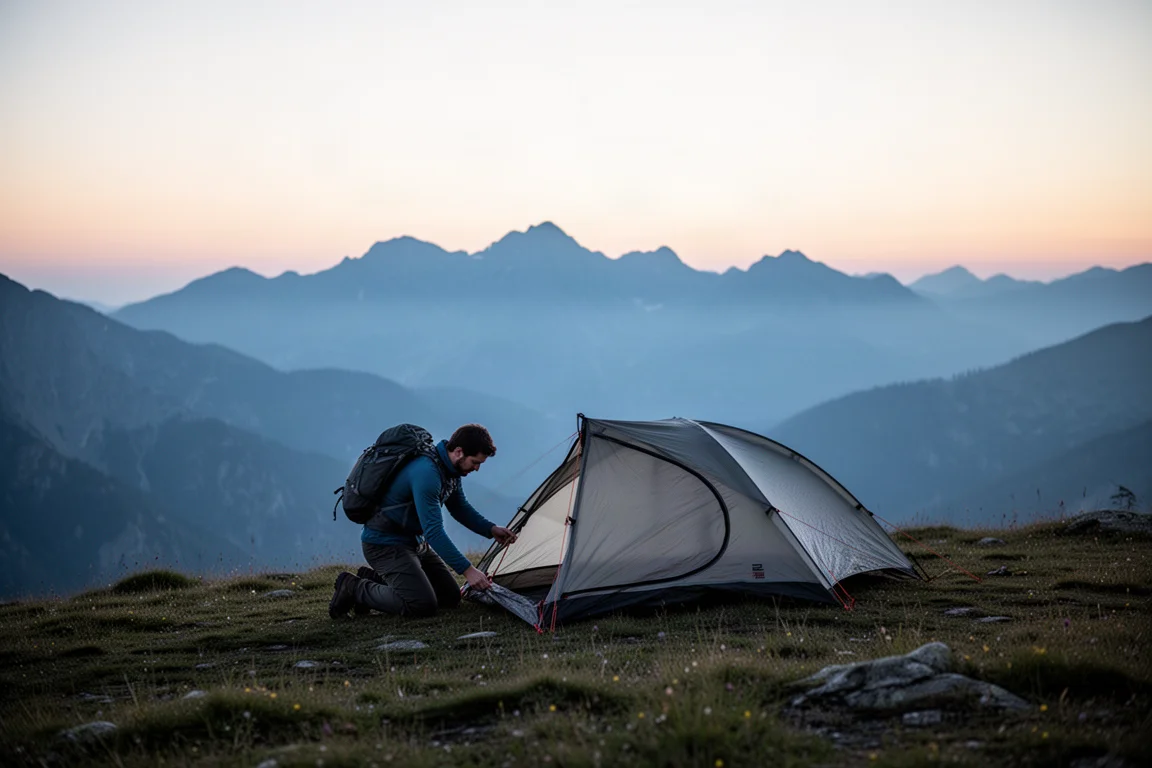
Pack weight comes third. A lighter pack puts less pressure on joints and muscles and leaves you feeling fresher at the end of the day. Trimming unneeded items costs nothing, and the biggest gains come from the tent, sleep system, and pack, which together make up most of the weight you carry.
Safety deserves its own budget line. Satellite communicators and SOS devices have made remote trips far less risky than they once were, and they have helped save lives by letting people call for help when nothing else would work. They are not a free pass, and preparation still matters. A first aid kit is the other essential, and it is worth knowing every item inside it; many off-the-shelf kits are reasonable starting points but miss things people reach for most, which is why building your own around what you know how to use is often better. A standard first aid course, or a wilderness first aid course if you want to go further, is money well spent. Finally, ask yourself of each item: if this fails, will the trip become dangerous or deeply uncomfortable? If the answer is yes, buy quality.
Garmin inReach Mini: Satellite Safety for Remote Trails
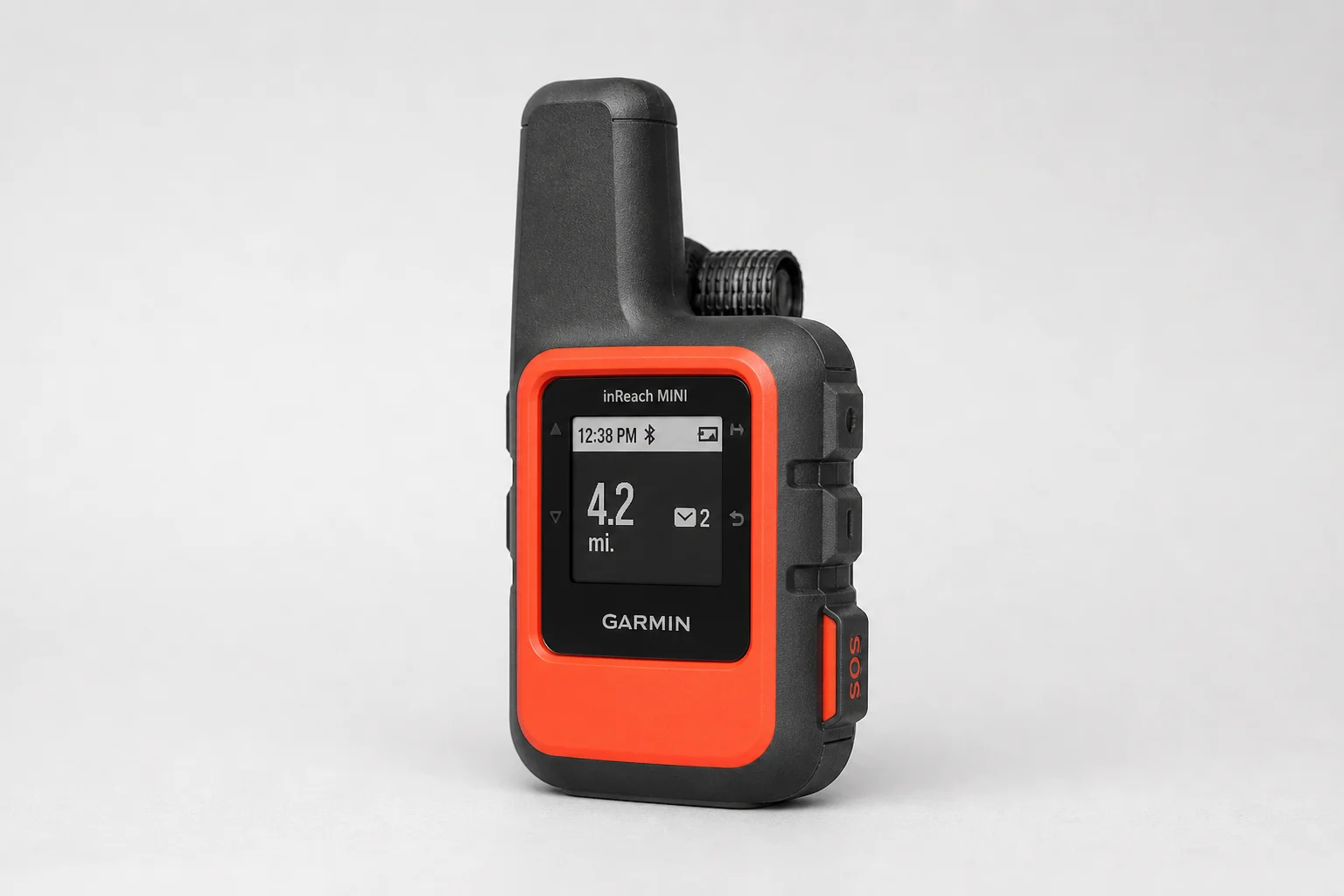
For anyone who spends time beyond cell coverage, a satellite communicator is the clearest example of gear worth paying for. The Garmin inReach Mini is a compact option in that category and stands out as a favorite for backcountry use.
The value is simple. When something goes wrong far from a road, the ability to call for help is what changes the outcome. These devices are not a substitute for preparation, but they shorten the gap between an emergency and a rescue, and they have played a role in saving lives in remote mountain terrain.
If you only take one or two trips a year, buying is not the only sensible route. Renting or borrowing a satellite communicator for a specific trip delivers the same safety margin without the full commitment, and it is a reasonable first step before deciding whether to own one.
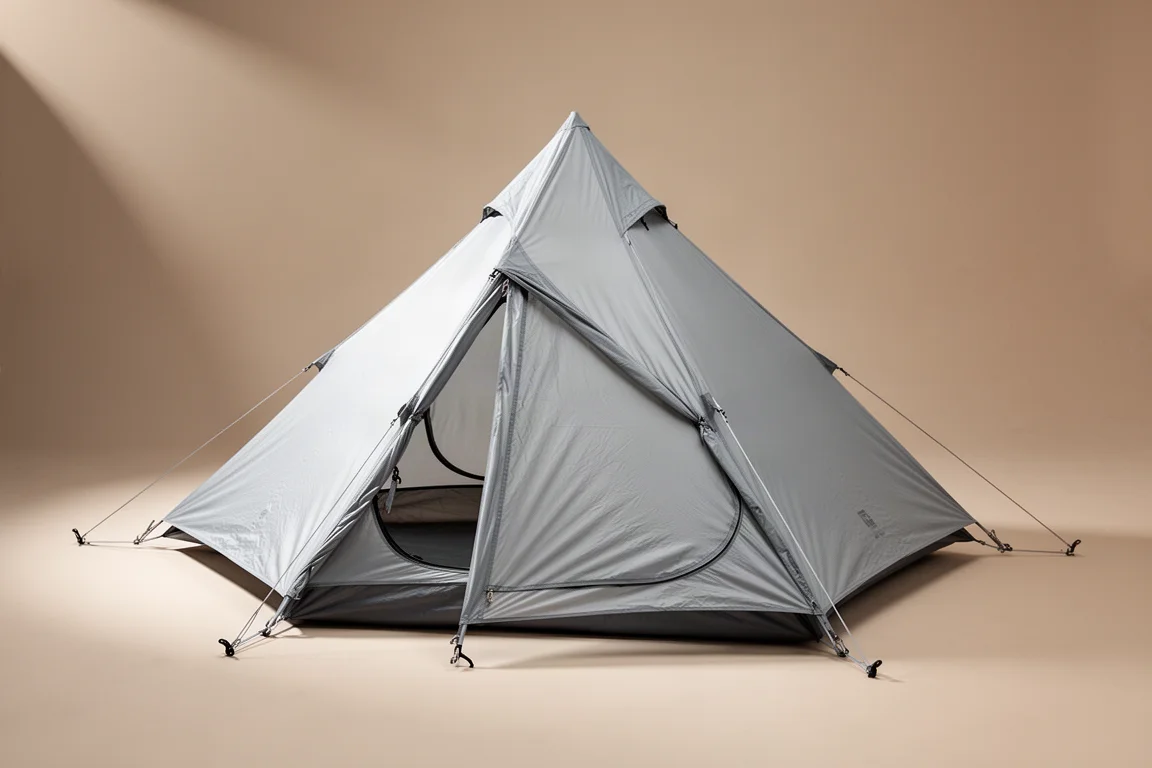
Six Moon Designs Lunar Solo: A Lighter Shelter for the Same Comfort
Weight is where a shelter decision pays off twice. A lighter tent lowers what you carry all day, which reduces strain on joints and muscles and makes a slip or fall less likely, and it does that without asking you to give up comfort in camp.
The Six Moon Designs Lunar Solo is a lightweight backpacking tent built around that idea. It sits in the category of shelters aimed at backpackers who want to bring base weight down while keeping a comfortable place to sleep, which makes it a logical place to spend if the tent, sleep system, and pack are your heaviest items.
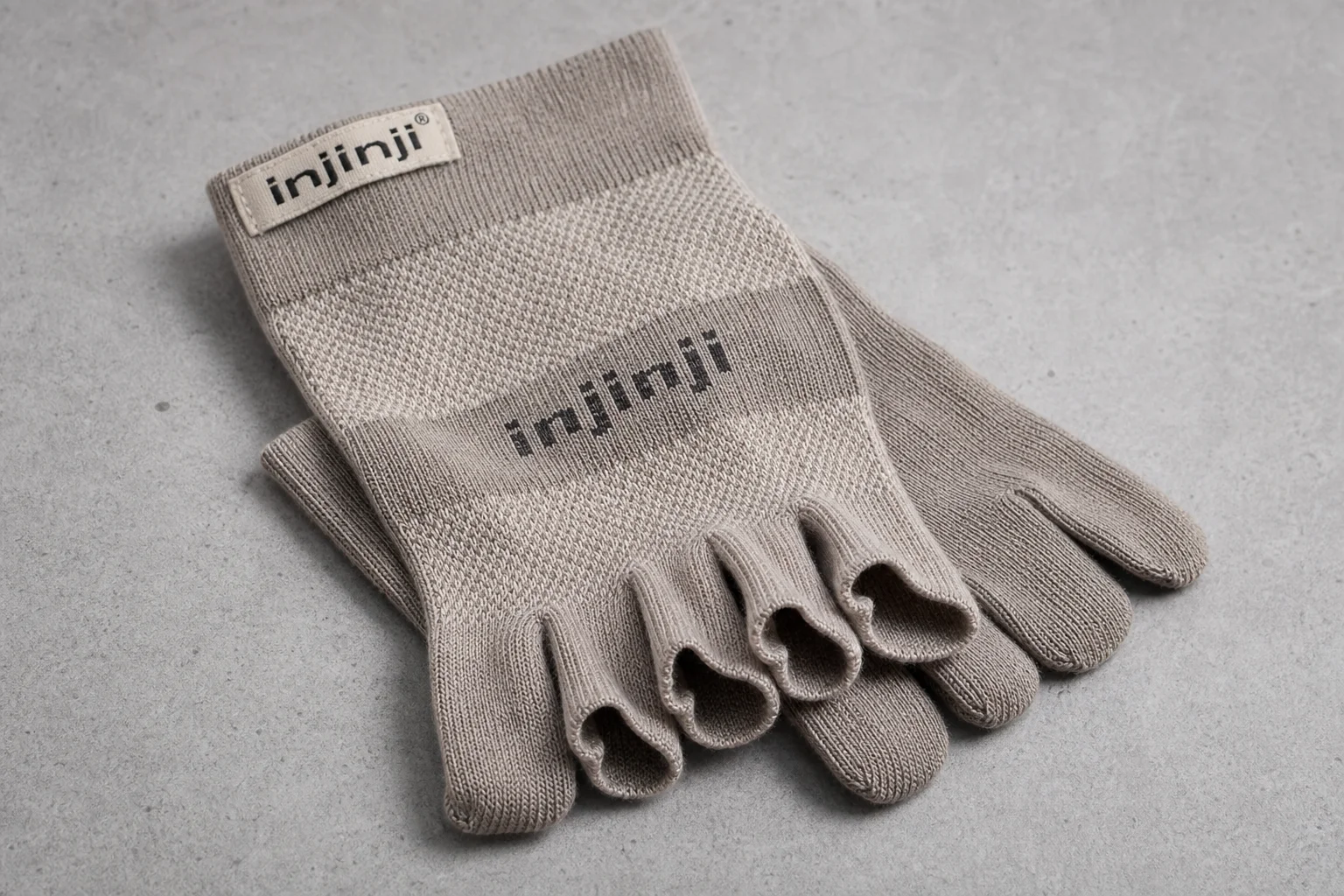
Injinji Toe Socks: Fewer Blisters, Mile After Mile
Blisters are the most common comfort problem on trail, and moisture is one of the main causes. Cotton holds water and should be avoided. Merino wool is popular but holds onto moisture when you sweat heavily or walk through water, which keeps wetness against the skin.
Synthetic socks hold less moisture and dry faster, and toe socks add another advantage by separating each toe, which cuts the friction that causes blisters between them. Injinji toe socks combine both: a synthetic build and individual toe sleeves. For hikers who blister between the toes, they are one of the simplest upgrades available, and they work best alongside footwear that fits properly.
Socks are a small purchase that changes a lot. Pair them with a shoe or boot that fits your foot rather than trying to solve a fit problem with thicker socks.
Idahoan Roasted Garlic Potatoes: Trail Meals for a Couple of Dollars
Freeze-dried meals are convenient, and there is nothing wrong with grabbing one for a rushed overnight trip. The problem is cost. A wall of branded freeze-dried dinners can add hundreds of dollars to the price of a longer trip.
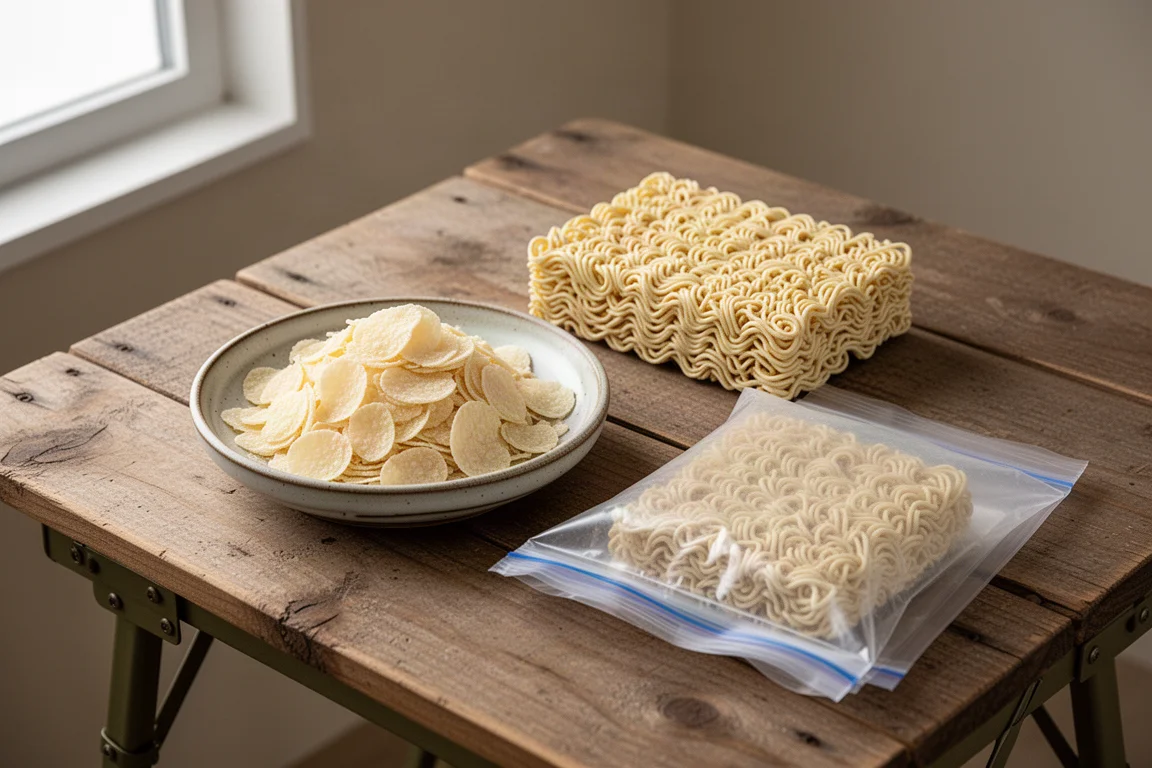
Grocery-store food solves that. The favorite example is a ramen bomb: ramen noodles cooked in a freezer bag with dried roasted garlic potatoes mixed in, which makes a filling, savory meal for about a couple of dollars. Idahoan Roasted Garlic Potatoes are the dried potato component, and they are light, easy to pack, and quick to prepare.
The same approach scales. Packet side dishes mixed with pouches of tuna or chicken make other inexpensive dinners, and being creative with supermarket ingredients is part of the appeal.
Where You Can Safely Save
Clothing is the easiest place to cut costs. Any synthetic athletic shirt, shorts, pants, or socks you already own will work for hiking, and the same goes for camp layers, as long as you avoid cotton. Weigh clothing before you pack it, because a heavy sweater adds more than expected. If you do need something new, budget-focused brands such as Decathlon and Uniqlo sell backpacking-appropriate clothing, including lightweight down jackets, at a fraction of the price of premium outdoor labels.
Food is the other clear saving. Building meals from grocery-store ingredients costs a few dollars per dinner instead of the premium attached to freeze-dried brands, and it gives you control over portions and flavors.
First aid is a third area where money is better spent on knowledge than on packaging. A homemade kit assembled around the items you actually use, including medications and repair supplies, often covers more ground than a general-purpose kit from a store.
Buying Advice
Start with safety, because it is the category where failure has the highest cost. If you travel beyond cell coverage even occasionally, arrange access to a satellite communicator, whether that means buying one or renting it for a specific trip. Add first aid training and a kit you have built and understand.
Then work through comfort in order of impact. Sleep system first, because a bad night affects everything that follows. Footwear second, because feet decide how far you can go, and socks are a cheap addition to that equation. Finally, look at pack weight. Trimming unneeded items costs nothing, and replacing the heaviest items among the tent, sleep system, and pack with lighter options is where spending pays off.
Where you can save, do it deliberately. Everyday synthetic clothing, grocery-store meals, and a self-assembled first aid kit free up budget for the items that genuinely change a trip. The goal is not to own the most expensive kit. It is to make sure the gear that matters is gear you can rely on.
Conclusion
Backpacking rewards a selective approach to spending. A warm and comfortable sleep system, footwear that fits, a lighter pack, and a satellite communicator cover the areas where money translates directly into a better and safer trip. Toe socks and grocery-store meals show how little you need to spend everywhere else. Invest where failure hurts, save where it does not, and the trips get better without the budget getting out of hand.
Further reading
Related Reviews

Backpacking Gear
Building a 10 lb Base Weight: An Ultralight Backpacking Gear List
A practical walkthrough of the ultralight pieces behind a 10 lb base weight, from a 765 g pack and a roomy one-person tent to a full camp chair and a dependable water filter.

Backpacking Gear
A 15-Pound Lightweight Backpacking Gear List for Solo Trips
A beginner-friendly 15-pound backpacking setup built from easy-to-find gear, with notes on what each piece does, how it packs, and where to spend your attention.

Backpacking Gear
8 Ultralight Backpacking Gear Upgrades Worth Carrying
Eight small, affordable backpacking upgrades that solve real trail annoyances, from a pillow that stays put to a fuel valve that rescues leftover canister gas.