Backpacking Gear
Backpacking Gear Worth Buying: What to Upgrade and What to Skip
A practical look at the backpacking gear updates worth buying this season, and the ones worth waiting on, from ultralight tents and packs to sleeping pads and socks.
Introduction
Every season brings a fresh wave of ultralight gear, and every launch promises a meaningful upgrade. In practice, only a fraction of it earns space in a pack. A lighter tent is only better if it still handles weather. A warmer sleeping pad is only better if you actually sleep on it below freezing. A new backpack is only better if it carries more comfortably than the one you already own.
This guide covers the new backpacking gear worth buying and the gear worth waiting on. Some of it is genuinely excellent. Some of it is well made but hard to justify. And a few updates are so minor that the older model, or a direct alternative, remains the smarter purchase.
How We Judge New Gear
Four things decide whether an update is worth the money. The first is real-world performance rather than specification. A claimed R-value or a stated weight matters only when it holds up in the conditions you actually camp in.
The second is comfort. Sleeping pads and packs are used for hours at a time, so a small gain in warmth or weight rarely outweighs a genuine loss in comfort.
The third is differentiation. A new model needs to do something the existing options do not, whether that is fitting two wide sleeping pads, keeping a door clear of a trekking pole, or shedding meaningful weight without losing durability.
The fourth is quality control. Features only count when they work reliably on the first pitch and the fiftieth.
Price sits alongside all four. A pack at nearly $400 has to earn that premium against lighter, cheaper, or more comfortable alternatives, and a tent has to justify replacing a shelter that already works.
Zpacks Duplex Zip: A Zipper Alone Does Not Fix the Details
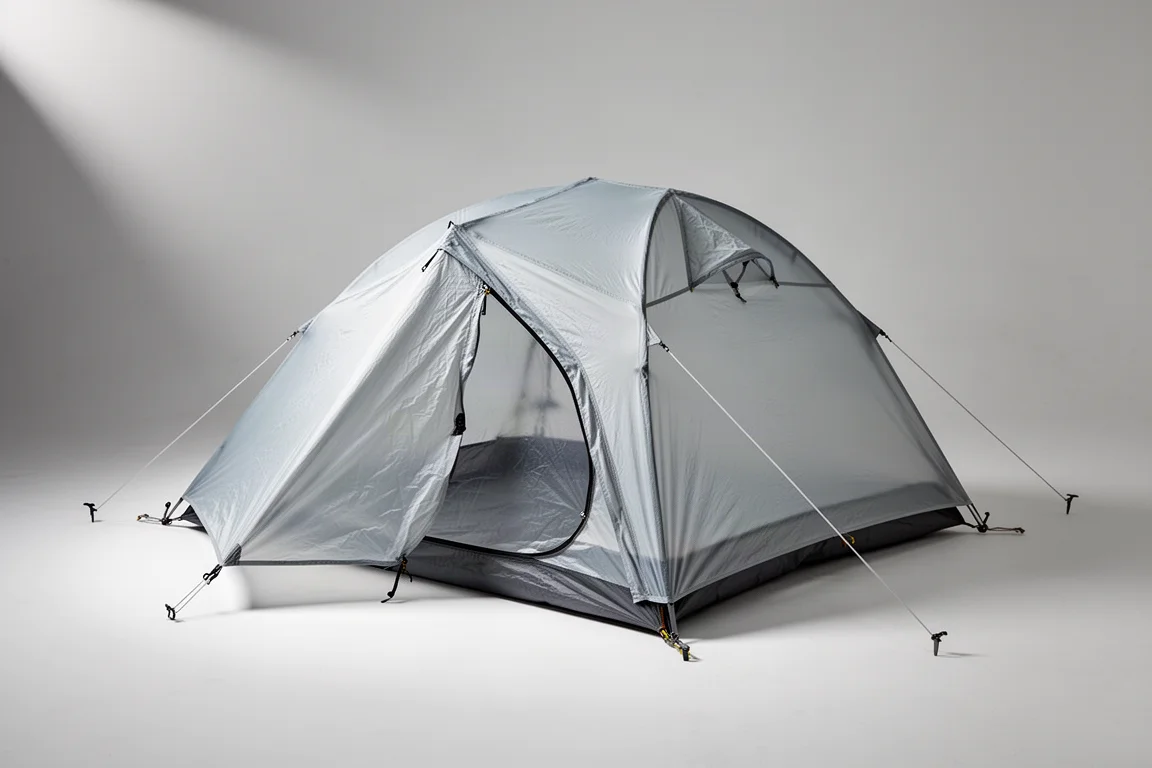
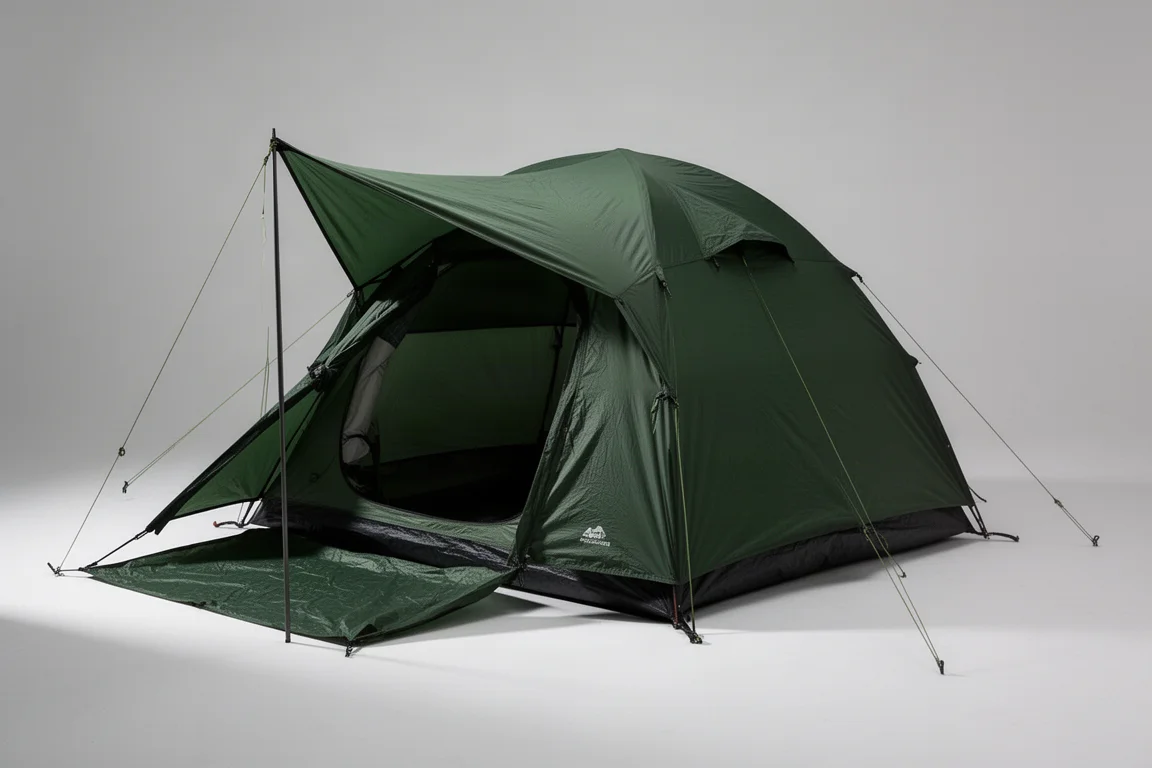
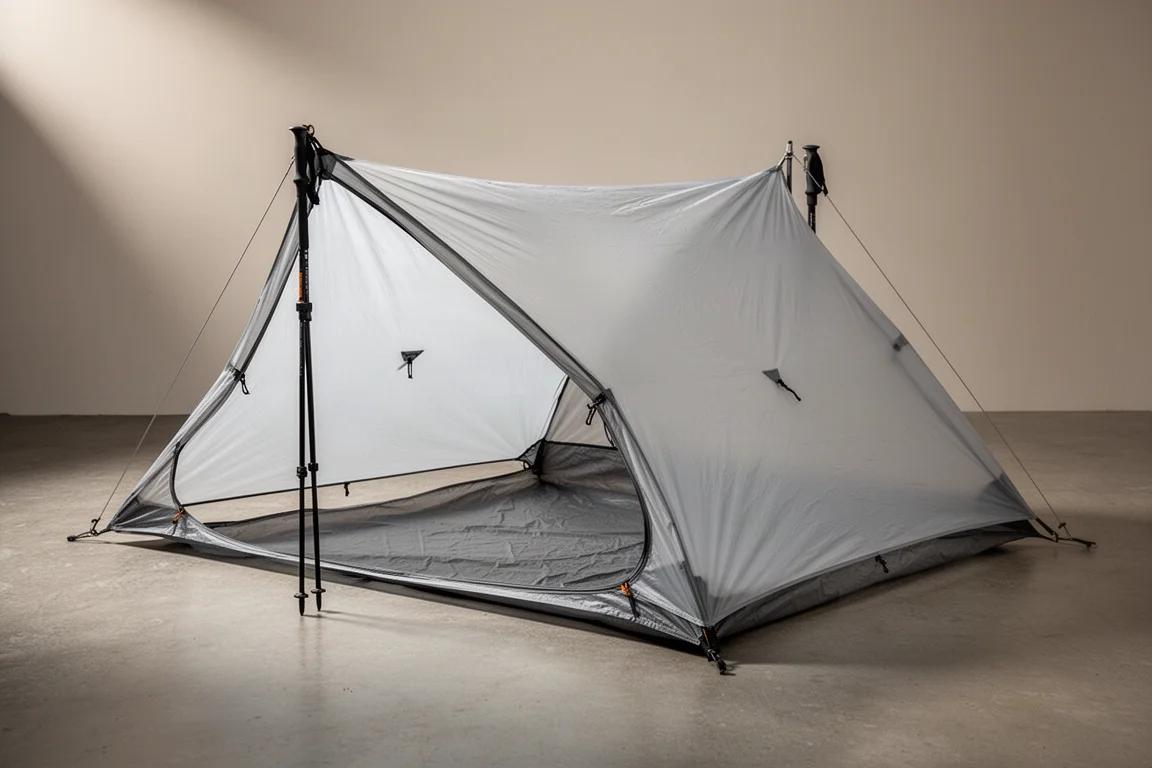
The Duplex Zip takes the long-running Duplex and adds a zippered fly door and a magnetic tieback, a direct answer to tents that have offered those features for years. The additions are welcome and overdue, but they arrive late, and the execution is not clean. A missing seam tape issue allowed the zipper to come undone, which suggests the release was rushed. The tent was also the weakest performer in cold winter conditions among the shelters compared.
This is not a bad tent, and Zpacks loyalists may still be happy with it. It is simply a model worth waiting on, particularly when a newer Zpacks design solves the same complaints more convincingly.
Outdoor Vitals CS40: A Good Pack With No Clear Reason to Choose It
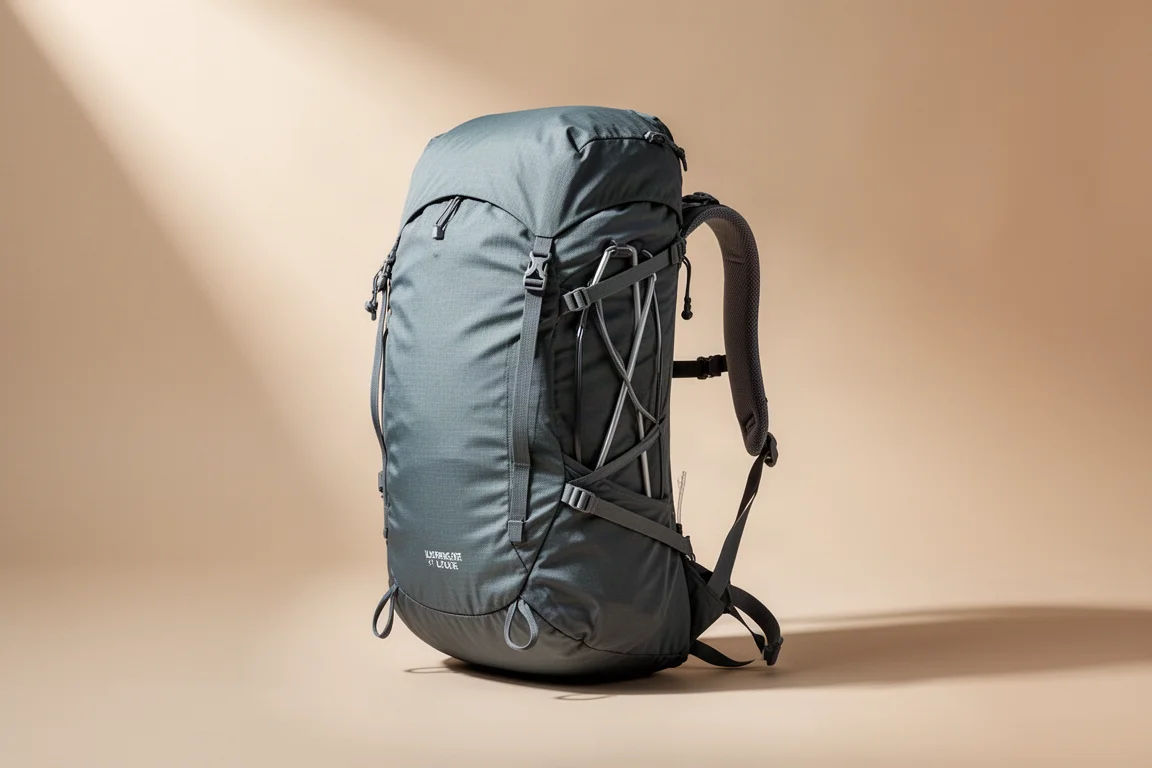
The CS40 is a lightweight roll-top pack with two side pockets and a rear mesh pocket. It adds comfortable padding on the back panel and shoulder straps, and it uses carbon fiber stays. Nothing about the construction is disappointing.
The problem is differentiation. At nearly $400, the CS40 does not do anything the current field of lightweight packs does not already do, and it costs considerably more than the Osprey Exos Pro 58 covered below.
Big Agnes Zoom Ultralight: Comfortable, But Not Warm Enough
The Zoom Ultralight earned the top score in an earlier nine-pad comparison, and its low weight and comfort still stand up. Warmth is where it falls short. It claims a 4.3 R-value, a number that should carry most sleepers to freezing, but real-world use suggests it does not deliver that. As a single pad for three-season trips, that is a real limitation.
If warmth matters more to you than a few ounces, the Big Agnes Rapide is the better pick.
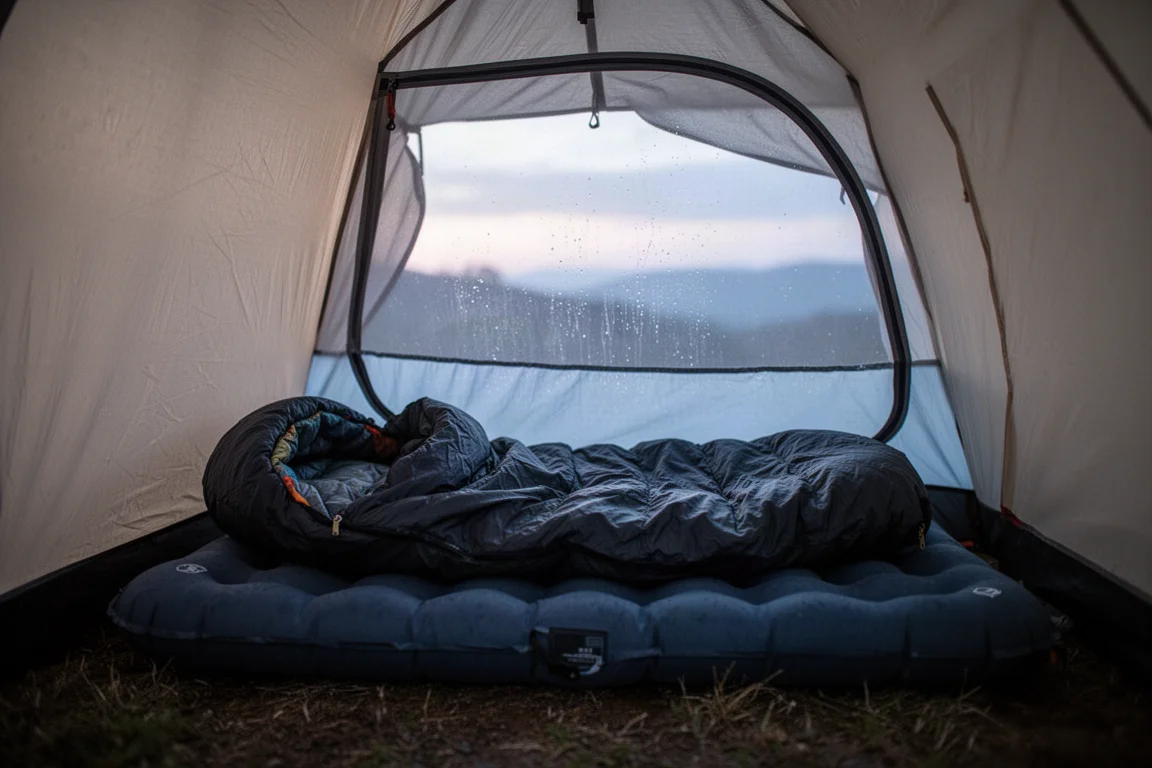
Specifications are a starting point, not a guarantee. A pad that sleeps cold at the temperatures you actually camp in will cost you more in lost sleep than it saves in pack weight.
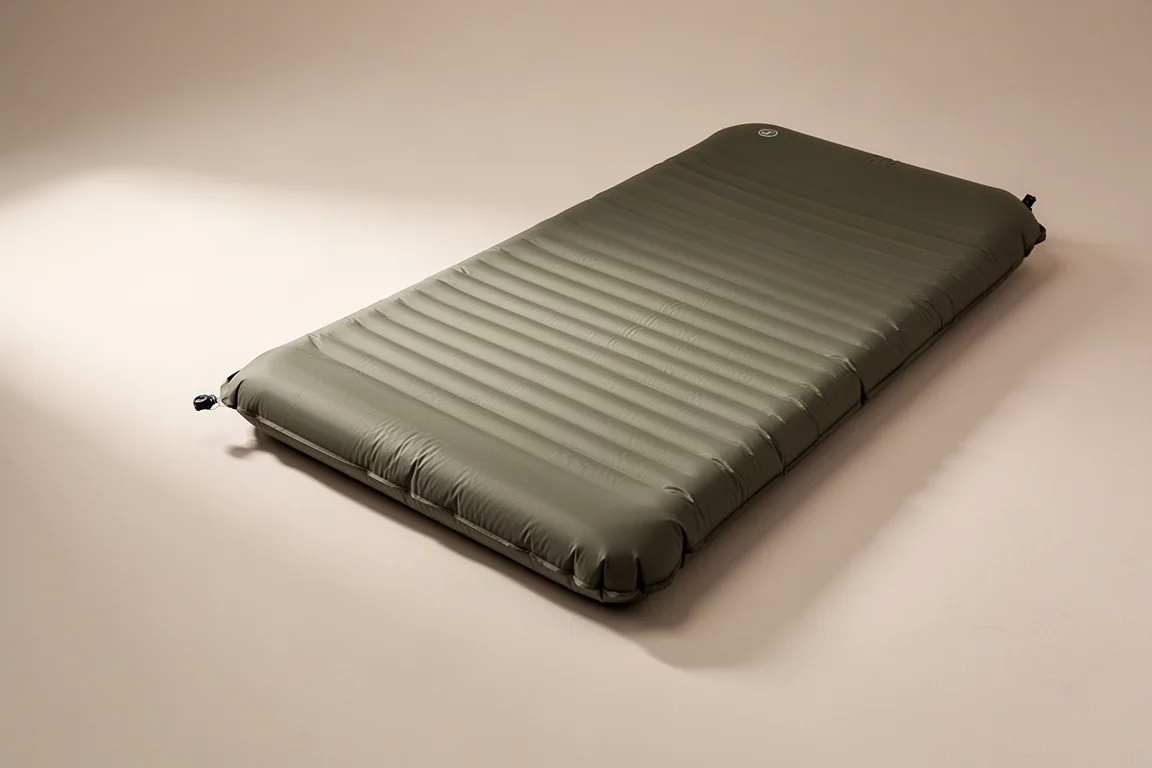
Therm-a-Rest X-Lite: Warmer and Quieter, Still Not Comfortable
The X-Lite is a common sight in backpackers’ packs because it is light and warm. It is also one of the least comfortable pads on the market. This year’s updates to the X-Lite and the X-Therm focused on warmth and noise rather than comfort.
Measured noise differences come in at only three to four decibels. That is enough for the human ear to notice, but not enough to change the case for buying. Until comfort improves, this pad remains difficult to recommend for anyone who values a full night of sleep.
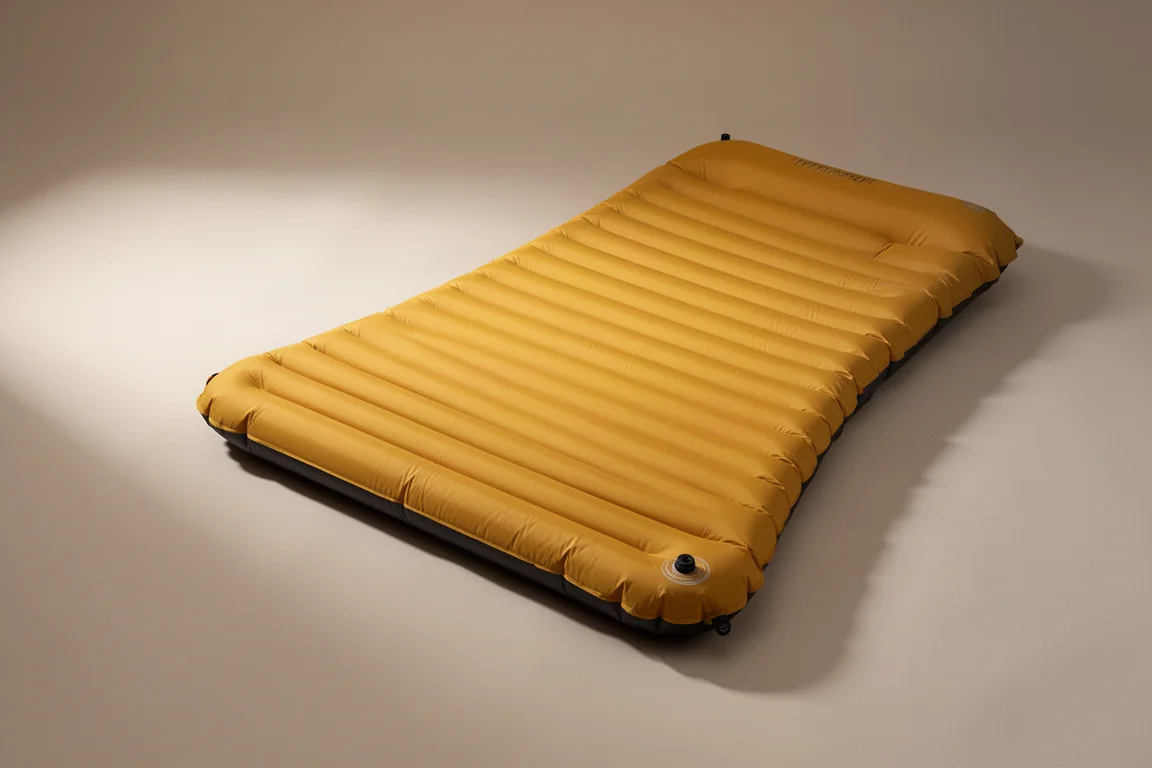
Big Agnes Rapide: The Warmer Three-Season Alternative
If the Zoom Ultralight leaves you cold, the Rapide is the straightforward swap. You take on some extra weight and get noticeably more warmth once temperatures drop. For hikers who want one pad that covers a full three-season range, that is usually the better trade.
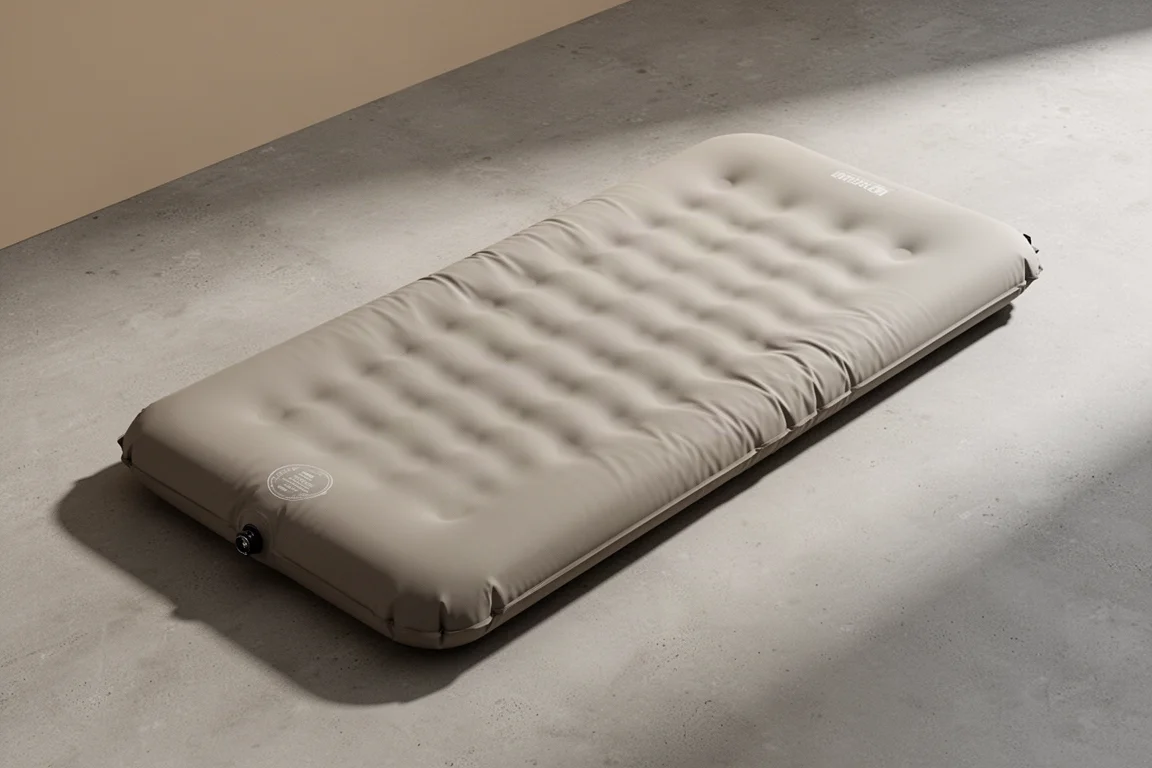
Nemo Hornet 3-Person Tent: Two-Person Space at a Low Weight
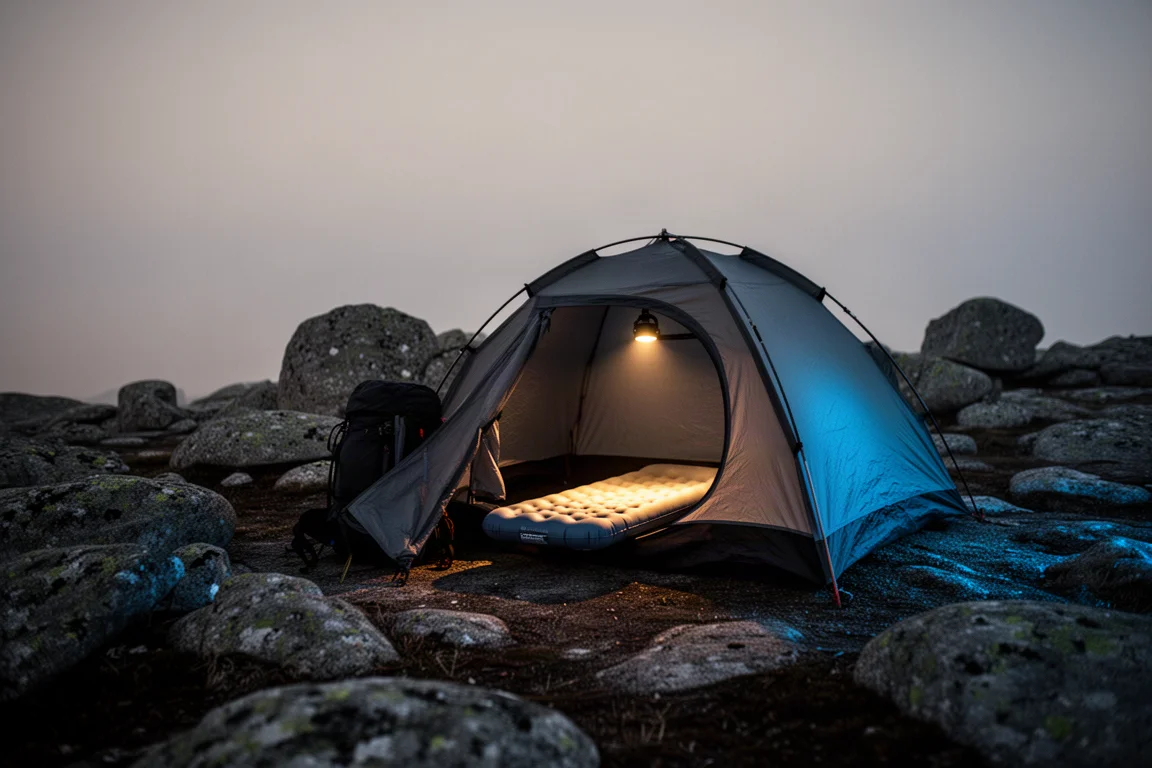
Nemo’s three-person Hornet is, realistically, a two-person tent, and it is worth saying so plainly. What it offers is a genuinely spacious two-person interior that still weighs less than many two-person tents.
It is a natural next step for anyone who likes the Hornet Elite but has run into its narrow floor, which cannot fit two wide pads. If extra interior room without a weight penalty is the goal, this is the shelter to look at.
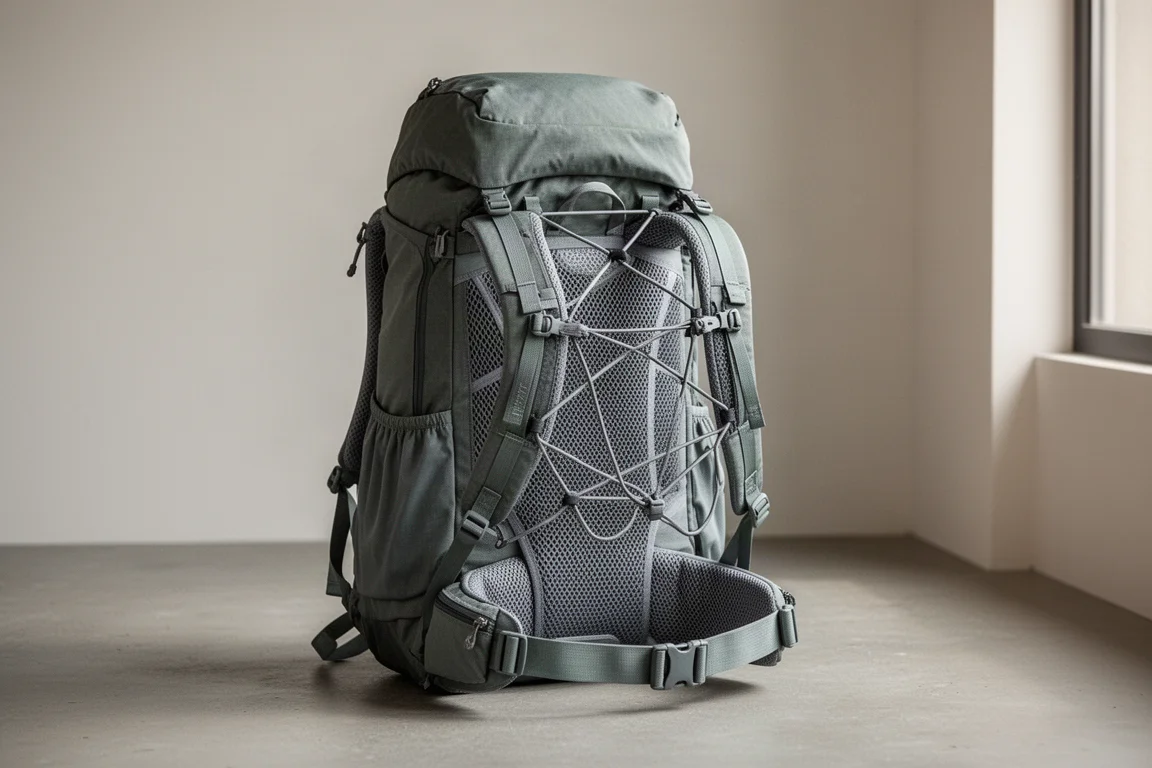
Osprey Exos Pro 58: Light, Comfortable, and Sensibly Priced
The Exos Pro 58 keeps appearing in recommendations for a reason. It is lightweight, it costs almost $100 less than the Outdoor Vitals CS40 while weighing only slightly more, and comfort is where it separates itself. Few packs at this weight carry as well over a long day.
For anyone moving toward ultralight who does not want to give up the features of a traditional pack, this is the benchmark.
A pack that still carries comfortably at the end of a long day is worth more than a spec sheet advantage. Weight is only one part of the equation, and the Exos Pro gets the balance right.
Zpacks Offset Solo: A Genuinely Different Zpacks Design
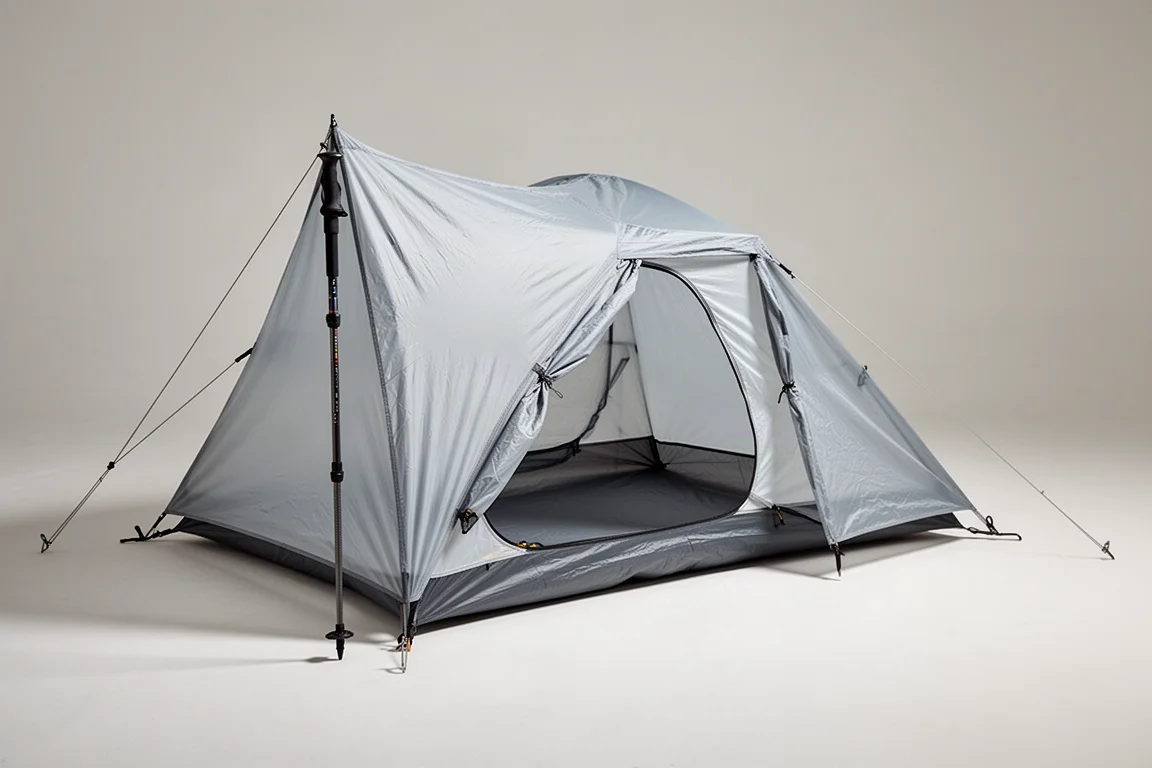
The Offset Solo is new, so long-term conclusions are still open, but the early signs are strong. It is a two-pole trekking pole tent with a small carbon fiber pole that pops out the foot end, which creates a lot of headroom in a very light package at roughly 19 oz.
It also adds dual magnetic tiebacks, a feature only a couple of tents currently offer. Most importantly, it fixes two long-standing Zpacks complaints: the door no longer collides with the pole, and it does not fall to the ground when opened. Here, Zpacks is competing on design rather than weight alone, and it shows.
Durston X-Mid Pro 2 Plus: Room for Two Wide Pads
The X-Mid line has always been well regarded, though it has not always lived up to its reputation in every respect. The Pro 2 Plus is the version that changes that assessment.
It uses an updated Dyneema floor and adds dual magnetic tiebacks, and, most importantly, it fits two wide sleeping pads. The larger dimensions also appear to resolve earlier headroom complaints, and the interior feels notably roomy for two. For couples or partners carrying wide pads, this is the tent to beat.
Bombas Hiking Socks: Comfortable, With a Give-Back Model
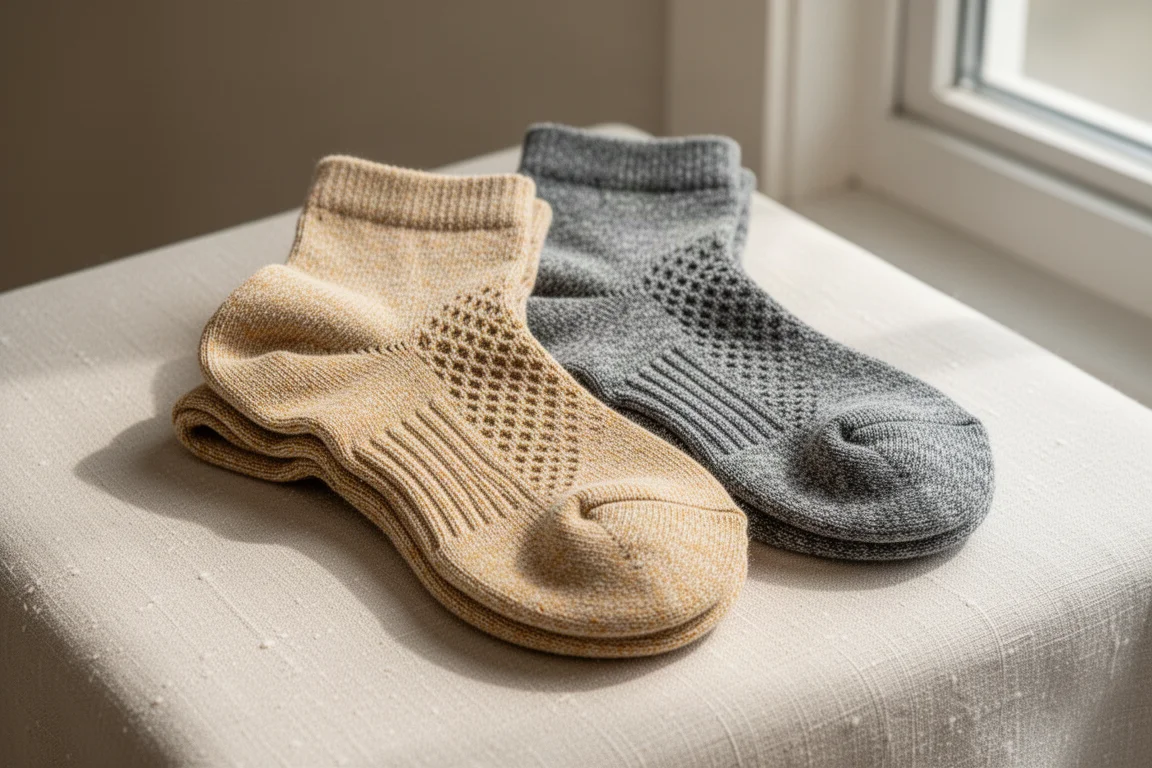
Socks are the least glamorous item on this list and often the one that changes a trip the most. Bombas hiking socks use a seamless toe and honeycomb arch support, and they hold up well on long days. They are comfortable enough to wear on every outing.
Every purchase also results in a pair of socks being donated to someone in need, which makes them an easy addition to an order that is already going out.
Overall Buying Advice
Start with the gear that solves a problem you have actually experienced. If your current pad leaves you cold, the Rapide is a clear upgrade. If your tent is too tight for two wide pads, the X-Mid Pro 2 Plus or the Hornet three-person tent addresses that directly. If your pack is uncomfortable after ten miles, the Exos Pro 58 is the safer spend.
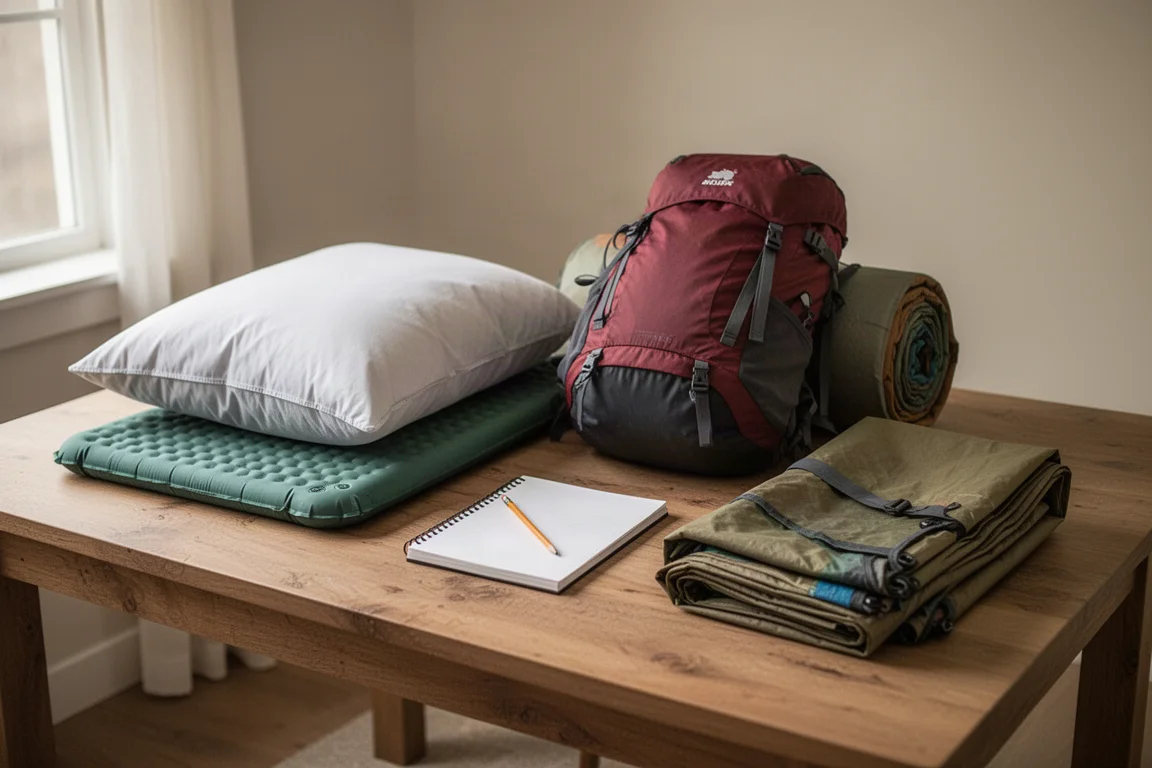
Be skeptical of updates that only change materials or add a feature competitors have offered for years. Warmth, comfort, usable interior space, and reliable quality control are what make new gear worth buying. A marginal weight saving or a three-decibel noise reduction rarely justifies the cost of replacing working equipment.
Two purchases stand out as easy recommendations this season: the Osprey Exos Pro 58 for its combination of weight, comfort, and price, and Bombas hiking socks for everyday value. Two are worth waiting on: the Duplex Zip and the CS40. Everything else depends on the specific problem you are trying to solve.
Conclusion
New gear is worth buying when it fixes something real. The Rapide, the Hornet three-person tent, the Exos Pro 58, the Offset Solo, and the X-Mid Pro 2 Plus all make a case on warmth, space, comfort, or design. The Duplex Zip, the CS40, the Zoom Ultralight, and the X-Lite updates are harder to justify, and a careful buyer can skip them without losing anything on the trail.
Further reading
Related Reviews

Backpacking Gear
Building a 10 lb Base Weight: An Ultralight Backpacking Gear List
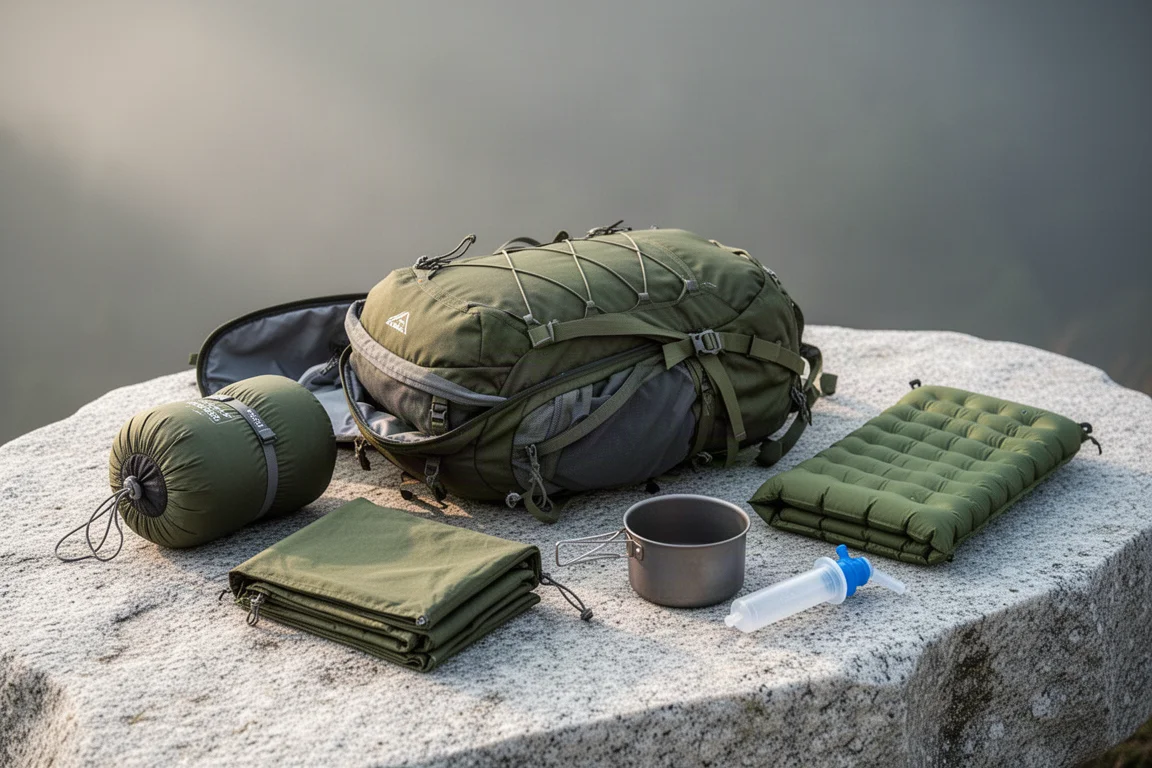
A practical walkthrough of the ultralight pieces behind a 10 lb base weight, from a 765 g pack and a roomy one-person tent to a full camp chair and a dependable water filter.
Backpacking Gear
A 15-Pound Lightweight Backpacking Gear List for Solo Trips
A beginner-friendly 15-pound backpacking setup built from easy-to-find gear, with notes on what each piece does, how it packs, and where to spend your attention.
Backpacking Gear
8 Ultralight Backpacking Gear Upgrades Worth Carrying
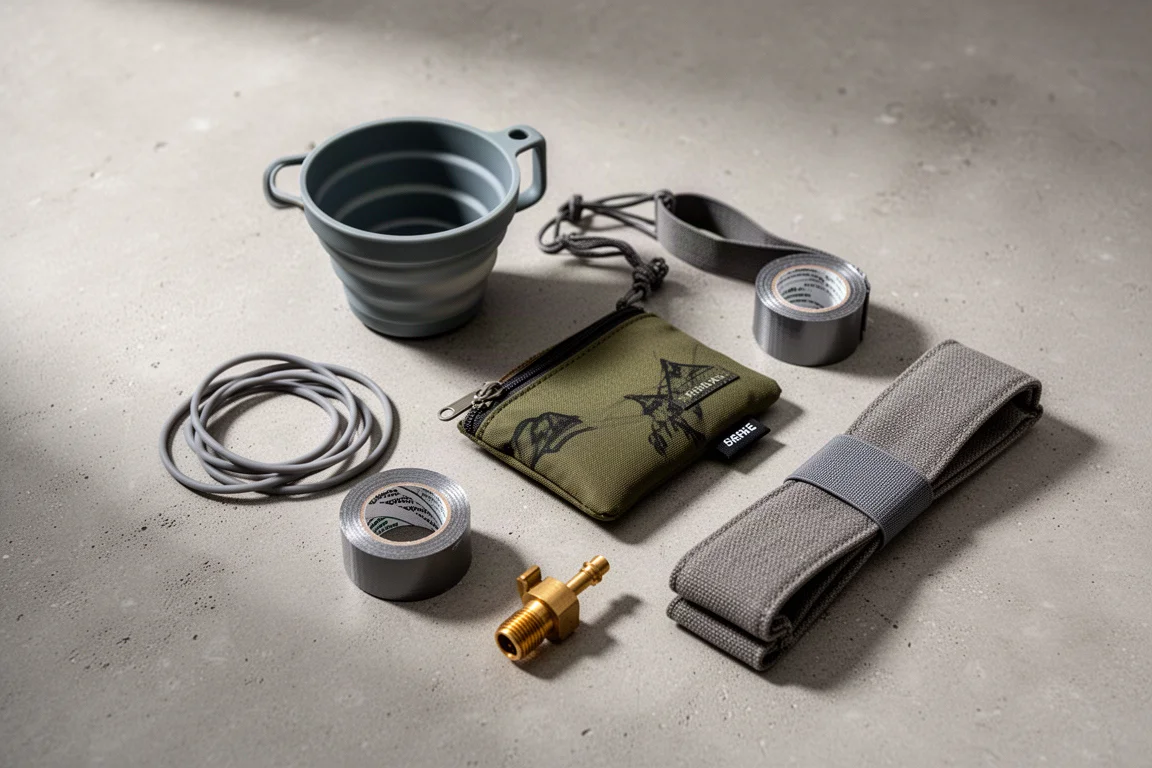
Eight small, affordable backpacking upgrades that solve real trail annoyances, from a pillow that stays put to a fuel valve that rescues leftover canister gas.