Backpacking Gear
Backpacking Gear Worth Buying Sooner: Six Trail-Tested Essentials
Six small backpacking items that solve real trail problems, from a field-repairable buckle kit to blister-fighting toe socks and trowels that handle rocky ground.
Introduction
The gear that changes a backpacking trip is rarely the biggest or the most expensive item in the pack. More often it is a small piece of kit that solves one specific problem: a buckle that fails at the worst possible moment, a blister that builds on day three, or a cat hole that simply will not go into hard ground.
The six items below all earn their place for that reason. Some are repairs, some are foot comfort, and some are hygiene. Together they cover the kinds of problems that quietly shorten trips.
How We Evaluated These Picks
Three things matter here. Does the item solve a real problem? Does it hold up over repeated trips? And is it worth the weight and space it takes up?
Durability came up again and again, because gear that survives a full season of hard use is worth far more than gear that only looks promising. Foot care follows the same logic: wide toe boxes, zero drop, and thin minimalist soles have made a real difference to foot strength over several years of training, and the same principle applies to socks and the way they manage moisture. Ease of use on tired hands also counted, especially for tools you reach for at the end of a long day.
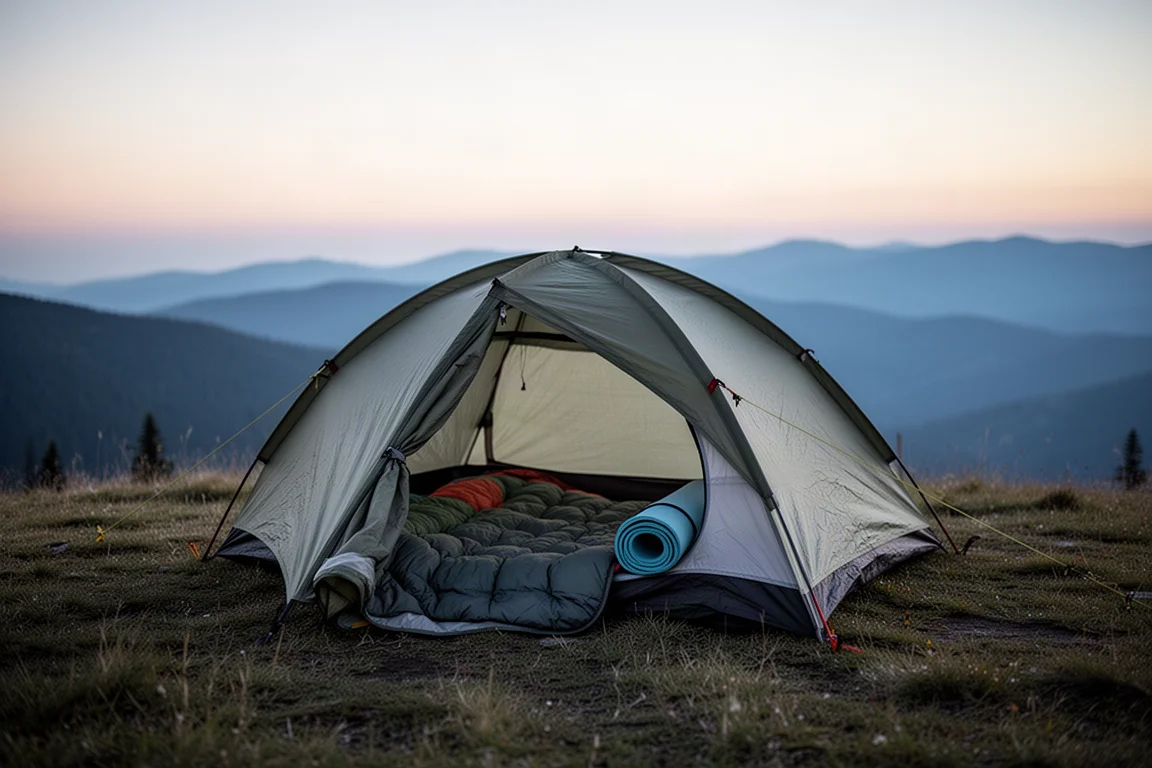
Packability was the final filter. Everything on this list fits into the small pockets and leftover gaps that a loaded pack always seems to have.
Justin’s Good in the Woods Buckle Repair Kit: Peace of Mind on Trail
A broken buckle can end a trip. A shoulder strap buckle that cracks after a fall or a careless step is hard to improvise around, and tape will not solve it.
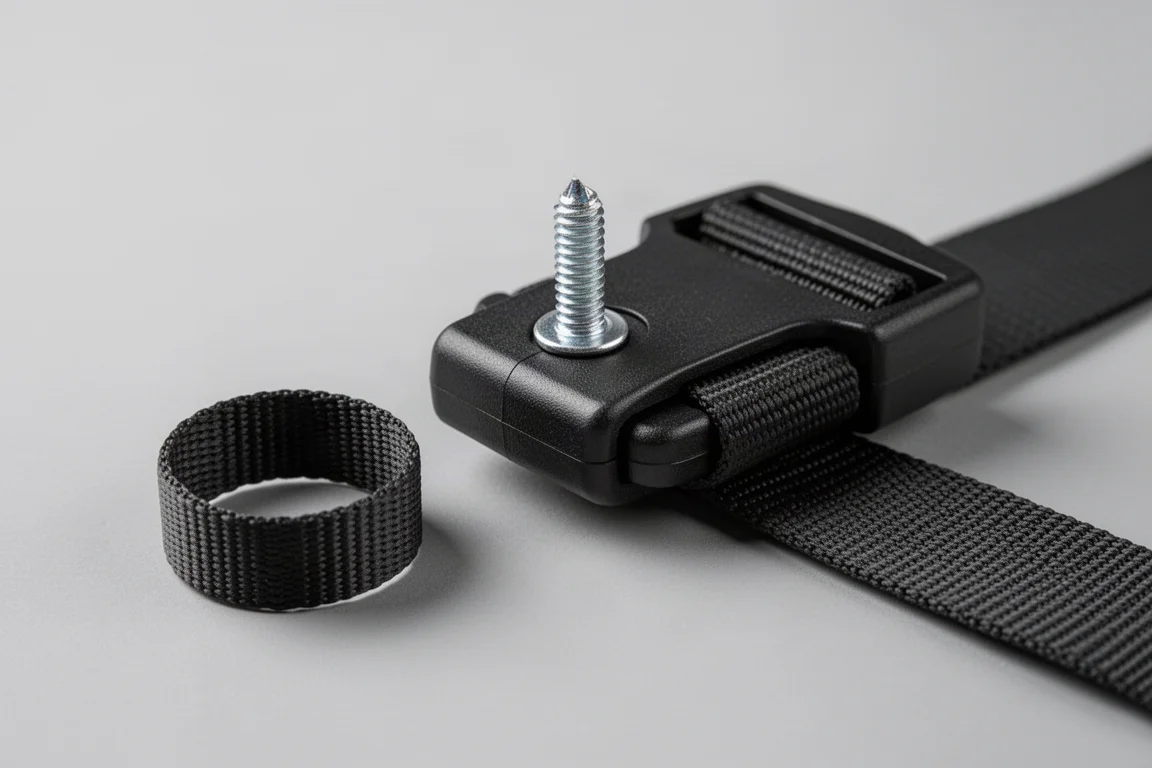
The Buckle Repair Kit from Justin’s Good in the Woods addresses exactly that scenario. The design centres on a screw that passes through the buckle body. To use it, you undo the screw, thread it through the webbing loop that held the original buckle, then route the adjustable webbing through the rest of the buckle. The result is a working strap again.
The kit comes in a range of sizes, and matching the right one to the buckles you are most likely to break is the important step. Shoulder strap buckles tend to fail most often, with hip belt buckles next in line, so those are the sizes worth prioritising.
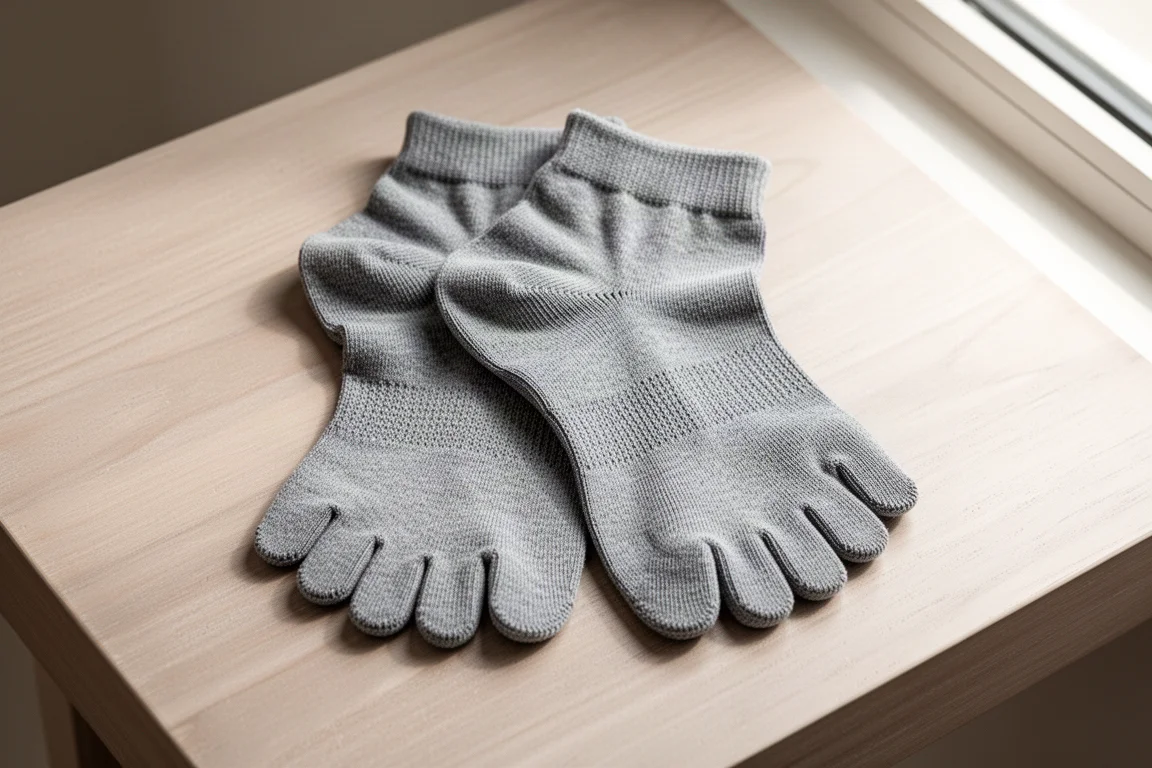
EXO Skins Toe Socks: Blister Defense That Lasts
Toe socks work on a simple principle. Each toe gets its own small sleeve, so toes cannot rub against each other and create the friction that turns into blisters.
EXO Skins toe socks take that idea and add durability. Pairs from other brands have been known to fall apart after roughly two weeks of constant use, while a single pair of EXO Skins has held up through a full year of regular wear and still looks close to new. The synthetic material also holds less moisture and dries faster, which helps with foot comfort on multi-day routes.
Odour control is the other practical benefit. Technologies in the fabric help reduce the build-up of smell, so the socks stay usable for longer between washes.
Even if blisters are not usually your problem, the condition of your feet after many days on trail still is, and a dry, low-friction sock makes a noticeable difference.
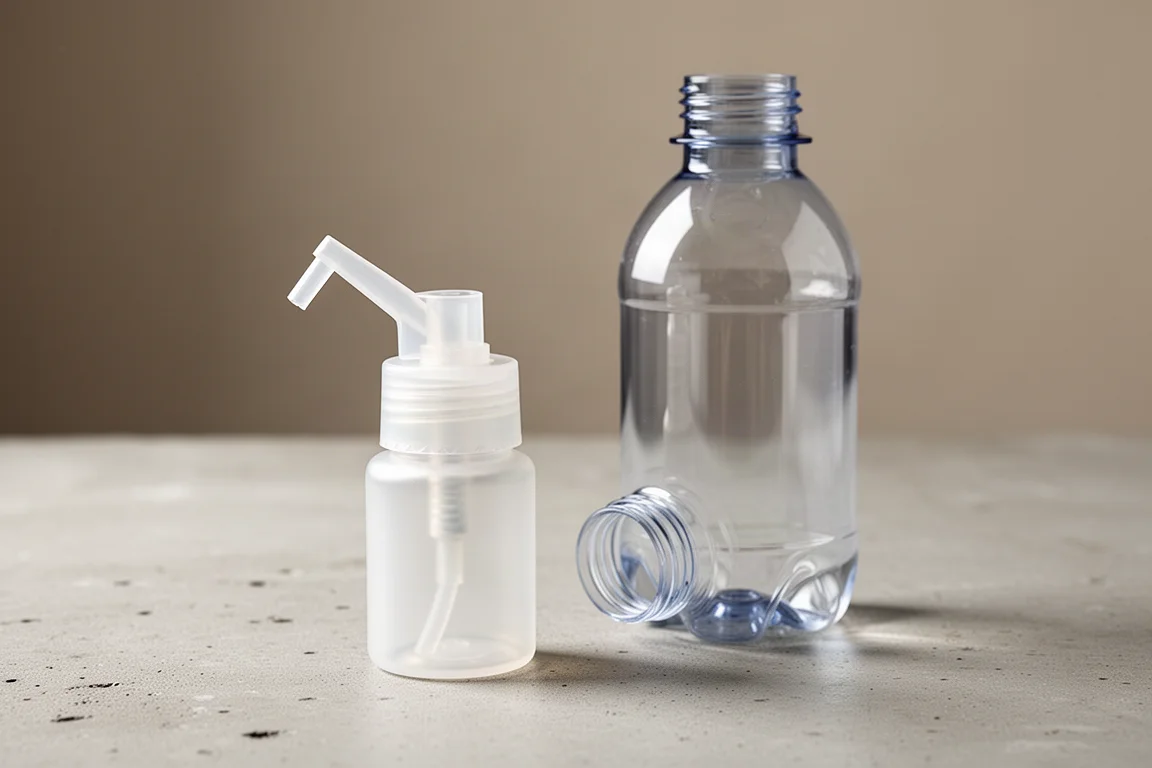
CuloClean Backcountry Bidet: Cleaner Days on Trail
The CuloClean backcountry bidet is a small addition to a hygiene kit that changes how a trip feels. It leaves you cleaner and fresher on trail, and it reduces the amount of toilet paper you need to carry and pack out.
That last point matters for leave no trace practice. Less paper carried in means less waste carried out, and the routine becomes simpler once you are used to it.
It is one of those items that is easy to dismiss until you try it, and then hard to leave behind.
Deuce of Spades Trowel: Popular, But Tough on Hands
The Deuce of Spades trowel has done a lot of good for leave no trace practice by making it easy to carry a digging tool and bury waste properly in a cat hole.
Where it struggles is hard ground. On rocky, rooty, or compacted soil the narrow blade has to be forced in, and the sharp edges and flat end are uncomfortable to grip while you push. That combination puts pressure directly on the hand, and it becomes painful quickly.
It remains a reasonable choice for soft, easy-digging ground. For anything firmer, a trowel with a serrated edge and a more ergonomic handle makes the job far less unpleasant.
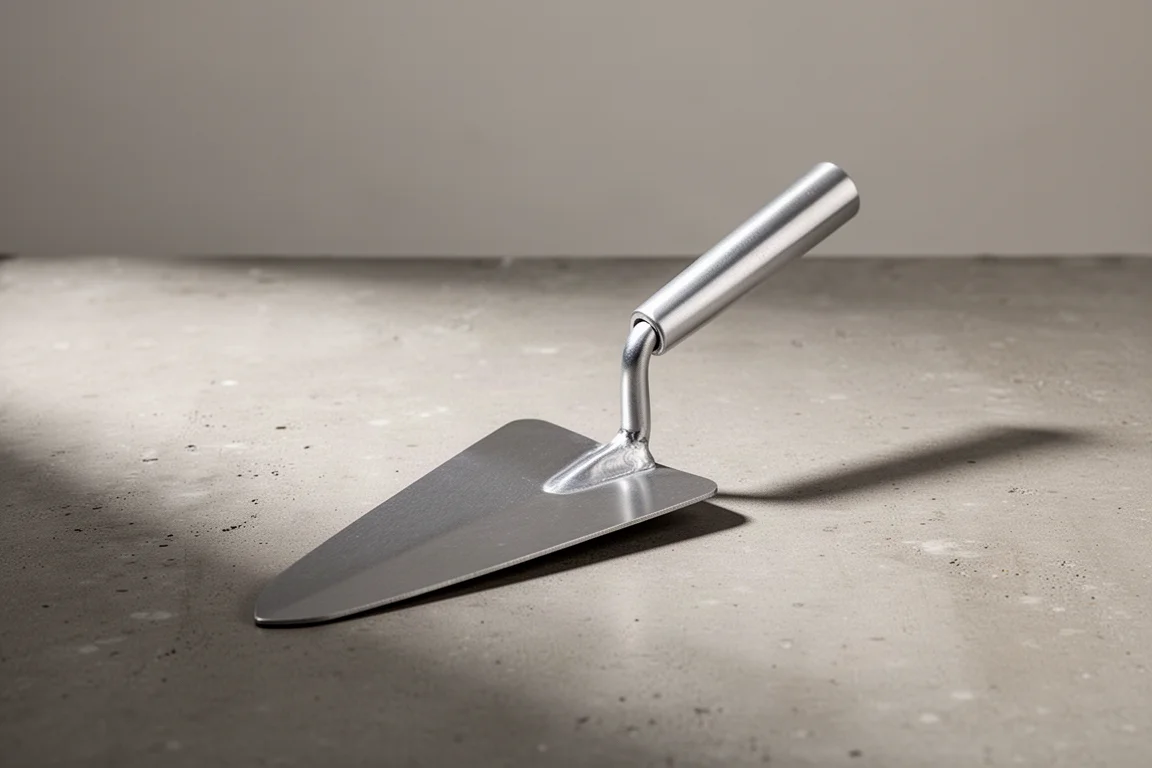
Bogler Trowel: Serrated Edge for Rocky Ground
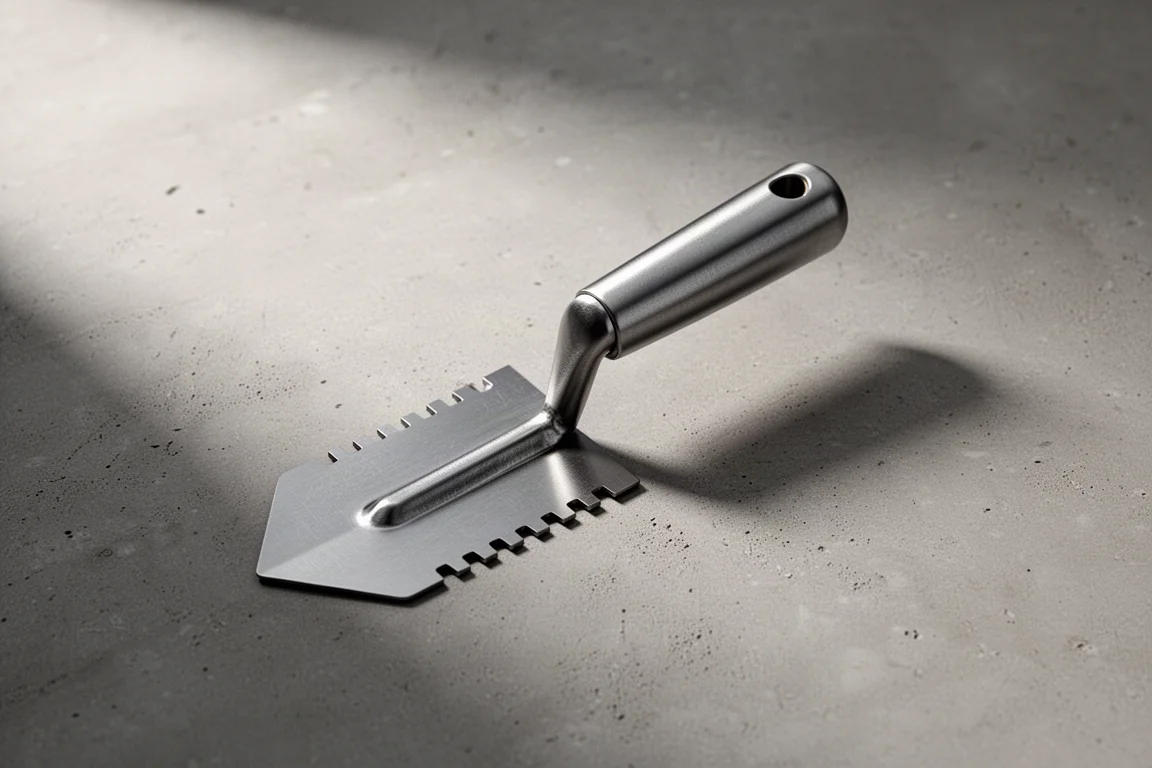
The Bogler trowel answers that problem directly. A serrated edge cuts through rocky and root-laced ground instead of relying on brute force, and the ergonomic shape and handle end keep your hand comfortable while you push.
That combination turns a chore that can take several painful minutes into something much quicker. After years of using trowels with these features, going back to a flat-edged design is hard to justify.
Weight and packed size stay reasonable, so there is no real trade-off against the basic models.
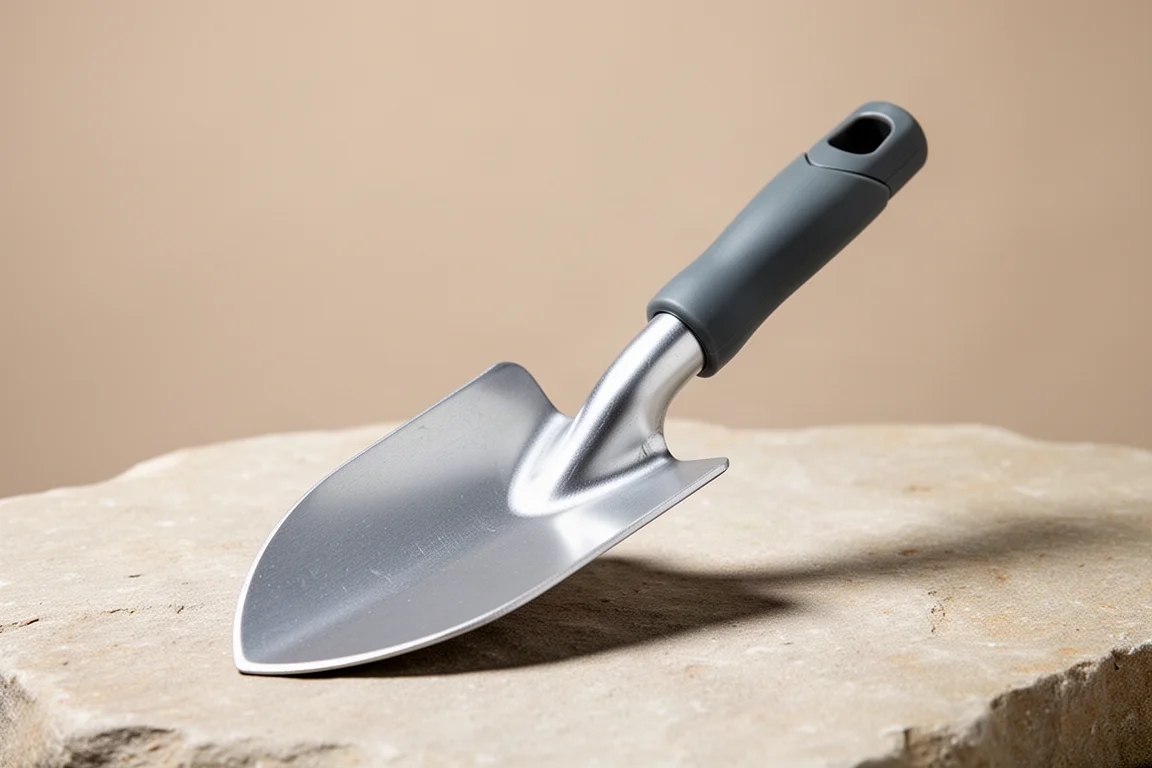
Vargo Dig Trowel: Ergonomic Digging
The Vargo Dig trowel follows the same philosophy: a shaped blade and a handle designed for the way a hand actually pushes into soil. The result is less strain on the palm and fingers, and a cat hole that gets dug without a fight.
For anyone who camps above treeline, or in terrain where the ground is thin and stony, that difference shows up on every trip.
Buying Advice: Matching Gear to Your Trip
Prioritise by the failure that would hurt most. A buckle repair kit is tiny and weighs almost nothing, and it protects the straps that hold a pack together, so it is an easy item to justify. Toe socks address blisters and overall foot condition, which is the most common reason a long day becomes a short one. A bidet and a trowel cover hygiene and leave no trace practice, and both are small enough to carry without thinking about them.
For trowels, match the tool to your terrain. Soft forest soil is forgiving and almost anything works. Rocky, compacted, or root-heavy ground rewards a serrated edge and a handle you can push against without wincing.
Check sizes and fit before you buy, particularly with the buckle kit, where the right size matters more than anything else.
Conclusion
None of these items is dramatic. Each one removes a specific problem: a broken buckle, a blister, an uncomfortable morning routine, a hole that will not dig. Carrying them sooner means spending less time managing problems and more time walking.
Further reading
Related Reviews

Backpacking Gear
Building a 10 lb Base Weight: An Ultralight Backpacking Gear List
A practical walkthrough of the ultralight pieces behind a 10 lb base weight, from a 765 g pack and a roomy one-person tent to a full camp chair and a dependable water filter.
Backpacking Gear
A 15-Pound Lightweight Backpacking Gear List for Solo Trips
A beginner-friendly 15-pound backpacking setup built from easy-to-find gear, with notes on what each piece does, how it packs, and where to spend your attention.
Backpacking Gear
8 Ultralight Backpacking Gear Upgrades Worth Carrying
Eight small, affordable backpacking upgrades that solve real trail annoyances, from a pillow that stays put to a fuel valve that rescues leftover canister gas.