Backpacking Gear
Backpacking Gear Roundup: 13 Field-Tested Items and What Stood Out
Thirteen pieces of backpacking gear tested across a full season of trips, with the standouts, the compromises worth weighing, and the purchases that did not earn their place.
Introduction
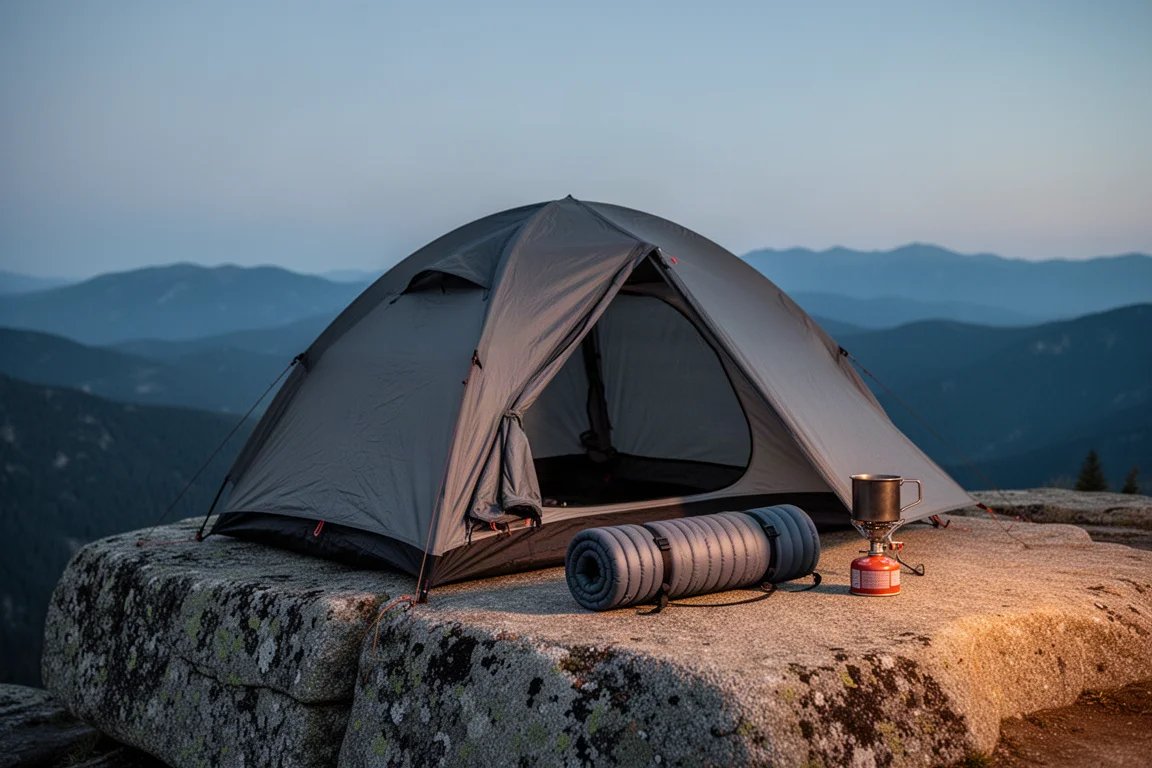
Roughly 22 backpacking and camping trips is enough time for gear to reveal itself. Products that look clever in a shop have to survive wind, rain, cold mornings, and long days on trail before they earn a permanent place in a pack. Over that stretch, a handful of items became automatic picks, a few capable products quietly lost out to better options, and one never left the shelf at all.
This roundup covers all of it: the standouts worth buying with confidence, the items with real compromises to weigh, and the purchases that did not justify their place. The aim is practical. If you are building or refining a backpacking kit, these notes should help you spend money on the pieces that genuinely change your trip.
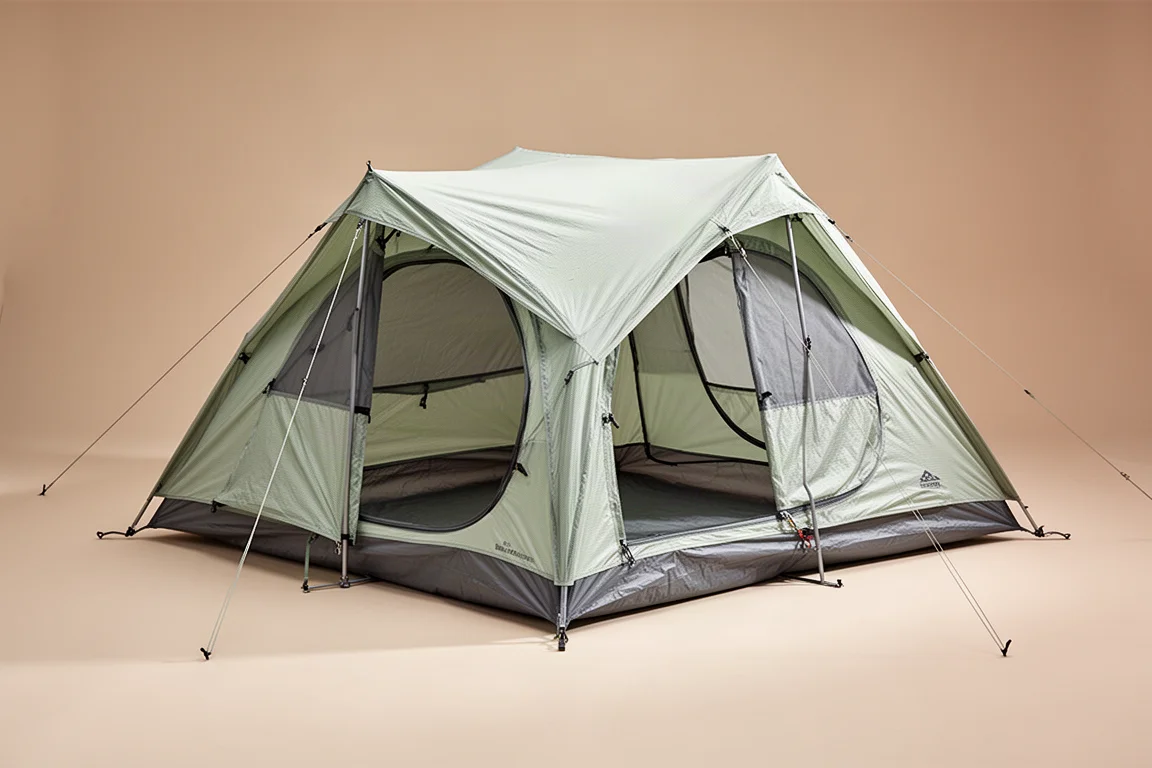
Nemo Dagger Osmo 2-Person Tent: A Shelter That Earned Its Place
On paper, the Dagger Osmo looks like a compromise for solo backpackers. It is not the lightest two-person shelter around, and a solo traveler will notice that. In practice it has been one of the most enjoyable tents to live in, because the interior is genuinely usable for two people.
The design is symmetrical, with the head end and the foot end both 50 inches wide. That matters more than it used to, because two 25-inch wide pads fit inside without the cramped, overlapping feeling common in tapered tents. Gear moves into the vestibules, and those vestibules are large enough to make that a workable arrangement rather than a sacrifice.
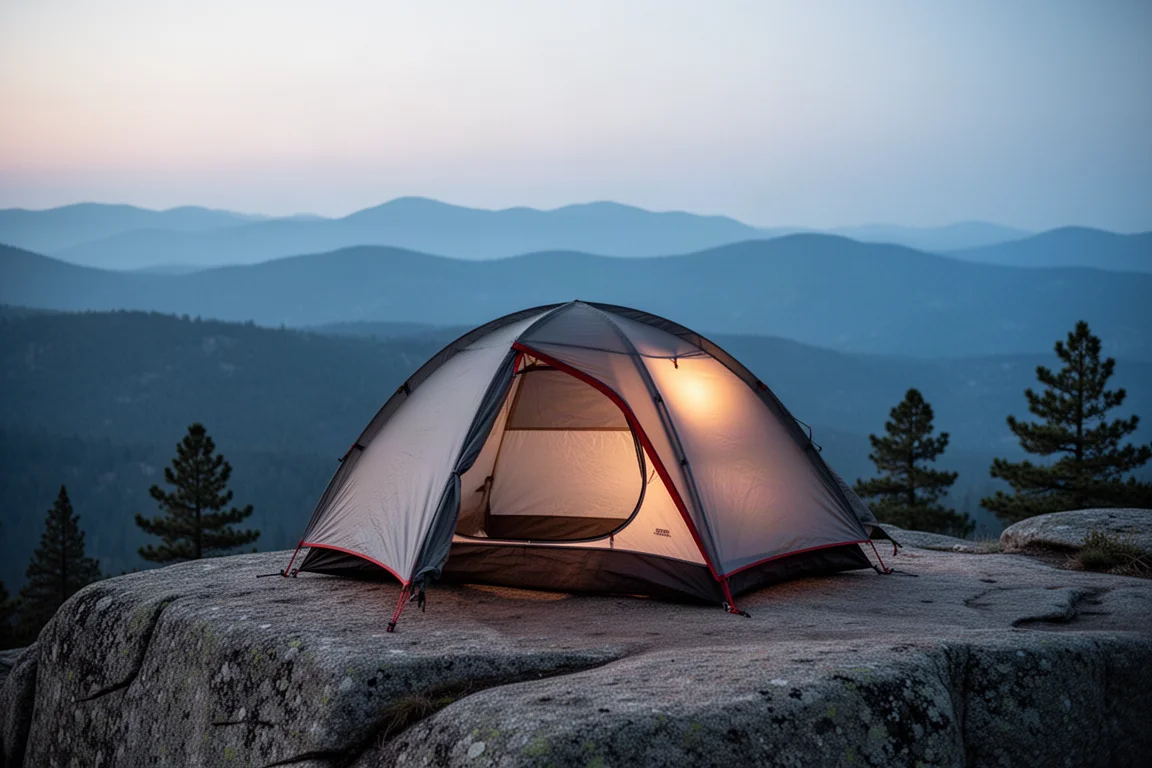
The Osmo fabric is the other half of the story. The nylon and polyester ripstop blend holds up in wind and rain with noticeably less sagging than expected, shedding moisture instead of soaking it up. Combined with the interior space, it makes the Dagger Osmo easy to recommend for two-person trips and easy to keep choosing even when lighter shelters are sitting on the shelf.
MSR WindBurner Stove System: Efficiency Over Ultralight
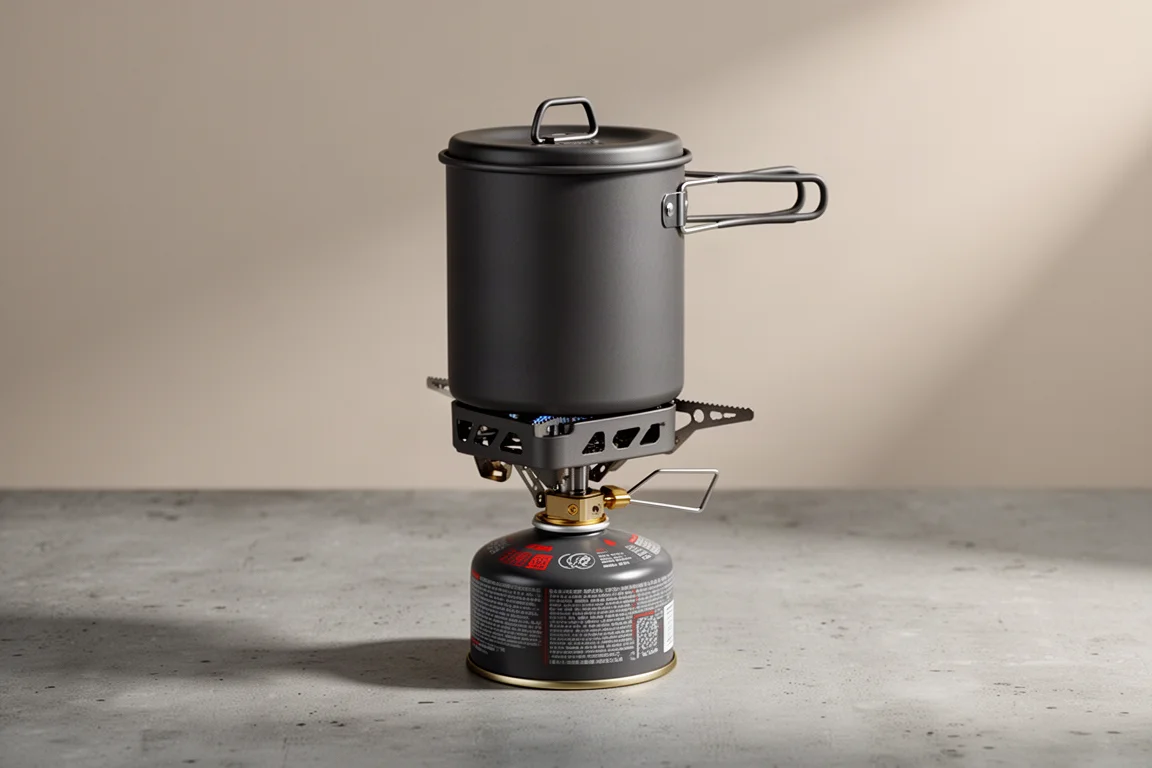
The WindBurner was expected to be a compromise. It is bulkier and heavier than the minimalist canister stoves it competes with, and that is usually enough to keep a stove out of a pack. Instead the opposite happened: it kept getting chosen over lighter options.
The reason is performance. The system is efficient, reliable, and consistent, which matters more on a cold, windy morning than a few saved grams. Reliability in particular keeps it in rotation, because a stove that lights and performs the same way every time removes a variable from the trip.
The trade-off is real but manageable. If pack space and weight are the only priorities, there are leaner options. If predictable cooking performance is the priority, this is the one that keeps earning its place.
Sawyer Squeeze Water Filter: The Reliable Default
Water treatment is one area where reliability beats novelty. After working through several filters that developed recurring problems, the Sawyer Squeeze became the default again, and it has stayed there.
The appeal is straightforward. It works every time, it is built to a high standard, and it stands up to the kind of use that wears other filters down. Flow rate can slow over time, but the filter can be revived and returned to service rather than retired, which is exactly the behavior you want from safety-critical gear.
For most backpackers this is the filter to buy first and the benchmark to compare everything else against. The cost of entry is low, the failure modes are manageable, and it does not ask you to change how you treat water on trail.
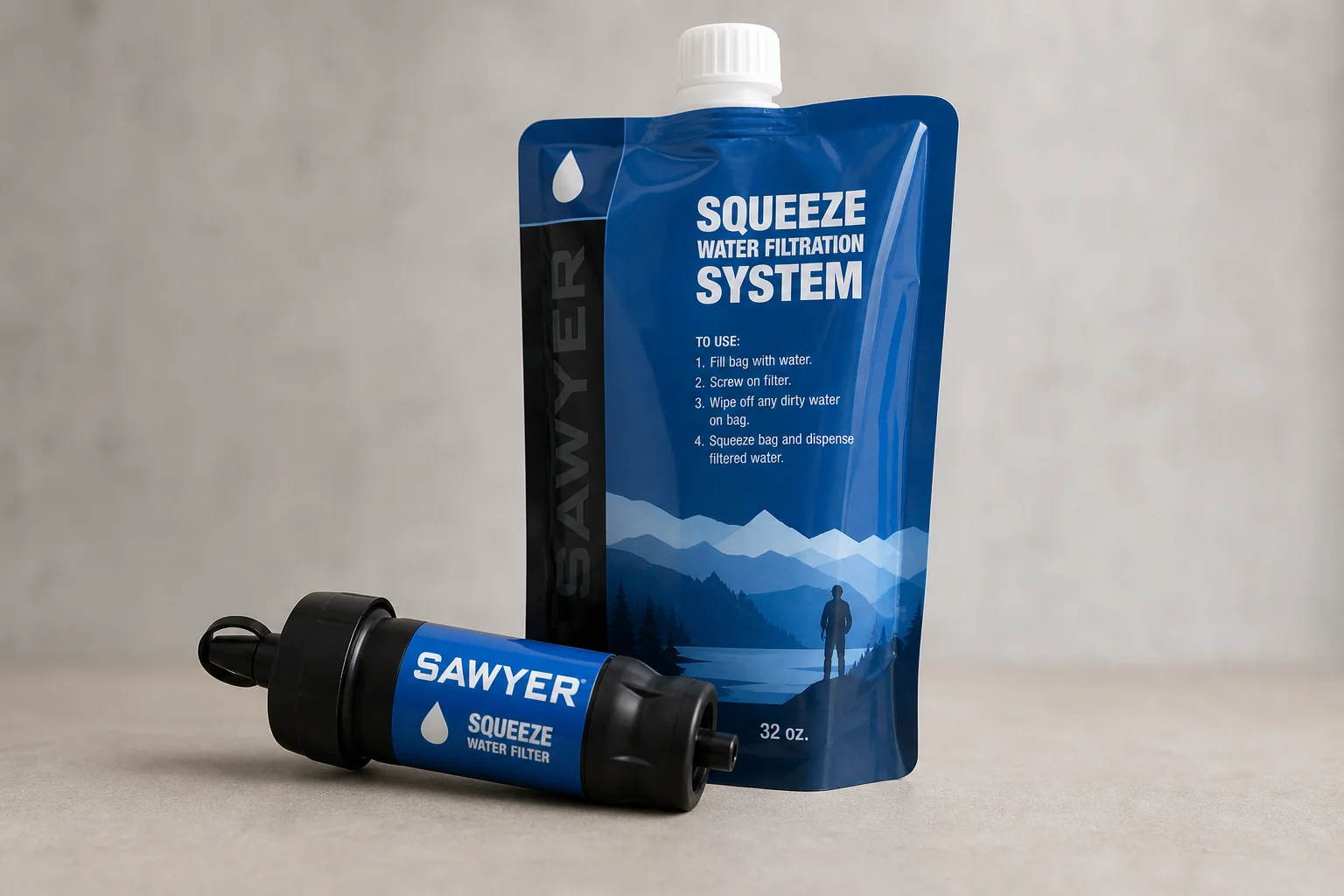
Katadyn Vecto Water Bag: Easy Filling, Fragile Body
The Vecto is genuinely pleasant to use. Collecting water is quick and simple, and the bag has been reliable in the ways that matter most of the time. It is the kind of accessory that becomes part of the routine immediately.
Durability is the problem. Pinhole leaks keep appearing, including across multiple bags, and they show up often enough that patching has become routine rather than a rare repair. A bag that is almost disposable undermines the value of a design that otherwise works well.

That leaves a genuinely difficult call. The Vecto outperforms alternatives in daily use, which is why it stays in the kit, but anyone buying one should plan on treating it as a wear item and checking it before every trip.
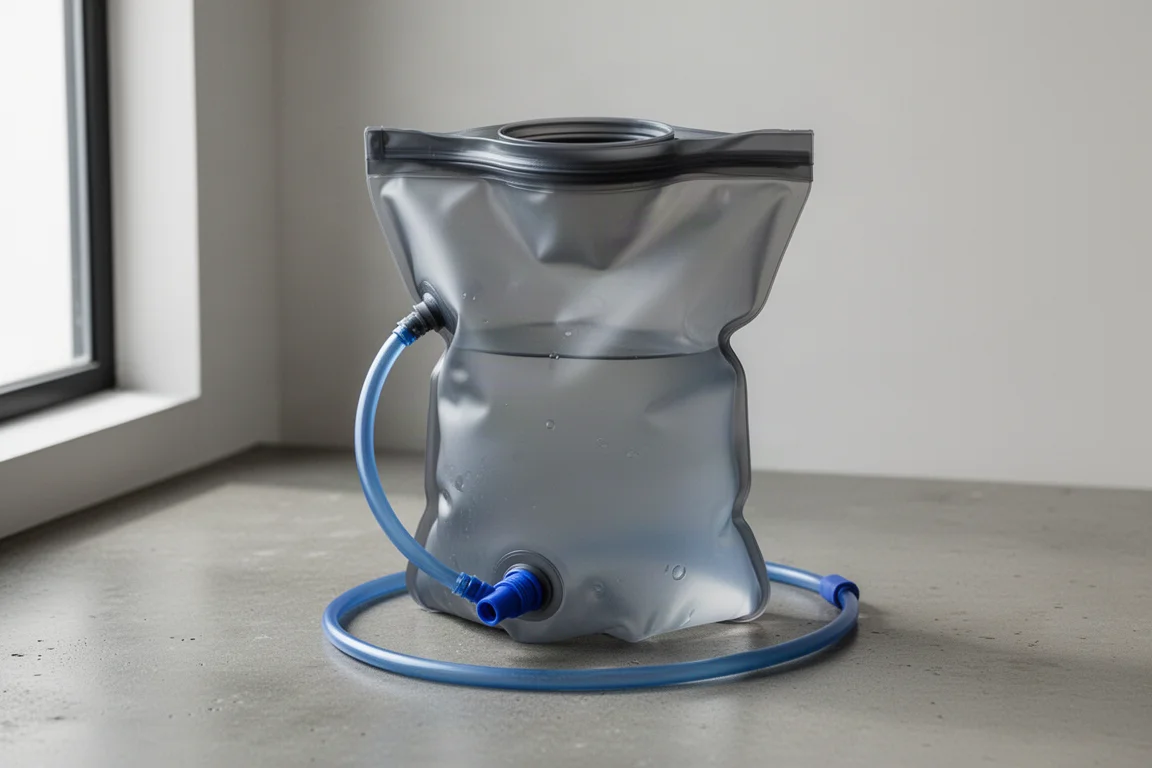
Snow Peak LiteMax Canister Stove: Light, But Limited
The LiteMax is popular, widely available, and extremely light, which explains its appeal. The problem is what happens once it is actually in use.
Performance, wind resistance, and overall efficiency all fall short of what a better stove system delivers. The weight advantage is significant, and for some trips that will be the deciding factor. But a stove that struggles in wind and burns less efficiently is a poor trade for many backpackers, and this one did not make the cut.
If low weight is the single most important criterion, it is worth a look. If you want a stove that performs consistently across conditions, other systems cover that ground better.
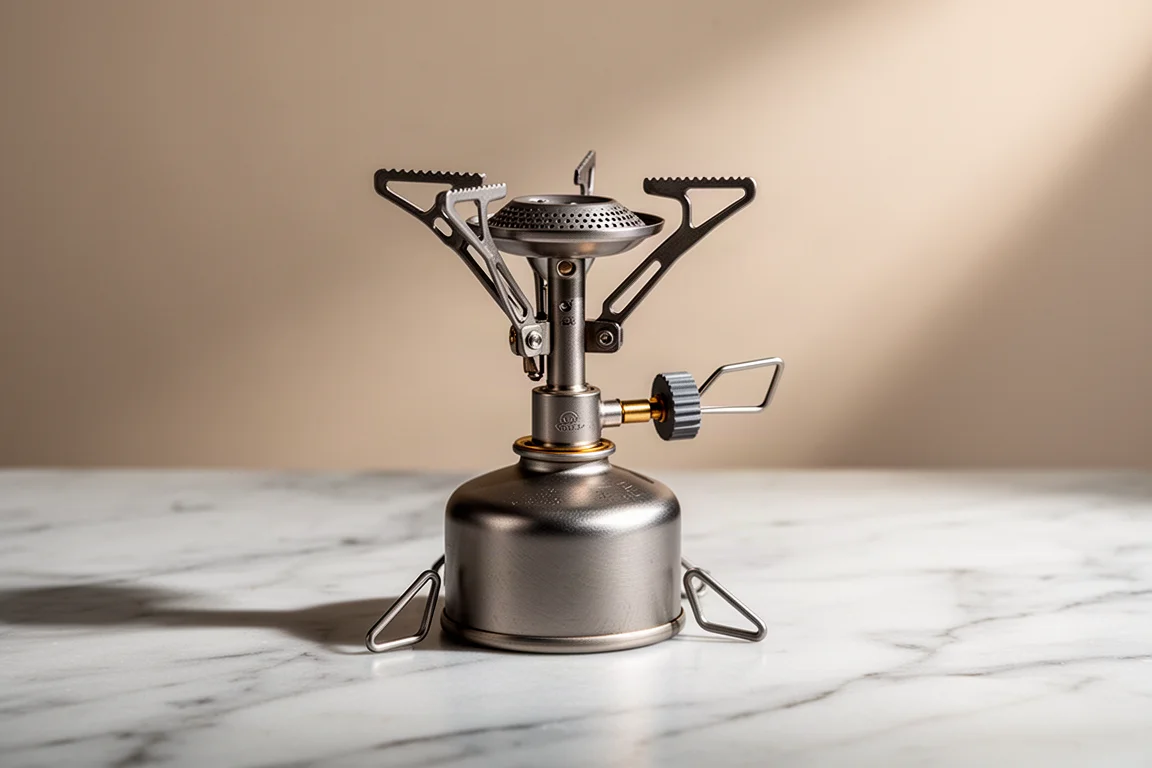
Western Mountaineering Ultralite 20° Down Sleeping Bag: A Premium Sleep
This is the most expensive sleeping bag purchase in this list, and also the most enjoyable one to actually sleep in. The Ultralite is a 20° rated down bag that combines low weight, comfort, and construction quality in a way that is obvious on the first night out.
Performance is the headline. It is light, comfortable, and built to a standard that makes the price easier to understand. Compared against the other bags and quilt systems used over the season, it is the one that consistently delivered the best night of sleep.
The honest caveat is cost. This is a premium purchase, and it only makes sense if you sleep out often enough to justify it. For anyone who does, the construction and comfort make it a long-term investment rather than an indulgence.
Mountain Hardwear Aspect 2 Tent: Protection Without Affection
The Aspect 2 is a capable freestanding shelter. It handles weather and wind well and provides the protection you expect from a freestanding tent. As a piece of equipment, there is little to criticize functionally.
The issue is value and enthusiasm. At close to $500, it sits in a price bracket where other shelters match its weight while offering more features or a better overall experience. Nothing about it is bad. It simply never became the tent that got picked up first.
For a buyer, that is useful information. If you find it discounted and you want a dependable freestanding tent, it will do the job. If you are paying full price, compare it carefully against shelters that deliver more for the same money.
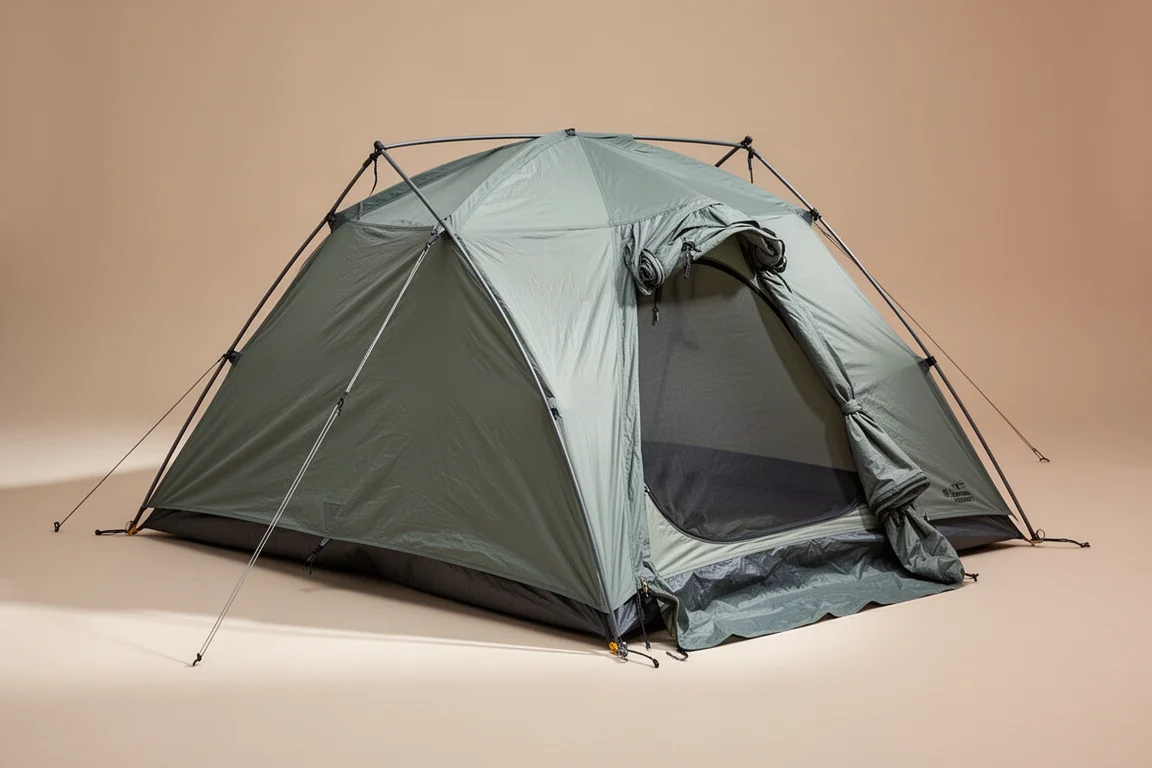
Grayl Water Purification System: Capable, But Never Used
The Grayl is not a bad product, and that is worth stating clearly. It is a self-contained purification system that works differently from a squeeze filter, and for the right user that difference is the whole point.
The problem here is fit rather than function. With a squeeze filter already handling water treatment on every trip, the Grayl never made it into a pack. It sat unused for about nine months, which is the clearest possible signal that a purchase was unnecessary. Buying gear that duplicates a solved problem is a common and expensive mistake.
If you specifically want a standalone purifier rather than a filter, the category makes sense. If you already carry a filter you trust, this is a purchase to skip.
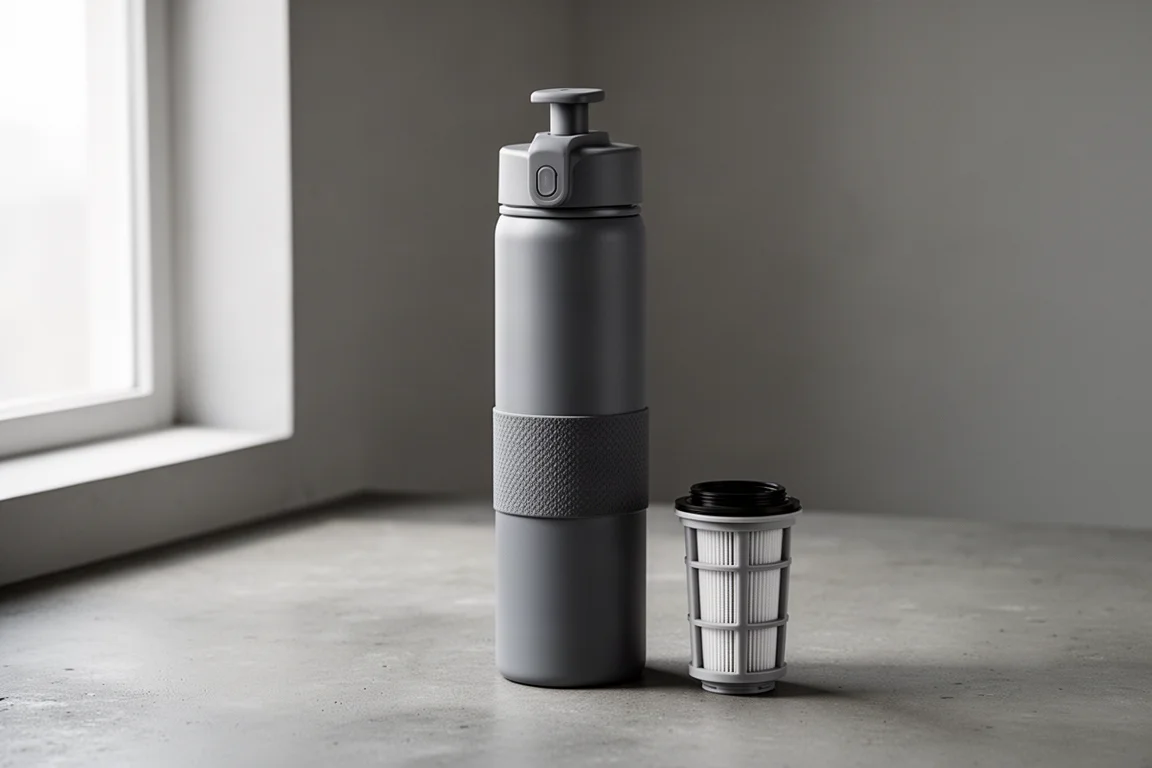
Outdoor Vitals Altitude Sun Hoodie: The Everyday Layer
The Altitude is a 100 percent polyester base layer, very light, and it has been worn on every trip since March. That kind of repetition is the strongest endorsement a piece of apparel can get.

Two things make it work. First, odor resistance: it does not turn unpleasant after a full weekend or longer, which matters on multi-day trips. Second, it handles water well. Dunking it and letting evaporation do the cooling work is a genuine hot-weather strategy, and because the fabric is polyester, it does not stretch out or turn baggy when soaked.
Durability is what you would expect from a thin, lightweight material, so treat it accordingly. As a sun layer and warm-weather base layer, it is the one to reach for first, ahead of other sun hoodies.
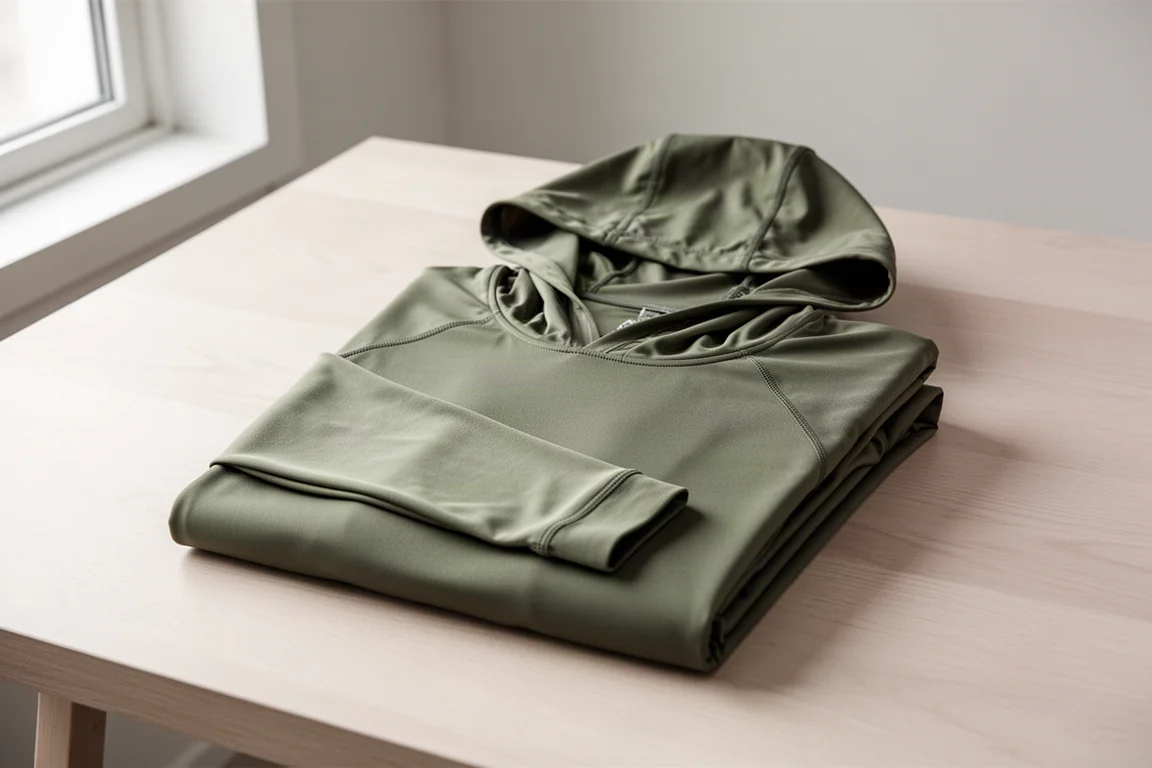
Danner Trail 2650: A Hiking Shoe That Keeps Getting Replaced
After more than a decade in trail runners, switching to a true hiking shoe was a real change. The Trail 2650 is the shoe that made it stick, and it is now on its third pair over roughly 18 months, with additional pairs bought ahead for future seasons.
Two details explain the loyalty. The Vibram outsole uses a lug pattern that grips well in the places that matter, and the shoe is comfortable enough to wear all day. For hikers who want a stable, protective platform rather than a running-style ride, that combination is exactly right.
If you are coming from trail runners, expect a different feel underfoot. If you want a hiking shoe you can trust on varied terrain, this is a straightforward recommendation.
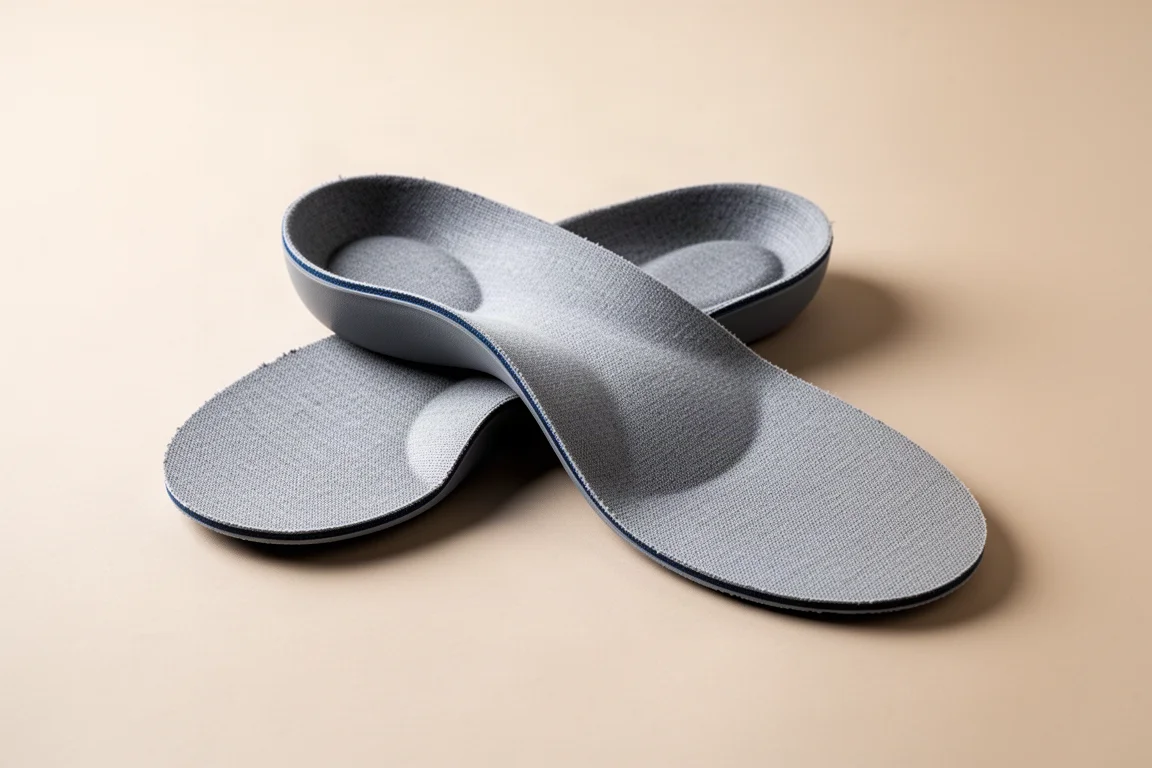
SOLE Insoles: Small Change, Noticeable Difference
Insoles were a new addition this season, and the results were more noticeable than expected. Knee strain and IT band irritation had been a recurring issue on hikes, persisting across different shoes and different brands.
Adding SOLE insoles to the Trail 2650 effectively removed those problems. Since the same discomfort showed up in other footwear, the insole is the variable that changed, and the improvement held up over repeated trips.
This is an inexpensive upgrade compared with replacing footwear, and it is worth trying if you experience similar strain. Fit matters, so match the insole to the shoe rather than assuming one setup works everywhere.
Swiftwick Flite XT Trail Socks: Fit That Stays Put
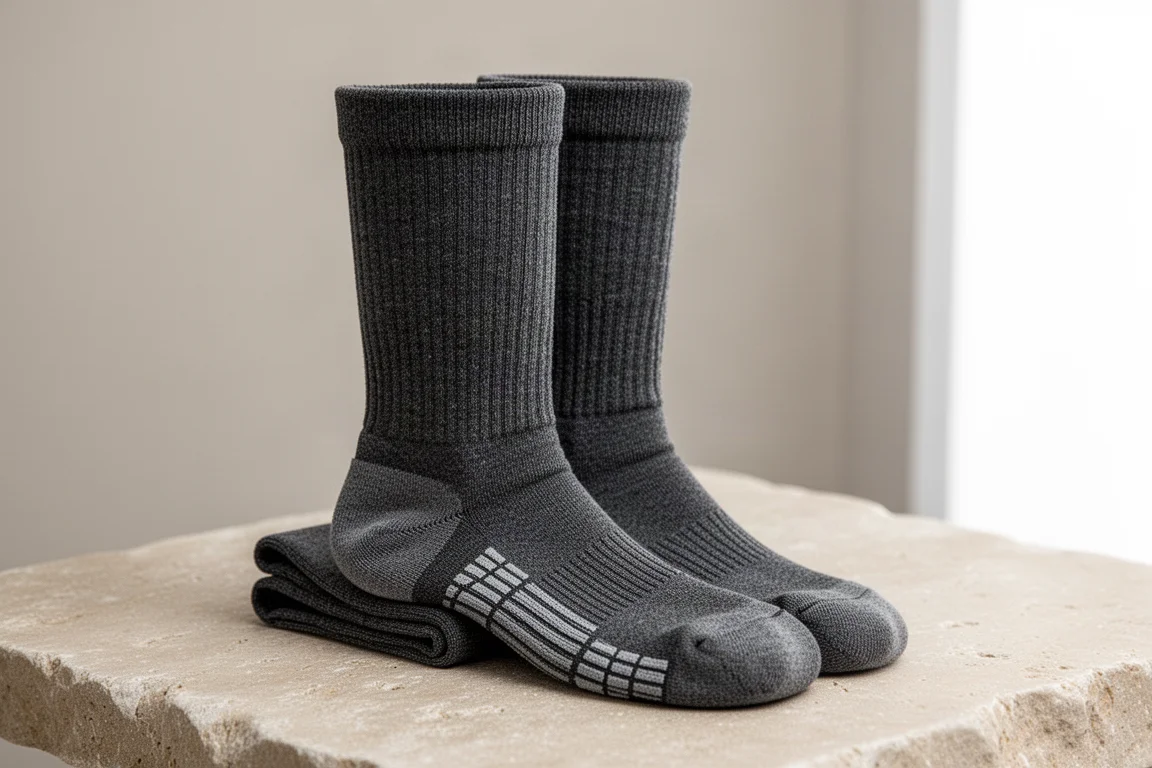
After years in one sock brand, switching to Swiftwick was a deliberate experiment. The Flite XT Trail is a tall sock with a fit that stays consistent, and it does not develop the kind of odor that makes long trips unpleasant.
The distinctive feature is the ribbed, grippy material under the heel and through the toe box. That texture keeps the sock from shifting inside the shoe, which translates into a more comfortable hike and, more importantly, fewer blisters.
Taller socks are a personal preference, and this design leans toward that style. For hikers who prioritize blister prevention, the grip panels and the fit make these an easy recommendation.
Nemo Quasar 3D Insulated Sleeping Pad: Comfort For Side Sleepers
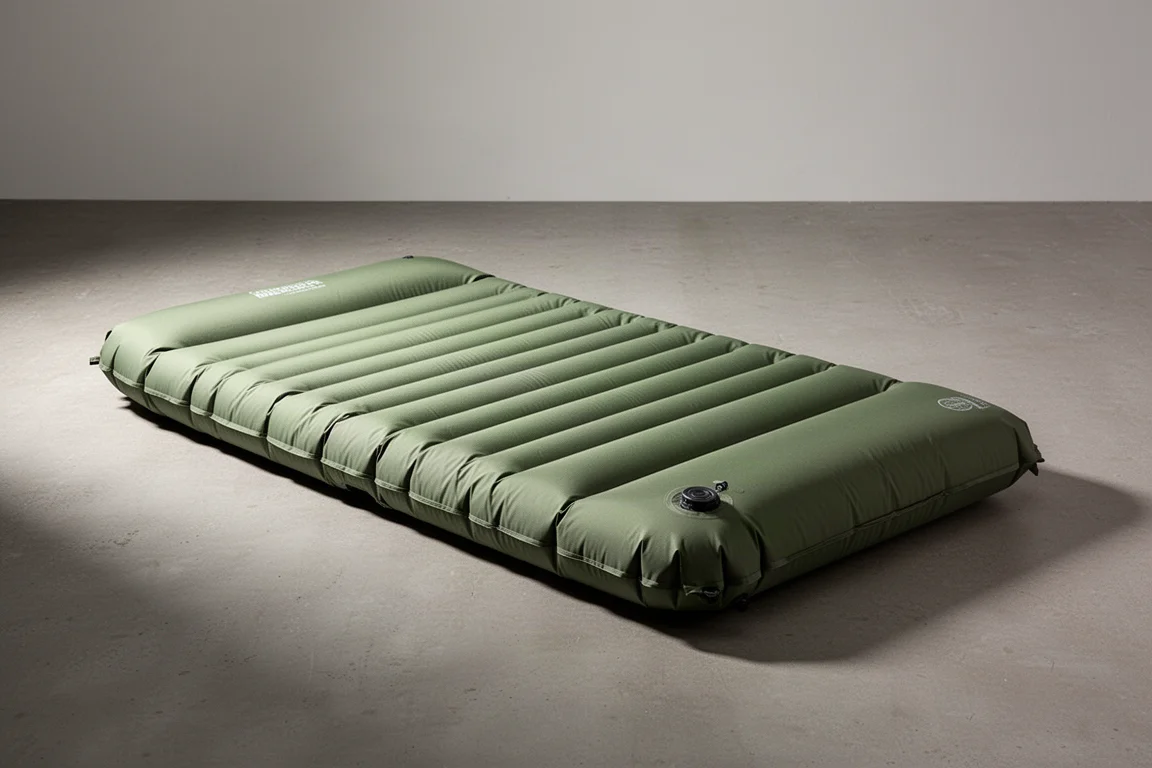
The Quasar 3D is the pad that keeps getting picked. It is an insulated pad in a regular wide size, and it delivers the most comfortable night of sleep of anything used this season.
Side sleepers in particular should pay attention. The pad supports that position better than most alternatives, which is the single biggest factor in whether a night on trail feels restorative or restless. Of every pad used this year, this is the one to recommend first for comfort.
The wider size is the trade-off, since it takes up more room in a pack than a minimalist pad. If sleep quality matters more than packed volume, that is a reasonable exchange.
Overall Buying Advice
The pattern across this list is consistent. The items that earned a permanent place are the ones that performed reliably in real conditions, not the ones with the best specifications on paper. A stove that lights every time, a filter that never fails, a pad that lets you sleep: those are the purchases that pay off trip after trip.
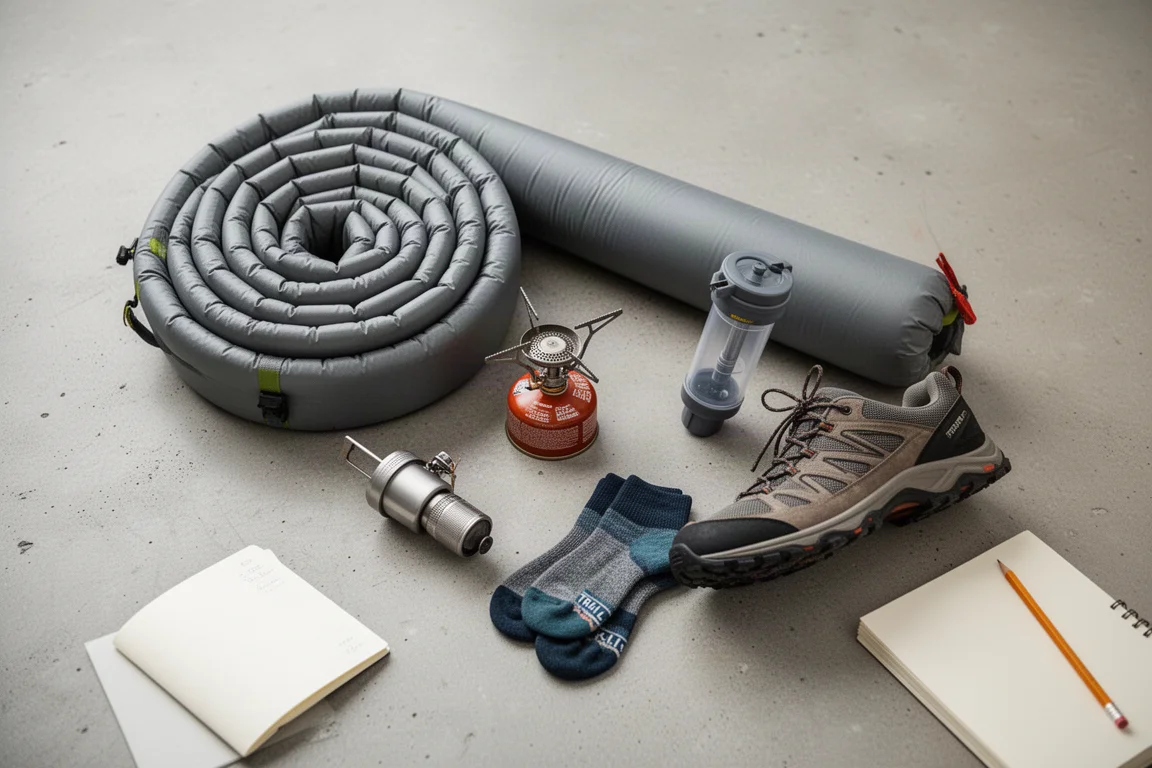
Weight and pack space still matter, but they should be weighed against how often an item actually gets used. The Dagger Osmo is heavier than a solo shelter and still gets chosen because it works. The WindBurner is bulkier than a minimalist stove and still gets packed because it performs. Meanwhile, the Grayl sat unused because it duplicated a job that was already handled.
The clearest lesson is to buy for the trips you actually take. If you want a comfortable two-person shelter, a dependable filter, and a sleep system you look forward to, this list points in that direction. If you are tempted by an ultralight stove or a premium shelter at full price, compare it against the alternatives first, because the better-performing option is often not the lightest one.
Conclusion
Thirteen items, and the split is instructive. The Nemo Dagger Osmo, MSR WindBurner, Sawyer Squeeze, Western Mountaineering Ultralite, Outdoor Vitals Altitude, Danner Trail 2650, SOLE insoles, Swiftwick socks, and Nemo Quasar 3D all earned their place through repeated use. The Katadyn Vecto works well but comes with durability caveats. The Snow Peak LiteMax, Mountain Hardwear Aspect 2, and Grayl are the ones to think twice about.
None of that is about brand loyalty. It is about whether a piece of gear makes trips better often enough to justify its space, its weight, and its price. Buy the items that pass that test, and skip the ones that only look good on a spec sheet.
Further reading
Related Reviews

Backpacking Gear
Building a 10 lb Base Weight: An Ultralight Backpacking Gear List
A practical walkthrough of the ultralight pieces behind a 10 lb base weight, from a 765 g pack and a roomy one-person tent to a full camp chair and a dependable water filter.

Backpacking Gear
A 15-Pound Lightweight Backpacking Gear List for Solo Trips
A beginner-friendly 15-pound backpacking setup built from easy-to-find gear, with notes on what each piece does, how it packs, and where to spend your attention.

Backpacking Gear
8 Ultralight Backpacking Gear Upgrades Worth Carrying
Eight small, affordable backpacking upgrades that solve real trail annoyances, from a pillow that stays put to a fuel valve that rescues leftover canister gas.