Backpacking Gear
Backpacking Gear Wins and Letdowns: A Field-Tested Roundup
A field-tested roundup of backpacking gear that earned its place in the pack this season, plus the items that fell short and why.
Introduction
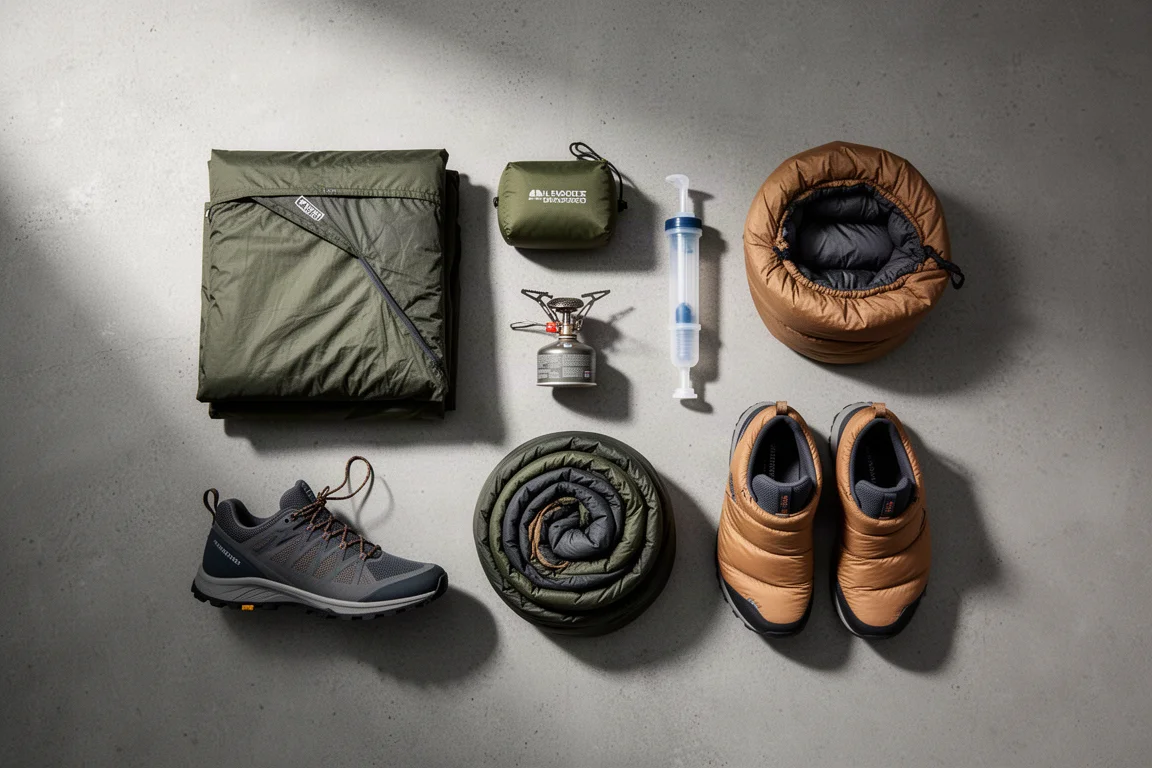
A full season of backpacking and camping trips is the most honest gear test there is. Some items earn a permanent place in the pack within a couple of outings. Others look promising on paper and then quietly stay on the shelf. This roundup covers both sides of that equation: the gear that performed consistently in wind, rain and long days on trail, and the items that did not live up to their price or their promise.
The products below are grouped by category and judged on how often they were reached for, how they held up, and how well they solved a real problem. Every entry includes the trade-offs, including the ones that only showed up after months of use.
How This Year’s Gear Earned Its Place
Four things separated the keepers from the disappointments: reliability over repeated trips, real-world performance in wind and rain, comfort across a full night or a full day, and whether the item actually got used. Weight and pack space mattered, but never in isolation. A heavier piece of gear that performs predictably can be a better choice than a lighter one that needs babysitting.
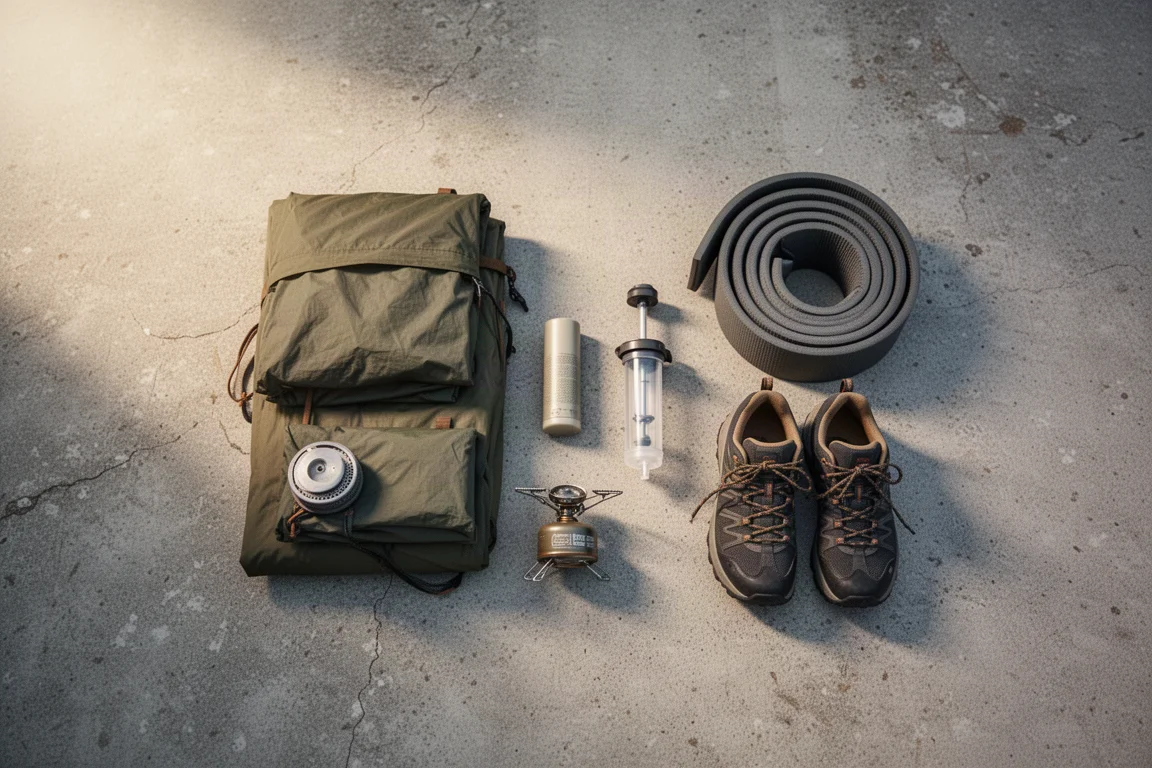
A final criterion was honesty about use. One item in this roundup was purchased, stored for roughly nine months, and never once made it onto the trail. Gear that never gets carried is not good gear for those trips, and that distinction shapes the recommendations below.
Nemo Dagger Osmo 2P: The Most Surprising Tent of the Year
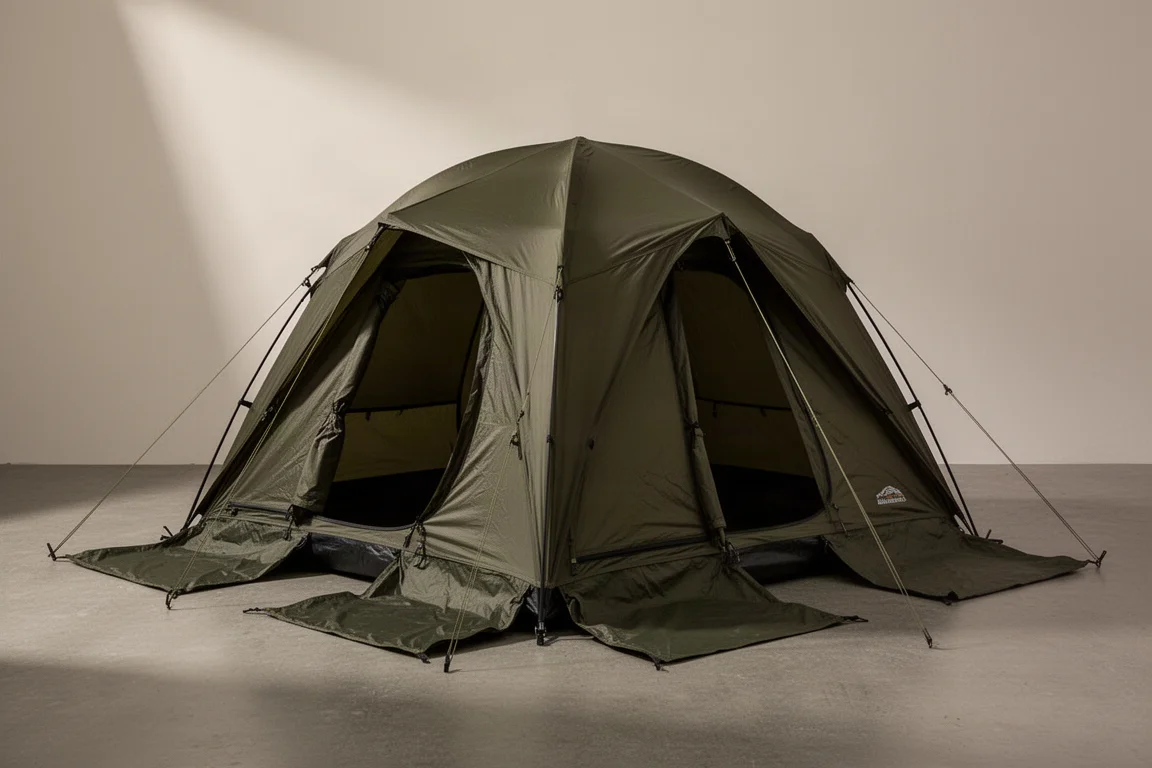
On paper, the Nemo Dagger Osmo 2P raises an obvious question about weight, especially for solo backpackers who count every gram. In practice it earned its place through liveable space. The tent is symmetrical, with the head and foot ends the same width at 50 inches, so two 25-inch wide pads fit side by side without feeling cramped. Packs and boots move into the vestibules, which are notably large for this class of tent.
The Osmo fabric does the rest of the work. That nylon and polyester ripstop blend held up in windstorms and steady rain, with noticeably less sagging than expected and clean shedding of moisture off the fly. For two-person trips where interior space matters more than the last few hundred grams, this is the tent that kept getting chosen.
MSR WindBurner: The Stove That Kept Ending Up in the Pack
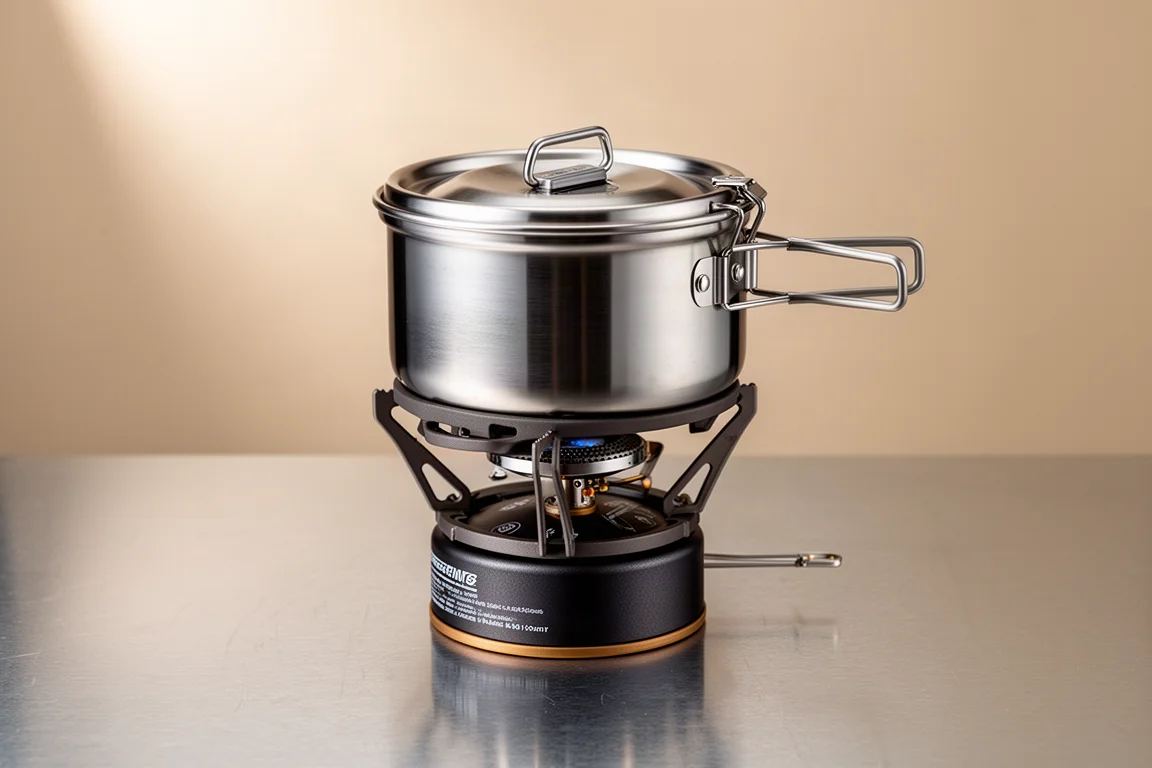
The WindBurner looked like the wrong choice at first. It is bulkier and heavier than the minimalist canister stoves it competes with, and it takes up more room in a pack. What changed the calculation was how it performed. Efficiency and reliability were consistent enough that it got chosen over lighter options again and again.
That pattern is worth paying attention to. A stove system that boils reliably in exposed, windy campsites removes a small but constant source of friction from a trip, and the WindBurner did that all season without drama.
Sawyer Squeeze: The Water Filter Worth Trusting Again
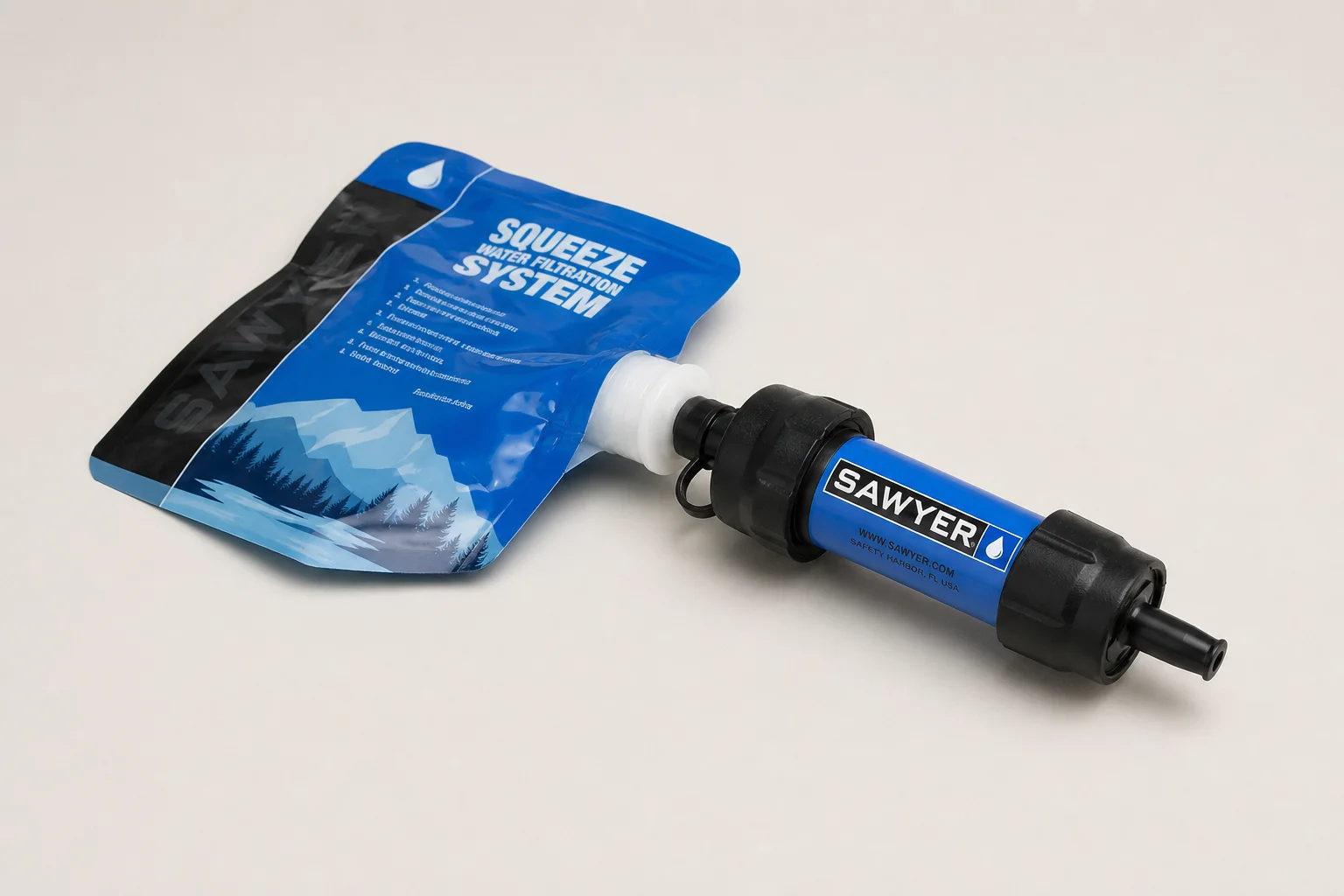
After problems with several other filters over roughly eighteen months to two years, the Sawyer Squeeze became the default again. It is simple, it is dependable, and it works every time it is taken out. Even when the flow rate slows, it can be revived rather than replaced, and the manufacturer stands behind the product.
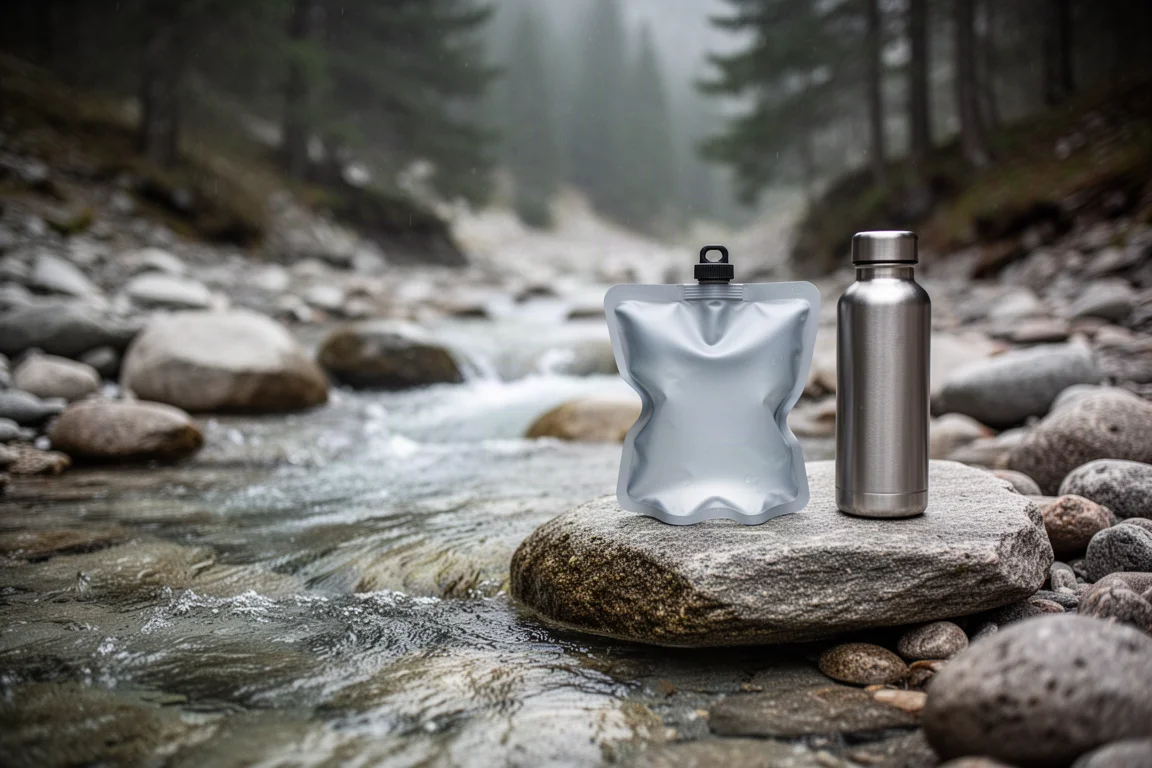
For backpackers who would rather not think about water treatment, that consistency is the whole point. The Sawyer Squeeze is not the most exotic option on the market and it does not try to be. It simply keeps working trip after trip, which is exactly what a filter is for.
Western Mountaineering Ultralite 20: The Most Enjoyable Bag of the Year
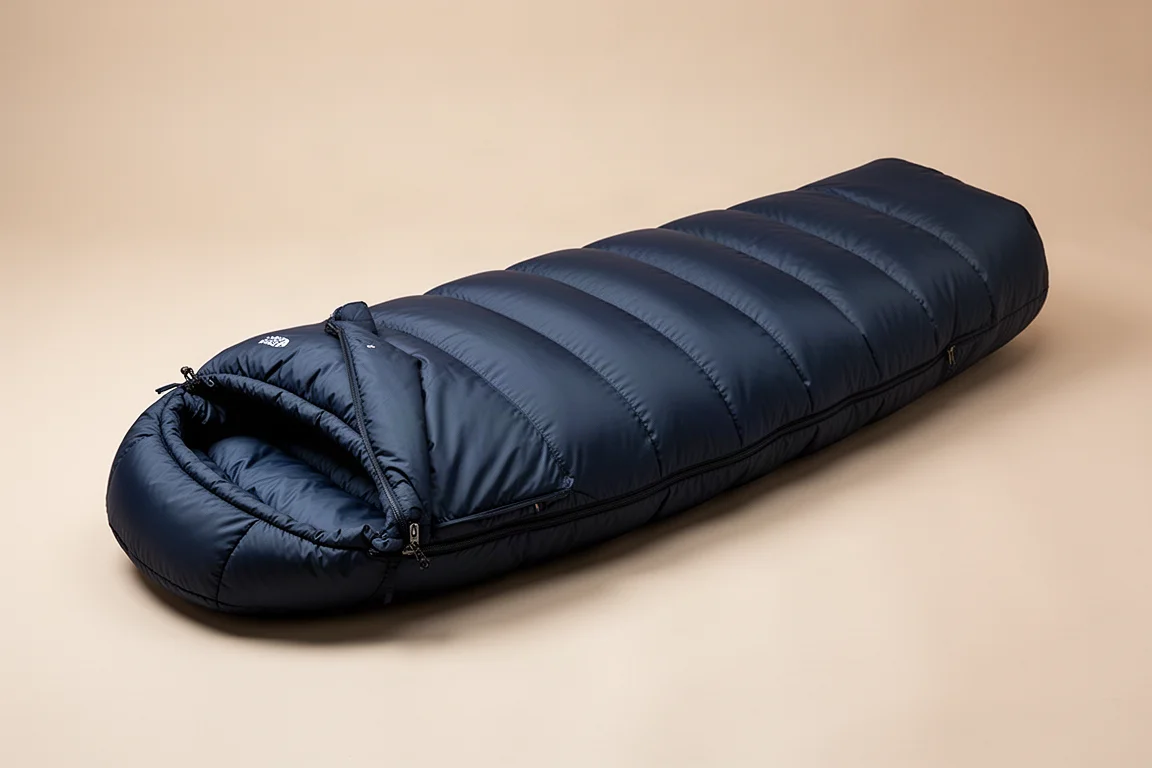
This is the most expensive sleeping bag in this roundup, and it is also the one that got reached for most often. The 20°F down bag is light, comfortable and built to a standard that shows in the construction. Against the quilt and bag systems used this season, it was simply the most enjoyable to sleep in.
Nemo Quasar 3D Insulated: The Pad to Beat for Side Sleepers
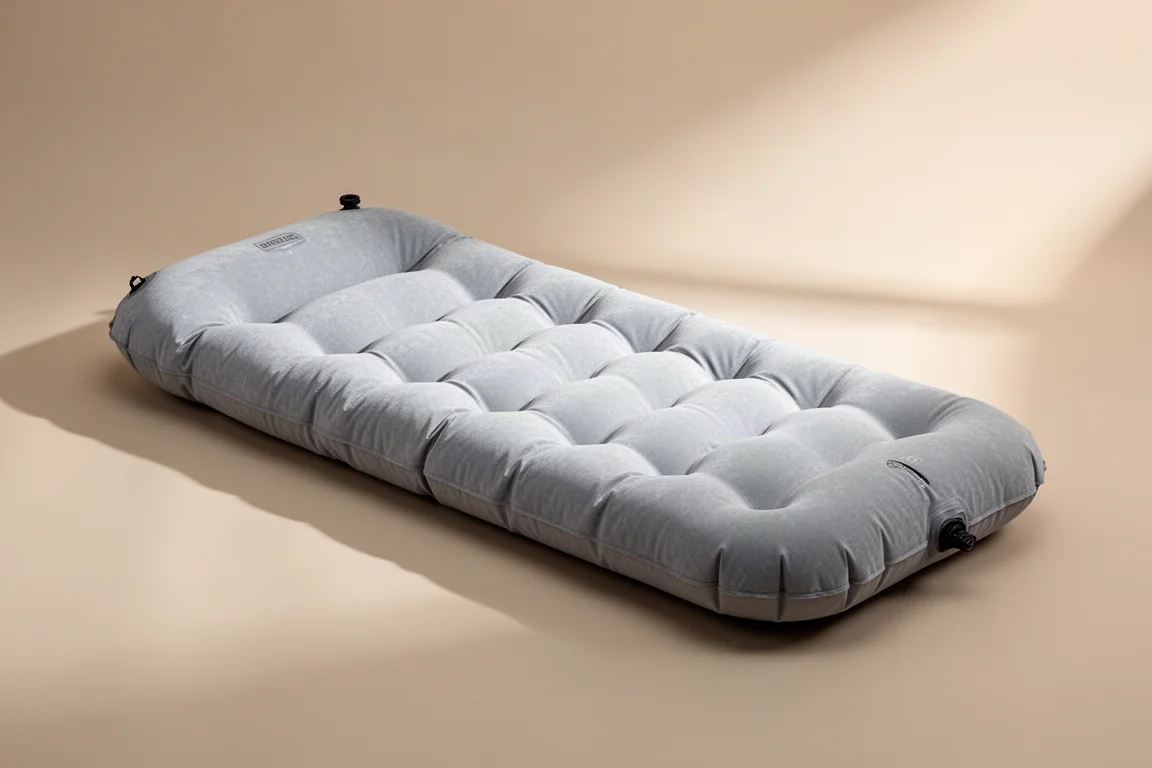
The Quasar 3D insulated pad in a regular wide size was the go-to pad of the season. It is the recommendation for anyone who wants maximum comfort, and side sleepers in particular benefit from the wider cut. Of every pad used this year, this is the one that stood out, and it is the easiest upgrade to justify for anyone who sleeps poorly on trail.
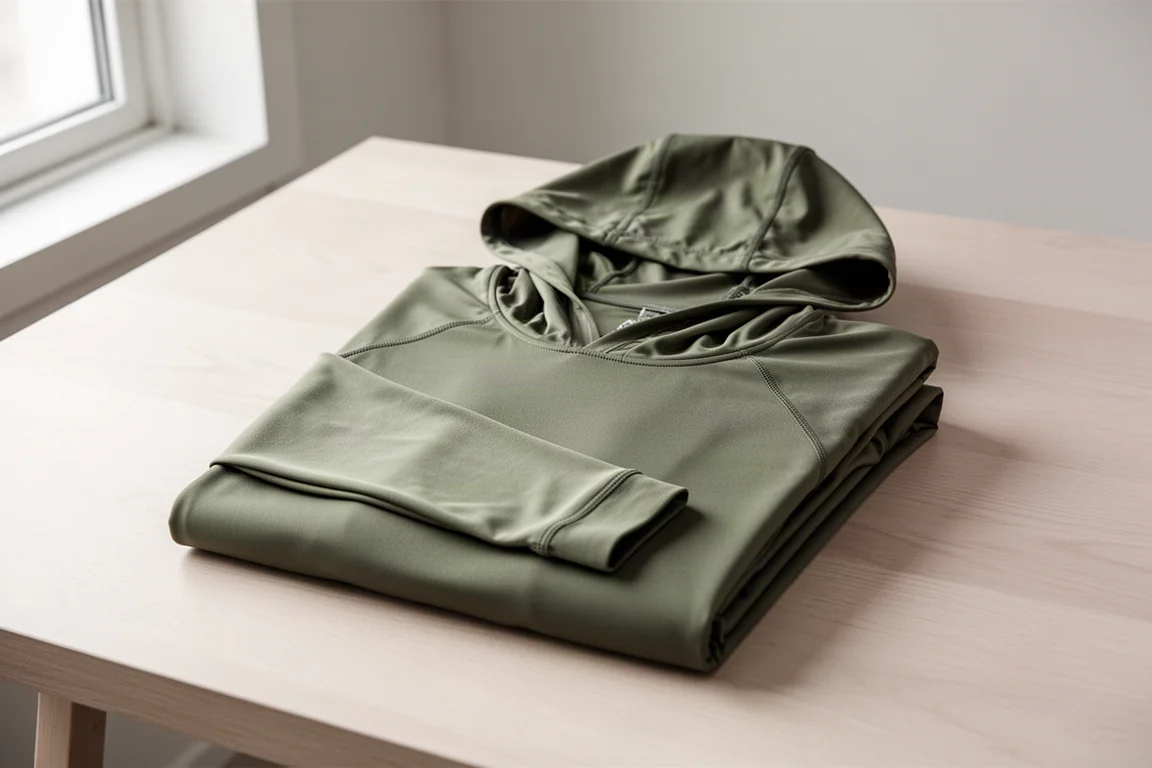
Outdoor Vitals Altitude Sun Hoodie: The Base Layer That Went on Every Trip
A 100 percent polyester hoodie that is light enough to forget about and good enough to wear on every trip since early spring. It resists odour far better than expected, which matters on multi-day outings where laundry is not an option. In hot weather it can be soaked in water and worn for evaporative cooling, and the polyester holds its shape instead of stretching out when wet.
Durability is in line with what a thin, lightweight material should be expected to deliver, and it has held up well to constant use.
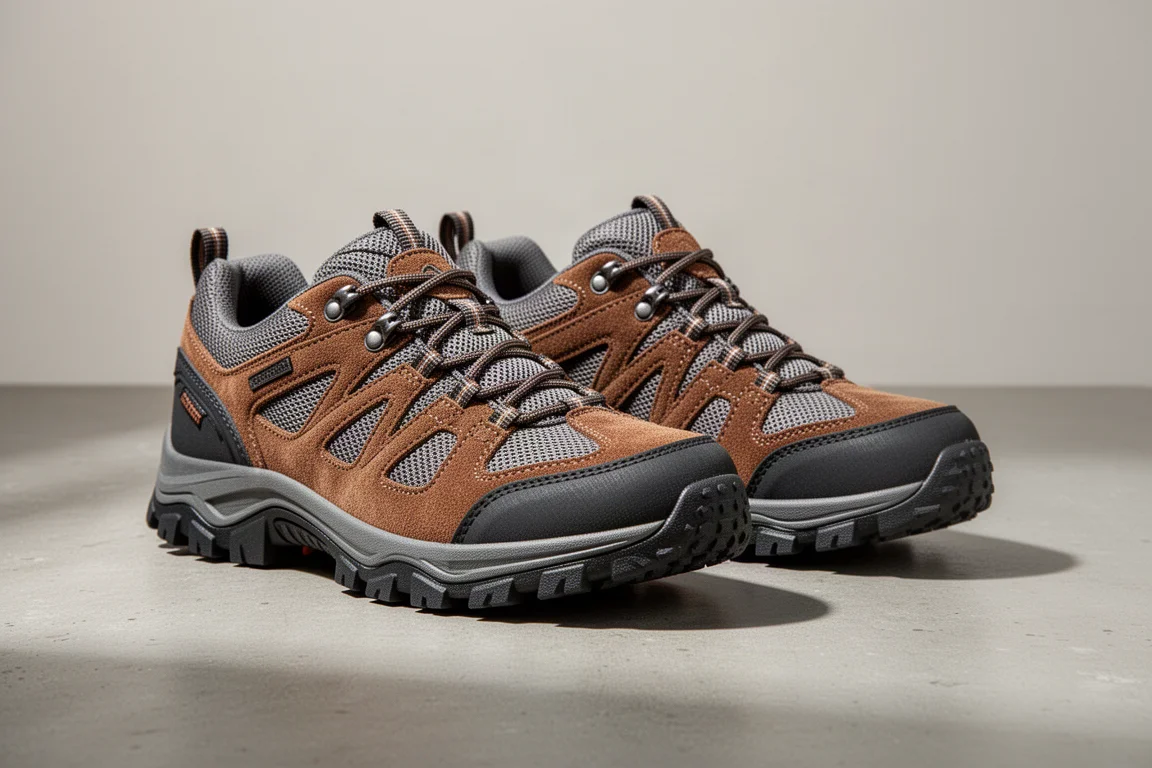
Danner Trail 2650: A Hiking Shoe Worth Buying Twice
The Trail 2650 is a genuine hiking shoe rather than a trail runner, which is a meaningful distinction for anyone who has spent years in running-derived footwear. The Vibram outsole grips well across the terrain it was used on, and the shoe is comfortable enough that repeat pairs have been purchased for future seasons. This is the third pair in roughly eighteen months.
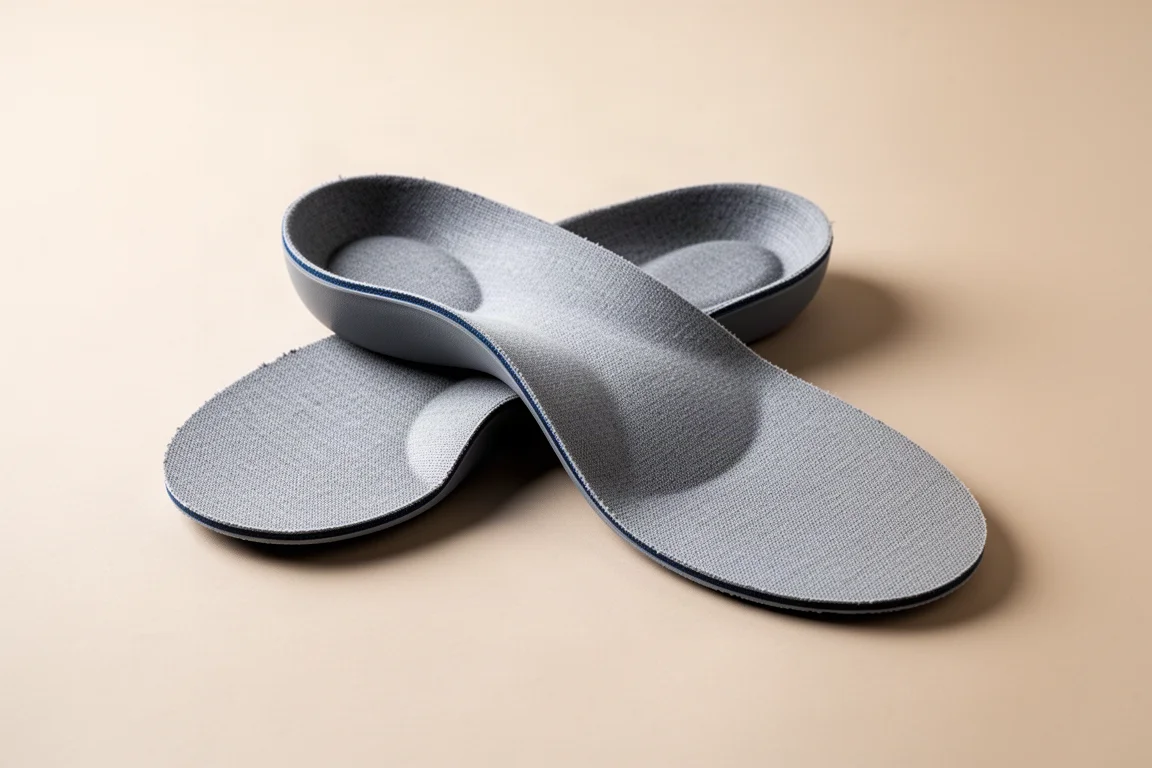
SOLE Insoles: A Small Change That Eased Knee and Hip Strain
Insoles were new this year, and the SOLE brand made the biggest difference of any small change. Long hikes had previously produced knee pain and IT band strain through the hips, likely tied to a specific gait. Adding the insoles helped eliminate those issues without changing footwear.

For hikers who already like their shoes but not the way their body feels after a long day, insoles are a low-cost experiment with a real payoff.
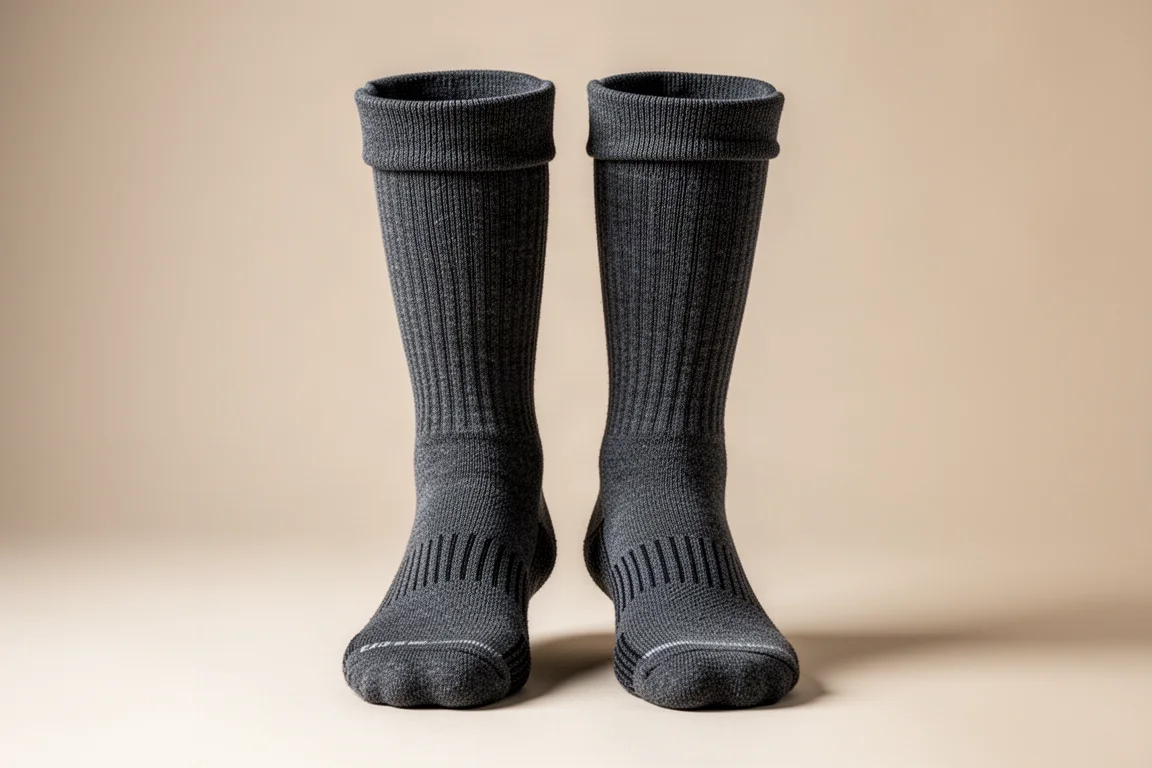
Swiftwick Flight XT Trail Tall: Blister Control That Held Up
After years in wool socks, the Swiftwick Flight XT Trail was a deliberate change. The fit is excellent, odour stays manageable across multi-day trips, and ribbed grippy zones at the heel and under the toe box keep the sock from shifting inside the shoe. The result has been far fewer blisters.
Katadyn Vecto: Excellent in Use, Frustrating Over Time
The Vecto is genuinely pleasant to use. Collecting water is easy, and for the most part the bag has been reliable. The problem is durability. Pinhole leaks keep appearing, including another one that needed patching after the most recent trip, and multiple bags have developed the same fault. It is frustrating enough that the bags start to feel almost disposable.

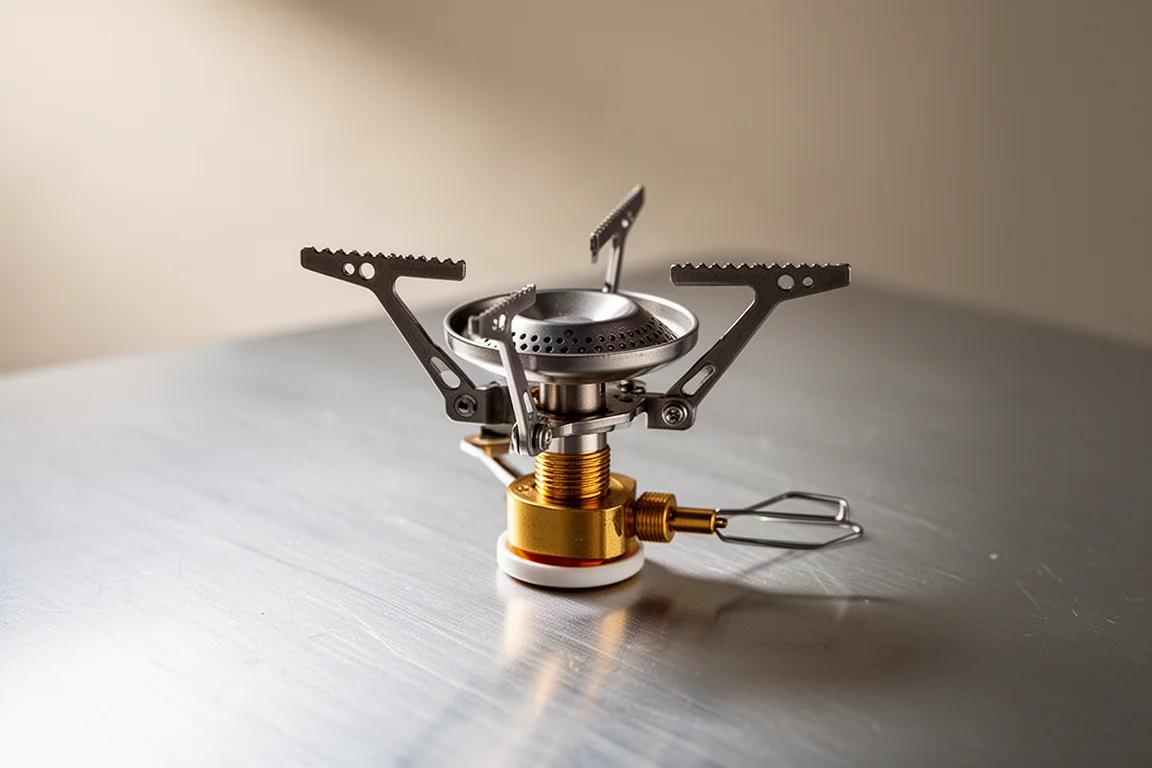
Snow Peak LiteMax: Light, but Not the Most Enjoyable
The LiteMax is easy to find, very light, and popular for good reason. On performance it falls short. Wind resistance and overall efficiency lag behind integrated stove systems, and reliability is not on the same level. It is a stove that looks convincing on a specification sheet and less convincing at a windy camp.
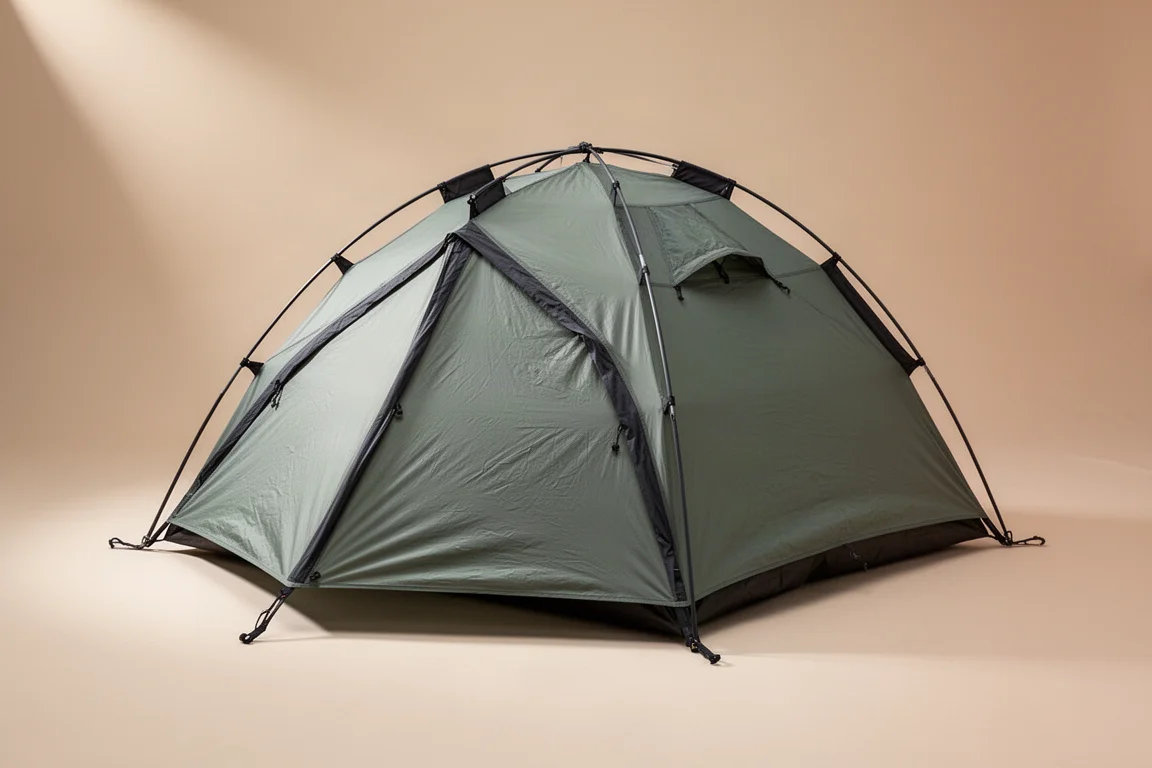
Mountain Hardware Aspect 2: Capable Shelter, Hard Price
The Aspect 2 does the basics well. It performs in weather and wind and provides the protection expected of a freestanding shelter. At close to $500, though, it struggles against the alternatives. Other tents match its weight and offer a more feature-rich experience for the money, which is why it is not the one that gets pulled off the shelf.
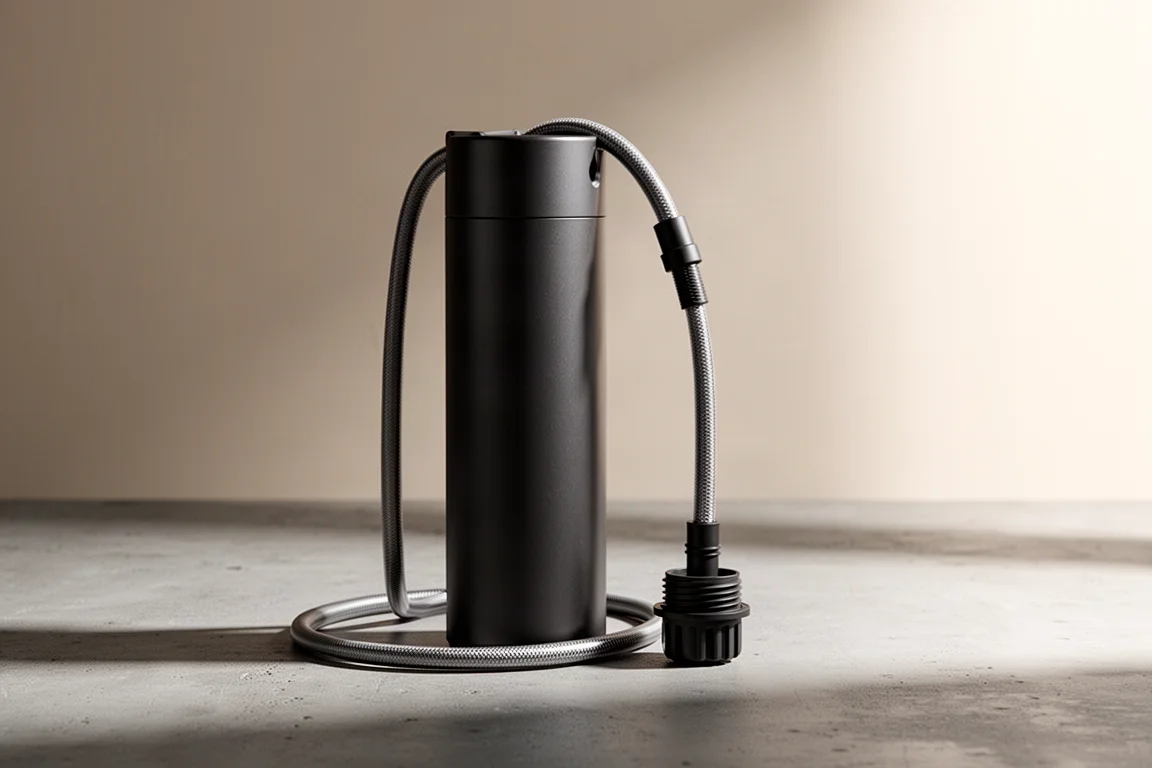
Grail Water Purification System: The Gear That Stayed on the Shelf
The Grail was bought with every intention of using it. It then sat unused for about nine months. Nothing about it failed in the field; the issue is that it did not fit the way water treatment is actually handled on these trips, where a reliable squeeze filter already covers the job. Buying gear you never carry is the clearest sign of wasted money.
Buying Advice: Match Gear to How You Actually Hike
The pattern across this list is simple. The items that earned their place were the ones that solved a recurring problem, not the ones with the best specifications. Start with reliability: a filter or a stove that works every time is worth more than one that saves grams and needs attention. Then look at how you sleep. A wide, comfortable pad and a bag you look forward to climbing into will do more for a trip than almost any other upgrade.
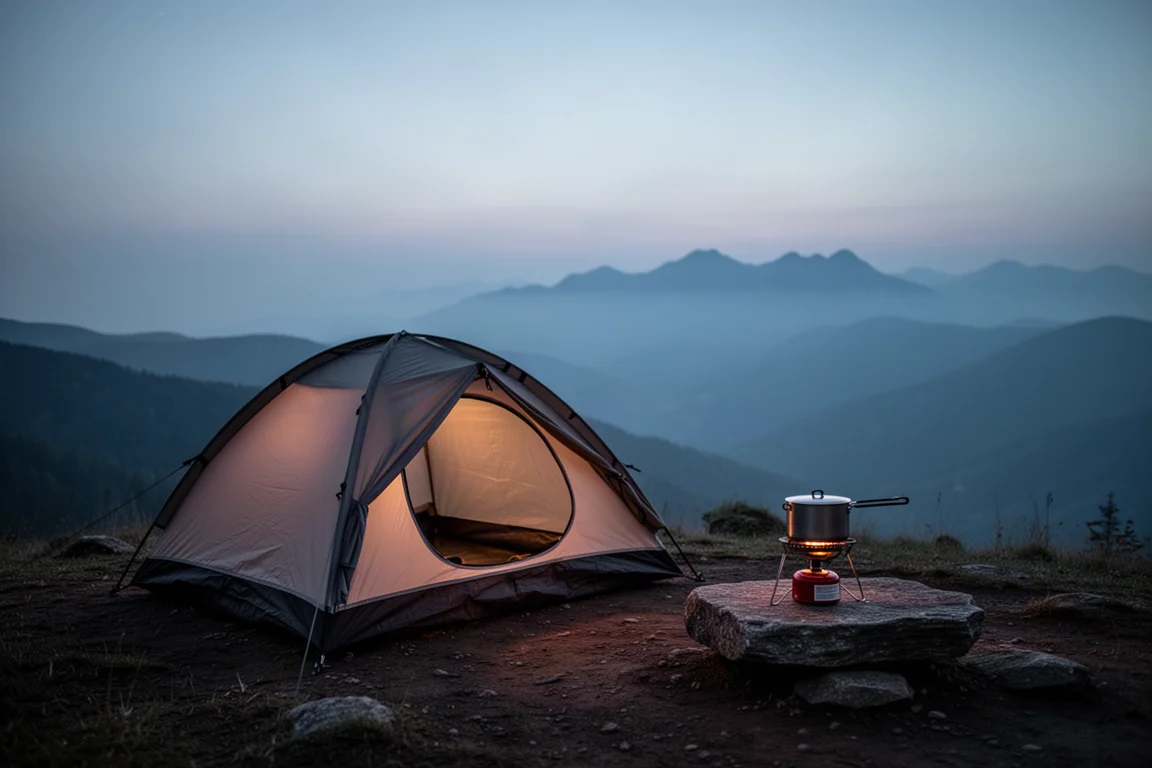
Weight still matters, but it is a trade rather than a target. The heavier stove in this roundup got carried more often than the lighter one because it performed better in wind. The same logic applies to shelters: a tent that fits two wide pads properly is worth more than a tent that is a few hundred grams lighter and cramped. Finally, be honest about whether a piece of gear will actually leave the shelf, because the best value in a gear closet is the item that gets used.
Conclusion
The best gear of the year was not the most expensive or the most technically interesting. It was the equipment that worked every time, stayed comfortable over long days, and kept earning its place in the pack. The disappointments were just as instructive: recurring leaks, weak wind performance, a high price without a clear advantage, and one purchase that never made it onto the trail at all. Buy for the trips you actually take, and the right choices become much easier to spot.
Further reading
Related Reviews

Backpacking Gear
Building a 10 lb Base Weight: An Ultralight Backpacking Gear List
A practical walkthrough of the ultralight pieces behind a 10 lb base weight, from a 765 g pack and a roomy one-person tent to a full camp chair and a dependable water filter.
Backpacking Gear
A 15-Pound Lightweight Backpacking Gear List for Solo Trips
A beginner-friendly 15-pound backpacking setup built from easy-to-find gear, with notes on what each piece does, how it packs, and where to spend your attention.
Backpacking Gear
8 Ultralight Backpacking Gear Upgrades Worth Carrying
Eight small, affordable backpacking upgrades that solve real trail annoyances, from a pillow that stays put to a fuel valve that rescues leftover canister gas.