Backpacking Gear
Backpacking Gear: Where the Better Buy Lies
A field-tested look at twelve pieces of backpacking gear and the alternatives that offer more warmth, capacity, or livability for the money.
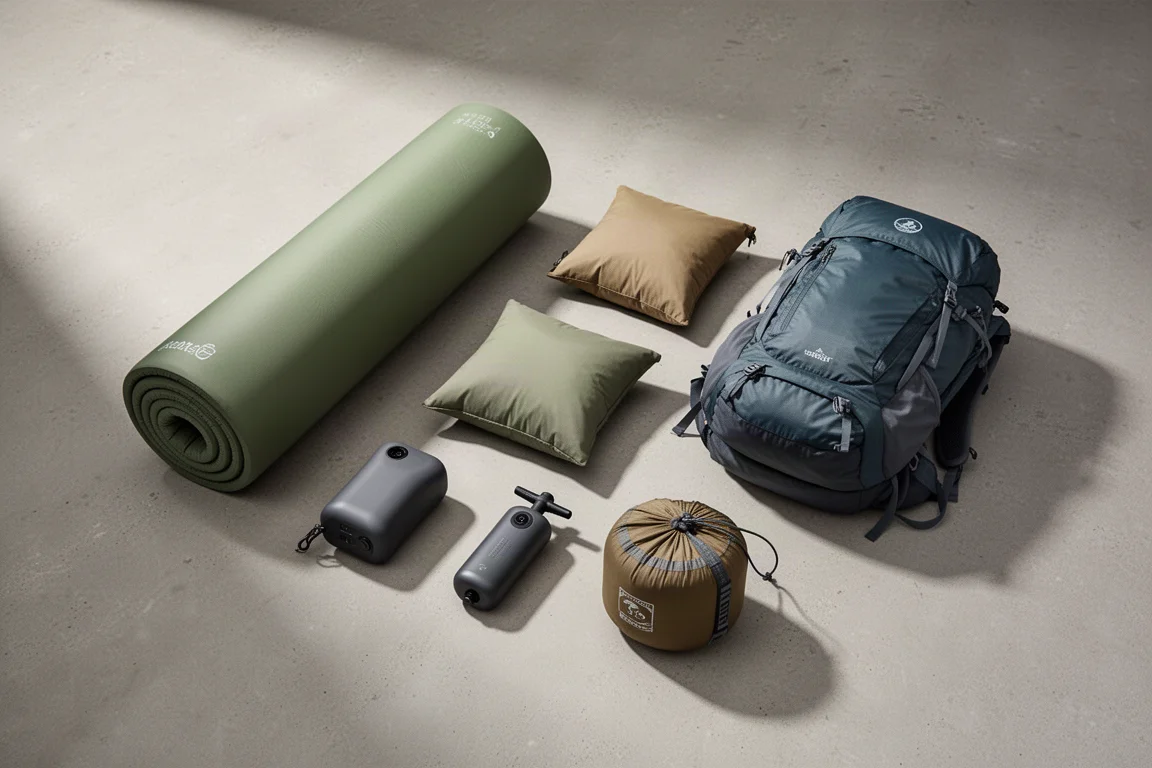
Introduction
A full season of backpacking is a good filter. Gear that seemed clever on the first trip either proves itself on the tenth or quietly stops making the packing list. The twelve items in this guide fall into the second group, not because they are badly made, but because a sibling model or a competing design does the same job better, lighter, or for less money.
Some of the gear here was purchased at retail and some was supplied as a testing sample. Either way, the assessment is the same: each item is measured against the alternative a backpacker would more plausibly keep in the pack.
The guide is organised by category, covering sleeping pads, pad inflation pumps, camp pillows, backpacks, and one-person tents. In every case, the more useful question is not whether a product works, but whether something else works better for the money.
What Makes a Better Buy in Backpacking Gear
Three questions decide whether a piece of backpacking gear earns a permanent place in the pack. First, does it do its job across the range of conditions it will realistically meet, not just the conditions it was designed around? Second, does a closely related model deliver the same job for less money, less weight, or both? Third, do the extra features add real utility, or do they simply add cost?
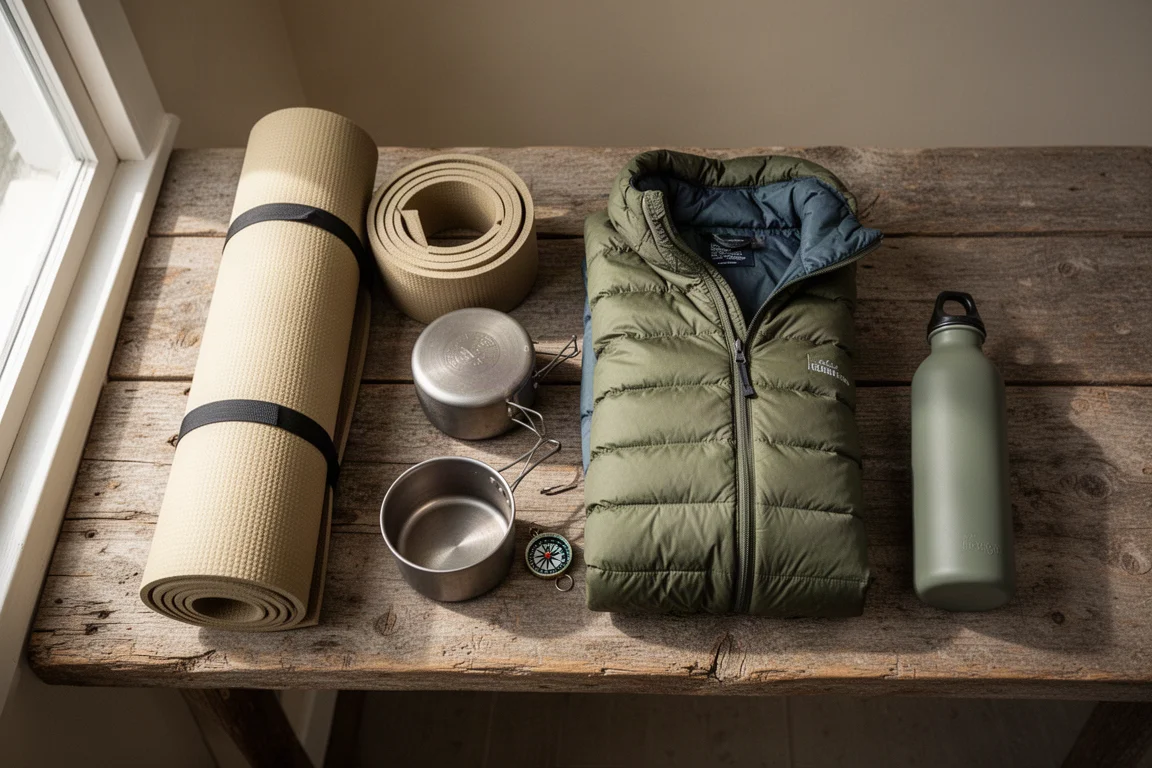
Applied consistently, those questions separate gear that keeps getting packed from gear that gets left at home. Several of the items below fall into the second category, and each one has a clear alternative that scores better on at least two of the three questions.
Sleeping Pads: Nemo Tensor Trail and Nemo Tensor All-Season
The Tensor line splits into two closely related pads that share the same basic construction. The difference between them comes down to the single most important number on a sleeping pad specification sheet: its R-value.
Nemo Tensor Trail
The Tensor Trail carries a single layer of metallized film insulation and an R-value below 3, which makes it a warm-weather pad. It is comfortable and well made, and in summer conditions it does everything asked of it. On cold nights at elevation, though, the low R-value becomes the limiting factor, and that is the reason it stops earning its place.
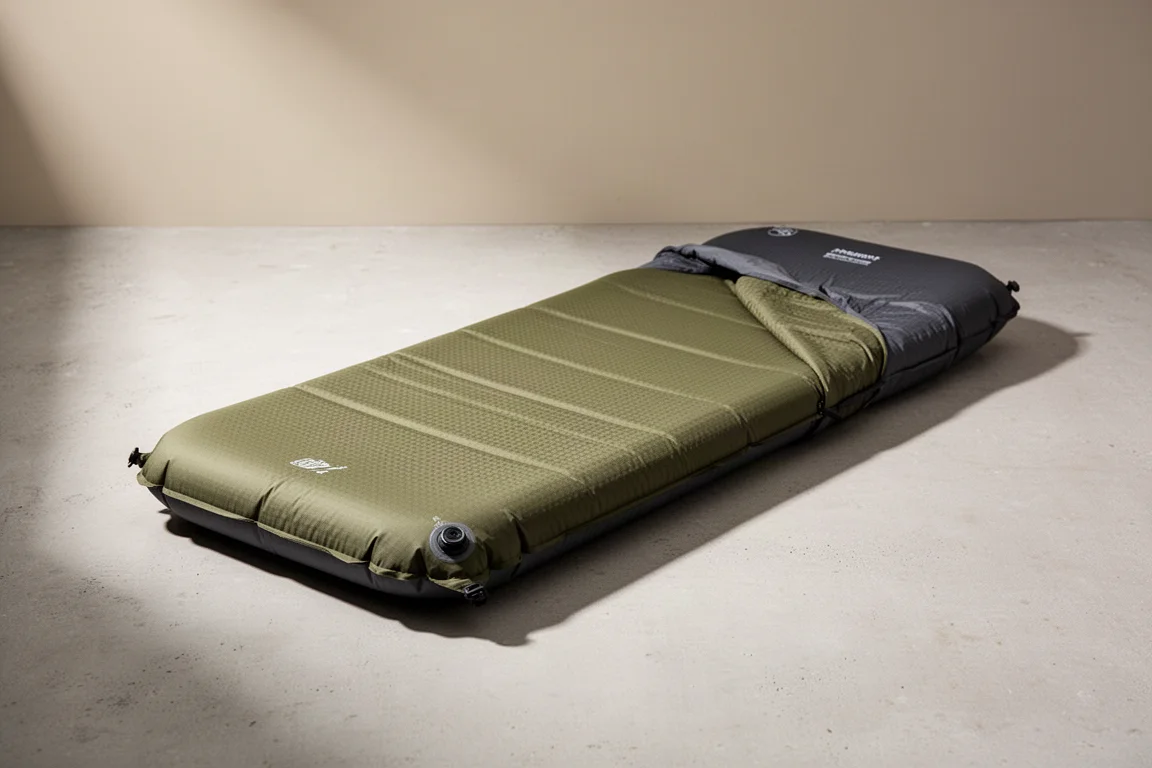
Nemo Tensor All-Season
The Tensor All-Season adds a second insulation layer, which lifts the R-value above 5. The extra warmth costs only a modest amount of weight and money compared with the Trail. An R-value above 5 stays comfortable in summer rather than becoming too warm, and it makes a real difference during cold nights at higher elevations. For most backpackers, that combination makes it the better buy of the two.
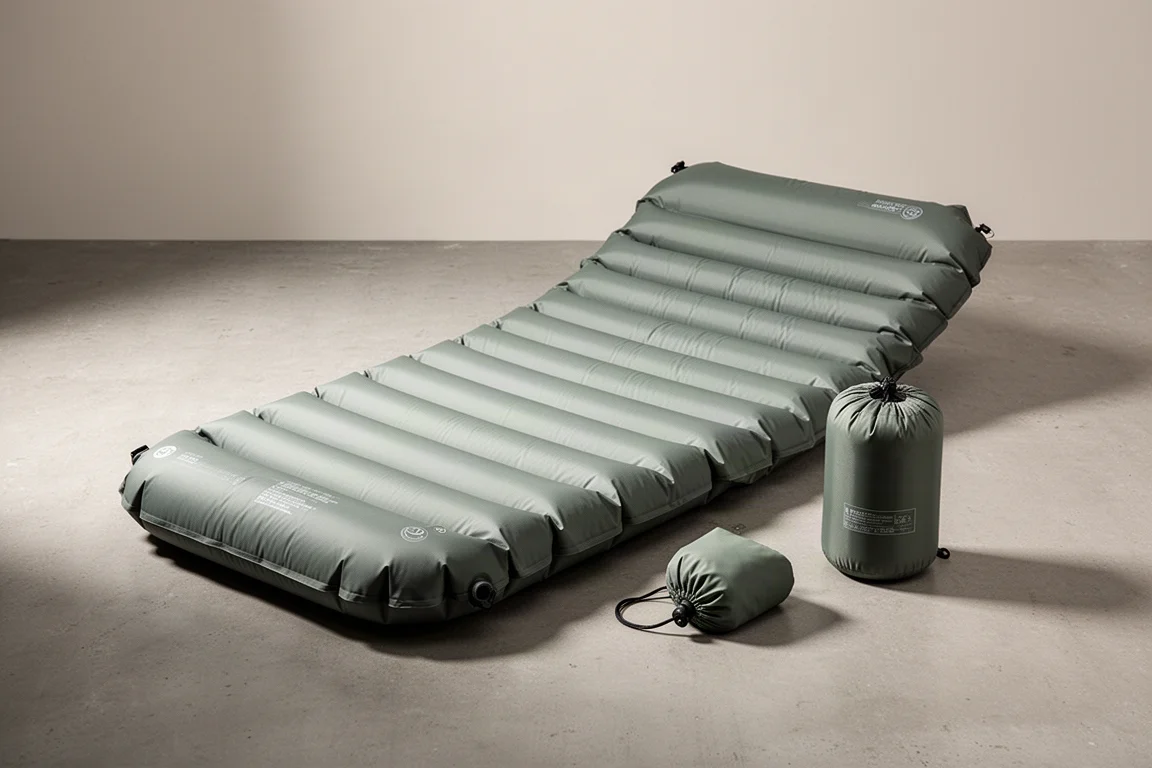
Sleeping Pad Pumps: Flextail Gear Zero Pump and Tiny Pump 2X
An electric pad pump replaces a pump sack or lung power with a small battery-powered unit. Both pumps here do that job. The differences that matter over a full season are sustained output, noise, and how much extra value each unit carries.
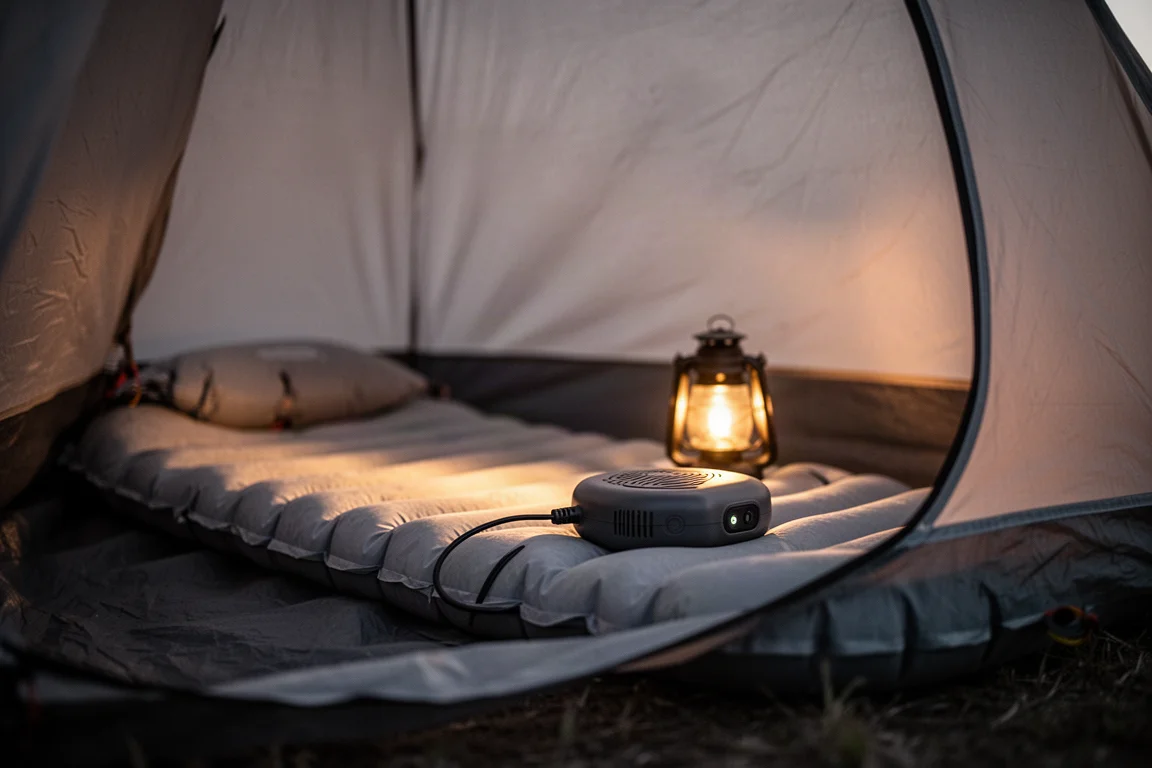
Long-term performance deserves as much weight as the initial specification. A pump whose output fades after a season becomes dead weight in the pack, which is why a stronger, multi-purpose unit can be worth carrying over a lighter single-purpose one.
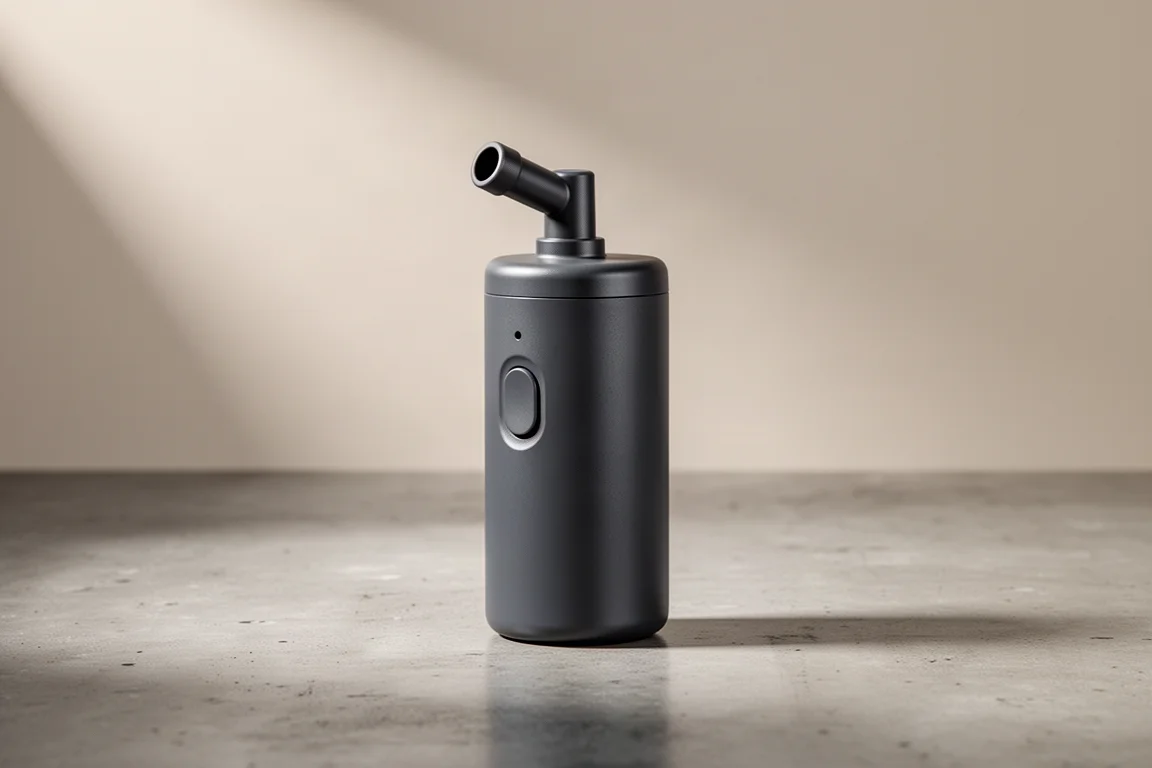
Flextail Gear Zero Pump
The Zero Pump is compact and quiet, and when new it inflates a pad quickly. Over a season of use, however, its output dropped noticeably compared with its first trips, and a pump sack included with a sleeping pad turned out to be just as fast in practice. It remains a capable piece of gear, but the decline in output is the reason it started staying home.
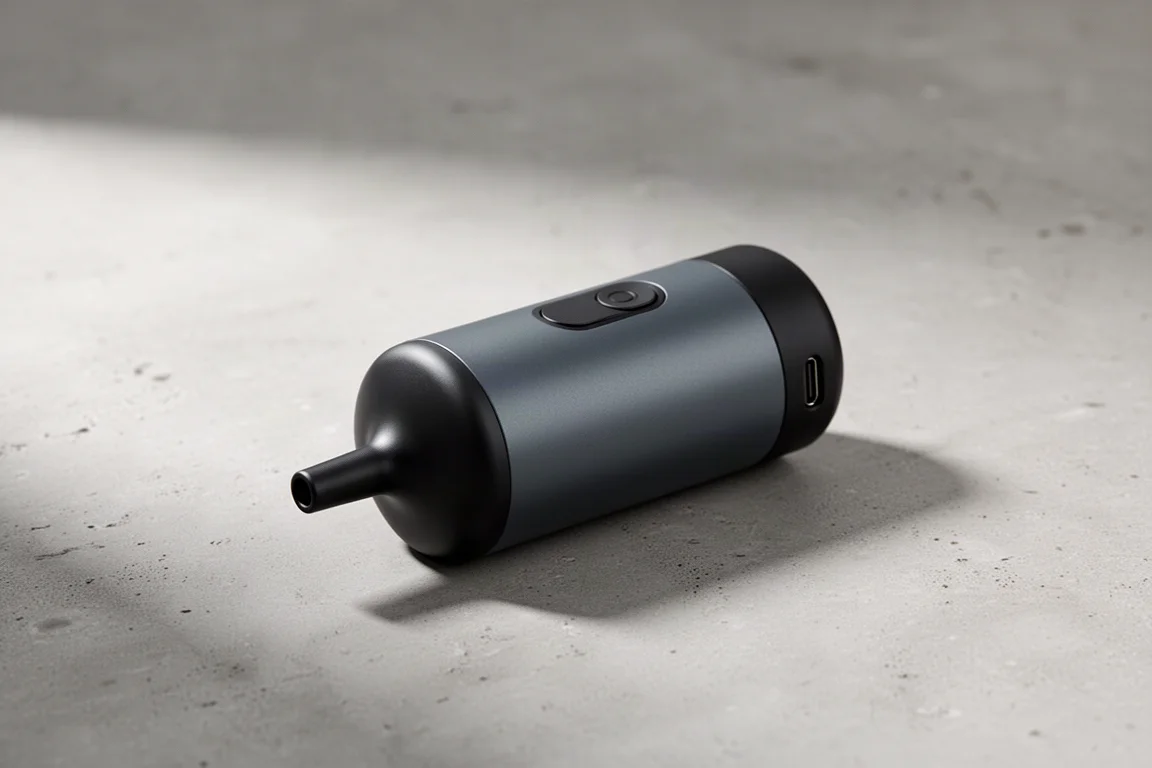
Flextail Tiny Pump 2X
The Tiny Pump 2X is louder and carries a higher decibel rating, but its output is significantly stronger. It also includes a lantern function that can be hung inside a tent, so it works as a backup light alongside a headlamp. That redundancy adds genuine value, and at its price point it is the more sensible choice if an electric pump is going into the pack at all.
Camp Pillows: Nemo Fillo and Zenbivy Soft Top Pillow
A camp pillow is light enough to seem like an afterthought and important enough to decide whether a night’s sleep actually restores anything. Height and stability matter more than surface feel, particularly for anyone who sleeps on their side.
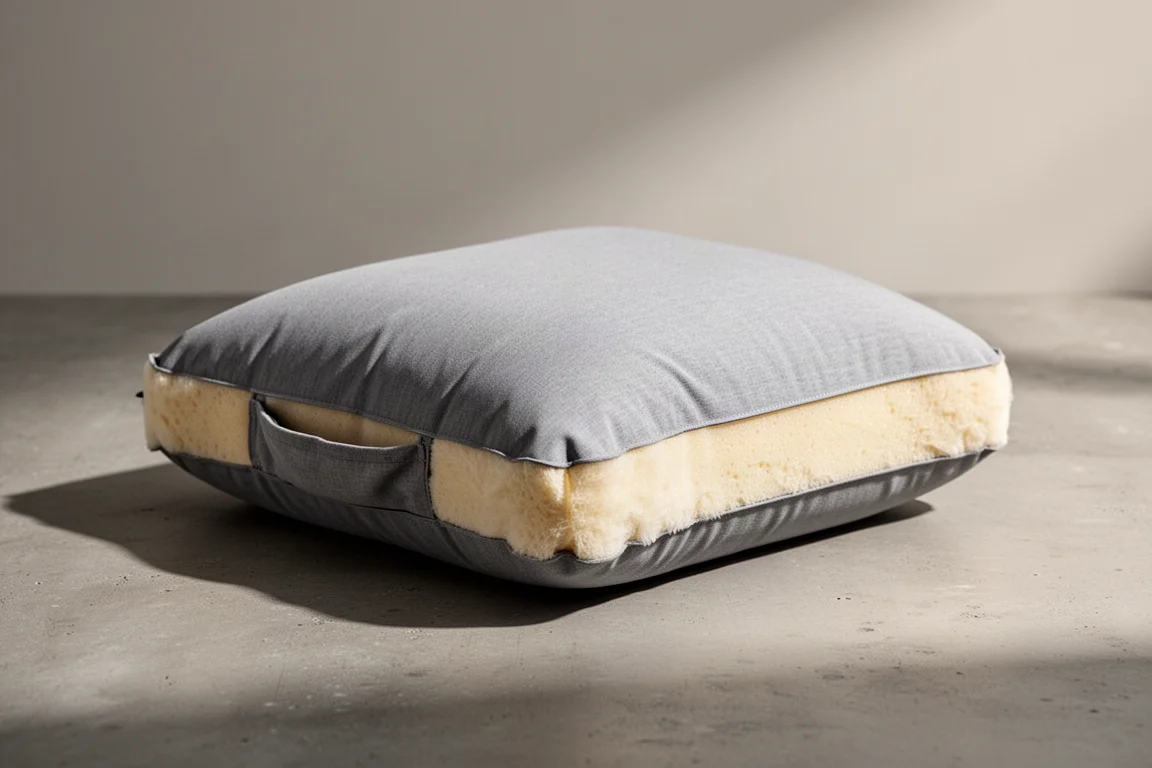
Nemo Fillo Pillow
The Fillo has a memory foam topper that is genuinely comfortable, and it compresses down small. What it lacks is height. Side sleepers tend to want more lift to keep the neck aligned, and a small elastic addition can only do so much to hold the pillow in place. It is still a likeable pillow, but the height ceiling is the limitation.
Zenbivy Soft Top Pillow
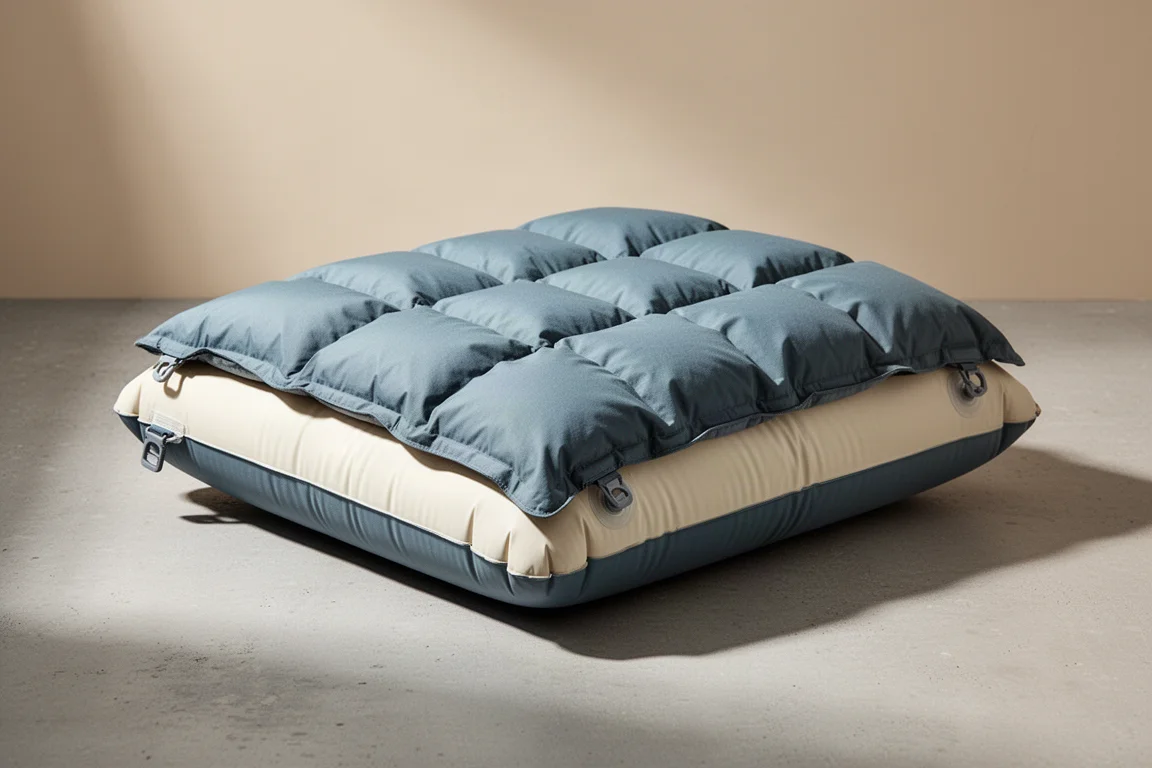
The Zenbivy Soft Top Pillow pairs an air bladder with a down topper, which produces far more height while still compressing down small. It cradles the head better and creates a more comfortable night’s sleep. Used with a compatible sleep sheet it clips into place, and a spare jacket layered underneath adds height again. For side sleepers especially, it is a clear step up.
Backpacks: REI Co-op Flash Air 50 and Flash 55
Backpack choice comes down to how much weight a frame can carry comfortably and how adaptable the design is from trip to trip. Two packs from the same family illustrate the trade-off clearly.
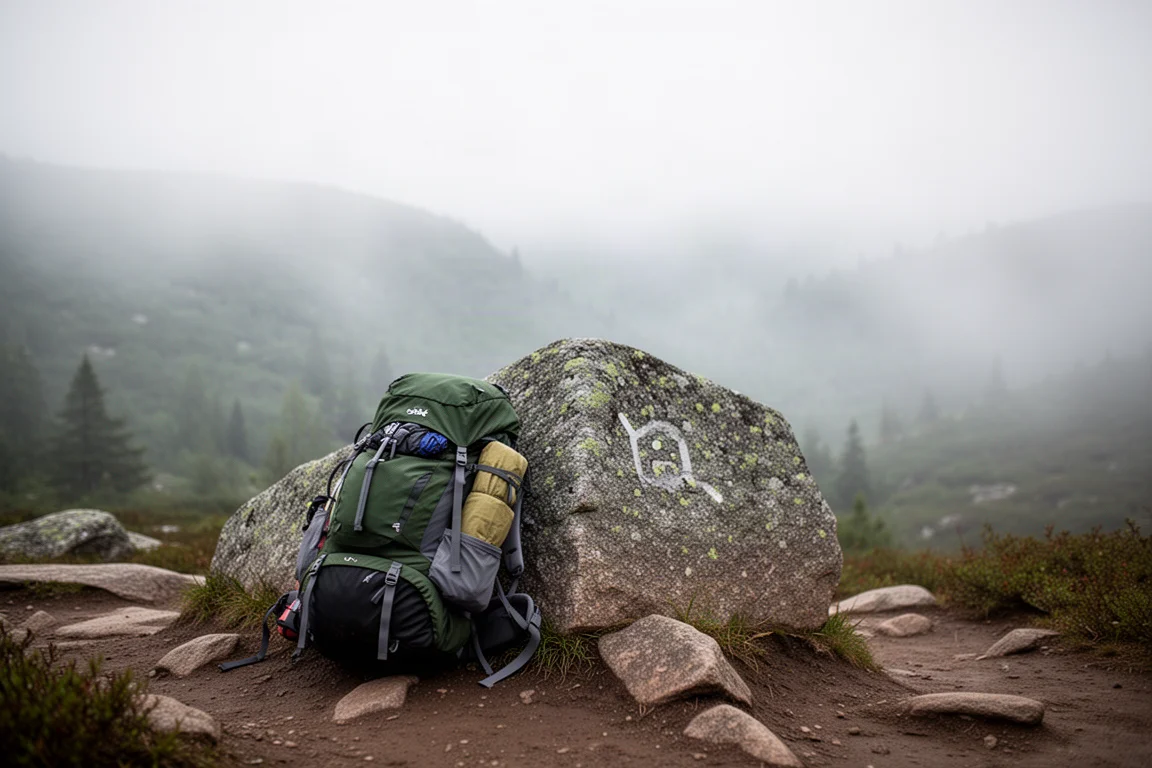
A lighter pack is not automatically the better pack. A stronger fabric and a stripped-back frame cut grams, but they also lower the ceiling on how much a load can grow before the carry starts to suffer.
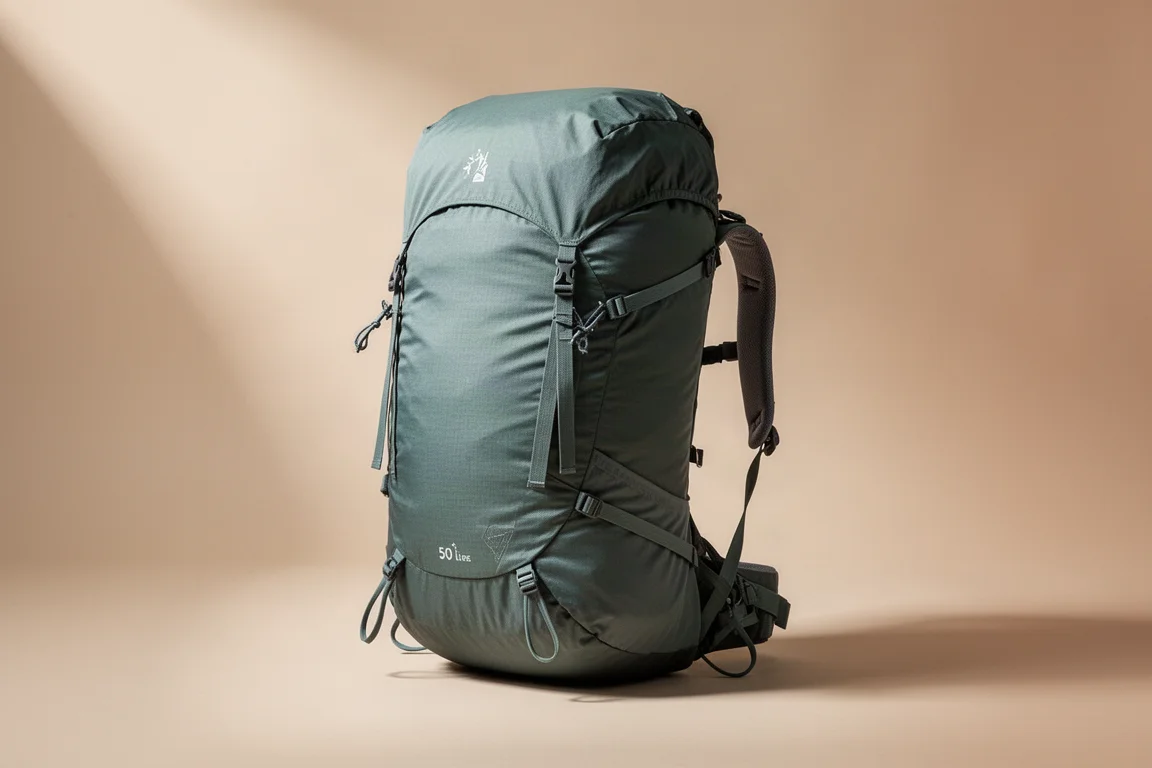
REI Co-op Flash Air 50
The Flash Air 50 is well designed, carries well, and uses a stronger fabric with a lighter frame system. That lighter frame is what limits it, with around 30 pounds the comfortable maximum. It is a genuinely enjoyable pack to use, and the criticism is not about quality but about versatility relative to its sibling.
REI Co-op Flash 55
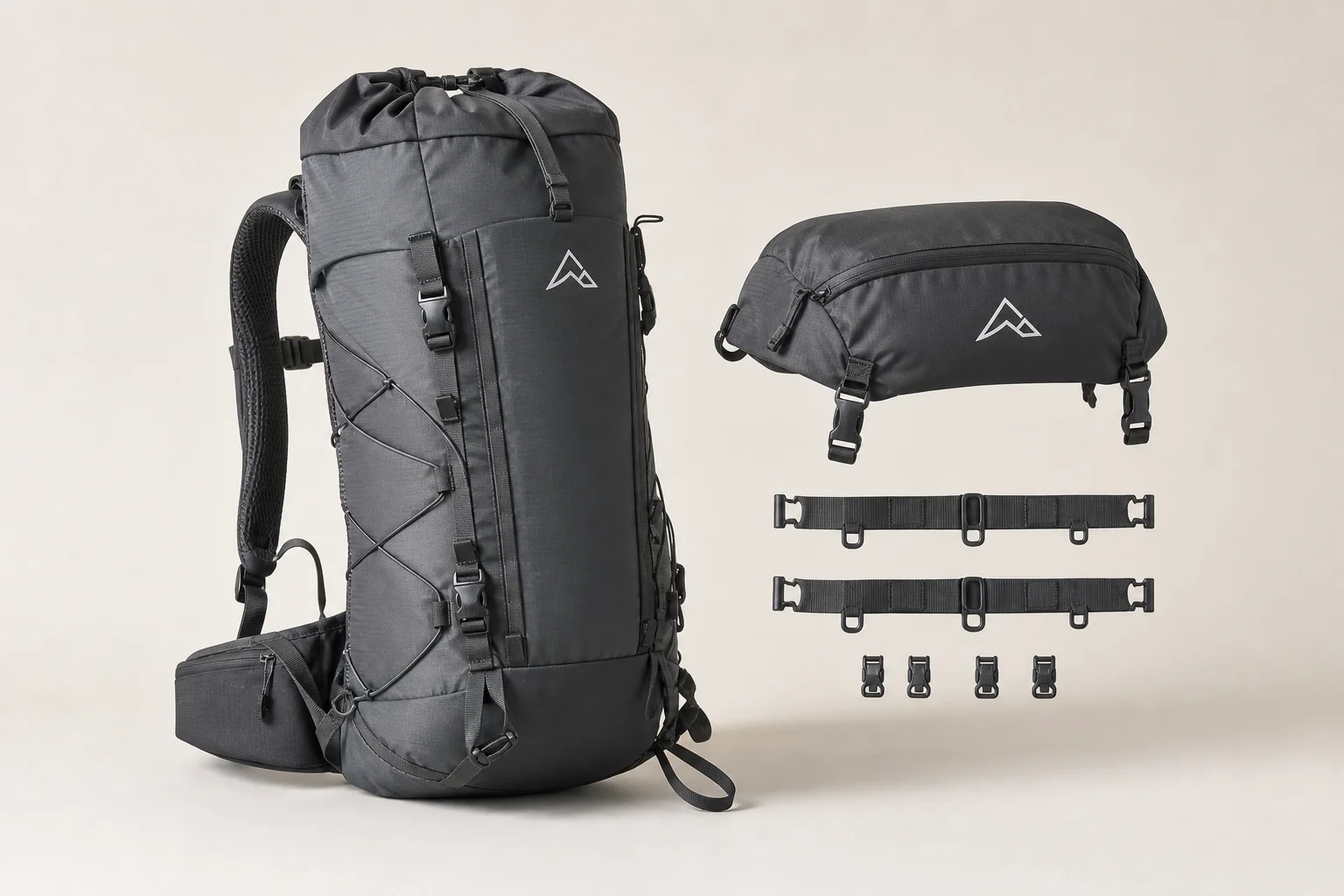
The Flash 55 costs less, carries more weight comfortably, and offers more capacity. Loads over 40 pounds have proven manageable, the top lid is removable while the main body stays a roll-top, and the torso is adjustable. That combination of price, load ceiling, and adjustability makes it the better pack of the two.
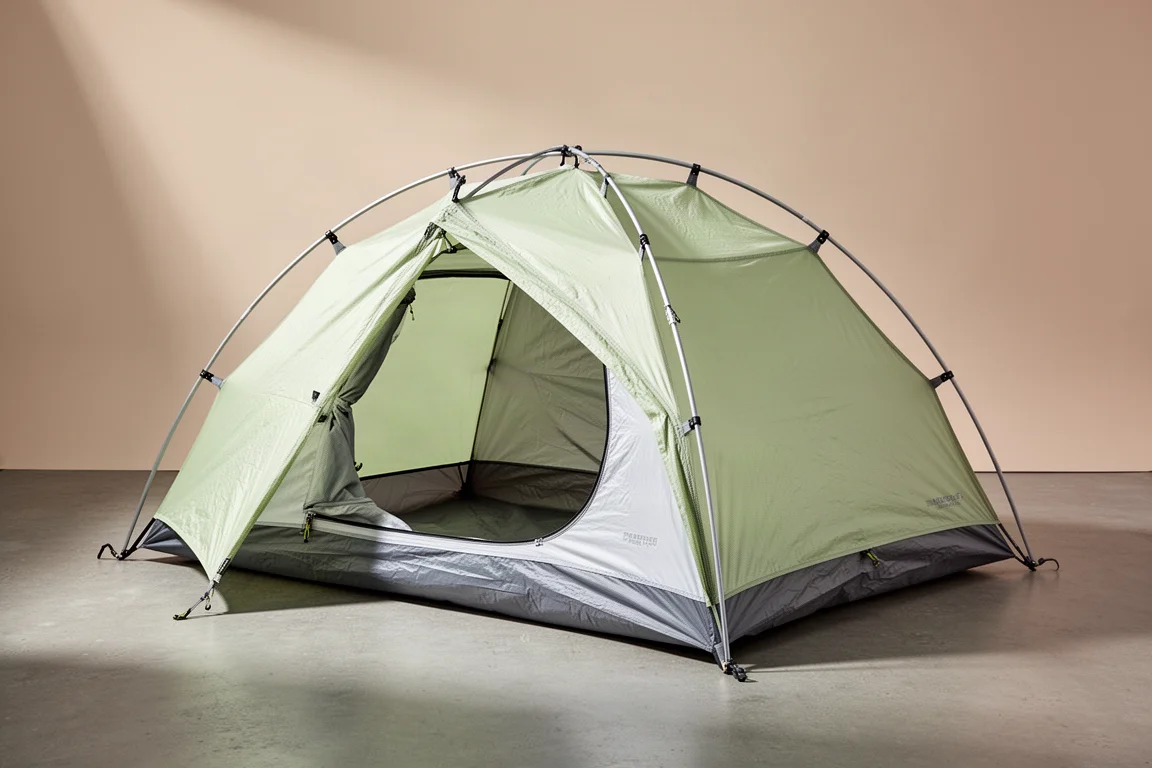
One-Person Tents: MSR Hubba Hubba LT1
The Hubba Hubba LT1 is a well-executed update with a sound design, and it performs well in the field. The issue is cost. It is a very expensive nylon tent for the size and space it offers as a one-person shelter, and several newer one-person options provide more livability for less money.
Better-Value One-Person Tent Alternatives
Three one-person shelters show what the same budget buys elsewhere. Each offers more usable space than the MSR at a lower price, which is why they are the shelters to compare against it before committing.

Space, door count, and vestibule area are the details that decide whether a shelter feels cramped over a long trip or works comfortably. All three options below lean toward more livability rather than less.
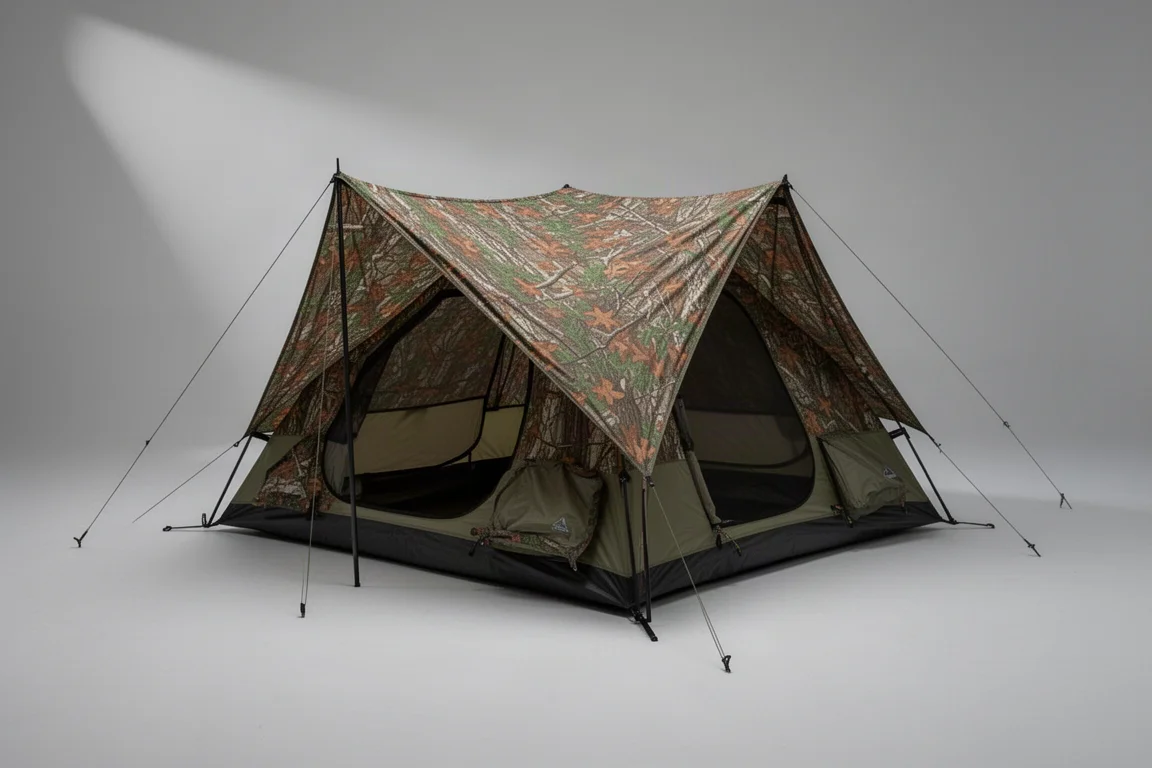
Hill Zero Scout One-Person Camo Tent
The Hill Zero Scout is a larger one-person shelter with two doors and two vestibules, and it has proven more enjoyable on trips than the MSR. The extra interior space and dual access make it easier to live with across multiple nights.
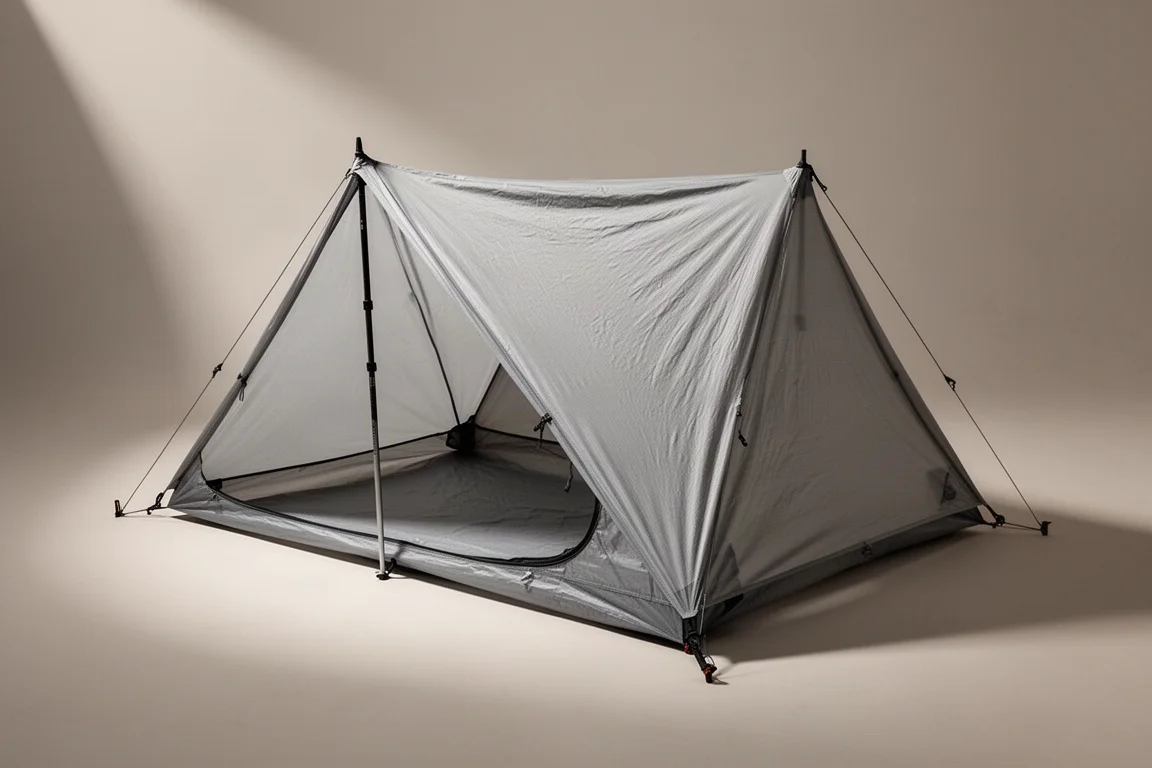
Durston Gear X-Mid
The X-Mid undercuts the MSR by a significant margin on price while offering considerably more floor space. For backpackers who want room to spread out without paying a premium, it is one of the strongest value arguments in the category.
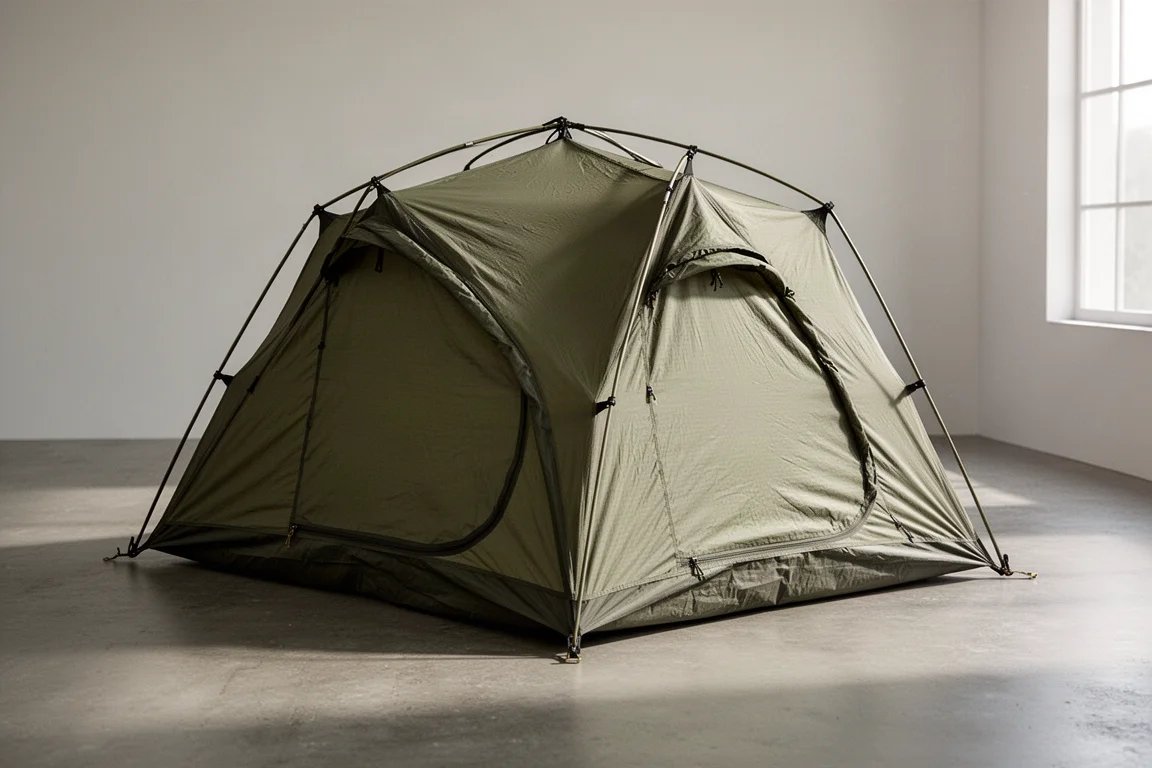
Tarptent Rainbow
The Tarptent Rainbow sits at a lower price point than the MSR and offers more livability, which makes it another shelter worth comparing before committing to a more expensive nylon tent.
Overall Buying Advice
The pattern across all five categories is consistent. The better buy is usually the model that adds warmth, capacity, or livability rather than the one that strips those things away for a lighter specification sheet.
For sleeping pads, start with the R-value and let weight and price follow. For pumps, judge sustained output and multi-use value rather than the size of the unit. For pillows, choose height over surface feel. For packs, pick the load ceiling that matches the trips actually planned, then compare price. For tents, compare floor space and door count per dollar before comparing fabrics.
None of these choices requires spending more. In several cases the better option costs less than the item it replaces.
Conclusion
Twelve pieces of gear, one shared outcome. Each was usable, well made, and eventually outperformed by something else. The Nemo Tensor All-Season beats the Tensor Trail on warmth for a modest weight and cost penalty. The Flextail Tiny Pump 2X beats the Zero Pump on output and utility. The Zenbivy Soft Top Pillow solves a height problem the Nemo Fillo cannot. The REI Co-op Flash 55 carries more for less than the Flash Air 50. And the Hill Zero Scout, Durston Gear X-Mid, and Tarptent Rainbow all deliver more space per dollar than the MSR Hubba Hubba LT1.
Read that way, the list is less about what to avoid and more about where the value sits in each category. Match the alternative to the trips actually planned, and the pack gets lighter, the sleep gets better, and the budget goes further.
Further reading
Related Reviews

Backpacking Gear
Building a 10 lb Base Weight: An Ultralight Backpacking Gear List
A practical walkthrough of the ultralight pieces behind a 10 lb base weight, from a 765 g pack and a roomy one-person tent to a full camp chair and a dependable water filter.
Backpacking Gear
A 15-Pound Lightweight Backpacking Gear List for Solo Trips
A beginner-friendly 15-pound backpacking setup built from easy-to-find gear, with notes on what each piece does, how it packs, and where to spend your attention.
Backpacking Gear
8 Ultralight Backpacking Gear Upgrades Worth Carrying
Eight small, affordable backpacking upgrades that solve real trail annoyances, from a pillow that stays put to a fuel valve that rescues leftover canister gas.