Backpacking Gear
Backpacking Gear Upgrades That Make the Biggest Difference
A practical guide to the sleep system, backpack, camp chair, and strength training upgrades that change how a backpacking trip actually feels.
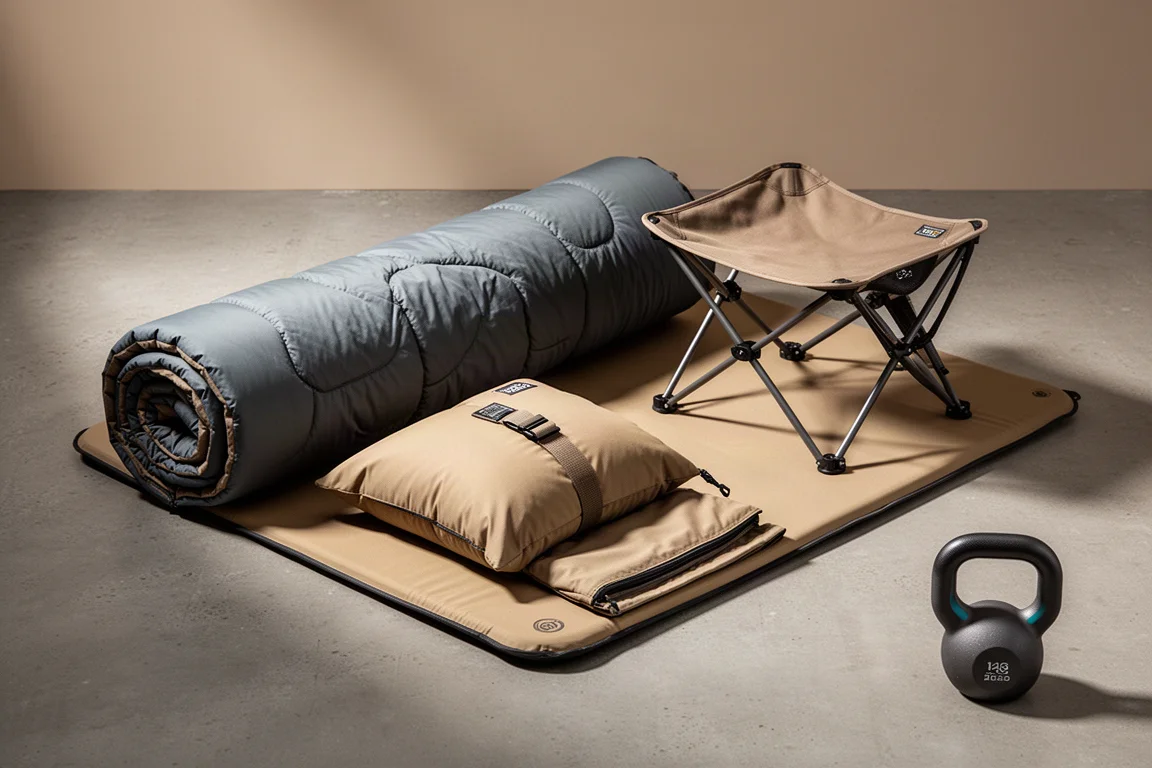
Introduction
Most backpacking gear works well enough. The real question is not whether your kit is acceptable, but which single change would make the biggest difference to how a trip actually feels. For most people the answer starts with the sleep system, moves to the backpack, and then lands on the small comforts that keep you rested and motivated at camp.
The picks below are grouped by the role they play on trail: warmth and pressure relief at night, load carrying on the move, a place to sit once you stop, and the training that keeps your body ready for long days under weight. Not every item suits every trip, so each section flags where a product is strong and where it may not be the right fit.
What Matters Most in a Sleep System
A sleep system is the highest-impact upgrade for most backpackers. Three details decide whether a pillow helps or hinders: height, stability, and how it stays attached to your pad. Height matters most for side sleepers with broad shoulders, who need enough loft to keep the neck in line and pressure off the shoulder and arm. A pillow that is too tall pushes the head up and creates a kink in the opposite direction for smaller frames.
Stability comes down to baffling. A pillow that behaves like a balloon shifts air to the far side as you roll over and never feels settled, while a well-baffled pillow stays supportive wherever your head lands. Attachment is the third piece: a pillow with a pad strap stays put through the night, and the strap makes it usable with almost any sleeping pad. Some pillows use hook-and-loop strips instead, and a few ultralight models ship without any attachment at all, so a simple DIY strap is worth adding.
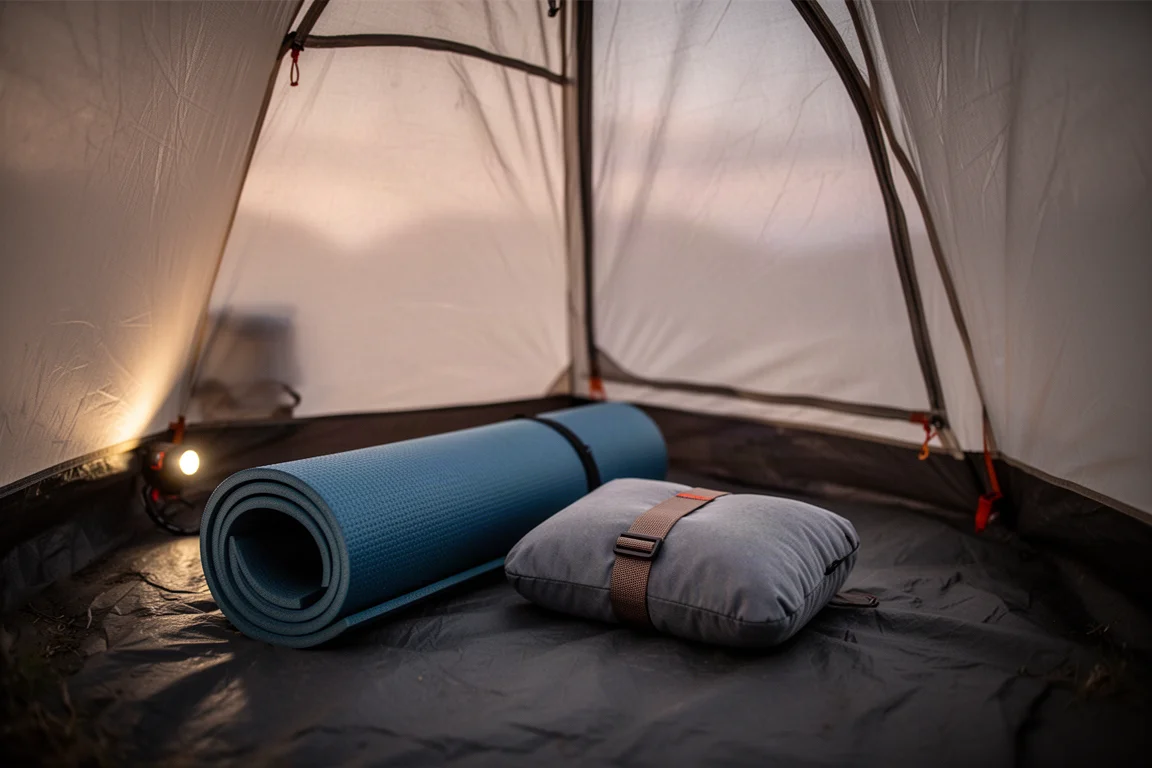
Sleeping pads follow a similar logic. Warmth comes first, since a cold night undoes everything else. R value is the standard indicator of how warm a pad will sleep and it is a useful starting point, though real-world performance does not always match the rating. Pressure relief is the second factor, and side sleepers feel it most: arms go numb, hips dig into the ground, and the night turns into a series of position changes. A pad of at least three inches with a well-designed baffle layout makes a noticeable difference, and quilted or dimpled baffling tends to relieve pressure better than simple horizontal channels.
Best Pillow for Side Sleepers: Exped Mega Pillow
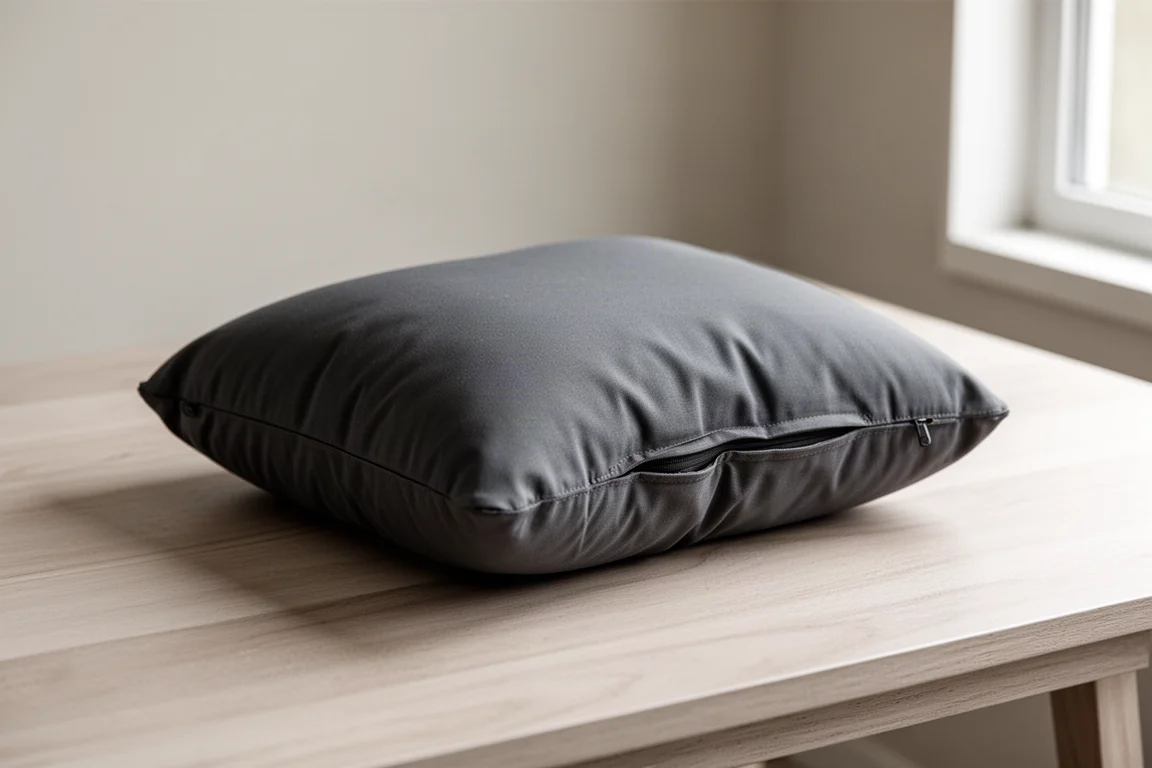
The Exped Mega Pillow is the most comfortable option in this roundup, and it covers all three pillow priorities at once. The height suits side sleepers who need real loft under the head, the baffling keeps the surface stable instead of ballooning as you move, and the built-in pad straps hold it in place on virtually any sleeping pad you already own. That combination makes it the pillow to consider first if you regularly wake up with a stiff neck or a numb shoulder.
Warmth and Pressure Relief: REI Helix
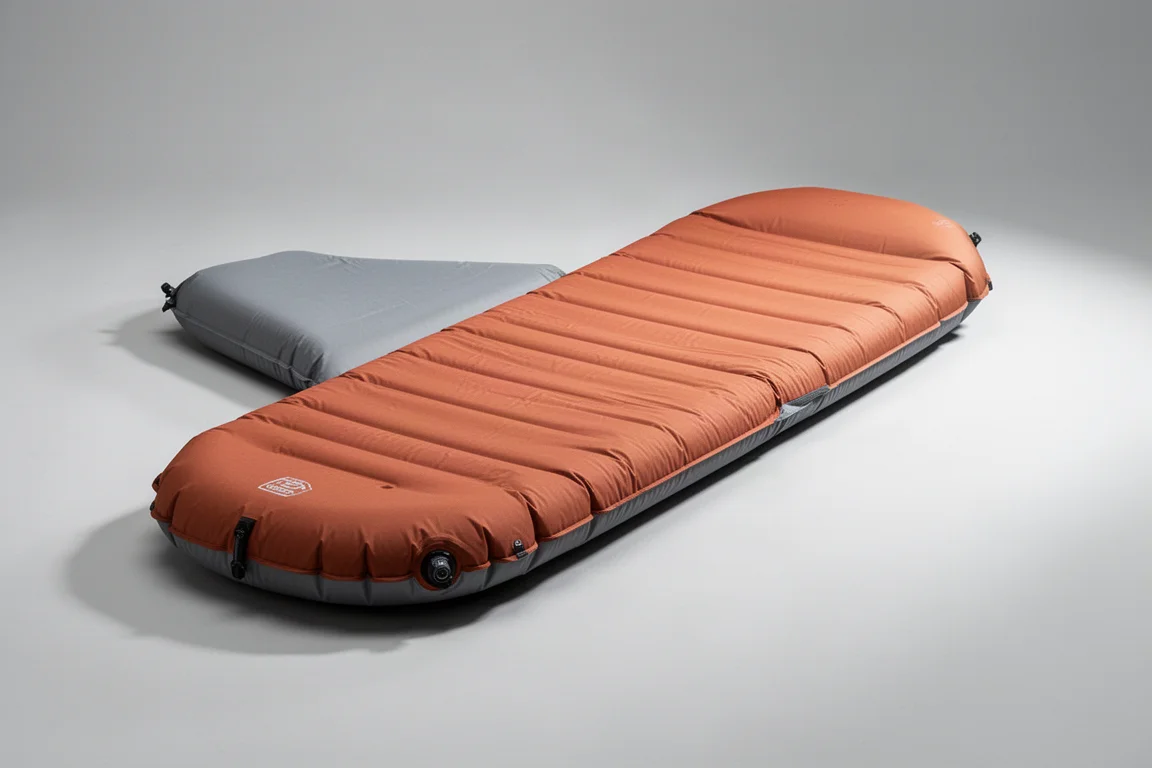
The REI Helix is one of two pads here that sleep warm and stay comfortable. Its R value sits in the high fours, which is more than enough for three-season conditions, and the quilted, dimpled baffling distributes pressure rather than concentrating it under a hip or shoulder. For side sleepers who have been putting up with a thin mat and numb arms, the change in pressure relief is usually the first thing they notice.
Quilted Comfort: Zenbivy Ultralight
The Zenbivy Ultralight follows the same approach: an R value in the high fours for dependable three-season warmth, paired with a quilted baffle layout that keeps pressure off the contact points.
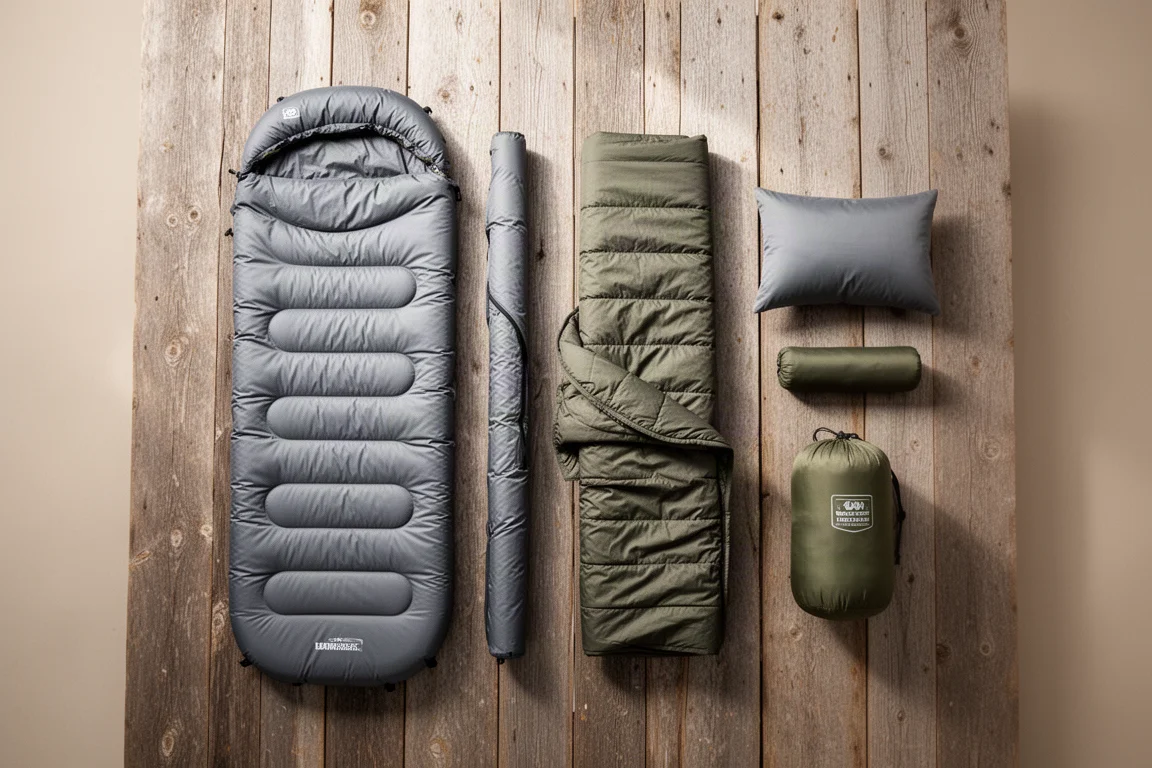
Between the two, the choice comes down to fit and personal preference rather than performance, since both sleep warm and both handle side sleeping well.
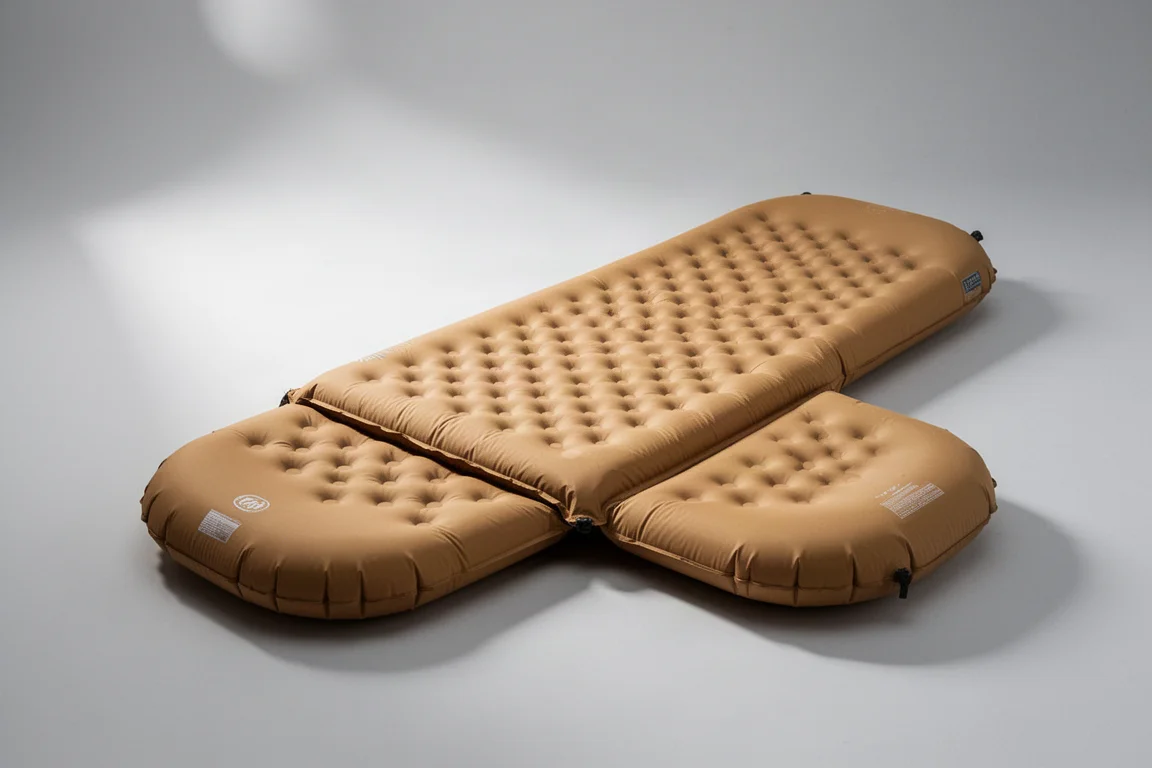
A Note on Warmth Ratings: Big Agnes Zoom UL
Warmth ratings are a guide, not a guarantee. The Big Agnes Zoom UL is a good example: its R value suggests more warmth than it delivers in the field, and it tends to sleep noticeably colder than the number implies. If you are considering it, plan for a warmer pad or extra insulation once temperatures drop.
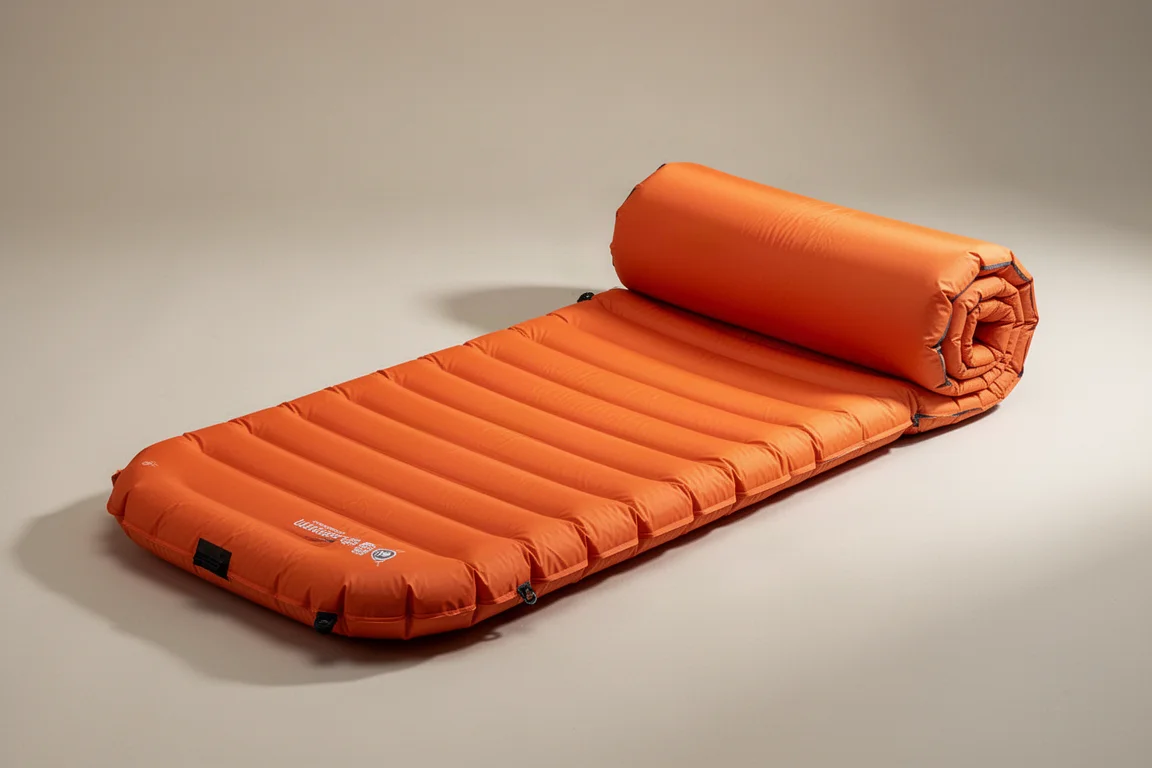
What to Know About the Big Agnes Rapide SL
The Big Agnes Rapide SL is comfortable in the way that matters most. Its baffle layout is the same as the earlier version, so it still relieves pressure well and suits side sleepers. The catch is insulation: the pad was updated with a different insulation, and the current version sleeps considerably colder than its R value rating suggests. That does not make it a bad pad, but it does make it a poor match for cold nights and cold ground.
Ultralight Backpacking: Durston Wapta 30
Backpacks are where the biggest visible difference shows up for many hikers, largely because you carry one all day. The Durston Wapta 30 is aimed squarely at low base weights, in the range of roughly five to ten pounds, and it handles that job exceptionally well. If your base weight already sits in that window, this is the pack that makes the least of the load.
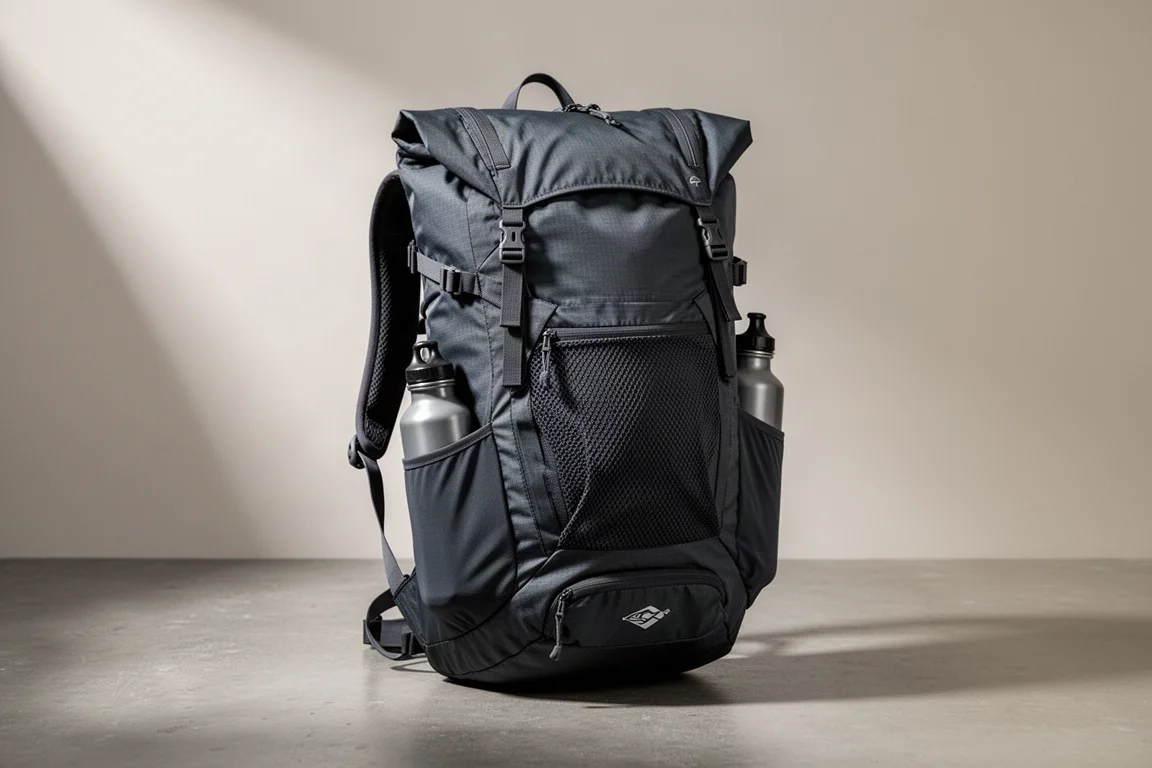
REI Flash 55: Comfort at Higher Loads
The REI Flash 55 solves the opposite problem. It is built for trips where the load runs heavier, comfortably carrying up to around forty pounds and more gear than an ultralight setup allows.
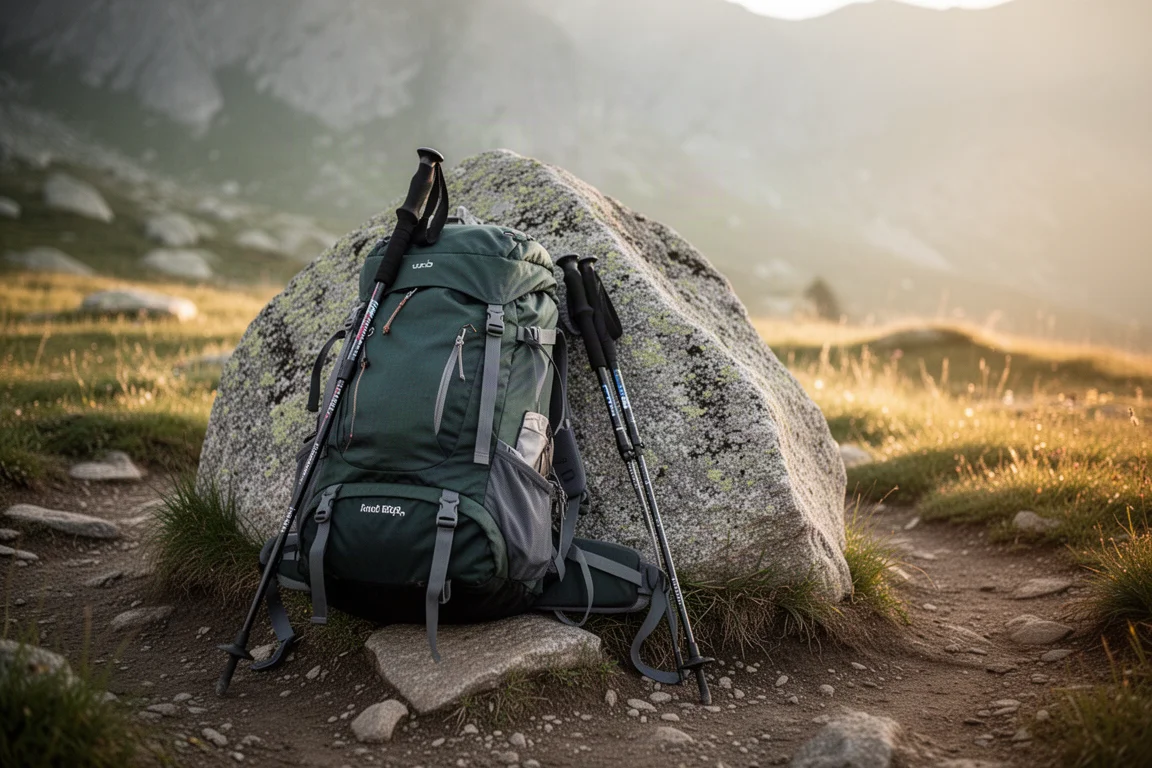
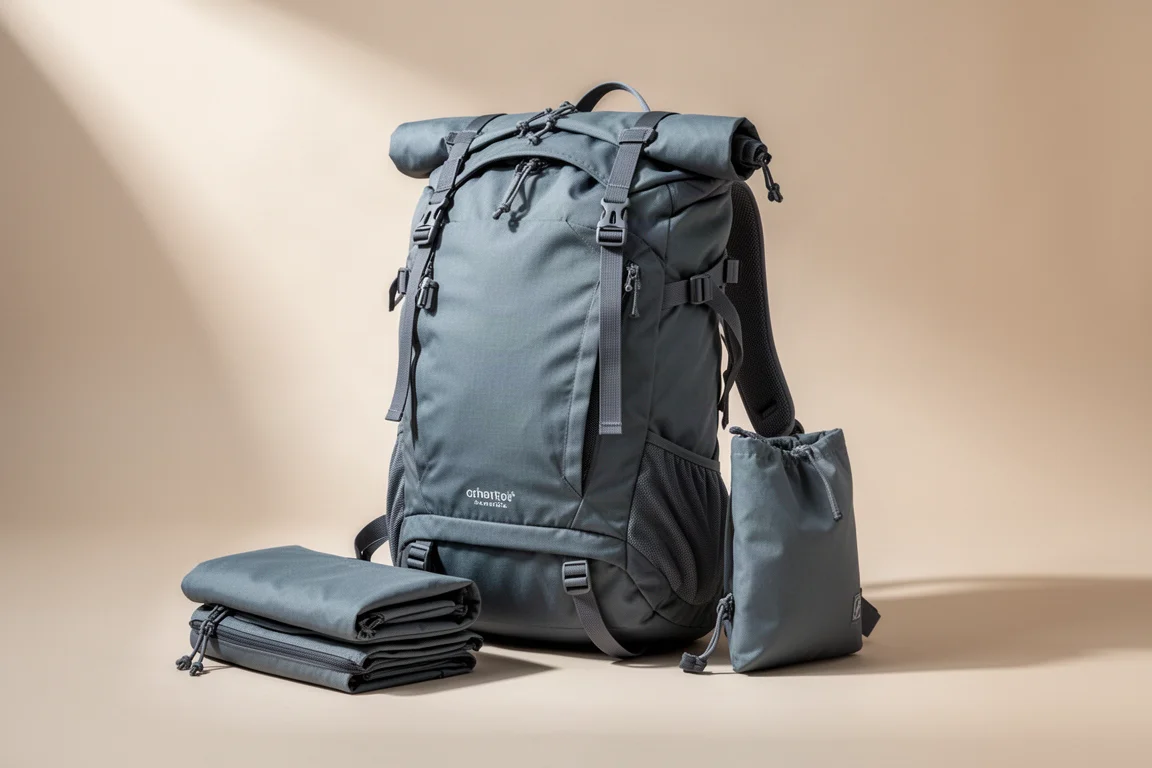
For anyone whose current pack causes pain at any point during the day, moving to a pack that matches the load properly is a straightforward fix. Dropping from a six-pound pack to something around two pounds is realistic these days, which is roughly the equivalent of leaving two liters of water behind for the whole day.
Camp Comfort: Helinox Chair Zero
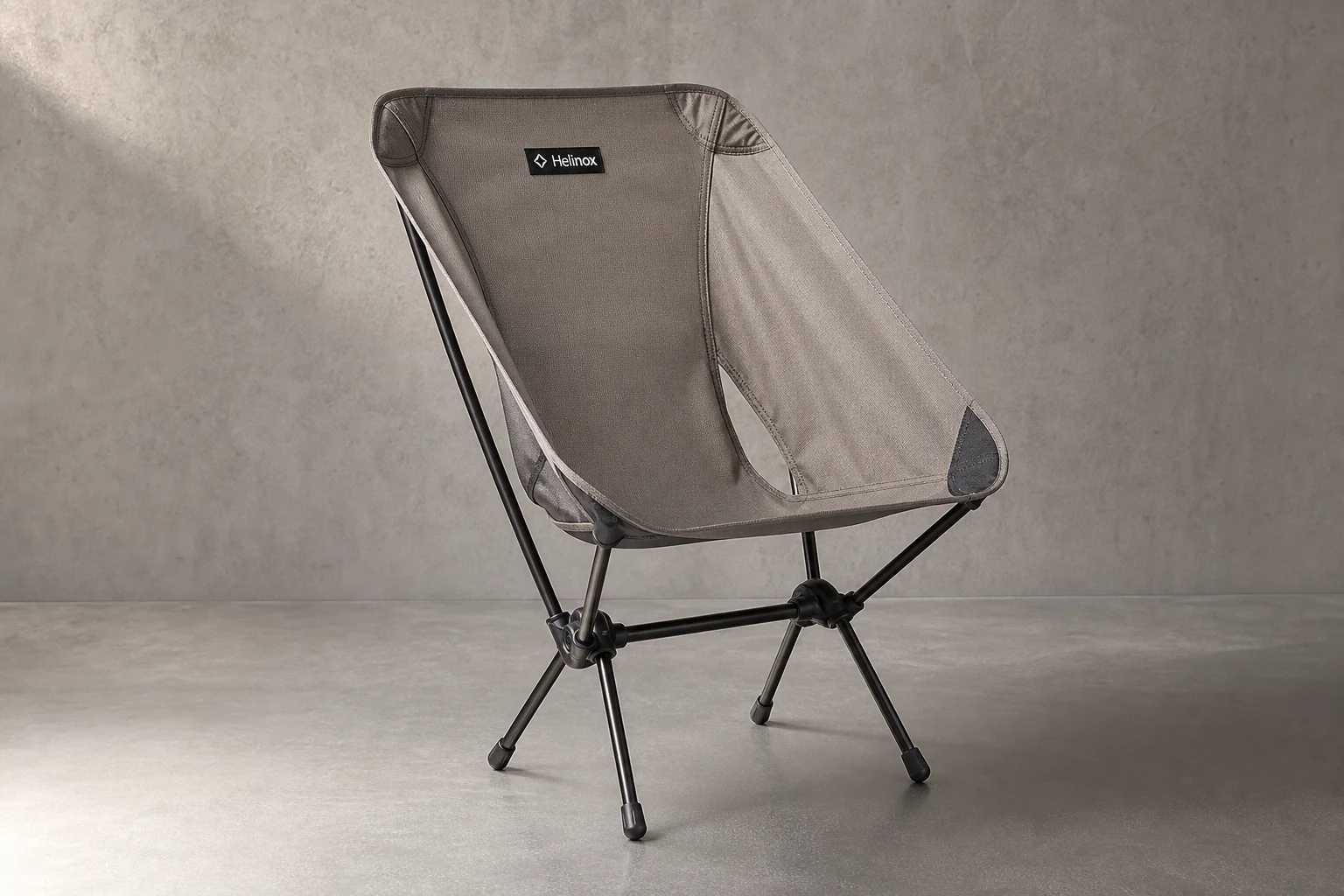
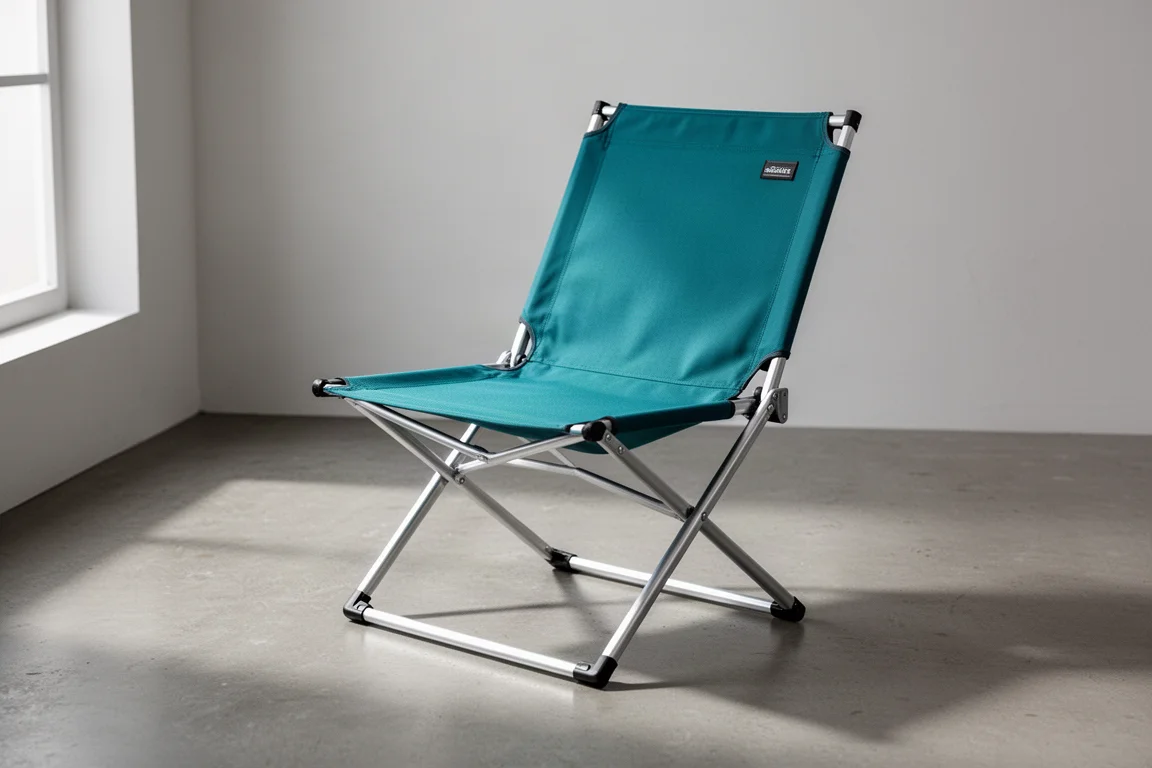
A chair is the upgrade that generates the most envy at camp. Sitting on a log or a rock at the end of a long day is fine until you try stretching out in an actual chair with your legs extended and the pressure off your back and core. At around one pound, the Helinox Chair Zero is light enough to fit into a reasonably low pack weight, and it is an upgrade most backpackers do not regret.
Lightweight Alternative: REI Flexlite Air
The REI Flexlite Air sits in the same weight class, roughly one pound, and it is currently available at under $100. That combination makes it hard to argue against bringing a chair at all. Unless you are chasing the lowest possible base weight, either chair fits into a normal setup without much compromise.
Strength Training: Bells of Steel Adjustable Kettlebell
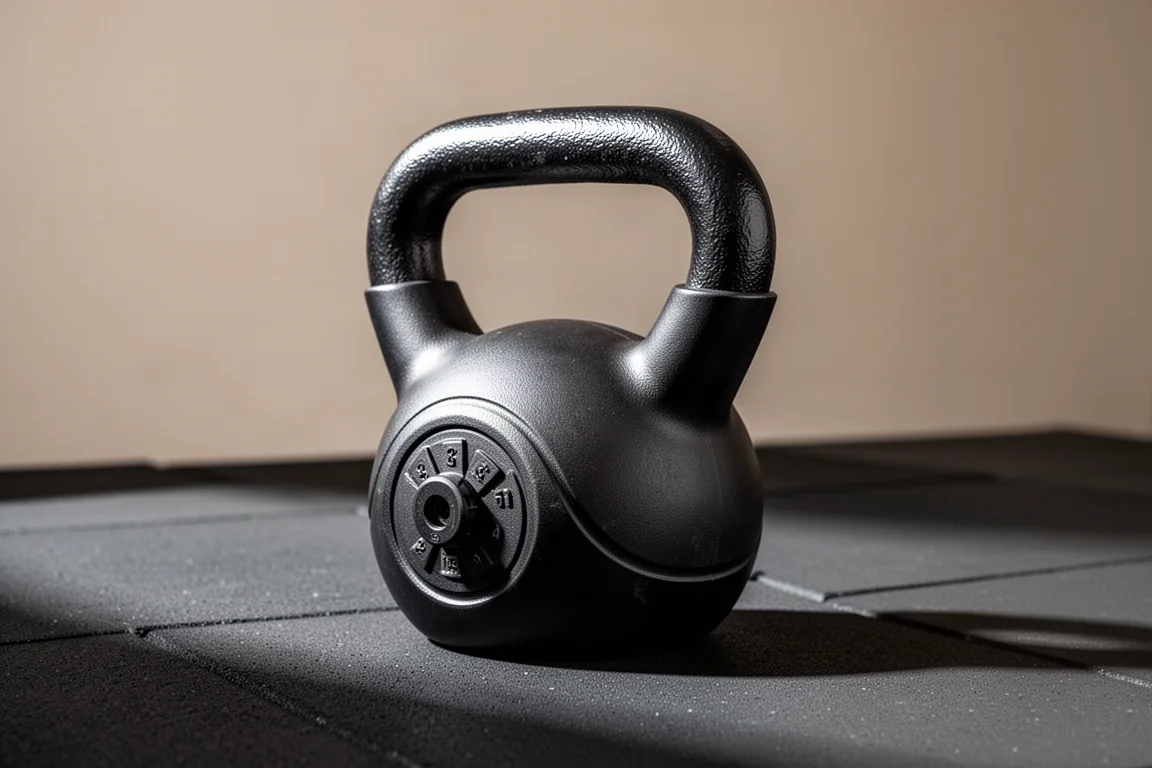
Staying strong is what keeps long days under weight from turning into an injury. Squats and deadlifts are effective if you have the space for a rack, and resistance bands work well for glute and leg work when you do not.
A kettlebell covers more ground than either. The Bells of Steel Adjustable Kettlebell handles swings for glutes and hips, squats for leg strength, overhead presses, and curls, all from one piece of equipment. If you were going to buy a single item for strength training, a kettlebell is the most versatile choice.
Matching the Upgrade to Your Trips
Priority order matters more than any individual product. Start with the sleep system if you are waking up cold, numb, or restless: a pillow with a pad strap and a pad that sleeps close to its rating will change more nights than anything else in your kit.
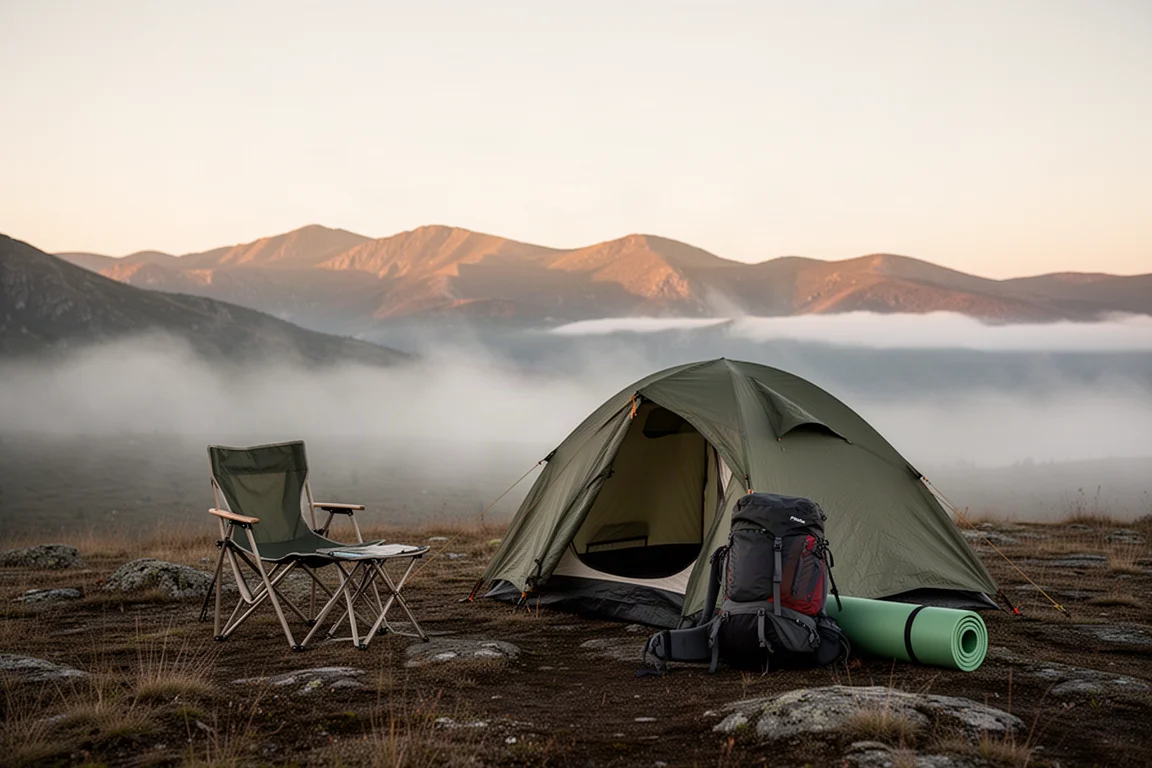
Next, look at your backpack. Two conditions justify an upgrade: the pack causes pain at any point during the day, or it weighs more than three pounds. Modern packs can carry forty pounds or more while staying under three pounds, so the swap is often easier than expected.
Camp comfort and physical training come after that. A chair in the one-pound range is a small weight penalty for a much better evening, and consistent strength work is what makes the trips themselves sustainable.
Conclusion
The most useful upgrades are the ones that solve a problem you actually have: warmth and pressure relief at night, a pack that carries your load without pain, a comfortable place to sit at camp, and a body that is ready for the effort. Match the purchase to the problem and the difference shows up on the very next trip.
Further reading
Related Reviews

Backpacking Gear
Building a 10 lb Base Weight: An Ultralight Backpacking Gear List
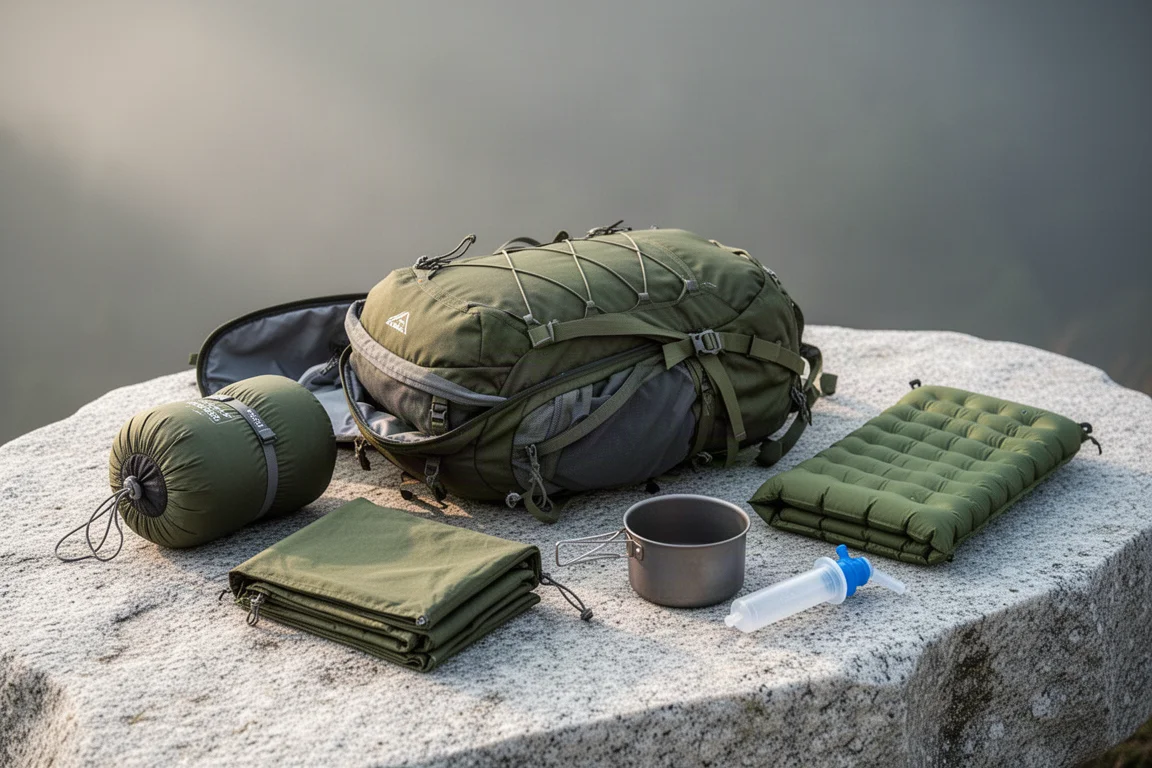
A practical walkthrough of the ultralight pieces behind a 10 lb base weight, from a 765 g pack and a roomy one-person tent to a full camp chair and a dependable water filter.
Backpacking Gear
A 15-Pound Lightweight Backpacking Gear List for Solo Trips
A beginner-friendly 15-pound backpacking setup built from easy-to-find gear, with notes on what each piece does, how it packs, and where to spend your attention.
Backpacking Gear
8 Ultralight Backpacking Gear Upgrades Worth Carrying
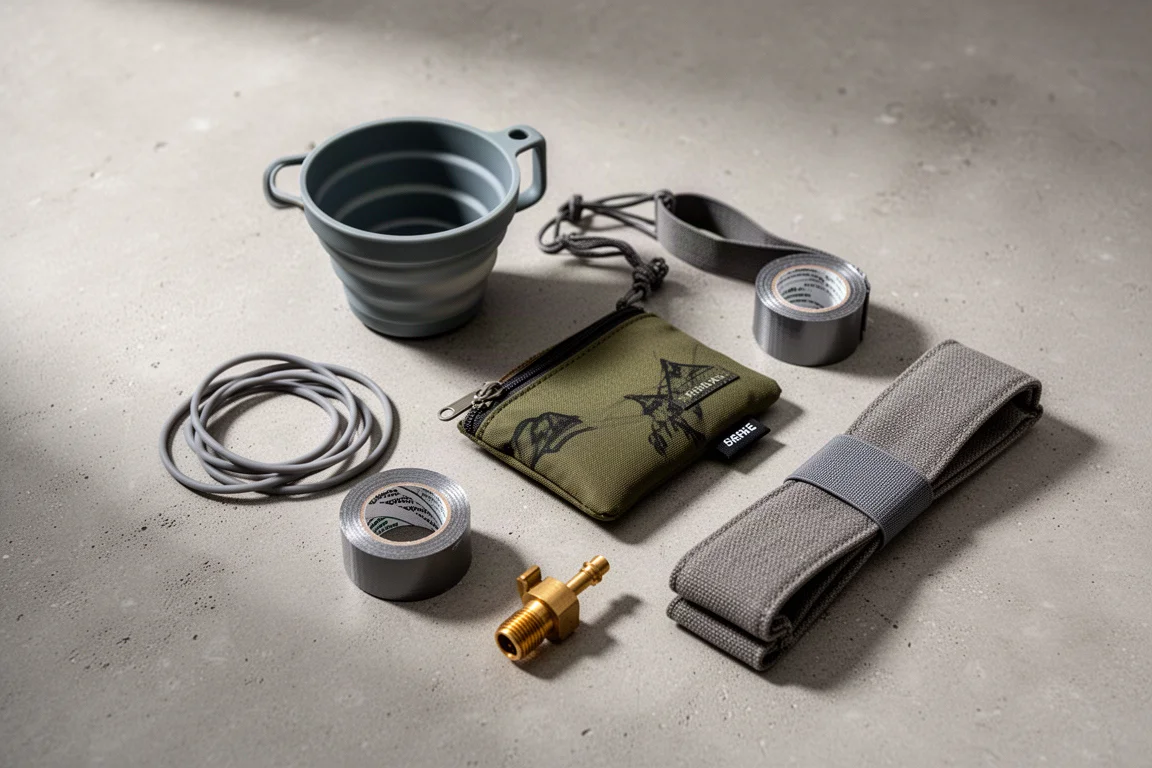
Eight small, affordable backpacking upgrades that solve real trail annoyances, from a pillow that stays put to a fuel valve that rescues leftover canister gas.