Backpacking Gear
Backpacking Gear Upgrades 2026: Five Swaps Worth Making
Five long-serving backpacking items replaced by lighter, more breathable, more reliable alternatives, with the reasoning behind each swap.
Introduction
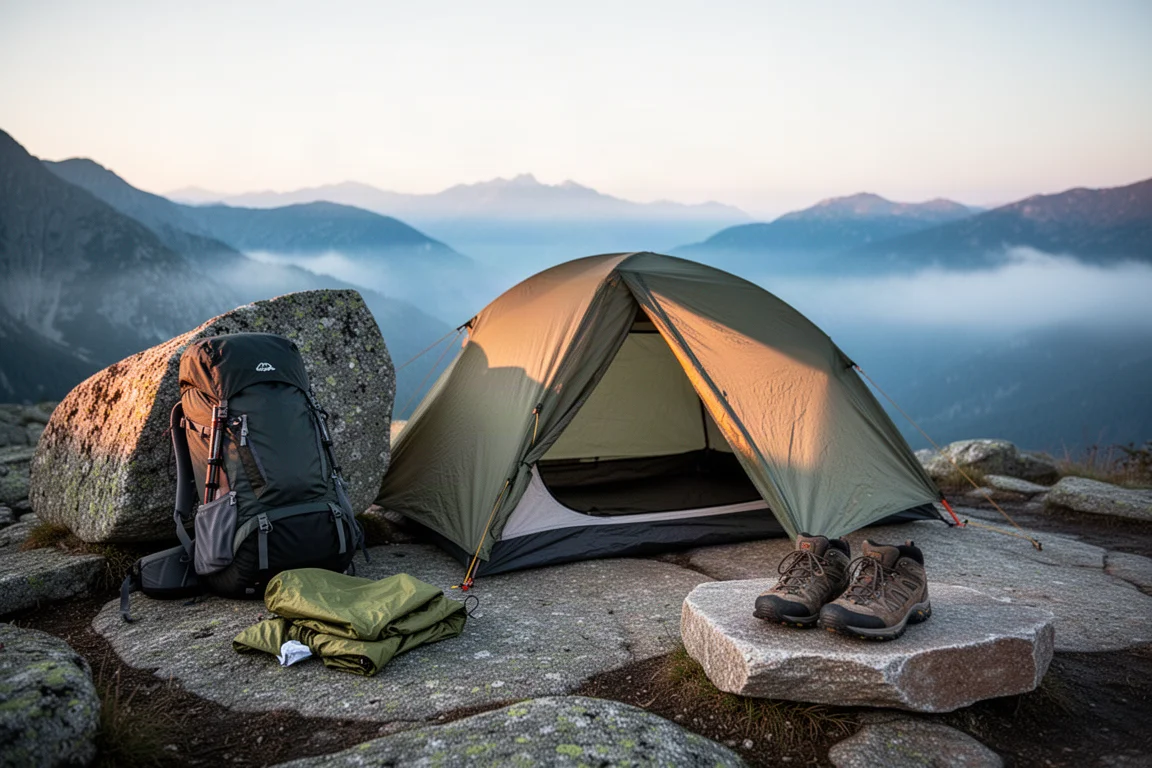
Backpacking gear tends to stick around long past the point where it is the best answer to the problem it solves, especially when it has already covered thousands of miles without failing. The five swaps below each replace a long-serving item with something lighter, more breathable, more reliable, or more durable. None of the outgoing gear is bad. It simply stopped being the best option for the way the trips are actually being done.
How to Judge a Gear Swap
A worthwhile swap usually wins on one of four fronts. Weight and packed volume matter most for layers that spend more time inside a pack than on your back. Breathability matters for anything worn while moving, because a layer that traps heat on a cold morning climb is a layer you will strip off within twenty minutes. Reliability matters for electronics, where a battery that needs coaxing is worse than no battery at all. Durability matters for footwear, the one category where mileage is a direct measure of value.
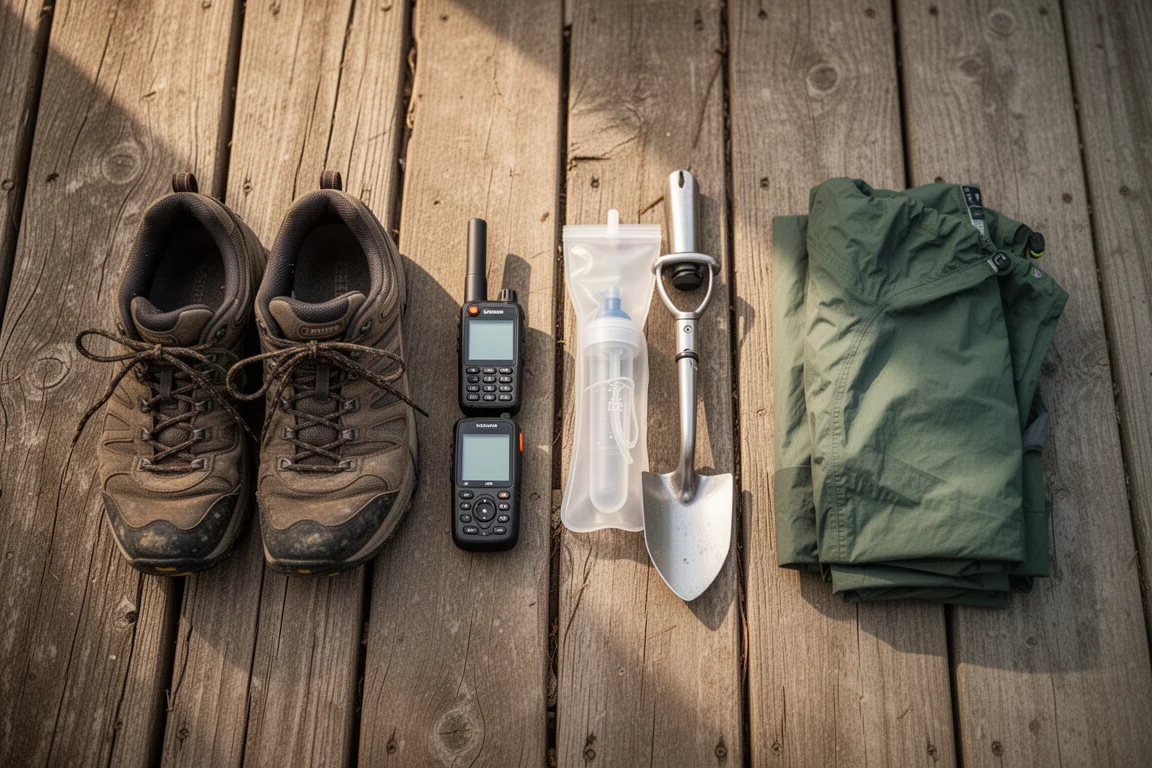
Price and brand reputation sit further down the list. A cheaper item that survives three seasons is a better purchase than a premium one that falls apart in one, and a familiar name is no guarantee that the current version performs like the one from five years ago. The practical test is simple: name the specific problem the old item causes, then check whether the replacement actually solves it.
Senchi Designs Alpha 60 Crew: Lighter and More Breathable
The mid layer in a three-season kit has an awkward job. It needs to be warm enough for camp and cold starts, light enough to justify the pack space, and breathable enough to wear while moving without overheating. The Appalachian Gear Company All-Paca Hoodie handled the warmth part well for years, but at 9.8 ounces in a size small and with a fluffy, bulky shape, it occupied a lot of pack space for a layer that was often carried rather than worn. Its thicker fabric also ran warm quickly on cold-morning climbs.
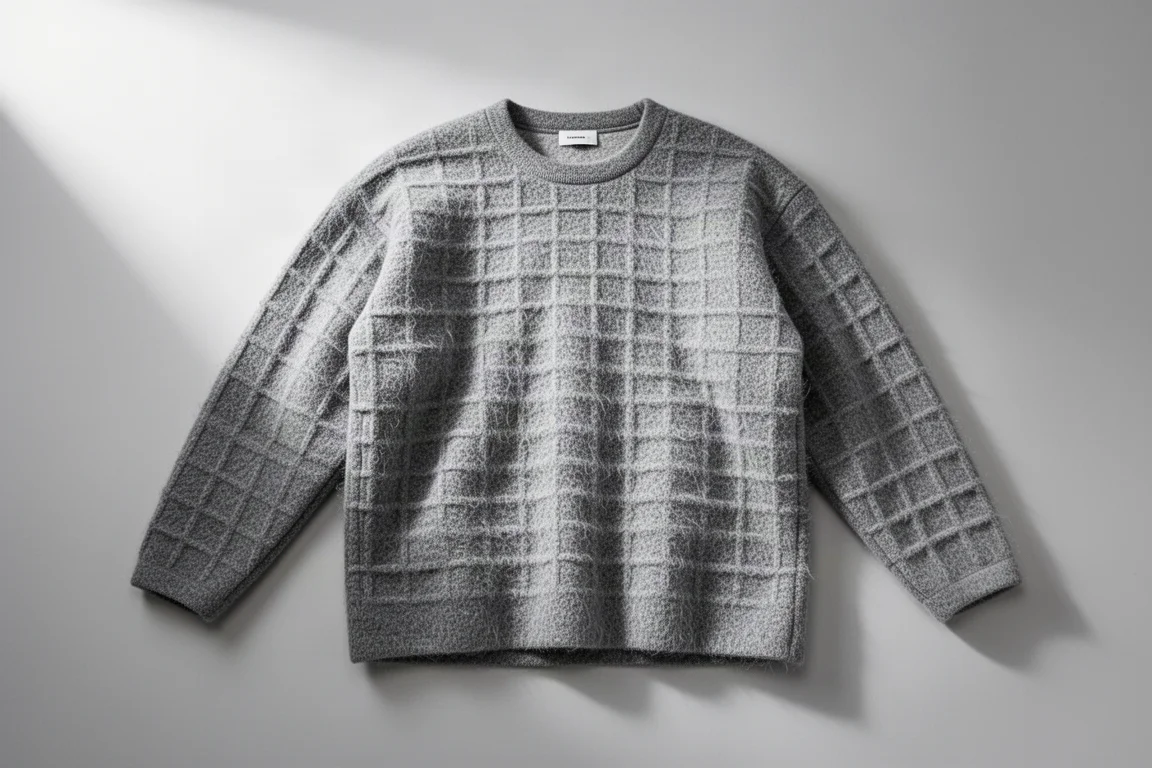
The Senchi Designs Alpha 60 Crew takes the opposite approach. It is built from Polartec Alpha Direct 60, a lofted, open-textured fabric with a distinctly fuzzy surface. A crew weighs 3.8 ounces, and the hooded version 4 ounces, which is roughly half the weight of the small All-Paca Hoodie, and it packs down far smaller. The open structure is also dramatically more breathable, so body heat regulates better on chilly morning climbs and cool evenings in camp.
The trade-off is that Alpha Direct is not a windproof or abrasion-resistant fabric, and its airy structure is the source of both the low weight and the ventilation. For hikers and bikepackers who treat a mid layer as an active layer rather than a camp-only layer, that is the right trade to make.
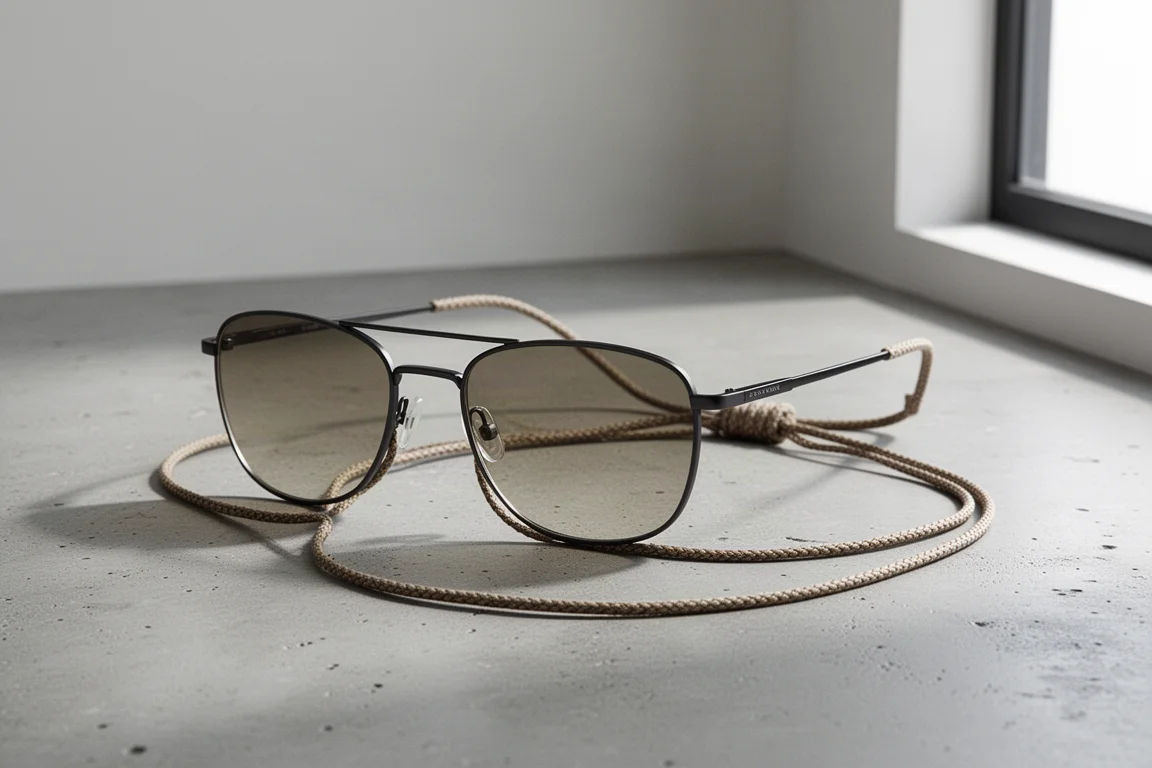
Ombraz Sunglasses: Cord Temples That Stay Put
Traditional sunglasses tend to fail in two predictable ways on the trail. The hinges and arms are the first parts to break, and the arms are also what let glasses slide off a sweaty face or get pulled away when a helmet strap shifts.
Ombraz replaces folding arms with a single cord that runs behind the head. There are no hinges to snap, and because the cord wraps around rather than gripping the temples, the glasses stay in place during active use instead of creeping forward. That also means nothing digs into the sides of the face under a bike helmet or a climbing helmet, which makes them noticeably more comfortable across a long day.
They are light and compact, and they are available in prescription and non-prescription versions. A full season of hiking, bikepacking, and general outdoor use is a reasonable test period for a pair of sunglasses, and this design has held up across all of it.
The cord does mean they do not fold flat, so they store differently from a conventional pair, and that is the main adjustment to get used to. For anyone who has lost a pair of glasses to a lake or a snapped hinge, the appeal is obvious.
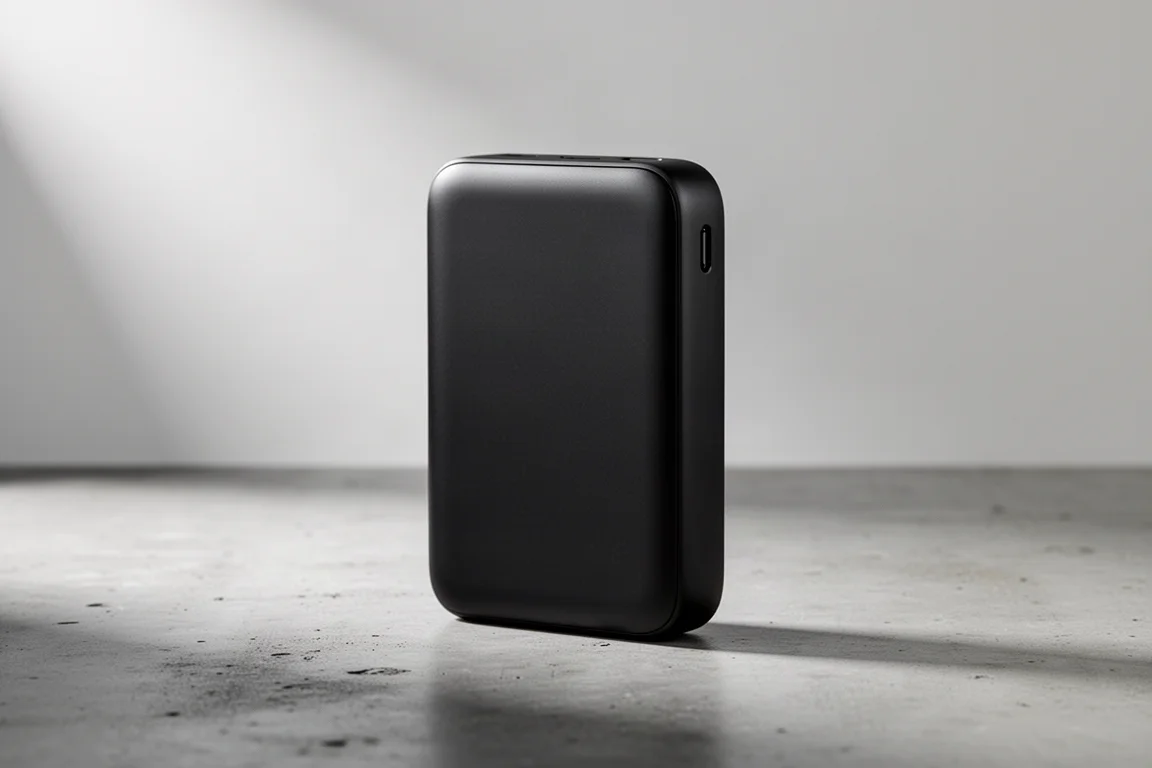
Anker PowerCore PD 10,000: Dependable Power for Short Trips
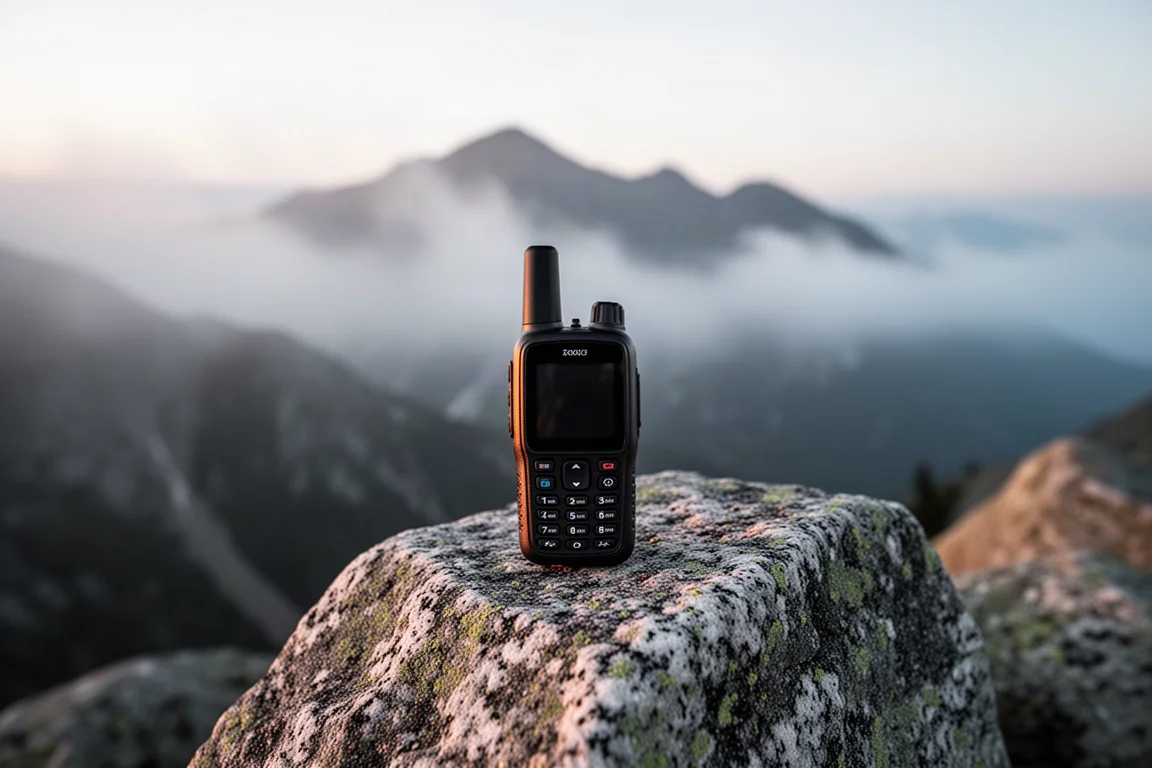
A battery bank is the one piece of electronics where predictability matters more than specifications. The Nitecore NB10000 looked like an upgrade on paper, but the first version had a habit of not starting a charge when a phone was plugged in, sometimes requiring several presses of the power button, and occasionally failing to charge at all from a wall outlet even after sitting plugged in for a couple of hours. A later version resolved the wall-charging problem but still needed repeated button presses before it would begin charging a phone.
Anker’s PowerCore PD line is the safer choice. The 10,000 mAh model is the right size for shorter trips, with a higher-capacity 20,000 mAh version for longer stretches between resupply. The relevant point is not the capacity figure but the track record: across years of long-distance hiking and bikepacking, these banks have started charging on the first attempt, held their charge overnight, and kept working after being carried inside a sleeping bag through cold nights. When a device is your only link to a map, a route, or a ride home, that consistency is the entire feature.
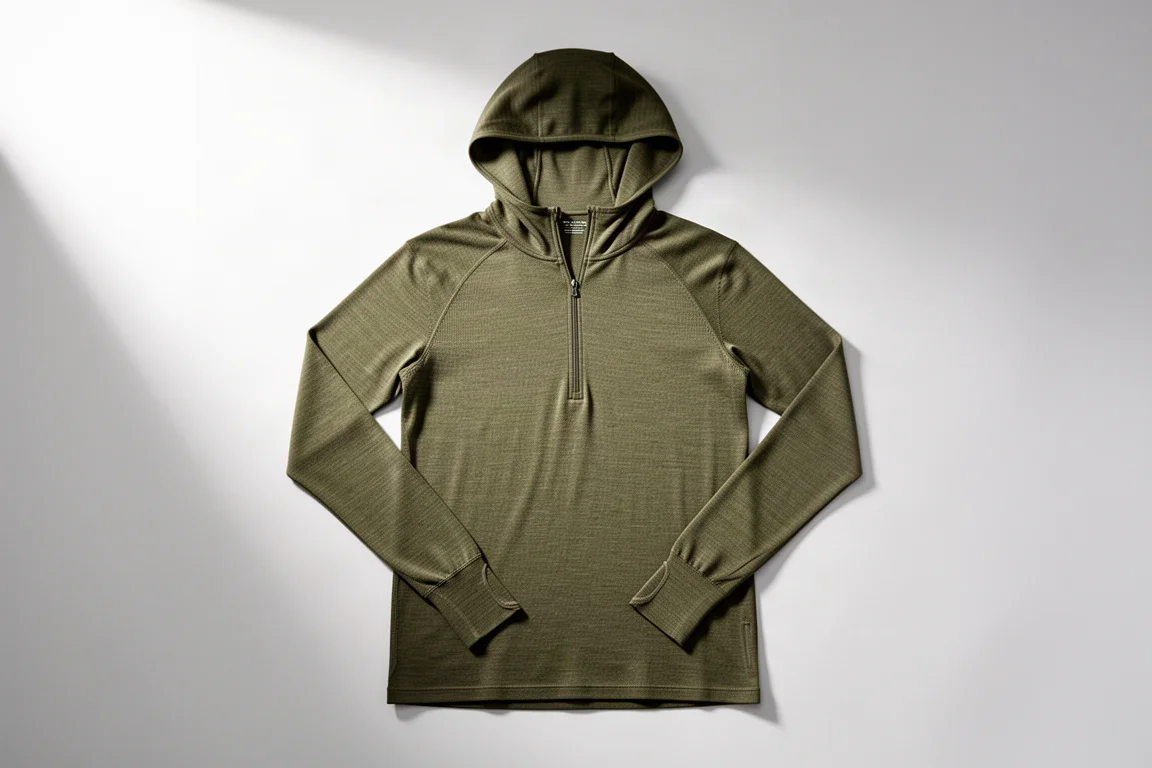
Evolve Supply Co Mirage: A Purpose-Built Sun Hoodie
The Outdoor Research Echo Sun Hoodie earned its place across thousands of miles and was worn through the final stretch of a Continental Divide Trail thru-hike. Replacing it required something built around a very specific set of problems.
The Evolve Supply Co Mirage is a 135 GSM Merino wool blend, 96 percent merino and 4 percent spandex, rated UPF 40+. The cut is athletic and tapered, with an extra-long drop tail so the hem stays put under a hip belt instead of riding up. Thumb holes cover the backs of the hands, and a quarter zip on the chest lets you vent when a climb or a hot afternoon pushes your temperature up. The three-panel hood is roomy enough to layer over a cap and to sit under a helmet.

The design went through roughly two years of development, with the final prototype tested across six months of hiking and bikepacking before release. That is a meaningful amount of field time behind a first production run.
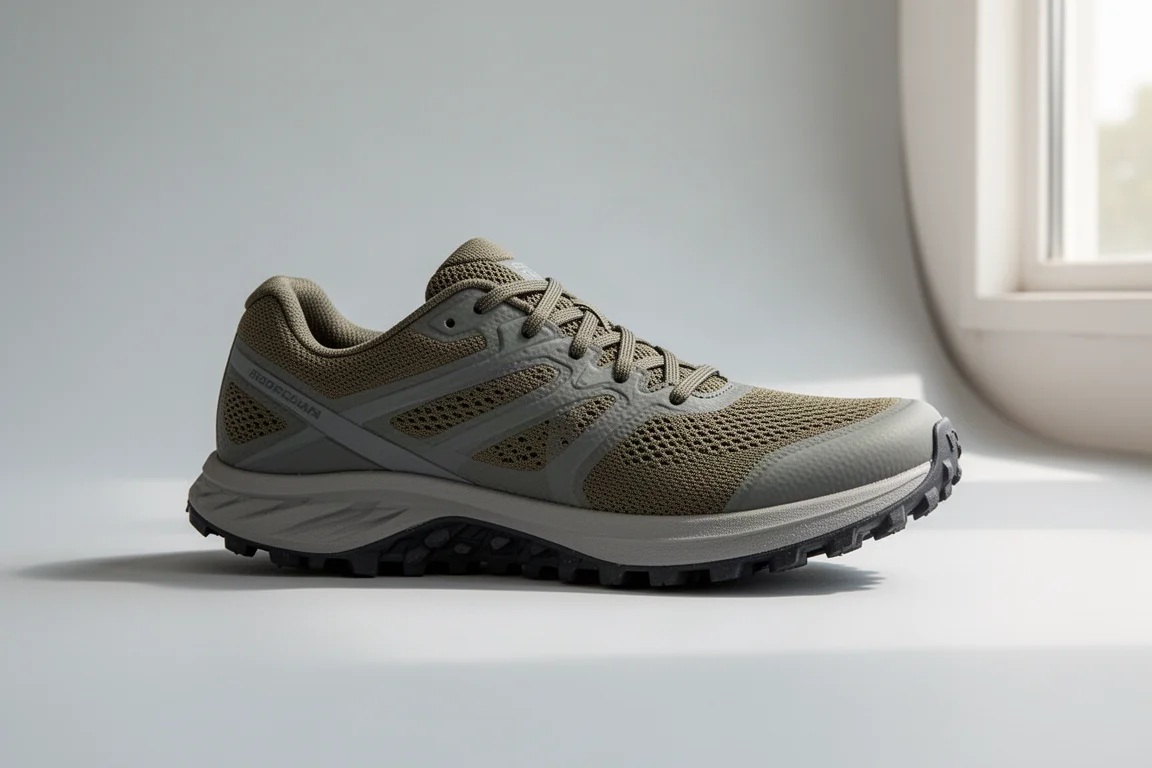
Topo Pursuit: A Trail Shoe That Checks the Boxes
Altra shoes were the default choice for years, from the Lone Peak 2.0 onward through the Lone Peak 3.0, Lone Peak 6, Timp, and Olympus. The reason for moving on is durability. A pair of Lone Peak 3.0s in 2016 and 2017 could deliver 600 to 700 miles. A Lone Peak 6 today is lucky to reach 300, with early delamination, fast breakdown of the foam and heel, and tread that is essentially gone after a couple of hundred miles.
The Topo Pursuit combines the features that made those shoes work in the first place. It has a wide toe box and a zero-drop platform, a 28 mm stack height that lands in the same comfortable cushioning range as the Timp, and a Vibram outsole for grip and wear resistance. In practice it has handled trail running and a section hike in Washington well, with strong ventilation and quick drying after wet miles, and it has held up after a month of hard use.
Buying Advice
Match the swap to the problem. If the issue is pack weight or bulk, the mid layer is the place to start, and moving to an Alpha Direct piece delivers the biggest weight and volume reduction in this group. If the issue is comfort under a helmet or glasses that will not stay put, a cord-temple design solves both at once. If the issue is electronics you cannot trust, go back to a bank with a long record of starting on the first try rather than chasing a lower weight figure.
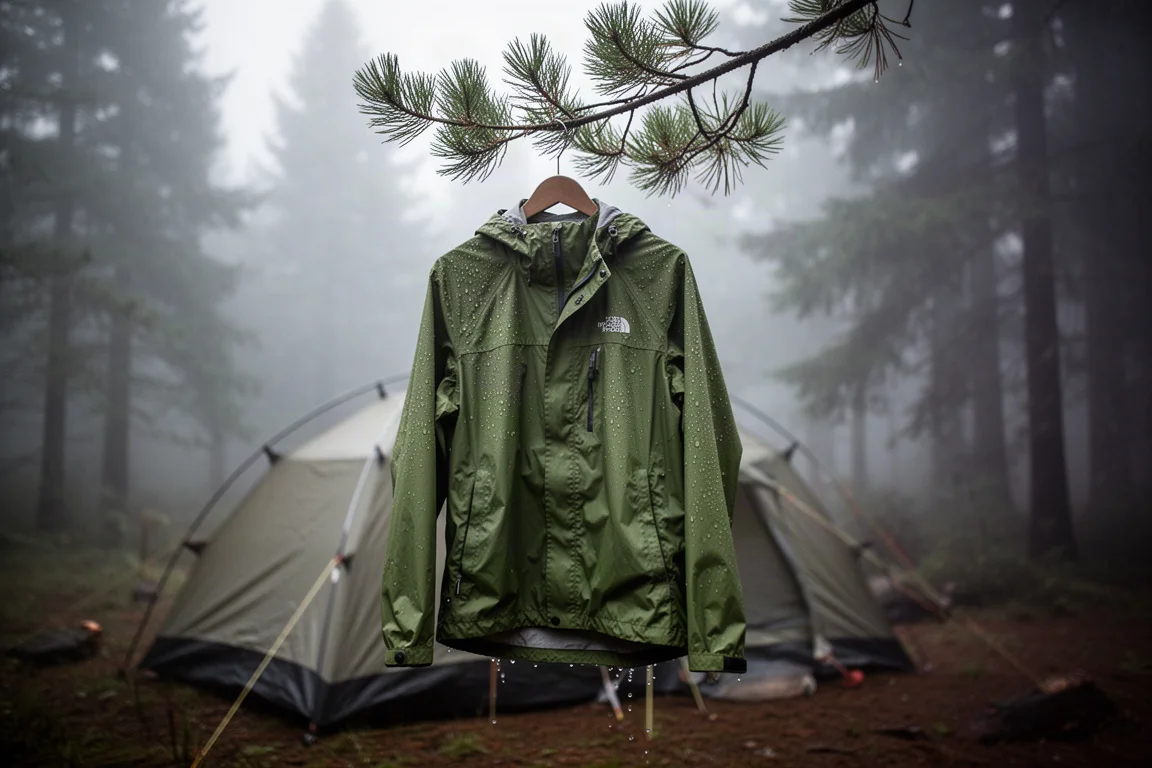
For footwear, durability is worth more than any single specification. A shoe that reaches 600 miles costs less per mile than one that reaches 300, even when the sticker price is higher. For sun protection, a hoodie is only as good as its fit under a pack, which makes the drop tail, the hood shape, and the chest zip worth more attention than fabric weight alone. Buy for the trips you actually take, and the replacement will earn its place the same way the original did.
Conclusion
Five long-serving items, five replacements chosen for specific reasons: less weight and more breathability in the mid layer, glasses that stay on a face instead of sliding off it, a battery bank that charges the first time, a sun hoodie designed around a hip belt and a helmet, and a trail shoe that carries the cushioning and grip of a long-time favorite with better durability. None of the outgoing gear was a mistake. Each of these swaps simply fits the way the trips are actually being done now.
Further reading
Related Reviews

Backpacking Gear
Building a 10 lb Base Weight: An Ultralight Backpacking Gear List
A practical walkthrough of the ultralight pieces behind a 10 lb base weight, from a 765 g pack and a roomy one-person tent to a full camp chair and a dependable water filter.
Backpacking Gear
A 15-Pound Lightweight Backpacking Gear List for Solo Trips
A beginner-friendly 15-pound backpacking setup built from easy-to-find gear, with notes on what each piece does, how it packs, and where to spend your attention.
Backpacking Gear
8 Ultralight Backpacking Gear Upgrades Worth Carrying
Eight small, affordable backpacking upgrades that solve real trail annoyances, from a pillow that stays put to a fuel valve that rescues leftover canister gas.