Backpacking Gear
Backpacking Gear Under $50: 11 Staples Worth Carrying on Every Trip
Eleven low-cost backpacking staples, from water collection and filtration to cook pots, a durable bottle, and trail nutrition, with the real strengths and trade-offs to weigh before buying.
Introduction
Packing for a backpacking trip gets easier once you stop rebuilding your kit every season. The items that earn a permanent place in a pack are rarely the flashiest ones. They are the pieces that behave the same way on the twentieth trip as they did on the first, and that cost little enough that replacing them never feels like a decision.
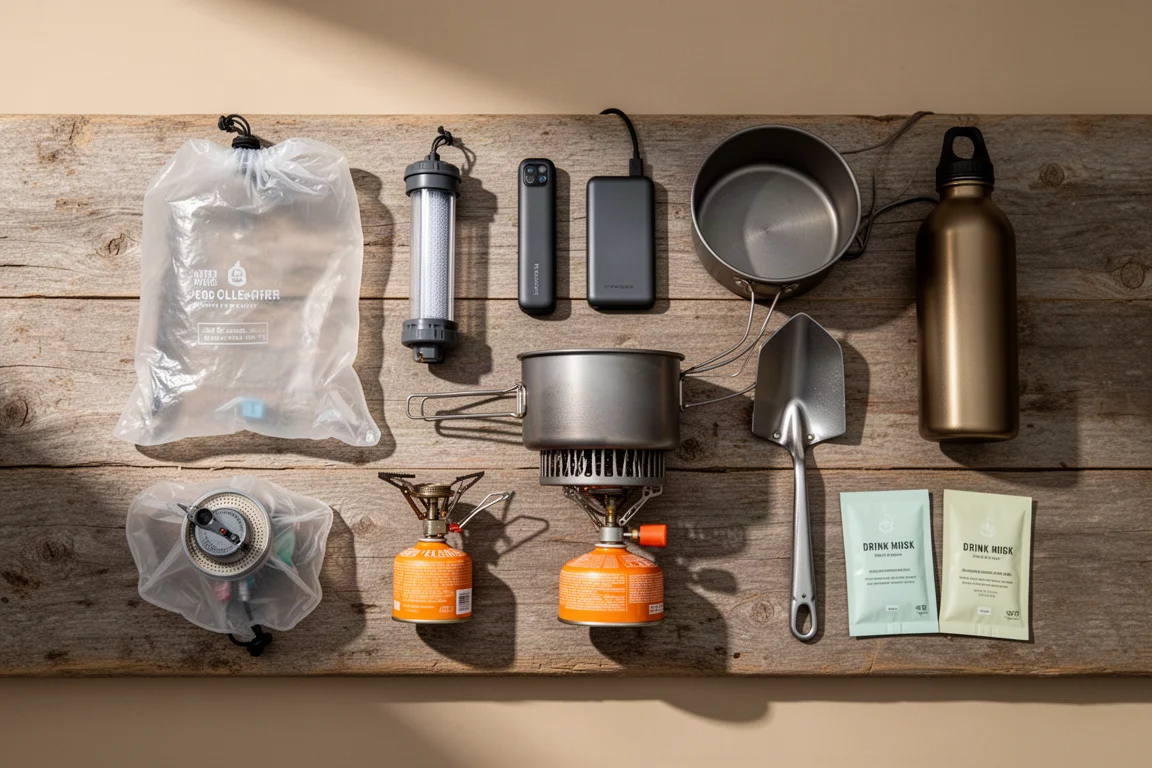
The eleven items in this guide all come in under $50, and together they cover the jobs that come up on almost every trip: collecting and treating water, keeping devices charged, tracking overnight temperatures, digging a cathole, boiling water, carrying a hot-water bottle, and fuelling long days on the move. Each one is here because it solves a specific problem reliably rather than because it has the longest feature list.
What These Picks Have in Common
Three things separate the gear that stays in a pack from the gear that gets left at home: it works without fuss, it lasts, and it does not cost enough to worry about. Everything below meets those tests, and several of these items have been in service for years rather than seasons.
A few of them also work best as systems rather than standalone purchases. The water bag pairs with the filter, and the heat exchanger pot pairs with a stove that has three pot supports spaced at 120 degrees. Buying into those pairings is where the value really shows.
Best Water Bag: Cnoc Vecto X
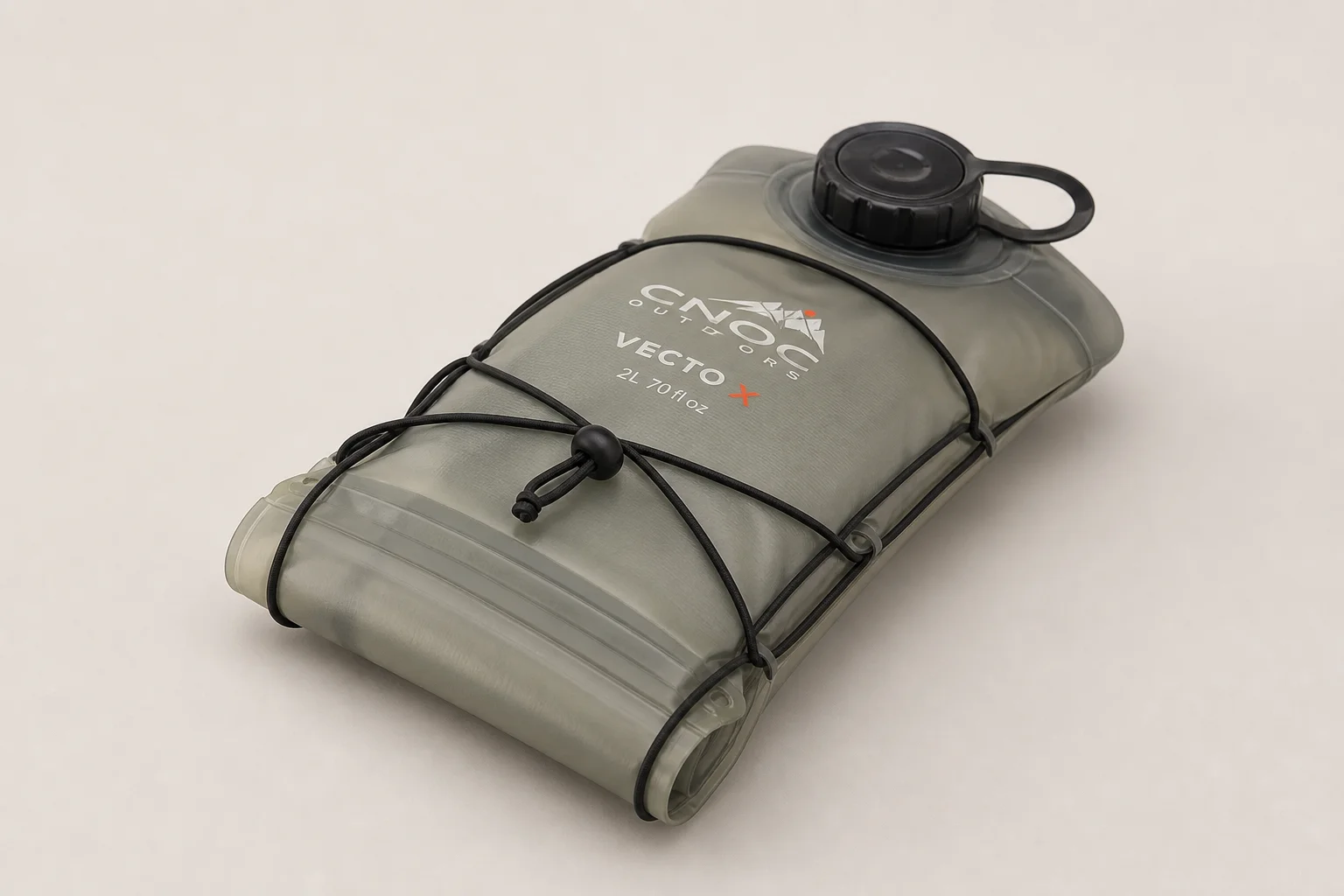
Cnoc Vecto X is a water collection and storage bag, and its defining strength is how easy it is to fill. The wide top opening lets you collect water from almost anything you come across: a large lake, a small stream, or a trickle barely moving between rocks. Filling up in awkward terrain is a daily chore on some routes, and a bag that makes it quick changes the rhythm of the day.
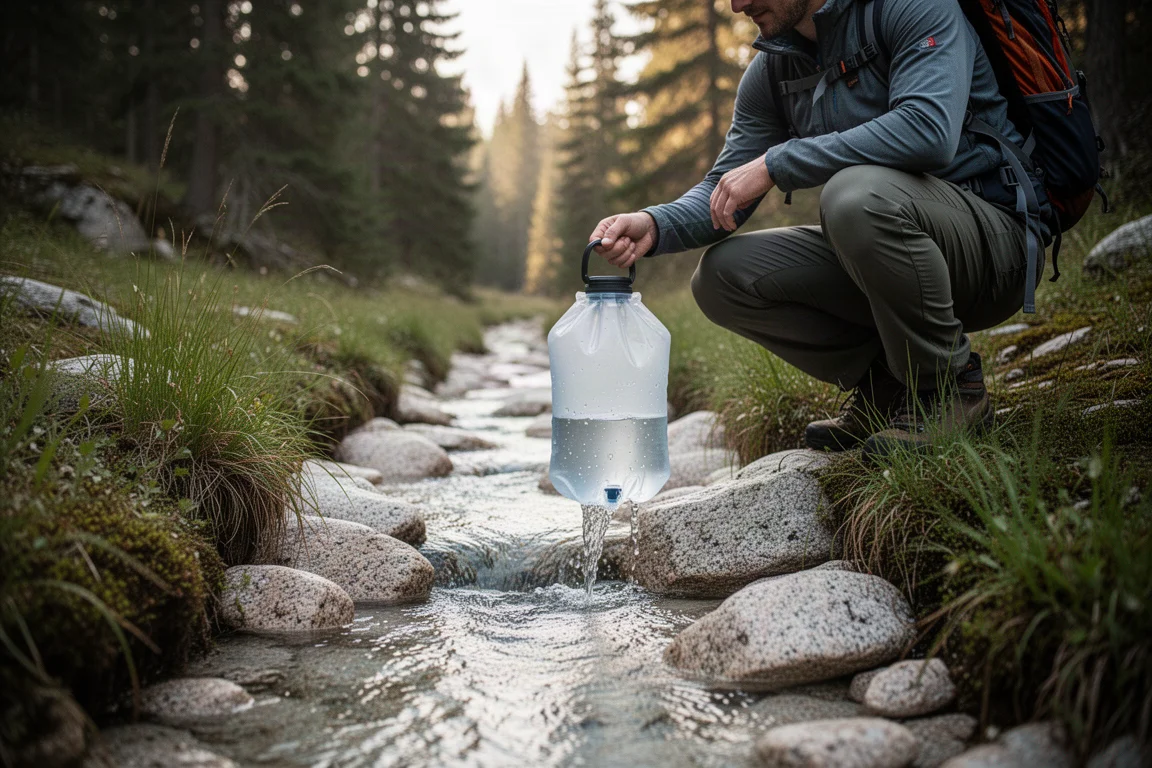
The X version uses a thicker material than the standard model. That adds a little weight without adding bulk, and it holds up far better where sharp rocks are a factor. Thinner bags are the ones that develop pinhole leaks in desert and rocky country, so the heavier fabric is the version worth choosing if you expect abrasive ground.
Because it doubles as storage, the same bag carries water back to camp and then sits in the pack without leaking. For anyone who collects water several times a day rather than carrying it from a tap, that combination of easy filling and dependable storage is what makes it a permanent part of the kit.
Best Water Filter: Sawyer Squeeze
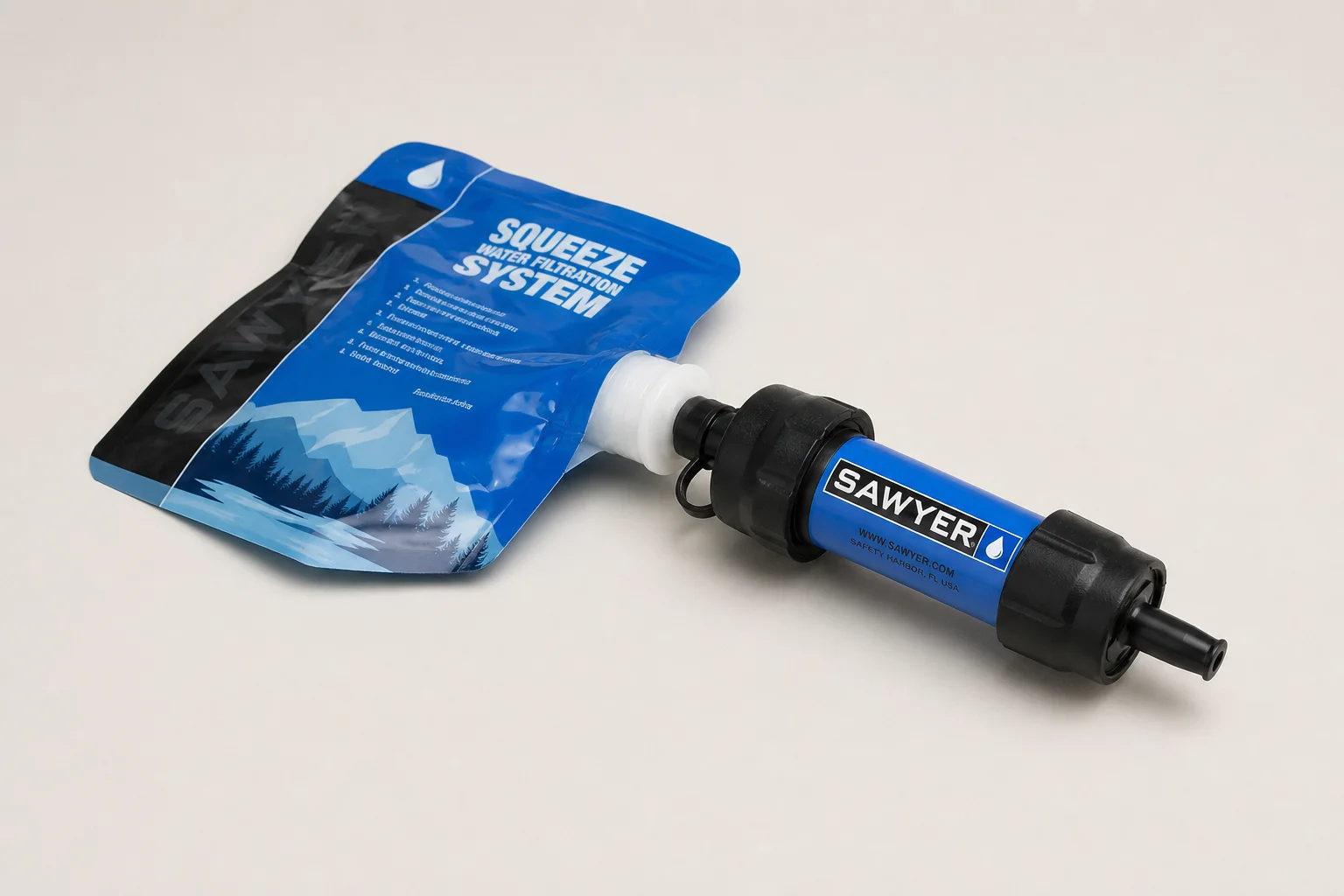
Sawyer Squeeze is a hollow fiber filter rated at 0.1 micron absolute. The word absolute matters: every microscopic pore in the membrane is rated at that size, rather than the filter being judged on an average. That is the specification that gives confidence when the water source is less than ideal.
Reliability is the other reason it stays in the pack. Maintained properly, it holds its flow rate instead of slowly clogging into uselessness, which is the usual failure mode for filters that are cheaper to buy and harder to keep working. Backflushing after trips and storing it correctly keep it in service for years.
The practical case for an absolute 0.1 micron filter shows up in the worst moments. When the only water available is a stagnant pothole with a dead bird in it, a filter you trust completely is the difference between drinking and going thirsty. That is the scenario this filter is built for.
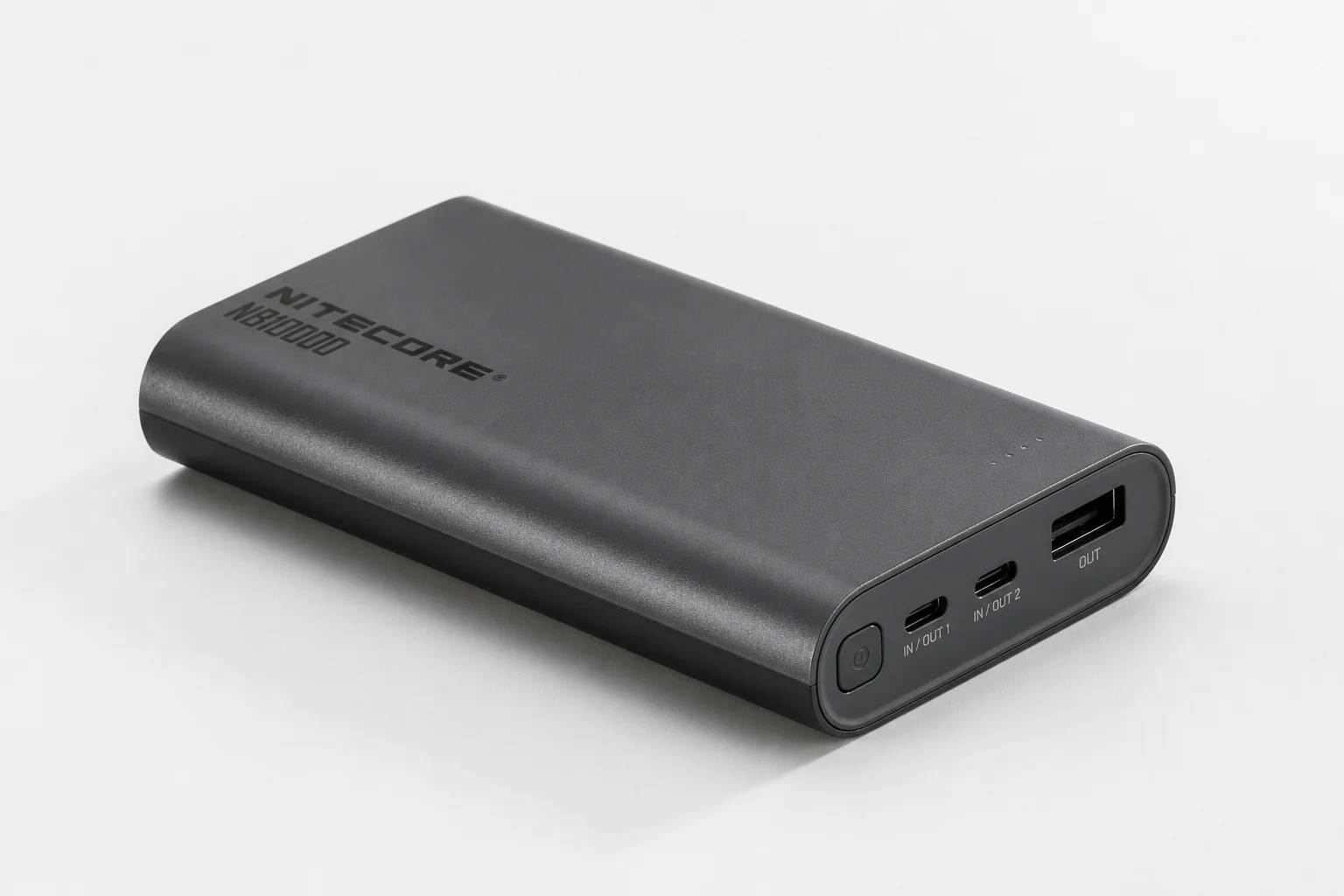
Best Power Bank: Nitecore NB10000
Nitecore NB10000 is the power bank that lives in the electronics pouch on every trip. It sits alongside headlamps and charging cables, and its job is simple: keep small devices charged when there is no outlet for days at a time.
Keeping the whole charging setup in one organizer bag matters more than it sounds. Cables, headlamps, and the battery itself all live in the same place, so nothing disappears to the bottom of a pack and the pouch can be pulled out in the dark without unpacking everything else.
Best Tent Temperature Tracker: Govee Bluetooth Thermometer
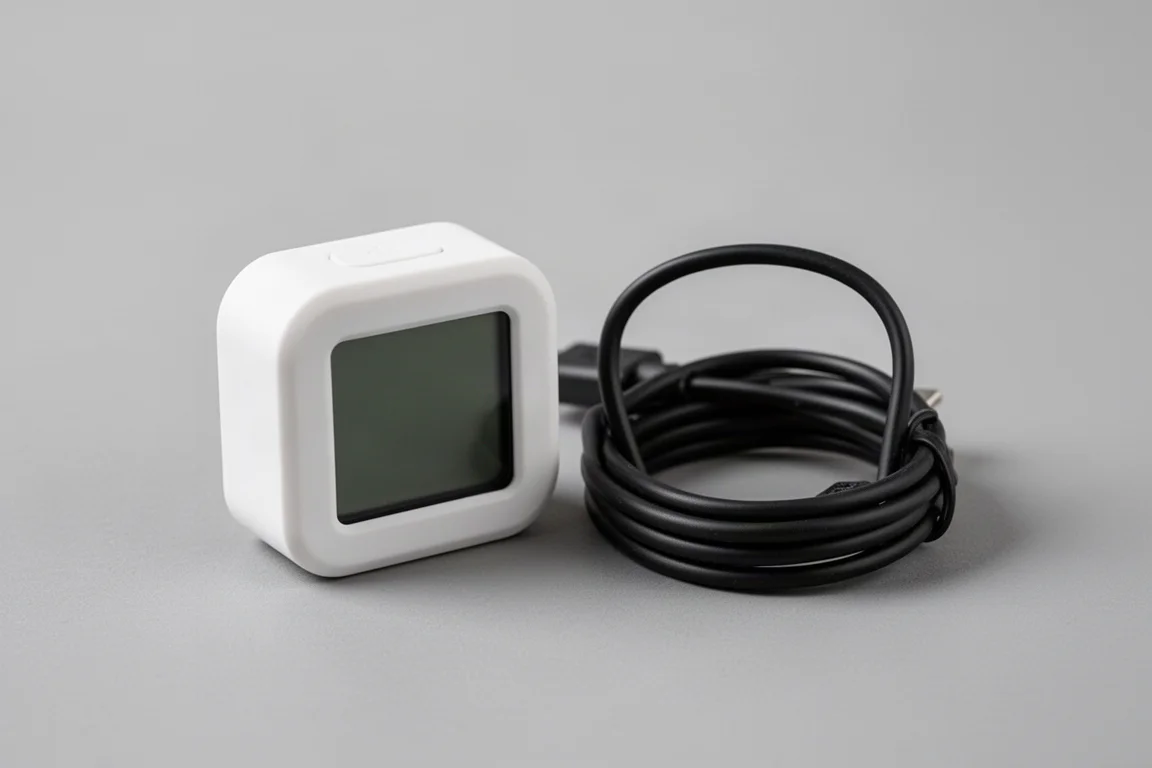
A Govee Bluetooth thermometer is a tiny, inexpensive accessory that answers a question most backpackers end up asking: how cold did it actually get? Leaving one inside the tent and comparing it with the outside temperature shows how much the shelter is doing and how the sleep system is performing against real conditions.
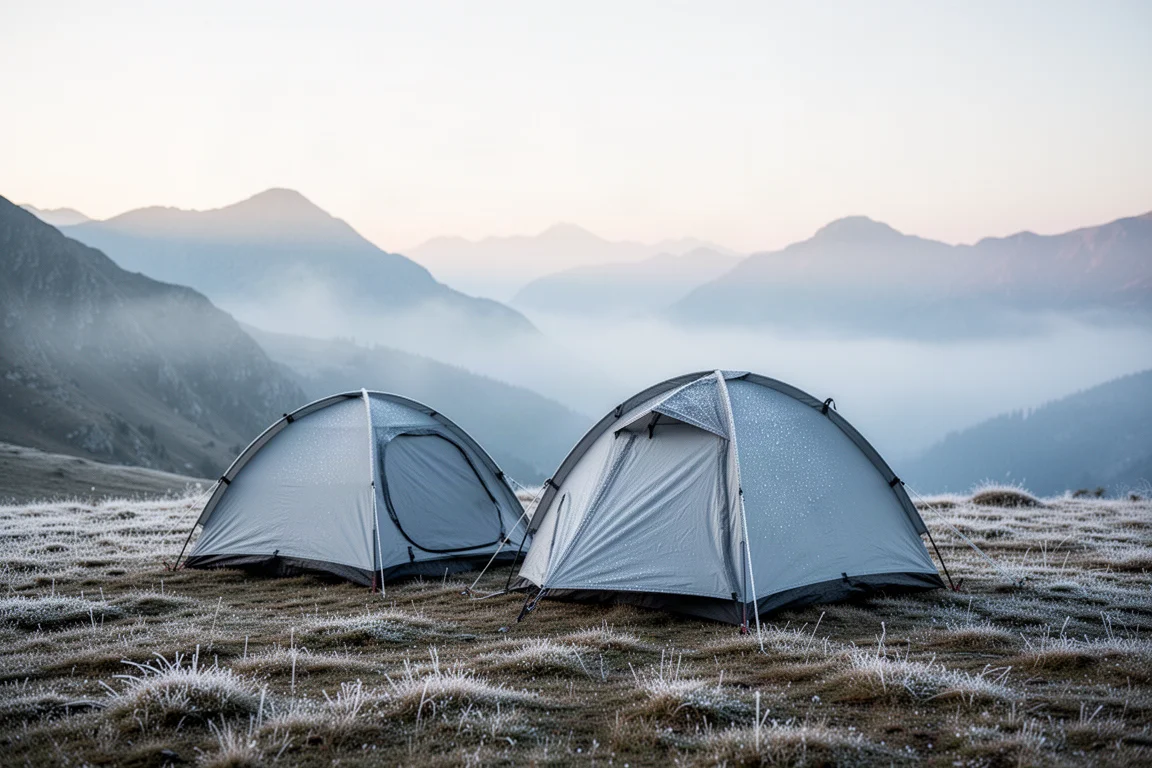
The value is in the learning rather than the reading. Seeing the inside-versus-outside difference across a handful of trips makes it much easier to judge whether a sleeping bag suits the conditions you camp in, and whether the setup needs a warmer pad or a different bag.
They are small and light enough to carry more than one, and they pair with a phone over Bluetooth, so checking the overnight low in the morning takes seconds. For anyone refining a sleep system, it is one of the cheapest ways to gather useful data.
Best Trowel: Bogler Trowel
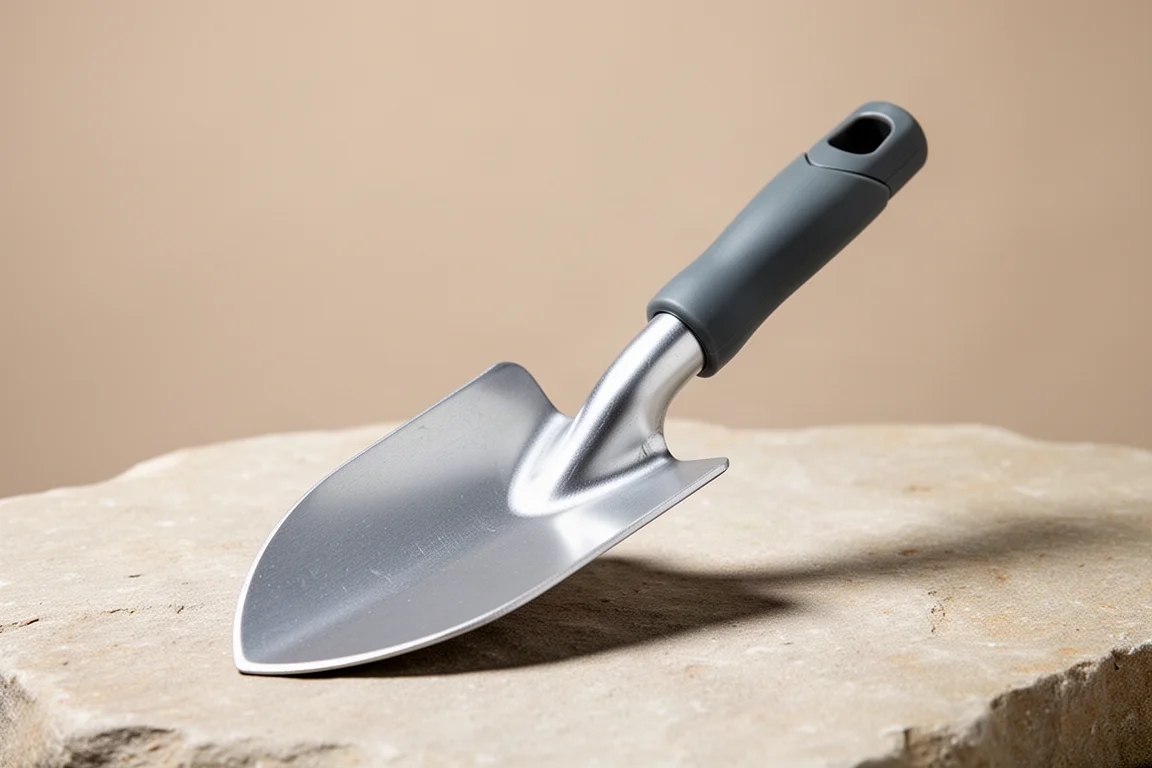
Bogler Trowel is a lightweight trowel that has become the default choice for burying waste in the backcountry. It digs into hard ground without much effort, and the handle shape stays comfortable in the hand while you work.
The detail that matters most is the edge treatment. Sharp-edged trowels dig well but create pressure points that make the job unpleasant, and this one avoids that without giving up digging performance. It is light enough that there is no reason to leave it at home.
It lives in a small kit with wipes and hand sanitizer, so everything needed for the job stays together in one pouch.
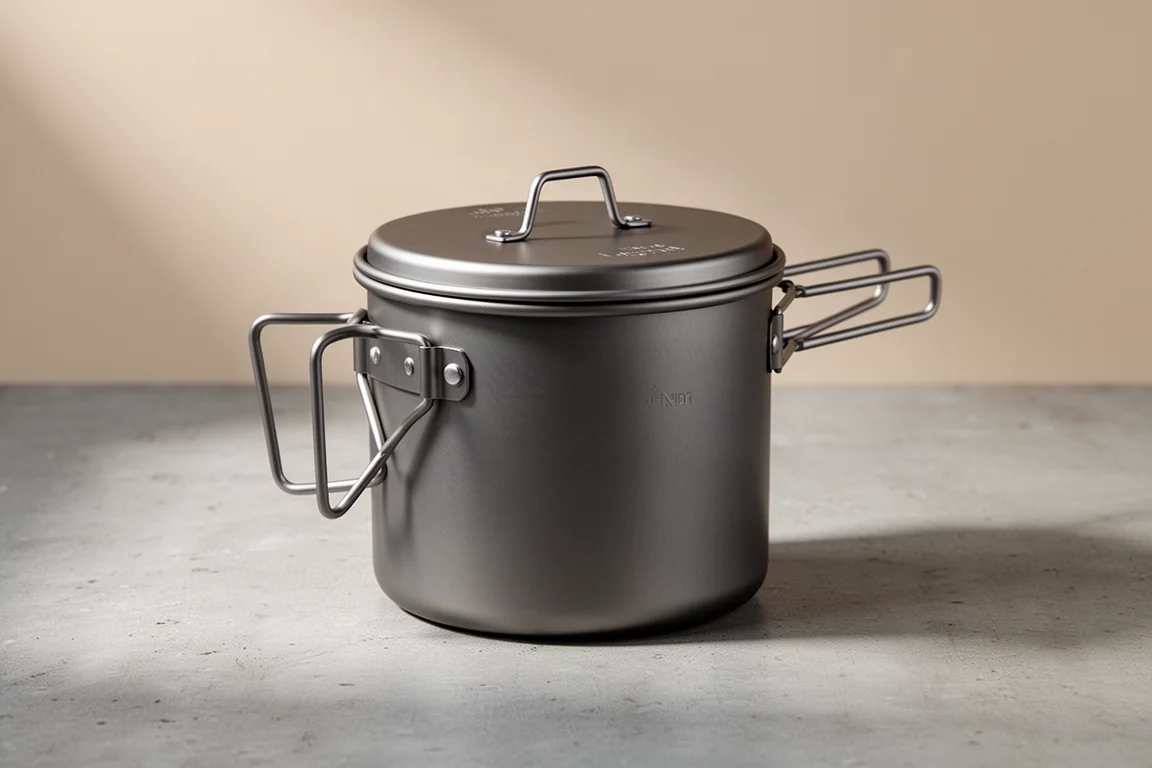
Best Solo Pot: Toaks 550ml Titanium Pot
Toaks 550ml Titanium Pot is the classic lightweight choice for solo trips, and 550 ml is the sweet spot for a single freeze-dried meal. It is compact, it nests neatly with other gear, and titanium keeps the weight down without making the pot fragile.
Six or seven years of regular use without a single problem is the real endorsement here. Titanium pots do not need replacing often, and this one has earned its place by simply continuing to work trip after trip.
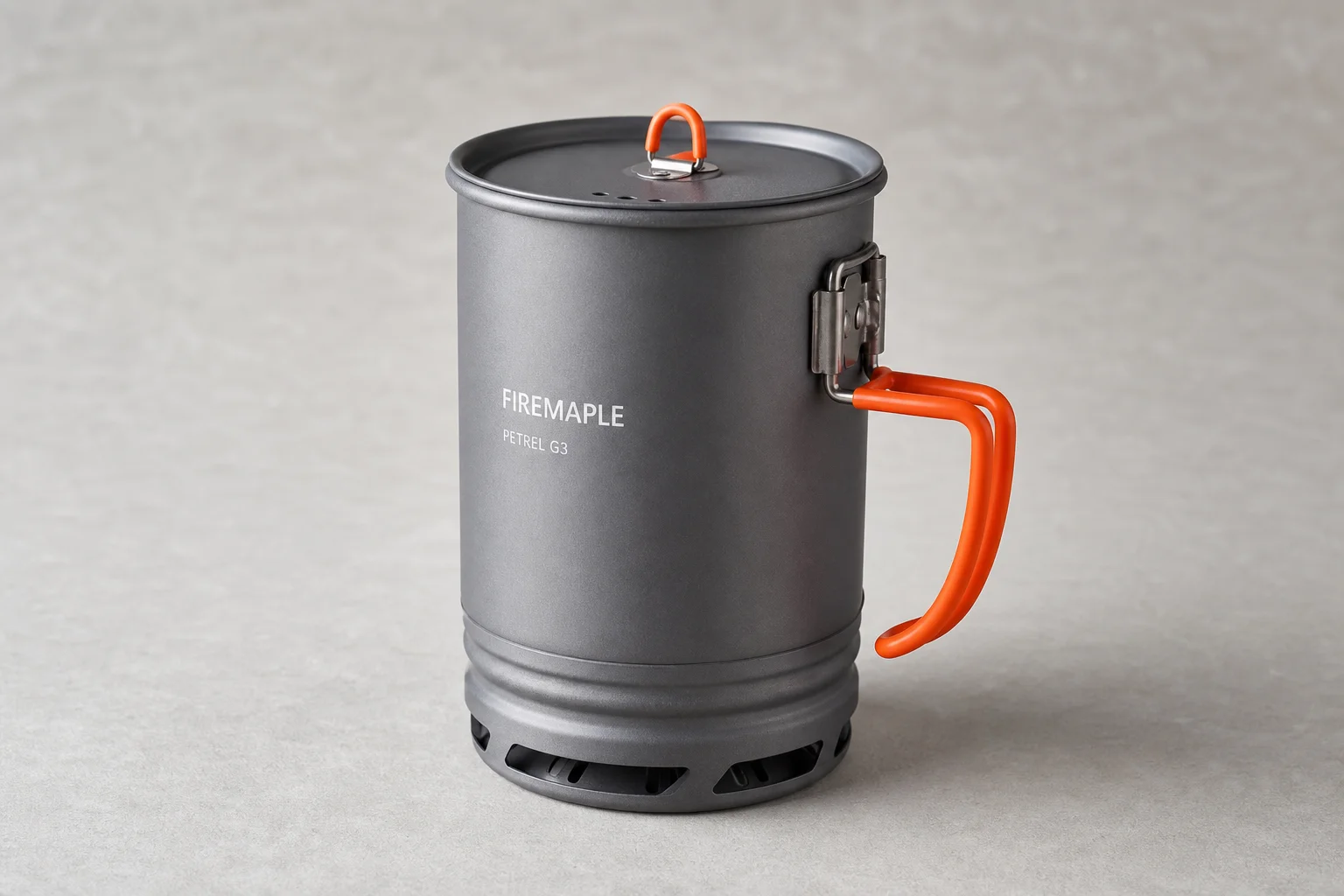
Best Fast-Boiling Pot: Fire-Maple Petrel G3 Heat Exchanger Pot
Fire-Maple Petrel G3 Heat Exchanger Pot is the larger option for trips where you want more capacity or faster boils. The heat exchanger built into the base captures heat that would otherwise escape around the sides of a standard pot, and the result is water that comes to a boil remarkably quickly.
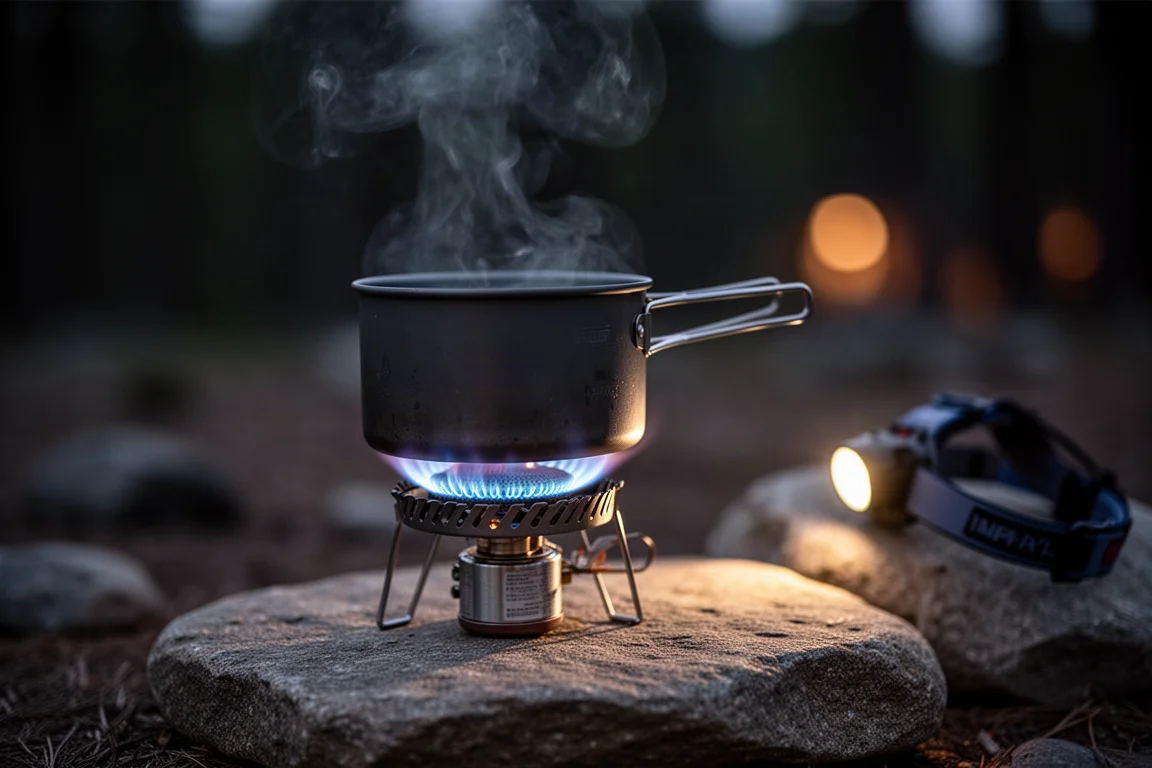
It is aluminium, so it is heavier than a titanium pot of similar size. The trade-off is speed and stability, and for plenty of trips that is the right call.
The pot is also designed to work as part of a system. Slots in the base are shaped to sit on a stove with three pot supports spaced at 120 degrees, which brings the burner closer to the bottom of the pot for better fuel efficiency and better wind resistance. Paired with a compatible stove, the pot and stove kit comes in under $50, which is strong value for a setup that boils this fast.
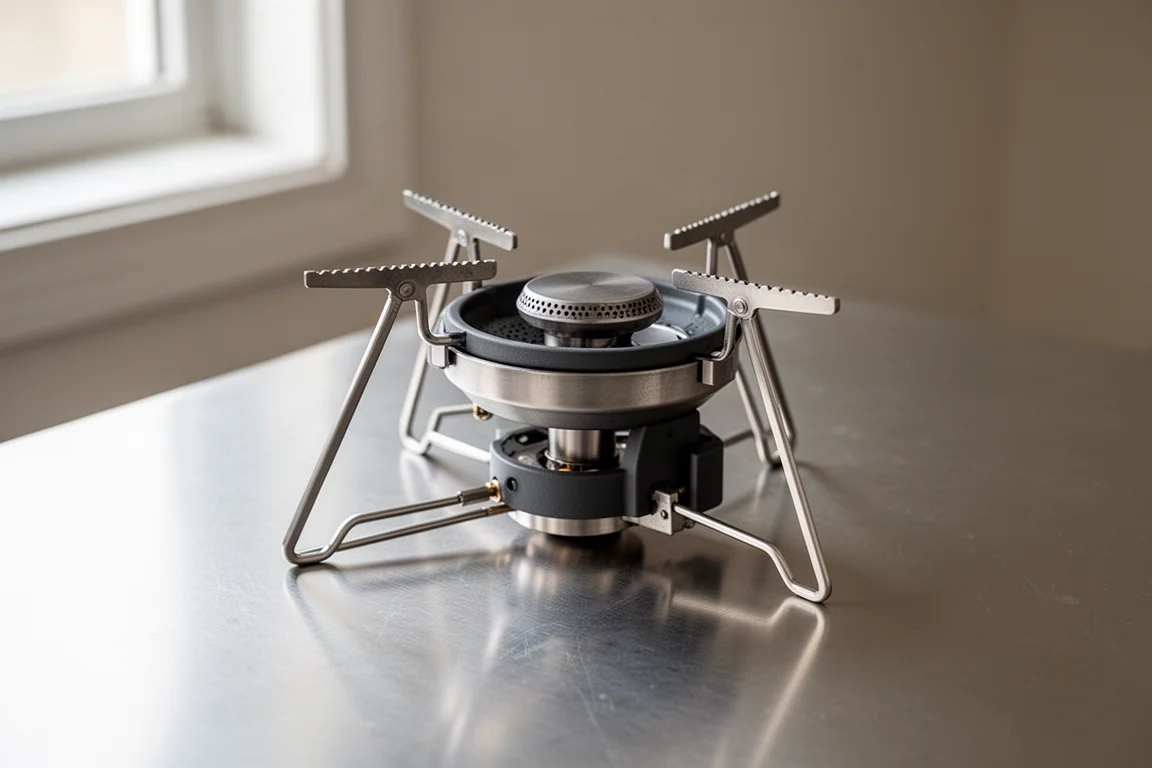
Best Companion Stove: Fire-Maple Green Peak Stove
Fire-Maple Green Peak Stove is the stove that pairs naturally with the Petrel G3 pot. Its three pot supports sit at 120-degree spacing, matching the slots in the base of that pot, so the two lock together into a more stable and more efficient setup than either part manages alone.
The pairing holds the burner close to the bottom of the pot, which improves fuel efficiency and helps when the wind picks up. As a kit, the stove and the matching pot come in under $50, making it one of the better value combinations for a lightweight cook setup.
Best Durable Bottle: Squawk Squawker 32 oz
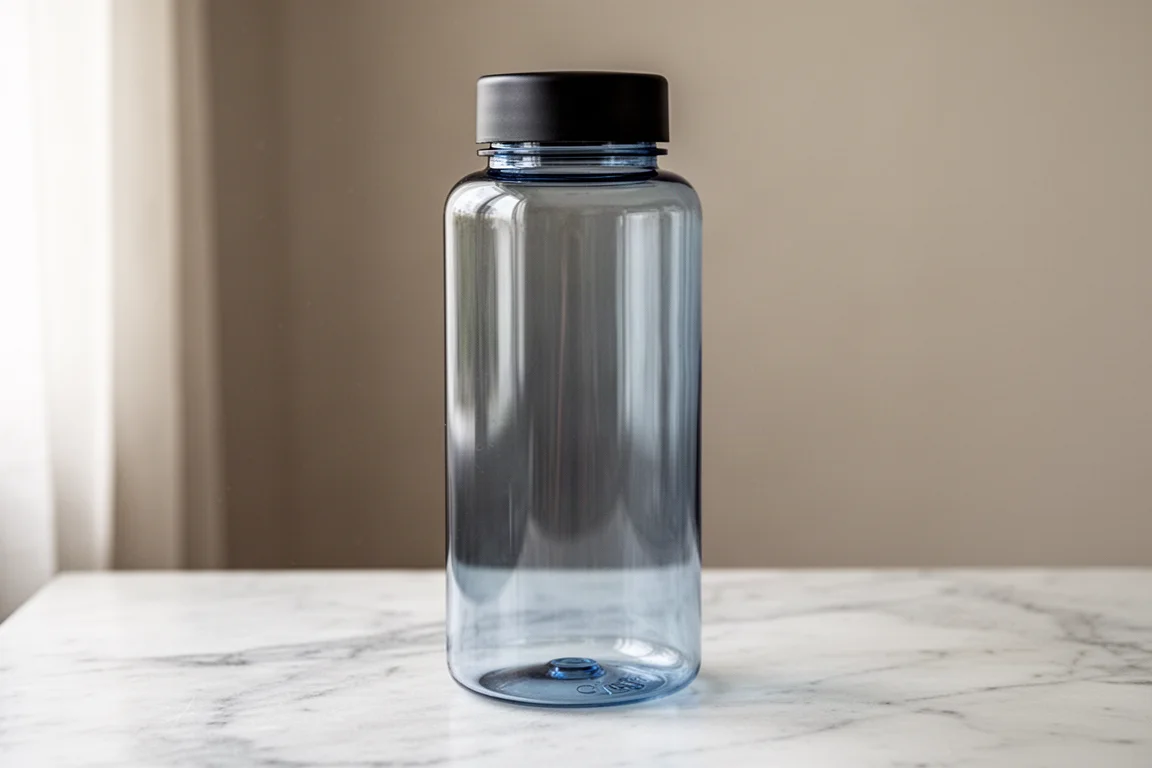
Squawk Squawker 32 oz is a wide-mouth bottle in the style of a standard Nalgene. It uses the same threading as a Nalgene, so it takes the same caps and accessories, and it is made from tough Tritan plastic.
Its dimensions match common disposable bottles, with the same diameter and the same height as an Essentia or Smartwater bottle. That means it slides into the same side pockets and pack sleeves those bottles fit, while being considerably more durable and reusable.
The practical advantage over a disposable bottle is heat tolerance. Hot water can go in without worrying about plastic leaching, so in cold months it can be filled with hot water, sealed, and used as a warming bottle inside a sleeping bag. That turns a simple water bottle into a piece of cold-weather comfort gear.
Best Trail Fuel: Tailwind Nutrition Endurance Fuel
Tailwind Nutrition Endurance Fuel is a drink mix built around liquid calories. Each packet provides 200 calories, which makes it possible to take on fuel while walking instead of stopping to eat, and it is especially useful on long climbs where appetite tends to fade.
It also carries electrolytes and carbohydrates, so one bottle handles hydration and fuelling instead of requiring separate products. On trips where you are moving all day, drinking calories is one of the simplest ways to keep energy levels steady.
Best Electrolyte Mix: Tailwind Nutrition Rapid Hydration
Tailwind Nutrition Rapid Hydration is an electrolyte mix with a deliberately subtle flavour. Plenty of mixes are aggressively sweet or salty, which becomes a problem when you are drinking them all day, and this one stays light enough to keep going back to.
The formula includes sodium, a little sugar, and some added calories, which is the combination that helps the body take on and hold fluid. It is the kind of effect you notice across a full day of hiking rather than in a single sip.
Overall Buying Advice
None of these items demands a big budget, and that is the point. The most useful approach is to buy into the pairings rather than the individual pieces: a water bag and a filter that work together, and a pot and stove that lock into each other. Those combinations cover the jobs that come up on nearly every trip.
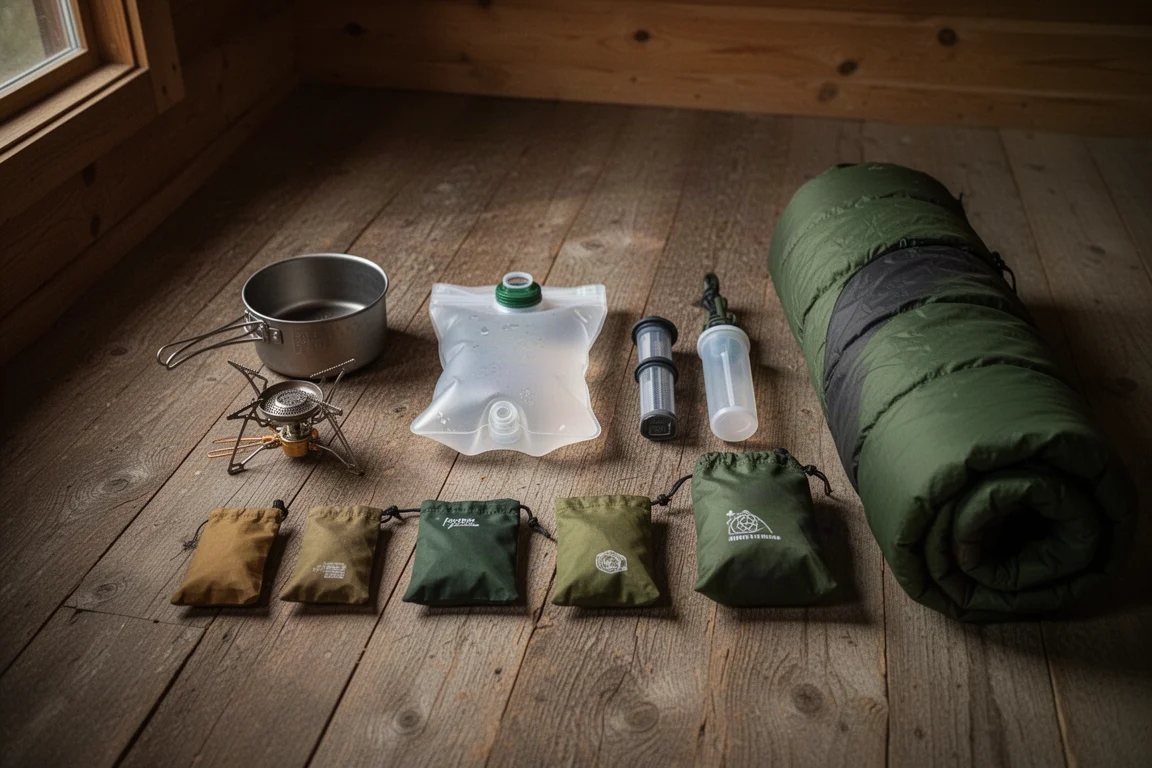
If you are starting from scratch, sort out water treatment and a cook setup first, since those two areas have the largest effect on how a trip feels day to day. A durable bottle, a trowel, and a small electronics kit are inexpensive additions that remove recurring annoyances. Nutrition is the last piece, and it is worth testing drink mixes on shorter hikes before relying on them for a long route.
Conclusion
The best backpacking gear is not the most advanced gear. It is the gear you stop thinking about, because it fills, filters, boils, charges, and fuels without drama, trip after trip. Everything here comes in under $50, and each item has earned its place by doing one job well over years of use. Build the kit around the systems that matter most to you, and the rest tends to fall into place.
Further reading
Related Reviews

Backpacking Gear
Building a 10 lb Base Weight: An Ultralight Backpacking Gear List
A practical walkthrough of the ultralight pieces behind a 10 lb base weight, from a 765 g pack and a roomy one-person tent to a full camp chair and a dependable water filter.
Backpacking Gear
A 15-Pound Lightweight Backpacking Gear List for Solo Trips
A beginner-friendly 15-pound backpacking setup built from easy-to-find gear, with notes on what each piece does, how it packs, and where to spend your attention.
Backpacking Gear
8 Ultralight Backpacking Gear Upgrades Worth Carrying
Eight small, affordable backpacking upgrades that solve real trail annoyances, from a pillow that stays put to a fuel valve that rescues leftover canister gas.