Backpacking Gear
Backpacking Gear Under $40: Seven Small Items That Earn Their Place
Seven compact backpacking items under forty dollars, from a pump that doubles as a lantern to a keychain multi-tool, with the practical details that matter.
Introduction
A backpacking kit does not need to be expensive to be useful. Some of the most valuable items are small, inexpensive, and quietly solve problems that would otherwise cost you time, comfort, or sleep. The seven items below all come in under forty dollars, and each one earns its place by doing something specific well rather than adding weight for the sake of it.
Some are multi-use tools that replace bulkier single-purpose gear. Others are small luxuries that change how a camp feels after dark. Together they cover the gaps that a shelter and a sleeping bag cannot.
What These Picks Have in Common
Every item here is small, light, and inexpensive, which matters when you are counting ounces and dollars at the same time. More importantly, each one solves a problem that shows up on real trips: inflating a pad without a wrestling match, cooking safely when the ground is uneven, having light at camp without the harsh glare of an LED, knowing how cold the night actually got, and repairing gear with something that already lives in your pack.
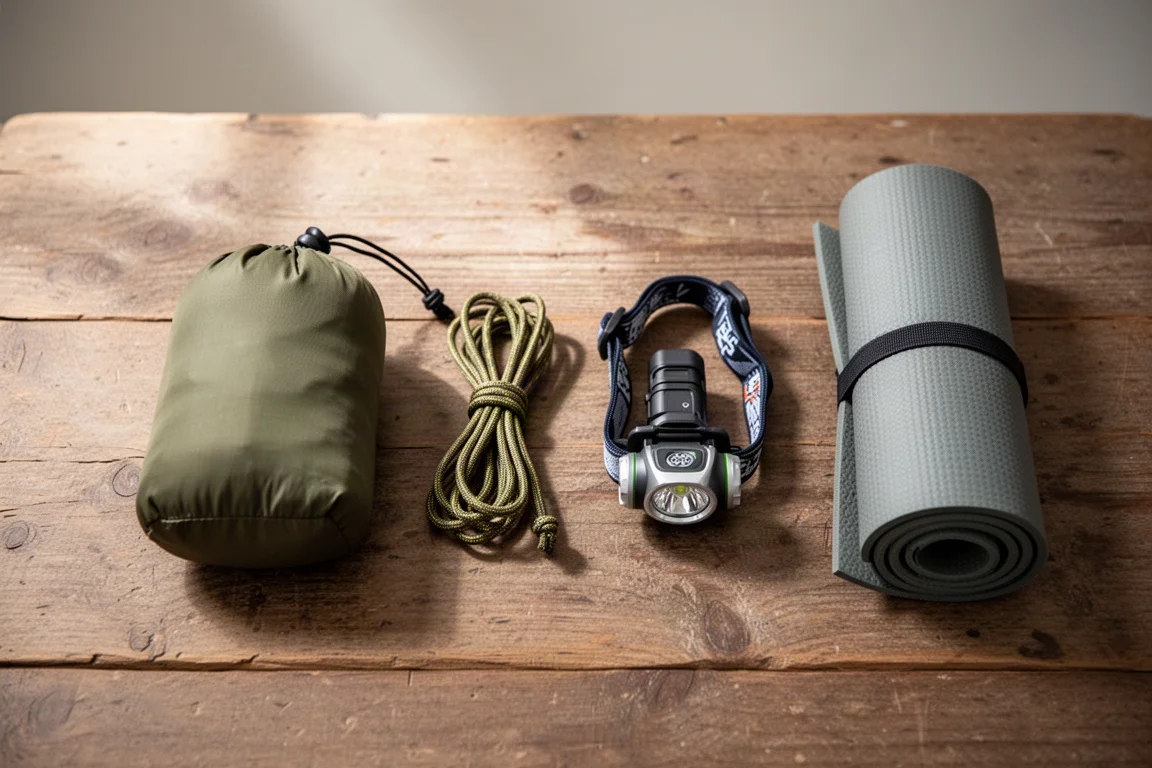
None of them are essential in the way a shelter or a sleeping bag is essential. They are the second layer of a kit, the pieces that turn a functional setup into one that is genuinely pleasant to use.
Flextail Gear Tiny Pump X2: Inflate and Light Up
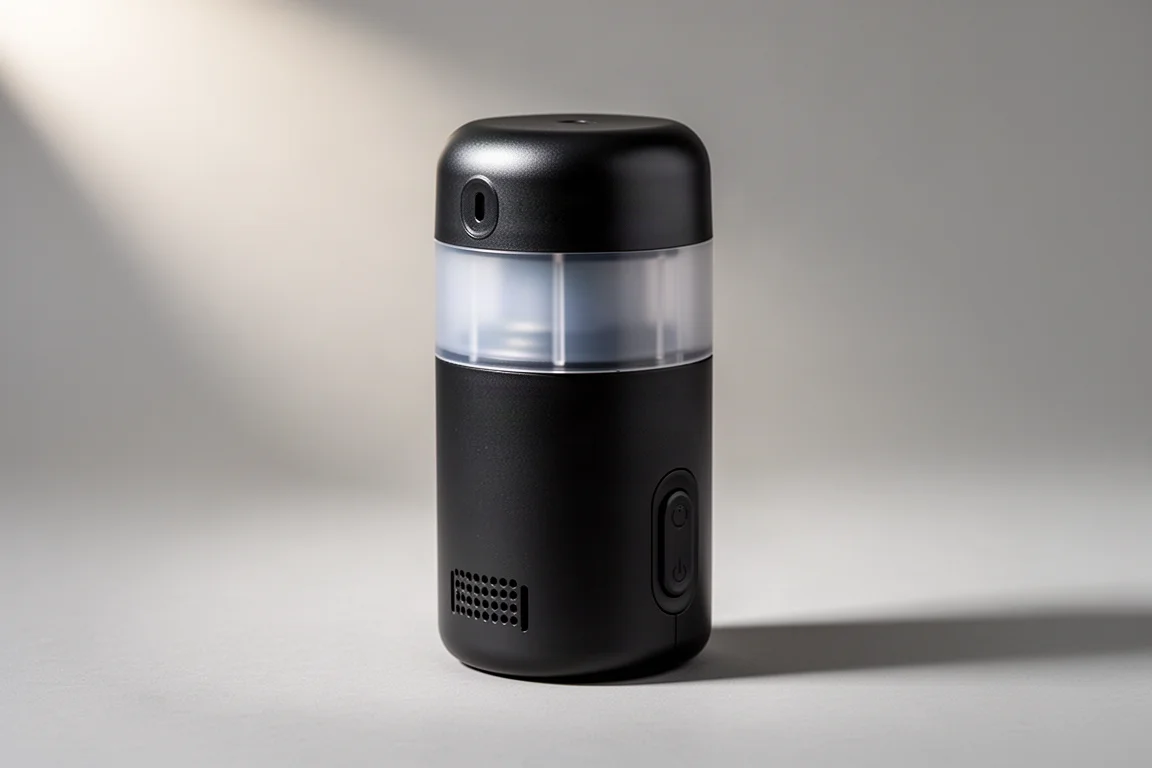
The Tiny Pump X2 is a palm-sized electric pump that inflates sleeping pads and pillows in a fraction of the time it takes to blow them up by mouth. It replaces the single-use pump sacks that come with many pads, which are awkward to handle and easy to leave behind.
Its second job is the reason it stands out. The same unit works as a lantern, so one small item covers both inflation and tent lighting. That combination is what makes it worth carrying: two problems solved by one object that takes up almost no space.
Camping Moon Adapter: A Stand and a Second Valve
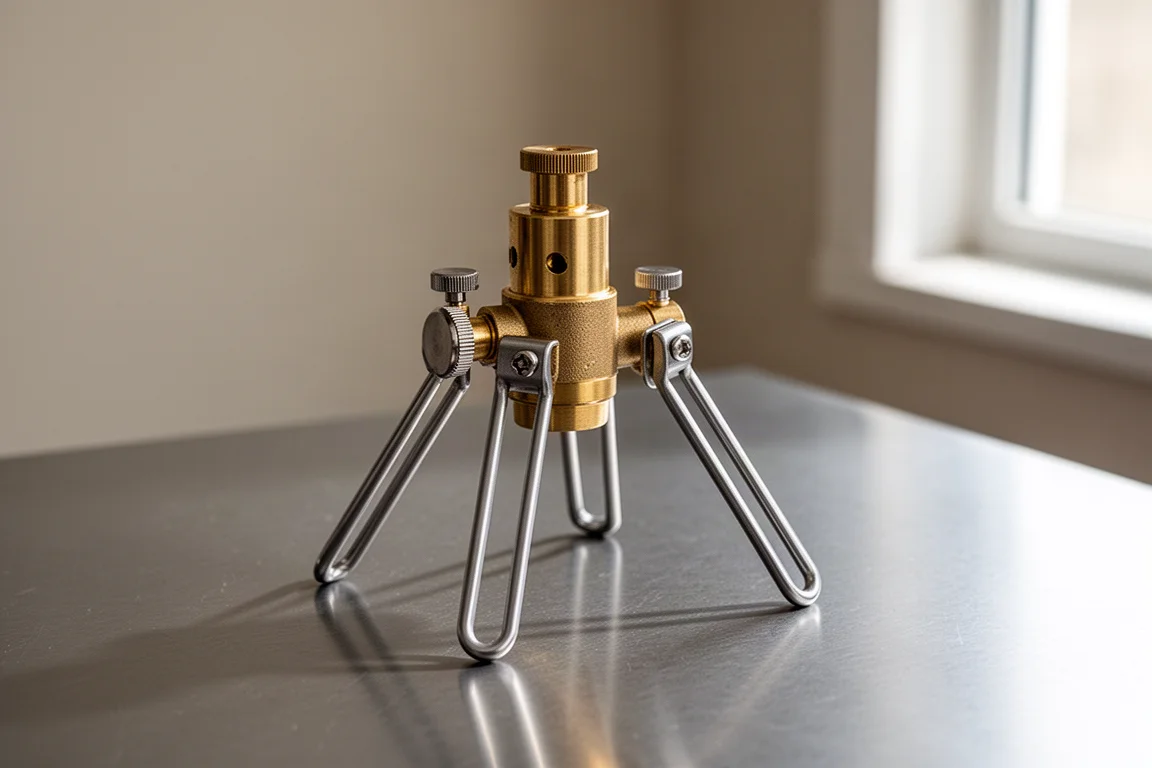
Upright canister stoves screw directly onto the top of a butane canister, which works fine until you want a lower, more stable cooking setup. This adapter has a stand at one end and a threaded connector at the other, and it turns a stove such as the Fire Maple Buzz into a remote canister stove with a wider base.
The remote layout also lets you invert the canister, which improves cold weather performance. The adapter carries two valves, so you can run two stoves at once from a single canister, or run one stove and attach a gas lantern on the second valve to cook and light the camp at the same time.
Fire Maple Orange Lantern: Warm Flame Light at Camp
A gas lantern changes the mood of a campsite. Instead of the white, directional light of a headlamp, a flame lantern gives a warm, low glow that is easier on the eyes and better for sitting around after dinner. It is also a practical answer when open fires are restricted or simply not an option.
The Fire Maple option is lightweight and arrives in a hard plastic case, which protects it in transit. For a low cost, it adds a genuinely pleasant evening ritual to a trip without adding meaningful weight.
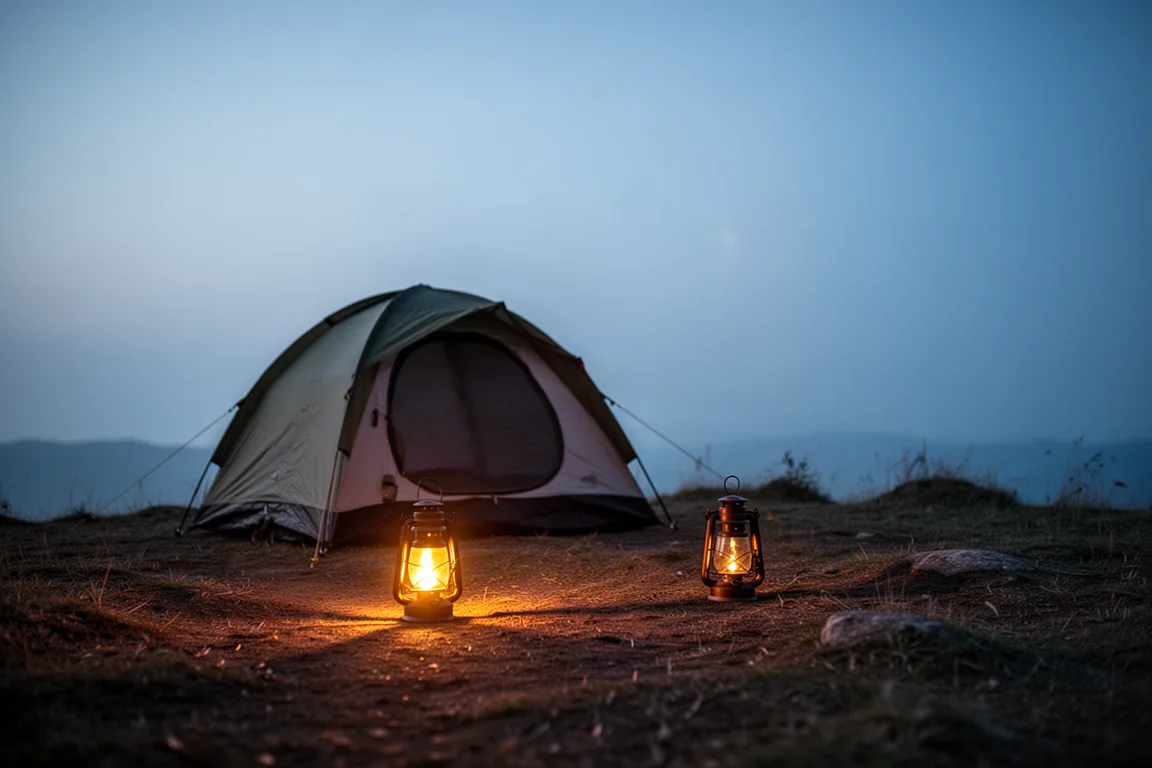
That warm light is the whole point. It is not a replacement for a headlamp when you need to see a trail or find something at the bottom of a pack, but it is far better company at the end of the day.
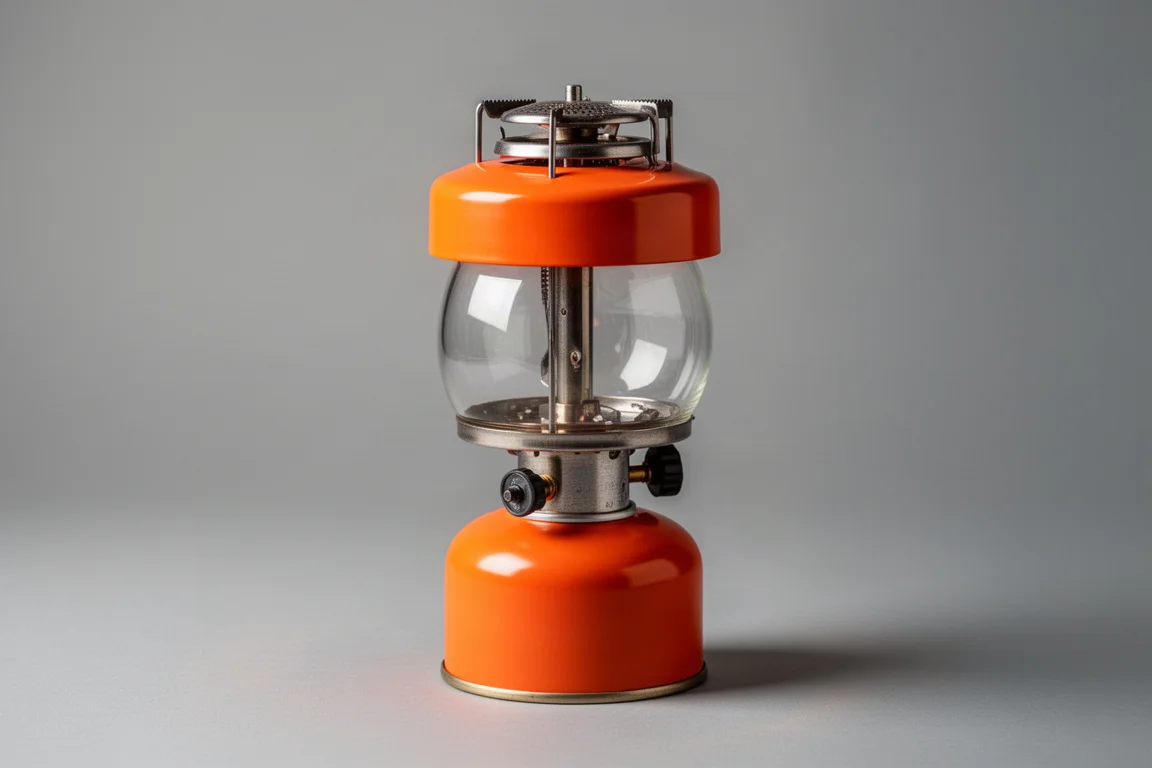
BRS Little Gas Lantern: Compact Flame Ambience
The BRS Little Gas Lantern does the same job in a slightly smaller package. It is a tad smaller than the Fire Maple model, which makes it easy to justify in a tight kit where every item has to earn its space.
Like any flame lantern, it delivers the same soft, warm light and the same camp atmosphere. It is a fun piece of gear more than a survival tool, and that is exactly why it tends to get packed trip after trip.
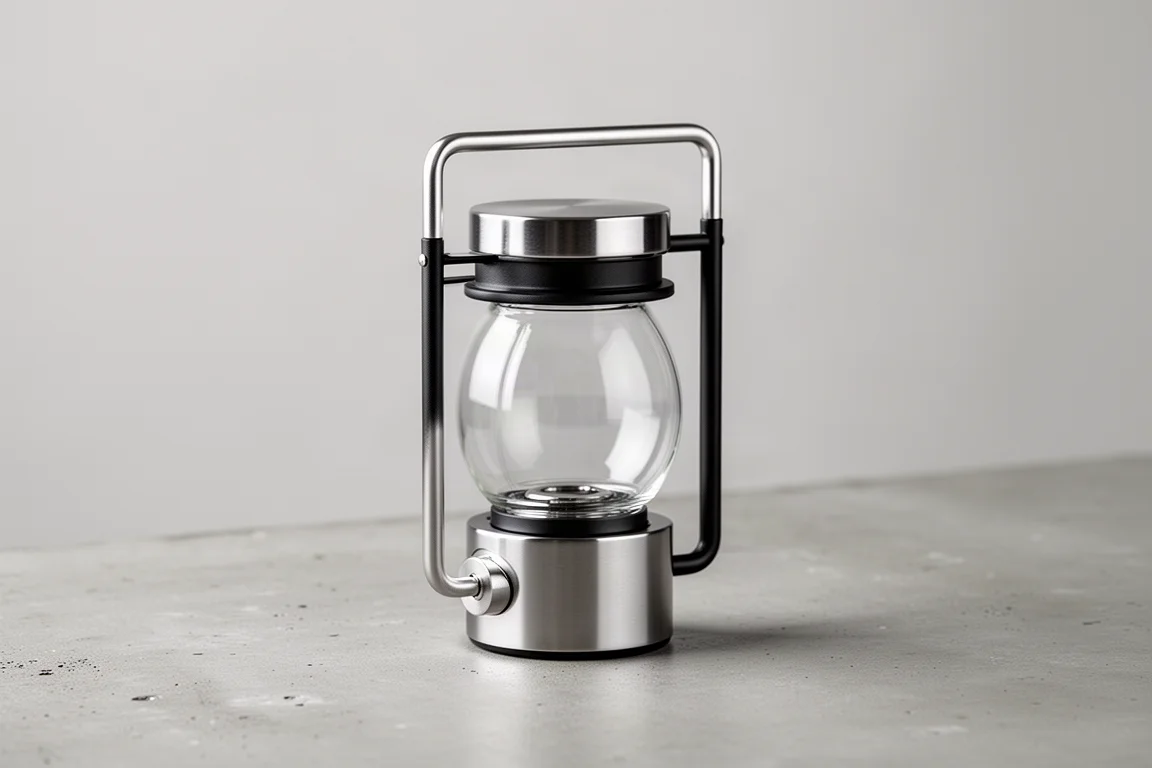
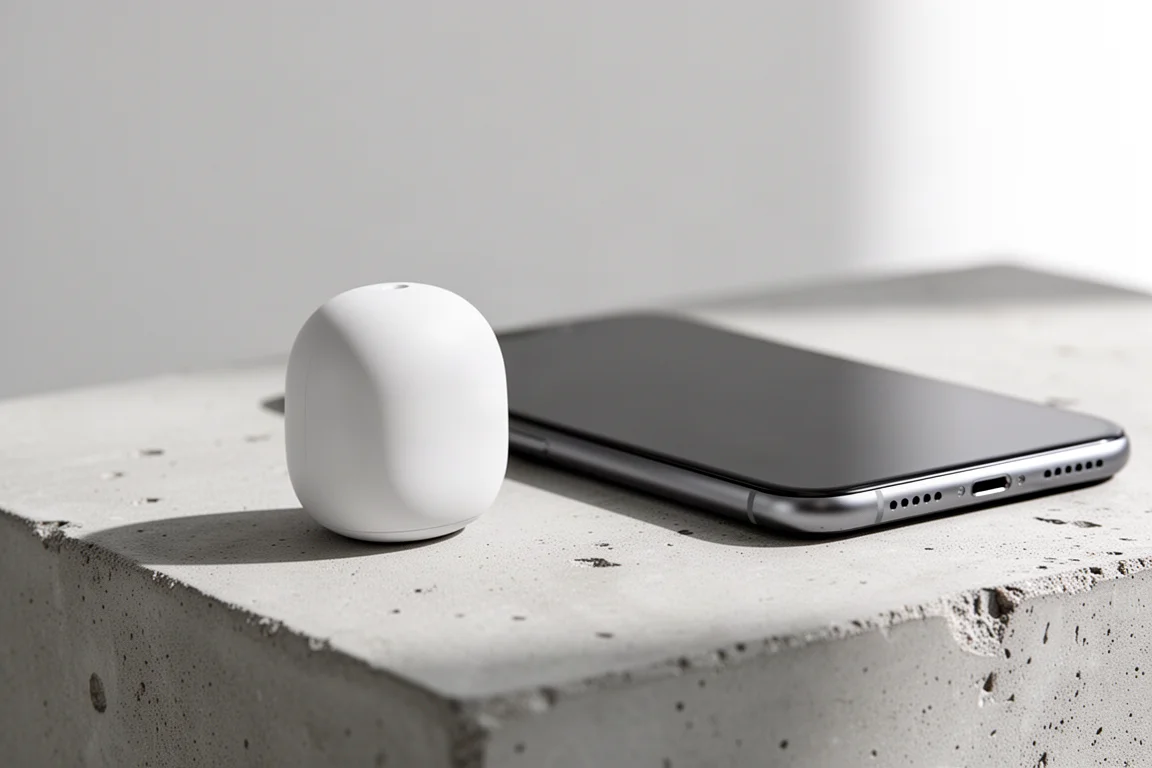
Govi Bluetooth Thermometer: Track the Overnight Low
A basic pocket thermometer tells you the current temperature. This one goes further by connecting to a phone app that records the high, the low, and the average temperature across a trip, along with the current temperature and the relative humidity of the area you are in.
That data is more useful than it sounds. Knowing the overnight low helps you judge whether your sleep system performed the way you expected, and it makes packing decisions for the next trip far less of a guess. At around fifteen dollars and next to no weight, it adds real information to every night out.
It is also a simple upgrade over a basic digital thermometer that only ever shows the ambient temperature at the moment you look at it. The recorded low is the number that actually matters when you are evaluating a quilt or a sleeping bag.
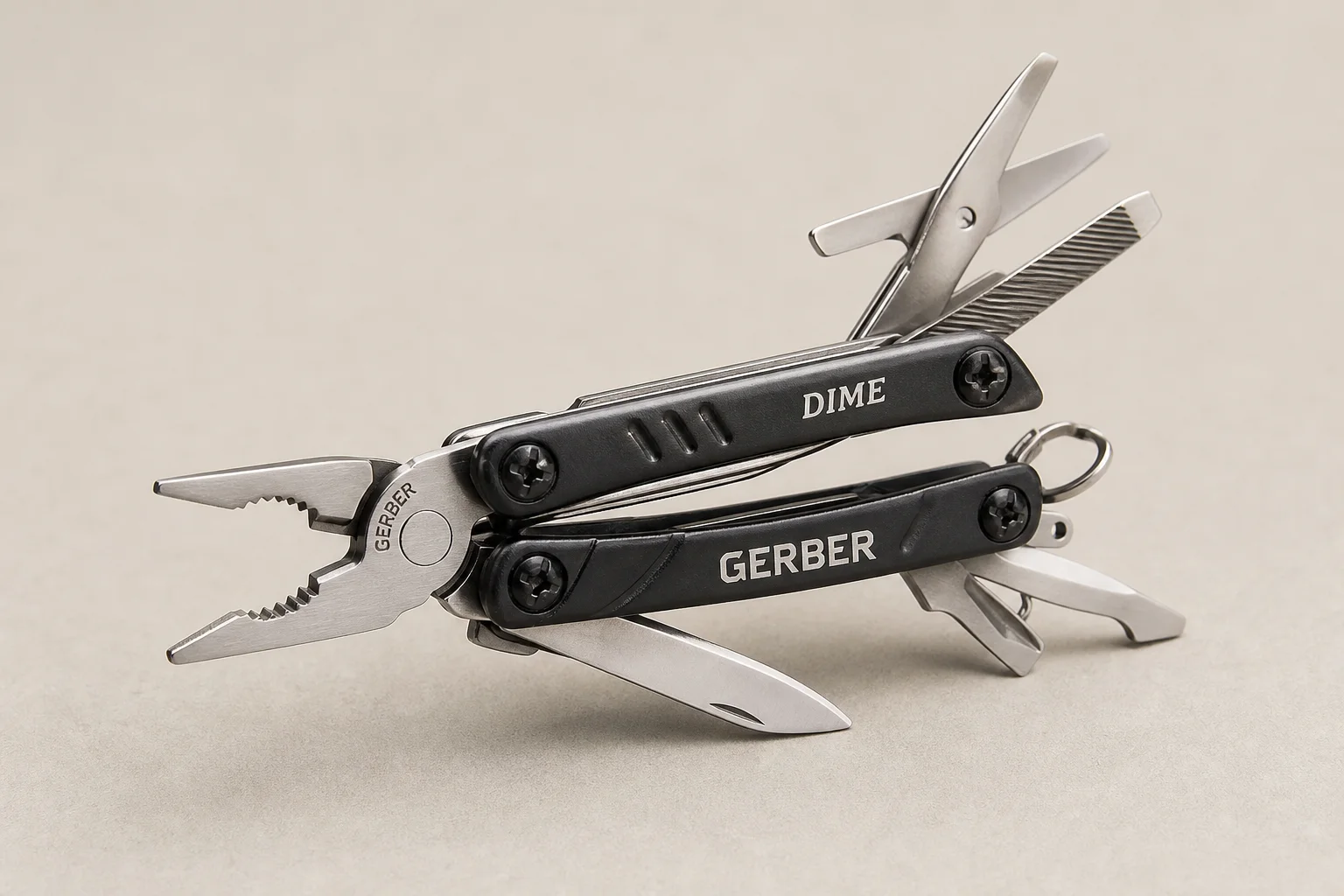
Gerber Dime: Small Pliers, Real Utility
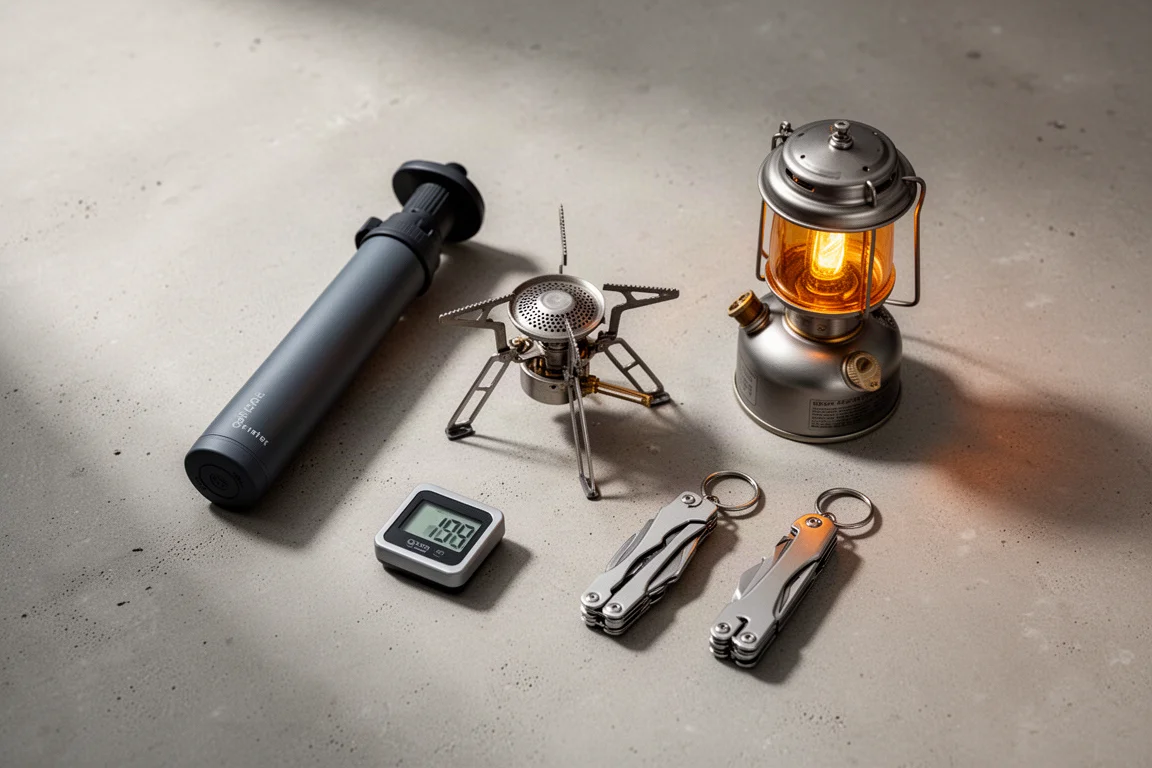
A tiny multi-tool is one of the most underrated items in a backpack. The Gerber Dime packs spring-loaded pliers, a small knife, and a flathead screwdriver into a keychain-sized body that weighs only a couple of ounces.
The screwdriver earns its keep more often than you would expect. Camera plates mounted on a backpack strap have a habit of working loose, and having a driver in your kit means you can tighten one up on the trail instead of living with a wobbling camera. The same tool handles small gear repairs and first aid tasks, which is why it tends to live in a first aid kit rather than loose in a pack.
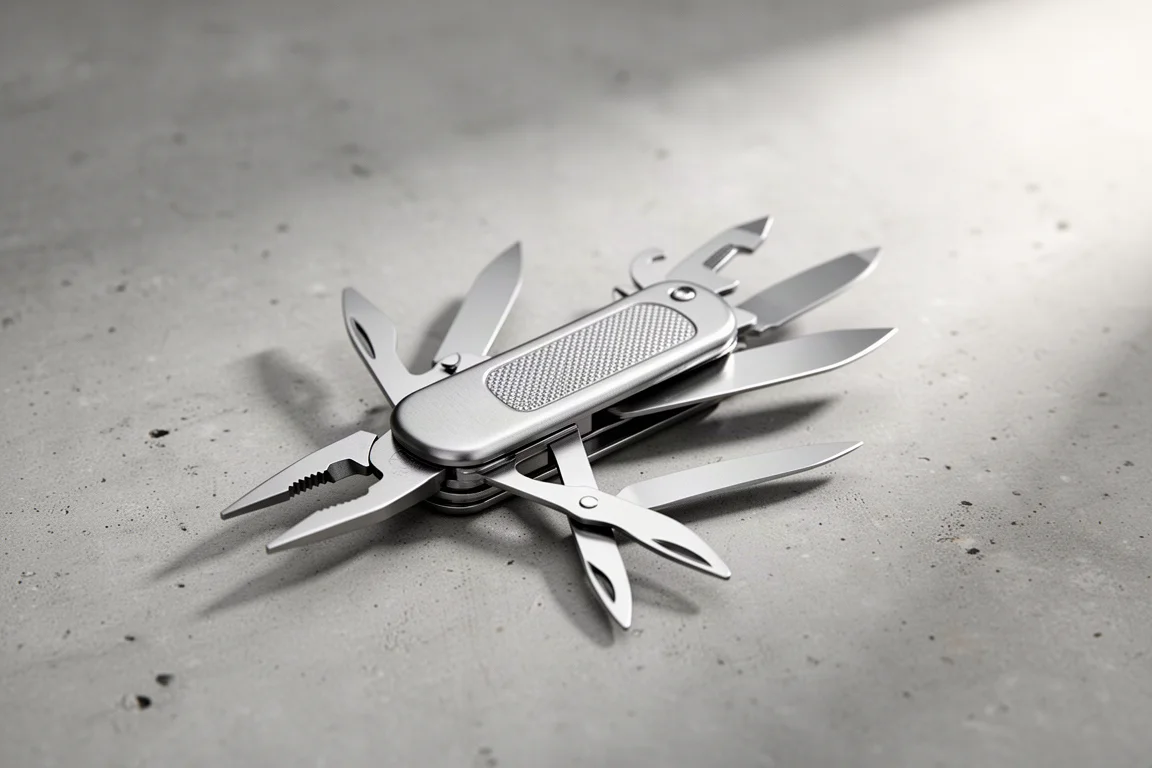
Leatherman Squirt: A Compact Alternative
The Leatherman Squirt is another option in the same size class. It offers the same core idea: a couple of ounces of steel that covers pliers, a blade, and small drivers when something needs adjusting.
Which one you carry comes down to preference rather than capability. Either way, the case for a compact multi-tool is straightforward. It costs very little, weighs very little, and turns a frustrating problem into a thirty-second fix.
Buying Advice: Matching Gear to Your Trips
Start with the problems you actually run into. If inflating a pad by mouth is the worst part of setting up camp, the pump and lantern combination is the obvious first purchase. If you cook on uneven ground or want to run a stove and a lantern from one canister, the adapter is the more valuable addition.
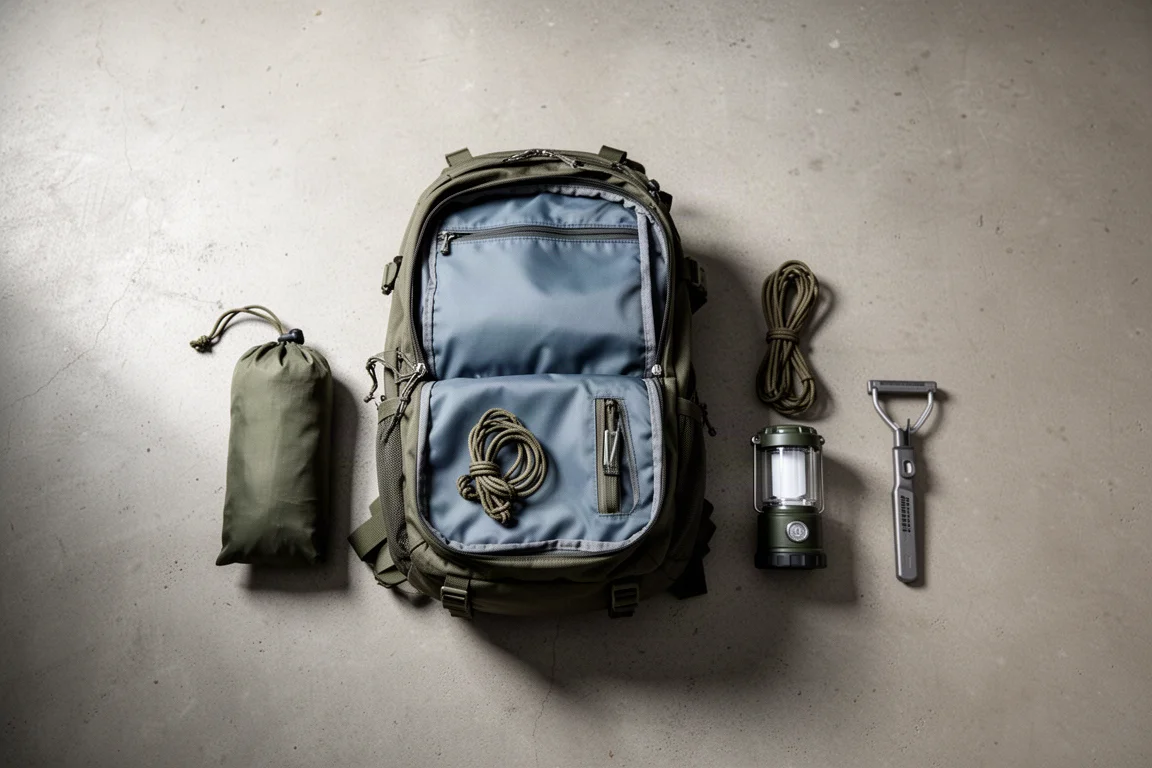
For everything else, the decision is simpler. A flame lantern is a comfort item that pays off on every trip where fires are not allowed. A Bluetooth thermometer is for anyone who wants to understand their sleep system instead of guessing. And a small multi-tool is worth carrying almost regardless of what else is in your pack, because the moment you need one, nothing else will do the job.
None of these items require a big budget. Together they cost less than most single pieces of core gear, and they make the rest of the kit work better.
Conclusion
The best budget gear is not the cheapest gear. It is the gear that quietly removes friction from a trip: a pump that doubles as a lantern, an adapter that steadies a stove and adds a second valve, a flame lantern for the evening, a thermometer that records the overnight low, and a keychain multi-tool for the small failures that always seem to happen at the worst moment. All seven items come in under forty dollars, and each one has a clear reason to be in the pack.
Further reading
Related Reviews

Backpacking Gear
Building a 10 lb Base Weight: An Ultralight Backpacking Gear List
A practical walkthrough of the ultralight pieces behind a 10 lb base weight, from a 765 g pack and a roomy one-person tent to a full camp chair and a dependable water filter.

Backpacking Gear
A 15-Pound Lightweight Backpacking Gear List for Solo Trips
A beginner-friendly 15-pound backpacking setup built from easy-to-find gear, with notes on what each piece does, how it packs, and where to spend your attention.
Backpacking Gear
8 Ultralight Backpacking Gear Upgrades Worth Carrying
Eight small, affordable backpacking upgrades that solve real trail annoyances, from a pillow that stays put to a fuel valve that rescues leftover canister gas.