Backpacking Gear
Backpacking Gear Trade-offs: Five Popular Items Worth a Closer Look
Five well-made backpacking items, each with one specific trade-off worth understanding before you buy.
Introduction
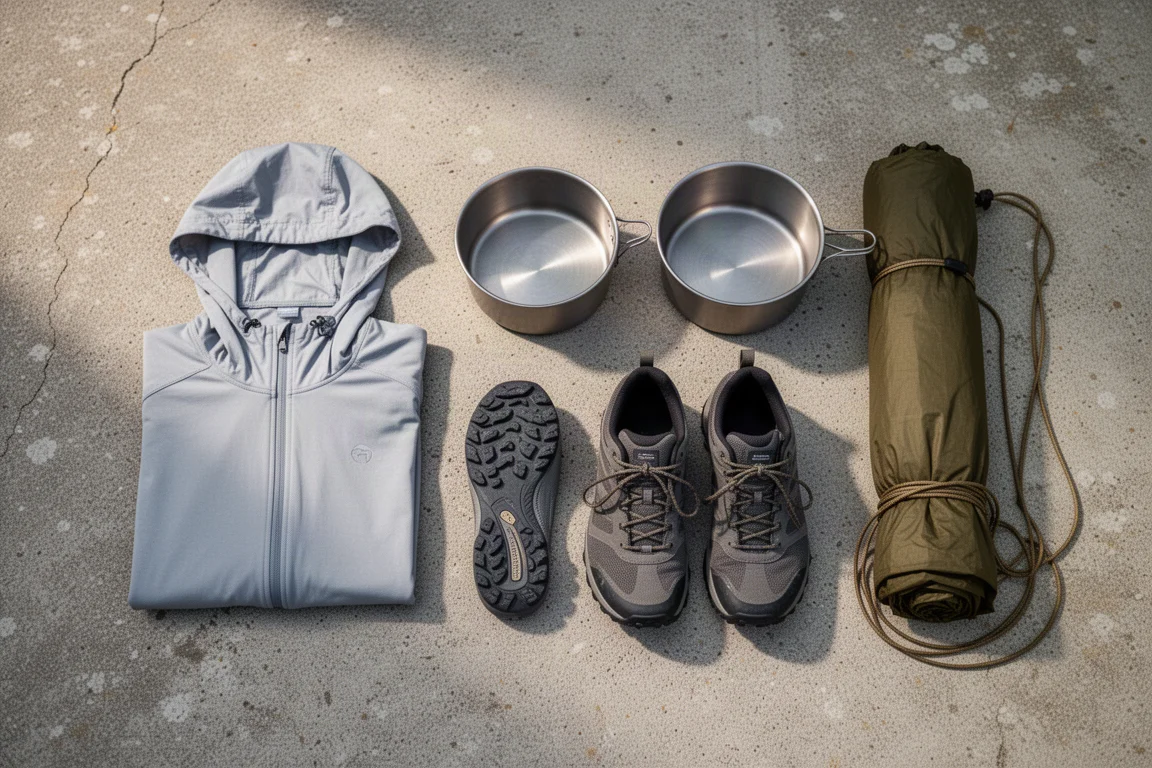
Some gear earns a permanent spot in a pack. Other gear is genuinely well made, technically impressive, and still turns out to be the wrong tool for a particular kind of trip. The five items below sit in the second group. Each one is a quality product, and each one carries a specific drawback that only becomes obvious after months of daily use on a long trail.
This gear was used across roughly 2,200 miles of hiking in a single season, which is enough distance to expose sizing mistakes, durability limits, and design compromises that a weekend trip would never reveal. None of these products is bad. They simply come with trade-offs worth understanding before you spend money on them.
What These Five Items Have in Common
All five products are well regarded in their categories, and all five have a clear use case where they perform well. The issues are less about outright failure and more about a mismatch between what a product is optimized for and what a long thru-hike actually demands.
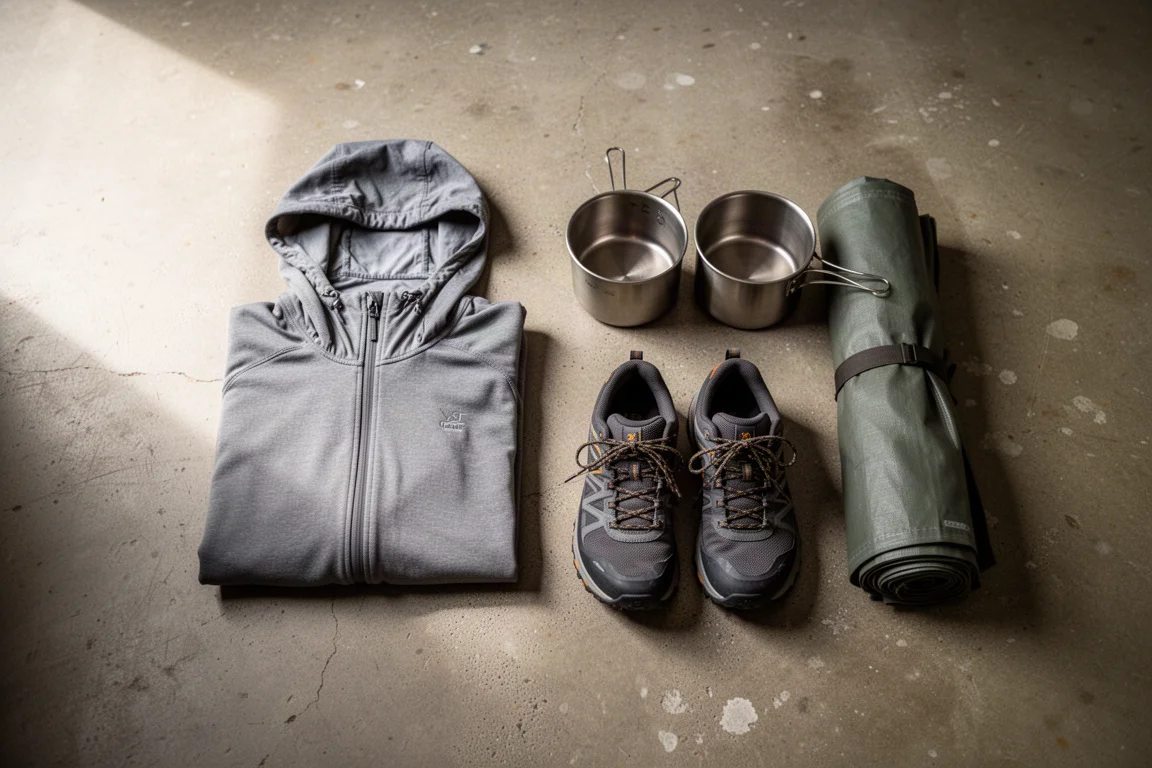
Two themes run through the list. The first is weight. On a long hike, carrying a heavier version of something that does the same job as a lighter alternative is a cost you pay every single day. The second is fit and durability, where small errors compound over hundreds of miles. A cook pot that is 100 ml too small, or a shelter that is a few inches too narrow, is a minor annoyance on a weekend and a daily problem on a five-month walk.
The goal here is not to talk anyone out of these products. It is to describe where each one works best, so the choice stays deliberate rather than accidental.
Outdoor Research Echo Sun Hoodie
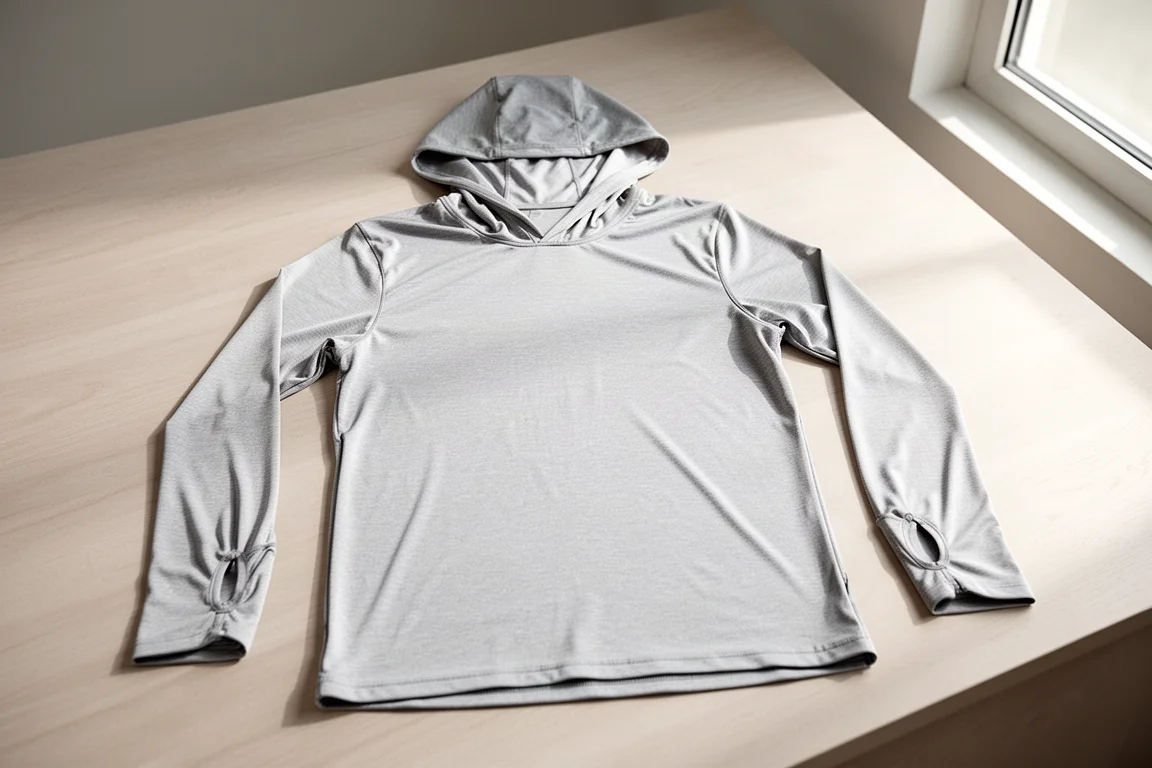
The Echo Sun Hoodie is the item on this list with the fewest functional complaints. It is very breathable, very light, and very airy, and the long sleeves and hood deliver full sun coverage without feeling heavy. It also proved durable, lasting more than 2,000 miles before developing a single hole.
For anyone shopping for a sun hoodie, that is close to an ideal result. The fabric stays comfortable in heat, the hood covers the neck and head, and the construction holds up over a full season of daily wear. On performance alone, it is a straightforward recommendation.
The reason it is not coming back is styling rather than function. Sun hoodies are a look, and that look is not for everyone. A classic button-up long-sleeve hiking shirt reads differently in town and on trail, and for hikers who prefer that silhouette, the switch back to a button-up is a matter of personal preference rather than a knock on the Echo.
Toaks 650ml Titanium Pot
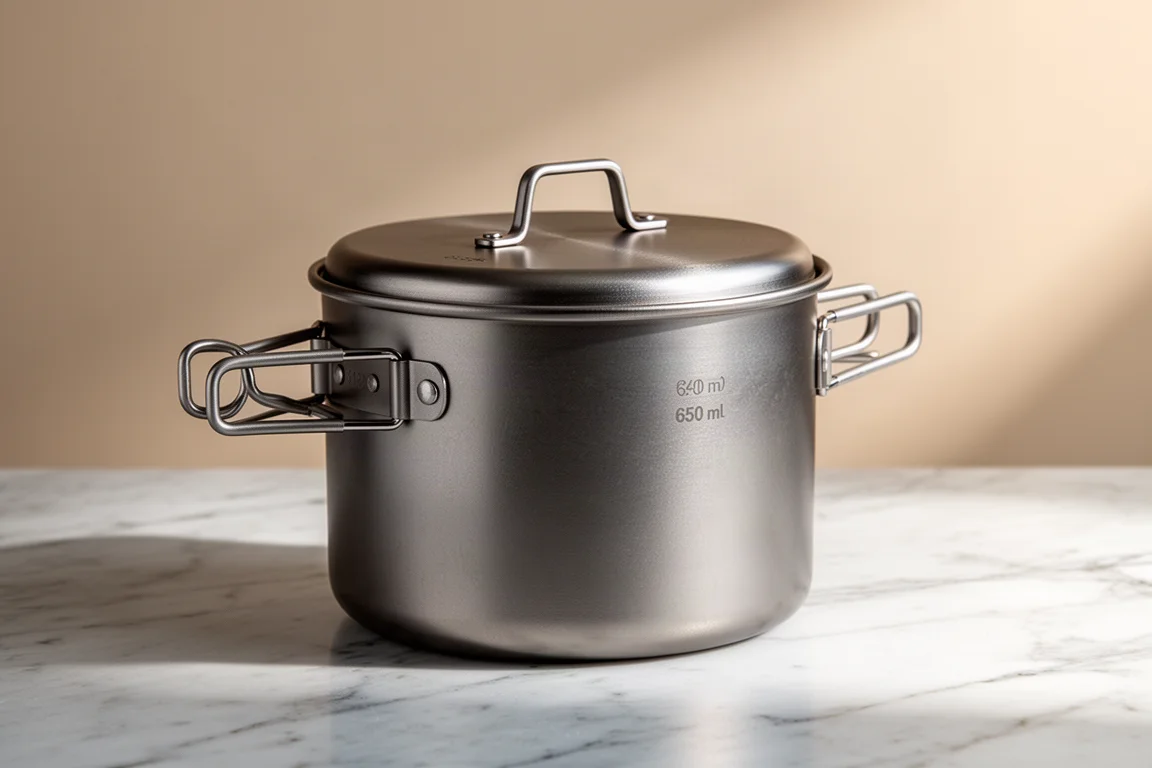
The 650 ml titanium pot from Toaks is exactly what a titanium cook pot should be: light, simple, and available in a wide range of sizes. The problem is not the pot. It is the size that was chosen.
As a solo pot, 650 ml is tight. It can work if the goal is to shave every possible gram, and for a very weight-focused hiker it will do the job. For most people, though, a step up to 750 ml makes for a noticeably more comfortable and more usable cook pot without adding much weight.
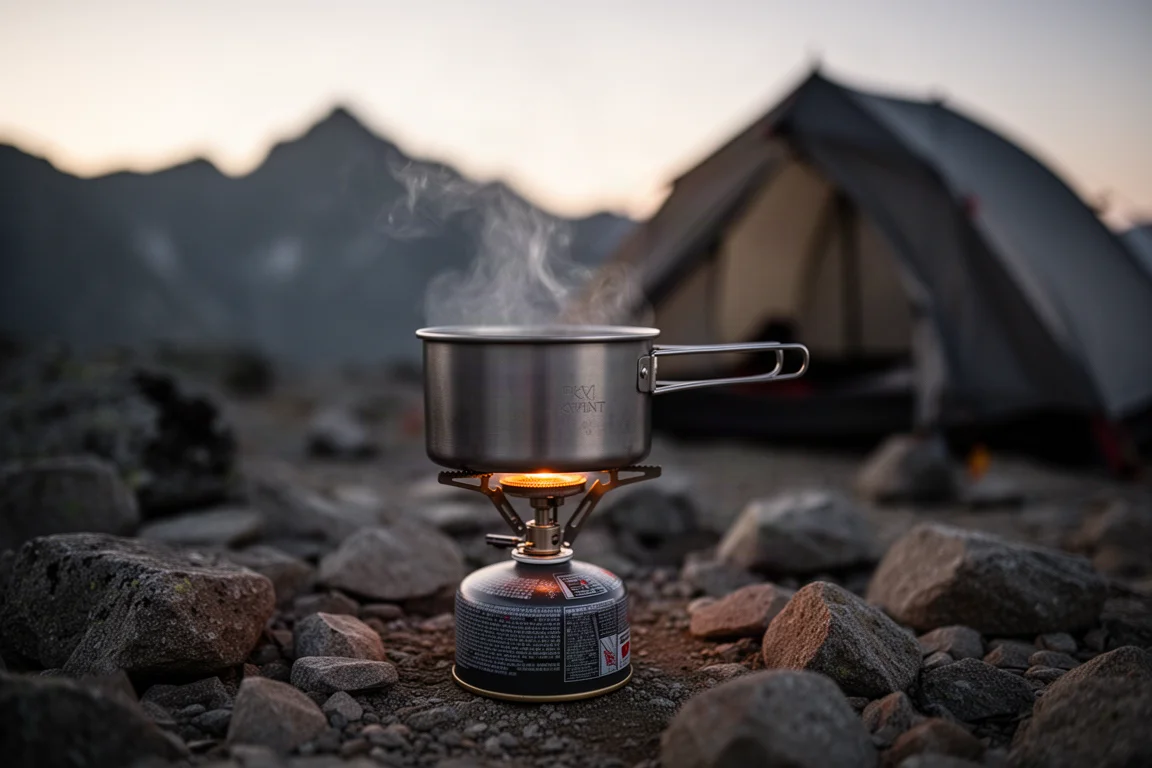
That is the trade-off to weigh before buying. The 650 ml rewards a minimalist kit, while the 750 ml rewards a normal appetite and a less fussy camp routine. Neither is wrong, but the smaller size asks more of the person using it.
Toaks 1100ml Titanium Pot
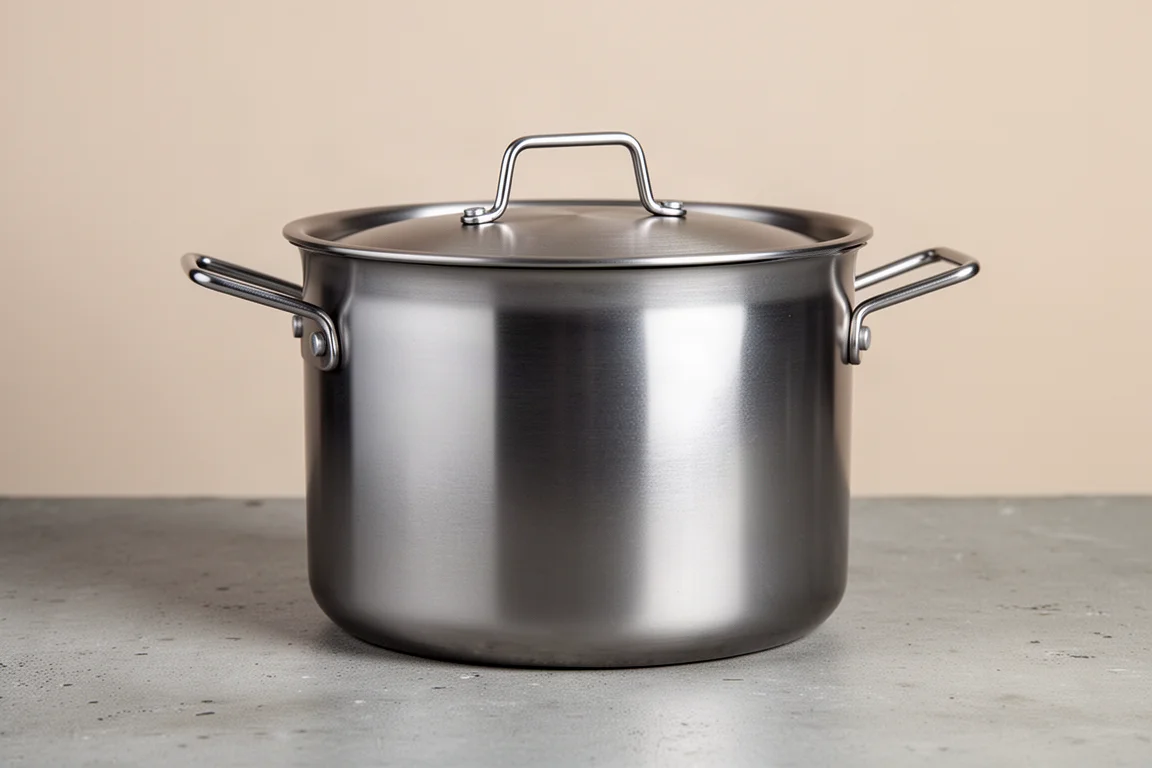
The 1100 ml pot is the same story at the opposite end of the range. It is a well-made, lightweight titanium pot, and it made a shared kit possible: one pot, one stove, and one fuel canister for two people instead of two of each. On a long hike, that consolidation is a real weight saving.
The catch is mealtime. Sharing a single pot means passing it back and forth, one bite at a time, and after a long day of walking that requires a level of patience that is easy to underestimate. It works, but it works best when both people have tested the arrangement on a short trip closer to home first.
For couples who would rather not manage that back-and-forth on a thru-hike, two pots is a reasonable answer, even at the cost of some extra weight.
Xero Mesa Trail
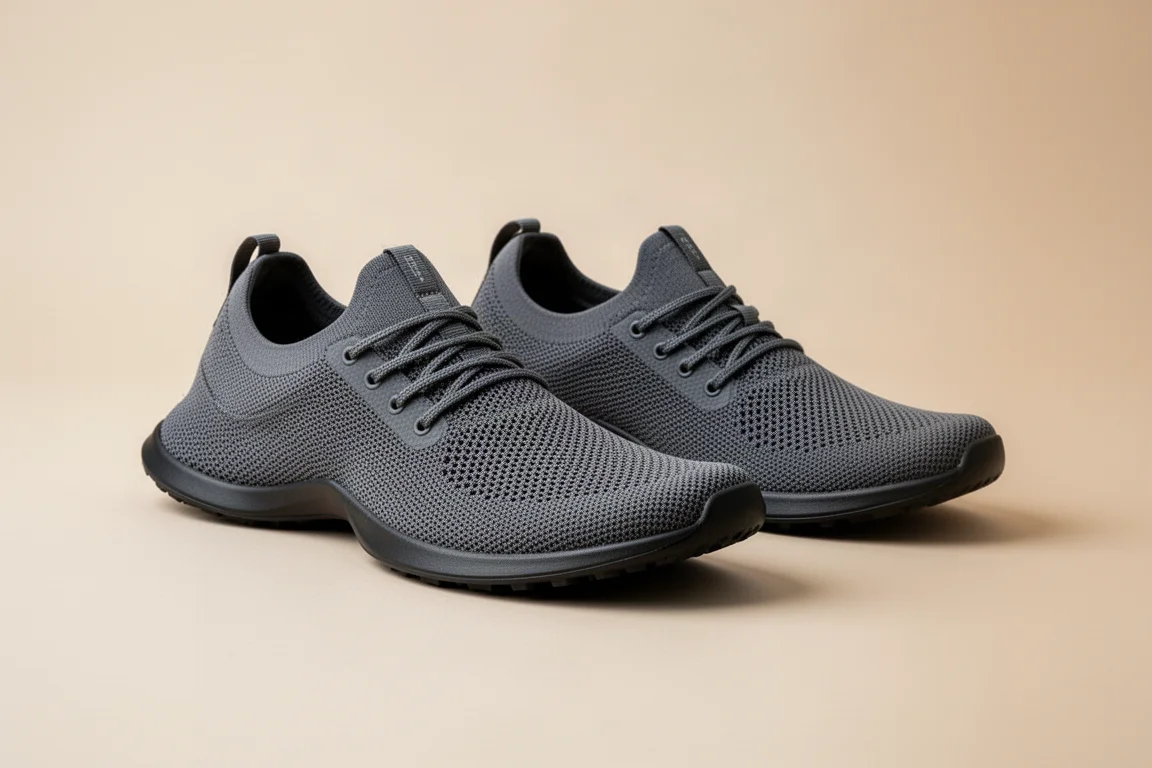
The Mesa Trail fits beautifully. It has a wide toe box, a foot-shaped profile, and a shape that feels natural on the foot from the first mile. For hikers who have spent years in minimalist footwear, fit is the easiest part of the story.
The difficulty is how minimal it is. The stack height is 8 mm, which is roughly half the cushioning of a Merrell Trail Glove at 14 mm, well under an Altra Superior at 21 mm or an Altra Lone Peak at 25 mm, and far less than a Hoka Speedgoat at 33 mm. On a thru-hike, where feet carry the entire trip and injury is common, that thin platform does not provide enough protection to feel confident day after day.
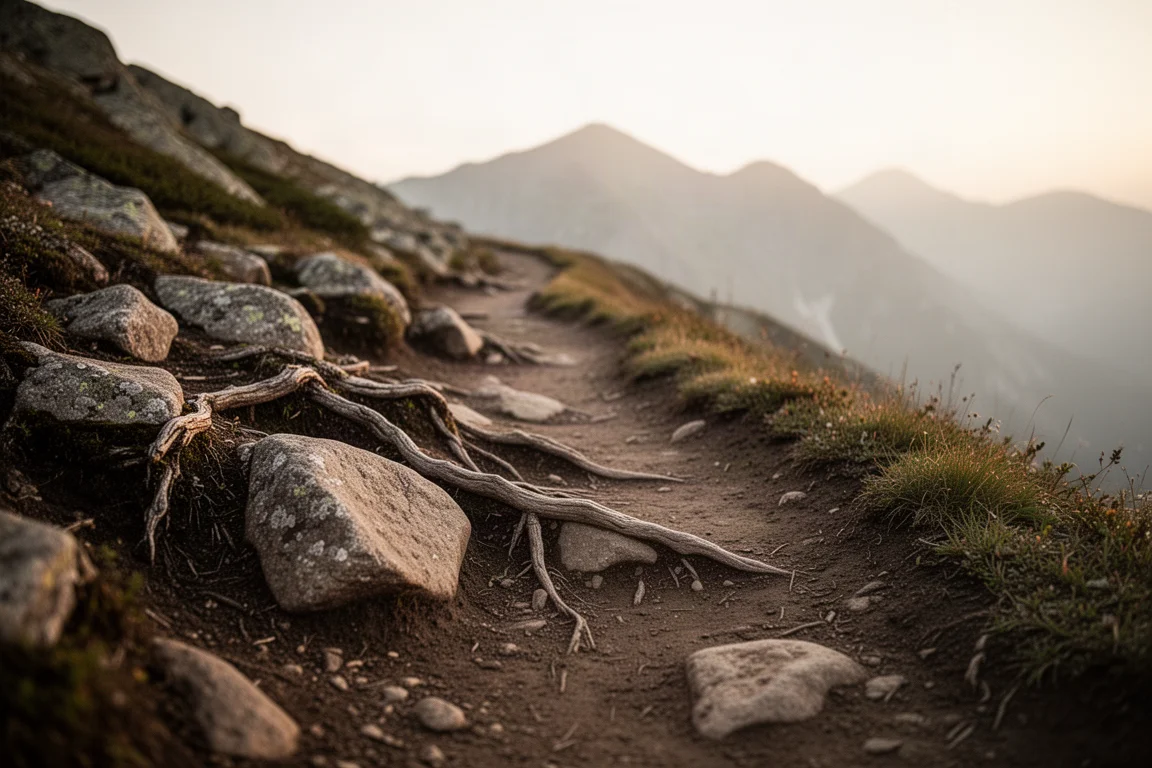
Durability raised further questions. The first pair came apart almost immediately, with the rubber outsole and the upper separating far enough to fit a hand between them. A second pair lasted about 300 miles before the lugs wore down quickly and the insole flattened, developed holes, and began tearing. Reaching 500 miles comfortably did not look likely, while many other hiking shoes manage that distance without drama.
None of that makes the Mesa Trail a bad shoe. It makes it a shoe for lower-stakes use: training, around-town miles, and building foot strength when the consequences of a rough day are small.
Yama Mountain Gear Cirriform 2P Tarp
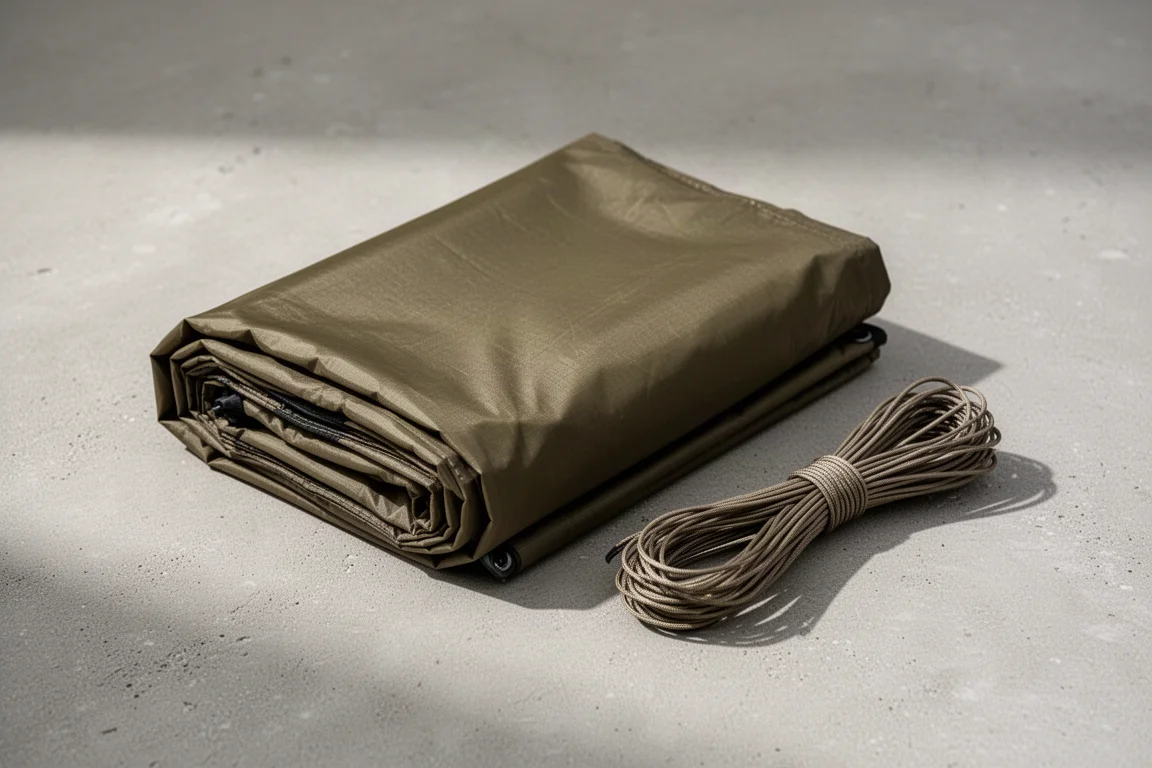
The Cirriform 2P is an ultralight shelter with one of the most interesting designs in backpacking. Catenary-cut ridgelines, the ability to stake it very low to the ground, and a fully enclosed shape add up to a tarp that is genuinely built for heavy wind and rain. In bad weather, it is easy to trust.
The complaint is width. For two people sleeping side by side, it is not wide enough to keep both sleepers protected. Through storm after storm, the slightest roll to one side meant exposure to rain or a soaked quilt, and on one night the fix was a barrier of sticks to stop rolling out from under cover. As a solo shelter it is excellent, offering generous interior space and storm-worthy protection. As a two-person shelter, the old rule that a two-person tarp is really a one-person tarp applies here.
Weight is the second consideration. On a scale, it comes in at 17.5 oz with all guylines attached and the seams sealed. That is not heavy in absolute terms, but for a tarp it is more than a stripped-down alternative, since a 7x9 flat tarp in Dyneema can weigh around 4.5 to 5 oz. The appeal of a tarp is partly the weight saving, and some of that is given up here in exchange for the enclosed, storm-ready design.
Still, this is a beautiful shelter and one of the most compelling designs in backpacking. For a solo hiker who wants a tarp that handles serious weather, it is easy to recommend.
Buying Advice
The pattern across all five items is worth internalizing before the next purchase. A product can be excellent in isolation and still be the wrong fit for a specific trip style, and the difference usually comes down to a handful of measurable details: capacity, stack height, shelter width, and total weight.
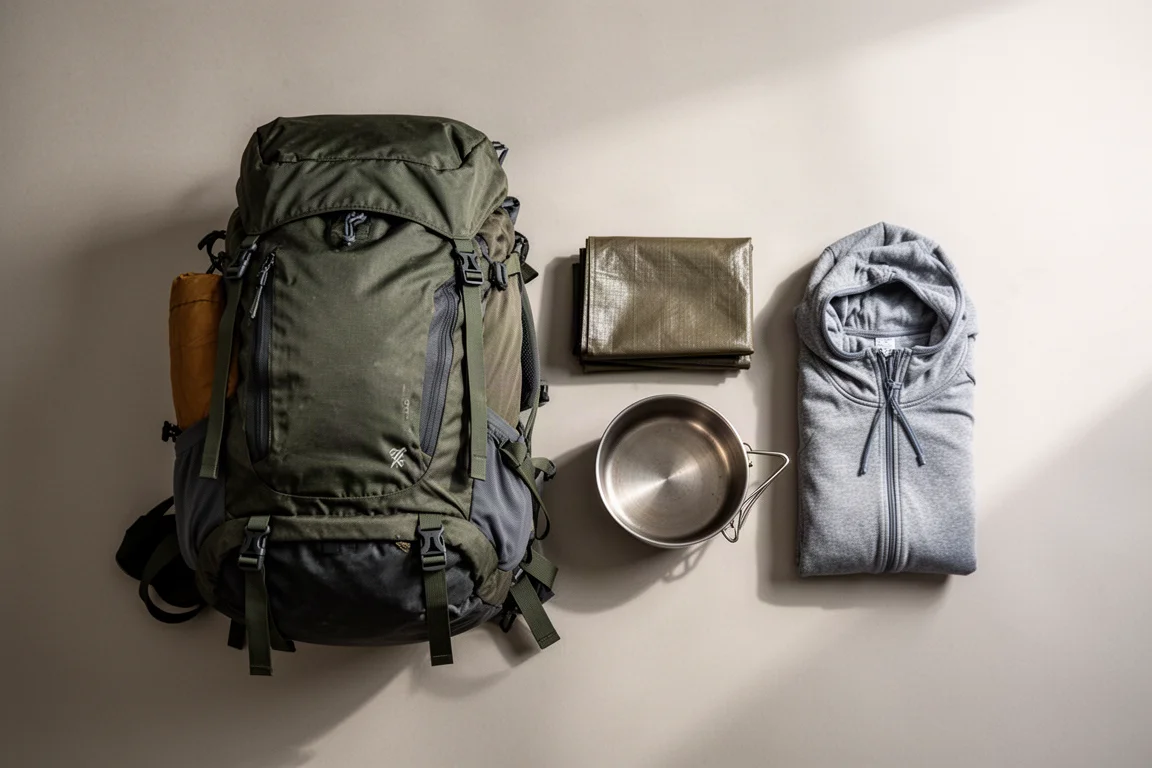
For sun protection, the choice is largely between a hooded sun shirt and a button-up, and both work well. For cookware, size matters more than material, and the gap between 650 ml and 750 ml is more noticeable in daily use than the gap between two similar pots. For footwear, cushioning is a safety and comfort decision on a long hike rather than a matter of taste. For shelters, the honest question is how many people will actually sleep underneath in bad weather.
None of these decisions requires spending more. They require matching the product to the trip.
Conclusion
Every item here is good gear. The Echo Sun Hoodie is a superb sun shirt whose only real drawback is a matter of style. The Toaks pots are well-made titanium cookware, and the only issue is choosing the right size for how you eat. The Mesa Trail fits wonderfully but is too minimal for a months-long walk. The Cirriform 2P is a storm-worthy shelter that works best for one person.
Buy with those specifics in mind, and each of these products can be a good decision rather than a lesson learned on trail.
Further reading
Related Reviews

Backpacking Gear
Building a 10 lb Base Weight: An Ultralight Backpacking Gear List
A practical walkthrough of the ultralight pieces behind a 10 lb base weight, from a 765 g pack and a roomy one-person tent to a full camp chair and a dependable water filter.

Backpacking Gear
A 15-Pound Lightweight Backpacking Gear List for Solo Trips
A beginner-friendly 15-pound backpacking setup built from easy-to-find gear, with notes on what each piece does, how it packs, and where to spend your attention.

Backpacking Gear
8 Ultralight Backpacking Gear Upgrades Worth Carrying
Eight small, affordable backpacking upgrades that solve real trail annoyances, from a pillow that stays put to a fuel valve that rescues leftover canister gas.