Backpacking Gear
Backpacking Gear to Watch: Six Small Upgrades That Solve Real Trail Problems
Six ultralight backpacking accessories that each fix a specific annoyance, from measuring water on trail to keeping meals hot in freezing conditions and stowing trekking poles hands-free.
Introduction
Ultralight backpacking rewards small ideas. A device that saves a few grams, or a few seconds of fumbling, can change how a long day on trail feels. The six items in this guide all follow that same logic. None of them are headline gear. Each one removes a specific annoyance that most backpackers have quietly learned to live with, whether that is guessing how much water to add to a freeze-dried meal or juggling trekking poles while you try to eat a snack.
Each entry below covers what the item does, where it genuinely helps, and what to check before you buy. Prices are noted where they are known.
What to Look For in Ultralight Backpacking Gear
Three questions separate a useful upgrade from dead weight. First, does it solve a problem you actually run into, or does it simply add a step? Second, how does it interact with the gear already in your pack, since a clever accessory that only works with certain bottle threads or pole diameters can create more trouble than it removes. Third, does the benefit justify the weight and the cost?
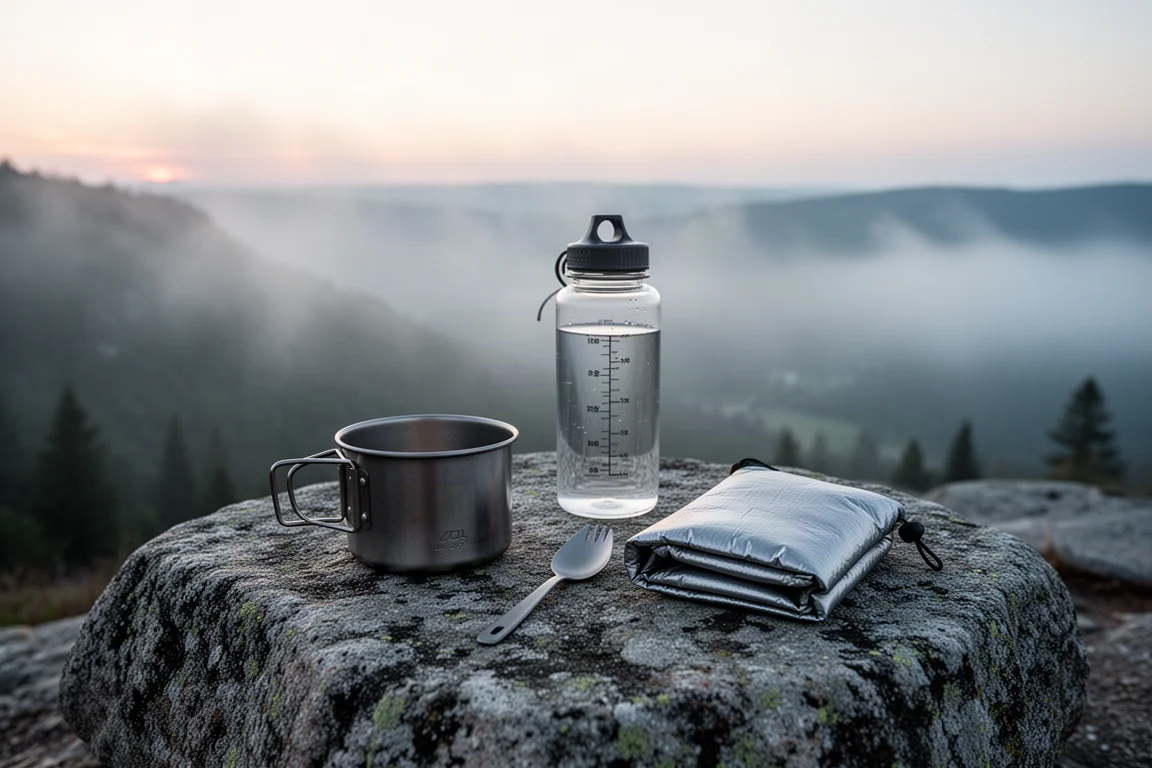
A good ultralight accessory tends to be small, quiet, and easy to forget about until the moment you need it. The items below were chosen with that in mind, and each one has a clear place in a pack rather than a vague promise of convenience.
Bottle Genius: Measuring Water Without a Measuring Cup
Measuring water on trail looks trivial until you get it wrong. Pots often carry markings in units that do not match the instructions on a freeze-dried meal, and converting ounces to millilitres in your head at the end of a long day rarely goes well. Add too much water and dinner turns into soup.
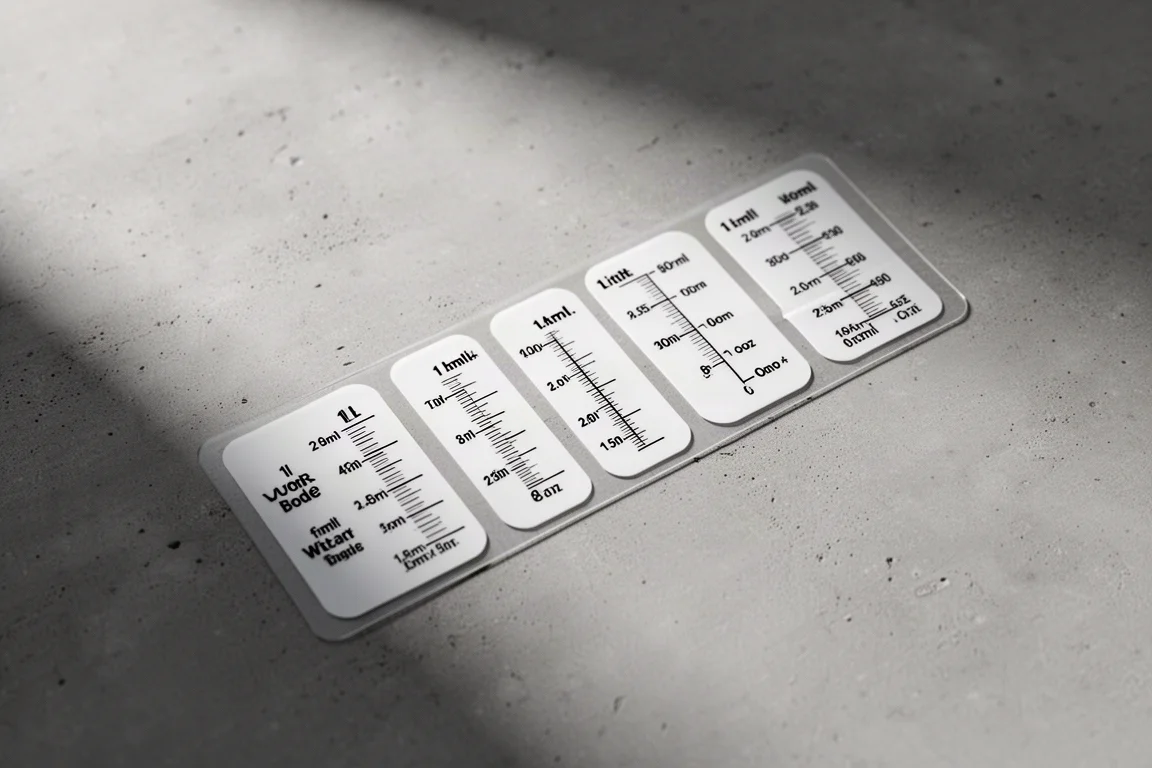
Bottle Genius is a sticker that attaches to the side of a standard water bottle and turns that bottle into a measuring tool, with markings in cups, millilitres, and ounces. It is most useful when you are cold soaking meals, or rehydrating food with a pot or cup that does not show the units you need. At $4 it is one of the cheapest ways to remove a recurring source of guesswork.
Pack Pack Designs Insulated Pouch: Warm Meals in Freezing Conditions
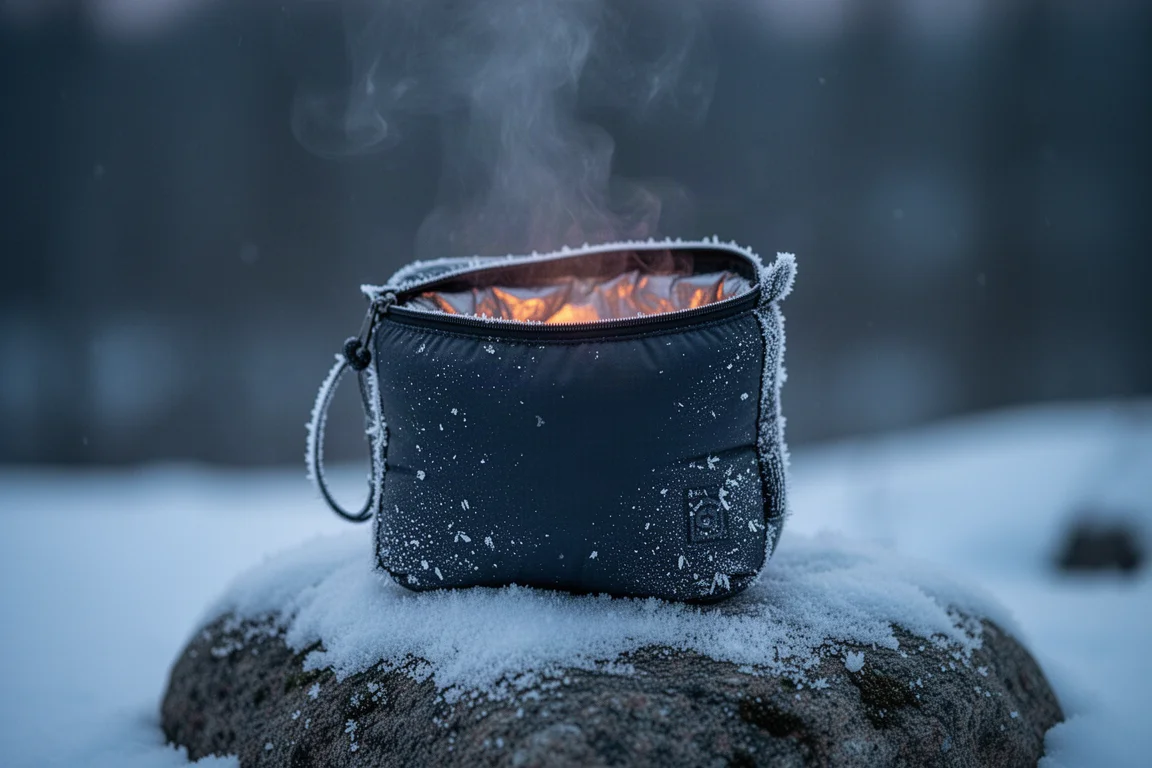
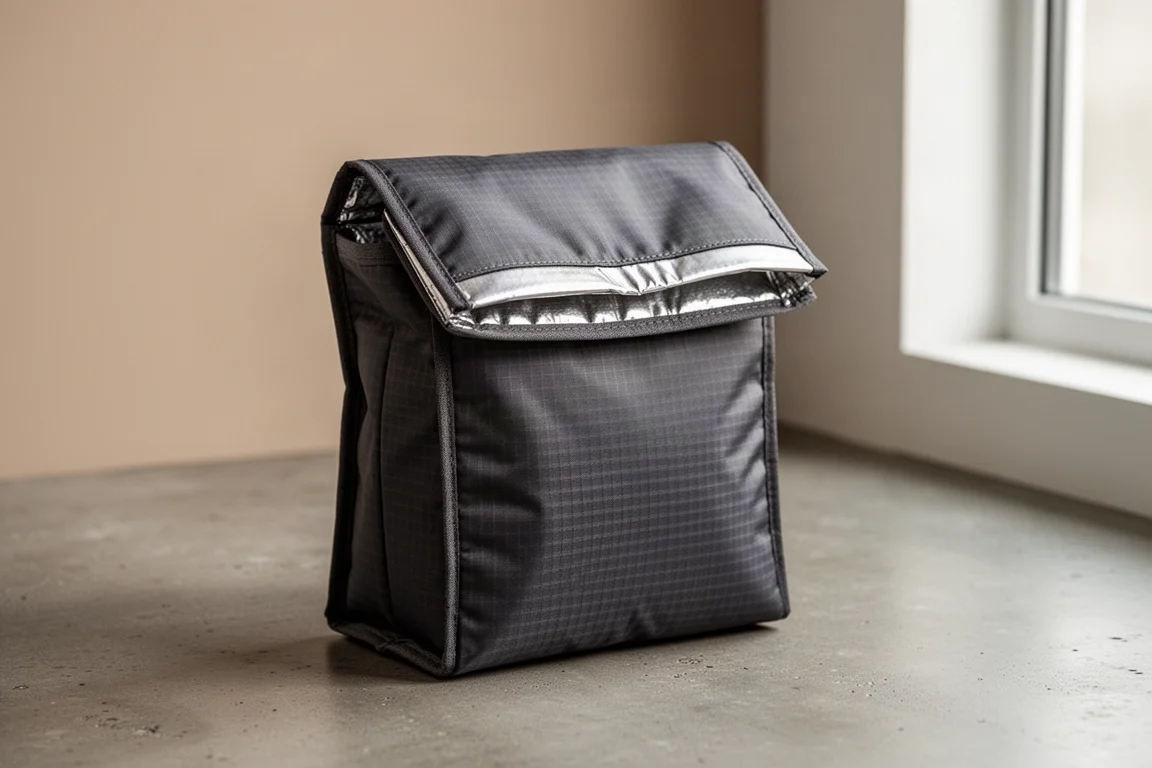
When temperatures drop below freezing, a freeze-dried meal left exposed to the cold rehydrates poorly and arrives at the spoon lukewarm at best. A homemade reflective sleeve can help, and plenty of backpackers use one. The Pack Pack Designs insulated pouch takes the same idea further with Climate Shield insulation, which packs down small but insulates effectively.
In conditions around minus 20 degrees Celsius, a meal stayed warm throughout the entire 10 minute rehydration process, to the point where it was almost too hot to eat straight away. The pouch costs $35, which is significantly more than a homemade sleeve, and that is the main trade-off. A useful bonus is the fold-down back flap, which lets you keep the meal inside and use the pouch as a hand warmer while you eat.
If you regularly rehydrate meals in cold weather, this pouch addresses both the temperature problem and the packability problem in a single item. If most of your trips run mild, a simpler sleeve will usually be enough.
Stick Stasher: Hands-Free Trekking Pole Storage
Trekking poles earn their place by improving stability on descents and taking load off knees, hips, and ankles, which helps you cover more ground with less soreness. The awkward part is everything in between. You want both hands to eat a snack, send a message, or deal with a ladder or a chain section, and stowing poles properly takes longer than the moment allows.
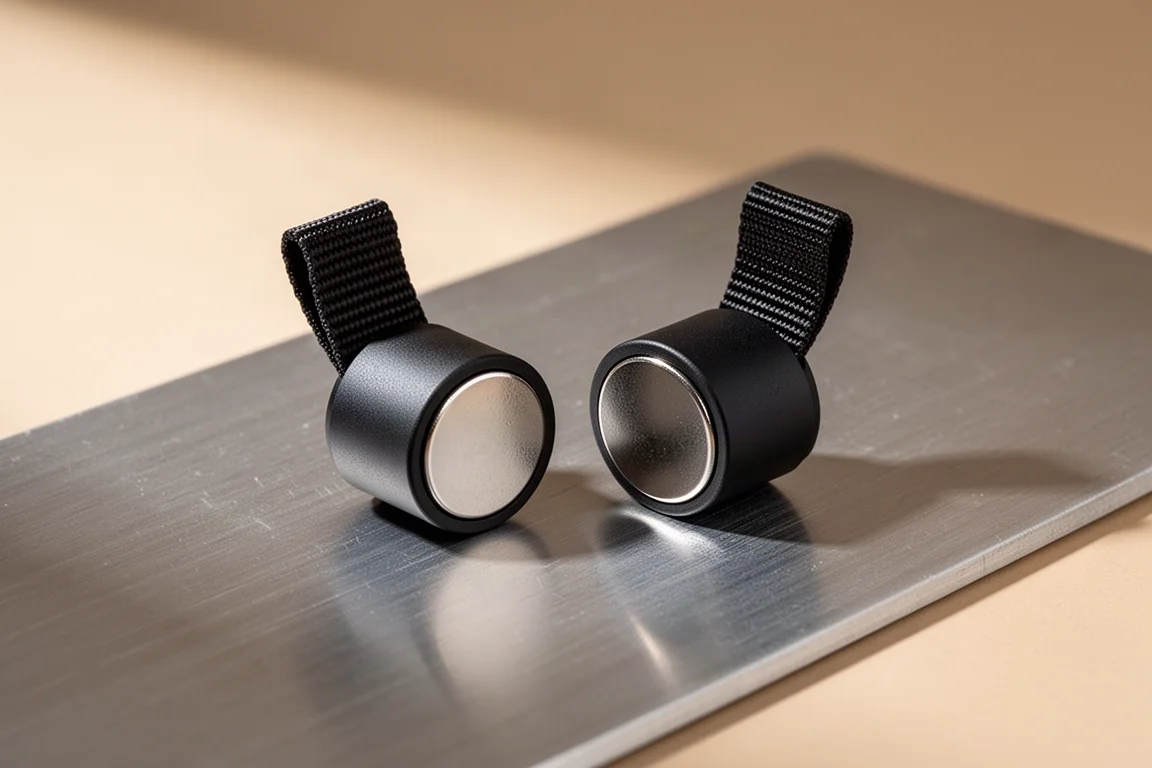
Stick Stasher uses magnets, one set attached to your trekking poles and one set attached to your pack. Bring the two close together and the magnets pull into place, giving you instant storage and instant retrieval. The magnets are strong enough to hold the poles securely, and the pull actually makes alignment easier rather than harder.
It does take some muscle memory to connect the poles smoothly behind you, and practising in front of a mirror a couple of times is worth the effort. Placing the magnet near the tip of the pole also helps: collapse the pole while still holding the handle, then reach back and connect it. One compatibility note matters here. The system currently works with 16 millimetre diameter trekking poles, which covers many Black Diamond models but not widely used options such as Cascade Mountain Tech poles. At $3, it is a small cost for free hands on the move.
Fossil Foldable Bowl, Cup and Plate: Cookware That Packs Flat
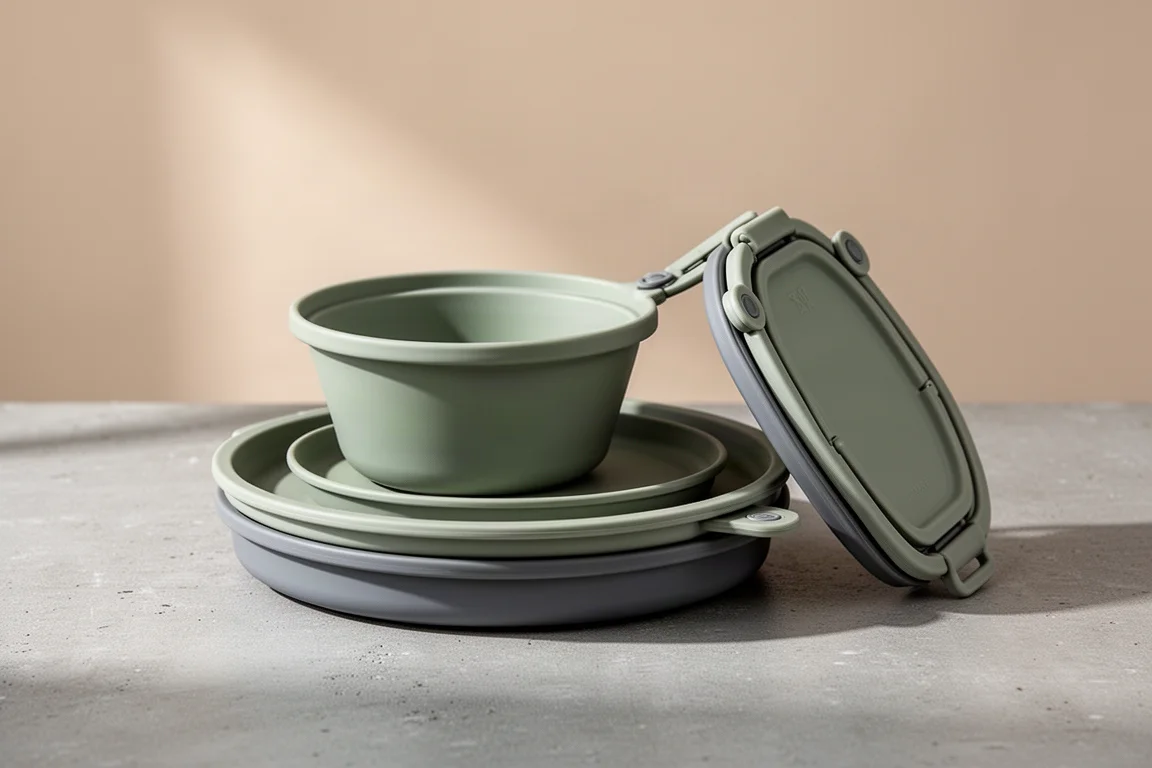
Bowls, cups, and plates are bulky items unless they nest inside your cook system, and most do not. Fossil makes a line of tableware that folds down flat. Each piece uses snaps on the side to create structure, and undoing those snaps collapses the item into a flat shape that is easy to pack.
Because the cup, the plate, and the bowl all pack flat, you can pile them on top of each other and slide the whole group into the side of a pack. They are dishwasher safe and lightweight, which keeps them practical for trips where you want a separate container rather than eating straight from the pot.
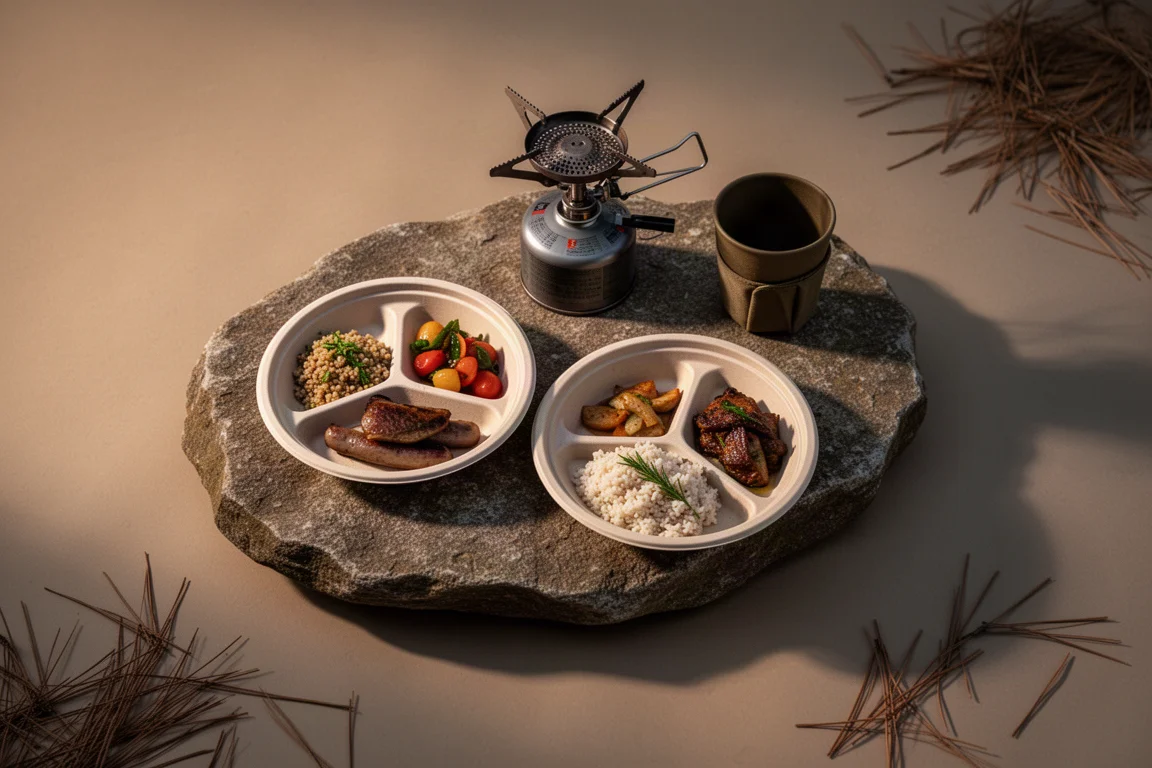
In use, the cup is a straightforward way to keep a drink separate from your meal. The plate is handy for splitting a dehydrated meal between two people, and the bowl suits anything soupier, or works as a food bowl for a dog on the trail.
One Bottle Hydration System: Bladder Convenience Without the Guesswork
Hydration bladders are popular for good reason, but they come with a familiar set of problems. You cannot see how much water is left, refilling them is fiddly, and at some point they leak. Anyone who has used bladders long enough has met all three.
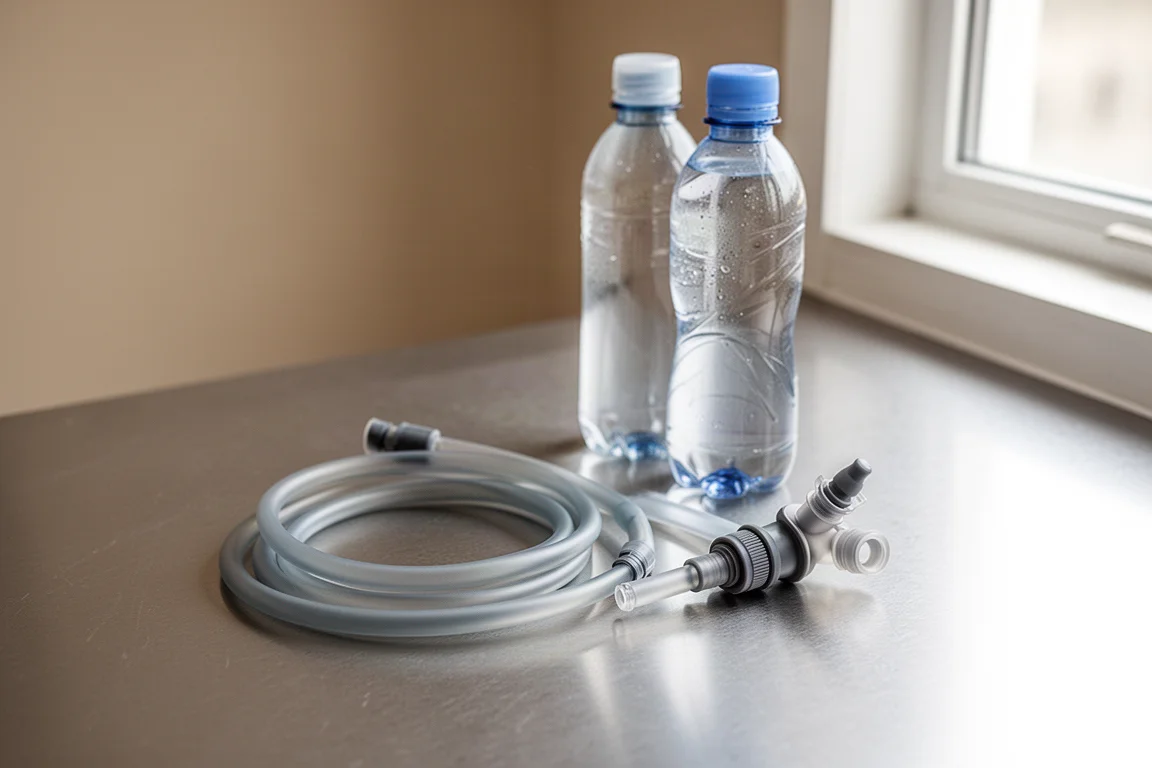
The One Bottle hydration system keeps the hands-free drinking and drops the drawbacks. It attaches to any water bottle with standard threads. You screw the attachment onto the bottle, run the hose over your shoulder to the front of your pack, and slide the bottle into a side pouch. Drinking works the same way it does with a bladder, but you can see your remaining water at a glance and refilling takes seconds.
The system also solves the camp problem. With a bladder, carrying water around camp or into a tent is awkward. Here, you simply remove the hose, screw on a standard cap, and you have a normal water bottle again.
Thermo Drop by Thermal Works: Lightweight Temperature Tracking
Temperature data is genuinely useful on backpacking trips. It tells you how cold the night actually got and whether your sleep system handled it. The usual tool for the job is a heavier Bluetooth thermometer, which produces detailed data but also has poor battery life and offers more capability than most trips require.
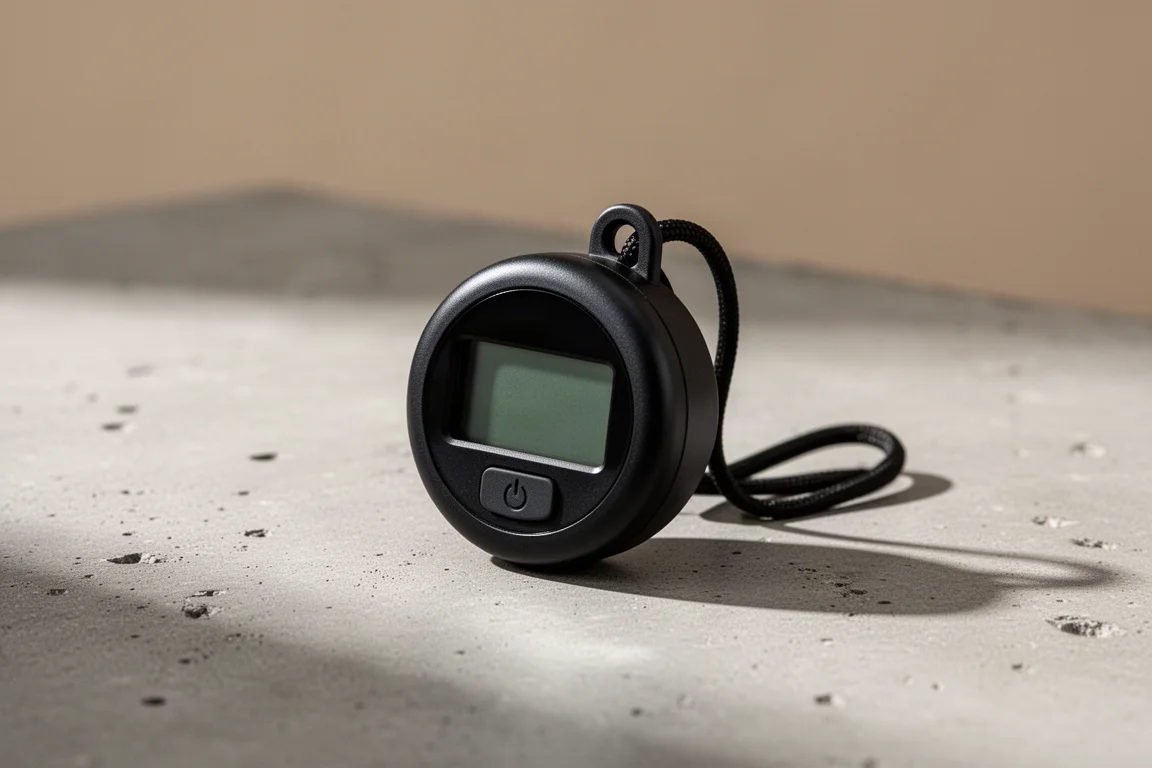
Thermo Drop by Thermal Works strips that down to the essentials. It weighs 14 grams and runs for 167 days on a single battery, and you can switch it off between trips to stretch that further. It shows the current temperature along with the high and low over the previous 24 hours, which is enough to check an overnight low when you wake up and judge how well your sleep setup performed. It comes in a range of colours and reads in both Celsius and Fahrenheit.
The trade-off is detail. You get less data than a full Bluetooth thermometer, and the readings are there to check on the device itself. For most backpacking trips, that is the right amount of information.
Buying Advice
If you are choosing one item to start with, think about which annoyance costs you the most. Cold soaking or rehydrating meals makes Bottle Genius the easiest few dollars you will spend, and the insulated pouch is the natural companion if your trips run cold. If your hands are constantly full on descents and snack breaks, Stick Stasher is the fix, provided your poles measure 16 millimetres.
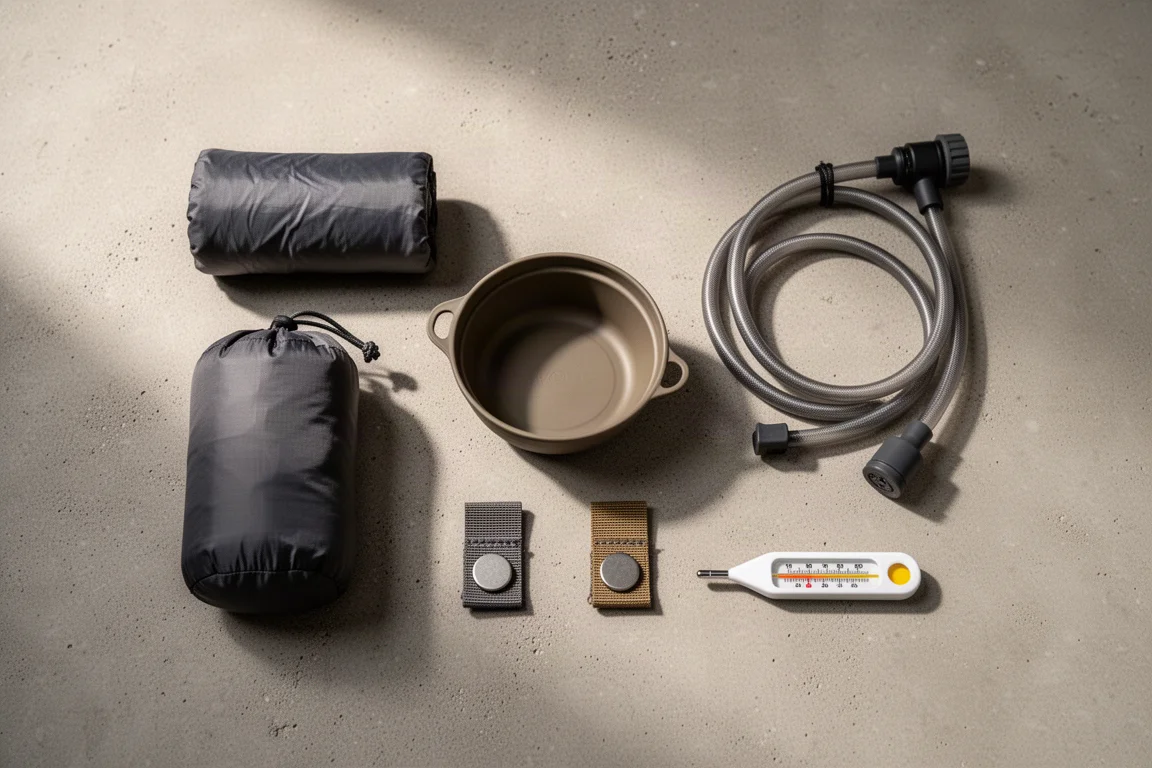
For anyone tired of bulky tableware, the Fossil foldable pieces pack flat and stack neatly in a side pocket. Backpackers who have had enough of leaking bladders will find the One Bottle system the most direct replacement, and Thermo Drop covers overnight temperature tracking without adding meaningful weight. Buy in the order your problems actually show up on trail, not all at once.
Conclusion
None of these items will transform a pack on their own. What they share is a clear, specific job: measuring water accurately, keeping a meal hot in freezing conditions, freeing your hands on the move, cutting cookware bulk, replacing a bladder with something you can see into, and tracking overnight temperatures at 14 grams. Together they cover a lot of ground, but each one also stands on its own, which is the better test of ultralight gear.
Further reading
Related Reviews

Backpacking Gear
Building a 10 lb Base Weight: An Ultralight Backpacking Gear List
A practical walkthrough of the ultralight pieces behind a 10 lb base weight, from a 765 g pack and a roomy one-person tent to a full camp chair and a dependable water filter.

Backpacking Gear
A 15-Pound Lightweight Backpacking Gear List for Solo Trips
A beginner-friendly 15-pound backpacking setup built from easy-to-find gear, with notes on what each piece does, how it packs, and where to spend your attention.

Backpacking Gear
8 Ultralight Backpacking Gear Upgrades Worth Carrying
Eight small, affordable backpacking upgrades that solve real trail annoyances, from a pillow that stays put to a fuel valve that rescues leftover canister gas.