Backpacking Gear
Backpacking Gear to Skip and What to Buy Instead: Seven Standout Picks
A practical guide to backpacking gear worth buying instead, covering a lightweight pack, a two-person tent, a comfortable sleeping pad, a camp chair, and stove options.
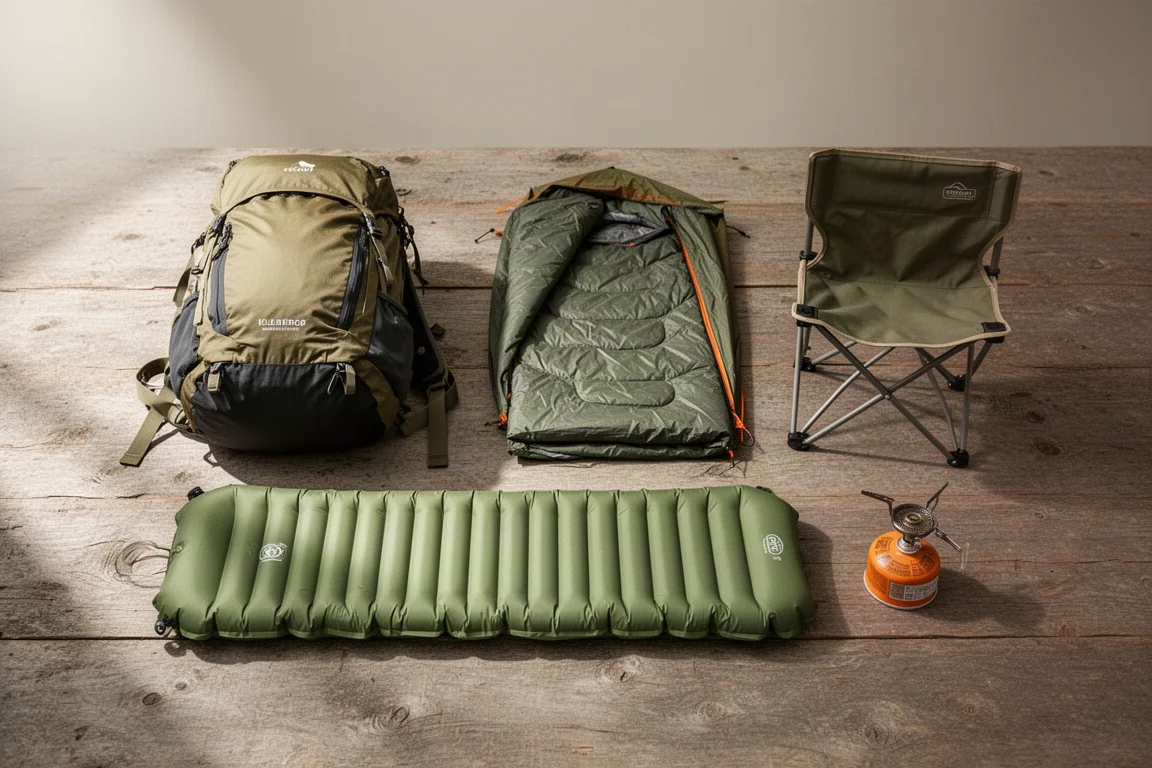
Introduction
Some outdoor gear looks promising on paper and in photos, yet a single design decision can turn it into a daily frustration on the trail. The opposite is also true: a few well-chosen pieces quietly outperform their price tags and become the items you reach for trip after trip. This guide focuses on the second group, pairing common gear disappointments with alternatives that solve the underlying problem.
The picks below cover the categories backpackers replace most often: shelter, sleep system, pack, camp seating, and cooking. Each recommendation is a considered alternative rather than a compromise, and the trade-offs are explained so you can decide whether it fits your own trips.
What to Look For
When comparing backpacking gear, a few factors separate the pieces that earn a permanent place in your kit from the ones that get left at home. Comfort under a full load matters more than a spec sheet suggests, especially for packs and sleeping pads. Warmth ratings deserve scrutiny, because not every number reflects a standardized test. Weather protection is another area where a small design detail, such as how a tent door is cut, can decide whether the interior stays dry. Finally, packed weight is worth balancing against durability and ease of use, since the lightest option is not always the most practical one.
Backpack: Osprey Exos 55 Pro
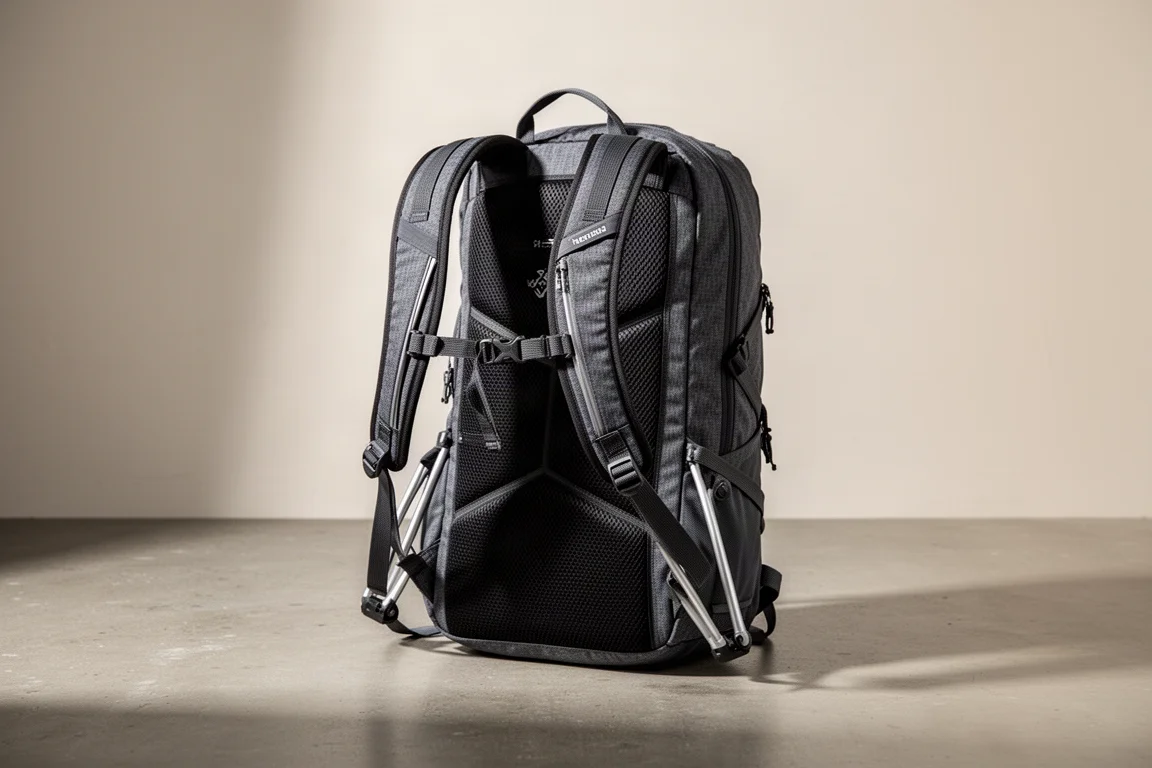
The Osprey Exos 55 Pro is a lightweight pack that stays comfortable on long days. It weighs just over 2 lb and uses a trampoline-like mesh back panel that cradles your back and absorbs impacts, which makes it one of the most comfortable lightweight packs available. That comfort is the reason to choose it over a pack like the Big Agnes Prospector, which looks appealing with its gray, white, and red accents and full-access zipper but uses stiff foam in the shoulder straps and hip belt. Loads above roughly 25 lb become uncomfortable in the Prospector, a problem for a pack that weighs around 3 lb.
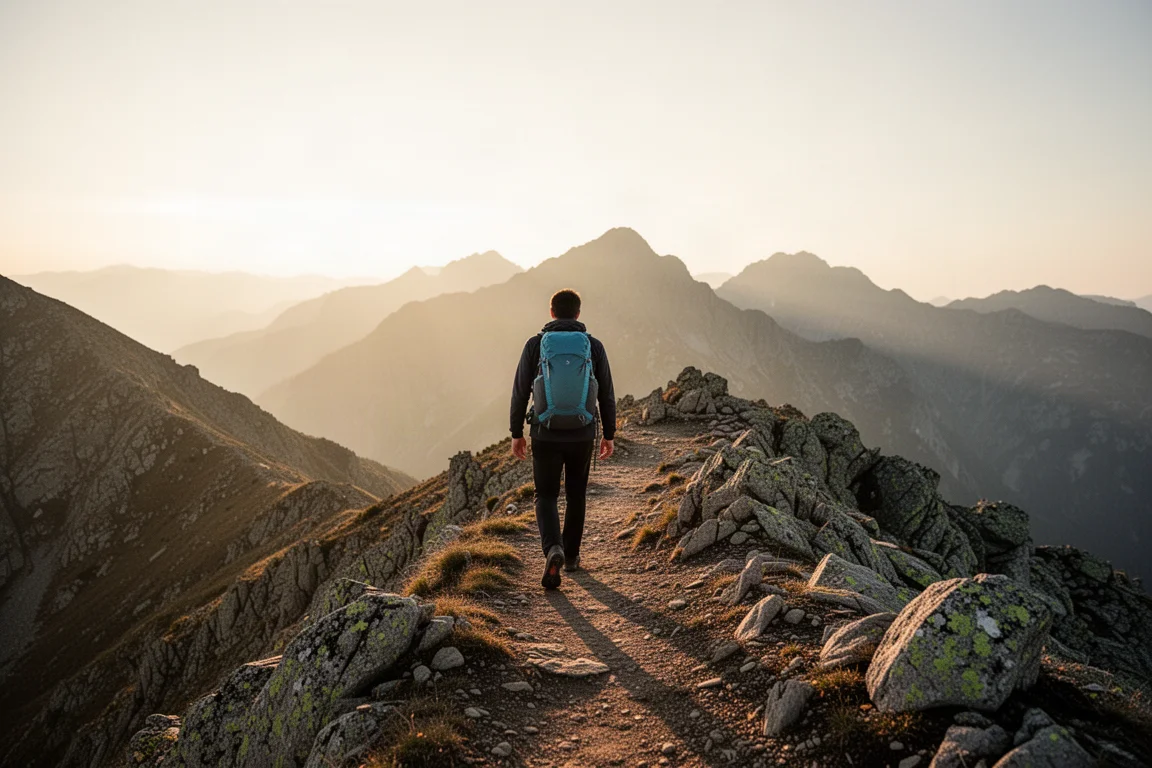
For backpackers who keep their base weight low, the Exos is a natural fit. It carries the loads a lightweight pack is designed for without the rigid feel that makes the Prospector uncomfortable once the weight climbs.
Shelter: Mountain Hardwear Strato
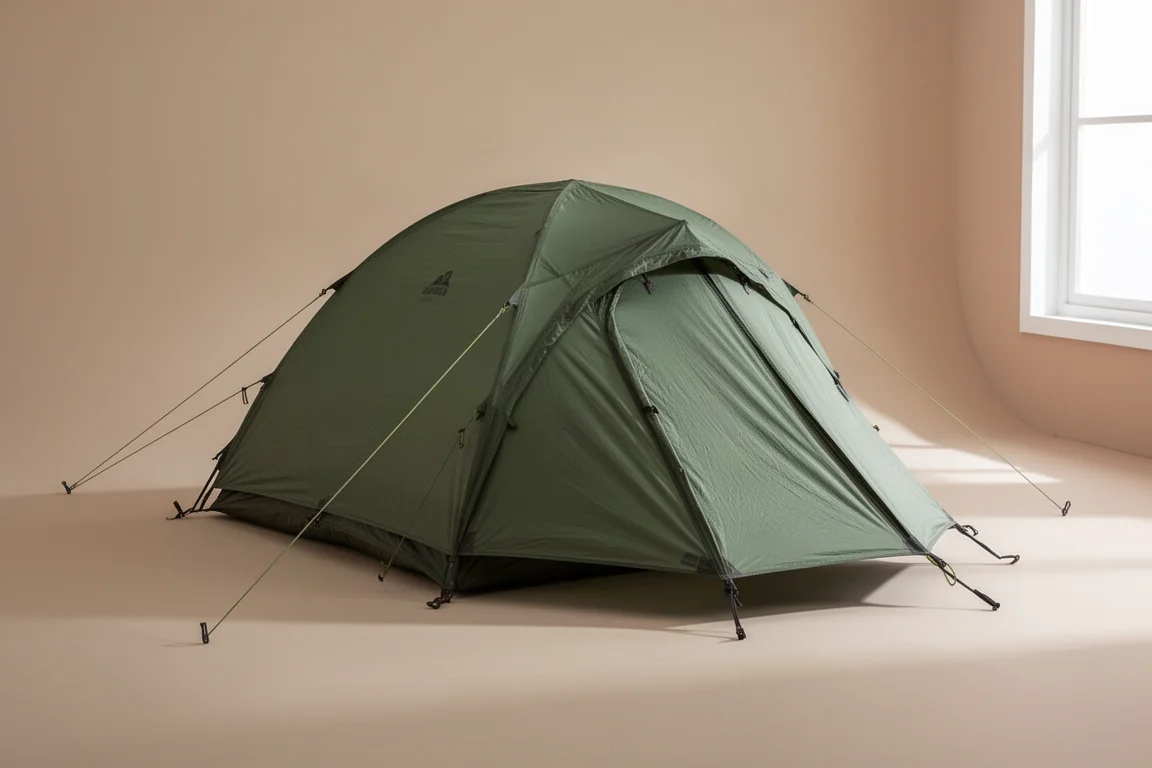
The Mountain Hardwear Strato is the best option available for a two-person semi-freestanding tent. It is well made, relatively lightweight, and it fits two wide pads, a combination that is surprisingly hard to find. The fly tends to sag, so it is worth taking a moment to pitch it taut, but that is a manageable trade-off. It succeeds where other tents fall short: the MSR FreeLite is around 2 lb with a 50-inch wide floor and more room than the Nemo Hornet Elite, but its door is cut diagonally down the fly, which sends water straight onto the floor whenever the fly is wet and the door is opened. The Nemo Hornet Elite was a long-time favorite, but it cannot fit two wide pads.
Sleeping Pad: Big Agnes Rapide
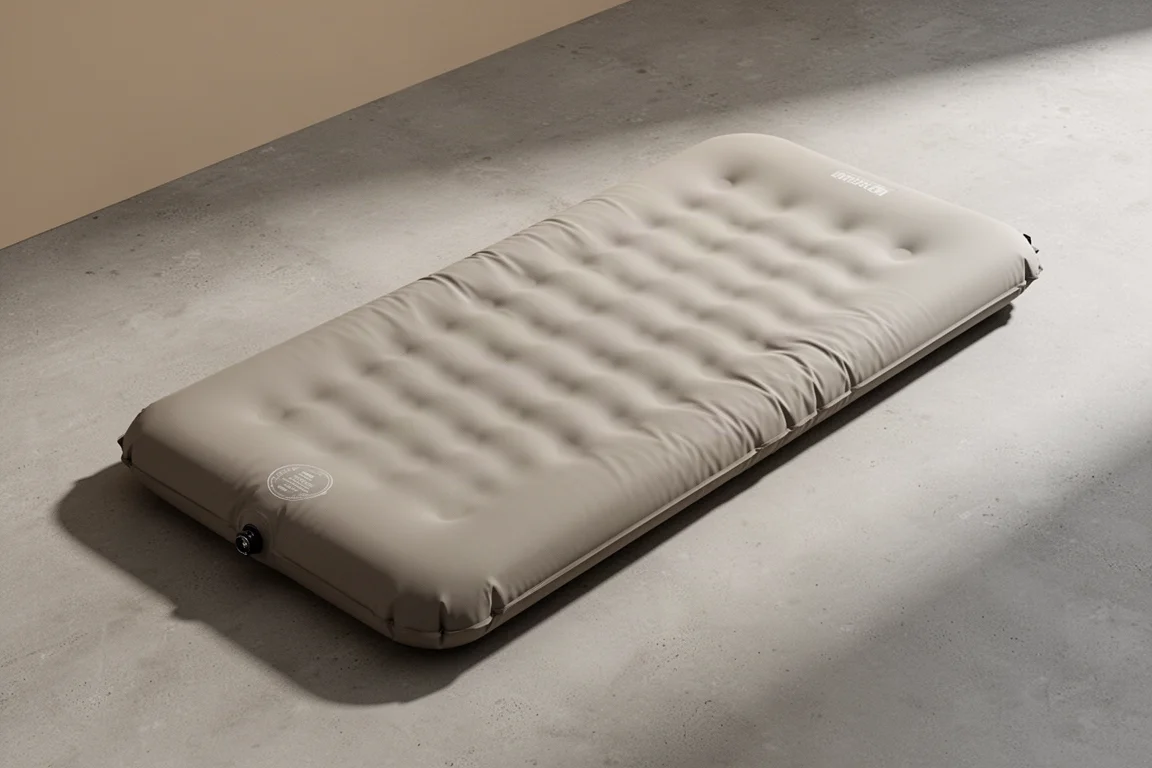
The Big Agnes Rapide is the pad to choose when you want to balance weight, comfort, and warmth. Big Agnes pads are among the most comfortable on the market, and the Rapide stays warm enough to work beyond summer. The lighter Big Agnes Zoom does not compete with it for warmth, so the Rapide is the better all-around choice. It is a safer bet than the Klymit Insulated Static V, which advertises an R value of 4.4 but carries a certified ASTM R value of 1.9, less than half that figure and only 0.6 higher than the non-insulated version. The insulated Klymit costs about $60 more and is still only a summer pad.
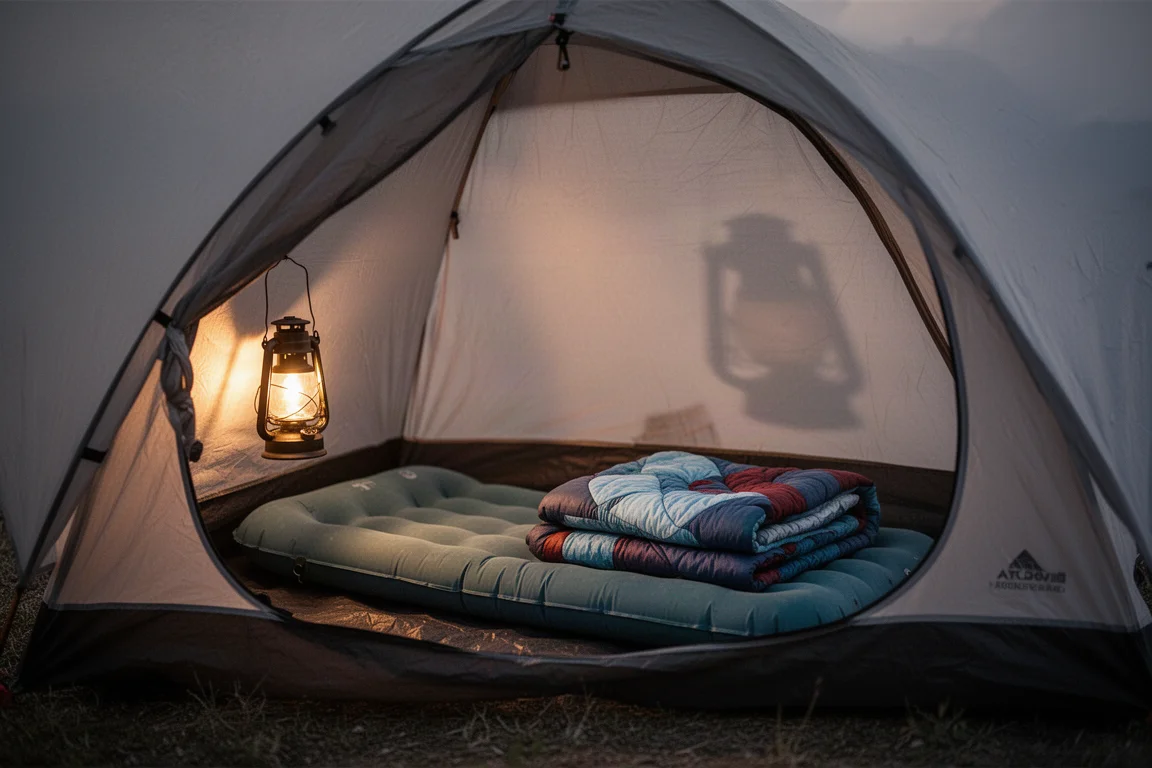
For backpackers who prioritize a good night’s sleep, that combination of comfort and honest warmth is worth more than a slightly lower weight.
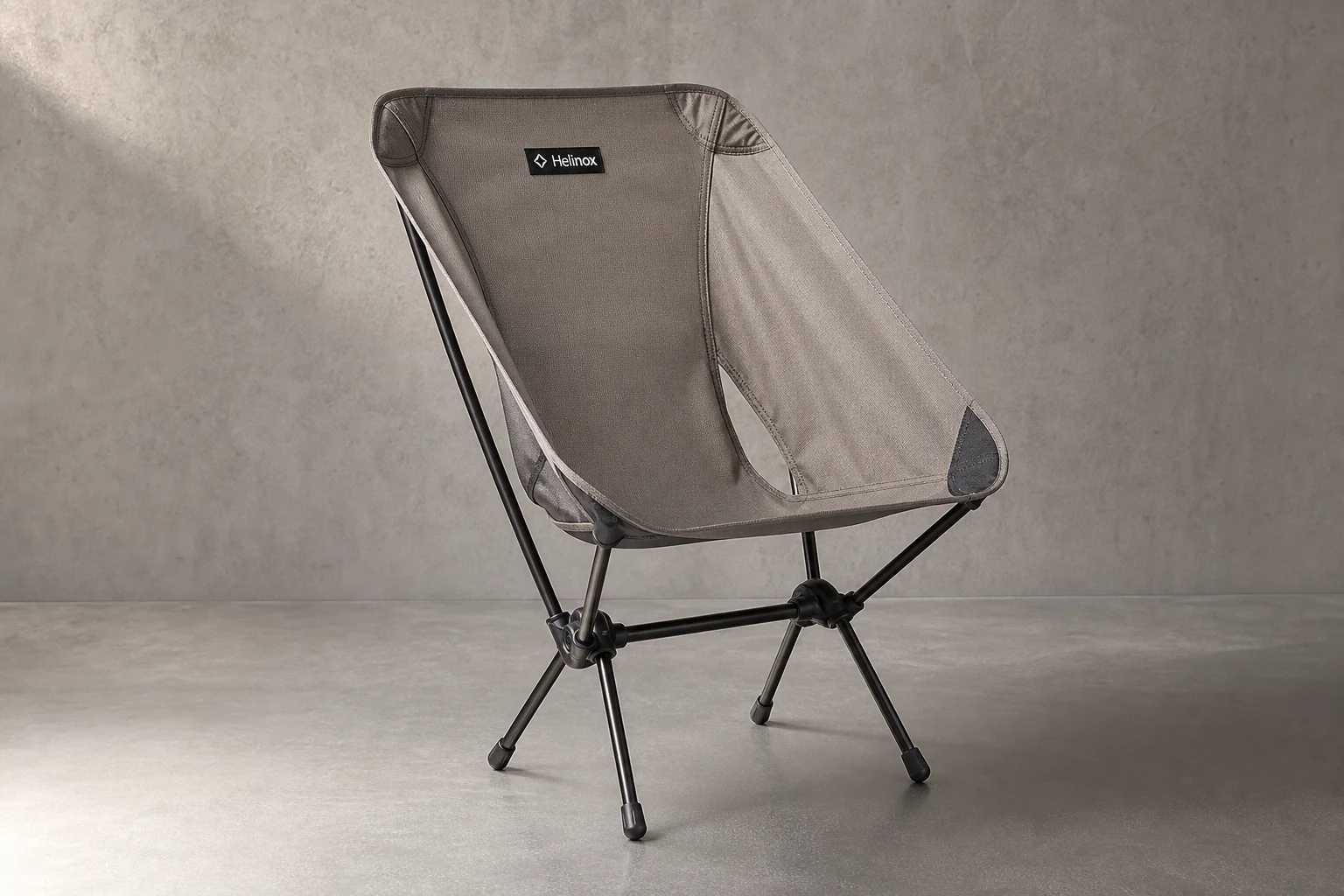
Camp Chair: Helinox Chair Zero
The Helinox Chair Zero is the chair to beat. It is the lightest chair on the market and also the most comfortable, a combination that is difficult to find elsewhere. The REI Flexlite Air looks like a cheaper alternative, and it often sells for $60 to $70, but its design gives up a key advantage. Helinox holds a patent on chairs with poles that run side to side, so REI ran the poles front to back. Instead of a supportive V-shape on the side, the frame creates a seat you sit inside, which one description compares to sitting in a taco.
For a chair you will use on every trip, the Chair Zero is worth the investment. It packs small, sets up quickly, and remains comfortable after a long day.
All-in-One Stove System: MSR WindBurner
The MSR WindBurner is the better choice among all-in-one stove systems. It costs about the same as the higher-end systems it competes with, but it feels better made. Some well-known all-in-one systems work well and are efficient, yet they can seem cheap for something that costs $100 to $200 or more depending on the model. The WindBurner is still not the stove most backpackers should take on every trip, because a simpler setup is lighter and more flexible.
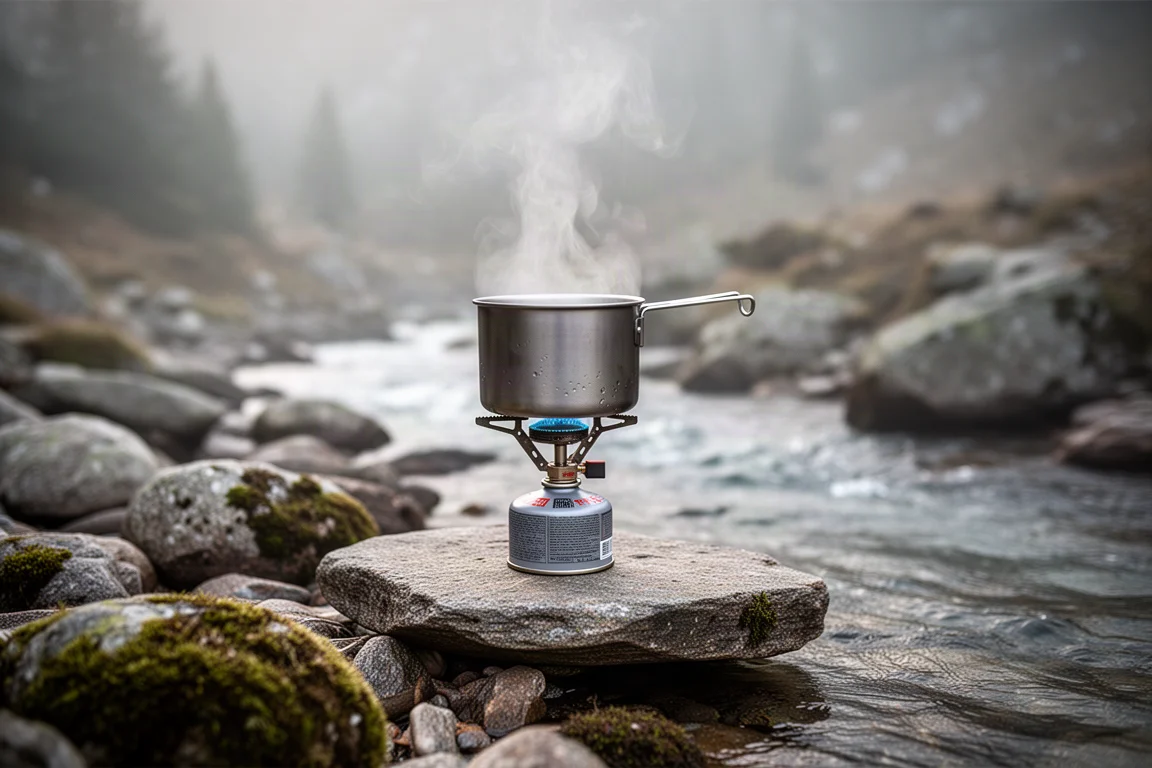
If you want the convenience of a single integrated system for boiling water, the WindBurner is a solid pick.
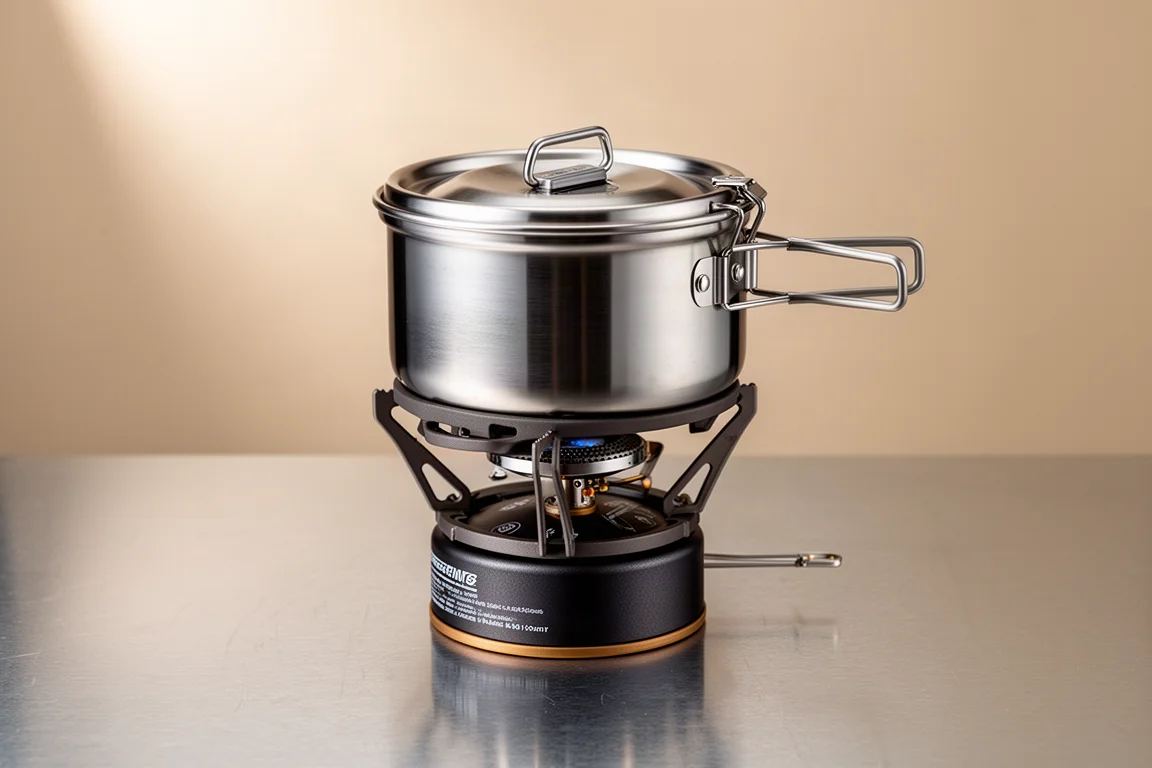
Ultralight Stove: MSR PocketRocket Deluxe
The MSR PocketRocket Deluxe is the stove most backpackers should consider for most trips. It includes a piezo igniter, which lights with the push of a button and removes the need to carry a lighter or matches. The igniter is convenient rather than essential, so it is worth deciding whether the feature matters to you.
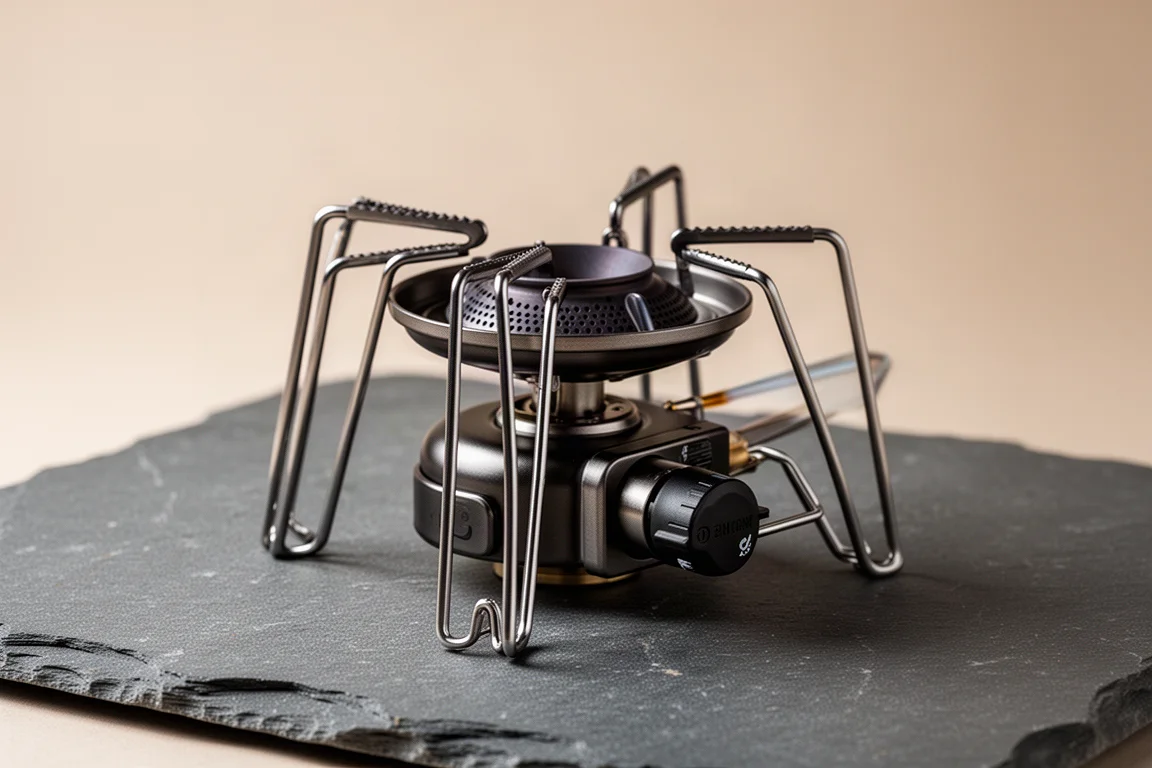
Budget Ultralight Stove: MSR PocketRocket
If you want to spend less, the standard MSR PocketRocket is the smarter buy. Pair it with a Toaks titanium pot and you have a system that works incredibly well at a fraction of the cost.
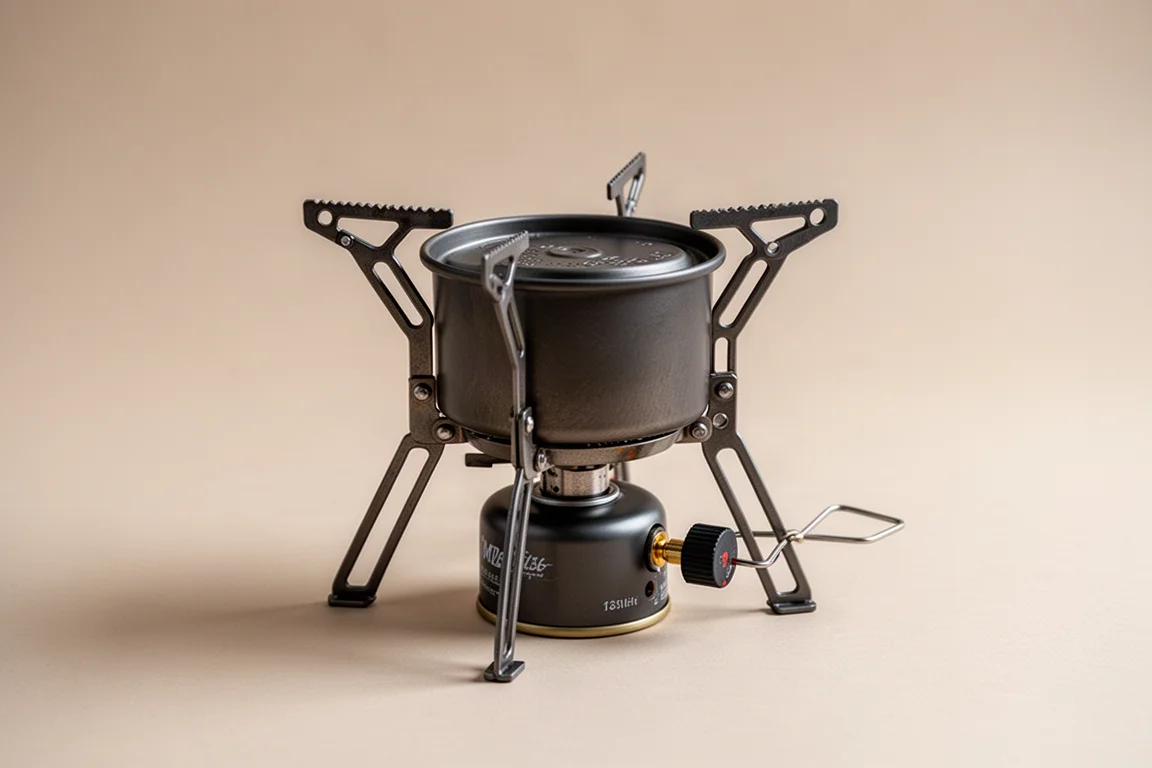
Overall Buying Advice
Choosing among these picks comes down to how you camp. If you carry a moderate load and want a pack that stays comfortable over long days, the Osprey Exos 55 Pro is the clear upgrade. For shelter, the Mountain Hardwear Strato is the most versatile two-person option here, as long as you are willing to pitch it carefully to manage the fly. The Big Agnes Rapide is the sleeping pad to choose when comfort and warmth matter, while the Helinox Chair Zero is the chair that justifies its place in a pack. On the cooking side, the MSR WindBurner suits campers who want an all-in-one system, the PocketRocket Deluxe adds push-button ignition, and the standard PocketRocket is the value pick.
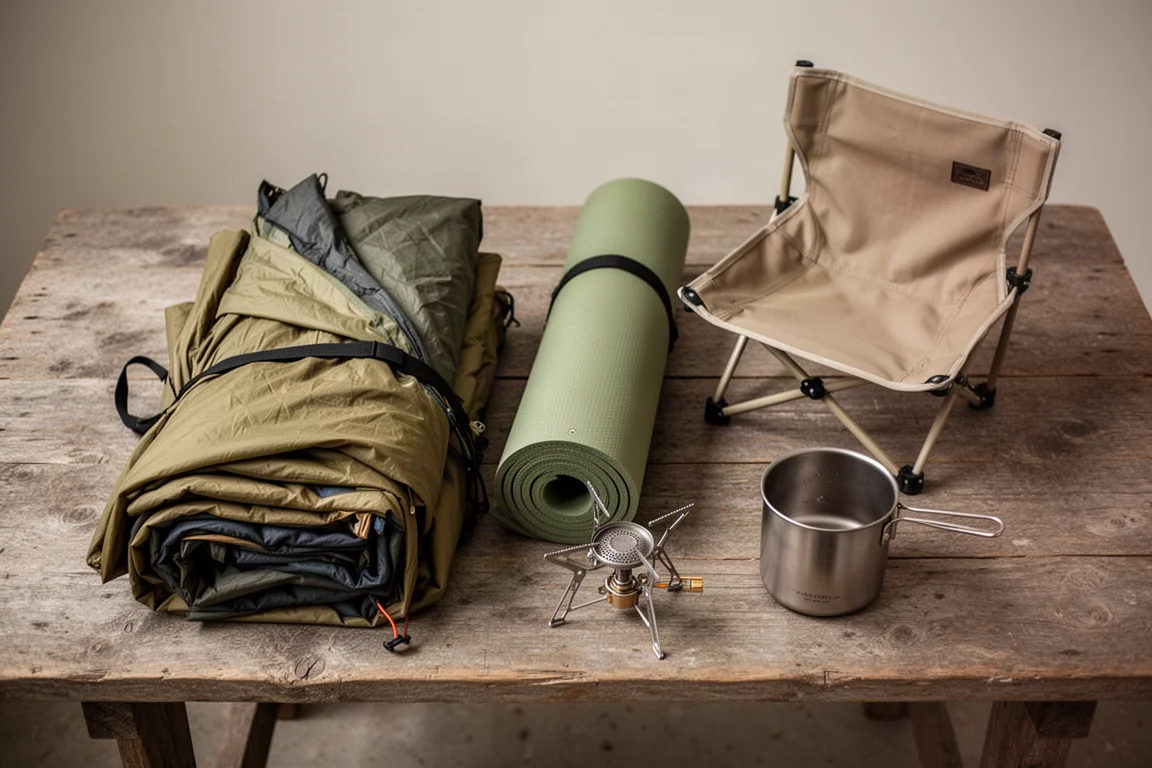
Whichever direction you go, the goal is the same: gear that disappears into the background of a trip because it works the way it should. A tent that keeps water out, a pack that carries comfortably, a pad that stays warm, and a stove that lights reliably will do more for your experience than any single headline feature.
Conclusion
The gear you skip matters as much as the gear you buy. The MSR FreeLite, the Big Agnes Prospector, the Klymit Insulated Static V, and the REI Flexlite Air each have something that holds them back, whether it is water finding its way inside, stiff padding, an overstated warmth rating, or an awkward seating position. The alternatives above address those weaknesses directly, and each one earns its place through comfort, honest performance, or better value.
Further reading
Related Reviews

Backpacking Gear
Building a 10 lb Base Weight: An Ultralight Backpacking Gear List
A practical walkthrough of the ultralight pieces behind a 10 lb base weight, from a 765 g pack and a roomy one-person tent to a full camp chair and a dependable water filter.

Backpacking Gear
A 15-Pound Lightweight Backpacking Gear List for Solo Trips
A beginner-friendly 15-pound backpacking setup built from easy-to-find gear, with notes on what each piece does, how it packs, and where to spend your attention.

Backpacking Gear
8 Ultralight Backpacking Gear Upgrades Worth Carrying
Eight small, affordable backpacking upgrades that solve real trail annoyances, from a pillow that stays put to a fuel valve that rescues leftover canister gas.