Backpacking Gear
Backpacking Gear to Avoid and What to Buy Instead: 13 Picks Worth Knowing
A practical breakdown of backpacking gear that disappoints in real use, with the tents, packs, pads, chairs, and stoves worth buying instead.
Introduction
Saving for months and then buying top-tier, brand-name gear only to discover it does not work the way you hoped is a familiar frustration in backpacking. Price and reputation are useful signals, but they say nothing about how a tent behaves when the fly is soaked, how a pack feels at 25 lb, or whether a sleeping pad actually holds heat on a cold night.
This guide looks at the gear that tends to disappoint in real use and pairs each item with a more sensible option. The focus is on the details that decide whether a piece of kit earns its place in your pack: weight, comfort, warmth, weather behaviour and value for money.
How These Picks Were Chosen
Every entry here is weighed against three things that rarely line up: weight, comfort and warmth. A sleeping pad that keeps you warm is often less comfortable, and a comfortable pad often costs you grams or dollars. A pack that carries well at 30 lb can be miserable at 45 lb. A tent that pitches quickly can still soak your floor.
That trade-off is why the strongest recommendations in this list are the ones that balance competing needs instead of chasing a single number. Advertised figures were compared with certified measurements wherever those exist, because a claimed warmth rating and a tested one are not always the same figure.
Price matters too, but not in the way marketing suggests. Paying more for premium construction only makes sense when the extra money buys durability, weather protection or comfort you will feel on every trip. Several of the alternatives below cost less than the gear they replace, and they work better.
Gear That Disappointed: MSR FreeLite
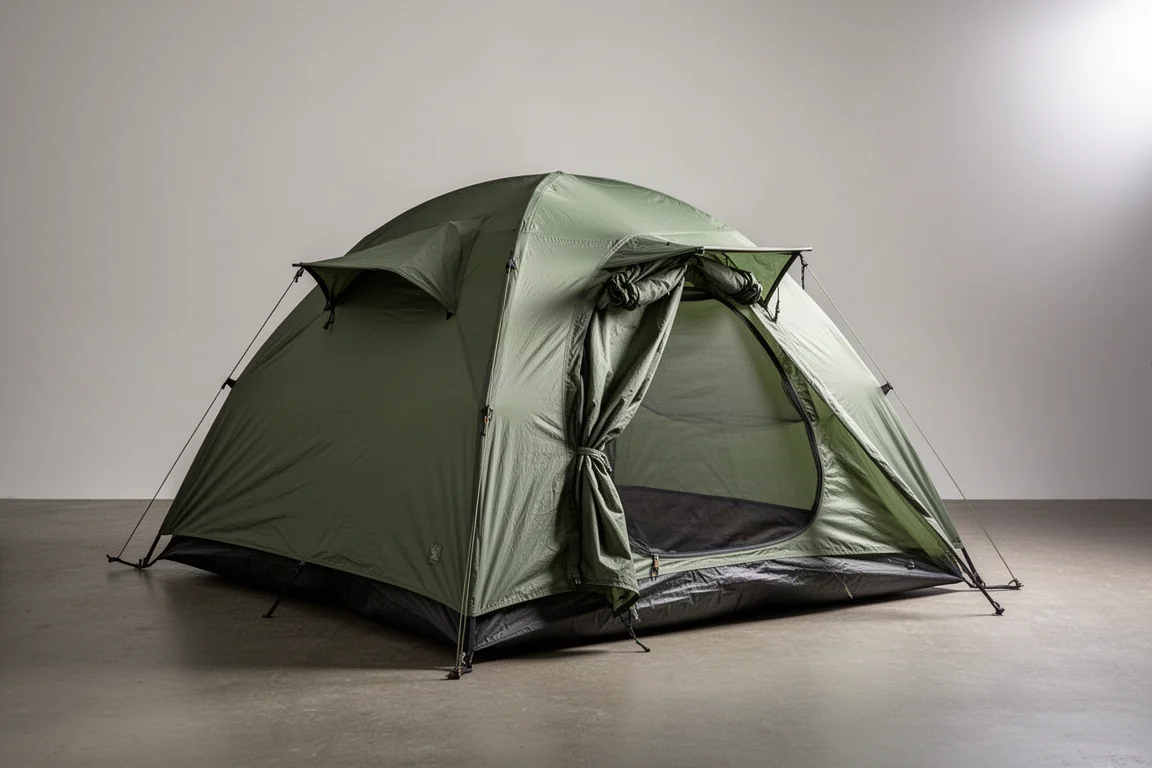
The MSR FreeLite is the lighter sibling of a well-known MSR backpacking tent, and on paper it looks excellent. It comes in right around 2 lb, yet keeps a 50-inch wide floor, which is generous for a tent in that weight class. Compared with the Nemo Hornet Elite it offers noticeably more room, and most of its design decisions are improvements.
The problem is the fly. The door is cut diagonally down the fly so you do not have to fold yourself in half to reach the zipper. That is a thoughtful idea in dry weather. In wet weather, the same cut channels water straight onto the floor the moment the door opens.
For a tent that will see rain, that is difficult to accept. If the fly design were sorted out, this would be an outstanding shelter. As it stands, water intrusion is the detail to weigh before buying.
The Tent It Was Measured Against: Nemo Hornet Elite
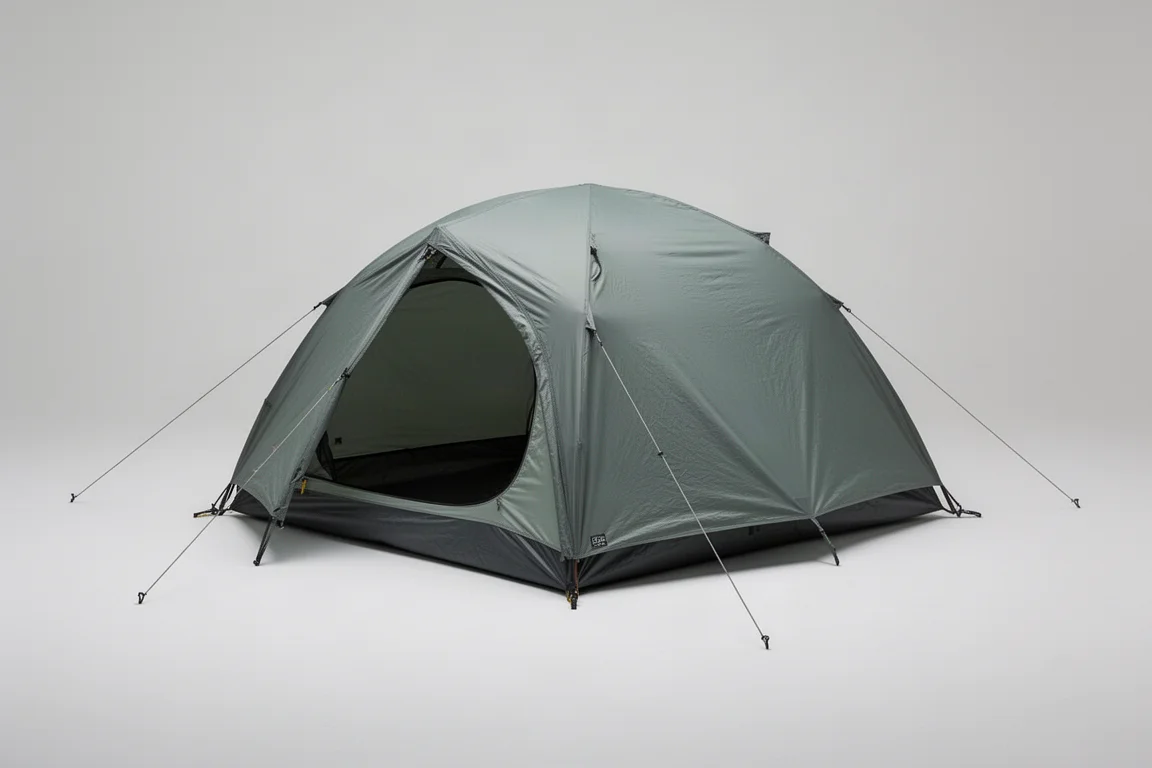
The Nemo Hornet Elite was a long-time favourite and the reference point against which the FreeLite was judged. It is exceptionally light and has proven itself over many seasons of use.
Its limitation is space. It cannot fit two wide sleeping pads, which rules it out for two-person trips where both sleepers use wide pads. For solo trips, or for pairs using narrower pads, it remains a very capable tent.
Gear That Disappointed: Big Agnes Prospector
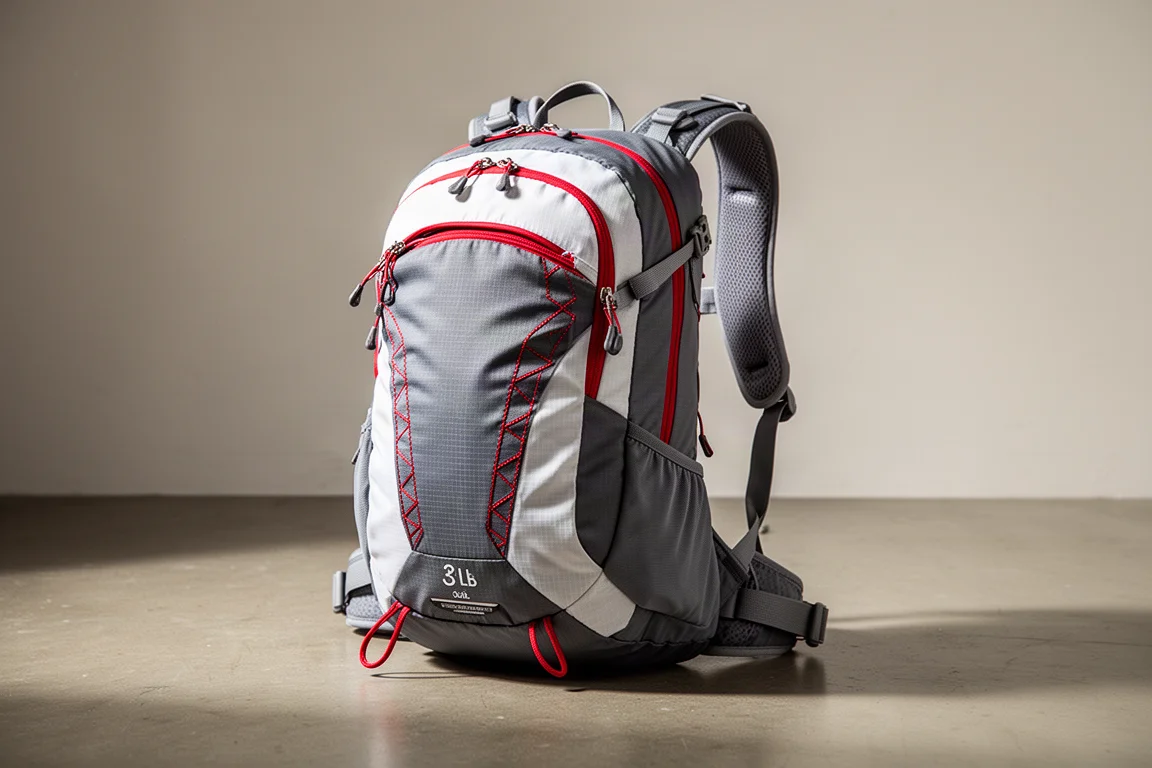
The Big Agnes Prospector is one of the better-looking packs around, with grey and white panels and red accents that stand out on a shelf. It is not a bad pack either: it is not heavy, the capacity is reasonable, and the full-access zipper makes packing and unpacking easy.
The issue is the padding. The foam used in the shoulder straps and hip belt is stiff, and it does not soften enough to distribute weight comfortably. Keep the load light and it is tolerable. Push past roughly 25 lb and discomfort becomes the dominant impression of the carry.
There is a circular logic here worth naming. A pack this light is usually chosen by people with very light base weights, and those are exactly the people least likely to need a 3 lb pack in the first place. If your loads regularly exceed 25 lb, the padding is the wrong compromise.
Gear That Disappointed: Klymit Insulated Static V
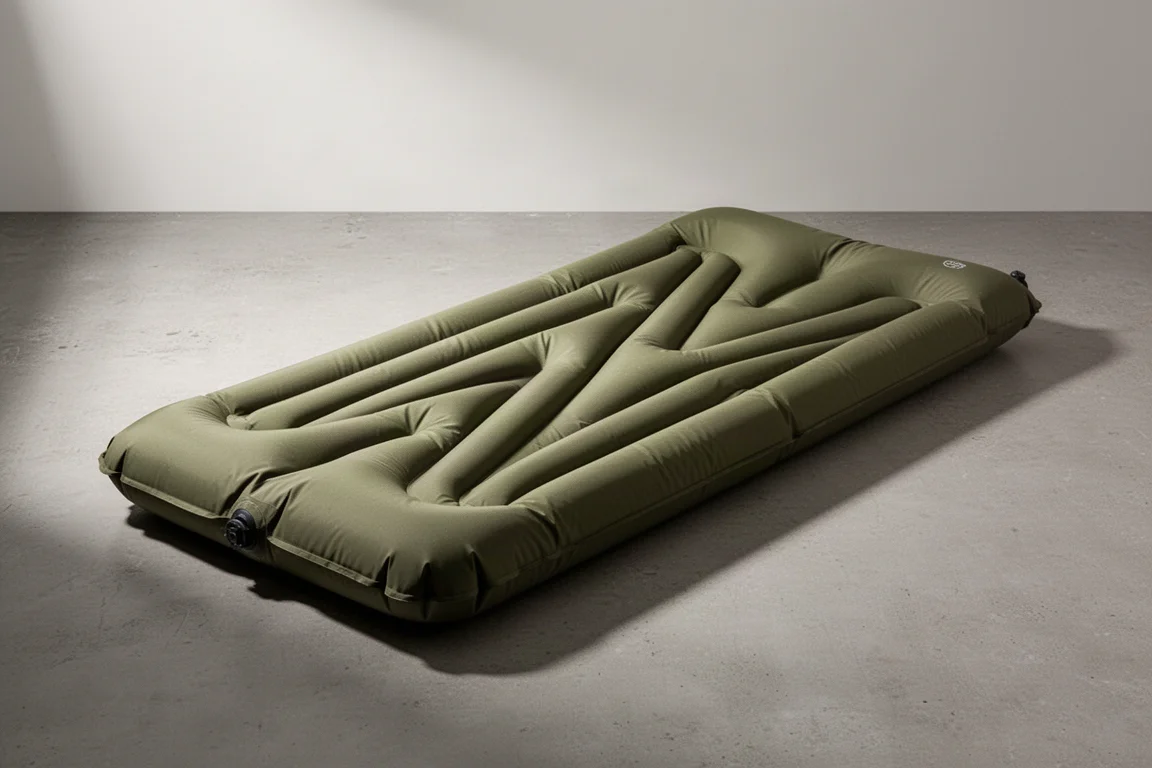
The Klymit Insulated Static V should be a three-season pad. The insulated version is meant to keep you comfortable down to freezing temperatures and below, and it is advertised with an R value of 4.4.
The certified ASTM R value published on the brand’s own site is 1.9, less than half the advertised figure. That is only 0.6 higher than the non-insulated version, yet the insulated pad costs about $60 more. In practice, that makes it a summer pad rather than a cold-weather one.
If you want a pad that genuinely extends your season, the extra spend is better directed elsewhere. For warm-weather trips, the standard version does the same job for less.
Gear That Disappointed: REI Flexlite Air
The REI Flexlite Air invites the obvious comparison with the Helinox Chair Zero, and the differences show up the moment you sit down. The frame runs front to back rather than side to side, so the V-shaped pole sits under your body instead of beside it. The result feels less like sitting on a supported seat and more like sinking into a fold of fabric.
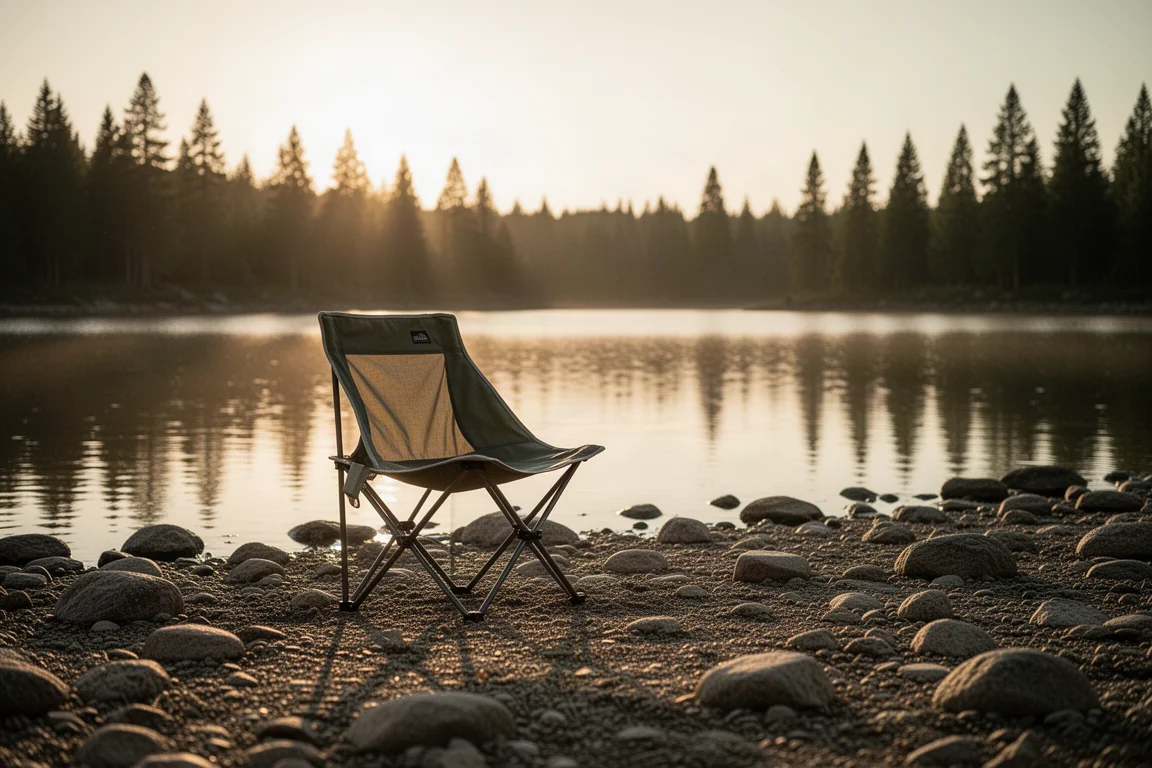
Build quality is the second surprise. The chair feels noticeably less refined than the Helinox, which is roughly what you would expect from a chair that frequently sells for around $60 to $70.
For a modest saving against the lightest chair on the market, you give up the geometry that makes that chair comfortable in the first place. For most campers, that is a poor trade.
Better Alternative: Osprey Exos 55 Pro
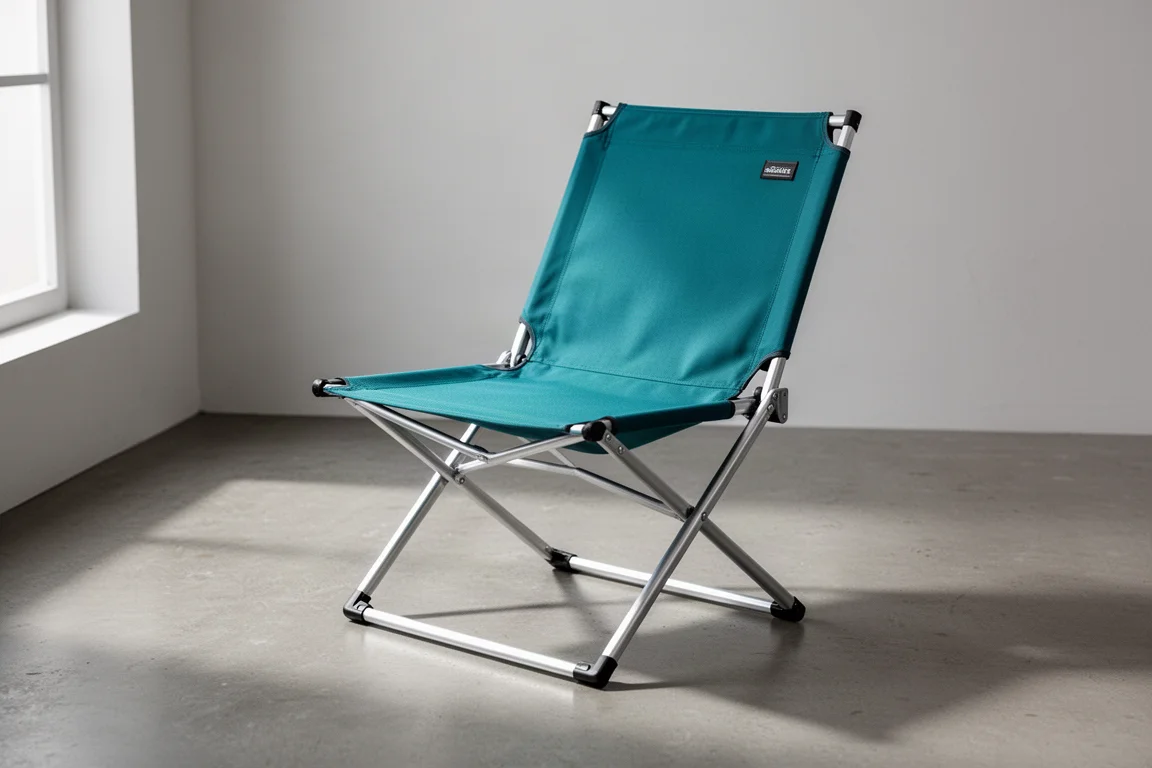
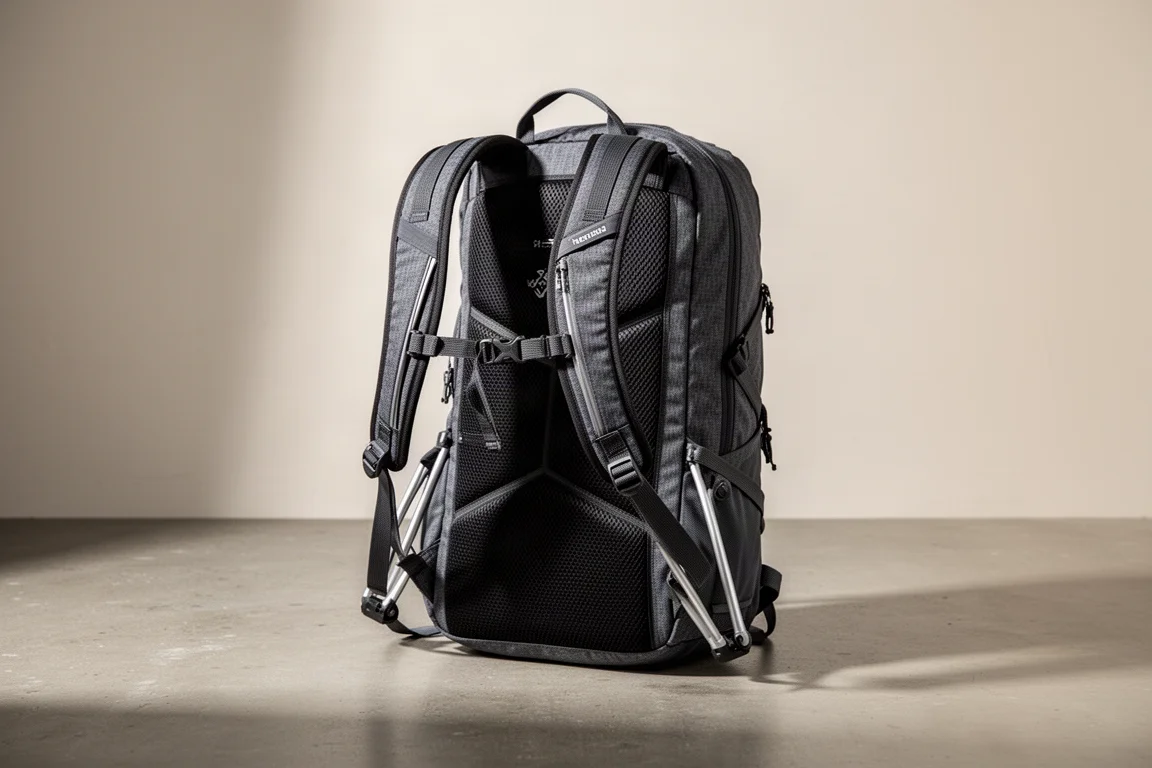
If the Big Agnes Prospector was on your list, the Osprey Exos 55 Pro is the pack to look at instead. It weighs just over 2 lb, which keeps it firmly in lightweight territory, and it is one of the most comfortable lightweight packs available.
Most of that comfort comes from the suspended mesh back panel. It cradles the back and absorbs impacts as you walk, so loads stay stable without a stiff hip belt pressing into your hips. For a pack in this weight class, it carries far better than the numbers alone suggest.
Better Alternative: MSR WindBurner
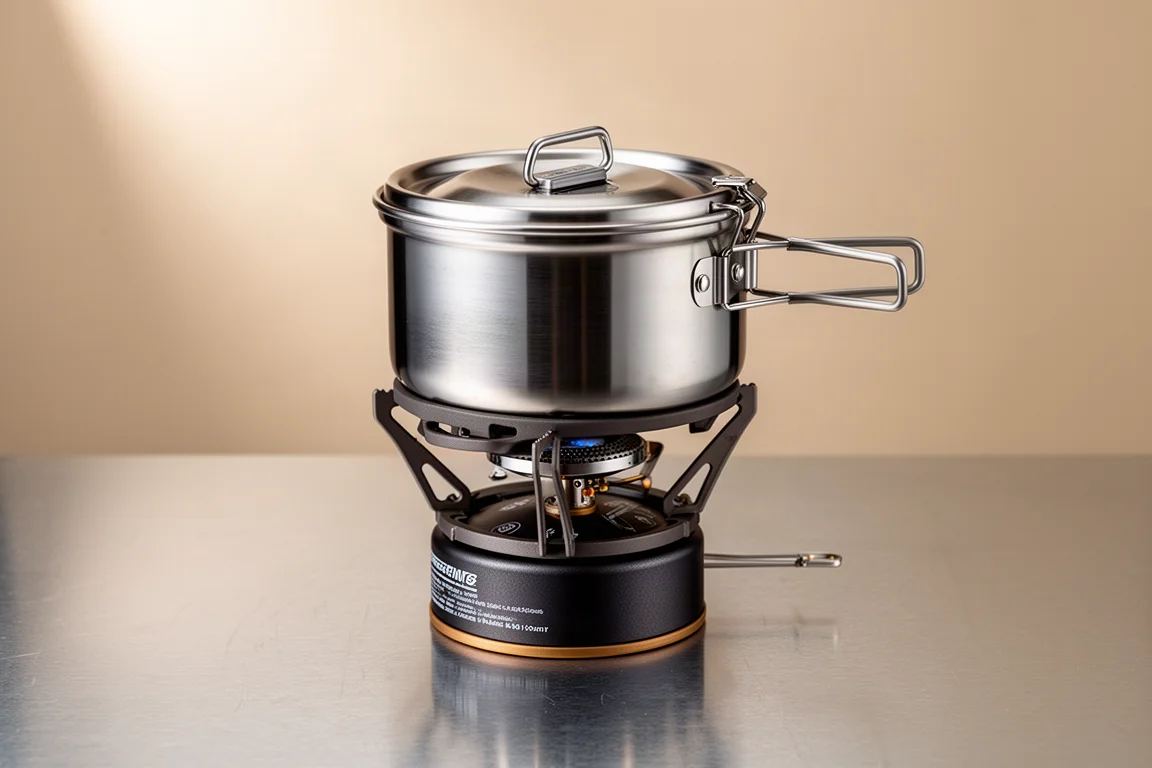
For an all-in-one canister stove system, the MSR WindBurner is the stronger choice. It costs roughly what the higher-end integrated systems cost, and it simply feels better made, with a solidity that inspires confidence over years of use.
It is worth being honest about the category, though. Integrated systems are convenient, but they are rarely the stove most people should carry on every trip. If convenience and wind performance matter more than pack weight and versatility, the WindBurner is the one to pick.
Better Alternative: MSR PocketRocket Deluxe
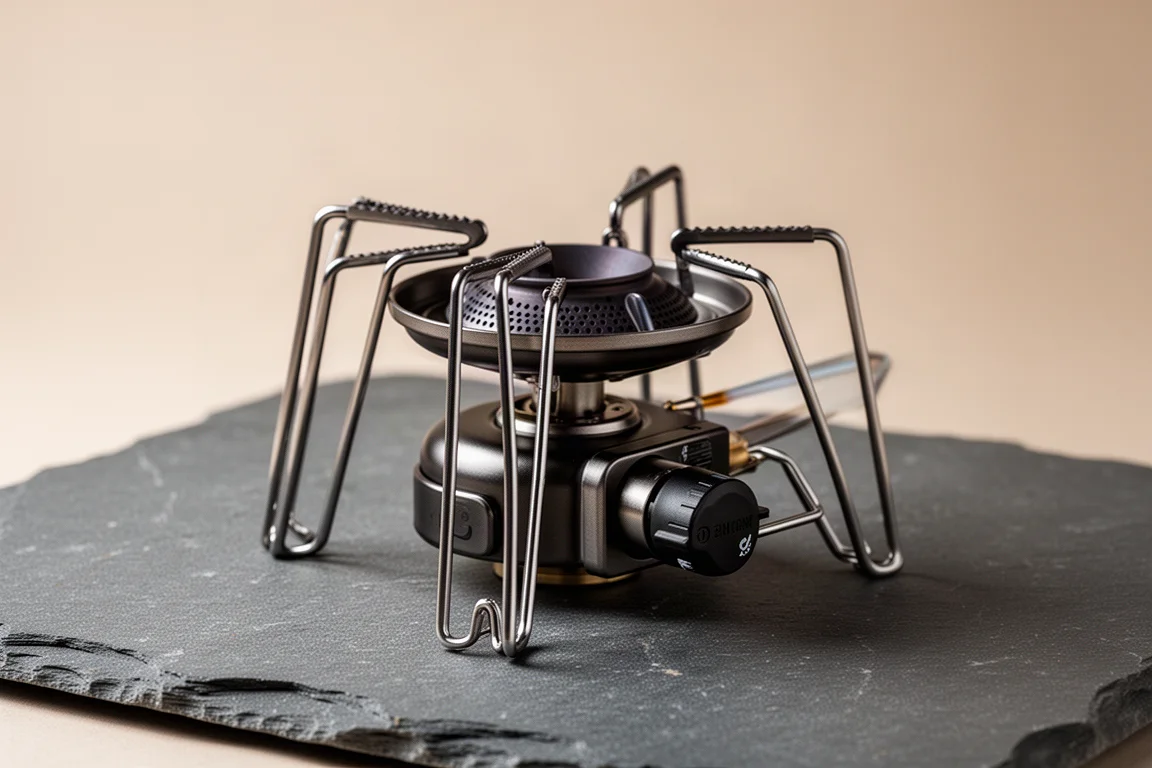
The MSR PocketRocket Deluxe is a compact canister stove with a push-button piezo igniter. The igniter is genuinely convenient, and it removes the need to carry a lighter or matches for everyday boiling.
It is also not strictly necessary, and that is the honest way to frame it. The Deluxe is the version to buy if you value the convenience and do not mind paying for it. If you are optimising cost, keep reading.
Better Alternative: MSR PocketRocket
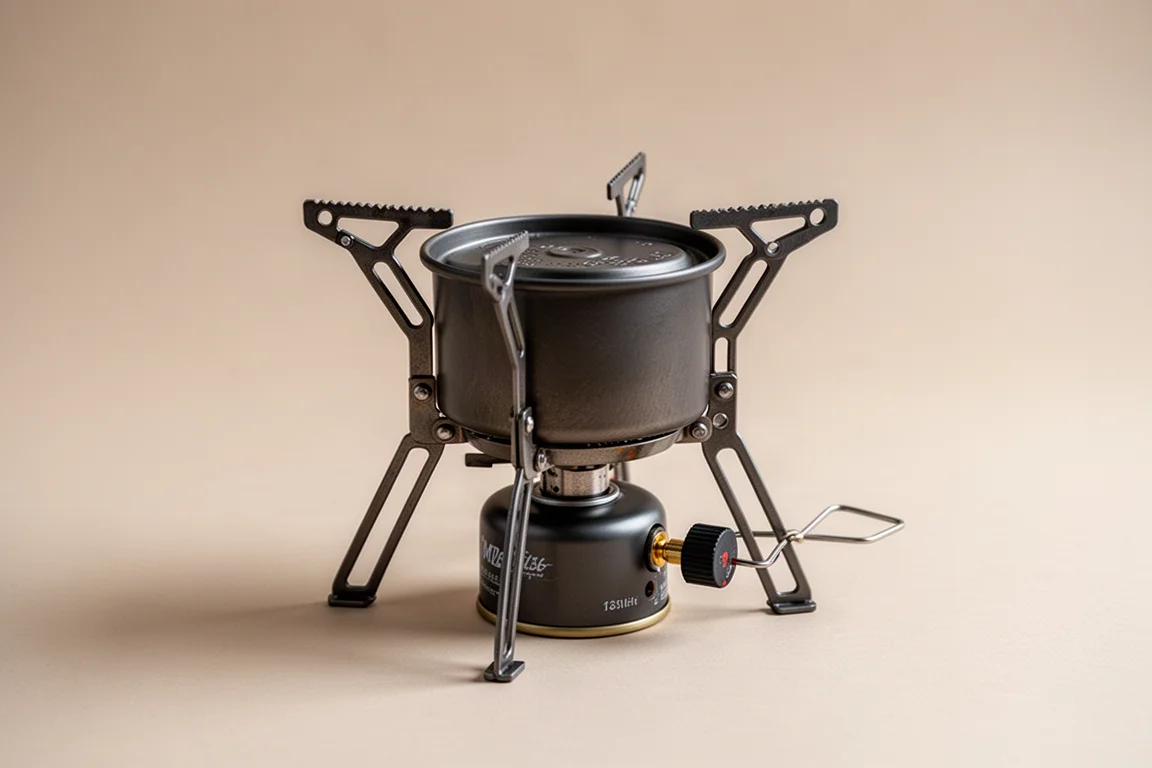
The standard MSR PocketRocket does the same essential job for less money. Pair it with a lightweight titanium pot and you have a cooking system that works extremely well at a fraction of the cost of an integrated stove.
For most backpackers this combination is the sensible default: simple, light, reliable and easy to replace. The money saved is better spent on the shelter or the sleeping pad, where the performance differences are felt every single night.
Better Alternative: Big Agnes Rapide
Choosing a sleeping pad means balancing weight, comfort and warmth, and no pad wins on all three at once. The Big Agnes Rapide comes closest to a workable compromise, which is why it is the pad to start with.
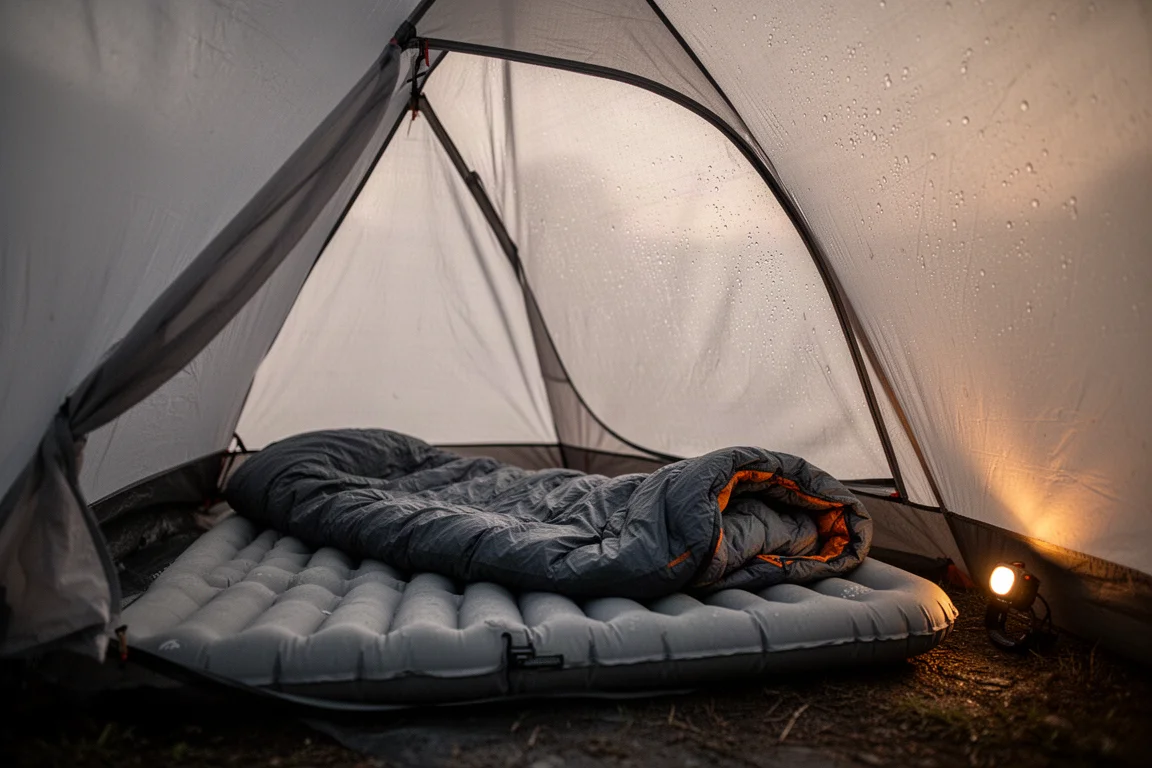
Big Agnes pads are among the most comfortable on the market, and the Rapide pairs that comfort with warmth that holds up beyond summer. It is the pad to choose if you want one option that covers a wide range of conditions without forcing a choice between sleeping well and sleeping warm.
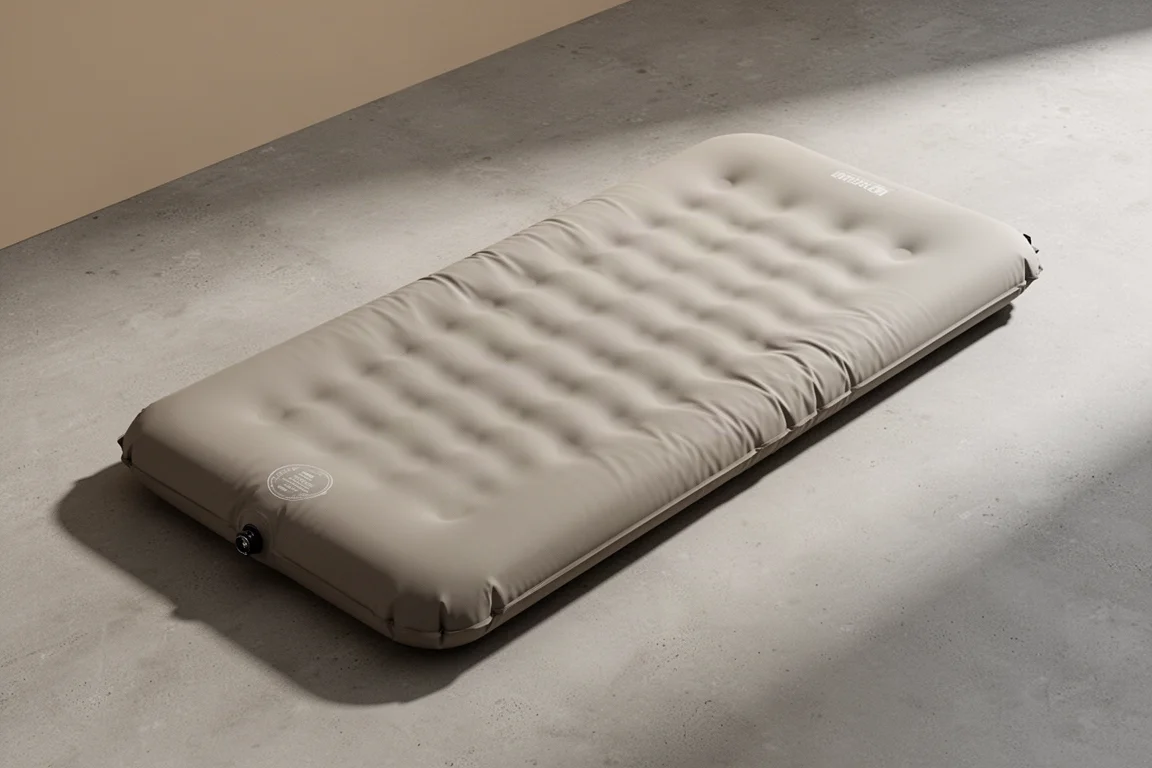
Better Alternative: Big Agnes Zoom
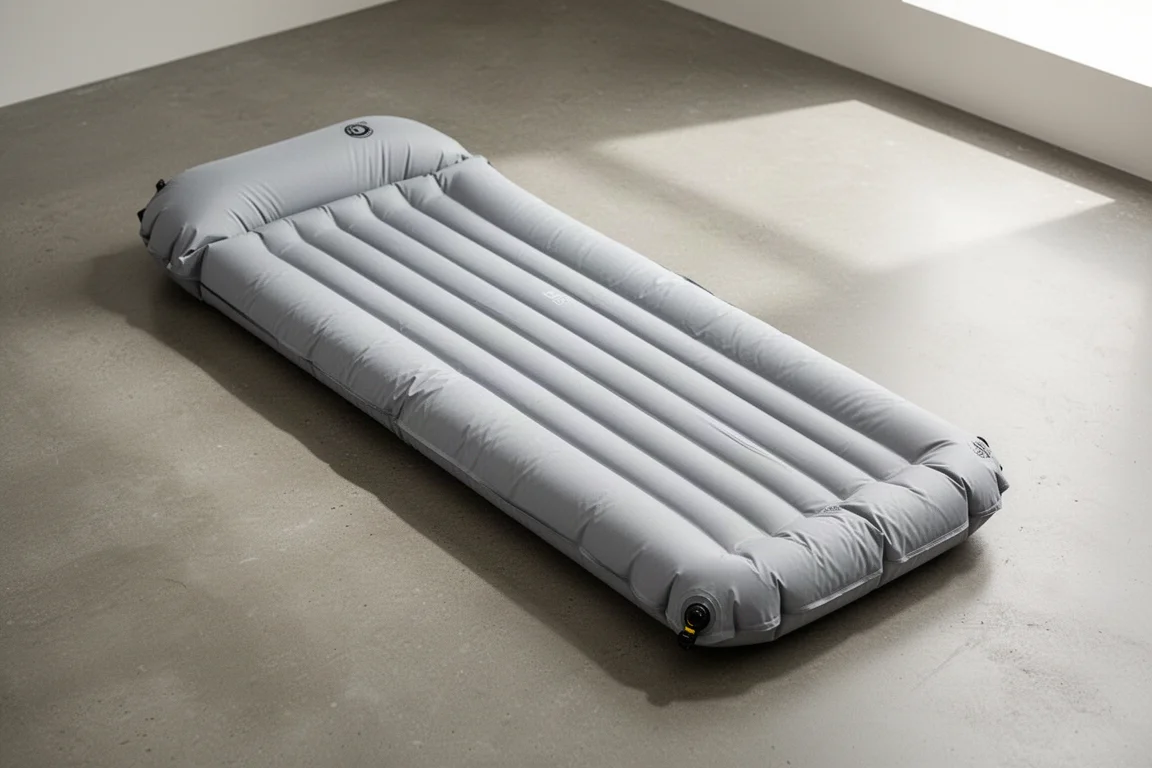
The Big Agnes Zoom is the lighter option in the same family, and it is a legitimate choice when weight is the priority. It does not compete with the Rapide on warmth, so it suits warm-weather trips and fast, light objectives rather than cold nights.
Better Alternative: Helinox Chair Zero
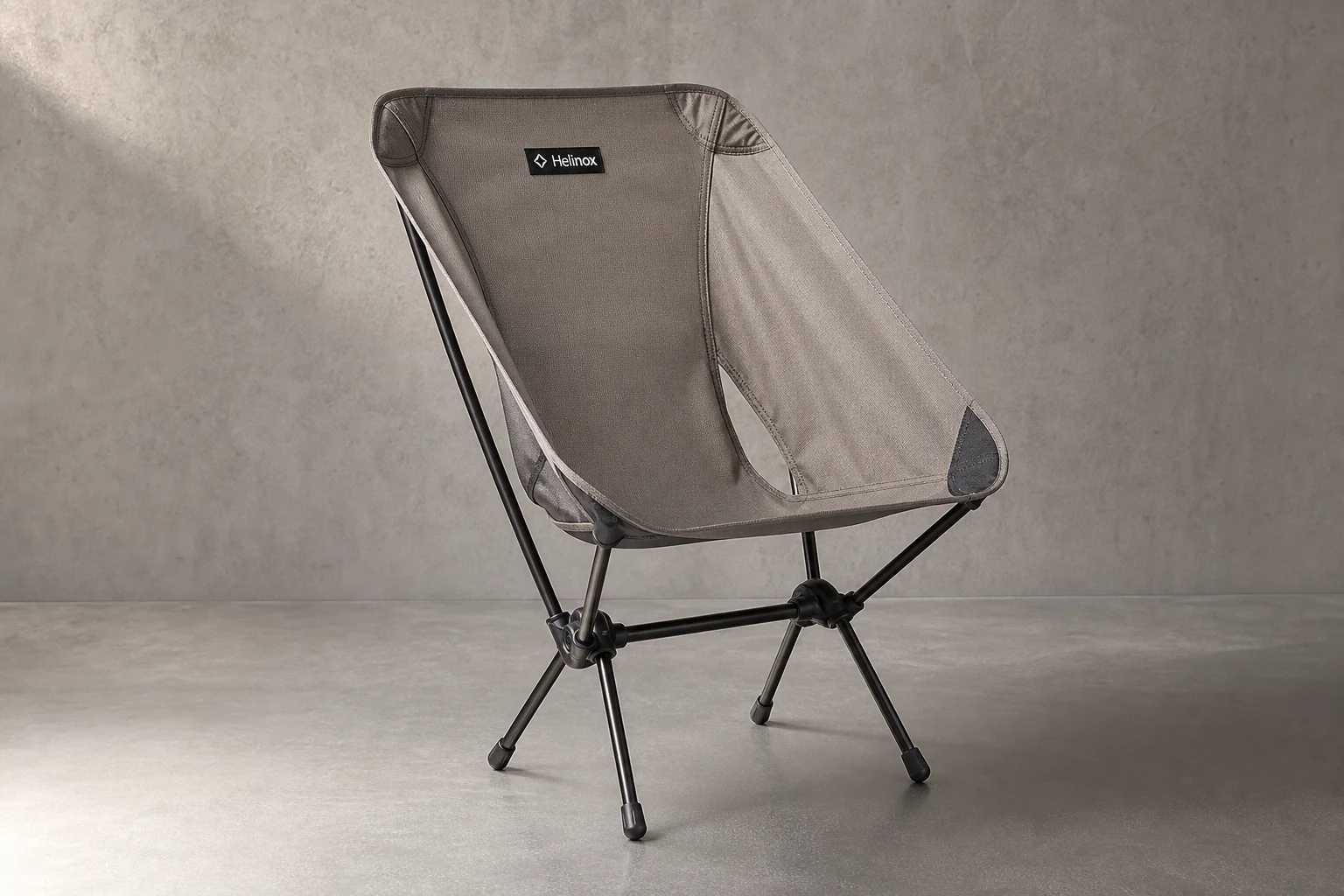
The Helinox Chair Zero remains the chair to beat. It is the lightest chair on the market and, unusually for ultralight furniture, also the most comfortable. The side-to-side pole geometry keeps the frame out of the way instead of pressing into your back, which is exactly the flaw that makes the Flexlite Air frustrating to sit in.
Treat it with a little care around a campfire. The seat fabric can pick up holes from stray embers, which is a small price to pay for a chair this light and this comfortable.
Better Alternative: Mountain Hardwear Strato
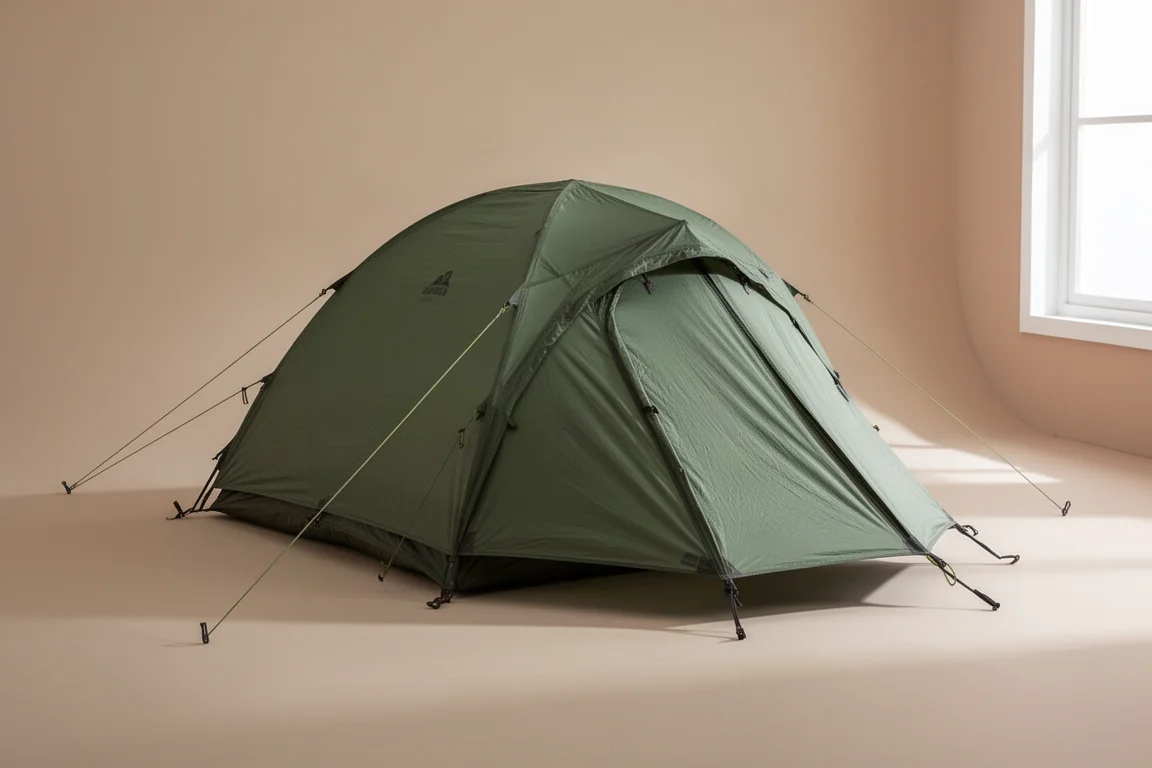
For a two-person semi-freestanding tent, the Mountain Hardwear Strato is probably the best option available. It is well made, it is relatively lightweight, and it fits two wide sleeping pads, which the Nemo Hornet Elite cannot.
The one thing to accept is the fly. It tends to sag, so expect to manage tension and re-stake it when conditions change. That is a manageable trade-off for a tent that otherwise does everything a two-person shelter needs to do.
Buying Advice
Match the gear to the trips you actually take. A shelter that keeps water out when the fly is wet matters more than a few saved grams if you hike in a rainy climate, and a pack that carries comfortably at your real load matters more than its claimed weight.
Check warmth claims carefully. Where a certified ASTM R value is published, compare it against the advertised figure, because the gap can be large. On a sleeping pad, that single number decides whether you are comfortable in shoulder season or cold all night.

Weigh convenience against cost. Integrated stoves and ultralight chairs are pleasant to use, but simpler alternatives often perform as well for less money, and the savings are better spent on the shelter or the pad. If you already own something from the first half of this list, your gear is not ruined. You may simply need a workaround, such as keeping loads lighter, adding insulation beneath your pad, or managing tent tension more carefully.
Conclusion
Good backpacking gear is not the most expensive gear, and it is not the lightest either. It is the gear that matches your conditions, your load and the way you sleep. The alternatives above earn their place because they solve real problems: a pack that stays comfortable, a stove that costs less and works as well, a pad that holds heat, a chair that supports you properly, and a tent that fits the pads you already own. Buy for the trips you take, not for the spec sheet.
Further reading
Related Reviews

Backpacking Gear
Building a 10 lb Base Weight: An Ultralight Backpacking Gear List
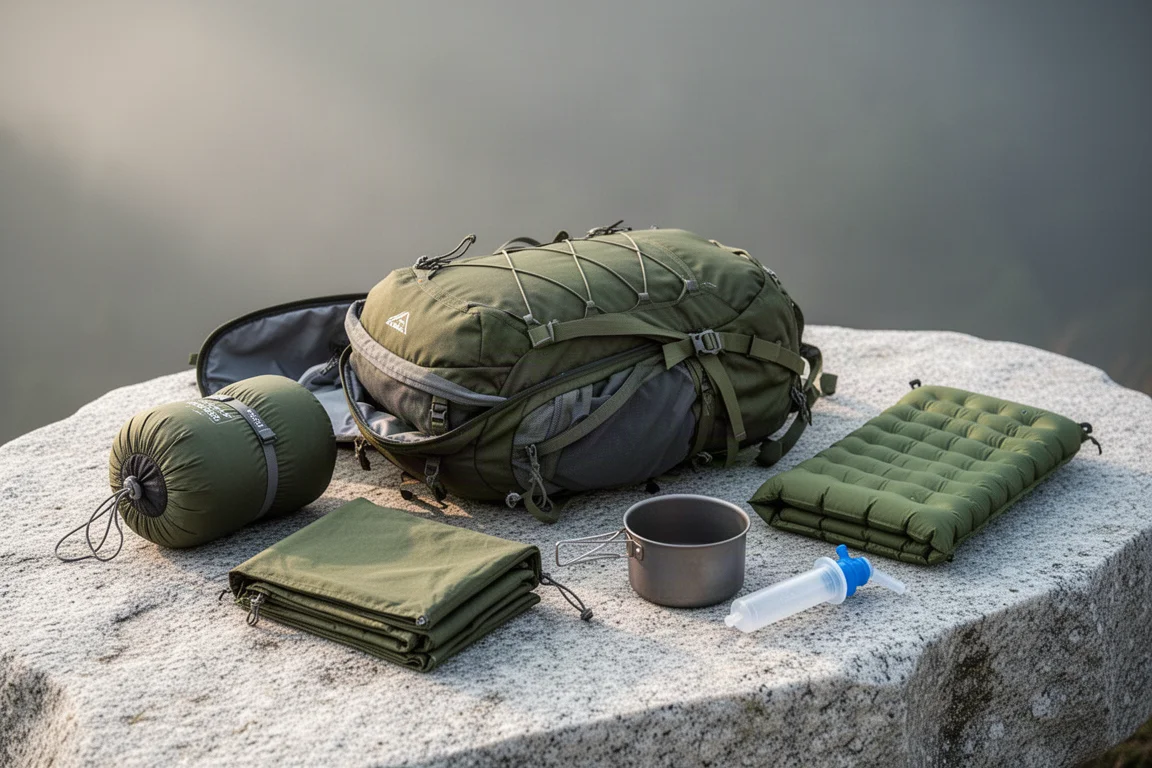
A practical walkthrough of the ultralight pieces behind a 10 lb base weight, from a 765 g pack and a roomy one-person tent to a full camp chair and a dependable water filter.
Backpacking Gear
A 15-Pound Lightweight Backpacking Gear List for Solo Trips
A beginner-friendly 15-pound backpacking setup built from easy-to-find gear, with notes on what each piece does, how it packs, and where to spend your attention.
Backpacking Gear
8 Ultralight Backpacking Gear Upgrades Worth Carrying
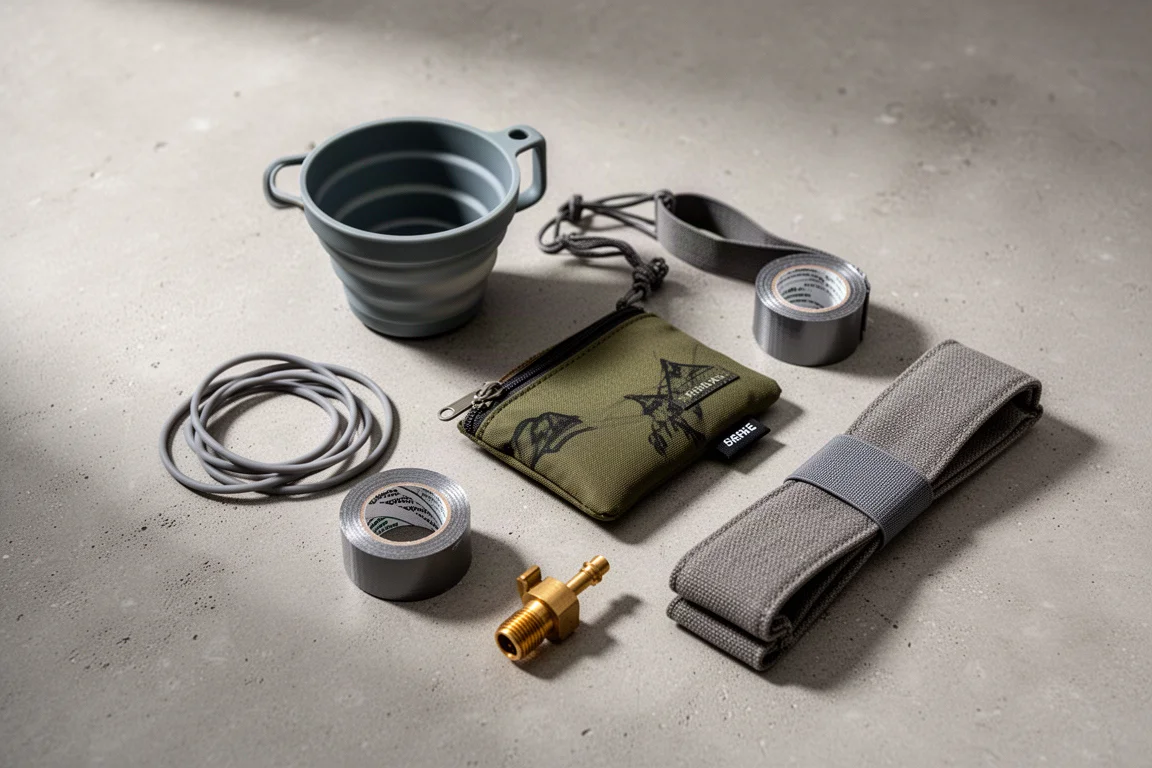
Eight small, affordable backpacking upgrades that solve real trail annoyances, from a pillow that stays put to a fuel valve that rescues leftover canister gas.