Backpacking Gear
Backpacking Gear Tier List: 14 Picks Ranked From Best to Skip
A practical tier list of 14 backpacking items, from proven thru-hiker staples worth the money to popular gear that adds weight without adding much.
Introduction
Backpacking gear attracts strong opinions, and for good reason. On a long trail, every item in a pack either earns its place or becomes dead weight carried for hundreds of miles. Some gear has been refined over decades of use by thru-hikers. Some of it sells mostly on reputation.
This roundup puts 14 well-known backpacking items into five tiers, from gear that belongs in almost any kit to popular products that are hard to justify. The rankings weigh real trail time, weight carried, durability, price, and how well each item solves an actual problem on the trail.
How These Rankings Work
Four things decide a tier here. Weight matters most, because ounces multiply over a long day and a long season. Durability comes next, since a shelter or a filter that fails on trail is worse than one that never leaves the closet. Price is weighed against alternatives rather than in isolation. And each item is judged on whether it solves a real problem or simply adds complexity.
That last point matters most. A well-made product can still land in a lower tier if it is heavy, overbuilt, or expensive relative to what it does. Plenty of well-known brands sell gear that beginners buy first and long-distance hikers replace later.
These tiers are not a judgment of anyone’s engineering. They are a practical view of what makes sense to carry, which is why the same brand can appear in different tiers depending on which product you are looking at.
The Best Tier: Gear Worth Building a Kit Around
These are the items that show up again and again on long-distance trails, and the ones experienced backpackers replace least often.
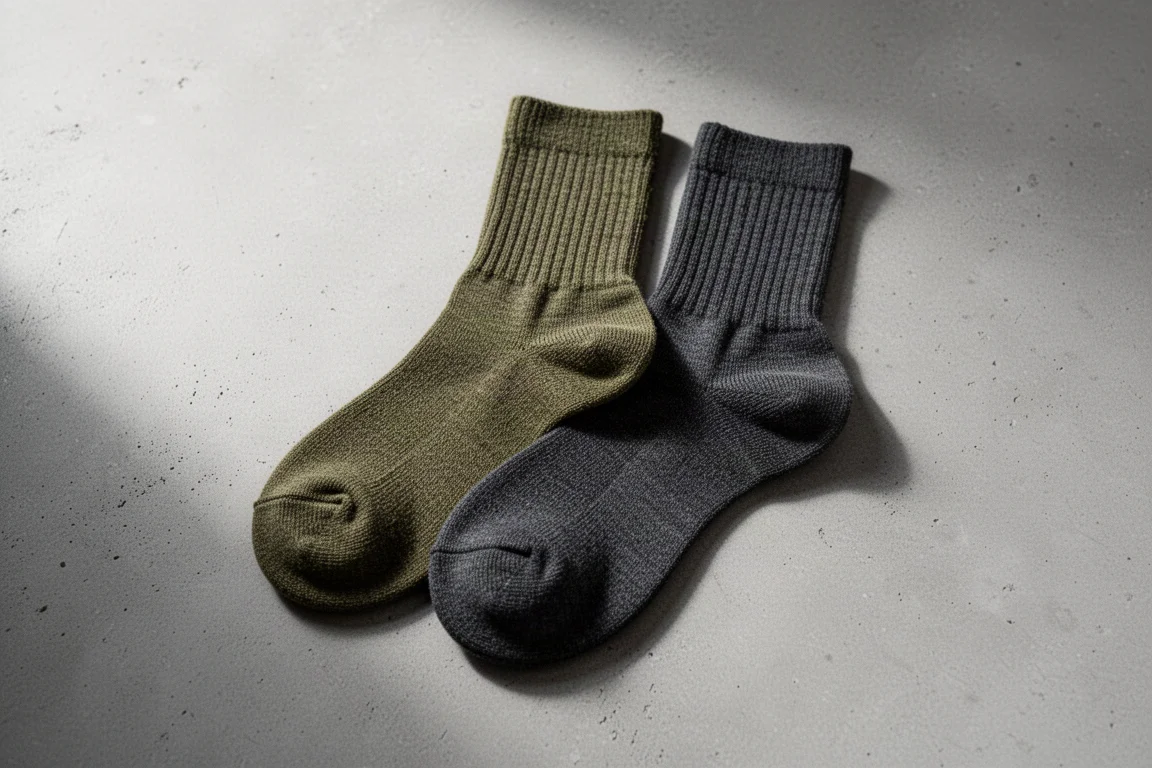
Darn Tough Socks
Darn Tough socks are the simplest recommendation in this whole list. They are tough, comfortable, and rarely cause blisters, which is a large part of why they are among the most popular socks on long trails. The construction holds up trip after trip, and the lifetime warranty is a real program rather than a marketing line: send back a pair that has worn through and the company replaces it, and several outfitters will exchange them in store.
For a piece of gear that gets used every single day, that combination is hard to beat.
Sawyer Squeeze
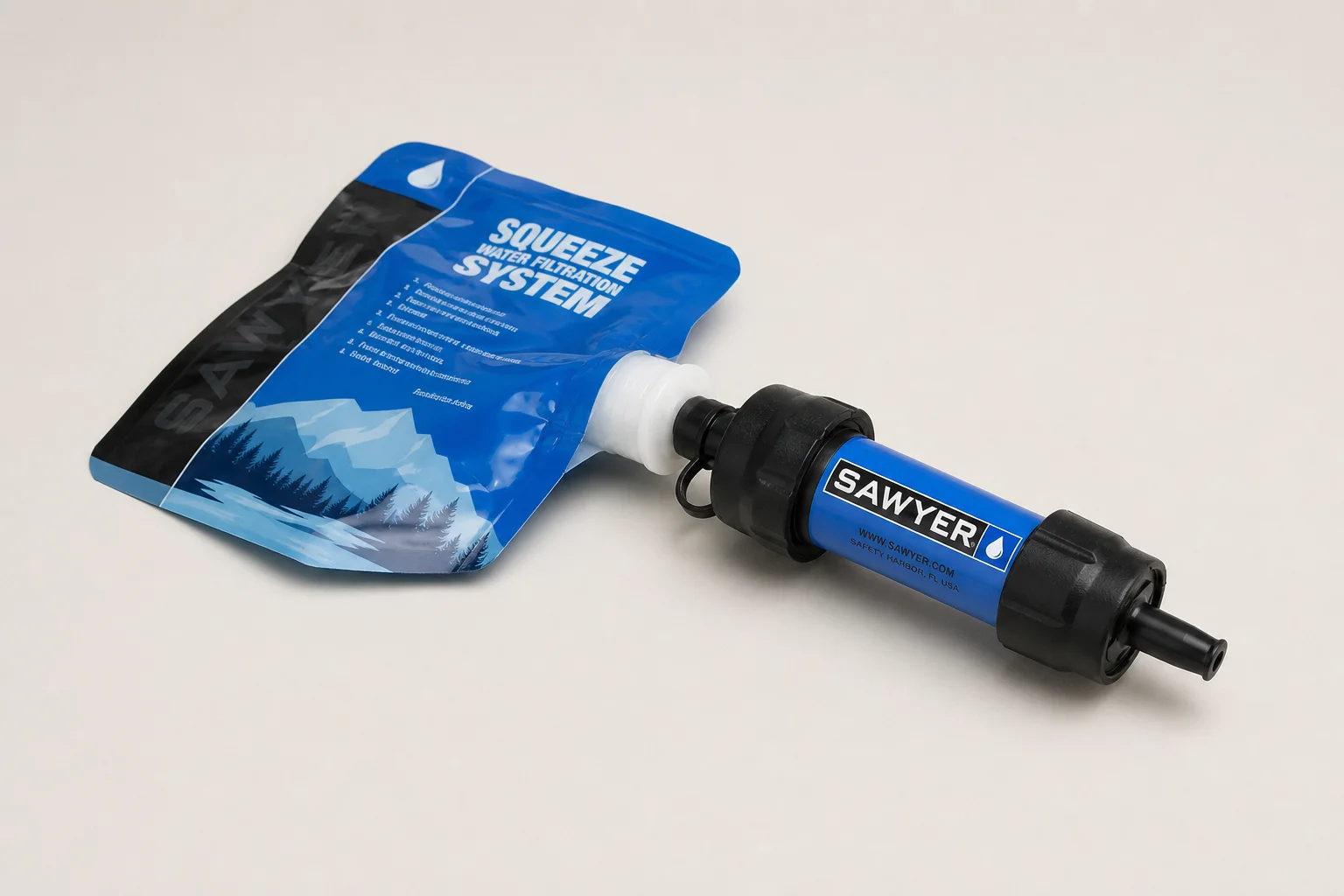
The Sawyer Squeeze has been a backpacking staple for years, and it remains the benchmark for lightweight water treatment. It is light, straightforward to use, and easy to find, from big-box stores to nearly every outfitter. The smaller Mini filter in the same line is a step down and not the one to choose when the Squeeze is available.
The brand’s companion products are worth knowing about too, including the permethrin treatment many hikers use to keep ticks off clothing and gear.
ULA CDT Pack
ULA packs have a strong following among long-distance hikers, and the CDT is the clearest example. The frameless design suits hikers who carry a very light load, while the wider range includes slightly beefier packs with lightweight frames for anyone who wants a bit more structure. That spread means there is usually a ULA pack that matches a given base weight, and the brand’s packs are among the most commonly seen on thru-hikes.
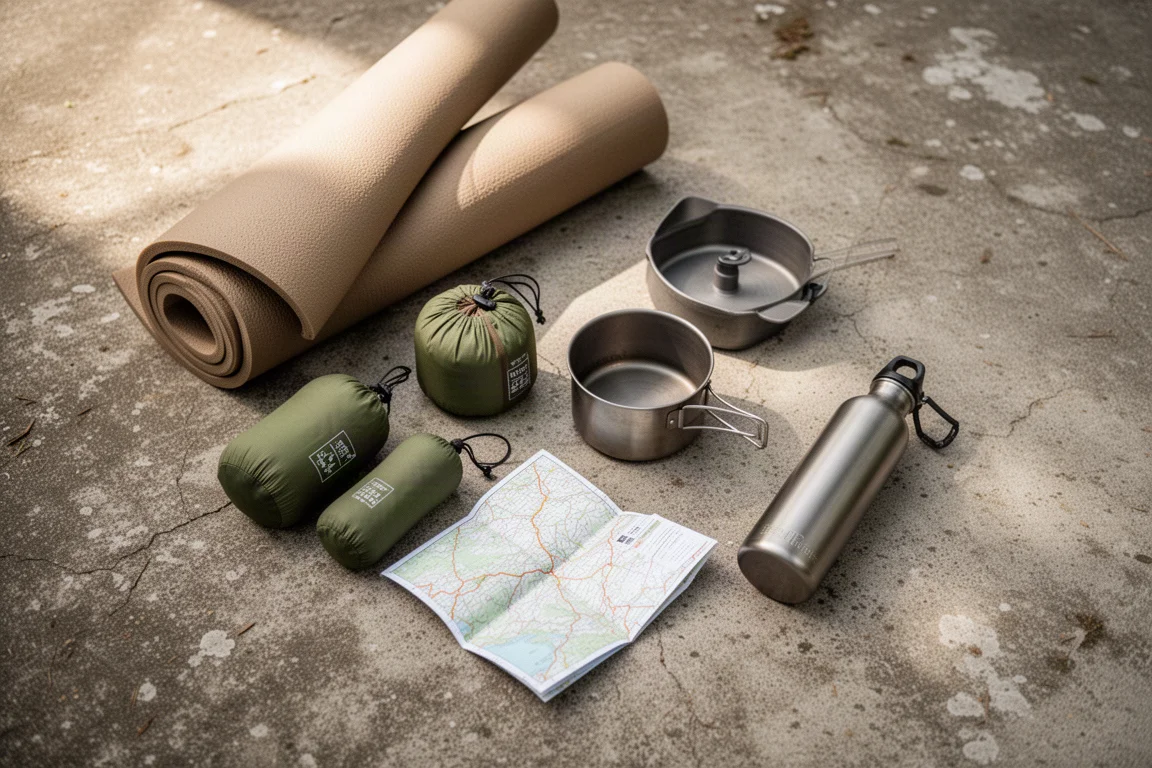
What makes the CDT work is that it stays out of the way. There is no unnecessary structure, no extra compartments, and nothing to fiddle with once the pack is on. For hikers who have dialed in a light kit, that simplicity is the point.
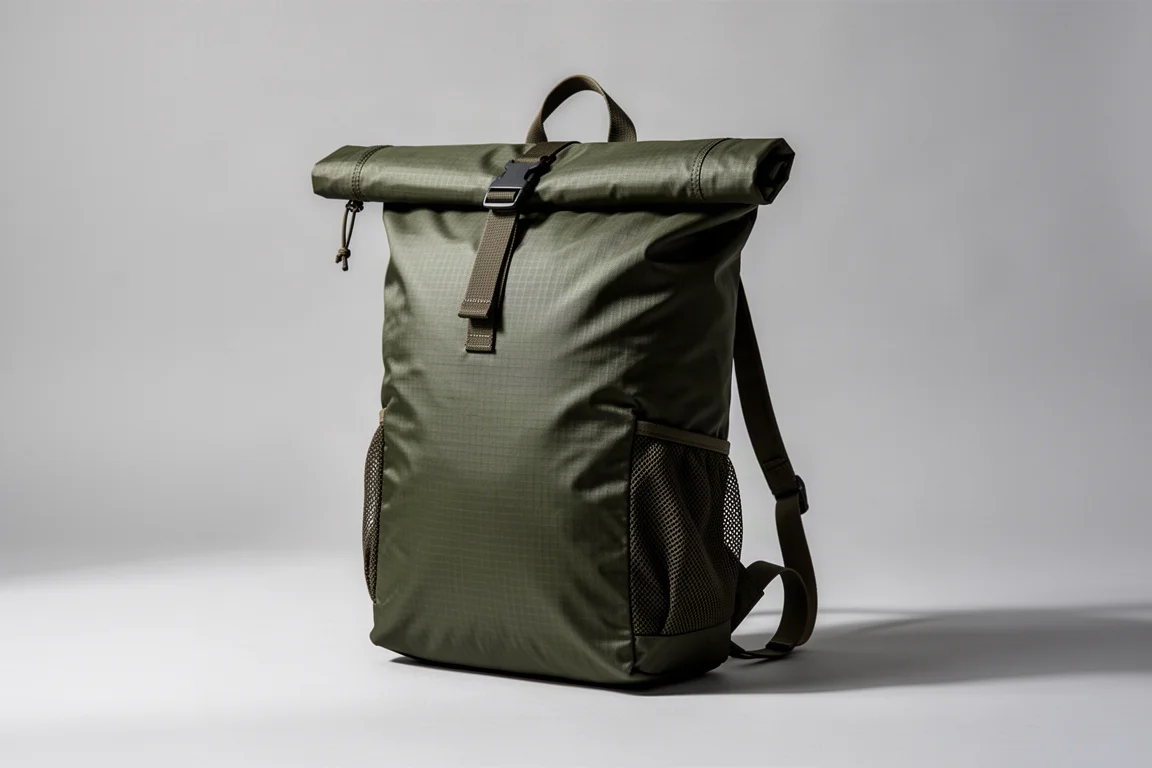
Zpacks Duplex
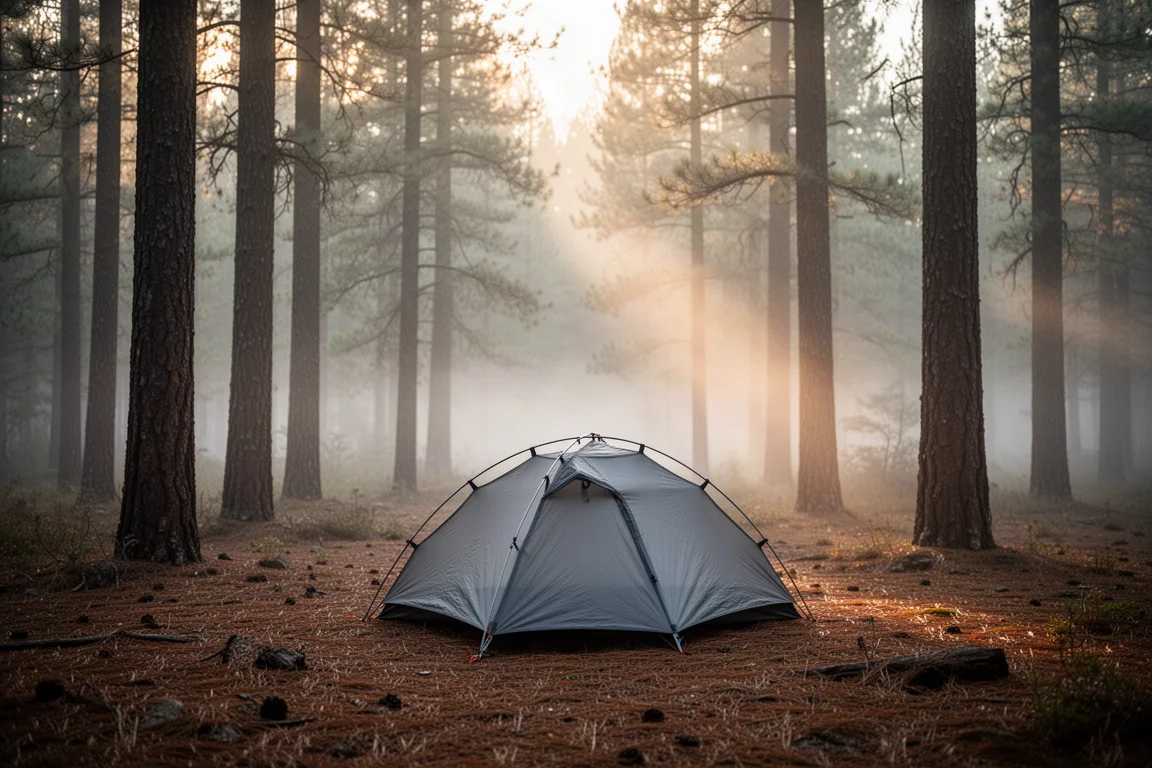
Zpacks builds the lightest tents on the market, and the Duplex is the flagship. It weighs less than many one-person shelters, which is a large part of why it is one of the most popular tents in ultralight backpacking. The Plex Solo takes the same approach further and is about as light as a fully enclosed tent gets.
The trade-off is price. These tents cost far more than mainstream shelters, and for a new backpacker or someone who gets out a few weekends a year, that money is hard to justify. For a long thru-hike, where the shelter is carried every day for months, the weight saving is easier to defend.
It is worth separating the tents from the rest of the brand. Zpacks backpacks have drawn mixed reports, including accounts of packs failing earlier than they should, so the tents remain the safer bet.
The Amazing Tier: Excellent Gear With a Caveat or Two
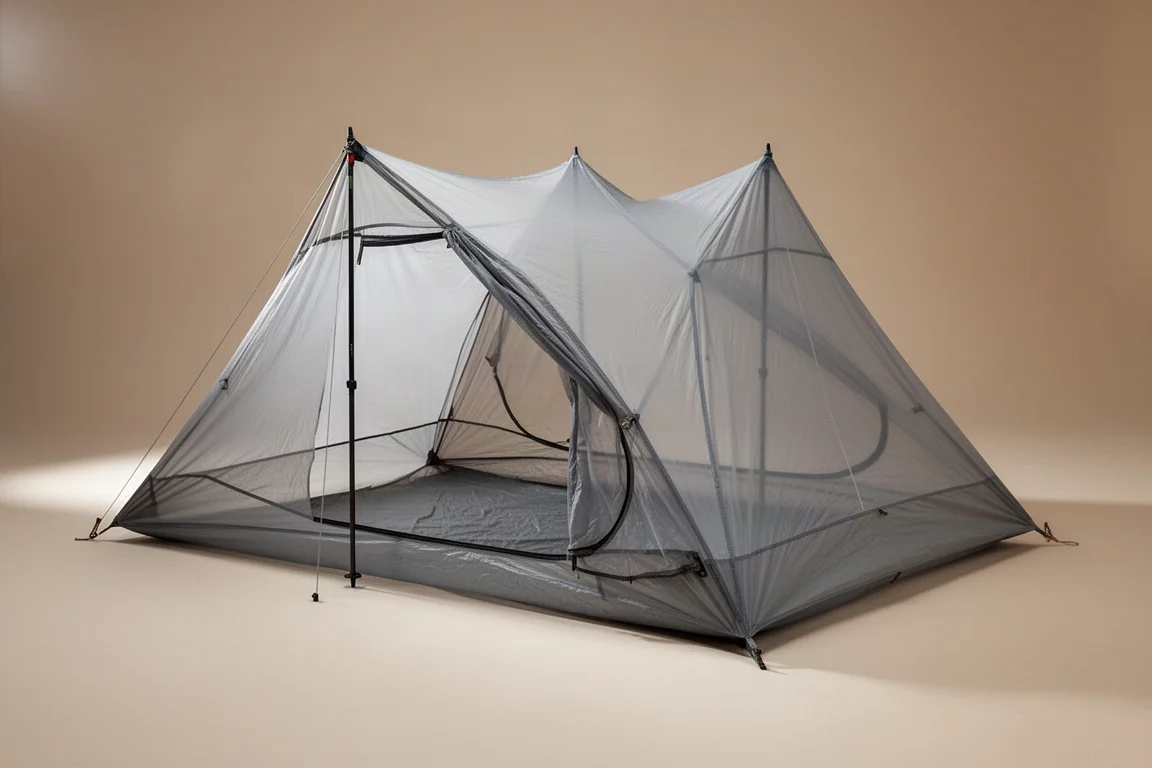
Therm-a-Rest NeoAir
The NeoAir is the inflatable sleeping pad that held up through multiple seasons of backpacking and a long thru-hike attempt, and it is still going. That kind of lifespan is the main argument for spending on a pad: a good one outlasts several cheap replacements.
One note worth checking: the newer versions of this pad are reported to be less durable than the older ones, so current owner feedback is worth reading before buying.
Kula Cloth
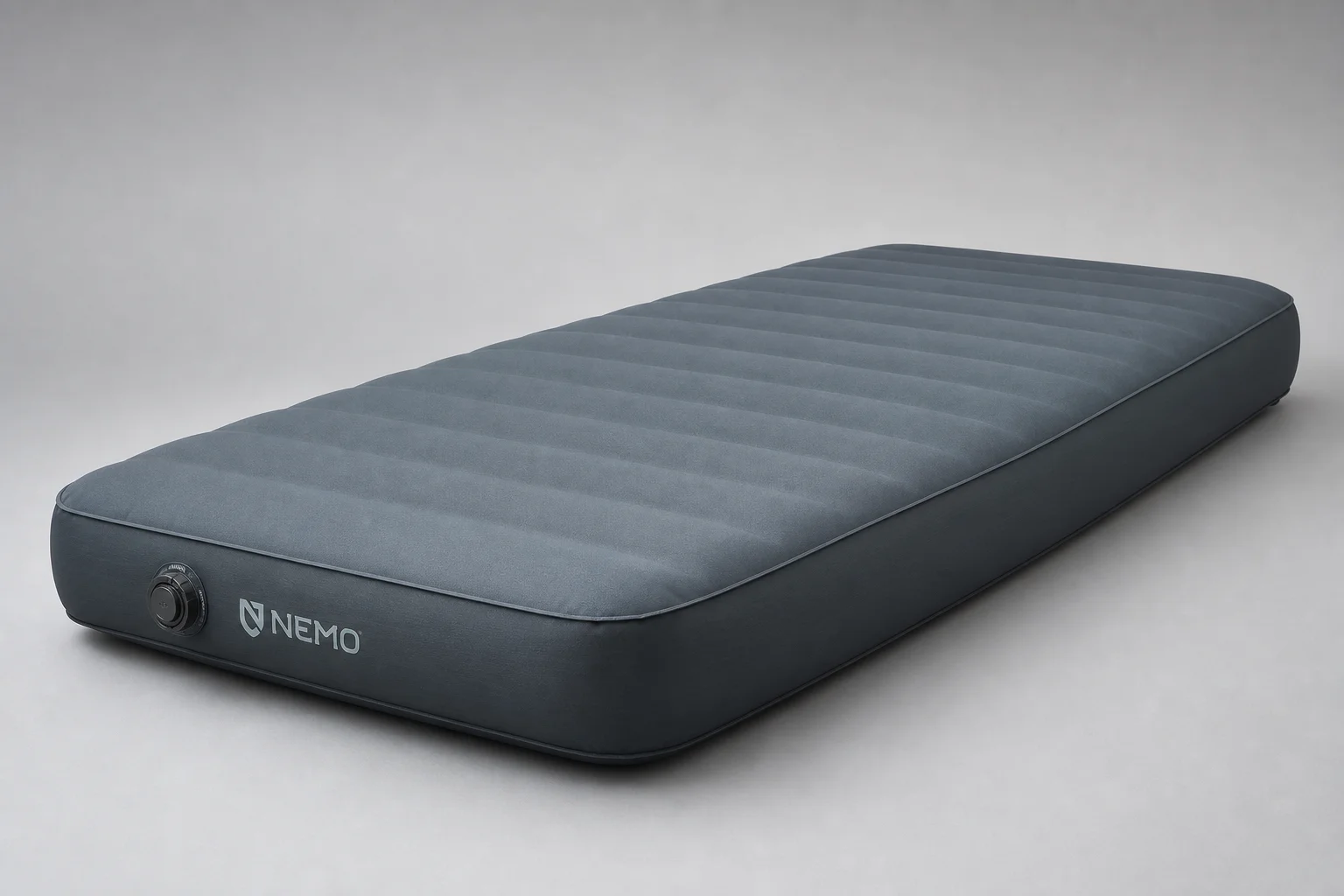
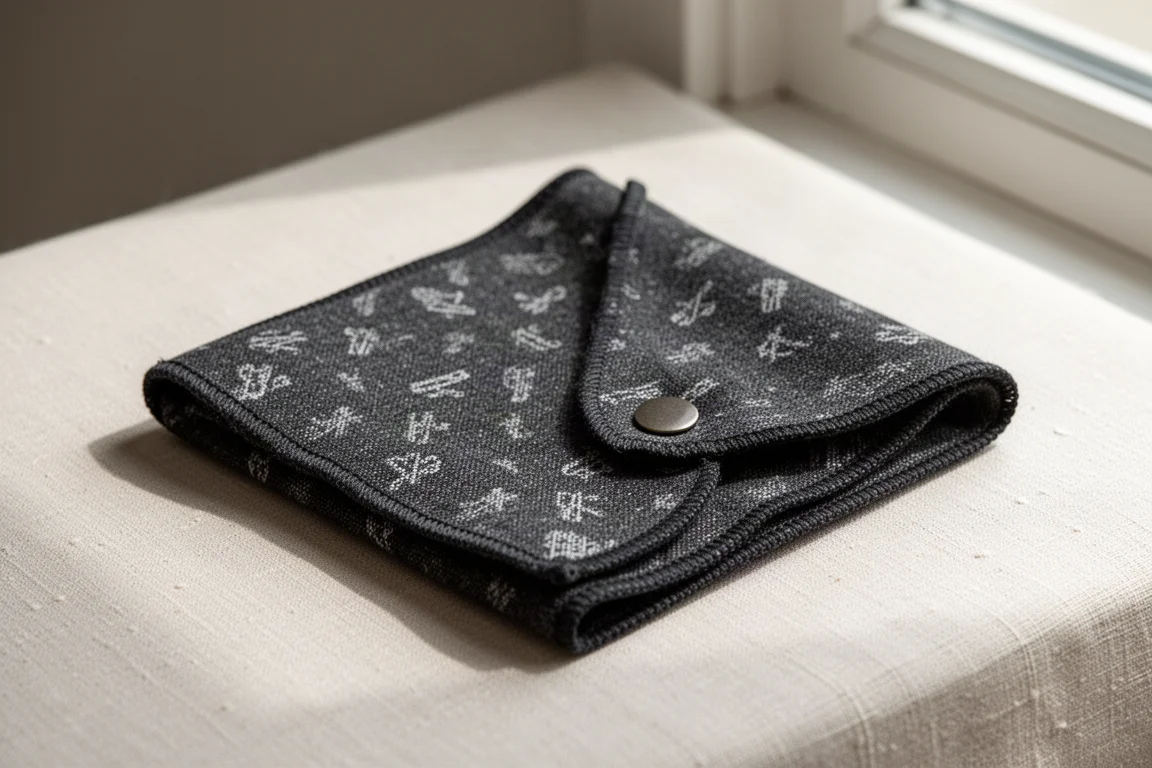
The Kula Cloth is a reusable cloth designed for women to use in the backcountry, and it has built a genuine following among women who spend long stretches on trail. It comes in a wide range of prints, and custom designs are available as well.
It is a niche product by definition, and it only matters to part of the backpacking audience, but for the people it is designed for it solves a real problem.
Hikers who use one tend to be enthusiastic about it, which is a better signal than any marketing claim.
The Solid Tier: Good Gear With Clear Trade-Offs
REI Sahara Shade Sun Hoodie
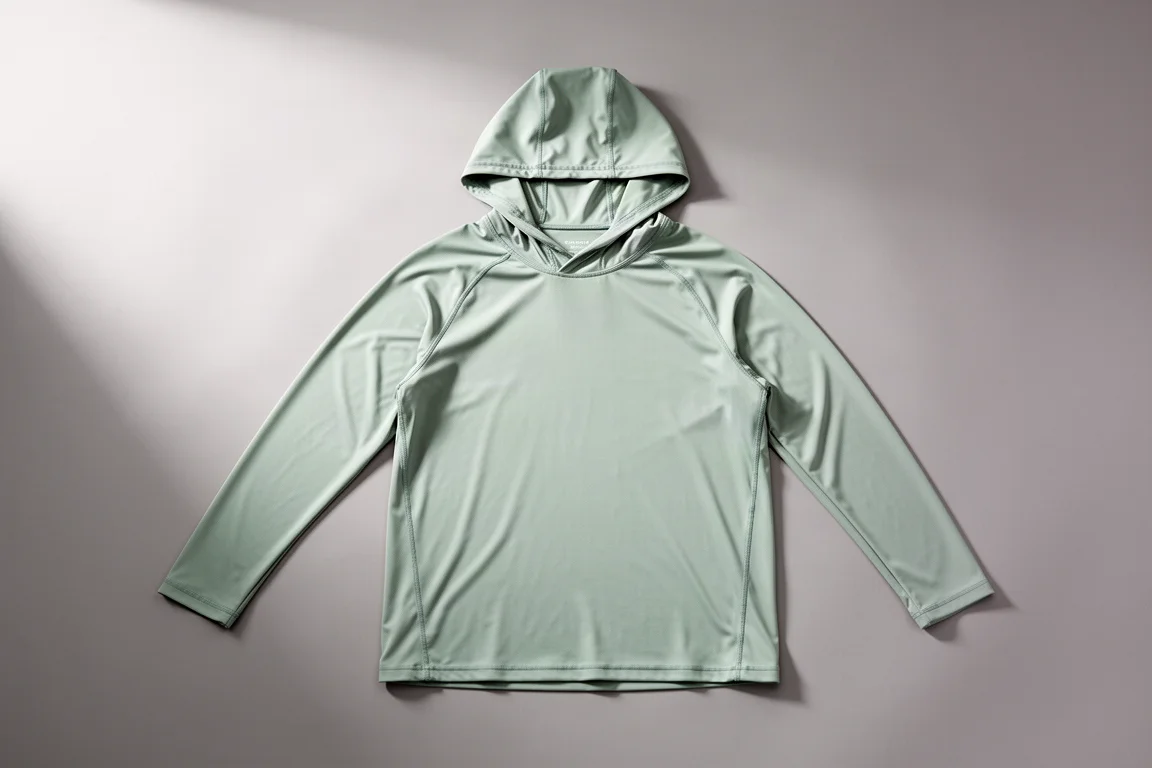
The Sahara Shade is the best sun hoodie in this list, light and comfortable enough to wear through weeks of exposed desert and alpine hiking. It comes in a wide range of colors and the lineup keeps refreshing, which makes a worn one easy to replace.
REI brand gear as a whole is uneven. Several of its tents are heavier than the ultralight options, though the Flash Air, a trekking-pole-supported, non-freestanding shelter, has picked up positive word of mouth. The sun hoodie is the product that carries the brand here.
Evolved Supply Co Ranger Pack
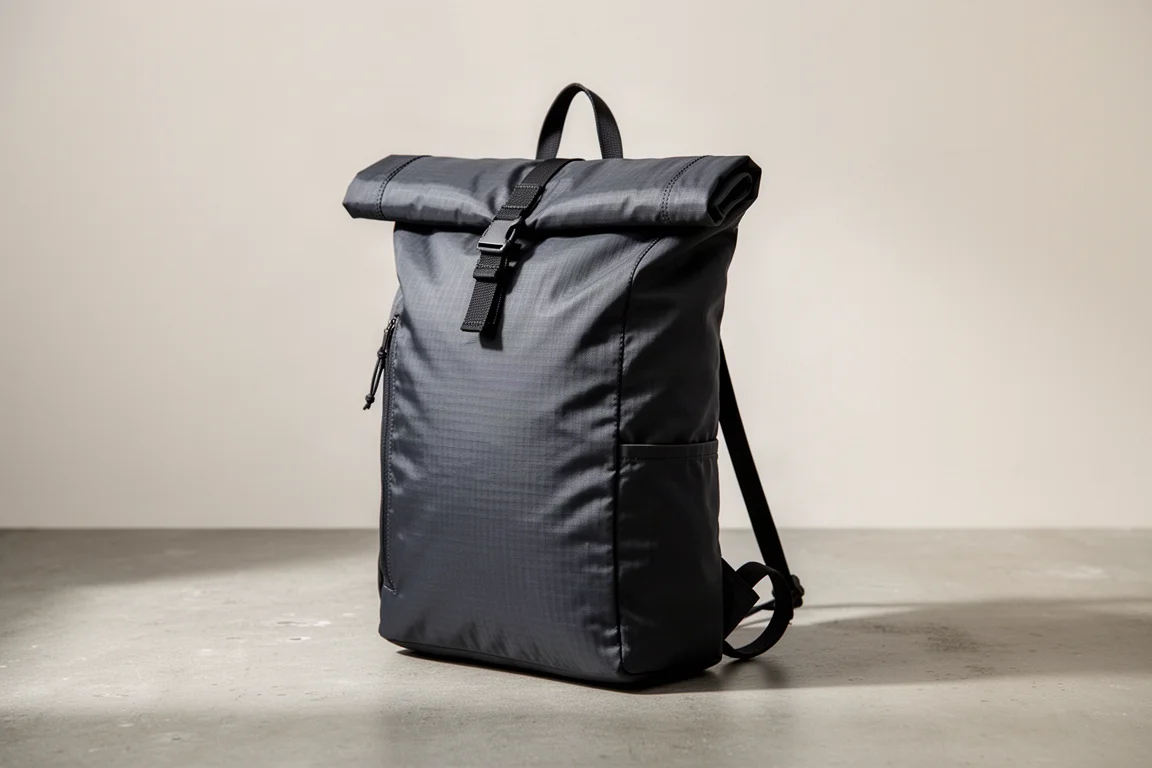
Evolved Supply Co is a newer cottage brand founded by a well-known long-distance hiker, and the Ranger pack is its most visible product so far. It looks sleek and thoughtfully designed, with the kind of details that come from someone who has actually carried a pack for thousands of miles.
The caveat is simply time. A single overnight is not enough to judge a pack, so the Ranger sits in solid rather than higher. It is a promising piece of gear that could move up with more miles on it.
LMNT Electrolyte Drink Mix
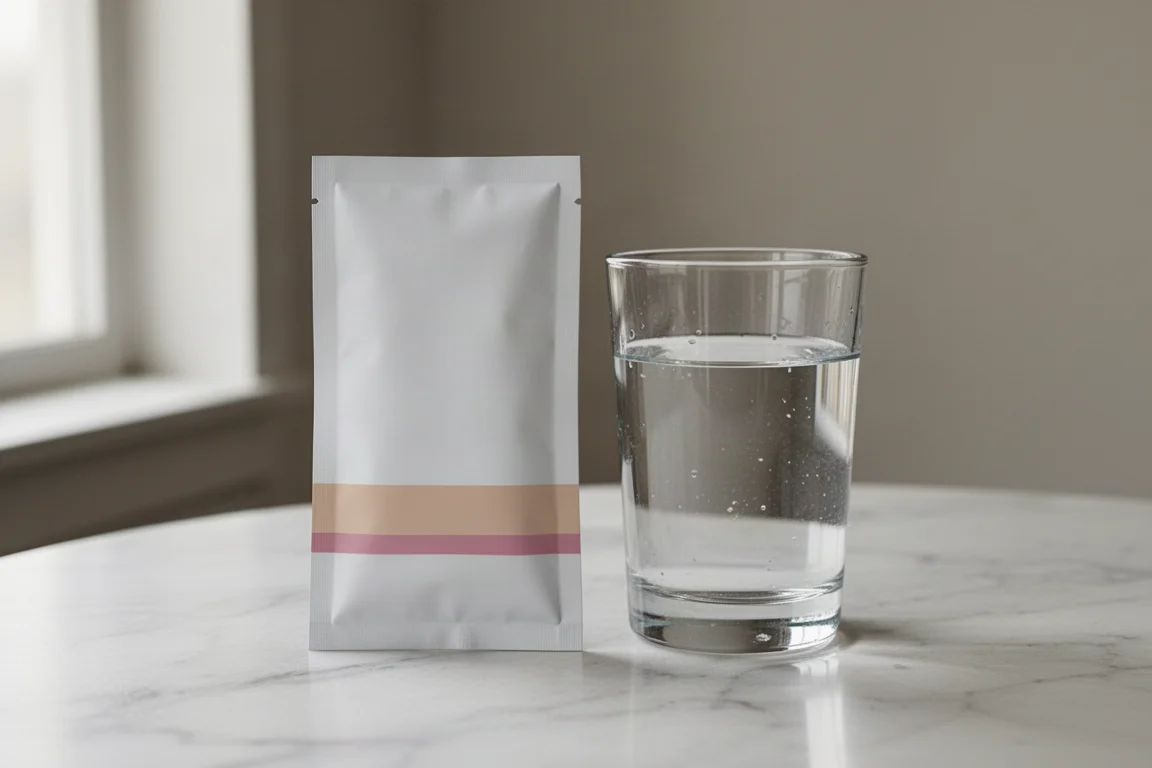
LMNT makes electrolyte drink mixes without sugar or the filler ingredients common in grocery-store options. The flavor range is broad and includes combinations few other brands make, and the grapefruit salt flavor stands out in particular.
It is a solid choice for hot, long days when you are sweating out more than you are taking in. Sample packs make it easy to find a flavor before committing to a larger order.
The Meh Tier: Popular Gear That Divides Opinion
Altra Lone Peak
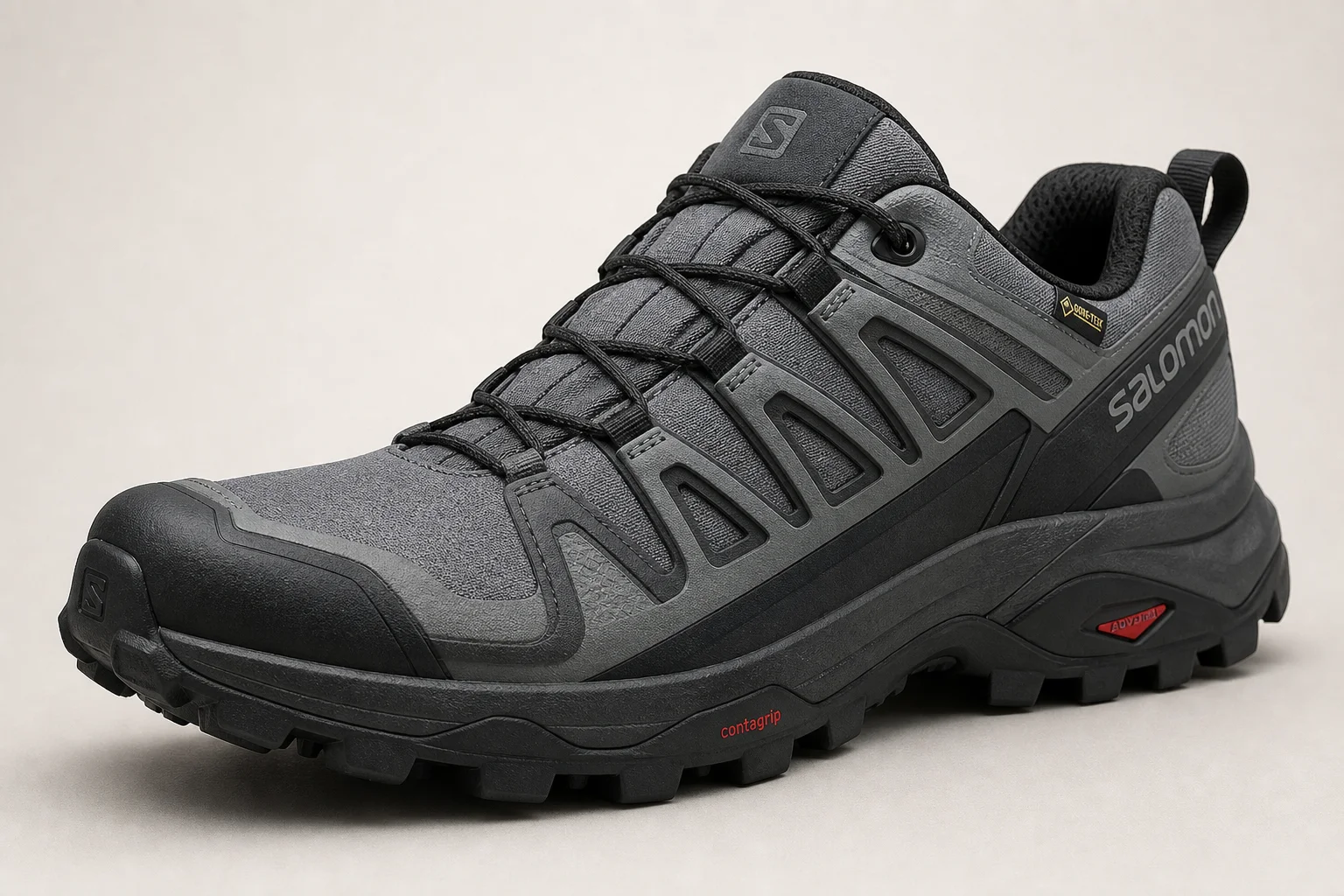
Altra’s trail runners are among the most common shoes on long trails, and the wide toe box is the reason. It gives toes room to spread, which many hikers find comfortable over long days. The Lone Peak and the Olympus 4 have both covered serious miles.
The downsides are consistent too. The zero drop platform does not suit everyone, the stock insoles are not a strong point, and price comes up often. Altra makes good shoes, but they are not automatically the right shoes.
Gossamer Gear The One
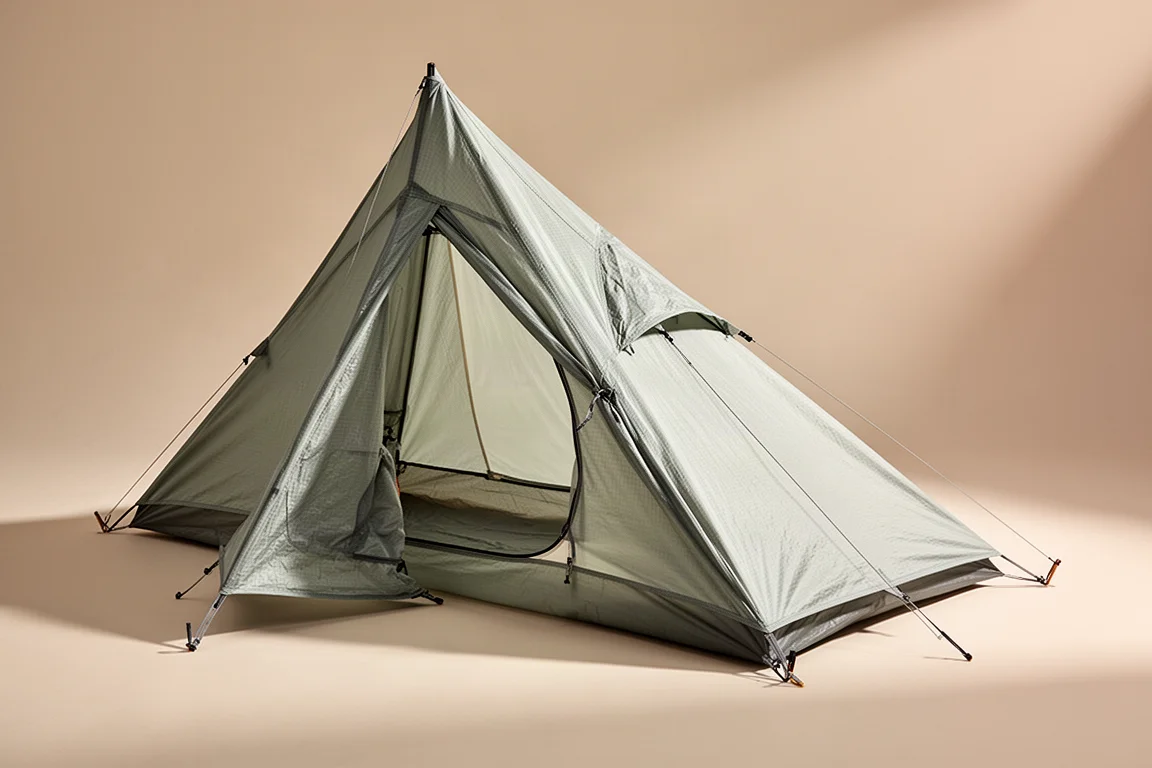
The One is a very light one-person shelter, and weight is where it wins. Field experience has been mixed: at least one unit was not seam sealed correctly and let water in during wet stretches, and the brand’s trekking poles have had early failures, including a strap that snapped within the first couple of miles of use.
Not everything from the brand lands the same way. The 1/8 inch foam pad is a light, comfortable, and inexpensive piece that works well as extra insulation or a sit pad. Gossamer Gear has a decent reputation among hikers overall, but the shelter record keeps it in meh.
MSR PocketRocket
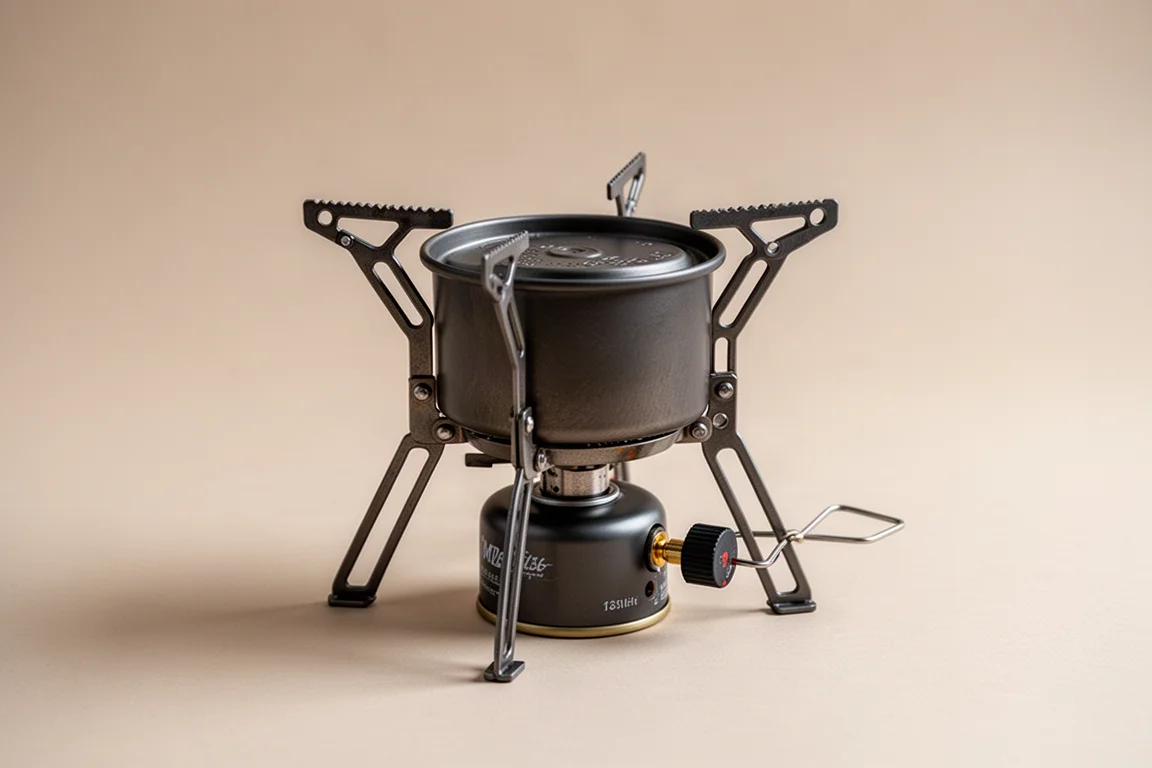
MSR covers stoves, pots, tents, and more, and the PocketRocket is its classic canister stove. It works, but it is heavier than it needs to be and bulkier than necessary for boiling a small pot of water, which is what most backpackers actually do.
The rest of the brand follows a similar pattern. The titanium pot has lasted years and is close to indestructible, and the Hubba Hubba is a common first tent purchase, often made before buyers know what else is out there. Nothing here is bad; it is simply not remarkable for the weight and price.
The Skip Tier: Weight Without Much Payoff
Nalgene Water Bottle
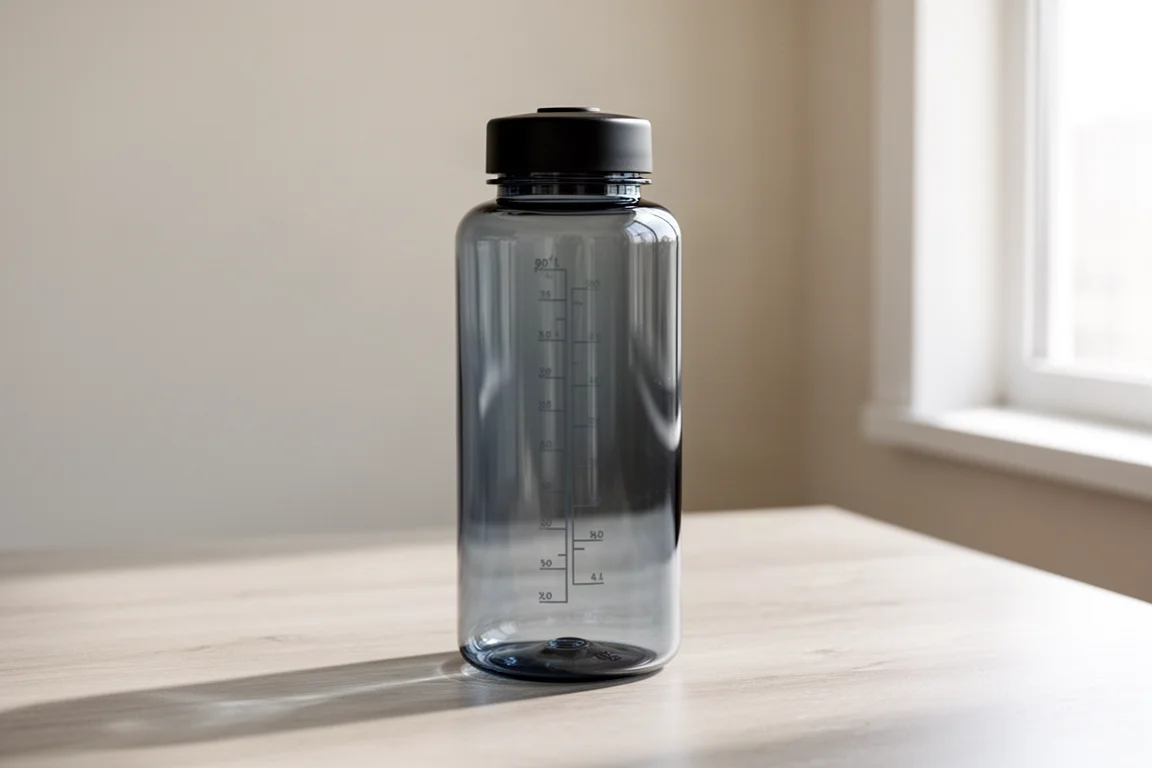
A Nalgene is a durable bottle with a loyal following, and for everyday use, stickers and all, it is fine. For backpacking it is hard to defend. Roughly six ounces empty is a lot of weight for something whose only job is holding water, and the wide mouth is awkward to drink from while moving.
Lighter bottles cost less and disappear into a pack. That is the whole argument.
Mountain House Meals
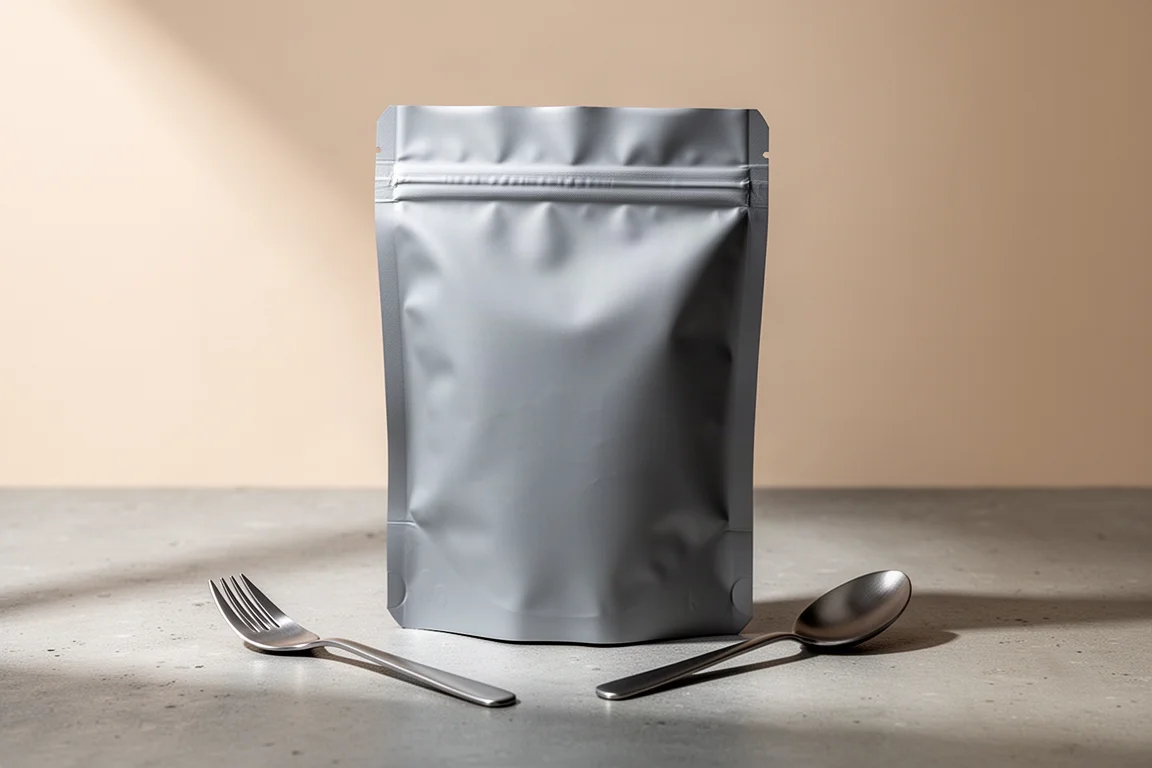
Mountain House meals are everywhere, and convenience is the appeal: buy a few, add hot water, eat. The problem is the food itself, which is a weak point compared with other dehydrated meal brands.
If a trip is short or the priority is simplicity, they will do. For anything longer, there are better-tasting options for the same weight in the pack.
Buying Advice: Matching Gear to the Trip You Actually Take
The right gear depends far more on the trip than on the brand. A weekend overnight does not need a premium ultralight shelter, and a five-month thru-hike makes weight savings that seem trivial at home add up fast.
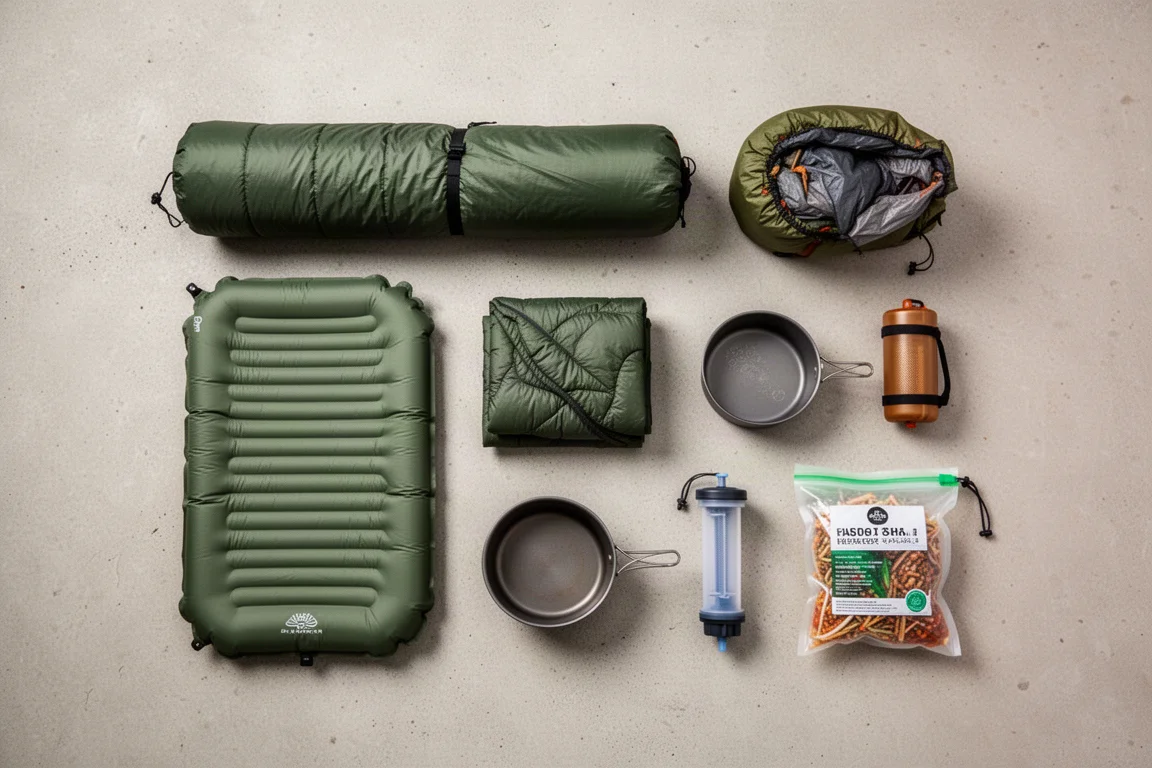
A practical way to prioritize: spend first on the gear you use every hour, which means footwear, socks, pack, shelter, and sleep system. These are the items where a small upgrade pays off daily and where a failure ruins a trip. Cooking and water treatment come next, where the gap between budget and premium options is narrower.
It also helps to be honest about frequency. If gear comes out twice a year, mid-range products from well-established brands will do everything needed. If it comes out for months at a time, the premium tier starts to make sense, because the cost per mile drops and the weight saving is felt every day.
Conclusion
The best tier here is not about prestige. It is about gear that has been proven over thousands of miles and still makes sense to carry: socks that survive daily use, a filter that has become the standard, a pack that stays simple, and a shelter light enough to change how a thru-hike feels.
The skip tier is just as useful. A heavy water bottle, a bulky stove, or a meal you have to force down are all avoidable costs. Between those extremes, the solid and meh tiers are where most buying decisions land, and where matching the product to the trip matters more than the logo on it.
If you are building or replacing a kit, start with the items you touch every day and work outward from there.
Further reading
Related Reviews

Backpacking Gear
Building a 10 lb Base Weight: An Ultralight Backpacking Gear List
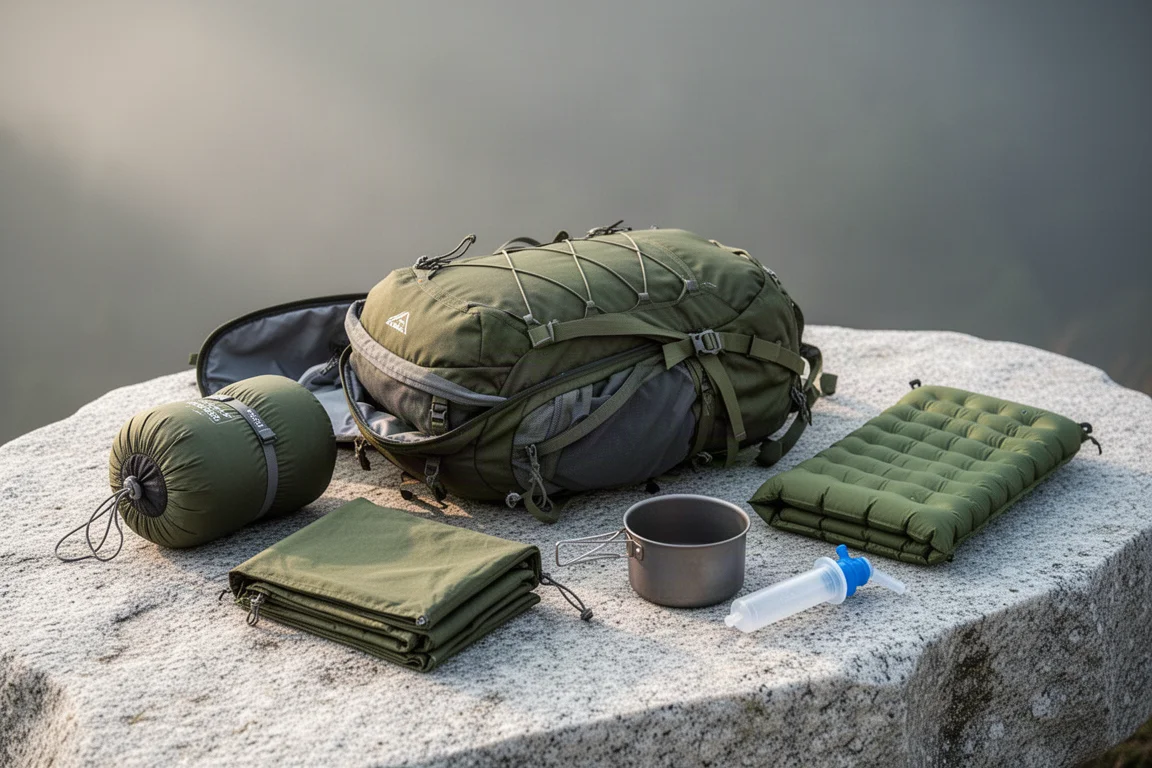
A practical walkthrough of the ultralight pieces behind a 10 lb base weight, from a 765 g pack and a roomy one-person tent to a full camp chair and a dependable water filter.
Backpacking Gear
A 15-Pound Lightweight Backpacking Gear List for Solo Trips
A beginner-friendly 15-pound backpacking setup built from easy-to-find gear, with notes on what each piece does, how it packs, and where to spend your attention.
Backpacking Gear
8 Ultralight Backpacking Gear Upgrades Worth Carrying
Eight small, affordable backpacking upgrades that solve real trail annoyances, from a pillow that stays put to a fuel valve that rescues leftover canister gas.