Backpacking Gear
Backpacking Gear That Surprised Us: Seven Picks Worth a Closer Look
Seven backpacking products that overturned first impressions, from a comfort-first sleeping pad and a waterproof bear bag to an armless pair of sunglasses.
Introduction
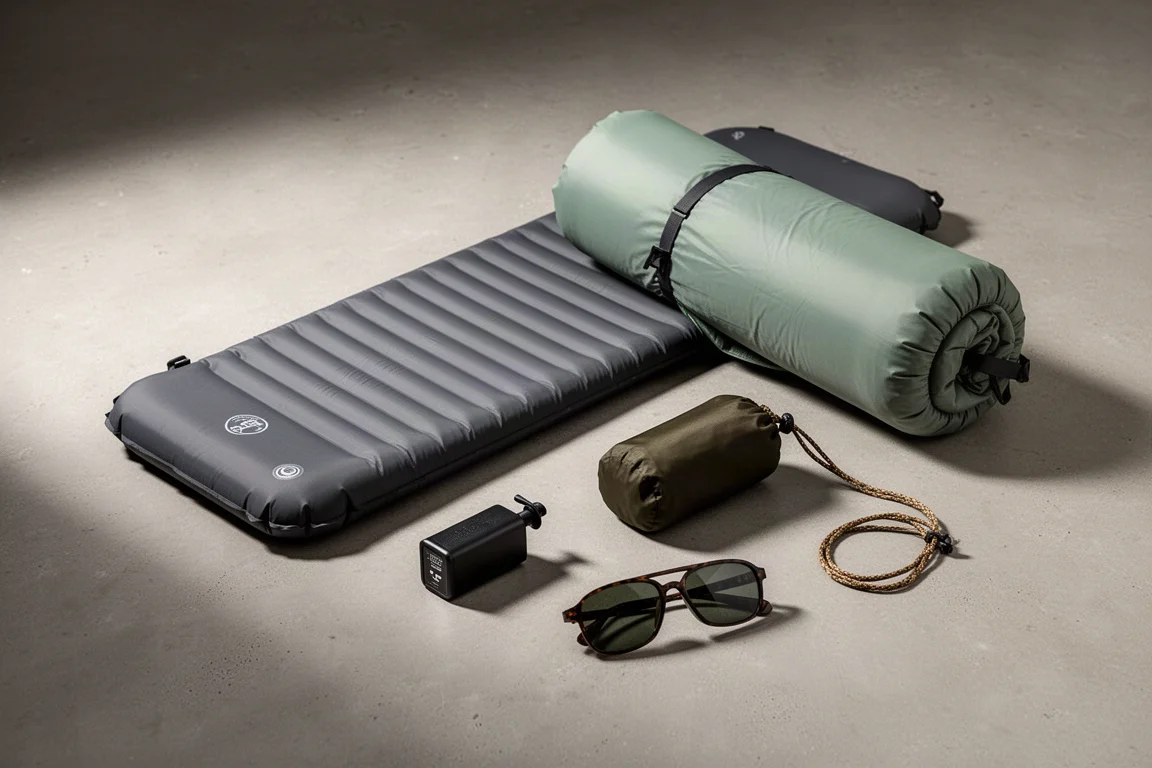
Gear that arrives with low expectations can be the most interesting kind to test. A sleeping pad from a brand better known for warmth than cushioning, a bear bag that costs more than the bag it competes with, sunglasses with no arms at all: each of these invites an obvious first reaction, and each turned out to be more useful in the field than that first reaction suggested.
The picks below earned their place by changing how a trip actually felt, whether that meant sleeping better, pitching faster, carrying less or simply not losing an expensive pair of sunglasses somewhere on a long trail.
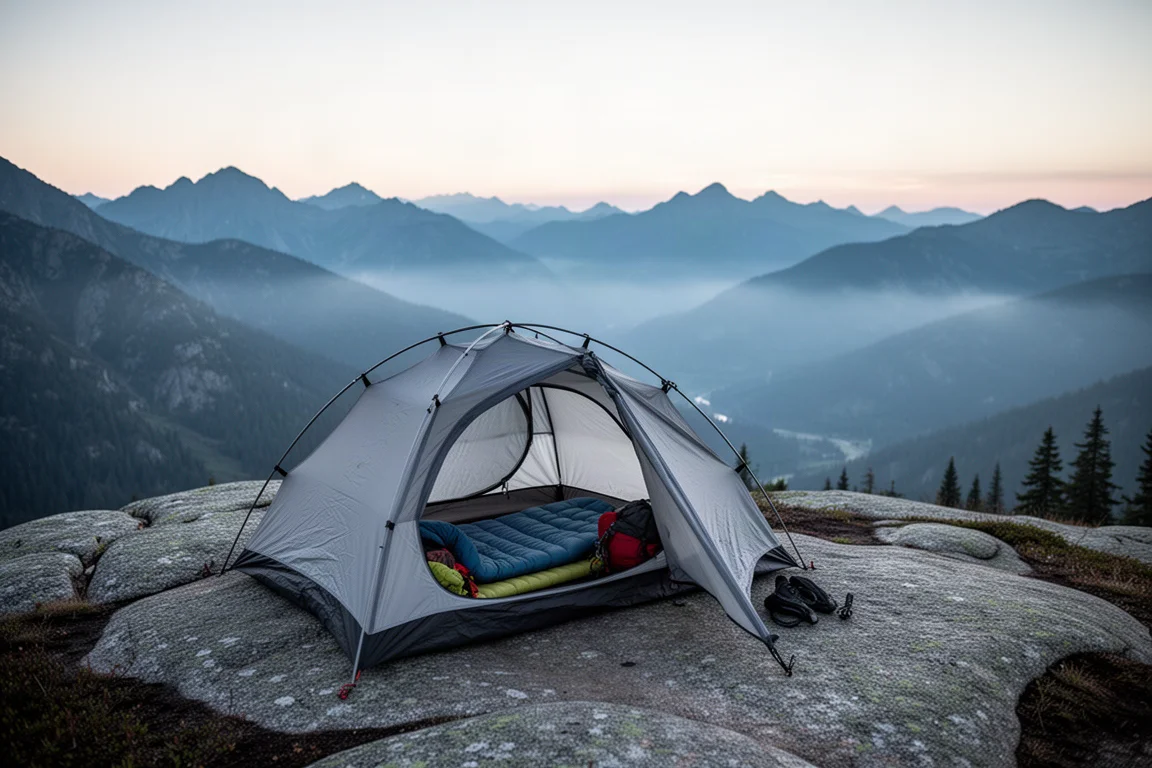
Every one of them comes with a trade-off worth knowing before you spend. Where a product is expensive, heavier or louder than the alternative, that is stated plainly, because the value only holds up when the gear matches the trip you really take.
How These Picks Earned a Second Look
Three things mattered more than spec sheets. The first was whether a design solved a problem that shows up on real trips, such as pressure points, food storage in the rain, or pitching a shelter on ground where stakes will not go in. The second was durability after repeated use, including being crushed inside a pack or worn all day. The third was honesty about compromise: a pump that is fast but loud, or a tent that is storm-worthy but heavier, is still a good product as long as the trade-off is clear.
None of these items are the cheapest option in their category, and several are deliberately niche. What they share is a design decision that makes a specific job easier, which is usually the difference between gear that gets used and gear that stays in a bin.
Therm-a-Rest NeoLoft: Comfort-First Sleeping Pad
First impressions were not encouraging. The NeoLoft looked like other pads from the same brand, and this brand’s pads have historically ranked low on comfort for some sleepers because of their horizontal baffles, which can leave an arm numb and tingling. Packed size and weight also seemed likely to rule it out for backpacking.
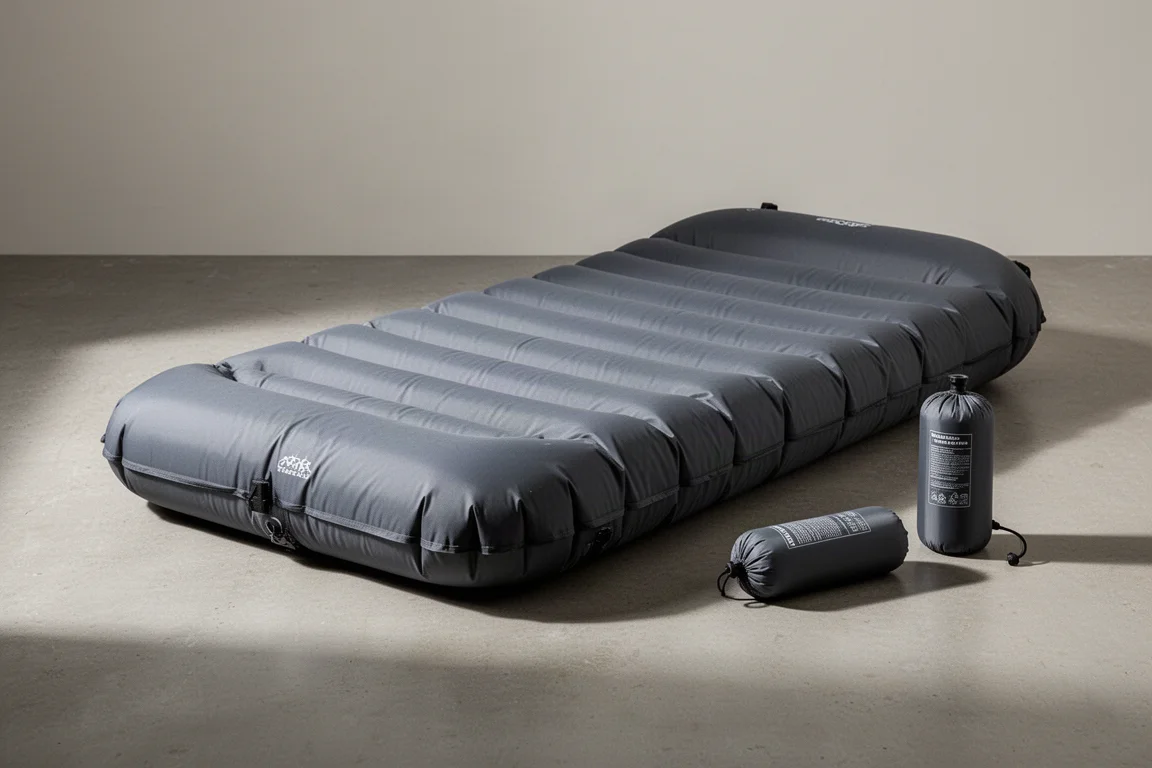
The surprise came in two stages. On paper, the NeoLoft packs smaller and lighter than its inflated size suggests, thanks to the Triangular Core Matrix and ThermaCapture construction the brand uses to keep pads warm without bulk. On the trail, the 4.6-inch thickness turned out to be the headline: it sits among the thickest pads available in a package that still weighs under a kilogram.
That thickness changes how the pad is used. You can let air out until it feels genuinely soft without bottoming out and touching the ground, which is the usual failure point of thinner pads. The stretchy top surface adds pressure relief, and it largely neutralises the horizontal baffle design by letting you sink in slightly rather than resting on top of the structure. The result is one of the most comfortable pads tested to date.
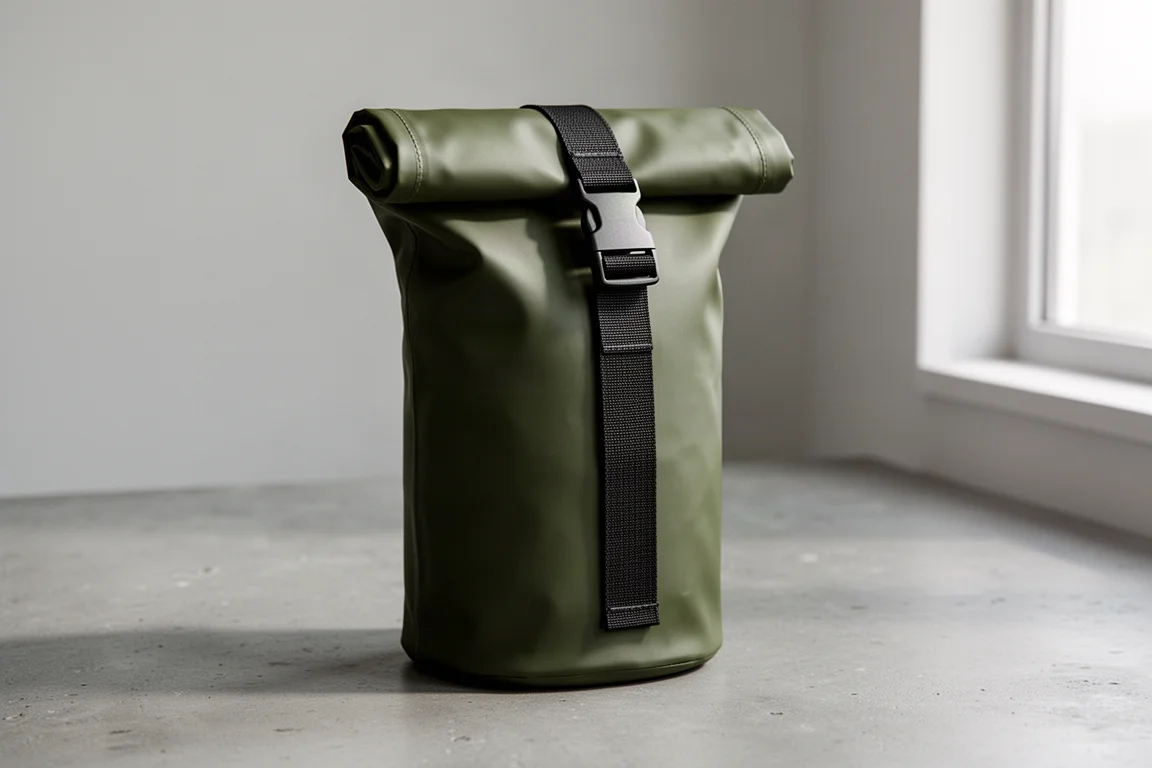
Adotec Bear Bag: Waterproof Storage for Bear Country
This bag is certified for grizzly bears after testing with animals that are used to trying to get into food bags, and they did not get in. The obvious question was whether a new bag could improve on the established Ursack, or whether it would simply be heavier, pricier and less capable.
In practice the Adotec is more expensive, but it is also a couple of ounces lighter, and the waterproof fabric is the feature that makes it more capable. If a bear crushes the bag against liquid contents, nothing leaks out to reward the animal, which makes the bag more effective as a deterrent. The same fabric matters in wet weather, where a water-absorbing bag gains weight as it soaks.
The bag is also described as resistant to gnawing animals such as squirrels, chipmunks and porcupines. That claim has not been put to a real test yet, but for anyone whose food bag has been chewed by rodents, the possibility alone may justify the extra cost.
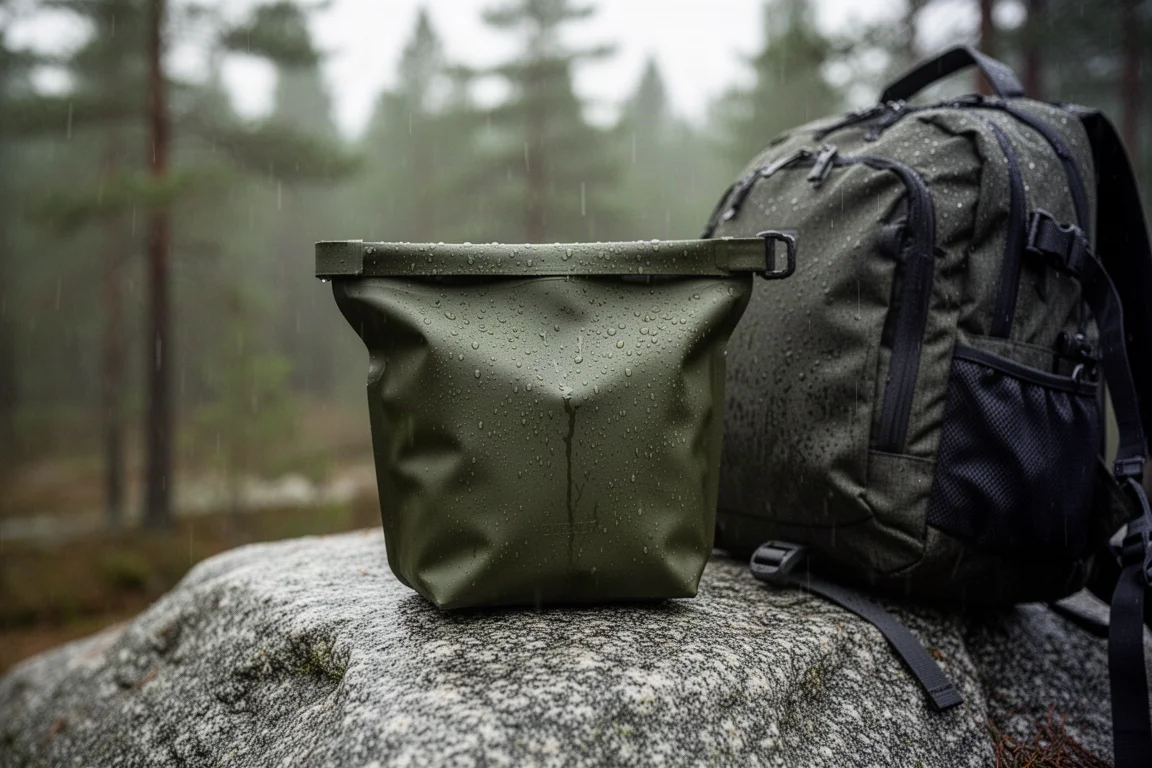
For backpackers who want a lighter, hang-free option in bear country, the combination of certification, waterproofing and reduced weight makes this a straightforward upgrade over the older design.
Durston X-Mid 1P: A Freestanding One-Person Shelter
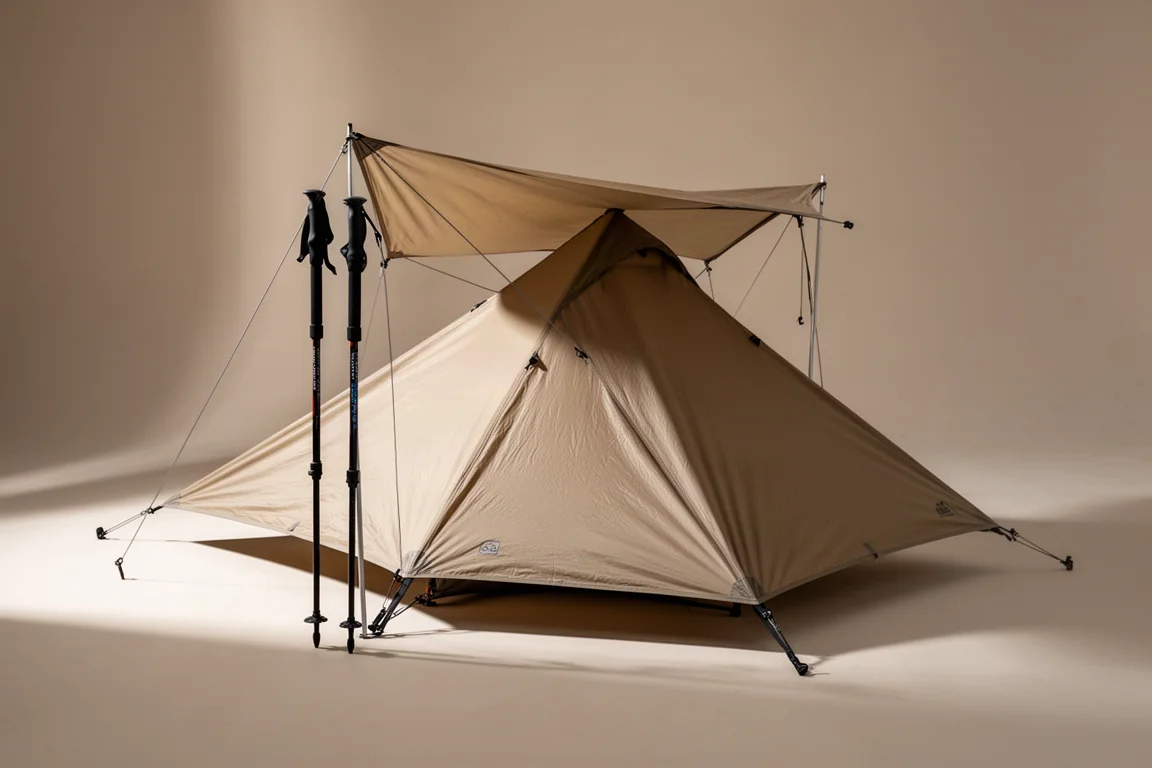
This tent was easy to dismiss early. Rumours and previews suggested another generic one-person shelter, the kind any large brand might release, and the one-person X-Mid design had never been a favourite. Digging into the design and specs changed that, and testing confirmed it.
The X-Mid 1P is freestanding, which adds versatility on snow, hard ground and rock where pitching a tent is otherwise awkward. Just as important, it uses an all-in-one pitch that is rare for a freestanding tent, and especially rare from a North American brand. That single detail brings three benefits: the tent goes up faster, the inner stays dry while you pitch in rain, and the structure holds together better in wind. It has been out in 65 km/h winds without failing.
The compromise is weight. This is not the shelter to choose when every gram counts, and a few refinements would still make it stronger. Even so, on capability per gram for a freestanding one-person tent, it currently sits at the top.
Pad-Pal: The Fast, Loud Ultralight Pump
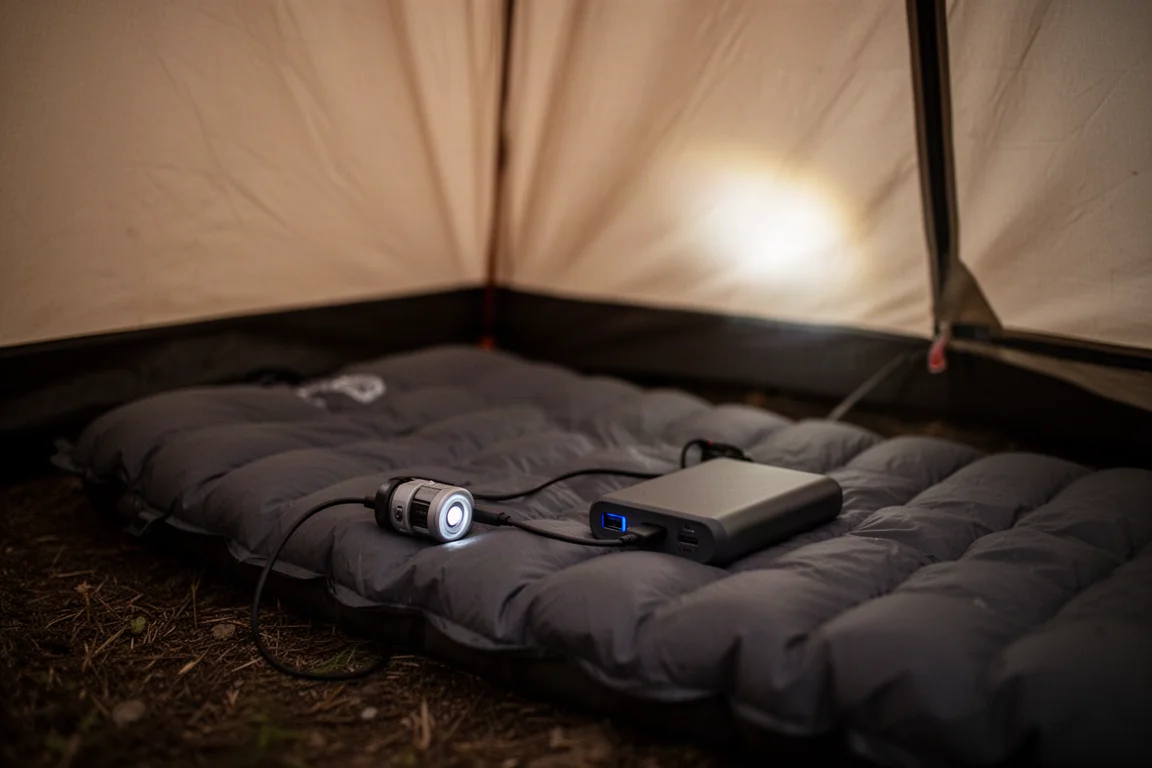
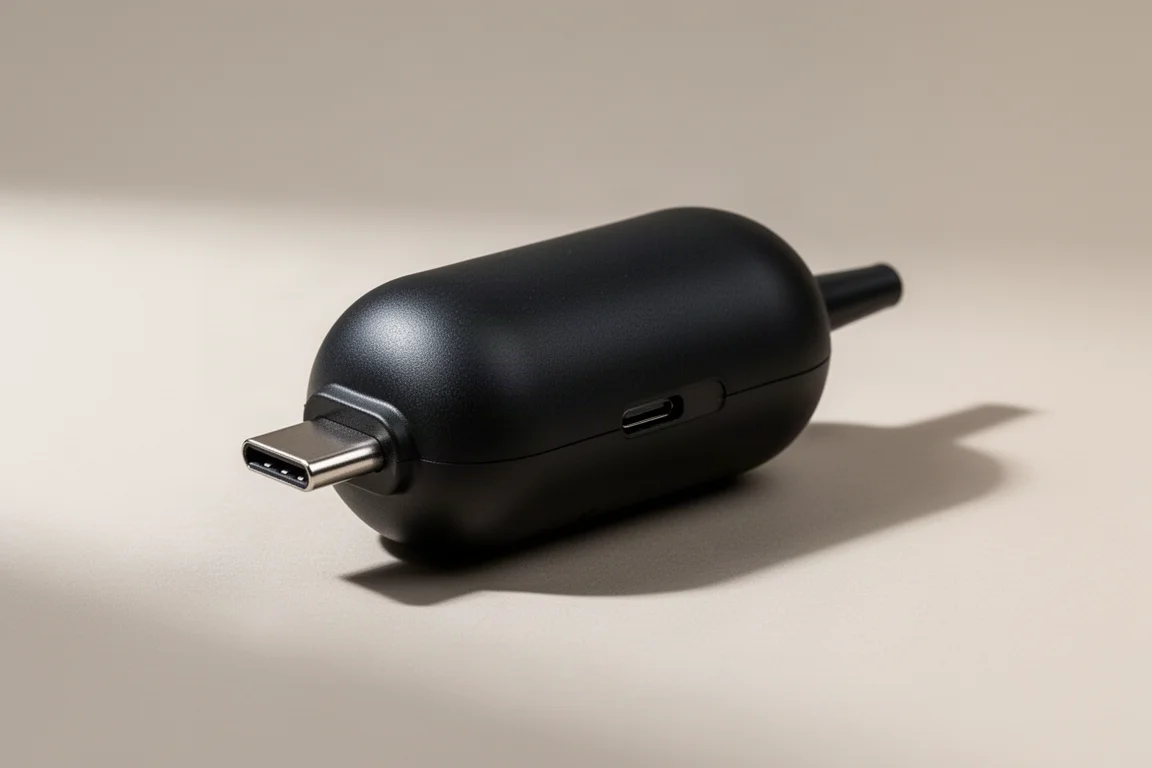
An ultralight sleeping pad pump the size of a matchbox sounded fragile, and the 3D-printed Pad-Pal did not inspire confidence at first. It has since been thrown into a ditty bag on multiple backpacking trips, crushed and shuffled around, and it has not broken or even shown signs of failing.
The real appeal is weight. At under 10 grams, there is almost no reason to leave it at home, and it can run from a USB-C battery bank or straight from a phone for anyone travelling without one. The catch is pressure: it does not reach a high PSI, so you still finish the pad with a couple of breaths unless you like sleeping on a soft, under-inflated surface. It is also expensive for something so small, costing more than some larger pumps.
Between the two ultralight pumps here, the Pad-Pal is the faster option and noticeably the louder one. For solo trips in quiet places, that speed is usually the better trade.
Alpenblow: The Quieter Ultralight Pump
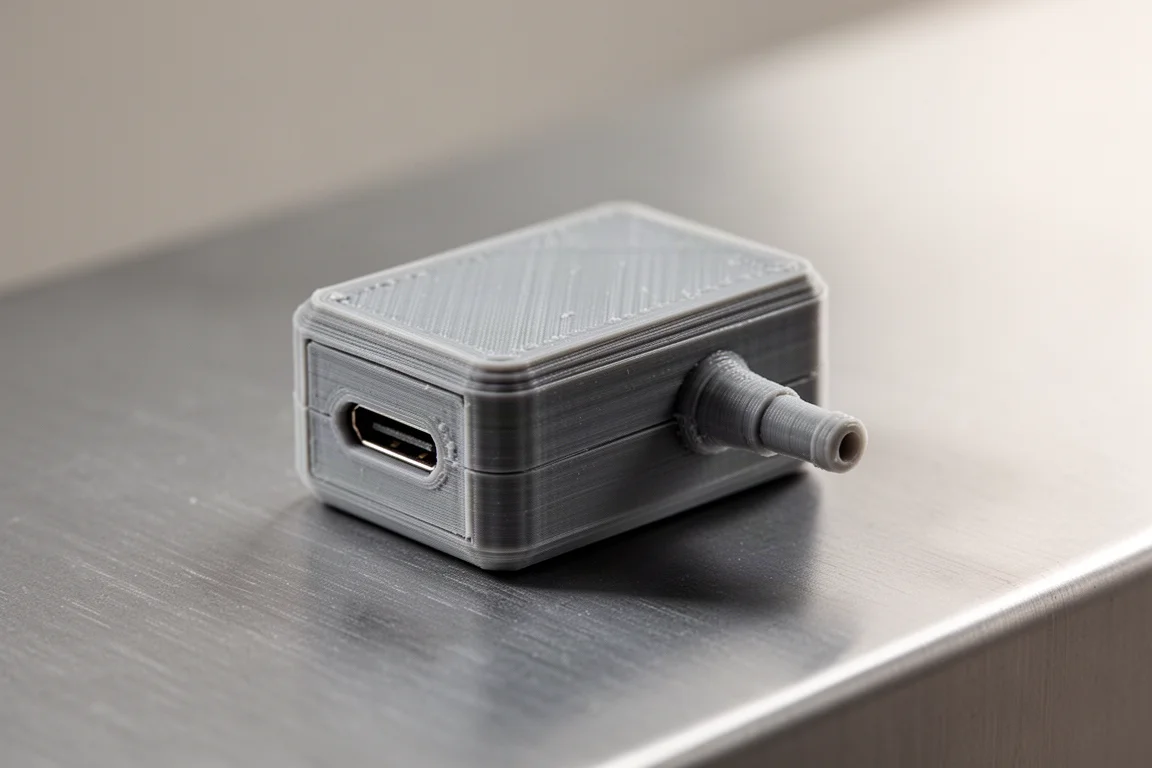
The Alpenblow takes the opposite approach to the same problem. Its body is molded plastic rather than 3D printed, so it feels a little more substantial in the hand, and it has survived the same treatment in a pack without issue.
It shares the same core appeal: under 10 grams, powered over USB-C from a battery bank or a phone, and small enough to forget about until you need it. It also shares the same limitation, since it does not reach a high PSI and a few finishing breaths are still required.
The difference is noise. The Alpenblow inflates more slowly than the Pad-Pal, but it does so far more quietly, which matters in a shared shelter, a hostel or a busy campsite early in the morning. Both pumps are expensive for their size, so the decision comes down to whether you value speed or silence.
Tarptent ArcDome: A Storm-Worthy Two-Person Dome
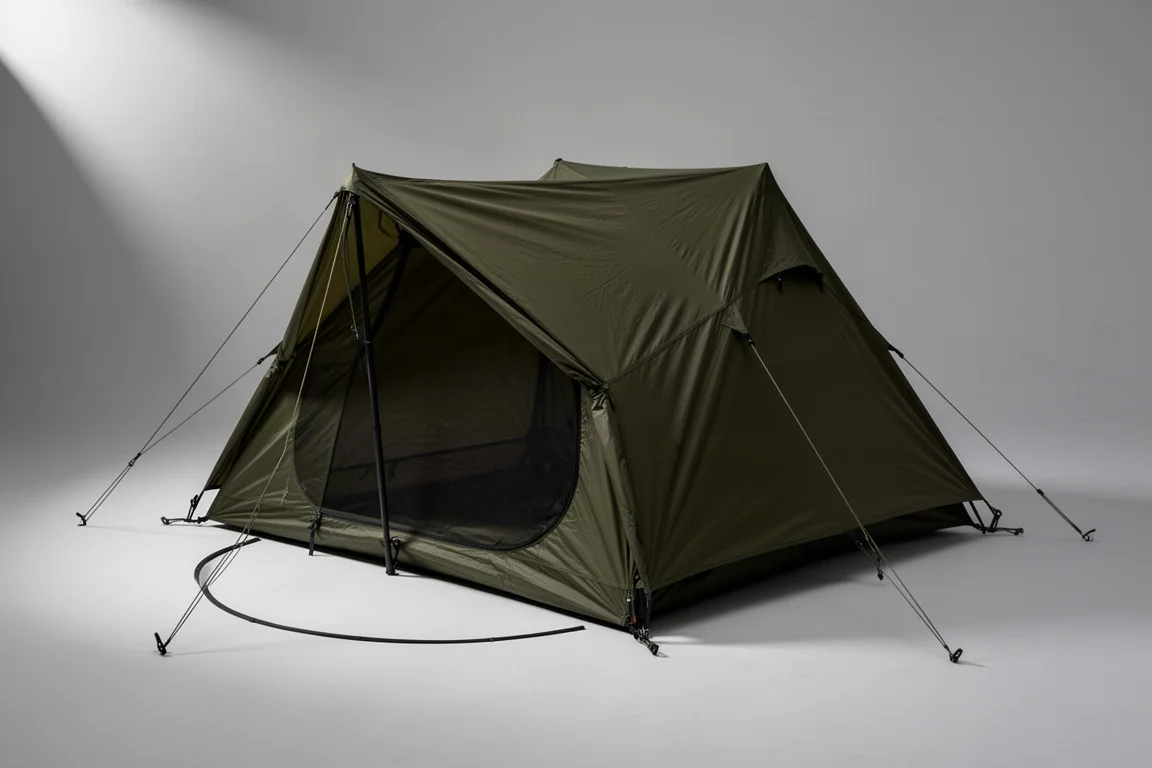
A cross-pole dome this large looked like a curiosity, and it was unclear how much engineering had gone into it or how it would behave in serious weather. Testing answered both questions.
The ArcDome is a two-person shelter, so it sits in a different category from a one-person tent, and it is heavier as a result. That weight buys performance. It has handled 73 km/h winds without trouble, with plenty of headroom beyond that. It is also unusually roomy for how capable it is: two 25-inch wide sleeping pads fit without a struggle, and there are two vestibules plus interior pockets for gear. All of that arrives at 1.7 kg, where comparable storm-worthy tents often climb past 2 kg.
For anyone sharing a tent in exposed conditions, the combination of stability and space is the point. It is more tent than a fair-weather trip needs, but it will not feel cramped when the weather turns.
Ombraz Sunglasses: The Armless Design That Held Up
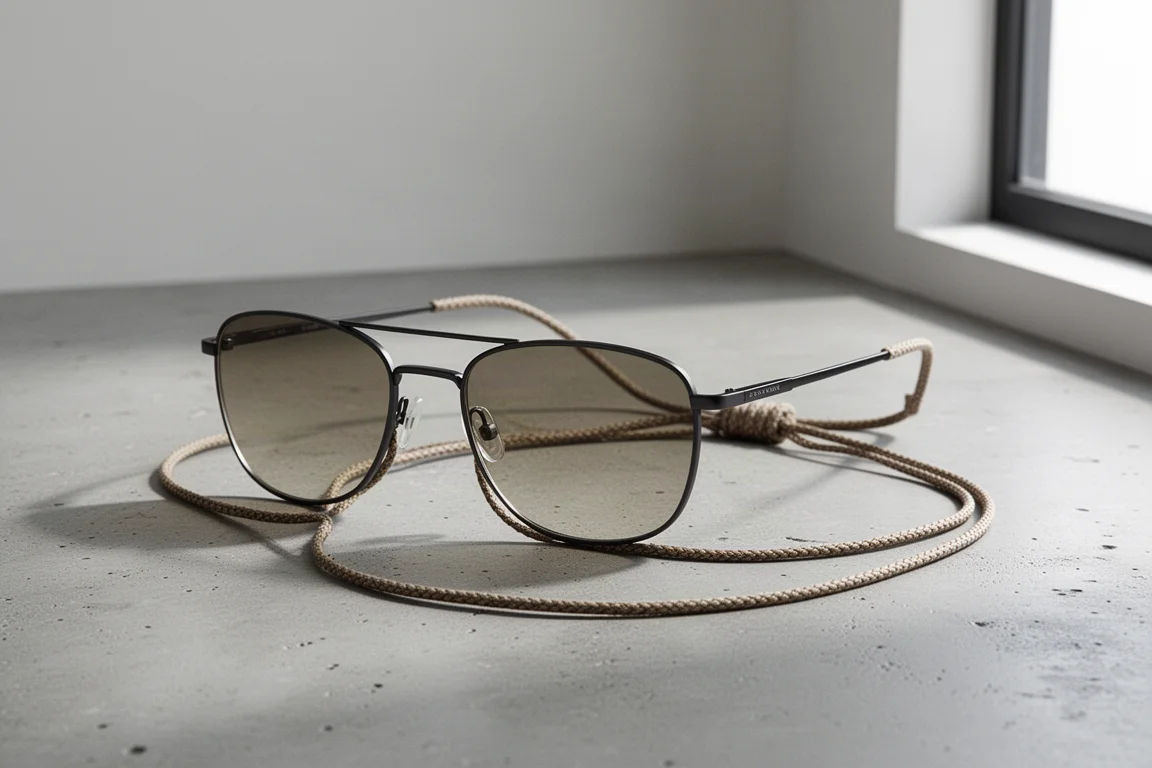
Sunglasses held on by a cord instead of arms look like a gimmick, and the assumption was that they would be fiddly to put on and no better made than any other pair. Nearly a year of daily use proved otherwise.
Removing the arms removes the part that breaks. A cord that wraps around the head and tightens has held up far better than hinges and temples ever have. The second benefit is harder to overstate for anyone who has lost sunglasses on a long trail: because they are always attached, they are either on your face or hanging around your neck after a small loosening of the cord, and never left behind on a rock.
They are still a little slower to take on and off, and they are expensive. Against that, they have survived almost a year of hiking, backpacking, running and driving without breaking or being lost, and they remain the default pair.
Buying Advice: Matching Gear to the Trip
The right purchase here depends entirely on which problem you keep running into. Sleepers who wake up with numb arms should start with the sleeping pad, since thickness and a stretchy surface address pressure points directly. Anyone who spends time in bear country and dislikes hanging food should weigh the bear bag on its waterproofing and its lighter weight, accepting the higher cost.
Shelter choice splits along the same lines. A freestanding one-person tent with an all-in-one pitch suits rocky or snowy ground and quick setups, while a two-person dome is the better answer for exposed trips where two people share the load and the weather. The pumps are a smaller decision with a simple rule: pick speed if you camp alone, pick quiet if you camp near others. Sunglasses come down to whether you have ever broken or lost a pair, which for most hikers is not a matter of if but when.
A useful way to decide is to name the annoyance first, then buy only the item that removes it. Every product here is a strong answer to one specific problem, and none of them is a general-purpose upgrade.
Conclusion
Each of these seven products was easy to write off before use, and each one earned its place for a concrete reason: a thicker, stretchier pad that finally solves pressure points, a bear bag that stays lighter and drier, a freestanding tent that pitches as one piece, two pumps that make inflating a pad trivial for under 10 grams, a two-person dome that stays roomy in a storm, and a pair of sunglasses that simply cannot be lost or snapped at the hinge.
Buy them for the trip you actually take. Where the trade-off is weight, noise or cost, that trade-off is the honest part of the deal, and it is worth accepting only when the benefit is one you will feel every time you head out.
Further reading
Related Reviews

Backpacking Gear
Building a 10 lb Base Weight: An Ultralight Backpacking Gear List
A practical walkthrough of the ultralight pieces behind a 10 lb base weight, from a 765 g pack and a roomy one-person tent to a full camp chair and a dependable water filter.
Backpacking Gear
A 15-Pound Lightweight Backpacking Gear List for Solo Trips
A beginner-friendly 15-pound backpacking setup built from easy-to-find gear, with notes on what each piece does, how it packs, and where to spend your attention.
Backpacking Gear
8 Ultralight Backpacking Gear Upgrades Worth Carrying
Eight small, affordable backpacking upgrades that solve real trail annoyances, from a pillow that stays put to a fuel valve that rescues leftover canister gas.