Backpacking Gear
Backpacking Gear That Lasts: Favorite Pieces From Years of Long-Distance Hiking
Nine dependable backpacking items that have stayed in rotation across thru-hikes and everyday use, plus what to weigh before you buy.
Introduction
Some gear earns a permanent spot in a pack, and it is usually not the lightest or the most exciting item. It is the piece you grab without thinking, because it has never failed. The items below have stayed in rotation across years of thru-hiking, backpacking, and bikepacking, and several of them have covered the Appalachian Trail, the Pacific Crest Trail, and the Arizona Trail. These are not the flashiest categories. They are the ones that quietly decide whether a trip feels smooth or miserable. What follows is a look at each item, why it has stuck, and what to weigh before buying your own.
What Makes Gear Worth Keeping
Weight matters, durability matters, and comfort matters, but the deciding factor is reliability. A favorite piece of gear is one that can be pulled off the shelf, dropped into a pack, and trusted to work on the first night and the hundredth.
That standard rules out plenty of tempting purchases. Shelters, backpacks, and shoes get swapped and upgraded regularly, while the small staples stay. The items below have survived that turnover, and most of them have done it for the better part of a decade.
Sea to Summit Aeros Ultralight Pillow
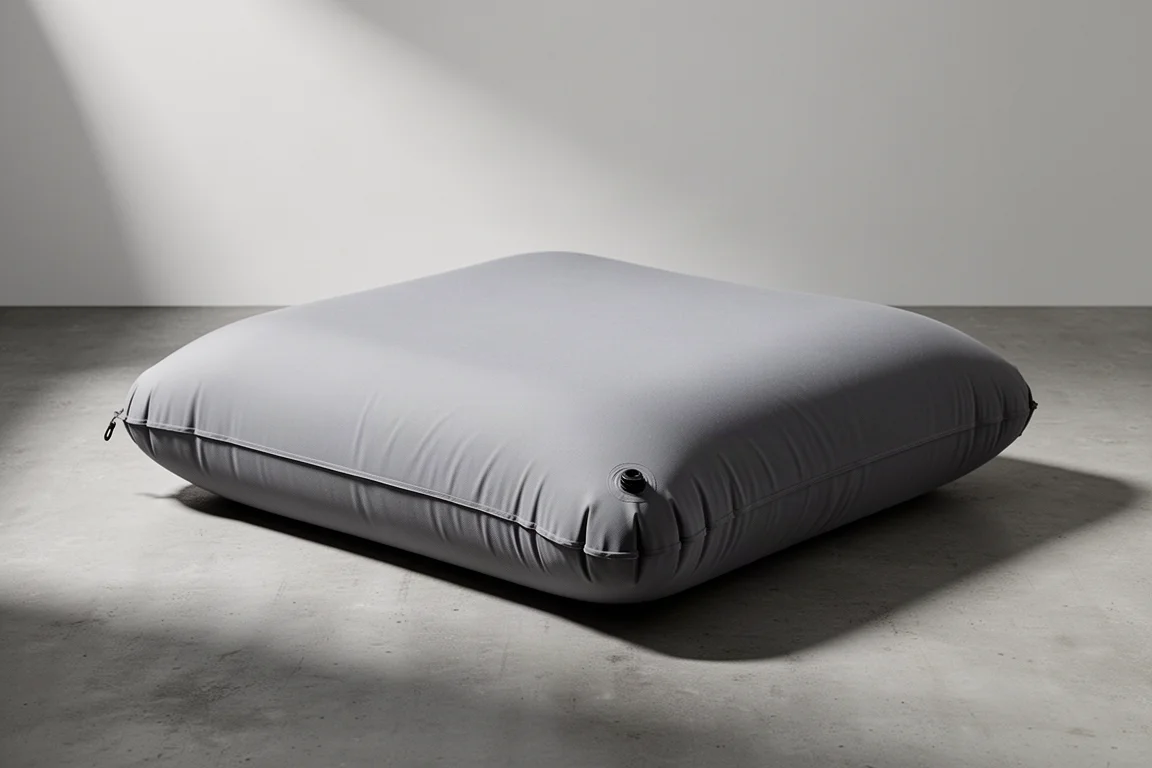
Inflatable pillows look like a gimmick until you spend a night on one. This one came along before an Appalachian Trail hike as an experiment and turned into a permanent habit, because sleep quality on the trail improved noticeably.
At about 2 ounces, it inflates quickly, deflates just as fast, and packs down small enough to be stuffed into the footbox of a quilt. The original from 2016 eventually developed failed baffles and was replaced in 2019 with a newer version, which has been on every trip since. A forgotten pillow means a worse night, which is the simplest argument for keeping one in the kit.
Black Diamond Ergo Carbon Cork Trekking Poles
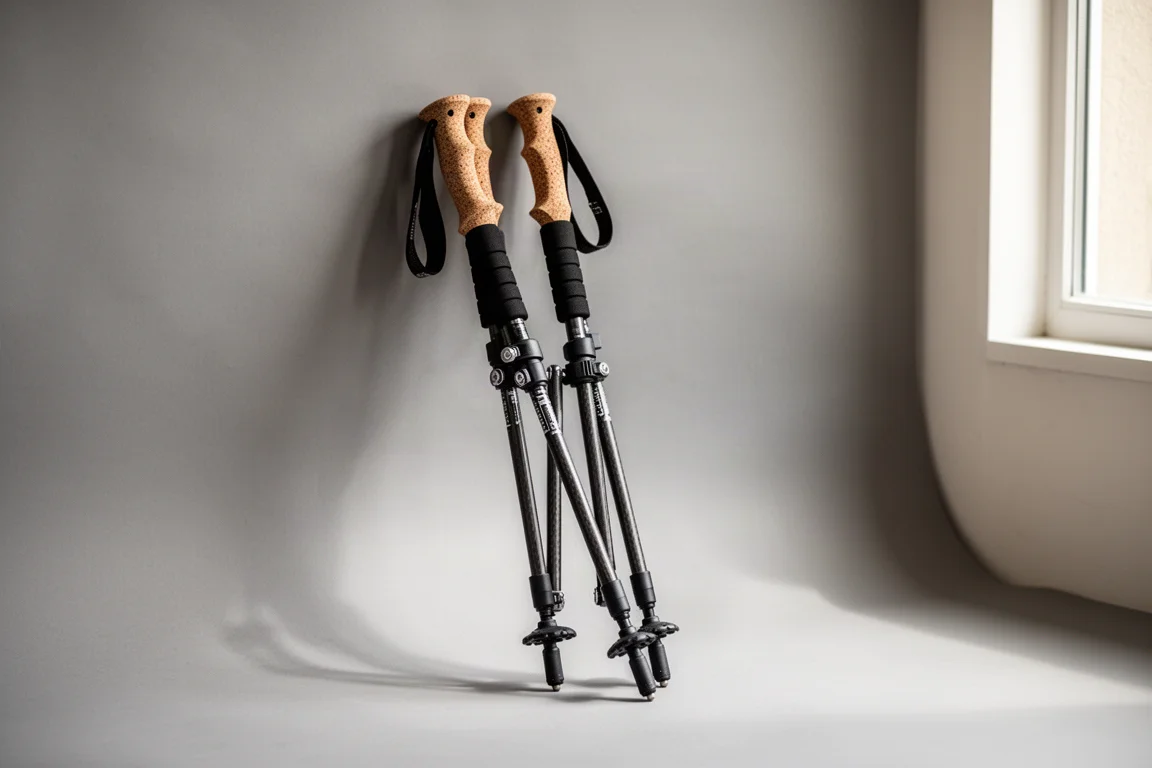
These poles were picked up in 2016 after a previous pair snapped. They were left at home for a 2018 Pacific Crest Trail thru-hike in favor of folding carbon poles, and those snapped in the Sierra. The Ergo Carbon Corks came back out to finish the trail, and they have been in and out of gear lists ever since.
The appeal is straightforward: easy adjustment, a comfortable cork grip, and tips that have held up through the Pacific Crest Trail, the Arizona Trail, and thousands of miles in between. A newer folding version, the Alpine Carbon Z, keeps the same feel in a Z configuration that packs more easily on the side of a backpack, which is useful for hand-over-hand climbing, mountaineering, and trail running.
Darn Tough Socks
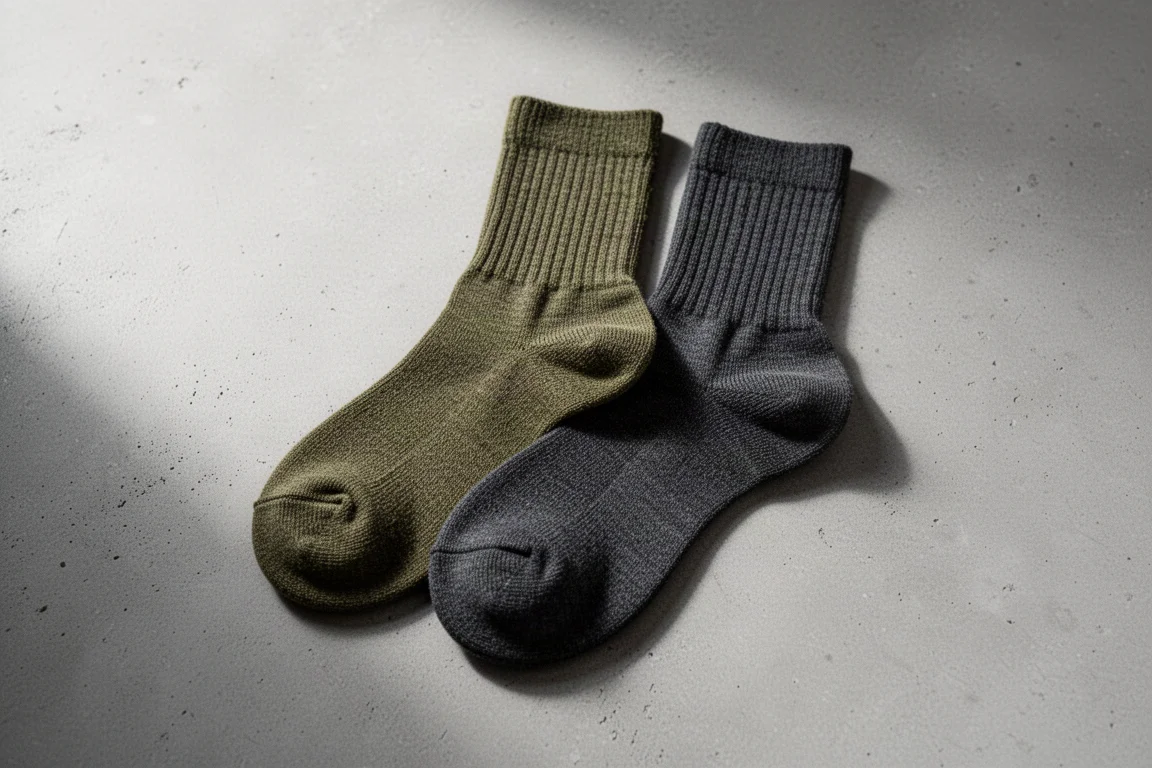
Socks belong in the gear list, not the apparel list. Years of trying other brands produced the same two problems: fast breakdown and persistent blisters. Switching to Darn Tough in 2015 ended the blister problem and made liner socks unnecessary.
The other half of the story is durability, backed by a lifetime replacement policy. Worn-through pairs can be sent back for a new pair at no cost, although walking into an outfitter and swapping them on the spot has become less common.
The range covers most needs: a lightweight running sock, a merino version, and a heavier duty boot sock with traditional cushioning and a taller cut. One of these has been the only sock worn through eight years of thru-hikes, backpacking trips, bikepacking trips, and everyday use.
Cnoc Vecto Water Bladder
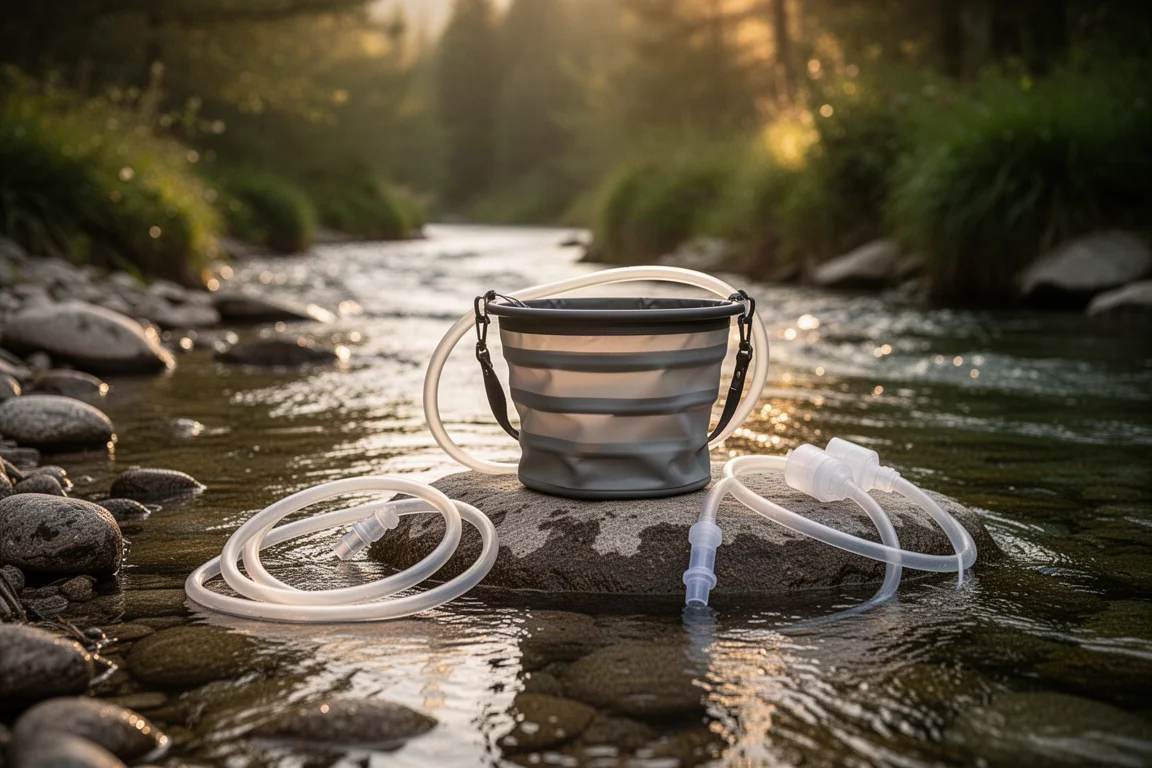
The design is the whole point. A standard 28 mm threaded opening sits at one end for filters such as a Sawyer, while the other end opens into a wide scoop mouth with a sliding lock. Filling becomes a scoop instead of a slow pour through a narrow neck, and the wide opening also makes it possible to clean out a bag that has gotten grimy.
A 48 mm threaded version is available for larger filters. The two-litre size is the usual pick, with a three-litre option for trips that need more capacity. After thousands of miles, none of these bladders have split open or leaked inside a pack.

Goose Feet Gear Down Socks
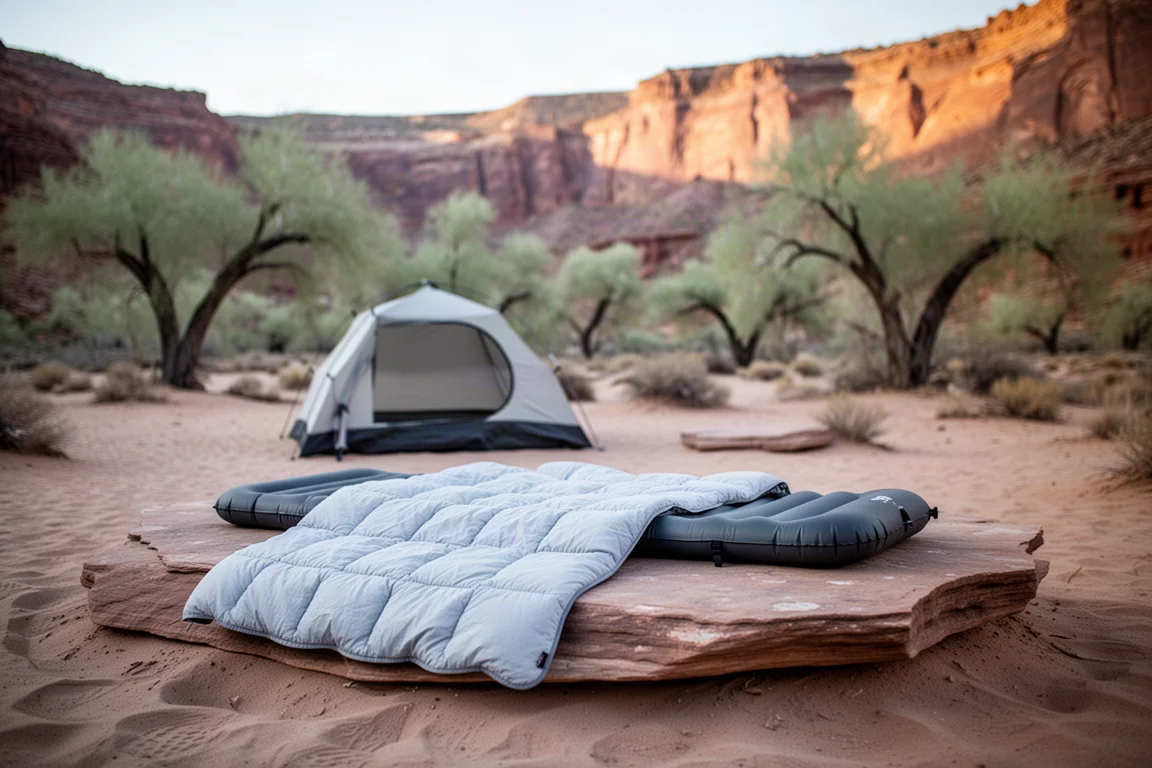
Cold feet at night, made worse by poor circulation, led to a pair of down-filled camp socks in 2014. They solved the problem immediately and have been in use ever since, still holding a surprising amount of loft after years of nights.
They weigh very little and pack down small, which makes them easy to leave in the footbox of a quilt. On a cold night, they are the difference between waking up repeatedly and sleeping through until morning.
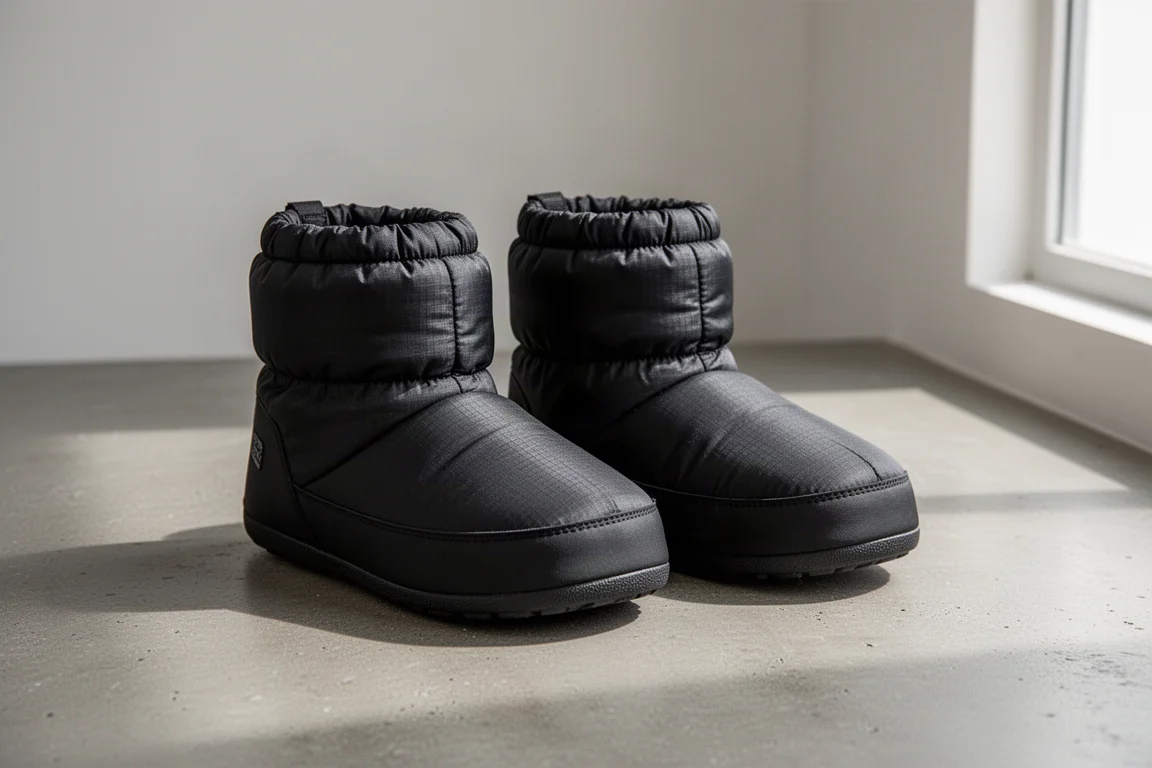
Enlightened Equipment Torrid Insulated Booties
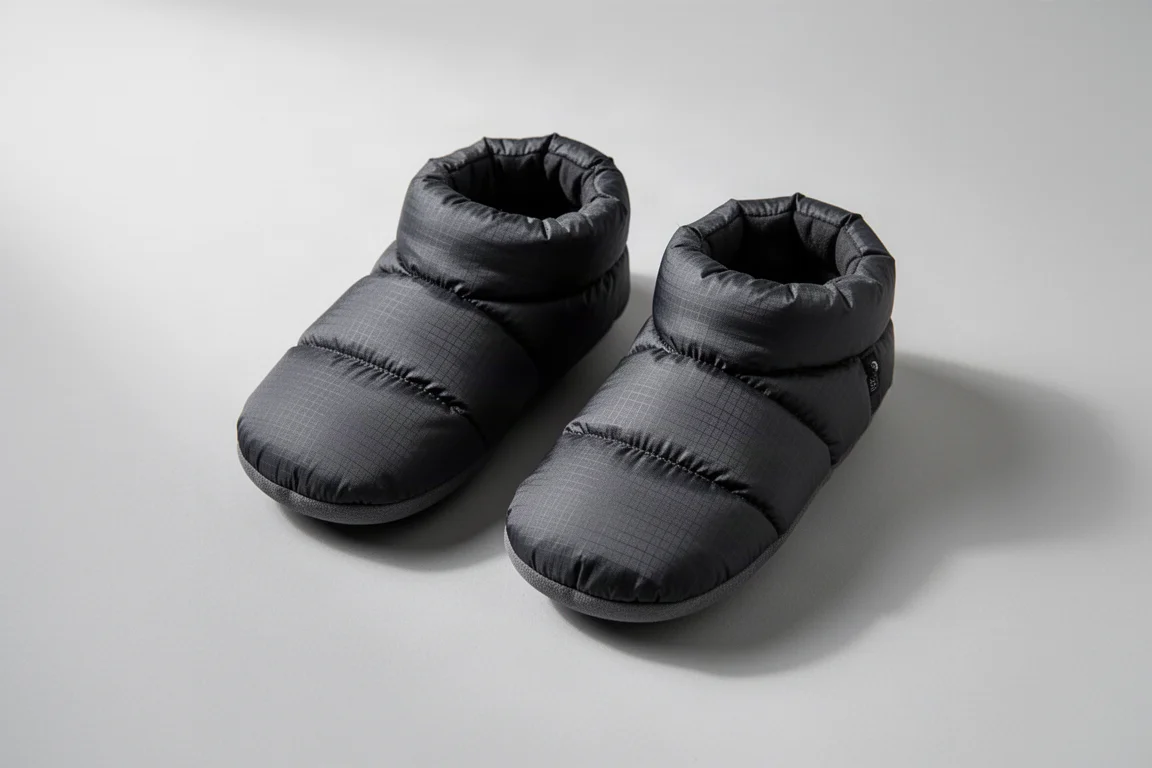
A synthetic pair of insulated booties, previously sold under a different name, replaced the down socks in most kits starting in 2019. The synthetic fill handles damp conditions more gracefully, and the booties stay light and compressible enough to live in a quilt footbox.
Like the down socks, they are a small item that changes the quality of a night’s sleep. They have been part of nearly every cold-weather setup since.
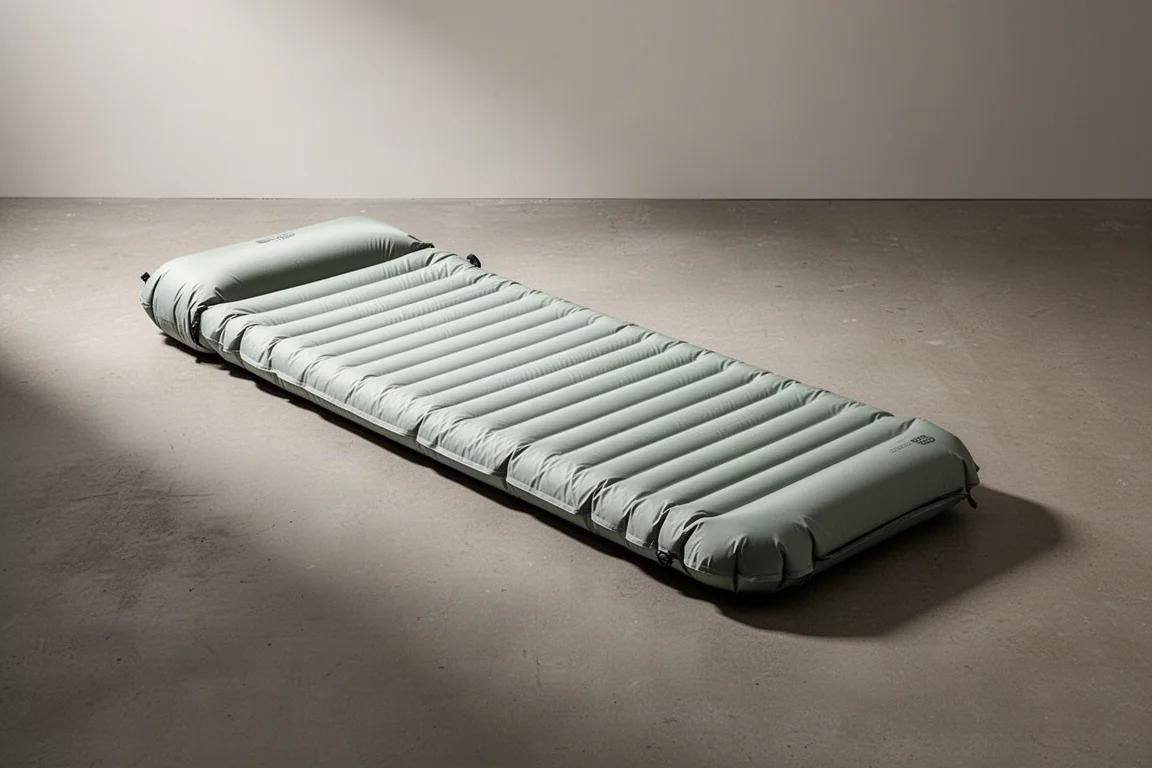
Therm-a-Rest UberLite Sleeping Pad
This is the lowest-insulation pad in the Therm-a-Rest inflatable range, which suits warm sleepers who do not need much R-value underneath them. It is the pad used roughly 80 to 90 percent of the time.
Thousands of miles have produced no punctures and no leaky valves. For colder trips, the XLite adds insulation, and for winter mountaineering the XTherm adds more again. Having all three options in the same family means the pad choice can match the trip without relearning a new design.
Lightload Towels
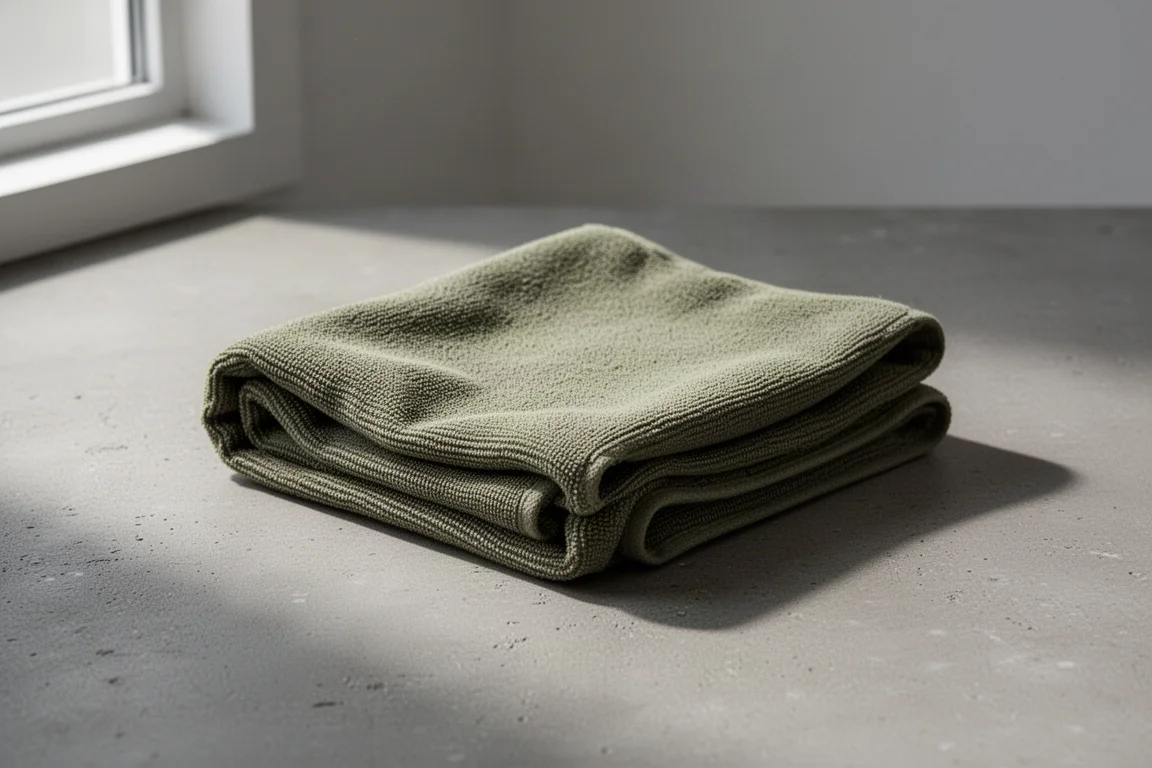
This small towel has been in every cook kit for more than ten years. It wraps around a gas canister and sits in a titanium mug to stop rattling, then does double duty as a rag for wiping out a pot, clearing condensation from a tent wall, or washing up.
It weighs only a couple of ounces and costs very little, which is a good ratio for an item that gets used on almost every trip.
Kopen Grid Fleece
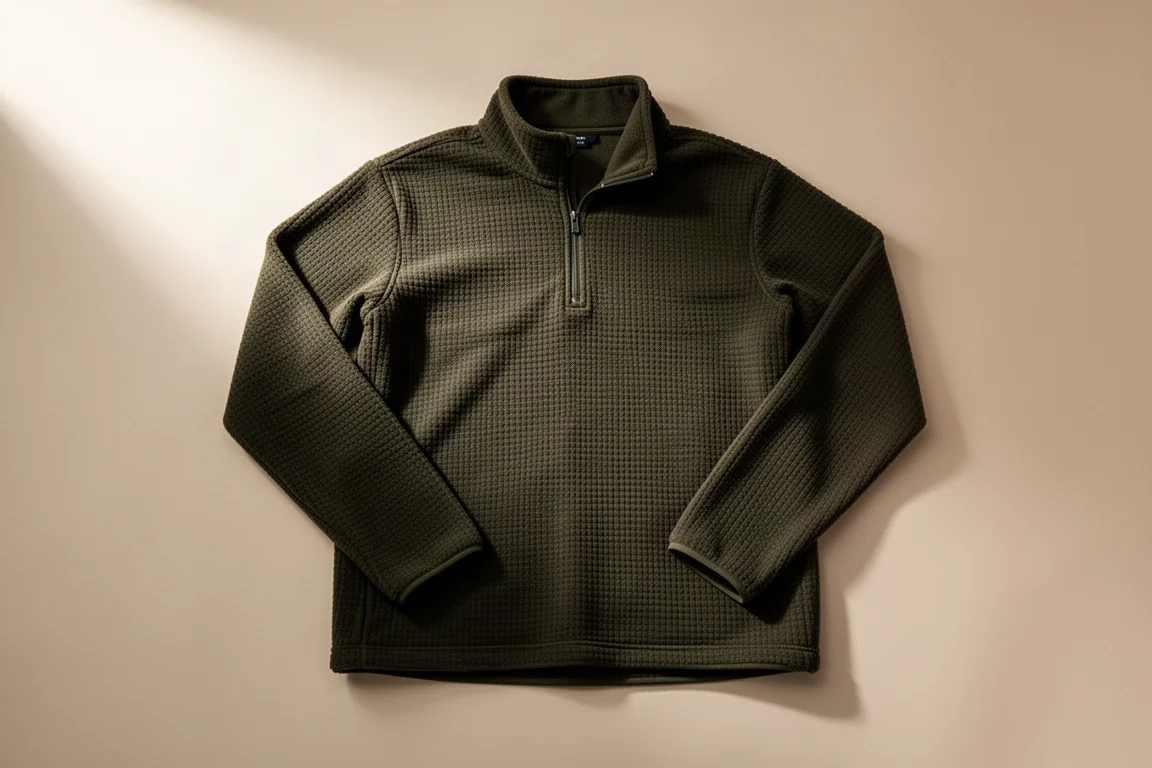
The oldest piece of backpacking gear here is a micro grid fleece bought around 2012 from a general sporting goods store. The grid knit ventilates well, the fit is close, and it has moved in and out of gear lists for more than a decade.
The brand may no longer be in business, which makes this one more of a nostalgia piece than a shopping recommendation. It still gets worn, and it is a useful reminder that a breathable midlayer does not need to be complicated.
How to Choose Which Upgrades Matter
Reliability should outrank novelty. The items that earn their place are usually the ones used every single day of a trip: the sleep system, water storage, socks, and trekking poles.
Start with sleep. A pillow, a pad, and a pair of insulated camp socks or booties cost far less than a new shelter or backpack, and they affect every night of a trip. Water storage is the next easy win, particularly if filling a bladder has always felt awkward. Socks and trekking poles come after that, and both are worth buying for durability rather than for the lowest price on the shelf. Price is a poor signal on its own: several of the items above are inexpensive, and the ones that cost more have justified it over years of use. Buy for the trips you actually take, then keep the gear that keeps working.
Conclusion
The pattern across all of these items is the same. None of them are the headline purchase of a gear list, and all of them have been used for years without a failure that mattered. If you are rebuilding a kit or replacing something that has worn out, the sleep system and water storage are the most rewarding places to start, followed by socks and trekking poles. Pick items that suit the conditions you hike in, and they will earn a permanent spot in the pack.
Further reading
Related Reviews

Backpacking Gear
Building a 10 lb Base Weight: An Ultralight Backpacking Gear List
A practical walkthrough of the ultralight pieces behind a 10 lb base weight, from a 765 g pack and a roomy one-person tent to a full camp chair and a dependable water filter.
Backpacking Gear
A 15-Pound Lightweight Backpacking Gear List for Solo Trips
A beginner-friendly 15-pound backpacking setup built from easy-to-find gear, with notes on what each piece does, how it packs, and where to spend your attention.
Backpacking Gear
8 Ultralight Backpacking Gear Upgrades Worth Carrying
Eight small, affordable backpacking upgrades that solve real trail annoyances, from a pillow that stays put to a fuel valve that rescues leftover canister gas.