Backpacking Gear
Backpacking Gear That Lasted Five Years: A Kit Worth Copying
A backpacking loadout that has barely changed in five years, with the sleeping system, layers, pack, and stove that earned their place and the trade-offs to know before buying.
Introduction
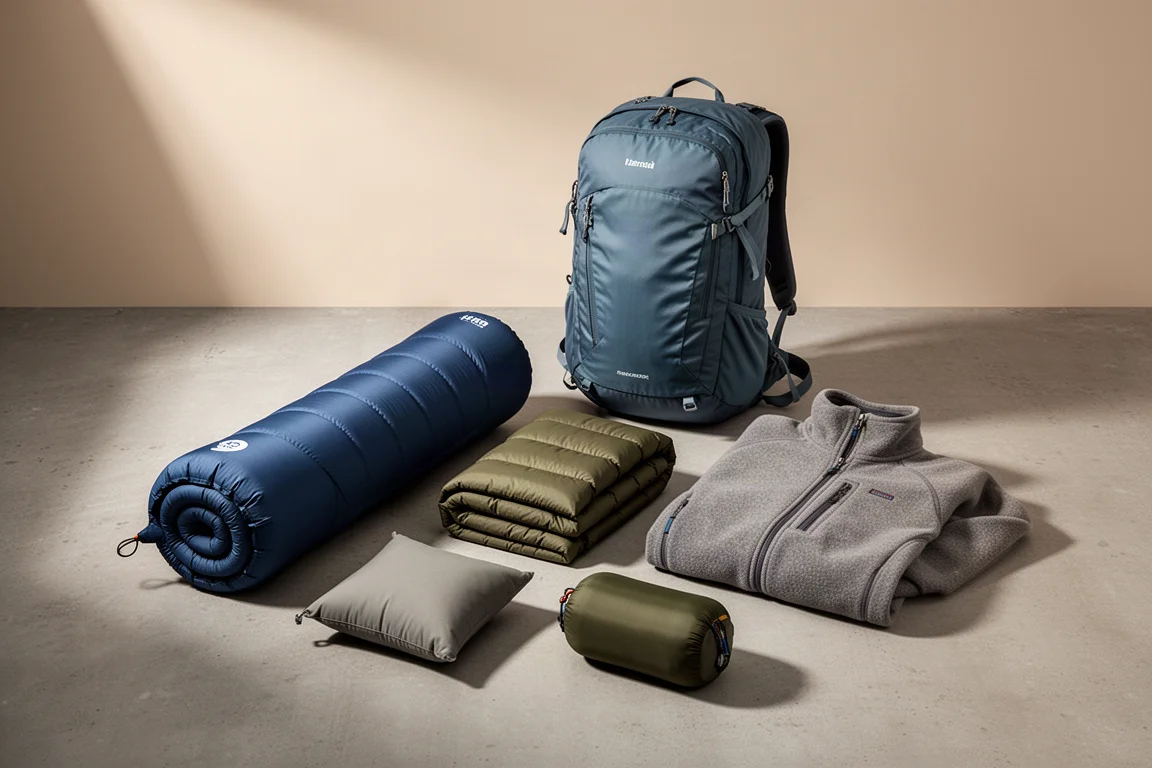
Some gear kits are built by constantly swapping equipment. This one was built the other way. It is a backpacking loadout that has stayed almost unchanged through five years of regular trips, roughly 40 to 50 nights outdoors a year, across warm summer weekends and genuinely cold winter overnights. A few pieces are original. Most are the second version of something that did not work out the first time. Nearly all of them have been repaired rather than replaced.
That combination makes the kit unusually useful to read about. Rather than speculating about what might hold up, it shows what actually did: a sleeping bag with taped repairs that still goes on every trip, a stove from 2019 that has never failed, a pack that carries 30 to 35 pounds comfortably. The through-line is simple. Buy the one thing you actually want, use it hard, fix it when it breaks, and only upgrade when there is a real reason.
What Makes This Kit Worth Copying
Three things define this loadout.
First, most items are deliberate second purchases. A mummy sleeping bag twisted up during the night, boots felt heavy and clunky, a pack squeaked on every step, and a bottle was disposable by design. Each of those was replaced once, carefully, and then kept.
Second, the kit is built around one set of conditions rather than a specialist quiver. The sleeping pad carries a high R-value and gets used in every season, because the weight penalty over a milder pad is small and the warmth is not. The same logic applies to the shelter and the layers.
Third, repairs are normal. Tape on a sleeping bag, a patch on a down jacket, a small hole in a filter bladder that still works. Gear is treated as something to maintain, not something to rotate.
If you are building a kit from scratch, that is a useful model. Choose one item per category, buy the version you genuinely want, and expect to keep it for years.
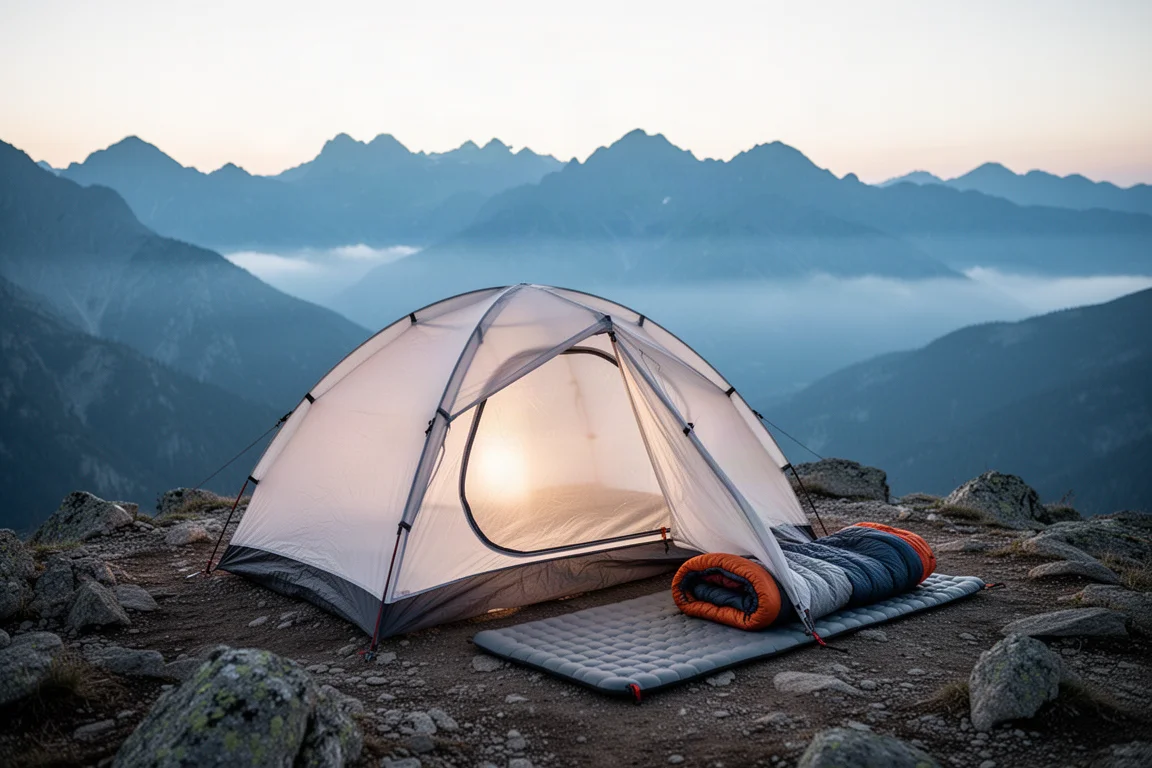
The result is a loadout that weighs what it weighs and carries what it carries, with very little churn between trips.
Nemo Rift 15: A Spoon Shape That Ends the Tangles
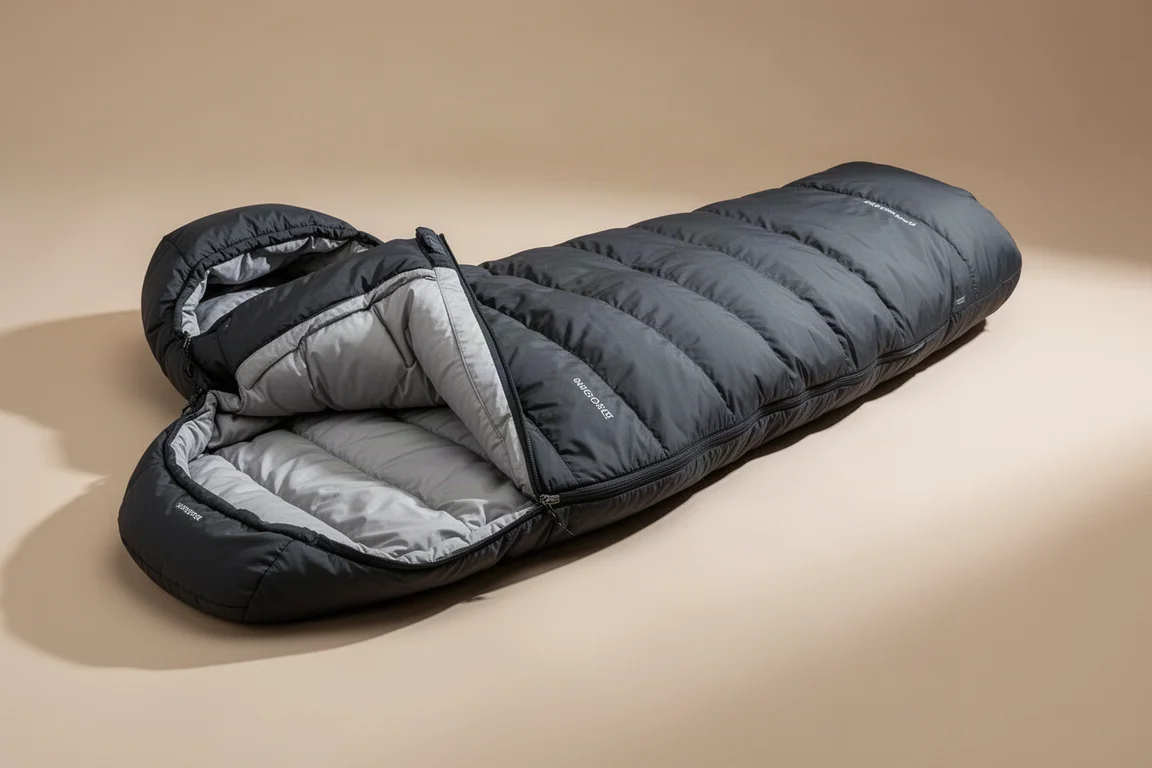
The Nemo Rift 15 is a spoon-shaped sleeping bag rated to 15 degrees Fahrenheit, and it has been on essentially every trip for four to five years. In practice that adds up to hundreds of nights, and the bag shows it: small rips, taped patches, and a repair that has itself started to wear.
What keeps it in the kit is the cut. A spoon shape is wider through the middle than a traditional mummy, so it is possible to roll from back to side to stomach during the night without waking up wrapped in fabric and searching for a zipper in the dark. A pillow pocket holds a camp pillow in place, and Thermo Gills vents let you dump heat without opening the whole bag.
On warmth, the honest figure is around 20 degrees Fahrenheit for comfortable sleeping, with the 15 degree rating treated as a limit rather than a target. A separate zero-degree bag exists for genuinely cold trips but has only been used a couple of times, which says most of the range is covered here.
At around $450 it is a premium purchase. Spread across hundreds of nights, the cost per trip is small, and the bag is still in service.
Nemo Tensor Extreme Conditions: One Pad for Every Season
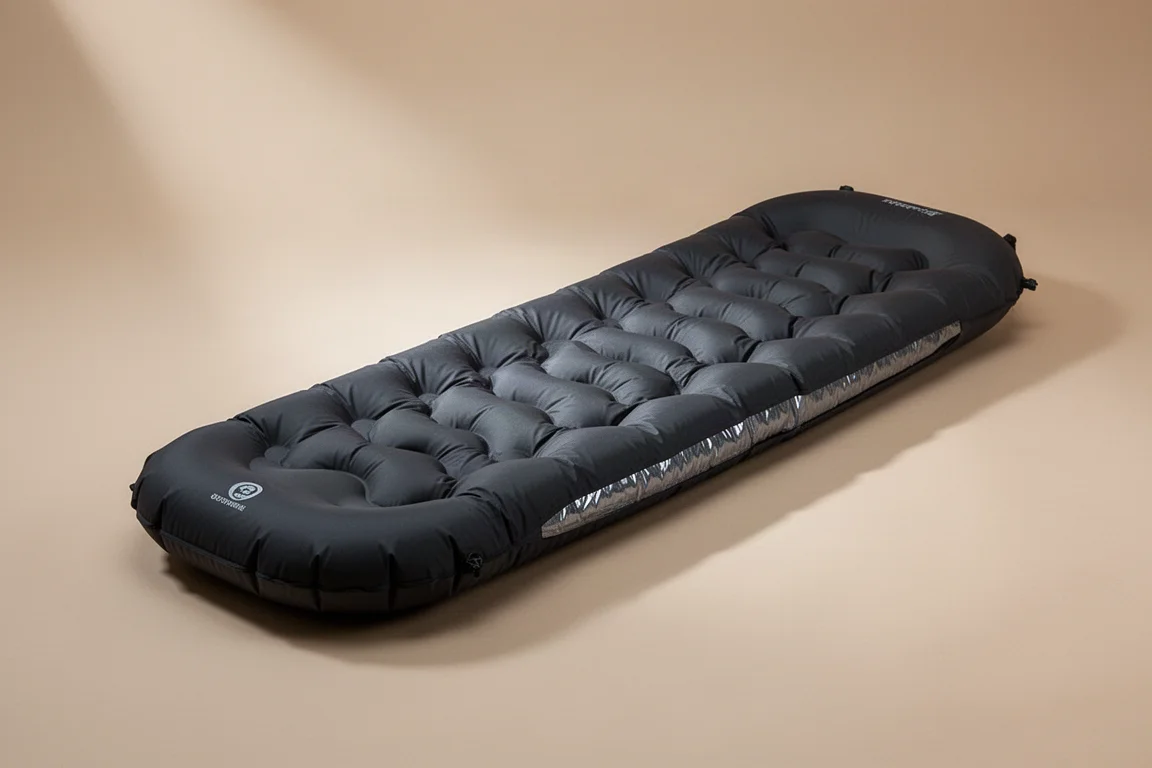
This is a high R-value inflatable pad, with a rating in the 8 range, which is more insulation than most three-season trips require. That is deliberate. One pad covers everything from the coldest winter nights to the warmest summer ones, so there is no second pad to buy, store, or choose between.
The practical argument for the warmer pad is that the weight difference against a lower R-value version of the same pad is minimal, while warmth is much easier to keep than to add. If you sleep cold, or you expect to be out in shoulder season and winter, the extra insulation is the more useful trade. A side sleeper can also open one side and put an arm out when it gets too warm, which is harder to do on a thinner pad.
It replaced a lighter 4.5 R-value pad that developed a leak after years of use.
Nemo Fillo: The Pillow That Stays Put
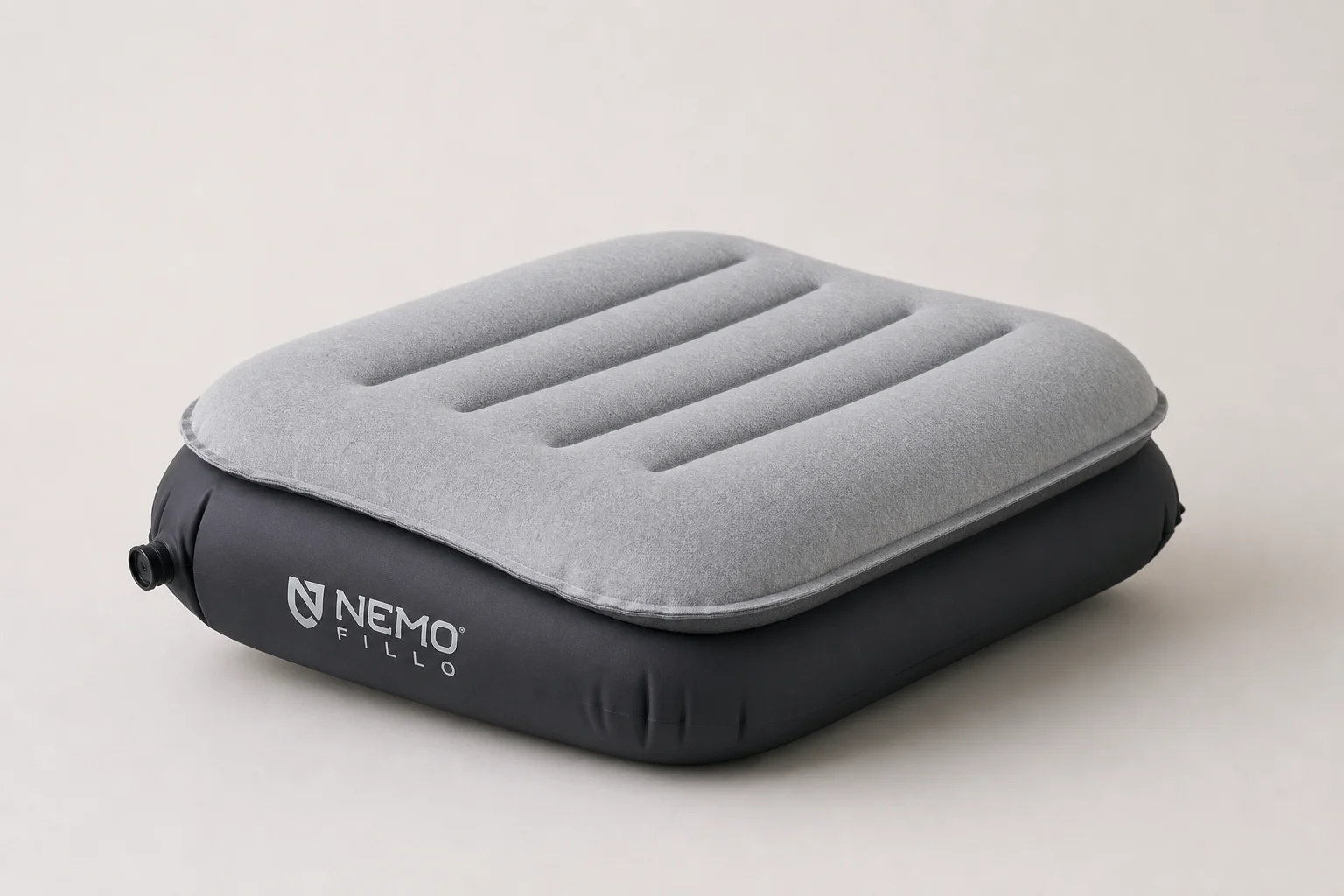
This pillow has a soft fabric top that feels closer to a real pillow than most inflatable options, which is the main reason it has stayed in the kit since 2020 without a serious challenger. It slides into the sleeping bag’s pillow pocket and stays there through the night, so it does not migrate off the pad.
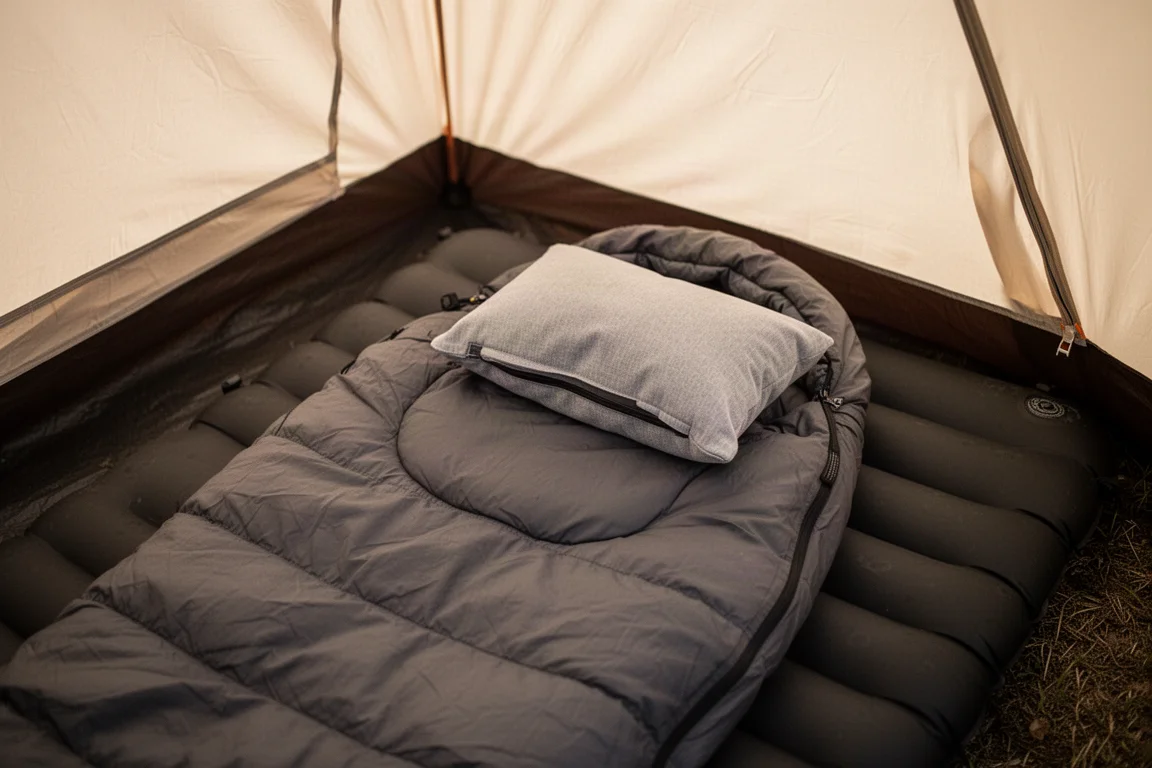
For anyone who has spent a night chasing a pillow around a tent, the pillow-and-pocket combination is the detail worth copying. It packs down with the rest of the sleep system and has outlasted several other pieces of gear in the same loadout.
Arc’teryx Cerium: Built to Survive Daily Winter Use
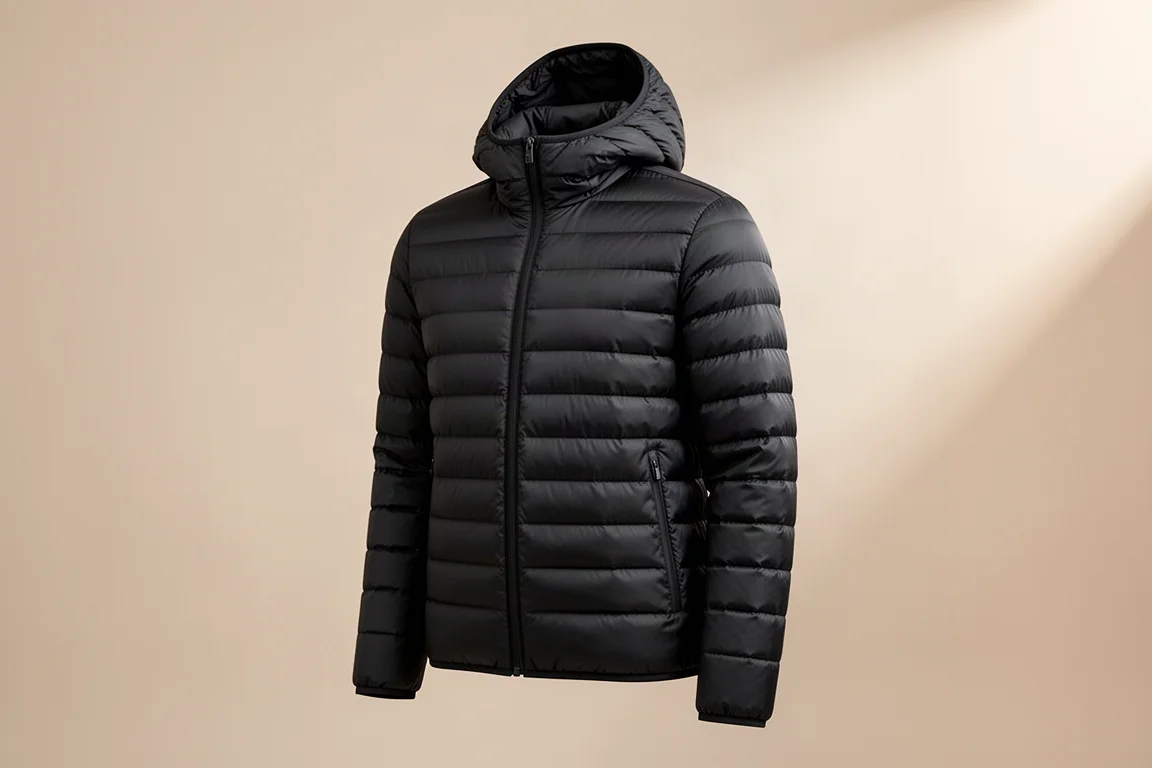
This down jacket has been worn on every backpacking trip and, more significantly, every winter day for four or more years, which adds up to roughly six months of daily use per year. It still looks close to new apart from one patch covering a singe from a stove.
The interesting design detail is where the synthetic insulation sits. The end baffle, the shoulders, and the wrists use synthetic fill instead of down, on the assumption that those are the places that wear out or get wet first. When the jacket was singed, the exposed insulation did not spill out, and the patch held. Synthetic fill also keeps insulating when damp, while down does not.
It costs roughly $450 to $500 and may be higher now, which puts it firmly in the premium bracket. The argument for it is straightforward: years of daily winter wear plus trail use, and still going.
Patagonia R1 Air: A Fleece That Earns Its Place
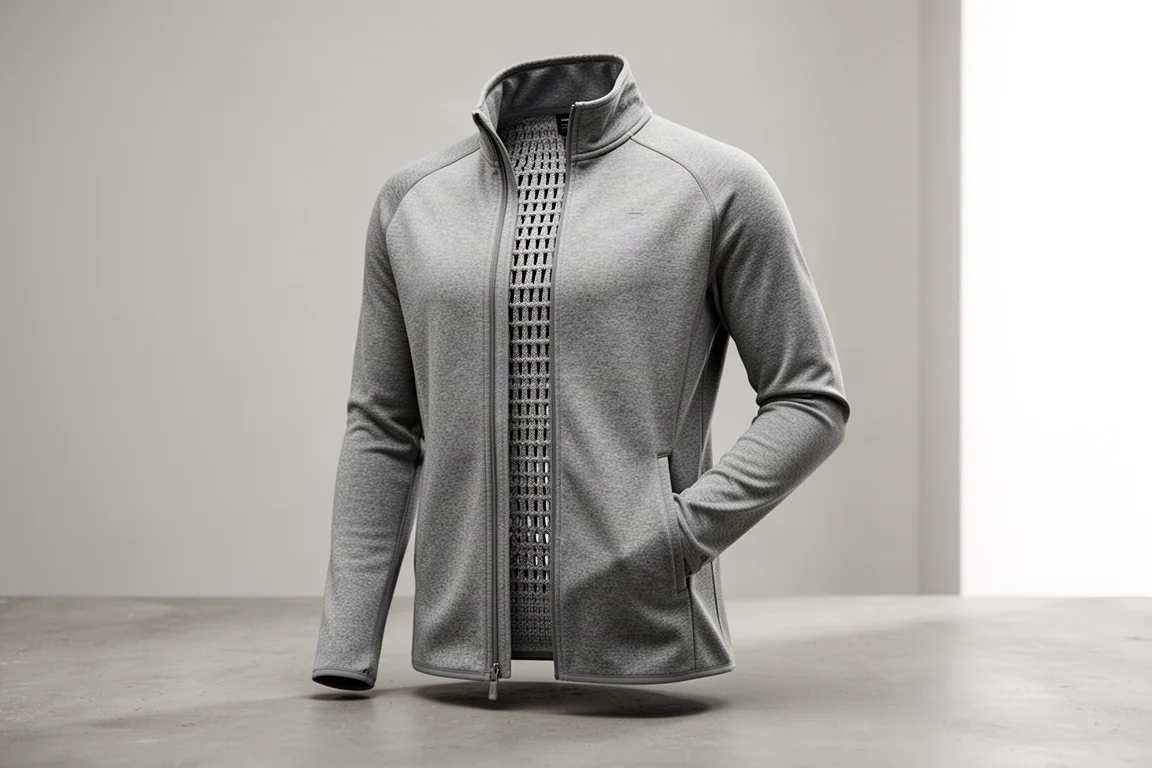
The R1 Air is a full-zip fleece with a textured, squiggly knit and open channels between the loops that vent heat as you move. It is warm for its weight and regulates temperature well, which matters for a layer that gets worn on the move rather than only at camp.
This is another second purchase. An earlier half-zip version was used for three or four years before being replaced with the full-zip cut. The current one is about a year old, and the pockets and zips are all in working order. It lives by the door in winter and goes into the pack on every trip.
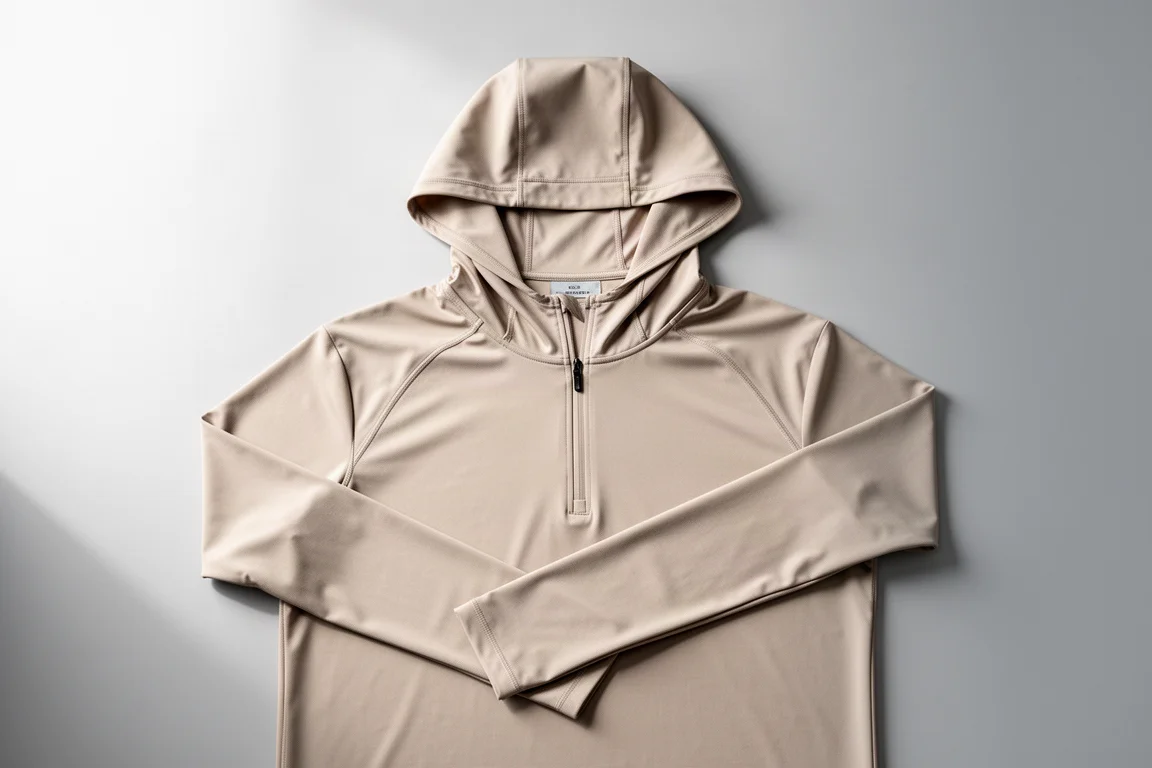
REI Sahara Shade Hoodie: Serious Sun Protection
This is a UPF 50 hooded sun shirt that gets worn on every hike in every condition, and it has been slept in as well, including one stretch of five consecutive days without coming off. The fabric is soft, dries quickly, and the fit works for long days on exposed trail.
The trade-off is heat. UPF 50 protection means the shirt is warm and you will sweat in it, especially on climbs. For the wearer, that is preferable to direct sun on skin, constant sunscreen reapplication, and the fatigue that comes with long exposure. Rips have started to appear after heavy use, and it is being worn a while longer before replacement.
REI Flash 55: Comfortable With 30 to 35 Pounds
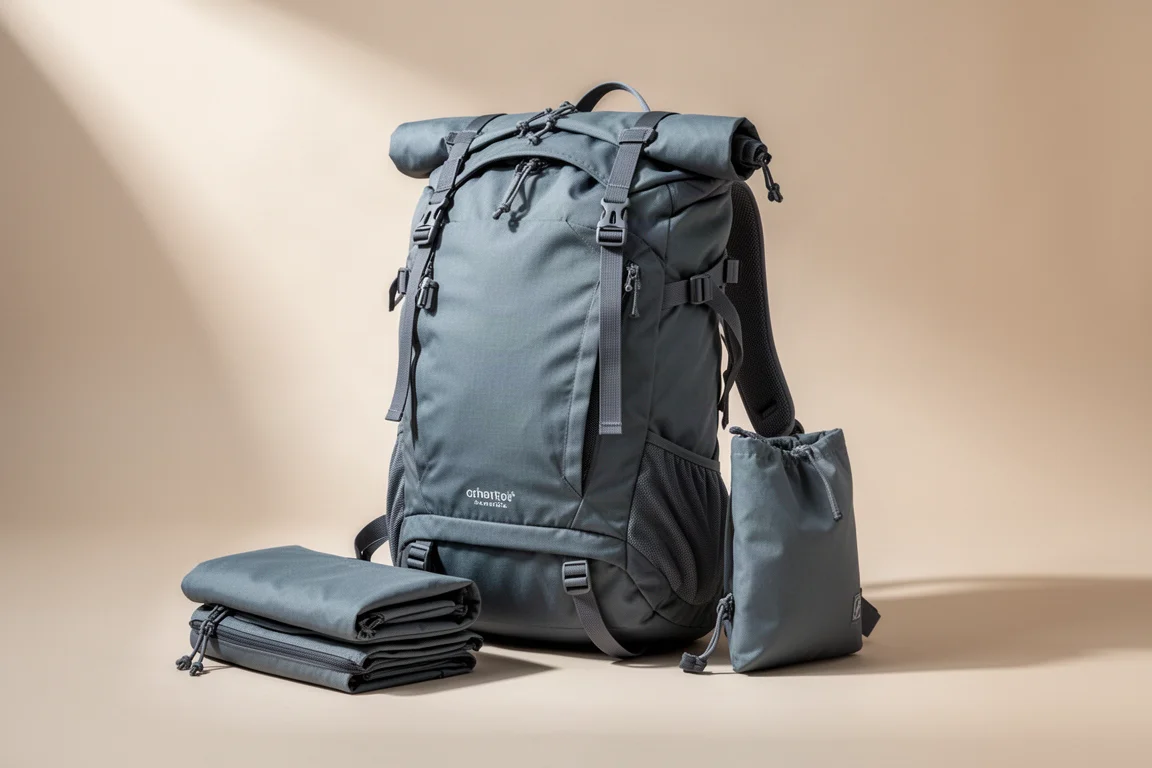
This is a 55-litre pack that carries an average of 30 to 35 pounds comfortably, camera gear included, which is the main thing to know about it. The hip belt pockets are large and easy to reach, the suspension fits the wearer well, and the fabric has survived bushwhacking with branches scraping along it.
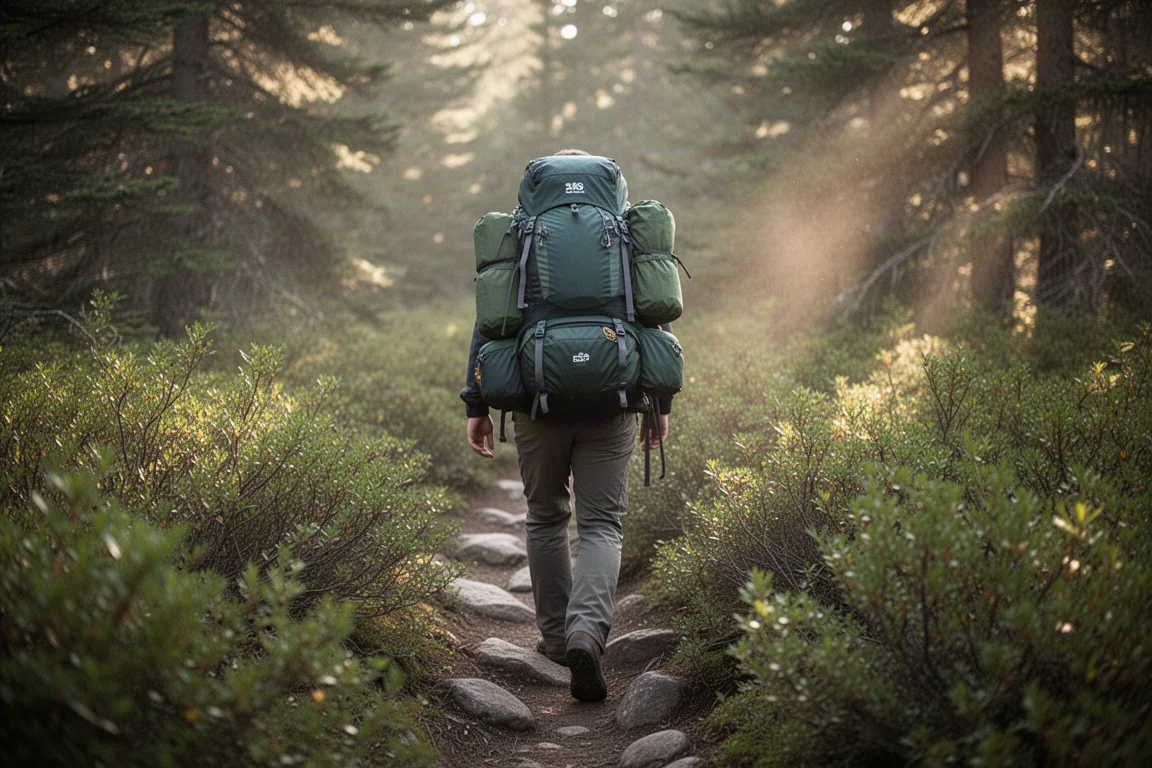
This particular pack is a hybrid. The current version dropped the water-resistant rain shield pocket in the lid, so the lid from the original version was moved across. The two do not match in colour, and you cannot buy it configured that way, but it is a neat example of keeping the feature you liked.
The pack it replaced was an Osprey Atmos that squeaked constantly and used a clamshell hip belt that was awkward to get into. The Flash 55 has now been in use for a couple of years, with the earlier version lasting around three.
MSR PocketRocket Deluxe: Six Years Without a Failure
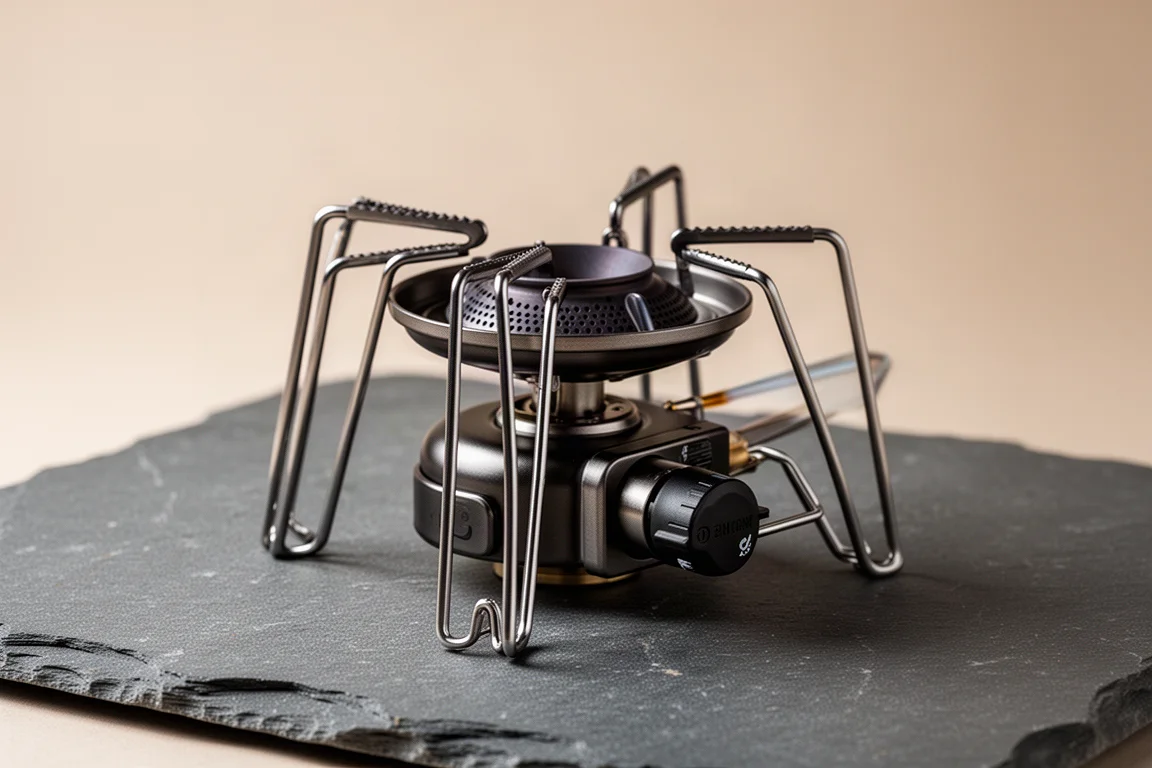
This stove was bought in February 2019, in the first production run, and has been used on every trip since without a single failure. That is roughly six years of dinners, breakfasts, and multiple cups of coffee each morning, at 40 to 50 nights out per year. The branding has worn off the body and there is a dent in the side, and it still lights and boils water.
It comes with its original pot grabber, and the pot supports have ridges that hold a pot steady. The paired pot is a 900 ml titanium model that replaced the original kit pot, whose plastic lid was lost almost immediately. A small foil windscreen lives in the base of the pot bag for breezy mornings. The stove is treated as an heirloom rather than a consumable.
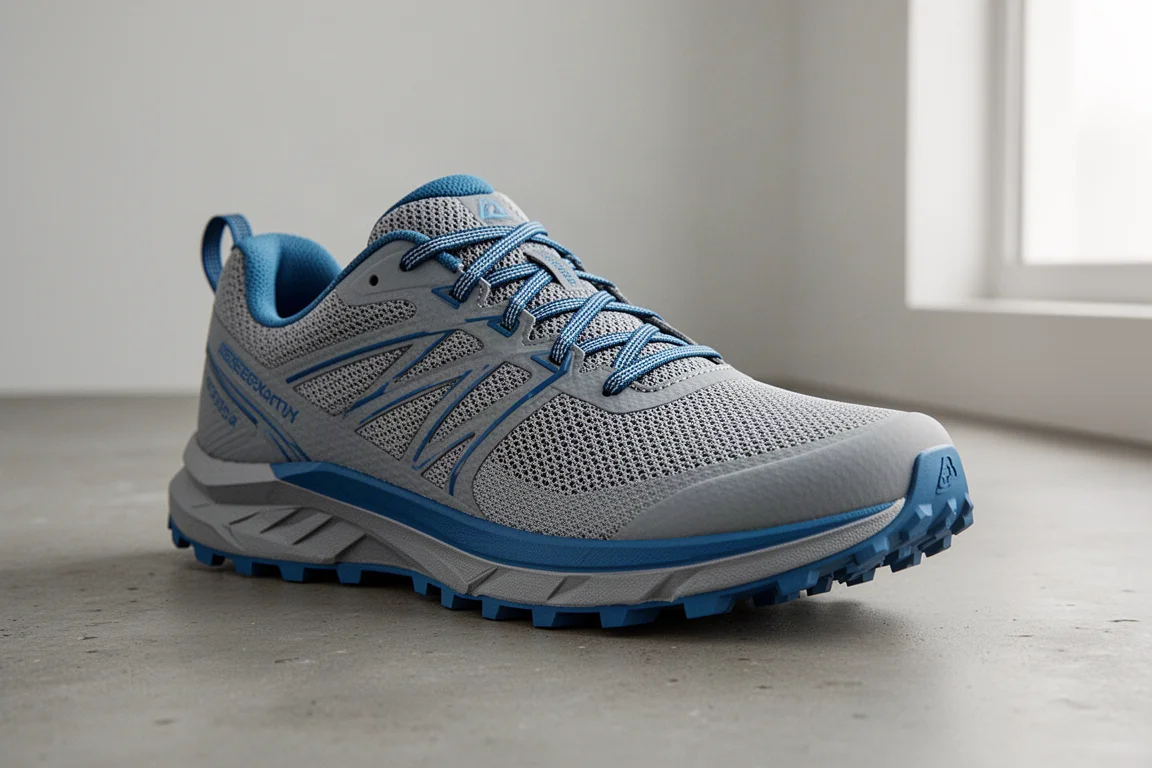
Altra Lone Peak 6: Zero Drop and a Wide Toe Box
These trail runners are used for hiking and around town, with the same pair serving both roles. The two features that matter most are the zero-drop platform and the wide toe box, which gives feet room to spread and swell over a long day. The result is footwear you stop noticing, which is the highest compliment a shoe can earn.
They replaced heavy boots that felt clunky on trail, and the switch to a trail runner has held for years. If you have wide feet, or your feet swell significantly when hiking, the fit is the reason to look at them.
Rounding Out the Kit
A handful of smaller items complete the loadout. Camp shoes are a pair of sandals that have lasted two years and get worn at every camp. Water treatment is a squeeze filter paired with a bladder. The bladder has developed a small hole that is still small enough to hold water long enough to filter a bottle, and a coupling lets it fill a bottle directly. The bottles themselves are a squeezable, taller design that is easy to grab from hip belt pockets and has proven leak-free under hard squeezing, replacing disposable-style bottles.
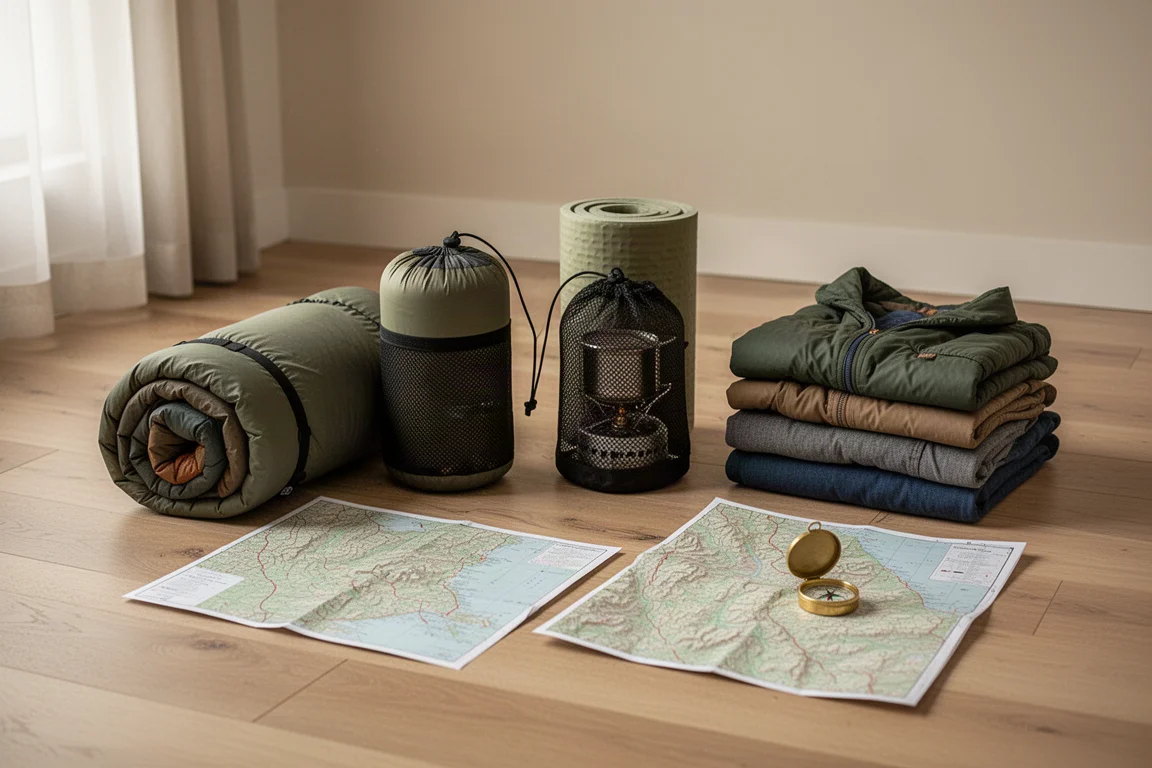
Worn on the move are joggers with a zipped side pocket, comfortable and inexpensive, though the pocket stitching is already showing wear. The rain jacket is a lightweight shell with very large pit zips that vents well when opened. Cooking and drinking extras include a collapsible cup that has lasted five years, a trowel for digging cat holes, and a small aluminium bottle originally sold with whiskey that doubles as a flask or a compact water container. Lighting is a dual-fuel headlamp that runs on either a rechargeable battery or standard cells, with simple red and white modes and a dimmer for each. A wool base layer is kept for sleeping, and a baseplate compass and paper map go along with the phone, on the principle that a phone can die, break, or end up in water. Electrolyte packets are carried on every trip for headaches, cramping, and dehydration fatigue.
Buying Advice: Deciding What to Replace First
If you are rebuilding a kit, replace in order of what a failure costs you. The sleeping system and the shelter come first, because a cold or wet night is the fastest way to end a trip. A pack that fits and carries weight well comes next, since everything else is carried inside it. Layers, footwear, and cooking gear can be upgraded later, one piece at a time.
The second principle is to accept that durability is uneven, and to spend accordingly. A premium down jacket that survives years of daily winter wear is a different proposition from an inexpensive pair of joggers whose pockets wear through in a season. Both can be reasonable choices, as long as you know which one you are buying.
The third is to stop shopping once something works. Several items in this kit are second purchases that have since been used for years without a replacement, and a few have been repaired rather than retired. If a piece of gear has survived a full season and you no longer think about it while wearing it, that is usually the signal to keep it.
Conclusion
What stands out about this loadout is not any single specification. It is the pattern: buy the version you want once, keep it, maintain it, and let the miles accumulate. A 15-degree spoon bag with taped repairs, a stove from 2019 with the branding worn off, a fleece that replaced its own predecessor, and a pack that had its lid carried over from an older model all tell the same story.
If you are shopping for your first serious backpacking kit, the most transferable advice here is to pick a sleep system that covers the coldest conditions you realistically expect, choose layers that work on the move as well as at camp, and treat fit as the deciding factor for footwear and packs. Everything else can wait until you know what you actually need.
Further reading
Related Reviews

Backpacking Gear
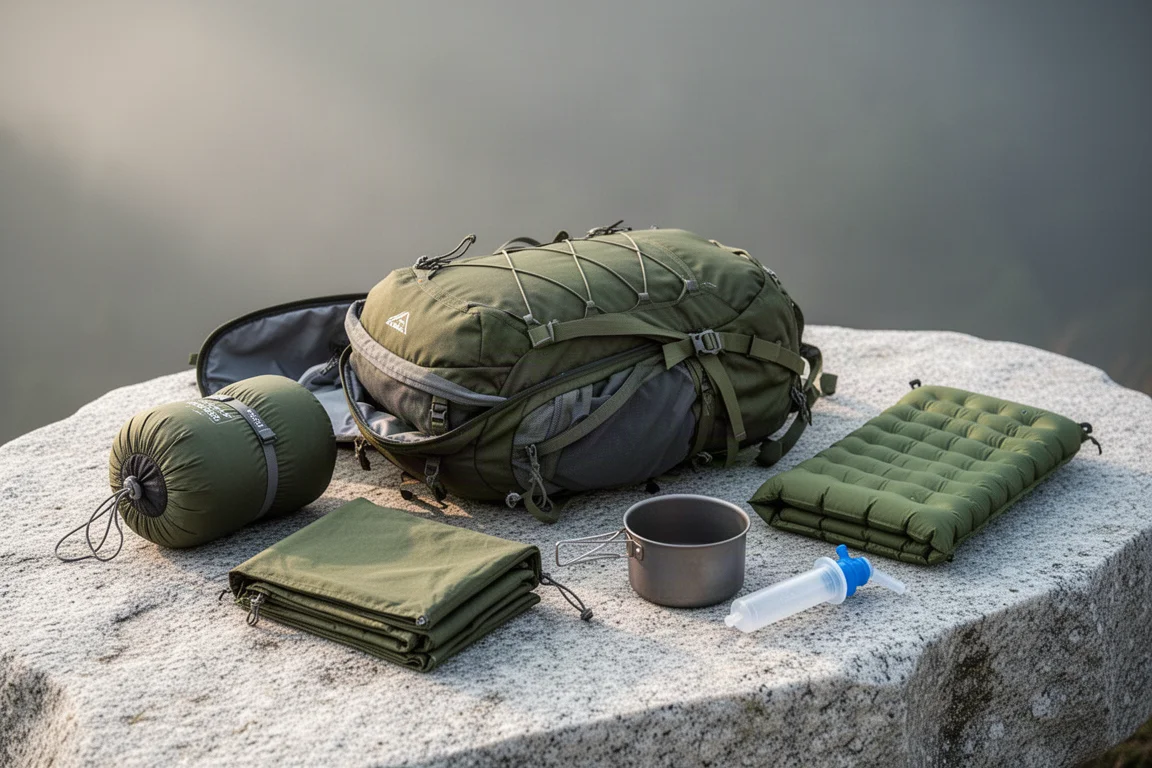
Building a 10 lb Base Weight: An Ultralight Backpacking Gear List
A practical walkthrough of the ultralight pieces behind a 10 lb base weight, from a 765 g pack and a roomy one-person tent to a full camp chair and a dependable water filter.
Backpacking Gear
A 15-Pound Lightweight Backpacking Gear List for Solo Trips
A beginner-friendly 15-pound backpacking setup built from easy-to-find gear, with notes on what each piece does, how it packs, and where to spend your attention.
Backpacking Gear
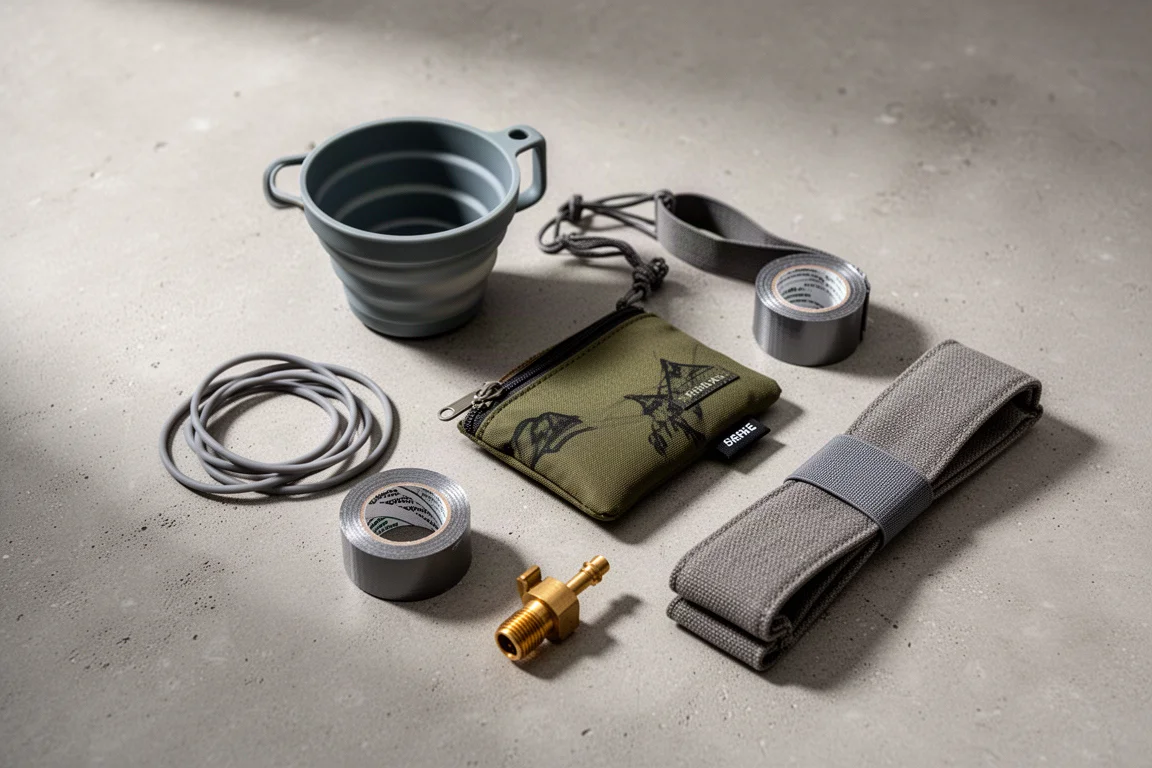
8 Ultralight Backpacking Gear Upgrades Worth Carrying
Eight small, affordable backpacking upgrades that solve real trail annoyances, from a pillow that stays put to a fuel valve that rescues leftover canister gas.