Backpacking Gear
Backpacking Gear That Just Works: Nine Practical Picks for 2026
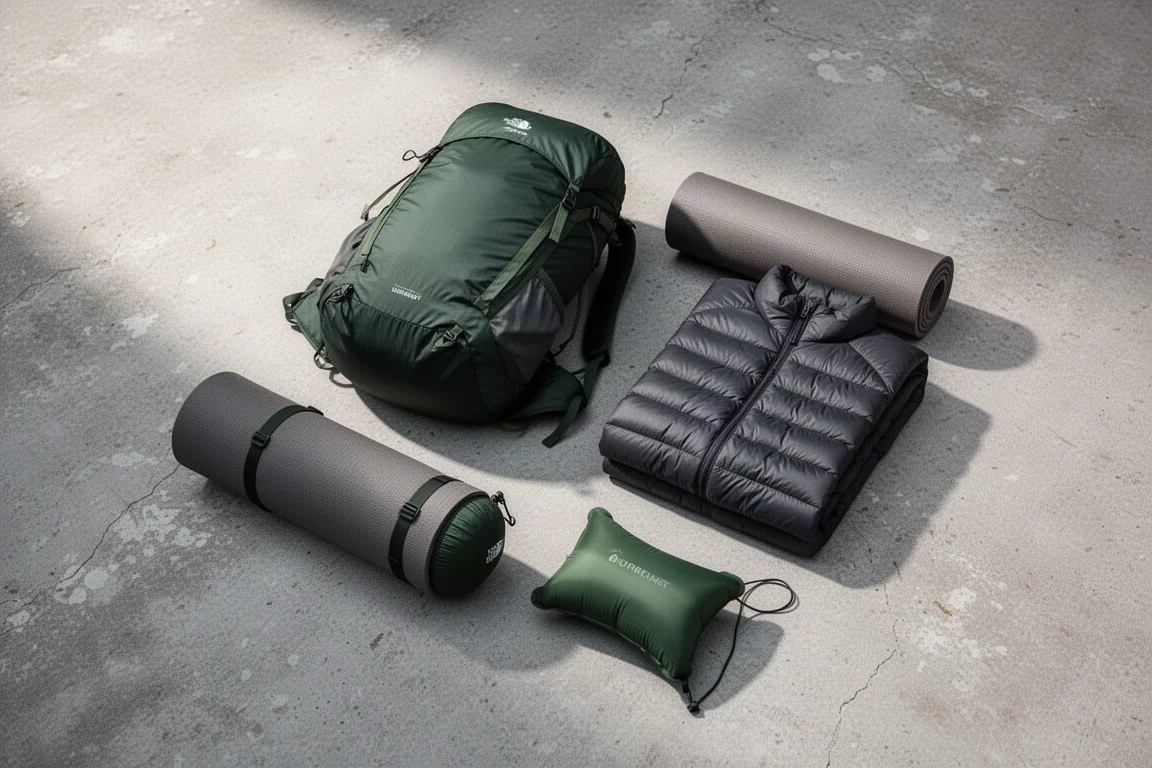
Nine backpacking products taken on a single overnight trip near freezing, from a 55 L ultralight pack and a freestanding tent in two sizes to a down jacket, two sleeping pads, a pillow, and an entry-level sleeping bag.
Introduction
Most gear questions come down to the same four filters: is it easy to find, is it easy to use, does it work without fuss, and does it avoid costing an arm and a leg. Meeting all four at once is harder than it sounds, which is why the same handful of products keep coming up year after year.
This roundup covers nine products across six categories, all of them taken on a single overnight trip with an overnight low of -2 °C, wind through the evening, and steady rain by morning. Some are long-standing picks that had to defend their place. Others are new enough that they still had something to prove. Here is how each one held up and where the trade-offs sit.
What We Looked For
The brief for this trip was deliberately unglamorous. Everything had to be easy to find, easy to use, light enough to carry all day, and priced so that a full kit does not turn into a major financial decision. Those filters eliminate more products than you might expect.
Conditions were close to what most three-season backpackers actually meet rather than an extreme stress test. An overnight low of -2 °C, gusty wind in the evening, and rain arriving by morning are enough to expose pads that bottom out, tents that soak their inner during setup, and sleeping bags that sleep colder than the rating suggests.
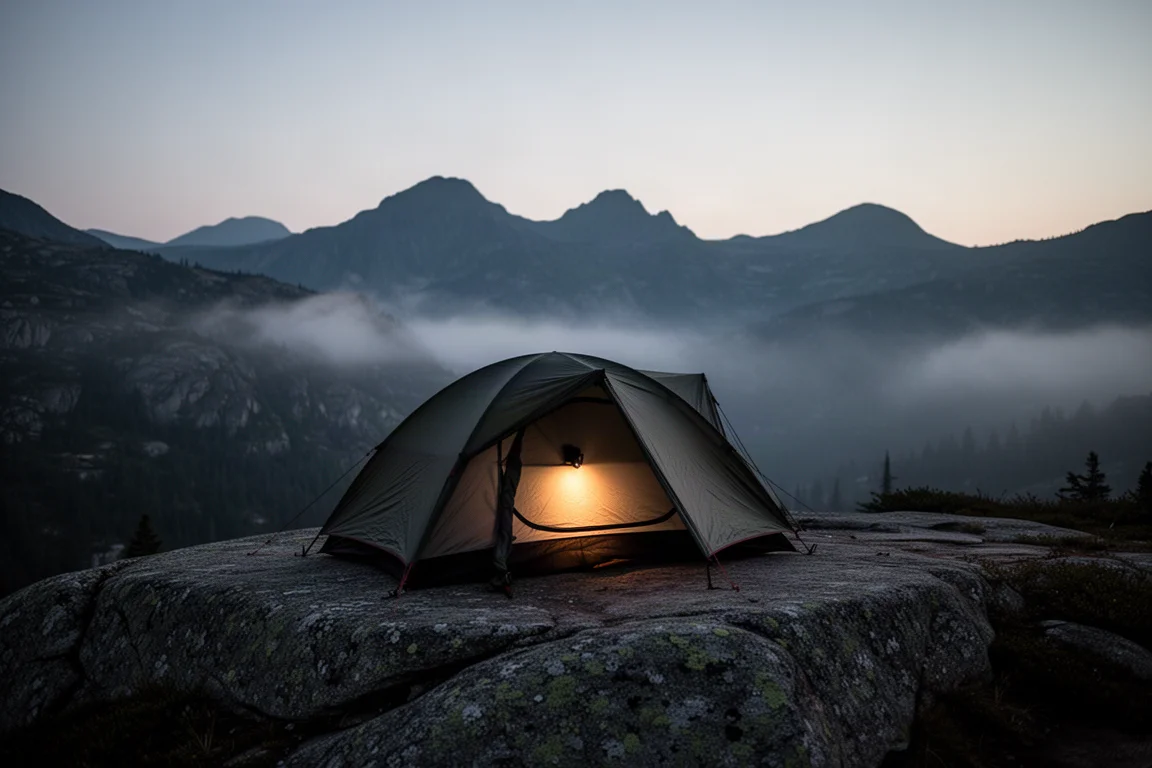
One theme that came out of the night is that published warmth figures only tell part of the story. A pad rated at R-value 4.3 kept a side sleeper comfortable close to freezing, while a plusher pad that felt better on first contact was the one that bottomed out under a shoulder. Comfort and warmth are separate questions, and both matter more than a single number on a specification sheet.
Durston Kakwa 55: Light, Comfortable, and Easy to Live With
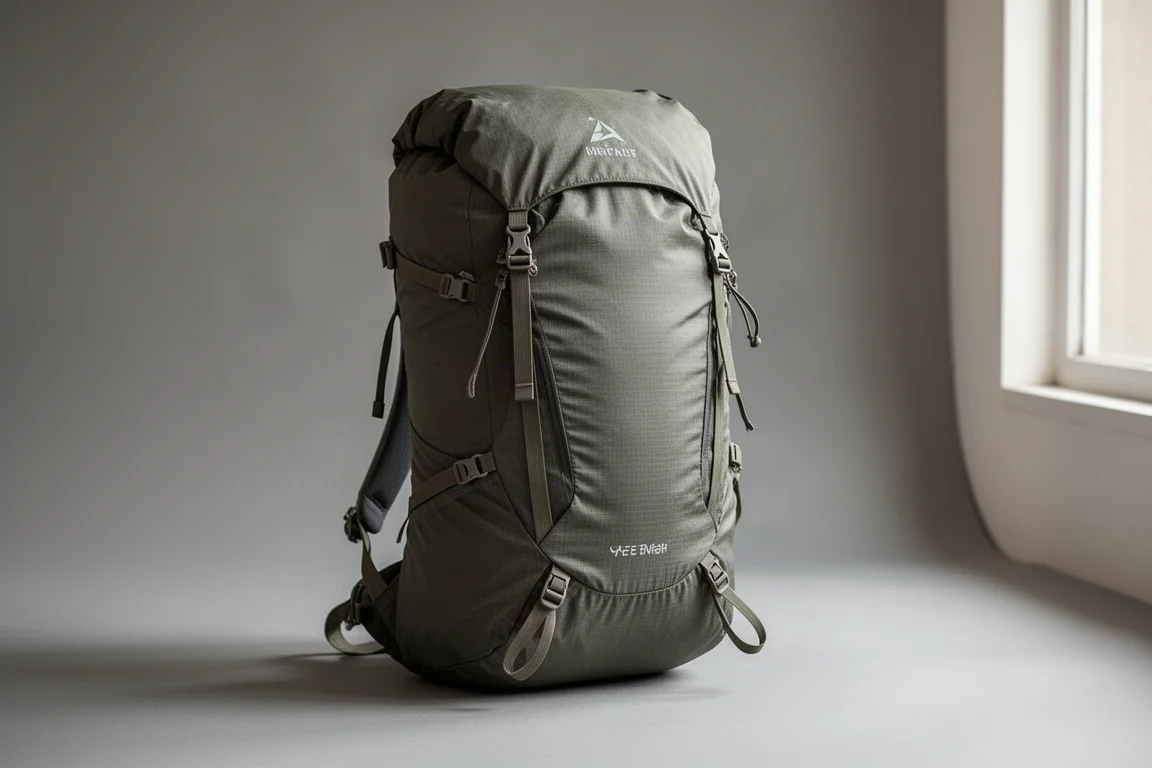
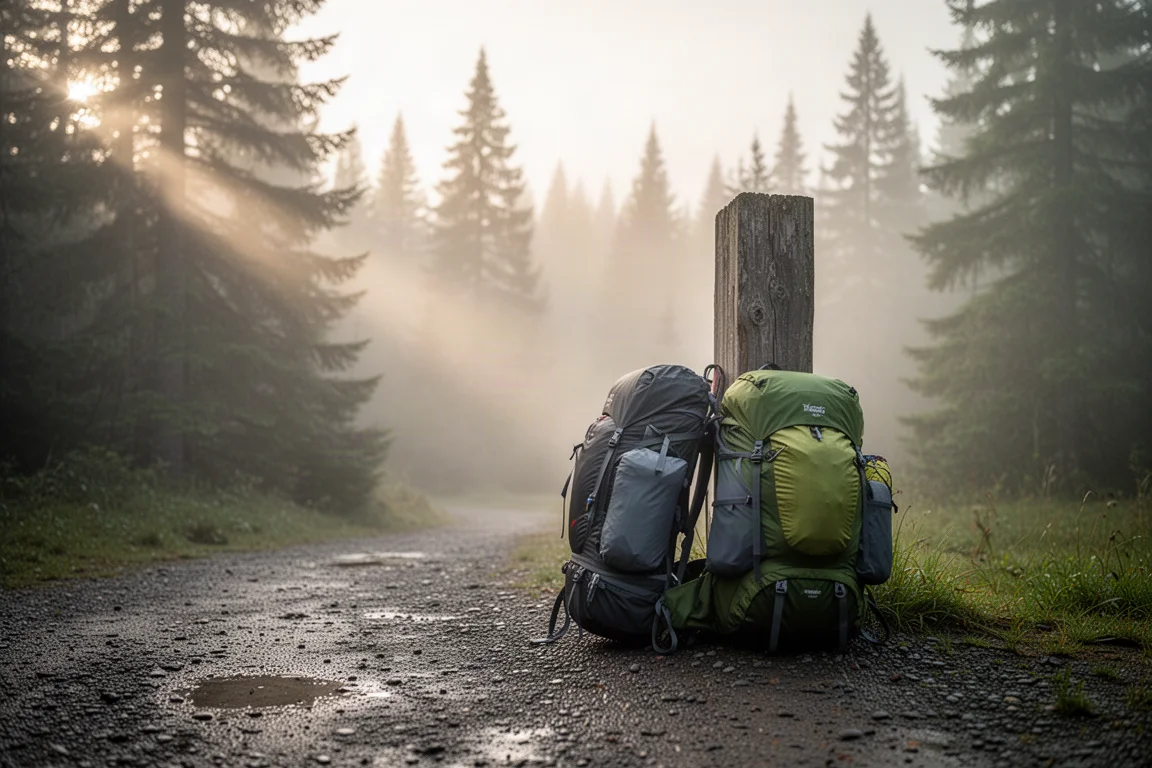
At 870 g for a 55 L pack, the Kakwa 55 in Ultra Grid fabric is remarkable on weight alone. The more useful quality is how well it carries that weight. The load transfers cleanly to the hips and stays stable, which is exactly what a pack this light needs to get right.
The 2026 update adds a lumbar pad, and it resolves the lower back pressure that earlier versions could produce. Internal volume has also been increased slightly, which lands the pack at a size that feels right for multi-day trips rather than merely adequate. The practical details are covered too: two shoulder strap pockets that keep bear spray or snacks within reach, hip belt pockets, a side bottle pocket that can be reached without stopping, and a large front mesh pocket for wet layers.
Fabric choice is worth a note. The Ultra Grid version is the one to buy. The more expensive Ultra X fabric brings extra durability and waterproofing, but that premium does not buy enough to justify the price difference for most buyers. Taken as a whole, this is one of the best all-around packs for the average person: affordable, widely available, and versatile enough to cover whatever a typical trip asks of it.
Nemo Dragonfly 2P: One of the Lightest Freestanding Tents
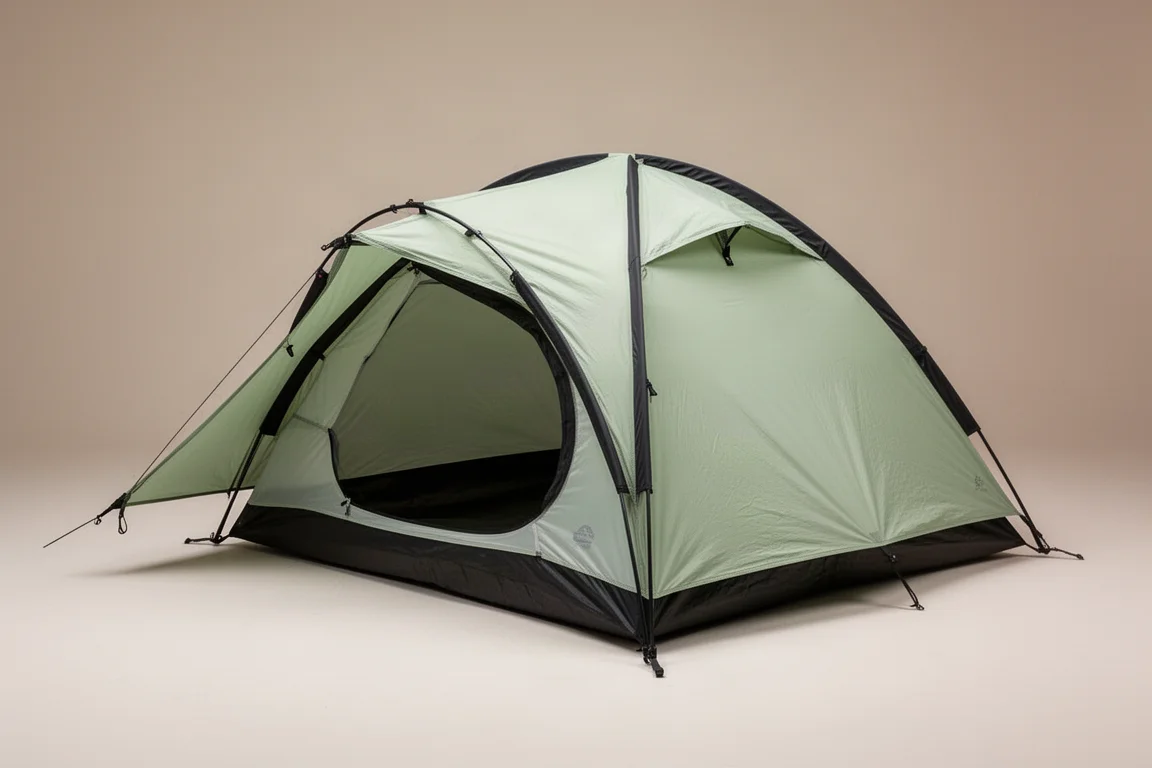
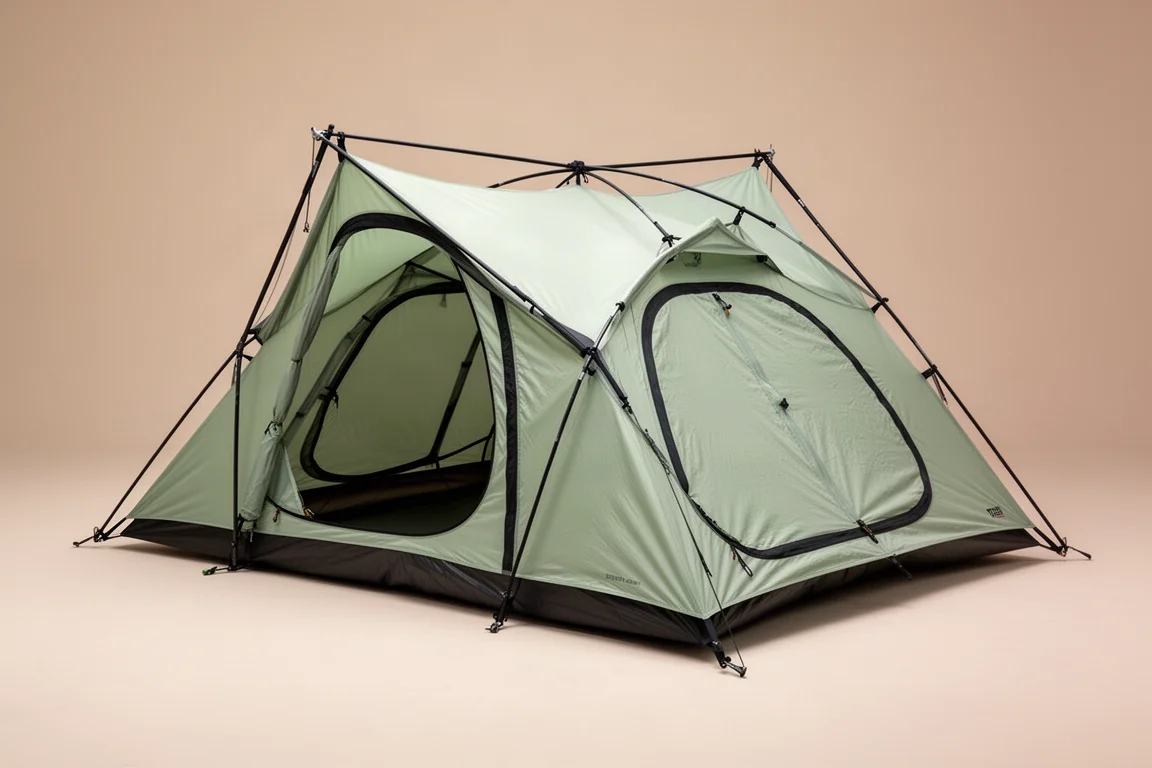
The Dragonfly has been one of the strongest freestanding options for a while, and the 2026 version trades a small weight increase for a set of genuinely useful changes. The two-person version weighs 1,300 g and still uses Osmo fabric for the fly, which does not sag or stretch when it gets wet.
Inside, the wider brow pole is the headline change. It adds head room and shoulder space, and it creates an overlap with the door so that rain falling straight down does not find its way in. The head-end cutout that frustrated a lot of owners is gone, a head-end vent has been added, and the door is now split into two zippers: a flat one along the bottom and a slightly curved one running up towards the top. That arrangement is easier to use and less likely to jam than a single large curved zipper.
The compromises are real. The tent is slightly heavier than before, it does not offer a fly-first all-in-one pitch, so the inner goes up first and can get wet if it is raining, and there are fewer guy-out points, which makes it a little less storm-worthy. The taller panels also catch more wind. Interior space is the other consideration: two 25-inch wide pads only fit if both are tapered, and a rectangular pad will not fit at all.
Nemo Dragonfly 3P: More Room for a Small Weight Penalty
The three-person Dragonfly weighs 1,600 g, only a little more than the two-person version, and the extra room is substantial. Two 25-inch wide pads fit inside, including a rectangular one, with space left at the head and foot ends for gear and enough room on one side for another 20-inch wide pad. The large pocket across the top of the tent is split into three sections, which keeps small items organised.
The trade-offs are the ones that come with any larger tent: a little more weight to carry and slightly less storm-worthiness, because bigger panels present a larger profile to the wind. Price is the main hesitation.
For anyone who is not chasing the absolute lowest possible weight, the three-person version makes more sense than the two-person version. The weight difference is small, the livability difference is not, and that conclusion applies well beyond this one tent.
Outdoor Vitals Zulu: A Down Jacket With High-End Materials
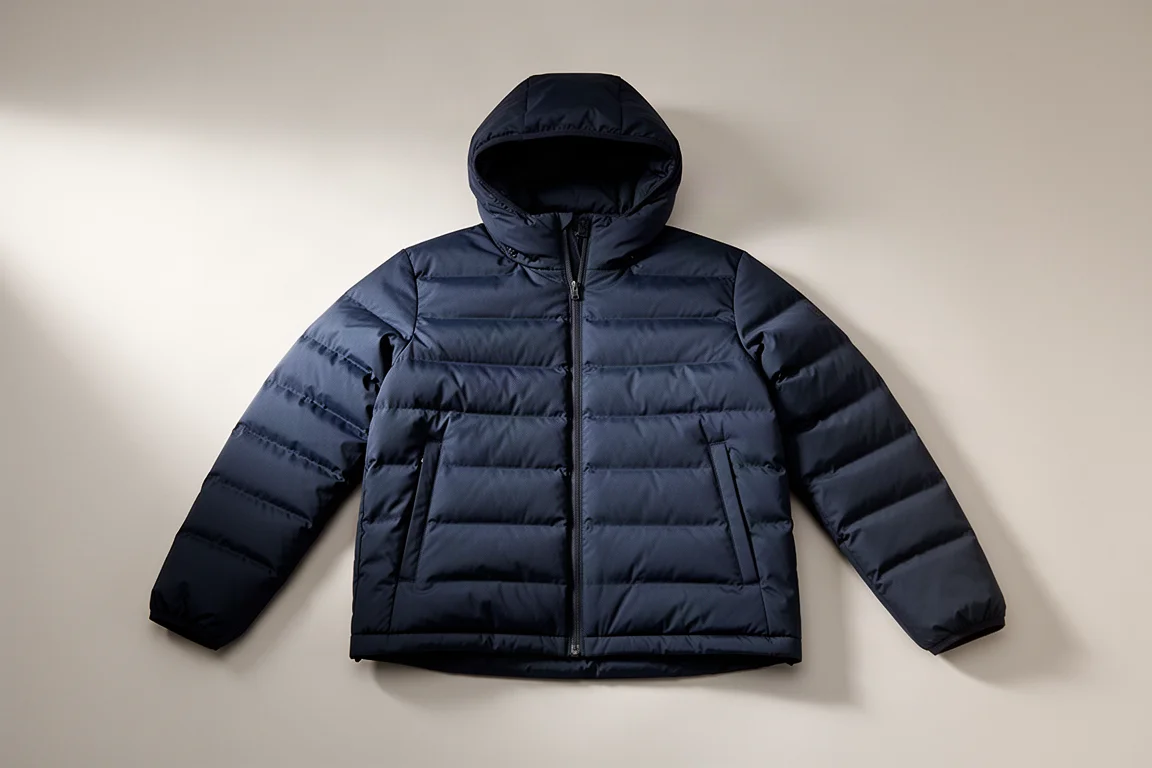
The Zulu is a new down jacket with a specification list that reads like a much more expensive product: a 15 denier shell, 900 fill power down, two hand pockets, two internal drop pockets, a hood, and a full-length zip. The detail that stands out most is the absence of sewn-through seams, which removes the cold spots and extra heat loss that stitched-through construction can create.
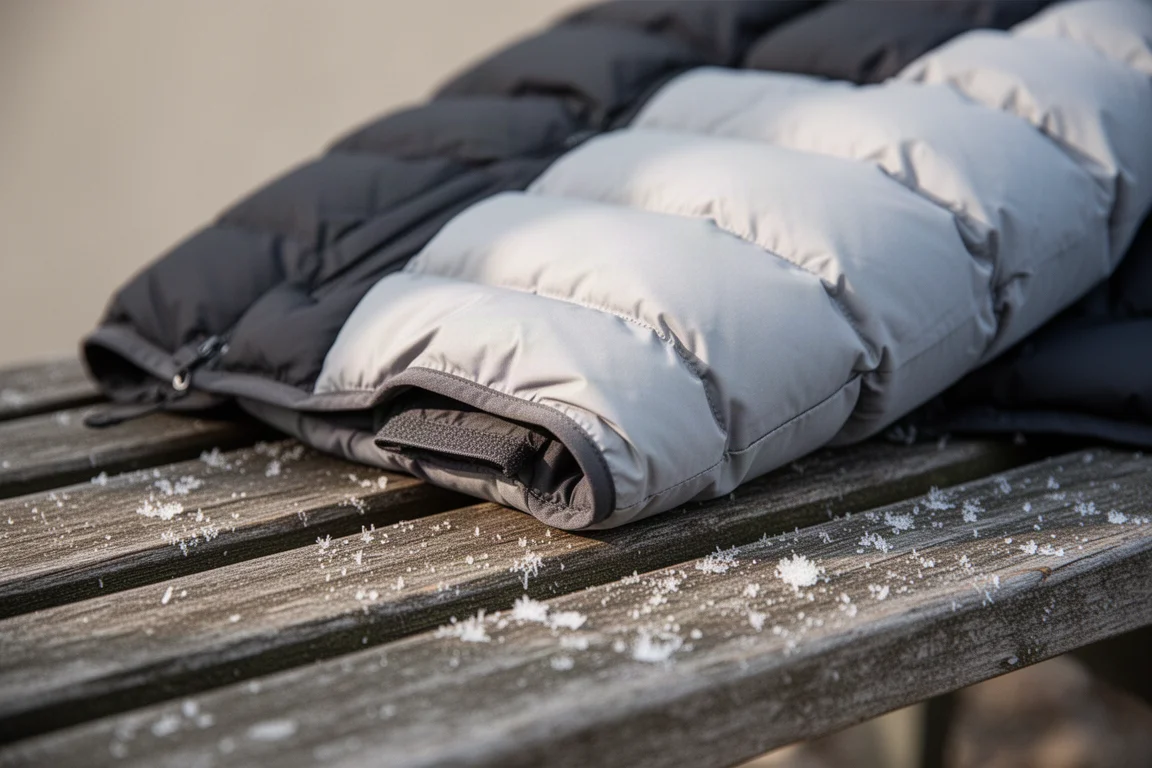
Weight is the compromise. The Zulu is heavier than we would like for a down jacket, and it is only slightly lighter than the Decathlon MT100. At $230 it is still reasonable given the materials, particularly as down prices continue to climb across the category and push sleeping bags and quilts upward with them. For buyers in the United States and Canada, where MT100 availability has been poor and pricing has risen, the Zulu looks like a genuinely good alternative rather than a sideways move.
Decathlon MT100: The Long-Standing Value Pick
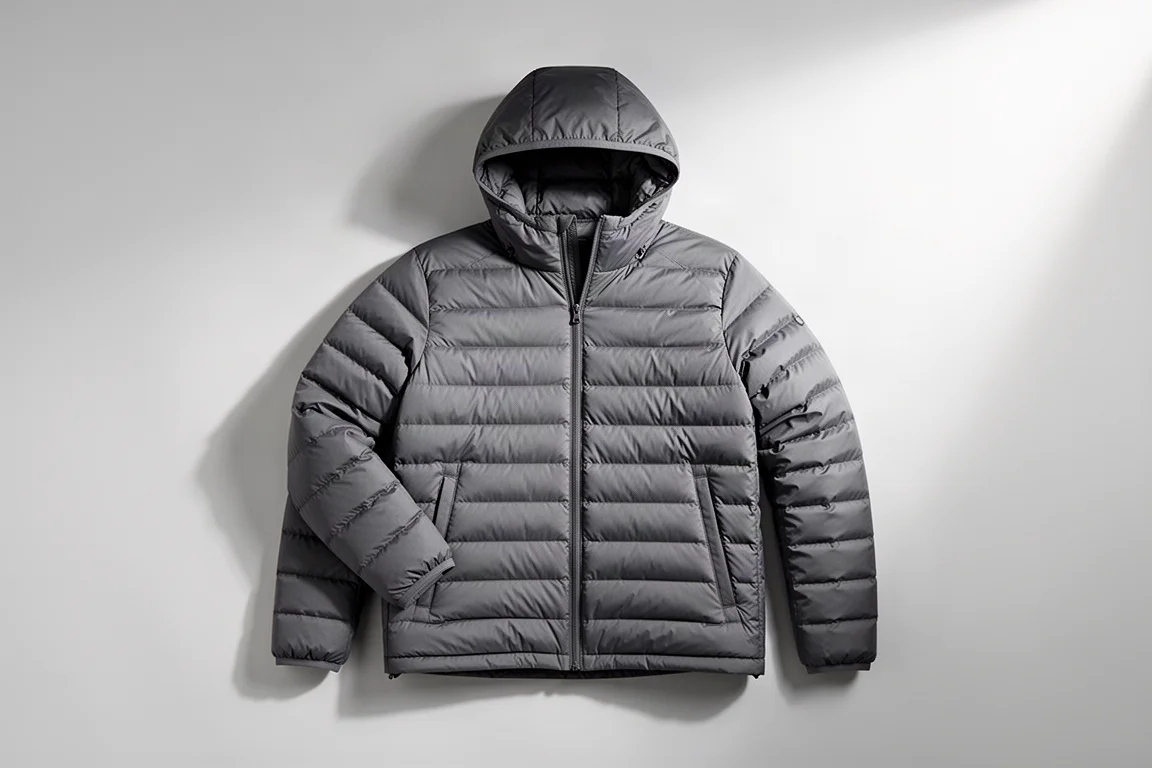
The MT100 has been the default recommendation for a large share of buyers for years, and the reasons have not changed. It costs considerably less than the Zulu, it gets the job done, and it is easy to find across most of the world.
Two things have shifted. Pricing has been climbing, most noticeably in the United States, and the amount of down inside the jacket has been reduced, which compromises performance somewhat. The MT100 is still the better value for most of the world. The Zulu closes the gap in markets where the MT100 is scarce or increasingly expensive, and that is the situation worth weighing before choosing between them.
REI Traverse: A Comfortable Pad at a Fair Price
The Traverse is a newer backpacking pad priced at $160 US, and it sits half an inch thicker than the REI Helix. That extra thickness matters: it is the difference between a pad that bottoms out under a shoulder and one that does not. The top material is softer and has a little more give than the Helix, and the baffling is vertical with a slight dimple, a pattern that has proven comfortable on other pads.
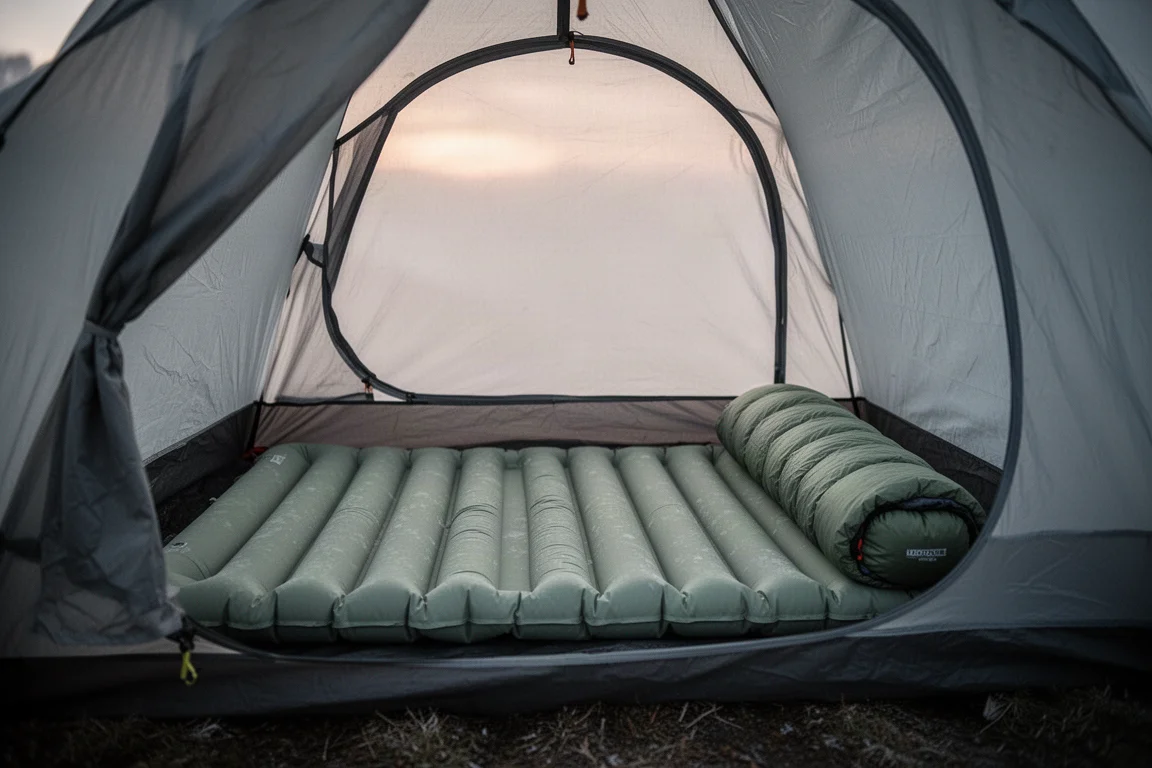
Warmth is rated at an R-value of 4.3, and at -2 °C there was only a trace of heat loss through the pad, which suggests it could be pushed to roughly -4 or -5 °C before it becomes uncomfortable. Comfort held up well for side sleeping, with no numbness in the arm. Compared directly with the Helix it is not quite as plush, but it does not bottom out when sitting up or shifting weight, which the Helix does.
The obvious drawback is weight. At 711 g it is heavier than the Helix and heavy by current standards, because it is rectangular rather than slightly tapered. Even so, it has a clear place: if you bottom out a thinner pad and want something as affordable and approachable as the Helix, this is the version to look at.
REI Helix: Still a Strong All-Around Pad
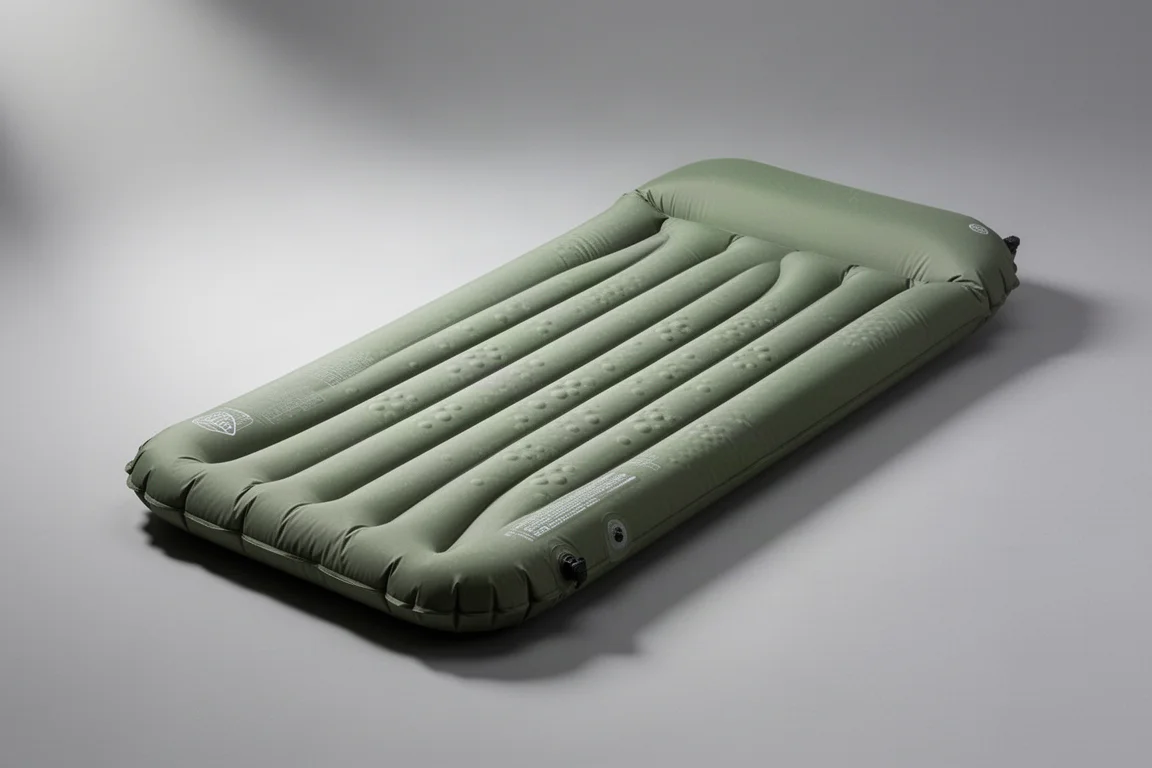
The Helix remains one of the best all-around pads available, and it is an especially good buy on sale. It offers a lot of pressure relief and suits a wide range of sleepers, which is why it has stayed near the top of the list while newer pads arrive around it.
The limitation is support for heavier users. At roughly 200 lb and up, it is easy to bottom out, and that is exactly the gap the thicker Traverse fills. Buyers who fall into that range should treat the Helix as a strong option with one known caveat rather than a universal answer.
Sea to Summit Aeros Premium Pillow: Comfort in 150 Grams
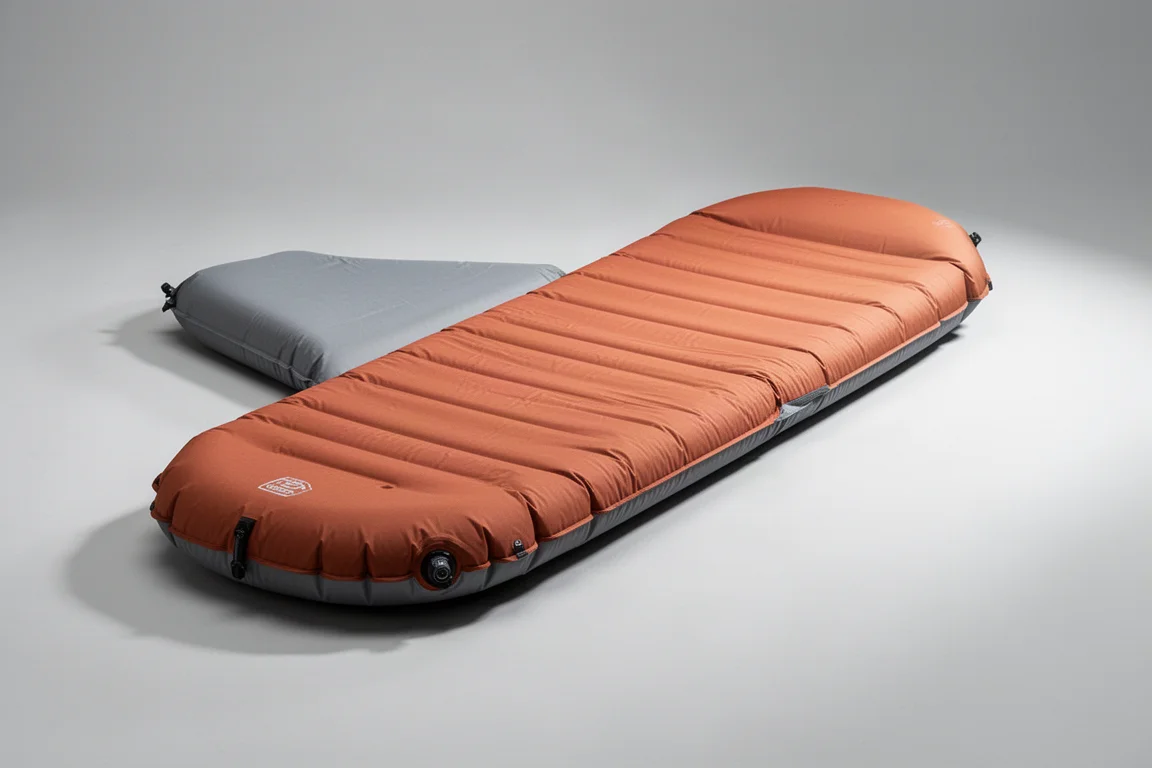
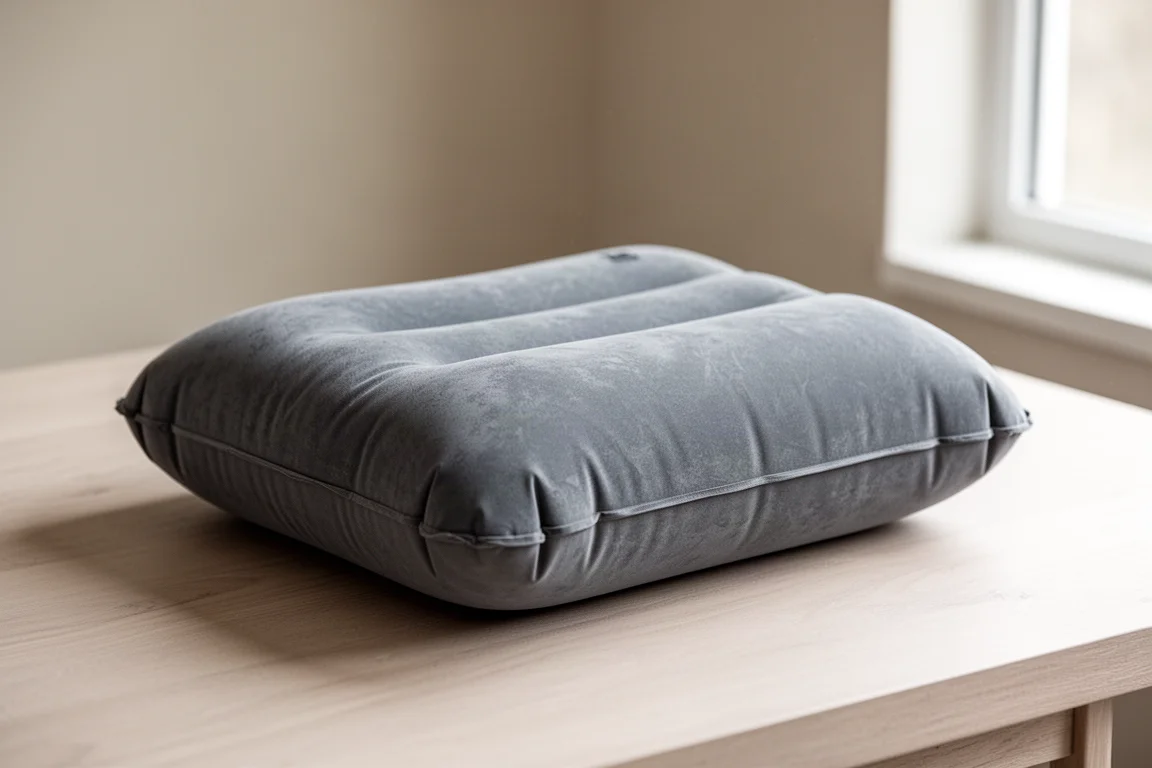
The Aeros Premium in size large may be the best backpacking pillow on the market. The shape is the reason. A curved bottom edge lets a shoulder slide underneath, and the height is generous enough that side sleepers are less likely to wake with a numb arm. A memory foam topper adds cushioning above the baffled air chamber, and the large size weighs 150 g.
The valve works well, and the pillow lock system uses four adhesive stickers placed on the sleeping pad to hold the pillow in position overnight. Even two stickers are enough to keep it from sliding, and it also works well tucked inside the hood of a sleeping bag.
At $60 it costs far more than budget pillows such as the Trekology and Hike & Camp options, and that is the main argument against it. If cheaper pillows have not worked out, though, the comfort gap here is noticeable and the weight penalty is small.
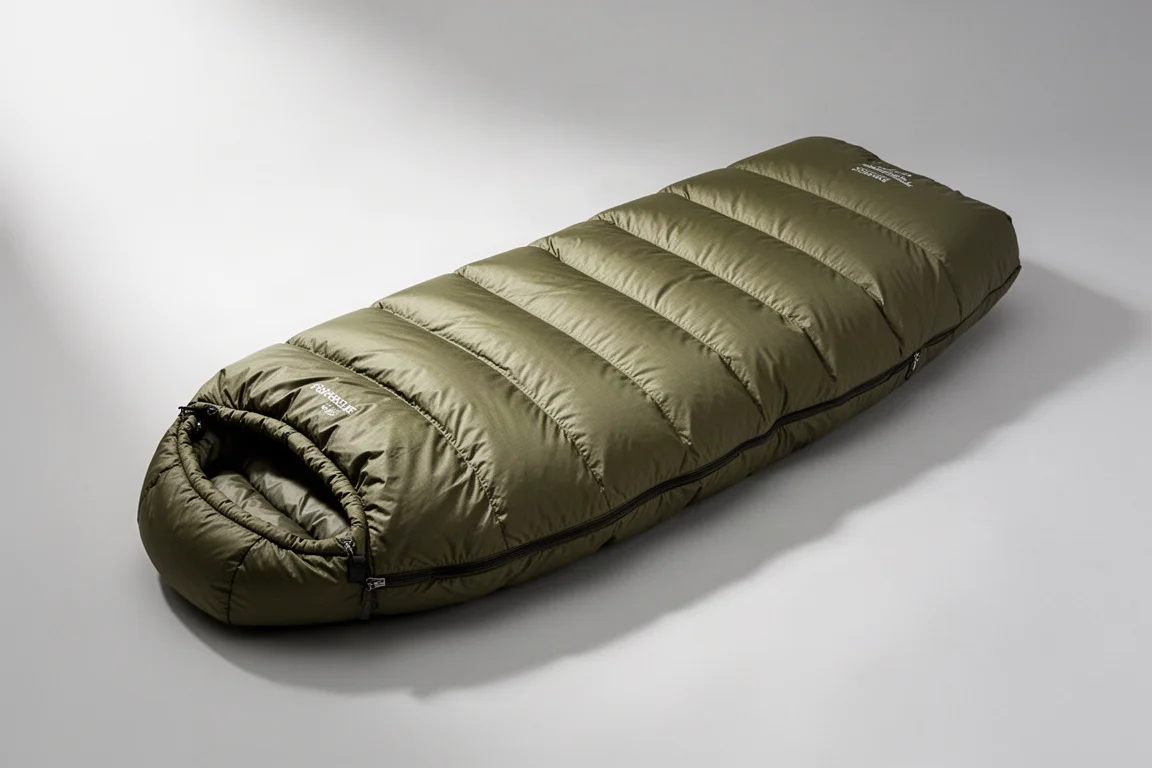
Kelty Cosmic 20: A Good Entry Point Into Backpacking
The Cosmic 20 is a down sleeping bag that sells for under $200, and it is a sensible first bag. It weighs just over a kilogram for a 20 °F rating, compresses well because of the down fill, and includes a draft tube along the zipper plus an interior zipper pocket for a phone or small items.
On the overnight test, with an overnight low of -2 °C and thick mid-layers, the bag was just warm enough, which suggests the comfort rating of around freezing is honest. The limit rating is 20 °F. The gaps are the lack of a neck draft tube, which can make it sleep a little colder, and weight. It is heavier than expected, and quilts can be found at roughly half the weight for not much more money.
That combination makes the Cosmic 20 a strong entry point rather than a long-term pick. It is light enough, compact enough, and cheap enough for a first season. Most people who stick with backpacking will want something lighter fairly quickly.
Buying Advice
If you are building a kit from scratch, the two strongest recommendations here are the pack and the pad. The Kakwa 55 is light, comfortable, and versatile enough for the average backpacker, and the REI Traverse delivers real comfort and respectable warmth at a price that is easy to justify. Both are the kind of purchase that stays useful as your trips get longer.
The tent and the pillow are among the best things you can buy in their categories, particularly when they are discounted, though both ask a premium for the privilege. The Zulu jacket is a good option and the most compelling one in the United States, while the MT100 remains the better value for most of the world. The Cosmic 20 is a good first sleeping bag, but most people who stick with backpacking will outgrow its weight fairly quickly.
Conclusion
None of these products is exotic, and that is the point. Each one solves a practical problem, is straightforward to use, and is available without a hunt. Match the pick to the job, check the warmth ratings and pad widths against the conditions you actually meet, and the kit will do what it is supposed to do.
Further reading
Related Reviews

Backpacking Gear
Building a 10 lb Base Weight: An Ultralight Backpacking Gear List
A practical walkthrough of the ultralight pieces behind a 10 lb base weight, from a 765 g pack and a roomy one-person tent to a full camp chair and a dependable water filter.

Backpacking Gear
A 15-Pound Lightweight Backpacking Gear List for Solo Trips
A beginner-friendly 15-pound backpacking setup built from easy-to-find gear, with notes on what each piece does, how it packs, and where to spend your attention.

Backpacking Gear
8 Ultralight Backpacking Gear Upgrades Worth Carrying
Eight small, affordable backpacking upgrades that solve real trail annoyances, from a pillow that stays put to a fuel valve that rescues leftover canister gas.