Backpacking Gear
Backpacking Gear Tested in Wind and Rain: 7 Pieces Worth Knowing
Seven backpacking items carried through cold, wet, windy conditions, with notes on warmth, weight, durability, and what to check before you buy.
Introduction
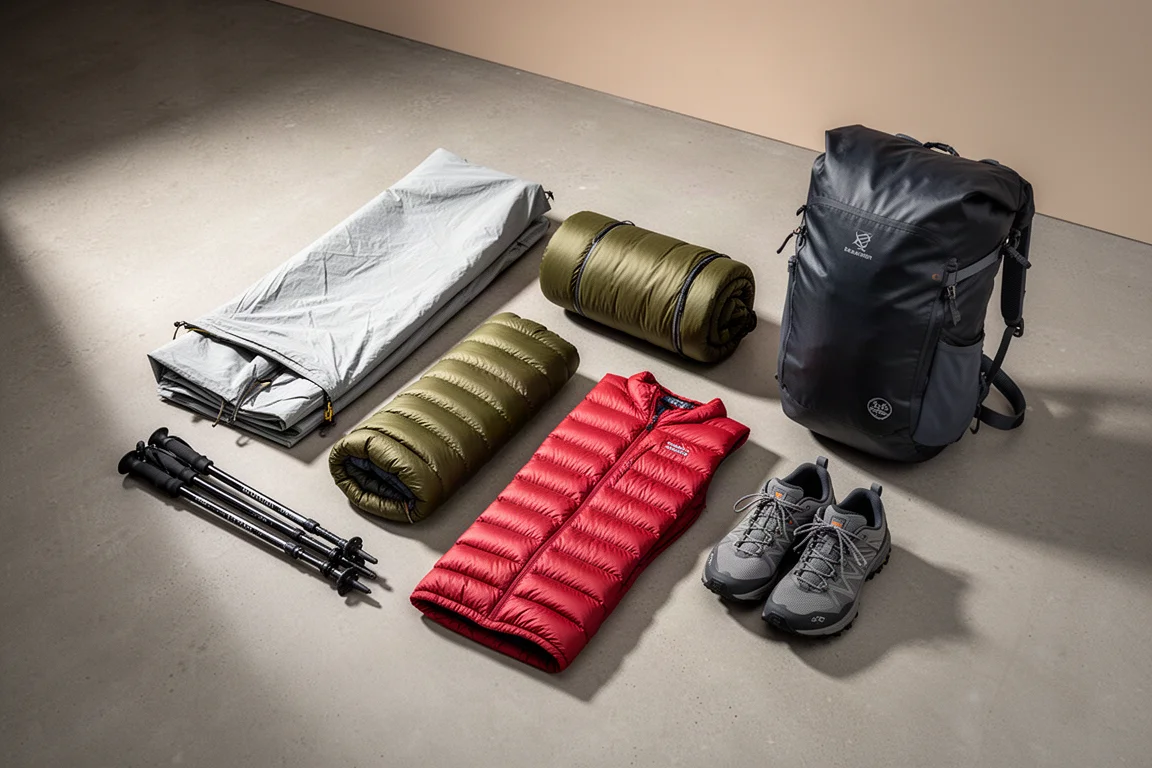
A group of first-time backpackers headed into Michigan’s Upper Peninsula with temperatures in the 30s, sustained rain, and wind strong enough to push waves above the cliffs at Pictured Rocks. Several of them had never slept in a tent before. Almost every item below was brand new to the person carrying it, which turned a difficult forecast into a genuine field test rather than a fair-weather walk.
The forecast was unforgiving, which is exactly what made it useful: how each item pitched, slept, carried, and held up when the weather refused to cooperate. Nothing failed outright, and a few pieces stood out enough to earn a permanent place in a kit.
What We Looked For
Four things mattered most on this trip. First, warmth relative to weight, since cold nights expose any gap between a claimed temperature rating and real-world performance. Second, weather resistance, because wind-driven rain finds every weak point in a shelter, a shell, or a pack. Third, how manageable each item is with cold hands, from pitching a tent to adjusting a hood in the dark. Fourth, price relative to how often the item will realistically be used.
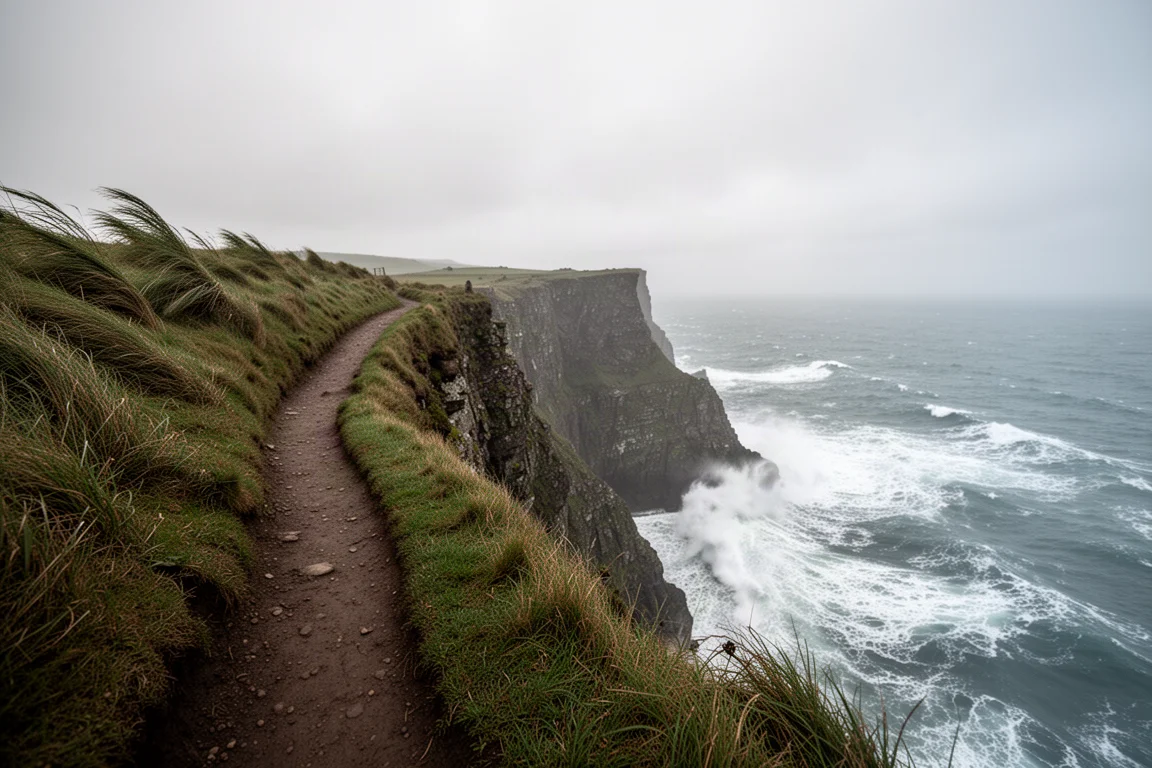
The testing window was short but unusually harsh: one night at or below freezing, trail sections that looked like firm ground but turned out to be deep mud, and ridge walking with wind that made standing still difficult. That combination is a reasonable stress test for gear that claims to be built for exposed terrain.
Zpacks Duplex XL: An Ultralight Shelter for Tall Campers
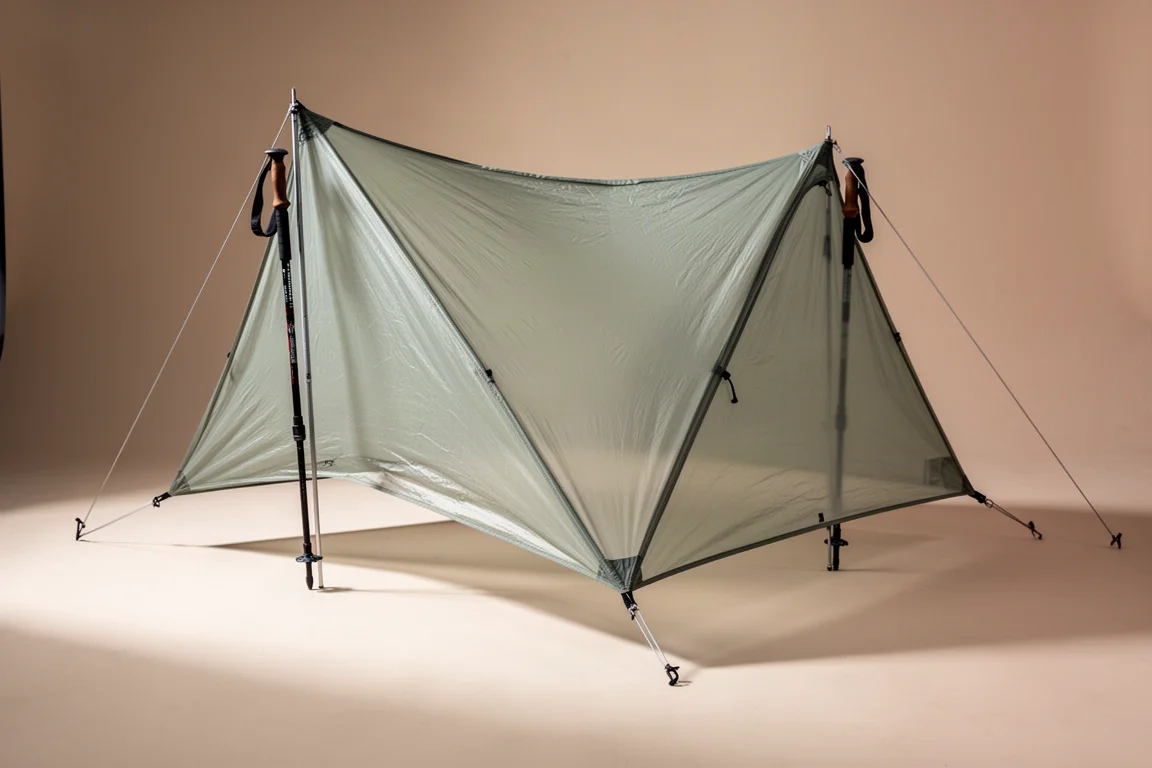
The Duplex XL is a two-person, single-wall shelter made from Dyneema, the waterproof, low-stretch fabric originally developed for sailcloth. It is a trekking pole tent, which means no poles ship with it and the structure depends on the poles you are already carrying. Packed down, it is compact enough to sit inside a backpack or strap to the top of one.
Pitching took under three minutes on a first attempt, and the shelter stayed solid through strong, sustained wind. The XL version extends the body length for very tall sleepers, and the extra end poles guy out to open up the interior so the walls stay away from your face. Sitting height is generous, with enough room to change clothes inside.
The trade-offs are deliberate. The door closes with toggles and small buckles rather than a zipper, which takes some practice to work by feel in the dark or in the rain, and the door panels drop to the ground where they can pick up mud. Both are the kind of compromises that come with shaving weight, and neither affected how the tent performed in wind.
Cumulus Panyam 600: Warmth Without the Weight
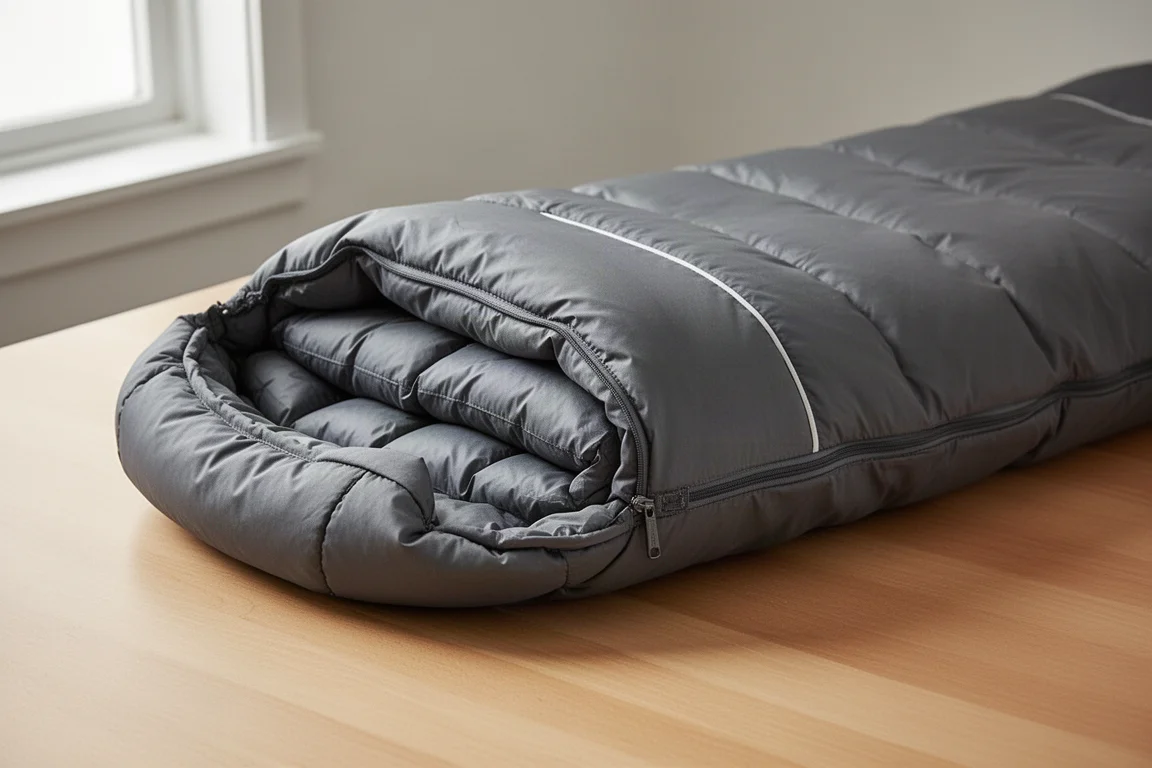
The Panyam 600 is a 20-degree down bag with 850 fill. The number in the name refers to grams of insulation, and the long version tested here carries 620 grams. On a night that dropped to freezing, it was comfortably warm with no sense of pushing the rating.
Two long-standing annoyances with sleeping bags were absent. The zipper runs without catching, and the hood uses very few cords or dangling adjusters, which keeps the interior quiet and uncluttered. The foot box angles outward and upward, so feet rest against the shell without pressing into it and without creating a cold spot.
The long version, sized for sleepers up to about six feet six inches, weighs just over two pounds. At roughly $368, it undercuts several comparable down bags by a wide margin while delivering similar warmth. That combination of warmth, low weight, and price is the reason this bag is worth a close look for anyone building a cold-weather ultralight kit.
onX Backcountry: Navigation That Keeps a Group Together
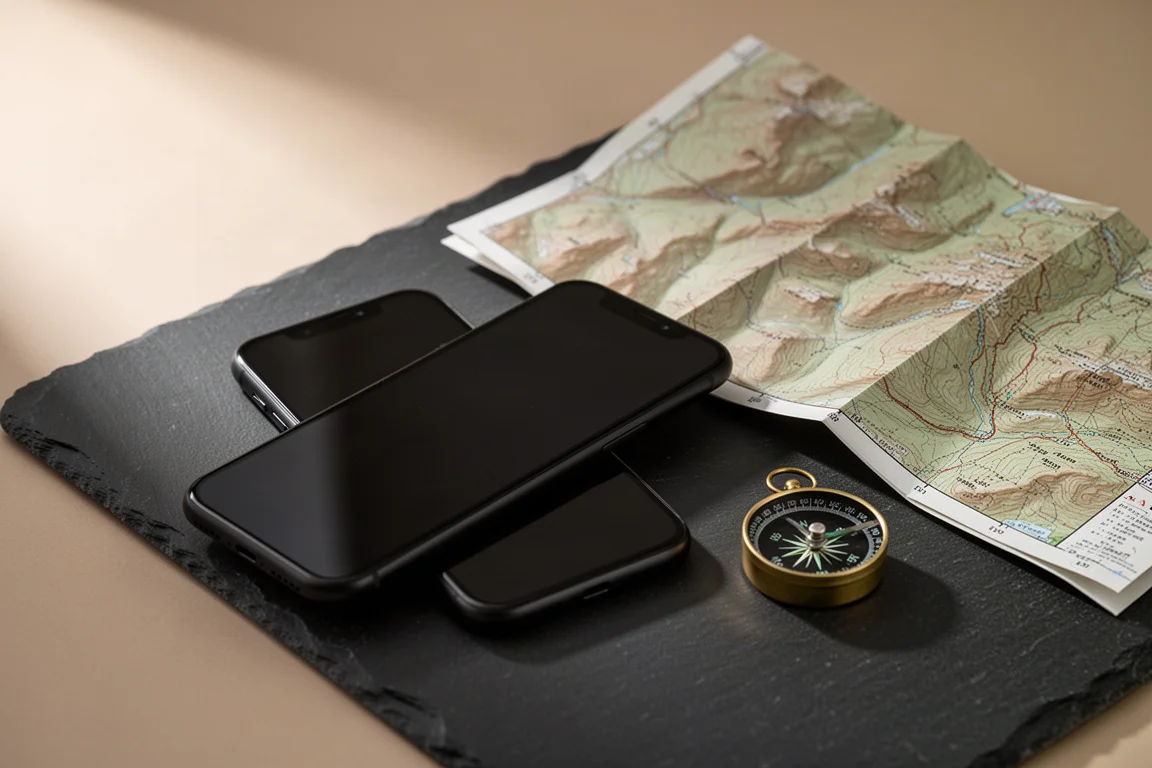
Leading a group of first-time hikers puts a premium on clear navigation. onX Backcountry showed exactly where the group stood on trail, how far camp still was, and what the weather was doing, all on one screen. At a fork in the trail, pointing the phone toward each option made the correct direction obvious, much the way a car navigation system works.
That clarity mattered more than usual with new backpackers, who understandably ask how much further it is with some regularity. Having distance and conditions visible in the same place removed a lot of uncertainty from the day.
The obvious caveat is that it runs on a phone, so battery management on multi-day trips still matters. Used alongside a paper map and a charged power bank, it is a practical navigation layer for group trips and solo routes alike.
Montbell Plasma 1000 Alpine Down Parka: Maximum Warmth for Minimal Weight
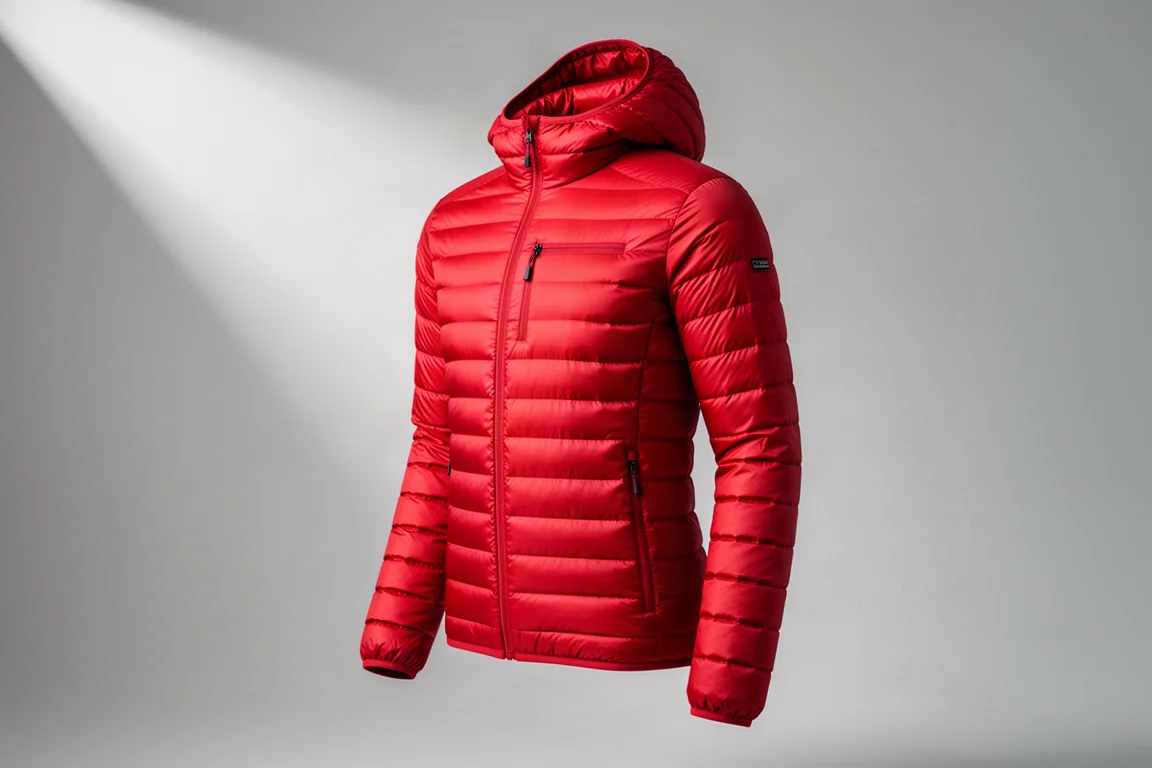
The Plasma 1000 Alpine uses 1000-fill down, and the difference shows in the loft. It runs warmer than the lighter ultralight down layers it invites comparison with, which is exactly what you want when the temperature drops below freezing and the wind picks up. The Alpine version keeps a full feature set: hand pockets, a hood with drawcords, a waist cinch to stop drafts, and elastic cuffs.
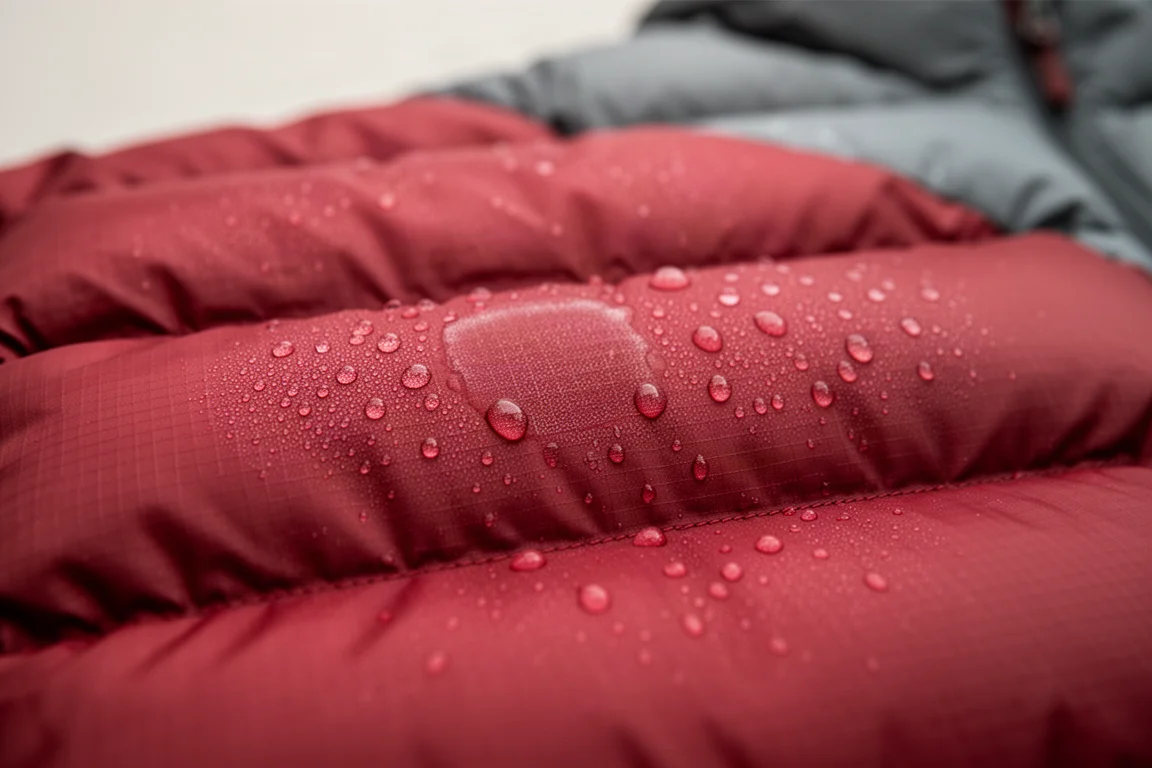
That warmth comes at a price. At $475, it sits at the top of the ultralight down jacket category, and the 7-denier nylon shell is thin enough that branches and rock can snag or tear it. Scuffs and small repairs are part of owning a jacket this light. A lighter, more minimal version without a hood is also available for anyone who wants to cut weight further and can live without pockets.
For long-distance hikers and anyone trying to shed pack weight before a winter trip, this is one of the most effective single upgrades available.
Decathlon Trek 100: A Budget Down Jacket That Earns Its Place
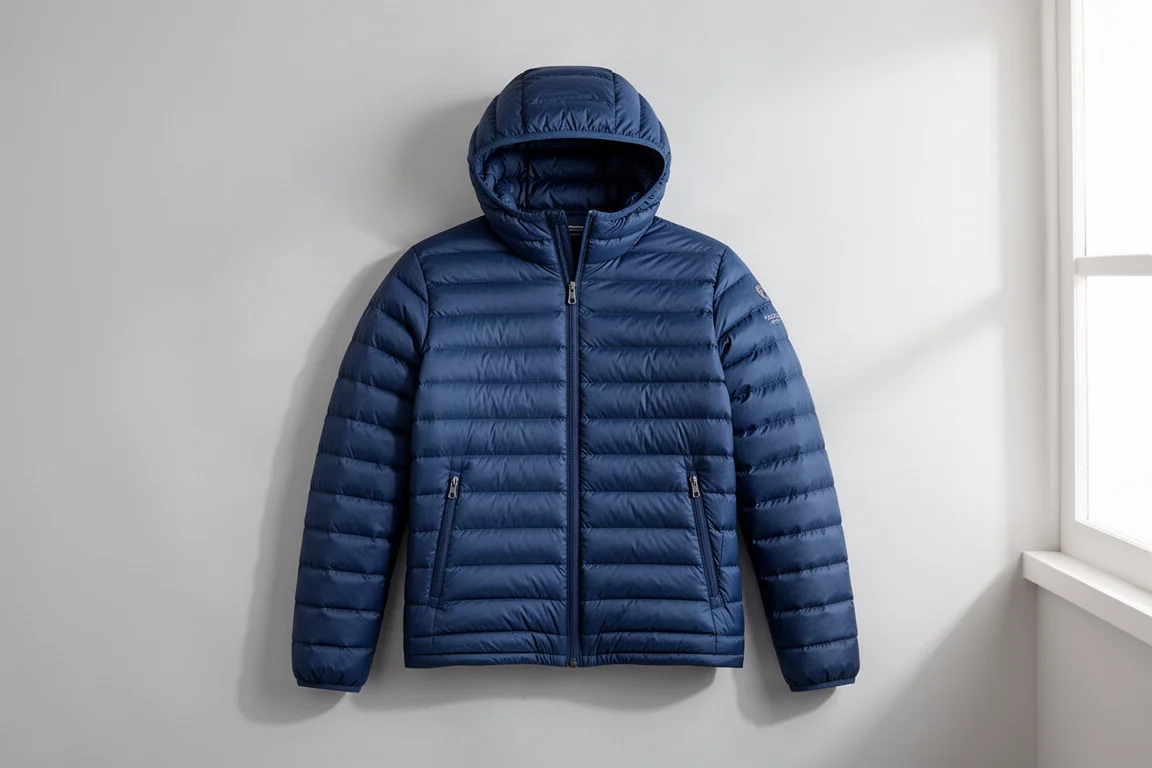
Not everyone needs to spend $475 to stay warm. The Trek 100 is an 800-fill down jacket weighing around 10 ounces, and it currently sells for about $90. It is a genuinely useful layer at a price that makes it easy to recommend as a first down jacket or a spare.
The honest framing is that it is much less warm than a 1000-fill jacket. The Plasma 1000 Alpine delivers roughly the warmth of two Trek 100s. That gap matters on freezing nights, where the Trek 100 works best as part of a layered system rather than as a standalone layer.
For three-season trips, budget-conscious buyers, and anyone who wants a light insulating layer without committing serious money, it remains one of the better value picks in backpacking insulation.
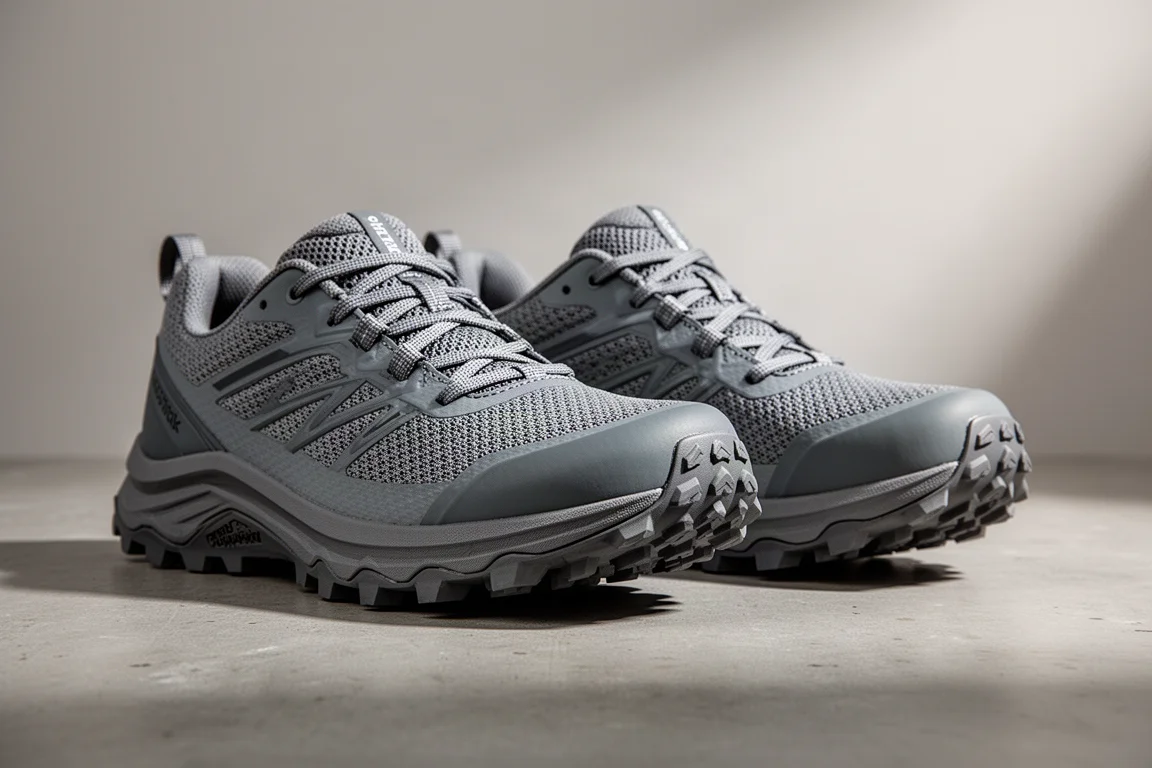
Brooks Cascadia 16 Gore-Tex: Comfortable Trail Shoes Out of the Box
Trail runners usually need breaking in, and this pair did not. The Cascadia 16 in its Gore-Tex version covered about 20 hard miles of mud, standing water, and root-covered trail with no blisters and no hot spots, despite going straight from the box to the trail. The toe box is roomier than it looks, which helps on long days.

The Gore-Tex membrane has limits. Stepping into what looked like leaf litter but turned out to be a foot of mud let water in, which is expected of any waterproof shoe in those conditions. What mattered was that wet feet did not turn into damaged feet over the course of the day.
Durability is the open question, since the shoes have only seen one trip. Earlier pairs of trail runners in the same rotation wore through the side after roughly 150 miles, so the Cascadia’s lifespan will be worth tracking over the next few seasons.
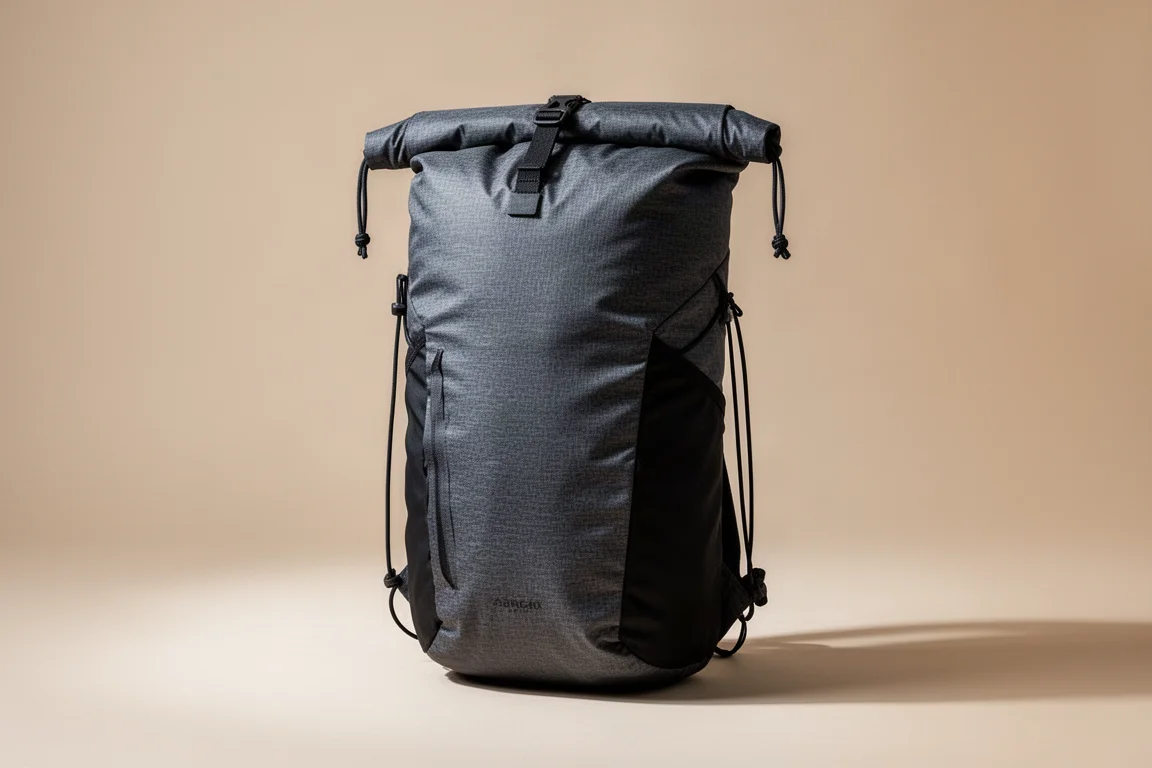
Zpacks Arc Haul Ultra: A Lightweight Pack That Carries Well
The Arc Haul Ultra is a Dyneema pack with an arc-shaped frame that bows the body away from your back, leaving a mesh panel for ventilation. It is a roll-top design with a single main compartment, listed at 70 liters, a figure that counts the bowed top and the mesh pockets. Even so, it swallowed a full load without feeling strained.
At just over 20 ounces, it is roughly half a pound lighter than comparable ultralight packs, and it carries a moderate load well. The hip belt tightens further than most ultralight belts, which makes a real difference when you need to lock the load down on a descent, and the load lifters let you tune how the pack sits. A previous generation of this pack squeaked with every step, and that is gone here.
Two things to plan for. Hip belt pockets are not included and have to be added separately, and the interior picked up a slight dampness after sustained rain. That is normal for any pack in those conditions, and contents should live in a dry bag regardless. The pack carried roughly 25.5 pounds of gear, food, water, and fuel comfortably, though the claimed 40-pound limit is worth treating with some skepticism.
Buying Advice
The right purchase depends on which problem you are solving. If cold nights are the concern, the order of impact runs from sleeping bag to insulated jacket to shelter. If pack weight is the concern, the shelter and the pack itself usually offer the biggest savings. If budget is the constraint, a jacket like the Trek 100 and a well-chosen trail shoe deliver most of the benefit at a fraction of the cost.
Two principles held up on this trip. First, gear that is easy to use with cold hands gets used correctly, whether that is a zipper that does not catch or a hip belt that actually tightens. Second, waterproof ratings describe resistance, not immunity, so dry bags, spare layers, and realistic expectations still belong in every pack.
Buying used or waiting for seasonal discounts is a sensible route for the premium items here, particularly the down jacket and the shelter. None of these purchases need to happen all at once.
Conclusion
Seven pieces of gear went into cold, wet, windy conditions, several of them brand new and unbroken-in, and all of them performed. The standouts were the sleeping bag for its warmth and price, the down parka for its warmth to weight ratio, and the pack for carrying a real load without the weight penalty that usually comes with comfort.
The useful takeaway is not that any single item is essential. It is that matching gear to the conditions you actually expect makes a hard trip manageable, and that even a first backpacking trip in miserable weather can end with everyone wanting to go again.
Further reading
Related Reviews

Backpacking Gear
Building a 10 lb Base Weight: An Ultralight Backpacking Gear List
A practical walkthrough of the ultralight pieces behind a 10 lb base weight, from a 765 g pack and a roomy one-person tent to a full camp chair and a dependable water filter.

Backpacking Gear
A 15-Pound Lightweight Backpacking Gear List for Solo Trips
A beginner-friendly 15-pound backpacking setup built from easy-to-find gear, with notes on what each piece does, how it packs, and where to spend your attention.

Backpacking Gear
8 Ultralight Backpacking Gear Upgrades Worth Carrying
Eight small, affordable backpacking upgrades that solve real trail annoyances, from a pillow that stays put to a fuel valve that rescues leftover canister gas.