Backpacking Gear
Six Backpacking Gear Items Tested: Winners, Question Marks, and Two That Fall Short
A cold-weather field test of six backpacking items, including a stretch-top sleeping pad, an ultralight synthetic jacket, a semi-freestanding tent, a down quilt, a pillow, and a 45-litre pack.
Introduction
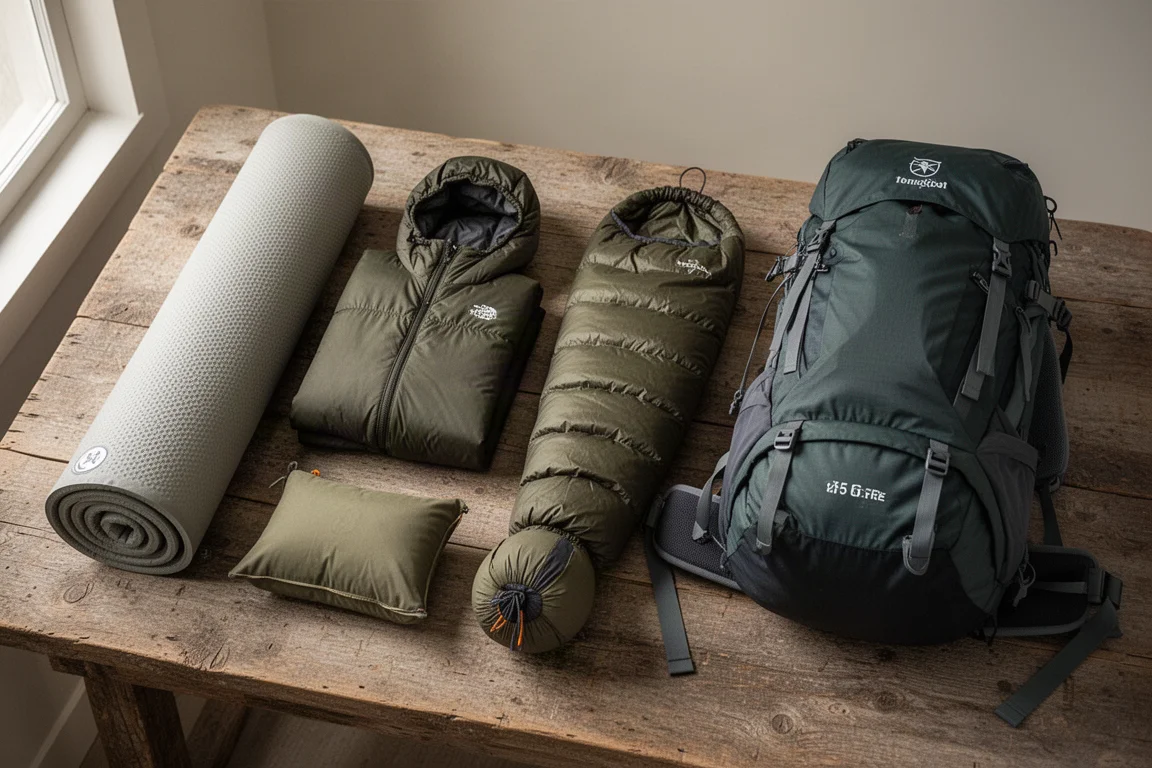
Six items went into the pack for this round of testing: three that are not yet on sale, and three that are available now. The plan was straightforward. Carry them, sleep on them, wear them, and find out whether any of them deserve a permanent place in a backpacking kit.
The conditions helped. The overnight low dropped to minus 5 degrees Celsius, with frost forming on everything by morning. That is cold enough to expose a sleeping pad that cannot hold warmth, a quilt that drafts, or a jacket that only works in mild weather.
What follows is a plain assessment of each item: what it claims, what it did in the field, and who it makes sense for.
How These Six Items Were Evaluated
Every item here was used the way it would be used on a real trip rather than handled briefly. The tent was pitched and slept in. The pad, quilt, and pillow went through a sub-freezing night. The jacket was worn around camp through dinner and again the next morning. The pack was loaded, carried, and packed and unpacked several times.
Four things mattered most: warmth for the weight, comfort over several hours of sleep, how easily gear can be reached without taking the pack off, and packed volume. Price only entered the discussion where it changed the value equation.
Three of the six items are slated for 2027, so final specifications and availability may still shift.
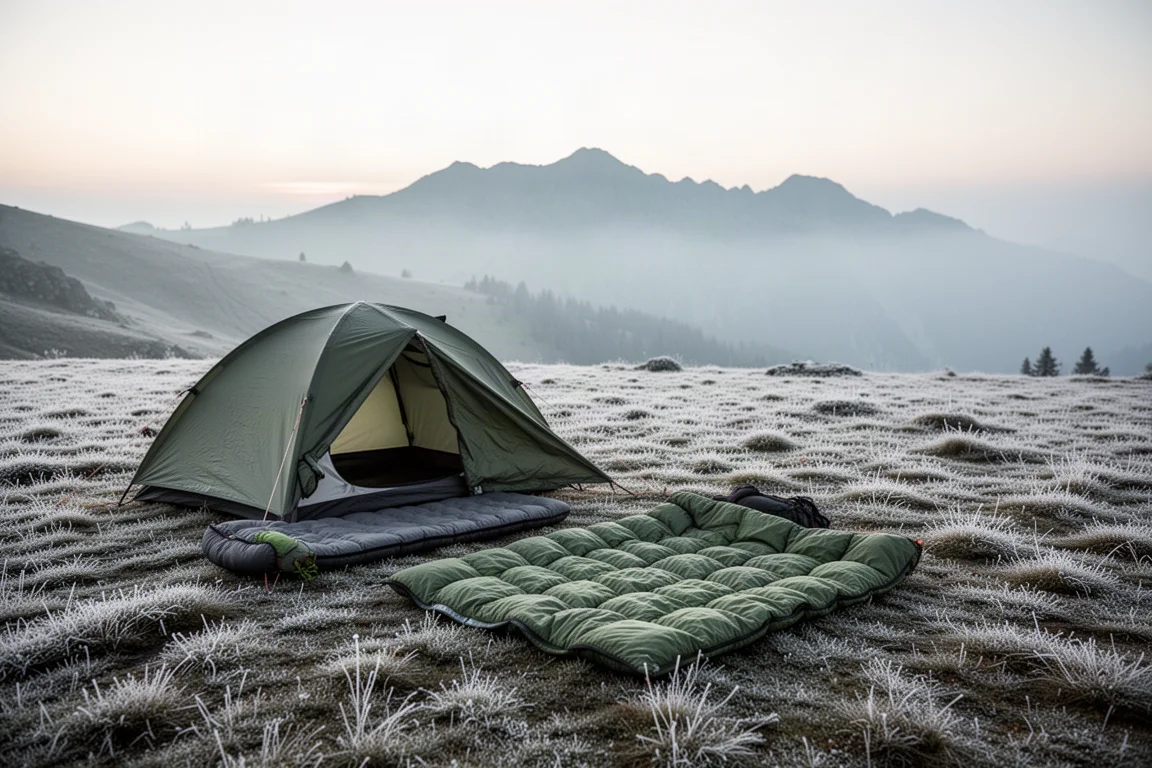
One caveat worth stating up front: a single cold night is a useful test, but it is not the same as a full season. Items that performed well here still deserve a longer look, and items with open questions are flagged as such.
Therm-a-Rest Trail Mix: Stretch-Top Comfort at a Lower Price
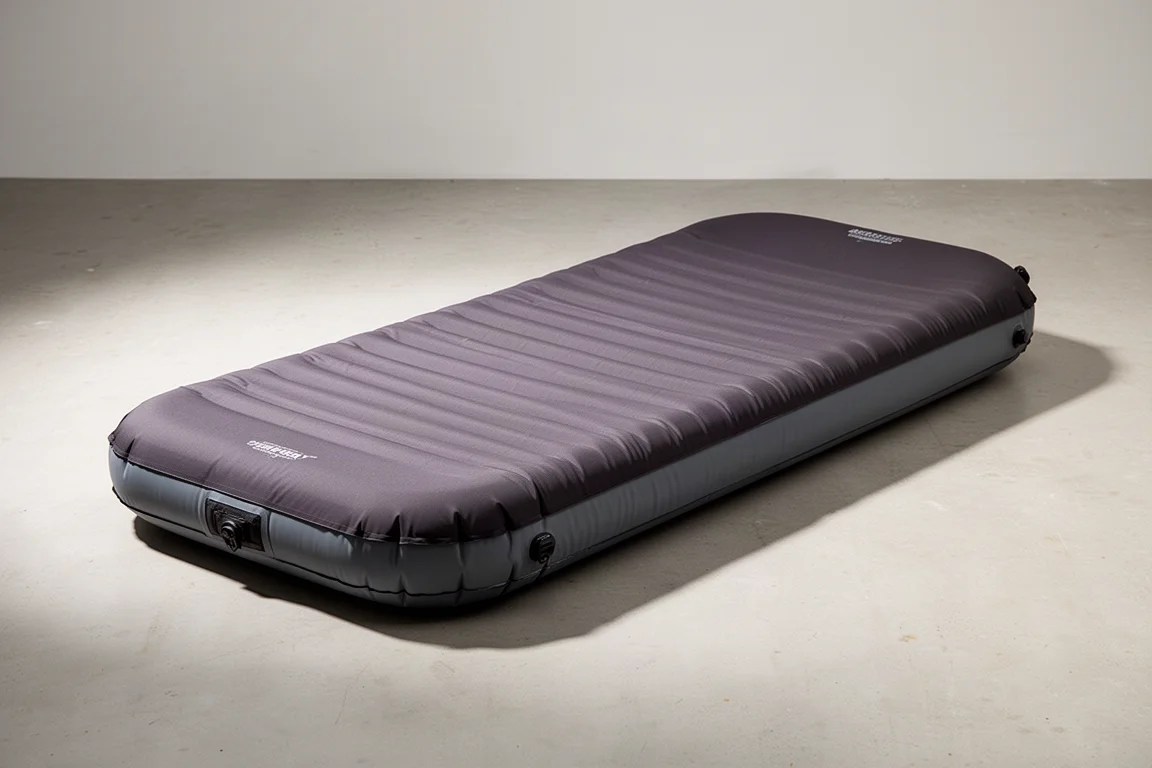
Therm-a-Rest describes the Trail Mix as an approachable balance of comfort, warmth, durability, and value, and the numbers behind that claim are unusual for the price. The pad is expected to arrive at $160, carries an advertised ASTM-tested R value of 4.5, and weighed just over 700 g on a scale in the regular wide size. The underside uses a durable 75-denier fabric, the sleeping surface uses a 50-denier stretch material, and the pad is 3 inches thick.
The stretch top is the interesting part. It is not quite as stretchy as the material on the NeoLoft, and the horizontal baffles are narrower than those on the NeoLoft XR or the XLite, which makes them more noticeable under a shoulder or a hip. Even so, the pad delivered.
On a night that fell to minus 5 degrees Celsius, the Trail Mix stayed comfortable down to roughly minus 3 degrees Celsius with the pad inflated to about 70 percent. Letting some air out turned out to be the key to comfort, since it let the stretch surface do its job and produced good pressure relief on both back and side. Full inflation would likely have added a degree or two of warmth.
For the money, there are few pads in this bracket that combine this level of warmth, comfort, durability, and weight. Anyone who wants stretch-top comfort without paying NeoLoft prices should put this one on the shortlist.
Cumulus Ultralight Synthetic Jacket: Warmth for Shoulder Season
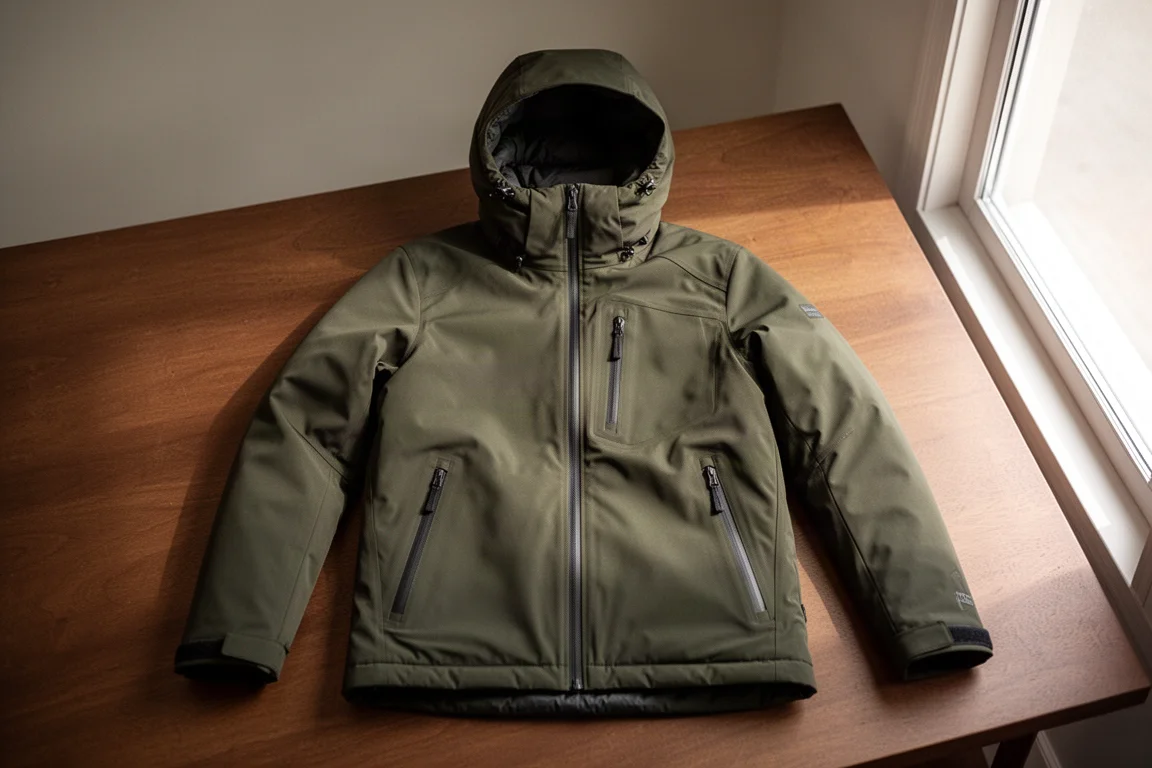
Cumulus describes this jacket as lightweight and compact. It carries the same amount of fill as the Enlightened Equipment Torrid, which puts it in similar warmth territory while offering a fuller feature set and a less utilitarian look.
At 384 g in size large, it is roughly 80 g heavier than the Torrid. What that weight buys is a hood with its own cinch, two hand pockets, a chest pocket, two internal drop pockets for items that need to stay warm, and a hem cinch. The shell fabric also feels better in use. It is less shiny than the Torrid’s, and it does not go sticky against damp skin the way a sweaty synthetic shell sometimes can.
Warmth is the headline. Standing around camp at 10 degrees Celsius, the jacket felt easily capable of handling freezing temperatures in static conditions, and worn over an Alpha Direct base layer and sweater at minus 5 degrees Celsius, it stayed warm throughout. That points to a shoulder-season and cold-weather jacket rather than a summer one.
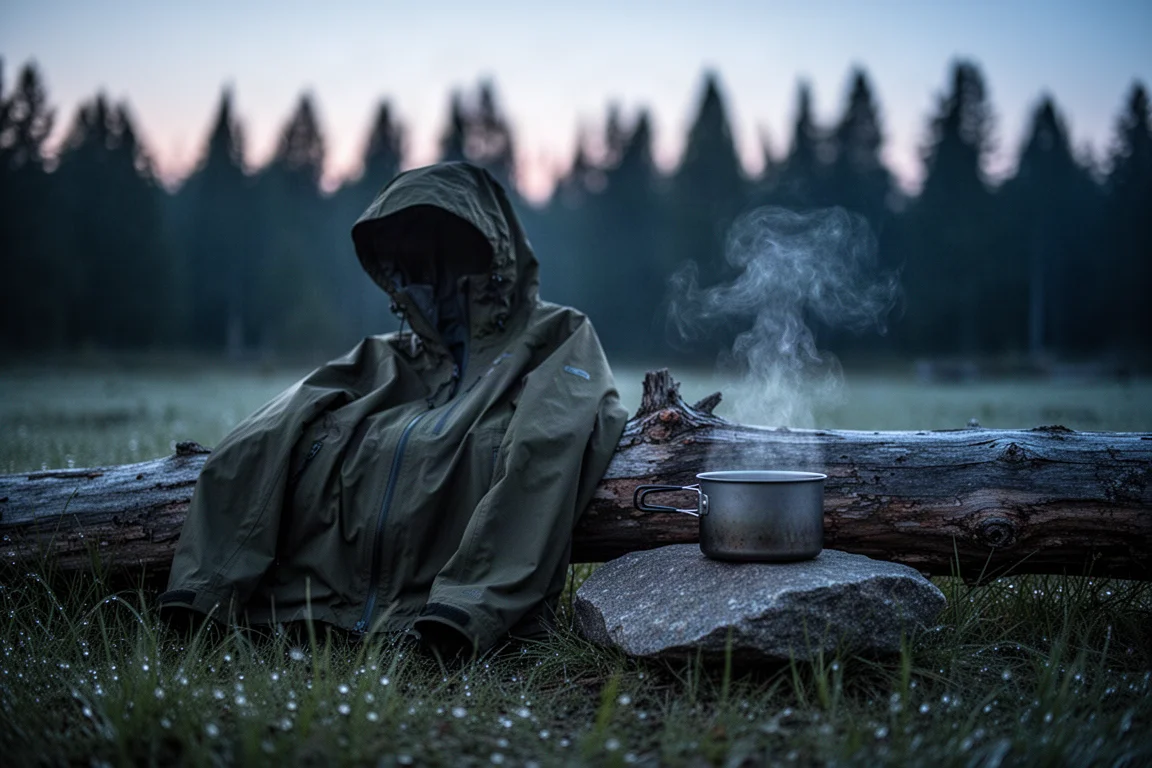
The question with any synthetic jacket at this weight is whether the bulk is justified. Here the case is reasonable. The fill deals with moisture and condensation far better than down, and the pocket layout is genuinely useful when gloves, batteries, and a phone all need somewhere to live.
Cumulus NeoQuilt 450: High-End Down in a Light Package
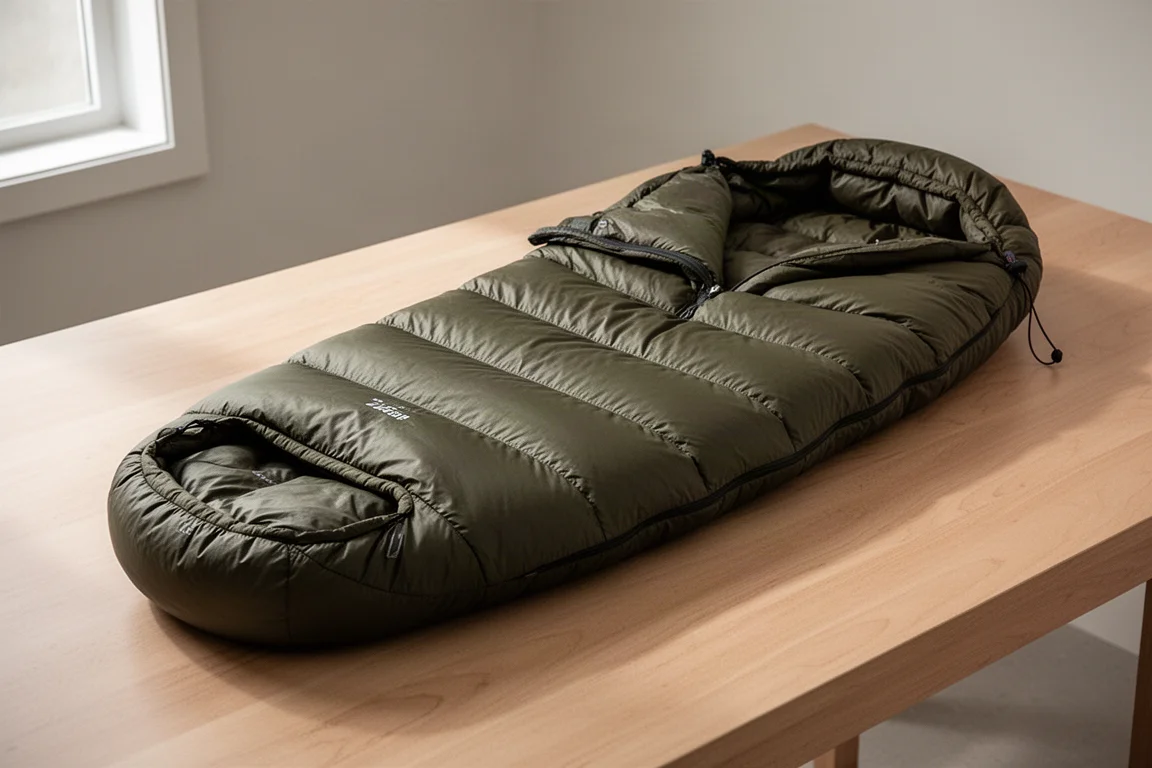
Cumulus makes no dramatic claims for the NeoQuilt 450, describing it simply as an ultralight three-season quilt with high thermal efficiency. The materials explain the interest: 900 fill power down in a lightweight shell, with a claimed comfort rating of minus 2 degrees Celsius and a limit rating of minus 8 degrees Celsius. It weighed just over 600 g and is priced at £339.
Weight is saved partly through shape. The footbox is tapered and fully enclosed with no zipper, which keeps warmth in and uses less material. There is a draft collar and a neck cinch at the head end, both effectively mandatory once temperatures drop below freezing. The midsection leaves reasonable space through the hips and shoulders.
In the field it performed well. There was no noticeable heat loss at minus 5 degrees Celsius, which suggests the limit rating is reachable rather than optimistic, and the tapered shape did not feel restrictive in the footbox, hips, or shoulders.
Two things need more time. The pad strap system uses a male connector on one end and a female connector on the other, so the straps have to be oriented correctly before they will clip in, which is more fiddly than the newer approach of putting matching ends on the quilt and on the straps. And because this is a traditional quilt rather than a draft-protected system, it takes some care when shifting position at night to keep the quilt clipped around the pad and avoid creating a cold spot.
MSR Freelite Stash 2: A Two-Person Tent That Packs Down Small
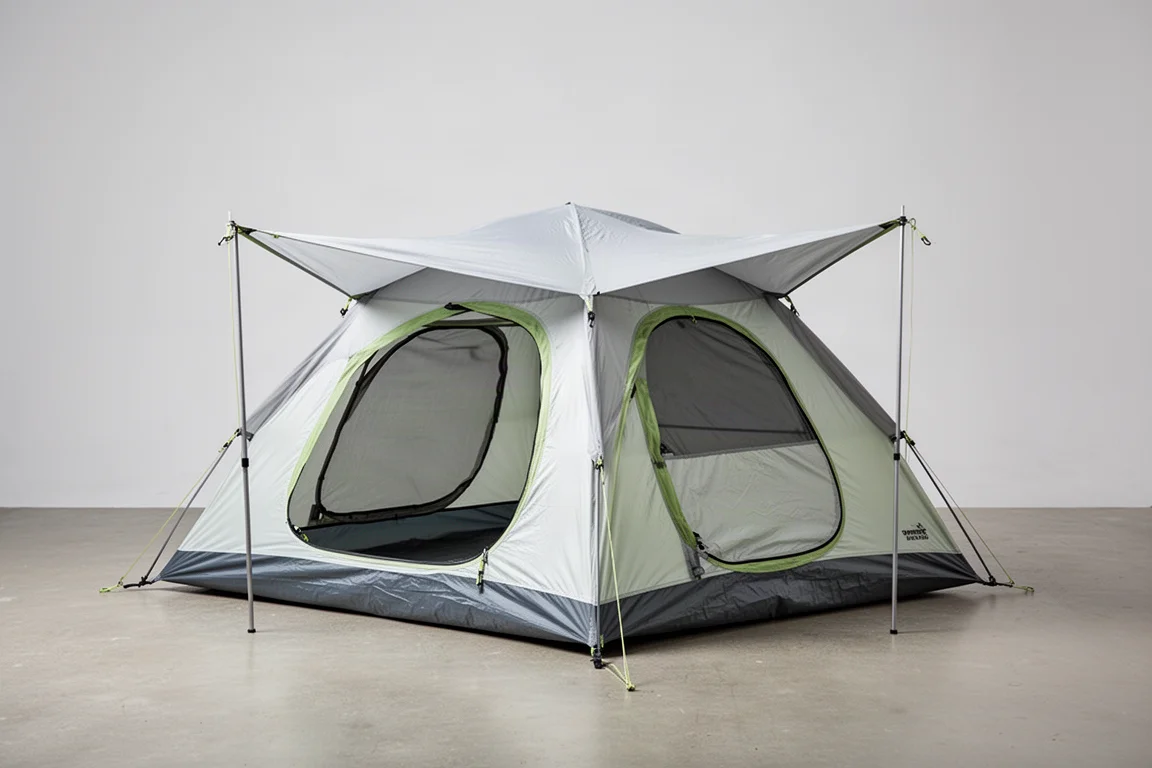
MSR describes the Freelite Stash as a versatile, light, packable, semi-freestanding backpacking tent that does not compromise on livability, comfort, or storm protection. It is due in 2027.
Livability is where it improves most on the previous Freelite. This is a genuine two-person tent with room for two 25-inch rectangular pads and no taper toward the foot end, which is uncommon among semi-freestanding designs that usually narrow at the feet to save weight. Storage is generous: a long pocket at the head end, a corner pocket for each sleeper, a ceiling pocket, and a line running along the ceiling for hanging items.
The brow pole is wider than before, which adds shoulder room so that two people sitting up are less likely to hit the sidewalls. The dual no-curve zipper arrangement, with one zipper opening toward the ceiling and another toward the middle, remains easy to work one-handed.
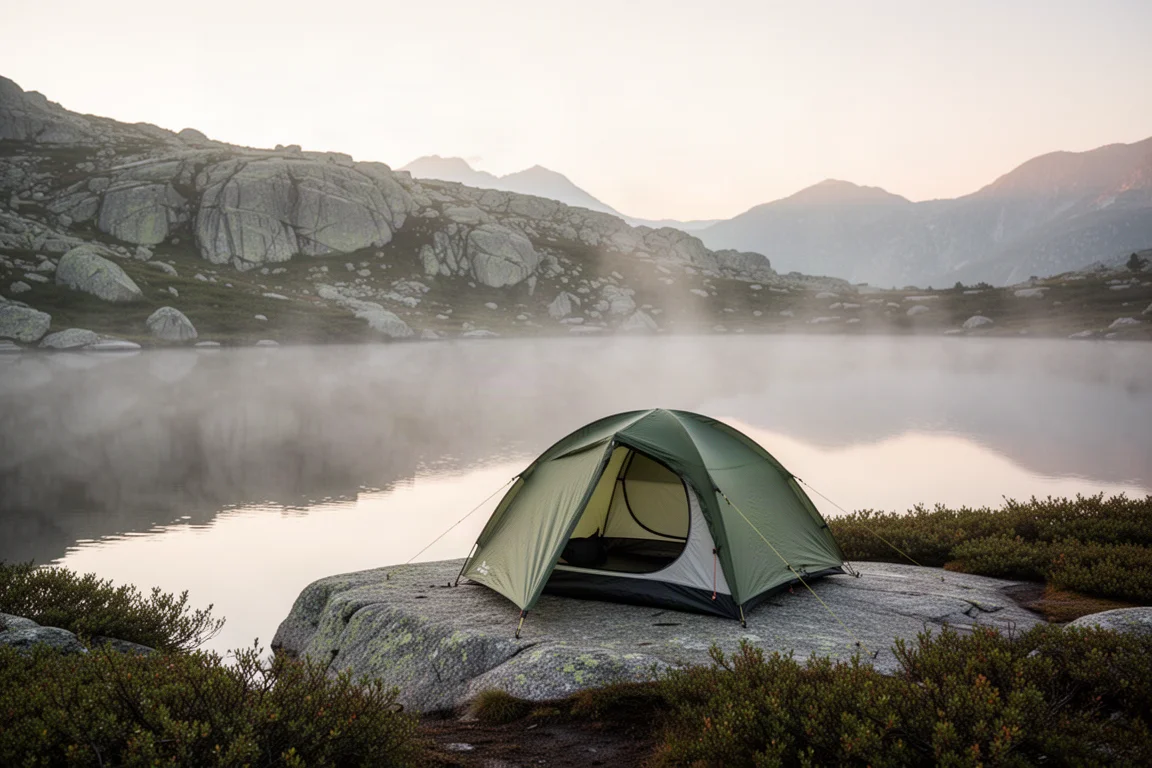
The open questions are mostly about weather. The brow pole does not extend all the way to the edge of the tent, and the door runs from the corner up to the peak, a shape that can let water inside. A rain gutter runs along the door edge. The fly is still nylon rather than a polyester or proprietary fabric, and it visibly absorbed condensation before that condensation froze, with some sagging as a result.
The door also opens only halfway, since there is no tie-out point to hold it fully back, so getting in and out means using a narrower opening than the tent’s overall size would suggest. Until this tent has been through real rain, it stays in the needs-more-testing column.
Perea Deluxe Pillow: Comfortable, but the Weight Adds Up
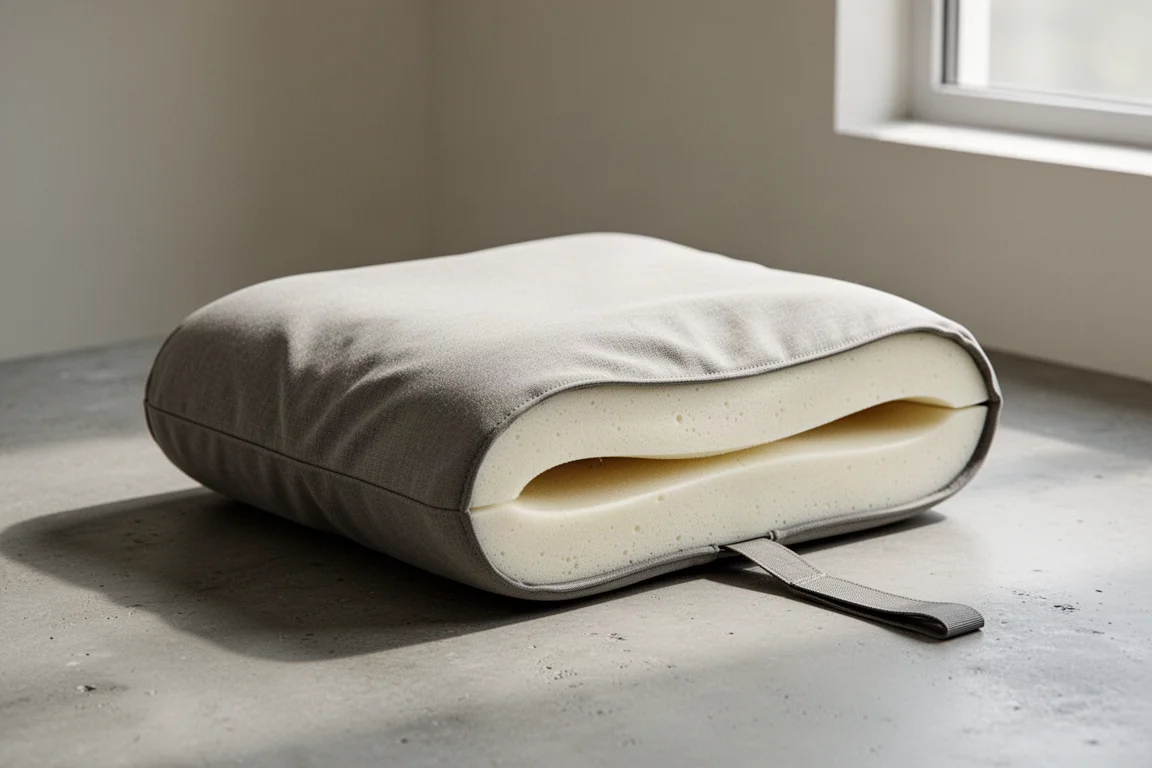
Perea claims plush comfort at a low weight for the Deluxe pillow. The comfort half of that claim holds up. The weight half does not: it measured over 250 g, which is heavy for a backpacking pillow and puts it in direct competition with several other pillows at similar weights.
The design itself is thoughtful. There is a strap to lock the pillow onto a sleeping pad, a curved bottom, useful width, and a decent height. The pillowcase is removable via a zipper at the back so the bladder can be taken out and the cover washed, and the cover combines a soft top material with a layer of foam for cushioning.
It slept well. Head height was sufficient to keep the neck neutral, and the tapered front did not cause problems. The core issue is simply that a pillow at this weight has to be exceptional to justify the space it takes up in a pack, and there are more comfortable options at around the same weight.
At $40, though, it costs roughly half of what those alternatives do. For anyone who wants a genuinely comfortable pillow without spending much, that changes the calculation considerably.
Gregory Contour 45: A Travel-Friendly Pack With Real Trade-Offs
Gregory positions the Contour 45 as one bag that can cover everything from travel to hut trips to thru-hikes, and it is due in 2027. It is a more experimental pack than most large manufacturers attempt, and the harness is where that shows.
The hip belt wings are large and wrap around the body well, and the belt itself was comfortable after a couple of kilometres on trail. The hip belt pockets are enormous. Shoulder strap pockets on both sides make frequently used items easy to reach, whether that is sunglasses or bear spray. An adjustable torso helps dial in the fit.
The one-size approach has a real limit, though. The pack is short, and with an 18-inch torso the load lifters are already close to maxed out. Anyone with a 19- or 20-inch torso is likely to find their shoulders level with or above the point where the load lifter attaches, which reduces how effectively weight transfers down to the hips.
Access is mixed. The side pockets are stretchy, which is the only reason bottles come out at all, and they sit high enough that reaching them takes some contortion. The front pocket uses a solid, more durable material but is not stretchy and fills quickly with just a rain jacket, rain pants, and gloves. Above it, a zipper combined with undoing the front buckles opens the pack across most of its volume, which is genuinely useful for travel, while the top lid provides the more familiar backpacking access and includes a small pocket underneath for keys.
Weight is the deciding factor. At more than 1,500 g for a 45-litre pack, it is heavy for what it carries, and the fit limitations and pocket compromises are harder to accept at that weight. There is also no laptop sleeve, and the hydration sleeve runs to the very bottom of the pack, which is not where a laptop should sit.
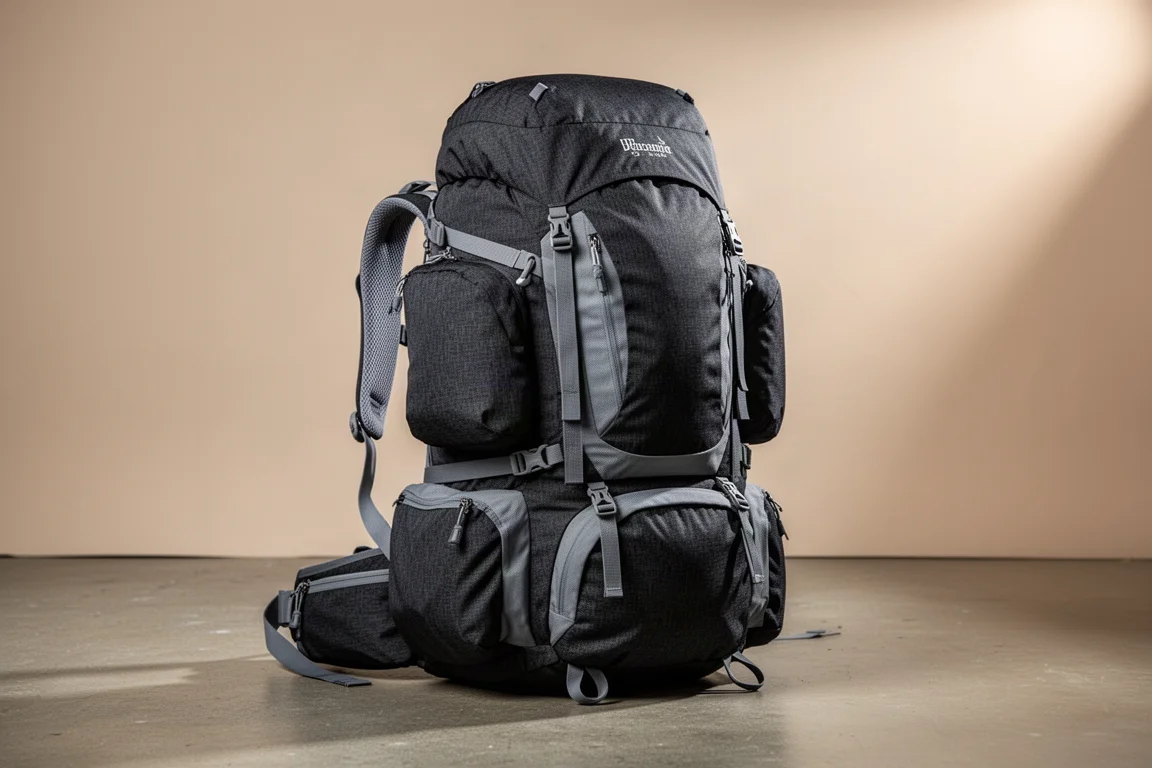
The clearest use case is European hut-to-hut trips, where volume needs are modest, weight matters less than easy access to gear, and a pack that doubles as travel luggage is a real advantage. The shorter height appears to be a deliberate choice to fit carry-on dimensions.
Overall Buying Advice
The strongest items here are the ones that solve a specific problem well. The Trail Mix pad stands out for bringing a stretch sleeping surface into a more affordable and lighter package than the NeoLoft, and it is the easiest recommendation of the six. The Cumulus synthetic jacket earns its place for anyone who rides out damp, cold shoulder-season conditions and wants warmth that does not collapse when it gets wet. The NeoQuilt 450 is the pick for cold-weather trips where every gram counts, as long as you are comfortable managing a traditional quilt setup.
The tent needs rain before it can be recommended, and the pack needs a taller torso option and a serious weight reduction before it competes with the best 45-litre options. The pillow sits in the middle: comfortable, well designed, and worth considering mainly because of its price.
If you are buying one thing, buy for the condition you actually hike in. A pad and a quilt determine whether a cold night is restful. A jacket determines whether camp is pleasant. A pack determines how much you notice the weight you are carrying, and in this case the answer is that you notice it.
Conclusion
Two clear winners, three items that need more time or a narrower use case, and one comfortable pillow that is held back by its weight. The Trail Mix pad and the Cumulus ultralight synthetic jacket are the two that would go straight into a pack again tomorrow. The Freelite Stash 2 and the NeoQuilt 450 both show real promise but still have questions worth answering over a longer season. The Perea Deluxe pillow is a reasonable budget pick, and the Gregory Contour 45 is best suited to hut-to-hut travel rather than long backpacking trips.
Further reading
Related Reviews

Backpacking Gear
Building a 10 lb Base Weight: An Ultralight Backpacking Gear List
A practical walkthrough of the ultralight pieces behind a 10 lb base weight, from a 765 g pack and a roomy one-person tent to a full camp chair and a dependable water filter.
Backpacking Gear
A 15-Pound Lightweight Backpacking Gear List for Solo Trips
A beginner-friendly 15-pound backpacking setup built from easy-to-find gear, with notes on what each piece does, how it packs, and where to spend your attention.
Backpacking Gear
8 Ultralight Backpacking Gear Upgrades Worth Carrying
Eight small, affordable backpacking upgrades that solve real trail annoyances, from a pillow that stays put to a fuel valve that rescues leftover canister gas.