Backpacking Gear
Backpacking Gear Swaps Worth Trying: 13 Small Items That Earn Their Place
Thirteen small backpacking items worth a second look, with the real strengths, trade-offs, and comparisons that matter before you swap gear you already trust.
Introduction
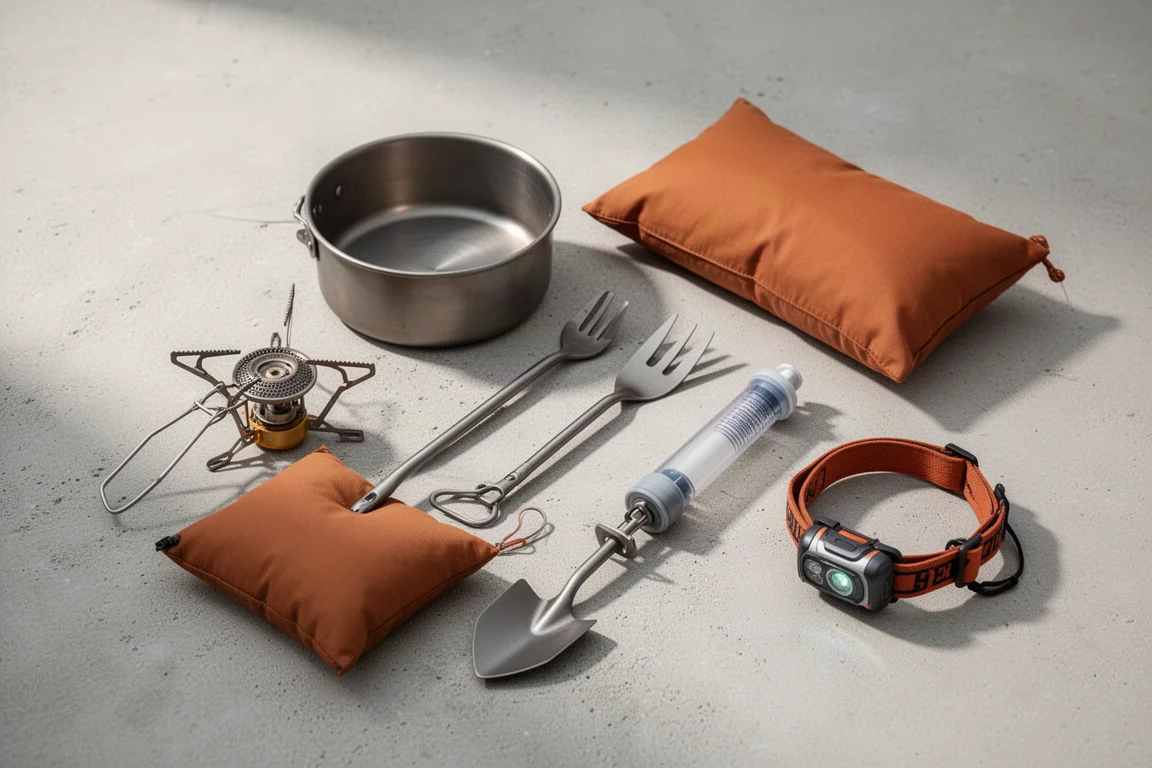
Small gear is where backpacking kits quietly go stale. Pots, stoves, pillows, filters and headlamps rarely break, so there is little pressure to revisit them, and the same handful of recommendations circulates year after year. That stability is not a bad thing. It simply means that when a genuinely thoughtful alternative appears, it is easy to miss.
The thirteen items below are worth a second look. Some are newer designs that solve long-standing annoyances, and others are the long-standing favourites they are being measured against. Together they show where the small-item category is actually moving.
What These Swaps Have in Common
Three patterns run through this list. The first is fewer parts: a pot without handles, a stove that unfolds without a second thought, a utensil that does two jobs. The second is material choice, with titanium appearing again and again because it can be thinner and stiffer than aluminium for the same job. The third is honesty about trade-offs. Almost every item here gives something up, whether that is a serrated edge, a second direction of hinge, or the ability to lift a pot with bare hands.

None of these are the big three. Packs, tents and sleep systems get replaced on a different cycle, and they carry most of a kit’s weight and cost. The items here are the small accessories, where a change is cheap relative to how often you touch it, and where one good design decision is repeated on every trip.
If you are already happy with your kit, nothing here is a call to replace it. The point is to know what the alternatives actually do differently, so that the next purchase is a deliberate one rather than a default.
SOTO 750 ml Titanium Pot
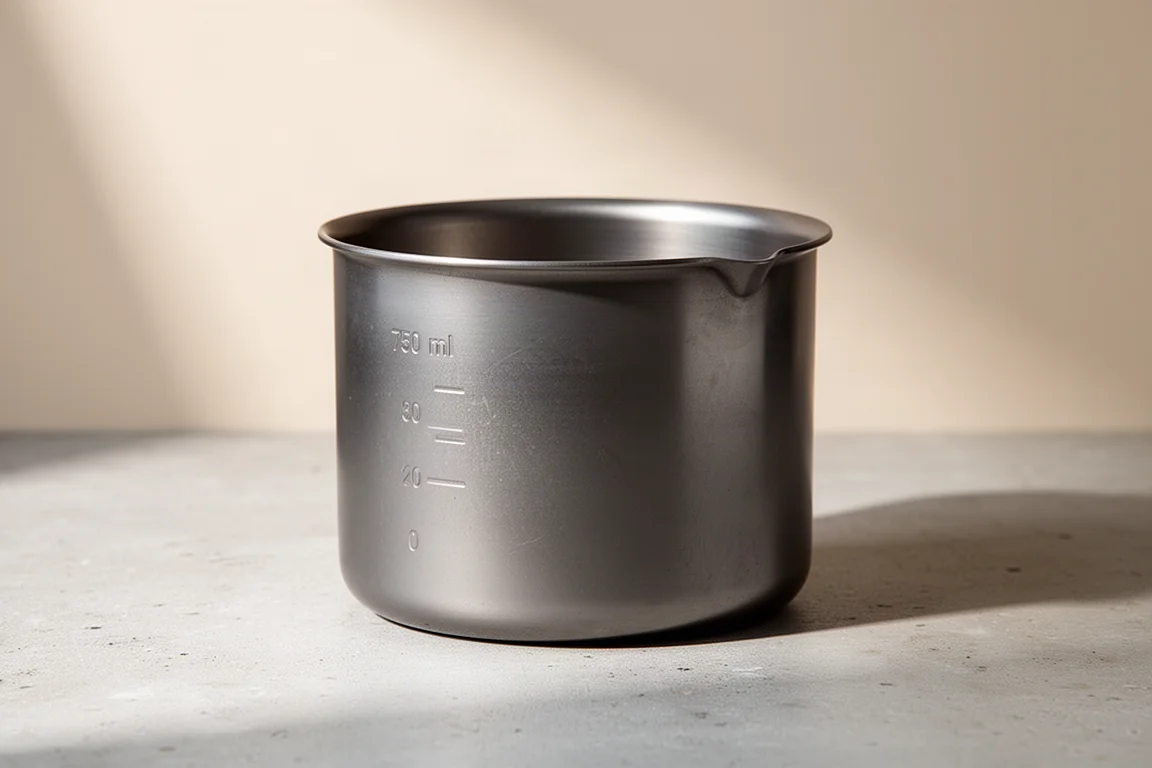
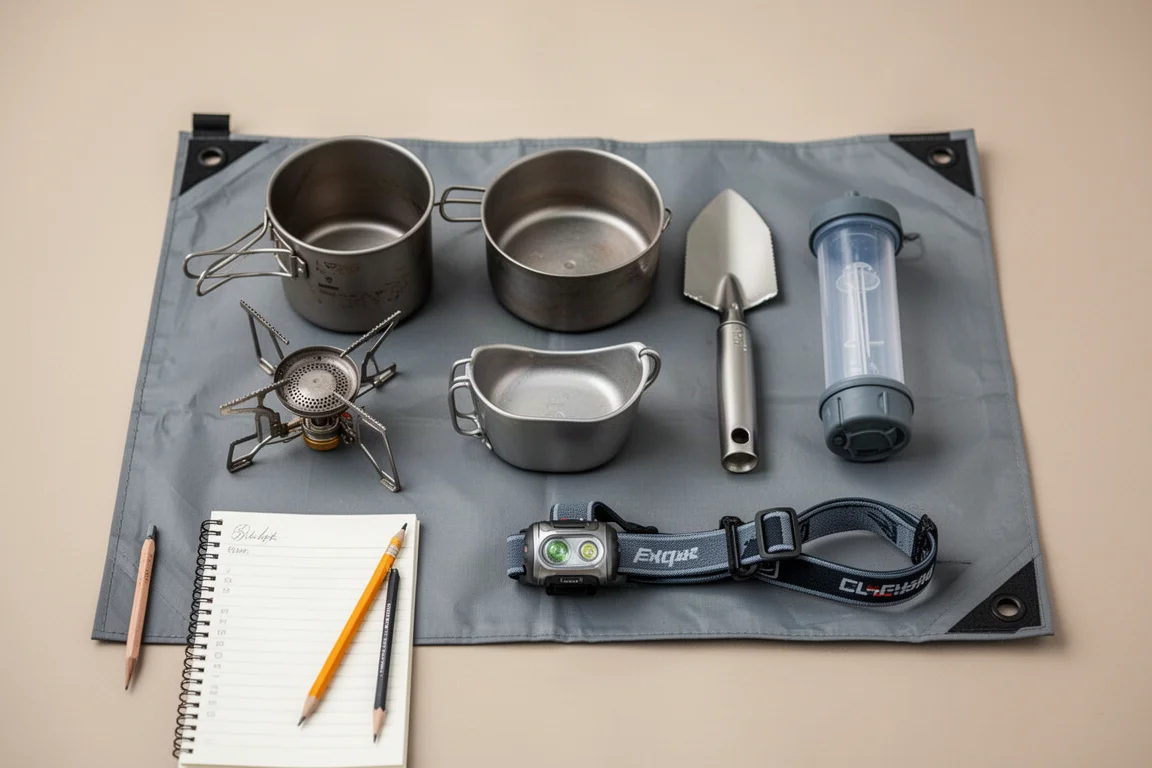
The SOTO 750 ml titanium pot reduces a cook pot to its essentials: a titanium vessel with a few volume markings on the side, no handles, and no logo. On paper that reads like a downgrade, since pot handles are the obvious way to move a hot pot off a stove.
The reasoning holds up in practice. Handles on thin titanium pots get hot enough that many hikers already reach for a cloth or a grabber, so removing them solves the problem rather than managing it. What is left is a sleeker, simpler shape that packs down without a handle sticking out.
The headline specification is wall thickness: 0.3 mm titanium, which SOTO describes as the thinnest titanium on the market. Less material means less weight, and a thin wall transfers heat into the contents quickly. SOTO includes its own larger pot grabber, and a compact grabber you already carry for another pot will do the same job.
The trade-off is absolute. Without a grabber, you cannot lift the pot at all, so this design only makes sense if carrying one is already part of your routine.
SOTO Amicus
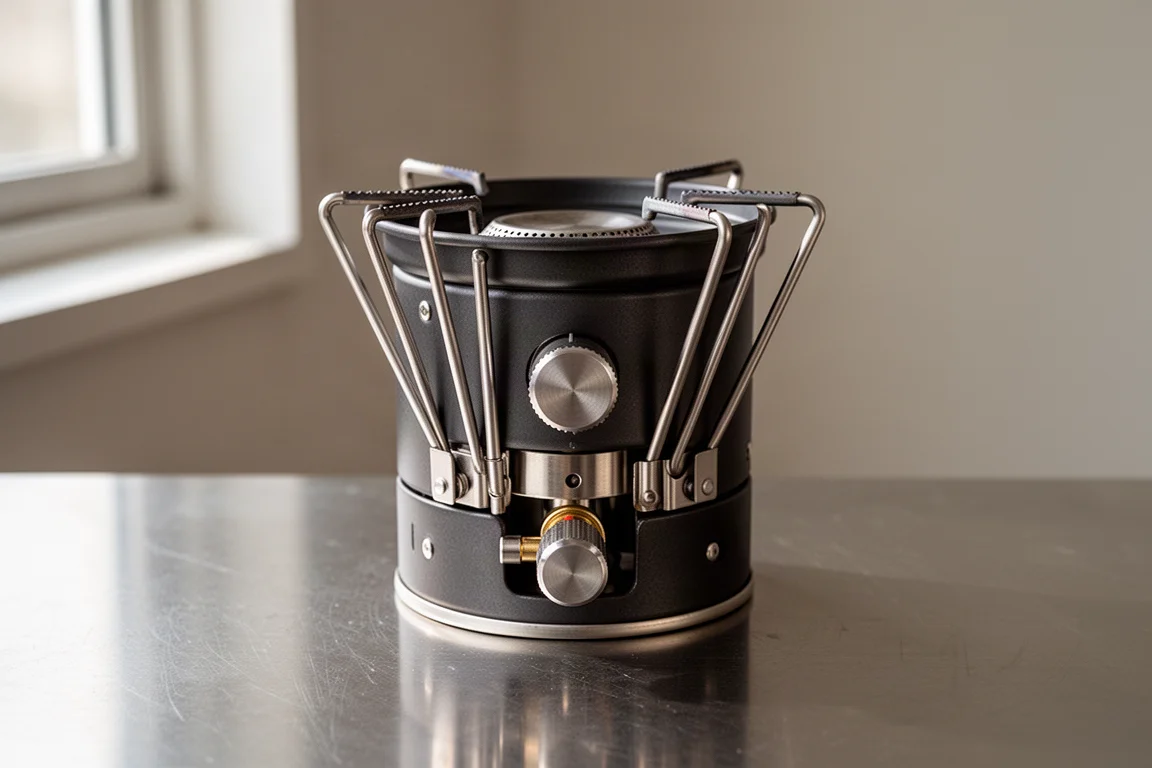
The SOTO Amicus is a canister stove built around small usability decisions. The most visible is the four-point pot support instead of the usual three. An extra prong makes for a more stable platform, which is noticeable when the ground is uneven or when you are stirring something with a bit of weight to it.
The folding sequence is the second improvement. Three-prong stoves can take a moment of thought to orient correctly, while the Amicus unfolds in a way that is immediately obvious. It is a minor detail that you encounter on every single use, which is exactly the kind of detail worth caring about.
Price is the third. The Amicus lands roughly $25 below the MSR PocketRocket Deluxe, close to the cost of the non-deluxe PocketRocket, and adding a piezo igniter costs only about $5 more. If you want an integrated igniter without paying Deluxe money, that combination is difficult to beat.
MSR PocketRocket Deluxe
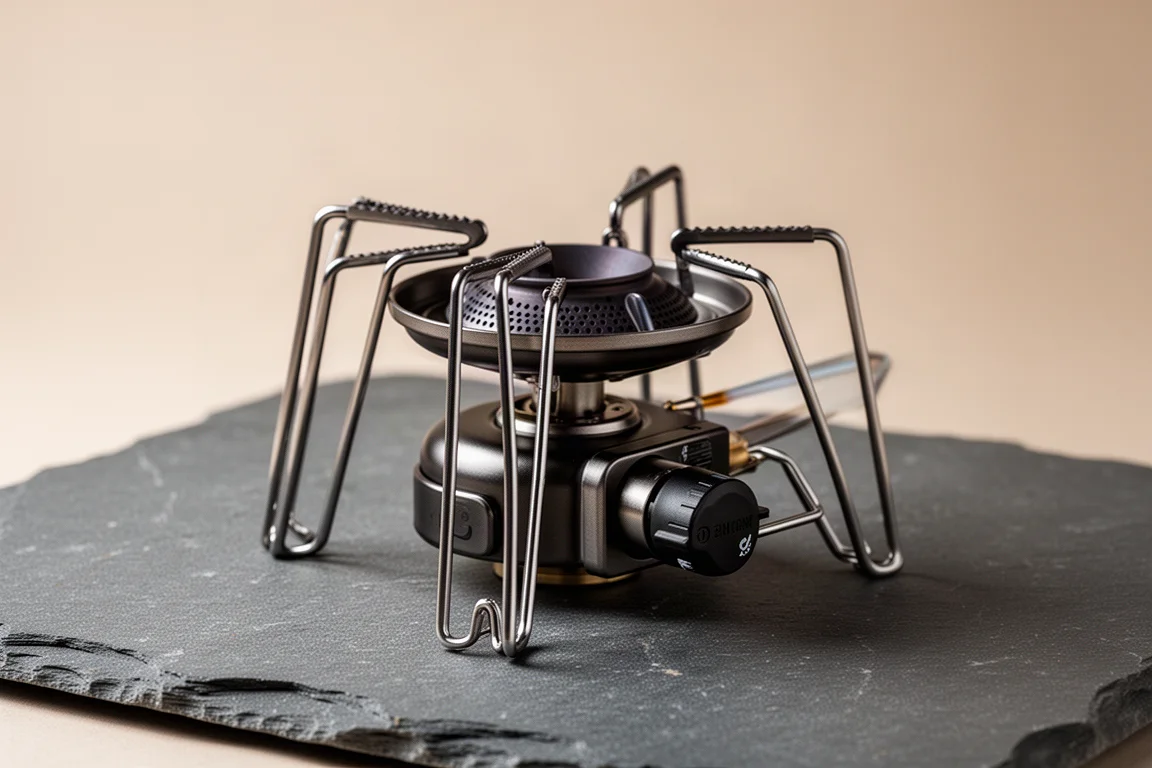
The MSR PocketRocket Deluxe has been a default canister stove recommendation for years, and the reasons are sound. It is simple, predictable and proven: screw it onto a canister, open the valve, light it, cook. Very little about the design asks for your attention, which is a compliment in this category.
The compromises are small but worth naming. Three pot prongs give a slightly less stable surface than a four-point design, and the folding sequence is not immediately intuitive the first few times you set it up. MSR also charges a premium for the Deluxe version over the base model.
Owners have no urgent reason to switch. The real question arrives at purchase time, where the Amicus undercuts the Deluxe while offering a fourth prong and a more obvious folding action.
Vargo Long-Handled Spoon-Fork Combo
The Vargo long-handled spoon-fork combo is a double-ended titanium utensil: fork at one end, spoon at the other, with a handle long enough to reach the bottom of a boil-in-the-bag meal. For anyone who eats most trail meals with a fork, the length is the whole point. A short utensil forces your knuckles into a deep pouch, and a long handle removes that problem entirely.
Titanium keeps the weight negligible while making the tool feel more substantial than a plastic set. It is also easier to clean in the backcountry, which matters more than it sounds when you are rinsing a utensil in cold water at the end of a long day.
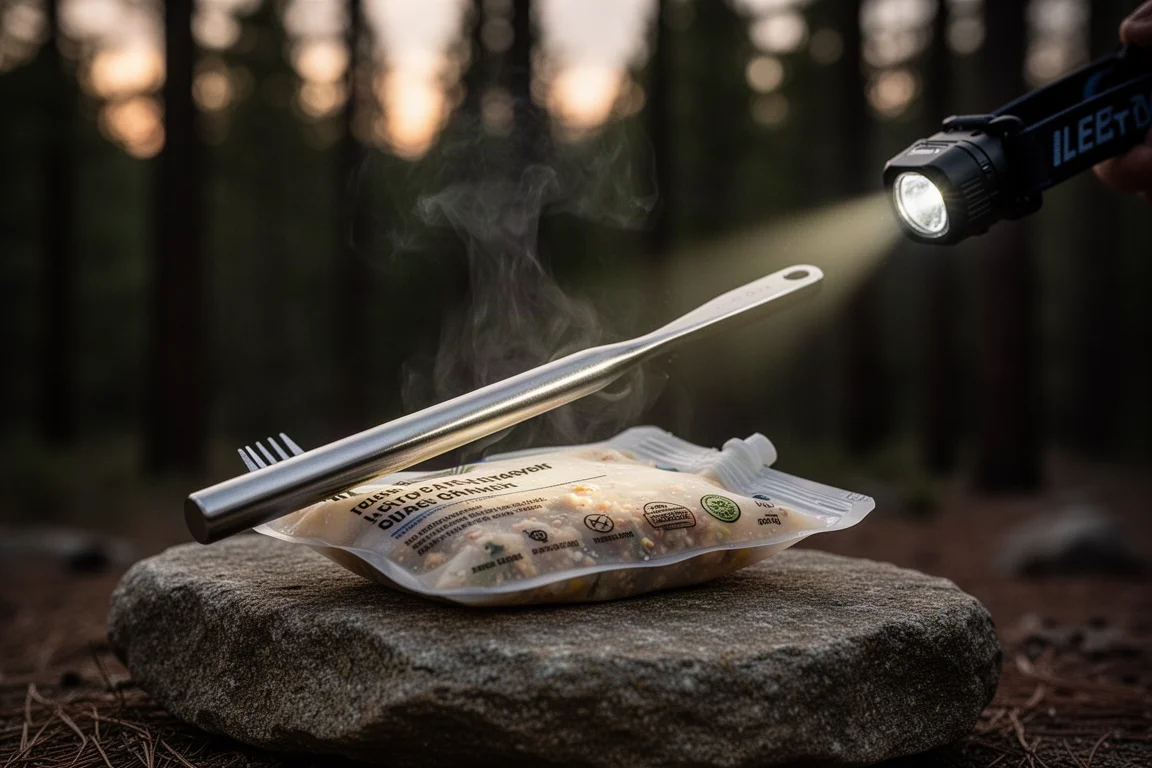
The double-ended format means committing to one tool rather than a nested set, and the spoon is only as useful as the fork. For most backpackers, that is a fair exchange.
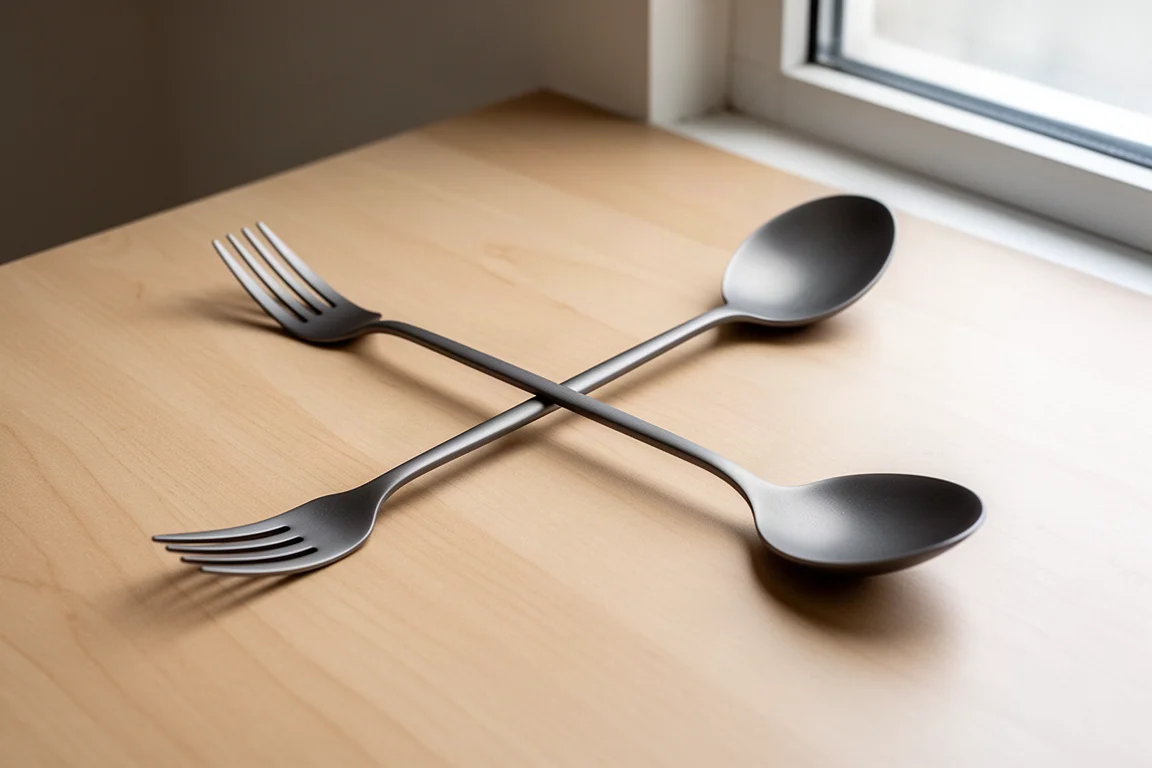
GoBites Duo
The GoBites Duo is a compact two-piece utensil set, and for a long time it was the only long-handled fork that was easy to find. That availability is the reason it ended up in so many kits, and it still packs small.
Its weakness is cleanability. Compared with a titanium tool, the GoBites Duo is harder to rinse thoroughly in the field and feels less refined in the hand. That is an everyday-use issue rather than a durability one, and it shows up most on longer trips where washing up happens quickly and with limited water.
If you already own one, it works. If you are buying fresh and a long handle is the priority, the titanium option is the more satisfying tool.
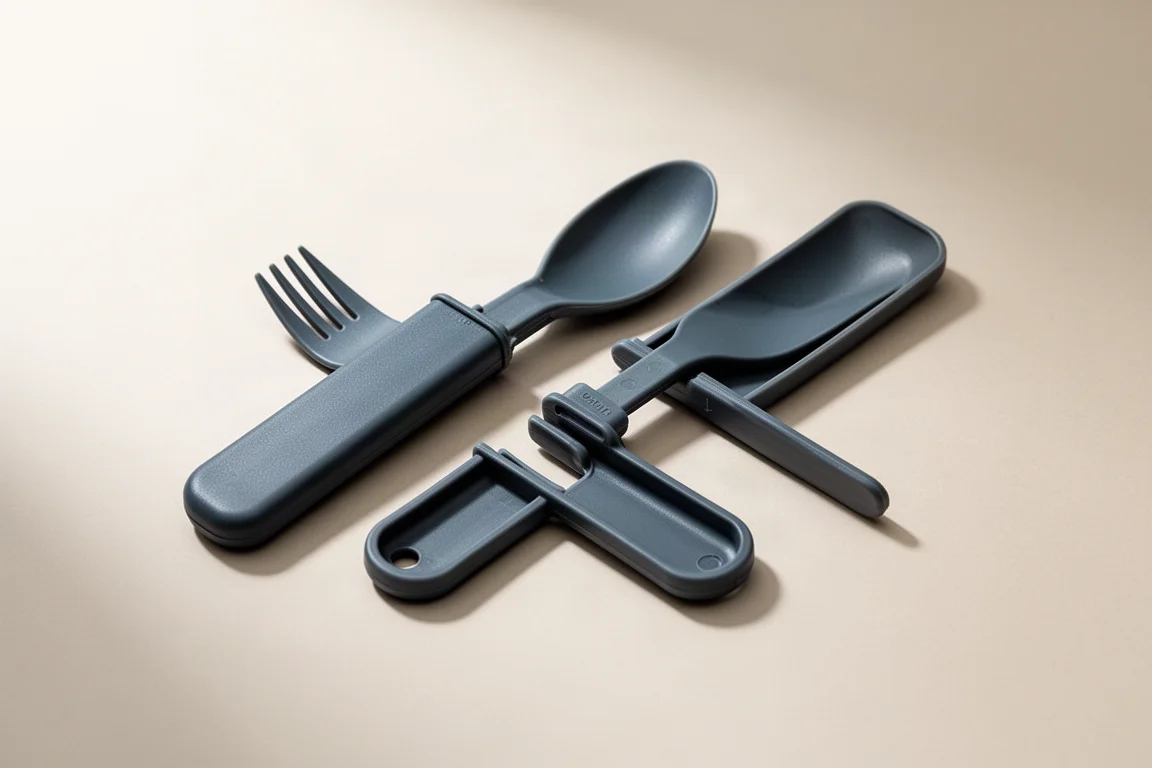
Titanium Trowel
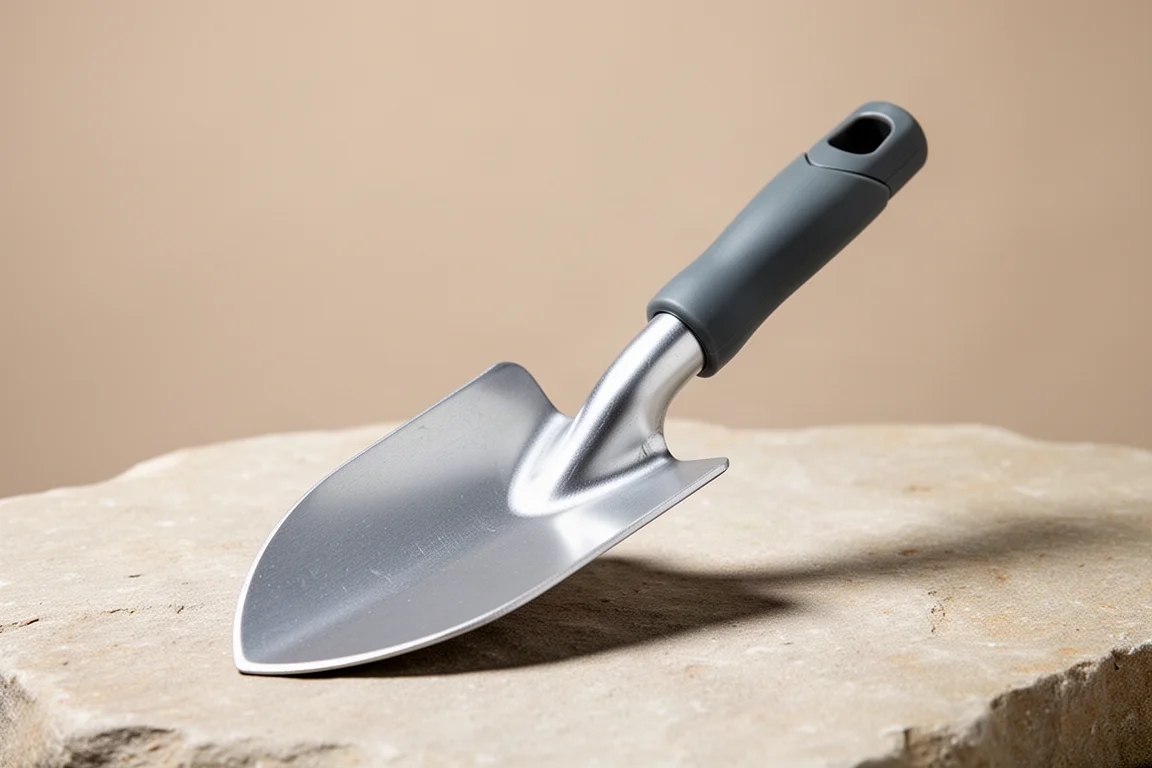
The Titanium Trowel replaces aluminium with titanium, and that material change is the reason to consider it. Titanium is stronger and stiffer, which helps when the ground you are digging in is mixed with rocks and an aluminium blade starts to flex.
It is also a fully metal construction that avoids the usual penalty of metal handles. Riveted edge pieces run down the sides of the handle to add surface area, so the tool does not dig into your palm no matter where you grip it.
The one clear omission is a serrated edge, which would help cut through roots and compacted ground. That is the compromise you accept in exchange for the stiffer blade and the more comfortable grip.
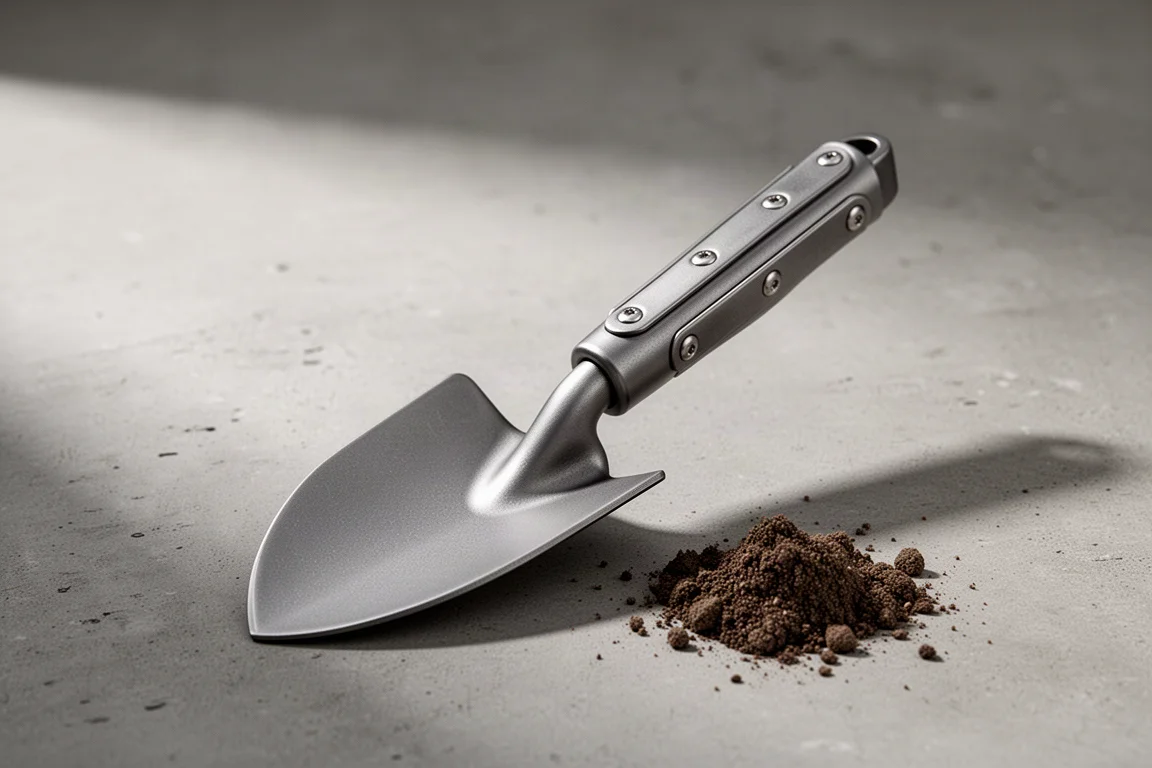
Bogler Trowel
The Bogler Trowel is the aluminium design that the Titanium Trowel is measured against, and it remains a capable tool. There is nothing wrong with it: the blade scoops well, the weight is reasonable, and it has proven itself on a great many trips.
Where it differs is stiffness and grip coverage. Aluminium flexes sooner in rocky soil, and the Bogler’s comfort feature is a small plastic piece at the top of the handle rather than a full-length surface. In soft ground the difference is barely noticeable. In hard, stony ground the titanium version has the edge.
Nemo Fillo Pillow
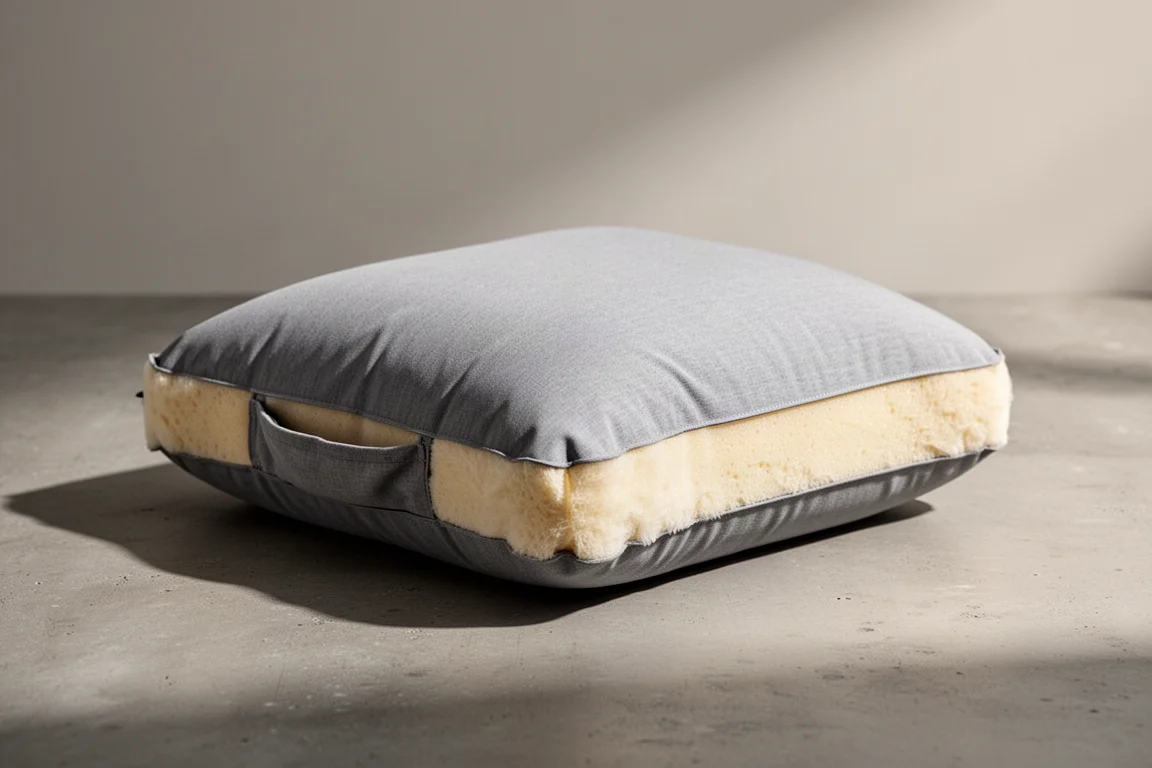
The Nemo Fillo Pillow has been a favourite for a simple reason: it combines an inflatable base with a foam layer, which gives you the packability of air and the softness of foam in one product. Roughly an inch of foam sits over the air bladder, so your head rests on something that feels like a pillow rather than a balloon.
That hybrid approach is still the strongest argument for the Fillo. It is compact, it does not force you to choose between comfort and packed size, and it has proven itself over multiple seasons.
The only real complaint is thickness. An inch of foam is enough to take the edge off the air bladder, but a little more would make it genuinely comfortable for side sleepers.
Zenbivy Down Pillow
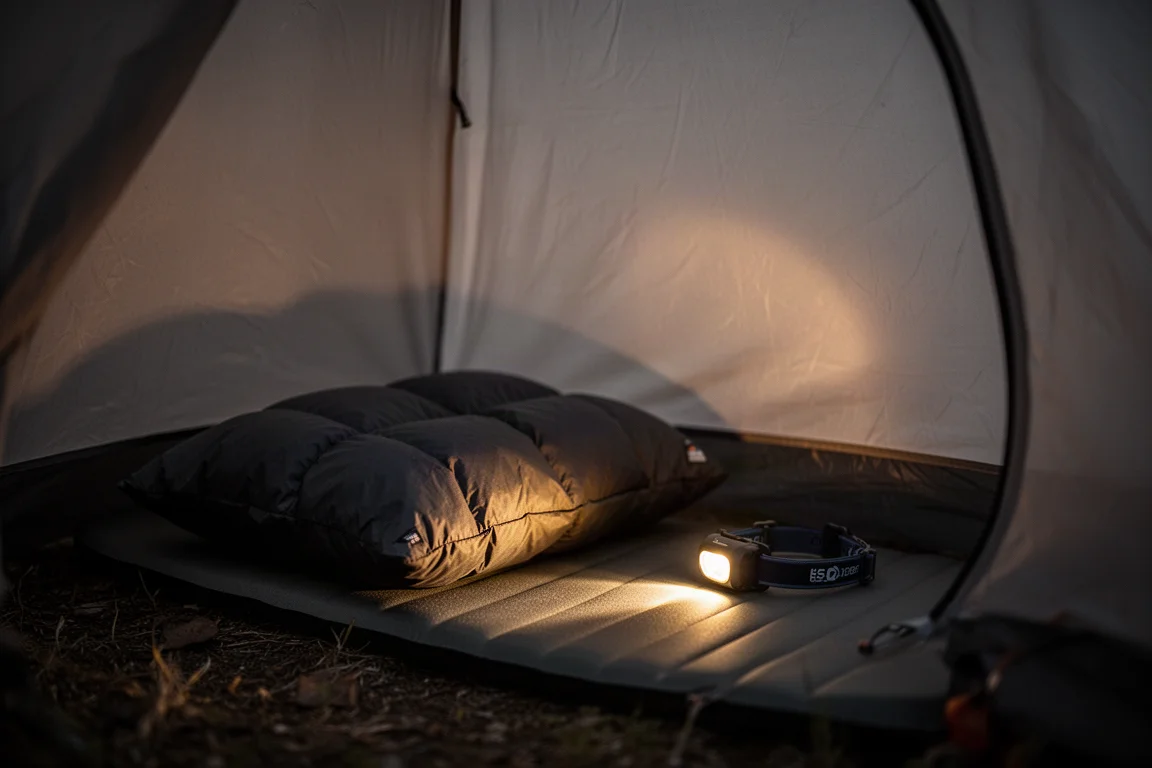
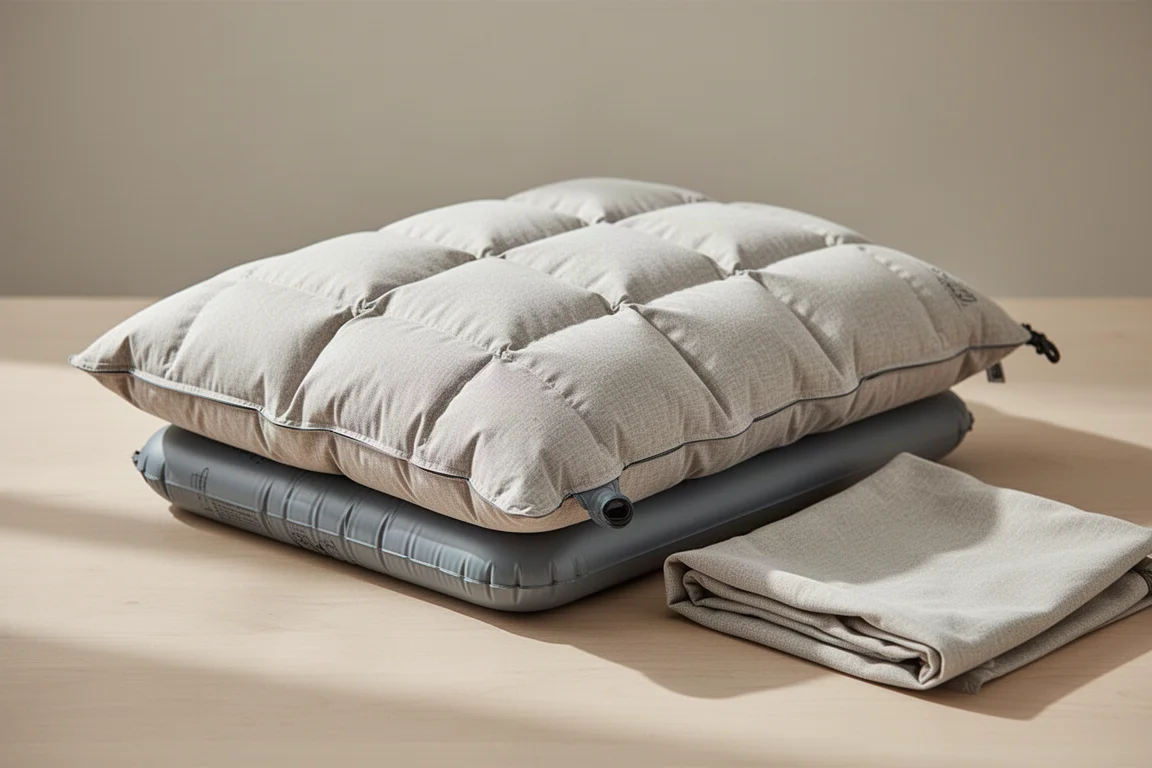
The Zenbivy down pillow takes the hybrid idea further by combining three pieces: a down-filled pillow, an inflatable bladder, and a pillowcase that holds the two together. The result is close to two inches of soft down on top of an air chamber, so your head stays on the surface instead of sinking through it.
That thickness is the improvement over a foam-topped design. Down compresses and rebounds in a way foam cannot, and the air bladder underneath keeps the shape consistent through the night.
Two things are worth knowing before buying. Down thickness on production versions may be slightly less than on early samples, and the design arrives as three separate pieces that you assemble each night rather than one integrated pillow. If you value a single streamlined object, that assembly step will wear on you.
Even so, for anyone who sleeps badly on a thin camp pillow, the extra down is the difference between a pillow and a formality.
Hydro Blu Mini Filter
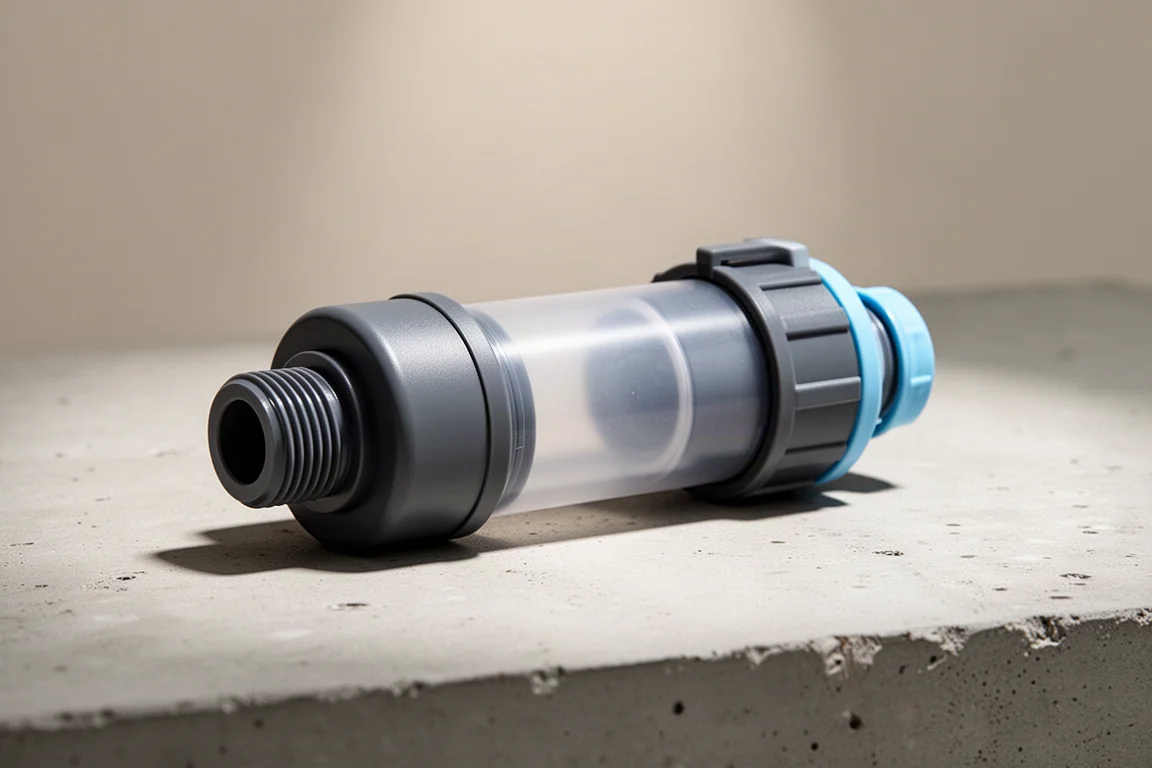
The Hydro Blu Mini Filter is the cheapest option here at around $20, and it performs better than its price suggests. It is noticeably faster than a similarly sized Sawyer Mini, it uses 28 mm threads on both ends, and it has separate clean and dirty end caps to keep the two sides of the system distinct.
It is not without quirks. The stretchy rubber tether that holds the caps tends to come off, and losing the dirty end cap on a hike is a realistic risk. Those are small annoyances rather than performance failures.
The honest summary is that the Hydro Blu is a solid, inexpensive filter that does the job. It is simply not as refined as the Platypus Quickdraw.
Platypus Quickdraw
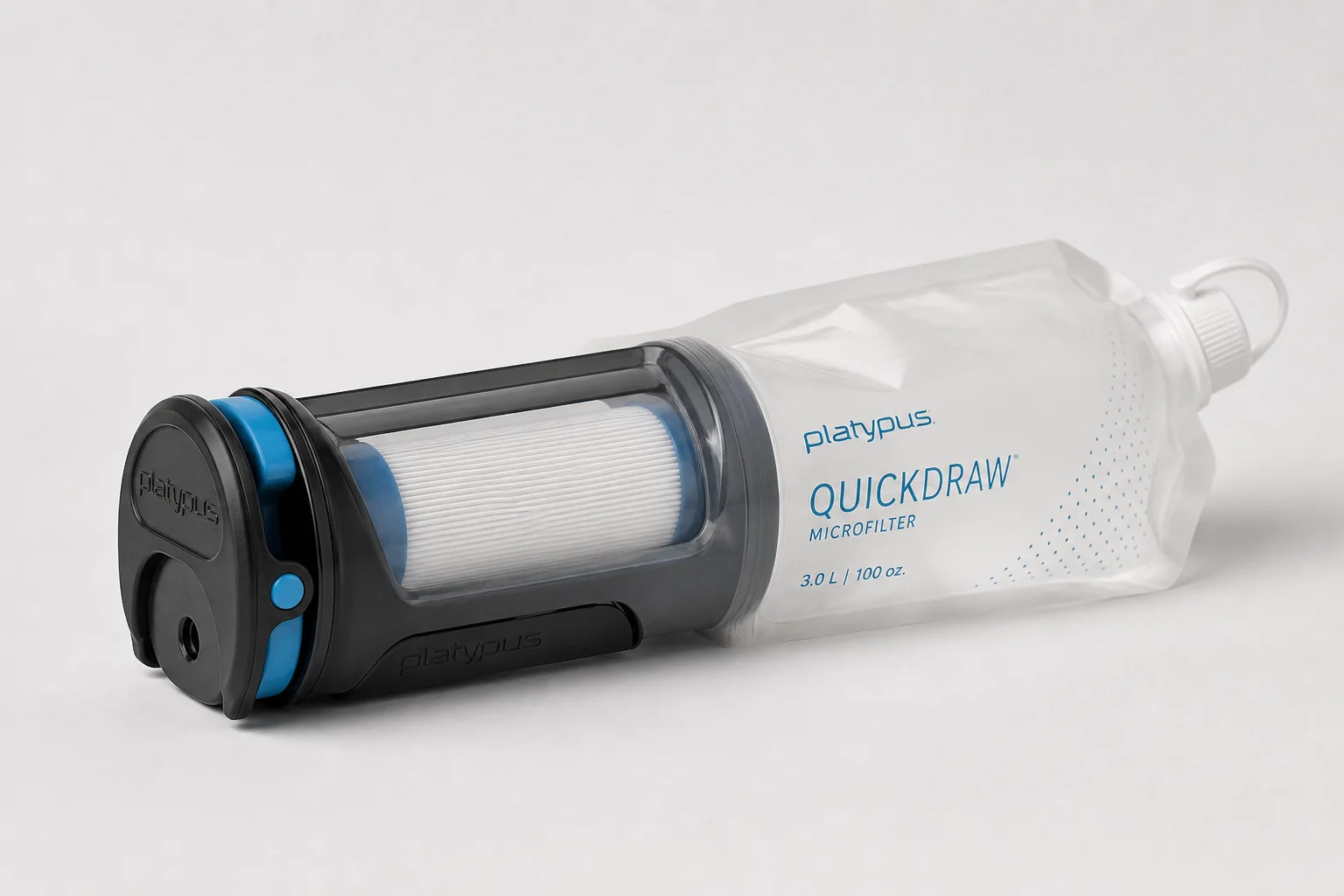
The Platypus Quickdraw has been the standing recommendation among squeeze filters for several years, and the reason is design rather than marketing. Compared with the Sawyer Squeeze, the Lifestraw Peak and the Katadyn BeFree, it is the most thought-out and well-designed of the group.
The details that earn that verdict are the ones you notice every time you fill and drink: the flow rate, the way the parts fit together, and the way the whole system behaves when you are tired and kneeling at a stream. It is the filter that disappears into the routine.
It is not the cheapest option on this list, and the Hydro Blu undercuts it. But if you filter water on every trip and want the process to feel effortless, the Quickdraw is the one to beat.
Petzl Actik
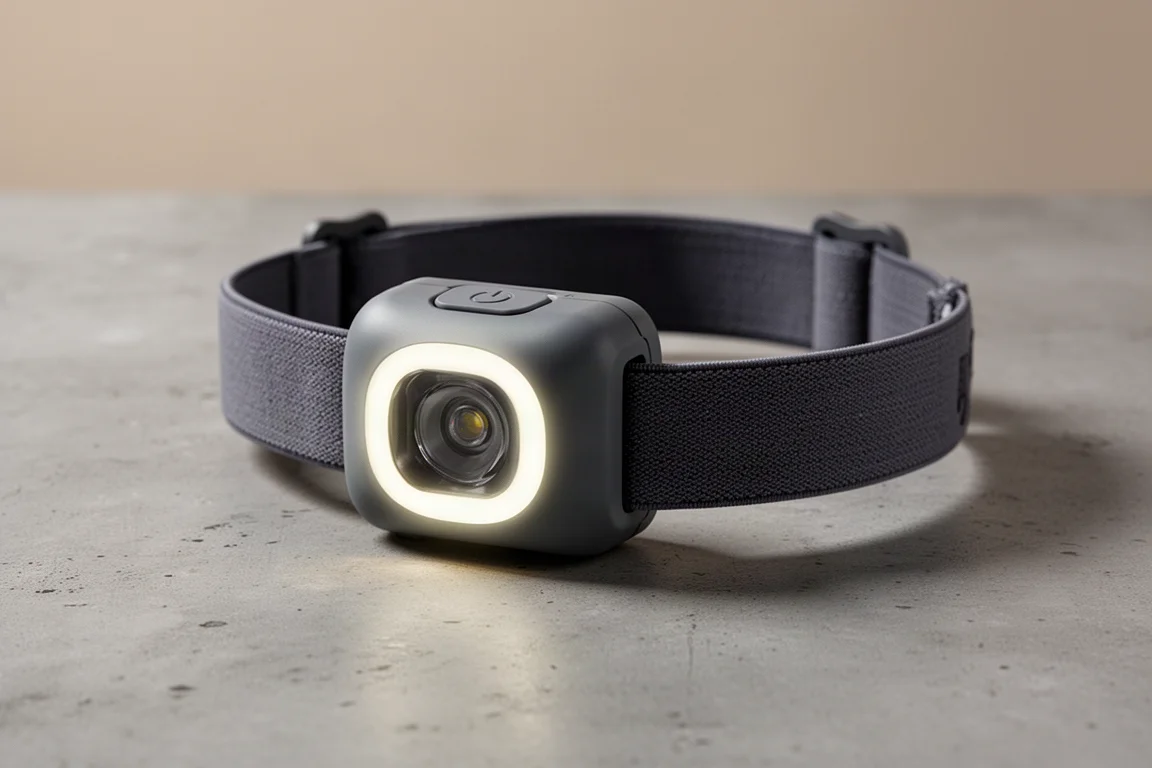
The Petzl Actik is a very different proposition from an ultralight headlamp. It weighs almost three times as much as the Nitecore NU25, costs about twice as much, and still uses the older micro-USB charging port rather than USB-C. Those are real disadvantages if weight and charging convenience are your priorities.
What it offers in return is flexibility and a few details that are hard to give up once you have used them. The rechargeable battery can be swapped out for standard AAA batteries, which turns a dead headlamp into a solved problem on a long trip. There are multiple light modes, and a glow-in-the-dark ring around the housing makes the lamp easy to find at the bottom of a tent in the dark.
The feature that sounds trivial and is not: the housing hinges both up and down, so the Actik works whichever way you put it on. Headlamps that only hinge one way force you to take them off and turn them around.
Nitecore NU25
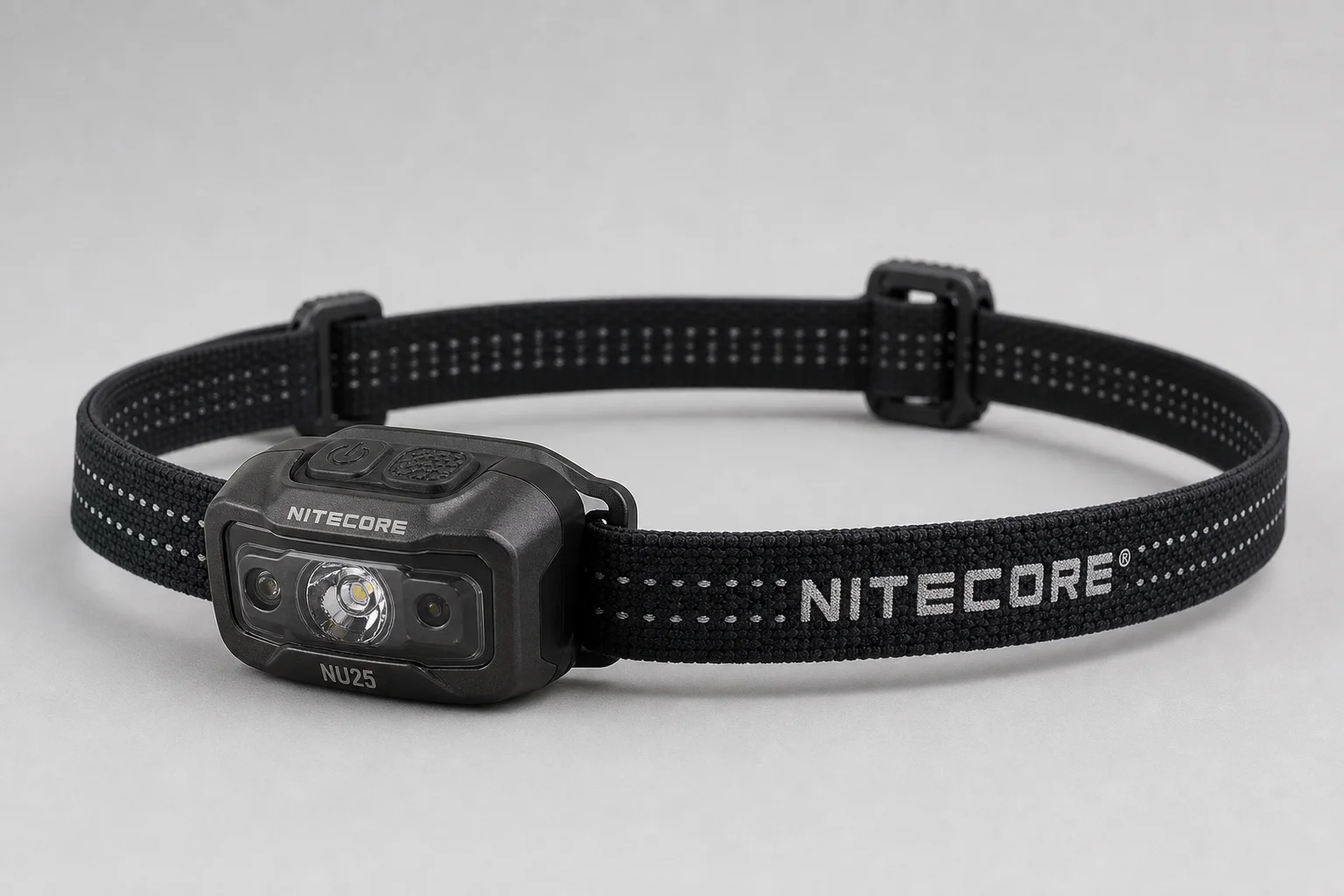
The Nitecore NU25 is the lightest headlamp on the market, and it is the reference point that every other lamp here is judged against. It costs a little over $35, charges over USB-C, includes a red light mode, and uses minimalist bands that barely register in a pack.
For fast and light trips, that combination is difficult to argue with. Low weight on your head matters more than it looks like it should, especially on multi-day routes where you wear a lamp for hours at a time.
The limitation is the hinge. The NU25 only folds in one direction, so putting it on upside down means taking it off and starting again. It is a small frustration rather than a flaw, and it is the main thing the heavier Actik does better.
Buying Advice: Matching Each Swap to the Trip
The right swap depends on which annoyance you actually feel. If hot handles bother you, the handle-free SOTO pot plus a grabber removes the problem completely. If you want a stove that sets up without thinking, the four-prong Amicus is the simpler object, and it costs less than the Deluxe it competes with.
For eating, a long-handled titanium utensil is the upgrade that pays off at every meal, and it is one of the cheapest changes on this list. For digging, titanium buys stiffness in rocky ground. If your trips are mostly on soft forest floor, an aluminium trowel is perfectly adequate and cheaper.
Sleep and water are the two categories where the decision is more personal. A thicker down-topped pillow helps side sleepers and anyone who has given up on camp pillows, provided you do not mind assembling three pieces. A $20 filter will get you clean water, while the Quickdraw asks for more money in exchange for a smoother routine. On lighting, the choice comes down to weight versus flexibility: the NU25 is lighter and charges over USB-C, while the Actik is heavier and more expensive but runs on AAA batteries in a pinch and hinges both ways.
Conclusion
None of these items is a dramatic upgrade, and that is the point. The small gear in a backpack improves in millimetres and grams, through details like a fourth pot prong, a longer handle, a stiffer blade, or a hinge that works in two directions. Those details accumulate into a kit that is easier to use and harder to think about, which is exactly what you want from the items you touch most often.
If your current setup is working, keep it. If something on this list addresses an annoyance you have quietly tolerated for years, that is the signal to try the alternative.
Further reading
Related Reviews

Backpacking Gear
Building a 10 lb Base Weight: An Ultralight Backpacking Gear List
A practical walkthrough of the ultralight pieces behind a 10 lb base weight, from a 765 g pack and a roomy one-person tent to a full camp chair and a dependable water filter.
Backpacking Gear
A 15-Pound Lightweight Backpacking Gear List for Solo Trips
A beginner-friendly 15-pound backpacking setup built from easy-to-find gear, with notes on what each piece does, how it packs, and where to spend your attention.
Backpacking Gear
8 Ultralight Backpacking Gear Upgrades Worth Carrying
Eight small, affordable backpacking upgrades that solve real trail annoyances, from a pillow that stays put to a fuel valve that rescues leftover canister gas.