Backpacking Gear
Backpacking Gear Swaps Worth Making: Five Upgrades That Cut Weight and Add Comfort
A practical look at five backpacking gear swaps, from a lighter lofted mid layer to a merino blend sun hoodie, a zero drop trail shoe, and dependable power banks.
Introduction
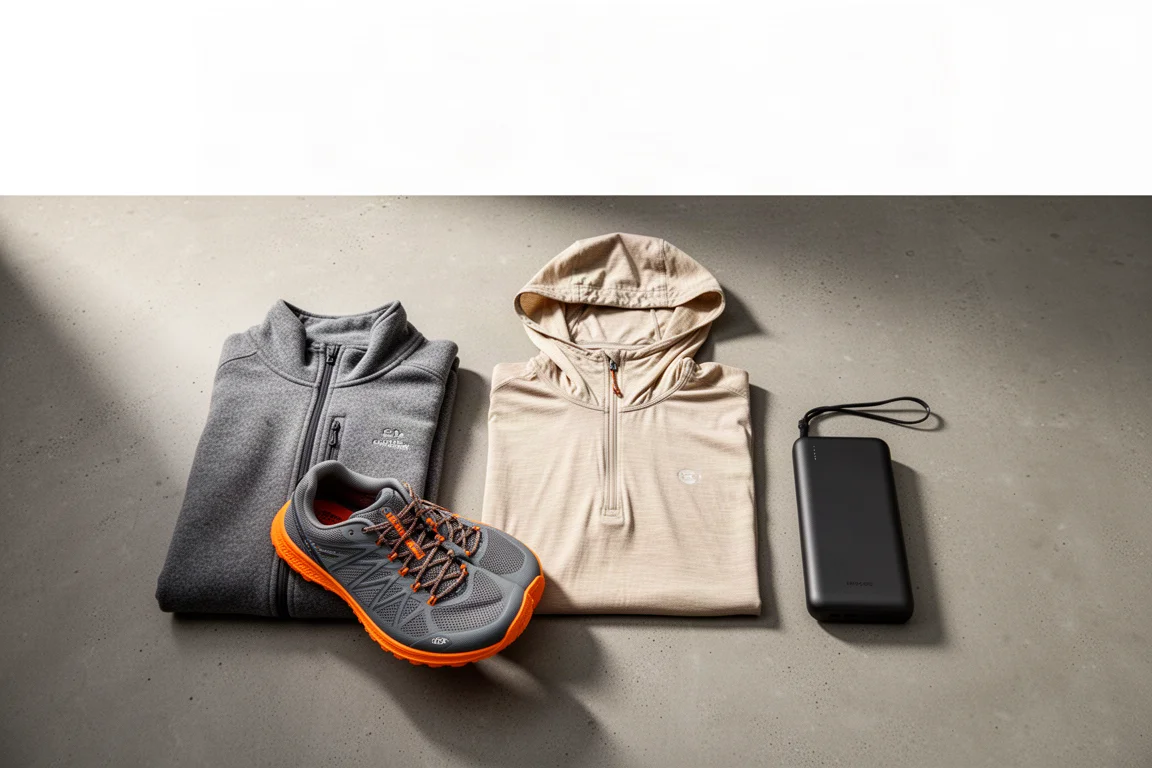
Gear swaps rarely happen because a product is bad. They happen when a piece of kit stops matching the way you travel: too heavy for the miles you are covering, too bulky for the space it earns, too warm on a climb, or too worn out after a few hundred miles. The five items below are the swaps that made the biggest practical difference in a backpacking and bikepacking setup, and each one comes down to a trade-off you can weigh against your own trips.
The pattern repeats across categories. Lighter mid layers that breathe while you move, sun hoodies that stay tucked under a hip belt, trail shoes built to last past a few hundred miles, and power banks that simply start charging the first time you plug a phone in.
How These Swaps Were Chosen
Four things decide whether a swap is worth making. The first is weight and packed volume, because a mid layer that spends most of the day inside a pack should not take up a large share of the space. The second is breathability and heat regulation, since a layer that traps heat on the first climb of the day is a layer you end up carrying instead of wearing. The third is durability over long distances, measured in hundreds of miles rather than seasons. The fourth is how well an item works with the rest of a kit, from hip belts and helmets to hats and sleeping bags.
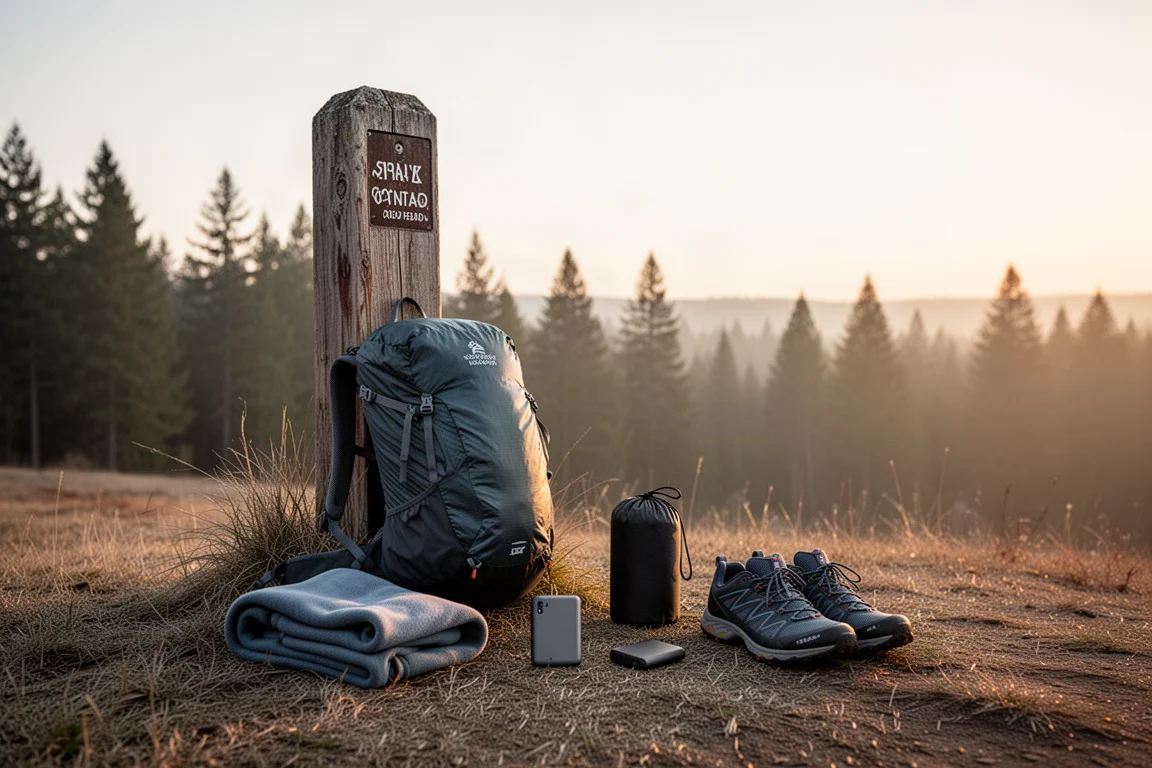
It is worth saying plainly that retiring gear is not a verdict on its quality. Several of the items replaced here covered thousands of miles before something better came along, and the older versions still work. The question is always whether the newer option solves a problem you actually have.
Senchi Designs Alpha Wren: A Lighter Mid Layer
Fleece mid layers earn their place in a pack, but heavier versions carry two penalties. A size small fleece hoodie can weigh close to 10 ounces and still occupy a meaningful share of the interior volume, which is a lot of real estate for a layer that is only worn part of the day.
The Senchi Designs Alpha Wren takes a different route. It is built from Polartec Alpha Direct 60, a lofted pile fabric that looks unusual and behaves very differently from a standard fleece. The crew version weighs about 3.8 ounces, the hooded version about 4 ounces, close to half the weight of the heavier hoodie it replaces, and it packs down far smaller.
Breathability is the bigger win. The fabric moves heat and moisture efficiently, so it works well on chilly morning starts and cool evenings while you are still moving, which is exactly when a mid layer tends to be worn. A denser fleece traps more heat and can leave you overheating on the first climb of the day.

Evolved Supply Co Mirage: A Merino-Blend Sun Hoodie
The sun hoodie has become the default hiking shirt because one layer covers the arms, neck, and head without needing to be reapplied. The catch is that most sun hoodies are synthetic, and synthetic fabric can feel clammy and hold odor across multi-day trips.
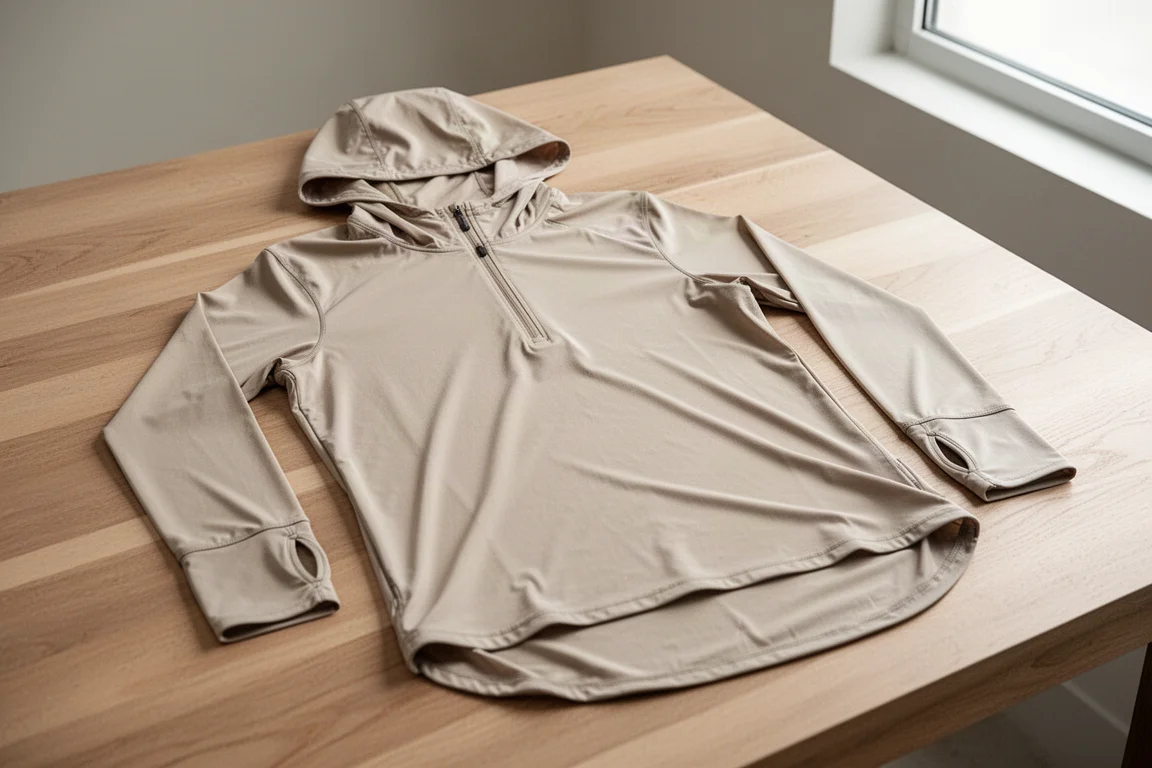
The Evolved Supply Co Mirage takes a natural fiber approach. It is made from a 135 GSM merino wool blend, 96 percent merino and 4 percent spandex, which brings UPF 40+ protection together with the temperature regulation merino is known for. The fit is athletic and tapered rather than boxy, and an extra long drop tail keeps the shirt from riding up under a hip belt.
The details are practical rather than decorative. A quarter zip at the chest vents heat on climbs and hot afternoons, thumb holes add coverage at the cuffs, and a roomy three-panel hood works over a cap and under a helmet. The design went through 11 prototypes across roughly two years of development, and it was released in collaboration with Zpacks.

For anyone replacing an older synthetic sun hoodie, the appeal is the combination of full coverage, a natural fiber blend, and a cut that stays in place under a loaded pack. It is a hiking layer first, so it is worth trying on with the rest of your kit, particularly if you prefer a looser fit.
Topo Pursuit: A Trail Shoe That Combines Familiar Features
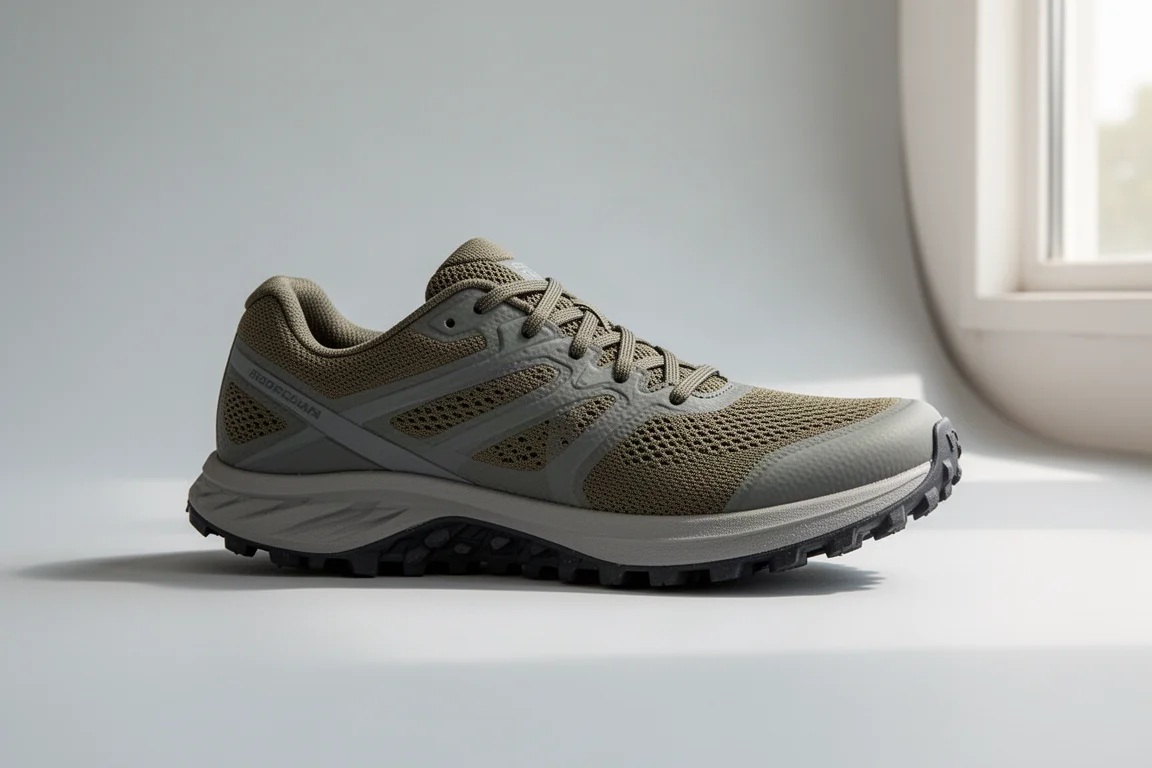
Trail shoe loyalty is usually built on fit, and the Topo Pursuit makes its case by combining the features long distance hikers ask for most. A wide toe box and a zero drop platform let toes splay naturally over long days. Cushioning sits at 28 mm of stack height, a balance point for hikers who want protection without losing ground feel.
The outsole is Vibram, which brings grip on wet rock and roots along with the durability that shows up over hundreds of miles. Ventilation is strong and the shoe dries quickly after a soaking, which matters on routes with stream crossings and afternoon storms.
Field use has been encouraging. The Pursuit has handled trail running and a section hike of the Pacific Crest Trail in Washington, and it came through a month of hard use still looking intact. The open question is long distance durability, which a 10 day trek on the Gokyo route to Everest Base Camp should help answer.
That durability question is why many hikers are looking past their old favorites. Pairs that once delivered 600 to 700 miles are now often done around 300 miles, with early delamination and foam breakdown well before the tread wears out. A more durable outsole is a reasonable reason to switch.
Anker PowerCore PD 10000: Reliable Power for Shorter Trips
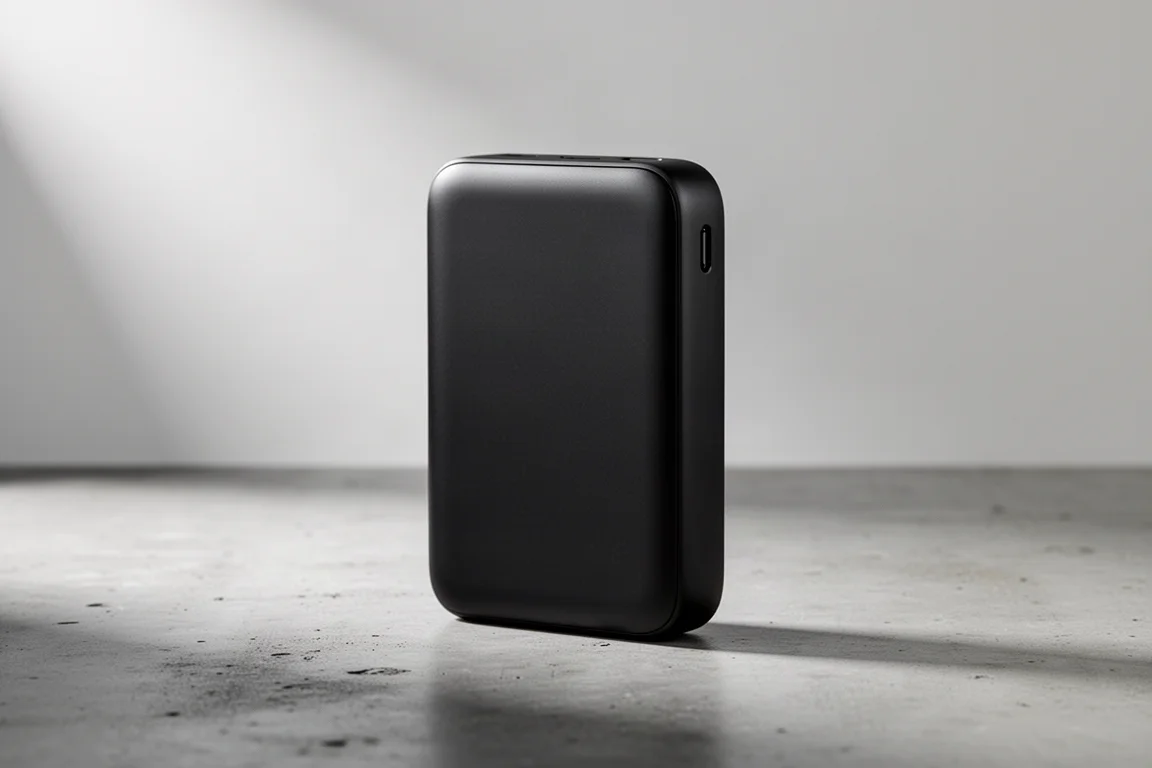
Power banks are the least glamorous item in a pack and the one you notice most when they misbehave. The Anker PowerCore PD 10000 has been the dependable choice for shorter trips: plug a phone in and it starts charging immediately, with no repeated button presses and no unplugging and replugging to coax it into life.
Cold nights are the real test. Kept inside a sleeping bag overnight, the bank holds its charge and is ready in the morning. Across years of use on long distance hikes and bikepacking trips, that charging behavior has stayed consistent, which is the main thing you want from a battery on a multi-day route.
Capacity is the trade-off to weigh. At 10,000 mAh, this bank is well matched to weekend trips and shorter sections where a phone is charged once or twice. If you also carry a camera and a watch, or you face long resupply gaps, the larger version in the same lineup is the better fit.
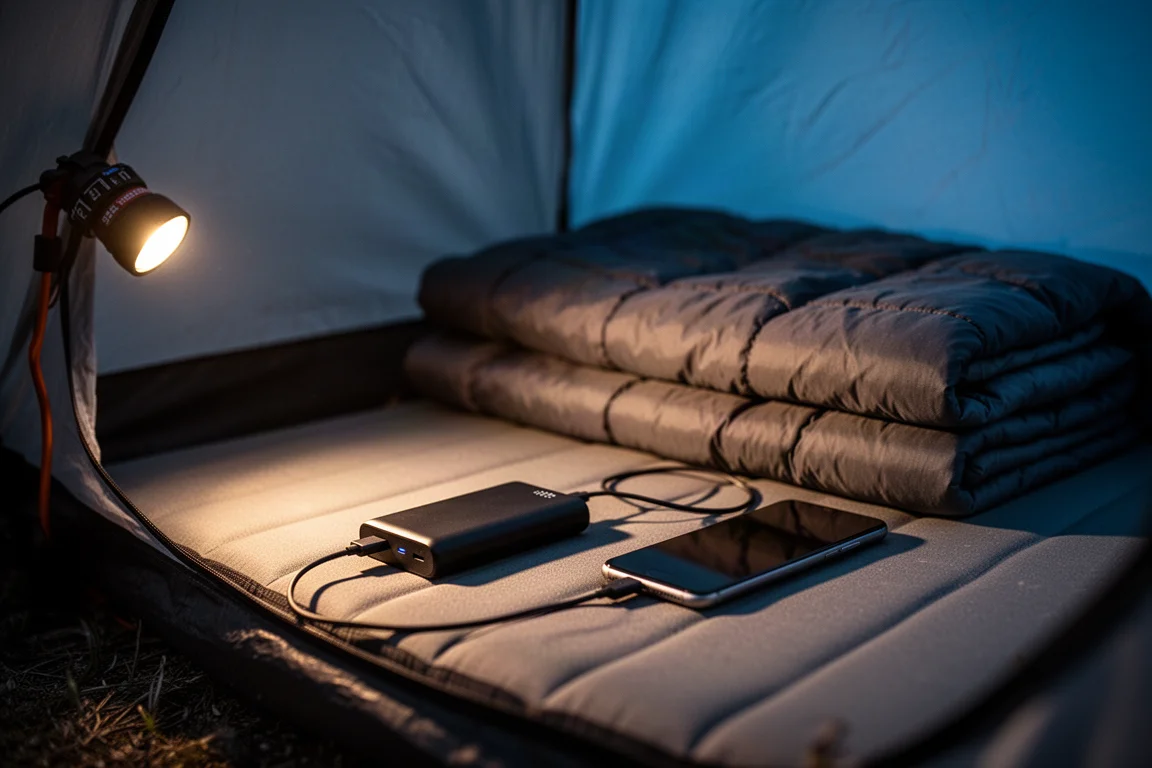
Unpredictability is what separates a bank that disappears into your routine from one you end up managing. Some ultralight models will not begin charging until the button is pressed several times, and early versions could sit on a wall charger for two hours without taking a charge at all. A plain, reliable bank is worth the few extra grams.
Anker PowerCore PD 20000: More Capacity for Longer Trips
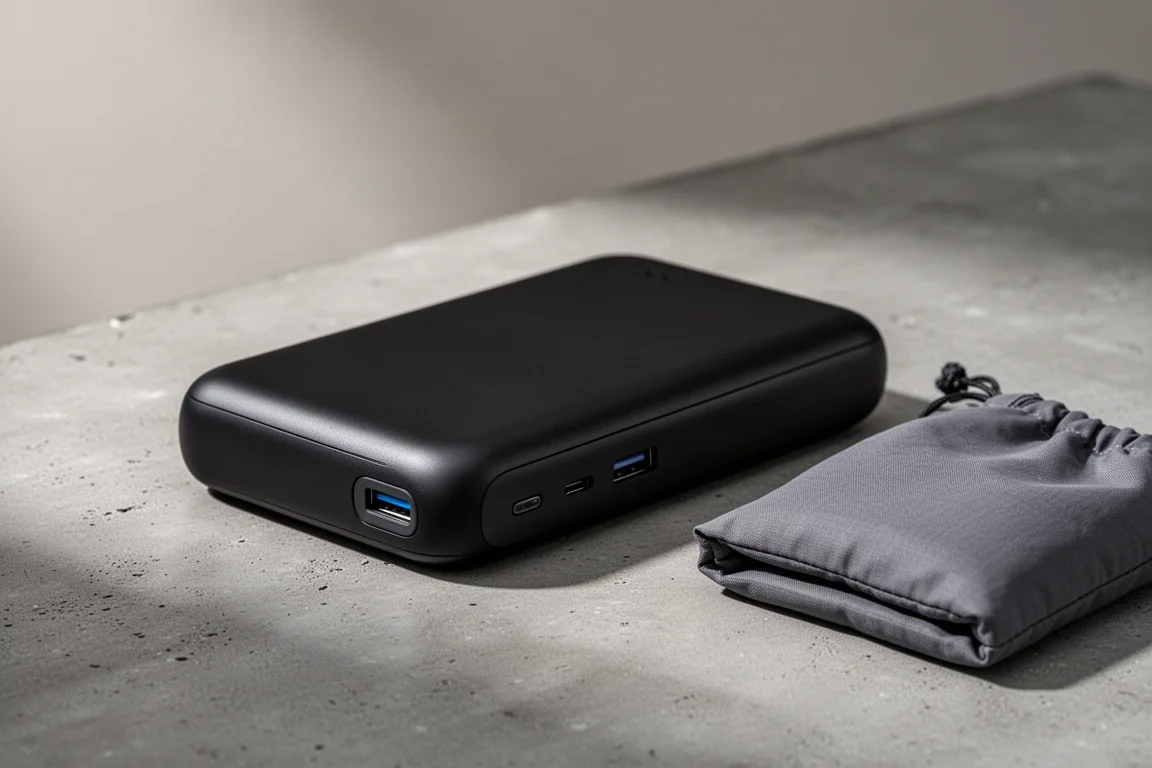
Same lineup, more capacity. The Anker PowerCore PD 20000 is the version to carry when a trip is long enough that a 10,000 mAh bank would leave you rationing power. It shares the charging behavior that makes the smaller model easy to trust, and it covers trips with several devices or multiple days between resupply points.
The trade-off is straightforward. Extra capacity means extra size and weight in the pack, so a weekend trip is still better served by the smaller bank. On a long section hike or a trip where you are navigating, photographing, and charging a phone every day, the larger bank earns its place.
Buying Advice: Matching the Swap to Your Trip
Start with how you use a layer, not with the numbers. If you run warm on climbs, a lofted Alpha Direct mid layer is a better match than a dense fleece. If you spend long evenings sitting still in camp, a heavier fleece still has a place in the kit, and the lightest option is not automatically the right one.
For sun protection, prioritize coverage and fit. A hoodie that stays put under a hip belt and works with a cap or a helmet will be worn more often than one you constantly adjust. A natural fiber blend is worth considering if odor and clamminess have been an issue on longer trips.
Shoes are the one category where fit outranks every specification. A wide toe box and a zero drop platform suit many long distance hikers, but the transition takes time, so build mileage gradually. After fit, durability is the number that matters most, because a shoe that lasts twice as long changes the real cost of every mile.
Power is simple arithmetic. Match capacity to trip length and the number of devices you carry, then choose the bank with the most consistent charging behavior rather than the one with the best headline specification.
None of these swaps requires a full kit overhaul. Replacing one item at a time and testing it on a short trip is the low-risk way to find out whether a change actually makes your days easier.
Conclusion
The five items here share a common thread: each one solves a specific, repeatable problem. A mid layer that breathes while you climb, a sun hoodie that stays put under a hip belt, a trail shoe built to last well past a few hundred miles, and a power bank that starts charging the first time you plug it in.
Gear choices stay subjective, and what works on one route may not suit the next. What matters is whether an item makes you lighter, more efficient, or more comfortable on the trips you actually take. When it does, the swap is worth making.
Further reading
Related Reviews

Backpacking Gear
Building a 10 lb Base Weight: An Ultralight Backpacking Gear List
A practical walkthrough of the ultralight pieces behind a 10 lb base weight, from a 765 g pack and a roomy one-person tent to a full camp chair and a dependable water filter.
Backpacking Gear
A 15-Pound Lightweight Backpacking Gear List for Solo Trips
A beginner-friendly 15-pound backpacking setup built from easy-to-find gear, with notes on what each piece does, how it packs, and where to spend your attention.
Backpacking Gear
8 Ultralight Backpacking Gear Upgrades Worth Carrying
Eight small, affordable backpacking upgrades that solve real trail annoyances, from a pillow that stays put to a fuel valve that rescues leftover canister gas.