Backpacking Gear
Backpacking Gear Swaps: Four Ultralight Upgrades Worth Making
Four lighter, more versatile replacements for a well-used backpacking kit, plus a rethink of footwear and trail food.
Introduction
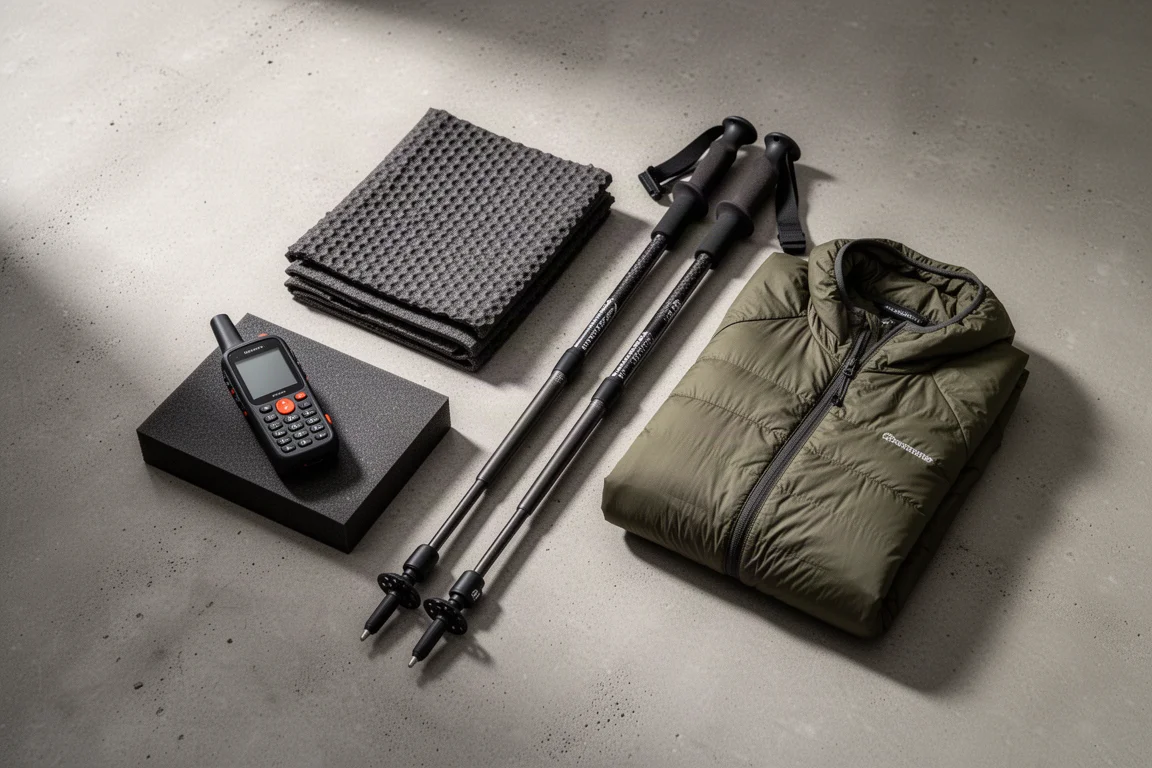
Gear kits change slowly, and the swaps that last are usually the ones that solve a specific problem rather than a theoretical one. Six items are leaving a long-standing backpacking setup this season, and four of the replacements are worth a closer look. Each one either removes weight, adds capability, or simply gets used far more often than the item it replaced.
The remaining two changes are habits rather than products. Footwear and food both got a rethink, and both are covered below, because they shape how a long day on trail actually feels.
What Changed in This Year’s Pack
The four product swaps follow a clear pattern:
- A compact satellite communicator replaces a full-size unit
- A closed-cell foam panel replaces a folding backpacking chair
- Carbon trekking poles replace a heavier entry-level pair
- A newer insulated jacket replaces a long-running favourite
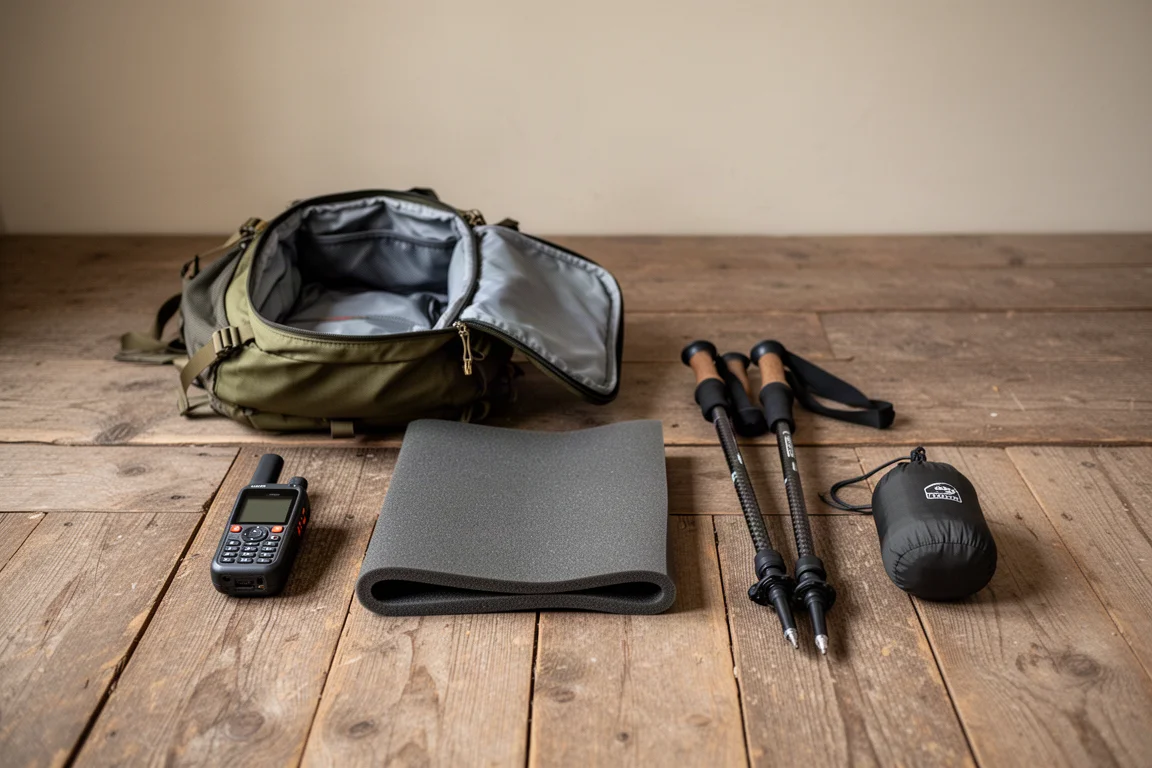
None of the outgoing items were broken. That is often the sign that a replacement has genuinely earned its place: the older piece still works, but it costs more weight, more setup time, or more pack space than it gives back.
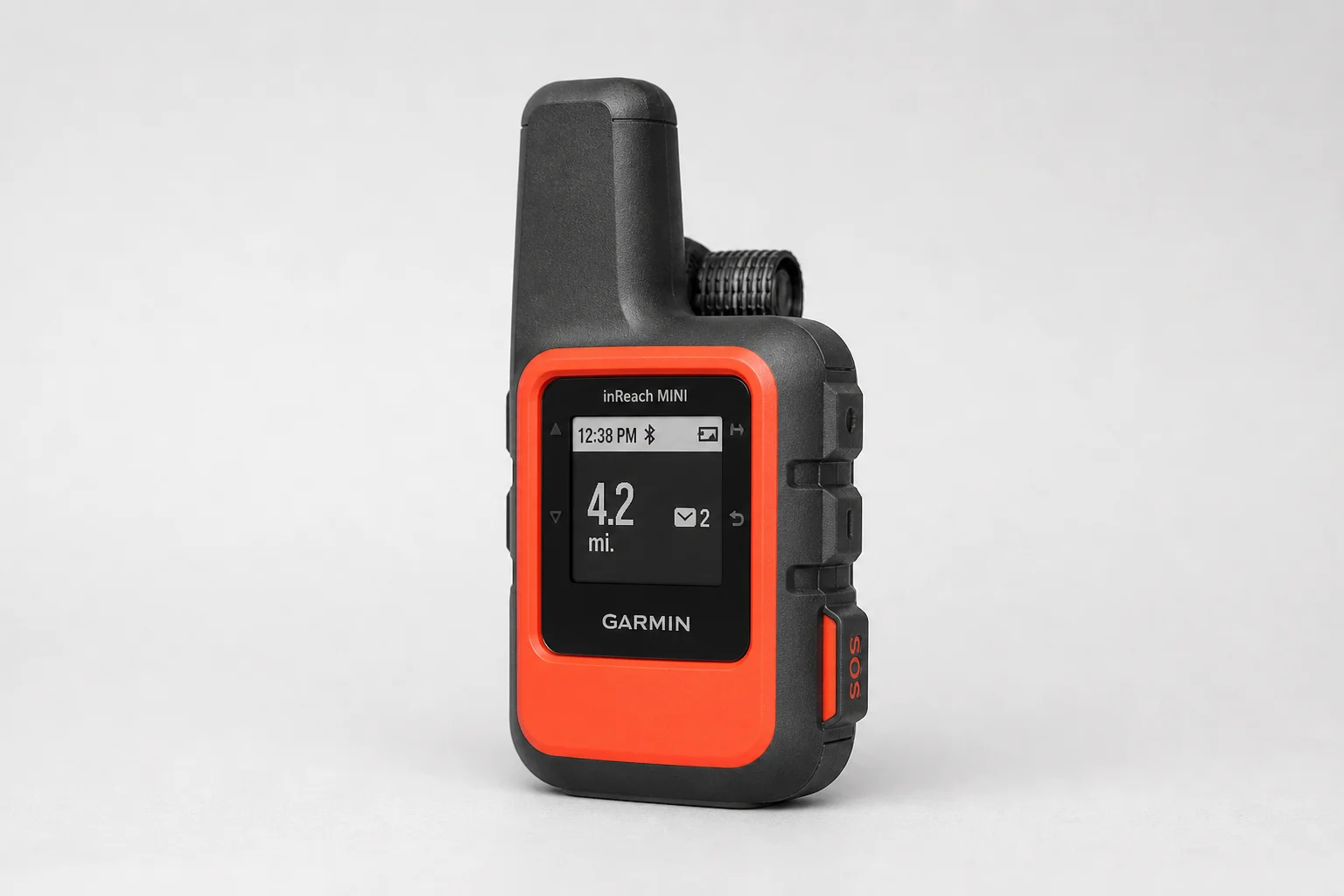
Garmin inReach Mini: Satellite Safety in a Lighter Package
The inReach Mini weighs roughly half as much as the larger inReach Explorer Plus it replaced, and battery life remains excellent despite the smaller body. The main hesitation before making the switch was the smaller screen and whether it would be enough for navigation, and that has not turned out to be a practical problem.
Messaging is flexible. Texts can be sent from the device itself, from a paired phone, or from a watch, so the compact screen rarely gets in the way of the one job that matters most. For backpackers who want satellite communication without carrying a full-size unit, this is the piece that stays in the pack.
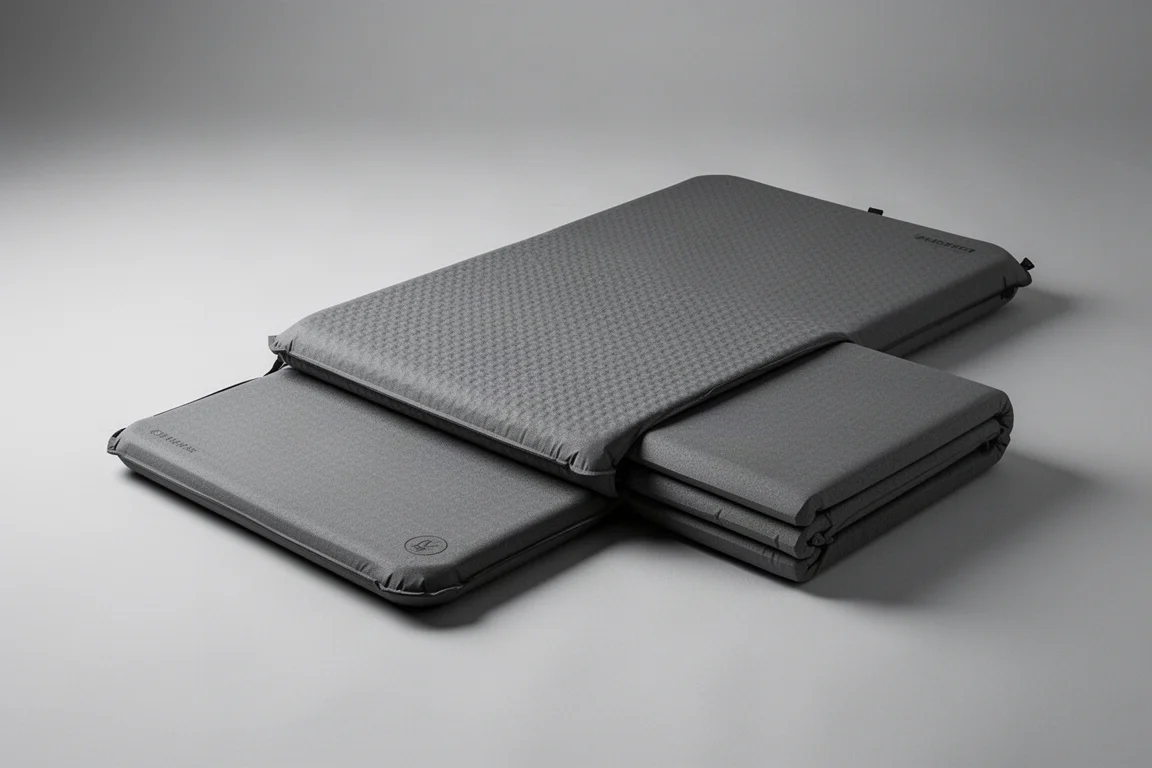
Outdoor Vitals 1/8 Inch Foam Closed-Cell Pad: One Panel, Many Jobs
A newly launched closed-cell foam pad takes the place of the folding chair. It is extremely light, and because it is a single panel rather than a frame, it folds down to whatever size the pack allows and can be stowed in different places depending on the trip.
In practice it does more than the chair ever did. It works as a stretching mat, a dry layer for a quick nap on the ground, and extra padding when folded. Inside a tent it goes underneath an inflatable pad for a little additional protection and to stop the pad from sliding around.
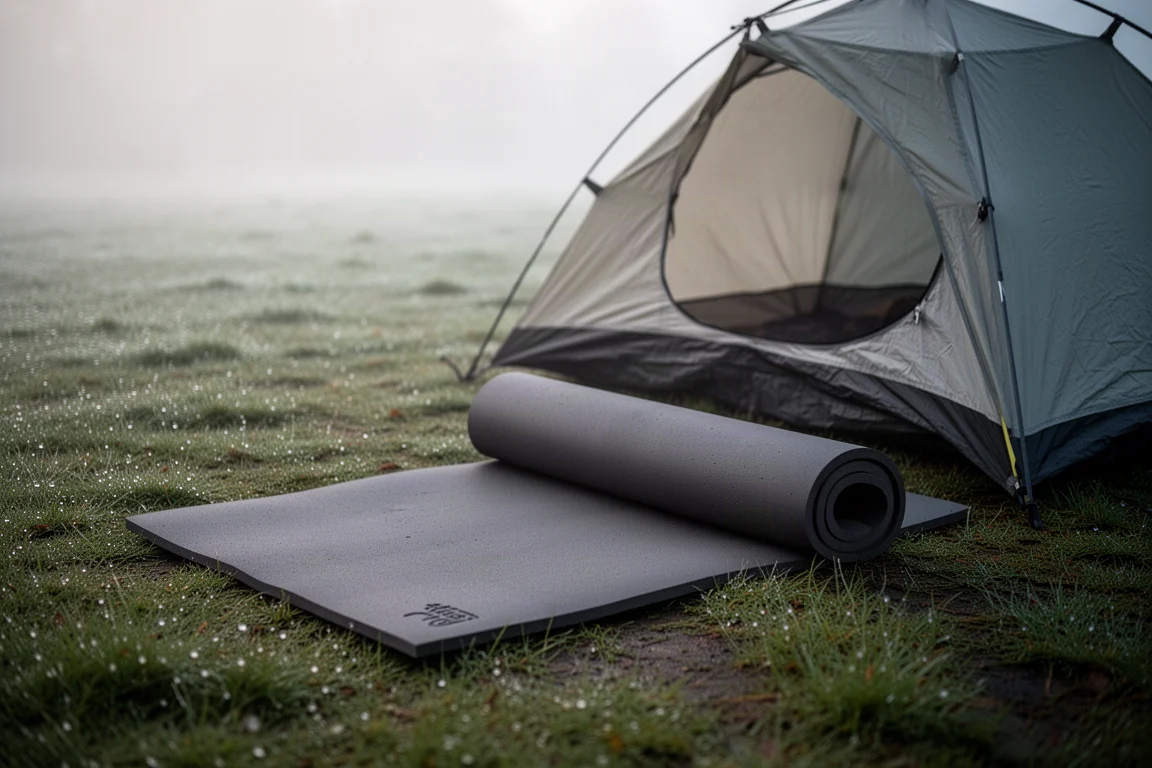
The bigger shift is how often it comes along. A chair needs to be assembled, and most trips do not include much lounging time to justify it. A foam panel has no setup at all, so it ends up on every trip, and it weighs a small fraction of the chair it replaced.
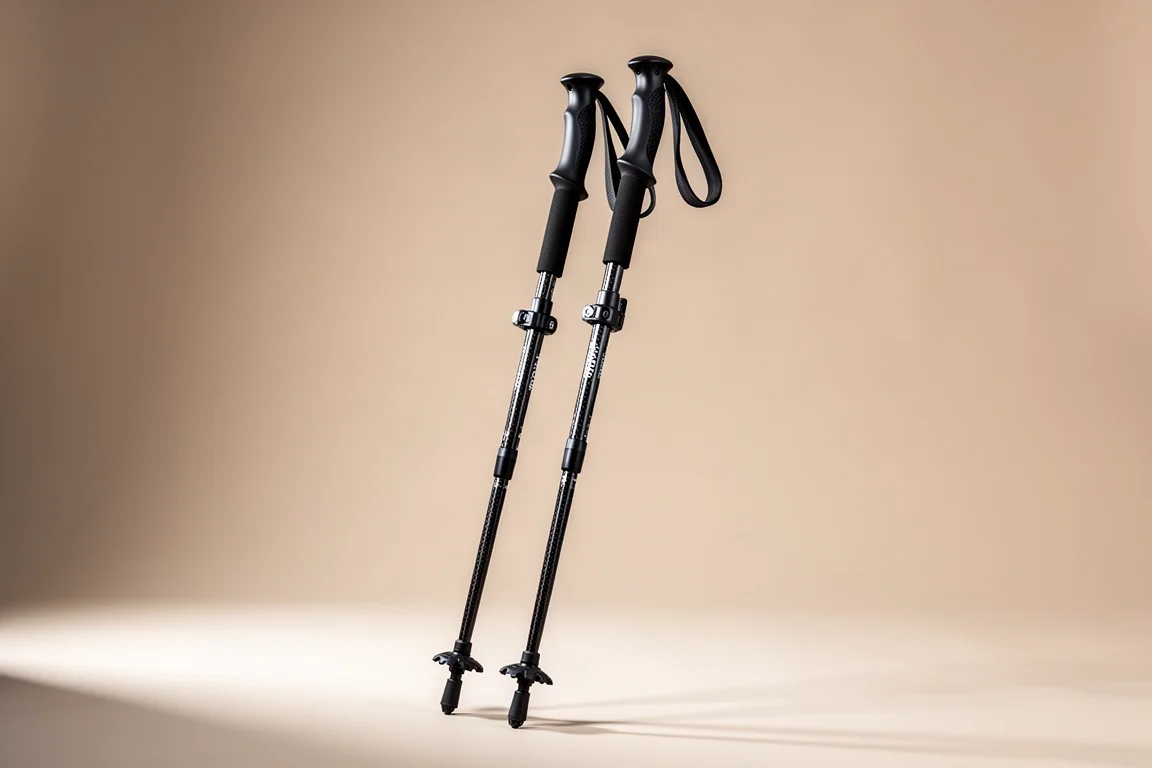
Komperdell Carbon Cloud Trekking Poles: Lighter and Better Balanced
The outgoing pair was an entry-level set: heavy, and prone to locking mechanisms that loosened over the course of a day and then needed to be over-tightened to stay put. The Komperdell Carbon Cloud poles are considerably lighter, and the balance is the more noticeable difference. More of the mass sits up near the handle rather than low in the shaft, helped by a tapered construction.
The locking mechanisms are robust and hold their setting without slipping, which removes the mid-hike fiddling that made the older poles frustrating to use on long descents.
Komperdell’s own illustration of the difference is deliberately dramatic: over an eight-hour day, hauling heavier poles is comparable to moving an elephant piece by piece. The principle holds, and it applies just as well to weight carried on the feet.
From Hiking Boots to Trail Runners
Hiking boots have been retired from backpacking use. They are simply too heavy and too bulky for the way these trips are planned, even though they do offer ankle support. The approach instead is to train strong ankles and knees and keep the footwear light.
A five-mile stretch of rough country in a heavier pair of boots made the case on its own. The extra weight on the feet showed up as fatigue well before the end of the day, which settled the question. Boots still have a place in winter, when insulation matters more than weight.
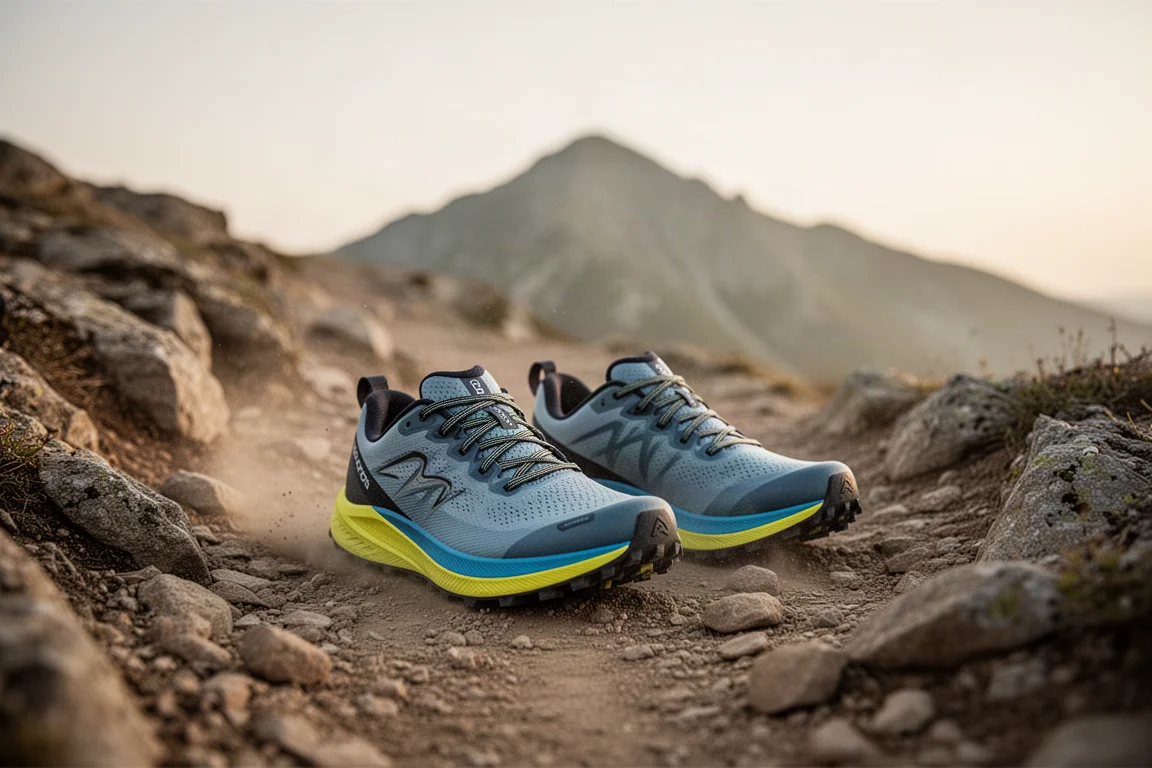
Anyone weighing the same switch should treat it as a trade rather than a straight upgrade. Boots give support around the ankle, while trail runners reward hikers who are willing to build ankle and knee strength and accept a lighter, more flexible shoe.
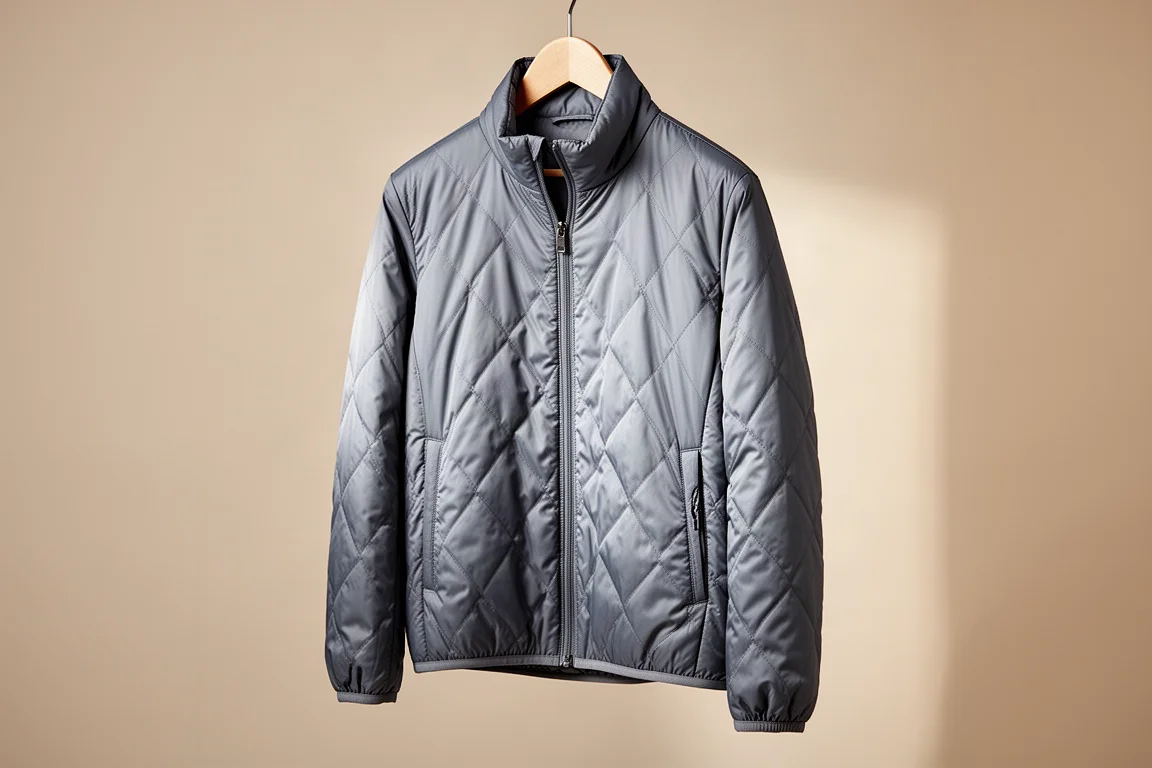
Outdoor Vitals Nova UL Jacket: The LoftTek Successor
The LoftTek jacket has been a pivotal piece in the Outdoor Vitals range, and the Nova UL is positioned as its direct replacement. The key difference is the insulation. The Nova UL uses a blended insulation designed not to wet out, paired with a non-stitched face fabric that cuts roughly 10,000 needle holes compared with the older design.
That combination makes it more water resistant, significantly better in wind, and more durable. It is also about half an ounce lighter than the LoftTek and a warmer piece overall, with more lofty insulation.
The trade-off is breathability, where the LoftTek still has the edge. For most three-season backpacking, though, the added warmth for the weight and the better weather resistance are the more useful qualities, and the jacket has tested well across a long season of trips.
Rethinking Trail Food
The last change is not a product at all. Instead of loading a pack with the highest-calorie food available regardless of how it tastes, the plan is to carry a wider variety of food that is genuinely appealing to eat on trail. It costs a small penalty in calories per ounce, and that is a trade worth making when a resupply is still days away and appetite is already low.
Buying Advice
If only one swap is on the table, start with the items that touch every hour of a hike. Footwear and trekking poles decide how tired the legs feel at the end of a long day, and both are areas where a lighter, better-balanced option tends to pay off immediately.
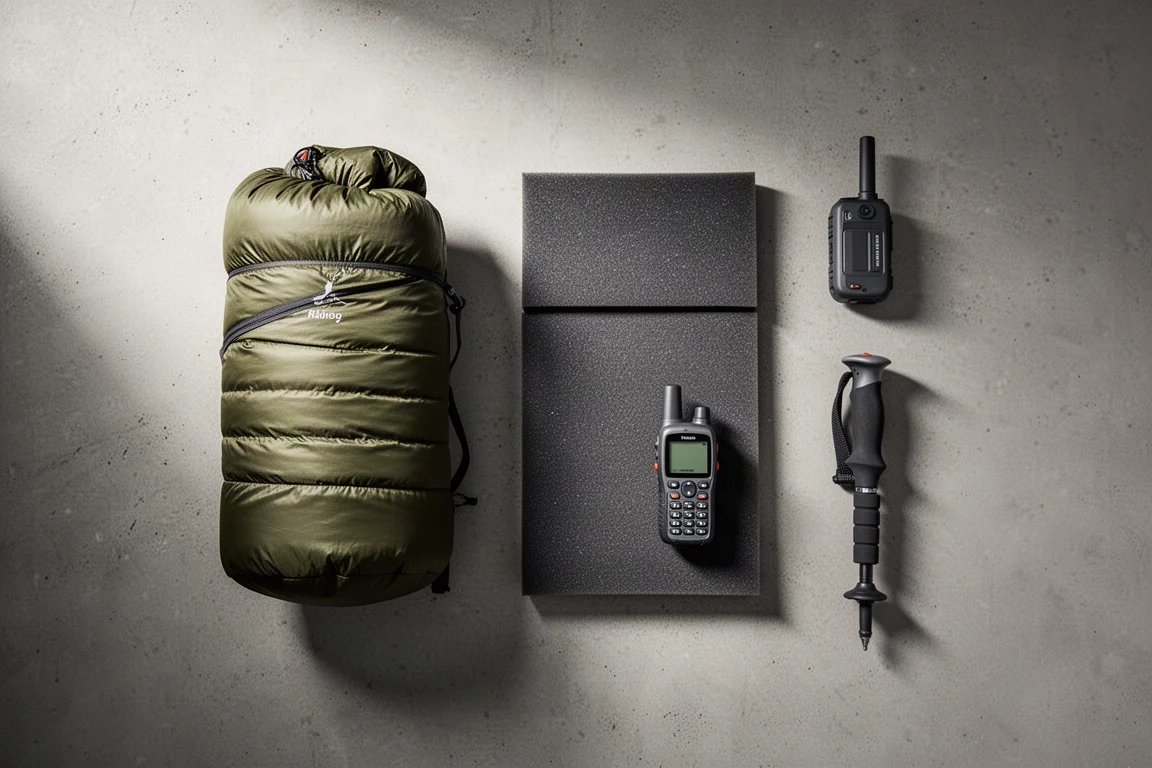
After that, the satellite communicator is first a safety decision, and the weight saving is a bonus. A compact unit keeps the load down, and the ability to message from the device, a phone, or a watch matters more in most situations than screen size. The foam pad is the simplest change on the list and the easiest to justify, because it replaces a bulky item with something that folds into whatever space is left in the pack.
Conclusion
None of these swaps came from a broken piece of gear. Each one replaced something that still worked with something lighter, more versatile, or easier to live with over long days. That is a pattern worth copying: if an item keeps getting left behind, or keeps adding weight without adding use, it is a candidate for replacement.
Further reading
Related Reviews

Backpacking Gear
Building a 10 lb Base Weight: An Ultralight Backpacking Gear List
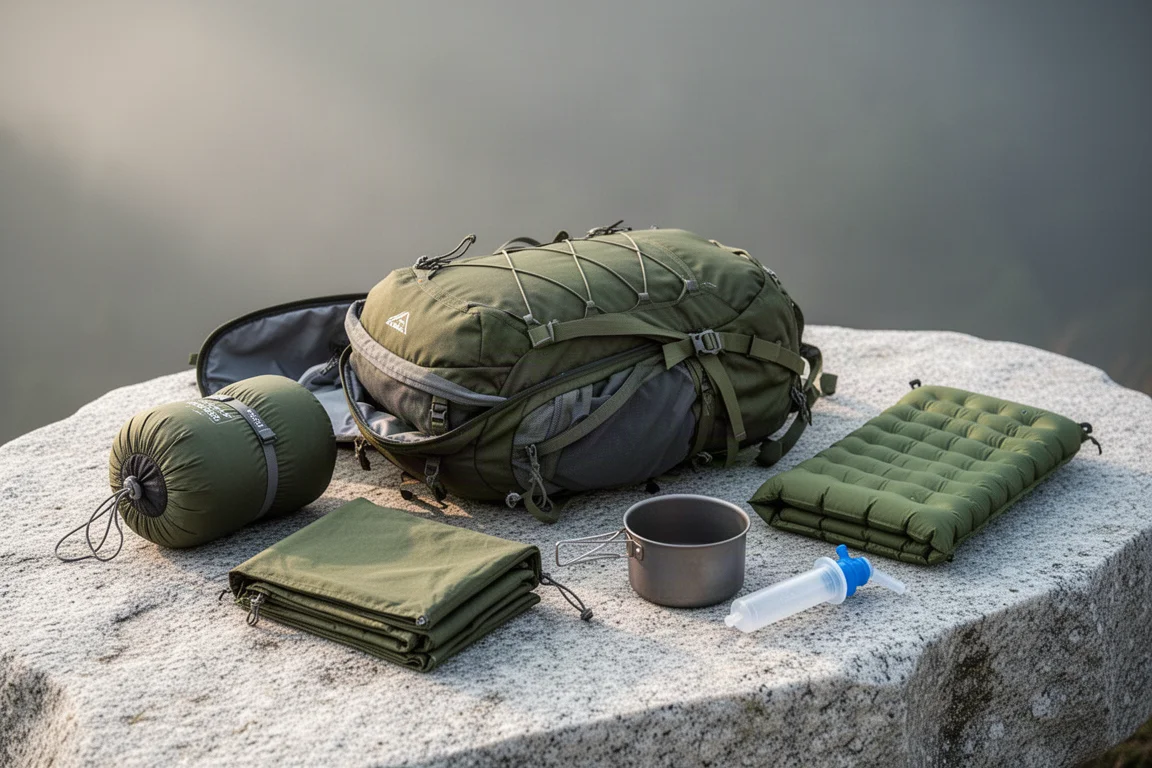
A practical walkthrough of the ultralight pieces behind a 10 lb base weight, from a 765 g pack and a roomy one-person tent to a full camp chair and a dependable water filter.
Backpacking Gear
A 15-Pound Lightweight Backpacking Gear List for Solo Trips
A beginner-friendly 15-pound backpacking setup built from easy-to-find gear, with notes on what each piece does, how it packs, and where to spend your attention.
Backpacking Gear
8 Ultralight Backpacking Gear Upgrades Worth Carrying
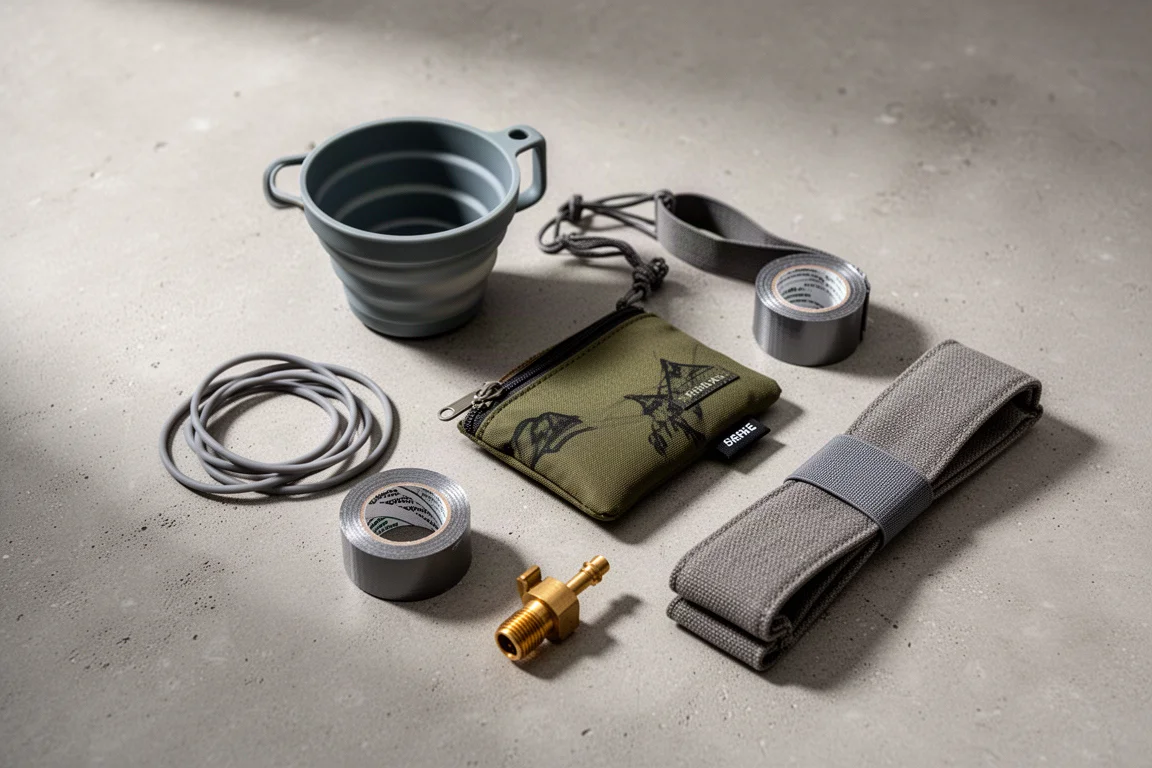
Eight small, affordable backpacking upgrades that solve real trail annoyances, from a pillow that stays put to a fuel valve that rescues leftover canister gas.