Backpacking Gear
Backpacking Gear Swaps 2026: Six Replacements Worth Considering
Six backpacking and bikepacking replacements that solve specific problems, from an ultralight fleece to a wide toe box trail shoe.
Introduction
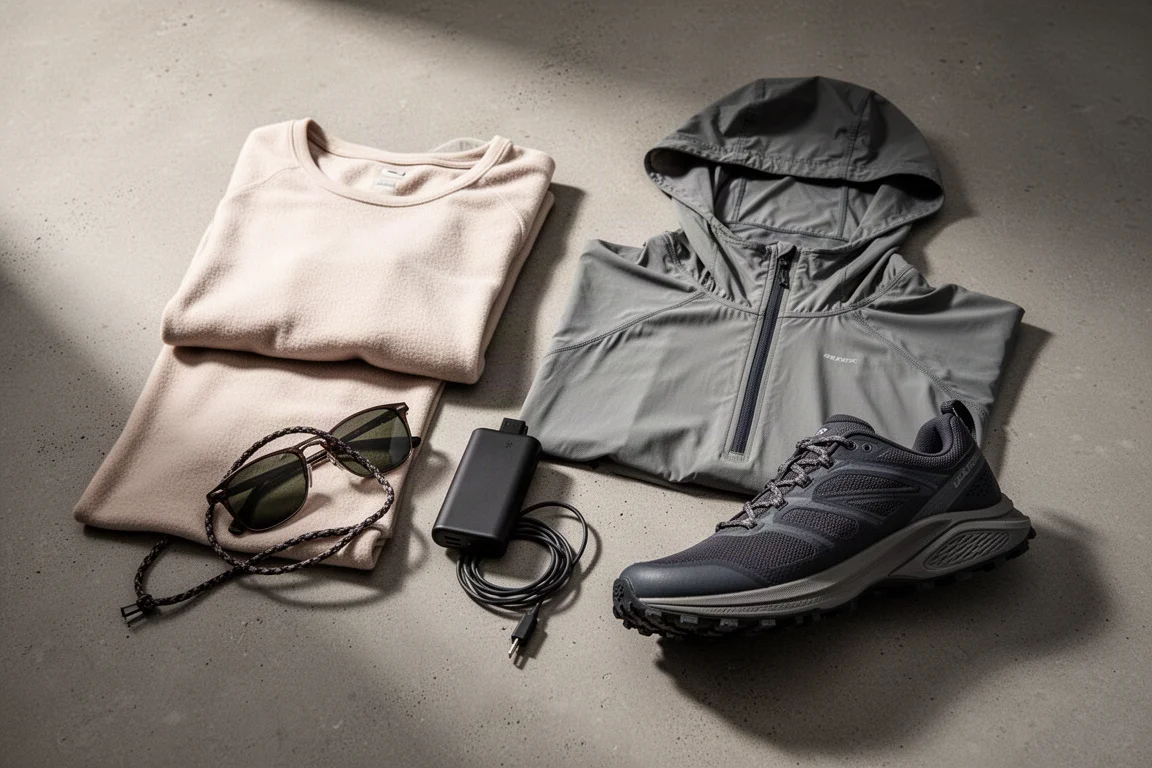
Backpacking kits have a way of settling into a groove. A mid layer, a pair of shoes, or a power bank earns its place on one trip and then quietly stays there for years, long after the reasons for choosing it stop matching the trips actually being taken. The most useful gear changes are rarely dramatic. They solve a specific, repeatable annoyance: a layer that swallows too much room in a pack, sunglasses that slide off during a scramble, a battery that refuses to start charging without an argument.
The six replacements below earned their place in a backpacking and bikepacking setup because each one fixes a problem the outgoing item could not. None of them is a compromise-free upgrade, and none is here because it is fashionable. Each one is here for a concrete reason, with a trade-off worth understanding before you spend.
What These Swaps Have in Common
Every item on this list started with a complaint rather than a spec sheet. That is the useful way to think about gear replacement: name the problem first, then look for the product that solves it.
Weight and packed volume matter more than headline numbers suggest. A layer that is two ounces lighter is pleasant. A layer that also compresses to half the size frees up space in a pack every single day, which changes how the whole kit carries. Breathability is the other half of the equation for anything worn while moving, since a warm layer that traps heat on a climb ends up in the pack instead of on your back.
Durability and fit round out the list. Footwear that loses its midsole and tread after a few hundred miles is not a bargain at any price, and a shoe only works if its shape matches your foot. None of that is measurable from a product page, which is why it pays to look at what long-distance users report before committing.
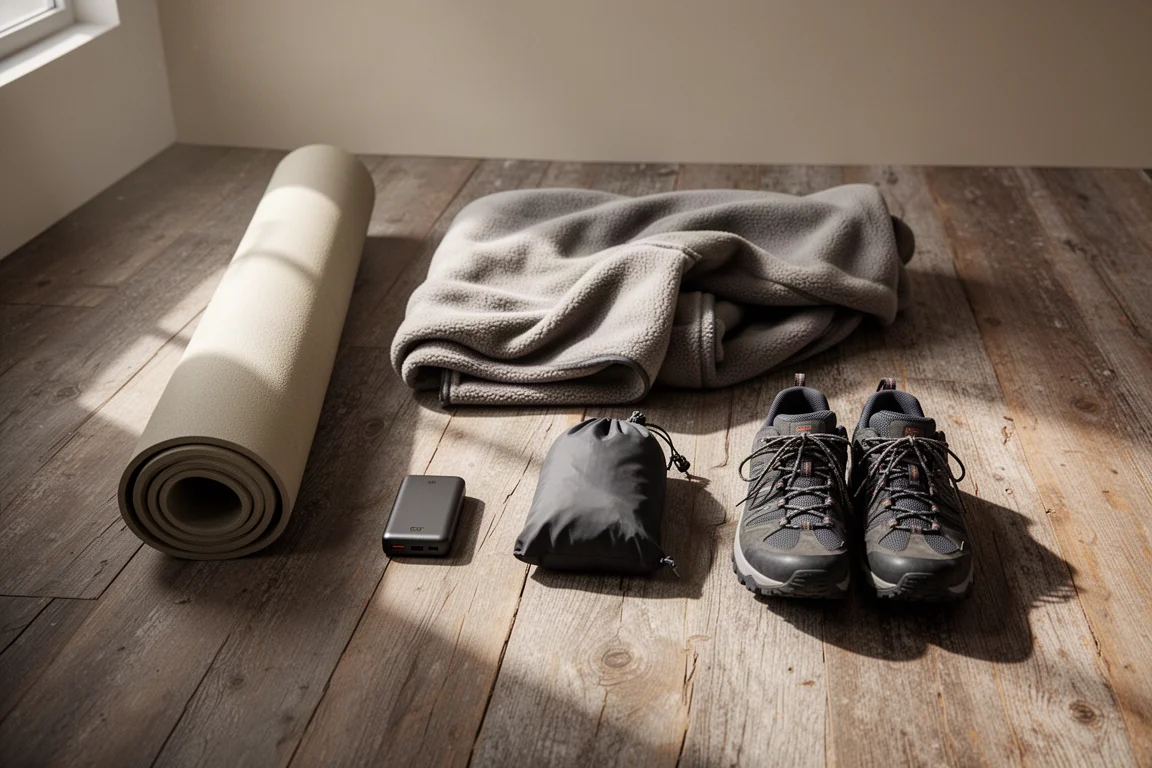
Finally, retiring a piece of gear is not the same as calling it bad. Several of the items being replaced here covered thousands of miles and finished long trails. They simply stopped being the best option available for the way these trips are now being walked.
Lightest Layering: Senchi Designs Alpha 60 Crew
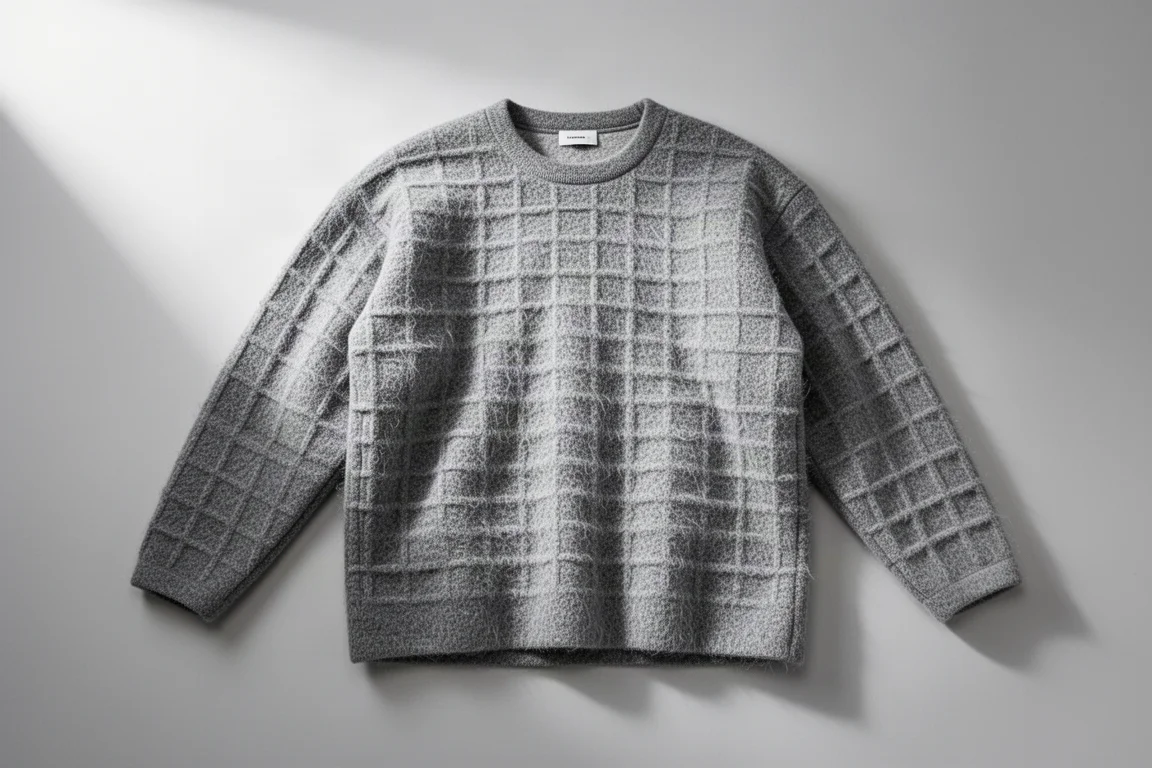
The Alpha 60 Crew is built from Polartec Alpha Direct 60, a fleece with a distinctly lofted, airy texture and a very open structure. That openness is the point. Air moves through the fabric easily, so body heat is regulated while moving instead of being trapped the way it is in a denser knit. For cold mornings and cool evenings on the move, it is a far more comfortable layer than a conventional fleece hoodie.
The numbers back that up. The crew version weighs 3.8 ounces, and the hooded version comes in at 4 ounces. Compare that with a small size in a thicker, fluffier fleece hoodie at 9.8 ounces, and the difference is not just on the scale. The lighter layer also packs down much smaller, which matters for a mid layer that spends most of the day in a pack rather than on your back.
Because the fabric is so air permeable, it works best as part of a system rather than on its own. Worn under a windproof shell it holds warmth well; worn alone in a stiff breeze it will not block much. Treat it as an active layer and the trade-off makes sense.
Sun Protection: Evolved Supply Co Mirage
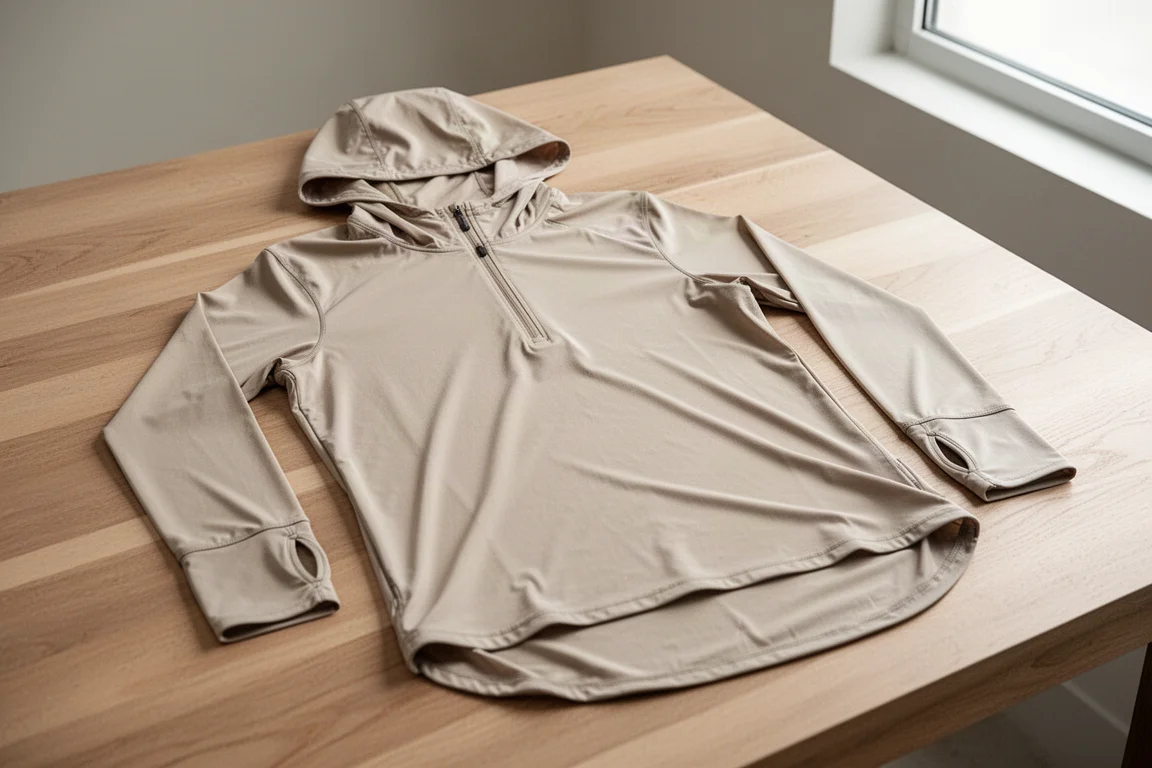
The Mirage is a 135 GSM merino wool blend, made up of 96 percent merino and 4 percent spandex, and it carries a UPF 40+ rating. The high natural fibre content is what separates it from the polyester sun hoodies most hikers default to, and the spandex gives the fabric enough stretch to move with you rather than pulling across the shoulders.
Details are where it earns its keep. The cut is athletic and tapered, the drop tail is extra long so the shirt stays put under a hip belt instead of riding up, and the cuffs have thumb holes. A quarter zip at the chest lets you dump heat on a climb, and the roomy three-panel hood is shaped to work over a cap and under a helmet. It was developed over roughly two years and built in collaboration with Zpacks.

If you are replacing a lightweight polyester sun hoodie, the main adjustment is fabric feel rather than function. The Mirage trades a little of the synthetic slickness for a softer wool blend and a more shaped fit, which is the reason it now covers the same miles in more comfort.
Sunglasses: Ombraz
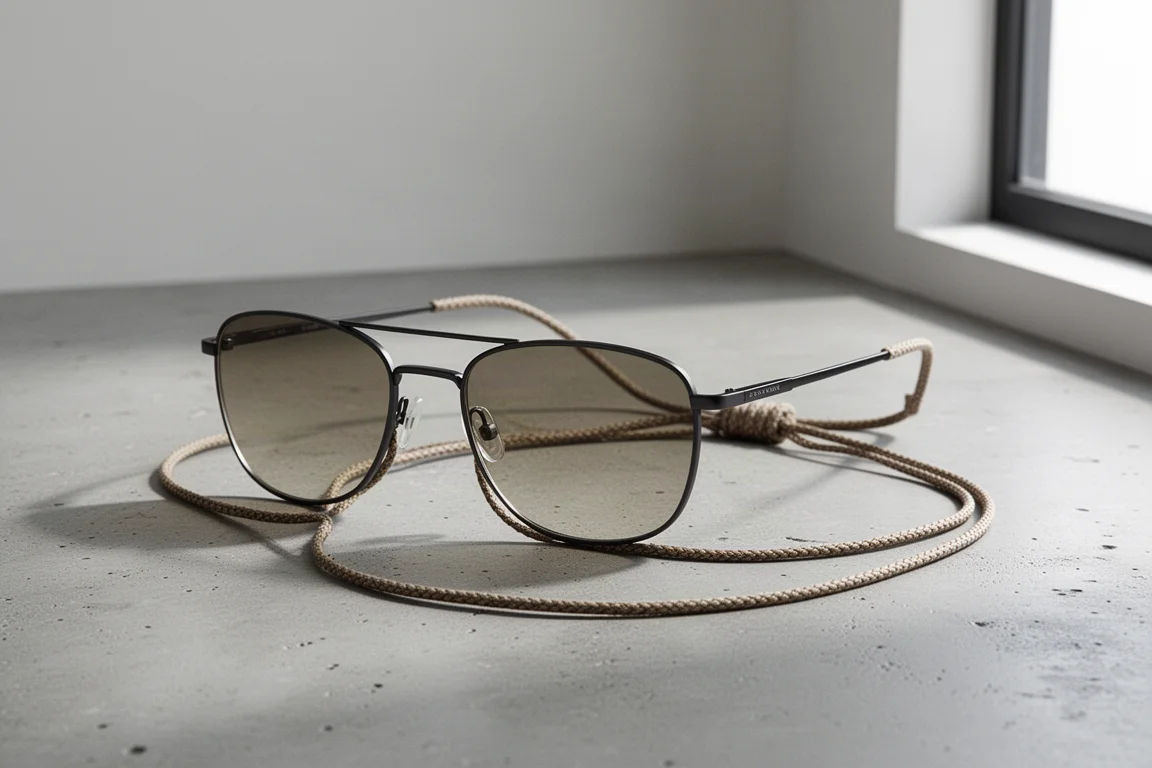
Traditional sunglasses have two failure points on a trail. The arms fold, crack, and dig into the sides of your head under a helmet. The fit also lets the frames slide when you sweat or scramble. Ombraz removes the arms entirely and joins the two lens frames with a cord that runs behind the head. The result stays on the face during activity and sits comfortably under bike and climbing helmets, where conventional arms press against the temples.
The frames are light and compact, and they are available with prescription lenses as well as in non-prescription form. For anyone who hikes, climbs, or rides in prescription eyewear, that combination is the practical argument for the switch.
Power for Short Trips: Anker PowerCore PD 10000
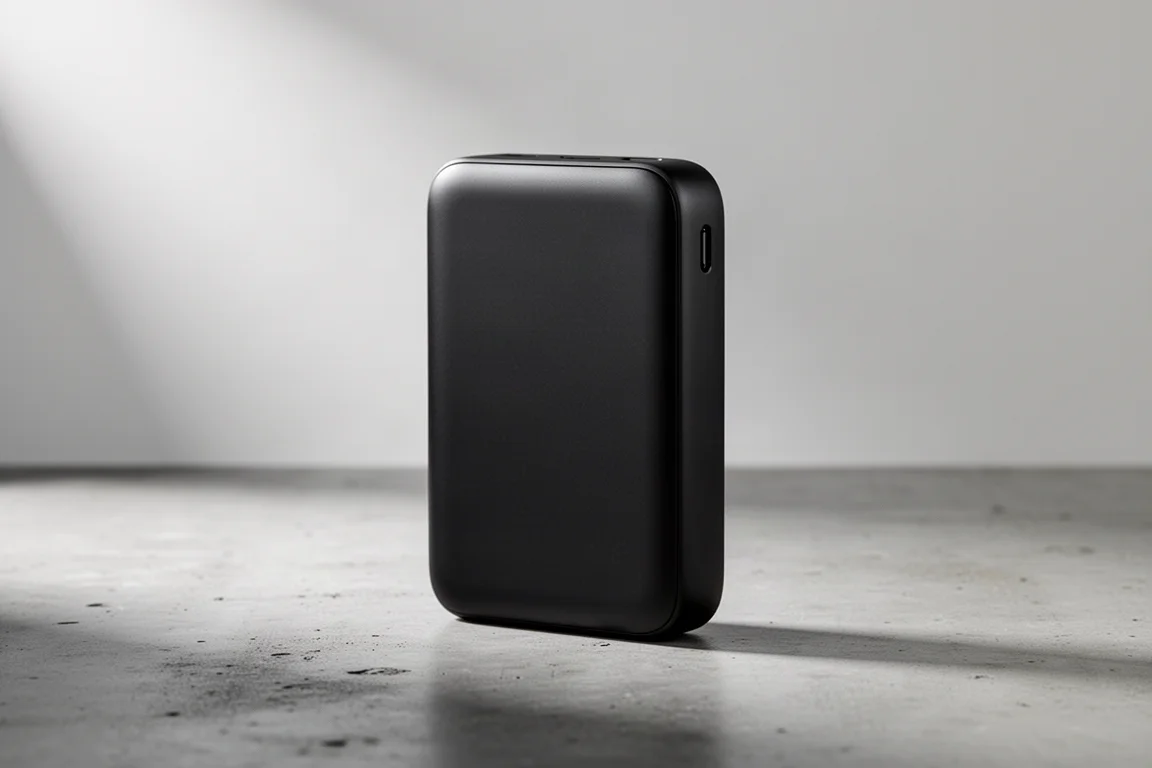
For trips of a few days, the 10,000 mAh PowerCore PD has been the dependable option. It starts charging a phone as soon as it is plugged in, holds its charge overnight inside a sleeping bag, and has been carried over thousands of miles of long-distance hiking and bikepacking without a single failure.
The contrast with the power bank it replaces is the whole story. That unit, also 10,000 mAh, frequently needed several presses of its button before a phone would begin charging, and there were occasions when it did not start charging from a wall outlet at all. A battery that needs coaxing is a battery you stop trusting, which is why the Anker unit is back in the kit for shorter trips.
Power for Long Trips: Anker PowerCore PD 20000
Longer stretches between resupply points call for more capacity, and the 20,000 mAh PowerCore PD covers those trips. It follows the same pattern as the smaller unit: it charges reliably, holds what it stores, and has never left a phone stranded on a multi-day carry. For anyone splitting trips between short weekend outings and week-long routes, keeping one of each size is a sensible arrangement.
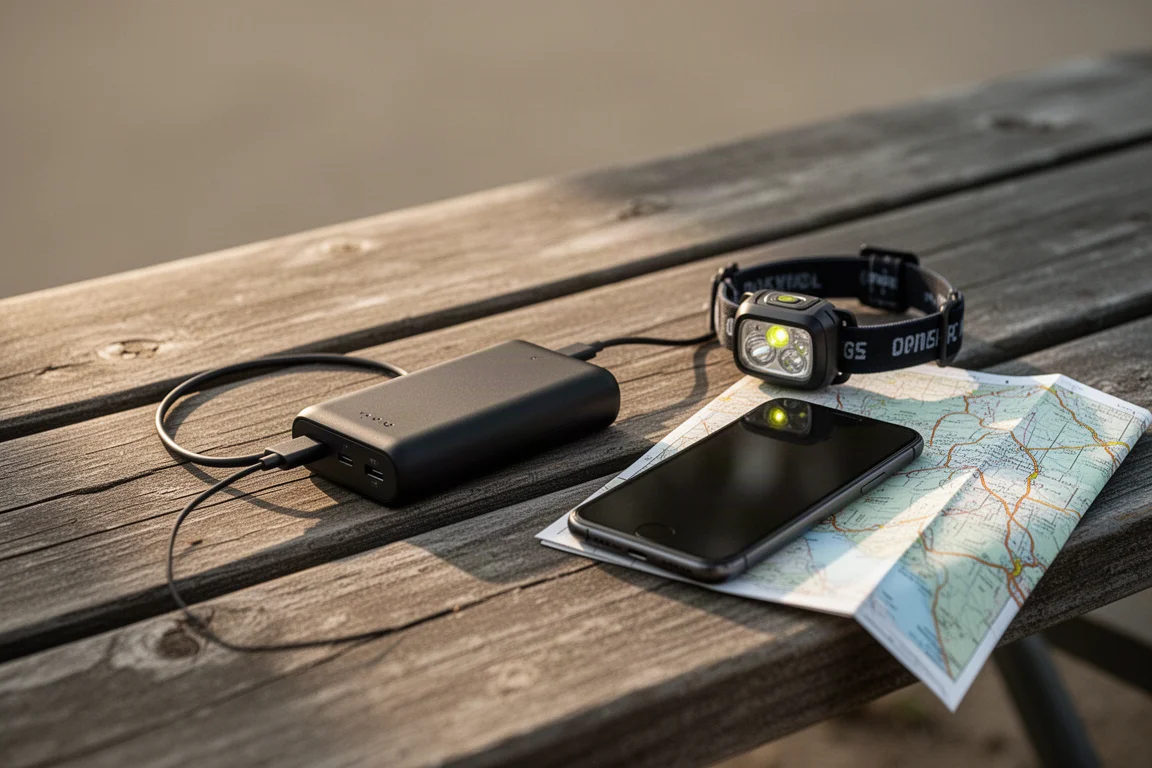
The trade-off is straightforward. Extra capacity means extra weight, so the larger bank only earns its place when the itinerary genuinely runs long enough to need it. For anything shorter, the 10,000 mAh version is the better carry.
Footwear: Topo Pursuit
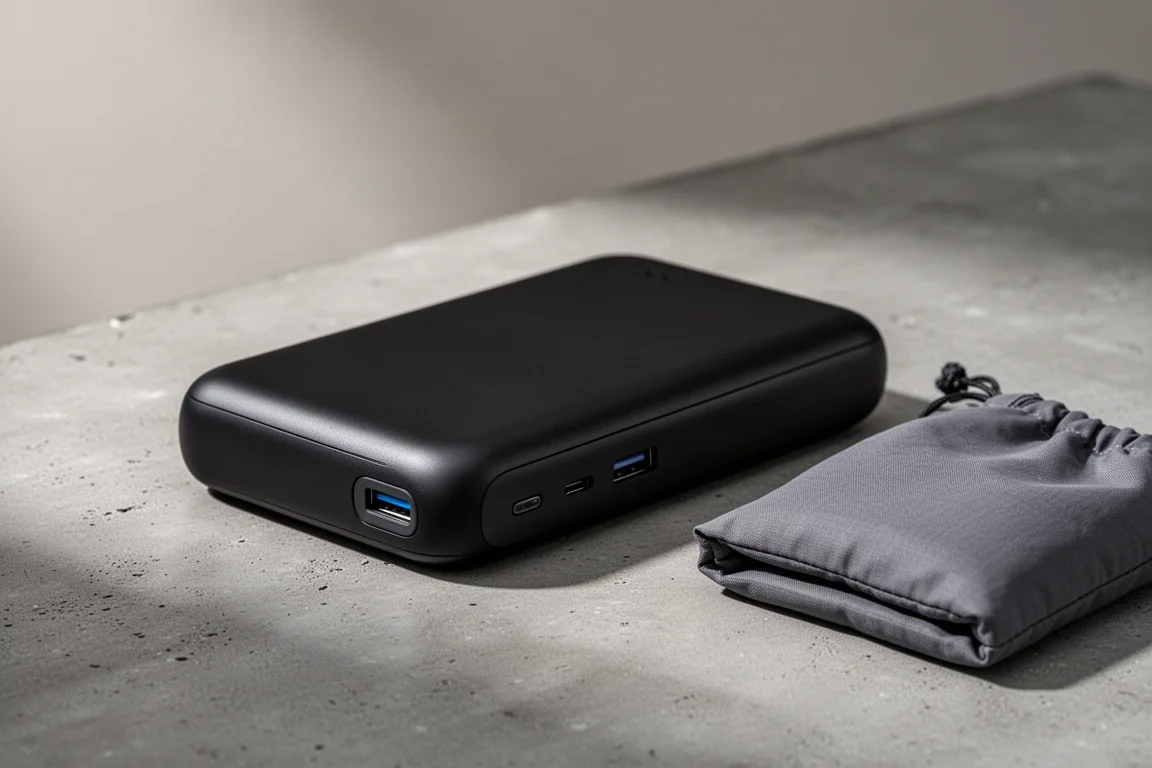
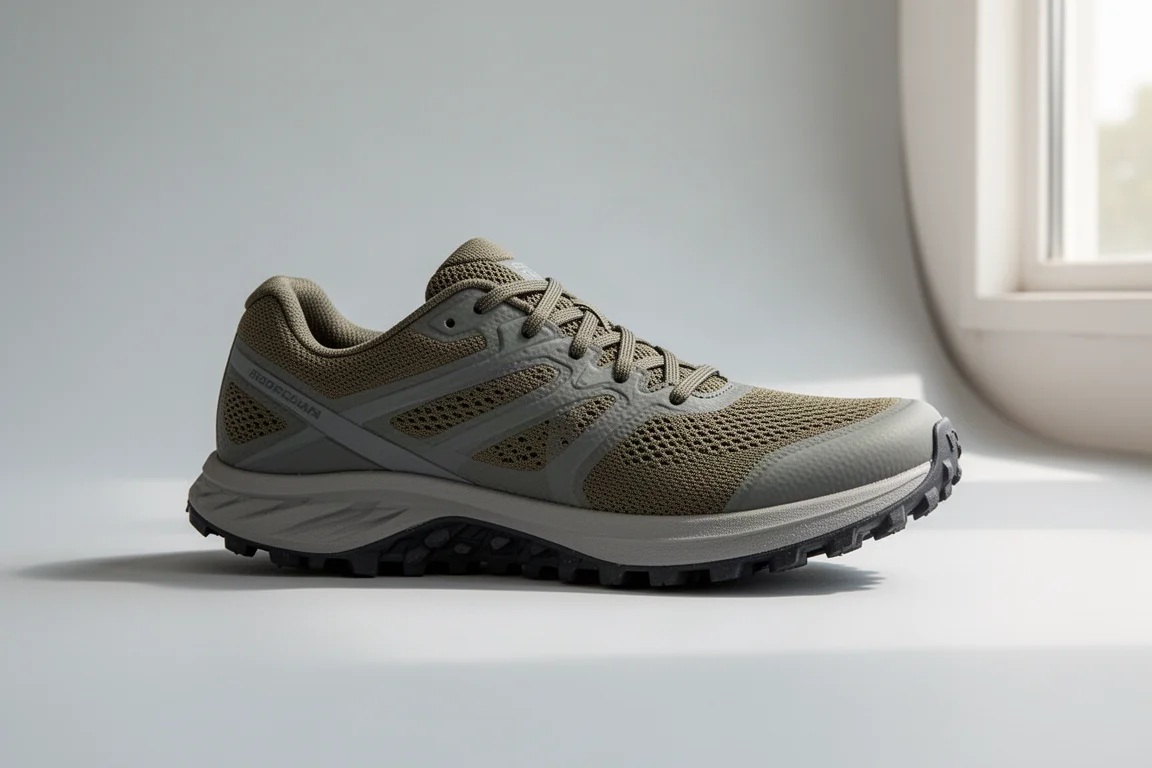
The Pursuit brings together the features that made a rotation of trail shoes work over the years. It has a wide toe box and a zero drop platform, a 28 millimetre stack height for cushioning, and a Vibram outsole for grip and wear resistance. The upper ventilates well and dries quickly after a soaking, and the ride has held up through trail running and a section hike in the Pacific Northwest.
The shoe it replaces is the Altra Lone Peak 6, which has not worn the way earlier versions did. Where older models delivered roughly 600 to 700 miles, the Lone Peak 6 is closer to 300, with the foam and heel breaking down early and the tread thinning well before the upper gives out. For a shoe expected to cover a long trail, that is a meaningful difference.
Overall Buying Advice
Replace gear because it stopped working for you, not because something newer exists. The clearest signal is a repeated annoyance: a layer you take off within twenty minutes of starting a climb, a battery that needs three presses to do its job, a shoe that feels flat long before the trail ends.
When you do buy, weigh the whole picture rather than a single number. Packed volume and breathability often matter more than a gram count, fit decides whether a shoe works at all, and durability determines the real cost per mile. If you are unsure, keep the outgoing item for a season and test the replacement on shorter trips before committing it to a long route.
Conclusion
Six swaps, one shared logic. Each replacement solves a problem the previous item could not: lighter and more breathable layering, sunglasses that stay put, power banks that charge without negotiation, and a trail shoe with the cushioning, grip, and durability to last.
None of the gear being retired here was a mistake, and none of it is bad equipment. It covered thousands of miles and finished long trails. It simply stopped being the best tool for the trips ahead, which is the only test that matters when you are deciding what goes in the pack.
Further reading
Related Reviews

Backpacking Gear
Building a 10 lb Base Weight: An Ultralight Backpacking Gear List
A practical walkthrough of the ultralight pieces behind a 10 lb base weight, from a 765 g pack and a roomy one-person tent to a full camp chair and a dependable water filter.

Backpacking Gear
A 15-Pound Lightweight Backpacking Gear List for Solo Trips
A beginner-friendly 15-pound backpacking setup built from easy-to-find gear, with notes on what each piece does, how it packs, and where to spend your attention.

Backpacking Gear
8 Ultralight Backpacking Gear Upgrades Worth Carrying
Eight small, affordable backpacking upgrades that solve real trail annoyances, from a pillow that stays put to a fuel valve that rescues leftover canister gas.