Backpacking Gear
Backpacking Gear Staples: 13 Pieces Worth Building a Kit Around
A practical look at thirteen backpacking essentials that earn a permanent place in the pack, from a minimal cook kit to a sub-two-pound framed backpack.
Introduction
There is a difference between gear that looks good on a spreadsheet and gear that actually ends up in the pack trip after trip. The pieces below have earned that status. They are comfortable, they are reliable, and they solve real problems in the backcountry. Some are small and inexpensive, others are serious investments, and together they cover cooking, shelter, sleep, layering, water treatment, communication and carrying the load.
How to Choose Staple Gear
A few questions separate a staple from a passing experiment. Does it work across the conditions you actually camp in, from desert heat to snow? Does it save weight without asking you to give up comfort? Is it simple enough that you never have to think about it? And does it still feel good to use on the fifth day of a trip?
Many of these picks come from small cottage brands that build gear in limited runs. Retailers that specialise in that side of the market, such as Garage Grown Gear, are worth knowing about because they stock a wide spread of those companies and ship without the long lead times that often come with ordering direct.
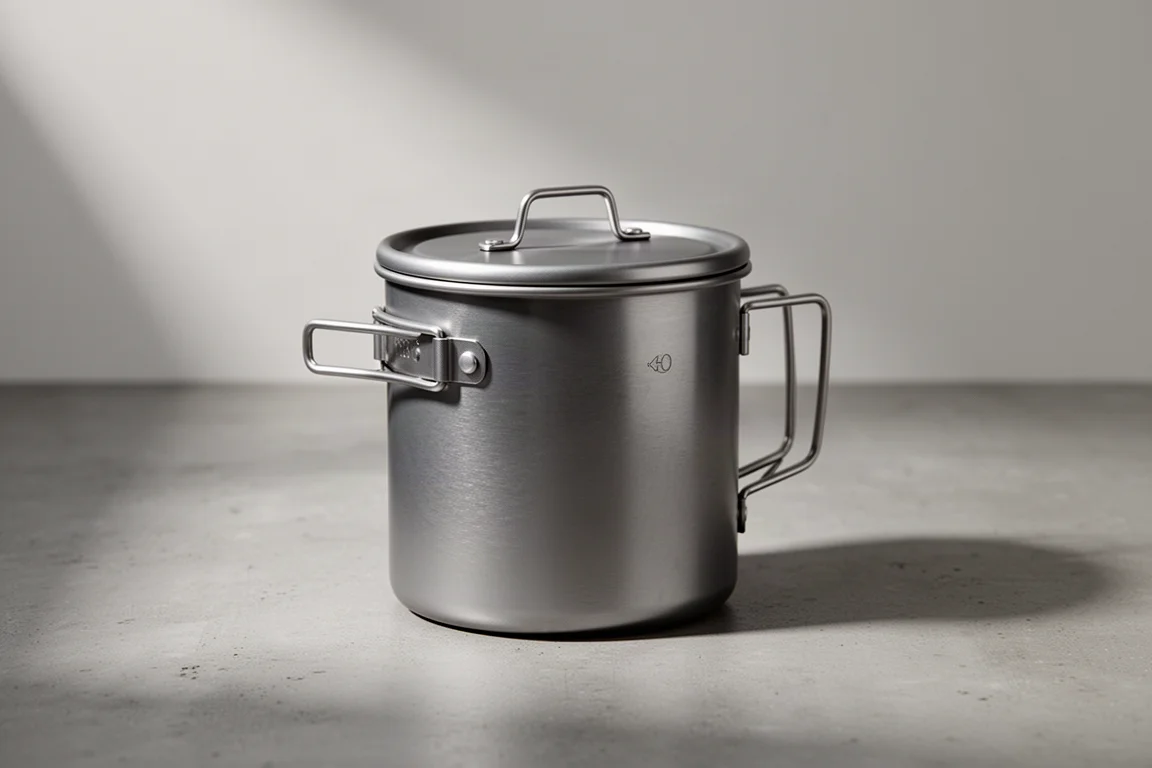
Toaks 550: A Minimal Cook Pot
The Toaks 550 is the pot half of the cook kit that gets used most often. It is minimal, simple and very light, and it holds enough for a freeze-dried meal. The one trade-off is storage: a canister fuel canister will not fit inside it, so the fuel has to be carried separately. If nesting the canister inside the pot matters to you, the larger 700 ml Toaks pot is the more compelling option.
Soto Amicus: A Small Canister Stove
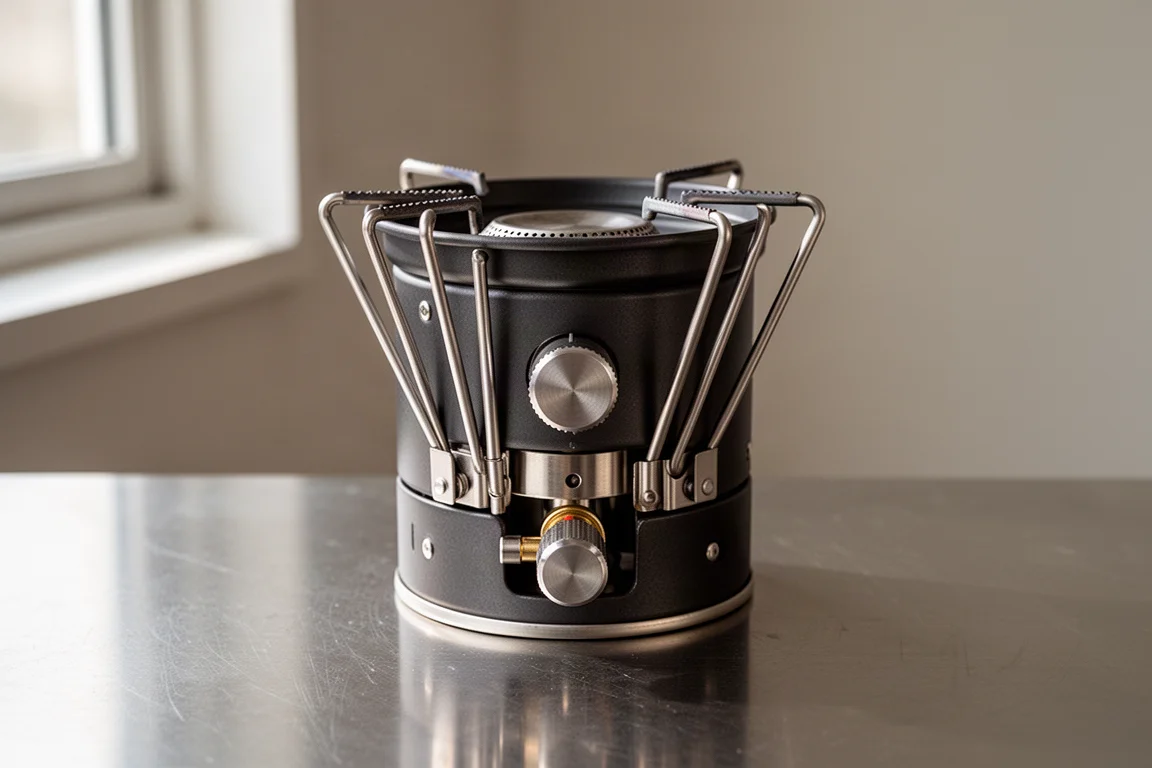
The Soto Amicus is a canister stove that pairs with the Toaks 550 to make one of the most minimal, simple and lightweight cooking setups you can put in a pack. It is not complicated and it does not try to be, which is exactly why it stays in the rotation.
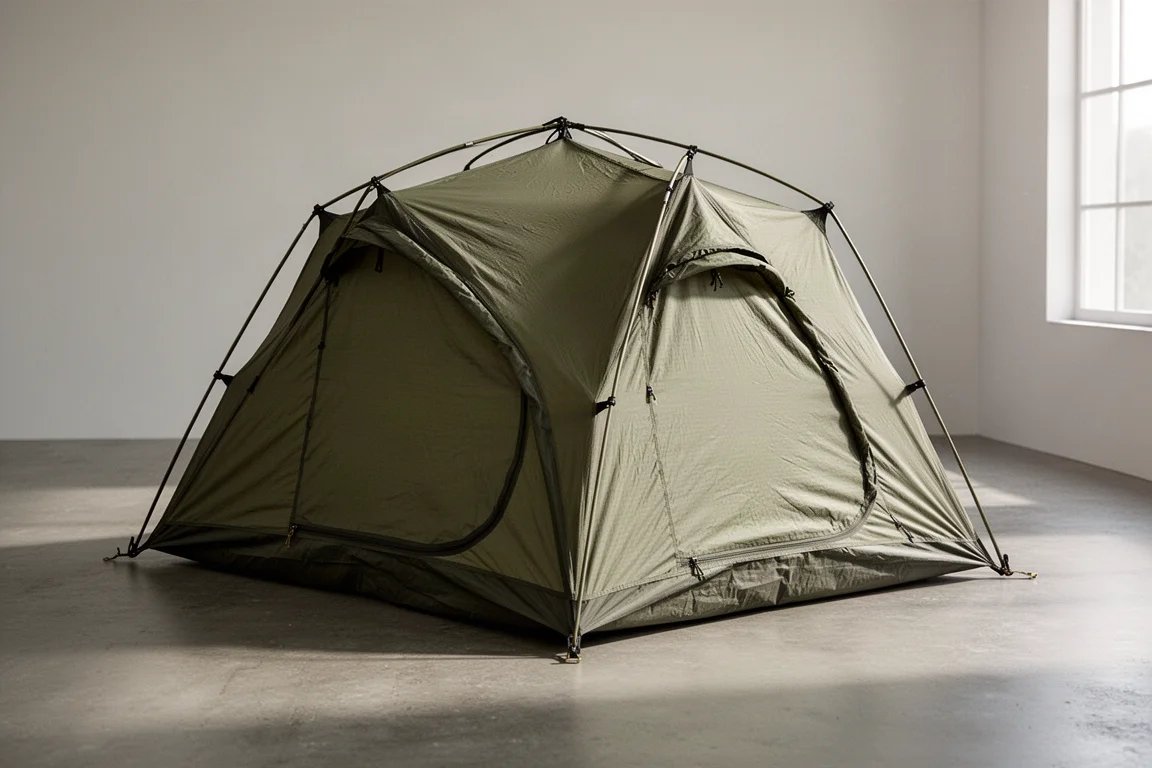
Tarptent Rainbow: Single-Wall Simplicity
The Rainbow is a single-wall, semi-freestanding shelter, and it has been used in everything from desert heat to snow to the high alpine areas of Utah. That range is the point. It has proven reliable across conditions and pitching locations that would expose a fussy design. It also provides plenty of livable space while helping keep overall pack weight down.
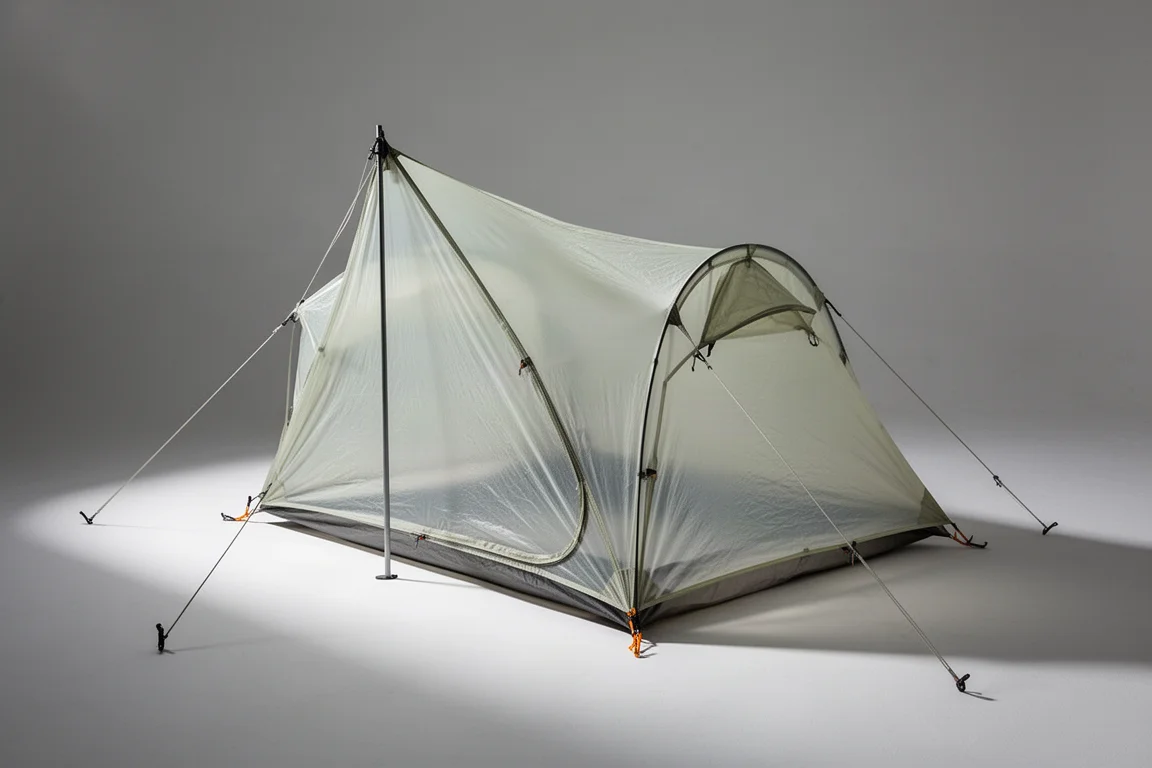
Tarptent Double Rainbow Lithium: The Same Approach in a Second Option
The Double Rainbow Lithium comes from the same line and shares the single-wall, semi-freestanding construction and the generous interior space that make the Rainbow so easy to live with. If you are weighing the two against each other, both share the same core strengths: a single-wall build, a semi-freestanding design and a real weight saving compared with heavier shelters.
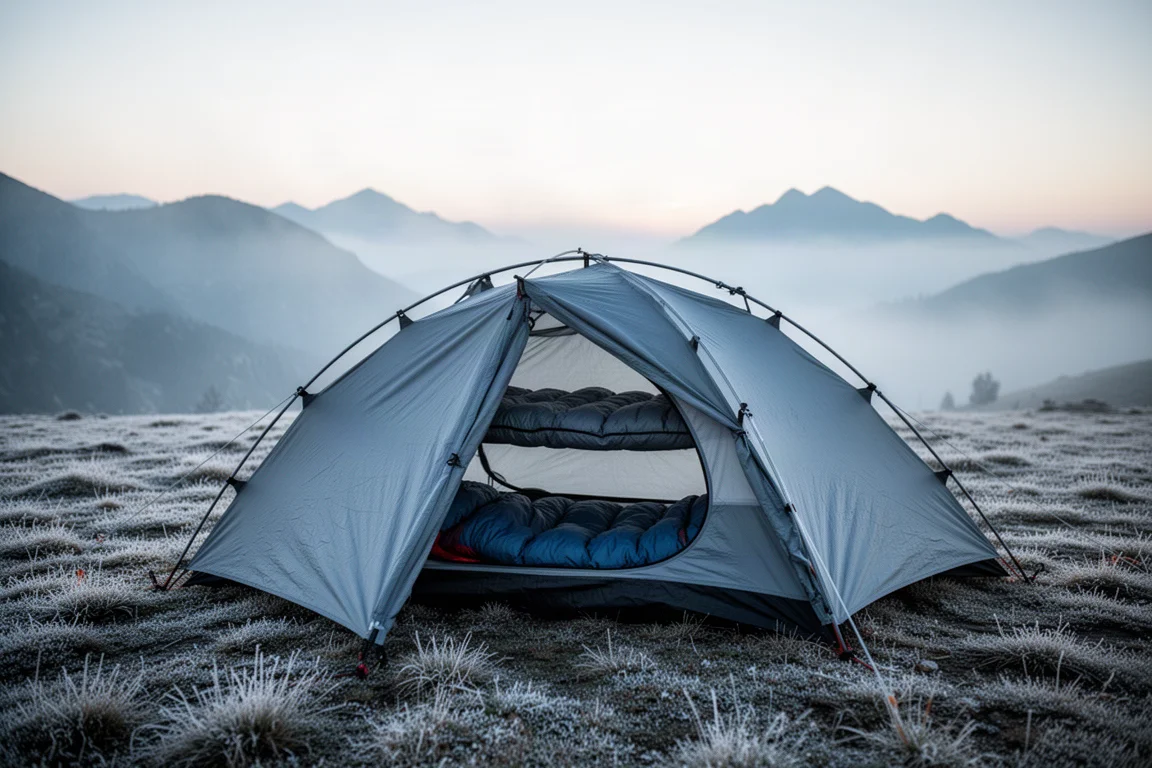
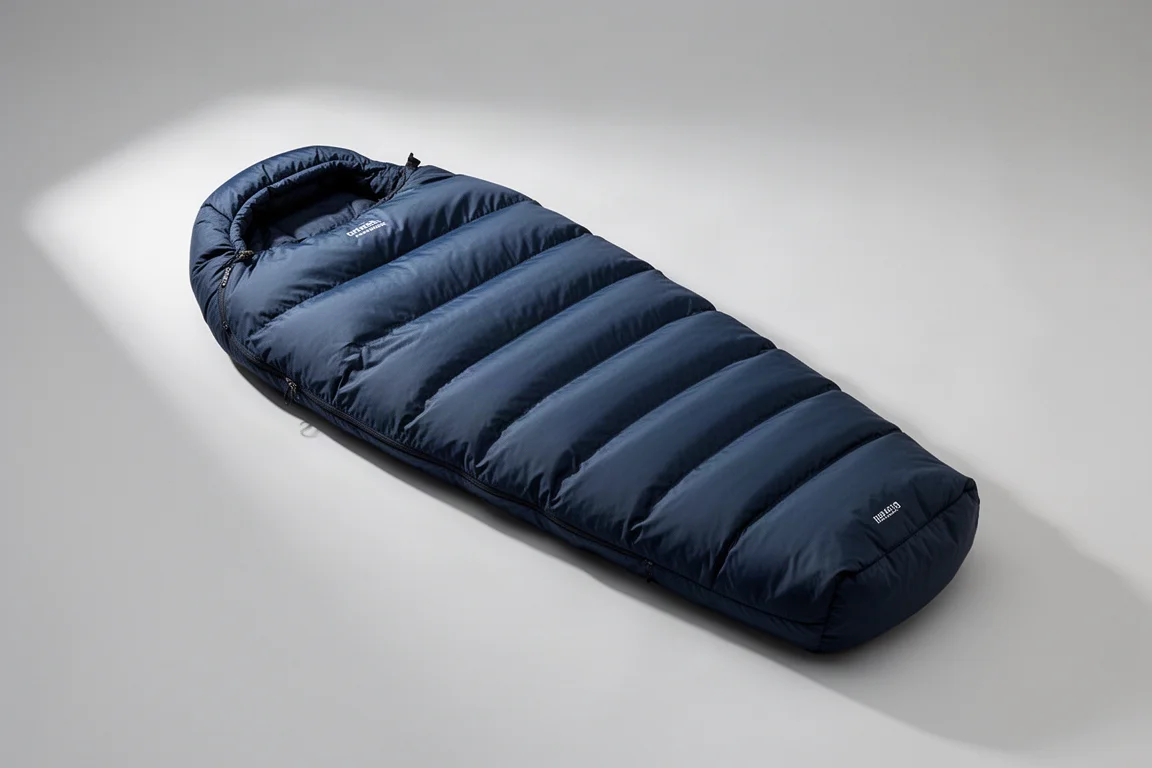
Western Mountaineering Ultralite: A 20-Degree Down Bag
The Ultralite is a 20-degree rated bag, and it is one of the best-built pieces of sleep gear you can own. The design is traditional, the weight is very low, and the performance is hard to argue with. It is not the right bag for the hottest deep-summer trips, when a 20-degree rating is simply more insulation than you need, but for the rest of the season it is exceptionally capable.
It is worth being honest about one thing. No single sleeping bag covers every trip, and a bag this warm is at its best in cooler conditions. A lighter summer bag still has a place in the closet. Judged on construction and performance rather than on being universal, the Ultralite is outstanding.
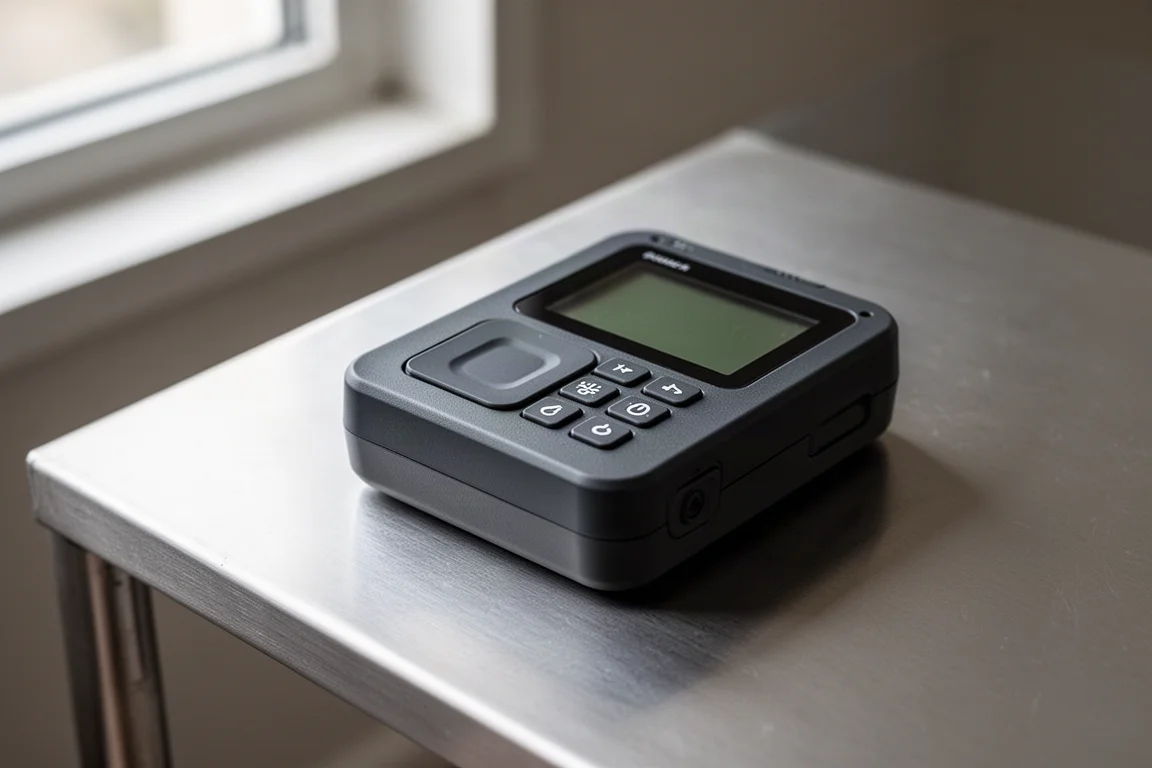
ZOLEO Satellite Communicator: Staying in Touch Off-Grid
The ZOLEO has changed the way remote trips feel. It allows two-way communication with family and friends from places with no cell signal, including check-in messages that carry your location so the people at home know you are safe. It can also send an SOS in a genuine emergency, and it can pull weather reports for the area you are travelling in, which makes it easier to plan the days ahead.
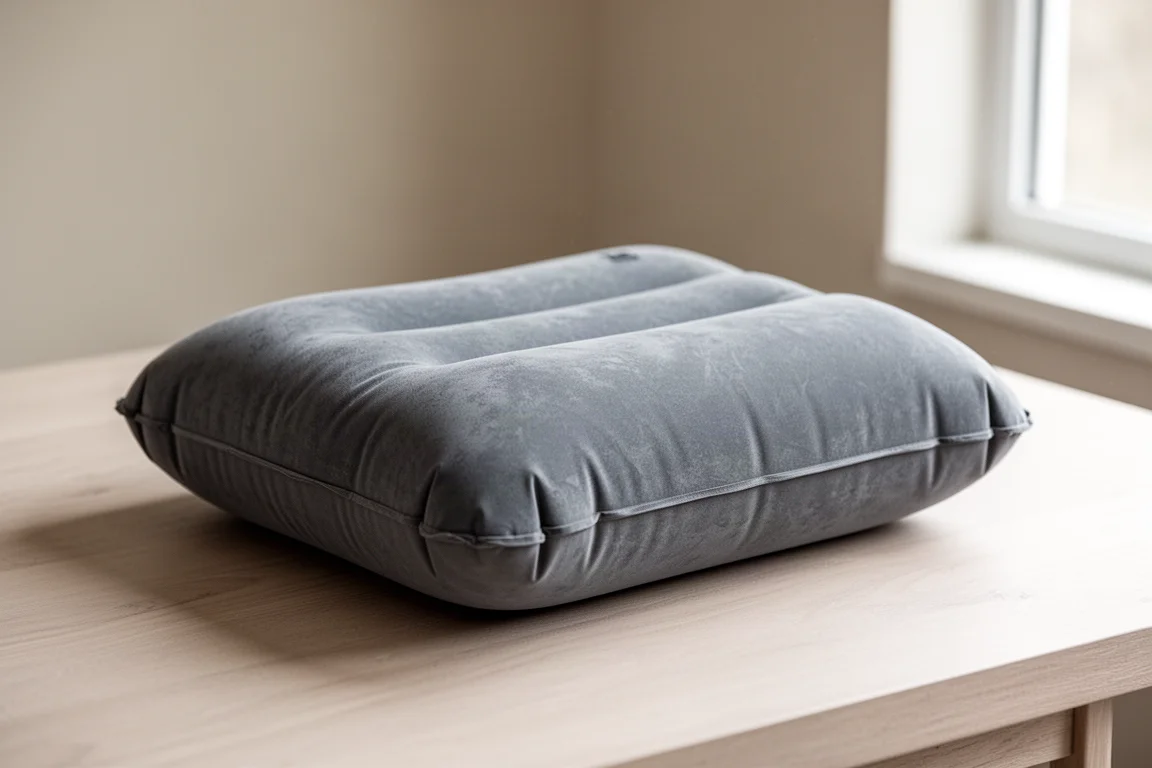
Sea to Summit Aeros Premium Pillow: Better Sleep in Camp
A pillow is one of those items that seems optional until you try one. The Sea to Summit Aeros Premium has an ergonomic shape, and it does not feel like you are sleeping on a balloon, which is the usual complaint about inflatable pillows. It is a small addition to the pack that makes a noticeable difference to how well you sleep and how you feel the next day.
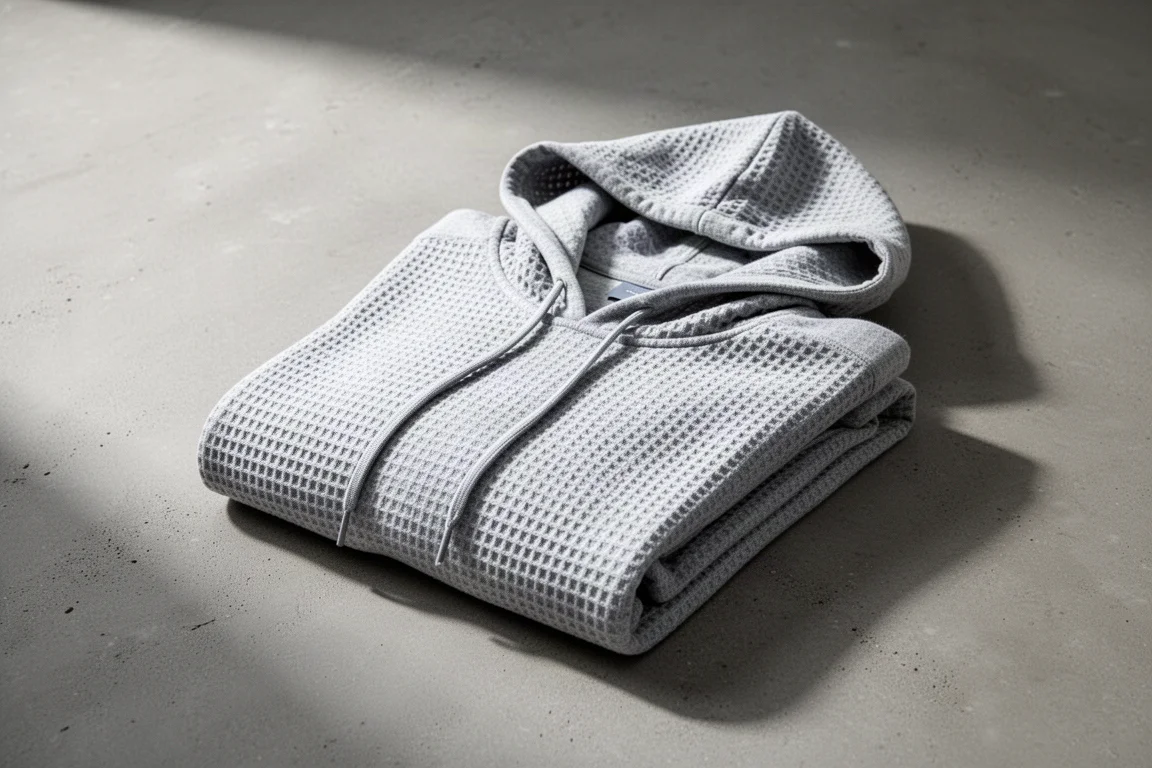
FarPointe Alpha Hoodie: Lightweight Active Insulation
The Alpha Hoodie is a grid fleece style hoodie that weighs very little and adds just enough warmth for chilly summer evenings. It has enough loft to take the edge off temperatures where a fully insulated layer would be too hot. There are no zippers and no snaps, nothing to fiddle with, and the open structure that makes it look almost see-through is exactly what lets it breathe so well as an active layer. The trade-off is that it runs hot when you are working hard. It comes from a small cottage brand and is available through Garage Grown Gear.
Outdoor Vitals Ventus Hoodie: A Favourite Mid Layer
The Ventus is a hooded mid layer and one of the most enjoyable layers to wear on the trail. It carries a lighter amount of insulation than the Vario, which makes it the better choice when you are moving and generating heat, and it has more cut-out through the armpit area to help it vent. For cool mornings and steady climbing, it is hard to beat.
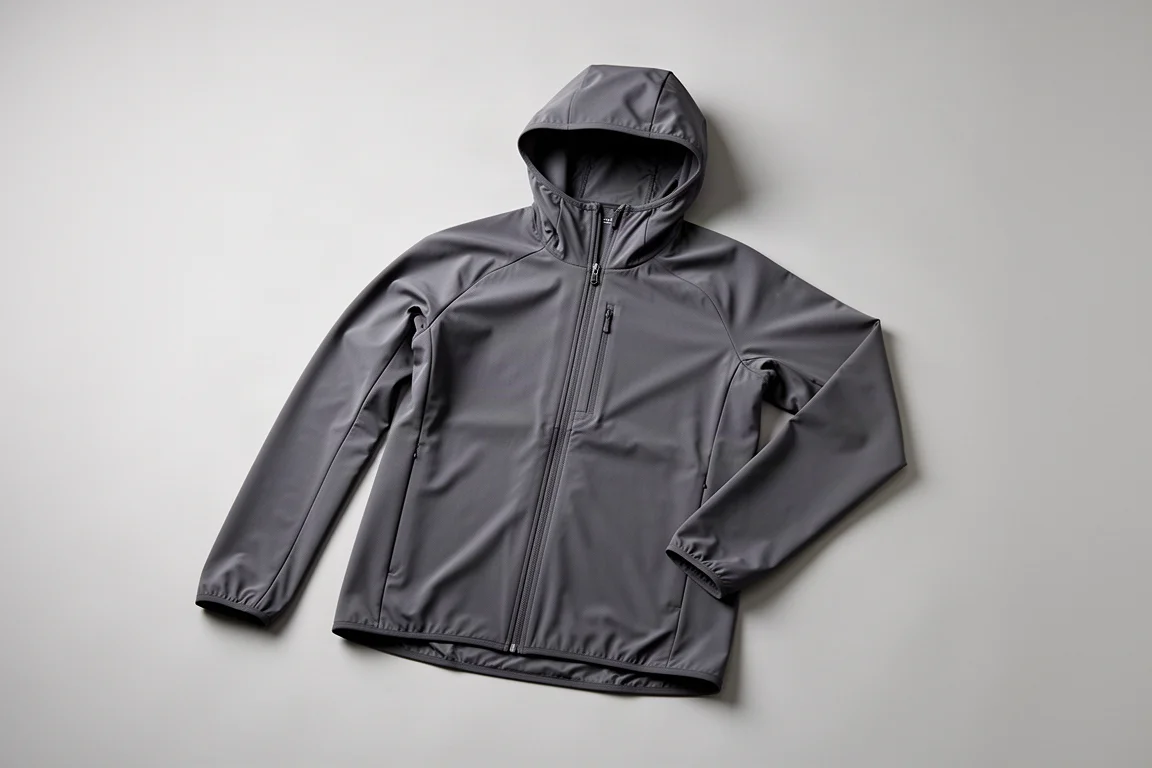
Outdoor Vitals Vario Full Zip Synthetic Jacket: Warmer and Easier to Layer
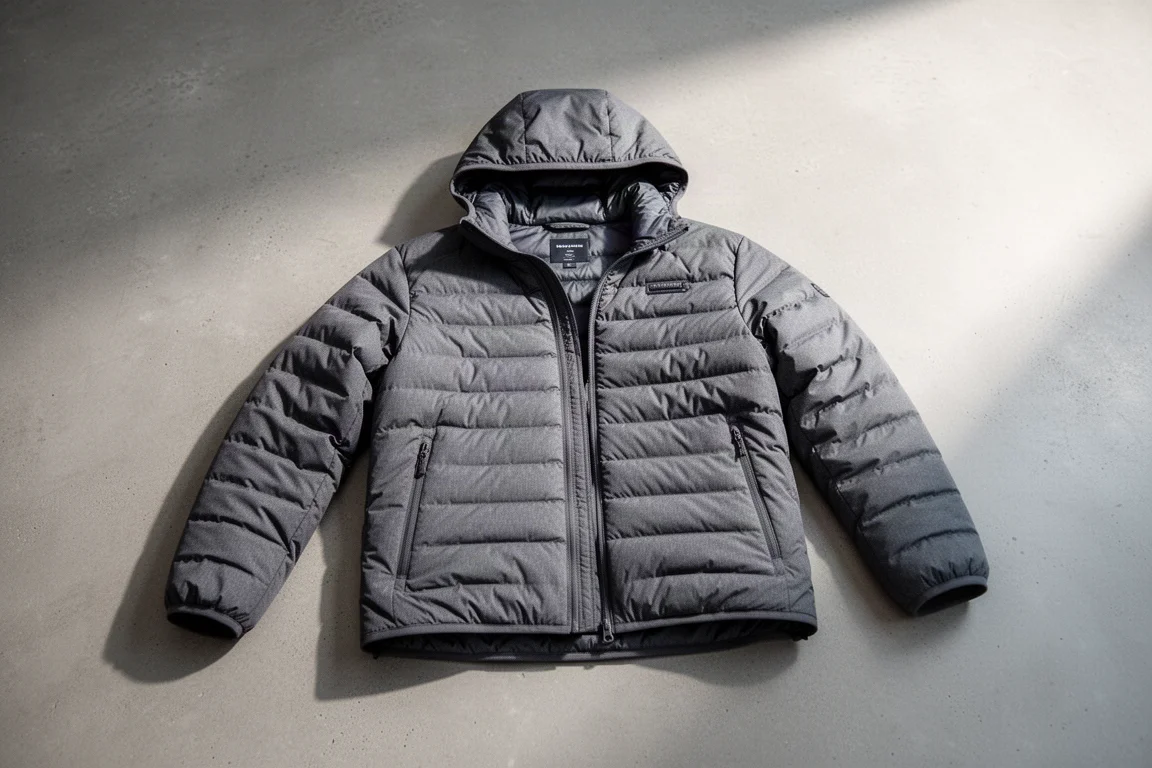
The Vario is the warmer sibling. It uses a heavier amount of synthetic insulation, so it is a warmer jacket overall and less of an active layer than the Ventus. The full-length zip makes it easy to dump heat quickly, and the hand pockets are a welcome detail. It also has less cut-out through the armpit section, which is part of why it feels warmer and more enclosed.
Sawyer Squeeze: Reliable Water Filtration
After trying plenty of water treatment systems, the Sawyer Squeeze is the one that keeps coming back into the pack. Paired with a wide-mouth reservoir, it is simple, light and reliable, and it does not demand much attention on the trail. That combination of simplicity and dependability is why it stays.
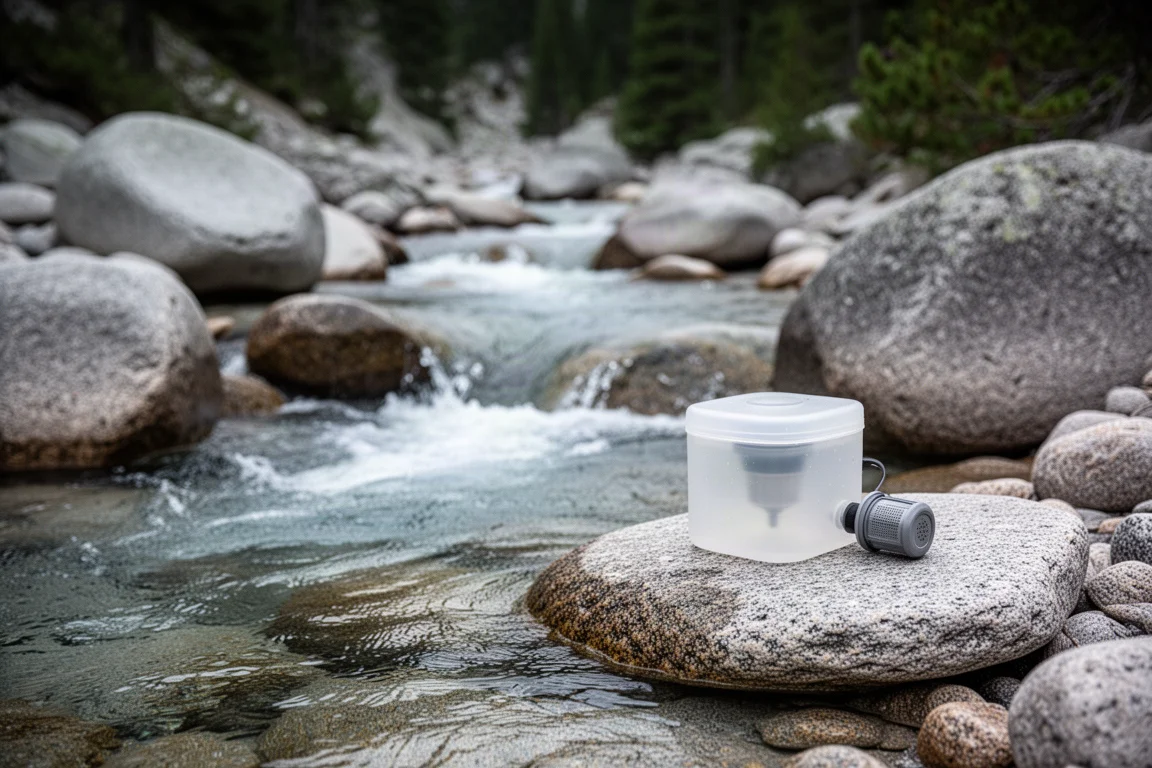
Water treatment is one area where reliability matters more than features. A filter that is quick to use and easy to trust is one you will actually keep using, and this pairing has proven itself on trip after trip.
CNOC Vecto Water Bag: Fast Filling
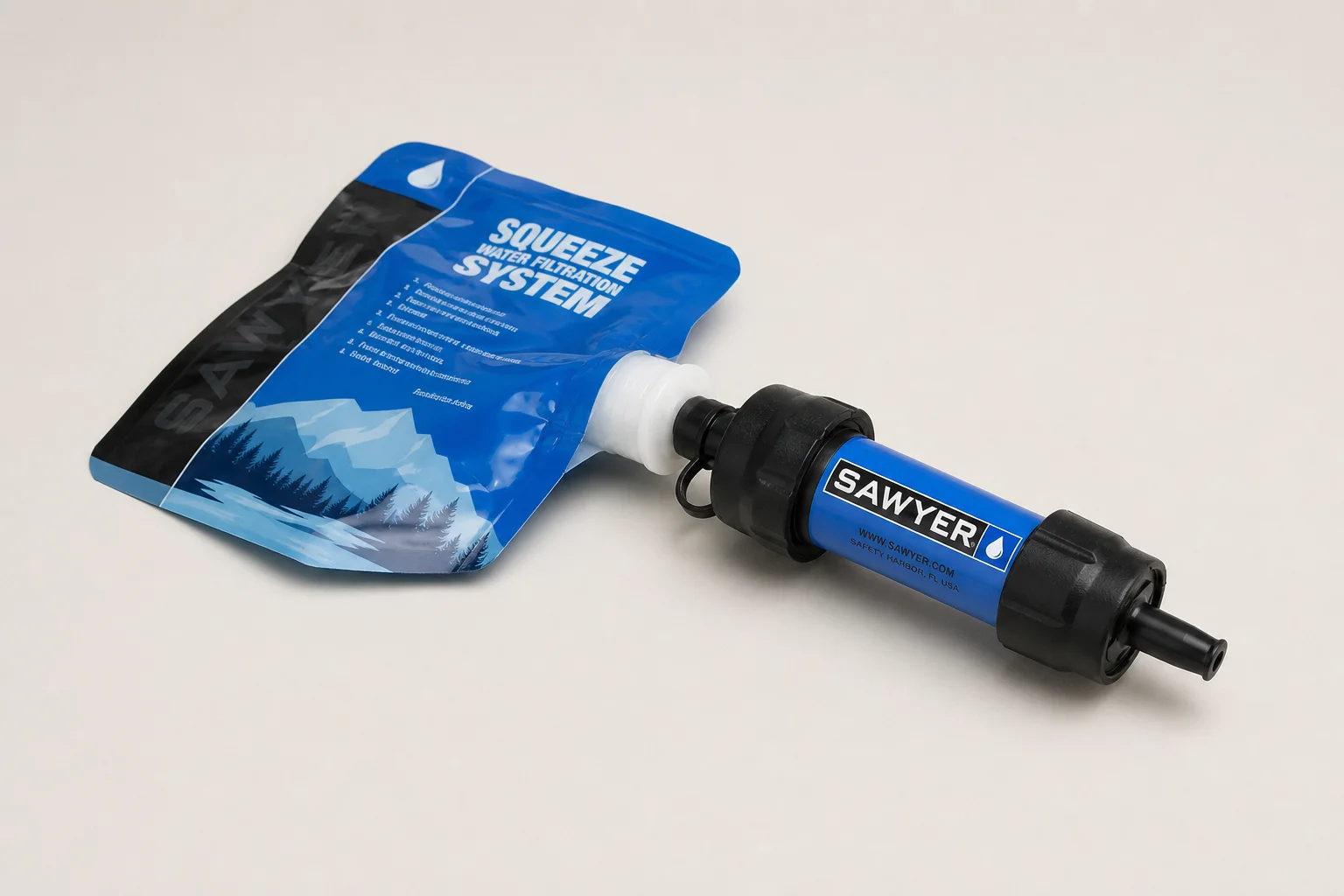
The Vecto is a two-litre water bag, and the way it fills is what makes it stand out. It fills very quickly, which turns a stop at a stream into a short pause rather than a chore, and it works neatly with a squeeze filter. Together with the Sawyer Squeeze it forms a pairing that is genuinely hard to beat.

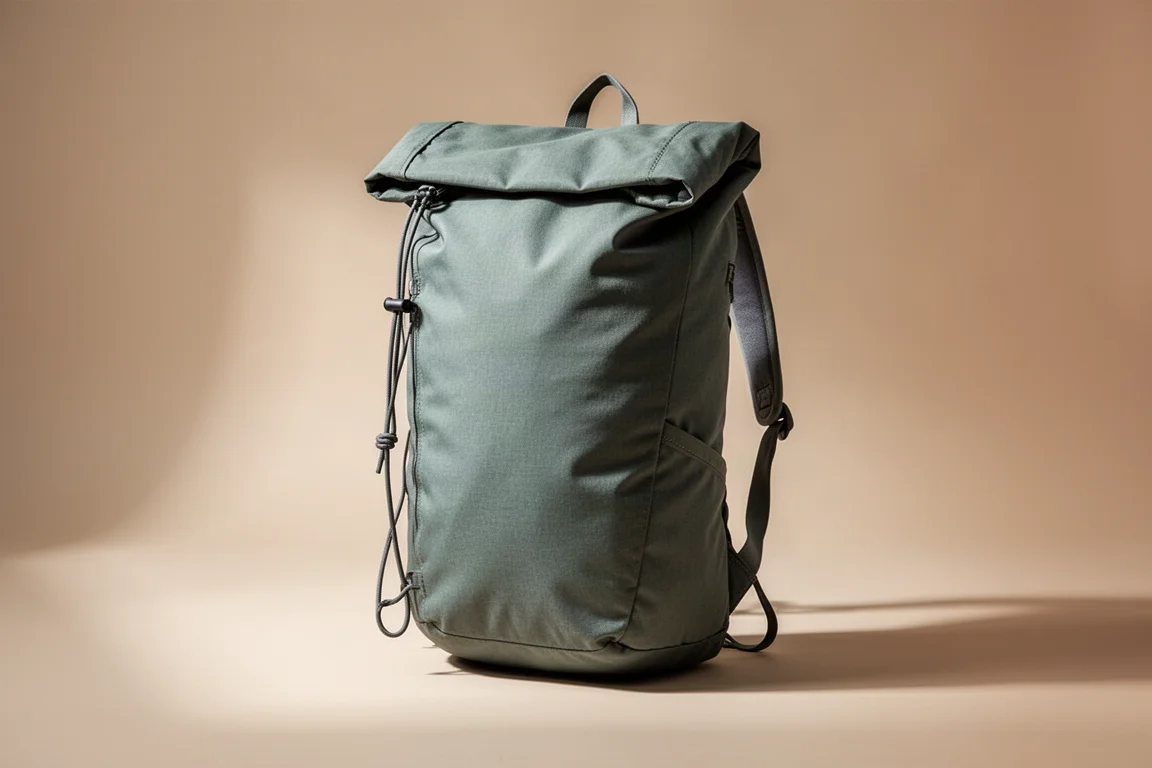
Waymark Gear Co THRU 40L: A Lightweight Framed Pack
Moving from a five or six pound pack to a lightweight minimal design is one of the biggest changes you can make to a backpacking setup, and the THRU 40 litre framed backpack is a good example of why. It weighs two pounds or less, yet it still carries 30 to 35 pounds of gear comfortably. The design is simple and minimal, and the carry stays comfortable over long days.
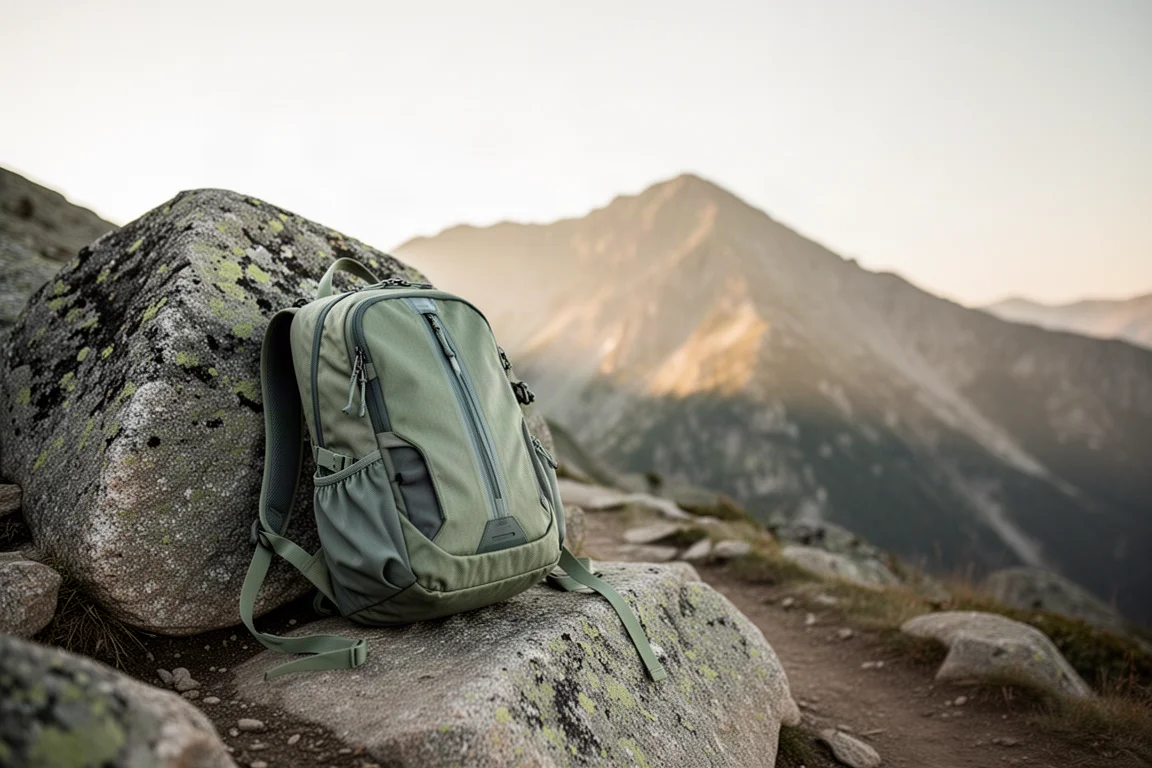
The broader point matters more than any single model. Once you know that a pack in the two pound or less range can carry a real load, the heavier options stop making sense. There are plenty of good lightweight packs on the market, and retailers that stock cottage brands list a wide range of them.
Conclusion
Thirteen pieces of gear, one shared trait: these are the items that get packed most often because they can be relied on. Start with whatever solves your biggest comfort problem, whether that is sleep, water treatment or carrying the load, and build from there. A staple kit is not about owning everything at once. It is about finding the handful of items you stop thinking about.
Further reading
Related Reviews

Backpacking Gear
Building a 10 lb Base Weight: An Ultralight Backpacking Gear List
A practical walkthrough of the ultralight pieces behind a 10 lb base weight, from a 765 g pack and a roomy one-person tent to a full camp chair and a dependable water filter.
Backpacking Gear
A 15-Pound Lightweight Backpacking Gear List for Solo Trips
A beginner-friendly 15-pound backpacking setup built from easy-to-find gear, with notes on what each piece does, how it packs, and where to spend your attention.
Backpacking Gear
8 Ultralight Backpacking Gear Upgrades Worth Carrying
Eight small, affordable backpacking upgrades that solve real trail annoyances, from a pillow that stays put to a fuel valve that rescues leftover canister gas.