Backpacking Gear
Backpacking Gear Staples Under $50: Ten Items Worth Carrying on Every Trip
A practical roundup of ten affordable backpacking staples, covering water collection, filtration, camp hygiene, cook kits, hydration and trail nutrition.
Introduction
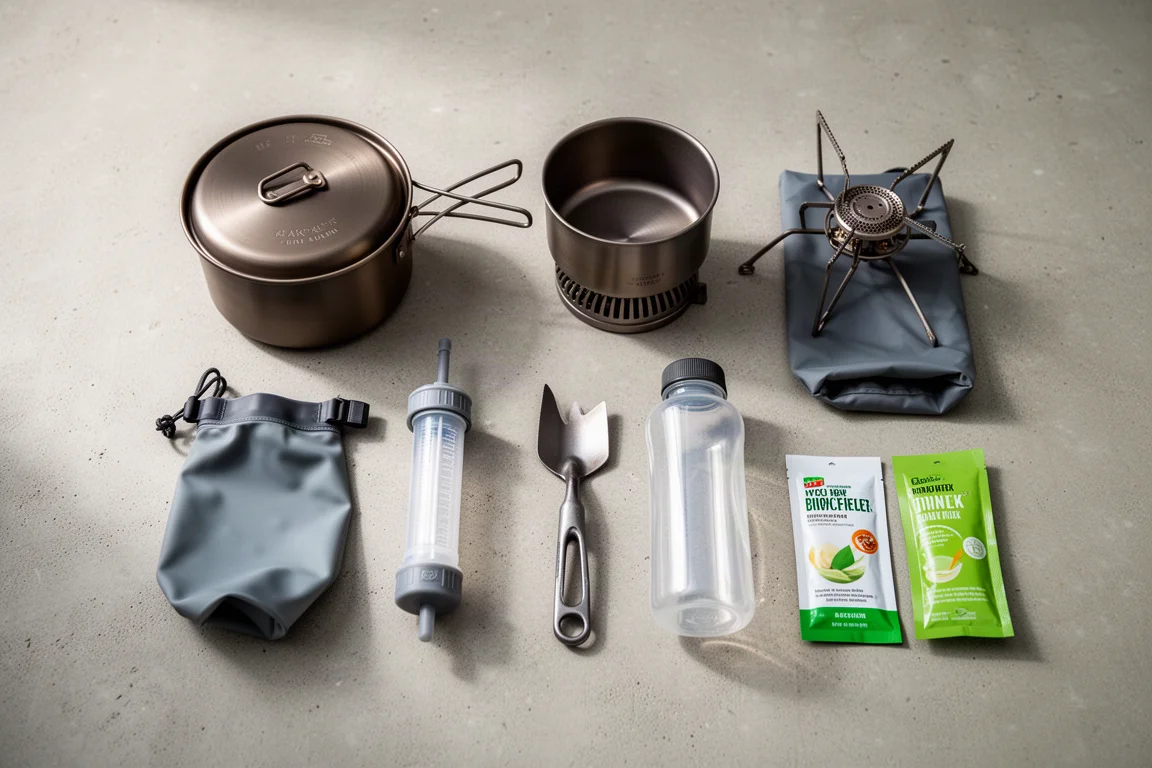
Some gear earns a permanent place in a pack. Not because it is expensive or clever, but because it works every time and never needs a second thought. The ten items below are the kind of staples that get packed on every trip without debate, and every one of them sits under $50.
Many of these pieces are stocked by Garage Grown Gear, a retailer that gathers cottage and ultralight gear in one place. That matters for the harder-to-source items, which are otherwise spread across a dozen small makers.
What These Gear Staples Have in Common
A few qualities separate gear that stays in rotation from gear that gets replaced every season. Durability comes first. A water bag or a cook pot that survives rough terrain for years costs less over time than three cheap replacements, and it is the reason several of these items have been in service for six or seven seasons.
Simplicity comes next, because a design with fewer parts is easier to use with cold hands or in fading light. Weight and packability matter on longer days, though never at the cost of reliability. Value matters last, and every item here keeps the price low without obvious shortcuts.
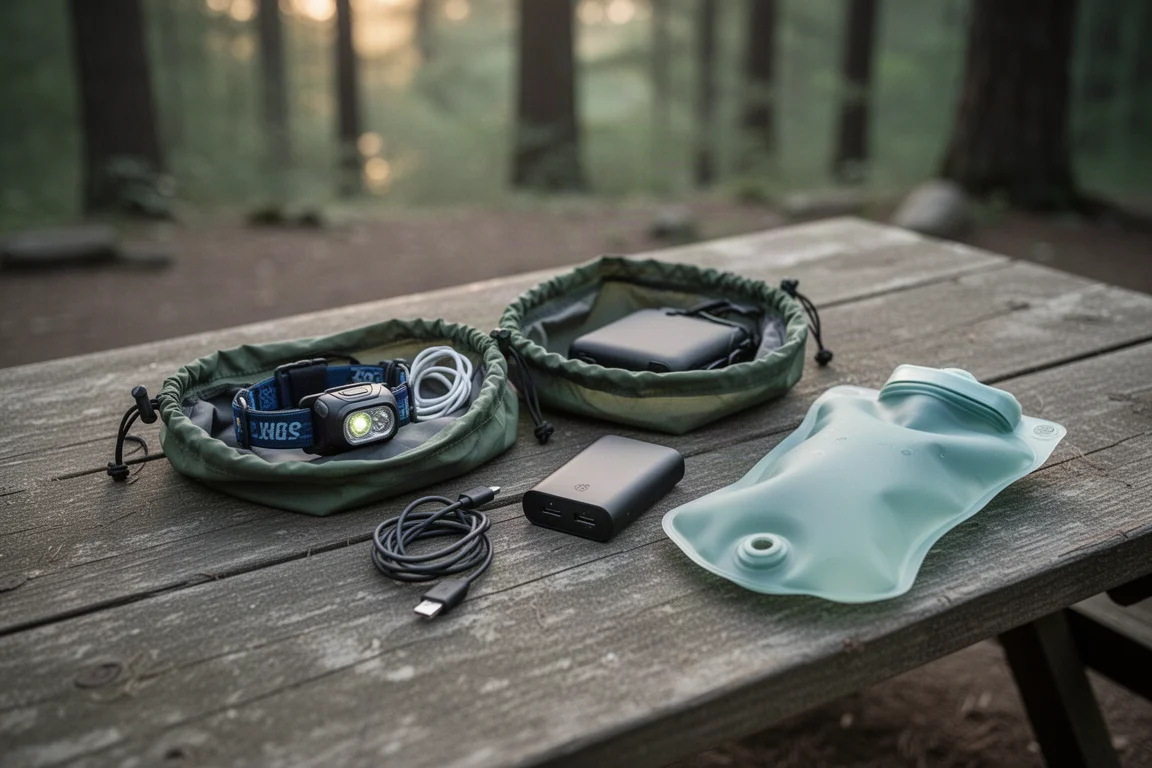
Each of the ten picks also has one clear job on a backpacking trip. None of them needs special technique or extra accessories to work well, which is exactly what makes them easy to trust.
CNOC Vecto X: Water Collection That Handles Rough Ground
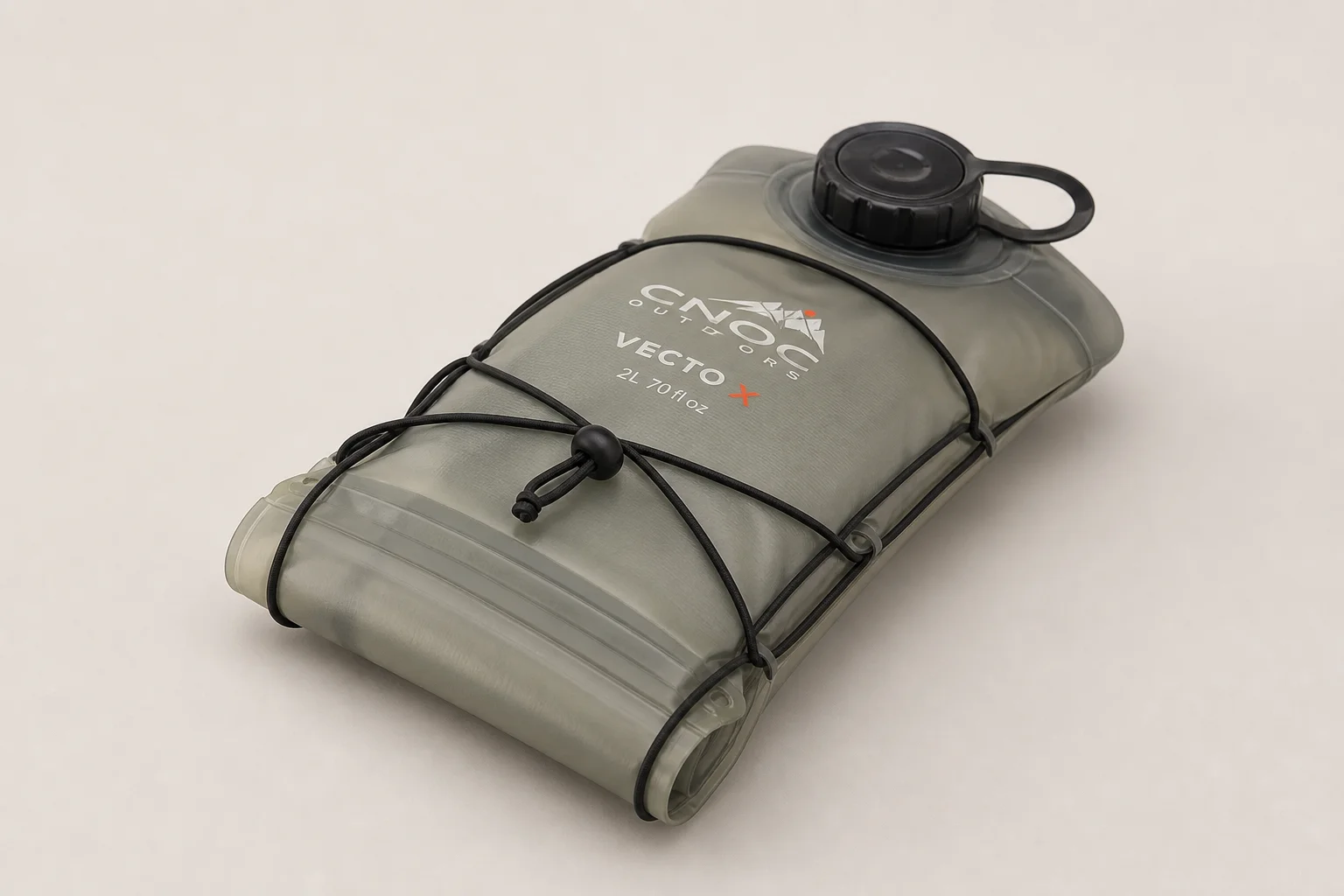
The CNOC Vecto X is a water collection and storage bag built to make filling up easy in awkward places. The wide opening scoops water from a large lake, a narrow stream or a thin trickle without needing a second container or a funnel.
The X version uses a thicker material than the standard Vecto, and that difference shows up in desert terrain and areas scattered with sharp rocks, where thinner bags can develop pinhole leaks. The trade-off is a small weight penalty with no real difference in packed bulk, and the heavier build holds up considerably better over time.
Sawyer Squeeze: The Filter to Trust When the Water Looks Questionable
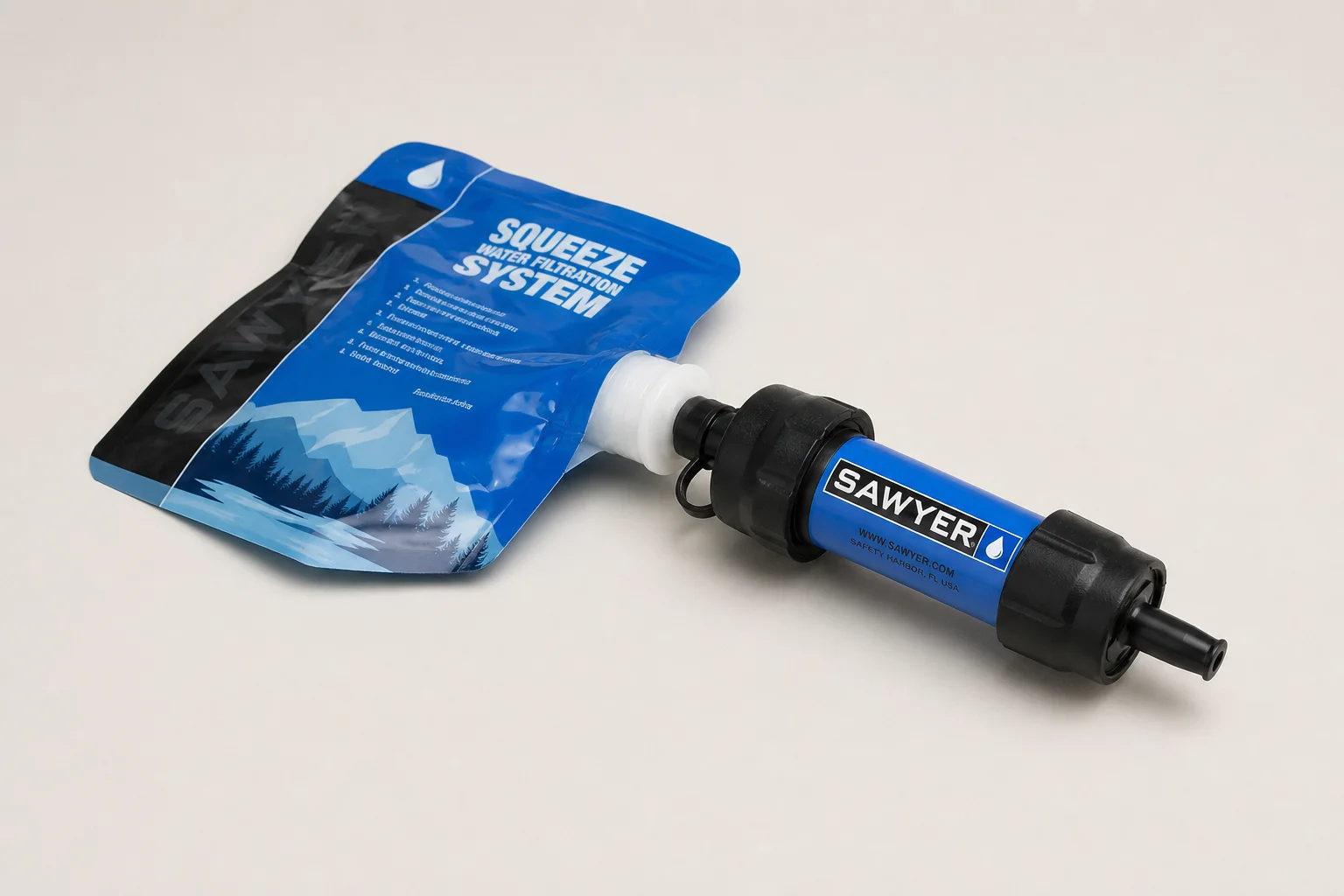
The Sawyer Squeeze is a hollow fiber water filter, and it remains one of the most reliable options on the market. With proper care it keeps its flow rate and avoids the gradual clogging that turns a filter into dead weight in the pack.
The detail that sets it apart is the 0.1 micron absolute rating. Every pore in the hollow fiber membrane meets that figure, which matters on trips where the only available water is a stagnant pothole or a shallow pool with debris sitting in it. That is the reason this filter stays in the kit when conditions get unpleasant.
Backcountry Exposure Box-Style Zipper Food Bag: Easy Access at Camp
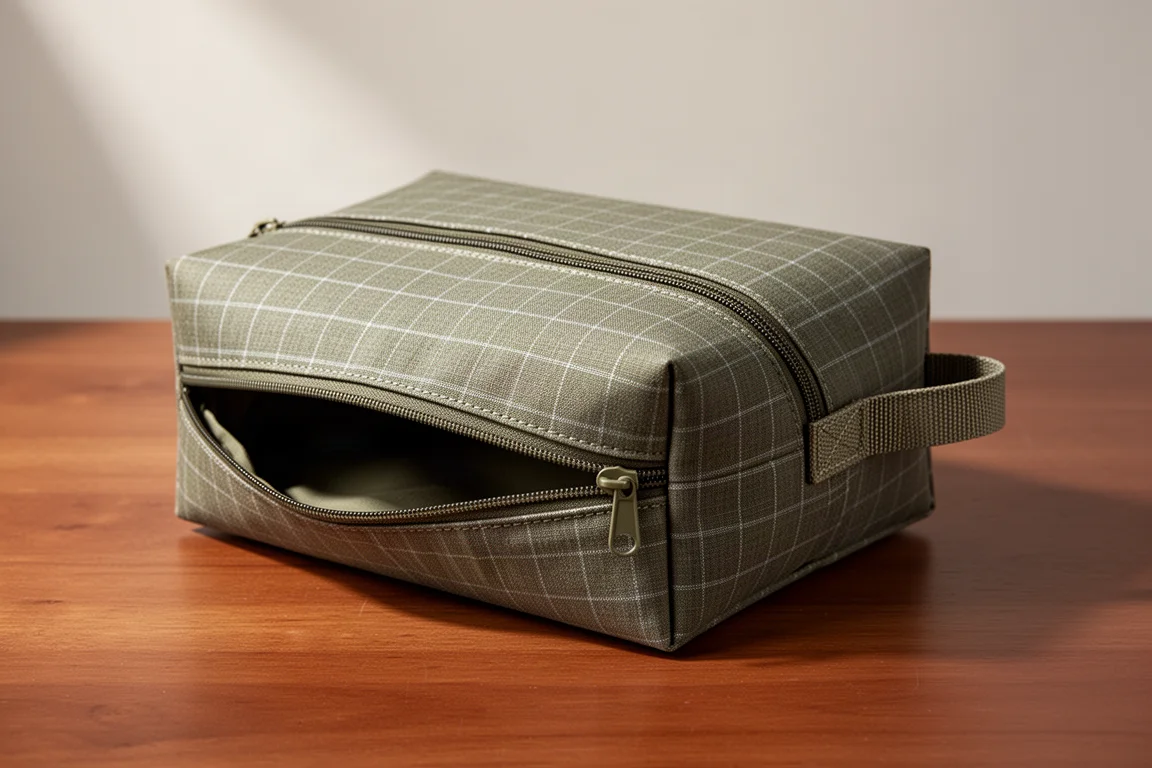
A food bag seems like a small thing until you are digging around inside one at the end of a long day. This box-style bag with a full zipper opening solves that problem. It unzips wide, so everything inside is visible and reachable instead of sunk at the bottom of a deep roll-top sack.
It runs roughly 4.5 to 5 litres, carries a webbing handle and still fits neatly inside a pack. The bag is hand-sewn and sold directly by its maker, with stock generally available, and it also comes in a Silverado Ultra Grid fabric that is strong and light, plus a smaller option of about 3 litres.
Bogler Trowel: A Lightweight Tool for Leave No Trace
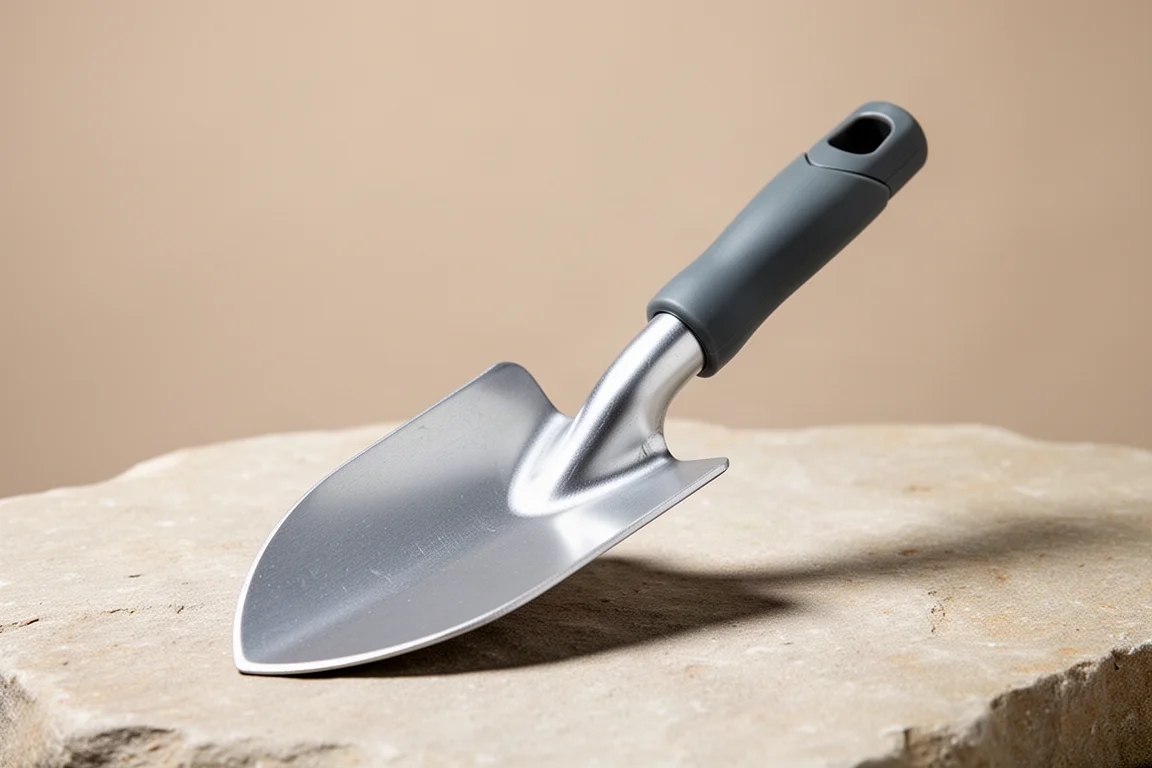
The Bogler Trowel is a small, light digging tool for catholes and for burying waste properly in the backcountry. It cuts into the ground easily, feels comfortable in hand, and avoids the sharp edges that press into your palm on cheaper trowels.
For the weight and the price, it is hard to argue with, and it is the sort of item that quietly makes camp hygiene far easier to manage on every trip.
Toaks 550ml Titanium Pot: The Right Size for One
The Toaks 550ml titanium pot has become a standard for good reason. It holds exactly enough water for a freeze-dried meal, weighs very little and packs down small, which makes it a straightforward choice for solo trips.
Titanium keeps the weight low, and the pot has proven durable across years of regular use with zero issues reported in that time. It is one of those pieces that never needs upgrading.
Fire Maple Petrel G3 Heat Exchanger Pot: Faster Boils and Better Efficiency
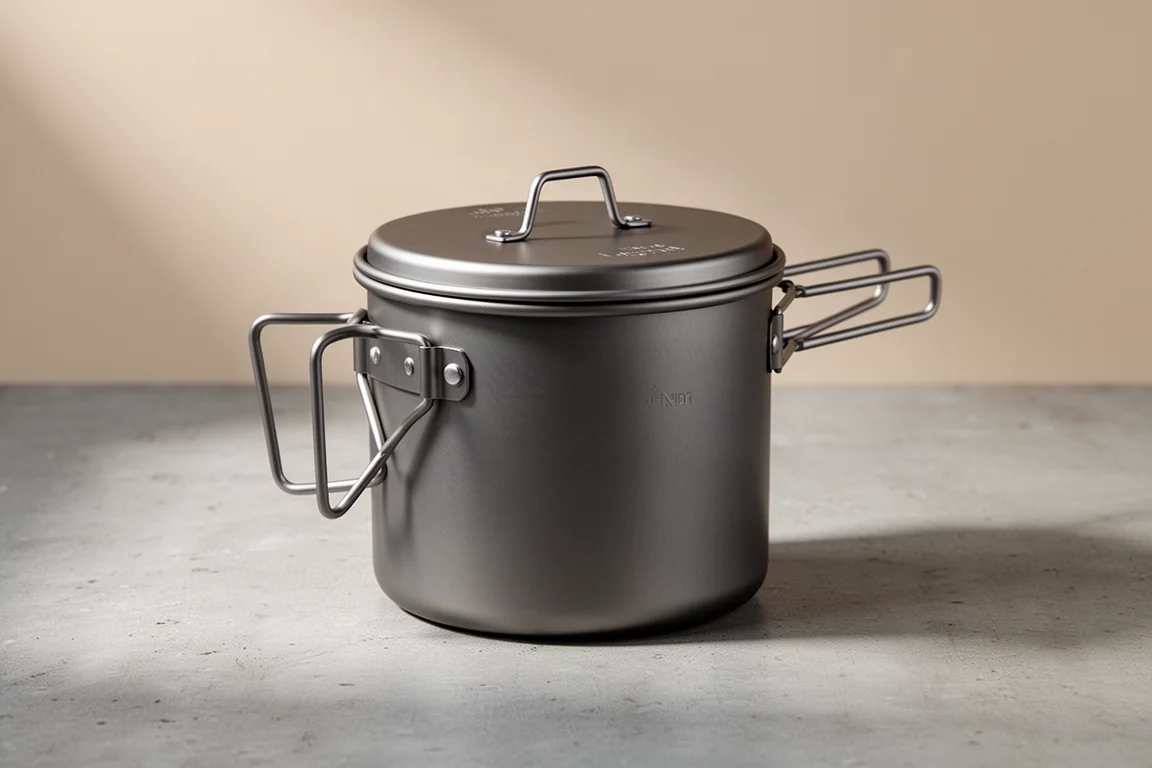
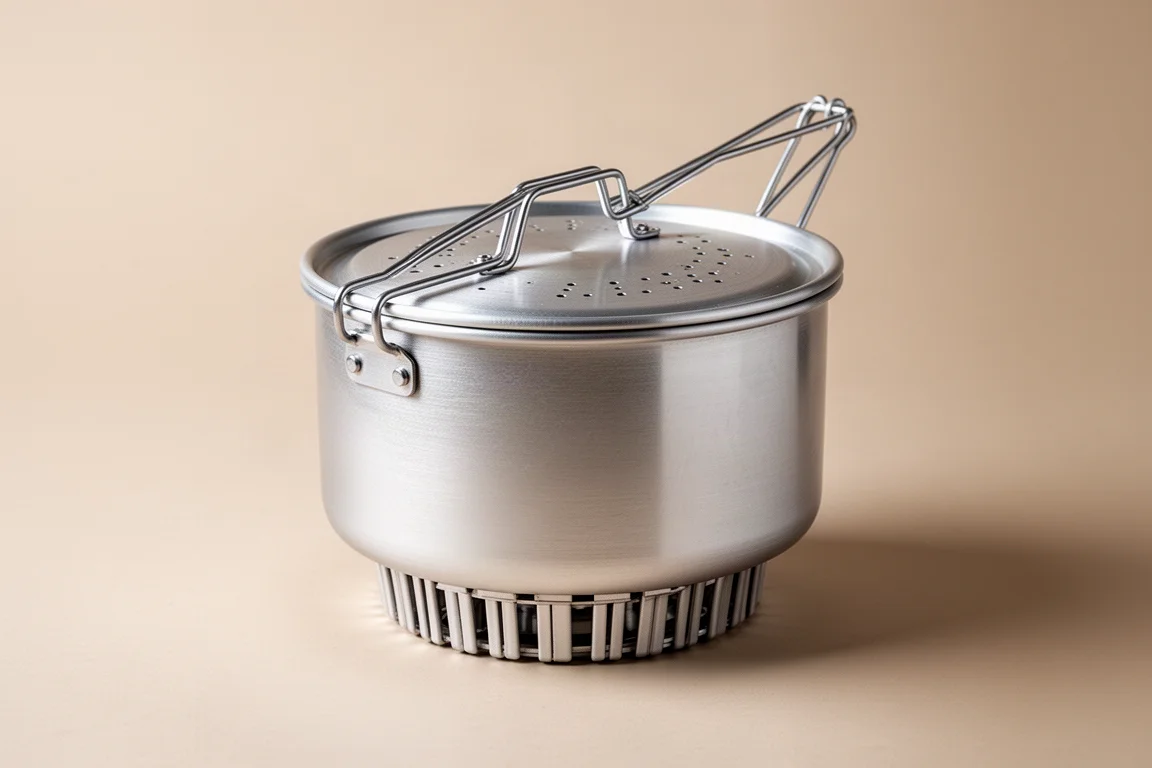
The Fire Maple Petrel G3 adds a heat exchanger to the base of the pot, and the difference shows up in boil times. Water heats noticeably faster than in a plain pot of similar size, and the handle stays easy to grip.
It is aluminium, so it weighs more than a titanium equivalent, but the price is very reasonable for what it delivers. The base has slots that fit three-prong pot supports set at 120 degrees, which pulls the burner closer to the pot for better fuel efficiency and more wind resistance. That pairing works particularly well with the Fire Maple Green Peak stove.
Fire Maple Green Peak Stove: The Other Half of the Cook Kit
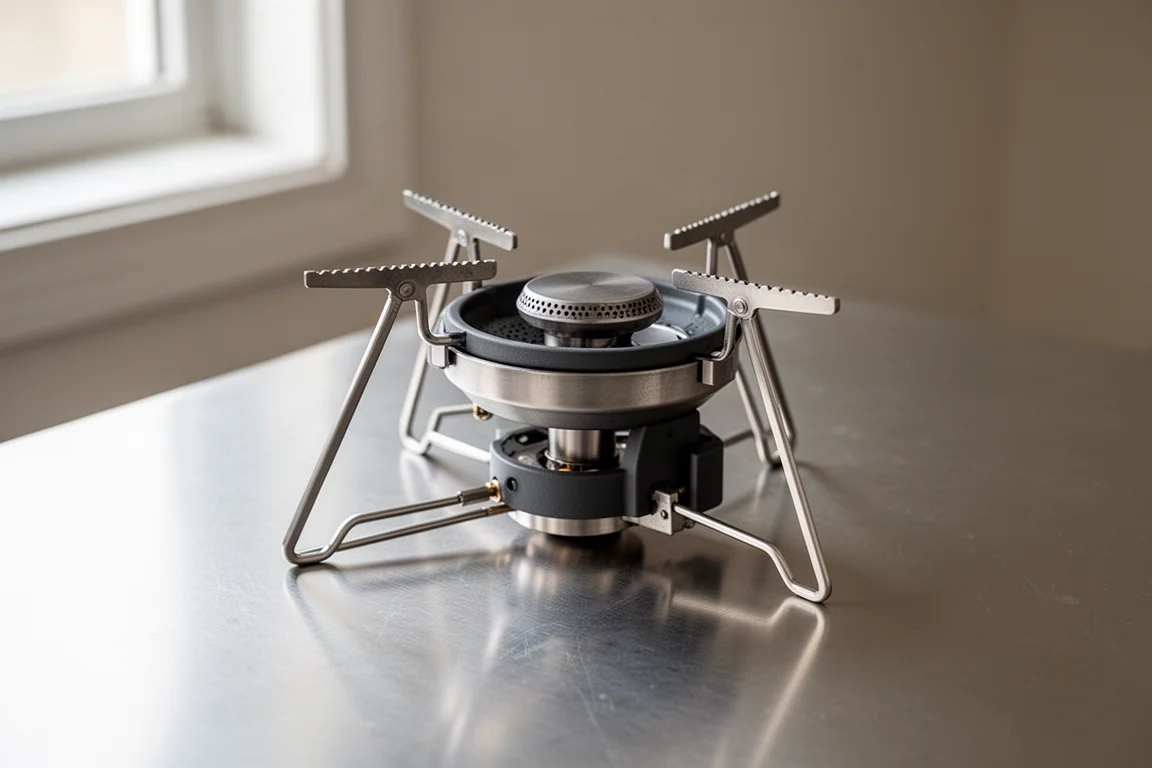
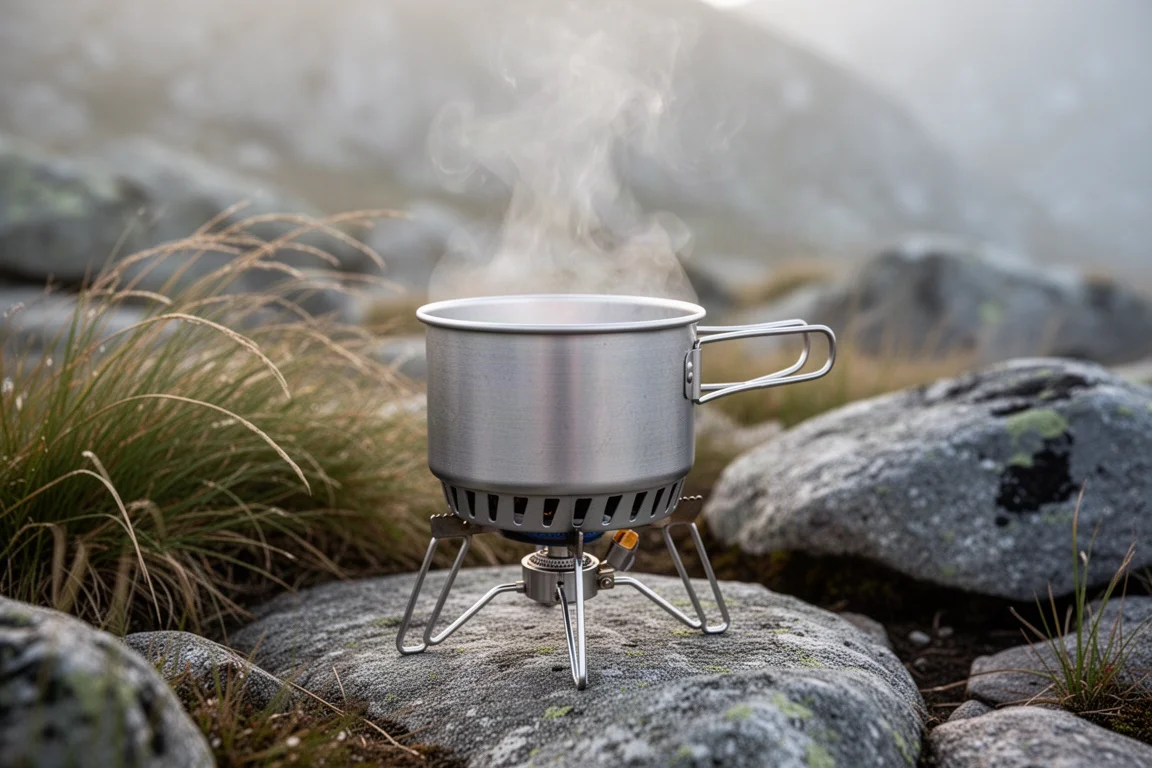
The Green Peak is the stove that completes the pairing. Its three-prong support lines up with the slots under the Petrel G3, so the pot sits more stably than it would on an open burner alone, and the burner sits closer to the base for a more efficient flame.
Bought together, the stove and pot come in under $50, which makes this one of the better value cook setups available for backpacking.
Squawk Squawker Bottle: A Durable Wide-Mouth Alternative
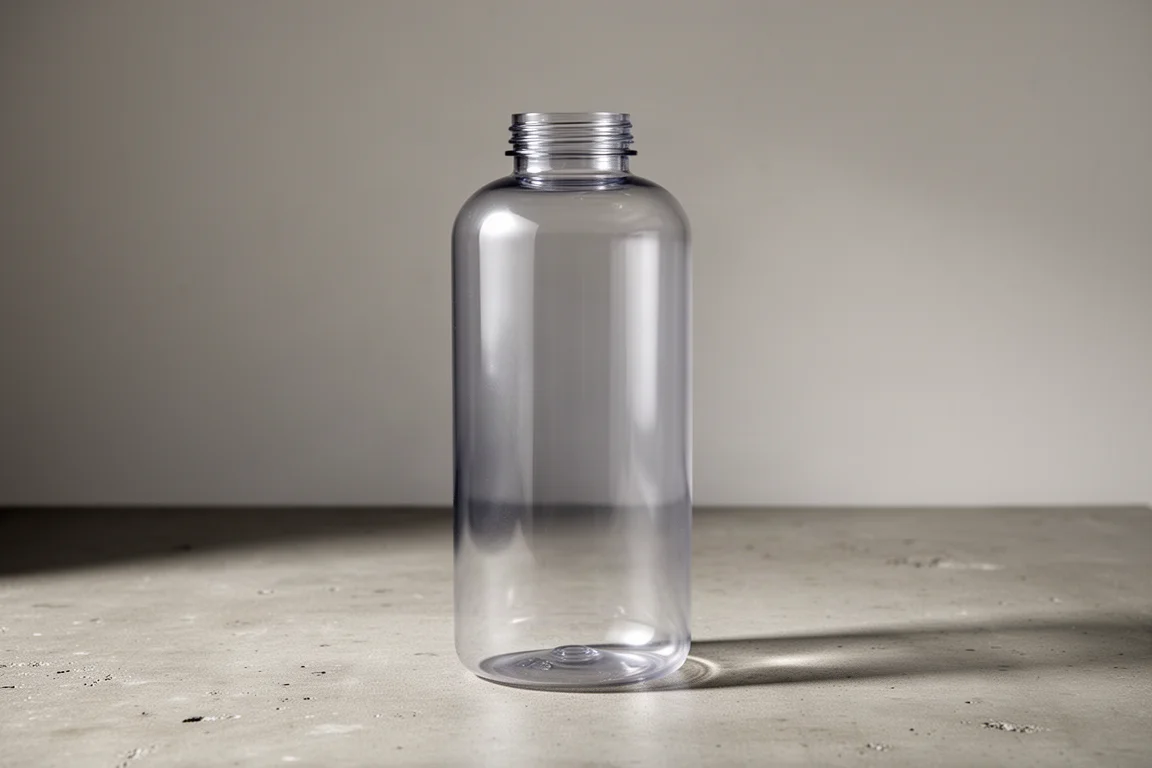
The Squawk Squawker is a 32 oz wide-mouth bottle in tough Tritan plastic, with the same threading as a standard wide-mouth bottle. Its diameter and height match common disposable water bottles, so it drops straight into the same side pockets and holders.
The real differences are durability and heat tolerance. It is heavier than a disposable bottle, but it lasts far longer, and it can take hot water. That makes it genuinely useful in the cold months, where a bottle filled with hot water and tucked into a sleeping bag adds warmth through the night. Hot water in a disposable bottle raises concerns about plastic leaching into the water, and this one avoids that entirely.
Tailwind Nutrition Endurance Fuel: Liquid Calories on the Move
Tailwind Endurance Fuel is essentially drinkable calories. Each packet delivers 200 calories alongside electrolytes, including 630 mg of sodium and 50 g of carbohydrates, so a single bottle covers fuelling and hydration at the same time.
That makes it useful on sustained climbs and long days where stopping to eat solid food is awkward. The calories go down without chewing, and the electrolytes come along with them.
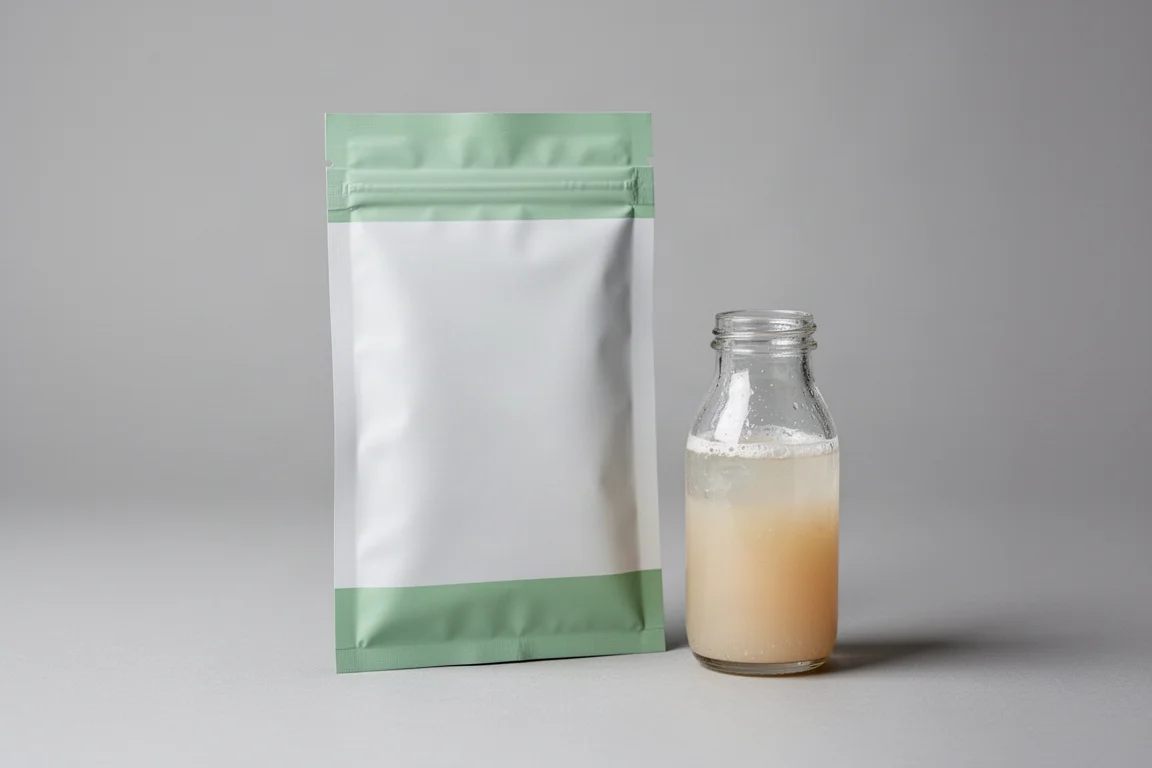
Tailwind Nutrition Rapid Hydration: Subtle Flavour, Steady Hydration
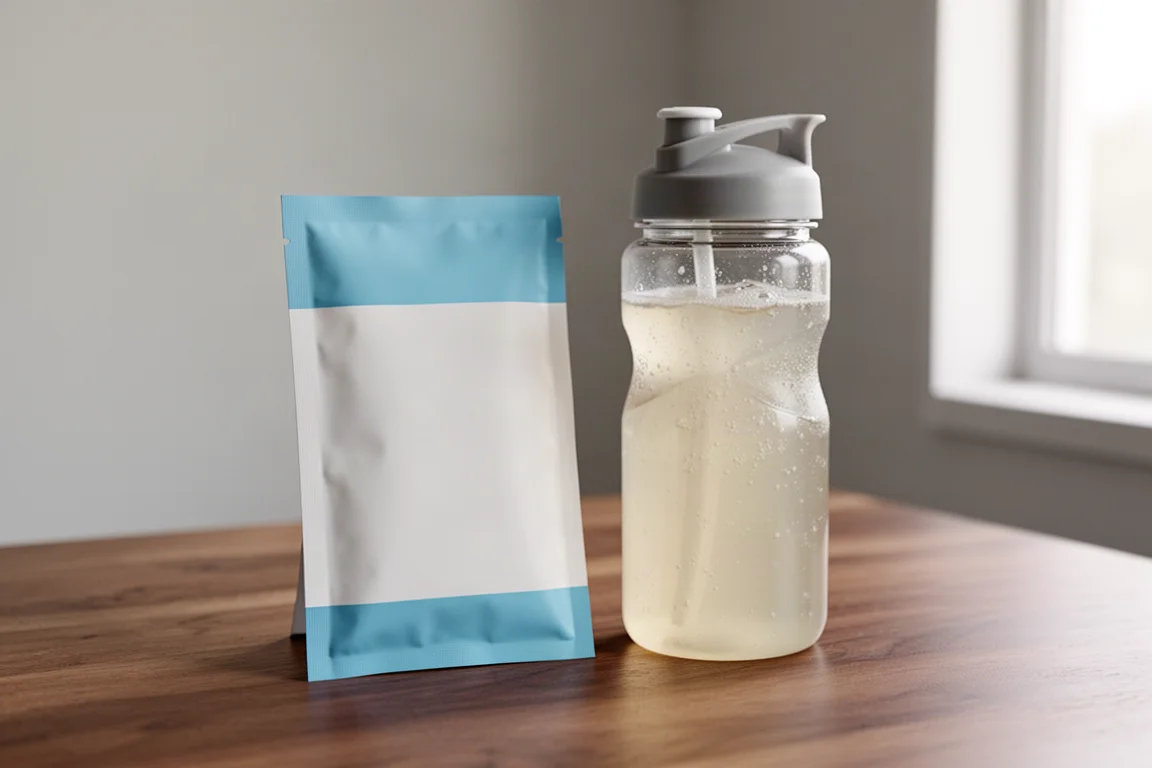
Rapid Hydration is the electrolyte side of the same lineup. The flavour is deliberately subtle rather than overpowering, and the mix includes a small amount of sugar and sodium, which is enough to support hydration without turning the bottle into a sugary drink.
It is an easy one to keep drinking through a long day, which is the whole point of an electrolyte mix.
Buying Advice: Where to Spend and Where to Save
None of these items are expensive, and that is the point. The water bag, filter, food bag and trowel are the pieces worth prioritising first, because they affect hygiene, safety and how smoothly camp runs. The cook setup comes next, and pairing the heat exchanger pot with a matching three-prong stove is the most efficient way to cover both at once. Hydration and nutrition round out a kit and are the easiest parts to restock over time.
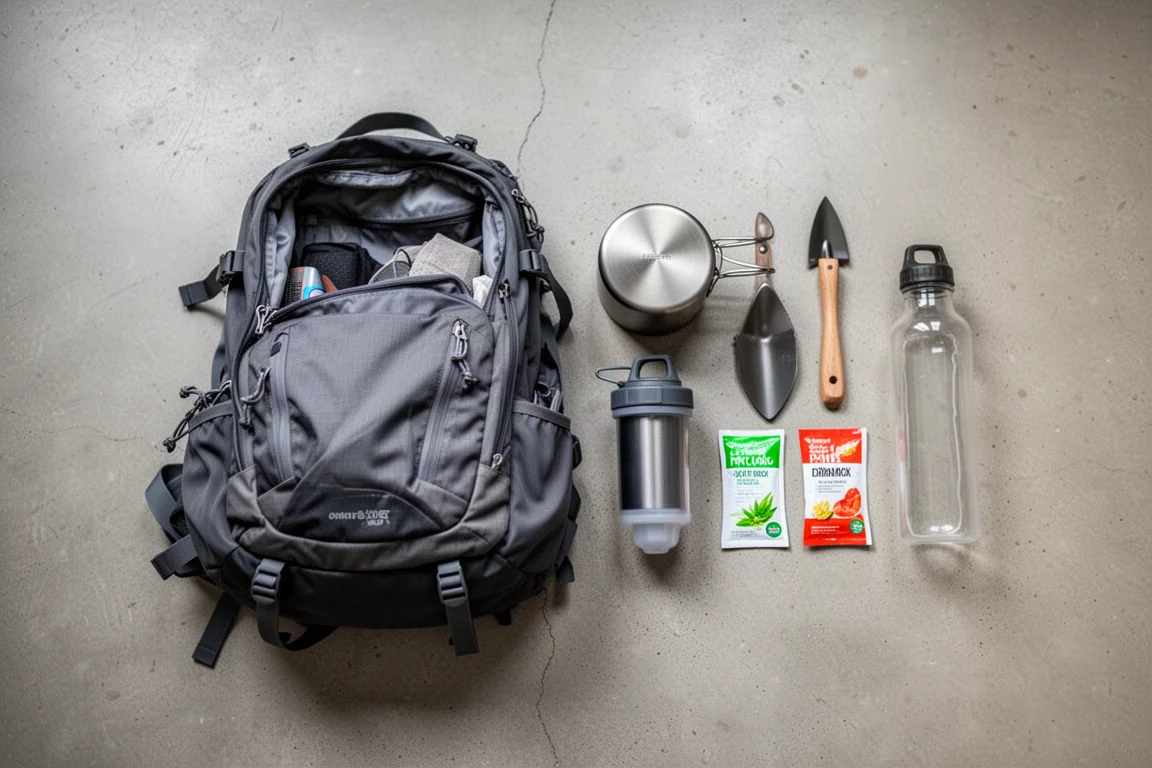
Because most of these pieces sit under $50, it is realistic to build the whole set gradually rather than all at once. Many of them are stocked by Garage Grown Gear, and the box-style food bag is available directly from its maker.
Conclusion
Good backpacking gear does not have to be expensive. The ten items here share the same qualities: they are simple, they last, and each one solves a specific problem on the trail. Start with the water and camp hygiene pieces, add the cook setup when you are ready, and the rest can follow as trips get longer.
Further reading
Related Reviews

Backpacking Gear
Building a 10 lb Base Weight: An Ultralight Backpacking Gear List
A practical walkthrough of the ultralight pieces behind a 10 lb base weight, from a 765 g pack and a roomy one-person tent to a full camp chair and a dependable water filter.

Backpacking Gear
A 15-Pound Lightweight Backpacking Gear List for Solo Trips
A beginner-friendly 15-pound backpacking setup built from easy-to-find gear, with notes on what each piece does, how it packs, and where to spend your attention.

Backpacking Gear
8 Ultralight Backpacking Gear Upgrades Worth Carrying
Eight small, affordable backpacking upgrades that solve real trail annoyances, from a pillow that stays put to a fuel valve that rescues leftover canister gas.